جدیدترین مطالب

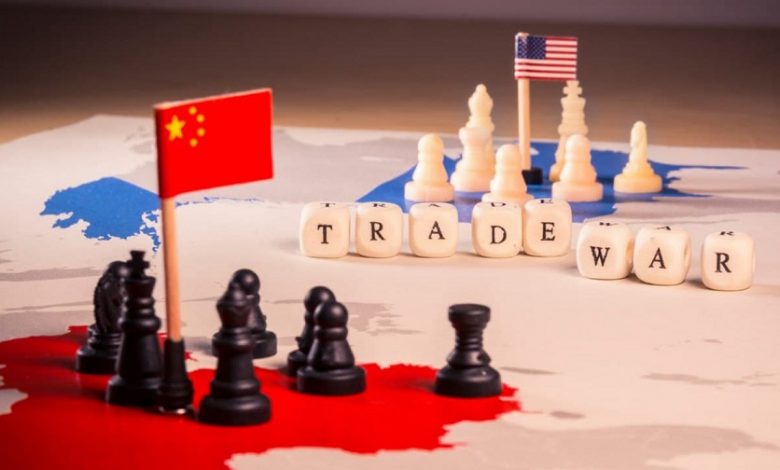
China’s Rejection of US Sanctions; Strengthening Iran’s Geopolitical Leverage

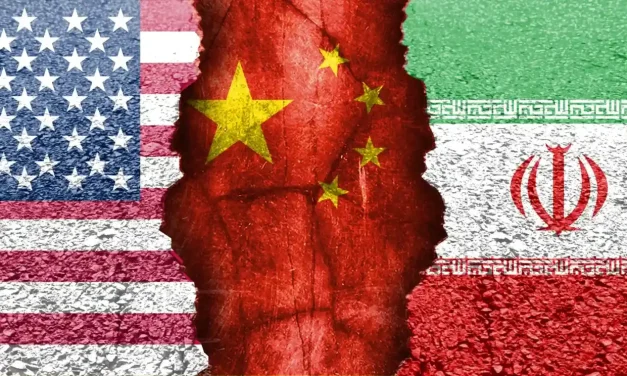
SCFR Online – Opinion: Concurrent with the official commencement of the United States’ economic war against our country, focusing on sanctions instruments, isolation, and economic pressure, what has now become increasingly important is the lack of alignment of other major global powers, especially China, with this policy.
The Makkah Pact; Reasons for its Formation and Challenges Ahead

SCFR Online – Opinion: The Makkah Pact, signed between Saudi Arabia, Pakistan, and Turkey under the motto “an attack on one is an attack on all,” is viewed by some analysts less as a full-fledged military coalition and more as an attempt to reduce security dependence on an external power and to establish a regional security mechanism.

Implications of the US-Saudi Nuclear Agreement

SCFR Online – Opinion: The new US-Saudi nuclear agreement, despite legal and political ambiguities, could alter previous non-proliferation standards in West Asia and intensify nuclear competition, ushering it into a new phase.

An Analysis of Recent Turkey-Israeli Regime Tensions

SCFR Online – Opinion: Recent developments in Syria indicate an intensification of strategic rivalry between Turkey and the Israeli regime, but mutual considerations and the role of the United States have limited the likelihood of direct war.

Loading

Economy

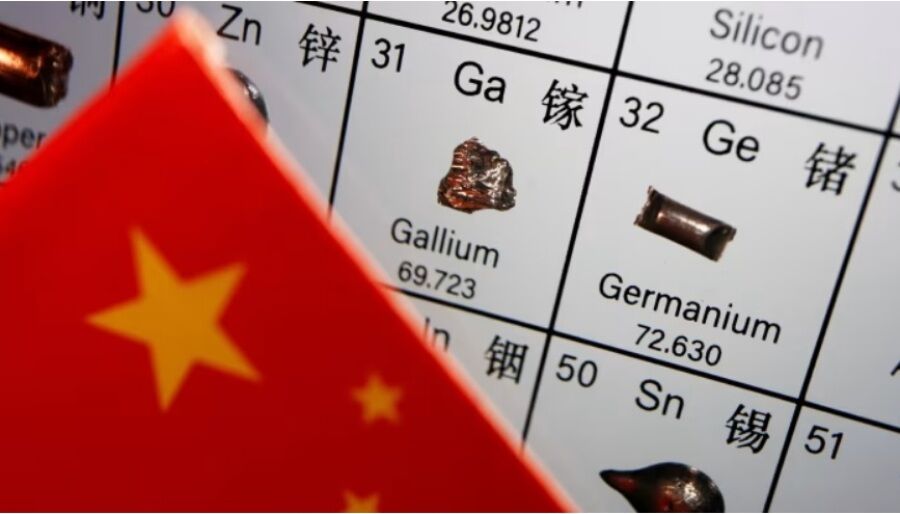
Rare Minerals, China’s Strategic Lever in Competition with the West

Rare Minerals, China’s Strategic Lever in Competition with the West

Strategic Council Online – Interview: An East Asia affairs expert said, “By dominating the extraction and processing chain of rare minerals, Beijing has turned its industrial advantage into a geopolitical tool to redefine the balance of power in the global economy and technology.”

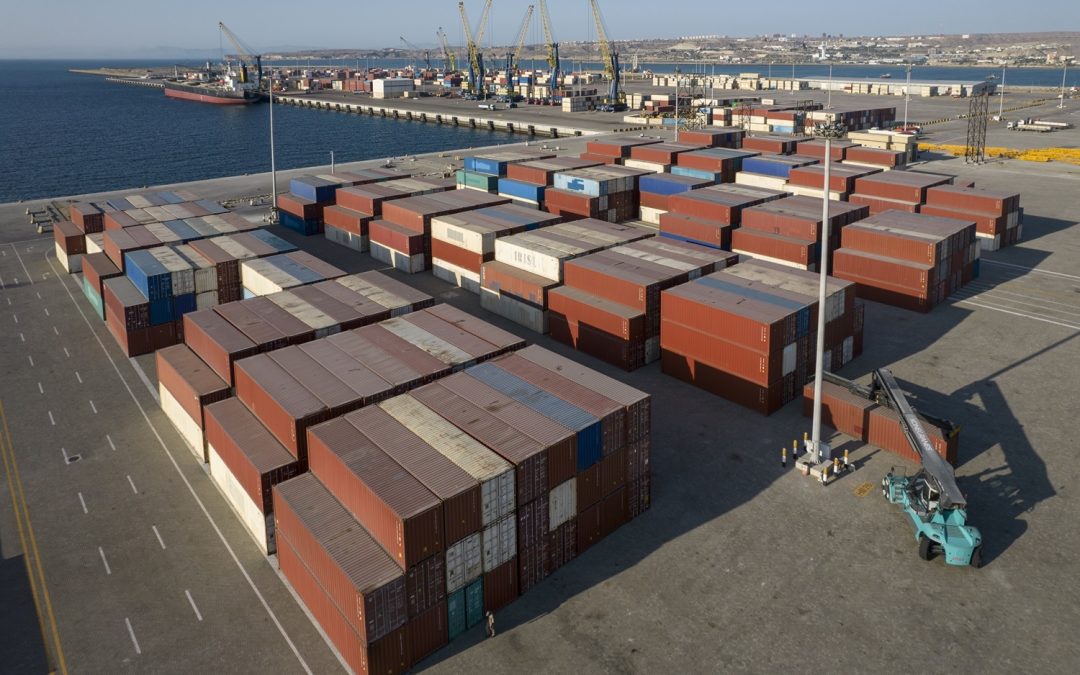
Chabahar: The Confluence Point of Geostrategic Competitions

Chabahar: The Confluence Point of Geostrategic Competitions

Online Strategic Council – Interview: An economic affairs expert said, “Chabahar is Iran’s only port in the Indian Ocean that can create a new geostrategic balance in the region and solidify Iran’s position as a central player in the regional economy.”

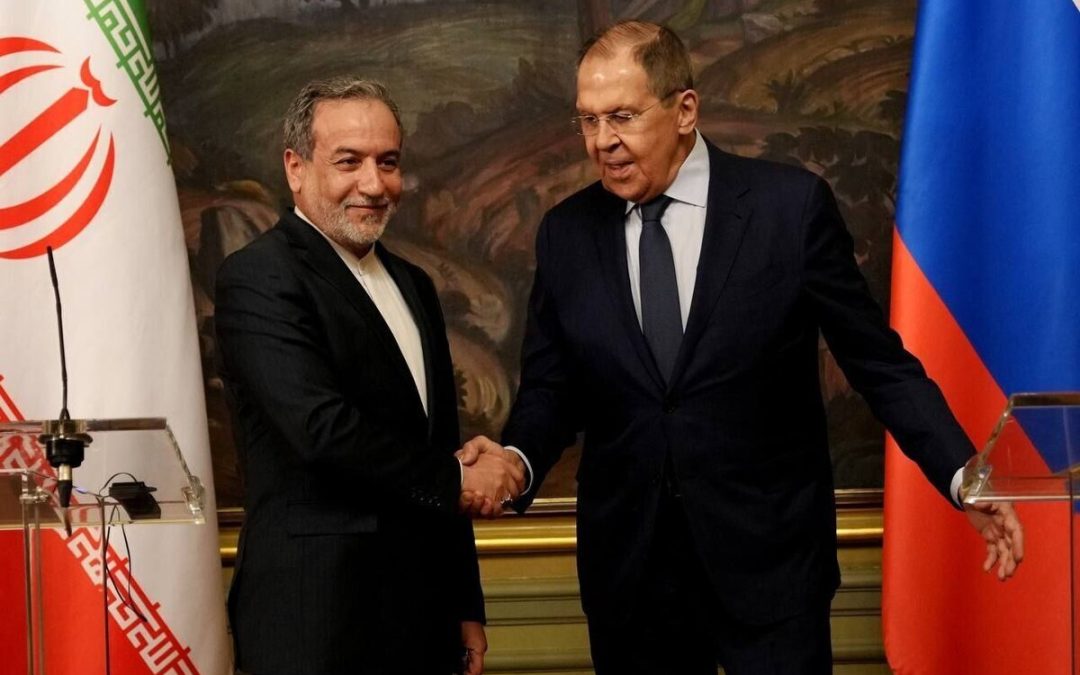
Iran’s Role in the Emerging Eurasian Order

Iran’s Role in the Emerging Eurasian Order

Online Strategic Council – Interview: It is essential that Tehran, Moscow, and Beijing adopt a more coordinated approach in the face of Washington’s strategy to revive its influence in Eurasia.

Iran’s Challenges and Opportunities in a Multipolar World

Iran’s Challenges and Opportunities in a Multipolar World

Online Strategic Council – Interview: A university professor and international affairs analyst stated, “The US-centered world order is transitioning towards a multipolar structure.” This geopolitical transformation brings challenges and opportunities for Iran.

Iran’s Opportunities to Play a Role in the Digital Economy of the Global South

Iran’s Opportunities to Play a Role in the Digital Economy of the Global South

Online Strategic Council – Interview: A researcher in the field of digital economy and artificial intelligence said: In today’s world, artificial intelligence (AI) is considered one of the main pillars of global economic and geopolitical transformations. The increasing competition among major powers, such as the United States and China, along with the European Union’s efforts to become a leading continent in the field of artificial intelligence, underscores the growing importance of this technology in shaping the economic and political destinies of countries. Amidst this, Global South countries, including Iran, can play an effective role in shaping the digital future by utilizing their domestic capacities and international cooperation.

The Impact of the Baghdad-Erbil Agreement on the Balance of Power in Iraq

The Impact of the Baghdad-Erbil Agreement on the Balance of Power in Iraq

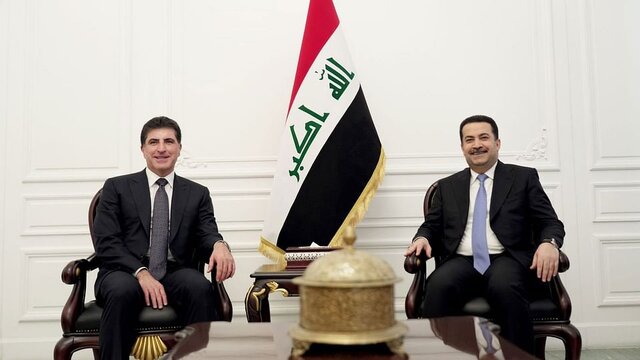
Online Strategic Council – Interview: A West Asia affairs expert stated that oil exports from the Kurdistan Region have resumed after a halt of over two years, following a tripartite agreement between Baghdad, Erbil, and oil companies. These exports had been suspended since March 2023 due to a ruling by the Paris arbitration court against Turkey. The court stated that Ankara had violated the 1973 pipeline agreement with Baghdad by allowing Erbil to export oil independently since 2014. The Iraqi Ministry of Oil announced that oil exports have commenced at full capacity and are continuing without any technical issues. The ministry described the recent move as a significant step toward strengthening the management of national wealth. Officials of the Kurdistan Regional Government (KRG) also described this event as historic and a significant achievement for the whole of Iraq. On the other hand, the Baghdad government announced that the resumption of oil exports from the Kurdistan Region could add between $ 400 million and $ 500 million monthly to the federal budget and play a significant role in boosting national revenues.

The Contradiction Between U.S. Policies and the Inevitability of Investment in Clean Energy

The Contradiction Between U.S. Policies and the Inevitability of Investment in Clean Energy

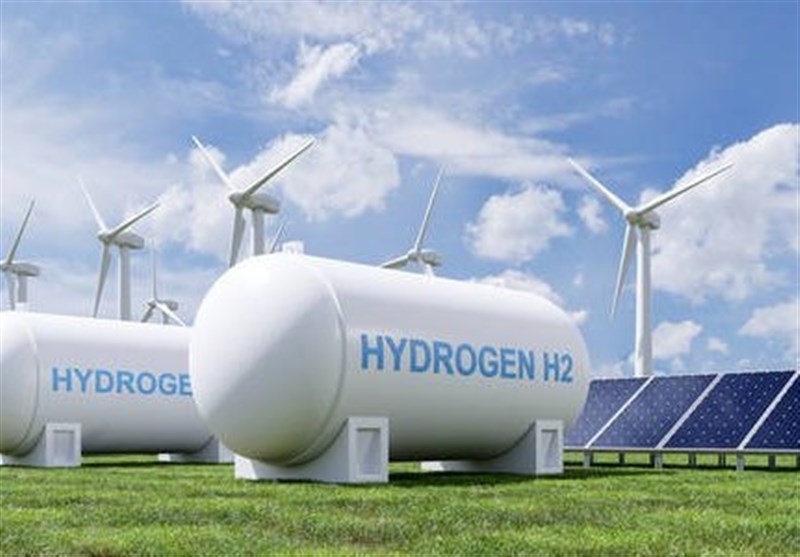
Online Strategic Council – Dialogue: An American affairs expert stated that despite the U.S. withdrawal from global climate commitments, the trend of American companies investing in clean energy has not stopped. Independent analysts believe that this contradiction between the government’s official policy and private sector behavior indicates a complex economic reality: companies know that in the short term, profits might be higher through continued use of fossil fuels and the plundering of natural resources, but in the long term, participation in renewable energy is inevitable.

Inefficiency of the West’s Economic Lever for Ending the Ukraine War

Inefficiency of the West’s Economic Lever for Ending the Ukraine War

Strategic Council Online – Interview: An international economics expert stated that sanctions, as discussed in political and economic literature, are tools used to force countries to change their behavior in foreign or domestic policies. However, the fundamental question is whether these tools consistently achieve the expected results. The European Union, which has intensified its sanctions policy against Russia since 2014, especially after the Ukraine war in 2022, now faces the question of to what extent these sanctions have been able to halt Moscow’s economic machine. Although more than 50 sanction packages have been imposed against Russia since 2014, statistics and analyses show that Russia has been able to overcome the pressures in many cases and even gain more profit in some areas. Experts believe that the lack of unity in European decision-making, the conflict of economic interests among member states, and the historical dependence of some on Russian energy have all combined to cause Europe’s sanctions policy not only to fail to achieve its ultimate goal but, in some cases, to yield opposite results. Meanwhile, the debate over “secondary sanctions” and the change in the European Union’s strategies after the Ukraine war marks a turning point in the future path of Moscow-Brussels relations.

Differences in the Perspectives of Europe and America Regarding the Tariff War against China and India

Differences in the Perspectives of Europe and America Regarding the Tariff War against China and India

Strategic Council Online – Interview: A strategic affairs expert stated that recently, the United States has asked its allies in the G7 and its partners in the European Union to impose a new round of “significant tariffs” on China and India for purchasing Russian oil. Trump’s tariff demands reveal a clear gap in strategy between Washington and Brussels. While the Trump administration prefers to weaken the Kremlin’s economy by imposing tariffs on third countries, Europe seeks official sanctions against Moscow’s trade and financial partners.

أحدث الوظائف

China’s Rejection of US Sanctions; Strengthening Iran’s Geopolitical Leverage

SCFR Online – Opinion: Concurrent with the official commencement of the United States’ economic war against our country, focusing on sanctions instruments, isolation, and economic pressure, what has now become increasingly important is the lack of alignment of other major global powers, especially China, with this policy.
The Makkah Pact; Reasons for its Formation and Challenges Ahead

SCFR Online – Opinion: The Makkah Pact, signed between Saudi Arabia, Pakistan, and Turkey under the motto “an attack on one is an attack on all,” is viewed by some analysts less as a full-fledged military coalition and more as an attempt to reduce security dependence on an external power and to establish a regional security mechanism.

Implications of the US-Saudi Nuclear Agreement

SCFR Online – Opinion: The new US-Saudi nuclear agreement, despite legal and political ambiguities, could alter previous non-proliferation standards in West Asia and intensify nuclear competition, ushering it into a new phase.

An Analysis of Recent Turkey-Israeli Regime Tensions

SCFR Online – Opinion: Recent developments in Syria indicate an intensification of strategic rivalry between Turkey and the Israeli regime, but mutual considerations and the role of the United States have limited the likelihood of direct war.

Loading

Economy

Rare Minerals, China’s Strategic Lever in Competition with the West

Rare Minerals, China’s Strategic Lever in Competition with the West

Strategic Council Online – Interview: An East Asia affairs expert said, “By dominating the extraction and processing chain of rare minerals, Beijing has turned its industrial advantage into a geopolitical tool to redefine the balance of power in the global economy and technology.”

Chabahar: The Confluence Point of Geostrategic Competitions

Chabahar: The Confluence Point of Geostrategic Competitions

Online Strategic Council – Interview: An economic affairs expert said, “Chabahar is Iran’s only port in the Indian Ocean that can create a new geostrategic balance in the region and solidify Iran’s position as a central player in the regional economy.”

Iran’s Role in the Emerging Eurasian Order

Iran’s Role in the Emerging Eurasian Order

Online Strategic Council – Interview: It is essential that Tehran, Moscow, and Beijing adopt a more coordinated approach in the face of Washington’s strategy to revive its influence in Eurasia.

Iran’s Challenges and Opportunities in a Multipolar World

Iran’s Challenges and Opportunities in a Multipolar World

Online Strategic Council – Interview: A university professor and international affairs analyst stated, “The US-centered world order is transitioning towards a multipolar structure.” This geopolitical transformation brings challenges and opportunities for Iran.

Iran’s Opportunities to Play a Role in the Digital Economy of the Global South

Iran’s Opportunities to Play a Role in the Digital Economy of the Global South

Online Strategic Council – Interview: A researcher in the field of digital economy and artificial intelligence said: In today’s world, artificial intelligence (AI) is considered one of the main pillars of global economic and geopolitical transformations. The increasing competition among major powers, such as the United States and China, along with the European Union’s efforts to become a leading continent in the field of artificial intelligence, underscores the growing importance of this technology in shaping the economic and political destinies of countries. Amidst this, Global South countries, including Iran, can play an effective role in shaping the digital future by utilizing their domestic capacities and international cooperation.

The Impact of the Baghdad-Erbil Agreement on the Balance of Power in Iraq

The Impact of the Baghdad-Erbil Agreement on the Balance of Power in Iraq

Online Strategic Council – Interview: A West Asia affairs expert stated that oil exports from the Kurdistan Region have resumed after a halt of over two years, following a tripartite agreement between Baghdad, Erbil, and oil companies. These exports had been suspended since March 2023 due to a ruling by the Paris arbitration court against Turkey. The court stated that Ankara had violated the 1973 pipeline agreement with Baghdad by allowing Erbil to export oil independently since 2014. The Iraqi Ministry of Oil announced that oil exports have commenced at full capacity and are continuing without any technical issues. The ministry described the recent move as a significant step toward strengthening the management of national wealth. Officials of the Kurdistan Regional Government (KRG) also described this event as historic and a significant achievement for the whole of Iraq. On the other hand, the Baghdad government announced that the resumption of oil exports from the Kurdistan Region could add between $ 400 million and $ 500 million monthly to the federal budget and play a significant role in boosting national revenues.

The Contradiction Between U.S. Policies and the Inevitability of Investment in Clean Energy

The Contradiction Between U.S. Policies and the Inevitability of Investment in Clean Energy

Online Strategic Council – Dialogue: An American affairs expert stated that despite the U.S. withdrawal from global climate commitments, the trend of American companies investing in clean energy has not stopped. Independent analysts believe that this contradiction between the government’s official policy and private sector behavior indicates a complex economic reality: companies know that in the short term, profits might be higher through continued use of fossil fuels and the plundering of natural resources, but in the long term, participation in renewable energy is inevitable.

Inefficiency of the West’s Economic Lever for Ending the Ukraine War

Inefficiency of the West’s Economic Lever for Ending the Ukraine War

Strategic Council Online – Interview: An international economics expert stated that sanctions, as discussed in political and economic literature, are tools used to force countries to change their behavior in foreign or domestic policies. However, the fundamental question is whether these tools consistently achieve the expected results. The European Union, which has intensified its sanctions policy against Russia since 2014, especially after the Ukraine war in 2022, now faces the question of to what extent these sanctions have been able to halt Moscow’s economic machine. Although more than 50 sanction packages have been imposed against Russia since 2014, statistics and analyses show that Russia has been able to overcome the pressures in many cases and even gain more profit in some areas. Experts believe that the lack of unity in European decision-making, the conflict of economic interests among member states, and the historical dependence of some on Russian energy have all combined to cause Europe’s sanctions policy not only to fail to achieve its ultimate goal but, in some cases, to yield opposite results. Meanwhile, the debate over “secondary sanctions” and the change in the European Union’s strategies after the Ukraine war marks a turning point in the future path of Moscow-Brussels relations.

Differences in the Perspectives of Europe and America Regarding the Tariff War against China and India

Differences in the Perspectives of Europe and America Regarding the Tariff War against China and India

Strategic Council Online – Interview: A strategic affairs expert stated that recently, the United States has asked its allies in the G7 and its partners in the European Union to impose a new round of “significant tariffs” on China and India for purchasing Russian oil. Trump’s tariff demands reveal a clear gap in strategy between Washington and Brussels. While the Trump administration prefers to weaken the Kremlin’s economy by imposing tariffs on third countries, Europe seeks official sanctions against Moscow’s trade and financial partners.

Economy

Rare Minerals, China’s Strategic Lever in Competition with the West

Rare Minerals, China’s Strategic Lever in Competition with the West

Strategic Council Online – Interview: An East Asia affairs expert said, “By dominating the extraction and processing chain of rare minerals, Beijing has turned its industrial advantage into a geopolitical tool to redefine the balance of power in the global economy and technology.”

Chabahar: The Confluence Point of Geostrategic Competitions

Chabahar: The Confluence Point of Geostrategic Competitions

Online Strategic Council – Interview: An economic affairs expert said, “Chabahar is Iran’s only port in the Indian Ocean that can create a new geostrategic balance in the region and solidify Iran’s position as a central player in the regional economy.”

Iran’s Role in the Emerging Eurasian Order

Iran’s Role in the Emerging Eurasian Order

Online Strategic Council – Interview: It is essential that Tehran, Moscow, and Beijing adopt a more coordinated approach in the face of Washington’s strategy to revive its influence in Eurasia.

Iran’s Challenges and Opportunities in a Multipolar World

Iran’s Challenges and Opportunities in a Multipolar World

Online Strategic Council – Interview: A university professor and international affairs analyst stated, “The US-centered world order is transitioning towards a multipolar structure.” This geopolitical transformation brings challenges and opportunities for Iran.

Iran’s Opportunities to Play a Role in the Digital Economy of the Global South

Iran’s Opportunities to Play a Role in the Digital Economy of the Global South

Online Strategic Council – Interview: A researcher in the field of digital economy and artificial intelligence said: In today’s world, artificial intelligence (AI) is considered one of the main pillars of global economic and geopolitical transformations. The increasing competition among major powers, such as the United States and China, along with the European Union’s efforts to become a leading continent in the field of artificial intelligence, underscores the growing importance of this technology in shaping the economic and political destinies of countries. Amidst this, Global South countries, including Iran, can play an effective role in shaping the digital future by utilizing their domestic capacities and international cooperation.

The Impact of the Baghdad-Erbil Agreement on the Balance of Power in Iraq

The Impact of the Baghdad-Erbil Agreement on the Balance of Power in Iraq

Online Strategic Council – Interview: A West Asia affairs expert stated that oil exports from the Kurdistan Region have resumed after a halt of over two years, following a tripartite agreement between Baghdad, Erbil, and oil companies. These exports had been suspended since March 2023 due to a ruling by the Paris arbitration court against Turkey. The court stated that Ankara had violated the 1973 pipeline agreement with Baghdad by allowing Erbil to export oil independently since 2014. The Iraqi Ministry of Oil announced that oil exports have commenced at full capacity and are continuing without any technical issues. The ministry described the recent move as a significant step toward strengthening the management of national wealth. Officials of the Kurdistan Regional Government (KRG) also described this event as historic and a significant achievement for the whole of Iraq. On the other hand, the Baghdad government announced that the resumption of oil exports from the Kurdistan Region could add between $ 400 million and $ 500 million monthly to the federal budget and play a significant role in boosting national revenues.

The Contradiction Between U.S. Policies and the Inevitability of Investment in Clean Energy

The Contradiction Between U.S. Policies and the Inevitability of Investment in Clean Energy

Online Strategic Council – Dialogue: An American affairs expert stated that despite the U.S. withdrawal from global climate commitments, the trend of American companies investing in clean energy has not stopped. Independent analysts believe that this contradiction between the government’s official policy and private sector behavior indicates a complex economic reality: companies know that in the short term, profits might be higher through continued use of fossil fuels and the plundering of natural resources, but in the long term, participation in renewable energy is inevitable.

Inefficiency of the West’s Economic Lever for Ending the Ukraine War

Inefficiency of the West’s Economic Lever for Ending the Ukraine War

Strategic Council Online – Interview: An international economics expert stated that sanctions, as discussed in political and economic literature, are tools used to force countries to change their behavior in foreign or domestic policies. However, the fundamental question is whether these tools consistently achieve the expected results. The European Union, which has intensified its sanctions policy against Russia since 2014, especially after the Ukraine war in 2022, now faces the question of to what extent these sanctions have been able to halt Moscow’s economic machine. Although more than 50 sanction packages have been imposed against Russia since 2014, statistics and analyses show that Russia has been able to overcome the pressures in many cases and even gain more profit in some areas. Experts believe that the lack of unity in European decision-making, the conflict of economic interests among member states, and the historical dependence of some on Russian energy have all combined to cause Europe’s sanctions policy not only to fail to achieve its ultimate goal but, in some cases, to yield opposite results. Meanwhile, the debate over “secondary sanctions” and the change in the European Union’s strategies after the Ukraine war marks a turning point in the future path of Moscow-Brussels relations.

Differences in the Perspectives of Europe and America Regarding the Tariff War against China and India

Differences in the Perspectives of Europe and America Regarding the Tariff War against China and India

Strategic Council Online – Interview: A strategic affairs expert stated that recently, the United States has asked its allies in the G7 and its partners in the European Union to impose a new round of “significant tariffs” on China and India for purchasing Russian oil. Trump’s tariff demands reveal a clear gap in strategy between Washington and Brussels. While the Trump administration prefers to weaken the Kremlin’s economy by imposing tariffs on third countries, Europe seeks official sanctions against Moscow’s trade and financial partners.

LATEST CONTENT

China’s Rejection of US Sanctions; Strengthening Iran’s Geopolitical Leverage

SCFR Online – Opinion: Concurrent with the official commencement of the United States’ economic war against our country, focusing on sanctions instruments, isolation, and economic pressure, what has now become increasingly important is the lack of alignment of other major global powers, especially China, with this policy.
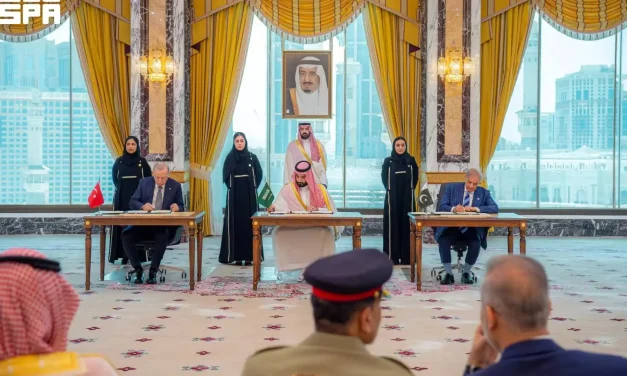
The Makkah Pact; Reasons for its Formation and Challenges Ahead

SCFR Online – Opinion: The Makkah Pact, signed between Saudi Arabia, Pakistan, and Turkey under the motto “an attack on one is an attack on all,” is viewed by some analysts less as a full-fledged military coalition and more as an attempt to reduce security dependence on an external power and to establish a regional security mechanism.

Implications of the US-Saudi Nuclear Agreement

SCFR Online – Opinion: The new US-Saudi nuclear agreement, despite legal and political ambiguities, could alter previous non-proliferation standards in West Asia and intensify nuclear competition, ushering it into a new phase.

An Analysis of Recent Turkey-Israeli Regime Tensions

SCFR Online – Opinion: Recent developments in Syria indicate an intensification of strategic rivalry between Turkey and the Israeli regime, but mutual considerations and the role of the United States have limited the likelihood of direct war.

Loading

Economy

Rare Minerals, China’s Strategic Lever in Competition with the West

Rare Minerals, China’s Strategic Lever in Competition with the West

Strategic Council Online – Interview: An East Asia affairs expert said, “By dominating the extraction and processing chain of rare minerals, Beijing has turned its industrial advantage into a geopolitical tool to redefine the balance of power in the global economy and technology.”

Chabahar: The Confluence Point of Geostrategic Competitions

Chabahar: The Confluence Point of Geostrategic Competitions

Online Strategic Council – Interview: An economic affairs expert said, “Chabahar is Iran’s only port in the Indian Ocean that can create a new geostrategic balance in the region and solidify Iran’s position as a central player in the regional economy.”

Iran’s Role in the Emerging Eurasian Order

Iran’s Role in the Emerging Eurasian Order

Online Strategic Council – Interview: It is essential that Tehran, Moscow, and Beijing adopt a more coordinated approach in the face of Washington’s strategy to revive its influence in Eurasia.

Iran’s Challenges and Opportunities in a Multipolar World

Iran’s Challenges and Opportunities in a Multipolar World

Online Strategic Council – Interview: A university professor and international affairs analyst stated, “The US-centered world order is transitioning towards a multipolar structure.” This geopolitical transformation brings challenges and opportunities for Iran.

Iran’s Opportunities to Play a Role in the Digital Economy of the Global South

Iran’s Opportunities to Play a Role in the Digital Economy of the Global South

Online Strategic Council – Interview: A researcher in the field of digital economy and artificial intelligence said: In today’s world, artificial intelligence (AI) is considered one of the main pillars of global economic and geopolitical transformations. The increasing competition among major powers, such as the United States and China, along with the European Union’s efforts to become a leading continent in the field of artificial intelligence, underscores the growing importance of this technology in shaping the economic and political destinies of countries. Amidst this, Global South countries, including Iran, can play an effective role in shaping the digital future by utilizing their domestic capacities and international cooperation.

The Impact of the Baghdad-Erbil Agreement on the Balance of Power in Iraq

The Impact of the Baghdad-Erbil Agreement on the Balance of Power in Iraq

Online Strategic Council – Interview: A West Asia affairs expert stated that oil exports from the Kurdistan Region have resumed after a halt of over two years, following a tripartite agreement between Baghdad, Erbil, and oil companies. These exports had been suspended since March 2023 due to a ruling by the Paris arbitration court against Turkey. The court stated that Ankara had violated the 1973 pipeline agreement with Baghdad by allowing Erbil to export oil independently since 2014. The Iraqi Ministry of Oil announced that oil exports have commenced at full capacity and are continuing without any technical issues. The ministry described the recent move as a significant step toward strengthening the management of national wealth. Officials of the Kurdistan Regional Government (KRG) also described this event as historic and a significant achievement for the whole of Iraq. On the other hand, the Baghdad government announced that the resumption of oil exports from the Kurdistan Region could add between $ 400 million and $ 500 million monthly to the federal budget and play a significant role in boosting national revenues.

The Contradiction Between U.S. Policies and the Inevitability of Investment in Clean Energy

The Contradiction Between U.S. Policies and the Inevitability of Investment in Clean Energy

Online Strategic Council – Dialogue: An American affairs expert stated that despite the U.S. withdrawal from global climate commitments, the trend of American companies investing in clean energy has not stopped. Independent analysts believe that this contradiction between the government’s official policy and private sector behavior indicates a complex economic reality: companies know that in the short term, profits might be higher through continued use of fossil fuels and the plundering of natural resources, but in the long term, participation in renewable energy is inevitable.

Inefficiency of the West’s Economic Lever for Ending the Ukraine War

Inefficiency of the West’s Economic Lever for Ending the Ukraine War

Strategic Council Online – Interview: An international economics expert stated that sanctions, as discussed in political and economic literature, are tools used to force countries to change their behavior in foreign or domestic policies. However, the fundamental question is whether these tools consistently achieve the expected results. The European Union, which has intensified its sanctions policy against Russia since 2014, especially after the Ukraine war in 2022, now faces the question of to what extent these sanctions have been able to halt Moscow’s economic machine. Although more than 50 sanction packages have been imposed against Russia since 2014, statistics and analyses show that Russia has been able to overcome the pressures in many cases and even gain more profit in some areas. Experts believe that the lack of unity in European decision-making, the conflict of economic interests among member states, and the historical dependence of some on Russian energy have all combined to cause Europe’s sanctions policy not only to fail to achieve its ultimate goal but, in some cases, to yield opposite results. Meanwhile, the debate over “secondary sanctions” and the change in the European Union’s strategies after the Ukraine war marks a turning point in the future path of Moscow-Brussels relations.

Differences in the Perspectives of Europe and America Regarding the Tariff War against China and India

Differences in the Perspectives of Europe and America Regarding the Tariff War against China and India

Strategic Council Online – Interview: A strategic affairs expert stated that recently, the United States has asked its allies in the G7 and its partners in the European Union to impose a new round of “significant tariffs” on China and India for purchasing Russian oil. Trump’s tariff demands reveal a clear gap in strategy between Washington and Brussels. While the Trump administration prefers to weaken the Kremlin’s economy by imposing tariffs on third countries, Europe seeks official sanctions against Moscow’s trade and financial partners.

ÚLTIMAS PUBLICACIONES

China’s Rejection of US Sanctions; Strengthening Iran’s Geopolitical Leverage

SCFR Online – Opinion: Concurrent with the official commencement of the United States’ economic war against our country, focusing on sanctions instruments, isolation, and economic pressure, what has now become increasingly important is the lack of alignment of other major global powers, especially China, with this policy.
The Makkah Pact; Reasons for its Formation and Challenges Ahead

SCFR Online – Opinion: The Makkah Pact, signed between Saudi Arabia, Pakistan, and Turkey under the motto “an attack on one is an attack on all,” is viewed by some analysts less as a full-fledged military coalition and more as an attempt to reduce security dependence on an external power and to establish a regional security mechanism.

Implications of the US-Saudi Nuclear Agreement

SCFR Online – Opinion: The new US-Saudi nuclear agreement, despite legal and political ambiguities, could alter previous non-proliferation standards in West Asia and intensify nuclear competition, ushering it into a new phase.

An Analysis of Recent Turkey-Israeli Regime Tensions

SCFR Online – Opinion: Recent developments in Syria indicate an intensification of strategic rivalry between Turkey and the Israeli regime, but mutual considerations and the role of the United States have limited the likelihood of direct war.

Loading

Economy

Rare Minerals, China’s Strategic Lever in Competition with the West

Rare Minerals, China’s Strategic Lever in Competition with the West

Strategic Council Online – Interview: An East Asia affairs expert said, “By dominating the extraction and processing chain of rare minerals, Beijing has turned its industrial advantage into a geopolitical tool to redefine the balance of power in the global economy and technology.”

Chabahar: The Confluence Point of Geostrategic Competitions

Chabahar: The Confluence Point of Geostrategic Competitions

Online Strategic Council – Interview: An economic affairs expert said, “Chabahar is Iran’s only port in the Indian Ocean that can create a new geostrategic balance in the region and solidify Iran’s position as a central player in the regional economy.”

Iran’s Role in the Emerging Eurasian Order

Iran’s Role in the Emerging Eurasian Order

Online Strategic Council – Interview: It is essential that Tehran, Moscow, and Beijing adopt a more coordinated approach in the face of Washington’s strategy to revive its influence in Eurasia.

Iran’s Challenges and Opportunities in a Multipolar World

Iran’s Challenges and Opportunities in a Multipolar World

Online Strategic Council – Interview: A university professor and international affairs analyst stated, “The US-centered world order is transitioning towards a multipolar structure.” This geopolitical transformation brings challenges and opportunities for Iran.

Iran’s Opportunities to Play a Role in the Digital Economy of the Global South

Iran’s Opportunities to Play a Role in the Digital Economy of the Global South

Online Strategic Council – Interview: A researcher in the field of digital economy and artificial intelligence said: In today’s world, artificial intelligence (AI) is considered one of the main pillars of global economic and geopolitical transformations. The increasing competition among major powers, such as the United States and China, along with the European Union’s efforts to become a leading continent in the field of artificial intelligence, underscores the growing importance of this technology in shaping the economic and political destinies of countries. Amidst this, Global South countries, including Iran, can play an effective role in shaping the digital future by utilizing their domestic capacities and international cooperation.

The Impact of the Baghdad-Erbil Agreement on the Balance of Power in Iraq

The Impact of the Baghdad-Erbil Agreement on the Balance of Power in Iraq

Online Strategic Council – Interview: A West Asia affairs expert stated that oil exports from the Kurdistan Region have resumed after a halt of over two years, following a tripartite agreement between Baghdad, Erbil, and oil companies. These exports had been suspended since March 2023 due to a ruling by the Paris arbitration court against Turkey. The court stated that Ankara had violated the 1973 pipeline agreement with Baghdad by allowing Erbil to export oil independently since 2014. The Iraqi Ministry of Oil announced that oil exports have commenced at full capacity and are continuing without any technical issues. The ministry described the recent move as a significant step toward strengthening the management of national wealth. Officials of the Kurdistan Regional Government (KRG) also described this event as historic and a significant achievement for the whole of Iraq. On the other hand, the Baghdad government announced that the resumption of oil exports from the Kurdistan Region could add between $ 400 million and $ 500 million monthly to the federal budget and play a significant role in boosting national revenues.

The Contradiction Between U.S. Policies and the Inevitability of Investment in Clean Energy

The Contradiction Between U.S. Policies and the Inevitability of Investment in Clean Energy

Online Strategic Council – Dialogue: An American affairs expert stated that despite the U.S. withdrawal from global climate commitments, the trend of American companies investing in clean energy has not stopped. Independent analysts believe that this contradiction between the government’s official policy and private sector behavior indicates a complex economic reality: companies know that in the short term, profits might be higher through continued use of fossil fuels and the plundering of natural resources, but in the long term, participation in renewable energy is inevitable.

Inefficiency of the West’s Economic Lever for Ending the Ukraine War

Inefficiency of the West’s Economic Lever for Ending the Ukraine War

Strategic Council Online – Interview: An international economics expert stated that sanctions, as discussed in political and economic literature, are tools used to force countries to change their behavior in foreign or domestic policies. However, the fundamental question is whether these tools consistently achieve the expected results. The European Union, which has intensified its sanctions policy against Russia since 2014, especially after the Ukraine war in 2022, now faces the question of to what extent these sanctions have been able to halt Moscow’s economic machine. Although more than 50 sanction packages have been imposed against Russia since 2014, statistics and analyses show that Russia has been able to overcome the pressures in many cases and even gain more profit in some areas. Experts believe that the lack of unity in European decision-making, the conflict of economic interests among member states, and the historical dependence of some on Russian energy have all combined to cause Europe’s sanctions policy not only to fail to achieve its ultimate goal but, in some cases, to yield opposite results. Meanwhile, the debate over “secondary sanctions” and the change in the European Union’s strategies after the Ukraine war marks a turning point in the future path of Moscow-Brussels relations.

Differences in the Perspectives of Europe and America Regarding the Tariff War against China and India

Differences in the Perspectives of Europe and America Regarding the Tariff War against China and India

Strategic Council Online – Interview: A strategic affairs expert stated that recently, the United States has asked its allies in the G7 and its partners in the European Union to impose a new round of “significant tariffs” on China and India for purchasing Russian oil. Trump’s tariff demands reveal a clear gap in strategy between Washington and Brussels. While the Trump administration prefers to weaken the Kremlin’s economy by imposing tariffs on third countries, Europe seeks official sanctions against Moscow’s trade and financial partners.

ÚLTIMAS PUBLICACIONES

China’s Rejection of US Sanctions; Strengthening Iran’s Geopolitical Leverage

SCFR Online – Opinion: Concurrent with the official commencement of the United States’ economic war against our country, focusing on sanctions instruments, isolation, and economic pressure, what has now become increasingly important is the lack of alignment of other major global powers, especially China, with this policy.
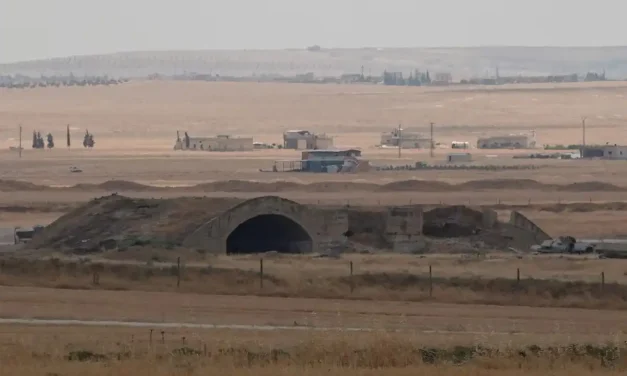
The Makkah Pact; Reasons for its Formation and Challenges Ahead

SCFR Online – Opinion: The Makkah Pact, signed between Saudi Arabia, Pakistan, and Turkey under the motto “an attack on one is an attack on all,” is viewed by some analysts less as a full-fledged military coalition and more as an attempt to reduce security dependence on an external power and to establish a regional security mechanism.

Implications of the US-Saudi Nuclear Agreement

SCFR Online – Opinion: The new US-Saudi nuclear agreement, despite legal and political ambiguities, could alter previous non-proliferation standards in West Asia and intensify nuclear competition, ushering it into a new phase.

An Analysis of Recent Turkey-Israeli Regime Tensions

SCFR Online – Opinion: Recent developments in Syria indicate an intensification of strategic rivalry between Turkey and the Israeli regime, but mutual considerations and the role of the United States have limited the likelihood of direct war.

Loading

Economy

Rare Minerals, China’s Strategic Lever in Competition with the West

Rare Minerals, China’s Strategic Lever in Competition with the West

Strategic Council Online – Interview: An East Asia affairs expert said, “By dominating the extraction and processing chain of rare minerals, Beijing has turned its industrial advantage into a geopolitical tool to redefine the balance of power in the global economy and technology.”

Chabahar: The Confluence Point of Geostrategic Competitions

Chabahar: The Confluence Point of Geostrategic Competitions

Online Strategic Council – Interview: An economic affairs expert said, “Chabahar is Iran’s only port in the Indian Ocean that can create a new geostrategic balance in the region and solidify Iran’s position as a central player in the regional economy.”

Iran’s Role in the Emerging Eurasian Order

Iran’s Role in the Emerging Eurasian Order

Online Strategic Council – Interview: It is essential that Tehran, Moscow, and Beijing adopt a more coordinated approach in the face of Washington’s strategy to revive its influence in Eurasia.

Iran’s Challenges and Opportunities in a Multipolar World

Iran’s Challenges and Opportunities in a Multipolar World

Online Strategic Council – Interview: A university professor and international affairs analyst stated, “The US-centered world order is transitioning towards a multipolar structure.” This geopolitical transformation brings challenges and opportunities for Iran.

Iran’s Opportunities to Play a Role in the Digital Economy of the Global South

Iran’s Opportunities to Play a Role in the Digital Economy of the Global South

Online Strategic Council – Interview: A researcher in the field of digital economy and artificial intelligence said: In today’s world, artificial intelligence (AI) is considered one of the main pillars of global economic and geopolitical transformations. The increasing competition among major powers, such as the United States and China, along with the European Union’s efforts to become a leading continent in the field of artificial intelligence, underscores the growing importance of this technology in shaping the economic and political destinies of countries. Amidst this, Global South countries, including Iran, can play an effective role in shaping the digital future by utilizing their domestic capacities and international cooperation.

The Impact of the Baghdad-Erbil Agreement on the Balance of Power in Iraq

The Impact of the Baghdad-Erbil Agreement on the Balance of Power in Iraq

Online Strategic Council – Interview: A West Asia affairs expert stated that oil exports from the Kurdistan Region have resumed after a halt of over two years, following a tripartite agreement between Baghdad, Erbil, and oil companies. These exports had been suspended since March 2023 due to a ruling by the Paris arbitration court against Turkey. The court stated that Ankara had violated the 1973 pipeline agreement with Baghdad by allowing Erbil to export oil independently since 2014. The Iraqi Ministry of Oil announced that oil exports have commenced at full capacity and are continuing without any technical issues. The ministry described the recent move as a significant step toward strengthening the management of national wealth. Officials of the Kurdistan Regional Government (KRG) also described this event as historic and a significant achievement for the whole of Iraq. On the other hand, the Baghdad government announced that the resumption of oil exports from the Kurdistan Region could add between $ 400 million and $ 500 million monthly to the federal budget and play a significant role in boosting national revenues.

The Contradiction Between U.S. Policies and the Inevitability of Investment in Clean Energy

The Contradiction Between U.S. Policies and the Inevitability of Investment in Clean Energy

Online Strategic Council – Dialogue: An American affairs expert stated that despite the U.S. withdrawal from global climate commitments, the trend of American companies investing in clean energy has not stopped. Independent analysts believe that this contradiction between the government’s official policy and private sector behavior indicates a complex economic reality: companies know that in the short term, profits might be higher through continued use of fossil fuels and the plundering of natural resources, but in the long term, participation in renewable energy is inevitable.

Inefficiency of the West’s Economic Lever for Ending the Ukraine War

Inefficiency of the West’s Economic Lever for Ending the Ukraine War

Strategic Council Online – Interview: An international economics expert stated that sanctions, as discussed in political and economic literature, are tools used to force countries to change their behavior in foreign or domestic policies. However, the fundamental question is whether these tools consistently achieve the expected results. The European Union, which has intensified its sanctions policy against Russia since 2014, especially after the Ukraine war in 2022, now faces the question of to what extent these sanctions have been able to halt Moscow’s economic machine. Although more than 50 sanction packages have been imposed against Russia since 2014, statistics and analyses show that Russia has been able to overcome the pressures in many cases and even gain more profit in some areas. Experts believe that the lack of unity in European decision-making, the conflict of economic interests among member states, and the historical dependence of some on Russian energy have all combined to cause Europe’s sanctions policy not only to fail to achieve its ultimate goal but, in some cases, to yield opposite results. Meanwhile, the debate over “secondary sanctions” and the change in the European Union’s strategies after the Ukraine war marks a turning point in the future path of Moscow-Brussels relations.

Differences in the Perspectives of Europe and America Regarding the Tariff War against China and India

Differences in the Perspectives of Europe and America Regarding the Tariff War against China and India

Strategic Council Online – Interview: A strategic affairs expert stated that recently, the United States has asked its allies in the G7 and its partners in the European Union to impose a new round of “significant tariffs” on China and India for purchasing Russian oil. Trump’s tariff demands reveal a clear gap in strategy between Washington and Brussels. While the Trump administration prefers to weaken the Kremlin’s economy by imposing tariffs on third countries, Europe seeks official sanctions against Moscow’s trade and financial partners.

ÚLTIMAS PUBLICACIONES

China’s Rejection of US Sanctions; Strengthening Iran’s Geopolitical Leverage

SCFR Online – Opinion: Concurrent with the official commencement of the United States’ economic war against our country, focusing on sanctions instruments, isolation, and economic pressure, what has now become increasingly important is the lack of alignment of other major global powers, especially China, with this policy.
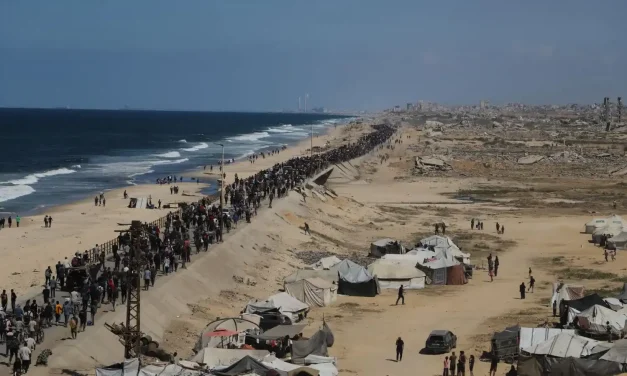
The Makkah Pact; Reasons for its Formation and Challenges Ahead

SCFR Online – Opinion: The Makkah Pact, signed between Saudi Arabia, Pakistan, and Turkey under the motto “an attack on one is an attack on all,” is viewed by some analysts less as a full-fledged military coalition and more as an attempt to reduce security dependence on an external power and to establish a regional security mechanism.

Implications of the US-Saudi Nuclear Agreement

SCFR Online – Opinion: The new US-Saudi nuclear agreement, despite legal and political ambiguities, could alter previous non-proliferation standards in West Asia and intensify nuclear competition, ushering it into a new phase.

An Analysis of Recent Turkey-Israeli Regime Tensions

SCFR Online – Opinion: Recent developments in Syria indicate an intensification of strategic rivalry between Turkey and the Israeli regime, but mutual considerations and the role of the United States have limited the likelihood of direct war.

Loading

Economy

Rare Minerals, China’s Strategic Lever in Competition with the West

Rare Minerals, China’s Strategic Lever in Competition with the West

Strategic Council Online – Interview: An East Asia affairs expert said, “By dominating the extraction and processing chain of rare minerals, Beijing has turned its industrial advantage into a geopolitical tool to redefine the balance of power in the global economy and technology.”

Chabahar: The Confluence Point of Geostrategic Competitions

Chabahar: The Confluence Point of Geostrategic Competitions

Online Strategic Council – Interview: An economic affairs expert said, “Chabahar is Iran’s only port in the Indian Ocean that can create a new geostrategic balance in the region and solidify Iran’s position as a central player in the regional economy.”

Iran’s Role in the Emerging Eurasian Order

Iran’s Role in the Emerging Eurasian Order

Online Strategic Council – Interview: It is essential that Tehran, Moscow, and Beijing adopt a more coordinated approach in the face of Washington’s strategy to revive its influence in Eurasia.

Iran’s Challenges and Opportunities in a Multipolar World

Iran’s Challenges and Opportunities in a Multipolar World

Online Strategic Council – Interview: A university professor and international affairs analyst stated, “The US-centered world order is transitioning towards a multipolar structure.” This geopolitical transformation brings challenges and opportunities for Iran.

Iran’s Opportunities to Play a Role in the Digital Economy of the Global South

Iran’s Opportunities to Play a Role in the Digital Economy of the Global South

Online Strategic Council – Interview: A researcher in the field of digital economy and artificial intelligence said: In today’s world, artificial intelligence (AI) is considered one of the main pillars of global economic and geopolitical transformations. The increasing competition among major powers, such as the United States and China, along with the European Union’s efforts to become a leading continent in the field of artificial intelligence, underscores the growing importance of this technology in shaping the economic and political destinies of countries. Amidst this, Global South countries, including Iran, can play an effective role in shaping the digital future by utilizing their domestic capacities and international cooperation.

The Impact of the Baghdad-Erbil Agreement on the Balance of Power in Iraq

The Impact of the Baghdad-Erbil Agreement on the Balance of Power in Iraq

Online Strategic Council – Interview: A West Asia affairs expert stated that oil exports from the Kurdistan Region have resumed after a halt of over two years, following a tripartite agreement between Baghdad, Erbil, and oil companies. These exports had been suspended since March 2023 due to a ruling by the Paris arbitration court against Turkey. The court stated that Ankara had violated the 1973 pipeline agreement with Baghdad by allowing Erbil to export oil independently since 2014. The Iraqi Ministry of Oil announced that oil exports have commenced at full capacity and are continuing without any technical issues. The ministry described the recent move as a significant step toward strengthening the management of national wealth. Officials of the Kurdistan Regional Government (KRG) also described this event as historic and a significant achievement for the whole of Iraq. On the other hand, the Baghdad government announced that the resumption of oil exports from the Kurdistan Region could add between $ 400 million and $ 500 million monthly to the federal budget and play a significant role in boosting national revenues.

The Contradiction Between U.S. Policies and the Inevitability of Investment in Clean Energy

The Contradiction Between U.S. Policies and the Inevitability of Investment in Clean Energy

Online Strategic Council – Dialogue: An American affairs expert stated that despite the U.S. withdrawal from global climate commitments, the trend of American companies investing in clean energy has not stopped. Independent analysts believe that this contradiction between the government’s official policy and private sector behavior indicates a complex economic reality: companies know that in the short term, profits might be higher through continued use of fossil fuels and the plundering of natural resources, but in the long term, participation in renewable energy is inevitable.

Inefficiency of the West’s Economic Lever for Ending the Ukraine War

Inefficiency of the West’s Economic Lever for Ending the Ukraine War

Strategic Council Online – Interview: An international economics expert stated that sanctions, as discussed in political and economic literature, are tools used to force countries to change their behavior in foreign or domestic policies. However, the fundamental question is whether these tools consistently achieve the expected results. The European Union, which has intensified its sanctions policy against Russia since 2014, especially after the Ukraine war in 2022, now faces the question of to what extent these sanctions have been able to halt Moscow’s economic machine. Although more than 50 sanction packages have been imposed against Russia since 2014, statistics and analyses show that Russia has been able to overcome the pressures in many cases and even gain more profit in some areas. Experts believe that the lack of unity in European decision-making, the conflict of economic interests among member states, and the historical dependence of some on Russian energy have all combined to cause Europe’s sanctions policy not only to fail to achieve its ultimate goal but, in some cases, to yield opposite results. Meanwhile, the debate over “secondary sanctions” and the change in the European Union’s strategies after the Ukraine war marks a turning point in the future path of Moscow-Brussels relations.

Differences in the Perspectives of Europe and America Regarding the Tariff War against China and India

Differences in the Perspectives of Europe and America Regarding the Tariff War against China and India

Strategic Council Online – Interview: A strategic affairs expert stated that recently, the United States has asked its allies in the G7 and its partners in the European Union to impose a new round of “significant tariffs” on China and India for purchasing Russian oil. Trump’s tariff demands reveal a clear gap in strategy between Washington and Brussels. While the Trump administration prefers to weaken the Kremlin’s economy by imposing tariffs on third countries, Europe seeks official sanctions against Moscow’s trade and financial partners.

ÚLTIMAS PUBLICACIONES

China’s Rejection of US Sanctions; Strengthening Iran’s Geopolitical Leverage

SCFR Online – Opinion: Concurrent with the official commencement of the United States’ economic war against our country, focusing on sanctions instruments, isolation, and economic pressure, what has now become increasingly important is the lack of alignment of other major global powers, especially China, with this policy.

The Makkah Pact; Reasons for its Formation and Challenges Ahead

SCFR Online – Opinion: The Makkah Pact, signed between Saudi Arabia, Pakistan, and Turkey under the motto “an attack on one is an attack on all,” is viewed by some analysts less as a full-fledged military coalition and more as an attempt to reduce security dependence on an external power and to establish a regional security mechanism.

Implications of the US-Saudi Nuclear Agreement

SCFR Online – Opinion: The new US-Saudi nuclear agreement, despite legal and political ambiguities, could alter previous non-proliferation standards in West Asia and intensify nuclear competition, ushering it into a new phase.

An Analysis of Recent Turkey-Israeli Regime Tensions

SCFR Online – Opinion: Recent developments in Syria indicate an intensification of strategic rivalry between Turkey and the Israeli regime, but mutual considerations and the role of the United States have limited the likelihood of direct war.

Loading