جدیدترین مطالب

The Makkah Pact; Reasons for its Formation and Challenges Ahead

SCFR Online – Opinion: The Makkah Pact, signed between Saudi Arabia, Pakistan, and Turkey under the motto “an attack on one is an attack on all,” is viewed by some analysts less as a full-fledged military coalition and more as an attempt to reduce security dependence on an external power and to establish a regional security mechanism.

Implications of the US-Saudi Nuclear Agreement

SCFR Online – Opinion: The new US-Saudi nuclear agreement, despite legal and political ambiguities, could alter previous non-proliferation standards in West Asia and intensify nuclear competition, ushering it into a new phase.

An Analysis of Recent Turkey-Israeli Regime Tensions

SCFR Online – Opinion: Recent developments in Syria indicate an intensification of strategic rivalry between Turkey and the Israeli regime, but mutual considerations and the role of the United States have limited the likelihood of direct war.

Increasing criticism of the extensive Zionist lobby network

SCFR Online – Opinion: An examination of the mechanisms of the Israeli regime’s influence in the United States depicts a complex picture of shared interests, strategic dependencies, and the limitations of this relationship.

Realities of the Tripartite Makkah Pact

SCFR Online – Interview: The signing of the Makkah agreement between Saudi Arabia, Pakistan, and Turkey has raised questions about the future of the region’s security structure and the position of these countries in West Asian equations. Can this agreement become a genuine collective defense mechanism, or does it have more of a political and deterrent function than creating new military capacity?

Loading

Politics

Aftershocks of US Elections on Relations with Saudi Arabia

Aftershocks of US Elections on Relations with Saudi Arabia

Strategic Council Online – An analyst of Saudi affairs said that Saudi Arabia and the United States are currently evaluating each other, adding: If Bin Salman cooperates with the United States in resolving the Yemen crisis, as such that Biden represents himself as the “savior of several nations,” Biden will also reduce his pressure in the field of Saudi domestic issues.

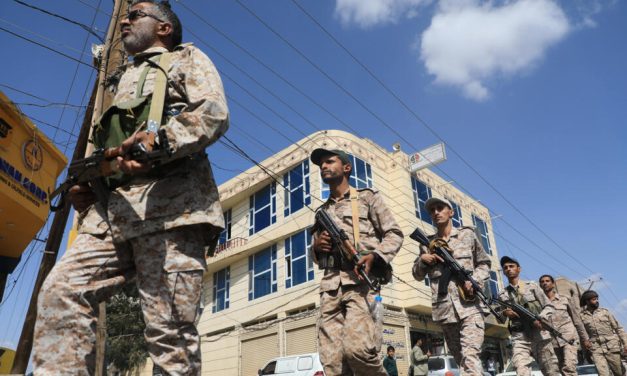
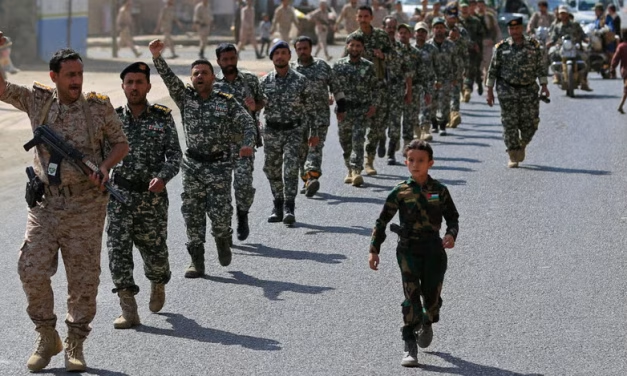
Importance, Necessity of Ending Yemen War; Responsibility of UN Security Council

Importance, Necessity of Ending Yemen War; Responsibility of UN Security Council

Strategic Council Online – Positions and remarks of the officials of the new US administration show that the war in Yemen is one of the important topics on the agenda of the White House in the field of foreign policy. As US President Joe Biden described in his first foreign policy speech the Yemen war: “a war which has created humanitarian and strategic catastrophe. …This war has to end.”
Hamid Khoshayand – Analyst of international affairs

Perspective of Moscow-Washington relations during the Biden administration

Perspective of Moscow-Washington relations during the Biden administration

Strategic Council Online-Editorial: The interference of the White House in the domestic affairs of Russia during the past one month concerning the Alexi Navalny issue indicated that the Biden administration is profiting from the tools of democracy and human rights for its own interest in order to obtain maximal interests in the global order. And this is an issue which can cause more frictions in the relations between the United States and Russia as Russia believes that the West presents a two-direction and conflicting definition of concrete concepts such as freedom, human rights and democracy.
Dr. Ahmad Vakhishteh, professor of the International Relations Faculty of the National Eurasia University

Hidden Targets of Biden’s Yemen War Policy

Hidden Targets of Biden’s Yemen War Policy

Strategic Council Online – An expert on the Middle East affairs, commenting on the differences between US foreign policy towards Yemen during Donald Trump’s presidency and under Joe Biden, said: Biden’s policy on putting an end to the war in Yemen is not about human rights issues; rather what he follows in ending the war is to help its ally, Saudi Arabia, which is entrapped in that crisis.

Moscow Making Efforts to Play a New Role in Palestinian Crisis

Moscow Making Efforts to Play a New Role in Palestinian Crisis

Strategic Council Online – According to a decree issued by Mahmoud Abbas, President of the Palestinian Authority, the Palestinian elections are scheduled to be held in three stages in 2021. According to the decree, for the Palestinian Legislative Council (Parliament) the elections will be held on May 22, for the president of the Palestinian Authority on July 31, and for the Palestinian National Council on August 31, 2021. The results of the elections for the Palestinian Legislative Assembly will be the first stage in the formation of the Palestinian National Council, which will be completed after the elections in accordance with the statute of the Palestine Liberation Organization (PLO) and national reconciliation. This is an important and effective step towards establishing unification in Palestine. Announcement of the exact date for the election has been accompanied by movements in the diplomatic arena.
Mahmoud Fazeli – Analyst of international affairs

Necessity and Possibility for Convergence in Middle East in Post-Trump Period

Necessity and Possibility for Convergence in Middle East in Post-Trump Period

Strategic Council Online – The former Director-General of the Middle East Department of the Ministry of Foreign Affairs, stating that the interests of governments and regional powers in the Middle East are in conflict and trans-regional players too are not interested in its stability and security, said: In case relations with Saudi Arabia are organized through diplomacy and differences are resolved through negotiation it would help improve the two countries’ position in the world.

Prospects of Iran-EU Relations in Post-Trump Era

Prospects of Iran-EU Relations in Post-Trump Era

Strategic Council Online – An analyst of Europe affairs said: The EU will definitely work in the future to persuade the United States to return to the Joint Comprehensive Plan of Action (JCPOA) and by providing credit line, economic incentives and close engagement and cooperation with China and Russia as Iran’s allies will continue to encourage Tehran to stay in the JCPOA.

The new US government’s view of the American military presence in Afghanistan

The new US government’s view of the American military presence in Afghanistan

Strategic Council Online—Interview: An expert of Afghanistan affairs says it seems the Americans had reached an agreement with the Taliban to limit their military presence in Afghanistan, adding that the United States would prolong its military presence in Afghanistan not to lose it to its rivals like in Iraq.

أحدث الوظائف

The Makkah Pact; Reasons for its Formation and Challenges Ahead

SCFR Online – Opinion: The Makkah Pact, signed between Saudi Arabia, Pakistan, and Turkey under the motto “an attack on one is an attack on all,” is viewed by some analysts less as a full-fledged military coalition and more as an attempt to reduce security dependence on an external power and to establish a regional security mechanism.

Implications of the US-Saudi Nuclear Agreement

SCFR Online – Opinion: The new US-Saudi nuclear agreement, despite legal and political ambiguities, could alter previous non-proliferation standards in West Asia and intensify nuclear competition, ushering it into a new phase.

An Analysis of Recent Turkey-Israeli Regime Tensions

SCFR Online – Opinion: Recent developments in Syria indicate an intensification of strategic rivalry between Turkey and the Israeli regime, but mutual considerations and the role of the United States have limited the likelihood of direct war.

Increasing criticism of the extensive Zionist lobby network

SCFR Online – Opinion: An examination of the mechanisms of the Israeli regime’s influence in the United States depicts a complex picture of shared interests, strategic dependencies, and the limitations of this relationship.

Realities of the Tripartite Makkah Pact

SCFR Online – Interview: The signing of the Makkah agreement between Saudi Arabia, Pakistan, and Turkey has raised questions about the future of the region’s security structure and the position of these countries in West Asian equations. Can this agreement become a genuine collective defense mechanism, or does it have more of a political and deterrent function than creating new military capacity?

Loading

Politics

Aftershocks of US Elections on Relations with Saudi Arabia

Aftershocks of US Elections on Relations with Saudi Arabia

Strategic Council Online – An analyst of Saudi affairs said that Saudi Arabia and the United States are currently evaluating each other, adding: If Bin Salman cooperates with the United States in resolving the Yemen crisis, as such that Biden represents himself as the “savior of several nations,” Biden will also reduce his pressure in the field of Saudi domestic issues.

Importance, Necessity of Ending Yemen War; Responsibility of UN Security Council

Importance, Necessity of Ending Yemen War; Responsibility of UN Security Council

Strategic Council Online – Positions and remarks of the officials of the new US administration show that the war in Yemen is one of the important topics on the agenda of the White House in the field of foreign policy. As US President Joe Biden described in his first foreign policy speech the Yemen war: “a war which has created humanitarian and strategic catastrophe. …This war has to end.”
Hamid Khoshayand – Analyst of international affairs

Perspective of Moscow-Washington relations during the Biden administration

Perspective of Moscow-Washington relations during the Biden administration

Strategic Council Online-Editorial: The interference of the White House in the domestic affairs of Russia during the past one month concerning the Alexi Navalny issue indicated that the Biden administration is profiting from the tools of democracy and human rights for its own interest in order to obtain maximal interests in the global order. And this is an issue which can cause more frictions in the relations between the United States and Russia as Russia believes that the West presents a two-direction and conflicting definition of concrete concepts such as freedom, human rights and democracy.
Dr. Ahmad Vakhishteh, professor of the International Relations Faculty of the National Eurasia University

Hidden Targets of Biden’s Yemen War Policy

Hidden Targets of Biden’s Yemen War Policy

Strategic Council Online – An expert on the Middle East affairs, commenting on the differences between US foreign policy towards Yemen during Donald Trump’s presidency and under Joe Biden, said: Biden’s policy on putting an end to the war in Yemen is not about human rights issues; rather what he follows in ending the war is to help its ally, Saudi Arabia, which is entrapped in that crisis.

Moscow Making Efforts to Play a New Role in Palestinian Crisis

Moscow Making Efforts to Play a New Role in Palestinian Crisis

Strategic Council Online – According to a decree issued by Mahmoud Abbas, President of the Palestinian Authority, the Palestinian elections are scheduled to be held in three stages in 2021. According to the decree, for the Palestinian Legislative Council (Parliament) the elections will be held on May 22, for the president of the Palestinian Authority on July 31, and for the Palestinian National Council on August 31, 2021. The results of the elections for the Palestinian Legislative Assembly will be the first stage in the formation of the Palestinian National Council, which will be completed after the elections in accordance with the statute of the Palestine Liberation Organization (PLO) and national reconciliation. This is an important and effective step towards establishing unification in Palestine. Announcement of the exact date for the election has been accompanied by movements in the diplomatic arena.
Mahmoud Fazeli – Analyst of international affairs

Necessity and Possibility for Convergence in Middle East in Post-Trump Period

Necessity and Possibility for Convergence in Middle East in Post-Trump Period

Strategic Council Online – The former Director-General of the Middle East Department of the Ministry of Foreign Affairs, stating that the interests of governments and regional powers in the Middle East are in conflict and trans-regional players too are not interested in its stability and security, said: In case relations with Saudi Arabia are organized through diplomacy and differences are resolved through negotiation it would help improve the two countries’ position in the world.

Prospects of Iran-EU Relations in Post-Trump Era

Prospects of Iran-EU Relations in Post-Trump Era

Strategic Council Online – An analyst of Europe affairs said: The EU will definitely work in the future to persuade the United States to return to the Joint Comprehensive Plan of Action (JCPOA) and by providing credit line, economic incentives and close engagement and cooperation with China and Russia as Iran’s allies will continue to encourage Tehran to stay in the JCPOA.

The new US government’s view of the American military presence in Afghanistan

The new US government’s view of the American military presence in Afghanistan

Strategic Council Online—Interview: An expert of Afghanistan affairs says it seems the Americans had reached an agreement with the Taliban to limit their military presence in Afghanistan, adding that the United States would prolong its military presence in Afghanistan not to lose it to its rivals like in Iraq.

Politics

Aftershocks of US Elections on Relations with Saudi Arabia

Aftershocks of US Elections on Relations with Saudi Arabia

Strategic Council Online – An analyst of Saudi affairs said that Saudi Arabia and the United States are currently evaluating each other, adding: If Bin Salman cooperates with the United States in resolving the Yemen crisis, as such that Biden represents himself as the “savior of several nations,” Biden will also reduce his pressure in the field of Saudi domestic issues.

Importance, Necessity of Ending Yemen War; Responsibility of UN Security Council

Importance, Necessity of Ending Yemen War; Responsibility of UN Security Council

Strategic Council Online – Positions and remarks of the officials of the new US administration show that the war in Yemen is one of the important topics on the agenda of the White House in the field of foreign policy. As US President Joe Biden described in his first foreign policy speech the Yemen war: “a war which has created humanitarian and strategic catastrophe. …This war has to end.”
Hamid Khoshayand – Analyst of international affairs

Perspective of Moscow-Washington relations during the Biden administration

Perspective of Moscow-Washington relations during the Biden administration

Strategic Council Online-Editorial: The interference of the White House in the domestic affairs of Russia during the past one month concerning the Alexi Navalny issue indicated that the Biden administration is profiting from the tools of democracy and human rights for its own interest in order to obtain maximal interests in the global order. And this is an issue which can cause more frictions in the relations between the United States and Russia as Russia believes that the West presents a two-direction and conflicting definition of concrete concepts such as freedom, human rights and democracy.
Dr. Ahmad Vakhishteh, professor of the International Relations Faculty of the National Eurasia University

Hidden Targets of Biden’s Yemen War Policy

Hidden Targets of Biden’s Yemen War Policy

Strategic Council Online – An expert on the Middle East affairs, commenting on the differences between US foreign policy towards Yemen during Donald Trump’s presidency and under Joe Biden, said: Biden’s policy on putting an end to the war in Yemen is not about human rights issues; rather what he follows in ending the war is to help its ally, Saudi Arabia, which is entrapped in that crisis.

Moscow Making Efforts to Play a New Role in Palestinian Crisis

Moscow Making Efforts to Play a New Role in Palestinian Crisis

Strategic Council Online – According to a decree issued by Mahmoud Abbas, President of the Palestinian Authority, the Palestinian elections are scheduled to be held in three stages in 2021. According to the decree, for the Palestinian Legislative Council (Parliament) the elections will be held on May 22, for the president of the Palestinian Authority on July 31, and for the Palestinian National Council on August 31, 2021. The results of the elections for the Palestinian Legislative Assembly will be the first stage in the formation of the Palestinian National Council, which will be completed after the elections in accordance with the statute of the Palestine Liberation Organization (PLO) and national reconciliation. This is an important and effective step towards establishing unification in Palestine. Announcement of the exact date for the election has been accompanied by movements in the diplomatic arena.
Mahmoud Fazeli – Analyst of international affairs

Necessity and Possibility for Convergence in Middle East in Post-Trump Period

Necessity and Possibility for Convergence in Middle East in Post-Trump Period

Strategic Council Online – The former Director-General of the Middle East Department of the Ministry of Foreign Affairs, stating that the interests of governments and regional powers in the Middle East are in conflict and trans-regional players too are not interested in its stability and security, said: In case relations with Saudi Arabia are organized through diplomacy and differences are resolved through negotiation it would help improve the two countries’ position in the world.

Prospects of Iran-EU Relations in Post-Trump Era

Prospects of Iran-EU Relations in Post-Trump Era

Strategic Council Online – An analyst of Europe affairs said: The EU will definitely work in the future to persuade the United States to return to the Joint Comprehensive Plan of Action (JCPOA) and by providing credit line, economic incentives and close engagement and cooperation with China and Russia as Iran’s allies will continue to encourage Tehran to stay in the JCPOA.

The new US government’s view of the American military presence in Afghanistan

The new US government’s view of the American military presence in Afghanistan

Strategic Council Online—Interview: An expert of Afghanistan affairs says it seems the Americans had reached an agreement with the Taliban to limit their military presence in Afghanistan, adding that the United States would prolong its military presence in Afghanistan not to lose it to its rivals like in Iraq.

LATEST CONTENT

The Makkah Pact; Reasons for its Formation and Challenges Ahead

SCFR Online – Opinion: The Makkah Pact, signed between Saudi Arabia, Pakistan, and Turkey under the motto “an attack on one is an attack on all,” is viewed by some analysts less as a full-fledged military coalition and more as an attempt to reduce security dependence on an external power and to establish a regional security mechanism.

Implications of the US-Saudi Nuclear Agreement

SCFR Online – Opinion: The new US-Saudi nuclear agreement, despite legal and political ambiguities, could alter previous non-proliferation standards in West Asia and intensify nuclear competition, ushering it into a new phase.

An Analysis of Recent Turkey-Israeli Regime Tensions

SCFR Online – Opinion: Recent developments in Syria indicate an intensification of strategic rivalry between Turkey and the Israeli regime, but mutual considerations and the role of the United States have limited the likelihood of direct war.

Increasing criticism of the extensive Zionist lobby network

SCFR Online – Opinion: An examination of the mechanisms of the Israeli regime’s influence in the United States depicts a complex picture of shared interests, strategic dependencies, and the limitations of this relationship.

Realities of the Tripartite Makkah Pact

SCFR Online – Interview: The signing of the Makkah agreement between Saudi Arabia, Pakistan, and Turkey has raised questions about the future of the region’s security structure and the position of these countries in West Asian equations. Can this agreement become a genuine collective defense mechanism, or does it have more of a political and deterrent function than creating new military capacity?

Loading

Politics

Aftershocks of US Elections on Relations with Saudi Arabia

Aftershocks of US Elections on Relations with Saudi Arabia

Strategic Council Online – An analyst of Saudi affairs said that Saudi Arabia and the United States are currently evaluating each other, adding: If Bin Salman cooperates with the United States in resolving the Yemen crisis, as such that Biden represents himself as the “savior of several nations,” Biden will also reduce his pressure in the field of Saudi domestic issues.

Importance, Necessity of Ending Yemen War; Responsibility of UN Security Council

Importance, Necessity of Ending Yemen War; Responsibility of UN Security Council

Strategic Council Online – Positions and remarks of the officials of the new US administration show that the war in Yemen is one of the important topics on the agenda of the White House in the field of foreign policy. As US President Joe Biden described in his first foreign policy speech the Yemen war: “a war which has created humanitarian and strategic catastrophe. …This war has to end.”
Hamid Khoshayand – Analyst of international affairs

Perspective of Moscow-Washington relations during the Biden administration

Perspective of Moscow-Washington relations during the Biden administration

Strategic Council Online-Editorial: The interference of the White House in the domestic affairs of Russia during the past one month concerning the Alexi Navalny issue indicated that the Biden administration is profiting from the tools of democracy and human rights for its own interest in order to obtain maximal interests in the global order. And this is an issue which can cause more frictions in the relations between the United States and Russia as Russia believes that the West presents a two-direction and conflicting definition of concrete concepts such as freedom, human rights and democracy.
Dr. Ahmad Vakhishteh, professor of the International Relations Faculty of the National Eurasia University

Hidden Targets of Biden’s Yemen War Policy

Hidden Targets of Biden’s Yemen War Policy

Strategic Council Online – An expert on the Middle East affairs, commenting on the differences between US foreign policy towards Yemen during Donald Trump’s presidency and under Joe Biden, said: Biden’s policy on putting an end to the war in Yemen is not about human rights issues; rather what he follows in ending the war is to help its ally, Saudi Arabia, which is entrapped in that crisis.

Moscow Making Efforts to Play a New Role in Palestinian Crisis

Moscow Making Efforts to Play a New Role in Palestinian Crisis

Strategic Council Online – According to a decree issued by Mahmoud Abbas, President of the Palestinian Authority, the Palestinian elections are scheduled to be held in three stages in 2021. According to the decree, for the Palestinian Legislative Council (Parliament) the elections will be held on May 22, for the president of the Palestinian Authority on July 31, and for the Palestinian National Council on August 31, 2021. The results of the elections for the Palestinian Legislative Assembly will be the first stage in the formation of the Palestinian National Council, which will be completed after the elections in accordance with the statute of the Palestine Liberation Organization (PLO) and national reconciliation. This is an important and effective step towards establishing unification in Palestine. Announcement of the exact date for the election has been accompanied by movements in the diplomatic arena.
Mahmoud Fazeli – Analyst of international affairs

Necessity and Possibility for Convergence in Middle East in Post-Trump Period

Necessity and Possibility for Convergence in Middle East in Post-Trump Period

Strategic Council Online – The former Director-General of the Middle East Department of the Ministry of Foreign Affairs, stating that the interests of governments and regional powers in the Middle East are in conflict and trans-regional players too are not interested in its stability and security, said: In case relations with Saudi Arabia are organized through diplomacy and differences are resolved through negotiation it would help improve the two countries’ position in the world.

Prospects of Iran-EU Relations in Post-Trump Era

Prospects of Iran-EU Relations in Post-Trump Era

Strategic Council Online – An analyst of Europe affairs said: The EU will definitely work in the future to persuade the United States to return to the Joint Comprehensive Plan of Action (JCPOA) and by providing credit line, economic incentives and close engagement and cooperation with China and Russia as Iran’s allies will continue to encourage Tehran to stay in the JCPOA.

The new US government’s view of the American military presence in Afghanistan

The new US government’s view of the American military presence in Afghanistan

Strategic Council Online—Interview: An expert of Afghanistan affairs says it seems the Americans had reached an agreement with the Taliban to limit their military presence in Afghanistan, adding that the United States would prolong its military presence in Afghanistan not to lose it to its rivals like in Iraq.

ÚLTIMAS PUBLICACIONES

The Makkah Pact; Reasons for its Formation and Challenges Ahead

SCFR Online – Opinion: The Makkah Pact, signed between Saudi Arabia, Pakistan, and Turkey under the motto “an attack on one is an attack on all,” is viewed by some analysts less as a full-fledged military coalition and more as an attempt to reduce security dependence on an external power and to establish a regional security mechanism.

Implications of the US-Saudi Nuclear Agreement

SCFR Online – Opinion: The new US-Saudi nuclear agreement, despite legal and political ambiguities, could alter previous non-proliferation standards in West Asia and intensify nuclear competition, ushering it into a new phase.

An Analysis of Recent Turkey-Israeli Regime Tensions

SCFR Online – Opinion: Recent developments in Syria indicate an intensification of strategic rivalry between Turkey and the Israeli regime, but mutual considerations and the role of the United States have limited the likelihood of direct war.

Increasing criticism of the extensive Zionist lobby network

SCFR Online – Opinion: An examination of the mechanisms of the Israeli regime’s influence in the United States depicts a complex picture of shared interests, strategic dependencies, and the limitations of this relationship.

Realities of the Tripartite Makkah Pact

SCFR Online – Interview: The signing of the Makkah agreement between Saudi Arabia, Pakistan, and Turkey has raised questions about the future of the region’s security structure and the position of these countries in West Asian equations. Can this agreement become a genuine collective defense mechanism, or does it have more of a political and deterrent function than creating new military capacity?

Loading

Politics

Aftershocks of US Elections on Relations with Saudi Arabia

Aftershocks of US Elections on Relations with Saudi Arabia

Strategic Council Online – An analyst of Saudi affairs said that Saudi Arabia and the United States are currently evaluating each other, adding: If Bin Salman cooperates with the United States in resolving the Yemen crisis, as such that Biden represents himself as the “savior of several nations,” Biden will also reduce his pressure in the field of Saudi domestic issues.

Importance, Necessity of Ending Yemen War; Responsibility of UN Security Council

Importance, Necessity of Ending Yemen War; Responsibility of UN Security Council

Strategic Council Online – Positions and remarks of the officials of the new US administration show that the war in Yemen is one of the important topics on the agenda of the White House in the field of foreign policy. As US President Joe Biden described in his first foreign policy speech the Yemen war: “a war which has created humanitarian and strategic catastrophe. …This war has to end.”
Hamid Khoshayand – Analyst of international affairs

Perspective of Moscow-Washington relations during the Biden administration

Perspective of Moscow-Washington relations during the Biden administration

Strategic Council Online-Editorial: The interference of the White House in the domestic affairs of Russia during the past one month concerning the Alexi Navalny issue indicated that the Biden administration is profiting from the tools of democracy and human rights for its own interest in order to obtain maximal interests in the global order. And this is an issue which can cause more frictions in the relations between the United States and Russia as Russia believes that the West presents a two-direction and conflicting definition of concrete concepts such as freedom, human rights and democracy.
Dr. Ahmad Vakhishteh, professor of the International Relations Faculty of the National Eurasia University

Hidden Targets of Biden’s Yemen War Policy

Hidden Targets of Biden’s Yemen War Policy

Strategic Council Online – An expert on the Middle East affairs, commenting on the differences between US foreign policy towards Yemen during Donald Trump’s presidency and under Joe Biden, said: Biden’s policy on putting an end to the war in Yemen is not about human rights issues; rather what he follows in ending the war is to help its ally, Saudi Arabia, which is entrapped in that crisis.

Moscow Making Efforts to Play a New Role in Palestinian Crisis

Moscow Making Efforts to Play a New Role in Palestinian Crisis

Strategic Council Online – According to a decree issued by Mahmoud Abbas, President of the Palestinian Authority, the Palestinian elections are scheduled to be held in three stages in 2021. According to the decree, for the Palestinian Legislative Council (Parliament) the elections will be held on May 22, for the president of the Palestinian Authority on July 31, and for the Palestinian National Council on August 31, 2021. The results of the elections for the Palestinian Legislative Assembly will be the first stage in the formation of the Palestinian National Council, which will be completed after the elections in accordance with the statute of the Palestine Liberation Organization (PLO) and national reconciliation. This is an important and effective step towards establishing unification in Palestine. Announcement of the exact date for the election has been accompanied by movements in the diplomatic arena.
Mahmoud Fazeli – Analyst of international affairs

Necessity and Possibility for Convergence in Middle East in Post-Trump Period

Necessity and Possibility for Convergence in Middle East in Post-Trump Period

Strategic Council Online – The former Director-General of the Middle East Department of the Ministry of Foreign Affairs, stating that the interests of governments and regional powers in the Middle East are in conflict and trans-regional players too are not interested in its stability and security, said: In case relations with Saudi Arabia are organized through diplomacy and differences are resolved through negotiation it would help improve the two countries’ position in the world.

Prospects of Iran-EU Relations in Post-Trump Era

Prospects of Iran-EU Relations in Post-Trump Era

Strategic Council Online – An analyst of Europe affairs said: The EU will definitely work in the future to persuade the United States to return to the Joint Comprehensive Plan of Action (JCPOA) and by providing credit line, economic incentives and close engagement and cooperation with China and Russia as Iran’s allies will continue to encourage Tehran to stay in the JCPOA.

The new US government’s view of the American military presence in Afghanistan

The new US government’s view of the American military presence in Afghanistan

Strategic Council Online—Interview: An expert of Afghanistan affairs says it seems the Americans had reached an agreement with the Taliban to limit their military presence in Afghanistan, adding that the United States would prolong its military presence in Afghanistan not to lose it to its rivals like in Iraq.

ÚLTIMAS PUBLICACIONES

The Makkah Pact; Reasons for its Formation and Challenges Ahead

SCFR Online – Opinion: The Makkah Pact, signed between Saudi Arabia, Pakistan, and Turkey under the motto “an attack on one is an attack on all,” is viewed by some analysts less as a full-fledged military coalition and more as an attempt to reduce security dependence on an external power and to establish a regional security mechanism.

Implications of the US-Saudi Nuclear Agreement

SCFR Online – Opinion: The new US-Saudi nuclear agreement, despite legal and political ambiguities, could alter previous non-proliferation standards in West Asia and intensify nuclear competition, ushering it into a new phase.

An Analysis of Recent Turkey-Israeli Regime Tensions

SCFR Online – Opinion: Recent developments in Syria indicate an intensification of strategic rivalry between Turkey and the Israeli regime, but mutual considerations and the role of the United States have limited the likelihood of direct war.

Increasing criticism of the extensive Zionist lobby network

SCFR Online – Opinion: An examination of the mechanisms of the Israeli regime’s influence in the United States depicts a complex picture of shared interests, strategic dependencies, and the limitations of this relationship.

Realities of the Tripartite Makkah Pact

SCFR Online – Interview: The signing of the Makkah agreement between Saudi Arabia, Pakistan, and Turkey has raised questions about the future of the region’s security structure and the position of these countries in West Asian equations. Can this agreement become a genuine collective defense mechanism, or does it have more of a political and deterrent function than creating new military capacity?

Loading

Politics

Aftershocks of US Elections on Relations with Saudi Arabia

Aftershocks of US Elections on Relations with Saudi Arabia

Strategic Council Online – An analyst of Saudi affairs said that Saudi Arabia and the United States are currently evaluating each other, adding: If Bin Salman cooperates with the United States in resolving the Yemen crisis, as such that Biden represents himself as the “savior of several nations,” Biden will also reduce his pressure in the field of Saudi domestic issues.

Importance, Necessity of Ending Yemen War; Responsibility of UN Security Council

Importance, Necessity of Ending Yemen War; Responsibility of UN Security Council

Strategic Council Online – Positions and remarks of the officials of the new US administration show that the war in Yemen is one of the important topics on the agenda of the White House in the field of foreign policy. As US President Joe Biden described in his first foreign policy speech the Yemen war: “a war which has created humanitarian and strategic catastrophe. …This war has to end.”
Hamid Khoshayand – Analyst of international affairs

Perspective of Moscow-Washington relations during the Biden administration

Perspective of Moscow-Washington relations during the Biden administration

Strategic Council Online-Editorial: The interference of the White House in the domestic affairs of Russia during the past one month concerning the Alexi Navalny issue indicated that the Biden administration is profiting from the tools of democracy and human rights for its own interest in order to obtain maximal interests in the global order. And this is an issue which can cause more frictions in the relations between the United States and Russia as Russia believes that the West presents a two-direction and conflicting definition of concrete concepts such as freedom, human rights and democracy.
Dr. Ahmad Vakhishteh, professor of the International Relations Faculty of the National Eurasia University

Hidden Targets of Biden’s Yemen War Policy

Hidden Targets of Biden’s Yemen War Policy

Strategic Council Online – An expert on the Middle East affairs, commenting on the differences between US foreign policy towards Yemen during Donald Trump’s presidency and under Joe Biden, said: Biden’s policy on putting an end to the war in Yemen is not about human rights issues; rather what he follows in ending the war is to help its ally, Saudi Arabia, which is entrapped in that crisis.

Moscow Making Efforts to Play a New Role in Palestinian Crisis

Moscow Making Efforts to Play a New Role in Palestinian Crisis

Strategic Council Online – According to a decree issued by Mahmoud Abbas, President of the Palestinian Authority, the Palestinian elections are scheduled to be held in three stages in 2021. According to the decree, for the Palestinian Legislative Council (Parliament) the elections will be held on May 22, for the president of the Palestinian Authority on July 31, and for the Palestinian National Council on August 31, 2021. The results of the elections for the Palestinian Legislative Assembly will be the first stage in the formation of the Palestinian National Council, which will be completed after the elections in accordance with the statute of the Palestine Liberation Organization (PLO) and national reconciliation. This is an important and effective step towards establishing unification in Palestine. Announcement of the exact date for the election has been accompanied by movements in the diplomatic arena.
Mahmoud Fazeli – Analyst of international affairs

Necessity and Possibility for Convergence in Middle East in Post-Trump Period

Necessity and Possibility for Convergence in Middle East in Post-Trump Period

Strategic Council Online – The former Director-General of the Middle East Department of the Ministry of Foreign Affairs, stating that the interests of governments and regional powers in the Middle East are in conflict and trans-regional players too are not interested in its stability and security, said: In case relations with Saudi Arabia are organized through diplomacy and differences are resolved through negotiation it would help improve the two countries’ position in the world.

Prospects of Iran-EU Relations in Post-Trump Era

Prospects of Iran-EU Relations in Post-Trump Era

Strategic Council Online – An analyst of Europe affairs said: The EU will definitely work in the future to persuade the United States to return to the Joint Comprehensive Plan of Action (JCPOA) and by providing credit line, economic incentives and close engagement and cooperation with China and Russia as Iran’s allies will continue to encourage Tehran to stay in the JCPOA.

The new US government’s view of the American military presence in Afghanistan

The new US government’s view of the American military presence in Afghanistan

Strategic Council Online—Interview: An expert of Afghanistan affairs says it seems the Americans had reached an agreement with the Taliban to limit their military presence in Afghanistan, adding that the United States would prolong its military presence in Afghanistan not to lose it to its rivals like in Iraq.

ÚLTIMAS PUBLICACIONES

The Makkah Pact; Reasons for its Formation and Challenges Ahead

SCFR Online – Opinion: The Makkah Pact, signed between Saudi Arabia, Pakistan, and Turkey under the motto “an attack on one is an attack on all,” is viewed by some analysts less as a full-fledged military coalition and more as an attempt to reduce security dependence on an external power and to establish a regional security mechanism.

Implications of the US-Saudi Nuclear Agreement

SCFR Online – Opinion: The new US-Saudi nuclear agreement, despite legal and political ambiguities, could alter previous non-proliferation standards in West Asia and intensify nuclear competition, ushering it into a new phase.

An Analysis of Recent Turkey-Israeli Regime Tensions

SCFR Online – Opinion: Recent developments in Syria indicate an intensification of strategic rivalry between Turkey and the Israeli regime, but mutual considerations and the role of the United States have limited the likelihood of direct war.

Increasing criticism of the extensive Zionist lobby network

SCFR Online – Opinion: An examination of the mechanisms of the Israeli regime’s influence in the United States depicts a complex picture of shared interests, strategic dependencies, and the limitations of this relationship.

Realities of the Tripartite Makkah Pact

SCFR Online – Interview: The signing of the Makkah agreement between Saudi Arabia, Pakistan, and Turkey has raised questions about the future of the region’s security structure and the position of these countries in West Asian equations. Can this agreement become a genuine collective defense mechanism, or does it have more of a political and deterrent function than creating new military capacity?

Loading

Politics

Aftershocks of US Elections on Relations with Saudi Arabia

Aftershocks of US Elections on Relations with Saudi Arabia

Strategic Council Online – An analyst of Saudi affairs said that Saudi Arabia and the United States are currently evaluating each other, adding: If Bin Salman cooperates with the United States in resolving the Yemen crisis, as such that Biden represents himself as the “savior of several nations,” Biden will also reduce his pressure in the field of Saudi domestic issues.

Importance, Necessity of Ending Yemen War; Responsibility of UN Security Council

Importance, Necessity of Ending Yemen War; Responsibility of UN Security Council

Strategic Council Online – Positions and remarks of the officials of the new US administration show that the war in Yemen is one of the important topics on the agenda of the White House in the field of foreign policy. As US President Joe Biden described in his first foreign policy speech the Yemen war: “a war which has created humanitarian and strategic catastrophe. …This war has to end.”
Hamid Khoshayand – Analyst of international affairs

Perspective of Moscow-Washington relations during the Biden administration

Perspective of Moscow-Washington relations during the Biden administration

Strategic Council Online-Editorial: The interference of the White House in the domestic affairs of Russia during the past one month concerning the Alexi Navalny issue indicated that the Biden administration is profiting from the tools of democracy and human rights for its own interest in order to obtain maximal interests in the global order. And this is an issue which can cause more frictions in the relations between the United States and Russia as Russia believes that the West presents a two-direction and conflicting definition of concrete concepts such as freedom, human rights and democracy.
Dr. Ahmad Vakhishteh, professor of the International Relations Faculty of the National Eurasia University

Hidden Targets of Biden’s Yemen War Policy

Hidden Targets of Biden’s Yemen War Policy

Strategic Council Online – An expert on the Middle East affairs, commenting on the differences between US foreign policy towards Yemen during Donald Trump’s presidency and under Joe Biden, said: Biden’s policy on putting an end to the war in Yemen is not about human rights issues; rather what he follows in ending the war is to help its ally, Saudi Arabia, which is entrapped in that crisis.

Moscow Making Efforts to Play a New Role in Palestinian Crisis

Moscow Making Efforts to Play a New Role in Palestinian Crisis

Strategic Council Online – According to a decree issued by Mahmoud Abbas, President of the Palestinian Authority, the Palestinian elections are scheduled to be held in three stages in 2021. According to the decree, for the Palestinian Legislative Council (Parliament) the elections will be held on May 22, for the president of the Palestinian Authority on July 31, and for the Palestinian National Council on August 31, 2021. The results of the elections for the Palestinian Legislative Assembly will be the first stage in the formation of the Palestinian National Council, which will be completed after the elections in accordance with the statute of the Palestine Liberation Organization (PLO) and national reconciliation. This is an important and effective step towards establishing unification in Palestine. Announcement of the exact date for the election has been accompanied by movements in the diplomatic arena.
Mahmoud Fazeli – Analyst of international affairs

Necessity and Possibility for Convergence in Middle East in Post-Trump Period

Necessity and Possibility for Convergence in Middle East in Post-Trump Period

Strategic Council Online – The former Director-General of the Middle East Department of the Ministry of Foreign Affairs, stating that the interests of governments and regional powers in the Middle East are in conflict and trans-regional players too are not interested in its stability and security, said: In case relations with Saudi Arabia are organized through diplomacy and differences are resolved through negotiation it would help improve the two countries’ position in the world.

Prospects of Iran-EU Relations in Post-Trump Era

Prospects of Iran-EU Relations in Post-Trump Era

Strategic Council Online – An analyst of Europe affairs said: The EU will definitely work in the future to persuade the United States to return to the Joint Comprehensive Plan of Action (JCPOA) and by providing credit line, economic incentives and close engagement and cooperation with China and Russia as Iran’s allies will continue to encourage Tehran to stay in the JCPOA.

The new US government’s view of the American military presence in Afghanistan

The new US government’s view of the American military presence in Afghanistan

Strategic Council Online—Interview: An expert of Afghanistan affairs says it seems the Americans had reached an agreement with the Taliban to limit their military presence in Afghanistan, adding that the United States would prolong its military presence in Afghanistan not to lose it to its rivals like in Iraq.

ÚLTIMAS PUBLICACIONES

The Makkah Pact; Reasons for its Formation and Challenges Ahead

SCFR Online – Opinion: The Makkah Pact, signed between Saudi Arabia, Pakistan, and Turkey under the motto “an attack on one is an attack on all,” is viewed by some analysts less as a full-fledged military coalition and more as an attempt to reduce security dependence on an external power and to establish a regional security mechanism.

Implications of the US-Saudi Nuclear Agreement

SCFR Online – Opinion: The new US-Saudi nuclear agreement, despite legal and political ambiguities, could alter previous non-proliferation standards in West Asia and intensify nuclear competition, ushering it into a new phase.

An Analysis of Recent Turkey-Israeli Regime Tensions

SCFR Online – Opinion: Recent developments in Syria indicate an intensification of strategic rivalry between Turkey and the Israeli regime, but mutual considerations and the role of the United States have limited the likelihood of direct war.

Increasing criticism of the extensive Zionist lobby network

SCFR Online – Opinion: An examination of the mechanisms of the Israeli regime’s influence in the United States depicts a complex picture of shared interests, strategic dependencies, and the limitations of this relationship.

Realities of the Tripartite Makkah Pact

SCFR Online – Interview: The signing of the Makkah agreement between Saudi Arabia, Pakistan, and Turkey has raised questions about the future of the region’s security structure and the position of these countries in West Asian equations. Can this agreement become a genuine collective defense mechanism, or does it have more of a political and deterrent function than creating new military capacity?

Loading