جدیدترین مطالب

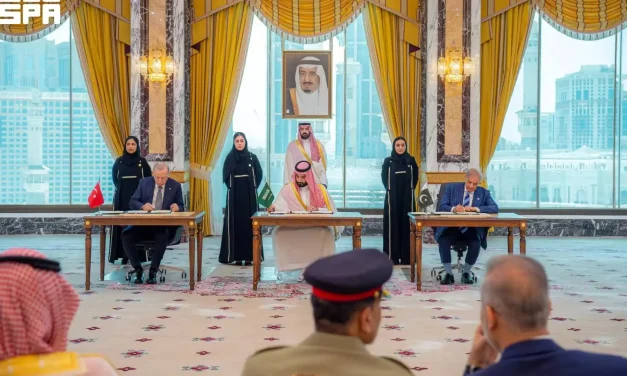
The Makkah Pact; Reasons for its Formation and Challenges Ahead

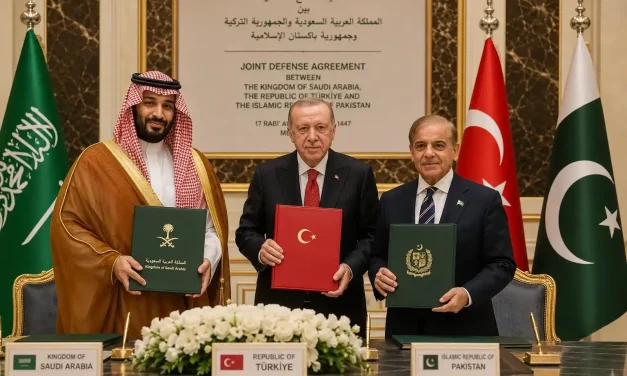
SCFR Online – Opinion: The Makkah Pact, signed between Saudi Arabia, Pakistan, and Turkey under the motto “an attack on one is an attack on all,” is viewed by some analysts less as a full-fledged military coalition and more as an attempt to reduce security dependence on an external power and to establish a regional security mechanism.

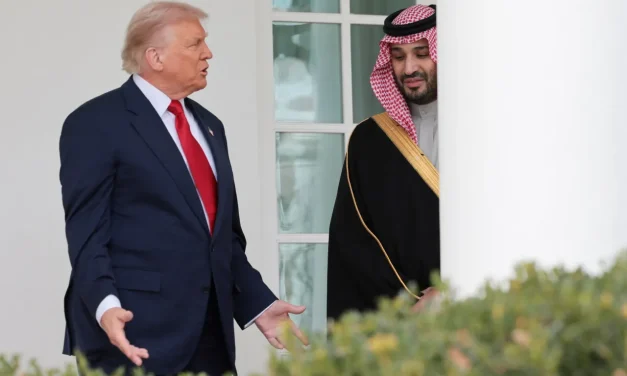
Implications of the US-Saudi Nuclear Agreement

SCFR Online – Opinion: The new US-Saudi nuclear agreement, despite legal and political ambiguities, could alter previous non-proliferation standards in West Asia and intensify nuclear competition, ushering it into a new phase.

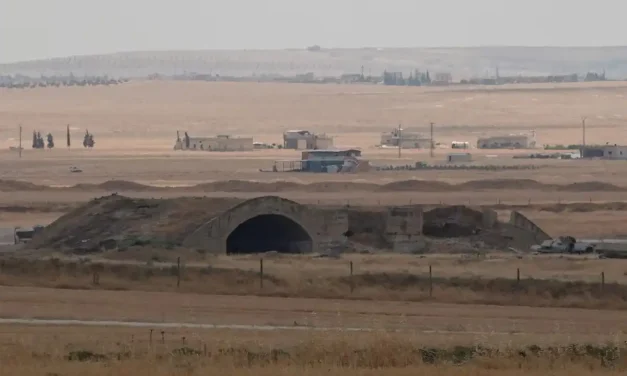
An Analysis of Recent Turkey-Israeli Regime Tensions

SCFR Online – Opinion: Recent developments in Syria indicate an intensification of strategic rivalry between Turkey and the Israeli regime, but mutual considerations and the role of the United States have limited the likelihood of direct war.

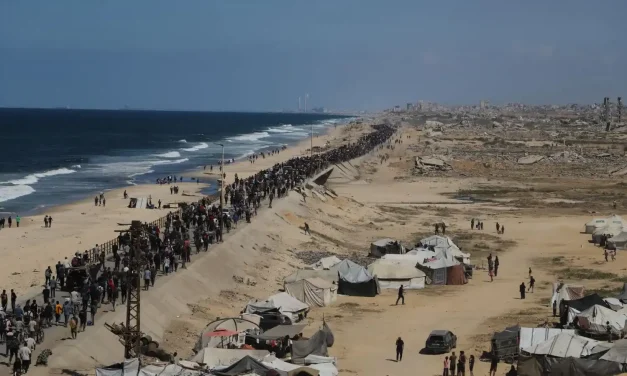
Increasing criticism of the extensive Zionist lobby network

SCFR Online – Opinion: An examination of the mechanisms of the Israeli regime’s influence in the United States depicts a complex picture of shared interests, strategic dependencies, and the limitations of this relationship.

Realities of the Tripartite Makkah Pact

SCFR Online – Interview: The signing of the Makkah agreement between Saudi Arabia, Pakistan, and Turkey has raised questions about the future of the region’s security structure and the position of these countries in West Asian equations. Can this agreement become a genuine collective defense mechanism, or does it have more of a political and deterrent function than creating new military capacity?

Loading

Politics

Developments in Sudan: Future Prospect

Developments in Sudan: Future Prospect

Strategic Council Online: The possibility of power transfer to civilians and the formation of a democratic government in Sudan are very far-fetched; the only possible thing is for a democratic government to take over for a short period of time.
Hassan Hanizadeh – West Asian Affairs expert

Bahraini Regime at the Service of Zionism!

Bahraini Regime at the Service of Zionism!

Strategic Council Online: A West Asian expert says the meeting between Bahraini Foreign Minister and an Israeli official has taken place to solve the problem of the Zionist regime these days especially after the defeat of the “Deal of the Century.” They needed to place sticks under the arms of the Zionist regime and that was done through the exposure of relations between Arab states and the Tel Aviv regime.

Afghanistan and the prospect of US forces withdrawal

Afghanistan and the prospect of US forces withdrawal

The chronic internal conflict in Afghanistan and the bleak likelihood of a workable peace agreement acceptable to all local players as well as the outside stakeholders remain to be a source of instability in the region and a potential breeding ground for international terrorism posing direct threats at regional and global security.
Hossein Ebrahim Khani

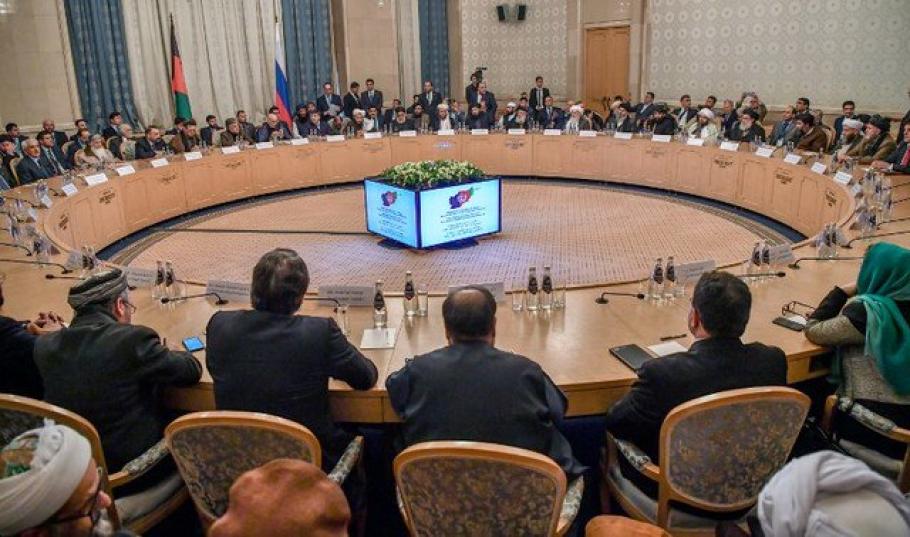
Prospects of Afghan Peace Process in Doha

Prospects of Afghan Peace Process in Doha

Strategic Council Online: The Afghan government, the Taliban and the United States have concluded that the continuation of conflicts will not lead to one party overcoming another. Therefore, the result of this perception is the movement of the parties towards negotiation and compromise.
Nozar Shafiei – Afghanistan Affairs Expert

Consequences of Right Wingers Win In Greece Elections

Consequences of Right Wingers Win In Greece Elections

Strategic Council Online: The most important consequence of the victory of the center-right New Democracy Party in Greece is the tightening of the adoption of common immigration policies and tension between EU members on the issue of immigration among countries such as Italy, Greece, Hungary and Poland on the one hand and states like France and Germany on the other hand.
Morteza Makki – European Affairs Expert

Analyzing Algerian Unrest

Analyzing Algerian Unrest

Strategic Council Online: The coincidence of the unrests in Algeria and Sudan with the spread of domestic conflicts in Libya, has led some analysts to speak of the common roots of these events. These analysts believe that the developments in Sudan, Algeria and Libya are caused by a new wave of changes started from Africa following the defeat of the Arab Spring in the north and northeast Africa.
Jafar Ghanadbashi – African and West Asian Affairs Expert

Behind the Scene of Dubai-Abu Dhabi Disputes

Behind the Scene of Dubai-Abu Dhabi Disputes

Strategic Council Online: The United Arab Emirates, as its name implies, consists of seven emirates with Dubai and Abu Dhabi being the most important ones; however, these two emirates have always had differences of views over the expansion of their domination and power inside and outside the country due to adopting opposite policies and tendencies.
Davoud Ahmadzadeh – Middle East Affairs Expert

Escalation of Disputes at Persian Gulf Cooperation Council

Escalation of Disputes at Persian Gulf Cooperation Council

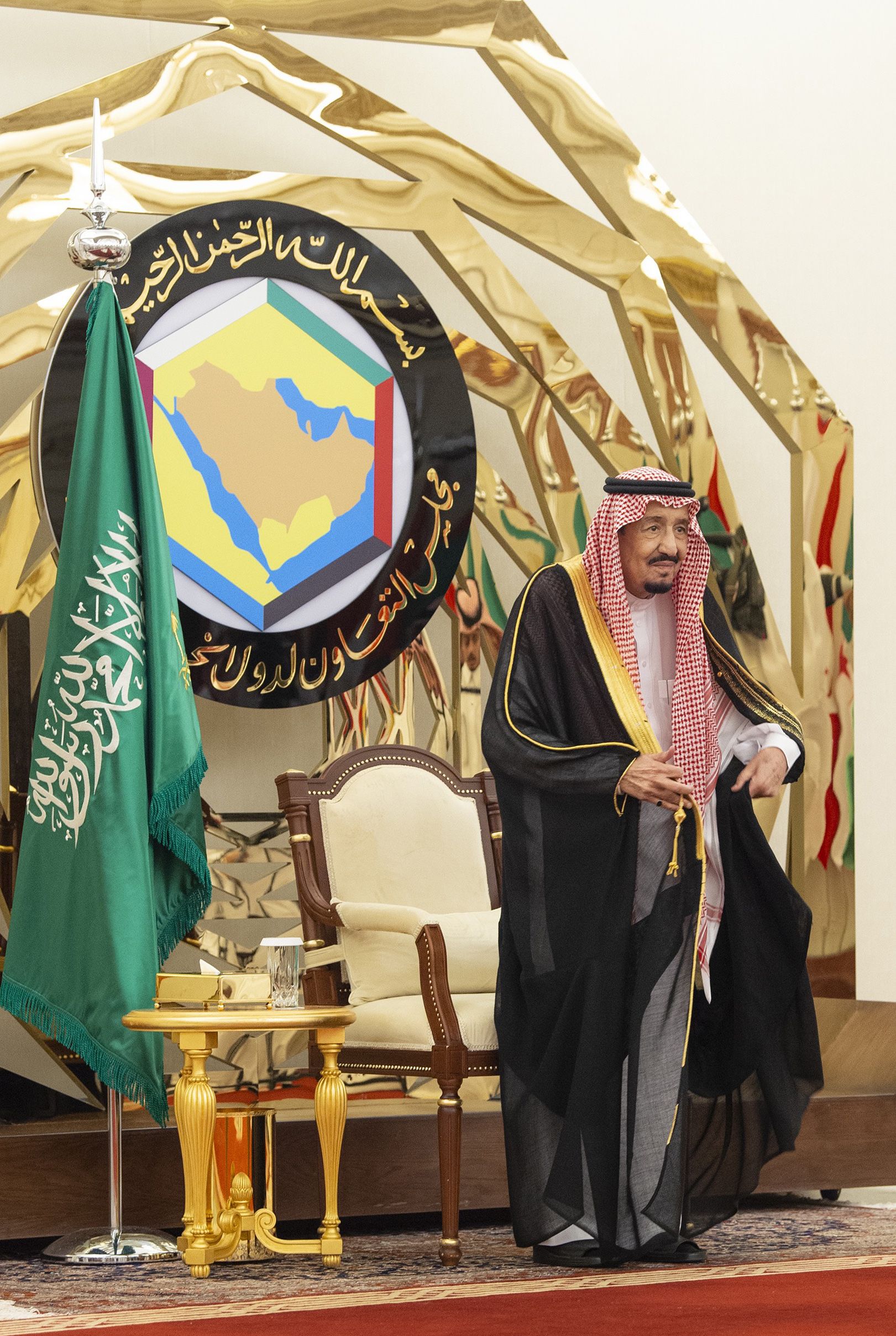
Strategic Council Online: The Persian Gulf Cooperation Council does not enjoy sufficient capacity for regional and international influence; but in spite of the ideological and political differences, especially in relation to Iran, the six countries under pressure from the United States and Britain have been forced to maintain the appearance of the Cooperation Council and cover up their differences.
Hassan Hanizadeh – Middle East Affairs Expert

Foreign Interventions in Sudan: Future Prospect

Foreign Interventions in Sudan: Future Prospect

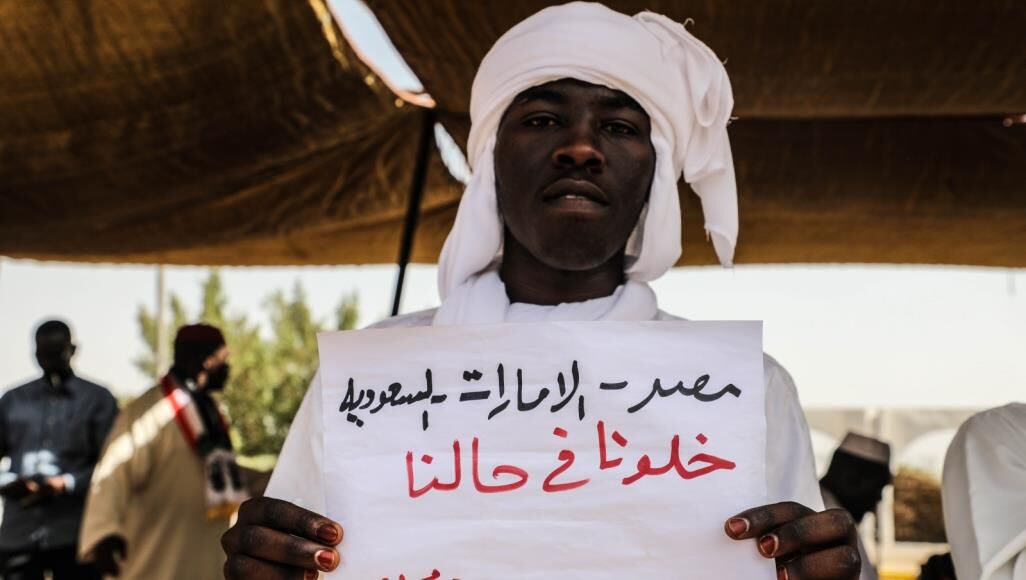
Strategic Council Online: Riyadh and Abu Dhabi seem to consider the current situation in Sudan and other African countries an opportunity to strengthen their strategic interests in North Africa.
Ahmad Bakhshi – African Affairs Expert

أحدث الوظائف

The Makkah Pact; Reasons for its Formation and Challenges Ahead

SCFR Online – Opinion: The Makkah Pact, signed between Saudi Arabia, Pakistan, and Turkey under the motto “an attack on one is an attack on all,” is viewed by some analysts less as a full-fledged military coalition and more as an attempt to reduce security dependence on an external power and to establish a regional security mechanism.

Implications of the US-Saudi Nuclear Agreement

SCFR Online – Opinion: The new US-Saudi nuclear agreement, despite legal and political ambiguities, could alter previous non-proliferation standards in West Asia and intensify nuclear competition, ushering it into a new phase.

An Analysis of Recent Turkey-Israeli Regime Tensions

SCFR Online – Opinion: Recent developments in Syria indicate an intensification of strategic rivalry between Turkey and the Israeli regime, but mutual considerations and the role of the United States have limited the likelihood of direct war.

Increasing criticism of the extensive Zionist lobby network

SCFR Online – Opinion: An examination of the mechanisms of the Israeli regime’s influence in the United States depicts a complex picture of shared interests, strategic dependencies, and the limitations of this relationship.

Realities of the Tripartite Makkah Pact

SCFR Online – Interview: The signing of the Makkah agreement between Saudi Arabia, Pakistan, and Turkey has raised questions about the future of the region’s security structure and the position of these countries in West Asian equations. Can this agreement become a genuine collective defense mechanism, or does it have more of a political and deterrent function than creating new military capacity?

Loading

Politics

Developments in Sudan: Future Prospect

Developments in Sudan: Future Prospect

Strategic Council Online: The possibility of power transfer to civilians and the formation of a democratic government in Sudan are very far-fetched; the only possible thing is for a democratic government to take over for a short period of time.
Hassan Hanizadeh – West Asian Affairs expert

Bahraini Regime at the Service of Zionism!

Bahraini Regime at the Service of Zionism!

Strategic Council Online: A West Asian expert says the meeting between Bahraini Foreign Minister and an Israeli official has taken place to solve the problem of the Zionist regime these days especially after the defeat of the “Deal of the Century.” They needed to place sticks under the arms of the Zionist regime and that was done through the exposure of relations between Arab states and the Tel Aviv regime.

Afghanistan and the prospect of US forces withdrawal

Afghanistan and the prospect of US forces withdrawal

The chronic internal conflict in Afghanistan and the bleak likelihood of a workable peace agreement acceptable to all local players as well as the outside stakeholders remain to be a source of instability in the region and a potential breeding ground for international terrorism posing direct threats at regional and global security.
Hossein Ebrahim Khani

Prospects of Afghan Peace Process in Doha

Prospects of Afghan Peace Process in Doha

Strategic Council Online: The Afghan government, the Taliban and the United States have concluded that the continuation of conflicts will not lead to one party overcoming another. Therefore, the result of this perception is the movement of the parties towards negotiation and compromise.
Nozar Shafiei – Afghanistan Affairs Expert

Consequences of Right Wingers Win In Greece Elections

Consequences of Right Wingers Win In Greece Elections

Strategic Council Online: The most important consequence of the victory of the center-right New Democracy Party in Greece is the tightening of the adoption of common immigration policies and tension between EU members on the issue of immigration among countries such as Italy, Greece, Hungary and Poland on the one hand and states like France and Germany on the other hand.
Morteza Makki – European Affairs Expert

Analyzing Algerian Unrest

Analyzing Algerian Unrest

Strategic Council Online: The coincidence of the unrests in Algeria and Sudan with the spread of domestic conflicts in Libya, has led some analysts to speak of the common roots of these events. These analysts believe that the developments in Sudan, Algeria and Libya are caused by a new wave of changes started from Africa following the defeat of the Arab Spring in the north and northeast Africa.
Jafar Ghanadbashi – African and West Asian Affairs Expert

Behind the Scene of Dubai-Abu Dhabi Disputes

Behind the Scene of Dubai-Abu Dhabi Disputes

Strategic Council Online: The United Arab Emirates, as its name implies, consists of seven emirates with Dubai and Abu Dhabi being the most important ones; however, these two emirates have always had differences of views over the expansion of their domination and power inside and outside the country due to adopting opposite policies and tendencies.
Davoud Ahmadzadeh – Middle East Affairs Expert

Escalation of Disputes at Persian Gulf Cooperation Council

Escalation of Disputes at Persian Gulf Cooperation Council

Strategic Council Online: The Persian Gulf Cooperation Council does not enjoy sufficient capacity for regional and international influence; but in spite of the ideological and political differences, especially in relation to Iran, the six countries under pressure from the United States and Britain have been forced to maintain the appearance of the Cooperation Council and cover up their differences.
Hassan Hanizadeh – Middle East Affairs Expert

Foreign Interventions in Sudan: Future Prospect

Foreign Interventions in Sudan: Future Prospect

Strategic Council Online: Riyadh and Abu Dhabi seem to consider the current situation in Sudan and other African countries an opportunity to strengthen their strategic interests in North Africa.
Ahmad Bakhshi – African Affairs Expert

Politics

Developments in Sudan: Future Prospect

Developments in Sudan: Future Prospect

Strategic Council Online: The possibility of power transfer to civilians and the formation of a democratic government in Sudan are very far-fetched; the only possible thing is for a democratic government to take over for a short period of time.
Hassan Hanizadeh – West Asian Affairs expert

Bahraini Regime at the Service of Zionism!

Bahraini Regime at the Service of Zionism!

Strategic Council Online: A West Asian expert says the meeting between Bahraini Foreign Minister and an Israeli official has taken place to solve the problem of the Zionist regime these days especially after the defeat of the “Deal of the Century.” They needed to place sticks under the arms of the Zionist regime and that was done through the exposure of relations between Arab states and the Tel Aviv regime.

Afghanistan and the prospect of US forces withdrawal

Afghanistan and the prospect of US forces withdrawal

The chronic internal conflict in Afghanistan and the bleak likelihood of a workable peace agreement acceptable to all local players as well as the outside stakeholders remain to be a source of instability in the region and a potential breeding ground for international terrorism posing direct threats at regional and global security.
Hossein Ebrahim Khani

Prospects of Afghan Peace Process in Doha

Prospects of Afghan Peace Process in Doha

Strategic Council Online: The Afghan government, the Taliban and the United States have concluded that the continuation of conflicts will not lead to one party overcoming another. Therefore, the result of this perception is the movement of the parties towards negotiation and compromise.
Nozar Shafiei – Afghanistan Affairs Expert

Consequences of Right Wingers Win In Greece Elections

Consequences of Right Wingers Win In Greece Elections

Strategic Council Online: The most important consequence of the victory of the center-right New Democracy Party in Greece is the tightening of the adoption of common immigration policies and tension between EU members on the issue of immigration among countries such as Italy, Greece, Hungary and Poland on the one hand and states like France and Germany on the other hand.
Morteza Makki – European Affairs Expert

Analyzing Algerian Unrest

Analyzing Algerian Unrest

Strategic Council Online: The coincidence of the unrests in Algeria and Sudan with the spread of domestic conflicts in Libya, has led some analysts to speak of the common roots of these events. These analysts believe that the developments in Sudan, Algeria and Libya are caused by a new wave of changes started from Africa following the defeat of the Arab Spring in the north and northeast Africa.
Jafar Ghanadbashi – African and West Asian Affairs Expert

Behind the Scene of Dubai-Abu Dhabi Disputes

Behind the Scene of Dubai-Abu Dhabi Disputes

Strategic Council Online: The United Arab Emirates, as its name implies, consists of seven emirates with Dubai and Abu Dhabi being the most important ones; however, these two emirates have always had differences of views over the expansion of their domination and power inside and outside the country due to adopting opposite policies and tendencies.
Davoud Ahmadzadeh – Middle East Affairs Expert

Escalation of Disputes at Persian Gulf Cooperation Council

Escalation of Disputes at Persian Gulf Cooperation Council

Strategic Council Online: The Persian Gulf Cooperation Council does not enjoy sufficient capacity for regional and international influence; but in spite of the ideological and political differences, especially in relation to Iran, the six countries under pressure from the United States and Britain have been forced to maintain the appearance of the Cooperation Council and cover up their differences.
Hassan Hanizadeh – Middle East Affairs Expert

Foreign Interventions in Sudan: Future Prospect

Foreign Interventions in Sudan: Future Prospect

Strategic Council Online: Riyadh and Abu Dhabi seem to consider the current situation in Sudan and other African countries an opportunity to strengthen their strategic interests in North Africa.
Ahmad Bakhshi – African Affairs Expert

LATEST CONTENT

The Makkah Pact; Reasons for its Formation and Challenges Ahead

SCFR Online – Opinion: The Makkah Pact, signed between Saudi Arabia, Pakistan, and Turkey under the motto “an attack on one is an attack on all,” is viewed by some analysts less as a full-fledged military coalition and more as an attempt to reduce security dependence on an external power and to establish a regional security mechanism.

Implications of the US-Saudi Nuclear Agreement

SCFR Online – Opinion: The new US-Saudi nuclear agreement, despite legal and political ambiguities, could alter previous non-proliferation standards in West Asia and intensify nuclear competition, ushering it into a new phase.

An Analysis of Recent Turkey-Israeli Regime Tensions

SCFR Online – Opinion: Recent developments in Syria indicate an intensification of strategic rivalry between Turkey and the Israeli regime, but mutual considerations and the role of the United States have limited the likelihood of direct war.

Increasing criticism of the extensive Zionist lobby network

SCFR Online – Opinion: An examination of the mechanisms of the Israeli regime’s influence in the United States depicts a complex picture of shared interests, strategic dependencies, and the limitations of this relationship.

Realities of the Tripartite Makkah Pact

SCFR Online – Interview: The signing of the Makkah agreement between Saudi Arabia, Pakistan, and Turkey has raised questions about the future of the region’s security structure and the position of these countries in West Asian equations. Can this agreement become a genuine collective defense mechanism, or does it have more of a political and deterrent function than creating new military capacity?

Loading

Politics

Developments in Sudan: Future Prospect

Developments in Sudan: Future Prospect

Strategic Council Online: The possibility of power transfer to civilians and the formation of a democratic government in Sudan are very far-fetched; the only possible thing is for a democratic government to take over for a short period of time.
Hassan Hanizadeh – West Asian Affairs expert

Bahraini Regime at the Service of Zionism!

Bahraini Regime at the Service of Zionism!

Strategic Council Online: A West Asian expert says the meeting between Bahraini Foreign Minister and an Israeli official has taken place to solve the problem of the Zionist regime these days especially after the defeat of the “Deal of the Century.” They needed to place sticks under the arms of the Zionist regime and that was done through the exposure of relations between Arab states and the Tel Aviv regime.

Afghanistan and the prospect of US forces withdrawal

Afghanistan and the prospect of US forces withdrawal

The chronic internal conflict in Afghanistan and the bleak likelihood of a workable peace agreement acceptable to all local players as well as the outside stakeholders remain to be a source of instability in the region and a potential breeding ground for international terrorism posing direct threats at regional and global security.
Hossein Ebrahim Khani

Prospects of Afghan Peace Process in Doha

Prospects of Afghan Peace Process in Doha

Strategic Council Online: The Afghan government, the Taliban and the United States have concluded that the continuation of conflicts will not lead to one party overcoming another. Therefore, the result of this perception is the movement of the parties towards negotiation and compromise.
Nozar Shafiei – Afghanistan Affairs Expert

Consequences of Right Wingers Win In Greece Elections

Consequences of Right Wingers Win In Greece Elections

Strategic Council Online: The most important consequence of the victory of the center-right New Democracy Party in Greece is the tightening of the adoption of common immigration policies and tension between EU members on the issue of immigration among countries such as Italy, Greece, Hungary and Poland on the one hand and states like France and Germany on the other hand.
Morteza Makki – European Affairs Expert

Analyzing Algerian Unrest

Analyzing Algerian Unrest

Strategic Council Online: The coincidence of the unrests in Algeria and Sudan with the spread of domestic conflicts in Libya, has led some analysts to speak of the common roots of these events. These analysts believe that the developments in Sudan, Algeria and Libya are caused by a new wave of changes started from Africa following the defeat of the Arab Spring in the north and northeast Africa.
Jafar Ghanadbashi – African and West Asian Affairs Expert

Behind the Scene of Dubai-Abu Dhabi Disputes

Behind the Scene of Dubai-Abu Dhabi Disputes

Strategic Council Online: The United Arab Emirates, as its name implies, consists of seven emirates with Dubai and Abu Dhabi being the most important ones; however, these two emirates have always had differences of views over the expansion of their domination and power inside and outside the country due to adopting opposite policies and tendencies.
Davoud Ahmadzadeh – Middle East Affairs Expert

Escalation of Disputes at Persian Gulf Cooperation Council

Escalation of Disputes at Persian Gulf Cooperation Council

Strategic Council Online: The Persian Gulf Cooperation Council does not enjoy sufficient capacity for regional and international influence; but in spite of the ideological and political differences, especially in relation to Iran, the six countries under pressure from the United States and Britain have been forced to maintain the appearance of the Cooperation Council and cover up their differences.
Hassan Hanizadeh – Middle East Affairs Expert

Foreign Interventions in Sudan: Future Prospect

Foreign Interventions in Sudan: Future Prospect

Strategic Council Online: Riyadh and Abu Dhabi seem to consider the current situation in Sudan and other African countries an opportunity to strengthen their strategic interests in North Africa.
Ahmad Bakhshi – African Affairs Expert

ÚLTIMAS PUBLICACIONES

The Makkah Pact; Reasons for its Formation and Challenges Ahead

SCFR Online – Opinion: The Makkah Pact, signed between Saudi Arabia, Pakistan, and Turkey under the motto “an attack on one is an attack on all,” is viewed by some analysts less as a full-fledged military coalition and more as an attempt to reduce security dependence on an external power and to establish a regional security mechanism.

Implications of the US-Saudi Nuclear Agreement

SCFR Online – Opinion: The new US-Saudi nuclear agreement, despite legal and political ambiguities, could alter previous non-proliferation standards in West Asia and intensify nuclear competition, ushering it into a new phase.

An Analysis of Recent Turkey-Israeli Regime Tensions

SCFR Online – Opinion: Recent developments in Syria indicate an intensification of strategic rivalry between Turkey and the Israeli regime, but mutual considerations and the role of the United States have limited the likelihood of direct war.

Increasing criticism of the extensive Zionist lobby network

SCFR Online – Opinion: An examination of the mechanisms of the Israeli regime’s influence in the United States depicts a complex picture of shared interests, strategic dependencies, and the limitations of this relationship.

Realities of the Tripartite Makkah Pact

SCFR Online – Interview: The signing of the Makkah agreement between Saudi Arabia, Pakistan, and Turkey has raised questions about the future of the region’s security structure and the position of these countries in West Asian equations. Can this agreement become a genuine collective defense mechanism, or does it have more of a political and deterrent function than creating new military capacity?

Loading

Politics

Developments in Sudan: Future Prospect

Developments in Sudan: Future Prospect

Strategic Council Online: The possibility of power transfer to civilians and the formation of a democratic government in Sudan are very far-fetched; the only possible thing is for a democratic government to take over for a short period of time.
Hassan Hanizadeh – West Asian Affairs expert

Bahraini Regime at the Service of Zionism!

Bahraini Regime at the Service of Zionism!

Strategic Council Online: A West Asian expert says the meeting between Bahraini Foreign Minister and an Israeli official has taken place to solve the problem of the Zionist regime these days especially after the defeat of the “Deal of the Century.” They needed to place sticks under the arms of the Zionist regime and that was done through the exposure of relations between Arab states and the Tel Aviv regime.

Afghanistan and the prospect of US forces withdrawal

Afghanistan and the prospect of US forces withdrawal

The chronic internal conflict in Afghanistan and the bleak likelihood of a workable peace agreement acceptable to all local players as well as the outside stakeholders remain to be a source of instability in the region and a potential breeding ground for international terrorism posing direct threats at regional and global security.
Hossein Ebrahim Khani

Prospects of Afghan Peace Process in Doha

Prospects of Afghan Peace Process in Doha

Strategic Council Online: The Afghan government, the Taliban and the United States have concluded that the continuation of conflicts will not lead to one party overcoming another. Therefore, the result of this perception is the movement of the parties towards negotiation and compromise.
Nozar Shafiei – Afghanistan Affairs Expert

Consequences of Right Wingers Win In Greece Elections

Consequences of Right Wingers Win In Greece Elections

Strategic Council Online: The most important consequence of the victory of the center-right New Democracy Party in Greece is the tightening of the adoption of common immigration policies and tension between EU members on the issue of immigration among countries such as Italy, Greece, Hungary and Poland on the one hand and states like France and Germany on the other hand.
Morteza Makki – European Affairs Expert

Analyzing Algerian Unrest

Analyzing Algerian Unrest

Strategic Council Online: The coincidence of the unrests in Algeria and Sudan with the spread of domestic conflicts in Libya, has led some analysts to speak of the common roots of these events. These analysts believe that the developments in Sudan, Algeria and Libya are caused by a new wave of changes started from Africa following the defeat of the Arab Spring in the north and northeast Africa.
Jafar Ghanadbashi – African and West Asian Affairs Expert

Behind the Scene of Dubai-Abu Dhabi Disputes

Behind the Scene of Dubai-Abu Dhabi Disputes

Strategic Council Online: The United Arab Emirates, as its name implies, consists of seven emirates with Dubai and Abu Dhabi being the most important ones; however, these two emirates have always had differences of views over the expansion of their domination and power inside and outside the country due to adopting opposite policies and tendencies.
Davoud Ahmadzadeh – Middle East Affairs Expert

Escalation of Disputes at Persian Gulf Cooperation Council

Escalation of Disputes at Persian Gulf Cooperation Council

Strategic Council Online: The Persian Gulf Cooperation Council does not enjoy sufficient capacity for regional and international influence; but in spite of the ideological and political differences, especially in relation to Iran, the six countries under pressure from the United States and Britain have been forced to maintain the appearance of the Cooperation Council and cover up their differences.
Hassan Hanizadeh – Middle East Affairs Expert

Foreign Interventions in Sudan: Future Prospect

Foreign Interventions in Sudan: Future Prospect

Strategic Council Online: Riyadh and Abu Dhabi seem to consider the current situation in Sudan and other African countries an opportunity to strengthen their strategic interests in North Africa.
Ahmad Bakhshi – African Affairs Expert

ÚLTIMAS PUBLICACIONES

The Makkah Pact; Reasons for its Formation and Challenges Ahead

SCFR Online – Opinion: The Makkah Pact, signed between Saudi Arabia, Pakistan, and Turkey under the motto “an attack on one is an attack on all,” is viewed by some analysts less as a full-fledged military coalition and more as an attempt to reduce security dependence on an external power and to establish a regional security mechanism.

Implications of the US-Saudi Nuclear Agreement

SCFR Online – Opinion: The new US-Saudi nuclear agreement, despite legal and political ambiguities, could alter previous non-proliferation standards in West Asia and intensify nuclear competition, ushering it into a new phase.

An Analysis of Recent Turkey-Israeli Regime Tensions

SCFR Online – Opinion: Recent developments in Syria indicate an intensification of strategic rivalry between Turkey and the Israeli regime, but mutual considerations and the role of the United States have limited the likelihood of direct war.

Increasing criticism of the extensive Zionist lobby network

SCFR Online – Opinion: An examination of the mechanisms of the Israeli regime’s influence in the United States depicts a complex picture of shared interests, strategic dependencies, and the limitations of this relationship.

Realities of the Tripartite Makkah Pact

SCFR Online – Interview: The signing of the Makkah agreement between Saudi Arabia, Pakistan, and Turkey has raised questions about the future of the region’s security structure and the position of these countries in West Asian equations. Can this agreement become a genuine collective defense mechanism, or does it have more of a political and deterrent function than creating new military capacity?

Loading

Politics

Developments in Sudan: Future Prospect

Developments in Sudan: Future Prospect

Strategic Council Online: The possibility of power transfer to civilians and the formation of a democratic government in Sudan are very far-fetched; the only possible thing is for a democratic government to take over for a short period of time.
Hassan Hanizadeh – West Asian Affairs expert

Bahraini Regime at the Service of Zionism!

Bahraini Regime at the Service of Zionism!

Strategic Council Online: A West Asian expert says the meeting between Bahraini Foreign Minister and an Israeli official has taken place to solve the problem of the Zionist regime these days especially after the defeat of the “Deal of the Century.” They needed to place sticks under the arms of the Zionist regime and that was done through the exposure of relations between Arab states and the Tel Aviv regime.

Afghanistan and the prospect of US forces withdrawal

Afghanistan and the prospect of US forces withdrawal

The chronic internal conflict in Afghanistan and the bleak likelihood of a workable peace agreement acceptable to all local players as well as the outside stakeholders remain to be a source of instability in the region and a potential breeding ground for international terrorism posing direct threats at regional and global security.
Hossein Ebrahim Khani

Prospects of Afghan Peace Process in Doha

Prospects of Afghan Peace Process in Doha

Strategic Council Online: The Afghan government, the Taliban and the United States have concluded that the continuation of conflicts will not lead to one party overcoming another. Therefore, the result of this perception is the movement of the parties towards negotiation and compromise.
Nozar Shafiei – Afghanistan Affairs Expert

Consequences of Right Wingers Win In Greece Elections

Consequences of Right Wingers Win In Greece Elections

Strategic Council Online: The most important consequence of the victory of the center-right New Democracy Party in Greece is the tightening of the adoption of common immigration policies and tension between EU members on the issue of immigration among countries such as Italy, Greece, Hungary and Poland on the one hand and states like France and Germany on the other hand.
Morteza Makki – European Affairs Expert

Analyzing Algerian Unrest

Analyzing Algerian Unrest

Strategic Council Online: The coincidence of the unrests in Algeria and Sudan with the spread of domestic conflicts in Libya, has led some analysts to speak of the common roots of these events. These analysts believe that the developments in Sudan, Algeria and Libya are caused by a new wave of changes started from Africa following the defeat of the Arab Spring in the north and northeast Africa.
Jafar Ghanadbashi – African and West Asian Affairs Expert

Behind the Scene of Dubai-Abu Dhabi Disputes

Behind the Scene of Dubai-Abu Dhabi Disputes

Strategic Council Online: The United Arab Emirates, as its name implies, consists of seven emirates with Dubai and Abu Dhabi being the most important ones; however, these two emirates have always had differences of views over the expansion of their domination and power inside and outside the country due to adopting opposite policies and tendencies.
Davoud Ahmadzadeh – Middle East Affairs Expert

Escalation of Disputes at Persian Gulf Cooperation Council

Escalation of Disputes at Persian Gulf Cooperation Council

Strategic Council Online: The Persian Gulf Cooperation Council does not enjoy sufficient capacity for regional and international influence; but in spite of the ideological and political differences, especially in relation to Iran, the six countries under pressure from the United States and Britain have been forced to maintain the appearance of the Cooperation Council and cover up their differences.
Hassan Hanizadeh – Middle East Affairs Expert

Foreign Interventions in Sudan: Future Prospect

Foreign Interventions in Sudan: Future Prospect

Strategic Council Online: Riyadh and Abu Dhabi seem to consider the current situation in Sudan and other African countries an opportunity to strengthen their strategic interests in North Africa.
Ahmad Bakhshi – African Affairs Expert

ÚLTIMAS PUBLICACIONES

The Makkah Pact; Reasons for its Formation and Challenges Ahead

SCFR Online – Opinion: The Makkah Pact, signed between Saudi Arabia, Pakistan, and Turkey under the motto “an attack on one is an attack on all,” is viewed by some analysts less as a full-fledged military coalition and more as an attempt to reduce security dependence on an external power and to establish a regional security mechanism.

Implications of the US-Saudi Nuclear Agreement

SCFR Online – Opinion: The new US-Saudi nuclear agreement, despite legal and political ambiguities, could alter previous non-proliferation standards in West Asia and intensify nuclear competition, ushering it into a new phase.

An Analysis of Recent Turkey-Israeli Regime Tensions

SCFR Online – Opinion: Recent developments in Syria indicate an intensification of strategic rivalry between Turkey and the Israeli regime, but mutual considerations and the role of the United States have limited the likelihood of direct war.

Increasing criticism of the extensive Zionist lobby network

SCFR Online – Opinion: An examination of the mechanisms of the Israeli regime’s influence in the United States depicts a complex picture of shared interests, strategic dependencies, and the limitations of this relationship.

Realities of the Tripartite Makkah Pact

SCFR Online – Interview: The signing of the Makkah agreement between Saudi Arabia, Pakistan, and Turkey has raised questions about the future of the region’s security structure and the position of these countries in West Asian equations. Can this agreement become a genuine collective defense mechanism, or does it have more of a political and deterrent function than creating new military capacity?

Loading

Politics

Developments in Sudan: Future Prospect

Developments in Sudan: Future Prospect

Strategic Council Online: The possibility of power transfer to civilians and the formation of a democratic government in Sudan are very far-fetched; the only possible thing is for a democratic government to take over for a short period of time.
Hassan Hanizadeh – West Asian Affairs expert

Bahraini Regime at the Service of Zionism!

Bahraini Regime at the Service of Zionism!

Strategic Council Online: A West Asian expert says the meeting between Bahraini Foreign Minister and an Israeli official has taken place to solve the problem of the Zionist regime these days especially after the defeat of the “Deal of the Century.” They needed to place sticks under the arms of the Zionist regime and that was done through the exposure of relations between Arab states and the Tel Aviv regime.

Afghanistan and the prospect of US forces withdrawal

Afghanistan and the prospect of US forces withdrawal

The chronic internal conflict in Afghanistan and the bleak likelihood of a workable peace agreement acceptable to all local players as well as the outside stakeholders remain to be a source of instability in the region and a potential breeding ground for international terrorism posing direct threats at regional and global security.
Hossein Ebrahim Khani

Prospects of Afghan Peace Process in Doha

Prospects of Afghan Peace Process in Doha

Strategic Council Online: The Afghan government, the Taliban and the United States have concluded that the continuation of conflicts will not lead to one party overcoming another. Therefore, the result of this perception is the movement of the parties towards negotiation and compromise.
Nozar Shafiei – Afghanistan Affairs Expert

Consequences of Right Wingers Win In Greece Elections

Consequences of Right Wingers Win In Greece Elections

Strategic Council Online: The most important consequence of the victory of the center-right New Democracy Party in Greece is the tightening of the adoption of common immigration policies and tension between EU members on the issue of immigration among countries such as Italy, Greece, Hungary and Poland on the one hand and states like France and Germany on the other hand.
Morteza Makki – European Affairs Expert

Analyzing Algerian Unrest

Analyzing Algerian Unrest

Strategic Council Online: The coincidence of the unrests in Algeria and Sudan with the spread of domestic conflicts in Libya, has led some analysts to speak of the common roots of these events. These analysts believe that the developments in Sudan, Algeria and Libya are caused by a new wave of changes started from Africa following the defeat of the Arab Spring in the north and northeast Africa.
Jafar Ghanadbashi – African and West Asian Affairs Expert

Behind the Scene of Dubai-Abu Dhabi Disputes

Behind the Scene of Dubai-Abu Dhabi Disputes

Strategic Council Online: The United Arab Emirates, as its name implies, consists of seven emirates with Dubai and Abu Dhabi being the most important ones; however, these two emirates have always had differences of views over the expansion of their domination and power inside and outside the country due to adopting opposite policies and tendencies.
Davoud Ahmadzadeh – Middle East Affairs Expert

Escalation of Disputes at Persian Gulf Cooperation Council

Escalation of Disputes at Persian Gulf Cooperation Council

Strategic Council Online: The Persian Gulf Cooperation Council does not enjoy sufficient capacity for regional and international influence; but in spite of the ideological and political differences, especially in relation to Iran, the six countries under pressure from the United States and Britain have been forced to maintain the appearance of the Cooperation Council and cover up their differences.
Hassan Hanizadeh – Middle East Affairs Expert

Foreign Interventions in Sudan: Future Prospect

Foreign Interventions in Sudan: Future Prospect

Strategic Council Online: Riyadh and Abu Dhabi seem to consider the current situation in Sudan and other African countries an opportunity to strengthen their strategic interests in North Africa.
Ahmad Bakhshi – African Affairs Expert

ÚLTIMAS PUBLICACIONES

The Makkah Pact; Reasons for its Formation and Challenges Ahead

SCFR Online – Opinion: The Makkah Pact, signed between Saudi Arabia, Pakistan, and Turkey under the motto “an attack on one is an attack on all,” is viewed by some analysts less as a full-fledged military coalition and more as an attempt to reduce security dependence on an external power and to establish a regional security mechanism.

Implications of the US-Saudi Nuclear Agreement

SCFR Online – Opinion: The new US-Saudi nuclear agreement, despite legal and political ambiguities, could alter previous non-proliferation standards in West Asia and intensify nuclear competition, ushering it into a new phase.

An Analysis of Recent Turkey-Israeli Regime Tensions

SCFR Online – Opinion: Recent developments in Syria indicate an intensification of strategic rivalry between Turkey and the Israeli regime, but mutual considerations and the role of the United States have limited the likelihood of direct war.

Increasing criticism of the extensive Zionist lobby network

SCFR Online – Opinion: An examination of the mechanisms of the Israeli regime’s influence in the United States depicts a complex picture of shared interests, strategic dependencies, and the limitations of this relationship.

Realities of the Tripartite Makkah Pact

SCFR Online – Interview: The signing of the Makkah agreement between Saudi Arabia, Pakistan, and Turkey has raised questions about the future of the region’s security structure and the position of these countries in West Asian equations. Can this agreement become a genuine collective defense mechanism, or does it have more of a political and deterrent function than creating new military capacity?

Loading