جدیدترین مطالب

The Makkah Pact; Reasons for its Formation and Challenges Ahead

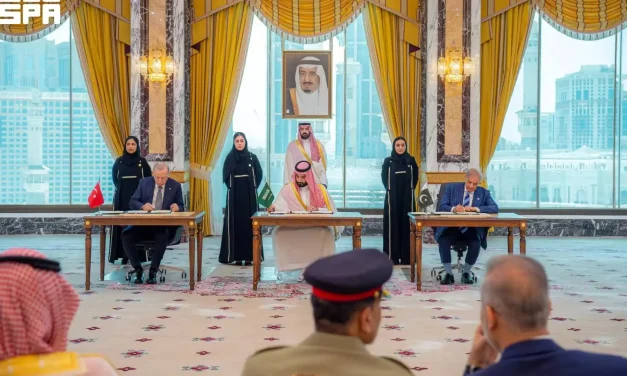
SCFR Online – Opinion: The Makkah Pact, signed between Saudi Arabia, Pakistan, and Turkey under the motto “an attack on one is an attack on all,” is viewed by some analysts less as a full-fledged military coalition and more as an attempt to reduce security dependence on an external power and to establish a regional security mechanism.
Implications of the US-Saudi Nuclear Agreement

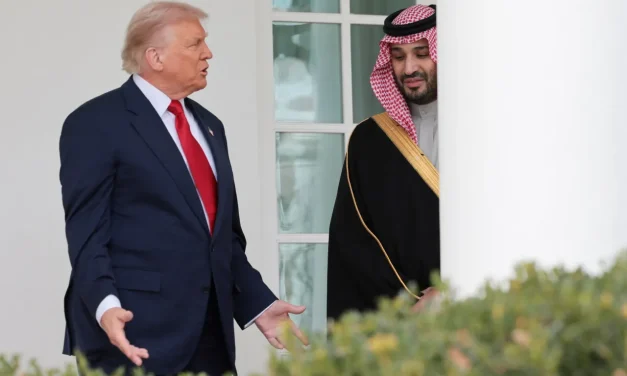
SCFR Online – Opinion: The new US-Saudi nuclear agreement, despite legal and political ambiguities, could alter previous non-proliferation standards in West Asia and intensify nuclear competition, ushering it into a new phase.

An Analysis of Recent Turkey-Israeli Regime Tensions

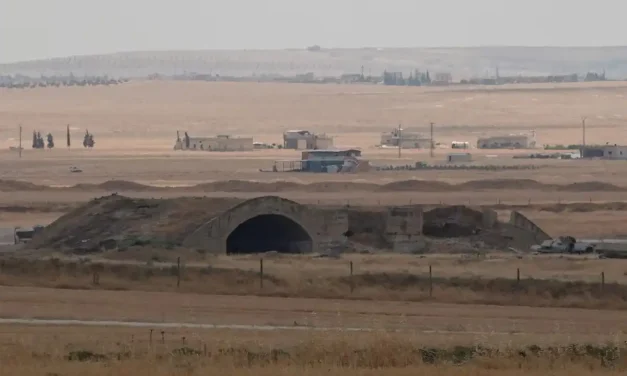
SCFR Online – Opinion: Recent developments in Syria indicate an intensification of strategic rivalry between Turkey and the Israeli regime, but mutual considerations and the role of the United States have limited the likelihood of direct war.

Increasing criticism of the extensive Zionist lobby network

SCFR Online – Opinion: An examination of the mechanisms of the Israeli regime’s influence in the United States depicts a complex picture of shared interests, strategic dependencies, and the limitations of this relationship.

Realities of the Tripartite Makkah Pact

SCFR Online – Interview: The signing of the Makkah agreement between Saudi Arabia, Pakistan, and Turkey has raised questions about the future of the region’s security structure and the position of these countries in West Asian equations. Can this agreement become a genuine collective defense mechanism, or does it have more of a political and deterrent function than creating new military capacity?

Strategic Implications of the Reduction of US Weapons Stockpiles

SCFR Online – Opinion: The continuation of the US war against Iran, in addition to increasing operational costs, has called into question the actual capacity of the American arsenal to simultaneously fulfill security commitments on multiple fronts; an issue that affects deterrence, defense production capacity, and Washington’s resource prioritization.

The Formation of a New Order in Relations Between Powers

SCFR Online – Opinion: The Russia-Ukraine war and the war of the United States and the Israeli regime against Iran have been formed with different objectives and actors, but field and political developments indicate that they are not entirely separate from one another.

Loading

Politics

Goals of Blinken’s Recent Trip to Saudi Arabia

Goals of Blinken’s Recent Trip to Saudi Arabia

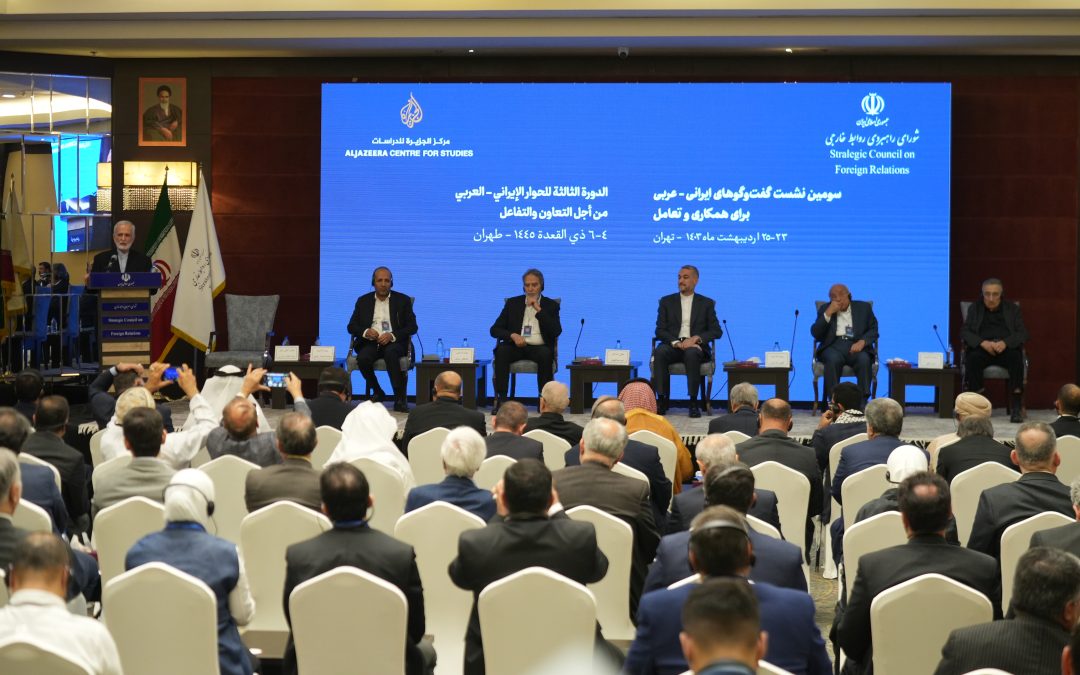
Strategic Council Online—Interview: A researcher of Saudi affairs said that US Secretary of State Anthony Blinken arrived in Riyadh recently during a regional trip and had consultations with the Riyadh officials. It seems that one of the items on the agenda between Saudi Arabia and America, in addition to the Gaza war, is the process of normalizing relations between the Israeli regime and the Arab kingdom.

Dr. Kharrazi's response to the new US position on Iran's nuclear program:It Was America That Abandoned Nuclear Diplomacy/ Iran Also Considers Diplomacy the Best Approach

Dr. Kharrazi's response to the new US position on Iran's nuclear program:
It Was America That Abandoned Nuclear Diplomacy/ Iran Also Considers Diplomacy the Best Approach

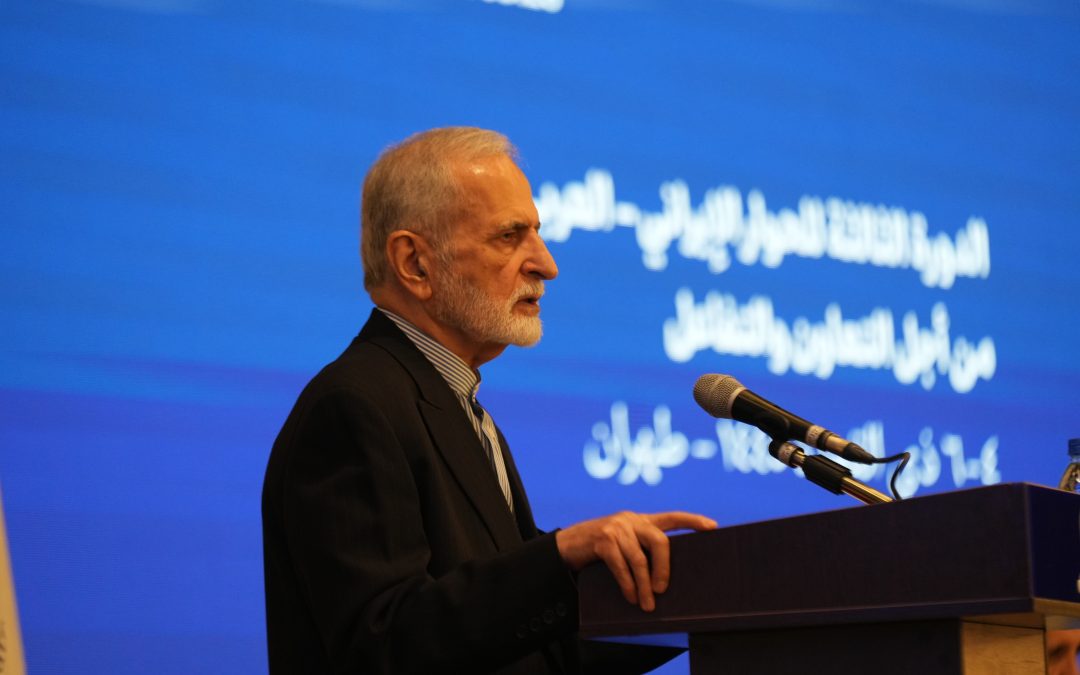
Strategic Council Online: The President of the Strategic Council on Foreign Relations stated: “The US State Department spokesperson, after my interview with Al Jazeera, reiterated their past remarks, stating that they won’t allow Iran to build nuclear weapons, but ultimately said diplomacy is the best approach. Yes, we too prefer diplomacy since based on the Fatwa of our Supreme Leader are not for nuclear weapons; rather, we are advocates of diplomacy to make the Middle East a nuclear-free region. But, in case the Israeli regime threatens us with nuclear weapons, we surely cannot sit idle and wait for permission from others.”

Europe’s Confusion in Securing Bab al-Mandab Strait and the Red Sea

Europe’s Confusion in Securing Bab al-Mandab Strait and the Red Sea

Strategic Council Online – Opinion: The strategic Strait of Bab al-Mandab and the Red Sea have recently faced serious problems and crises due to the Gaza war. This is because of the protectionist approach of the Yemeni army forces toward Palestine, which, since the beginning of the Israeli regime’s attacks on the Gaza Strip, has included attacks on ships bound for or from the origin of the regime in the Red Sea.
They said they will continue their attacks until the Israeli regime’s military aggression in the Gaza Strip ends. The United States, as the most important supporter of the Israeli regime, was the first country to respond to this policy of Yemeni army forces and tried to form a global coalition to counter these attacks under the cover of supporting freedom of navigation, which, of course, failed because of conflicts of interests of Western countries and ended in the actions of the US and British attacks on positions in Yemen. Of course, although European countries were not seriously involved in the American coalition, they have numerous and complex interests in this inflammatory, and as a result, have adopted a particular and independent approach.
Dr. Mohammad Mehdi Mazaheri – University Professor

The prospect of Possible Departure of Hamas Political Office from Qatar

The prospect of Possible Departure of Hamas Political Office from Qatar

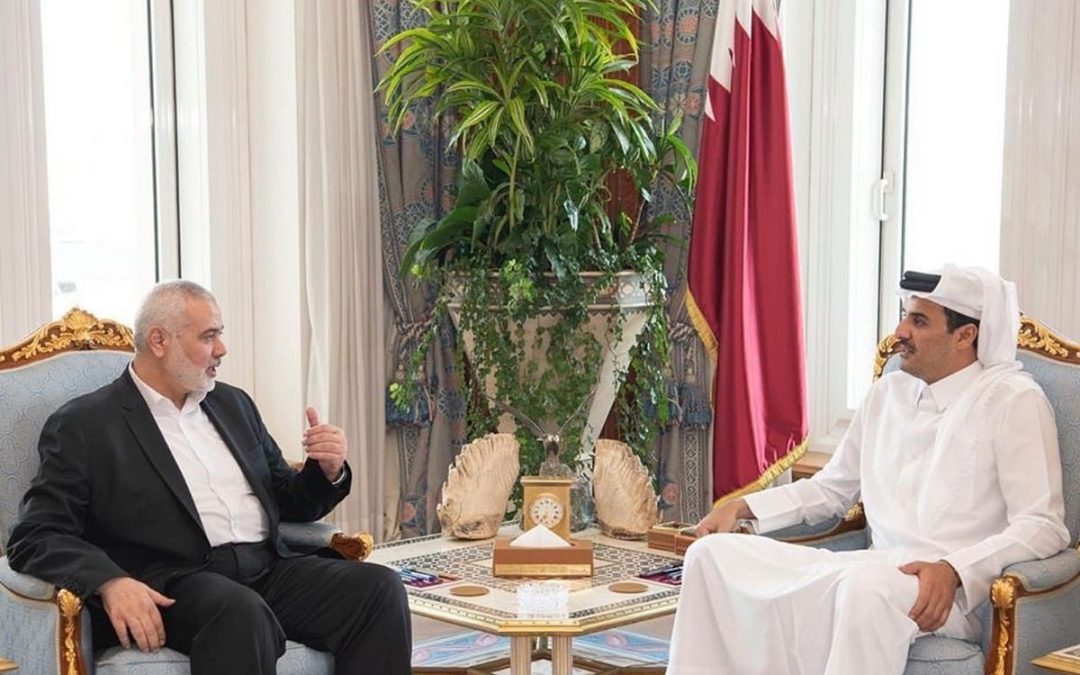
Strategic Council Online – Interview: An expert on regional issues said Qatari authorities will definitely resist Western pressure to expel Hamas leaders from their territory, and probably the United States will not move towards a zero-hundred equation in this regard because if the Hamas leaders remain in Qatar, which is an ally of the United States, is better than moving to a country outside the power of the United States to exert pressure.

An Analysis of New EU Sanctions Package Against Russia

An Analysis of New EU Sanctions Package Against Russia

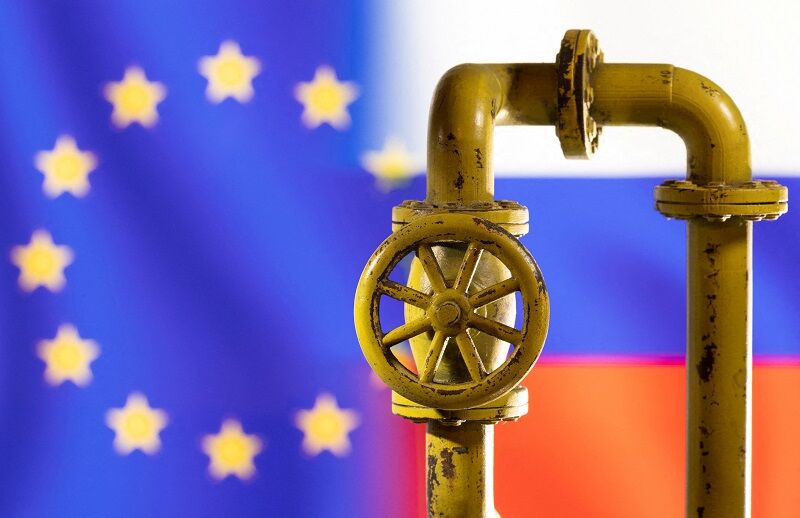
Strategic Council Online – Interview: An expert on Caucasus issues said that Swedish Foreign Minister Tobias Billström recently announced that EU states plan to include the ban on the supply of liquefied natural gas (LNG) in the sanctions against Russia.

Dimensions and Consequences of Erdoğan’s Visit to Iraq

Dimensions and Consequences of Erdoğan’s Visit to Iraq

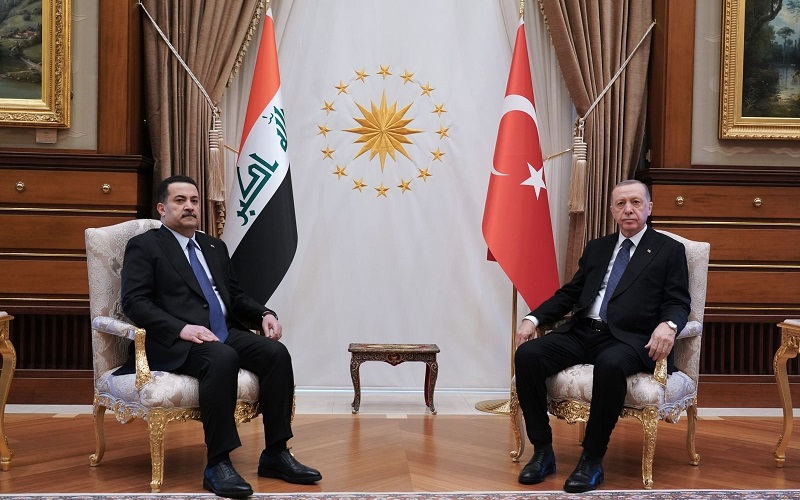
Strategic Council Online – Note: Turkish President Recep Tayyip Erdogan’s recent trip to Iraq, after his last visit to Baghdad 13 years ago, is considered one of the most important political, economic, and security developments in the relations between the two countries.
Hamid Khoshayand- an expert on regional issues

Withdrawal of Russian Forces from South Caucasus; Strategy or Tactic?

Withdrawal of Russian Forces from South Caucasus; Strategy or Tactic?

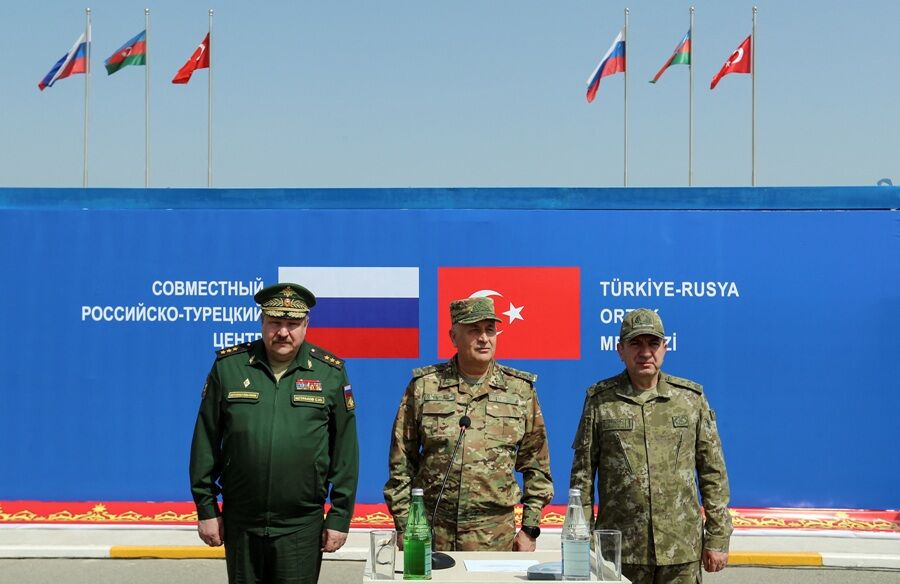
Strategic Council Online – Interview: An expert on Caucasus affairs said: Following news reports that the Kremlin has implicitly confirmed that Russian peacekeepers are withdrawing from the Nagorno-Karabakh region and taking their weapons and equipment with them, this question is seriously raised: Does Russia want to hand over the South Caucasus region to the West?

Netanyahu’s War Cabinet’s Efforts to Divert Public Opinion from The Gaza War

Netanyahu’s War Cabinet’s Efforts to Divert Public Opinion from The Gaza War

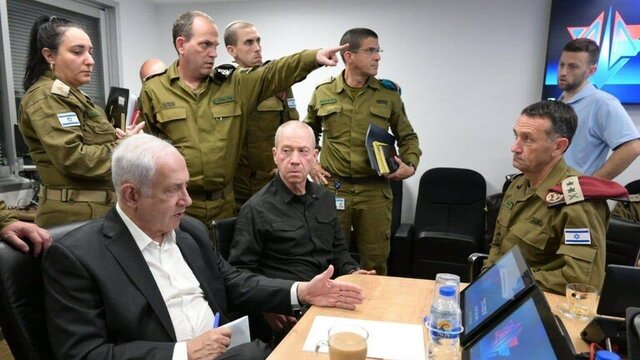
Strategic Council Online – Opinion: The Zionist regime is trying to “psychologically exploit” the recent events in the region to divert the world public opinion from the crimes this regime is committing in Gaza. Examining the atmosphere prevailing in the political and media circles of the Zionist regime and the centers aligned with it at the regional and international level shows that this regime seeks to “highlight and dominate” the recent tensions with the Islamic Republic of Iran so that it could reduce the heavy pressure that is felt in the domestic, regional, and international public opinion and even European governments against the Gaza war.
Hamid Khoshayand – expert on regional issues

The Outlook of Geopolitical Competition Among Major Powers in the Caucasus

The Outlook of Geopolitical Competition Among Major Powers in the Caucasus

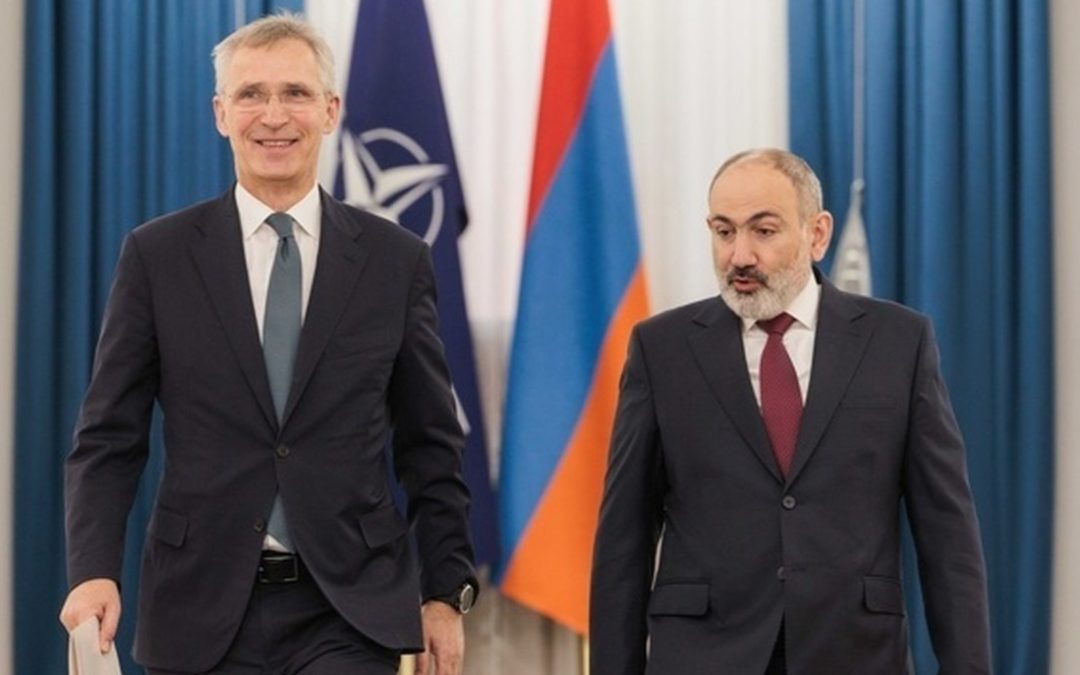
Strategic Council Online – Interview: A Caucasus affairs expert said: “If the trend of divergence among regional countries, especially Armenia and Azerbaijan, from Russia accelerates, Russians may show a more serious reaction and even prevent the traditional regional order change using force.”

أحدث الوظائف

The Makkah Pact; Reasons for its Formation and Challenges Ahead

SCFR Online – Opinion: The Makkah Pact, signed between Saudi Arabia, Pakistan, and Turkey under the motto “an attack on one is an attack on all,” is viewed by some analysts less as a full-fledged military coalition and more as an attempt to reduce security dependence on an external power and to establish a regional security mechanism.
Implications of the US-Saudi Nuclear Agreement

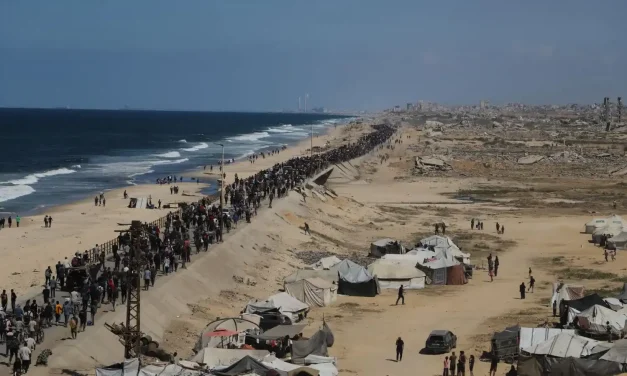
SCFR Online – Opinion: The new US-Saudi nuclear agreement, despite legal and political ambiguities, could alter previous non-proliferation standards in West Asia and intensify nuclear competition, ushering it into a new phase.

An Analysis of Recent Turkey-Israeli Regime Tensions

SCFR Online – Opinion: Recent developments in Syria indicate an intensification of strategic rivalry between Turkey and the Israeli regime, but mutual considerations and the role of the United States have limited the likelihood of direct war.

Increasing criticism of the extensive Zionist lobby network

SCFR Online – Opinion: An examination of the mechanisms of the Israeli regime’s influence in the United States depicts a complex picture of shared interests, strategic dependencies, and the limitations of this relationship.

Realities of the Tripartite Makkah Pact

SCFR Online – Interview: The signing of the Makkah agreement between Saudi Arabia, Pakistan, and Turkey has raised questions about the future of the region’s security structure and the position of these countries in West Asian equations. Can this agreement become a genuine collective defense mechanism, or does it have more of a political and deterrent function than creating new military capacity?

Strategic Implications of the Reduction of US Weapons Stockpiles

SCFR Online – Opinion: The continuation of the US war against Iran, in addition to increasing operational costs, has called into question the actual capacity of the American arsenal to simultaneously fulfill security commitments on multiple fronts; an issue that affects deterrence, defense production capacity, and Washington’s resource prioritization.

The Formation of a New Order in Relations Between Powers

SCFR Online – Opinion: The Russia-Ukraine war and the war of the United States and the Israeli regime against Iran have been formed with different objectives and actors, but field and political developments indicate that they are not entirely separate from one another.

Loading

Politics

Goals of Blinken’s Recent Trip to Saudi Arabia

Goals of Blinken’s Recent Trip to Saudi Arabia

Strategic Council Online—Interview: A researcher of Saudi affairs said that US Secretary of State Anthony Blinken arrived in Riyadh recently during a regional trip and had consultations with the Riyadh officials. It seems that one of the items on the agenda between Saudi Arabia and America, in addition to the Gaza war, is the process of normalizing relations between the Israeli regime and the Arab kingdom.

Dr. Kharrazi's response to the new US position on Iran's nuclear program:It Was America That Abandoned Nuclear Diplomacy/ Iran Also Considers Diplomacy the Best Approach

Dr. Kharrazi's response to the new US position on Iran's nuclear program:
It Was America That Abandoned Nuclear Diplomacy/ Iran Also Considers Diplomacy the Best Approach

Strategic Council Online: The President of the Strategic Council on Foreign Relations stated: “The US State Department spokesperson, after my interview with Al Jazeera, reiterated their past remarks, stating that they won’t allow Iran to build nuclear weapons, but ultimately said diplomacy is the best approach. Yes, we too prefer diplomacy since based on the Fatwa of our Supreme Leader are not for nuclear weapons; rather, we are advocates of diplomacy to make the Middle East a nuclear-free region. But, in case the Israeli regime threatens us with nuclear weapons, we surely cannot sit idle and wait for permission from others.”

Europe’s Confusion in Securing Bab al-Mandab Strait and the Red Sea

Europe’s Confusion in Securing Bab al-Mandab Strait and the Red Sea

Strategic Council Online – Opinion: The strategic Strait of Bab al-Mandab and the Red Sea have recently faced serious problems and crises due to the Gaza war. This is because of the protectionist approach of the Yemeni army forces toward Palestine, which, since the beginning of the Israeli regime’s attacks on the Gaza Strip, has included attacks on ships bound for or from the origin of the regime in the Red Sea.
They said they will continue their attacks until the Israeli regime’s military aggression in the Gaza Strip ends. The United States, as the most important supporter of the Israeli regime, was the first country to respond to this policy of Yemeni army forces and tried to form a global coalition to counter these attacks under the cover of supporting freedom of navigation, which, of course, failed because of conflicts of interests of Western countries and ended in the actions of the US and British attacks on positions in Yemen. Of course, although European countries were not seriously involved in the American coalition, they have numerous and complex interests in this inflammatory, and as a result, have adopted a particular and independent approach.
Dr. Mohammad Mehdi Mazaheri – University Professor

The prospect of Possible Departure of Hamas Political Office from Qatar

The prospect of Possible Departure of Hamas Political Office from Qatar

Strategic Council Online – Interview: An expert on regional issues said Qatari authorities will definitely resist Western pressure to expel Hamas leaders from their territory, and probably the United States will not move towards a zero-hundred equation in this regard because if the Hamas leaders remain in Qatar, which is an ally of the United States, is better than moving to a country outside the power of the United States to exert pressure.

An Analysis of New EU Sanctions Package Against Russia

An Analysis of New EU Sanctions Package Against Russia

Strategic Council Online – Interview: An expert on Caucasus issues said that Swedish Foreign Minister Tobias Billström recently announced that EU states plan to include the ban on the supply of liquefied natural gas (LNG) in the sanctions against Russia.

Dimensions and Consequences of Erdoğan’s Visit to Iraq

Dimensions and Consequences of Erdoğan’s Visit to Iraq

Strategic Council Online – Note: Turkish President Recep Tayyip Erdogan’s recent trip to Iraq, after his last visit to Baghdad 13 years ago, is considered one of the most important political, economic, and security developments in the relations between the two countries.
Hamid Khoshayand- an expert on regional issues

Withdrawal of Russian Forces from South Caucasus; Strategy or Tactic?

Withdrawal of Russian Forces from South Caucasus; Strategy or Tactic?

Strategic Council Online – Interview: An expert on Caucasus affairs said: Following news reports that the Kremlin has implicitly confirmed that Russian peacekeepers are withdrawing from the Nagorno-Karabakh region and taking their weapons and equipment with them, this question is seriously raised: Does Russia want to hand over the South Caucasus region to the West?

Netanyahu’s War Cabinet’s Efforts to Divert Public Opinion from The Gaza War

Netanyahu’s War Cabinet’s Efforts to Divert Public Opinion from The Gaza War

Strategic Council Online – Opinion: The Zionist regime is trying to “psychologically exploit” the recent events in the region to divert the world public opinion from the crimes this regime is committing in Gaza. Examining the atmosphere prevailing in the political and media circles of the Zionist regime and the centers aligned with it at the regional and international level shows that this regime seeks to “highlight and dominate” the recent tensions with the Islamic Republic of Iran so that it could reduce the heavy pressure that is felt in the domestic, regional, and international public opinion and even European governments against the Gaza war.
Hamid Khoshayand – expert on regional issues

The Outlook of Geopolitical Competition Among Major Powers in the Caucasus

The Outlook of Geopolitical Competition Among Major Powers in the Caucasus

Strategic Council Online – Interview: A Caucasus affairs expert said: “If the trend of divergence among regional countries, especially Armenia and Azerbaijan, from Russia accelerates, Russians may show a more serious reaction and even prevent the traditional regional order change using force.”

Politics

Goals of Blinken’s Recent Trip to Saudi Arabia

Goals of Blinken’s Recent Trip to Saudi Arabia

Strategic Council Online—Interview: A researcher of Saudi affairs said that US Secretary of State Anthony Blinken arrived in Riyadh recently during a regional trip and had consultations with the Riyadh officials. It seems that one of the items on the agenda between Saudi Arabia and America, in addition to the Gaza war, is the process of normalizing relations between the Israeli regime and the Arab kingdom.

Dr. Kharrazi's response to the new US position on Iran's nuclear program:It Was America That Abandoned Nuclear Diplomacy/ Iran Also Considers Diplomacy the Best Approach

Dr. Kharrazi's response to the new US position on Iran's nuclear program:
It Was America That Abandoned Nuclear Diplomacy/ Iran Also Considers Diplomacy the Best Approach

Strategic Council Online: The President of the Strategic Council on Foreign Relations stated: “The US State Department spokesperson, after my interview with Al Jazeera, reiterated their past remarks, stating that they won’t allow Iran to build nuclear weapons, but ultimately said diplomacy is the best approach. Yes, we too prefer diplomacy since based on the Fatwa of our Supreme Leader are not for nuclear weapons; rather, we are advocates of diplomacy to make the Middle East a nuclear-free region. But, in case the Israeli regime threatens us with nuclear weapons, we surely cannot sit idle and wait for permission from others.”

Europe’s Confusion in Securing Bab al-Mandab Strait and the Red Sea

Europe’s Confusion in Securing Bab al-Mandab Strait and the Red Sea

Strategic Council Online – Opinion: The strategic Strait of Bab al-Mandab and the Red Sea have recently faced serious problems and crises due to the Gaza war. This is because of the protectionist approach of the Yemeni army forces toward Palestine, which, since the beginning of the Israeli regime’s attacks on the Gaza Strip, has included attacks on ships bound for or from the origin of the regime in the Red Sea.
They said they will continue their attacks until the Israeli regime’s military aggression in the Gaza Strip ends. The United States, as the most important supporter of the Israeli regime, was the first country to respond to this policy of Yemeni army forces and tried to form a global coalition to counter these attacks under the cover of supporting freedom of navigation, which, of course, failed because of conflicts of interests of Western countries and ended in the actions of the US and British attacks on positions in Yemen. Of course, although European countries were not seriously involved in the American coalition, they have numerous and complex interests in this inflammatory, and as a result, have adopted a particular and independent approach.
Dr. Mohammad Mehdi Mazaheri – University Professor

The prospect of Possible Departure of Hamas Political Office from Qatar

The prospect of Possible Departure of Hamas Political Office from Qatar

Strategic Council Online – Interview: An expert on regional issues said Qatari authorities will definitely resist Western pressure to expel Hamas leaders from their territory, and probably the United States will not move towards a zero-hundred equation in this regard because if the Hamas leaders remain in Qatar, which is an ally of the United States, is better than moving to a country outside the power of the United States to exert pressure.

An Analysis of New EU Sanctions Package Against Russia

An Analysis of New EU Sanctions Package Against Russia

Strategic Council Online – Interview: An expert on Caucasus issues said that Swedish Foreign Minister Tobias Billström recently announced that EU states plan to include the ban on the supply of liquefied natural gas (LNG) in the sanctions against Russia.

Dimensions and Consequences of Erdoğan’s Visit to Iraq

Dimensions and Consequences of Erdoğan’s Visit to Iraq

Strategic Council Online – Note: Turkish President Recep Tayyip Erdogan’s recent trip to Iraq, after his last visit to Baghdad 13 years ago, is considered one of the most important political, economic, and security developments in the relations between the two countries.
Hamid Khoshayand- an expert on regional issues

Withdrawal of Russian Forces from South Caucasus; Strategy or Tactic?

Withdrawal of Russian Forces from South Caucasus; Strategy or Tactic?

Strategic Council Online – Interview: An expert on Caucasus affairs said: Following news reports that the Kremlin has implicitly confirmed that Russian peacekeepers are withdrawing from the Nagorno-Karabakh region and taking their weapons and equipment with them, this question is seriously raised: Does Russia want to hand over the South Caucasus region to the West?

Netanyahu’s War Cabinet’s Efforts to Divert Public Opinion from The Gaza War

Netanyahu’s War Cabinet’s Efforts to Divert Public Opinion from The Gaza War

Strategic Council Online – Opinion: The Zionist regime is trying to “psychologically exploit” the recent events in the region to divert the world public opinion from the crimes this regime is committing in Gaza. Examining the atmosphere prevailing in the political and media circles of the Zionist regime and the centers aligned with it at the regional and international level shows that this regime seeks to “highlight and dominate” the recent tensions with the Islamic Republic of Iran so that it could reduce the heavy pressure that is felt in the domestic, regional, and international public opinion and even European governments against the Gaza war.
Hamid Khoshayand – expert on regional issues

The Outlook of Geopolitical Competition Among Major Powers in the Caucasus

The Outlook of Geopolitical Competition Among Major Powers in the Caucasus

Strategic Council Online – Interview: A Caucasus affairs expert said: “If the trend of divergence among regional countries, especially Armenia and Azerbaijan, from Russia accelerates, Russians may show a more serious reaction and even prevent the traditional regional order change using force.”

LATEST CONTENT

The Makkah Pact; Reasons for its Formation and Challenges Ahead

SCFR Online – Opinion: The Makkah Pact, signed between Saudi Arabia, Pakistan, and Turkey under the motto “an attack on one is an attack on all,” is viewed by some analysts less as a full-fledged military coalition and more as an attempt to reduce security dependence on an external power and to establish a regional security mechanism.

Implications of the US-Saudi Nuclear Agreement

SCFR Online – Opinion: The new US-Saudi nuclear agreement, despite legal and political ambiguities, could alter previous non-proliferation standards in West Asia and intensify nuclear competition, ushering it into a new phase.

An Analysis of Recent Turkey-Israeli Regime Tensions

SCFR Online – Opinion: Recent developments in Syria indicate an intensification of strategic rivalry between Turkey and the Israeli regime, but mutual considerations and the role of the United States have limited the likelihood of direct war.

Increasing criticism of the extensive Zionist lobby network

SCFR Online – Opinion: An examination of the mechanisms of the Israeli regime’s influence in the United States depicts a complex picture of shared interests, strategic dependencies, and the limitations of this relationship.

Realities of the Tripartite Makkah Pact

SCFR Online – Interview: The signing of the Makkah agreement between Saudi Arabia, Pakistan, and Turkey has raised questions about the future of the region’s security structure and the position of these countries in West Asian equations. Can this agreement become a genuine collective defense mechanism, or does it have more of a political and deterrent function than creating new military capacity?

Strategic Implications of the Reduction of US Weapons Stockpiles

SCFR Online – Opinion: The continuation of the US war against Iran, in addition to increasing operational costs, has called into question the actual capacity of the American arsenal to simultaneously fulfill security commitments on multiple fronts; an issue that affects deterrence, defense production capacity, and Washington’s resource prioritization.

The Formation of a New Order in Relations Between Powers

SCFR Online – Opinion: The Russia-Ukraine war and the war of the United States and the Israeli regime against Iran have been formed with different objectives and actors, but field and political developments indicate that they are not entirely separate from one another.

Loading

Politics

Goals of Blinken’s Recent Trip to Saudi Arabia

Goals of Blinken’s Recent Trip to Saudi Arabia

Strategic Council Online—Interview: A researcher of Saudi affairs said that US Secretary of State Anthony Blinken arrived in Riyadh recently during a regional trip and had consultations with the Riyadh officials. It seems that one of the items on the agenda between Saudi Arabia and America, in addition to the Gaza war, is the process of normalizing relations between the Israeli regime and the Arab kingdom.

Dr. Kharrazi's response to the new US position on Iran's nuclear program:It Was America That Abandoned Nuclear Diplomacy/ Iran Also Considers Diplomacy the Best Approach

Dr. Kharrazi's response to the new US position on Iran's nuclear program:
It Was America That Abandoned Nuclear Diplomacy/ Iran Also Considers Diplomacy the Best Approach

Strategic Council Online: The President of the Strategic Council on Foreign Relations stated: “The US State Department spokesperson, after my interview with Al Jazeera, reiterated their past remarks, stating that they won’t allow Iran to build nuclear weapons, but ultimately said diplomacy is the best approach. Yes, we too prefer diplomacy since based on the Fatwa of our Supreme Leader are not for nuclear weapons; rather, we are advocates of diplomacy to make the Middle East a nuclear-free region. But, in case the Israeli regime threatens us with nuclear weapons, we surely cannot sit idle and wait for permission from others.”

Europe’s Confusion in Securing Bab al-Mandab Strait and the Red Sea

Europe’s Confusion in Securing Bab al-Mandab Strait and the Red Sea

Strategic Council Online – Opinion: The strategic Strait of Bab al-Mandab and the Red Sea have recently faced serious problems and crises due to the Gaza war. This is because of the protectionist approach of the Yemeni army forces toward Palestine, which, since the beginning of the Israeli regime’s attacks on the Gaza Strip, has included attacks on ships bound for or from the origin of the regime in the Red Sea.
They said they will continue their attacks until the Israeli regime’s military aggression in the Gaza Strip ends. The United States, as the most important supporter of the Israeli regime, was the first country to respond to this policy of Yemeni army forces and tried to form a global coalition to counter these attacks under the cover of supporting freedom of navigation, which, of course, failed because of conflicts of interests of Western countries and ended in the actions of the US and British attacks on positions in Yemen. Of course, although European countries were not seriously involved in the American coalition, they have numerous and complex interests in this inflammatory, and as a result, have adopted a particular and independent approach.
Dr. Mohammad Mehdi Mazaheri – University Professor

The prospect of Possible Departure of Hamas Political Office from Qatar

The prospect of Possible Departure of Hamas Political Office from Qatar

Strategic Council Online – Interview: An expert on regional issues said Qatari authorities will definitely resist Western pressure to expel Hamas leaders from their territory, and probably the United States will not move towards a zero-hundred equation in this regard because if the Hamas leaders remain in Qatar, which is an ally of the United States, is better than moving to a country outside the power of the United States to exert pressure.

An Analysis of New EU Sanctions Package Against Russia

An Analysis of New EU Sanctions Package Against Russia

Strategic Council Online – Interview: An expert on Caucasus issues said that Swedish Foreign Minister Tobias Billström recently announced that EU states plan to include the ban on the supply of liquefied natural gas (LNG) in the sanctions against Russia.

Dimensions and Consequences of Erdoğan’s Visit to Iraq

Dimensions and Consequences of Erdoğan’s Visit to Iraq

Strategic Council Online – Note: Turkish President Recep Tayyip Erdogan’s recent trip to Iraq, after his last visit to Baghdad 13 years ago, is considered one of the most important political, economic, and security developments in the relations between the two countries.
Hamid Khoshayand- an expert on regional issues

Withdrawal of Russian Forces from South Caucasus; Strategy or Tactic?

Withdrawal of Russian Forces from South Caucasus; Strategy or Tactic?

Strategic Council Online – Interview: An expert on Caucasus affairs said: Following news reports that the Kremlin has implicitly confirmed that Russian peacekeepers are withdrawing from the Nagorno-Karabakh region and taking their weapons and equipment with them, this question is seriously raised: Does Russia want to hand over the South Caucasus region to the West?

Netanyahu’s War Cabinet’s Efforts to Divert Public Opinion from The Gaza War

Netanyahu’s War Cabinet’s Efforts to Divert Public Opinion from The Gaza War

Strategic Council Online – Opinion: The Zionist regime is trying to “psychologically exploit” the recent events in the region to divert the world public opinion from the crimes this regime is committing in Gaza. Examining the atmosphere prevailing in the political and media circles of the Zionist regime and the centers aligned with it at the regional and international level shows that this regime seeks to “highlight and dominate” the recent tensions with the Islamic Republic of Iran so that it could reduce the heavy pressure that is felt in the domestic, regional, and international public opinion and even European governments against the Gaza war.
Hamid Khoshayand – expert on regional issues

The Outlook of Geopolitical Competition Among Major Powers in the Caucasus

The Outlook of Geopolitical Competition Among Major Powers in the Caucasus

Strategic Council Online – Interview: A Caucasus affairs expert said: “If the trend of divergence among regional countries, especially Armenia and Azerbaijan, from Russia accelerates, Russians may show a more serious reaction and even prevent the traditional regional order change using force.”

ÚLTIMAS PUBLICACIONES

The Makkah Pact; Reasons for its Formation and Challenges Ahead

SCFR Online – Opinion: The Makkah Pact, signed between Saudi Arabia, Pakistan, and Turkey under the motto “an attack on one is an attack on all,” is viewed by some analysts less as a full-fledged military coalition and more as an attempt to reduce security dependence on an external power and to establish a regional security mechanism.
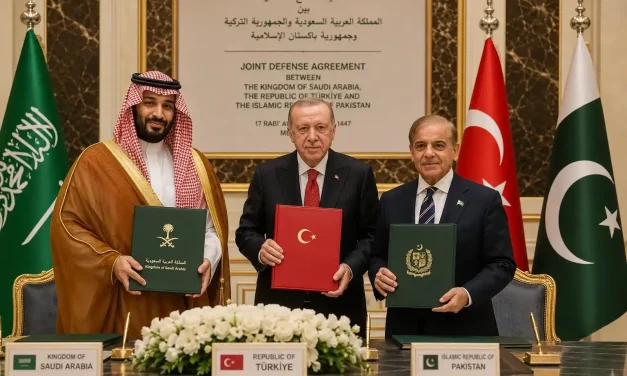
Implications of the US-Saudi Nuclear Agreement

SCFR Online – Opinion: The new US-Saudi nuclear agreement, despite legal and political ambiguities, could alter previous non-proliferation standards in West Asia and intensify nuclear competition, ushering it into a new phase.

An Analysis of Recent Turkey-Israeli Regime Tensions

SCFR Online – Opinion: Recent developments in Syria indicate an intensification of strategic rivalry between Turkey and the Israeli regime, but mutual considerations and the role of the United States have limited the likelihood of direct war.

Increasing criticism of the extensive Zionist lobby network

SCFR Online – Opinion: An examination of the mechanisms of the Israeli regime’s influence in the United States depicts a complex picture of shared interests, strategic dependencies, and the limitations of this relationship.

Realities of the Tripartite Makkah Pact

SCFR Online – Interview: The signing of the Makkah agreement between Saudi Arabia, Pakistan, and Turkey has raised questions about the future of the region’s security structure and the position of these countries in West Asian equations. Can this agreement become a genuine collective defense mechanism, or does it have more of a political and deterrent function than creating new military capacity?

Strategic Implications of the Reduction of US Weapons Stockpiles

SCFR Online – Opinion: The continuation of the US war against Iran, in addition to increasing operational costs, has called into question the actual capacity of the American arsenal to simultaneously fulfill security commitments on multiple fronts; an issue that affects deterrence, defense production capacity, and Washington’s resource prioritization.

The Formation of a New Order in Relations Between Powers

SCFR Online – Opinion: The Russia-Ukraine war and the war of the United States and the Israeli regime against Iran have been formed with different objectives and actors, but field and political developments indicate that they are not entirely separate from one another.

Loading

Politics

Goals of Blinken’s Recent Trip to Saudi Arabia

Goals of Blinken’s Recent Trip to Saudi Arabia

Strategic Council Online—Interview: A researcher of Saudi affairs said that US Secretary of State Anthony Blinken arrived in Riyadh recently during a regional trip and had consultations with the Riyadh officials. It seems that one of the items on the agenda between Saudi Arabia and America, in addition to the Gaza war, is the process of normalizing relations between the Israeli regime and the Arab kingdom.

Dr. Kharrazi's response to the new US position on Iran's nuclear program:It Was America That Abandoned Nuclear Diplomacy/ Iran Also Considers Diplomacy the Best Approach

Dr. Kharrazi's response to the new US position on Iran's nuclear program:
It Was America That Abandoned Nuclear Diplomacy/ Iran Also Considers Diplomacy the Best Approach

Strategic Council Online: The President of the Strategic Council on Foreign Relations stated: “The US State Department spokesperson, after my interview with Al Jazeera, reiterated their past remarks, stating that they won’t allow Iran to build nuclear weapons, but ultimately said diplomacy is the best approach. Yes, we too prefer diplomacy since based on the Fatwa of our Supreme Leader are not for nuclear weapons; rather, we are advocates of diplomacy to make the Middle East a nuclear-free region. But, in case the Israeli regime threatens us with nuclear weapons, we surely cannot sit idle and wait for permission from others.”

Europe’s Confusion in Securing Bab al-Mandab Strait and the Red Sea

Europe’s Confusion in Securing Bab al-Mandab Strait and the Red Sea

Strategic Council Online – Opinion: The strategic Strait of Bab al-Mandab and the Red Sea have recently faced serious problems and crises due to the Gaza war. This is because of the protectionist approach of the Yemeni army forces toward Palestine, which, since the beginning of the Israeli regime’s attacks on the Gaza Strip, has included attacks on ships bound for or from the origin of the regime in the Red Sea.
They said they will continue their attacks until the Israeli regime’s military aggression in the Gaza Strip ends. The United States, as the most important supporter of the Israeli regime, was the first country to respond to this policy of Yemeni army forces and tried to form a global coalition to counter these attacks under the cover of supporting freedom of navigation, which, of course, failed because of conflicts of interests of Western countries and ended in the actions of the US and British attacks on positions in Yemen. Of course, although European countries were not seriously involved in the American coalition, they have numerous and complex interests in this inflammatory, and as a result, have adopted a particular and independent approach.
Dr. Mohammad Mehdi Mazaheri – University Professor

The prospect of Possible Departure of Hamas Political Office from Qatar

The prospect of Possible Departure of Hamas Political Office from Qatar

Strategic Council Online – Interview: An expert on regional issues said Qatari authorities will definitely resist Western pressure to expel Hamas leaders from their territory, and probably the United States will not move towards a zero-hundred equation in this regard because if the Hamas leaders remain in Qatar, which is an ally of the United States, is better than moving to a country outside the power of the United States to exert pressure.

An Analysis of New EU Sanctions Package Against Russia

An Analysis of New EU Sanctions Package Against Russia

Strategic Council Online – Interview: An expert on Caucasus issues said that Swedish Foreign Minister Tobias Billström recently announced that EU states plan to include the ban on the supply of liquefied natural gas (LNG) in the sanctions against Russia.

Dimensions and Consequences of Erdoğan’s Visit to Iraq

Dimensions and Consequences of Erdoğan’s Visit to Iraq

Strategic Council Online – Note: Turkish President Recep Tayyip Erdogan’s recent trip to Iraq, after his last visit to Baghdad 13 years ago, is considered one of the most important political, economic, and security developments in the relations between the two countries.
Hamid Khoshayand- an expert on regional issues

Withdrawal of Russian Forces from South Caucasus; Strategy or Tactic?

Withdrawal of Russian Forces from South Caucasus; Strategy or Tactic?

Strategic Council Online – Interview: An expert on Caucasus affairs said: Following news reports that the Kremlin has implicitly confirmed that Russian peacekeepers are withdrawing from the Nagorno-Karabakh region and taking their weapons and equipment with them, this question is seriously raised: Does Russia want to hand over the South Caucasus region to the West?

Netanyahu’s War Cabinet’s Efforts to Divert Public Opinion from The Gaza War

Netanyahu’s War Cabinet’s Efforts to Divert Public Opinion from The Gaza War

Strategic Council Online – Opinion: The Zionist regime is trying to “psychologically exploit” the recent events in the region to divert the world public opinion from the crimes this regime is committing in Gaza. Examining the atmosphere prevailing in the political and media circles of the Zionist regime and the centers aligned with it at the regional and international level shows that this regime seeks to “highlight and dominate” the recent tensions with the Islamic Republic of Iran so that it could reduce the heavy pressure that is felt in the domestic, regional, and international public opinion and even European governments against the Gaza war.
Hamid Khoshayand – expert on regional issues

The Outlook of Geopolitical Competition Among Major Powers in the Caucasus

The Outlook of Geopolitical Competition Among Major Powers in the Caucasus

Strategic Council Online – Interview: A Caucasus affairs expert said: “If the trend of divergence among regional countries, especially Armenia and Azerbaijan, from Russia accelerates, Russians may show a more serious reaction and even prevent the traditional regional order change using force.”

ÚLTIMAS PUBLICACIONES

The Makkah Pact; Reasons for its Formation and Challenges Ahead

SCFR Online – Opinion: The Makkah Pact, signed between Saudi Arabia, Pakistan, and Turkey under the motto “an attack on one is an attack on all,” is viewed by some analysts less as a full-fledged military coalition and more as an attempt to reduce security dependence on an external power and to establish a regional security mechanism.
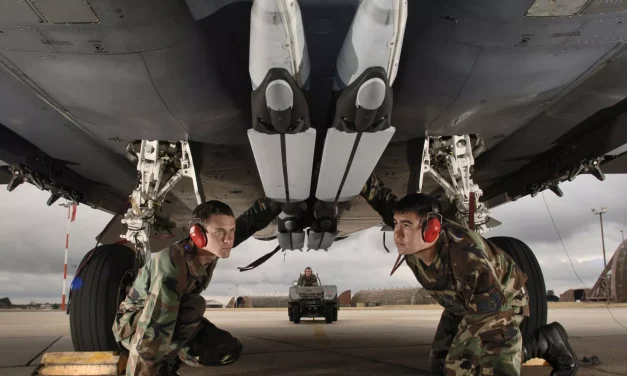
Implications of the US-Saudi Nuclear Agreement

SCFR Online – Opinion: The new US-Saudi nuclear agreement, despite legal and political ambiguities, could alter previous non-proliferation standards in West Asia and intensify nuclear competition, ushering it into a new phase.

An Analysis of Recent Turkey-Israeli Regime Tensions

SCFR Online – Opinion: Recent developments in Syria indicate an intensification of strategic rivalry between Turkey and the Israeli regime, but mutual considerations and the role of the United States have limited the likelihood of direct war.

Increasing criticism of the extensive Zionist lobby network

SCFR Online – Opinion: An examination of the mechanisms of the Israeli regime’s influence in the United States depicts a complex picture of shared interests, strategic dependencies, and the limitations of this relationship.

Realities of the Tripartite Makkah Pact

SCFR Online – Interview: The signing of the Makkah agreement between Saudi Arabia, Pakistan, and Turkey has raised questions about the future of the region’s security structure and the position of these countries in West Asian equations. Can this agreement become a genuine collective defense mechanism, or does it have more of a political and deterrent function than creating new military capacity?

Strategic Implications of the Reduction of US Weapons Stockpiles

SCFR Online – Opinion: The continuation of the US war against Iran, in addition to increasing operational costs, has called into question the actual capacity of the American arsenal to simultaneously fulfill security commitments on multiple fronts; an issue that affects deterrence, defense production capacity, and Washington’s resource prioritization.

The Formation of a New Order in Relations Between Powers

SCFR Online – Opinion: The Russia-Ukraine war and the war of the United States and the Israeli regime against Iran have been formed with different objectives and actors, but field and political developments indicate that they are not entirely separate from one another.

Loading

Politics

Goals of Blinken’s Recent Trip to Saudi Arabia

Goals of Blinken’s Recent Trip to Saudi Arabia

Strategic Council Online—Interview: A researcher of Saudi affairs said that US Secretary of State Anthony Blinken arrived in Riyadh recently during a regional trip and had consultations with the Riyadh officials. It seems that one of the items on the agenda between Saudi Arabia and America, in addition to the Gaza war, is the process of normalizing relations between the Israeli regime and the Arab kingdom.

Dr. Kharrazi's response to the new US position on Iran's nuclear program:It Was America That Abandoned Nuclear Diplomacy/ Iran Also Considers Diplomacy the Best Approach

Dr. Kharrazi's response to the new US position on Iran's nuclear program:
It Was America That Abandoned Nuclear Diplomacy/ Iran Also Considers Diplomacy the Best Approach

Strategic Council Online: The President of the Strategic Council on Foreign Relations stated: “The US State Department spokesperson, after my interview with Al Jazeera, reiterated their past remarks, stating that they won’t allow Iran to build nuclear weapons, but ultimately said diplomacy is the best approach. Yes, we too prefer diplomacy since based on the Fatwa of our Supreme Leader are not for nuclear weapons; rather, we are advocates of diplomacy to make the Middle East a nuclear-free region. But, in case the Israeli regime threatens us with nuclear weapons, we surely cannot sit idle and wait for permission from others.”

Europe’s Confusion in Securing Bab al-Mandab Strait and the Red Sea

Europe’s Confusion in Securing Bab al-Mandab Strait and the Red Sea

Strategic Council Online – Opinion: The strategic Strait of Bab al-Mandab and the Red Sea have recently faced serious problems and crises due to the Gaza war. This is because of the protectionist approach of the Yemeni army forces toward Palestine, which, since the beginning of the Israeli regime’s attacks on the Gaza Strip, has included attacks on ships bound for or from the origin of the regime in the Red Sea.
They said they will continue their attacks until the Israeli regime’s military aggression in the Gaza Strip ends. The United States, as the most important supporter of the Israeli regime, was the first country to respond to this policy of Yemeni army forces and tried to form a global coalition to counter these attacks under the cover of supporting freedom of navigation, which, of course, failed because of conflicts of interests of Western countries and ended in the actions of the US and British attacks on positions in Yemen. Of course, although European countries were not seriously involved in the American coalition, they have numerous and complex interests in this inflammatory, and as a result, have adopted a particular and independent approach.
Dr. Mohammad Mehdi Mazaheri – University Professor

The prospect of Possible Departure of Hamas Political Office from Qatar

The prospect of Possible Departure of Hamas Political Office from Qatar

Strategic Council Online – Interview: An expert on regional issues said Qatari authorities will definitely resist Western pressure to expel Hamas leaders from their territory, and probably the United States will not move towards a zero-hundred equation in this regard because if the Hamas leaders remain in Qatar, which is an ally of the United States, is better than moving to a country outside the power of the United States to exert pressure.

An Analysis of New EU Sanctions Package Against Russia

An Analysis of New EU Sanctions Package Against Russia

Strategic Council Online – Interview: An expert on Caucasus issues said that Swedish Foreign Minister Tobias Billström recently announced that EU states plan to include the ban on the supply of liquefied natural gas (LNG) in the sanctions against Russia.

Dimensions and Consequences of Erdoğan’s Visit to Iraq

Dimensions and Consequences of Erdoğan’s Visit to Iraq

Strategic Council Online – Note: Turkish President Recep Tayyip Erdogan’s recent trip to Iraq, after his last visit to Baghdad 13 years ago, is considered one of the most important political, economic, and security developments in the relations between the two countries.
Hamid Khoshayand- an expert on regional issues

Withdrawal of Russian Forces from South Caucasus; Strategy or Tactic?

Withdrawal of Russian Forces from South Caucasus; Strategy or Tactic?

Strategic Council Online – Interview: An expert on Caucasus affairs said: Following news reports that the Kremlin has implicitly confirmed that Russian peacekeepers are withdrawing from the Nagorno-Karabakh region and taking their weapons and equipment with them, this question is seriously raised: Does Russia want to hand over the South Caucasus region to the West?

Netanyahu’s War Cabinet’s Efforts to Divert Public Opinion from The Gaza War

Netanyahu’s War Cabinet’s Efforts to Divert Public Opinion from The Gaza War

Strategic Council Online – Opinion: The Zionist regime is trying to “psychologically exploit” the recent events in the region to divert the world public opinion from the crimes this regime is committing in Gaza. Examining the atmosphere prevailing in the political and media circles of the Zionist regime and the centers aligned with it at the regional and international level shows that this regime seeks to “highlight and dominate” the recent tensions with the Islamic Republic of Iran so that it could reduce the heavy pressure that is felt in the domestic, regional, and international public opinion and even European governments against the Gaza war.
Hamid Khoshayand – expert on regional issues

The Outlook of Geopolitical Competition Among Major Powers in the Caucasus

The Outlook of Geopolitical Competition Among Major Powers in the Caucasus

Strategic Council Online – Interview: A Caucasus affairs expert said: “If the trend of divergence among regional countries, especially Armenia and Azerbaijan, from Russia accelerates, Russians may show a more serious reaction and even prevent the traditional regional order change using force.”

ÚLTIMAS PUBLICACIONES

The Makkah Pact; Reasons for its Formation and Challenges Ahead

SCFR Online – Opinion: The Makkah Pact, signed between Saudi Arabia, Pakistan, and Turkey under the motto “an attack on one is an attack on all,” is viewed by some analysts less as a full-fledged military coalition and more as an attempt to reduce security dependence on an external power and to establish a regional security mechanism.
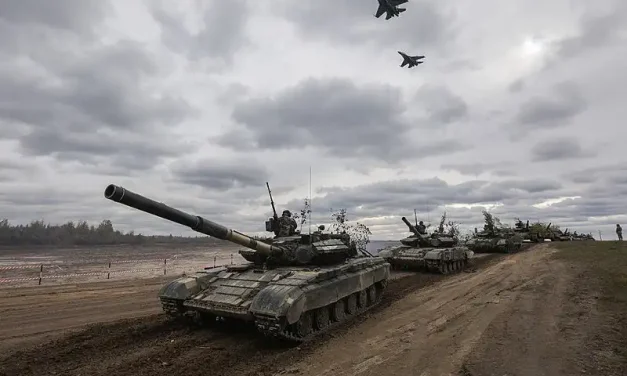
Implications of the US-Saudi Nuclear Agreement

SCFR Online – Opinion: The new US-Saudi nuclear agreement, despite legal and political ambiguities, could alter previous non-proliferation standards in West Asia and intensify nuclear competition, ushering it into a new phase.

An Analysis of Recent Turkey-Israeli Regime Tensions

SCFR Online – Opinion: Recent developments in Syria indicate an intensification of strategic rivalry between Turkey and the Israeli regime, but mutual considerations and the role of the United States have limited the likelihood of direct war.

Increasing criticism of the extensive Zionist lobby network

SCFR Online – Opinion: An examination of the mechanisms of the Israeli regime’s influence in the United States depicts a complex picture of shared interests, strategic dependencies, and the limitations of this relationship.

Realities of the Tripartite Makkah Pact

SCFR Online – Interview: The signing of the Makkah agreement between Saudi Arabia, Pakistan, and Turkey has raised questions about the future of the region’s security structure and the position of these countries in West Asian equations. Can this agreement become a genuine collective defense mechanism, or does it have more of a political and deterrent function than creating new military capacity?

Strategic Implications of the Reduction of US Weapons Stockpiles

SCFR Online – Opinion: The continuation of the US war against Iran, in addition to increasing operational costs, has called into question the actual capacity of the American arsenal to simultaneously fulfill security commitments on multiple fronts; an issue that affects deterrence, defense production capacity, and Washington’s resource prioritization.

The Formation of a New Order in Relations Between Powers

SCFR Online – Opinion: The Russia-Ukraine war and the war of the United States and the Israeli regime against Iran have been formed with different objectives and actors, but field and political developments indicate that they are not entirely separate from one another.

Loading

Politics

Goals of Blinken’s Recent Trip to Saudi Arabia

Goals of Blinken’s Recent Trip to Saudi Arabia

Strategic Council Online—Interview: A researcher of Saudi affairs said that US Secretary of State Anthony Blinken arrived in Riyadh recently during a regional trip and had consultations with the Riyadh officials. It seems that one of the items on the agenda between Saudi Arabia and America, in addition to the Gaza war, is the process of normalizing relations between the Israeli regime and the Arab kingdom.

Dr. Kharrazi's response to the new US position on Iran's nuclear program:It Was America That Abandoned Nuclear Diplomacy/ Iran Also Considers Diplomacy the Best Approach

Dr. Kharrazi's response to the new US position on Iran's nuclear program:
It Was America That Abandoned Nuclear Diplomacy/ Iran Also Considers Diplomacy the Best Approach

Strategic Council Online: The President of the Strategic Council on Foreign Relations stated: “The US State Department spokesperson, after my interview with Al Jazeera, reiterated their past remarks, stating that they won’t allow Iran to build nuclear weapons, but ultimately said diplomacy is the best approach. Yes, we too prefer diplomacy since based on the Fatwa of our Supreme Leader are not for nuclear weapons; rather, we are advocates of diplomacy to make the Middle East a nuclear-free region. But, in case the Israeli regime threatens us with nuclear weapons, we surely cannot sit idle and wait for permission from others.”

Europe’s Confusion in Securing Bab al-Mandab Strait and the Red Sea

Europe’s Confusion in Securing Bab al-Mandab Strait and the Red Sea

Strategic Council Online – Opinion: The strategic Strait of Bab al-Mandab and the Red Sea have recently faced serious problems and crises due to the Gaza war. This is because of the protectionist approach of the Yemeni army forces toward Palestine, which, since the beginning of the Israeli regime’s attacks on the Gaza Strip, has included attacks on ships bound for or from the origin of the regime in the Red Sea.
They said they will continue their attacks until the Israeli regime’s military aggression in the Gaza Strip ends. The United States, as the most important supporter of the Israeli regime, was the first country to respond to this policy of Yemeni army forces and tried to form a global coalition to counter these attacks under the cover of supporting freedom of navigation, which, of course, failed because of conflicts of interests of Western countries and ended in the actions of the US and British attacks on positions in Yemen. Of course, although European countries were not seriously involved in the American coalition, they have numerous and complex interests in this inflammatory, and as a result, have adopted a particular and independent approach.
Dr. Mohammad Mehdi Mazaheri – University Professor

The prospect of Possible Departure of Hamas Political Office from Qatar

The prospect of Possible Departure of Hamas Political Office from Qatar

Strategic Council Online – Interview: An expert on regional issues said Qatari authorities will definitely resist Western pressure to expel Hamas leaders from their territory, and probably the United States will not move towards a zero-hundred equation in this regard because if the Hamas leaders remain in Qatar, which is an ally of the United States, is better than moving to a country outside the power of the United States to exert pressure.

An Analysis of New EU Sanctions Package Against Russia

An Analysis of New EU Sanctions Package Against Russia

Strategic Council Online – Interview: An expert on Caucasus issues said that Swedish Foreign Minister Tobias Billström recently announced that EU states plan to include the ban on the supply of liquefied natural gas (LNG) in the sanctions against Russia.

Dimensions and Consequences of Erdoğan’s Visit to Iraq

Dimensions and Consequences of Erdoğan’s Visit to Iraq

Strategic Council Online – Note: Turkish President Recep Tayyip Erdogan’s recent trip to Iraq, after his last visit to Baghdad 13 years ago, is considered one of the most important political, economic, and security developments in the relations between the two countries.
Hamid Khoshayand- an expert on regional issues

Withdrawal of Russian Forces from South Caucasus; Strategy or Tactic?

Withdrawal of Russian Forces from South Caucasus; Strategy or Tactic?

Strategic Council Online – Interview: An expert on Caucasus affairs said: Following news reports that the Kremlin has implicitly confirmed that Russian peacekeepers are withdrawing from the Nagorno-Karabakh region and taking their weapons and equipment with them, this question is seriously raised: Does Russia want to hand over the South Caucasus region to the West?

Netanyahu’s War Cabinet’s Efforts to Divert Public Opinion from The Gaza War

Netanyahu’s War Cabinet’s Efforts to Divert Public Opinion from The Gaza War

Strategic Council Online – Opinion: The Zionist regime is trying to “psychologically exploit” the recent events in the region to divert the world public opinion from the crimes this regime is committing in Gaza. Examining the atmosphere prevailing in the political and media circles of the Zionist regime and the centers aligned with it at the regional and international level shows that this regime seeks to “highlight and dominate” the recent tensions with the Islamic Republic of Iran so that it could reduce the heavy pressure that is felt in the domestic, regional, and international public opinion and even European governments against the Gaza war.
Hamid Khoshayand – expert on regional issues

The Outlook of Geopolitical Competition Among Major Powers in the Caucasus

The Outlook of Geopolitical Competition Among Major Powers in the Caucasus

Strategic Council Online – Interview: A Caucasus affairs expert said: “If the trend of divergence among regional countries, especially Armenia and Azerbaijan, from Russia accelerates, Russians may show a more serious reaction and even prevent the traditional regional order change using force.”

ÚLTIMAS PUBLICACIONES

The Makkah Pact; Reasons for its Formation and Challenges Ahead

SCFR Online – Opinion: The Makkah Pact, signed between Saudi Arabia, Pakistan, and Turkey under the motto “an attack on one is an attack on all,” is viewed by some analysts less as a full-fledged military coalition and more as an attempt to reduce security dependence on an external power and to establish a regional security mechanism.

Implications of the US-Saudi Nuclear Agreement

SCFR Online – Opinion: The new US-Saudi nuclear agreement, despite legal and political ambiguities, could alter previous non-proliferation standards in West Asia and intensify nuclear competition, ushering it into a new phase.

An Analysis of Recent Turkey-Israeli Regime Tensions

SCFR Online – Opinion: Recent developments in Syria indicate an intensification of strategic rivalry between Turkey and the Israeli regime, but mutual considerations and the role of the United States have limited the likelihood of direct war.

Increasing criticism of the extensive Zionist lobby network

SCFR Online – Opinion: An examination of the mechanisms of the Israeli regime’s influence in the United States depicts a complex picture of shared interests, strategic dependencies, and the limitations of this relationship.

Realities of the Tripartite Makkah Pact

SCFR Online – Interview: The signing of the Makkah agreement between Saudi Arabia, Pakistan, and Turkey has raised questions about the future of the region’s security structure and the position of these countries in West Asian equations. Can this agreement become a genuine collective defense mechanism, or does it have more of a political and deterrent function than creating new military capacity?

Strategic Implications of the Reduction of US Weapons Stockpiles

SCFR Online – Opinion: The continuation of the US war against Iran, in addition to increasing operational costs, has called into question the actual capacity of the American arsenal to simultaneously fulfill security commitments on multiple fronts; an issue that affects deterrence, defense production capacity, and Washington’s resource prioritization.

The Formation of a New Order in Relations Between Powers

SCFR Online – Opinion: The Russia-Ukraine war and the war of the United States and the Israeli regime against Iran have been formed with different objectives and actors, but field and political developments indicate that they are not entirely separate from one another.

Loading