جدیدترین مطالب

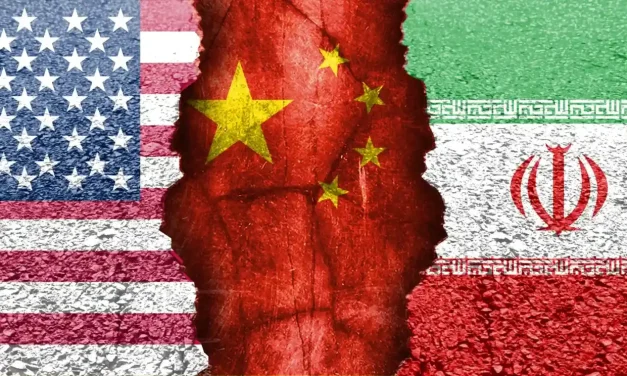
China’s Rejection of US Sanctions; Strengthening Iran’s Geopolitical Leverage

SCFR Online – Opinion: Concurrent with the official commencement of the United States’ economic war against our country, focusing on sanctions instruments, isolation, and economic pressure, what has now become increasingly important is the lack of alignment of other major global powers, especially China, with this policy.
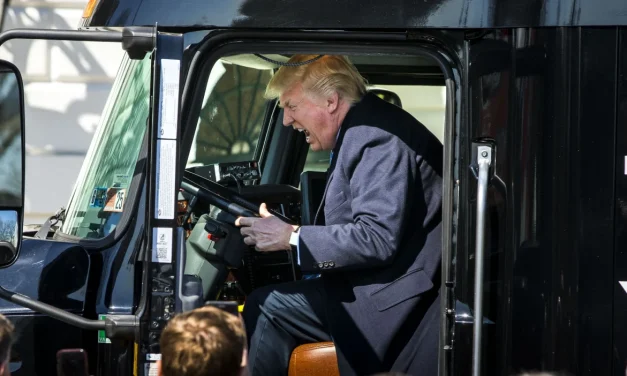
The Makkah Pact; Reasons for its Formation and Challenges Ahead

SCFR Online – Opinion: The Makkah Pact, signed between Saudi Arabia, Pakistan, and Turkey under the motto “an attack on one is an attack on all,” is viewed by some analysts less as a full-fledged military coalition and more as an attempt to reduce security dependence on an external power and to establish a regional security mechanism.

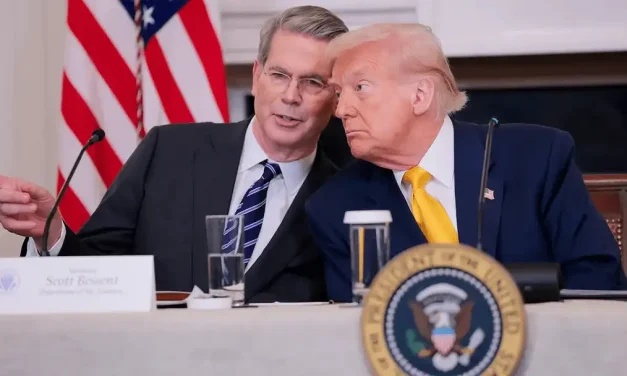
Implications of the US-Saudi Nuclear Agreement

SCFR Online – Opinion: The new US-Saudi nuclear agreement, despite legal and political ambiguities, could alter previous non-proliferation standards in West Asia and intensify nuclear competition, ushering it into a new phase.

An Analysis of Recent Turkey-Israeli Regime Tensions

SCFR Online – Opinion: Recent developments in Syria indicate an intensification of strategic rivalry between Turkey and the Israeli regime, but mutual considerations and the role of the United States have limited the likelihood of direct war.

Loading

Politics

Russia’s Goals, Interests in Pursuing Collective Security Program in Persian Gulf

Russia’s Goals, Interests in Pursuing Collective Security Program in Persian Gulf

Strategic Council Online – Interview: An expert on Russia affairs said: It seems that given some efforts to improve Tehran-Riyadh relations, the Russians are assuming they can somehow play the role of an accelerator and a catalyst in this process and by re-engaging in the project “Collective Security Program in the Persian Gulf” take the credit for normalization and de-escalation in these such relations.

Challenges the Taliban Face in Afghanistan

Challenges the Taliban Face in Afghanistan

Strategic Council Online – Interview: An expert on the subcontinent affairs commenting on the latest developments in Afghanistan after the Taliban came to power said: Since the Taliban became the main power in Afghanistan the group has faced numerous challenges in governance. The international community’s reluctance to recognize the Taliban as the new government in Afghanistan is the biggest and most important challenge of the group in the area of governance.

Strategic Consequences of the UK Hostile Action against Hamas in the Region

Strategic Consequences of the UK Hostile Action against Hamas in the Region

Strategic Council Online- Interview: An expert of Middle East affairs commented on the action taken by British government in enlisting Palestinian Hamas group among terrorist groups and said:” The recent measure taken by British Prime Minister, Boris Johnson’s government in putting Hamas Movement among terrorist organizations show that British government in unison with the Zionist lobby, is following up confrontation with the world of Islam”.

Quad; Strategic Partnership in Soft Confrontation with China

Quad; Strategic Partnership in Soft Confrontation with China

Strategic Council Online – Opinion: Joe Biden recently met with prime ministers of Australia, Japan and India in the United States. It was in 2007 that the first meeting of the Quad Group (the US, Australia, Japan and India) was held in New York in order to confront China’s growing power in the two diplomacy and security areas in Indo-Pacific region.
Reza Majidzadeh – Director of Simorgh Development Working Group, Pasargad Millennium Plan Think Tank

Strategic Consequences of Ansarullah Field Advances in Ma’rib

Strategic Consequences of Ansarullah Field Advances in Ma’rib

Strategic Council Online – Interview: A West Asian affairs analyst says that it is very difficult and impossible for the Saudis to accept a political dialogue in the current situation and that there will be no solution to start political talks or clarify the situation in the Yemeni war until Ma’rib is liberated. He said: Ansarullah is determined to liberate Ma’rib and we will see this happen in the future.

US-China Reciprocal Strategy towards Taiwan

US-China Reciprocal Strategy towards Taiwan

Strategic Council Online – Interview: Former Iranian ambassador to China, saying that the political community of Taiwan does not seem to be interested in radical measure to change the balance of power vis-a-vis China, added: Positions of the two parties in Taiwan that support its independence have mostly propagative, or even blackmail aspect, from China.

Overview of Paris Intl. Conference & Perspective of Withdrawal of Russian and Turkish Forces from Libya

Overview of Paris Intl. Conference & Perspective of Withdrawal of Russian and Turkish Forces from Libya

Strategic Council Online-Interview: Having commented on the role and importance of interferences of foreign players in Libya and challenges ahead of the elections in the country, an analyst of international affairs said:” as long as foreign forces will not withdraw from Libya there is no guarantee to hold healthy elections and it is unclear that when the result of the elections opposes the interests of military groups, how would they react?

Consequences of Virtual Meeting of China-US Presidents

Consequences of Virtual Meeting of China-US Presidents

Strategic Council Online – Interview: An expert on US affairs commenting on the recent video call between the presidents of China and the United States said: Basically when the tension between the big powers is increasing, communication channels are very necessary and useful to prevent miscalculation and escalation of tension.

أحدث الوظائف

China’s Rejection of US Sanctions; Strengthening Iran’s Geopolitical Leverage

SCFR Online – Opinion: Concurrent with the official commencement of the United States’ economic war against our country, focusing on sanctions instruments, isolation, and economic pressure, what has now become increasingly important is the lack of alignment of other major global powers, especially China, with this policy.
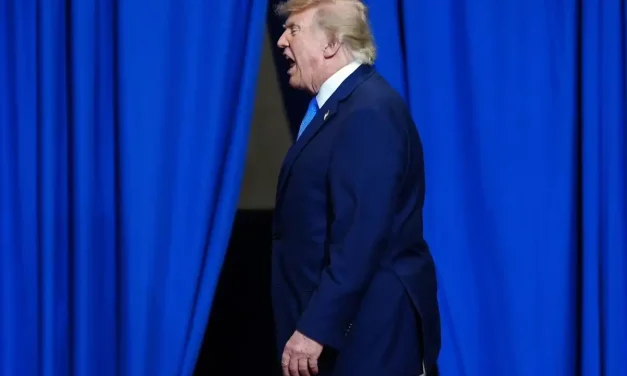
The Makkah Pact; Reasons for its Formation and Challenges Ahead

SCFR Online – Opinion: The Makkah Pact, signed between Saudi Arabia, Pakistan, and Turkey under the motto “an attack on one is an attack on all,” is viewed by some analysts less as a full-fledged military coalition and more as an attempt to reduce security dependence on an external power and to establish a regional security mechanism.

Implications of the US-Saudi Nuclear Agreement

SCFR Online – Opinion: The new US-Saudi nuclear agreement, despite legal and political ambiguities, could alter previous non-proliferation standards in West Asia and intensify nuclear competition, ushering it into a new phase.

An Analysis of Recent Turkey-Israeli Regime Tensions

SCFR Online – Opinion: Recent developments in Syria indicate an intensification of strategic rivalry between Turkey and the Israeli regime, but mutual considerations and the role of the United States have limited the likelihood of direct war.

Loading

Politics

Russia’s Goals, Interests in Pursuing Collective Security Program in Persian Gulf

Russia’s Goals, Interests in Pursuing Collective Security Program in Persian Gulf

Strategic Council Online – Interview: An expert on Russia affairs said: It seems that given some efforts to improve Tehran-Riyadh relations, the Russians are assuming they can somehow play the role of an accelerator and a catalyst in this process and by re-engaging in the project “Collective Security Program in the Persian Gulf” take the credit for normalization and de-escalation in these such relations.

Challenges the Taliban Face in Afghanistan

Challenges the Taliban Face in Afghanistan

Strategic Council Online – Interview: An expert on the subcontinent affairs commenting on the latest developments in Afghanistan after the Taliban came to power said: Since the Taliban became the main power in Afghanistan the group has faced numerous challenges in governance. The international community’s reluctance to recognize the Taliban as the new government in Afghanistan is the biggest and most important challenge of the group in the area of governance.

Strategic Consequences of the UK Hostile Action against Hamas in the Region

Strategic Consequences of the UK Hostile Action against Hamas in the Region

Strategic Council Online- Interview: An expert of Middle East affairs commented on the action taken by British government in enlisting Palestinian Hamas group among terrorist groups and said:” The recent measure taken by British Prime Minister, Boris Johnson’s government in putting Hamas Movement among terrorist organizations show that British government in unison with the Zionist lobby, is following up confrontation with the world of Islam”.

Quad; Strategic Partnership in Soft Confrontation with China

Quad; Strategic Partnership in Soft Confrontation with China

Strategic Council Online – Opinion: Joe Biden recently met with prime ministers of Australia, Japan and India in the United States. It was in 2007 that the first meeting of the Quad Group (the US, Australia, Japan and India) was held in New York in order to confront China’s growing power in the two diplomacy and security areas in Indo-Pacific region.
Reza Majidzadeh – Director of Simorgh Development Working Group, Pasargad Millennium Plan Think Tank

Strategic Consequences of Ansarullah Field Advances in Ma’rib

Strategic Consequences of Ansarullah Field Advances in Ma’rib

Strategic Council Online – Interview: A West Asian affairs analyst says that it is very difficult and impossible for the Saudis to accept a political dialogue in the current situation and that there will be no solution to start political talks or clarify the situation in the Yemeni war until Ma’rib is liberated. He said: Ansarullah is determined to liberate Ma’rib and we will see this happen in the future.

US-China Reciprocal Strategy towards Taiwan

US-China Reciprocal Strategy towards Taiwan

Strategic Council Online – Interview: Former Iranian ambassador to China, saying that the political community of Taiwan does not seem to be interested in radical measure to change the balance of power vis-a-vis China, added: Positions of the two parties in Taiwan that support its independence have mostly propagative, or even blackmail aspect, from China.

Overview of Paris Intl. Conference & Perspective of Withdrawal of Russian and Turkish Forces from Libya

Overview of Paris Intl. Conference & Perspective of Withdrawal of Russian and Turkish Forces from Libya

Strategic Council Online-Interview: Having commented on the role and importance of interferences of foreign players in Libya and challenges ahead of the elections in the country, an analyst of international affairs said:” as long as foreign forces will not withdraw from Libya there is no guarantee to hold healthy elections and it is unclear that when the result of the elections opposes the interests of military groups, how would they react?

Consequences of Virtual Meeting of China-US Presidents

Consequences of Virtual Meeting of China-US Presidents

Strategic Council Online – Interview: An expert on US affairs commenting on the recent video call between the presidents of China and the United States said: Basically when the tension between the big powers is increasing, communication channels are very necessary and useful to prevent miscalculation and escalation of tension.

Politics

Russia’s Goals, Interests in Pursuing Collective Security Program in Persian Gulf

Russia’s Goals, Interests in Pursuing Collective Security Program in Persian Gulf

Strategic Council Online – Interview: An expert on Russia affairs said: It seems that given some efforts to improve Tehran-Riyadh relations, the Russians are assuming they can somehow play the role of an accelerator and a catalyst in this process and by re-engaging in the project “Collective Security Program in the Persian Gulf” take the credit for normalization and de-escalation in these such relations.

Challenges the Taliban Face in Afghanistan

Challenges the Taliban Face in Afghanistan

Strategic Council Online – Interview: An expert on the subcontinent affairs commenting on the latest developments in Afghanistan after the Taliban came to power said: Since the Taliban became the main power in Afghanistan the group has faced numerous challenges in governance. The international community’s reluctance to recognize the Taliban as the new government in Afghanistan is the biggest and most important challenge of the group in the area of governance.

Strategic Consequences of the UK Hostile Action against Hamas in the Region

Strategic Consequences of the UK Hostile Action against Hamas in the Region

Strategic Council Online- Interview: An expert of Middle East affairs commented on the action taken by British government in enlisting Palestinian Hamas group among terrorist groups and said:” The recent measure taken by British Prime Minister, Boris Johnson’s government in putting Hamas Movement among terrorist organizations show that British government in unison with the Zionist lobby, is following up confrontation with the world of Islam”.

Quad; Strategic Partnership in Soft Confrontation with China

Quad; Strategic Partnership in Soft Confrontation with China

Strategic Council Online – Opinion: Joe Biden recently met with prime ministers of Australia, Japan and India in the United States. It was in 2007 that the first meeting of the Quad Group (the US, Australia, Japan and India) was held in New York in order to confront China’s growing power in the two diplomacy and security areas in Indo-Pacific region.
Reza Majidzadeh – Director of Simorgh Development Working Group, Pasargad Millennium Plan Think Tank

Strategic Consequences of Ansarullah Field Advances in Ma’rib

Strategic Consequences of Ansarullah Field Advances in Ma’rib

Strategic Council Online – Interview: A West Asian affairs analyst says that it is very difficult and impossible for the Saudis to accept a political dialogue in the current situation and that there will be no solution to start political talks or clarify the situation in the Yemeni war until Ma’rib is liberated. He said: Ansarullah is determined to liberate Ma’rib and we will see this happen in the future.

US-China Reciprocal Strategy towards Taiwan

US-China Reciprocal Strategy towards Taiwan

Strategic Council Online – Interview: Former Iranian ambassador to China, saying that the political community of Taiwan does not seem to be interested in radical measure to change the balance of power vis-a-vis China, added: Positions of the two parties in Taiwan that support its independence have mostly propagative, or even blackmail aspect, from China.

Overview of Paris Intl. Conference & Perspective of Withdrawal of Russian and Turkish Forces from Libya

Overview of Paris Intl. Conference & Perspective of Withdrawal of Russian and Turkish Forces from Libya

Strategic Council Online-Interview: Having commented on the role and importance of interferences of foreign players in Libya and challenges ahead of the elections in the country, an analyst of international affairs said:” as long as foreign forces will not withdraw from Libya there is no guarantee to hold healthy elections and it is unclear that when the result of the elections opposes the interests of military groups, how would they react?

Consequences of Virtual Meeting of China-US Presidents

Consequences of Virtual Meeting of China-US Presidents

Strategic Council Online – Interview: An expert on US affairs commenting on the recent video call between the presidents of China and the United States said: Basically when the tension between the big powers is increasing, communication channels are very necessary and useful to prevent miscalculation and escalation of tension.

LATEST CONTENT

China’s Rejection of US Sanctions; Strengthening Iran’s Geopolitical Leverage

SCFR Online – Opinion: Concurrent with the official commencement of the United States’ economic war against our country, focusing on sanctions instruments, isolation, and economic pressure, what has now become increasingly important is the lack of alignment of other major global powers, especially China, with this policy.
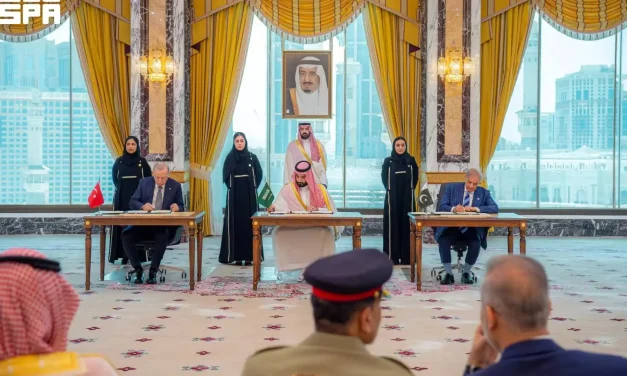
The Makkah Pact; Reasons for its Formation and Challenges Ahead

SCFR Online – Opinion: The Makkah Pact, signed between Saudi Arabia, Pakistan, and Turkey under the motto “an attack on one is an attack on all,” is viewed by some analysts less as a full-fledged military coalition and more as an attempt to reduce security dependence on an external power and to establish a regional security mechanism.

Implications of the US-Saudi Nuclear Agreement

SCFR Online – Opinion: The new US-Saudi nuclear agreement, despite legal and political ambiguities, could alter previous non-proliferation standards in West Asia and intensify nuclear competition, ushering it into a new phase.

An Analysis of Recent Turkey-Israeli Regime Tensions

SCFR Online – Opinion: Recent developments in Syria indicate an intensification of strategic rivalry between Turkey and the Israeli regime, but mutual considerations and the role of the United States have limited the likelihood of direct war.

Loading

Politics

Russia’s Goals, Interests in Pursuing Collective Security Program in Persian Gulf

Russia’s Goals, Interests in Pursuing Collective Security Program in Persian Gulf

Strategic Council Online – Interview: An expert on Russia affairs said: It seems that given some efforts to improve Tehran-Riyadh relations, the Russians are assuming they can somehow play the role of an accelerator and a catalyst in this process and by re-engaging in the project “Collective Security Program in the Persian Gulf” take the credit for normalization and de-escalation in these such relations.

Challenges the Taliban Face in Afghanistan

Challenges the Taliban Face in Afghanistan

Strategic Council Online – Interview: An expert on the subcontinent affairs commenting on the latest developments in Afghanistan after the Taliban came to power said: Since the Taliban became the main power in Afghanistan the group has faced numerous challenges in governance. The international community’s reluctance to recognize the Taliban as the new government in Afghanistan is the biggest and most important challenge of the group in the area of governance.

Strategic Consequences of the UK Hostile Action against Hamas in the Region

Strategic Consequences of the UK Hostile Action against Hamas in the Region

Strategic Council Online- Interview: An expert of Middle East affairs commented on the action taken by British government in enlisting Palestinian Hamas group among terrorist groups and said:” The recent measure taken by British Prime Minister, Boris Johnson’s government in putting Hamas Movement among terrorist organizations show that British government in unison with the Zionist lobby, is following up confrontation with the world of Islam”.

Quad; Strategic Partnership in Soft Confrontation with China

Quad; Strategic Partnership in Soft Confrontation with China

Strategic Council Online – Opinion: Joe Biden recently met with prime ministers of Australia, Japan and India in the United States. It was in 2007 that the first meeting of the Quad Group (the US, Australia, Japan and India) was held in New York in order to confront China’s growing power in the two diplomacy and security areas in Indo-Pacific region.
Reza Majidzadeh – Director of Simorgh Development Working Group, Pasargad Millennium Plan Think Tank

Strategic Consequences of Ansarullah Field Advances in Ma’rib

Strategic Consequences of Ansarullah Field Advances in Ma’rib

Strategic Council Online – Interview: A West Asian affairs analyst says that it is very difficult and impossible for the Saudis to accept a political dialogue in the current situation and that there will be no solution to start political talks or clarify the situation in the Yemeni war until Ma’rib is liberated. He said: Ansarullah is determined to liberate Ma’rib and we will see this happen in the future.

US-China Reciprocal Strategy towards Taiwan

US-China Reciprocal Strategy towards Taiwan

Strategic Council Online – Interview: Former Iranian ambassador to China, saying that the political community of Taiwan does not seem to be interested in radical measure to change the balance of power vis-a-vis China, added: Positions of the two parties in Taiwan that support its independence have mostly propagative, or even blackmail aspect, from China.

Overview of Paris Intl. Conference & Perspective of Withdrawal of Russian and Turkish Forces from Libya

Overview of Paris Intl. Conference & Perspective of Withdrawal of Russian and Turkish Forces from Libya

Strategic Council Online-Interview: Having commented on the role and importance of interferences of foreign players in Libya and challenges ahead of the elections in the country, an analyst of international affairs said:” as long as foreign forces will not withdraw from Libya there is no guarantee to hold healthy elections and it is unclear that when the result of the elections opposes the interests of military groups, how would they react?

Consequences of Virtual Meeting of China-US Presidents

Consequences of Virtual Meeting of China-US Presidents

Strategic Council Online – Interview: An expert on US affairs commenting on the recent video call between the presidents of China and the United States said: Basically when the tension between the big powers is increasing, communication channels are very necessary and useful to prevent miscalculation and escalation of tension.

ÚLTIMAS PUBLICACIONES

China’s Rejection of US Sanctions; Strengthening Iran’s Geopolitical Leverage

SCFR Online – Opinion: Concurrent with the official commencement of the United States’ economic war against our country, focusing on sanctions instruments, isolation, and economic pressure, what has now become increasingly important is the lack of alignment of other major global powers, especially China, with this policy.
The Makkah Pact; Reasons for its Formation and Challenges Ahead

SCFR Online – Opinion: The Makkah Pact, signed between Saudi Arabia, Pakistan, and Turkey under the motto “an attack on one is an attack on all,” is viewed by some analysts less as a full-fledged military coalition and more as an attempt to reduce security dependence on an external power and to establish a regional security mechanism.

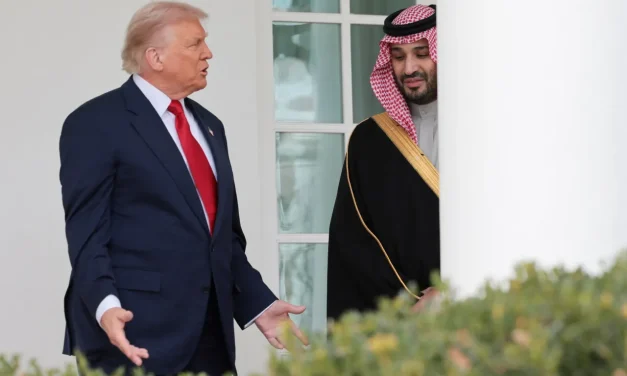
Implications of the US-Saudi Nuclear Agreement

SCFR Online – Opinion: The new US-Saudi nuclear agreement, despite legal and political ambiguities, could alter previous non-proliferation standards in West Asia and intensify nuclear competition, ushering it into a new phase.

An Analysis of Recent Turkey-Israeli Regime Tensions

SCFR Online – Opinion: Recent developments in Syria indicate an intensification of strategic rivalry between Turkey and the Israeli regime, but mutual considerations and the role of the United States have limited the likelihood of direct war.

Loading

Politics

Russia’s Goals, Interests in Pursuing Collective Security Program in Persian Gulf

Russia’s Goals, Interests in Pursuing Collective Security Program in Persian Gulf

Strategic Council Online – Interview: An expert on Russia affairs said: It seems that given some efforts to improve Tehran-Riyadh relations, the Russians are assuming they can somehow play the role of an accelerator and a catalyst in this process and by re-engaging in the project “Collective Security Program in the Persian Gulf” take the credit for normalization and de-escalation in these such relations.

Challenges the Taliban Face in Afghanistan

Challenges the Taliban Face in Afghanistan

Strategic Council Online – Interview: An expert on the subcontinent affairs commenting on the latest developments in Afghanistan after the Taliban came to power said: Since the Taliban became the main power in Afghanistan the group has faced numerous challenges in governance. The international community’s reluctance to recognize the Taliban as the new government in Afghanistan is the biggest and most important challenge of the group in the area of governance.

Strategic Consequences of the UK Hostile Action against Hamas in the Region

Strategic Consequences of the UK Hostile Action against Hamas in the Region

Strategic Council Online- Interview: An expert of Middle East affairs commented on the action taken by British government in enlisting Palestinian Hamas group among terrorist groups and said:” The recent measure taken by British Prime Minister, Boris Johnson’s government in putting Hamas Movement among terrorist organizations show that British government in unison with the Zionist lobby, is following up confrontation with the world of Islam”.

Quad; Strategic Partnership in Soft Confrontation with China

Quad; Strategic Partnership in Soft Confrontation with China

Strategic Council Online – Opinion: Joe Biden recently met with prime ministers of Australia, Japan and India in the United States. It was in 2007 that the first meeting of the Quad Group (the US, Australia, Japan and India) was held in New York in order to confront China’s growing power in the two diplomacy and security areas in Indo-Pacific region.
Reza Majidzadeh – Director of Simorgh Development Working Group, Pasargad Millennium Plan Think Tank

Strategic Consequences of Ansarullah Field Advances in Ma’rib

Strategic Consequences of Ansarullah Field Advances in Ma’rib

Strategic Council Online – Interview: A West Asian affairs analyst says that it is very difficult and impossible for the Saudis to accept a political dialogue in the current situation and that there will be no solution to start political talks or clarify the situation in the Yemeni war until Ma’rib is liberated. He said: Ansarullah is determined to liberate Ma’rib and we will see this happen in the future.

US-China Reciprocal Strategy towards Taiwan

US-China Reciprocal Strategy towards Taiwan

Strategic Council Online – Interview: Former Iranian ambassador to China, saying that the political community of Taiwan does not seem to be interested in radical measure to change the balance of power vis-a-vis China, added: Positions of the two parties in Taiwan that support its independence have mostly propagative, or even blackmail aspect, from China.

Overview of Paris Intl. Conference & Perspective of Withdrawal of Russian and Turkish Forces from Libya

Overview of Paris Intl. Conference & Perspective of Withdrawal of Russian and Turkish Forces from Libya

Strategic Council Online-Interview: Having commented on the role and importance of interferences of foreign players in Libya and challenges ahead of the elections in the country, an analyst of international affairs said:” as long as foreign forces will not withdraw from Libya there is no guarantee to hold healthy elections and it is unclear that when the result of the elections opposes the interests of military groups, how would they react?

Consequences of Virtual Meeting of China-US Presidents

Consequences of Virtual Meeting of China-US Presidents

Strategic Council Online – Interview: An expert on US affairs commenting on the recent video call between the presidents of China and the United States said: Basically when the tension between the big powers is increasing, communication channels are very necessary and useful to prevent miscalculation and escalation of tension.

ÚLTIMAS PUBLICACIONES

China’s Rejection of US Sanctions; Strengthening Iran’s Geopolitical Leverage

SCFR Online – Opinion: Concurrent with the official commencement of the United States’ economic war against our country, focusing on sanctions instruments, isolation, and economic pressure, what has now become increasingly important is the lack of alignment of other major global powers, especially China, with this policy.
The Makkah Pact; Reasons for its Formation and Challenges Ahead

SCFR Online – Opinion: The Makkah Pact, signed between Saudi Arabia, Pakistan, and Turkey under the motto “an attack on one is an attack on all,” is viewed by some analysts less as a full-fledged military coalition and more as an attempt to reduce security dependence on an external power and to establish a regional security mechanism.

Implications of the US-Saudi Nuclear Agreement

SCFR Online – Opinion: The new US-Saudi nuclear agreement, despite legal and political ambiguities, could alter previous non-proliferation standards in West Asia and intensify nuclear competition, ushering it into a new phase.

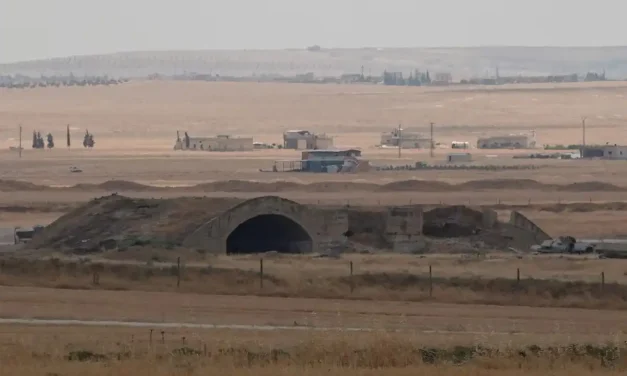
An Analysis of Recent Turkey-Israeli Regime Tensions

SCFR Online – Opinion: Recent developments in Syria indicate an intensification of strategic rivalry between Turkey and the Israeli regime, but mutual considerations and the role of the United States have limited the likelihood of direct war.

Loading

Politics

Russia’s Goals, Interests in Pursuing Collective Security Program in Persian Gulf

Russia’s Goals, Interests in Pursuing Collective Security Program in Persian Gulf

Strategic Council Online – Interview: An expert on Russia affairs said: It seems that given some efforts to improve Tehran-Riyadh relations, the Russians are assuming they can somehow play the role of an accelerator and a catalyst in this process and by re-engaging in the project “Collective Security Program in the Persian Gulf” take the credit for normalization and de-escalation in these such relations.

Challenges the Taliban Face in Afghanistan

Challenges the Taliban Face in Afghanistan

Strategic Council Online – Interview: An expert on the subcontinent affairs commenting on the latest developments in Afghanistan after the Taliban came to power said: Since the Taliban became the main power in Afghanistan the group has faced numerous challenges in governance. The international community’s reluctance to recognize the Taliban as the new government in Afghanistan is the biggest and most important challenge of the group in the area of governance.

Strategic Consequences of the UK Hostile Action against Hamas in the Region

Strategic Consequences of the UK Hostile Action against Hamas in the Region

Strategic Council Online- Interview: An expert of Middle East affairs commented on the action taken by British government in enlisting Palestinian Hamas group among terrorist groups and said:” The recent measure taken by British Prime Minister, Boris Johnson’s government in putting Hamas Movement among terrorist organizations show that British government in unison with the Zionist lobby, is following up confrontation with the world of Islam”.

Quad; Strategic Partnership in Soft Confrontation with China

Quad; Strategic Partnership in Soft Confrontation with China

Strategic Council Online – Opinion: Joe Biden recently met with prime ministers of Australia, Japan and India in the United States. It was in 2007 that the first meeting of the Quad Group (the US, Australia, Japan and India) was held in New York in order to confront China’s growing power in the two diplomacy and security areas in Indo-Pacific region.
Reza Majidzadeh – Director of Simorgh Development Working Group, Pasargad Millennium Plan Think Tank

Strategic Consequences of Ansarullah Field Advances in Ma’rib

Strategic Consequences of Ansarullah Field Advances in Ma’rib

Strategic Council Online – Interview: A West Asian affairs analyst says that it is very difficult and impossible for the Saudis to accept a political dialogue in the current situation and that there will be no solution to start political talks or clarify the situation in the Yemeni war until Ma’rib is liberated. He said: Ansarullah is determined to liberate Ma’rib and we will see this happen in the future.

US-China Reciprocal Strategy towards Taiwan

US-China Reciprocal Strategy towards Taiwan

Strategic Council Online – Interview: Former Iranian ambassador to China, saying that the political community of Taiwan does not seem to be interested in radical measure to change the balance of power vis-a-vis China, added: Positions of the two parties in Taiwan that support its independence have mostly propagative, or even blackmail aspect, from China.

Overview of Paris Intl. Conference & Perspective of Withdrawal of Russian and Turkish Forces from Libya

Overview of Paris Intl. Conference & Perspective of Withdrawal of Russian and Turkish Forces from Libya

Strategic Council Online-Interview: Having commented on the role and importance of interferences of foreign players in Libya and challenges ahead of the elections in the country, an analyst of international affairs said:” as long as foreign forces will not withdraw from Libya there is no guarantee to hold healthy elections and it is unclear that when the result of the elections opposes the interests of military groups, how would they react?

Consequences of Virtual Meeting of China-US Presidents

Consequences of Virtual Meeting of China-US Presidents

Strategic Council Online – Interview: An expert on US affairs commenting on the recent video call between the presidents of China and the United States said: Basically when the tension between the big powers is increasing, communication channels are very necessary and useful to prevent miscalculation and escalation of tension.

ÚLTIMAS PUBLICACIONES

China’s Rejection of US Sanctions; Strengthening Iran’s Geopolitical Leverage

SCFR Online – Opinion: Concurrent with the official commencement of the United States’ economic war against our country, focusing on sanctions instruments, isolation, and economic pressure, what has now become increasingly important is the lack of alignment of other major global powers, especially China, with this policy.
The Makkah Pact; Reasons for its Formation and Challenges Ahead

SCFR Online – Opinion: The Makkah Pact, signed between Saudi Arabia, Pakistan, and Turkey under the motto “an attack on one is an attack on all,” is viewed by some analysts less as a full-fledged military coalition and more as an attempt to reduce security dependence on an external power and to establish a regional security mechanism.

Implications of the US-Saudi Nuclear Agreement

SCFR Online – Opinion: The new US-Saudi nuclear agreement, despite legal and political ambiguities, could alter previous non-proliferation standards in West Asia and intensify nuclear competition, ushering it into a new phase.

An Analysis of Recent Turkey-Israeli Regime Tensions

SCFR Online – Opinion: Recent developments in Syria indicate an intensification of strategic rivalry between Turkey and the Israeli regime, but mutual considerations and the role of the United States have limited the likelihood of direct war.

Loading

Politics

Russia’s Goals, Interests in Pursuing Collective Security Program in Persian Gulf

Russia’s Goals, Interests in Pursuing Collective Security Program in Persian Gulf

Strategic Council Online – Interview: An expert on Russia affairs said: It seems that given some efforts to improve Tehran-Riyadh relations, the Russians are assuming they can somehow play the role of an accelerator and a catalyst in this process and by re-engaging in the project “Collective Security Program in the Persian Gulf” take the credit for normalization and de-escalation in these such relations.

Challenges the Taliban Face in Afghanistan

Challenges the Taliban Face in Afghanistan

Strategic Council Online – Interview: An expert on the subcontinent affairs commenting on the latest developments in Afghanistan after the Taliban came to power said: Since the Taliban became the main power in Afghanistan the group has faced numerous challenges in governance. The international community’s reluctance to recognize the Taliban as the new government in Afghanistan is the biggest and most important challenge of the group in the area of governance.

Strategic Consequences of the UK Hostile Action against Hamas in the Region

Strategic Consequences of the UK Hostile Action against Hamas in the Region

Strategic Council Online- Interview: An expert of Middle East affairs commented on the action taken by British government in enlisting Palestinian Hamas group among terrorist groups and said:” The recent measure taken by British Prime Minister, Boris Johnson’s government in putting Hamas Movement among terrorist organizations show that British government in unison with the Zionist lobby, is following up confrontation with the world of Islam”.

Quad; Strategic Partnership in Soft Confrontation with China

Quad; Strategic Partnership in Soft Confrontation with China

Strategic Council Online – Opinion: Joe Biden recently met with prime ministers of Australia, Japan and India in the United States. It was in 2007 that the first meeting of the Quad Group (the US, Australia, Japan and India) was held in New York in order to confront China’s growing power in the two diplomacy and security areas in Indo-Pacific region.
Reza Majidzadeh – Director of Simorgh Development Working Group, Pasargad Millennium Plan Think Tank

Strategic Consequences of Ansarullah Field Advances in Ma’rib

Strategic Consequences of Ansarullah Field Advances in Ma’rib

Strategic Council Online – Interview: A West Asian affairs analyst says that it is very difficult and impossible for the Saudis to accept a political dialogue in the current situation and that there will be no solution to start political talks or clarify the situation in the Yemeni war until Ma’rib is liberated. He said: Ansarullah is determined to liberate Ma’rib and we will see this happen in the future.

US-China Reciprocal Strategy towards Taiwan

US-China Reciprocal Strategy towards Taiwan

Strategic Council Online – Interview: Former Iranian ambassador to China, saying that the political community of Taiwan does not seem to be interested in radical measure to change the balance of power vis-a-vis China, added: Positions of the two parties in Taiwan that support its independence have mostly propagative, or even blackmail aspect, from China.

Overview of Paris Intl. Conference & Perspective of Withdrawal of Russian and Turkish Forces from Libya

Overview of Paris Intl. Conference & Perspective of Withdrawal of Russian and Turkish Forces from Libya

Strategic Council Online-Interview: Having commented on the role and importance of interferences of foreign players in Libya and challenges ahead of the elections in the country, an analyst of international affairs said:” as long as foreign forces will not withdraw from Libya there is no guarantee to hold healthy elections and it is unclear that when the result of the elections opposes the interests of military groups, how would they react?

Consequences of Virtual Meeting of China-US Presidents

Consequences of Virtual Meeting of China-US Presidents

Strategic Council Online – Interview: An expert on US affairs commenting on the recent video call between the presidents of China and the United States said: Basically when the tension between the big powers is increasing, communication channels are very necessary and useful to prevent miscalculation and escalation of tension.

ÚLTIMAS PUBLICACIONES

China’s Rejection of US Sanctions; Strengthening Iran’s Geopolitical Leverage

SCFR Online – Opinion: Concurrent with the official commencement of the United States’ economic war against our country, focusing on sanctions instruments, isolation, and economic pressure, what has now become increasingly important is the lack of alignment of other major global powers, especially China, with this policy.

The Makkah Pact; Reasons for its Formation and Challenges Ahead

SCFR Online – Opinion: The Makkah Pact, signed between Saudi Arabia, Pakistan, and Turkey under the motto “an attack on one is an attack on all,” is viewed by some analysts less as a full-fledged military coalition and more as an attempt to reduce security dependence on an external power and to establish a regional security mechanism.

Implications of the US-Saudi Nuclear Agreement

SCFR Online – Opinion: The new US-Saudi nuclear agreement, despite legal and political ambiguities, could alter previous non-proliferation standards in West Asia and intensify nuclear competition, ushering it into a new phase.

An Analysis of Recent Turkey-Israeli Regime Tensions

SCFR Online – Opinion: Recent developments in Syria indicate an intensification of strategic rivalry between Turkey and the Israeli regime, but mutual considerations and the role of the United States have limited the likelihood of direct war.

Loading