جدیدترین مطالب

Balancing in the chain of chokepoints; from sea-based deterrence to pluralistic diplomacy

Strategic Council Online – Note: Recent developments in the political geography of West Asia, from rising tensions in the Persian Gulf to missile and drone activities in the Red Sea and the recent warning by Kaja Kallas, the European Union’s foreign policy chief, regarding the threat to freedom of navigation, indicate a key pattern shift; the US-Iran war has moved beyond the scope of a regional and local confrontation and has linked two vital passageways for the global economy: the Strait of Hormuz and the Bab el-Mandeb Strait.

Indicators for Choosing Between War and Diplomacy

SCFR Online – Opinion: Foreign policy analysis is valid when it evaluates decisions based on the information and circumstances prevailing at the time they were made, not on the basis of outcomes that only become apparent after the crisis has ended.

Loading

interview

Objectives of Western Military Support Escalation for the Zionist Regime After the Ceasefire with Iran

Objectives of Western Military Support Escalation for the Zionist Regime After the Ceasefire with Iran

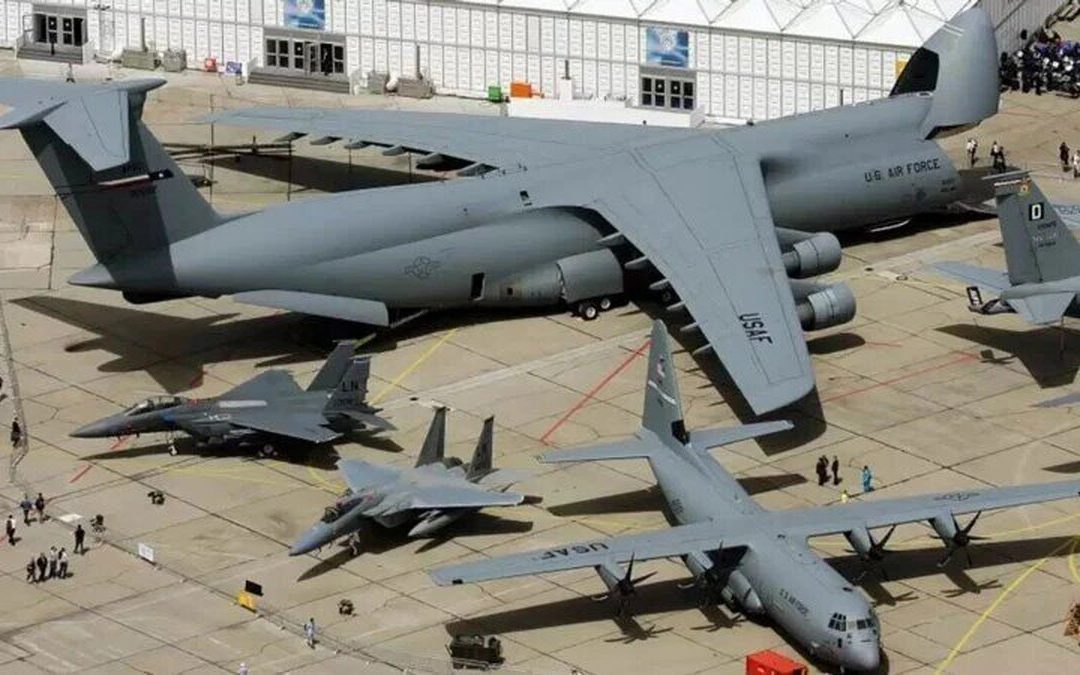
Strategic Council Online – Interview: A West Asia affairs expert stated that following the imposition of a ceasefire on the Zionist regime on June 23, 2025, after its military aggression against Iran, reports from Arab sources indicate the arrival of 17 heavy transport aircraft carrying military equipment from the United States and Germany to the Occupied Territories. This move, which the Iraqi media “Naya” describes as part of Western efforts to rebuild the Zionist regime’s military capabilities after heavy losses in the 12-day war with Iran, poses a serious threat to regional peace and Iran’s nuclear negotiations.

Netanyahu’s Tactics to Evade Trial Under Pretext of Security and Regional Developments

Netanyahu’s Tactics to Evade Trial Under Pretext of Security and Regional Developments

Strategic Council Online – Interview: An Israeli regime affairs researcher stated: The Zionist regime media recently announced that Benjamin Netanyahu, the Prime Minister of this regime, has requested a two-week postponement of his trial for security reasons and regional developments. On Sunday, news also emerged that the “Occupied Jerusalem” district court agreed to postpone Netanyahu’s trial by one week. This decision followed the Zionist regime Prime Minister summoning officials from the Foreign Intelligence Service (Mossad) and Military Intelligence Organization (Aman) to a confidential session held at this court to explain the reasons for his request to delay his trial by two weeks.

Ukraine’s Permission to Use Long-Range Weapons; Europe’s New Alignment Against Russia

Ukraine’s Permission to Use Long-Range Weapons; Europe’s New Alignment Against Russia

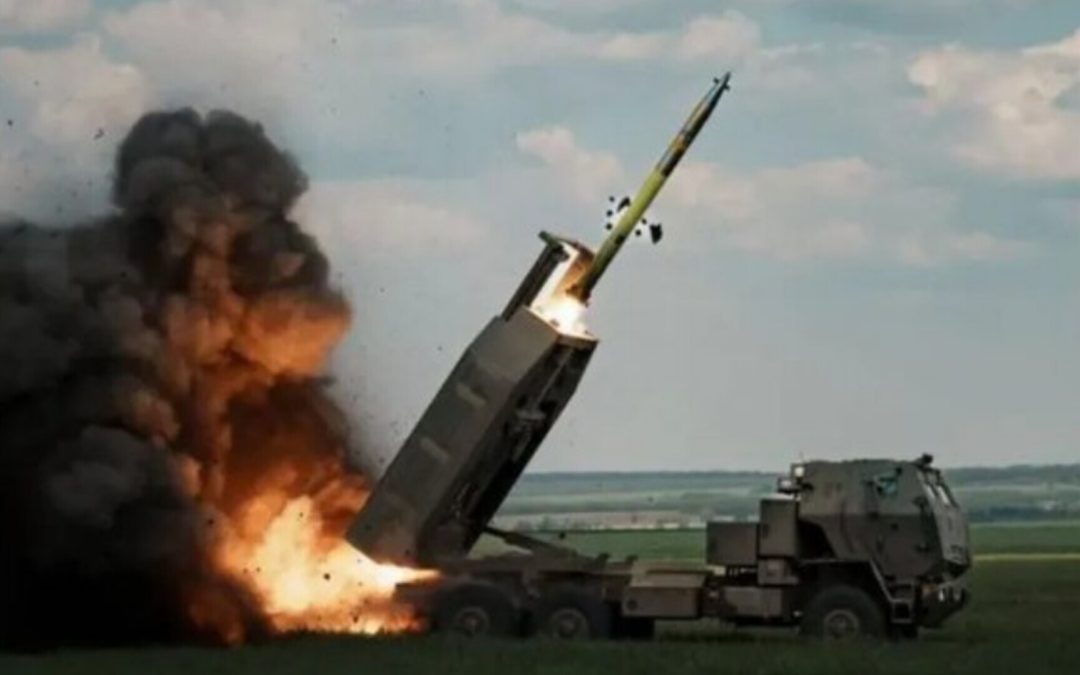
Strategic Council–Online – Interview: A European affairs expert stated that German Chancellor Friedrich Merz recently announced that Western allies would no longer impose any restrictions on Ukraine’s use of long-range weapons against Russian military targets. Following the decision by European countries, the question arises as to why this decision was made at this stage and what consequences it will have.

Impact of Operation Cobweb on the Future Course of the Ukraine War

Impact of Operation Cobweb on the Future Course of the Ukraine War

Strategic Council Online – Interview: While Donald Trump, the President of the United States, was pressuring the parties involved in the Ukraine war to initiate negotiations to end the conflict, Operation Cobweb emerged as an unexpected development that transformed the dynamics of this war. This operation, which led to the destruction of several Russian strategic Tu-22M3 bombers, has raised questions about the future of negotiations, the escalation of tensions, and its strategic implications for Russia’s foreign policy and relations with NATO.

Impact of the U.S.-China Tariff War on Iran’s Economy

Impact of the U.S.-China Tariff War on Iran’s Economy

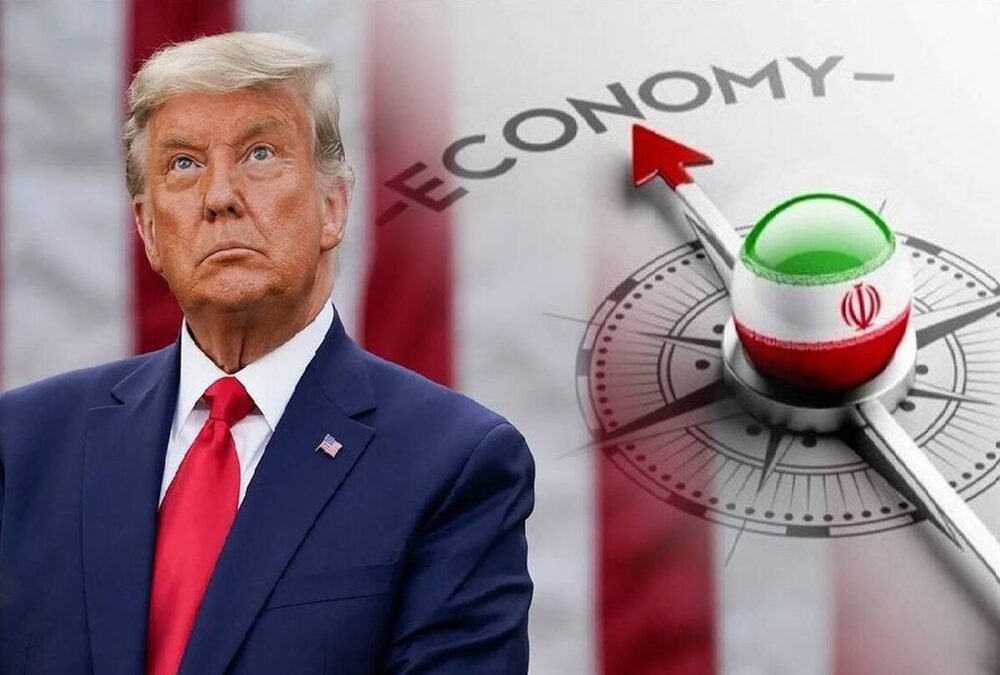
Strategic Council Online – Interview: An economist and university faculty member stated that the temporary agreement between the U.S. and China to reduce trade tariffs, recently announced in Geneva, is a turning point in easing trade tensions between the two largest economies in the world. This development, which led to positive reactions in global markets and a rise in economic indicators, has indirect consequences for Iran’s economy.

Reasons for NATO’s Interest in a Military Partnership with Iraq

Reasons for NATO’s Interest in a Military Partnership with Iraq

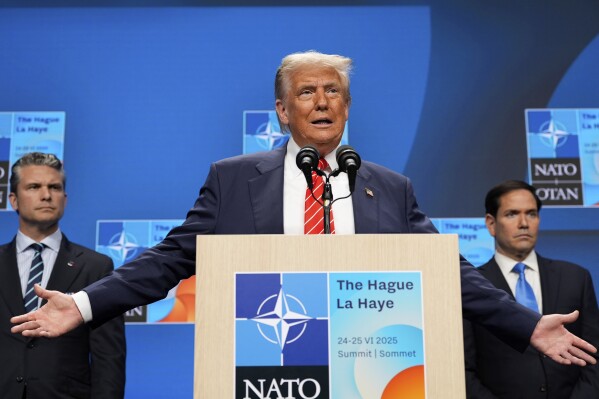
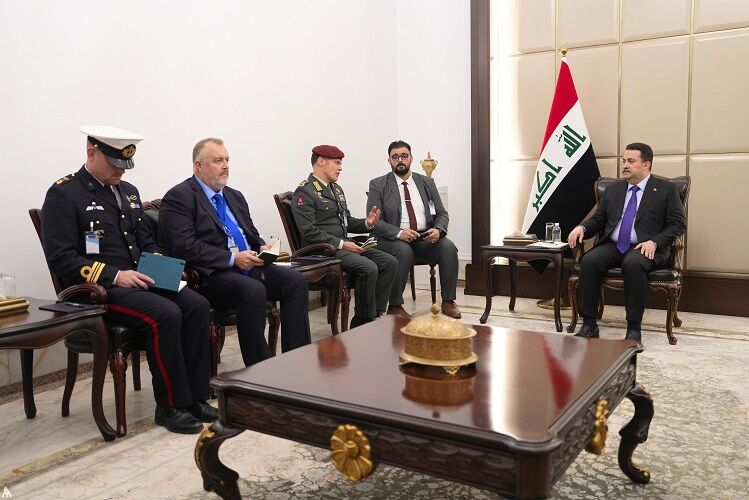
Strategic Council Online – Interview: A West Asia affairs expert stated that Christoph Henzi, the new NATO commander in Iraq, recently emphasized the North Atlantic Treaty Organization’s (NATO) continued commitment to coordinating and cooperating with Iraqi military and security institutions through experience-sharing, advisory services, and capacity-building.

Prospect of Military Confrontation Between Yemen’s Ansarullah and the Zionist Regime

Prospect of Military Confrontation Between Yemen’s Ansarullah and the Zionist Regime

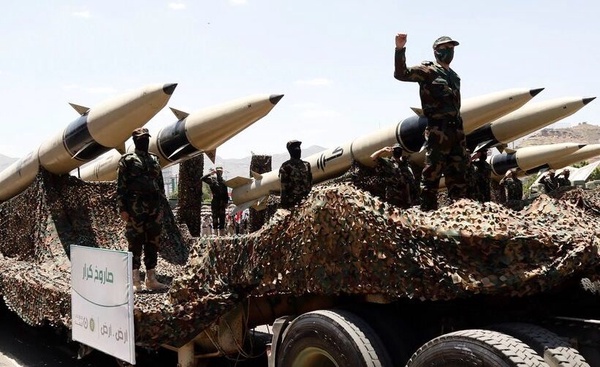
Strategic Council Online – Interview: A senior West Asia affairs analyst stated that the recent ceasefire agreement between Yemen’s Ansarullah and the U.S., mediated by Oman, led to the cessation of Ansarullah’s attacks on non-Israeli ships in the Red Sea and the suspension of American airstrikes. This agreement, reached after weeks of intense clashes—during which Ansarullah targeted the USS Harry Truman aircraft carrier with missile and drone attacks, inflicting over a billion dollars in losses on the U.S.—marks a turning point in Yemen’s strategic equations. Ansarullah’s military successes, from downing MQ-9 Reaper drones to missile strikes on Ben Gurion Airport, which halted its operations and sent millions of Zionists to shelters, have solidified its position as a key player in the Axis of Resistance.

Reasons for the EU’s Cautious Approach Toward U.S. Tariff Hikes

Reasons for the EU’s Cautious Approach Toward U.S. Tariff Hikes

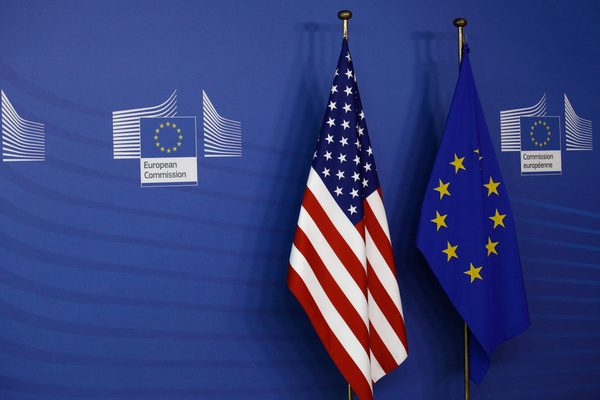
Online Strategic Council – Interview: A European and American affairs expert stated that the European Union, due to its unstable economic situation and the Ukraine issue, is compelled to accommodate the U.S., and thus, it does not challenge America over the tariff hikes.

An Analysis of the Resumption of Diplomatic Relations Between Pakistan and Afghanistan

An Analysis of the Resumption of Diplomatic Relations Between Pakistan and Afghanistan

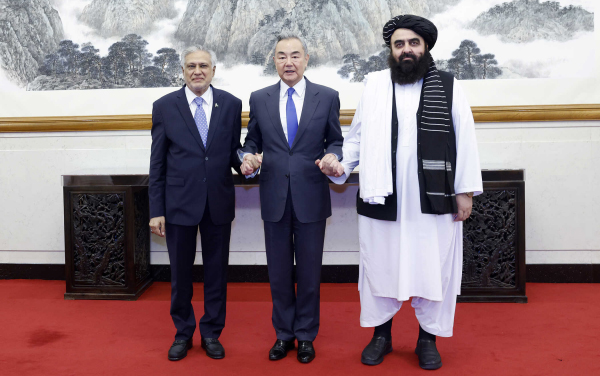
Strategic Council Online– Interview: A senior analyst on South Asian affairs stated that after a period of escalating tensions, which led to the mass expulsion of Afghan refugees from Pakistan and a downgrade in diplomatic relations between Islamabad and Kabul, the two sides have strategically resumed relations at the ambassador level. This development, which followed high-level consultations and coincided with an informal trilateral meeting of the foreign ministers of Pakistan, Afghanistan, and China in Beijing, signals a shared willingness to rebuild trust and deepen security and economic cooperation. This diplomatic shift must be understood as the result of intersecting security, economic, and geopolitical factors.

Multifaceted Crises of the Zionist Regime and Netanyahu’s Fragile Position

Multifaceted Crises of the Zionist Regime and Netanyahu’s Fragile Position

Strategic Council Online – Interview: A West Asia affairs analyst stated that according to a recent poll by the Maariv newspaper, Netanyahu’s ruling coalition would secure only 49 seats in the Knesset (parliament) if new elections were held, losing one seat, while a minimum of 61 seats is required to form a government. This situation and military and judicial failures will place Netanyahu in the most critical phase of his leadership.

أحدث الوظائف

Balancing in the chain of chokepoints; from sea-based deterrence to pluralistic diplomacy

Strategic Council Online – Note: Recent developments in the political geography of West Asia, from rising tensions in the Persian Gulf to missile and drone activities in the Red Sea and the recent warning by Kaja Kallas, the European Union’s foreign policy chief, regarding the threat to freedom of navigation, indicate a key pattern shift; the US-Iran war has moved beyond the scope of a regional and local confrontation and has linked two vital passageways for the global economy: the Strait of Hormuz and the Bab el-Mandeb Strait.

Indicators for Choosing Between War and Diplomacy

SCFR Online – Opinion: Foreign policy analysis is valid when it evaluates decisions based on the information and circumstances prevailing at the time they were made, not on the basis of outcomes that only become apparent after the crisis has ended.

Loading

interview

Objectives of Western Military Support Escalation for the Zionist Regime After the Ceasefire with Iran

Objectives of Western Military Support Escalation for the Zionist Regime After the Ceasefire with Iran

Strategic Council Online – Interview: A West Asia affairs expert stated that following the imposition of a ceasefire on the Zionist regime on June 23, 2025, after its military aggression against Iran, reports from Arab sources indicate the arrival of 17 heavy transport aircraft carrying military equipment from the United States and Germany to the Occupied Territories. This move, which the Iraqi media “Naya” describes as part of Western efforts to rebuild the Zionist regime’s military capabilities after heavy losses in the 12-day war with Iran, poses a serious threat to regional peace and Iran’s nuclear negotiations.

Netanyahu’s Tactics to Evade Trial Under Pretext of Security and Regional Developments

Netanyahu’s Tactics to Evade Trial Under Pretext of Security and Regional Developments

Strategic Council Online – Interview: An Israeli regime affairs researcher stated: The Zionist regime media recently announced that Benjamin Netanyahu, the Prime Minister of this regime, has requested a two-week postponement of his trial for security reasons and regional developments. On Sunday, news also emerged that the “Occupied Jerusalem” district court agreed to postpone Netanyahu’s trial by one week. This decision followed the Zionist regime Prime Minister summoning officials from the Foreign Intelligence Service (Mossad) and Military Intelligence Organization (Aman) to a confidential session held at this court to explain the reasons for his request to delay his trial by two weeks.

Ukraine’s Permission to Use Long-Range Weapons; Europe’s New Alignment Against Russia

Ukraine’s Permission to Use Long-Range Weapons; Europe’s New Alignment Against Russia

Strategic Council–Online – Interview: A European affairs expert stated that German Chancellor Friedrich Merz recently announced that Western allies would no longer impose any restrictions on Ukraine’s use of long-range weapons against Russian military targets. Following the decision by European countries, the question arises as to why this decision was made at this stage and what consequences it will have.

Impact of Operation Cobweb on the Future Course of the Ukraine War

Impact of Operation Cobweb on the Future Course of the Ukraine War

Strategic Council Online – Interview: While Donald Trump, the President of the United States, was pressuring the parties involved in the Ukraine war to initiate negotiations to end the conflict, Operation Cobweb emerged as an unexpected development that transformed the dynamics of this war. This operation, which led to the destruction of several Russian strategic Tu-22M3 bombers, has raised questions about the future of negotiations, the escalation of tensions, and its strategic implications for Russia’s foreign policy and relations with NATO.

Impact of the U.S.-China Tariff War on Iran’s Economy

Impact of the U.S.-China Tariff War on Iran’s Economy

Strategic Council Online – Interview: An economist and university faculty member stated that the temporary agreement between the U.S. and China to reduce trade tariffs, recently announced in Geneva, is a turning point in easing trade tensions between the two largest economies in the world. This development, which led to positive reactions in global markets and a rise in economic indicators, has indirect consequences for Iran’s economy.

Reasons for NATO’s Interest in a Military Partnership with Iraq

Reasons for NATO’s Interest in a Military Partnership with Iraq

Strategic Council Online – Interview: A West Asia affairs expert stated that Christoph Henzi, the new NATO commander in Iraq, recently emphasized the North Atlantic Treaty Organization’s (NATO) continued commitment to coordinating and cooperating with Iraqi military and security institutions through experience-sharing, advisory services, and capacity-building.

Prospect of Military Confrontation Between Yemen’s Ansarullah and the Zionist Regime

Prospect of Military Confrontation Between Yemen’s Ansarullah and the Zionist Regime

Strategic Council Online – Interview: A senior West Asia affairs analyst stated that the recent ceasefire agreement between Yemen’s Ansarullah and the U.S., mediated by Oman, led to the cessation of Ansarullah’s attacks on non-Israeli ships in the Red Sea and the suspension of American airstrikes. This agreement, reached after weeks of intense clashes—during which Ansarullah targeted the USS Harry Truman aircraft carrier with missile and drone attacks, inflicting over a billion dollars in losses on the U.S.—marks a turning point in Yemen’s strategic equations. Ansarullah’s military successes, from downing MQ-9 Reaper drones to missile strikes on Ben Gurion Airport, which halted its operations and sent millions of Zionists to shelters, have solidified its position as a key player in the Axis of Resistance.

Reasons for the EU’s Cautious Approach Toward U.S. Tariff Hikes

Reasons for the EU’s Cautious Approach Toward U.S. Tariff Hikes

Online Strategic Council – Interview: A European and American affairs expert stated that the European Union, due to its unstable economic situation and the Ukraine issue, is compelled to accommodate the U.S., and thus, it does not challenge America over the tariff hikes.

An Analysis of the Resumption of Diplomatic Relations Between Pakistan and Afghanistan

An Analysis of the Resumption of Diplomatic Relations Between Pakistan and Afghanistan

Strategic Council Online– Interview: A senior analyst on South Asian affairs stated that after a period of escalating tensions, which led to the mass expulsion of Afghan refugees from Pakistan and a downgrade in diplomatic relations between Islamabad and Kabul, the two sides have strategically resumed relations at the ambassador level. This development, which followed high-level consultations and coincided with an informal trilateral meeting of the foreign ministers of Pakistan, Afghanistan, and China in Beijing, signals a shared willingness to rebuild trust and deepen security and economic cooperation. This diplomatic shift must be understood as the result of intersecting security, economic, and geopolitical factors.

Multifaceted Crises of the Zionist Regime and Netanyahu’s Fragile Position

Multifaceted Crises of the Zionist Regime and Netanyahu’s Fragile Position

Strategic Council Online – Interview: A West Asia affairs analyst stated that according to a recent poll by the Maariv newspaper, Netanyahu’s ruling coalition would secure only 49 seats in the Knesset (parliament) if new elections were held, losing one seat, while a minimum of 61 seats is required to form a government. This situation and military and judicial failures will place Netanyahu in the most critical phase of his leadership.

interview

Objectives of Western Military Support Escalation for the Zionist Regime After the Ceasefire with Iran

Objectives of Western Military Support Escalation for the Zionist Regime After the Ceasefire with Iran

Strategic Council Online – Interview: A West Asia affairs expert stated that following the imposition of a ceasefire on the Zionist regime on June 23, 2025, after its military aggression against Iran, reports from Arab sources indicate the arrival of 17 heavy transport aircraft carrying military equipment from the United States and Germany to the Occupied Territories. This move, which the Iraqi media “Naya” describes as part of Western efforts to rebuild the Zionist regime’s military capabilities after heavy losses in the 12-day war with Iran, poses a serious threat to regional peace and Iran’s nuclear negotiations.

Netanyahu’s Tactics to Evade Trial Under Pretext of Security and Regional Developments

Netanyahu’s Tactics to Evade Trial Under Pretext of Security and Regional Developments

Strategic Council Online – Interview: An Israeli regime affairs researcher stated: The Zionist regime media recently announced that Benjamin Netanyahu, the Prime Minister of this regime, has requested a two-week postponement of his trial for security reasons and regional developments. On Sunday, news also emerged that the “Occupied Jerusalem” district court agreed to postpone Netanyahu’s trial by one week. This decision followed the Zionist regime Prime Minister summoning officials from the Foreign Intelligence Service (Mossad) and Military Intelligence Organization (Aman) to a confidential session held at this court to explain the reasons for his request to delay his trial by two weeks.

Ukraine’s Permission to Use Long-Range Weapons; Europe’s New Alignment Against Russia

Ukraine’s Permission to Use Long-Range Weapons; Europe’s New Alignment Against Russia

Strategic Council–Online – Interview: A European affairs expert stated that German Chancellor Friedrich Merz recently announced that Western allies would no longer impose any restrictions on Ukraine’s use of long-range weapons against Russian military targets. Following the decision by European countries, the question arises as to why this decision was made at this stage and what consequences it will have.

Impact of Operation Cobweb on the Future Course of the Ukraine War

Impact of Operation Cobweb on the Future Course of the Ukraine War

Strategic Council Online – Interview: While Donald Trump, the President of the United States, was pressuring the parties involved in the Ukraine war to initiate negotiations to end the conflict, Operation Cobweb emerged as an unexpected development that transformed the dynamics of this war. This operation, which led to the destruction of several Russian strategic Tu-22M3 bombers, has raised questions about the future of negotiations, the escalation of tensions, and its strategic implications for Russia’s foreign policy and relations with NATO.

Impact of the U.S.-China Tariff War on Iran’s Economy

Impact of the U.S.-China Tariff War on Iran’s Economy

Strategic Council Online – Interview: An economist and university faculty member stated that the temporary agreement between the U.S. and China to reduce trade tariffs, recently announced in Geneva, is a turning point in easing trade tensions between the two largest economies in the world. This development, which led to positive reactions in global markets and a rise in economic indicators, has indirect consequences for Iran’s economy.

Reasons for NATO’s Interest in a Military Partnership with Iraq

Reasons for NATO’s Interest in a Military Partnership with Iraq

Strategic Council Online – Interview: A West Asia affairs expert stated that Christoph Henzi, the new NATO commander in Iraq, recently emphasized the North Atlantic Treaty Organization’s (NATO) continued commitment to coordinating and cooperating with Iraqi military and security institutions through experience-sharing, advisory services, and capacity-building.

Prospect of Military Confrontation Between Yemen’s Ansarullah and the Zionist Regime

Prospect of Military Confrontation Between Yemen’s Ansarullah and the Zionist Regime

Strategic Council Online – Interview: A senior West Asia affairs analyst stated that the recent ceasefire agreement between Yemen’s Ansarullah and the U.S., mediated by Oman, led to the cessation of Ansarullah’s attacks on non-Israeli ships in the Red Sea and the suspension of American airstrikes. This agreement, reached after weeks of intense clashes—during which Ansarullah targeted the USS Harry Truman aircraft carrier with missile and drone attacks, inflicting over a billion dollars in losses on the U.S.—marks a turning point in Yemen’s strategic equations. Ansarullah’s military successes, from downing MQ-9 Reaper drones to missile strikes on Ben Gurion Airport, which halted its operations and sent millions of Zionists to shelters, have solidified its position as a key player in the Axis of Resistance.

Reasons for the EU’s Cautious Approach Toward U.S. Tariff Hikes

Reasons for the EU’s Cautious Approach Toward U.S. Tariff Hikes

Online Strategic Council – Interview: A European and American affairs expert stated that the European Union, due to its unstable economic situation and the Ukraine issue, is compelled to accommodate the U.S., and thus, it does not challenge America over the tariff hikes.

An Analysis of the Resumption of Diplomatic Relations Between Pakistan and Afghanistan

An Analysis of the Resumption of Diplomatic Relations Between Pakistan and Afghanistan

Strategic Council Online– Interview: A senior analyst on South Asian affairs stated that after a period of escalating tensions, which led to the mass expulsion of Afghan refugees from Pakistan and a downgrade in diplomatic relations between Islamabad and Kabul, the two sides have strategically resumed relations at the ambassador level. This development, which followed high-level consultations and coincided with an informal trilateral meeting of the foreign ministers of Pakistan, Afghanistan, and China in Beijing, signals a shared willingness to rebuild trust and deepen security and economic cooperation. This diplomatic shift must be understood as the result of intersecting security, economic, and geopolitical factors.

Multifaceted Crises of the Zionist Regime and Netanyahu’s Fragile Position

Multifaceted Crises of the Zionist Regime and Netanyahu’s Fragile Position

Strategic Council Online – Interview: A West Asia affairs analyst stated that according to a recent poll by the Maariv newspaper, Netanyahu’s ruling coalition would secure only 49 seats in the Knesset (parliament) if new elections were held, losing one seat, while a minimum of 61 seats is required to form a government. This situation and military and judicial failures will place Netanyahu in the most critical phase of his leadership.

LATEST CONTENT

Balancing in the chain of chokepoints; from sea-based deterrence to pluralistic diplomacy

Strategic Council Online – Note: Recent developments in the political geography of West Asia, from rising tensions in the Persian Gulf to missile and drone activities in the Red Sea and the recent warning by Kaja Kallas, the European Union’s foreign policy chief, regarding the threat to freedom of navigation, indicate a key pattern shift; the US-Iran war has moved beyond the scope of a regional and local confrontation and has linked two vital passageways for the global economy: the Strait of Hormuz and the Bab el-Mandeb Strait.

Indicators for Choosing Between War and Diplomacy

SCFR Online – Opinion: Foreign policy analysis is valid when it evaluates decisions based on the information and circumstances prevailing at the time they were made, not on the basis of outcomes that only become apparent after the crisis has ended.

Loading

interview

Objectives of Western Military Support Escalation for the Zionist Regime After the Ceasefire with Iran

Objectives of Western Military Support Escalation for the Zionist Regime After the Ceasefire with Iran

Strategic Council Online – Interview: A West Asia affairs expert stated that following the imposition of a ceasefire on the Zionist regime on June 23, 2025, after its military aggression against Iran, reports from Arab sources indicate the arrival of 17 heavy transport aircraft carrying military equipment from the United States and Germany to the Occupied Territories. This move, which the Iraqi media “Naya” describes as part of Western efforts to rebuild the Zionist regime’s military capabilities after heavy losses in the 12-day war with Iran, poses a serious threat to regional peace and Iran’s nuclear negotiations.

Netanyahu’s Tactics to Evade Trial Under Pretext of Security and Regional Developments

Netanyahu’s Tactics to Evade Trial Under Pretext of Security and Regional Developments

Strategic Council Online – Interview: An Israeli regime affairs researcher stated: The Zionist regime media recently announced that Benjamin Netanyahu, the Prime Minister of this regime, has requested a two-week postponement of his trial for security reasons and regional developments. On Sunday, news also emerged that the “Occupied Jerusalem” district court agreed to postpone Netanyahu’s trial by one week. This decision followed the Zionist regime Prime Minister summoning officials from the Foreign Intelligence Service (Mossad) and Military Intelligence Organization (Aman) to a confidential session held at this court to explain the reasons for his request to delay his trial by two weeks.

Ukraine’s Permission to Use Long-Range Weapons; Europe’s New Alignment Against Russia

Ukraine’s Permission to Use Long-Range Weapons; Europe’s New Alignment Against Russia

Strategic Council–Online – Interview: A European affairs expert stated that German Chancellor Friedrich Merz recently announced that Western allies would no longer impose any restrictions on Ukraine’s use of long-range weapons against Russian military targets. Following the decision by European countries, the question arises as to why this decision was made at this stage and what consequences it will have.

Impact of Operation Cobweb on the Future Course of the Ukraine War

Impact of Operation Cobweb on the Future Course of the Ukraine War

Strategic Council Online – Interview: While Donald Trump, the President of the United States, was pressuring the parties involved in the Ukraine war to initiate negotiations to end the conflict, Operation Cobweb emerged as an unexpected development that transformed the dynamics of this war. This operation, which led to the destruction of several Russian strategic Tu-22M3 bombers, has raised questions about the future of negotiations, the escalation of tensions, and its strategic implications for Russia’s foreign policy and relations with NATO.

Impact of the U.S.-China Tariff War on Iran’s Economy

Impact of the U.S.-China Tariff War on Iran’s Economy

Strategic Council Online – Interview: An economist and university faculty member stated that the temporary agreement between the U.S. and China to reduce trade tariffs, recently announced in Geneva, is a turning point in easing trade tensions between the two largest economies in the world. This development, which led to positive reactions in global markets and a rise in economic indicators, has indirect consequences for Iran’s economy.

Reasons for NATO’s Interest in a Military Partnership with Iraq

Reasons for NATO’s Interest in a Military Partnership with Iraq

Strategic Council Online – Interview: A West Asia affairs expert stated that Christoph Henzi, the new NATO commander in Iraq, recently emphasized the North Atlantic Treaty Organization’s (NATO) continued commitment to coordinating and cooperating with Iraqi military and security institutions through experience-sharing, advisory services, and capacity-building.

Prospect of Military Confrontation Between Yemen’s Ansarullah and the Zionist Regime

Prospect of Military Confrontation Between Yemen’s Ansarullah and the Zionist Regime

Strategic Council Online – Interview: A senior West Asia affairs analyst stated that the recent ceasefire agreement between Yemen’s Ansarullah and the U.S., mediated by Oman, led to the cessation of Ansarullah’s attacks on non-Israeli ships in the Red Sea and the suspension of American airstrikes. This agreement, reached after weeks of intense clashes—during which Ansarullah targeted the USS Harry Truman aircraft carrier with missile and drone attacks, inflicting over a billion dollars in losses on the U.S.—marks a turning point in Yemen’s strategic equations. Ansarullah’s military successes, from downing MQ-9 Reaper drones to missile strikes on Ben Gurion Airport, which halted its operations and sent millions of Zionists to shelters, have solidified its position as a key player in the Axis of Resistance.

Reasons for the EU’s Cautious Approach Toward U.S. Tariff Hikes

Reasons for the EU’s Cautious Approach Toward U.S. Tariff Hikes

Online Strategic Council – Interview: A European and American affairs expert stated that the European Union, due to its unstable economic situation and the Ukraine issue, is compelled to accommodate the U.S., and thus, it does not challenge America over the tariff hikes.

An Analysis of the Resumption of Diplomatic Relations Between Pakistan and Afghanistan

An Analysis of the Resumption of Diplomatic Relations Between Pakistan and Afghanistan

Strategic Council Online– Interview: A senior analyst on South Asian affairs stated that after a period of escalating tensions, which led to the mass expulsion of Afghan refugees from Pakistan and a downgrade in diplomatic relations between Islamabad and Kabul, the two sides have strategically resumed relations at the ambassador level. This development, which followed high-level consultations and coincided with an informal trilateral meeting of the foreign ministers of Pakistan, Afghanistan, and China in Beijing, signals a shared willingness to rebuild trust and deepen security and economic cooperation. This diplomatic shift must be understood as the result of intersecting security, economic, and geopolitical factors.

Multifaceted Crises of the Zionist Regime and Netanyahu’s Fragile Position

Multifaceted Crises of the Zionist Regime and Netanyahu’s Fragile Position

Strategic Council Online – Interview: A West Asia affairs analyst stated that according to a recent poll by the Maariv newspaper, Netanyahu’s ruling coalition would secure only 49 seats in the Knesset (parliament) if new elections were held, losing one seat, while a minimum of 61 seats is required to form a government. This situation and military and judicial failures will place Netanyahu in the most critical phase of his leadership.

ÚLTIMAS PUBLICACIONES

Balancing in the chain of chokepoints; from sea-based deterrence to pluralistic diplomacy

Strategic Council Online – Note: Recent developments in the political geography of West Asia, from rising tensions in the Persian Gulf to missile and drone activities in the Red Sea and the recent warning by Kaja Kallas, the European Union’s foreign policy chief, regarding the threat to freedom of navigation, indicate a key pattern shift; the US-Iran war has moved beyond the scope of a regional and local confrontation and has linked two vital passageways for the global economy: the Strait of Hormuz and the Bab el-Mandeb Strait.

Indicators for Choosing Between War and Diplomacy

SCFR Online – Opinion: Foreign policy analysis is valid when it evaluates decisions based on the information and circumstances prevailing at the time they were made, not on the basis of outcomes that only become apparent after the crisis has ended.

Loading

interview

Objectives of Western Military Support Escalation for the Zionist Regime After the Ceasefire with Iran

Objectives of Western Military Support Escalation for the Zionist Regime After the Ceasefire with Iran

Strategic Council Online – Interview: A West Asia affairs expert stated that following the imposition of a ceasefire on the Zionist regime on June 23, 2025, after its military aggression against Iran, reports from Arab sources indicate the arrival of 17 heavy transport aircraft carrying military equipment from the United States and Germany to the Occupied Territories. This move, which the Iraqi media “Naya” describes as part of Western efforts to rebuild the Zionist regime’s military capabilities after heavy losses in the 12-day war with Iran, poses a serious threat to regional peace and Iran’s nuclear negotiations.

Netanyahu’s Tactics to Evade Trial Under Pretext of Security and Regional Developments

Netanyahu’s Tactics to Evade Trial Under Pretext of Security and Regional Developments

Strategic Council Online – Interview: An Israeli regime affairs researcher stated: The Zionist regime media recently announced that Benjamin Netanyahu, the Prime Minister of this regime, has requested a two-week postponement of his trial for security reasons and regional developments. On Sunday, news also emerged that the “Occupied Jerusalem” district court agreed to postpone Netanyahu’s trial by one week. This decision followed the Zionist regime Prime Minister summoning officials from the Foreign Intelligence Service (Mossad) and Military Intelligence Organization (Aman) to a confidential session held at this court to explain the reasons for his request to delay his trial by two weeks.

Ukraine’s Permission to Use Long-Range Weapons; Europe’s New Alignment Against Russia

Ukraine’s Permission to Use Long-Range Weapons; Europe’s New Alignment Against Russia

Strategic Council–Online – Interview: A European affairs expert stated that German Chancellor Friedrich Merz recently announced that Western allies would no longer impose any restrictions on Ukraine’s use of long-range weapons against Russian military targets. Following the decision by European countries, the question arises as to why this decision was made at this stage and what consequences it will have.

Impact of Operation Cobweb on the Future Course of the Ukraine War

Impact of Operation Cobweb on the Future Course of the Ukraine War

Strategic Council Online – Interview: While Donald Trump, the President of the United States, was pressuring the parties involved in the Ukraine war to initiate negotiations to end the conflict, Operation Cobweb emerged as an unexpected development that transformed the dynamics of this war. This operation, which led to the destruction of several Russian strategic Tu-22M3 bombers, has raised questions about the future of negotiations, the escalation of tensions, and its strategic implications for Russia’s foreign policy and relations with NATO.

Impact of the U.S.-China Tariff War on Iran’s Economy

Impact of the U.S.-China Tariff War on Iran’s Economy

Strategic Council Online – Interview: An economist and university faculty member stated that the temporary agreement between the U.S. and China to reduce trade tariffs, recently announced in Geneva, is a turning point in easing trade tensions between the two largest economies in the world. This development, which led to positive reactions in global markets and a rise in economic indicators, has indirect consequences for Iran’s economy.

Reasons for NATO’s Interest in a Military Partnership with Iraq

Reasons for NATO’s Interest in a Military Partnership with Iraq

Strategic Council Online – Interview: A West Asia affairs expert stated that Christoph Henzi, the new NATO commander in Iraq, recently emphasized the North Atlantic Treaty Organization’s (NATO) continued commitment to coordinating and cooperating with Iraqi military and security institutions through experience-sharing, advisory services, and capacity-building.

Prospect of Military Confrontation Between Yemen’s Ansarullah and the Zionist Regime

Prospect of Military Confrontation Between Yemen’s Ansarullah and the Zionist Regime

Strategic Council Online – Interview: A senior West Asia affairs analyst stated that the recent ceasefire agreement between Yemen’s Ansarullah and the U.S., mediated by Oman, led to the cessation of Ansarullah’s attacks on non-Israeli ships in the Red Sea and the suspension of American airstrikes. This agreement, reached after weeks of intense clashes—during which Ansarullah targeted the USS Harry Truman aircraft carrier with missile and drone attacks, inflicting over a billion dollars in losses on the U.S.—marks a turning point in Yemen’s strategic equations. Ansarullah’s military successes, from downing MQ-9 Reaper drones to missile strikes on Ben Gurion Airport, which halted its operations and sent millions of Zionists to shelters, have solidified its position as a key player in the Axis of Resistance.

Reasons for the EU’s Cautious Approach Toward U.S. Tariff Hikes

Reasons for the EU’s Cautious Approach Toward U.S. Tariff Hikes

Online Strategic Council – Interview: A European and American affairs expert stated that the European Union, due to its unstable economic situation and the Ukraine issue, is compelled to accommodate the U.S., and thus, it does not challenge America over the tariff hikes.

An Analysis of the Resumption of Diplomatic Relations Between Pakistan and Afghanistan

An Analysis of the Resumption of Diplomatic Relations Between Pakistan and Afghanistan

Strategic Council Online– Interview: A senior analyst on South Asian affairs stated that after a period of escalating tensions, which led to the mass expulsion of Afghan refugees from Pakistan and a downgrade in diplomatic relations between Islamabad and Kabul, the two sides have strategically resumed relations at the ambassador level. This development, which followed high-level consultations and coincided with an informal trilateral meeting of the foreign ministers of Pakistan, Afghanistan, and China in Beijing, signals a shared willingness to rebuild trust and deepen security and economic cooperation. This diplomatic shift must be understood as the result of intersecting security, economic, and geopolitical factors.

Multifaceted Crises of the Zionist Regime and Netanyahu’s Fragile Position

Multifaceted Crises of the Zionist Regime and Netanyahu’s Fragile Position

Strategic Council Online – Interview: A West Asia affairs analyst stated that according to a recent poll by the Maariv newspaper, Netanyahu’s ruling coalition would secure only 49 seats in the Knesset (parliament) if new elections were held, losing one seat, while a minimum of 61 seats is required to form a government. This situation and military and judicial failures will place Netanyahu in the most critical phase of his leadership.

ÚLTIMAS PUBLICACIONES

Balancing in the chain of chokepoints; from sea-based deterrence to pluralistic diplomacy

Strategic Council Online – Note: Recent developments in the political geography of West Asia, from rising tensions in the Persian Gulf to missile and drone activities in the Red Sea and the recent warning by Kaja Kallas, the European Union’s foreign policy chief, regarding the threat to freedom of navigation, indicate a key pattern shift; the US-Iran war has moved beyond the scope of a regional and local confrontation and has linked two vital passageways for the global economy: the Strait of Hormuz and the Bab el-Mandeb Strait.

Indicators for Choosing Between War and Diplomacy

SCFR Online – Opinion: Foreign policy analysis is valid when it evaluates decisions based on the information and circumstances prevailing at the time they were made, not on the basis of outcomes that only become apparent after the crisis has ended.

Loading

interview

Objectives of Western Military Support Escalation for the Zionist Regime After the Ceasefire with Iran

Objectives of Western Military Support Escalation for the Zionist Regime After the Ceasefire with Iran

Strategic Council Online – Interview: A West Asia affairs expert stated that following the imposition of a ceasefire on the Zionist regime on June 23, 2025, after its military aggression against Iran, reports from Arab sources indicate the arrival of 17 heavy transport aircraft carrying military equipment from the United States and Germany to the Occupied Territories. This move, which the Iraqi media “Naya” describes as part of Western efforts to rebuild the Zionist regime’s military capabilities after heavy losses in the 12-day war with Iran, poses a serious threat to regional peace and Iran’s nuclear negotiations.

Netanyahu’s Tactics to Evade Trial Under Pretext of Security and Regional Developments

Netanyahu’s Tactics to Evade Trial Under Pretext of Security and Regional Developments

Strategic Council Online – Interview: An Israeli regime affairs researcher stated: The Zionist regime media recently announced that Benjamin Netanyahu, the Prime Minister of this regime, has requested a two-week postponement of his trial for security reasons and regional developments. On Sunday, news also emerged that the “Occupied Jerusalem” district court agreed to postpone Netanyahu’s trial by one week. This decision followed the Zionist regime Prime Minister summoning officials from the Foreign Intelligence Service (Mossad) and Military Intelligence Organization (Aman) to a confidential session held at this court to explain the reasons for his request to delay his trial by two weeks.

Ukraine’s Permission to Use Long-Range Weapons; Europe’s New Alignment Against Russia

Ukraine’s Permission to Use Long-Range Weapons; Europe’s New Alignment Against Russia

Strategic Council–Online – Interview: A European affairs expert stated that German Chancellor Friedrich Merz recently announced that Western allies would no longer impose any restrictions on Ukraine’s use of long-range weapons against Russian military targets. Following the decision by European countries, the question arises as to why this decision was made at this stage and what consequences it will have.

Impact of Operation Cobweb on the Future Course of the Ukraine War

Impact of Operation Cobweb on the Future Course of the Ukraine War

Strategic Council Online – Interview: While Donald Trump, the President of the United States, was pressuring the parties involved in the Ukraine war to initiate negotiations to end the conflict, Operation Cobweb emerged as an unexpected development that transformed the dynamics of this war. This operation, which led to the destruction of several Russian strategic Tu-22M3 bombers, has raised questions about the future of negotiations, the escalation of tensions, and its strategic implications for Russia’s foreign policy and relations with NATO.

Impact of the U.S.-China Tariff War on Iran’s Economy

Impact of the U.S.-China Tariff War on Iran’s Economy

Strategic Council Online – Interview: An economist and university faculty member stated that the temporary agreement between the U.S. and China to reduce trade tariffs, recently announced in Geneva, is a turning point in easing trade tensions between the two largest economies in the world. This development, which led to positive reactions in global markets and a rise in economic indicators, has indirect consequences for Iran’s economy.

Reasons for NATO’s Interest in a Military Partnership with Iraq

Reasons for NATO’s Interest in a Military Partnership with Iraq

Strategic Council Online – Interview: A West Asia affairs expert stated that Christoph Henzi, the new NATO commander in Iraq, recently emphasized the North Atlantic Treaty Organization’s (NATO) continued commitment to coordinating and cooperating with Iraqi military and security institutions through experience-sharing, advisory services, and capacity-building.

Prospect of Military Confrontation Between Yemen’s Ansarullah and the Zionist Regime

Prospect of Military Confrontation Between Yemen’s Ansarullah and the Zionist Regime

Strategic Council Online – Interview: A senior West Asia affairs analyst stated that the recent ceasefire agreement between Yemen’s Ansarullah and the U.S., mediated by Oman, led to the cessation of Ansarullah’s attacks on non-Israeli ships in the Red Sea and the suspension of American airstrikes. This agreement, reached after weeks of intense clashes—during which Ansarullah targeted the USS Harry Truman aircraft carrier with missile and drone attacks, inflicting over a billion dollars in losses on the U.S.—marks a turning point in Yemen’s strategic equations. Ansarullah’s military successes, from downing MQ-9 Reaper drones to missile strikes on Ben Gurion Airport, which halted its operations and sent millions of Zionists to shelters, have solidified its position as a key player in the Axis of Resistance.

Reasons for the EU’s Cautious Approach Toward U.S. Tariff Hikes

Reasons for the EU’s Cautious Approach Toward U.S. Tariff Hikes

Online Strategic Council – Interview: A European and American affairs expert stated that the European Union, due to its unstable economic situation and the Ukraine issue, is compelled to accommodate the U.S., and thus, it does not challenge America over the tariff hikes.

An Analysis of the Resumption of Diplomatic Relations Between Pakistan and Afghanistan

An Analysis of the Resumption of Diplomatic Relations Between Pakistan and Afghanistan

Strategic Council Online– Interview: A senior analyst on South Asian affairs stated that after a period of escalating tensions, which led to the mass expulsion of Afghan refugees from Pakistan and a downgrade in diplomatic relations between Islamabad and Kabul, the two sides have strategically resumed relations at the ambassador level. This development, which followed high-level consultations and coincided with an informal trilateral meeting of the foreign ministers of Pakistan, Afghanistan, and China in Beijing, signals a shared willingness to rebuild trust and deepen security and economic cooperation. This diplomatic shift must be understood as the result of intersecting security, economic, and geopolitical factors.

Multifaceted Crises of the Zionist Regime and Netanyahu’s Fragile Position

Multifaceted Crises of the Zionist Regime and Netanyahu’s Fragile Position

Strategic Council Online – Interview: A West Asia affairs analyst stated that according to a recent poll by the Maariv newspaper, Netanyahu’s ruling coalition would secure only 49 seats in the Knesset (parliament) if new elections were held, losing one seat, while a minimum of 61 seats is required to form a government. This situation and military and judicial failures will place Netanyahu in the most critical phase of his leadership.

ÚLTIMAS PUBLICACIONES

Balancing in the chain of chokepoints; from sea-based deterrence to pluralistic diplomacy

Strategic Council Online – Note: Recent developments in the political geography of West Asia, from rising tensions in the Persian Gulf to missile and drone activities in the Red Sea and the recent warning by Kaja Kallas, the European Union’s foreign policy chief, regarding the threat to freedom of navigation, indicate a key pattern shift; the US-Iran war has moved beyond the scope of a regional and local confrontation and has linked two vital passageways for the global economy: the Strait of Hormuz and the Bab el-Mandeb Strait.

Indicators for Choosing Between War and Diplomacy

SCFR Online – Opinion: Foreign policy analysis is valid when it evaluates decisions based on the information and circumstances prevailing at the time they were made, not on the basis of outcomes that only become apparent after the crisis has ended.

Loading

interview

Objectives of Western Military Support Escalation for the Zionist Regime After the Ceasefire with Iran

Objectives of Western Military Support Escalation for the Zionist Regime After the Ceasefire with Iran

Strategic Council Online – Interview: A West Asia affairs expert stated that following the imposition of a ceasefire on the Zionist regime on June 23, 2025, after its military aggression against Iran, reports from Arab sources indicate the arrival of 17 heavy transport aircraft carrying military equipment from the United States and Germany to the Occupied Territories. This move, which the Iraqi media “Naya” describes as part of Western efforts to rebuild the Zionist regime’s military capabilities after heavy losses in the 12-day war with Iran, poses a serious threat to regional peace and Iran’s nuclear negotiations.

Netanyahu’s Tactics to Evade Trial Under Pretext of Security and Regional Developments

Netanyahu’s Tactics to Evade Trial Under Pretext of Security and Regional Developments

Strategic Council Online – Interview: An Israeli regime affairs researcher stated: The Zionist regime media recently announced that Benjamin Netanyahu, the Prime Minister of this regime, has requested a two-week postponement of his trial for security reasons and regional developments. On Sunday, news also emerged that the “Occupied Jerusalem” district court agreed to postpone Netanyahu’s trial by one week. This decision followed the Zionist regime Prime Minister summoning officials from the Foreign Intelligence Service (Mossad) and Military Intelligence Organization (Aman) to a confidential session held at this court to explain the reasons for his request to delay his trial by two weeks.

Ukraine’s Permission to Use Long-Range Weapons; Europe’s New Alignment Against Russia

Ukraine’s Permission to Use Long-Range Weapons; Europe’s New Alignment Against Russia

Strategic Council–Online – Interview: A European affairs expert stated that German Chancellor Friedrich Merz recently announced that Western allies would no longer impose any restrictions on Ukraine’s use of long-range weapons against Russian military targets. Following the decision by European countries, the question arises as to why this decision was made at this stage and what consequences it will have.

Impact of Operation Cobweb on the Future Course of the Ukraine War

Impact of Operation Cobweb on the Future Course of the Ukraine War

Strategic Council Online – Interview: While Donald Trump, the President of the United States, was pressuring the parties involved in the Ukraine war to initiate negotiations to end the conflict, Operation Cobweb emerged as an unexpected development that transformed the dynamics of this war. This operation, which led to the destruction of several Russian strategic Tu-22M3 bombers, has raised questions about the future of negotiations, the escalation of tensions, and its strategic implications for Russia’s foreign policy and relations with NATO.

Impact of the U.S.-China Tariff War on Iran’s Economy

Impact of the U.S.-China Tariff War on Iran’s Economy

Strategic Council Online – Interview: An economist and university faculty member stated that the temporary agreement between the U.S. and China to reduce trade tariffs, recently announced in Geneva, is a turning point in easing trade tensions between the two largest economies in the world. This development, which led to positive reactions in global markets and a rise in economic indicators, has indirect consequences for Iran’s economy.

Reasons for NATO’s Interest in a Military Partnership with Iraq

Reasons for NATO’s Interest in a Military Partnership with Iraq

Strategic Council Online – Interview: A West Asia affairs expert stated that Christoph Henzi, the new NATO commander in Iraq, recently emphasized the North Atlantic Treaty Organization’s (NATO) continued commitment to coordinating and cooperating with Iraqi military and security institutions through experience-sharing, advisory services, and capacity-building.

Prospect of Military Confrontation Between Yemen’s Ansarullah and the Zionist Regime

Prospect of Military Confrontation Between Yemen’s Ansarullah and the Zionist Regime

Strategic Council Online – Interview: A senior West Asia affairs analyst stated that the recent ceasefire agreement between Yemen’s Ansarullah and the U.S., mediated by Oman, led to the cessation of Ansarullah’s attacks on non-Israeli ships in the Red Sea and the suspension of American airstrikes. This agreement, reached after weeks of intense clashes—during which Ansarullah targeted the USS Harry Truman aircraft carrier with missile and drone attacks, inflicting over a billion dollars in losses on the U.S.—marks a turning point in Yemen’s strategic equations. Ansarullah’s military successes, from downing MQ-9 Reaper drones to missile strikes on Ben Gurion Airport, which halted its operations and sent millions of Zionists to shelters, have solidified its position as a key player in the Axis of Resistance.

Reasons for the EU’s Cautious Approach Toward U.S. Tariff Hikes

Reasons for the EU’s Cautious Approach Toward U.S. Tariff Hikes

Online Strategic Council – Interview: A European and American affairs expert stated that the European Union, due to its unstable economic situation and the Ukraine issue, is compelled to accommodate the U.S., and thus, it does not challenge America over the tariff hikes.

An Analysis of the Resumption of Diplomatic Relations Between Pakistan and Afghanistan

An Analysis of the Resumption of Diplomatic Relations Between Pakistan and Afghanistan

Strategic Council Online– Interview: A senior analyst on South Asian affairs stated that after a period of escalating tensions, which led to the mass expulsion of Afghan refugees from Pakistan and a downgrade in diplomatic relations between Islamabad and Kabul, the two sides have strategically resumed relations at the ambassador level. This development, which followed high-level consultations and coincided with an informal trilateral meeting of the foreign ministers of Pakistan, Afghanistan, and China in Beijing, signals a shared willingness to rebuild trust and deepen security and economic cooperation. This diplomatic shift must be understood as the result of intersecting security, economic, and geopolitical factors.

Multifaceted Crises of the Zionist Regime and Netanyahu’s Fragile Position

Multifaceted Crises of the Zionist Regime and Netanyahu’s Fragile Position

Strategic Council Online – Interview: A West Asia affairs analyst stated that according to a recent poll by the Maariv newspaper, Netanyahu’s ruling coalition would secure only 49 seats in the Knesset (parliament) if new elections were held, losing one seat, while a minimum of 61 seats is required to form a government. This situation and military and judicial failures will place Netanyahu in the most critical phase of his leadership.

ÚLTIMAS PUBLICACIONES

Balancing in the chain of chokepoints; from sea-based deterrence to pluralistic diplomacy

Strategic Council Online – Note: Recent developments in the political geography of West Asia, from rising tensions in the Persian Gulf to missile and drone activities in the Red Sea and the recent warning by Kaja Kallas, the European Union’s foreign policy chief, regarding the threat to freedom of navigation, indicate a key pattern shift; the US-Iran war has moved beyond the scope of a regional and local confrontation and has linked two vital passageways for the global economy: the Strait of Hormuz and the Bab el-Mandeb Strait.

Indicators for Choosing Between War and Diplomacy

SCFR Online – Opinion: Foreign policy analysis is valid when it evaluates decisions based on the information and circumstances prevailing at the time they were made, not on the basis of outcomes that only become apparent after the crisis has ended.

Loading