Reasons for the Ineffectiveness of Trump’s “Economic War” against Iran
SCFR Online – Opinion: The intensification of U.S. sanctions against Iran on the eve of the U.S. midterm elections indicates Washington’s inability to achieve its war objectives.


SCFR Online – Opinion: The intensification of U.S. sanctions against Iran on the eve of the U.S. midterm elections indicates Washington’s inability to achieve its war objectives.

SCFR Online – Opinion: The competition between Washington and Beijing over chips and artificial intelligence, simultaneously with the shifting of technological balances, has taken on new economic and security dimensions.
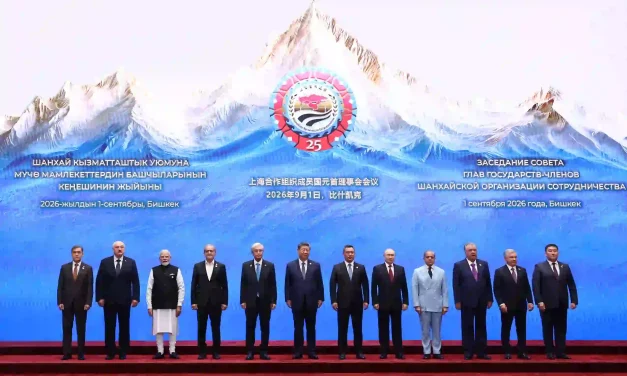
SCFR Online – Opinion: The Shanghai Cooperation Organization summit has created a new opportunity for Iran to transform its membership from a political achievement into economic and transit cooperation.
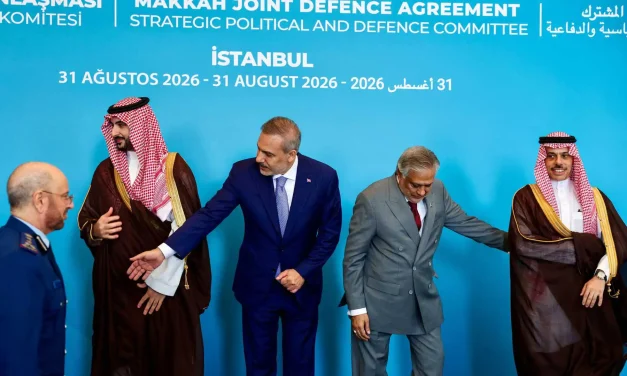
Strategic Council Online – Note: The Makkah Defense Pact can be seen as a sign of regional countries’ efforts to reduce security dependence on extra-regional powers and redefine the balance in West Asia.

SCFR Online – Opinion: The Ukraine war, by exhausting US military capability on one hand and strengthening European defense capacity on the other, has altered the balance of power in the European continent, cast uncertainty over NATO’s future, and is driving it toward a European NATO.
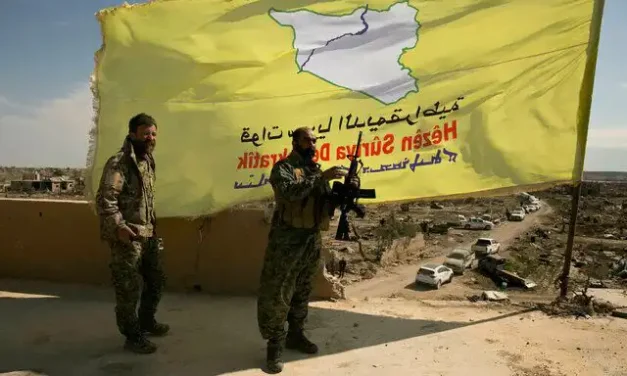
SCFR Online – Opinion: The dissolution of the SDF, although considered an achievement for Turkey’s security, does not put an end to the challenges arising from the Israeli regime’s aggression and expansionism, refugees, and Syria’s fragility.
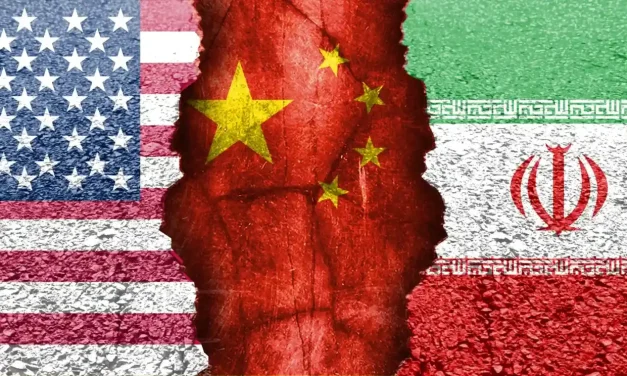
SCFR Online – Opinion: Concurrent with the official commencement of the United States’ economic war against our country, focusing on sanctions instruments, isolation, and economic pressure, what has now become increasingly important is the lack of alignment of other major global powers, especially China, with this policy.
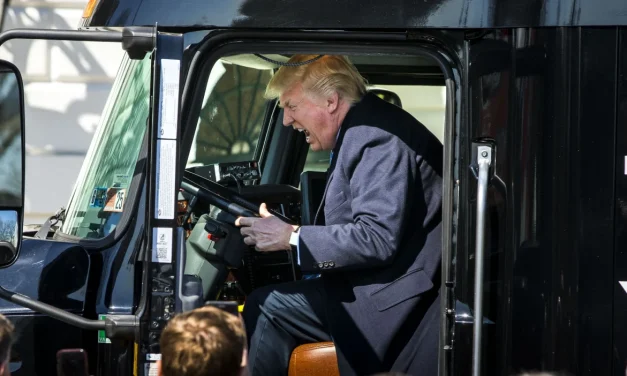
SCFR Online – Opinion: The new US sanctions against Iran, despite extensive propaganda, face serious obstacles to success due to the ineffectiveness of sanctions tools and opposition from some of Tehran’s trading partners.


Strategic Council Online – Interview: A European affairs expert believes that the seizure of Greenland will certainly weaken America’s relations with Europe and its allies. Donald Trump’s view is that he does not need these countries, but if Europe faces significant pressure from the United States, it is natural for it to move toward China.

Strategic Council Online – Interview: A regional affairs researcher stated: Despite projects such as the Khaf-Herat railway and the Herat-Balkh-Mazar-i-Sharif corridor being on the agenda, insecurity and the absence of an inclusive government remain the most significant obstacles to realizing transit corridors and Afghanistan playing an effective role in the economy of Eurasia.

Strategic Council Online – Interview: The former ambassador to Caracas stated: “Washington aims to curb the influence of China and Russia, reestablish dominance over Venezuela’s oil and gas resources, and demonstrate power in global competition, seeking to restore its lost hegemony in Latin America and the international system.”

Strategic Council Online – Opinion: Western liberalism, which after the collapse of communism in the late twentieth century considered itself the undisputed victor of the world order and promised an ideal future in political, economic, and cultural dimensions, has faced a multitude of security, identity, and management crises in the twenty-first century; crises that have not only called into question the effectiveness of international institutions but have also pushed this order into a stage of transition and uncertainty.
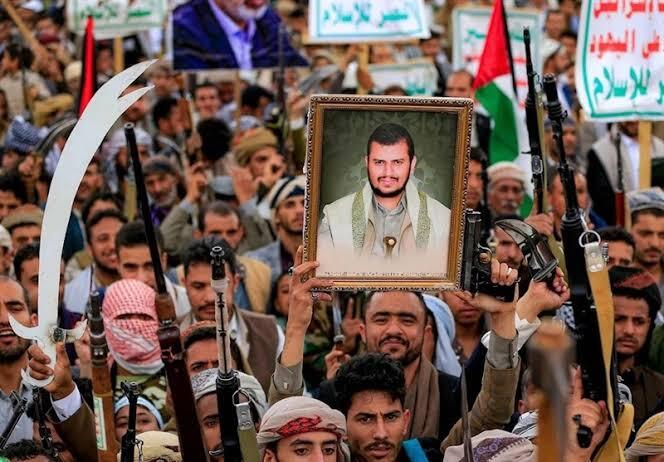
Strategic Council Online – Interview: A West Asia affairs expert said: More than two years after the Al-Aqsa Storm, the question today is: What is the status of the Axis of Resistance, and has it collapsed?

Strategic Council Online – Interview: An international affairs expert stated that in recent years, the U.S. approach has shifted from a value-centered approach to security deal-making. This change means that, instead of emphasizing values such as democracy and human rights, the United States has adjusted its foreign policy to prioritize security interests, political bargaining, and expediency.
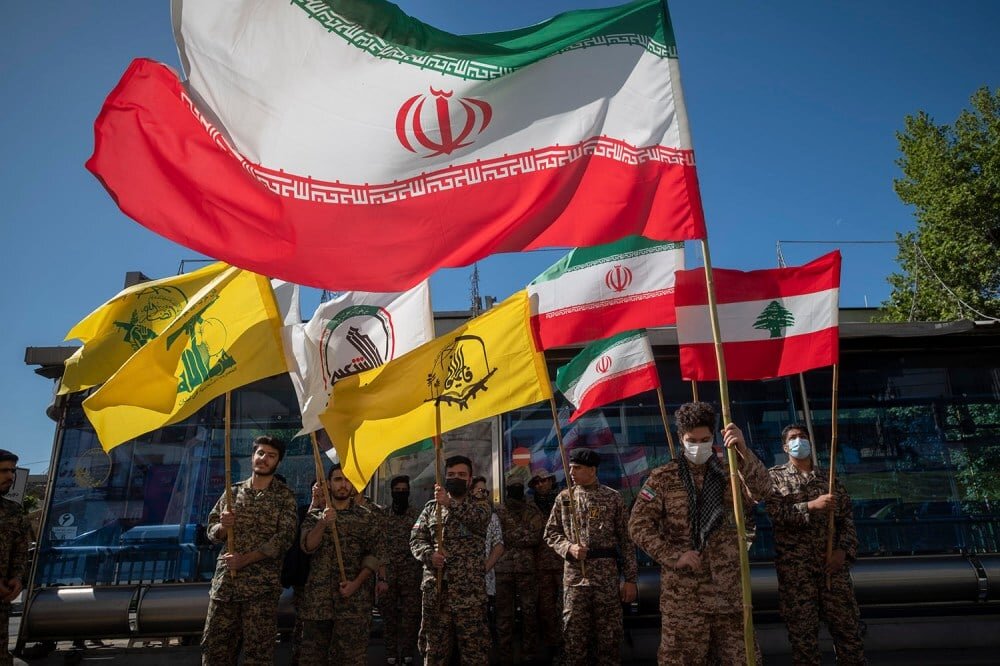
Strategic Council Online – Interview: While West Asia faced numerous challenges in 2025, rebuilding the Axis of Resistance has become a necessity. Evidence and indications suggest that the rebuilding of this axis is proceeding through more flexible patterns.

Strategic Council Online – Interview: A West Asian affairs expert said: One of the main objectives of the recent attacks by the Israeli regime on Syria is to prevent the establishment of a strong central authority or government in Syria. Therefore, it is trying to prevent the comprehensive rule of the new government under the name of Ahmad al-Sharaa or al-Julani by attacking and invading southern Syria and various regions of the country, even Damascus.
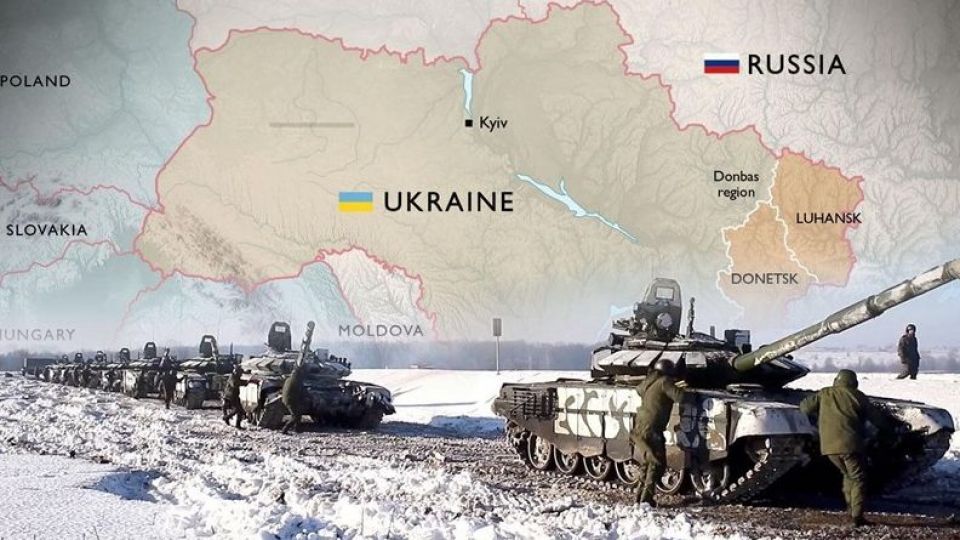
Strategic Council Online – Interview: An international affairs analyst stated: Today, Ukraine is facing a set of structural corruption, intra-European divisions, a shift in America’s approach, and a legitimacy crisis for Zelenskyy, which has propelled the course of the war and the future of the European Union and NATO into an entirely new phase.

Strategic Council Online – Opinion: The new U.S. National Security Strategy document, which emphasizes the slogan “America First,” indicates that Washington has moved away from many previous patterns and shifted its focus from external interventions to the preservation of domestic security and the preservation of the Western Hemisphere. This document redefines threats, priorities, and America’s global role.
SCFR Online – Opinion: The intensification of U.S. sanctions against Iran on the eve of the U.S. midterm elections indicates Washington’s inability to achieve its war objectives.
SCFR Online – Opinion: The competition between Washington and Beijing over chips and artificial intelligence, simultaneously with the shifting of technological balances, has taken on new economic and security dimensions.
SCFR Online – Opinion: The Shanghai Cooperation Organization summit has created a new opportunity for Iran to transform its membership from a political achievement into economic and transit cooperation.
Strategic Council Online – Note: The Makkah Defense Pact can be seen as a sign of regional countries’ efforts to reduce security dependence on extra-regional powers and redefine the balance in West Asia.
SCFR Online – Opinion: The Ukraine war, by exhausting US military capability on one hand and strengthening European defense capacity on the other, has altered the balance of power in the European continent, cast uncertainty over NATO’s future, and is driving it toward a European NATO.
SCFR Online – Opinion: The dissolution of the SDF, although considered an achievement for Turkey’s security, does not put an end to the challenges arising from the Israeli regime’s aggression and expansionism, refugees, and Syria’s fragility.
SCFR Online – Opinion: Concurrent with the official commencement of the United States’ economic war against our country, focusing on sanctions instruments, isolation, and economic pressure, what has now become increasingly important is the lack of alignment of other major global powers, especially China, with this policy.
SCFR Online – Opinion: The new US sanctions against Iran, despite extensive propaganda, face serious obstacles to success due to the ineffectiveness of sanctions tools and opposition from some of Tehran’s trading partners.
Strategic Council Online – Interview: A European affairs expert believes that the seizure of Greenland will certainly weaken America’s relations with Europe and its allies. Donald Trump’s view is that he does not need these countries, but if Europe faces significant pressure from the United States, it is natural for it to move toward China.
Strategic Council Online – Interview: A regional affairs researcher stated: Despite projects such as the Khaf-Herat railway and the Herat-Balkh-Mazar-i-Sharif corridor being on the agenda, insecurity and the absence of an inclusive government remain the most significant obstacles to realizing transit corridors and Afghanistan playing an effective role in the economy of Eurasia.
Strategic Council Online – Interview: The former ambassador to Caracas stated: “Washington aims to curb the influence of China and Russia, reestablish dominance over Venezuela’s oil and gas resources, and demonstrate power in global competition, seeking to restore its lost hegemony in Latin America and the international system.”
Strategic Council Online – Opinion: Western liberalism, which after the collapse of communism in the late twentieth century considered itself the undisputed victor of the world order and promised an ideal future in political, economic, and cultural dimensions, has faced a multitude of security, identity, and management crises in the twenty-first century; crises that have not only called into question the effectiveness of international institutions but have also pushed this order into a stage of transition and uncertainty.
Strategic Council Online – Interview: A West Asia affairs expert said: More than two years after the Al-Aqsa Storm, the question today is: What is the status of the Axis of Resistance, and has it collapsed?
Strategic Council Online – Interview: An international affairs expert stated that in recent years, the U.S. approach has shifted from a value-centered approach to security deal-making. This change means that, instead of emphasizing values such as democracy and human rights, the United States has adjusted its foreign policy to prioritize security interests, political bargaining, and expediency.
Strategic Council Online – Interview: While West Asia faced numerous challenges in 2025, rebuilding the Axis of Resistance has become a necessity. Evidence and indications suggest that the rebuilding of this axis is proceeding through more flexible patterns.
Strategic Council Online – Interview: A West Asian affairs expert said: One of the main objectives of the recent attacks by the Israeli regime on Syria is to prevent the establishment of a strong central authority or government in Syria. Therefore, it is trying to prevent the comprehensive rule of the new government under the name of Ahmad al-Sharaa or al-Julani by attacking and invading southern Syria and various regions of the country, even Damascus.
Strategic Council Online – Interview: An international affairs analyst stated: Today, Ukraine is facing a set of structural corruption, intra-European divisions, a shift in America’s approach, and a legitimacy crisis for Zelenskyy, which has propelled the course of the war and the future of the European Union and NATO into an entirely new phase.
Strategic Council Online – Opinion: The new U.S. National Security Strategy document, which emphasizes the slogan “America First,” indicates that Washington has moved away from many previous patterns and shifted its focus from external interventions to the preservation of domestic security and the preservation of the Western Hemisphere. This document redefines threats, priorities, and America’s global role.
Strategic Council Online – Interview: A European affairs expert believes that the seizure of Greenland will certainly weaken America’s relations with Europe and its allies. Donald Trump’s view is that he does not need these countries, but if Europe faces significant pressure from the United States, it is natural for it to move toward China.
Strategic Council Online – Interview: A regional affairs researcher stated: Despite projects such as the Khaf-Herat railway and the Herat-Balkh-Mazar-i-Sharif corridor being on the agenda, insecurity and the absence of an inclusive government remain the most significant obstacles to realizing transit corridors and Afghanistan playing an effective role in the economy of Eurasia.
Strategic Council Online – Interview: The former ambassador to Caracas stated: “Washington aims to curb the influence of China and Russia, reestablish dominance over Venezuela’s oil and gas resources, and demonstrate power in global competition, seeking to restore its lost hegemony in Latin America and the international system.”
Strategic Council Online – Opinion: Western liberalism, which after the collapse of communism in the late twentieth century considered itself the undisputed victor of the world order and promised an ideal future in political, economic, and cultural dimensions, has faced a multitude of security, identity, and management crises in the twenty-first century; crises that have not only called into question the effectiveness of international institutions but have also pushed this order into a stage of transition and uncertainty.
Strategic Council Online – Interview: A West Asia affairs expert said: More than two years after the Al-Aqsa Storm, the question today is: What is the status of the Axis of Resistance, and has it collapsed?
Strategic Council Online – Interview: An international affairs expert stated that in recent years, the U.S. approach has shifted from a value-centered approach to security deal-making. This change means that, instead of emphasizing values such as democracy and human rights, the United States has adjusted its foreign policy to prioritize security interests, political bargaining, and expediency.
Strategic Council Online – Interview: While West Asia faced numerous challenges in 2025, rebuilding the Axis of Resistance has become a necessity. Evidence and indications suggest that the rebuilding of this axis is proceeding through more flexible patterns.
Strategic Council Online – Interview: A West Asian affairs expert said: One of the main objectives of the recent attacks by the Israeli regime on Syria is to prevent the establishment of a strong central authority or government in Syria. Therefore, it is trying to prevent the comprehensive rule of the new government under the name of Ahmad al-Sharaa or al-Julani by attacking and invading southern Syria and various regions of the country, even Damascus.
Strategic Council Online – Interview: An international affairs analyst stated: Today, Ukraine is facing a set of structural corruption, intra-European divisions, a shift in America’s approach, and a legitimacy crisis for Zelenskyy, which has propelled the course of the war and the future of the European Union and NATO into an entirely new phase.
Strategic Council Online – Opinion: The new U.S. National Security Strategy document, which emphasizes the slogan “America First,” indicates that Washington has moved away from many previous patterns and shifted its focus from external interventions to the preservation of domestic security and the preservation of the Western Hemisphere. This document redefines threats, priorities, and America’s global role.
SCFR Online – Opinion: The intensification of U.S. sanctions against Iran on the eve of the U.S. midterm elections indicates Washington’s inability to achieve its war objectives.
SCFR Online – Opinion: The competition between Washington and Beijing over chips and artificial intelligence, simultaneously with the shifting of technological balances, has taken on new economic and security dimensions.
SCFR Online – Opinion: The Shanghai Cooperation Organization summit has created a new opportunity for Iran to transform its membership from a political achievement into economic and transit cooperation.
Strategic Council Online – Note: The Makkah Defense Pact can be seen as a sign of regional countries’ efforts to reduce security dependence on extra-regional powers and redefine the balance in West Asia.
SCFR Online – Opinion: The Ukraine war, by exhausting US military capability on one hand and strengthening European defense capacity on the other, has altered the balance of power in the European continent, cast uncertainty over NATO’s future, and is driving it toward a European NATO.
SCFR Online – Opinion: The dissolution of the SDF, although considered an achievement for Turkey’s security, does not put an end to the challenges arising from the Israeli regime’s aggression and expansionism, refugees, and Syria’s fragility.
SCFR Online – Opinion: Concurrent with the official commencement of the United States’ economic war against our country, focusing on sanctions instruments, isolation, and economic pressure, what has now become increasingly important is the lack of alignment of other major global powers, especially China, with this policy.
SCFR Online – Opinion: The new US sanctions against Iran, despite extensive propaganda, face serious obstacles to success due to the ineffectiveness of sanctions tools and opposition from some of Tehran’s trading partners.
Strategic Council Online – Interview: A European affairs expert believes that the seizure of Greenland will certainly weaken America’s relations with Europe and its allies. Donald Trump’s view is that he does not need these countries, but if Europe faces significant pressure from the United States, it is natural for it to move toward China.
Strategic Council Online – Interview: A regional affairs researcher stated: Despite projects such as the Khaf-Herat railway and the Herat-Balkh-Mazar-i-Sharif corridor being on the agenda, insecurity and the absence of an inclusive government remain the most significant obstacles to realizing transit corridors and Afghanistan playing an effective role in the economy of Eurasia.
Strategic Council Online – Interview: The former ambassador to Caracas stated: “Washington aims to curb the influence of China and Russia, reestablish dominance over Venezuela’s oil and gas resources, and demonstrate power in global competition, seeking to restore its lost hegemony in Latin America and the international system.”
Strategic Council Online – Opinion: Western liberalism, which after the collapse of communism in the late twentieth century considered itself the undisputed victor of the world order and promised an ideal future in political, economic, and cultural dimensions, has faced a multitude of security, identity, and management crises in the twenty-first century; crises that have not only called into question the effectiveness of international institutions but have also pushed this order into a stage of transition and uncertainty.
Strategic Council Online – Interview: A West Asia affairs expert said: More than two years after the Al-Aqsa Storm, the question today is: What is the status of the Axis of Resistance, and has it collapsed?
Strategic Council Online – Interview: An international affairs expert stated that in recent years, the U.S. approach has shifted from a value-centered approach to security deal-making. This change means that, instead of emphasizing values such as democracy and human rights, the United States has adjusted its foreign policy to prioritize security interests, political bargaining, and expediency.
Strategic Council Online – Interview: While West Asia faced numerous challenges in 2025, rebuilding the Axis of Resistance has become a necessity. Evidence and indications suggest that the rebuilding of this axis is proceeding through more flexible patterns.
Strategic Council Online – Interview: A West Asian affairs expert said: One of the main objectives of the recent attacks by the Israeli regime on Syria is to prevent the establishment of a strong central authority or government in Syria. Therefore, it is trying to prevent the comprehensive rule of the new government under the name of Ahmad al-Sharaa or al-Julani by attacking and invading southern Syria and various regions of the country, even Damascus.
Strategic Council Online – Interview: An international affairs analyst stated: Today, Ukraine is facing a set of structural corruption, intra-European divisions, a shift in America’s approach, and a legitimacy crisis for Zelenskyy, which has propelled the course of the war and the future of the European Union and NATO into an entirely new phase.
Strategic Council Online – Opinion: The new U.S. National Security Strategy document, which emphasizes the slogan “America First,” indicates that Washington has moved away from many previous patterns and shifted its focus from external interventions to the preservation of domestic security and the preservation of the Western Hemisphere. This document redefines threats, priorities, and America’s global role.
SCFR Online – Opinion: The intensification of U.S. sanctions against Iran on the eve of the U.S. midterm elections indicates Washington’s inability to achieve its war objectives.
SCFR Online – Opinion: The competition between Washington and Beijing over chips and artificial intelligence, simultaneously with the shifting of technological balances, has taken on new economic and security dimensions.
SCFR Online – Opinion: The Shanghai Cooperation Organization summit has created a new opportunity for Iran to transform its membership from a political achievement into economic and transit cooperation.
Strategic Council Online – Note: The Makkah Defense Pact can be seen as a sign of regional countries’ efforts to reduce security dependence on extra-regional powers and redefine the balance in West Asia.
SCFR Online – Opinion: The Ukraine war, by exhausting US military capability on one hand and strengthening European defense capacity on the other, has altered the balance of power in the European continent, cast uncertainty over NATO’s future, and is driving it toward a European NATO.
SCFR Online – Opinion: The dissolution of the SDF, although considered an achievement for Turkey’s security, does not put an end to the challenges arising from the Israeli regime’s aggression and expansionism, refugees, and Syria’s fragility.
SCFR Online – Opinion: Concurrent with the official commencement of the United States’ economic war against our country, focusing on sanctions instruments, isolation, and economic pressure, what has now become increasingly important is the lack of alignment of other major global powers, especially China, with this policy.
SCFR Online – Opinion: The new US sanctions against Iran, despite extensive propaganda, face serious obstacles to success due to the ineffectiveness of sanctions tools and opposition from some of Tehran’s trading partners.
Strategic Council Online – Interview: A European affairs expert believes that the seizure of Greenland will certainly weaken America’s relations with Europe and its allies. Donald Trump’s view is that he does not need these countries, but if Europe faces significant pressure from the United States, it is natural for it to move toward China.
Strategic Council Online – Interview: A regional affairs researcher stated: Despite projects such as the Khaf-Herat railway and the Herat-Balkh-Mazar-i-Sharif corridor being on the agenda, insecurity and the absence of an inclusive government remain the most significant obstacles to realizing transit corridors and Afghanistan playing an effective role in the economy of Eurasia.
Strategic Council Online – Interview: The former ambassador to Caracas stated: “Washington aims to curb the influence of China and Russia, reestablish dominance over Venezuela’s oil and gas resources, and demonstrate power in global competition, seeking to restore its lost hegemony in Latin America and the international system.”
Strategic Council Online – Opinion: Western liberalism, which after the collapse of communism in the late twentieth century considered itself the undisputed victor of the world order and promised an ideal future in political, economic, and cultural dimensions, has faced a multitude of security, identity, and management crises in the twenty-first century; crises that have not only called into question the effectiveness of international institutions but have also pushed this order into a stage of transition and uncertainty.
Strategic Council Online – Interview: A West Asia affairs expert said: More than two years after the Al-Aqsa Storm, the question today is: What is the status of the Axis of Resistance, and has it collapsed?
Strategic Council Online – Interview: An international affairs expert stated that in recent years, the U.S. approach has shifted from a value-centered approach to security deal-making. This change means that, instead of emphasizing values such as democracy and human rights, the United States has adjusted its foreign policy to prioritize security interests, political bargaining, and expediency.
Strategic Council Online – Interview: While West Asia faced numerous challenges in 2025, rebuilding the Axis of Resistance has become a necessity. Evidence and indications suggest that the rebuilding of this axis is proceeding through more flexible patterns.
Strategic Council Online – Interview: A West Asian affairs expert said: One of the main objectives of the recent attacks by the Israeli regime on Syria is to prevent the establishment of a strong central authority or government in Syria. Therefore, it is trying to prevent the comprehensive rule of the new government under the name of Ahmad al-Sharaa or al-Julani by attacking and invading southern Syria and various regions of the country, even Damascus.
Strategic Council Online – Interview: An international affairs analyst stated: Today, Ukraine is facing a set of structural corruption, intra-European divisions, a shift in America’s approach, and a legitimacy crisis for Zelenskyy, which has propelled the course of the war and the future of the European Union and NATO into an entirely new phase.
Strategic Council Online – Opinion: The new U.S. National Security Strategy document, which emphasizes the slogan “America First,” indicates that Washington has moved away from many previous patterns and shifted its focus from external interventions to the preservation of domestic security and the preservation of the Western Hemisphere. This document redefines threats, priorities, and America’s global role.
SCFR Online – Opinion: The intensification of U.S. sanctions against Iran on the eve of the U.S. midterm elections indicates Washington’s inability to achieve its war objectives.
SCFR Online – Opinion: The competition between Washington and Beijing over chips and artificial intelligence, simultaneously with the shifting of technological balances, has taken on new economic and security dimensions.
SCFR Online – Opinion: The Shanghai Cooperation Organization summit has created a new opportunity for Iran to transform its membership from a political achievement into economic and transit cooperation.
Strategic Council Online – Note: The Makkah Defense Pact can be seen as a sign of regional countries’ efforts to reduce security dependence on extra-regional powers and redefine the balance in West Asia.
SCFR Online – Opinion: The Ukraine war, by exhausting US military capability on one hand and strengthening European defense capacity on the other, has altered the balance of power in the European continent, cast uncertainty over NATO’s future, and is driving it toward a European NATO.
SCFR Online – Opinion: The dissolution of the SDF, although considered an achievement for Turkey’s security, does not put an end to the challenges arising from the Israeli regime’s aggression and expansionism, refugees, and Syria’s fragility.
SCFR Online – Opinion: Concurrent with the official commencement of the United States’ economic war against our country, focusing on sanctions instruments, isolation, and economic pressure, what has now become increasingly important is the lack of alignment of other major global powers, especially China, with this policy.
SCFR Online – Opinion: The new US sanctions against Iran, despite extensive propaganda, face serious obstacles to success due to the ineffectiveness of sanctions tools and opposition from some of Tehran’s trading partners.
Strategic Council Online – Interview: A European affairs expert believes that the seizure of Greenland will certainly weaken America’s relations with Europe and its allies. Donald Trump’s view is that he does not need these countries, but if Europe faces significant pressure from the United States, it is natural for it to move toward China.
Strategic Council Online – Interview: A regional affairs researcher stated: Despite projects such as the Khaf-Herat railway and the Herat-Balkh-Mazar-i-Sharif corridor being on the agenda, insecurity and the absence of an inclusive government remain the most significant obstacles to realizing transit corridors and Afghanistan playing an effective role in the economy of Eurasia.
Strategic Council Online – Interview: The former ambassador to Caracas stated: “Washington aims to curb the influence of China and Russia, reestablish dominance over Venezuela’s oil and gas resources, and demonstrate power in global competition, seeking to restore its lost hegemony in Latin America and the international system.”
Strategic Council Online – Opinion: Western liberalism, which after the collapse of communism in the late twentieth century considered itself the undisputed victor of the world order and promised an ideal future in political, economic, and cultural dimensions, has faced a multitude of security, identity, and management crises in the twenty-first century; crises that have not only called into question the effectiveness of international institutions but have also pushed this order into a stage of transition and uncertainty.
Strategic Council Online – Interview: A West Asia affairs expert said: More than two years after the Al-Aqsa Storm, the question today is: What is the status of the Axis of Resistance, and has it collapsed?
Strategic Council Online – Interview: An international affairs expert stated that in recent years, the U.S. approach has shifted from a value-centered approach to security deal-making. This change means that, instead of emphasizing values such as democracy and human rights, the United States has adjusted its foreign policy to prioritize security interests, political bargaining, and expediency.
Strategic Council Online – Interview: While West Asia faced numerous challenges in 2025, rebuilding the Axis of Resistance has become a necessity. Evidence and indications suggest that the rebuilding of this axis is proceeding through more flexible patterns.
Strategic Council Online – Interview: A West Asian affairs expert said: One of the main objectives of the recent attacks by the Israeli regime on Syria is to prevent the establishment of a strong central authority or government in Syria. Therefore, it is trying to prevent the comprehensive rule of the new government under the name of Ahmad al-Sharaa or al-Julani by attacking and invading southern Syria and various regions of the country, even Damascus.
Strategic Council Online – Interview: An international affairs analyst stated: Today, Ukraine is facing a set of structural corruption, intra-European divisions, a shift in America’s approach, and a legitimacy crisis for Zelenskyy, which has propelled the course of the war and the future of the European Union and NATO into an entirely new phase.
Strategic Council Online – Opinion: The new U.S. National Security Strategy document, which emphasizes the slogan “America First,” indicates that Washington has moved away from many previous patterns and shifted its focus from external interventions to the preservation of domestic security and the preservation of the Western Hemisphere. This document redefines threats, priorities, and America’s global role.
SCFR Online – Opinion: The intensification of U.S. sanctions against Iran on the eve of the U.S. midterm elections indicates Washington’s inability to achieve its war objectives.
SCFR Online – Opinion: The competition between Washington and Beijing over chips and artificial intelligence, simultaneously with the shifting of technological balances, has taken on new economic and security dimensions.
SCFR Online – Opinion: The Shanghai Cooperation Organization summit has created a new opportunity for Iran to transform its membership from a political achievement into economic and transit cooperation.
Strategic Council Online – Note: The Makkah Defense Pact can be seen as a sign of regional countries’ efforts to reduce security dependence on extra-regional powers and redefine the balance in West Asia.
SCFR Online – Opinion: The Ukraine war, by exhausting US military capability on one hand and strengthening European defense capacity on the other, has altered the balance of power in the European continent, cast uncertainty over NATO’s future, and is driving it toward a European NATO.
SCFR Online – Opinion: The dissolution of the SDF, although considered an achievement for Turkey’s security, does not put an end to the challenges arising from the Israeli regime’s aggression and expansionism, refugees, and Syria’s fragility.
SCFR Online – Opinion: Concurrent with the official commencement of the United States’ economic war against our country, focusing on sanctions instruments, isolation, and economic pressure, what has now become increasingly important is the lack of alignment of other major global powers, especially China, with this policy.
SCFR Online – Opinion: The new US sanctions against Iran, despite extensive propaganda, face serious obstacles to success due to the ineffectiveness of sanctions tools and opposition from some of Tehran’s trading partners.
Strategic Council Online – Interview: A European affairs expert believes that the seizure of Greenland will certainly weaken America’s relations with Europe and its allies. Donald Trump’s view is that he does not need these countries, but if Europe faces significant pressure from the United States, it is natural for it to move toward China.
Strategic Council Online – Interview: A regional affairs researcher stated: Despite projects such as the Khaf-Herat railway and the Herat-Balkh-Mazar-i-Sharif corridor being on the agenda, insecurity and the absence of an inclusive government remain the most significant obstacles to realizing transit corridors and Afghanistan playing an effective role in the economy of Eurasia.
Strategic Council Online – Interview: The former ambassador to Caracas stated: “Washington aims to curb the influence of China and Russia, reestablish dominance over Venezuela’s oil and gas resources, and demonstrate power in global competition, seeking to restore its lost hegemony in Latin America and the international system.”
Strategic Council Online – Opinion: Western liberalism, which after the collapse of communism in the late twentieth century considered itself the undisputed victor of the world order and promised an ideal future in political, economic, and cultural dimensions, has faced a multitude of security, identity, and management crises in the twenty-first century; crises that have not only called into question the effectiveness of international institutions but have also pushed this order into a stage of transition and uncertainty.
Strategic Council Online – Interview: A West Asia affairs expert said: More than two years after the Al-Aqsa Storm, the question today is: What is the status of the Axis of Resistance, and has it collapsed?
Strategic Council Online – Interview: An international affairs expert stated that in recent years, the U.S. approach has shifted from a value-centered approach to security deal-making. This change means that, instead of emphasizing values such as democracy and human rights, the United States has adjusted its foreign policy to prioritize security interests, political bargaining, and expediency.
Strategic Council Online – Interview: While West Asia faced numerous challenges in 2025, rebuilding the Axis of Resistance has become a necessity. Evidence and indications suggest that the rebuilding of this axis is proceeding through more flexible patterns.
Strategic Council Online – Interview: A West Asian affairs expert said: One of the main objectives of the recent attacks by the Israeli regime on Syria is to prevent the establishment of a strong central authority or government in Syria. Therefore, it is trying to prevent the comprehensive rule of the new government under the name of Ahmad al-Sharaa or al-Julani by attacking and invading southern Syria and various regions of the country, even Damascus.
Strategic Council Online – Interview: An international affairs analyst stated: Today, Ukraine is facing a set of structural corruption, intra-European divisions, a shift in America’s approach, and a legitimacy crisis for Zelenskyy, which has propelled the course of the war and the future of the European Union and NATO into an entirely new phase.
Strategic Council Online – Opinion: The new U.S. National Security Strategy document, which emphasizes the slogan “America First,” indicates that Washington has moved away from many previous patterns and shifted its focus from external interventions to the preservation of domestic security and the preservation of the Western Hemisphere. This document redefines threats, priorities, and America’s global role.
SCFR Online – Opinion: The intensification of U.S. sanctions against Iran on the eve of the U.S. midterm elections indicates Washington’s inability to achieve its war objectives.
SCFR Online – Opinion: The competition between Washington and Beijing over chips and artificial intelligence, simultaneously with the shifting of technological balances, has taken on new economic and security dimensions.
SCFR Online – Opinion: The Shanghai Cooperation Organization summit has created a new opportunity for Iran to transform its membership from a political achievement into economic and transit cooperation.
Strategic Council Online – Note: The Makkah Defense Pact can be seen as a sign of regional countries’ efforts to reduce security dependence on extra-regional powers and redefine the balance in West Asia.
SCFR Online – Opinion: The Ukraine war, by exhausting US military capability on one hand and strengthening European defense capacity on the other, has altered the balance of power in the European continent, cast uncertainty over NATO’s future, and is driving it toward a European NATO.
SCFR Online – Opinion: The dissolution of the SDF, although considered an achievement for Turkey’s security, does not put an end to the challenges arising from the Israeli regime’s aggression and expansionism, refugees, and Syria’s fragility.
SCFR Online – Opinion: Concurrent with the official commencement of the United States’ economic war against our country, focusing on sanctions instruments, isolation, and economic pressure, what has now become increasingly important is the lack of alignment of other major global powers, especially China, with this policy.
SCFR Online – Opinion: The new US sanctions against Iran, despite extensive propaganda, face serious obstacles to success due to the ineffectiveness of sanctions tools and opposition from some of Tehran’s trading partners.