جدیدترین مطالب

Implications of the US-Saudi Nuclear Agreement

SCFR Online – Opinion: The new US-Saudi nuclear agreement, despite legal and political ambiguities, could alter previous non-proliferation standards in West Asia and intensify nuclear competition, ushering it into a new phase.

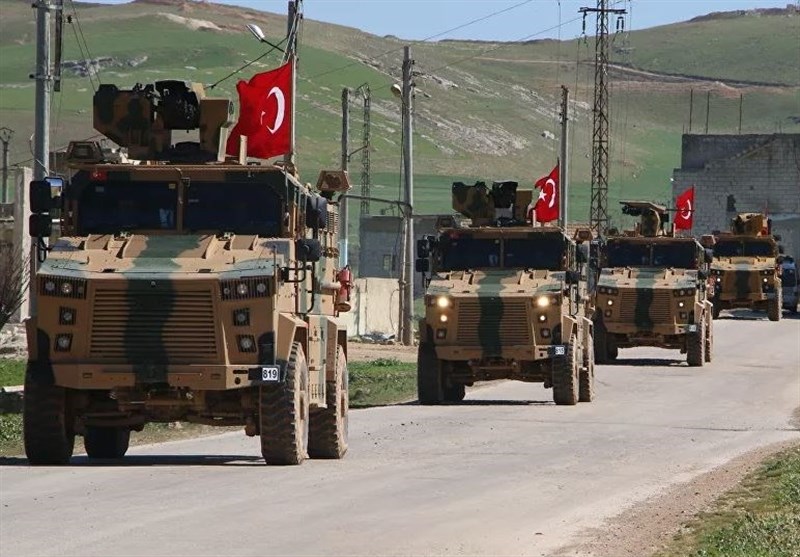
An Analysis of Recent Turkey-Israeli Regime Tensions

SCFR Online – Opinion: Recent developments in Syria indicate an intensification of strategic rivalry between Turkey and the Israeli regime, but mutual considerations and the role of the United States have limited the likelihood of direct war.

Increasing criticism of the extensive Zionist lobby network

SCFR Online – Opinion: An examination of the mechanisms of the Israeli regime’s influence in the United States depicts a complex picture of shared interests, strategic dependencies, and the limitations of this relationship.

Realities of the Tripartite Makkah Pact

SCFR Online – Interview: The signing of the Makkah agreement between Saudi Arabia, Pakistan, and Turkey has raised questions about the future of the region’s security structure and the position of these countries in West Asian equations. Can this agreement become a genuine collective defense mechanism, or does it have more of a political and deterrent function than creating new military capacity?

Strategic Implications of the Reduction of US Weapons Stockpiles

SCFR Online – Opinion: The continuation of the US war against Iran, in addition to increasing operational costs, has called into question the actual capacity of the American arsenal to simultaneously fulfill security commitments on multiple fronts; an issue that affects deterrence, defense production capacity, and Washington’s resource prioritization.

The Formation of a New Order in Relations Between Powers

SCFR Online – Opinion: The Russia-Ukraine war and the war of the United States and the Israeli regime against Iran have been formed with different objectives and actors, but field and political developments indicate that they are not entirely separate from one another.

An Analysis of the Makkah Defense Pact

SCFR Online – Opinion: On Friday, August 7, the heads of state of three countries – Saudi Arabia, Turkey, and Pakistan – signed a text under the title “Makkah Joint Defense Agreement.”

Loading

interview

Digital Domain Independence: A Crucial Element for National Security

Digital Domain Independence: A Crucial Element for National Security

Strategic Council Online – Interview: A technology sector expert stated: In the era of cyber wars and artificial intelligence, independence in the digital domain has become a critical issue; countries that achieve technological self-sufficiency sooner will shape their future security.

An Analysis of NATO’s Nuclear Exercise

An Analysis of NATO’s Nuclear Exercise

Strategic Council Online – Interview: An international affairs analyst stated that NATO’s recent nuclear deterrence-centered exercise is not a sign of stability, but rather indicates the world’s return to the tense arms race between East and West.

The South Caucasus, A New Front in NATO-Russia Competition

The South Caucasus, A New Front in NATO-Russia Competition

Strategic Council Online – Interview: A Caucasus issues analyst stated that increased cooperation between the Republic of Azerbaijan and NATO, along with Western support for Baku, signifies the formation of a new front of geopolitical competition between NATO and Russia in the South Caucasus.

Iran’s Strategic Role in Ensuring Maritime Security of the Region

Iran’s Strategic Role in Ensuring Maritime Security of the Region

Strategic Council Online – Interview: An international affairs analyst stated: “If Iran can simultaneously strengthen its military deterrence and actively pursue and reinforce regionally focused dialogue-driven initiatives, it can assume a decisive role in shaping the new security architecture of the Persian Gulf.”

Trump’s Policy of Containment and Destabilization in Venezuela

Trump’s Policy of Containment and Destabilization in Venezuela

Strategic Council Online- Interview: A Latin American affairs analyst stated that with the return of the “maximum pressure” policy in Trump’s second administration, Washington’s anti-Iran model is being replicated this time in Latin America against Venezuela, a country that has now become a symbol of resistance against the U.S.-centric order.

Strategic Opportunity to Advance Smart Energy Diplomacy

Strategic Opportunity to Advance Smart Energy Diplomacy

Strategic Council Online – Interview: An energy affairs analyst stated that the current state of Western sanctions policies indicates the need to redefine Iran’s geo-energy position through smart energy diplomacy.

An Analysis of Russia’s Move to Officially Cancel the Agreement to Destroy Plutonium Stocks

An Analysis of Russia’s Move to Officially Cancel the Agreement to Destroy Plutonium Stocks

Strategic Council Online- Interview: A researcher from the Middle East Strategic Studies Center, referring to Russia’s recent move to cancel the agreement to destroy plutonium stocks officially, stated: Russia, through such actions, is sending messages to declare that the era of Western control and domination is over, and that Moscow is monitoring actions. The reality is that the Ukraine war has intensified the geopolitical confrontation between Russia and the US/West, and Moscow is trying to redefine the rules of the global security game.

أحدث الوظائف

Implications of the US-Saudi Nuclear Agreement

SCFR Online – Opinion: The new US-Saudi nuclear agreement, despite legal and political ambiguities, could alter previous non-proliferation standards in West Asia and intensify nuclear competition, ushering it into a new phase.

An Analysis of Recent Turkey-Israeli Regime Tensions

SCFR Online – Opinion: Recent developments in Syria indicate an intensification of strategic rivalry between Turkey and the Israeli regime, but mutual considerations and the role of the United States have limited the likelihood of direct war.

Increasing criticism of the extensive Zionist lobby network

SCFR Online – Opinion: An examination of the mechanisms of the Israeli regime’s influence in the United States depicts a complex picture of shared interests, strategic dependencies, and the limitations of this relationship.

Realities of the Tripartite Makkah Pact

SCFR Online – Interview: The signing of the Makkah agreement between Saudi Arabia, Pakistan, and Turkey has raised questions about the future of the region’s security structure and the position of these countries in West Asian equations. Can this agreement become a genuine collective defense mechanism, or does it have more of a political and deterrent function than creating new military capacity?

Strategic Implications of the Reduction of US Weapons Stockpiles

SCFR Online – Opinion: The continuation of the US war against Iran, in addition to increasing operational costs, has called into question the actual capacity of the American arsenal to simultaneously fulfill security commitments on multiple fronts; an issue that affects deterrence, defense production capacity, and Washington’s resource prioritization.

The Formation of a New Order in Relations Between Powers

SCFR Online – Opinion: The Russia-Ukraine war and the war of the United States and the Israeli regime against Iran have been formed with different objectives and actors, but field and political developments indicate that they are not entirely separate from one another.

An Analysis of the Makkah Defense Pact

SCFR Online – Opinion: On Friday, August 7, the heads of state of three countries – Saudi Arabia, Turkey, and Pakistan – signed a text under the title “Makkah Joint Defense Agreement.”

Loading

interview

Digital Domain Independence: A Crucial Element for National Security

Digital Domain Independence: A Crucial Element for National Security

Strategic Council Online – Interview: A technology sector expert stated: In the era of cyber wars and artificial intelligence, independence in the digital domain has become a critical issue; countries that achieve technological self-sufficiency sooner will shape their future security.

An Analysis of NATO’s Nuclear Exercise

An Analysis of NATO’s Nuclear Exercise

Strategic Council Online – Interview: An international affairs analyst stated that NATO’s recent nuclear deterrence-centered exercise is not a sign of stability, but rather indicates the world’s return to the tense arms race between East and West.

The South Caucasus, A New Front in NATO-Russia Competition

The South Caucasus, A New Front in NATO-Russia Competition

Strategic Council Online – Interview: A Caucasus issues analyst stated that increased cooperation between the Republic of Azerbaijan and NATO, along with Western support for Baku, signifies the formation of a new front of geopolitical competition between NATO and Russia in the South Caucasus.

Iran’s Strategic Role in Ensuring Maritime Security of the Region

Iran’s Strategic Role in Ensuring Maritime Security of the Region

Strategic Council Online – Interview: An international affairs analyst stated: “If Iran can simultaneously strengthen its military deterrence and actively pursue and reinforce regionally focused dialogue-driven initiatives, it can assume a decisive role in shaping the new security architecture of the Persian Gulf.”

Trump’s Policy of Containment and Destabilization in Venezuela

Trump’s Policy of Containment and Destabilization in Venezuela

Strategic Council Online- Interview: A Latin American affairs analyst stated that with the return of the “maximum pressure” policy in Trump’s second administration, Washington’s anti-Iran model is being replicated this time in Latin America against Venezuela, a country that has now become a symbol of resistance against the U.S.-centric order.

Strategic Opportunity to Advance Smart Energy Diplomacy

Strategic Opportunity to Advance Smart Energy Diplomacy

Strategic Council Online – Interview: An energy affairs analyst stated that the current state of Western sanctions policies indicates the need to redefine Iran’s geo-energy position through smart energy diplomacy.

An Analysis of Russia’s Move to Officially Cancel the Agreement to Destroy Plutonium Stocks

An Analysis of Russia’s Move to Officially Cancel the Agreement to Destroy Plutonium Stocks

Strategic Council Online- Interview: A researcher from the Middle East Strategic Studies Center, referring to Russia’s recent move to cancel the agreement to destroy plutonium stocks officially, stated: Russia, through such actions, is sending messages to declare that the era of Western control and domination is over, and that Moscow is monitoring actions. The reality is that the Ukraine war has intensified the geopolitical confrontation between Russia and the US/West, and Moscow is trying to redefine the rules of the global security game.

interview

Digital Domain Independence: A Crucial Element for National Security

Digital Domain Independence: A Crucial Element for National Security

Strategic Council Online – Interview: A technology sector expert stated: In the era of cyber wars and artificial intelligence, independence in the digital domain has become a critical issue; countries that achieve technological self-sufficiency sooner will shape their future security.

An Analysis of NATO’s Nuclear Exercise

An Analysis of NATO’s Nuclear Exercise

Strategic Council Online – Interview: An international affairs analyst stated that NATO’s recent nuclear deterrence-centered exercise is not a sign of stability, but rather indicates the world’s return to the tense arms race between East and West.

The South Caucasus, A New Front in NATO-Russia Competition

The South Caucasus, A New Front in NATO-Russia Competition

Strategic Council Online – Interview: A Caucasus issues analyst stated that increased cooperation between the Republic of Azerbaijan and NATO, along with Western support for Baku, signifies the formation of a new front of geopolitical competition between NATO and Russia in the South Caucasus.

Iran’s Strategic Role in Ensuring Maritime Security of the Region

Iran’s Strategic Role in Ensuring Maritime Security of the Region

Strategic Council Online – Interview: An international affairs analyst stated: “If Iran can simultaneously strengthen its military deterrence and actively pursue and reinforce regionally focused dialogue-driven initiatives, it can assume a decisive role in shaping the new security architecture of the Persian Gulf.”

Trump’s Policy of Containment and Destabilization in Venezuela

Trump’s Policy of Containment and Destabilization in Venezuela

Strategic Council Online- Interview: A Latin American affairs analyst stated that with the return of the “maximum pressure” policy in Trump’s second administration, Washington’s anti-Iran model is being replicated this time in Latin America against Venezuela, a country that has now become a symbol of resistance against the U.S.-centric order.

Strategic Opportunity to Advance Smart Energy Diplomacy

Strategic Opportunity to Advance Smart Energy Diplomacy

Strategic Council Online – Interview: An energy affairs analyst stated that the current state of Western sanctions policies indicates the need to redefine Iran’s geo-energy position through smart energy diplomacy.

An Analysis of Russia’s Move to Officially Cancel the Agreement to Destroy Plutonium Stocks

An Analysis of Russia’s Move to Officially Cancel the Agreement to Destroy Plutonium Stocks

Strategic Council Online- Interview: A researcher from the Middle East Strategic Studies Center, referring to Russia’s recent move to cancel the agreement to destroy plutonium stocks officially, stated: Russia, through such actions, is sending messages to declare that the era of Western control and domination is over, and that Moscow is monitoring actions. The reality is that the Ukraine war has intensified the geopolitical confrontation between Russia and the US/West, and Moscow is trying to redefine the rules of the global security game.

LATEST CONTENT

Implications of the US-Saudi Nuclear Agreement

SCFR Online – Opinion: The new US-Saudi nuclear agreement, despite legal and political ambiguities, could alter previous non-proliferation standards in West Asia and intensify nuclear competition, ushering it into a new phase.

An Analysis of Recent Turkey-Israeli Regime Tensions

SCFR Online – Opinion: Recent developments in Syria indicate an intensification of strategic rivalry between Turkey and the Israeli regime, but mutual considerations and the role of the United States have limited the likelihood of direct war.

Increasing criticism of the extensive Zionist lobby network

SCFR Online – Opinion: An examination of the mechanisms of the Israeli regime’s influence in the United States depicts a complex picture of shared interests, strategic dependencies, and the limitations of this relationship.

Realities of the Tripartite Makkah Pact

SCFR Online – Interview: The signing of the Makkah agreement between Saudi Arabia, Pakistan, and Turkey has raised questions about the future of the region’s security structure and the position of these countries in West Asian equations. Can this agreement become a genuine collective defense mechanism, or does it have more of a political and deterrent function than creating new military capacity?

Strategic Implications of the Reduction of US Weapons Stockpiles

SCFR Online – Opinion: The continuation of the US war against Iran, in addition to increasing operational costs, has called into question the actual capacity of the American arsenal to simultaneously fulfill security commitments on multiple fronts; an issue that affects deterrence, defense production capacity, and Washington’s resource prioritization.

The Formation of a New Order in Relations Between Powers

SCFR Online – Opinion: The Russia-Ukraine war and the war of the United States and the Israeli regime against Iran have been formed with different objectives and actors, but field and political developments indicate that they are not entirely separate from one another.

An Analysis of the Makkah Defense Pact

SCFR Online – Opinion: On Friday, August 7, the heads of state of three countries – Saudi Arabia, Turkey, and Pakistan – signed a text under the title “Makkah Joint Defense Agreement.”

Loading

interview

Digital Domain Independence: A Crucial Element for National Security

Digital Domain Independence: A Crucial Element for National Security

Strategic Council Online – Interview: A technology sector expert stated: In the era of cyber wars and artificial intelligence, independence in the digital domain has become a critical issue; countries that achieve technological self-sufficiency sooner will shape their future security.

An Analysis of NATO’s Nuclear Exercise

An Analysis of NATO’s Nuclear Exercise

Strategic Council Online – Interview: An international affairs analyst stated that NATO’s recent nuclear deterrence-centered exercise is not a sign of stability, but rather indicates the world’s return to the tense arms race between East and West.

The South Caucasus, A New Front in NATO-Russia Competition

The South Caucasus, A New Front in NATO-Russia Competition

Strategic Council Online – Interview: A Caucasus issues analyst stated that increased cooperation between the Republic of Azerbaijan and NATO, along with Western support for Baku, signifies the formation of a new front of geopolitical competition between NATO and Russia in the South Caucasus.

Iran’s Strategic Role in Ensuring Maritime Security of the Region

Iran’s Strategic Role in Ensuring Maritime Security of the Region

Strategic Council Online – Interview: An international affairs analyst stated: “If Iran can simultaneously strengthen its military deterrence and actively pursue and reinforce regionally focused dialogue-driven initiatives, it can assume a decisive role in shaping the new security architecture of the Persian Gulf.”

Trump’s Policy of Containment and Destabilization in Venezuela

Trump’s Policy of Containment and Destabilization in Venezuela

Strategic Council Online- Interview: A Latin American affairs analyst stated that with the return of the “maximum pressure” policy in Trump’s second administration, Washington’s anti-Iran model is being replicated this time in Latin America against Venezuela, a country that has now become a symbol of resistance against the U.S.-centric order.

Strategic Opportunity to Advance Smart Energy Diplomacy

Strategic Opportunity to Advance Smart Energy Diplomacy

Strategic Council Online – Interview: An energy affairs analyst stated that the current state of Western sanctions policies indicates the need to redefine Iran’s geo-energy position through smart energy diplomacy.

An Analysis of Russia’s Move to Officially Cancel the Agreement to Destroy Plutonium Stocks

An Analysis of Russia’s Move to Officially Cancel the Agreement to Destroy Plutonium Stocks

Strategic Council Online- Interview: A researcher from the Middle East Strategic Studies Center, referring to Russia’s recent move to cancel the agreement to destroy plutonium stocks officially, stated: Russia, through such actions, is sending messages to declare that the era of Western control and domination is over, and that Moscow is monitoring actions. The reality is that the Ukraine war has intensified the geopolitical confrontation between Russia and the US/West, and Moscow is trying to redefine the rules of the global security game.

ÚLTIMAS PUBLICACIONES

Implications of the US-Saudi Nuclear Agreement

SCFR Online – Opinion: The new US-Saudi nuclear agreement, despite legal and political ambiguities, could alter previous non-proliferation standards in West Asia and intensify nuclear competition, ushering it into a new phase.

An Analysis of Recent Turkey-Israeli Regime Tensions

SCFR Online – Opinion: Recent developments in Syria indicate an intensification of strategic rivalry between Turkey and the Israeli regime, but mutual considerations and the role of the United States have limited the likelihood of direct war.

Increasing criticism of the extensive Zionist lobby network

SCFR Online – Opinion: An examination of the mechanisms of the Israeli regime’s influence in the United States depicts a complex picture of shared interests, strategic dependencies, and the limitations of this relationship.

Realities of the Tripartite Makkah Pact

SCFR Online – Interview: The signing of the Makkah agreement between Saudi Arabia, Pakistan, and Turkey has raised questions about the future of the region’s security structure and the position of these countries in West Asian equations. Can this agreement become a genuine collective defense mechanism, or does it have more of a political and deterrent function than creating new military capacity?

Strategic Implications of the Reduction of US Weapons Stockpiles

SCFR Online – Opinion: The continuation of the US war against Iran, in addition to increasing operational costs, has called into question the actual capacity of the American arsenal to simultaneously fulfill security commitments on multiple fronts; an issue that affects deterrence, defense production capacity, and Washington’s resource prioritization.

The Formation of a New Order in Relations Between Powers

SCFR Online – Opinion: The Russia-Ukraine war and the war of the United States and the Israeli regime against Iran have been formed with different objectives and actors, but field and political developments indicate that they are not entirely separate from one another.

An Analysis of the Makkah Defense Pact

SCFR Online – Opinion: On Friday, August 7, the heads of state of three countries – Saudi Arabia, Turkey, and Pakistan – signed a text under the title “Makkah Joint Defense Agreement.”

Loading

interview

Digital Domain Independence: A Crucial Element for National Security

Digital Domain Independence: A Crucial Element for National Security

Strategic Council Online – Interview: A technology sector expert stated: In the era of cyber wars and artificial intelligence, independence in the digital domain has become a critical issue; countries that achieve technological self-sufficiency sooner will shape their future security.

An Analysis of NATO’s Nuclear Exercise

An Analysis of NATO’s Nuclear Exercise

Strategic Council Online – Interview: An international affairs analyst stated that NATO’s recent nuclear deterrence-centered exercise is not a sign of stability, but rather indicates the world’s return to the tense arms race between East and West.

The South Caucasus, A New Front in NATO-Russia Competition

The South Caucasus, A New Front in NATO-Russia Competition

Strategic Council Online – Interview: A Caucasus issues analyst stated that increased cooperation between the Republic of Azerbaijan and NATO, along with Western support for Baku, signifies the formation of a new front of geopolitical competition between NATO and Russia in the South Caucasus.

Iran’s Strategic Role in Ensuring Maritime Security of the Region

Iran’s Strategic Role in Ensuring Maritime Security of the Region

Strategic Council Online – Interview: An international affairs analyst stated: “If Iran can simultaneously strengthen its military deterrence and actively pursue and reinforce regionally focused dialogue-driven initiatives, it can assume a decisive role in shaping the new security architecture of the Persian Gulf.”

Trump’s Policy of Containment and Destabilization in Venezuela

Trump’s Policy of Containment and Destabilization in Venezuela

Strategic Council Online- Interview: A Latin American affairs analyst stated that with the return of the “maximum pressure” policy in Trump’s second administration, Washington’s anti-Iran model is being replicated this time in Latin America against Venezuela, a country that has now become a symbol of resistance against the U.S.-centric order.

Strategic Opportunity to Advance Smart Energy Diplomacy

Strategic Opportunity to Advance Smart Energy Diplomacy

Strategic Council Online – Interview: An energy affairs analyst stated that the current state of Western sanctions policies indicates the need to redefine Iran’s geo-energy position through smart energy diplomacy.

An Analysis of Russia’s Move to Officially Cancel the Agreement to Destroy Plutonium Stocks

An Analysis of Russia’s Move to Officially Cancel the Agreement to Destroy Plutonium Stocks

Strategic Council Online- Interview: A researcher from the Middle East Strategic Studies Center, referring to Russia’s recent move to cancel the agreement to destroy plutonium stocks officially, stated: Russia, through such actions, is sending messages to declare that the era of Western control and domination is over, and that Moscow is monitoring actions. The reality is that the Ukraine war has intensified the geopolitical confrontation between Russia and the US/West, and Moscow is trying to redefine the rules of the global security game.

ÚLTIMAS PUBLICACIONES

Implications of the US-Saudi Nuclear Agreement

SCFR Online – Opinion: The new US-Saudi nuclear agreement, despite legal and political ambiguities, could alter previous non-proliferation standards in West Asia and intensify nuclear competition, ushering it into a new phase.

An Analysis of Recent Turkey-Israeli Regime Tensions

SCFR Online – Opinion: Recent developments in Syria indicate an intensification of strategic rivalry between Turkey and the Israeli regime, but mutual considerations and the role of the United States have limited the likelihood of direct war.

Increasing criticism of the extensive Zionist lobby network

SCFR Online – Opinion: An examination of the mechanisms of the Israeli regime’s influence in the United States depicts a complex picture of shared interests, strategic dependencies, and the limitations of this relationship.

Realities of the Tripartite Makkah Pact

SCFR Online – Interview: The signing of the Makkah agreement between Saudi Arabia, Pakistan, and Turkey has raised questions about the future of the region’s security structure and the position of these countries in West Asian equations. Can this agreement become a genuine collective defense mechanism, or does it have more of a political and deterrent function than creating new military capacity?

Strategic Implications of the Reduction of US Weapons Stockpiles

SCFR Online – Opinion: The continuation of the US war against Iran, in addition to increasing operational costs, has called into question the actual capacity of the American arsenal to simultaneously fulfill security commitments on multiple fronts; an issue that affects deterrence, defense production capacity, and Washington’s resource prioritization.

The Formation of a New Order in Relations Between Powers

SCFR Online – Opinion: The Russia-Ukraine war and the war of the United States and the Israeli regime against Iran have been formed with different objectives and actors, but field and political developments indicate that they are not entirely separate from one another.

An Analysis of the Makkah Defense Pact

SCFR Online – Opinion: On Friday, August 7, the heads of state of three countries – Saudi Arabia, Turkey, and Pakistan – signed a text under the title “Makkah Joint Defense Agreement.”

Loading

interview

Digital Domain Independence: A Crucial Element for National Security

Digital Domain Independence: A Crucial Element for National Security

Strategic Council Online – Interview: A technology sector expert stated: In the era of cyber wars and artificial intelligence, independence in the digital domain has become a critical issue; countries that achieve technological self-sufficiency sooner will shape their future security.

An Analysis of NATO’s Nuclear Exercise

An Analysis of NATO’s Nuclear Exercise

Strategic Council Online – Interview: An international affairs analyst stated that NATO’s recent nuclear deterrence-centered exercise is not a sign of stability, but rather indicates the world’s return to the tense arms race between East and West.

The South Caucasus, A New Front in NATO-Russia Competition

The South Caucasus, A New Front in NATO-Russia Competition

Strategic Council Online – Interview: A Caucasus issues analyst stated that increased cooperation between the Republic of Azerbaijan and NATO, along with Western support for Baku, signifies the formation of a new front of geopolitical competition between NATO and Russia in the South Caucasus.

Iran’s Strategic Role in Ensuring Maritime Security of the Region

Iran’s Strategic Role in Ensuring Maritime Security of the Region

Strategic Council Online – Interview: An international affairs analyst stated: “If Iran can simultaneously strengthen its military deterrence and actively pursue and reinforce regionally focused dialogue-driven initiatives, it can assume a decisive role in shaping the new security architecture of the Persian Gulf.”

Trump’s Policy of Containment and Destabilization in Venezuela

Trump’s Policy of Containment and Destabilization in Venezuela

Strategic Council Online- Interview: A Latin American affairs analyst stated that with the return of the “maximum pressure” policy in Trump’s second administration, Washington’s anti-Iran model is being replicated this time in Latin America against Venezuela, a country that has now become a symbol of resistance against the U.S.-centric order.

Strategic Opportunity to Advance Smart Energy Diplomacy

Strategic Opportunity to Advance Smart Energy Diplomacy

Strategic Council Online – Interview: An energy affairs analyst stated that the current state of Western sanctions policies indicates the need to redefine Iran’s geo-energy position through smart energy diplomacy.

An Analysis of Russia’s Move to Officially Cancel the Agreement to Destroy Plutonium Stocks

An Analysis of Russia’s Move to Officially Cancel the Agreement to Destroy Plutonium Stocks

Strategic Council Online- Interview: A researcher from the Middle East Strategic Studies Center, referring to Russia’s recent move to cancel the agreement to destroy plutonium stocks officially, stated: Russia, through such actions, is sending messages to declare that the era of Western control and domination is over, and that Moscow is monitoring actions. The reality is that the Ukraine war has intensified the geopolitical confrontation between Russia and the US/West, and Moscow is trying to redefine the rules of the global security game.

ÚLTIMAS PUBLICACIONES

Implications of the US-Saudi Nuclear Agreement

SCFR Online – Opinion: The new US-Saudi nuclear agreement, despite legal and political ambiguities, could alter previous non-proliferation standards in West Asia and intensify nuclear competition, ushering it into a new phase.

An Analysis of Recent Turkey-Israeli Regime Tensions

SCFR Online – Opinion: Recent developments in Syria indicate an intensification of strategic rivalry between Turkey and the Israeli regime, but mutual considerations and the role of the United States have limited the likelihood of direct war.

Increasing criticism of the extensive Zionist lobby network

SCFR Online – Opinion: An examination of the mechanisms of the Israeli regime’s influence in the United States depicts a complex picture of shared interests, strategic dependencies, and the limitations of this relationship.

Realities of the Tripartite Makkah Pact

SCFR Online – Interview: The signing of the Makkah agreement between Saudi Arabia, Pakistan, and Turkey has raised questions about the future of the region’s security structure and the position of these countries in West Asian equations. Can this agreement become a genuine collective defense mechanism, or does it have more of a political and deterrent function than creating new military capacity?

Strategic Implications of the Reduction of US Weapons Stockpiles

SCFR Online – Opinion: The continuation of the US war against Iran, in addition to increasing operational costs, has called into question the actual capacity of the American arsenal to simultaneously fulfill security commitments on multiple fronts; an issue that affects deterrence, defense production capacity, and Washington’s resource prioritization.

The Formation of a New Order in Relations Between Powers

SCFR Online – Opinion: The Russia-Ukraine war and the war of the United States and the Israeli regime against Iran have been formed with different objectives and actors, but field and political developments indicate that they are not entirely separate from one another.

An Analysis of the Makkah Defense Pact

SCFR Online – Opinion: On Friday, August 7, the heads of state of three countries – Saudi Arabia, Turkey, and Pakistan – signed a text under the title “Makkah Joint Defense Agreement.”

Loading

interview

Digital Domain Independence: A Crucial Element for National Security

Digital Domain Independence: A Crucial Element for National Security

Strategic Council Online – Interview: A technology sector expert stated: In the era of cyber wars and artificial intelligence, independence in the digital domain has become a critical issue; countries that achieve technological self-sufficiency sooner will shape their future security.

An Analysis of NATO’s Nuclear Exercise

An Analysis of NATO’s Nuclear Exercise

Strategic Council Online – Interview: An international affairs analyst stated that NATO’s recent nuclear deterrence-centered exercise is not a sign of stability, but rather indicates the world’s return to the tense arms race between East and West.

The South Caucasus, A New Front in NATO-Russia Competition

The South Caucasus, A New Front in NATO-Russia Competition

Strategic Council Online – Interview: A Caucasus issues analyst stated that increased cooperation between the Republic of Azerbaijan and NATO, along with Western support for Baku, signifies the formation of a new front of geopolitical competition between NATO and Russia in the South Caucasus.

Iran’s Strategic Role in Ensuring Maritime Security of the Region

Iran’s Strategic Role in Ensuring Maritime Security of the Region

Strategic Council Online – Interview: An international affairs analyst stated: “If Iran can simultaneously strengthen its military deterrence and actively pursue and reinforce regionally focused dialogue-driven initiatives, it can assume a decisive role in shaping the new security architecture of the Persian Gulf.”

Trump’s Policy of Containment and Destabilization in Venezuela

Trump’s Policy of Containment and Destabilization in Venezuela

Strategic Council Online- Interview: A Latin American affairs analyst stated that with the return of the “maximum pressure” policy in Trump’s second administration, Washington’s anti-Iran model is being replicated this time in Latin America against Venezuela, a country that has now become a symbol of resistance against the U.S.-centric order.

Strategic Opportunity to Advance Smart Energy Diplomacy

Strategic Opportunity to Advance Smart Energy Diplomacy

Strategic Council Online – Interview: An energy affairs analyst stated that the current state of Western sanctions policies indicates the need to redefine Iran’s geo-energy position through smart energy diplomacy.

An Analysis of Russia’s Move to Officially Cancel the Agreement to Destroy Plutonium Stocks

An Analysis of Russia’s Move to Officially Cancel the Agreement to Destroy Plutonium Stocks

Strategic Council Online- Interview: A researcher from the Middle East Strategic Studies Center, referring to Russia’s recent move to cancel the agreement to destroy plutonium stocks officially, stated: Russia, through such actions, is sending messages to declare that the era of Western control and domination is over, and that Moscow is monitoring actions. The reality is that the Ukraine war has intensified the geopolitical confrontation between Russia and the US/West, and Moscow is trying to redefine the rules of the global security game.

ÚLTIMAS PUBLICACIONES

Implications of the US-Saudi Nuclear Agreement

SCFR Online – Opinion: The new US-Saudi nuclear agreement, despite legal and political ambiguities, could alter previous non-proliferation standards in West Asia and intensify nuclear competition, ushering it into a new phase.

An Analysis of Recent Turkey-Israeli Regime Tensions

SCFR Online – Opinion: Recent developments in Syria indicate an intensification of strategic rivalry between Turkey and the Israeli regime, but mutual considerations and the role of the United States have limited the likelihood of direct war.

Increasing criticism of the extensive Zionist lobby network

SCFR Online – Opinion: An examination of the mechanisms of the Israeli regime’s influence in the United States depicts a complex picture of shared interests, strategic dependencies, and the limitations of this relationship.

Realities of the Tripartite Makkah Pact

SCFR Online – Interview: The signing of the Makkah agreement between Saudi Arabia, Pakistan, and Turkey has raised questions about the future of the region’s security structure and the position of these countries in West Asian equations. Can this agreement become a genuine collective defense mechanism, or does it have more of a political and deterrent function than creating new military capacity?

Strategic Implications of the Reduction of US Weapons Stockpiles

SCFR Online – Opinion: The continuation of the US war against Iran, in addition to increasing operational costs, has called into question the actual capacity of the American arsenal to simultaneously fulfill security commitments on multiple fronts; an issue that affects deterrence, defense production capacity, and Washington’s resource prioritization.

The Formation of a New Order in Relations Between Powers

SCFR Online – Opinion: The Russia-Ukraine war and the war of the United States and the Israeli regime against Iran have been formed with different objectives and actors, but field and political developments indicate that they are not entirely separate from one another.

An Analysis of the Makkah Defense Pact

SCFR Online – Opinion: On Friday, August 7, the heads of state of three countries – Saudi Arabia, Turkey, and Pakistan – signed a text under the title “Makkah Joint Defense Agreement.”

Loading