Reasons for the Ineffectiveness of Trump’s “Economic War” against Iran
SCFR Online – Opinion: The intensification of U.S. sanctions against Iran on the eve of the U.S. midterm elections indicates Washington’s inability to achieve its war objectives.


SCFR Online – Opinion: The intensification of U.S. sanctions against Iran on the eve of the U.S. midterm elections indicates Washington’s inability to achieve its war objectives.

SCFR Online – Opinion: The competition between Washington and Beijing over chips and artificial intelligence, simultaneously with the shifting of technological balances, has taken on new economic and security dimensions.
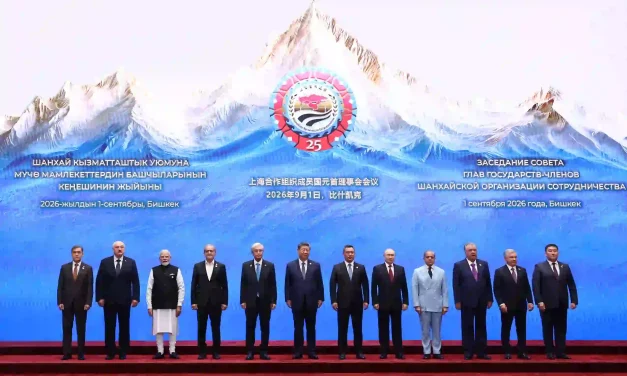
SCFR Online – Opinion: The Shanghai Cooperation Organization summit has created a new opportunity for Iran to transform its membership from a political achievement into economic and transit cooperation.
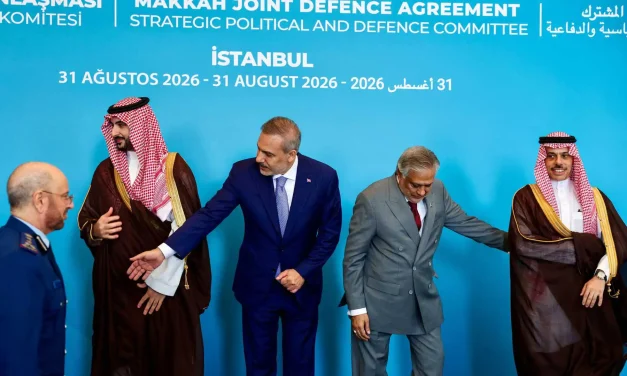
Strategic Council Online – Note: The Makkah Defense Pact can be seen as a sign of regional countries’ efforts to reduce security dependence on extra-regional powers and redefine the balance in West Asia.
SCFR Online – Opinion: The Ukraine war, by exhausting US military capability on one hand and strengthening European defense capacity on the other, has altered the balance of power in the European continent, cast uncertainty over NATO’s future, and is driving it toward a European NATO.
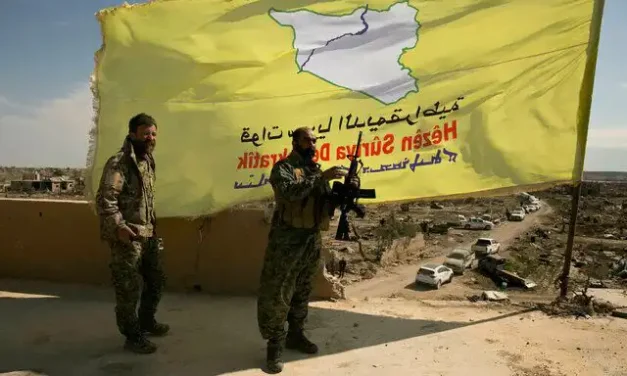
SCFR Online – Opinion: The dissolution of the SDF, although considered an achievement for Turkey’s security, does not put an end to the challenges arising from the Israeli regime’s aggression and expansionism, refugees, and Syria’s fragility.
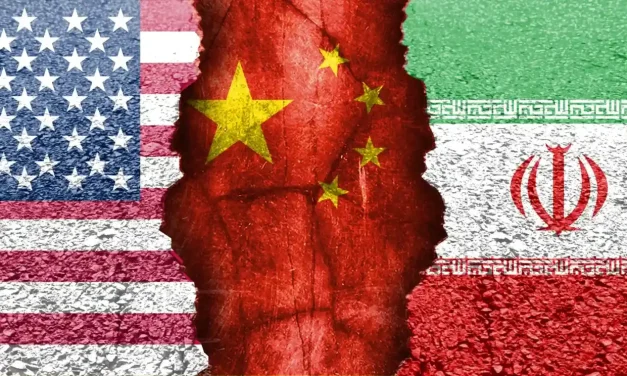
SCFR Online – Opinion: Concurrent with the official commencement of the United States’ economic war against our country, focusing on sanctions instruments, isolation, and economic pressure, what has now become increasingly important is the lack of alignment of other major global powers, especially China, with this policy.
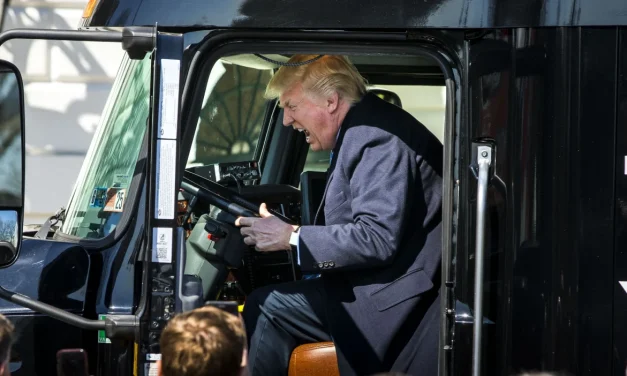
SCFR Online – Opinion: The new US sanctions against Iran, despite extensive propaganda, face serious obstacles to success due to the ineffectiveness of sanctions tools and opposition from some of Tehran’s trading partners.


Strategic Council Online—Interview: An expert of Middle East issues says US marines and military forces have relocated from the northern and western provinces of Iraq to al-Hasakah in Syria, adding that such measures indicate a new scenario is transpiring to create crisis in the Kurdish regions of Syria.

Strategic Council Online—Interview: An Afghan researcher and journalist says the international community should change its politico-social priorities in Afghanistan to economic priorities and help the continuity of the country’s structure and prevents to total collapse of the social-economic system and emergence of civil war.

Strategic Council Online- Interview: Concerning the recent tensions between Russia and NATO which took place followed by the expel of eight diplomats of Russian Representation in Brussels, an expert on the European affairs said:” The U.S. and Eastern European countries have always been and are still seeking for a pretext to heat up the cold war with Russia. Therefore, expelling the Russian diplomats from European capitals and recently Brussels is interpreted within the escalated tension level kept with Russia and not to marginalize the issue of relations with Russia in the European Union.

Strategic Council Online—Interview: An analyst of Caucasus issues says it is necessary to maintain the balance of power in the south Caucasus region, adding that if with the disruption of the balance of power in the region, issues proceed in a competitive manner among the actors, every cognitive error and miscalculation may cause great tensions in the region and even lead to a military confrontation.

Strategic Council Online – Interview: There are several behind-the-scene targets of the recent suicide operations in Afghanistan; but the main objective is definitely to pit Shiites and Sunnis in the country against one another.

Strategic Council Online- Interview: Having stated that Taliban tries to proceed with their international legitimacy through the regional powers, an analyst on Afghanistan affairs said:” they try to set up a government in Afghanistan regardless of the interests of ethnical- political groups and in the meantime, to obtain the regional powers’ support.

Strategic Council Online – Interview: A senior researcher at the Presidential Center for Strategic Studies saying that the Russians do not have a similar Iranian perception of the level of threat that would lead to fundamental geopolitical change in the Caucasus, noted: If the corridor sought by Turkey and the Republic of Azerbaijan is created by military action or threat, the balance of power in the region as a whole will change, and Russia will certainly suffer greatly.

Strategic Council Online- Interview: Having pointed out the recent statement issued by thirty countries including Iran, China, Russia, Palestine, Belarus, Pakistan, Egypt, Venezuela and Bolivia on condemning to resort the coercive unilateral measures such as sanctions against developing countries, an expert on the U.S. said:” It is obvious that when the U.S. pressurizes countries under the pretext of sanctions, those countries try to both minimize their dependence on the U.S. economy and maximize their capacities to boost their cooperation with other countries subjected to similar sanctions”.

Strategic Council Online – Interview: A faculty member of Allameh Tabatabaei University, stating that the nature of Russia’s executive plans to transfer energy to Europe is in the direction of eliminating Ukraine, said: Elimination of Ukraine, in addition to undermining the integrity of Europe’s position vis-a-vis Moscow, is a major blow to its transit position and reduces its bargaining power before Europe and Russia.

Strategic Council Online – Interview: A senior international affairs researcher, commenting on the targets of North Korea’s new missile test, said: North Korea’s nuclear policy is basically a scoring policy. In that sense, North Korea insists that as far as it is possible it would expand its nuclear technology and build bombs and missiles so that the United States would come to the negotiating table and make concessions.
SCFR Online – Opinion: The intensification of U.S. sanctions against Iran on the eve of the U.S. midterm elections indicates Washington’s inability to achieve its war objectives.
SCFR Online – Opinion: The competition between Washington and Beijing over chips and artificial intelligence, simultaneously with the shifting of technological balances, has taken on new economic and security dimensions.
SCFR Online – Opinion: The Shanghai Cooperation Organization summit has created a new opportunity for Iran to transform its membership from a political achievement into economic and transit cooperation.
Strategic Council Online – Note: The Makkah Defense Pact can be seen as a sign of regional countries’ efforts to reduce security dependence on extra-regional powers and redefine the balance in West Asia.
SCFR Online – Opinion: The Ukraine war, by exhausting US military capability on one hand and strengthening European defense capacity on the other, has altered the balance of power in the European continent, cast uncertainty over NATO’s future, and is driving it toward a European NATO.
SCFR Online – Opinion: The dissolution of the SDF, although considered an achievement for Turkey’s security, does not put an end to the challenges arising from the Israeli regime’s aggression and expansionism, refugees, and Syria’s fragility.
SCFR Online – Opinion: Concurrent with the official commencement of the United States’ economic war against our country, focusing on sanctions instruments, isolation, and economic pressure, what has now become increasingly important is the lack of alignment of other major global powers, especially China, with this policy.
SCFR Online – Opinion: The new US sanctions against Iran, despite extensive propaganda, face serious obstacles to success due to the ineffectiveness of sanctions tools and opposition from some of Tehran’s trading partners.
Strategic Council Online—Interview: An expert of Middle East issues says US marines and military forces have relocated from the northern and western provinces of Iraq to al-Hasakah in Syria, adding that such measures indicate a new scenario is transpiring to create crisis in the Kurdish regions of Syria.
Strategic Council Online—Interview: An Afghan researcher and journalist says the international community should change its politico-social priorities in Afghanistan to economic priorities and help the continuity of the country’s structure and prevents to total collapse of the social-economic system and emergence of civil war.
Strategic Council Online- Interview: Concerning the recent tensions between Russia and NATO which took place followed by the expel of eight diplomats of Russian Representation in Brussels, an expert on the European affairs said:” The U.S. and Eastern European countries have always been and are still seeking for a pretext to heat up the cold war with Russia. Therefore, expelling the Russian diplomats from European capitals and recently Brussels is interpreted within the escalated tension level kept with Russia and not to marginalize the issue of relations with Russia in the European Union.
Strategic Council Online—Interview: An analyst of Caucasus issues says it is necessary to maintain the balance of power in the south Caucasus region, adding that if with the disruption of the balance of power in the region, issues proceed in a competitive manner among the actors, every cognitive error and miscalculation may cause great tensions in the region and even lead to a military confrontation.
Strategic Council Online – Interview: There are several behind-the-scene targets of the recent suicide operations in Afghanistan; but the main objective is definitely to pit Shiites and Sunnis in the country against one another.
Strategic Council Online- Interview: Having stated that Taliban tries to proceed with their international legitimacy through the regional powers, an analyst on Afghanistan affairs said:” they try to set up a government in Afghanistan regardless of the interests of ethnical- political groups and in the meantime, to obtain the regional powers’ support.
Strategic Council Online – Interview: A senior researcher at the Presidential Center for Strategic Studies saying that the Russians do not have a similar Iranian perception of the level of threat that would lead to fundamental geopolitical change in the Caucasus, noted: If the corridor sought by Turkey and the Republic of Azerbaijan is created by military action or threat, the balance of power in the region as a whole will change, and Russia will certainly suffer greatly.
Strategic Council Online- Interview: Having pointed out the recent statement issued by thirty countries including Iran, China, Russia, Palestine, Belarus, Pakistan, Egypt, Venezuela and Bolivia on condemning to resort the coercive unilateral measures such as sanctions against developing countries, an expert on the U.S. said:” It is obvious that when the U.S. pressurizes countries under the pretext of sanctions, those countries try to both minimize their dependence on the U.S. economy and maximize their capacities to boost their cooperation with other countries subjected to similar sanctions”.
Strategic Council Online – Interview: A faculty member of Allameh Tabatabaei University, stating that the nature of Russia’s executive plans to transfer energy to Europe is in the direction of eliminating Ukraine, said: Elimination of Ukraine, in addition to undermining the integrity of Europe’s position vis-a-vis Moscow, is a major blow to its transit position and reduces its bargaining power before Europe and Russia.
Strategic Council Online – Interview: A senior international affairs researcher, commenting on the targets of North Korea’s new missile test, said: North Korea’s nuclear policy is basically a scoring policy. In that sense, North Korea insists that as far as it is possible it would expand its nuclear technology and build bombs and missiles so that the United States would come to the negotiating table and make concessions.
Strategic Council Online—Interview: An expert of Middle East issues says US marines and military forces have relocated from the northern and western provinces of Iraq to al-Hasakah in Syria, adding that such measures indicate a new scenario is transpiring to create crisis in the Kurdish regions of Syria.
Strategic Council Online—Interview: An Afghan researcher and journalist says the international community should change its politico-social priorities in Afghanistan to economic priorities and help the continuity of the country’s structure and prevents to total collapse of the social-economic system and emergence of civil war.
Strategic Council Online- Interview: Concerning the recent tensions between Russia and NATO which took place followed by the expel of eight diplomats of Russian Representation in Brussels, an expert on the European affairs said:” The U.S. and Eastern European countries have always been and are still seeking for a pretext to heat up the cold war with Russia. Therefore, expelling the Russian diplomats from European capitals and recently Brussels is interpreted within the escalated tension level kept with Russia and not to marginalize the issue of relations with Russia in the European Union.
Strategic Council Online—Interview: An analyst of Caucasus issues says it is necessary to maintain the balance of power in the south Caucasus region, adding that if with the disruption of the balance of power in the region, issues proceed in a competitive manner among the actors, every cognitive error and miscalculation may cause great tensions in the region and even lead to a military confrontation.
Strategic Council Online – Interview: There are several behind-the-scene targets of the recent suicide operations in Afghanistan; but the main objective is definitely to pit Shiites and Sunnis in the country against one another.
Strategic Council Online- Interview: Having stated that Taliban tries to proceed with their international legitimacy through the regional powers, an analyst on Afghanistan affairs said:” they try to set up a government in Afghanistan regardless of the interests of ethnical- political groups and in the meantime, to obtain the regional powers’ support.
Strategic Council Online – Interview: A senior researcher at the Presidential Center for Strategic Studies saying that the Russians do not have a similar Iranian perception of the level of threat that would lead to fundamental geopolitical change in the Caucasus, noted: If the corridor sought by Turkey and the Republic of Azerbaijan is created by military action or threat, the balance of power in the region as a whole will change, and Russia will certainly suffer greatly.
Strategic Council Online- Interview: Having pointed out the recent statement issued by thirty countries including Iran, China, Russia, Palestine, Belarus, Pakistan, Egypt, Venezuela and Bolivia on condemning to resort the coercive unilateral measures such as sanctions against developing countries, an expert on the U.S. said:” It is obvious that when the U.S. pressurizes countries under the pretext of sanctions, those countries try to both minimize their dependence on the U.S. economy and maximize their capacities to boost their cooperation with other countries subjected to similar sanctions”.
Strategic Council Online – Interview: A faculty member of Allameh Tabatabaei University, stating that the nature of Russia’s executive plans to transfer energy to Europe is in the direction of eliminating Ukraine, said: Elimination of Ukraine, in addition to undermining the integrity of Europe’s position vis-a-vis Moscow, is a major blow to its transit position and reduces its bargaining power before Europe and Russia.
Strategic Council Online – Interview: A senior international affairs researcher, commenting on the targets of North Korea’s new missile test, said: North Korea’s nuclear policy is basically a scoring policy. In that sense, North Korea insists that as far as it is possible it would expand its nuclear technology and build bombs and missiles so that the United States would come to the negotiating table and make concessions.
SCFR Online – Opinion: The intensification of U.S. sanctions against Iran on the eve of the U.S. midterm elections indicates Washington’s inability to achieve its war objectives.
SCFR Online – Opinion: The competition between Washington and Beijing over chips and artificial intelligence, simultaneously with the shifting of technological balances, has taken on new economic and security dimensions.
SCFR Online – Opinion: The Shanghai Cooperation Organization summit has created a new opportunity for Iran to transform its membership from a political achievement into economic and transit cooperation.
Strategic Council Online – Note: The Makkah Defense Pact can be seen as a sign of regional countries’ efforts to reduce security dependence on extra-regional powers and redefine the balance in West Asia.
SCFR Online – Opinion: The Ukraine war, by exhausting US military capability on one hand and strengthening European defense capacity on the other, has altered the balance of power in the European continent, cast uncertainty over NATO’s future, and is driving it toward a European NATO.
SCFR Online – Opinion: The dissolution of the SDF, although considered an achievement for Turkey’s security, does not put an end to the challenges arising from the Israeli regime’s aggression and expansionism, refugees, and Syria’s fragility.
SCFR Online – Opinion: Concurrent with the official commencement of the United States’ economic war against our country, focusing on sanctions instruments, isolation, and economic pressure, what has now become increasingly important is the lack of alignment of other major global powers, especially China, with this policy.
SCFR Online – Opinion: The new US sanctions against Iran, despite extensive propaganda, face serious obstacles to success due to the ineffectiveness of sanctions tools and opposition from some of Tehran’s trading partners.
Strategic Council Online—Interview: An expert of Middle East issues says US marines and military forces have relocated from the northern and western provinces of Iraq to al-Hasakah in Syria, adding that such measures indicate a new scenario is transpiring to create crisis in the Kurdish regions of Syria.
Strategic Council Online—Interview: An Afghan researcher and journalist says the international community should change its politico-social priorities in Afghanistan to economic priorities and help the continuity of the country’s structure and prevents to total collapse of the social-economic system and emergence of civil war.
Strategic Council Online- Interview: Concerning the recent tensions between Russia and NATO which took place followed by the expel of eight diplomats of Russian Representation in Brussels, an expert on the European affairs said:” The U.S. and Eastern European countries have always been and are still seeking for a pretext to heat up the cold war with Russia. Therefore, expelling the Russian diplomats from European capitals and recently Brussels is interpreted within the escalated tension level kept with Russia and not to marginalize the issue of relations with Russia in the European Union.
Strategic Council Online—Interview: An analyst of Caucasus issues says it is necessary to maintain the balance of power in the south Caucasus region, adding that if with the disruption of the balance of power in the region, issues proceed in a competitive manner among the actors, every cognitive error and miscalculation may cause great tensions in the region and even lead to a military confrontation.
Strategic Council Online – Interview: There are several behind-the-scene targets of the recent suicide operations in Afghanistan; but the main objective is definitely to pit Shiites and Sunnis in the country against one another.
Strategic Council Online- Interview: Having stated that Taliban tries to proceed with their international legitimacy through the regional powers, an analyst on Afghanistan affairs said:” they try to set up a government in Afghanistan regardless of the interests of ethnical- political groups and in the meantime, to obtain the regional powers’ support.
Strategic Council Online – Interview: A senior researcher at the Presidential Center for Strategic Studies saying that the Russians do not have a similar Iranian perception of the level of threat that would lead to fundamental geopolitical change in the Caucasus, noted: If the corridor sought by Turkey and the Republic of Azerbaijan is created by military action or threat, the balance of power in the region as a whole will change, and Russia will certainly suffer greatly.
Strategic Council Online- Interview: Having pointed out the recent statement issued by thirty countries including Iran, China, Russia, Palestine, Belarus, Pakistan, Egypt, Venezuela and Bolivia on condemning to resort the coercive unilateral measures such as sanctions against developing countries, an expert on the U.S. said:” It is obvious that when the U.S. pressurizes countries under the pretext of sanctions, those countries try to both minimize their dependence on the U.S. economy and maximize their capacities to boost their cooperation with other countries subjected to similar sanctions”.
Strategic Council Online – Interview: A faculty member of Allameh Tabatabaei University, stating that the nature of Russia’s executive plans to transfer energy to Europe is in the direction of eliminating Ukraine, said: Elimination of Ukraine, in addition to undermining the integrity of Europe’s position vis-a-vis Moscow, is a major blow to its transit position and reduces its bargaining power before Europe and Russia.
Strategic Council Online – Interview: A senior international affairs researcher, commenting on the targets of North Korea’s new missile test, said: North Korea’s nuclear policy is basically a scoring policy. In that sense, North Korea insists that as far as it is possible it would expand its nuclear technology and build bombs and missiles so that the United States would come to the negotiating table and make concessions.
SCFR Online – Opinion: The intensification of U.S. sanctions against Iran on the eve of the U.S. midterm elections indicates Washington’s inability to achieve its war objectives.
SCFR Online – Opinion: The competition between Washington and Beijing over chips and artificial intelligence, simultaneously with the shifting of technological balances, has taken on new economic and security dimensions.
SCFR Online – Opinion: The Shanghai Cooperation Organization summit has created a new opportunity for Iran to transform its membership from a political achievement into economic and transit cooperation.
Strategic Council Online – Note: The Makkah Defense Pact can be seen as a sign of regional countries’ efforts to reduce security dependence on extra-regional powers and redefine the balance in West Asia.
SCFR Online – Opinion: The Ukraine war, by exhausting US military capability on one hand and strengthening European defense capacity on the other, has altered the balance of power in the European continent, cast uncertainty over NATO’s future, and is driving it toward a European NATO.
SCFR Online – Opinion: The dissolution of the SDF, although considered an achievement for Turkey’s security, does not put an end to the challenges arising from the Israeli regime’s aggression and expansionism, refugees, and Syria’s fragility.
SCFR Online – Opinion: Concurrent with the official commencement of the United States’ economic war against our country, focusing on sanctions instruments, isolation, and economic pressure, what has now become increasingly important is the lack of alignment of other major global powers, especially China, with this policy.
SCFR Online – Opinion: The new US sanctions against Iran, despite extensive propaganda, face serious obstacles to success due to the ineffectiveness of sanctions tools and opposition from some of Tehran’s trading partners.
Strategic Council Online—Interview: An expert of Middle East issues says US marines and military forces have relocated from the northern and western provinces of Iraq to al-Hasakah in Syria, adding that such measures indicate a new scenario is transpiring to create crisis in the Kurdish regions of Syria.
Strategic Council Online—Interview: An Afghan researcher and journalist says the international community should change its politico-social priorities in Afghanistan to economic priorities and help the continuity of the country’s structure and prevents to total collapse of the social-economic system and emergence of civil war.
Strategic Council Online- Interview: Concerning the recent tensions between Russia and NATO which took place followed by the expel of eight diplomats of Russian Representation in Brussels, an expert on the European affairs said:” The U.S. and Eastern European countries have always been and are still seeking for a pretext to heat up the cold war with Russia. Therefore, expelling the Russian diplomats from European capitals and recently Brussels is interpreted within the escalated tension level kept with Russia and not to marginalize the issue of relations with Russia in the European Union.
Strategic Council Online—Interview: An analyst of Caucasus issues says it is necessary to maintain the balance of power in the south Caucasus region, adding that if with the disruption of the balance of power in the region, issues proceed in a competitive manner among the actors, every cognitive error and miscalculation may cause great tensions in the region and even lead to a military confrontation.
Strategic Council Online – Interview: There are several behind-the-scene targets of the recent suicide operations in Afghanistan; but the main objective is definitely to pit Shiites and Sunnis in the country against one another.
Strategic Council Online- Interview: Having stated that Taliban tries to proceed with their international legitimacy through the regional powers, an analyst on Afghanistan affairs said:” they try to set up a government in Afghanistan regardless of the interests of ethnical- political groups and in the meantime, to obtain the regional powers’ support.
Strategic Council Online – Interview: A senior researcher at the Presidential Center for Strategic Studies saying that the Russians do not have a similar Iranian perception of the level of threat that would lead to fundamental geopolitical change in the Caucasus, noted: If the corridor sought by Turkey and the Republic of Azerbaijan is created by military action or threat, the balance of power in the region as a whole will change, and Russia will certainly suffer greatly.
Strategic Council Online- Interview: Having pointed out the recent statement issued by thirty countries including Iran, China, Russia, Palestine, Belarus, Pakistan, Egypt, Venezuela and Bolivia on condemning to resort the coercive unilateral measures such as sanctions against developing countries, an expert on the U.S. said:” It is obvious that when the U.S. pressurizes countries under the pretext of sanctions, those countries try to both minimize their dependence on the U.S. economy and maximize their capacities to boost their cooperation with other countries subjected to similar sanctions”.
Strategic Council Online – Interview: A faculty member of Allameh Tabatabaei University, stating that the nature of Russia’s executive plans to transfer energy to Europe is in the direction of eliminating Ukraine, said: Elimination of Ukraine, in addition to undermining the integrity of Europe’s position vis-a-vis Moscow, is a major blow to its transit position and reduces its bargaining power before Europe and Russia.
Strategic Council Online – Interview: A senior international affairs researcher, commenting on the targets of North Korea’s new missile test, said: North Korea’s nuclear policy is basically a scoring policy. In that sense, North Korea insists that as far as it is possible it would expand its nuclear technology and build bombs and missiles so that the United States would come to the negotiating table and make concessions.
SCFR Online – Opinion: The intensification of U.S. sanctions against Iran on the eve of the U.S. midterm elections indicates Washington’s inability to achieve its war objectives.
SCFR Online – Opinion: The competition between Washington and Beijing over chips and artificial intelligence, simultaneously with the shifting of technological balances, has taken on new economic and security dimensions.
SCFR Online – Opinion: The Shanghai Cooperation Organization summit has created a new opportunity for Iran to transform its membership from a political achievement into economic and transit cooperation.
Strategic Council Online – Note: The Makkah Defense Pact can be seen as a sign of regional countries’ efforts to reduce security dependence on extra-regional powers and redefine the balance in West Asia.
SCFR Online – Opinion: The Ukraine war, by exhausting US military capability on one hand and strengthening European defense capacity on the other, has altered the balance of power in the European continent, cast uncertainty over NATO’s future, and is driving it toward a European NATO.
SCFR Online – Opinion: The dissolution of the SDF, although considered an achievement for Turkey’s security, does not put an end to the challenges arising from the Israeli regime’s aggression and expansionism, refugees, and Syria’s fragility.
SCFR Online – Opinion: Concurrent with the official commencement of the United States’ economic war against our country, focusing on sanctions instruments, isolation, and economic pressure, what has now become increasingly important is the lack of alignment of other major global powers, especially China, with this policy.
SCFR Online – Opinion: The new US sanctions against Iran, despite extensive propaganda, face serious obstacles to success due to the ineffectiveness of sanctions tools and opposition from some of Tehran’s trading partners.
Strategic Council Online—Interview: An expert of Middle East issues says US marines and military forces have relocated from the northern and western provinces of Iraq to al-Hasakah in Syria, adding that such measures indicate a new scenario is transpiring to create crisis in the Kurdish regions of Syria.
Strategic Council Online—Interview: An Afghan researcher and journalist says the international community should change its politico-social priorities in Afghanistan to economic priorities and help the continuity of the country’s structure and prevents to total collapse of the social-economic system and emergence of civil war.
Strategic Council Online- Interview: Concerning the recent tensions between Russia and NATO which took place followed by the expel of eight diplomats of Russian Representation in Brussels, an expert on the European affairs said:” The U.S. and Eastern European countries have always been and are still seeking for a pretext to heat up the cold war with Russia. Therefore, expelling the Russian diplomats from European capitals and recently Brussels is interpreted within the escalated tension level kept with Russia and not to marginalize the issue of relations with Russia in the European Union.
Strategic Council Online—Interview: An analyst of Caucasus issues says it is necessary to maintain the balance of power in the south Caucasus region, adding that if with the disruption of the balance of power in the region, issues proceed in a competitive manner among the actors, every cognitive error and miscalculation may cause great tensions in the region and even lead to a military confrontation.
Strategic Council Online – Interview: There are several behind-the-scene targets of the recent suicide operations in Afghanistan; but the main objective is definitely to pit Shiites and Sunnis in the country against one another.
Strategic Council Online- Interview: Having stated that Taliban tries to proceed with their international legitimacy through the regional powers, an analyst on Afghanistan affairs said:” they try to set up a government in Afghanistan regardless of the interests of ethnical- political groups and in the meantime, to obtain the regional powers’ support.
Strategic Council Online – Interview: A senior researcher at the Presidential Center for Strategic Studies saying that the Russians do not have a similar Iranian perception of the level of threat that would lead to fundamental geopolitical change in the Caucasus, noted: If the corridor sought by Turkey and the Republic of Azerbaijan is created by military action or threat, the balance of power in the region as a whole will change, and Russia will certainly suffer greatly.
Strategic Council Online- Interview: Having pointed out the recent statement issued by thirty countries including Iran, China, Russia, Palestine, Belarus, Pakistan, Egypt, Venezuela and Bolivia on condemning to resort the coercive unilateral measures such as sanctions against developing countries, an expert on the U.S. said:” It is obvious that when the U.S. pressurizes countries under the pretext of sanctions, those countries try to both minimize their dependence on the U.S. economy and maximize their capacities to boost their cooperation with other countries subjected to similar sanctions”.
Strategic Council Online – Interview: A faculty member of Allameh Tabatabaei University, stating that the nature of Russia’s executive plans to transfer energy to Europe is in the direction of eliminating Ukraine, said: Elimination of Ukraine, in addition to undermining the integrity of Europe’s position vis-a-vis Moscow, is a major blow to its transit position and reduces its bargaining power before Europe and Russia.
Strategic Council Online – Interview: A senior international affairs researcher, commenting on the targets of North Korea’s new missile test, said: North Korea’s nuclear policy is basically a scoring policy. In that sense, North Korea insists that as far as it is possible it would expand its nuclear technology and build bombs and missiles so that the United States would come to the negotiating table and make concessions.
SCFR Online – Opinion: The intensification of U.S. sanctions against Iran on the eve of the U.S. midterm elections indicates Washington’s inability to achieve its war objectives.
SCFR Online – Opinion: The competition between Washington and Beijing over chips and artificial intelligence, simultaneously with the shifting of technological balances, has taken on new economic and security dimensions.
SCFR Online – Opinion: The Shanghai Cooperation Organization summit has created a new opportunity for Iran to transform its membership from a political achievement into economic and transit cooperation.
Strategic Council Online – Note: The Makkah Defense Pact can be seen as a sign of regional countries’ efforts to reduce security dependence on extra-regional powers and redefine the balance in West Asia.
SCFR Online – Opinion: The Ukraine war, by exhausting US military capability on one hand and strengthening European defense capacity on the other, has altered the balance of power in the European continent, cast uncertainty over NATO’s future, and is driving it toward a European NATO.
SCFR Online – Opinion: The dissolution of the SDF, although considered an achievement for Turkey’s security, does not put an end to the challenges arising from the Israeli regime’s aggression and expansionism, refugees, and Syria’s fragility.
SCFR Online – Opinion: Concurrent with the official commencement of the United States’ economic war against our country, focusing on sanctions instruments, isolation, and economic pressure, what has now become increasingly important is the lack of alignment of other major global powers, especially China, with this policy.
SCFR Online – Opinion: The new US sanctions against Iran, despite extensive propaganda, face serious obstacles to success due to the ineffectiveness of sanctions tools and opposition from some of Tehran’s trading partners.
Strategic Council Online—Interview: An expert of Middle East issues says US marines and military forces have relocated from the northern and western provinces of Iraq to al-Hasakah in Syria, adding that such measures indicate a new scenario is transpiring to create crisis in the Kurdish regions of Syria.
Strategic Council Online—Interview: An Afghan researcher and journalist says the international community should change its politico-social priorities in Afghanistan to economic priorities and help the continuity of the country’s structure and prevents to total collapse of the social-economic system and emergence of civil war.
Strategic Council Online- Interview: Concerning the recent tensions between Russia and NATO which took place followed by the expel of eight diplomats of Russian Representation in Brussels, an expert on the European affairs said:” The U.S. and Eastern European countries have always been and are still seeking for a pretext to heat up the cold war with Russia. Therefore, expelling the Russian diplomats from European capitals and recently Brussels is interpreted within the escalated tension level kept with Russia and not to marginalize the issue of relations with Russia in the European Union.
Strategic Council Online—Interview: An analyst of Caucasus issues says it is necessary to maintain the balance of power in the south Caucasus region, adding that if with the disruption of the balance of power in the region, issues proceed in a competitive manner among the actors, every cognitive error and miscalculation may cause great tensions in the region and even lead to a military confrontation.
Strategic Council Online – Interview: There are several behind-the-scene targets of the recent suicide operations in Afghanistan; but the main objective is definitely to pit Shiites and Sunnis in the country against one another.
Strategic Council Online- Interview: Having stated that Taliban tries to proceed with their international legitimacy through the regional powers, an analyst on Afghanistan affairs said:” they try to set up a government in Afghanistan regardless of the interests of ethnical- political groups and in the meantime, to obtain the regional powers’ support.
Strategic Council Online – Interview: A senior researcher at the Presidential Center for Strategic Studies saying that the Russians do not have a similar Iranian perception of the level of threat that would lead to fundamental geopolitical change in the Caucasus, noted: If the corridor sought by Turkey and the Republic of Azerbaijan is created by military action or threat, the balance of power in the region as a whole will change, and Russia will certainly suffer greatly.
Strategic Council Online- Interview: Having pointed out the recent statement issued by thirty countries including Iran, China, Russia, Palestine, Belarus, Pakistan, Egypt, Venezuela and Bolivia on condemning to resort the coercive unilateral measures such as sanctions against developing countries, an expert on the U.S. said:” It is obvious that when the U.S. pressurizes countries under the pretext of sanctions, those countries try to both minimize their dependence on the U.S. economy and maximize their capacities to boost their cooperation with other countries subjected to similar sanctions”.
Strategic Council Online – Interview: A faculty member of Allameh Tabatabaei University, stating that the nature of Russia’s executive plans to transfer energy to Europe is in the direction of eliminating Ukraine, said: Elimination of Ukraine, in addition to undermining the integrity of Europe’s position vis-a-vis Moscow, is a major blow to its transit position and reduces its bargaining power before Europe and Russia.
Strategic Council Online – Interview: A senior international affairs researcher, commenting on the targets of North Korea’s new missile test, said: North Korea’s nuclear policy is basically a scoring policy. In that sense, North Korea insists that as far as it is possible it would expand its nuclear technology and build bombs and missiles so that the United States would come to the negotiating table and make concessions.
SCFR Online – Opinion: The intensification of U.S. sanctions against Iran on the eve of the U.S. midterm elections indicates Washington’s inability to achieve its war objectives.
SCFR Online – Opinion: The competition between Washington and Beijing over chips and artificial intelligence, simultaneously with the shifting of technological balances, has taken on new economic and security dimensions.
SCFR Online – Opinion: The Shanghai Cooperation Organization summit has created a new opportunity for Iran to transform its membership from a political achievement into economic and transit cooperation.
Strategic Council Online – Note: The Makkah Defense Pact can be seen as a sign of regional countries’ efforts to reduce security dependence on extra-regional powers and redefine the balance in West Asia.
SCFR Online – Opinion: The Ukraine war, by exhausting US military capability on one hand and strengthening European defense capacity on the other, has altered the balance of power in the European continent, cast uncertainty over NATO’s future, and is driving it toward a European NATO.
SCFR Online – Opinion: The dissolution of the SDF, although considered an achievement for Turkey’s security, does not put an end to the challenges arising from the Israeli regime’s aggression and expansionism, refugees, and Syria’s fragility.
SCFR Online – Opinion: Concurrent with the official commencement of the United States’ economic war against our country, focusing on sanctions instruments, isolation, and economic pressure, what has now become increasingly important is the lack of alignment of other major global powers, especially China, with this policy.
SCFR Online – Opinion: The new US sanctions against Iran, despite extensive propaganda, face serious obstacles to success due to the ineffectiveness of sanctions tools and opposition from some of Tehran’s trading partners.