جدیدترین مطالب

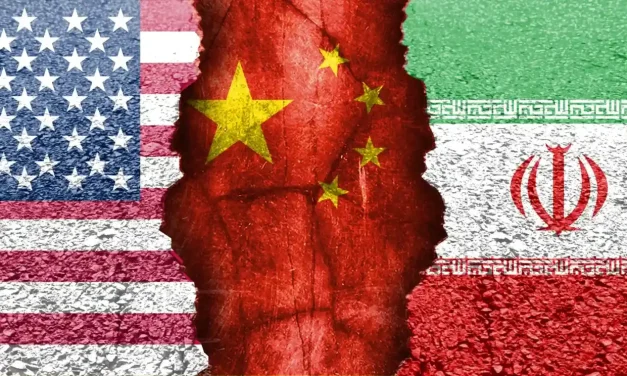
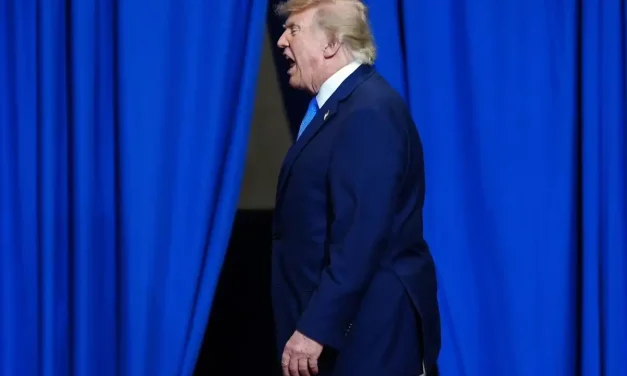
China’s Rejection of US Sanctions; Strengthening Iran’s Geopolitical Leverage

SCFR Online – Opinion: Concurrent with the official commencement of the United States’ economic war against our country, focusing on sanctions instruments, isolation, and economic pressure, what has now become increasingly important is the lack of alignment of other major global powers, especially China, with this policy.

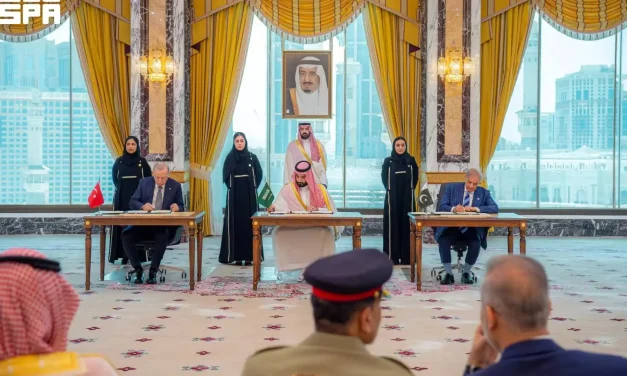
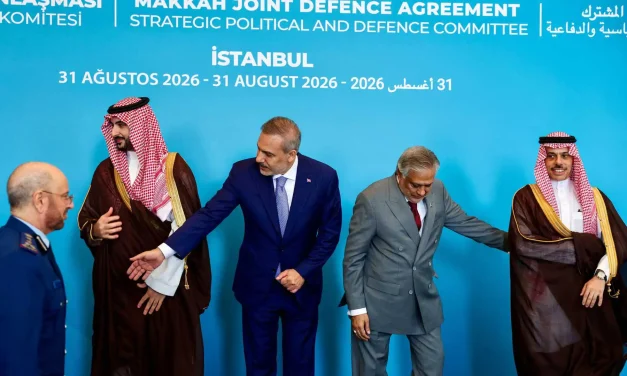
The Makkah Pact; Reasons for its Formation and Challenges Ahead

SCFR Online – Opinion: The Makkah Pact, signed between Saudi Arabia, Pakistan, and Turkey under the motto “an attack on one is an attack on all,” is viewed by some analysts less as a full-fledged military coalition and more as an attempt to reduce security dependence on an external power and to establish a regional security mechanism.

Loading

Note

The Role of Artificial Intelligence in Redefining Diplomacy in the Digital Age

The Role of Artificial Intelligence in Redefining Diplomacy in the Digital Age

Strategic Council Online– Opinion: From the past to the present, there has been a close relationship between technology and international relations. From the introduction of the steam engine to the emergence of the telephone and radio, significant milestones were achieved that enabled faster and more direct communication, reducing the need for intermediaries and diplomatic bureaucracy. The development and deployment of artificial intelligence (AI) systems also have the potential to transform various aspects of human life, much like climate change did decades ago in the international system. The reason AI impacts the international system, particularly in diplomacy, is that politics and political issues are among the most complex human behaviors, and this complexity reaches its peak in the international arena.

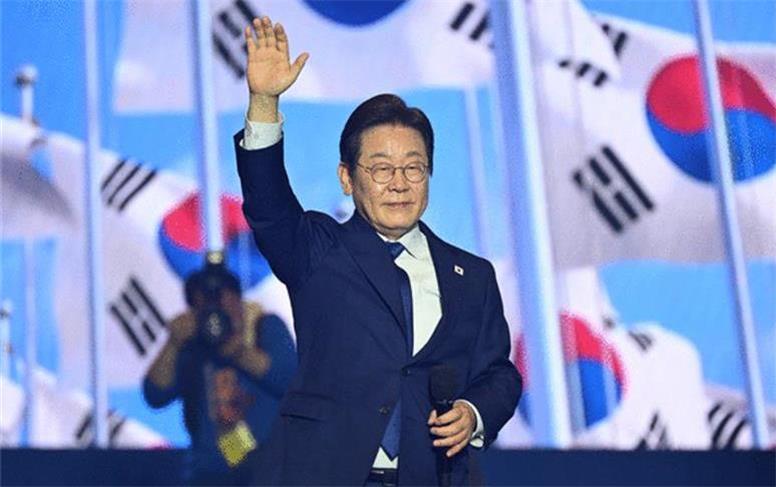
An Analysis of South Korea’s Response to Trump’s Tariff Policy

An Analysis of South Korea’s Response to Trump’s Tariff Policy

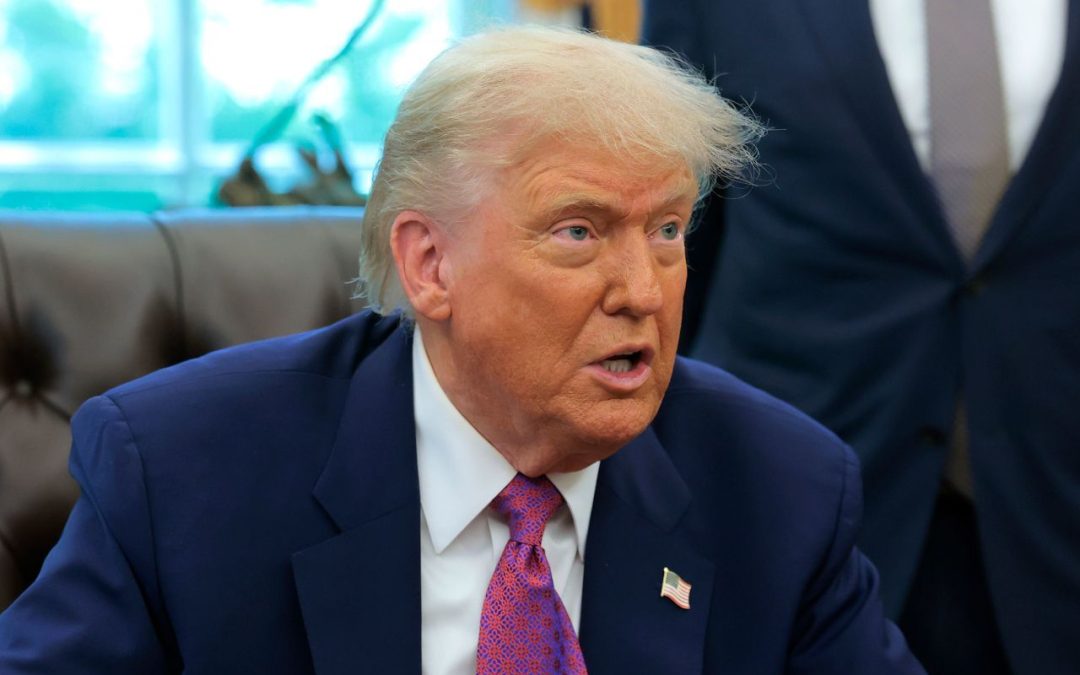
Strategic Council Online – Opinion: With Donald Trump’s return to the U.S. presidency, a new wave of economic protectionism in the form of tariff policies has impacted global trade. One of the first countries targeted by these tariffs was South Korea—a nation whose economy heavily relies on exports, particularly to the American market.

Formation of a New Regional Order Through Consolidation of Iran-Arab Relations

Formation of a New Regional Order Through Consolidation of Iran-Arab Relations

Strategic Council Online – Interview: A senior West Asia analyst stated that The Washington Post recently emphasized in a report that the attacks by the Zionist regime and the U.S. on Iran not only failed in their strategy to isolate Tehran but also altered the perspective of Persian Gulf countries regarding regional threats, identifying the Zionists as the primary destabilizing force in the region.

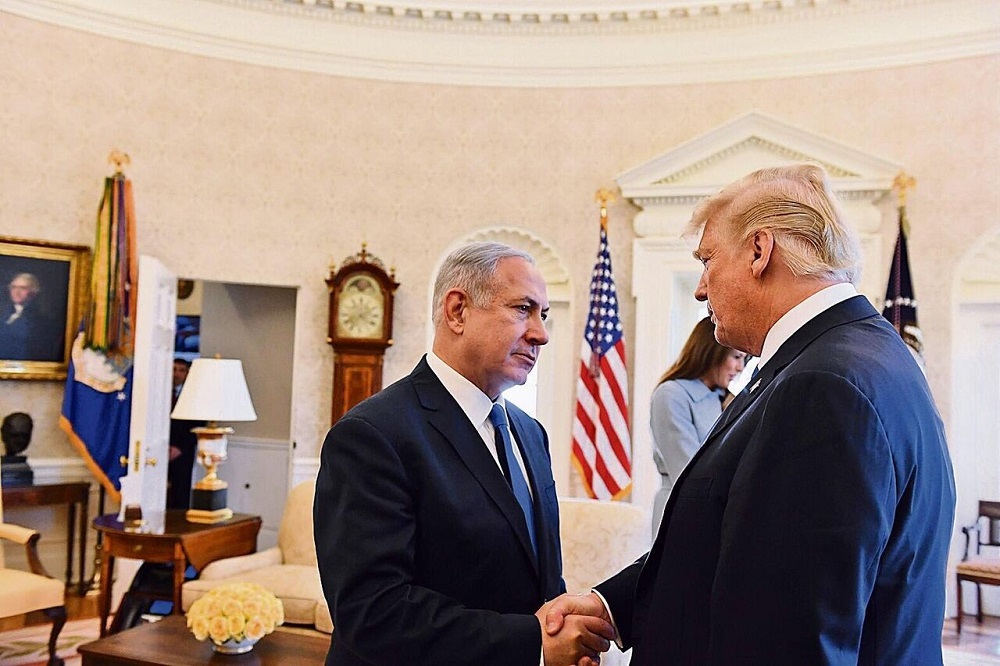
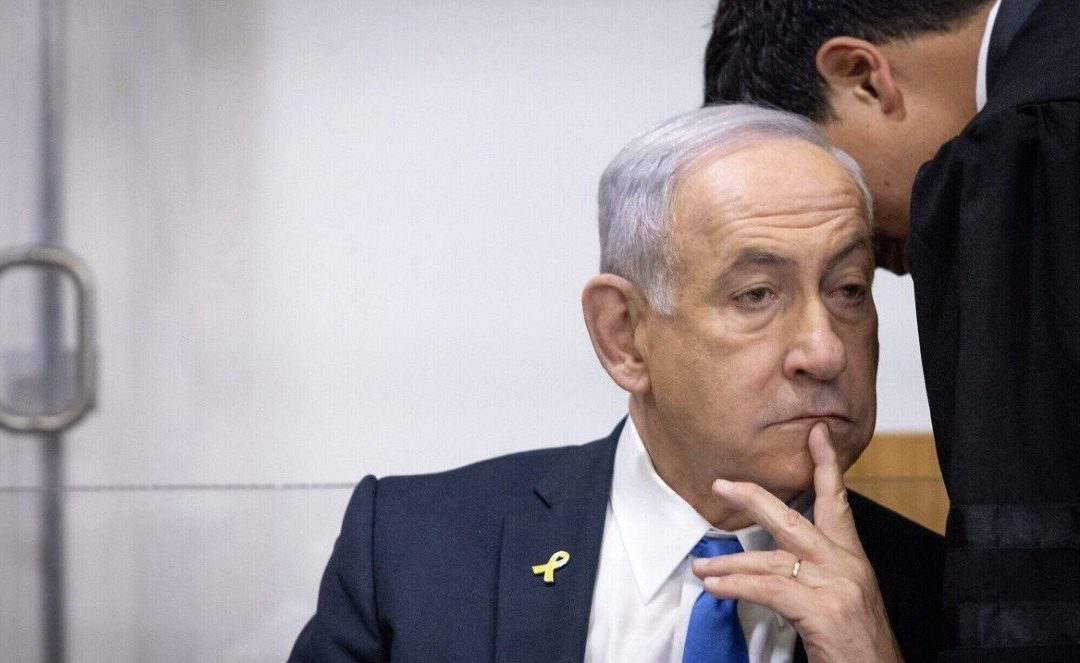
Domestic Concerns and Repercussions of the 12-Day War for Trump and Netanyahu

Domestic Concerns and Repercussions of the 12-Day War for Trump and Netanyahu

Strategic Council Online – Opinion: Every war, regardless of its duration (short or long) and how it ends (ceasefire, lifting siege, or peace), faces an issue called “The Day After.” The day after the war ends refers to the day when the consequences of the war gradually become apparent to the warring parties in various spheres, including political, military, social, economic, and others. The imposed war by the Zionist regime and America against Iran is no exception to this rule.

The Necessity of Vigilance in Confronting the Zionist Regime’s Deception

The Necessity of Vigilance in Confronting the Zionist Regime’s Deception

Strategic Council Online – Opinion: The Zionist regime, which enjoyed the comprehensive support of the United States in its recent aggression against Iran, initially believed that with the surprise in the early days, the war would end quickly and the Islamic Republic of Iran would be defeated. However, contrary to the calculations of the regime and the White House, Iran immediately seized the initiative and, in response to the attacks and aggression of the Zionist regime and in self-defense, inflicted irreparable blows on this regime. As a result, the regime was ultimately scrambling to stop the attacks.

The Necessity of Assessing the Zionist Regime’s Aggression and Utilizing the Emergence of New Opportunities

The Necessity of Assessing the Zionist Regime’s Aggression and Utilizing the Emergence of New Opportunities

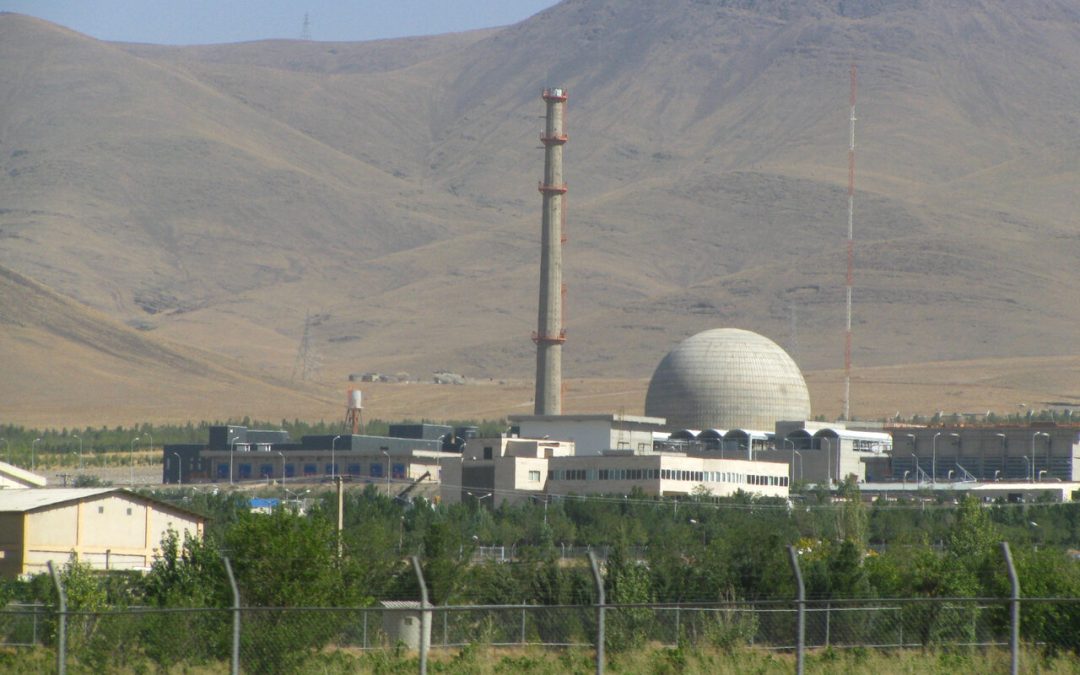
Strategic Council Online– Opinion: In recent weeks, we witnessed how the Israeli regime disrupted the peace-seeking negotiations between our country’s officials and the U.S., and out of concern that diplomatic agreements might not secure its interests and objectives, it launched an aggressive attack on our soil. This regime, which had convinced Donald Trump to withdraw from the JCPOA in 2018, also persuaded him in this attack to cover up the weaknesses of the Israeli regime and, using its superior military equipment, target Iran’s nuclear facilities, which were under the supervision of the International Atomic Energy Agency.

أحدث الوظائف

China’s Rejection of US Sanctions; Strengthening Iran’s Geopolitical Leverage

SCFR Online – Opinion: Concurrent with the official commencement of the United States’ economic war against our country, focusing on sanctions instruments, isolation, and economic pressure, what has now become increasingly important is the lack of alignment of other major global powers, especially China, with this policy.

The Makkah Pact; Reasons for its Formation and Challenges Ahead

SCFR Online – Opinion: The Makkah Pact, signed between Saudi Arabia, Pakistan, and Turkey under the motto “an attack on one is an attack on all,” is viewed by some analysts less as a full-fledged military coalition and more as an attempt to reduce security dependence on an external power and to establish a regional security mechanism.

Loading

Note

The Role of Artificial Intelligence in Redefining Diplomacy in the Digital Age

The Role of Artificial Intelligence in Redefining Diplomacy in the Digital Age

Strategic Council Online– Opinion: From the past to the present, there has been a close relationship between technology and international relations. From the introduction of the steam engine to the emergence of the telephone and radio, significant milestones were achieved that enabled faster and more direct communication, reducing the need for intermediaries and diplomatic bureaucracy. The development and deployment of artificial intelligence (AI) systems also have the potential to transform various aspects of human life, much like climate change did decades ago in the international system. The reason AI impacts the international system, particularly in diplomacy, is that politics and political issues are among the most complex human behaviors, and this complexity reaches its peak in the international arena.

An Analysis of South Korea’s Response to Trump’s Tariff Policy

An Analysis of South Korea’s Response to Trump’s Tariff Policy

Strategic Council Online – Opinion: With Donald Trump’s return to the U.S. presidency, a new wave of economic protectionism in the form of tariff policies has impacted global trade. One of the first countries targeted by these tariffs was South Korea—a nation whose economy heavily relies on exports, particularly to the American market.

Formation of a New Regional Order Through Consolidation of Iran-Arab Relations

Formation of a New Regional Order Through Consolidation of Iran-Arab Relations

Strategic Council Online – Interview: A senior West Asia analyst stated that The Washington Post recently emphasized in a report that the attacks by the Zionist regime and the U.S. on Iran not only failed in their strategy to isolate Tehran but also altered the perspective of Persian Gulf countries regarding regional threats, identifying the Zionists as the primary destabilizing force in the region.

Domestic Concerns and Repercussions of the 12-Day War for Trump and Netanyahu

Domestic Concerns and Repercussions of the 12-Day War for Trump and Netanyahu

Strategic Council Online – Opinion: Every war, regardless of its duration (short or long) and how it ends (ceasefire, lifting siege, or peace), faces an issue called “The Day After.” The day after the war ends refers to the day when the consequences of the war gradually become apparent to the warring parties in various spheres, including political, military, social, economic, and others. The imposed war by the Zionist regime and America against Iran is no exception to this rule.

The Necessity of Vigilance in Confronting the Zionist Regime’s Deception

The Necessity of Vigilance in Confronting the Zionist Regime’s Deception

Strategic Council Online – Opinion: The Zionist regime, which enjoyed the comprehensive support of the United States in its recent aggression against Iran, initially believed that with the surprise in the early days, the war would end quickly and the Islamic Republic of Iran would be defeated. However, contrary to the calculations of the regime and the White House, Iran immediately seized the initiative and, in response to the attacks and aggression of the Zionist regime and in self-defense, inflicted irreparable blows on this regime. As a result, the regime was ultimately scrambling to stop the attacks.

The Necessity of Assessing the Zionist Regime’s Aggression and Utilizing the Emergence of New Opportunities

The Necessity of Assessing the Zionist Regime’s Aggression and Utilizing the Emergence of New Opportunities

Strategic Council Online– Opinion: In recent weeks, we witnessed how the Israeli regime disrupted the peace-seeking negotiations between our country’s officials and the U.S., and out of concern that diplomatic agreements might not secure its interests and objectives, it launched an aggressive attack on our soil. This regime, which had convinced Donald Trump to withdraw from the JCPOA in 2018, also persuaded him in this attack to cover up the weaknesses of the Israeli regime and, using its superior military equipment, target Iran’s nuclear facilities, which were under the supervision of the International Atomic Energy Agency.

Note

The Role of Artificial Intelligence in Redefining Diplomacy in the Digital Age

The Role of Artificial Intelligence in Redefining Diplomacy in the Digital Age

Strategic Council Online– Opinion: From the past to the present, there has been a close relationship between technology and international relations. From the introduction of the steam engine to the emergence of the telephone and radio, significant milestones were achieved that enabled faster and more direct communication, reducing the need for intermediaries and diplomatic bureaucracy. The development and deployment of artificial intelligence (AI) systems also have the potential to transform various aspects of human life, much like climate change did decades ago in the international system. The reason AI impacts the international system, particularly in diplomacy, is that politics and political issues are among the most complex human behaviors, and this complexity reaches its peak in the international arena.

An Analysis of South Korea’s Response to Trump’s Tariff Policy

An Analysis of South Korea’s Response to Trump’s Tariff Policy

Strategic Council Online – Opinion: With Donald Trump’s return to the U.S. presidency, a new wave of economic protectionism in the form of tariff policies has impacted global trade. One of the first countries targeted by these tariffs was South Korea—a nation whose economy heavily relies on exports, particularly to the American market.

Formation of a New Regional Order Through Consolidation of Iran-Arab Relations

Formation of a New Regional Order Through Consolidation of Iran-Arab Relations

Strategic Council Online – Interview: A senior West Asia analyst stated that The Washington Post recently emphasized in a report that the attacks by the Zionist regime and the U.S. on Iran not only failed in their strategy to isolate Tehran but also altered the perspective of Persian Gulf countries regarding regional threats, identifying the Zionists as the primary destabilizing force in the region.

Domestic Concerns and Repercussions of the 12-Day War for Trump and Netanyahu

Domestic Concerns and Repercussions of the 12-Day War for Trump and Netanyahu

Strategic Council Online – Opinion: Every war, regardless of its duration (short or long) and how it ends (ceasefire, lifting siege, or peace), faces an issue called “The Day After.” The day after the war ends refers to the day when the consequences of the war gradually become apparent to the warring parties in various spheres, including political, military, social, economic, and others. The imposed war by the Zionist regime and America against Iran is no exception to this rule.

The Necessity of Vigilance in Confronting the Zionist Regime’s Deception

The Necessity of Vigilance in Confronting the Zionist Regime’s Deception

Strategic Council Online – Opinion: The Zionist regime, which enjoyed the comprehensive support of the United States in its recent aggression against Iran, initially believed that with the surprise in the early days, the war would end quickly and the Islamic Republic of Iran would be defeated. However, contrary to the calculations of the regime and the White House, Iran immediately seized the initiative and, in response to the attacks and aggression of the Zionist regime and in self-defense, inflicted irreparable blows on this regime. As a result, the regime was ultimately scrambling to stop the attacks.

The Necessity of Assessing the Zionist Regime’s Aggression and Utilizing the Emergence of New Opportunities

The Necessity of Assessing the Zionist Regime’s Aggression and Utilizing the Emergence of New Opportunities

Strategic Council Online– Opinion: In recent weeks, we witnessed how the Israeli regime disrupted the peace-seeking negotiations between our country’s officials and the U.S., and out of concern that diplomatic agreements might not secure its interests and objectives, it launched an aggressive attack on our soil. This regime, which had convinced Donald Trump to withdraw from the JCPOA in 2018, also persuaded him in this attack to cover up the weaknesses of the Israeli regime and, using its superior military equipment, target Iran’s nuclear facilities, which were under the supervision of the International Atomic Energy Agency.

LATEST CONTENT

China’s Rejection of US Sanctions; Strengthening Iran’s Geopolitical Leverage

SCFR Online – Opinion: Concurrent with the official commencement of the United States’ economic war against our country, focusing on sanctions instruments, isolation, and economic pressure, what has now become increasingly important is the lack of alignment of other major global powers, especially China, with this policy.

The Makkah Pact; Reasons for its Formation and Challenges Ahead

SCFR Online – Opinion: The Makkah Pact, signed between Saudi Arabia, Pakistan, and Turkey under the motto “an attack on one is an attack on all,” is viewed by some analysts less as a full-fledged military coalition and more as an attempt to reduce security dependence on an external power and to establish a regional security mechanism.

Loading

Note

The Role of Artificial Intelligence in Redefining Diplomacy in the Digital Age

The Role of Artificial Intelligence in Redefining Diplomacy in the Digital Age

Strategic Council Online– Opinion: From the past to the present, there has been a close relationship between technology and international relations. From the introduction of the steam engine to the emergence of the telephone and radio, significant milestones were achieved that enabled faster and more direct communication, reducing the need for intermediaries and diplomatic bureaucracy. The development and deployment of artificial intelligence (AI) systems also have the potential to transform various aspects of human life, much like climate change did decades ago in the international system. The reason AI impacts the international system, particularly in diplomacy, is that politics and political issues are among the most complex human behaviors, and this complexity reaches its peak in the international arena.

An Analysis of South Korea’s Response to Trump’s Tariff Policy

An Analysis of South Korea’s Response to Trump’s Tariff Policy

Strategic Council Online – Opinion: With Donald Trump’s return to the U.S. presidency, a new wave of economic protectionism in the form of tariff policies has impacted global trade. One of the first countries targeted by these tariffs was South Korea—a nation whose economy heavily relies on exports, particularly to the American market.

Formation of a New Regional Order Through Consolidation of Iran-Arab Relations

Formation of a New Regional Order Through Consolidation of Iran-Arab Relations

Strategic Council Online – Interview: A senior West Asia analyst stated that The Washington Post recently emphasized in a report that the attacks by the Zionist regime and the U.S. on Iran not only failed in their strategy to isolate Tehran but also altered the perspective of Persian Gulf countries regarding regional threats, identifying the Zionists as the primary destabilizing force in the region.

Domestic Concerns and Repercussions of the 12-Day War for Trump and Netanyahu

Domestic Concerns and Repercussions of the 12-Day War for Trump and Netanyahu

Strategic Council Online – Opinion: Every war, regardless of its duration (short or long) and how it ends (ceasefire, lifting siege, or peace), faces an issue called “The Day After.” The day after the war ends refers to the day when the consequences of the war gradually become apparent to the warring parties in various spheres, including political, military, social, economic, and others. The imposed war by the Zionist regime and America against Iran is no exception to this rule.

The Necessity of Vigilance in Confronting the Zionist Regime’s Deception

The Necessity of Vigilance in Confronting the Zionist Regime’s Deception

Strategic Council Online – Opinion: The Zionist regime, which enjoyed the comprehensive support of the United States in its recent aggression against Iran, initially believed that with the surprise in the early days, the war would end quickly and the Islamic Republic of Iran would be defeated. However, contrary to the calculations of the regime and the White House, Iran immediately seized the initiative and, in response to the attacks and aggression of the Zionist regime and in self-defense, inflicted irreparable blows on this regime. As a result, the regime was ultimately scrambling to stop the attacks.

The Necessity of Assessing the Zionist Regime’s Aggression and Utilizing the Emergence of New Opportunities

The Necessity of Assessing the Zionist Regime’s Aggression and Utilizing the Emergence of New Opportunities

Strategic Council Online– Opinion: In recent weeks, we witnessed how the Israeli regime disrupted the peace-seeking negotiations between our country’s officials and the U.S., and out of concern that diplomatic agreements might not secure its interests and objectives, it launched an aggressive attack on our soil. This regime, which had convinced Donald Trump to withdraw from the JCPOA in 2018, also persuaded him in this attack to cover up the weaknesses of the Israeli regime and, using its superior military equipment, target Iran’s nuclear facilities, which were under the supervision of the International Atomic Energy Agency.

ÚLTIMAS PUBLICACIONES

China’s Rejection of US Sanctions; Strengthening Iran’s Geopolitical Leverage

SCFR Online – Opinion: Concurrent with the official commencement of the United States’ economic war against our country, focusing on sanctions instruments, isolation, and economic pressure, what has now become increasingly important is the lack of alignment of other major global powers, especially China, with this policy.

The Makkah Pact; Reasons for its Formation and Challenges Ahead

SCFR Online – Opinion: The Makkah Pact, signed between Saudi Arabia, Pakistan, and Turkey under the motto “an attack on one is an attack on all,” is viewed by some analysts less as a full-fledged military coalition and more as an attempt to reduce security dependence on an external power and to establish a regional security mechanism.

Loading

Note

The Role of Artificial Intelligence in Redefining Diplomacy in the Digital Age

The Role of Artificial Intelligence in Redefining Diplomacy in the Digital Age

Strategic Council Online– Opinion: From the past to the present, there has been a close relationship between technology and international relations. From the introduction of the steam engine to the emergence of the telephone and radio, significant milestones were achieved that enabled faster and more direct communication, reducing the need for intermediaries and diplomatic bureaucracy. The development and deployment of artificial intelligence (AI) systems also have the potential to transform various aspects of human life, much like climate change did decades ago in the international system. The reason AI impacts the international system, particularly in diplomacy, is that politics and political issues are among the most complex human behaviors, and this complexity reaches its peak in the international arena.

An Analysis of South Korea’s Response to Trump’s Tariff Policy

An Analysis of South Korea’s Response to Trump’s Tariff Policy

Strategic Council Online – Opinion: With Donald Trump’s return to the U.S. presidency, a new wave of economic protectionism in the form of tariff policies has impacted global trade. One of the first countries targeted by these tariffs was South Korea—a nation whose economy heavily relies on exports, particularly to the American market.

Formation of a New Regional Order Through Consolidation of Iran-Arab Relations

Formation of a New Regional Order Through Consolidation of Iran-Arab Relations

Strategic Council Online – Interview: A senior West Asia analyst stated that The Washington Post recently emphasized in a report that the attacks by the Zionist regime and the U.S. on Iran not only failed in their strategy to isolate Tehran but also altered the perspective of Persian Gulf countries regarding regional threats, identifying the Zionists as the primary destabilizing force in the region.

Domestic Concerns and Repercussions of the 12-Day War for Trump and Netanyahu

Domestic Concerns and Repercussions of the 12-Day War for Trump and Netanyahu

Strategic Council Online – Opinion: Every war, regardless of its duration (short or long) and how it ends (ceasefire, lifting siege, or peace), faces an issue called “The Day After.” The day after the war ends refers to the day when the consequences of the war gradually become apparent to the warring parties in various spheres, including political, military, social, economic, and others. The imposed war by the Zionist regime and America against Iran is no exception to this rule.

The Necessity of Vigilance in Confronting the Zionist Regime’s Deception

The Necessity of Vigilance in Confronting the Zionist Regime’s Deception

Strategic Council Online – Opinion: The Zionist regime, which enjoyed the comprehensive support of the United States in its recent aggression against Iran, initially believed that with the surprise in the early days, the war would end quickly and the Islamic Republic of Iran would be defeated. However, contrary to the calculations of the regime and the White House, Iran immediately seized the initiative and, in response to the attacks and aggression of the Zionist regime and in self-defense, inflicted irreparable blows on this regime. As a result, the regime was ultimately scrambling to stop the attacks.

The Necessity of Assessing the Zionist Regime’s Aggression and Utilizing the Emergence of New Opportunities

The Necessity of Assessing the Zionist Regime’s Aggression and Utilizing the Emergence of New Opportunities

Strategic Council Online– Opinion: In recent weeks, we witnessed how the Israeli regime disrupted the peace-seeking negotiations between our country’s officials and the U.S., and out of concern that diplomatic agreements might not secure its interests and objectives, it launched an aggressive attack on our soil. This regime, which had convinced Donald Trump to withdraw from the JCPOA in 2018, also persuaded him in this attack to cover up the weaknesses of the Israeli regime and, using its superior military equipment, target Iran’s nuclear facilities, which were under the supervision of the International Atomic Energy Agency.

ÚLTIMAS PUBLICACIONES

China’s Rejection of US Sanctions; Strengthening Iran’s Geopolitical Leverage

SCFR Online – Opinion: Concurrent with the official commencement of the United States’ economic war against our country, focusing on sanctions instruments, isolation, and economic pressure, what has now become increasingly important is the lack of alignment of other major global powers, especially China, with this policy.

The Makkah Pact; Reasons for its Formation and Challenges Ahead

SCFR Online – Opinion: The Makkah Pact, signed between Saudi Arabia, Pakistan, and Turkey under the motto “an attack on one is an attack on all,” is viewed by some analysts less as a full-fledged military coalition and more as an attempt to reduce security dependence on an external power and to establish a regional security mechanism.

Loading

Note

The Role of Artificial Intelligence in Redefining Diplomacy in the Digital Age

The Role of Artificial Intelligence in Redefining Diplomacy in the Digital Age

Strategic Council Online– Opinion: From the past to the present, there has been a close relationship between technology and international relations. From the introduction of the steam engine to the emergence of the telephone and radio, significant milestones were achieved that enabled faster and more direct communication, reducing the need for intermediaries and diplomatic bureaucracy. The development and deployment of artificial intelligence (AI) systems also have the potential to transform various aspects of human life, much like climate change did decades ago in the international system. The reason AI impacts the international system, particularly in diplomacy, is that politics and political issues are among the most complex human behaviors, and this complexity reaches its peak in the international arena.

An Analysis of South Korea’s Response to Trump’s Tariff Policy

An Analysis of South Korea’s Response to Trump’s Tariff Policy

Strategic Council Online – Opinion: With Donald Trump’s return to the U.S. presidency, a new wave of economic protectionism in the form of tariff policies has impacted global trade. One of the first countries targeted by these tariffs was South Korea—a nation whose economy heavily relies on exports, particularly to the American market.

Formation of a New Regional Order Through Consolidation of Iran-Arab Relations

Formation of a New Regional Order Through Consolidation of Iran-Arab Relations

Strategic Council Online – Interview: A senior West Asia analyst stated that The Washington Post recently emphasized in a report that the attacks by the Zionist regime and the U.S. on Iran not only failed in their strategy to isolate Tehran but also altered the perspective of Persian Gulf countries regarding regional threats, identifying the Zionists as the primary destabilizing force in the region.

Domestic Concerns and Repercussions of the 12-Day War for Trump and Netanyahu

Domestic Concerns and Repercussions of the 12-Day War for Trump and Netanyahu

Strategic Council Online – Opinion: Every war, regardless of its duration (short or long) and how it ends (ceasefire, lifting siege, or peace), faces an issue called “The Day After.” The day after the war ends refers to the day when the consequences of the war gradually become apparent to the warring parties in various spheres, including political, military, social, economic, and others. The imposed war by the Zionist regime and America against Iran is no exception to this rule.

The Necessity of Vigilance in Confronting the Zionist Regime’s Deception

The Necessity of Vigilance in Confronting the Zionist Regime’s Deception

Strategic Council Online – Opinion: The Zionist regime, which enjoyed the comprehensive support of the United States in its recent aggression against Iran, initially believed that with the surprise in the early days, the war would end quickly and the Islamic Republic of Iran would be defeated. However, contrary to the calculations of the regime and the White House, Iran immediately seized the initiative and, in response to the attacks and aggression of the Zionist regime and in self-defense, inflicted irreparable blows on this regime. As a result, the regime was ultimately scrambling to stop the attacks.

The Necessity of Assessing the Zionist Regime’s Aggression and Utilizing the Emergence of New Opportunities

The Necessity of Assessing the Zionist Regime’s Aggression and Utilizing the Emergence of New Opportunities

Strategic Council Online– Opinion: In recent weeks, we witnessed how the Israeli regime disrupted the peace-seeking negotiations between our country’s officials and the U.S., and out of concern that diplomatic agreements might not secure its interests and objectives, it launched an aggressive attack on our soil. This regime, which had convinced Donald Trump to withdraw from the JCPOA in 2018, also persuaded him in this attack to cover up the weaknesses of the Israeli regime and, using its superior military equipment, target Iran’s nuclear facilities, which were under the supervision of the International Atomic Energy Agency.

ÚLTIMAS PUBLICACIONES

China’s Rejection of US Sanctions; Strengthening Iran’s Geopolitical Leverage

SCFR Online – Opinion: Concurrent with the official commencement of the United States’ economic war against our country, focusing on sanctions instruments, isolation, and economic pressure, what has now become increasingly important is the lack of alignment of other major global powers, especially China, with this policy.

The Makkah Pact; Reasons for its Formation and Challenges Ahead

SCFR Online – Opinion: The Makkah Pact, signed between Saudi Arabia, Pakistan, and Turkey under the motto “an attack on one is an attack on all,” is viewed by some analysts less as a full-fledged military coalition and more as an attempt to reduce security dependence on an external power and to establish a regional security mechanism.

Loading

Note

The Role of Artificial Intelligence in Redefining Diplomacy in the Digital Age

The Role of Artificial Intelligence in Redefining Diplomacy in the Digital Age

Strategic Council Online– Opinion: From the past to the present, there has been a close relationship between technology and international relations. From the introduction of the steam engine to the emergence of the telephone and radio, significant milestones were achieved that enabled faster and more direct communication, reducing the need for intermediaries and diplomatic bureaucracy. The development and deployment of artificial intelligence (AI) systems also have the potential to transform various aspects of human life, much like climate change did decades ago in the international system. The reason AI impacts the international system, particularly in diplomacy, is that politics and political issues are among the most complex human behaviors, and this complexity reaches its peak in the international arena.

An Analysis of South Korea’s Response to Trump’s Tariff Policy

An Analysis of South Korea’s Response to Trump’s Tariff Policy

Strategic Council Online – Opinion: With Donald Trump’s return to the U.S. presidency, a new wave of economic protectionism in the form of tariff policies has impacted global trade. One of the first countries targeted by these tariffs was South Korea—a nation whose economy heavily relies on exports, particularly to the American market.

Formation of a New Regional Order Through Consolidation of Iran-Arab Relations

Formation of a New Regional Order Through Consolidation of Iran-Arab Relations

Strategic Council Online – Interview: A senior West Asia analyst stated that The Washington Post recently emphasized in a report that the attacks by the Zionist regime and the U.S. on Iran not only failed in their strategy to isolate Tehran but also altered the perspective of Persian Gulf countries regarding regional threats, identifying the Zionists as the primary destabilizing force in the region.

Domestic Concerns and Repercussions of the 12-Day War for Trump and Netanyahu

Domestic Concerns and Repercussions of the 12-Day War for Trump and Netanyahu

Strategic Council Online – Opinion: Every war, regardless of its duration (short or long) and how it ends (ceasefire, lifting siege, or peace), faces an issue called “The Day After.” The day after the war ends refers to the day when the consequences of the war gradually become apparent to the warring parties in various spheres, including political, military, social, economic, and others. The imposed war by the Zionist regime and America against Iran is no exception to this rule.

The Necessity of Vigilance in Confronting the Zionist Regime’s Deception

The Necessity of Vigilance in Confronting the Zionist Regime’s Deception

Strategic Council Online – Opinion: The Zionist regime, which enjoyed the comprehensive support of the United States in its recent aggression against Iran, initially believed that with the surprise in the early days, the war would end quickly and the Islamic Republic of Iran would be defeated. However, contrary to the calculations of the regime and the White House, Iran immediately seized the initiative and, in response to the attacks and aggression of the Zionist regime and in self-defense, inflicted irreparable blows on this regime. As a result, the regime was ultimately scrambling to stop the attacks.

The Necessity of Assessing the Zionist Regime’s Aggression and Utilizing the Emergence of New Opportunities

The Necessity of Assessing the Zionist Regime’s Aggression and Utilizing the Emergence of New Opportunities

Strategic Council Online– Opinion: In recent weeks, we witnessed how the Israeli regime disrupted the peace-seeking negotiations between our country’s officials and the U.S., and out of concern that diplomatic agreements might not secure its interests and objectives, it launched an aggressive attack on our soil. This regime, which had convinced Donald Trump to withdraw from the JCPOA in 2018, also persuaded him in this attack to cover up the weaknesses of the Israeli regime and, using its superior military equipment, target Iran’s nuclear facilities, which were under the supervision of the International Atomic Energy Agency.

ÚLTIMAS PUBLICACIONES

China’s Rejection of US Sanctions; Strengthening Iran’s Geopolitical Leverage

SCFR Online – Opinion: Concurrent with the official commencement of the United States’ economic war against our country, focusing on sanctions instruments, isolation, and economic pressure, what has now become increasingly important is the lack of alignment of other major global powers, especially China, with this policy.

The Makkah Pact; Reasons for its Formation and Challenges Ahead

SCFR Online – Opinion: The Makkah Pact, signed between Saudi Arabia, Pakistan, and Turkey under the motto “an attack on one is an attack on all,” is viewed by some analysts less as a full-fledged military coalition and more as an attempt to reduce security dependence on an external power and to establish a regional security mechanism.

Loading