جدیدترین مطالب

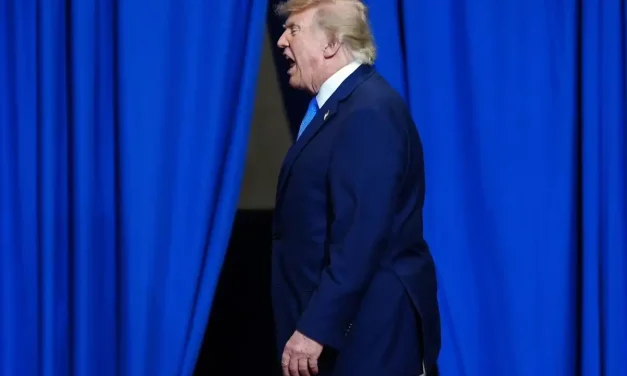
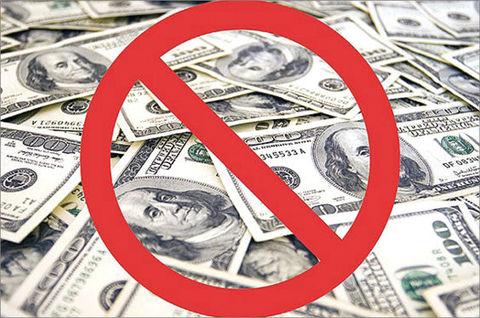
China’s Rejection of US Sanctions; Strengthening Iran’s Geopolitical Leverage

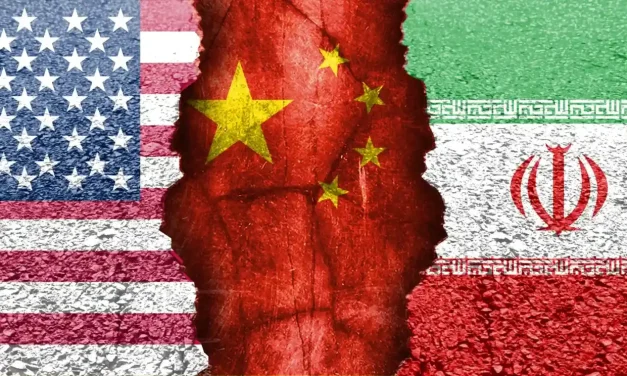
SCFR Online – Opinion: Concurrent with the official commencement of the United States’ economic war against our country, focusing on sanctions instruments, isolation, and economic pressure, what has now become increasingly important is the lack of alignment of other major global powers, especially China, with this policy.

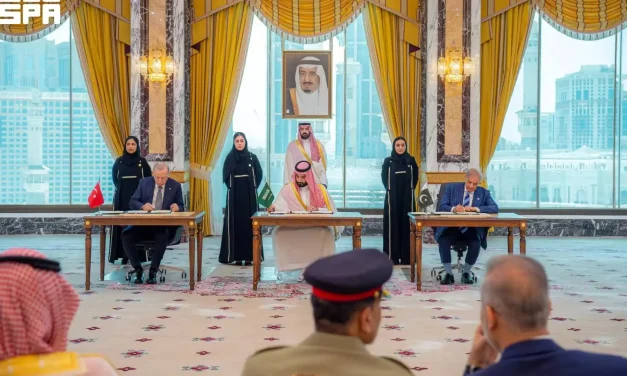
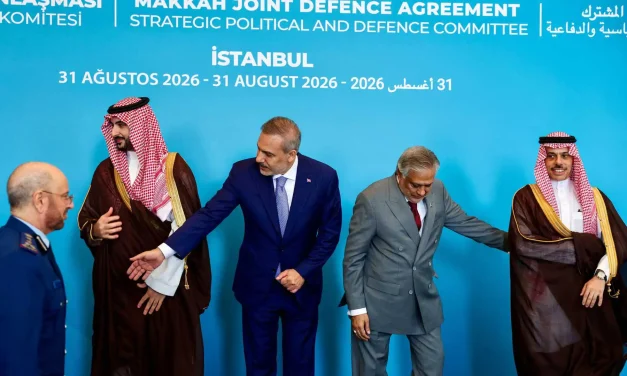
The Makkah Pact; Reasons for its Formation and Challenges Ahead

SCFR Online – Opinion: The Makkah Pact, signed between Saudi Arabia, Pakistan, and Turkey under the motto “an attack on one is an attack on all,” is viewed by some analysts less as a full-fledged military coalition and more as an attempt to reduce security dependence on an external power and to establish a regional security mechanism.

Loading

Note

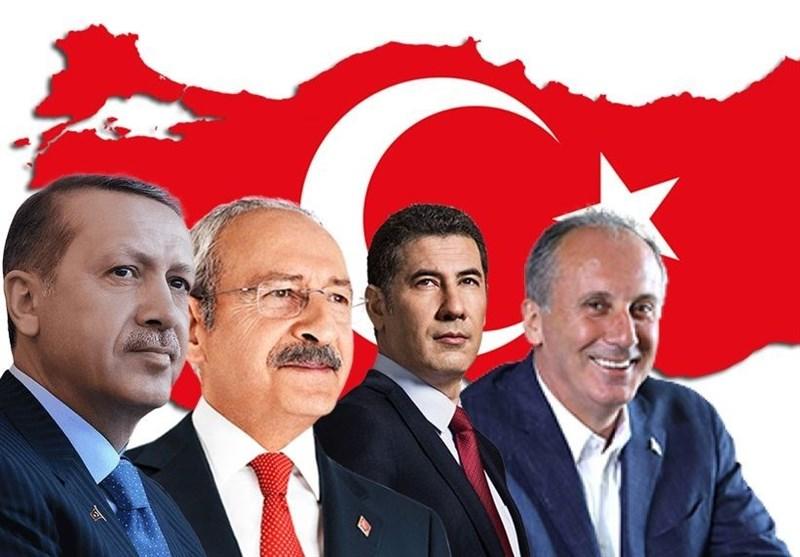
A look into the election contests in Turkiye and its strategic consequences

A look into the election contests in Turkiye and its strategic consequences

Strategic Council Online—Opinion: As the Turkish presidential and parliamentary elections on May 14, 2023, are approaching, the activities of the eligible candidates are expanding. In the Turkish presidential election, four candidates, and in the parliamentary election, 27 parties will compete. The upcoming elections will be the 13th presidential election in Türkiye’s history, the second presidential election since the beginning of the presidential term, and the 28th parliamentary election in this country. The presidency and parliamentary representation term is five years, and the number of people elected representatives is 600.
Mahmoud Fazeli—Analyst of international affairs

Challenges, Key Priorities of Iran’s Foreign Policy in 2023-2024

Challenges, Key Priorities of Iran’s Foreign Policy in 2023-2024

Strategic Council Online – Guest opinion: Amidst talks about Iran’s essential issues and challenges in the current calendar year, what quickly comes into one’s mind is the debate on economic disturbances and people’s livelihood problems. This is even though, in today’s interconnected world, we can safely say that the root of many domestic financial problems lies in foreign policy and international relations of the country; however, this does not mean minimizing the importance of managerial inefficiencies and the weakness and inadequacy of some internal executive and supervisory institutions.
Dr. Mohammad Mehdi Mazaheri – University professor

Consequences of Placing Russian Nuclear Weapons in Belarus

Consequences of Placing Russian Nuclear Weapons in Belarus

Strategic Council Online – Opinion: The placement of nuclear weapons of NATO and Russia near each other’s borders will increase the risk of tensions and entry of the US and Russia into a hot war and face the non-proliferation and progress in the field of nuclear disarmament with serious risks. Meantime, Non-nuclear countries are forced to take countermeasures to ensure their security.
Pouria Nabipour – Ph.D. in political science and international relations

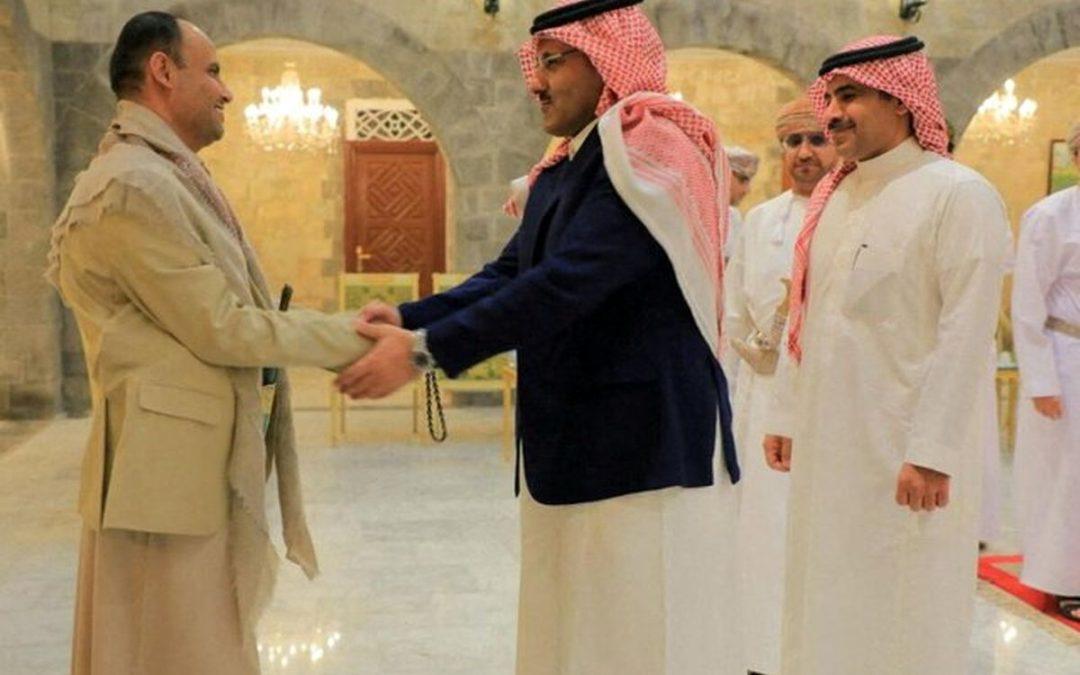
An Analysis of Prospects for the End of the War in Yemen

An Analysis of Prospects for the End of the War in Yemen

Strategic Council Online – Opinion: In recent weeks, a new round of political and diplomatic developments has begun in the region, the “starting point” of which should be considered the agreement between Iran and Saudi Arabia to resume diplomatic relations. After the meeting of the foreign ministers of the two countries in Beijing, the expert and political delegations of Iran and Saudi Arabia are preparing to reopen the embassies and re-establish bilateral relations.
Barsam Mohammadi – Expert on regional affairs

Differences of Opinion among NATO Members on Ukraine’s Membership

Differences of Opinion among NATO Members on Ukraine’s Membership

Strategic Council Online – Opinion: The agenda of the recent meeting of the NATO-Ukraine Commission (NUC) in Brussels was to counter the Russian attack and also create suitable conditions for increasing the possibility of Ukraine’s possible membership in NATO. NATO Secretary General Stoltenberg requested the NATO member states to allocate 500 million euros annually for the aid package to Ukraine, and Ukraine will receive non-lethal aid from now on.
Mahmoud Fazeli – International Affairs analyst

Syria on the Way to Playing Effective Role in the Arab League

Syria on the Way to Playing Effective Role in the Arab League

Strategic Council Online – Opinion: The official invitation of King Salman bin Abdulaziz, the King of Saudi Arabia, extended to Bashar Assad, the President of Syria, to participate in the meeting of the heads of the Arab League in Riyadh is indicative of Syria’s final transition from the 12-year-old crisis.
Hassan Hanizadeh – Expert on Middle East affairs

Consequences of the Crisis in the Israeli Army

Consequences of the Crisis in the Israeli Army

Strategic Council Online – Opinion: In recent weeks, the Zionist regime has faced a “big and new crisis” within the military and security institutions, which is unprecedented and, according to some Zionist officials, “terrible.”
Hamid Khoshayand – Expert on regional affairs

Dimensions, Consequences, Prospects of Intl. Trade De-dollarization

Dimensions, Consequences, Prospects of Intl. Trade De-dollarization

Strategic Council Online – Opinion: The war in Ukraine and the imposition of 13,656 sanctions against Russia, as well as blocking half of that country’s foreign exchange reserves (300 billion dollars) in foreign banks, has intensified the incentive for different countries in the world, from Brazil to Southeast Asia to “de-dollarize” foreign trade.
Barsam Mohammadi – Expert on international affairs

Behind the scenes of the Zionist regime’s attacks on Syria

Behind the scenes of the Zionist regime’s attacks on Syria

Strategic Council Online—Opinion: Repeated missile attacks on Syria can have several goals, including maintaining the atmosphere of tension, measuring Syrian air defense systems and radars, supporting terrorists, etc., but the coincidence of these attacks with the internal crisis of the Zionist regime strengthens this hypothesis and proves that this regime has resorted to the policy of “exporting a severe internal crisis.”
Hamid Khoshayand—Expert in regional issues

أحدث الوظائف

China’s Rejection of US Sanctions; Strengthening Iran’s Geopolitical Leverage

SCFR Online – Opinion: Concurrent with the official commencement of the United States’ economic war against our country, focusing on sanctions instruments, isolation, and economic pressure, what has now become increasingly important is the lack of alignment of other major global powers, especially China, with this policy.

The Makkah Pact; Reasons for its Formation and Challenges Ahead

SCFR Online – Opinion: The Makkah Pact, signed between Saudi Arabia, Pakistan, and Turkey under the motto “an attack on one is an attack on all,” is viewed by some analysts less as a full-fledged military coalition and more as an attempt to reduce security dependence on an external power and to establish a regional security mechanism.

Loading

Note

A look into the election contests in Turkiye and its strategic consequences

A look into the election contests in Turkiye and its strategic consequences

Strategic Council Online—Opinion: As the Turkish presidential and parliamentary elections on May 14, 2023, are approaching, the activities of the eligible candidates are expanding. In the Turkish presidential election, four candidates, and in the parliamentary election, 27 parties will compete. The upcoming elections will be the 13th presidential election in Türkiye’s history, the second presidential election since the beginning of the presidential term, and the 28th parliamentary election in this country. The presidency and parliamentary representation term is five years, and the number of people elected representatives is 600.
Mahmoud Fazeli—Analyst of international affairs

Challenges, Key Priorities of Iran’s Foreign Policy in 2023-2024

Challenges, Key Priorities of Iran’s Foreign Policy in 2023-2024

Strategic Council Online – Guest opinion: Amidst talks about Iran’s essential issues and challenges in the current calendar year, what quickly comes into one’s mind is the debate on economic disturbances and people’s livelihood problems. This is even though, in today’s interconnected world, we can safely say that the root of many domestic financial problems lies in foreign policy and international relations of the country; however, this does not mean minimizing the importance of managerial inefficiencies and the weakness and inadequacy of some internal executive and supervisory institutions.
Dr. Mohammad Mehdi Mazaheri – University professor

Consequences of Placing Russian Nuclear Weapons in Belarus

Consequences of Placing Russian Nuclear Weapons in Belarus

Strategic Council Online – Opinion: The placement of nuclear weapons of NATO and Russia near each other’s borders will increase the risk of tensions and entry of the US and Russia into a hot war and face the non-proliferation and progress in the field of nuclear disarmament with serious risks. Meantime, Non-nuclear countries are forced to take countermeasures to ensure their security.
Pouria Nabipour – Ph.D. in political science and international relations

An Analysis of Prospects for the End of the War in Yemen

An Analysis of Prospects for the End of the War in Yemen

Strategic Council Online – Opinion: In recent weeks, a new round of political and diplomatic developments has begun in the region, the “starting point” of which should be considered the agreement between Iran and Saudi Arabia to resume diplomatic relations. After the meeting of the foreign ministers of the two countries in Beijing, the expert and political delegations of Iran and Saudi Arabia are preparing to reopen the embassies and re-establish bilateral relations.
Barsam Mohammadi – Expert on regional affairs

Differences of Opinion among NATO Members on Ukraine’s Membership

Differences of Opinion among NATO Members on Ukraine’s Membership

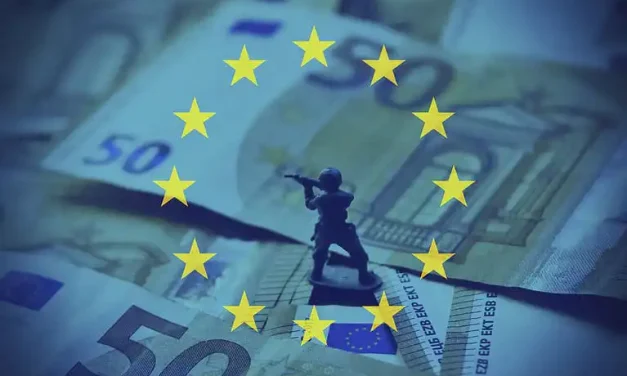
Strategic Council Online – Opinion: The agenda of the recent meeting of the NATO-Ukraine Commission (NUC) in Brussels was to counter the Russian attack and also create suitable conditions for increasing the possibility of Ukraine’s possible membership in NATO. NATO Secretary General Stoltenberg requested the NATO member states to allocate 500 million euros annually for the aid package to Ukraine, and Ukraine will receive non-lethal aid from now on.
Mahmoud Fazeli – International Affairs analyst

Syria on the Way to Playing Effective Role in the Arab League

Syria on the Way to Playing Effective Role in the Arab League

Strategic Council Online – Opinion: The official invitation of King Salman bin Abdulaziz, the King of Saudi Arabia, extended to Bashar Assad, the President of Syria, to participate in the meeting of the heads of the Arab League in Riyadh is indicative of Syria’s final transition from the 12-year-old crisis.
Hassan Hanizadeh – Expert on Middle East affairs

Consequences of the Crisis in the Israeli Army

Consequences of the Crisis in the Israeli Army

Strategic Council Online – Opinion: In recent weeks, the Zionist regime has faced a “big and new crisis” within the military and security institutions, which is unprecedented and, according to some Zionist officials, “terrible.”
Hamid Khoshayand – Expert on regional affairs

Dimensions, Consequences, Prospects of Intl. Trade De-dollarization

Dimensions, Consequences, Prospects of Intl. Trade De-dollarization

Strategic Council Online – Opinion: The war in Ukraine and the imposition of 13,656 sanctions against Russia, as well as blocking half of that country’s foreign exchange reserves (300 billion dollars) in foreign banks, has intensified the incentive for different countries in the world, from Brazil to Southeast Asia to “de-dollarize” foreign trade.
Barsam Mohammadi – Expert on international affairs

Behind the scenes of the Zionist regime’s attacks on Syria

Behind the scenes of the Zionist regime’s attacks on Syria

Strategic Council Online—Opinion: Repeated missile attacks on Syria can have several goals, including maintaining the atmosphere of tension, measuring Syrian air defense systems and radars, supporting terrorists, etc., but the coincidence of these attacks with the internal crisis of the Zionist regime strengthens this hypothesis and proves that this regime has resorted to the policy of “exporting a severe internal crisis.”
Hamid Khoshayand—Expert in regional issues

Note

A look into the election contests in Turkiye and its strategic consequences

A look into the election contests in Turkiye and its strategic consequences

Strategic Council Online—Opinion: As the Turkish presidential and parliamentary elections on May 14, 2023, are approaching, the activities of the eligible candidates are expanding. In the Turkish presidential election, four candidates, and in the parliamentary election, 27 parties will compete. The upcoming elections will be the 13th presidential election in Türkiye’s history, the second presidential election since the beginning of the presidential term, and the 28th parliamentary election in this country. The presidency and parliamentary representation term is five years, and the number of people elected representatives is 600.
Mahmoud Fazeli—Analyst of international affairs

Challenges, Key Priorities of Iran’s Foreign Policy in 2023-2024

Challenges, Key Priorities of Iran’s Foreign Policy in 2023-2024

Strategic Council Online – Guest opinion: Amidst talks about Iran’s essential issues and challenges in the current calendar year, what quickly comes into one’s mind is the debate on economic disturbances and people’s livelihood problems. This is even though, in today’s interconnected world, we can safely say that the root of many domestic financial problems lies in foreign policy and international relations of the country; however, this does not mean minimizing the importance of managerial inefficiencies and the weakness and inadequacy of some internal executive and supervisory institutions.
Dr. Mohammad Mehdi Mazaheri – University professor

Consequences of Placing Russian Nuclear Weapons in Belarus

Consequences of Placing Russian Nuclear Weapons in Belarus

Strategic Council Online – Opinion: The placement of nuclear weapons of NATO and Russia near each other’s borders will increase the risk of tensions and entry of the US and Russia into a hot war and face the non-proliferation and progress in the field of nuclear disarmament with serious risks. Meantime, Non-nuclear countries are forced to take countermeasures to ensure their security.
Pouria Nabipour – Ph.D. in political science and international relations

An Analysis of Prospects for the End of the War in Yemen

An Analysis of Prospects for the End of the War in Yemen

Strategic Council Online – Opinion: In recent weeks, a new round of political and diplomatic developments has begun in the region, the “starting point” of which should be considered the agreement between Iran and Saudi Arabia to resume diplomatic relations. After the meeting of the foreign ministers of the two countries in Beijing, the expert and political delegations of Iran and Saudi Arabia are preparing to reopen the embassies and re-establish bilateral relations.
Barsam Mohammadi – Expert on regional affairs

Differences of Opinion among NATO Members on Ukraine’s Membership

Differences of Opinion among NATO Members on Ukraine’s Membership

Strategic Council Online – Opinion: The agenda of the recent meeting of the NATO-Ukraine Commission (NUC) in Brussels was to counter the Russian attack and also create suitable conditions for increasing the possibility of Ukraine’s possible membership in NATO. NATO Secretary General Stoltenberg requested the NATO member states to allocate 500 million euros annually for the aid package to Ukraine, and Ukraine will receive non-lethal aid from now on.
Mahmoud Fazeli – International Affairs analyst

Syria on the Way to Playing Effective Role in the Arab League

Syria on the Way to Playing Effective Role in the Arab League

Strategic Council Online – Opinion: The official invitation of King Salman bin Abdulaziz, the King of Saudi Arabia, extended to Bashar Assad, the President of Syria, to participate in the meeting of the heads of the Arab League in Riyadh is indicative of Syria’s final transition from the 12-year-old crisis.
Hassan Hanizadeh – Expert on Middle East affairs

Consequences of the Crisis in the Israeli Army

Consequences of the Crisis in the Israeli Army

Strategic Council Online – Opinion: In recent weeks, the Zionist regime has faced a “big and new crisis” within the military and security institutions, which is unprecedented and, according to some Zionist officials, “terrible.”
Hamid Khoshayand – Expert on regional affairs

Dimensions, Consequences, Prospects of Intl. Trade De-dollarization

Dimensions, Consequences, Prospects of Intl. Trade De-dollarization

Strategic Council Online – Opinion: The war in Ukraine and the imposition of 13,656 sanctions against Russia, as well as blocking half of that country’s foreign exchange reserves (300 billion dollars) in foreign banks, has intensified the incentive for different countries in the world, from Brazil to Southeast Asia to “de-dollarize” foreign trade.
Barsam Mohammadi – Expert on international affairs

Behind the scenes of the Zionist regime’s attacks on Syria

Behind the scenes of the Zionist regime’s attacks on Syria

Strategic Council Online—Opinion: Repeated missile attacks on Syria can have several goals, including maintaining the atmosphere of tension, measuring Syrian air defense systems and radars, supporting terrorists, etc., but the coincidence of these attacks with the internal crisis of the Zionist regime strengthens this hypothesis and proves that this regime has resorted to the policy of “exporting a severe internal crisis.”
Hamid Khoshayand—Expert in regional issues

LATEST CONTENT

China’s Rejection of US Sanctions; Strengthening Iran’s Geopolitical Leverage

SCFR Online – Opinion: Concurrent with the official commencement of the United States’ economic war against our country, focusing on sanctions instruments, isolation, and economic pressure, what has now become increasingly important is the lack of alignment of other major global powers, especially China, with this policy.

The Makkah Pact; Reasons for its Formation and Challenges Ahead

SCFR Online – Opinion: The Makkah Pact, signed between Saudi Arabia, Pakistan, and Turkey under the motto “an attack on one is an attack on all,” is viewed by some analysts less as a full-fledged military coalition and more as an attempt to reduce security dependence on an external power and to establish a regional security mechanism.

Loading

Note

A look into the election contests in Turkiye and its strategic consequences

A look into the election contests in Turkiye and its strategic consequences

Strategic Council Online—Opinion: As the Turkish presidential and parliamentary elections on May 14, 2023, are approaching, the activities of the eligible candidates are expanding. In the Turkish presidential election, four candidates, and in the parliamentary election, 27 parties will compete. The upcoming elections will be the 13th presidential election in Türkiye’s history, the second presidential election since the beginning of the presidential term, and the 28th parliamentary election in this country. The presidency and parliamentary representation term is five years, and the number of people elected representatives is 600.
Mahmoud Fazeli—Analyst of international affairs

Challenges, Key Priorities of Iran’s Foreign Policy in 2023-2024

Challenges, Key Priorities of Iran’s Foreign Policy in 2023-2024

Strategic Council Online – Guest opinion: Amidst talks about Iran’s essential issues and challenges in the current calendar year, what quickly comes into one’s mind is the debate on economic disturbances and people’s livelihood problems. This is even though, in today’s interconnected world, we can safely say that the root of many domestic financial problems lies in foreign policy and international relations of the country; however, this does not mean minimizing the importance of managerial inefficiencies and the weakness and inadequacy of some internal executive and supervisory institutions.
Dr. Mohammad Mehdi Mazaheri – University professor

Consequences of Placing Russian Nuclear Weapons in Belarus

Consequences of Placing Russian Nuclear Weapons in Belarus

Strategic Council Online – Opinion: The placement of nuclear weapons of NATO and Russia near each other’s borders will increase the risk of tensions and entry of the US and Russia into a hot war and face the non-proliferation and progress in the field of nuclear disarmament with serious risks. Meantime, Non-nuclear countries are forced to take countermeasures to ensure their security.
Pouria Nabipour – Ph.D. in political science and international relations

An Analysis of Prospects for the End of the War in Yemen

An Analysis of Prospects for the End of the War in Yemen

Strategic Council Online – Opinion: In recent weeks, a new round of political and diplomatic developments has begun in the region, the “starting point” of which should be considered the agreement between Iran and Saudi Arabia to resume diplomatic relations. After the meeting of the foreign ministers of the two countries in Beijing, the expert and political delegations of Iran and Saudi Arabia are preparing to reopen the embassies and re-establish bilateral relations.
Barsam Mohammadi – Expert on regional affairs

Differences of Opinion among NATO Members on Ukraine’s Membership

Differences of Opinion among NATO Members on Ukraine’s Membership

Strategic Council Online – Opinion: The agenda of the recent meeting of the NATO-Ukraine Commission (NUC) in Brussels was to counter the Russian attack and also create suitable conditions for increasing the possibility of Ukraine’s possible membership in NATO. NATO Secretary General Stoltenberg requested the NATO member states to allocate 500 million euros annually for the aid package to Ukraine, and Ukraine will receive non-lethal aid from now on.
Mahmoud Fazeli – International Affairs analyst

Syria on the Way to Playing Effective Role in the Arab League

Syria on the Way to Playing Effective Role in the Arab League

Strategic Council Online – Opinion: The official invitation of King Salman bin Abdulaziz, the King of Saudi Arabia, extended to Bashar Assad, the President of Syria, to participate in the meeting of the heads of the Arab League in Riyadh is indicative of Syria’s final transition from the 12-year-old crisis.
Hassan Hanizadeh – Expert on Middle East affairs

Consequences of the Crisis in the Israeli Army

Consequences of the Crisis in the Israeli Army

Strategic Council Online – Opinion: In recent weeks, the Zionist regime has faced a “big and new crisis” within the military and security institutions, which is unprecedented and, according to some Zionist officials, “terrible.”
Hamid Khoshayand – Expert on regional affairs

Dimensions, Consequences, Prospects of Intl. Trade De-dollarization

Dimensions, Consequences, Prospects of Intl. Trade De-dollarization

Strategic Council Online – Opinion: The war in Ukraine and the imposition of 13,656 sanctions against Russia, as well as blocking half of that country’s foreign exchange reserves (300 billion dollars) in foreign banks, has intensified the incentive for different countries in the world, from Brazil to Southeast Asia to “de-dollarize” foreign trade.
Barsam Mohammadi – Expert on international affairs

Behind the scenes of the Zionist regime’s attacks on Syria

Behind the scenes of the Zionist regime’s attacks on Syria

Strategic Council Online—Opinion: Repeated missile attacks on Syria can have several goals, including maintaining the atmosphere of tension, measuring Syrian air defense systems and radars, supporting terrorists, etc., but the coincidence of these attacks with the internal crisis of the Zionist regime strengthens this hypothesis and proves that this regime has resorted to the policy of “exporting a severe internal crisis.”
Hamid Khoshayand—Expert in regional issues

ÚLTIMAS PUBLICACIONES

China’s Rejection of US Sanctions; Strengthening Iran’s Geopolitical Leverage

SCFR Online – Opinion: Concurrent with the official commencement of the United States’ economic war against our country, focusing on sanctions instruments, isolation, and economic pressure, what has now become increasingly important is the lack of alignment of other major global powers, especially China, with this policy.

The Makkah Pact; Reasons for its Formation and Challenges Ahead

SCFR Online – Opinion: The Makkah Pact, signed between Saudi Arabia, Pakistan, and Turkey under the motto “an attack on one is an attack on all,” is viewed by some analysts less as a full-fledged military coalition and more as an attempt to reduce security dependence on an external power and to establish a regional security mechanism.

Loading

Note

A look into the election contests in Turkiye and its strategic consequences

A look into the election contests in Turkiye and its strategic consequences

Strategic Council Online—Opinion: As the Turkish presidential and parliamentary elections on May 14, 2023, are approaching, the activities of the eligible candidates are expanding. In the Turkish presidential election, four candidates, and in the parliamentary election, 27 parties will compete. The upcoming elections will be the 13th presidential election in Türkiye’s history, the second presidential election since the beginning of the presidential term, and the 28th parliamentary election in this country. The presidency and parliamentary representation term is five years, and the number of people elected representatives is 600.
Mahmoud Fazeli—Analyst of international affairs

Challenges, Key Priorities of Iran’s Foreign Policy in 2023-2024

Challenges, Key Priorities of Iran’s Foreign Policy in 2023-2024

Strategic Council Online – Guest opinion: Amidst talks about Iran’s essential issues and challenges in the current calendar year, what quickly comes into one’s mind is the debate on economic disturbances and people’s livelihood problems. This is even though, in today’s interconnected world, we can safely say that the root of many domestic financial problems lies in foreign policy and international relations of the country; however, this does not mean minimizing the importance of managerial inefficiencies and the weakness and inadequacy of some internal executive and supervisory institutions.
Dr. Mohammad Mehdi Mazaheri – University professor

Consequences of Placing Russian Nuclear Weapons in Belarus

Consequences of Placing Russian Nuclear Weapons in Belarus

Strategic Council Online – Opinion: The placement of nuclear weapons of NATO and Russia near each other’s borders will increase the risk of tensions and entry of the US and Russia into a hot war and face the non-proliferation and progress in the field of nuclear disarmament with serious risks. Meantime, Non-nuclear countries are forced to take countermeasures to ensure their security.
Pouria Nabipour – Ph.D. in political science and international relations

An Analysis of Prospects for the End of the War in Yemen

An Analysis of Prospects for the End of the War in Yemen

Strategic Council Online – Opinion: In recent weeks, a new round of political and diplomatic developments has begun in the region, the “starting point” of which should be considered the agreement between Iran and Saudi Arabia to resume diplomatic relations. After the meeting of the foreign ministers of the two countries in Beijing, the expert and political delegations of Iran and Saudi Arabia are preparing to reopen the embassies and re-establish bilateral relations.
Barsam Mohammadi – Expert on regional affairs

Differences of Opinion among NATO Members on Ukraine’s Membership

Differences of Opinion among NATO Members on Ukraine’s Membership

Strategic Council Online – Opinion: The agenda of the recent meeting of the NATO-Ukraine Commission (NUC) in Brussels was to counter the Russian attack and also create suitable conditions for increasing the possibility of Ukraine’s possible membership in NATO. NATO Secretary General Stoltenberg requested the NATO member states to allocate 500 million euros annually for the aid package to Ukraine, and Ukraine will receive non-lethal aid from now on.
Mahmoud Fazeli – International Affairs analyst

Syria on the Way to Playing Effective Role in the Arab League

Syria on the Way to Playing Effective Role in the Arab League

Strategic Council Online – Opinion: The official invitation of King Salman bin Abdulaziz, the King of Saudi Arabia, extended to Bashar Assad, the President of Syria, to participate in the meeting of the heads of the Arab League in Riyadh is indicative of Syria’s final transition from the 12-year-old crisis.
Hassan Hanizadeh – Expert on Middle East affairs

Consequences of the Crisis in the Israeli Army

Consequences of the Crisis in the Israeli Army

Strategic Council Online – Opinion: In recent weeks, the Zionist regime has faced a “big and new crisis” within the military and security institutions, which is unprecedented and, according to some Zionist officials, “terrible.”
Hamid Khoshayand – Expert on regional affairs

Dimensions, Consequences, Prospects of Intl. Trade De-dollarization

Dimensions, Consequences, Prospects of Intl. Trade De-dollarization

Strategic Council Online – Opinion: The war in Ukraine and the imposition of 13,656 sanctions against Russia, as well as blocking half of that country’s foreign exchange reserves (300 billion dollars) in foreign banks, has intensified the incentive for different countries in the world, from Brazil to Southeast Asia to “de-dollarize” foreign trade.
Barsam Mohammadi – Expert on international affairs

Behind the scenes of the Zionist regime’s attacks on Syria

Behind the scenes of the Zionist regime’s attacks on Syria

Strategic Council Online—Opinion: Repeated missile attacks on Syria can have several goals, including maintaining the atmosphere of tension, measuring Syrian air defense systems and radars, supporting terrorists, etc., but the coincidence of these attacks with the internal crisis of the Zionist regime strengthens this hypothesis and proves that this regime has resorted to the policy of “exporting a severe internal crisis.”
Hamid Khoshayand—Expert in regional issues

ÚLTIMAS PUBLICACIONES

China’s Rejection of US Sanctions; Strengthening Iran’s Geopolitical Leverage

SCFR Online – Opinion: Concurrent with the official commencement of the United States’ economic war against our country, focusing on sanctions instruments, isolation, and economic pressure, what has now become increasingly important is the lack of alignment of other major global powers, especially China, with this policy.

The Makkah Pact; Reasons for its Formation and Challenges Ahead

SCFR Online – Opinion: The Makkah Pact, signed between Saudi Arabia, Pakistan, and Turkey under the motto “an attack on one is an attack on all,” is viewed by some analysts less as a full-fledged military coalition and more as an attempt to reduce security dependence on an external power and to establish a regional security mechanism.

Loading

Note

A look into the election contests in Turkiye and its strategic consequences

A look into the election contests in Turkiye and its strategic consequences

Strategic Council Online—Opinion: As the Turkish presidential and parliamentary elections on May 14, 2023, are approaching, the activities of the eligible candidates are expanding. In the Turkish presidential election, four candidates, and in the parliamentary election, 27 parties will compete. The upcoming elections will be the 13th presidential election in Türkiye’s history, the second presidential election since the beginning of the presidential term, and the 28th parliamentary election in this country. The presidency and parliamentary representation term is five years, and the number of people elected representatives is 600.
Mahmoud Fazeli—Analyst of international affairs

Challenges, Key Priorities of Iran’s Foreign Policy in 2023-2024

Challenges, Key Priorities of Iran’s Foreign Policy in 2023-2024

Strategic Council Online – Guest opinion: Amidst talks about Iran’s essential issues and challenges in the current calendar year, what quickly comes into one’s mind is the debate on economic disturbances and people’s livelihood problems. This is even though, in today’s interconnected world, we can safely say that the root of many domestic financial problems lies in foreign policy and international relations of the country; however, this does not mean minimizing the importance of managerial inefficiencies and the weakness and inadequacy of some internal executive and supervisory institutions.
Dr. Mohammad Mehdi Mazaheri – University professor

Consequences of Placing Russian Nuclear Weapons in Belarus

Consequences of Placing Russian Nuclear Weapons in Belarus

Strategic Council Online – Opinion: The placement of nuclear weapons of NATO and Russia near each other’s borders will increase the risk of tensions and entry of the US and Russia into a hot war and face the non-proliferation and progress in the field of nuclear disarmament with serious risks. Meantime, Non-nuclear countries are forced to take countermeasures to ensure their security.
Pouria Nabipour – Ph.D. in political science and international relations

An Analysis of Prospects for the End of the War in Yemen

An Analysis of Prospects for the End of the War in Yemen

Strategic Council Online – Opinion: In recent weeks, a new round of political and diplomatic developments has begun in the region, the “starting point” of which should be considered the agreement between Iran and Saudi Arabia to resume diplomatic relations. After the meeting of the foreign ministers of the two countries in Beijing, the expert and political delegations of Iran and Saudi Arabia are preparing to reopen the embassies and re-establish bilateral relations.
Barsam Mohammadi – Expert on regional affairs

Differences of Opinion among NATO Members on Ukraine’s Membership

Differences of Opinion among NATO Members on Ukraine’s Membership

Strategic Council Online – Opinion: The agenda of the recent meeting of the NATO-Ukraine Commission (NUC) in Brussels was to counter the Russian attack and also create suitable conditions for increasing the possibility of Ukraine’s possible membership in NATO. NATO Secretary General Stoltenberg requested the NATO member states to allocate 500 million euros annually for the aid package to Ukraine, and Ukraine will receive non-lethal aid from now on.
Mahmoud Fazeli – International Affairs analyst

Syria on the Way to Playing Effective Role in the Arab League

Syria on the Way to Playing Effective Role in the Arab League

Strategic Council Online – Opinion: The official invitation of King Salman bin Abdulaziz, the King of Saudi Arabia, extended to Bashar Assad, the President of Syria, to participate in the meeting of the heads of the Arab League in Riyadh is indicative of Syria’s final transition from the 12-year-old crisis.
Hassan Hanizadeh – Expert on Middle East affairs

Consequences of the Crisis in the Israeli Army

Consequences of the Crisis in the Israeli Army

Strategic Council Online – Opinion: In recent weeks, the Zionist regime has faced a “big and new crisis” within the military and security institutions, which is unprecedented and, according to some Zionist officials, “terrible.”
Hamid Khoshayand – Expert on regional affairs

Dimensions, Consequences, Prospects of Intl. Trade De-dollarization

Dimensions, Consequences, Prospects of Intl. Trade De-dollarization

Strategic Council Online – Opinion: The war in Ukraine and the imposition of 13,656 sanctions against Russia, as well as blocking half of that country’s foreign exchange reserves (300 billion dollars) in foreign banks, has intensified the incentive for different countries in the world, from Brazil to Southeast Asia to “de-dollarize” foreign trade.
Barsam Mohammadi – Expert on international affairs

Behind the scenes of the Zionist regime’s attacks on Syria

Behind the scenes of the Zionist regime’s attacks on Syria

Strategic Council Online—Opinion: Repeated missile attacks on Syria can have several goals, including maintaining the atmosphere of tension, measuring Syrian air defense systems and radars, supporting terrorists, etc., but the coincidence of these attacks with the internal crisis of the Zionist regime strengthens this hypothesis and proves that this regime has resorted to the policy of “exporting a severe internal crisis.”
Hamid Khoshayand—Expert in regional issues

ÚLTIMAS PUBLICACIONES

China’s Rejection of US Sanctions; Strengthening Iran’s Geopolitical Leverage

SCFR Online – Opinion: Concurrent with the official commencement of the United States’ economic war against our country, focusing on sanctions instruments, isolation, and economic pressure, what has now become increasingly important is the lack of alignment of other major global powers, especially China, with this policy.

The Makkah Pact; Reasons for its Formation and Challenges Ahead

SCFR Online – Opinion: The Makkah Pact, signed between Saudi Arabia, Pakistan, and Turkey under the motto “an attack on one is an attack on all,” is viewed by some analysts less as a full-fledged military coalition and more as an attempt to reduce security dependence on an external power and to establish a regional security mechanism.

Loading

Note

A look into the election contests in Turkiye and its strategic consequences

A look into the election contests in Turkiye and its strategic consequences

Strategic Council Online—Opinion: As the Turkish presidential and parliamentary elections on May 14, 2023, are approaching, the activities of the eligible candidates are expanding. In the Turkish presidential election, four candidates, and in the parliamentary election, 27 parties will compete. The upcoming elections will be the 13th presidential election in Türkiye’s history, the second presidential election since the beginning of the presidential term, and the 28th parliamentary election in this country. The presidency and parliamentary representation term is five years, and the number of people elected representatives is 600.
Mahmoud Fazeli—Analyst of international affairs

Challenges, Key Priorities of Iran’s Foreign Policy in 2023-2024

Challenges, Key Priorities of Iran’s Foreign Policy in 2023-2024

Strategic Council Online – Guest opinion: Amidst talks about Iran’s essential issues and challenges in the current calendar year, what quickly comes into one’s mind is the debate on economic disturbances and people’s livelihood problems. This is even though, in today’s interconnected world, we can safely say that the root of many domestic financial problems lies in foreign policy and international relations of the country; however, this does not mean minimizing the importance of managerial inefficiencies and the weakness and inadequacy of some internal executive and supervisory institutions.
Dr. Mohammad Mehdi Mazaheri – University professor

Consequences of Placing Russian Nuclear Weapons in Belarus

Consequences of Placing Russian Nuclear Weapons in Belarus

Strategic Council Online – Opinion: The placement of nuclear weapons of NATO and Russia near each other’s borders will increase the risk of tensions and entry of the US and Russia into a hot war and face the non-proliferation and progress in the field of nuclear disarmament with serious risks. Meantime, Non-nuclear countries are forced to take countermeasures to ensure their security.
Pouria Nabipour – Ph.D. in political science and international relations

An Analysis of Prospects for the End of the War in Yemen

An Analysis of Prospects for the End of the War in Yemen

Strategic Council Online – Opinion: In recent weeks, a new round of political and diplomatic developments has begun in the region, the “starting point” of which should be considered the agreement between Iran and Saudi Arabia to resume diplomatic relations. After the meeting of the foreign ministers of the two countries in Beijing, the expert and political delegations of Iran and Saudi Arabia are preparing to reopen the embassies and re-establish bilateral relations.
Barsam Mohammadi – Expert on regional affairs

Differences of Opinion among NATO Members on Ukraine’s Membership

Differences of Opinion among NATO Members on Ukraine’s Membership

Strategic Council Online – Opinion: The agenda of the recent meeting of the NATO-Ukraine Commission (NUC) in Brussels was to counter the Russian attack and also create suitable conditions for increasing the possibility of Ukraine’s possible membership in NATO. NATO Secretary General Stoltenberg requested the NATO member states to allocate 500 million euros annually for the aid package to Ukraine, and Ukraine will receive non-lethal aid from now on.
Mahmoud Fazeli – International Affairs analyst

Syria on the Way to Playing Effective Role in the Arab League

Syria on the Way to Playing Effective Role in the Arab League

Strategic Council Online – Opinion: The official invitation of King Salman bin Abdulaziz, the King of Saudi Arabia, extended to Bashar Assad, the President of Syria, to participate in the meeting of the heads of the Arab League in Riyadh is indicative of Syria’s final transition from the 12-year-old crisis.
Hassan Hanizadeh – Expert on Middle East affairs

Consequences of the Crisis in the Israeli Army

Consequences of the Crisis in the Israeli Army

Strategic Council Online – Opinion: In recent weeks, the Zionist regime has faced a “big and new crisis” within the military and security institutions, which is unprecedented and, according to some Zionist officials, “terrible.”
Hamid Khoshayand – Expert on regional affairs

Dimensions, Consequences, Prospects of Intl. Trade De-dollarization

Dimensions, Consequences, Prospects of Intl. Trade De-dollarization

Strategic Council Online – Opinion: The war in Ukraine and the imposition of 13,656 sanctions against Russia, as well as blocking half of that country’s foreign exchange reserves (300 billion dollars) in foreign banks, has intensified the incentive for different countries in the world, from Brazil to Southeast Asia to “de-dollarize” foreign trade.
Barsam Mohammadi – Expert on international affairs

Behind the scenes of the Zionist regime’s attacks on Syria

Behind the scenes of the Zionist regime’s attacks on Syria

Strategic Council Online—Opinion: Repeated missile attacks on Syria can have several goals, including maintaining the atmosphere of tension, measuring Syrian air defense systems and radars, supporting terrorists, etc., but the coincidence of these attacks with the internal crisis of the Zionist regime strengthens this hypothesis and proves that this regime has resorted to the policy of “exporting a severe internal crisis.”
Hamid Khoshayand—Expert in regional issues

ÚLTIMAS PUBLICACIONES

China’s Rejection of US Sanctions; Strengthening Iran’s Geopolitical Leverage

SCFR Online – Opinion: Concurrent with the official commencement of the United States’ economic war against our country, focusing on sanctions instruments, isolation, and economic pressure, what has now become increasingly important is the lack of alignment of other major global powers, especially China, with this policy.

The Makkah Pact; Reasons for its Formation and Challenges Ahead

SCFR Online – Opinion: The Makkah Pact, signed between Saudi Arabia, Pakistan, and Turkey under the motto “an attack on one is an attack on all,” is viewed by some analysts less as a full-fledged military coalition and more as an attempt to reduce security dependence on an external power and to establish a regional security mechanism.

Loading