Reasons for the Ineffectiveness of Trump’s “Economic War” against Iran
SCFR Online – Opinion: The intensification of U.S. sanctions against Iran on the eve of the U.S. midterm elections indicates Washington’s inability to achieve its war objectives.


SCFR Online – Opinion: The intensification of U.S. sanctions against Iran on the eve of the U.S. midterm elections indicates Washington’s inability to achieve its war objectives.

SCFR Online – Opinion: The competition between Washington and Beijing over chips and artificial intelligence, simultaneously with the shifting of technological balances, has taken on new economic and security dimensions.
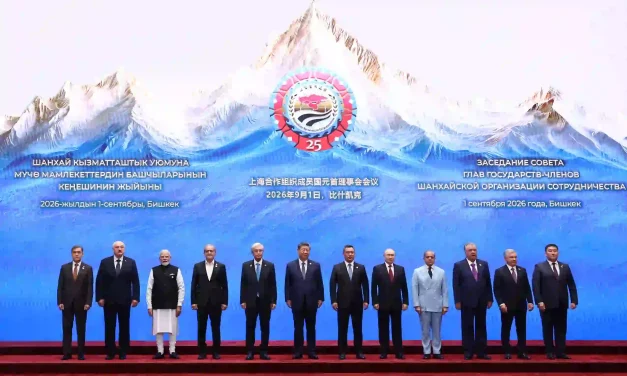
SCFR Online – Opinion: The Shanghai Cooperation Organization summit has created a new opportunity for Iran to transform its membership from a political achievement into economic and transit cooperation.
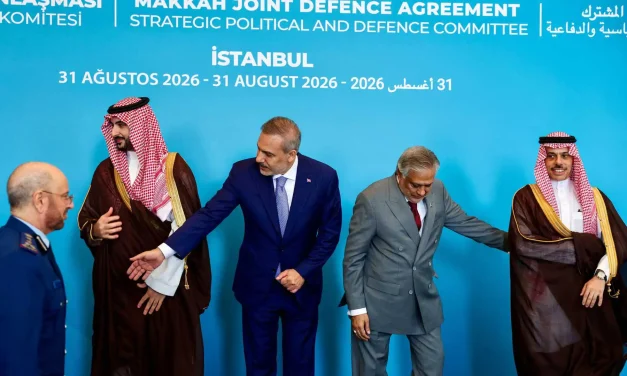
Strategic Council Online – Note: The Makkah Defense Pact can be seen as a sign of regional countries’ efforts to reduce security dependence on extra-regional powers and redefine the balance in West Asia.
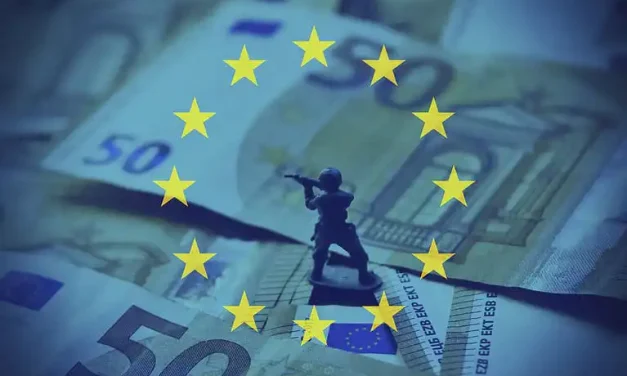
SCFR Online – Opinion: The Ukraine war, by exhausting US military capability on one hand and strengthening European defense capacity on the other, has altered the balance of power in the European continent, cast uncertainty over NATO’s future, and is driving it toward a European NATO.
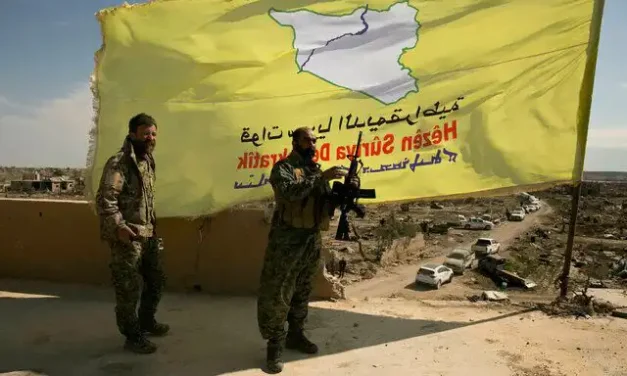
SCFR Online – Opinion: The dissolution of the SDF, although considered an achievement for Turkey’s security, does not put an end to the challenges arising from the Israeli regime’s aggression and expansionism, refugees, and Syria’s fragility.
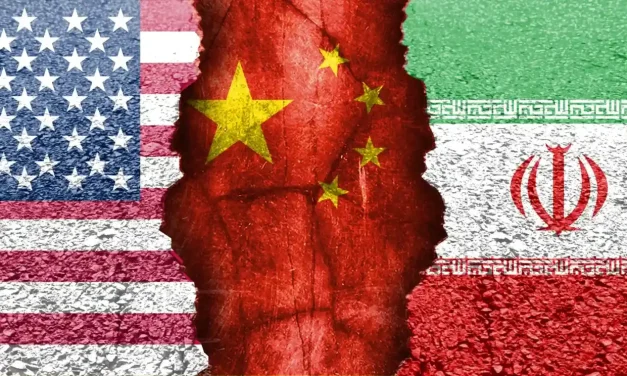
SCFR Online – Opinion: Concurrent with the official commencement of the United States’ economic war against our country, focusing on sanctions instruments, isolation, and economic pressure, what has now become increasingly important is the lack of alignment of other major global powers, especially China, with this policy.
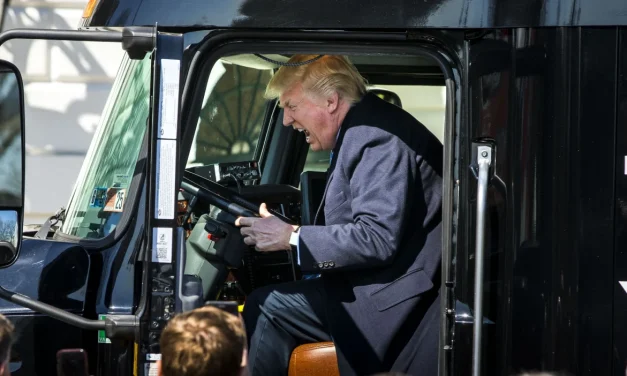
SCFR Online – Opinion: The new US sanctions against Iran, despite extensive propaganda, face serious obstacles to success due to the ineffectiveness of sanctions tools and opposition from some of Tehran’s trading partners.


Strategic Council Online – Opinion: Tensions and rivalries between China and the United States have global significance and implications, affecting relations with other powers and even international organizations and institutions such as the G20 or the United Nations and its agencies.
Pouria Nabipour – Ph.D. in political science and international relations

Strategic Council Online – Opinion: In recent months, Russia’s invasion of Ukraine and its various consequences in regional and international arenas has become the main subject of analysts of politics and international relations. A war that has affected the security and stability of Eurasia, the order of international relations, food security, energy security and the like in various dimensions, and since the passage of more than three months from its beginning, there is still no clear end in sight.
Dr. Mohammad Mehdi Mazaheri – University professor

Strategic Council Online – Opinion: Although various questions and hypotheses have been raised about the reason why India and the European Union returned to negotiating table on Comprehensive Trade and Investment Agreement talks after a long pause, despite the importance of economic and trade issues on the foreign policy of both sides, it seems that the most important and essential impetus for New Delhi and Brussels were new geopolitical realities for the revival of negotiations and making effort to reach the Agreement.
Hossein Sayahi, Researcher of International Affaires

Strategic Council Online – Opinion: The recent remarks by Iraqi Foreign Minister Fuad Hussein in an interview with the Egyptian Al-Ghad TV channel about Iran should not be related to the will of the nation and the political system and government in Iraq.
Barsam Mohammadi – Expert in regional affairs

Strategic Council Online – Opinion: War in Ukraine showed once again that Turkey is a touch, meanwhile, an uneasy, but necessary partner for the West.
Mahmoud Faazeli, Analyst of international affairs

Strategic Council Online—Opinion: The latest report from the Swedish think-tank Sipri, which is active in the field of weapons surveillance worldwide, shows a worrying trend in the growth of nuclear arsenals. This is despite the fact that this trend has been declining since the Cold War.
Dr. Ali Karbalaei Hosseini—Researcher of International Law

Strategic Council Online – Opinion: There are a couple of different readings on the recent Iraqi parliament bill about banning the normalization of relations with the Zionist regime; The first interpretation deals with it from micro scale and studies the case from executive background. The second interpretation reviews the bill from macro and strategic aspects and thus analyses its effects on Iraq’s foreign relations as well as political and military equations of the region.
Jafar Ghannad Baashi, Expert of the Middle East issues

Strategic Council Online – Opinion: Under circumstances that the Zionist regime is in a difficult situation in terms of security, political, economic, social … issues which, as admitted by the leaders of that regime, has been unprecedented in the past 75 years, we are witnessing actions taken by certain important Arab states, including Iraq, for confronting the strategy of normalization of the Zionist regime’s relations with Arab and Islamic countries.
Hamid Khoshayand – Expert on regional affairs

Strategi Council Online-Opinion: One of the main important developments concerning China is the expansion of its military capabilities in various dimensions.
Tahmooras Gholami, Expert of US affairs

Strategic Council Online – Guest Opinion: After a decade of cold relations, Turkey and the UAE are on the path to reviving bilateral relations. This new trend began in 2021 with a series of high-level diplomatic meetings and contacts, culminating in Mohamed bin Zayed’s November visit to Ankara. Recently, Recep Tayyip Erdogan visited Abu Dhabi to offer condolences on the death of Khalifa bin Zayed Al Nahyan. The trip also saw the signing of more than 10 agreements between the two countries, including a defense industry cooperation agreement.
Seyed Hamed Hosseini – PhD student in international relations
Motivations
SCFR Online – Opinion: The intensification of U.S. sanctions against Iran on the eve of the U.S. midterm elections indicates Washington’s inability to achieve its war objectives.
SCFR Online – Opinion: The competition between Washington and Beijing over chips and artificial intelligence, simultaneously with the shifting of technological balances, has taken on new economic and security dimensions.
SCFR Online – Opinion: The Shanghai Cooperation Organization summit has created a new opportunity for Iran to transform its membership from a political achievement into economic and transit cooperation.
Strategic Council Online – Note: The Makkah Defense Pact can be seen as a sign of regional countries’ efforts to reduce security dependence on extra-regional powers and redefine the balance in West Asia.
SCFR Online – Opinion: The Ukraine war, by exhausting US military capability on one hand and strengthening European defense capacity on the other, has altered the balance of power in the European continent, cast uncertainty over NATO’s future, and is driving it toward a European NATO.
SCFR Online – Opinion: The dissolution of the SDF, although considered an achievement for Turkey’s security, does not put an end to the challenges arising from the Israeli regime’s aggression and expansionism, refugees, and Syria’s fragility.
SCFR Online – Opinion: Concurrent with the official commencement of the United States’ economic war against our country, focusing on sanctions instruments, isolation, and economic pressure, what has now become increasingly important is the lack of alignment of other major global powers, especially China, with this policy.
SCFR Online – Opinion: The new US sanctions against Iran, despite extensive propaganda, face serious obstacles to success due to the ineffectiveness of sanctions tools and opposition from some of Tehran’s trading partners.
Strategic Council Online – Opinion: Tensions and rivalries between China and the United States have global significance and implications, affecting relations with other powers and even international organizations and institutions such as the G20 or the United Nations and its agencies.
Pouria Nabipour – Ph.D. in political science and international relations
Strategic Council Online – Opinion: In recent months, Russia’s invasion of Ukraine and its various consequences in regional and international arenas has become the main subject of analysts of politics and international relations. A war that has affected the security and stability of Eurasia, the order of international relations, food security, energy security and the like in various dimensions, and since the passage of more than three months from its beginning, there is still no clear end in sight.
Dr. Mohammad Mehdi Mazaheri – University professor
Strategic Council Online – Opinion: Although various questions and hypotheses have been raised about the reason why India and the European Union returned to negotiating table on Comprehensive Trade and Investment Agreement talks after a long pause, despite the importance of economic and trade issues on the foreign policy of both sides, it seems that the most important and essential impetus for New Delhi and Brussels were new geopolitical realities for the revival of negotiations and making effort to reach the Agreement.
Hossein Sayahi, Researcher of International Affaires
Strategic Council Online – Opinion: The recent remarks by Iraqi Foreign Minister Fuad Hussein in an interview with the Egyptian Al-Ghad TV channel about Iran should not be related to the will of the nation and the political system and government in Iraq.
Barsam Mohammadi – Expert in regional affairs
Strategic Council Online – Opinion: War in Ukraine showed once again that Turkey is a touch, meanwhile, an uneasy, but necessary partner for the West.
Mahmoud Faazeli, Analyst of international affairs
Strategic Council Online—Opinion: The latest report from the Swedish think-tank Sipri, which is active in the field of weapons surveillance worldwide, shows a worrying trend in the growth of nuclear arsenals. This is despite the fact that this trend has been declining since the Cold War.
Dr. Ali Karbalaei Hosseini—Researcher of International Law
Strategic Council Online – Opinion: There are a couple of different readings on the recent Iraqi parliament bill about banning the normalization of relations with the Zionist regime; The first interpretation deals with it from micro scale and studies the case from executive background. The second interpretation reviews the bill from macro and strategic aspects and thus analyses its effects on Iraq’s foreign relations as well as political and military equations of the region.
Jafar Ghannad Baashi, Expert of the Middle East issues
Strategic Council Online – Opinion: Under circumstances that the Zionist regime is in a difficult situation in terms of security, political, economic, social … issues which, as admitted by the leaders of that regime, has been unprecedented in the past 75 years, we are witnessing actions taken by certain important Arab states, including Iraq, for confronting the strategy of normalization of the Zionist regime’s relations with Arab and Islamic countries.
Hamid Khoshayand – Expert on regional affairs
Strategi Council Online-Opinion: One of the main important developments concerning China is the expansion of its military capabilities in various dimensions.
Tahmooras Gholami, Expert of US affairs
Strategic Council Online – Guest Opinion: After a decade of cold relations, Turkey and the UAE are on the path to reviving bilateral relations. This new trend began in 2021 with a series of high-level diplomatic meetings and contacts, culminating in Mohamed bin Zayed’s November visit to Ankara. Recently, Recep Tayyip Erdogan visited Abu Dhabi to offer condolences on the death of Khalifa bin Zayed Al Nahyan. The trip also saw the signing of more than 10 agreements between the two countries, including a defense industry cooperation agreement.
Seyed Hamed Hosseini – PhD student in international relations
Motivations
Strategic Council Online – Opinion: Tensions and rivalries between China and the United States have global significance and implications, affecting relations with other powers and even international organizations and institutions such as the G20 or the United Nations and its agencies.
Pouria Nabipour – Ph.D. in political science and international relations
Strategic Council Online – Opinion: In recent months, Russia’s invasion of Ukraine and its various consequences in regional and international arenas has become the main subject of analysts of politics and international relations. A war that has affected the security and stability of Eurasia, the order of international relations, food security, energy security and the like in various dimensions, and since the passage of more than three months from its beginning, there is still no clear end in sight.
Dr. Mohammad Mehdi Mazaheri – University professor
Strategic Council Online – Opinion: Although various questions and hypotheses have been raised about the reason why India and the European Union returned to negotiating table on Comprehensive Trade and Investment Agreement talks after a long pause, despite the importance of economic and trade issues on the foreign policy of both sides, it seems that the most important and essential impetus for New Delhi and Brussels were new geopolitical realities for the revival of negotiations and making effort to reach the Agreement.
Hossein Sayahi, Researcher of International Affaires
Strategic Council Online – Opinion: The recent remarks by Iraqi Foreign Minister Fuad Hussein in an interview with the Egyptian Al-Ghad TV channel about Iran should not be related to the will of the nation and the political system and government in Iraq.
Barsam Mohammadi – Expert in regional affairs
Strategic Council Online – Opinion: War in Ukraine showed once again that Turkey is a touch, meanwhile, an uneasy, but necessary partner for the West.
Mahmoud Faazeli, Analyst of international affairs
Strategic Council Online—Opinion: The latest report from the Swedish think-tank Sipri, which is active in the field of weapons surveillance worldwide, shows a worrying trend in the growth of nuclear arsenals. This is despite the fact that this trend has been declining since the Cold War.
Dr. Ali Karbalaei Hosseini—Researcher of International Law
Strategic Council Online – Opinion: There are a couple of different readings on the recent Iraqi parliament bill about banning the normalization of relations with the Zionist regime; The first interpretation deals with it from micro scale and studies the case from executive background. The second interpretation reviews the bill from macro and strategic aspects and thus analyses its effects on Iraq’s foreign relations as well as political and military equations of the region.
Jafar Ghannad Baashi, Expert of the Middle East issues
Strategic Council Online – Opinion: Under circumstances that the Zionist regime is in a difficult situation in terms of security, political, economic, social … issues which, as admitted by the leaders of that regime, has been unprecedented in the past 75 years, we are witnessing actions taken by certain important Arab states, including Iraq, for confronting the strategy of normalization of the Zionist regime’s relations with Arab and Islamic countries.
Hamid Khoshayand – Expert on regional affairs
Strategi Council Online-Opinion: One of the main important developments concerning China is the expansion of its military capabilities in various dimensions.
Tahmooras Gholami, Expert of US affairs
Strategic Council Online – Guest Opinion: After a decade of cold relations, Turkey and the UAE are on the path to reviving bilateral relations. This new trend began in 2021 with a series of high-level diplomatic meetings and contacts, culminating in Mohamed bin Zayed’s November visit to Ankara. Recently, Recep Tayyip Erdogan visited Abu Dhabi to offer condolences on the death of Khalifa bin Zayed Al Nahyan. The trip also saw the signing of more than 10 agreements between the two countries, including a defense industry cooperation agreement.
Seyed Hamed Hosseini – PhD student in international relations
Motivations
SCFR Online – Opinion: The intensification of U.S. sanctions against Iran on the eve of the U.S. midterm elections indicates Washington’s inability to achieve its war objectives.
SCFR Online – Opinion: The competition between Washington and Beijing over chips and artificial intelligence, simultaneously with the shifting of technological balances, has taken on new economic and security dimensions.
SCFR Online – Opinion: The Shanghai Cooperation Organization summit has created a new opportunity for Iran to transform its membership from a political achievement into economic and transit cooperation.
Strategic Council Online – Note: The Makkah Defense Pact can be seen as a sign of regional countries’ efforts to reduce security dependence on extra-regional powers and redefine the balance in West Asia.
SCFR Online – Opinion: The Ukraine war, by exhausting US military capability on one hand and strengthening European defense capacity on the other, has altered the balance of power in the European continent, cast uncertainty over NATO’s future, and is driving it toward a European NATO.
SCFR Online – Opinion: The dissolution of the SDF, although considered an achievement for Turkey’s security, does not put an end to the challenges arising from the Israeli regime’s aggression and expansionism, refugees, and Syria’s fragility.
SCFR Online – Opinion: Concurrent with the official commencement of the United States’ economic war against our country, focusing on sanctions instruments, isolation, and economic pressure, what has now become increasingly important is the lack of alignment of other major global powers, especially China, with this policy.
SCFR Online – Opinion: The new US sanctions against Iran, despite extensive propaganda, face serious obstacles to success due to the ineffectiveness of sanctions tools and opposition from some of Tehran’s trading partners.
Strategic Council Online – Opinion: Tensions and rivalries between China and the United States have global significance and implications, affecting relations with other powers and even international organizations and institutions such as the G20 or the United Nations and its agencies.
Pouria Nabipour – Ph.D. in political science and international relations
Strategic Council Online – Opinion: In recent months, Russia’s invasion of Ukraine and its various consequences in regional and international arenas has become the main subject of analysts of politics and international relations. A war that has affected the security and stability of Eurasia, the order of international relations, food security, energy security and the like in various dimensions, and since the passage of more than three months from its beginning, there is still no clear end in sight.
Dr. Mohammad Mehdi Mazaheri – University professor
Strategic Council Online – Opinion: Although various questions and hypotheses have been raised about the reason why India and the European Union returned to negotiating table on Comprehensive Trade and Investment Agreement talks after a long pause, despite the importance of economic and trade issues on the foreign policy of both sides, it seems that the most important and essential impetus for New Delhi and Brussels were new geopolitical realities for the revival of negotiations and making effort to reach the Agreement.
Hossein Sayahi, Researcher of International Affaires
Strategic Council Online – Opinion: The recent remarks by Iraqi Foreign Minister Fuad Hussein in an interview with the Egyptian Al-Ghad TV channel about Iran should not be related to the will of the nation and the political system and government in Iraq.
Barsam Mohammadi – Expert in regional affairs
Strategic Council Online – Opinion: War in Ukraine showed once again that Turkey is a touch, meanwhile, an uneasy, but necessary partner for the West.
Mahmoud Faazeli, Analyst of international affairs
Strategic Council Online—Opinion: The latest report from the Swedish think-tank Sipri, which is active in the field of weapons surveillance worldwide, shows a worrying trend in the growth of nuclear arsenals. This is despite the fact that this trend has been declining since the Cold War.
Dr. Ali Karbalaei Hosseini—Researcher of International Law
Strategic Council Online – Opinion: There are a couple of different readings on the recent Iraqi parliament bill about banning the normalization of relations with the Zionist regime; The first interpretation deals with it from micro scale and studies the case from executive background. The second interpretation reviews the bill from macro and strategic aspects and thus analyses its effects on Iraq’s foreign relations as well as political and military equations of the region.
Jafar Ghannad Baashi, Expert of the Middle East issues
Strategic Council Online – Opinion: Under circumstances that the Zionist regime is in a difficult situation in terms of security, political, economic, social … issues which, as admitted by the leaders of that regime, has been unprecedented in the past 75 years, we are witnessing actions taken by certain important Arab states, including Iraq, for confronting the strategy of normalization of the Zionist regime’s relations with Arab and Islamic countries.
Hamid Khoshayand – Expert on regional affairs
Strategi Council Online-Opinion: One of the main important developments concerning China is the expansion of its military capabilities in various dimensions.
Tahmooras Gholami, Expert of US affairs
Strategic Council Online – Guest Opinion: After a decade of cold relations, Turkey and the UAE are on the path to reviving bilateral relations. This new trend began in 2021 with a series of high-level diplomatic meetings and contacts, culminating in Mohamed bin Zayed’s November visit to Ankara. Recently, Recep Tayyip Erdogan visited Abu Dhabi to offer condolences on the death of Khalifa bin Zayed Al Nahyan. The trip also saw the signing of more than 10 agreements between the two countries, including a defense industry cooperation agreement.
Seyed Hamed Hosseini – PhD student in international relations
Motivations
SCFR Online – Opinion: The intensification of U.S. sanctions against Iran on the eve of the U.S. midterm elections indicates Washington’s inability to achieve its war objectives.
SCFR Online – Opinion: The competition between Washington and Beijing over chips and artificial intelligence, simultaneously with the shifting of technological balances, has taken on new economic and security dimensions.
SCFR Online – Opinion: The Shanghai Cooperation Organization summit has created a new opportunity for Iran to transform its membership from a political achievement into economic and transit cooperation.
Strategic Council Online – Note: The Makkah Defense Pact can be seen as a sign of regional countries’ efforts to reduce security dependence on extra-regional powers and redefine the balance in West Asia.
SCFR Online – Opinion: The Ukraine war, by exhausting US military capability on one hand and strengthening European defense capacity on the other, has altered the balance of power in the European continent, cast uncertainty over NATO’s future, and is driving it toward a European NATO.
SCFR Online – Opinion: The dissolution of the SDF, although considered an achievement for Turkey’s security, does not put an end to the challenges arising from the Israeli regime’s aggression and expansionism, refugees, and Syria’s fragility.
SCFR Online – Opinion: Concurrent with the official commencement of the United States’ economic war against our country, focusing on sanctions instruments, isolation, and economic pressure, what has now become increasingly important is the lack of alignment of other major global powers, especially China, with this policy.
SCFR Online – Opinion: The new US sanctions against Iran, despite extensive propaganda, face serious obstacles to success due to the ineffectiveness of sanctions tools and opposition from some of Tehran’s trading partners.
Strategic Council Online – Opinion: Tensions and rivalries between China and the United States have global significance and implications, affecting relations with other powers and even international organizations and institutions such as the G20 or the United Nations and its agencies.
Pouria Nabipour – Ph.D. in political science and international relations
Strategic Council Online – Opinion: In recent months, Russia’s invasion of Ukraine and its various consequences in regional and international arenas has become the main subject of analysts of politics and international relations. A war that has affected the security and stability of Eurasia, the order of international relations, food security, energy security and the like in various dimensions, and since the passage of more than three months from its beginning, there is still no clear end in sight.
Dr. Mohammad Mehdi Mazaheri – University professor
Strategic Council Online – Opinion: Although various questions and hypotheses have been raised about the reason why India and the European Union returned to negotiating table on Comprehensive Trade and Investment Agreement talks after a long pause, despite the importance of economic and trade issues on the foreign policy of both sides, it seems that the most important and essential impetus for New Delhi and Brussels were new geopolitical realities for the revival of negotiations and making effort to reach the Agreement.
Hossein Sayahi, Researcher of International Affaires
Strategic Council Online – Opinion: The recent remarks by Iraqi Foreign Minister Fuad Hussein in an interview with the Egyptian Al-Ghad TV channel about Iran should not be related to the will of the nation and the political system and government in Iraq.
Barsam Mohammadi – Expert in regional affairs
Strategic Council Online – Opinion: War in Ukraine showed once again that Turkey is a touch, meanwhile, an uneasy, but necessary partner for the West.
Mahmoud Faazeli, Analyst of international affairs
Strategic Council Online—Opinion: The latest report from the Swedish think-tank Sipri, which is active in the field of weapons surveillance worldwide, shows a worrying trend in the growth of nuclear arsenals. This is despite the fact that this trend has been declining since the Cold War.
Dr. Ali Karbalaei Hosseini—Researcher of International Law
Strategic Council Online – Opinion: There are a couple of different readings on the recent Iraqi parliament bill about banning the normalization of relations with the Zionist regime; The first interpretation deals with it from micro scale and studies the case from executive background. The second interpretation reviews the bill from macro and strategic aspects and thus analyses its effects on Iraq’s foreign relations as well as political and military equations of the region.
Jafar Ghannad Baashi, Expert of the Middle East issues
Strategic Council Online – Opinion: Under circumstances that the Zionist regime is in a difficult situation in terms of security, political, economic, social … issues which, as admitted by the leaders of that regime, has been unprecedented in the past 75 years, we are witnessing actions taken by certain important Arab states, including Iraq, for confronting the strategy of normalization of the Zionist regime’s relations with Arab and Islamic countries.
Hamid Khoshayand – Expert on regional affairs
Strategi Council Online-Opinion: One of the main important developments concerning China is the expansion of its military capabilities in various dimensions.
Tahmooras Gholami, Expert of US affairs
Strategic Council Online – Guest Opinion: After a decade of cold relations, Turkey and the UAE are on the path to reviving bilateral relations. This new trend began in 2021 with a series of high-level diplomatic meetings and contacts, culminating in Mohamed bin Zayed’s November visit to Ankara. Recently, Recep Tayyip Erdogan visited Abu Dhabi to offer condolences on the death of Khalifa bin Zayed Al Nahyan. The trip also saw the signing of more than 10 agreements between the two countries, including a defense industry cooperation agreement.
Seyed Hamed Hosseini – PhD student in international relations
Motivations
SCFR Online – Opinion: The intensification of U.S. sanctions against Iran on the eve of the U.S. midterm elections indicates Washington’s inability to achieve its war objectives.
SCFR Online – Opinion: The competition between Washington and Beijing over chips and artificial intelligence, simultaneously with the shifting of technological balances, has taken on new economic and security dimensions.
SCFR Online – Opinion: The Shanghai Cooperation Organization summit has created a new opportunity for Iran to transform its membership from a political achievement into economic and transit cooperation.
Strategic Council Online – Note: The Makkah Defense Pact can be seen as a sign of regional countries’ efforts to reduce security dependence on extra-regional powers and redefine the balance in West Asia.
SCFR Online – Opinion: The Ukraine war, by exhausting US military capability on one hand and strengthening European defense capacity on the other, has altered the balance of power in the European continent, cast uncertainty over NATO’s future, and is driving it toward a European NATO.
SCFR Online – Opinion: The dissolution of the SDF, although considered an achievement for Turkey’s security, does not put an end to the challenges arising from the Israeli regime’s aggression and expansionism, refugees, and Syria’s fragility.
SCFR Online – Opinion: Concurrent with the official commencement of the United States’ economic war against our country, focusing on sanctions instruments, isolation, and economic pressure, what has now become increasingly important is the lack of alignment of other major global powers, especially China, with this policy.
SCFR Online – Opinion: The new US sanctions against Iran, despite extensive propaganda, face serious obstacles to success due to the ineffectiveness of sanctions tools and opposition from some of Tehran’s trading partners.
Strategic Council Online – Opinion: Tensions and rivalries between China and the United States have global significance and implications, affecting relations with other powers and even international organizations and institutions such as the G20 or the United Nations and its agencies.
Pouria Nabipour – Ph.D. in political science and international relations
Strategic Council Online – Opinion: In recent months, Russia’s invasion of Ukraine and its various consequences in regional and international arenas has become the main subject of analysts of politics and international relations. A war that has affected the security and stability of Eurasia, the order of international relations, food security, energy security and the like in various dimensions, and since the passage of more than three months from its beginning, there is still no clear end in sight.
Dr. Mohammad Mehdi Mazaheri – University professor
Strategic Council Online – Opinion: Although various questions and hypotheses have been raised about the reason why India and the European Union returned to negotiating table on Comprehensive Trade and Investment Agreement talks after a long pause, despite the importance of economic and trade issues on the foreign policy of both sides, it seems that the most important and essential impetus for New Delhi and Brussels were new geopolitical realities for the revival of negotiations and making effort to reach the Agreement.
Hossein Sayahi, Researcher of International Affaires
Strategic Council Online – Opinion: The recent remarks by Iraqi Foreign Minister Fuad Hussein in an interview with the Egyptian Al-Ghad TV channel about Iran should not be related to the will of the nation and the political system and government in Iraq.
Barsam Mohammadi – Expert in regional affairs
Strategic Council Online – Opinion: War in Ukraine showed once again that Turkey is a touch, meanwhile, an uneasy, but necessary partner for the West.
Mahmoud Faazeli, Analyst of international affairs
Strategic Council Online—Opinion: The latest report from the Swedish think-tank Sipri, which is active in the field of weapons surveillance worldwide, shows a worrying trend in the growth of nuclear arsenals. This is despite the fact that this trend has been declining since the Cold War.
Dr. Ali Karbalaei Hosseini—Researcher of International Law
Strategic Council Online – Opinion: There are a couple of different readings on the recent Iraqi parliament bill about banning the normalization of relations with the Zionist regime; The first interpretation deals with it from micro scale and studies the case from executive background. The second interpretation reviews the bill from macro and strategic aspects and thus analyses its effects on Iraq’s foreign relations as well as political and military equations of the region.
Jafar Ghannad Baashi, Expert of the Middle East issues
Strategic Council Online – Opinion: Under circumstances that the Zionist regime is in a difficult situation in terms of security, political, economic, social … issues which, as admitted by the leaders of that regime, has been unprecedented in the past 75 years, we are witnessing actions taken by certain important Arab states, including Iraq, for confronting the strategy of normalization of the Zionist regime’s relations with Arab and Islamic countries.
Hamid Khoshayand – Expert on regional affairs
Strategi Council Online-Opinion: One of the main important developments concerning China is the expansion of its military capabilities in various dimensions.
Tahmooras Gholami, Expert of US affairs
Strategic Council Online – Guest Opinion: After a decade of cold relations, Turkey and the UAE are on the path to reviving bilateral relations. This new trend began in 2021 with a series of high-level diplomatic meetings and contacts, culminating in Mohamed bin Zayed’s November visit to Ankara. Recently, Recep Tayyip Erdogan visited Abu Dhabi to offer condolences on the death of Khalifa bin Zayed Al Nahyan. The trip also saw the signing of more than 10 agreements between the two countries, including a defense industry cooperation agreement.
Seyed Hamed Hosseini – PhD student in international relations
Motivations
SCFR Online – Opinion: The intensification of U.S. sanctions against Iran on the eve of the U.S. midterm elections indicates Washington’s inability to achieve its war objectives.
SCFR Online – Opinion: The competition between Washington and Beijing over chips and artificial intelligence, simultaneously with the shifting of technological balances, has taken on new economic and security dimensions.
SCFR Online – Opinion: The Shanghai Cooperation Organization summit has created a new opportunity for Iran to transform its membership from a political achievement into economic and transit cooperation.
Strategic Council Online – Note: The Makkah Defense Pact can be seen as a sign of regional countries’ efforts to reduce security dependence on extra-regional powers and redefine the balance in West Asia.
SCFR Online – Opinion: The Ukraine war, by exhausting US military capability on one hand and strengthening European defense capacity on the other, has altered the balance of power in the European continent, cast uncertainty over NATO’s future, and is driving it toward a European NATO.
SCFR Online – Opinion: The dissolution of the SDF, although considered an achievement for Turkey’s security, does not put an end to the challenges arising from the Israeli regime’s aggression and expansionism, refugees, and Syria’s fragility.
SCFR Online – Opinion: Concurrent with the official commencement of the United States’ economic war against our country, focusing on sanctions instruments, isolation, and economic pressure, what has now become increasingly important is the lack of alignment of other major global powers, especially China, with this policy.
SCFR Online – Opinion: The new US sanctions against Iran, despite extensive propaganda, face serious obstacles to success due to the ineffectiveness of sanctions tools and opposition from some of Tehran’s trading partners.
Strategic Council Online – Opinion: Tensions and rivalries between China and the United States have global significance and implications, affecting relations with other powers and even international organizations and institutions such as the G20 or the United Nations and its agencies.
Pouria Nabipour – Ph.D. in political science and international relations
Strategic Council Online – Opinion: In recent months, Russia’s invasion of Ukraine and its various consequences in regional and international arenas has become the main subject of analysts of politics and international relations. A war that has affected the security and stability of Eurasia, the order of international relations, food security, energy security and the like in various dimensions, and since the passage of more than three months from its beginning, there is still no clear end in sight.
Dr. Mohammad Mehdi Mazaheri – University professor
Strategic Council Online – Opinion: Although various questions and hypotheses have been raised about the reason why India and the European Union returned to negotiating table on Comprehensive Trade and Investment Agreement talks after a long pause, despite the importance of economic and trade issues on the foreign policy of both sides, it seems that the most important and essential impetus for New Delhi and Brussels were new geopolitical realities for the revival of negotiations and making effort to reach the Agreement.
Hossein Sayahi, Researcher of International Affaires
Strategic Council Online – Opinion: The recent remarks by Iraqi Foreign Minister Fuad Hussein in an interview with the Egyptian Al-Ghad TV channel about Iran should not be related to the will of the nation and the political system and government in Iraq.
Barsam Mohammadi – Expert in regional affairs
Strategic Council Online – Opinion: War in Ukraine showed once again that Turkey is a touch, meanwhile, an uneasy, but necessary partner for the West.
Mahmoud Faazeli, Analyst of international affairs
Strategic Council Online—Opinion: The latest report from the Swedish think-tank Sipri, which is active in the field of weapons surveillance worldwide, shows a worrying trend in the growth of nuclear arsenals. This is despite the fact that this trend has been declining since the Cold War.
Dr. Ali Karbalaei Hosseini—Researcher of International Law
Strategic Council Online – Opinion: There are a couple of different readings on the recent Iraqi parliament bill about banning the normalization of relations with the Zionist regime; The first interpretation deals with it from micro scale and studies the case from executive background. The second interpretation reviews the bill from macro and strategic aspects and thus analyses its effects on Iraq’s foreign relations as well as political and military equations of the region.
Jafar Ghannad Baashi, Expert of the Middle East issues
Strategic Council Online – Opinion: Under circumstances that the Zionist regime is in a difficult situation in terms of security, political, economic, social … issues which, as admitted by the leaders of that regime, has been unprecedented in the past 75 years, we are witnessing actions taken by certain important Arab states, including Iraq, for confronting the strategy of normalization of the Zionist regime’s relations with Arab and Islamic countries.
Hamid Khoshayand – Expert on regional affairs
Strategi Council Online-Opinion: One of the main important developments concerning China is the expansion of its military capabilities in various dimensions.
Tahmooras Gholami, Expert of US affairs
Strategic Council Online – Guest Opinion: After a decade of cold relations, Turkey and the UAE are on the path to reviving bilateral relations. This new trend began in 2021 with a series of high-level diplomatic meetings and contacts, culminating in Mohamed bin Zayed’s November visit to Ankara. Recently, Recep Tayyip Erdogan visited Abu Dhabi to offer condolences on the death of Khalifa bin Zayed Al Nahyan. The trip also saw the signing of more than 10 agreements between the two countries, including a defense industry cooperation agreement.
Seyed Hamed Hosseini – PhD student in international relations
Motivations
SCFR Online – Opinion: The intensification of U.S. sanctions against Iran on the eve of the U.S. midterm elections indicates Washington’s inability to achieve its war objectives.
SCFR Online – Opinion: The competition between Washington and Beijing over chips and artificial intelligence, simultaneously with the shifting of technological balances, has taken on new economic and security dimensions.
SCFR Online – Opinion: The Shanghai Cooperation Organization summit has created a new opportunity for Iran to transform its membership from a political achievement into economic and transit cooperation.
Strategic Council Online – Note: The Makkah Defense Pact can be seen as a sign of regional countries’ efforts to reduce security dependence on extra-regional powers and redefine the balance in West Asia.
SCFR Online – Opinion: The Ukraine war, by exhausting US military capability on one hand and strengthening European defense capacity on the other, has altered the balance of power in the European continent, cast uncertainty over NATO’s future, and is driving it toward a European NATO.
SCFR Online – Opinion: The dissolution of the SDF, although considered an achievement for Turkey’s security, does not put an end to the challenges arising from the Israeli regime’s aggression and expansionism, refugees, and Syria’s fragility.
SCFR Online – Opinion: Concurrent with the official commencement of the United States’ economic war against our country, focusing on sanctions instruments, isolation, and economic pressure, what has now become increasingly important is the lack of alignment of other major global powers, especially China, with this policy.
SCFR Online – Opinion: The new US sanctions against Iran, despite extensive propaganda, face serious obstacles to success due to the ineffectiveness of sanctions tools and opposition from some of Tehran’s trading partners.