جدیدترین مطالب

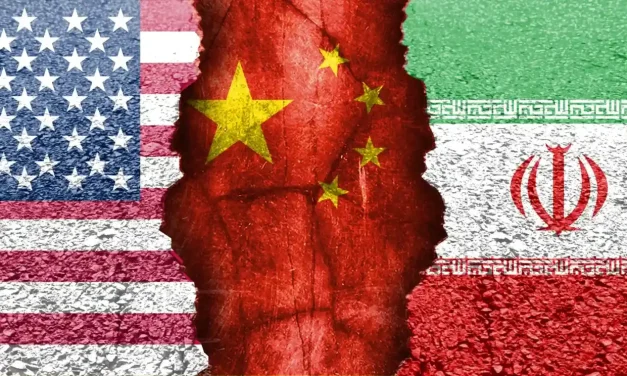
China’s Rejection of US Sanctions; Strengthening Iran’s Geopolitical Leverage

SCFR Online – Opinion: Concurrent with the official commencement of the United States’ economic war against our country, focusing on sanctions instruments, isolation, and economic pressure, what has now become increasingly important is the lack of alignment of other major global powers, especially China, with this policy.

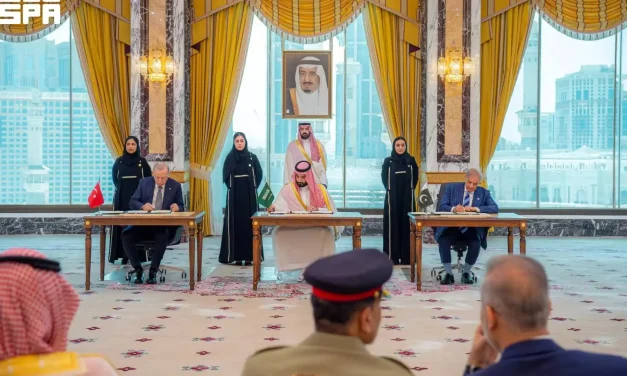
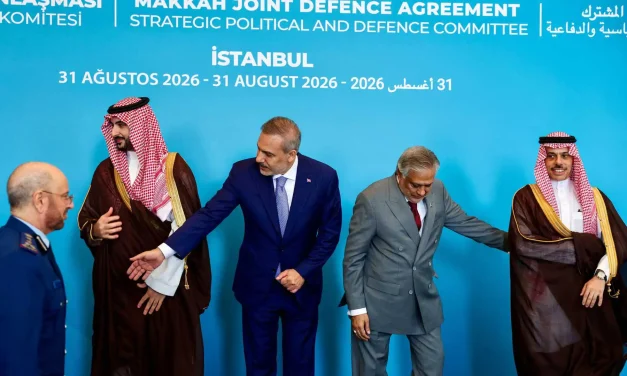
The Makkah Pact; Reasons for its Formation and Challenges Ahead

SCFR Online – Opinion: The Makkah Pact, signed between Saudi Arabia, Pakistan, and Turkey under the motto “an attack on one is an attack on all,” is viewed by some analysts less as a full-fledged military coalition and more as an attempt to reduce security dependence on an external power and to establish a regional security mechanism.

Loading

Note

Brazil and China; from trader partnership to strategic alliance

Brazil and China; from trader partnership to strategic alliance

Strategic Council Online—Opinion: Given that the strategic cooperation agreement signed between Iran and China has been top on the headlines of many Iranian and international media outlets, the comparative study of such cooperation can illuminate the public opinion and raise awareness on the nature of such agreements.
Amir Mohammad Reisian—Researcher, Latin America Desk, Economic Diplomacy Studies Office, Imam Sadeq University

Opportunities for Cooperation in Iran-China 25-Year Document

Opportunities for Cooperation in Iran-China 25-Year Document

Strategic Council Online – In recent weeks, foreign media, mainly those affiliated with US political circles, some European countries, the Zionist regime and certain Arab states, have been projecting on the 25-year Iran-China document and have gone as far as labeling it a colonial document! And with the tactics of psychological operations and soft destruction, the document has been used as a pretext to undermine its strategic importance in the social body and domestic public opinion at a time when those countries are one of China’s largest trading partners in the world and have growing economic relations with China. The present article emphasizes the opportunities of the 25-year document for Iran which, by understanding a part of it, we can understand the reasons for the opposition of foreign and hostile governments to it.
Hamid Khoshayand – Analyst of international affairs

Consequences of the dangerous game of the Zionist regime to undermine Iran’s national security

Consequences of the dangerous game of the Zionist regime to undermine Iran’s national security

Strategic Council Online—Opinion: The national security of the Islamic Republic of Iran is considered as the “main redline “of Iran in the regional, international, bilateral and multilateral environments. This very significant and key element guarantees the life and survival and sustainability of Iran and its political system against physical and non-physical foreign and domestic threats especially under the present circumstances in which crises and turbulences have surrounded Iran and the Islamic Republic of Iran is exposed to threats from all sides. National security is so much strategically significant and fundamental that Iran would mobilize all the necessary tools, on the basis of its right of self-defense, to counter threats against its national security.
Hamid Khoshayand—analyst of international issues

Necessity of forming the club of countries countering US sanctions

Necessity of forming the club of countries countering US sanctions

Strategic Council Online—Opinion: Some 30 countries of the world with more than one and a half billion people are presently under the sanctions of the United States in various forms. Iran, China and Russia are the most significant of these countries. In addition to governments, some economic giants and cartels such as companies involved in the construction of the Nord Stream 2 gas pipeline as well as Turkey, as a US ally in NATO, have been also exposed to lesser extents to the US sanctions. Even though there are news recently about the formation of a global coalition among the countries affected by the US sanctions, it is expected that a politico-economic club of sanctioned countries is set up.
Seyyed Qassem Zakeri—expert of international relations

Strategic targets behind Saudi military agreements with Greece

Strategic targets behind Saudi military agreements with Greece

Strategic Council Online – Note: Greek Foreign Minister Nikos Dendias in his visit to Saudi Arabia signed two agreements on military cooperation between the two countries. According to the signed document, Greece is supposed to deliver one of the Patriot missiles received from the United States to Saudi Arabia, a move that could be the result of Saudi Arabia’s failure against Yemeni missiles and drones. The US-made Patriot anti-aircraft systems will be used to protect Saudi Arabia’s most important oil facilities, and the Greek systems will be used to protect other important military bases in that country. In recent months, Saudi Arabia has been under the burden of missile and drone strikes by the Yemeni armed forces and has never been able to thwart those attacks with its own defense systems.
Mahmoud Fazeli – analyst of international affairs

Strategic Importance of Libyan Developments for Turkey and Greece

Strategic Importance of Libyan Developments for Turkey and Greece

Strategic Council Online – The Eastern Mediterranean, border issues as well as the maritime agreement between Turkey and Libya are among the axes that have caused tensions between Greece and Turkey over the past two years. One of the contentious issues between the two neighbors is the internal developments in Libya. The visits of the leaders of both Libyan factions to Turkey and Greece have been met with fringe and controversy, and the crisis in Libya has practically added to the scope of the traditional rivalry between Athens and Ankara. Libya is in a geopolitically sensitive position, and its developments directly affect the security of Africa, the Middle East and Europe. If the Libyan crisis is resolved, the country can increase its oil production in 2 to 3 years and start oil trade with southern Europe.
Mahmoud Fazeli – Analyst of international affairs

US strategy to enhance its “soft influence” in Iraq

US strategy to enhance its “soft influence” in Iraq

Strategic Council Online—Editorial: In recent years, Americans have devised and enforced numerous programs and measures to expand and deepen their “software influence” in Iraq. That the US government, in the new round of “security talks” with Baghdad last summer, raised cultural and educational issues and topics related to the youth and families, and describe them as one of the key security talks with Iraq, suggests that the US administration is expanding its “soft and cultural influence” in Iraq in parallel with reducing or managing its military and hardware presence.
Hamid Khoshayand—International affairs analyst

US Role in Recent Russia-Ukraine Tensions

US Role in Recent Russia-Ukraine Tensions

Strategic Council Online – New movements on the Russian-Ukrainian borders are more related to the resurgence of traditional differences and geopolitical rivalries between Russia and the United States than to the Moscow-Kiev bilateral relationship.
Shoaib Bahman – Expert on Russian affairs

Pros and cons of Nord Stream2 pipeline project: reasons and prospects

Pros and cons of Nord Stream2 pipeline project: reasons and prospects

Strategic Council Online—Opinion: The construction of the Nord Stream 2 pipeline project which lies undersea from Russia through the Black Sea to Germany has caused something like a “geopolitical earthquake” and concerns in the United States and some European countries. There are discussions Nord Stream 2 can provide Kremlin with a new leverage against Germany and other NATO members. The construction of this pipeline which stopped in 2019 has resumed in December 2020 in the midst of discussions as to whether the new US sanctions could once again disrupt the completion of the pipeline.
Alireza Samoodi—Expert of European issues

أحدث الوظائف

China’s Rejection of US Sanctions; Strengthening Iran’s Geopolitical Leverage

SCFR Online – Opinion: Concurrent with the official commencement of the United States’ economic war against our country, focusing on sanctions instruments, isolation, and economic pressure, what has now become increasingly important is the lack of alignment of other major global powers, especially China, with this policy.

The Makkah Pact; Reasons for its Formation and Challenges Ahead

SCFR Online – Opinion: The Makkah Pact, signed between Saudi Arabia, Pakistan, and Turkey under the motto “an attack on one is an attack on all,” is viewed by some analysts less as a full-fledged military coalition and more as an attempt to reduce security dependence on an external power and to establish a regional security mechanism.

Loading

Note

Brazil and China; from trader partnership to strategic alliance

Brazil and China; from trader partnership to strategic alliance

Strategic Council Online—Opinion: Given that the strategic cooperation agreement signed between Iran and China has been top on the headlines of many Iranian and international media outlets, the comparative study of such cooperation can illuminate the public opinion and raise awareness on the nature of such agreements.
Amir Mohammad Reisian—Researcher, Latin America Desk, Economic Diplomacy Studies Office, Imam Sadeq University

Opportunities for Cooperation in Iran-China 25-Year Document

Opportunities for Cooperation in Iran-China 25-Year Document

Strategic Council Online – In recent weeks, foreign media, mainly those affiliated with US political circles, some European countries, the Zionist regime and certain Arab states, have been projecting on the 25-year Iran-China document and have gone as far as labeling it a colonial document! And with the tactics of psychological operations and soft destruction, the document has been used as a pretext to undermine its strategic importance in the social body and domestic public opinion at a time when those countries are one of China’s largest trading partners in the world and have growing economic relations with China. The present article emphasizes the opportunities of the 25-year document for Iran which, by understanding a part of it, we can understand the reasons for the opposition of foreign and hostile governments to it.
Hamid Khoshayand – Analyst of international affairs

Consequences of the dangerous game of the Zionist regime to undermine Iran’s national security

Consequences of the dangerous game of the Zionist regime to undermine Iran’s national security

Strategic Council Online—Opinion: The national security of the Islamic Republic of Iran is considered as the “main redline “of Iran in the regional, international, bilateral and multilateral environments. This very significant and key element guarantees the life and survival and sustainability of Iran and its political system against physical and non-physical foreign and domestic threats especially under the present circumstances in which crises and turbulences have surrounded Iran and the Islamic Republic of Iran is exposed to threats from all sides. National security is so much strategically significant and fundamental that Iran would mobilize all the necessary tools, on the basis of its right of self-defense, to counter threats against its national security.
Hamid Khoshayand—analyst of international issues

Necessity of forming the club of countries countering US sanctions

Necessity of forming the club of countries countering US sanctions

Strategic Council Online—Opinion: Some 30 countries of the world with more than one and a half billion people are presently under the sanctions of the United States in various forms. Iran, China and Russia are the most significant of these countries. In addition to governments, some economic giants and cartels such as companies involved in the construction of the Nord Stream 2 gas pipeline as well as Turkey, as a US ally in NATO, have been also exposed to lesser extents to the US sanctions. Even though there are news recently about the formation of a global coalition among the countries affected by the US sanctions, it is expected that a politico-economic club of sanctioned countries is set up.
Seyyed Qassem Zakeri—expert of international relations

Strategic targets behind Saudi military agreements with Greece

Strategic targets behind Saudi military agreements with Greece

Strategic Council Online – Note: Greek Foreign Minister Nikos Dendias in his visit to Saudi Arabia signed two agreements on military cooperation between the two countries. According to the signed document, Greece is supposed to deliver one of the Patriot missiles received from the United States to Saudi Arabia, a move that could be the result of Saudi Arabia’s failure against Yemeni missiles and drones. The US-made Patriot anti-aircraft systems will be used to protect Saudi Arabia’s most important oil facilities, and the Greek systems will be used to protect other important military bases in that country. In recent months, Saudi Arabia has been under the burden of missile and drone strikes by the Yemeni armed forces and has never been able to thwart those attacks with its own defense systems.
Mahmoud Fazeli – analyst of international affairs

Strategic Importance of Libyan Developments for Turkey and Greece

Strategic Importance of Libyan Developments for Turkey and Greece

Strategic Council Online – The Eastern Mediterranean, border issues as well as the maritime agreement between Turkey and Libya are among the axes that have caused tensions between Greece and Turkey over the past two years. One of the contentious issues between the two neighbors is the internal developments in Libya. The visits of the leaders of both Libyan factions to Turkey and Greece have been met with fringe and controversy, and the crisis in Libya has practically added to the scope of the traditional rivalry between Athens and Ankara. Libya is in a geopolitically sensitive position, and its developments directly affect the security of Africa, the Middle East and Europe. If the Libyan crisis is resolved, the country can increase its oil production in 2 to 3 years and start oil trade with southern Europe.
Mahmoud Fazeli – Analyst of international affairs

US strategy to enhance its “soft influence” in Iraq

US strategy to enhance its “soft influence” in Iraq

Strategic Council Online—Editorial: In recent years, Americans have devised and enforced numerous programs and measures to expand and deepen their “software influence” in Iraq. That the US government, in the new round of “security talks” with Baghdad last summer, raised cultural and educational issues and topics related to the youth and families, and describe them as one of the key security talks with Iraq, suggests that the US administration is expanding its “soft and cultural influence” in Iraq in parallel with reducing or managing its military and hardware presence.
Hamid Khoshayand—International affairs analyst

US Role in Recent Russia-Ukraine Tensions

US Role in Recent Russia-Ukraine Tensions

Strategic Council Online – New movements on the Russian-Ukrainian borders are more related to the resurgence of traditional differences and geopolitical rivalries between Russia and the United States than to the Moscow-Kiev bilateral relationship.
Shoaib Bahman – Expert on Russian affairs

Pros and cons of Nord Stream2 pipeline project: reasons and prospects

Pros and cons of Nord Stream2 pipeline project: reasons and prospects

Strategic Council Online—Opinion: The construction of the Nord Stream 2 pipeline project which lies undersea from Russia through the Black Sea to Germany has caused something like a “geopolitical earthquake” and concerns in the United States and some European countries. There are discussions Nord Stream 2 can provide Kremlin with a new leverage against Germany and other NATO members. The construction of this pipeline which stopped in 2019 has resumed in December 2020 in the midst of discussions as to whether the new US sanctions could once again disrupt the completion of the pipeline.
Alireza Samoodi—Expert of European issues

Note

Brazil and China; from trader partnership to strategic alliance

Brazil and China; from trader partnership to strategic alliance

Strategic Council Online—Opinion: Given that the strategic cooperation agreement signed between Iran and China has been top on the headlines of many Iranian and international media outlets, the comparative study of such cooperation can illuminate the public opinion and raise awareness on the nature of such agreements.
Amir Mohammad Reisian—Researcher, Latin America Desk, Economic Diplomacy Studies Office, Imam Sadeq University

Opportunities for Cooperation in Iran-China 25-Year Document

Opportunities for Cooperation in Iran-China 25-Year Document

Strategic Council Online – In recent weeks, foreign media, mainly those affiliated with US political circles, some European countries, the Zionist regime and certain Arab states, have been projecting on the 25-year Iran-China document and have gone as far as labeling it a colonial document! And with the tactics of psychological operations and soft destruction, the document has been used as a pretext to undermine its strategic importance in the social body and domestic public opinion at a time when those countries are one of China’s largest trading partners in the world and have growing economic relations with China. The present article emphasizes the opportunities of the 25-year document for Iran which, by understanding a part of it, we can understand the reasons for the opposition of foreign and hostile governments to it.
Hamid Khoshayand – Analyst of international affairs

Consequences of the dangerous game of the Zionist regime to undermine Iran’s national security

Consequences of the dangerous game of the Zionist regime to undermine Iran’s national security

Strategic Council Online—Opinion: The national security of the Islamic Republic of Iran is considered as the “main redline “of Iran in the regional, international, bilateral and multilateral environments. This very significant and key element guarantees the life and survival and sustainability of Iran and its political system against physical and non-physical foreign and domestic threats especially under the present circumstances in which crises and turbulences have surrounded Iran and the Islamic Republic of Iran is exposed to threats from all sides. National security is so much strategically significant and fundamental that Iran would mobilize all the necessary tools, on the basis of its right of self-defense, to counter threats against its national security.
Hamid Khoshayand—analyst of international issues

Necessity of forming the club of countries countering US sanctions

Necessity of forming the club of countries countering US sanctions

Strategic Council Online—Opinion: Some 30 countries of the world with more than one and a half billion people are presently under the sanctions of the United States in various forms. Iran, China and Russia are the most significant of these countries. In addition to governments, some economic giants and cartels such as companies involved in the construction of the Nord Stream 2 gas pipeline as well as Turkey, as a US ally in NATO, have been also exposed to lesser extents to the US sanctions. Even though there are news recently about the formation of a global coalition among the countries affected by the US sanctions, it is expected that a politico-economic club of sanctioned countries is set up.
Seyyed Qassem Zakeri—expert of international relations

Strategic targets behind Saudi military agreements with Greece

Strategic targets behind Saudi military agreements with Greece

Strategic Council Online – Note: Greek Foreign Minister Nikos Dendias in his visit to Saudi Arabia signed two agreements on military cooperation between the two countries. According to the signed document, Greece is supposed to deliver one of the Patriot missiles received from the United States to Saudi Arabia, a move that could be the result of Saudi Arabia’s failure against Yemeni missiles and drones. The US-made Patriot anti-aircraft systems will be used to protect Saudi Arabia’s most important oil facilities, and the Greek systems will be used to protect other important military bases in that country. In recent months, Saudi Arabia has been under the burden of missile and drone strikes by the Yemeni armed forces and has never been able to thwart those attacks with its own defense systems.
Mahmoud Fazeli – analyst of international affairs

Strategic Importance of Libyan Developments for Turkey and Greece

Strategic Importance of Libyan Developments for Turkey and Greece

Strategic Council Online – The Eastern Mediterranean, border issues as well as the maritime agreement between Turkey and Libya are among the axes that have caused tensions between Greece and Turkey over the past two years. One of the contentious issues between the two neighbors is the internal developments in Libya. The visits of the leaders of both Libyan factions to Turkey and Greece have been met with fringe and controversy, and the crisis in Libya has practically added to the scope of the traditional rivalry between Athens and Ankara. Libya is in a geopolitically sensitive position, and its developments directly affect the security of Africa, the Middle East and Europe. If the Libyan crisis is resolved, the country can increase its oil production in 2 to 3 years and start oil trade with southern Europe.
Mahmoud Fazeli – Analyst of international affairs

US strategy to enhance its “soft influence” in Iraq

US strategy to enhance its “soft influence” in Iraq

Strategic Council Online—Editorial: In recent years, Americans have devised and enforced numerous programs and measures to expand and deepen their “software influence” in Iraq. That the US government, in the new round of “security talks” with Baghdad last summer, raised cultural and educational issues and topics related to the youth and families, and describe them as one of the key security talks with Iraq, suggests that the US administration is expanding its “soft and cultural influence” in Iraq in parallel with reducing or managing its military and hardware presence.
Hamid Khoshayand—International affairs analyst

US Role in Recent Russia-Ukraine Tensions

US Role in Recent Russia-Ukraine Tensions

Strategic Council Online – New movements on the Russian-Ukrainian borders are more related to the resurgence of traditional differences and geopolitical rivalries between Russia and the United States than to the Moscow-Kiev bilateral relationship.
Shoaib Bahman – Expert on Russian affairs

Pros and cons of Nord Stream2 pipeline project: reasons and prospects

Pros and cons of Nord Stream2 pipeline project: reasons and prospects

Strategic Council Online—Opinion: The construction of the Nord Stream 2 pipeline project which lies undersea from Russia through the Black Sea to Germany has caused something like a “geopolitical earthquake” and concerns in the United States and some European countries. There are discussions Nord Stream 2 can provide Kremlin with a new leverage against Germany and other NATO members. The construction of this pipeline which stopped in 2019 has resumed in December 2020 in the midst of discussions as to whether the new US sanctions could once again disrupt the completion of the pipeline.
Alireza Samoodi—Expert of European issues

LATEST CONTENT

China’s Rejection of US Sanctions; Strengthening Iran’s Geopolitical Leverage

SCFR Online – Opinion: Concurrent with the official commencement of the United States’ economic war against our country, focusing on sanctions instruments, isolation, and economic pressure, what has now become increasingly important is the lack of alignment of other major global powers, especially China, with this policy.

The Makkah Pact; Reasons for its Formation and Challenges Ahead

SCFR Online – Opinion: The Makkah Pact, signed between Saudi Arabia, Pakistan, and Turkey under the motto “an attack on one is an attack on all,” is viewed by some analysts less as a full-fledged military coalition and more as an attempt to reduce security dependence on an external power and to establish a regional security mechanism.

Loading

Note

Brazil and China; from trader partnership to strategic alliance

Brazil and China; from trader partnership to strategic alliance

Strategic Council Online—Opinion: Given that the strategic cooperation agreement signed between Iran and China has been top on the headlines of many Iranian and international media outlets, the comparative study of such cooperation can illuminate the public opinion and raise awareness on the nature of such agreements.
Amir Mohammad Reisian—Researcher, Latin America Desk, Economic Diplomacy Studies Office, Imam Sadeq University

Opportunities for Cooperation in Iran-China 25-Year Document

Opportunities for Cooperation in Iran-China 25-Year Document

Strategic Council Online – In recent weeks, foreign media, mainly those affiliated with US political circles, some European countries, the Zionist regime and certain Arab states, have been projecting on the 25-year Iran-China document and have gone as far as labeling it a colonial document! And with the tactics of psychological operations and soft destruction, the document has been used as a pretext to undermine its strategic importance in the social body and domestic public opinion at a time when those countries are one of China’s largest trading partners in the world and have growing economic relations with China. The present article emphasizes the opportunities of the 25-year document for Iran which, by understanding a part of it, we can understand the reasons for the opposition of foreign and hostile governments to it.
Hamid Khoshayand – Analyst of international affairs

Consequences of the dangerous game of the Zionist regime to undermine Iran’s national security

Consequences of the dangerous game of the Zionist regime to undermine Iran’s national security

Strategic Council Online—Opinion: The national security of the Islamic Republic of Iran is considered as the “main redline “of Iran in the regional, international, bilateral and multilateral environments. This very significant and key element guarantees the life and survival and sustainability of Iran and its political system against physical and non-physical foreign and domestic threats especially under the present circumstances in which crises and turbulences have surrounded Iran and the Islamic Republic of Iran is exposed to threats from all sides. National security is so much strategically significant and fundamental that Iran would mobilize all the necessary tools, on the basis of its right of self-defense, to counter threats against its national security.
Hamid Khoshayand—analyst of international issues

Necessity of forming the club of countries countering US sanctions

Necessity of forming the club of countries countering US sanctions

Strategic Council Online—Opinion: Some 30 countries of the world with more than one and a half billion people are presently under the sanctions of the United States in various forms. Iran, China and Russia are the most significant of these countries. In addition to governments, some economic giants and cartels such as companies involved in the construction of the Nord Stream 2 gas pipeline as well as Turkey, as a US ally in NATO, have been also exposed to lesser extents to the US sanctions. Even though there are news recently about the formation of a global coalition among the countries affected by the US sanctions, it is expected that a politico-economic club of sanctioned countries is set up.
Seyyed Qassem Zakeri—expert of international relations

Strategic targets behind Saudi military agreements with Greece

Strategic targets behind Saudi military agreements with Greece

Strategic Council Online – Note: Greek Foreign Minister Nikos Dendias in his visit to Saudi Arabia signed two agreements on military cooperation between the two countries. According to the signed document, Greece is supposed to deliver one of the Patriot missiles received from the United States to Saudi Arabia, a move that could be the result of Saudi Arabia’s failure against Yemeni missiles and drones. The US-made Patriot anti-aircraft systems will be used to protect Saudi Arabia’s most important oil facilities, and the Greek systems will be used to protect other important military bases in that country. In recent months, Saudi Arabia has been under the burden of missile and drone strikes by the Yemeni armed forces and has never been able to thwart those attacks with its own defense systems.
Mahmoud Fazeli – analyst of international affairs

Strategic Importance of Libyan Developments for Turkey and Greece

Strategic Importance of Libyan Developments for Turkey and Greece

Strategic Council Online – The Eastern Mediterranean, border issues as well as the maritime agreement between Turkey and Libya are among the axes that have caused tensions between Greece and Turkey over the past two years. One of the contentious issues between the two neighbors is the internal developments in Libya. The visits of the leaders of both Libyan factions to Turkey and Greece have been met with fringe and controversy, and the crisis in Libya has practically added to the scope of the traditional rivalry between Athens and Ankara. Libya is in a geopolitically sensitive position, and its developments directly affect the security of Africa, the Middle East and Europe. If the Libyan crisis is resolved, the country can increase its oil production in 2 to 3 years and start oil trade with southern Europe.
Mahmoud Fazeli – Analyst of international affairs

US strategy to enhance its “soft influence” in Iraq

US strategy to enhance its “soft influence” in Iraq

Strategic Council Online—Editorial: In recent years, Americans have devised and enforced numerous programs and measures to expand and deepen their “software influence” in Iraq. That the US government, in the new round of “security talks” with Baghdad last summer, raised cultural and educational issues and topics related to the youth and families, and describe them as one of the key security talks with Iraq, suggests that the US administration is expanding its “soft and cultural influence” in Iraq in parallel with reducing or managing its military and hardware presence.
Hamid Khoshayand—International affairs analyst

US Role in Recent Russia-Ukraine Tensions

US Role in Recent Russia-Ukraine Tensions

Strategic Council Online – New movements on the Russian-Ukrainian borders are more related to the resurgence of traditional differences and geopolitical rivalries between Russia and the United States than to the Moscow-Kiev bilateral relationship.
Shoaib Bahman – Expert on Russian affairs

Pros and cons of Nord Stream2 pipeline project: reasons and prospects

Pros and cons of Nord Stream2 pipeline project: reasons and prospects

Strategic Council Online—Opinion: The construction of the Nord Stream 2 pipeline project which lies undersea from Russia through the Black Sea to Germany has caused something like a “geopolitical earthquake” and concerns in the United States and some European countries. There are discussions Nord Stream 2 can provide Kremlin with a new leverage against Germany and other NATO members. The construction of this pipeline which stopped in 2019 has resumed in December 2020 in the midst of discussions as to whether the new US sanctions could once again disrupt the completion of the pipeline.
Alireza Samoodi—Expert of European issues

ÚLTIMAS PUBLICACIONES

China’s Rejection of US Sanctions; Strengthening Iran’s Geopolitical Leverage

SCFR Online – Opinion: Concurrent with the official commencement of the United States’ economic war against our country, focusing on sanctions instruments, isolation, and economic pressure, what has now become increasingly important is the lack of alignment of other major global powers, especially China, with this policy.

The Makkah Pact; Reasons for its Formation and Challenges Ahead

SCFR Online – Opinion: The Makkah Pact, signed between Saudi Arabia, Pakistan, and Turkey under the motto “an attack on one is an attack on all,” is viewed by some analysts less as a full-fledged military coalition and more as an attempt to reduce security dependence on an external power and to establish a regional security mechanism.

Loading

Note

Brazil and China; from trader partnership to strategic alliance

Brazil and China; from trader partnership to strategic alliance

Strategic Council Online—Opinion: Given that the strategic cooperation agreement signed between Iran and China has been top on the headlines of many Iranian and international media outlets, the comparative study of such cooperation can illuminate the public opinion and raise awareness on the nature of such agreements.
Amir Mohammad Reisian—Researcher, Latin America Desk, Economic Diplomacy Studies Office, Imam Sadeq University

Opportunities for Cooperation in Iran-China 25-Year Document

Opportunities for Cooperation in Iran-China 25-Year Document

Strategic Council Online – In recent weeks, foreign media, mainly those affiliated with US political circles, some European countries, the Zionist regime and certain Arab states, have been projecting on the 25-year Iran-China document and have gone as far as labeling it a colonial document! And with the tactics of psychological operations and soft destruction, the document has been used as a pretext to undermine its strategic importance in the social body and domestic public opinion at a time when those countries are one of China’s largest trading partners in the world and have growing economic relations with China. The present article emphasizes the opportunities of the 25-year document for Iran which, by understanding a part of it, we can understand the reasons for the opposition of foreign and hostile governments to it.
Hamid Khoshayand – Analyst of international affairs

Consequences of the dangerous game of the Zionist regime to undermine Iran’s national security

Consequences of the dangerous game of the Zionist regime to undermine Iran’s national security

Strategic Council Online—Opinion: The national security of the Islamic Republic of Iran is considered as the “main redline “of Iran in the regional, international, bilateral and multilateral environments. This very significant and key element guarantees the life and survival and sustainability of Iran and its political system against physical and non-physical foreign and domestic threats especially under the present circumstances in which crises and turbulences have surrounded Iran and the Islamic Republic of Iran is exposed to threats from all sides. National security is so much strategically significant and fundamental that Iran would mobilize all the necessary tools, on the basis of its right of self-defense, to counter threats against its national security.
Hamid Khoshayand—analyst of international issues

Necessity of forming the club of countries countering US sanctions

Necessity of forming the club of countries countering US sanctions

Strategic Council Online—Opinion: Some 30 countries of the world with more than one and a half billion people are presently under the sanctions of the United States in various forms. Iran, China and Russia are the most significant of these countries. In addition to governments, some economic giants and cartels such as companies involved in the construction of the Nord Stream 2 gas pipeline as well as Turkey, as a US ally in NATO, have been also exposed to lesser extents to the US sanctions. Even though there are news recently about the formation of a global coalition among the countries affected by the US sanctions, it is expected that a politico-economic club of sanctioned countries is set up.
Seyyed Qassem Zakeri—expert of international relations

Strategic targets behind Saudi military agreements with Greece

Strategic targets behind Saudi military agreements with Greece

Strategic Council Online – Note: Greek Foreign Minister Nikos Dendias in his visit to Saudi Arabia signed two agreements on military cooperation between the two countries. According to the signed document, Greece is supposed to deliver one of the Patriot missiles received from the United States to Saudi Arabia, a move that could be the result of Saudi Arabia’s failure against Yemeni missiles and drones. The US-made Patriot anti-aircraft systems will be used to protect Saudi Arabia’s most important oil facilities, and the Greek systems will be used to protect other important military bases in that country. In recent months, Saudi Arabia has been under the burden of missile and drone strikes by the Yemeni armed forces and has never been able to thwart those attacks with its own defense systems.
Mahmoud Fazeli – analyst of international affairs

Strategic Importance of Libyan Developments for Turkey and Greece

Strategic Importance of Libyan Developments for Turkey and Greece

Strategic Council Online – The Eastern Mediterranean, border issues as well as the maritime agreement between Turkey and Libya are among the axes that have caused tensions between Greece and Turkey over the past two years. One of the contentious issues between the two neighbors is the internal developments in Libya. The visits of the leaders of both Libyan factions to Turkey and Greece have been met with fringe and controversy, and the crisis in Libya has practically added to the scope of the traditional rivalry between Athens and Ankara. Libya is in a geopolitically sensitive position, and its developments directly affect the security of Africa, the Middle East and Europe. If the Libyan crisis is resolved, the country can increase its oil production in 2 to 3 years and start oil trade with southern Europe.
Mahmoud Fazeli – Analyst of international affairs

US strategy to enhance its “soft influence” in Iraq

US strategy to enhance its “soft influence” in Iraq

Strategic Council Online—Editorial: In recent years, Americans have devised and enforced numerous programs and measures to expand and deepen their “software influence” in Iraq. That the US government, in the new round of “security talks” with Baghdad last summer, raised cultural and educational issues and topics related to the youth and families, and describe them as one of the key security talks with Iraq, suggests that the US administration is expanding its “soft and cultural influence” in Iraq in parallel with reducing or managing its military and hardware presence.
Hamid Khoshayand—International affairs analyst

US Role in Recent Russia-Ukraine Tensions

US Role in Recent Russia-Ukraine Tensions

Strategic Council Online – New movements on the Russian-Ukrainian borders are more related to the resurgence of traditional differences and geopolitical rivalries between Russia and the United States than to the Moscow-Kiev bilateral relationship.
Shoaib Bahman – Expert on Russian affairs

Pros and cons of Nord Stream2 pipeline project: reasons and prospects

Pros and cons of Nord Stream2 pipeline project: reasons and prospects

Strategic Council Online—Opinion: The construction of the Nord Stream 2 pipeline project which lies undersea from Russia through the Black Sea to Germany has caused something like a “geopolitical earthquake” and concerns in the United States and some European countries. There are discussions Nord Stream 2 can provide Kremlin with a new leverage against Germany and other NATO members. The construction of this pipeline which stopped in 2019 has resumed in December 2020 in the midst of discussions as to whether the new US sanctions could once again disrupt the completion of the pipeline.
Alireza Samoodi—Expert of European issues

ÚLTIMAS PUBLICACIONES

China’s Rejection of US Sanctions; Strengthening Iran’s Geopolitical Leverage

SCFR Online – Opinion: Concurrent with the official commencement of the United States’ economic war against our country, focusing on sanctions instruments, isolation, and economic pressure, what has now become increasingly important is the lack of alignment of other major global powers, especially China, with this policy.

The Makkah Pact; Reasons for its Formation and Challenges Ahead

SCFR Online – Opinion: The Makkah Pact, signed between Saudi Arabia, Pakistan, and Turkey under the motto “an attack on one is an attack on all,” is viewed by some analysts less as a full-fledged military coalition and more as an attempt to reduce security dependence on an external power and to establish a regional security mechanism.

Loading

Note

Brazil and China; from trader partnership to strategic alliance

Brazil and China; from trader partnership to strategic alliance

Strategic Council Online—Opinion: Given that the strategic cooperation agreement signed between Iran and China has been top on the headlines of many Iranian and international media outlets, the comparative study of such cooperation can illuminate the public opinion and raise awareness on the nature of such agreements.
Amir Mohammad Reisian—Researcher, Latin America Desk, Economic Diplomacy Studies Office, Imam Sadeq University

Opportunities for Cooperation in Iran-China 25-Year Document

Opportunities for Cooperation in Iran-China 25-Year Document

Strategic Council Online – In recent weeks, foreign media, mainly those affiliated with US political circles, some European countries, the Zionist regime and certain Arab states, have been projecting on the 25-year Iran-China document and have gone as far as labeling it a colonial document! And with the tactics of psychological operations and soft destruction, the document has been used as a pretext to undermine its strategic importance in the social body and domestic public opinion at a time when those countries are one of China’s largest trading partners in the world and have growing economic relations with China. The present article emphasizes the opportunities of the 25-year document for Iran which, by understanding a part of it, we can understand the reasons for the opposition of foreign and hostile governments to it.
Hamid Khoshayand – Analyst of international affairs

Consequences of the dangerous game of the Zionist regime to undermine Iran’s national security

Consequences of the dangerous game of the Zionist regime to undermine Iran’s national security

Strategic Council Online—Opinion: The national security of the Islamic Republic of Iran is considered as the “main redline “of Iran in the regional, international, bilateral and multilateral environments. This very significant and key element guarantees the life and survival and sustainability of Iran and its political system against physical and non-physical foreign and domestic threats especially under the present circumstances in which crises and turbulences have surrounded Iran and the Islamic Republic of Iran is exposed to threats from all sides. National security is so much strategically significant and fundamental that Iran would mobilize all the necessary tools, on the basis of its right of self-defense, to counter threats against its national security.
Hamid Khoshayand—analyst of international issues

Necessity of forming the club of countries countering US sanctions

Necessity of forming the club of countries countering US sanctions

Strategic Council Online—Opinion: Some 30 countries of the world with more than one and a half billion people are presently under the sanctions of the United States in various forms. Iran, China and Russia are the most significant of these countries. In addition to governments, some economic giants and cartels such as companies involved in the construction of the Nord Stream 2 gas pipeline as well as Turkey, as a US ally in NATO, have been also exposed to lesser extents to the US sanctions. Even though there are news recently about the formation of a global coalition among the countries affected by the US sanctions, it is expected that a politico-economic club of sanctioned countries is set up.
Seyyed Qassem Zakeri—expert of international relations

Strategic targets behind Saudi military agreements with Greece

Strategic targets behind Saudi military agreements with Greece

Strategic Council Online – Note: Greek Foreign Minister Nikos Dendias in his visit to Saudi Arabia signed two agreements on military cooperation between the two countries. According to the signed document, Greece is supposed to deliver one of the Patriot missiles received from the United States to Saudi Arabia, a move that could be the result of Saudi Arabia’s failure against Yemeni missiles and drones. The US-made Patriot anti-aircraft systems will be used to protect Saudi Arabia’s most important oil facilities, and the Greek systems will be used to protect other important military bases in that country. In recent months, Saudi Arabia has been under the burden of missile and drone strikes by the Yemeni armed forces and has never been able to thwart those attacks with its own defense systems.
Mahmoud Fazeli – analyst of international affairs

Strategic Importance of Libyan Developments for Turkey and Greece

Strategic Importance of Libyan Developments for Turkey and Greece

Strategic Council Online – The Eastern Mediterranean, border issues as well as the maritime agreement between Turkey and Libya are among the axes that have caused tensions between Greece and Turkey over the past two years. One of the contentious issues between the two neighbors is the internal developments in Libya. The visits of the leaders of both Libyan factions to Turkey and Greece have been met with fringe and controversy, and the crisis in Libya has practically added to the scope of the traditional rivalry between Athens and Ankara. Libya is in a geopolitically sensitive position, and its developments directly affect the security of Africa, the Middle East and Europe. If the Libyan crisis is resolved, the country can increase its oil production in 2 to 3 years and start oil trade with southern Europe.
Mahmoud Fazeli – Analyst of international affairs

US strategy to enhance its “soft influence” in Iraq

US strategy to enhance its “soft influence” in Iraq

Strategic Council Online—Editorial: In recent years, Americans have devised and enforced numerous programs and measures to expand and deepen their “software influence” in Iraq. That the US government, in the new round of “security talks” with Baghdad last summer, raised cultural and educational issues and topics related to the youth and families, and describe them as one of the key security talks with Iraq, suggests that the US administration is expanding its “soft and cultural influence” in Iraq in parallel with reducing or managing its military and hardware presence.
Hamid Khoshayand—International affairs analyst

US Role in Recent Russia-Ukraine Tensions

US Role in Recent Russia-Ukraine Tensions

Strategic Council Online – New movements on the Russian-Ukrainian borders are more related to the resurgence of traditional differences and geopolitical rivalries between Russia and the United States than to the Moscow-Kiev bilateral relationship.
Shoaib Bahman – Expert on Russian affairs

Pros and cons of Nord Stream2 pipeline project: reasons and prospects

Pros and cons of Nord Stream2 pipeline project: reasons and prospects

Strategic Council Online—Opinion: The construction of the Nord Stream 2 pipeline project which lies undersea from Russia through the Black Sea to Germany has caused something like a “geopolitical earthquake” and concerns in the United States and some European countries. There are discussions Nord Stream 2 can provide Kremlin with a new leverage against Germany and other NATO members. The construction of this pipeline which stopped in 2019 has resumed in December 2020 in the midst of discussions as to whether the new US sanctions could once again disrupt the completion of the pipeline.
Alireza Samoodi—Expert of European issues

ÚLTIMAS PUBLICACIONES

China’s Rejection of US Sanctions; Strengthening Iran’s Geopolitical Leverage

SCFR Online – Opinion: Concurrent with the official commencement of the United States’ economic war against our country, focusing on sanctions instruments, isolation, and economic pressure, what has now become increasingly important is the lack of alignment of other major global powers, especially China, with this policy.

The Makkah Pact; Reasons for its Formation and Challenges Ahead

SCFR Online – Opinion: The Makkah Pact, signed between Saudi Arabia, Pakistan, and Turkey under the motto “an attack on one is an attack on all,” is viewed by some analysts less as a full-fledged military coalition and more as an attempt to reduce security dependence on an external power and to establish a regional security mechanism.

Loading

Note

Brazil and China; from trader partnership to strategic alliance

Brazil and China; from trader partnership to strategic alliance

Strategic Council Online—Opinion: Given that the strategic cooperation agreement signed between Iran and China has been top on the headlines of many Iranian and international media outlets, the comparative study of such cooperation can illuminate the public opinion and raise awareness on the nature of such agreements.
Amir Mohammad Reisian—Researcher, Latin America Desk, Economic Diplomacy Studies Office, Imam Sadeq University

Opportunities for Cooperation in Iran-China 25-Year Document

Opportunities for Cooperation in Iran-China 25-Year Document

Strategic Council Online – In recent weeks, foreign media, mainly those affiliated with US political circles, some European countries, the Zionist regime and certain Arab states, have been projecting on the 25-year Iran-China document and have gone as far as labeling it a colonial document! And with the tactics of psychological operations and soft destruction, the document has been used as a pretext to undermine its strategic importance in the social body and domestic public opinion at a time when those countries are one of China’s largest trading partners in the world and have growing economic relations with China. The present article emphasizes the opportunities of the 25-year document for Iran which, by understanding a part of it, we can understand the reasons for the opposition of foreign and hostile governments to it.
Hamid Khoshayand – Analyst of international affairs

Consequences of the dangerous game of the Zionist regime to undermine Iran’s national security

Consequences of the dangerous game of the Zionist regime to undermine Iran’s national security

Strategic Council Online—Opinion: The national security of the Islamic Republic of Iran is considered as the “main redline “of Iran in the regional, international, bilateral and multilateral environments. This very significant and key element guarantees the life and survival and sustainability of Iran and its political system against physical and non-physical foreign and domestic threats especially under the present circumstances in which crises and turbulences have surrounded Iran and the Islamic Republic of Iran is exposed to threats from all sides. National security is so much strategically significant and fundamental that Iran would mobilize all the necessary tools, on the basis of its right of self-defense, to counter threats against its national security.
Hamid Khoshayand—analyst of international issues

Necessity of forming the club of countries countering US sanctions

Necessity of forming the club of countries countering US sanctions

Strategic Council Online—Opinion: Some 30 countries of the world with more than one and a half billion people are presently under the sanctions of the United States in various forms. Iran, China and Russia are the most significant of these countries. In addition to governments, some economic giants and cartels such as companies involved in the construction of the Nord Stream 2 gas pipeline as well as Turkey, as a US ally in NATO, have been also exposed to lesser extents to the US sanctions. Even though there are news recently about the formation of a global coalition among the countries affected by the US sanctions, it is expected that a politico-economic club of sanctioned countries is set up.
Seyyed Qassem Zakeri—expert of international relations

Strategic targets behind Saudi military agreements with Greece

Strategic targets behind Saudi military agreements with Greece

Strategic Council Online – Note: Greek Foreign Minister Nikos Dendias in his visit to Saudi Arabia signed two agreements on military cooperation between the two countries. According to the signed document, Greece is supposed to deliver one of the Patriot missiles received from the United States to Saudi Arabia, a move that could be the result of Saudi Arabia’s failure against Yemeni missiles and drones. The US-made Patriot anti-aircraft systems will be used to protect Saudi Arabia’s most important oil facilities, and the Greek systems will be used to protect other important military bases in that country. In recent months, Saudi Arabia has been under the burden of missile and drone strikes by the Yemeni armed forces and has never been able to thwart those attacks with its own defense systems.
Mahmoud Fazeli – analyst of international affairs

Strategic Importance of Libyan Developments for Turkey and Greece

Strategic Importance of Libyan Developments for Turkey and Greece

Strategic Council Online – The Eastern Mediterranean, border issues as well as the maritime agreement between Turkey and Libya are among the axes that have caused tensions between Greece and Turkey over the past two years. One of the contentious issues between the two neighbors is the internal developments in Libya. The visits of the leaders of both Libyan factions to Turkey and Greece have been met with fringe and controversy, and the crisis in Libya has practically added to the scope of the traditional rivalry between Athens and Ankara. Libya is in a geopolitically sensitive position, and its developments directly affect the security of Africa, the Middle East and Europe. If the Libyan crisis is resolved, the country can increase its oil production in 2 to 3 years and start oil trade with southern Europe.
Mahmoud Fazeli – Analyst of international affairs

US strategy to enhance its “soft influence” in Iraq

US strategy to enhance its “soft influence” in Iraq

Strategic Council Online—Editorial: In recent years, Americans have devised and enforced numerous programs and measures to expand and deepen their “software influence” in Iraq. That the US government, in the new round of “security talks” with Baghdad last summer, raised cultural and educational issues and topics related to the youth and families, and describe them as one of the key security talks with Iraq, suggests that the US administration is expanding its “soft and cultural influence” in Iraq in parallel with reducing or managing its military and hardware presence.
Hamid Khoshayand—International affairs analyst

US Role in Recent Russia-Ukraine Tensions

US Role in Recent Russia-Ukraine Tensions

Strategic Council Online – New movements on the Russian-Ukrainian borders are more related to the resurgence of traditional differences and geopolitical rivalries between Russia and the United States than to the Moscow-Kiev bilateral relationship.
Shoaib Bahman – Expert on Russian affairs

Pros and cons of Nord Stream2 pipeline project: reasons and prospects

Pros and cons of Nord Stream2 pipeline project: reasons and prospects

Strategic Council Online—Opinion: The construction of the Nord Stream 2 pipeline project which lies undersea from Russia through the Black Sea to Germany has caused something like a “geopolitical earthquake” and concerns in the United States and some European countries. There are discussions Nord Stream 2 can provide Kremlin with a new leverage against Germany and other NATO members. The construction of this pipeline which stopped in 2019 has resumed in December 2020 in the midst of discussions as to whether the new US sanctions could once again disrupt the completion of the pipeline.
Alireza Samoodi—Expert of European issues

ÚLTIMAS PUBLICACIONES

China’s Rejection of US Sanctions; Strengthening Iran’s Geopolitical Leverage

SCFR Online – Opinion: Concurrent with the official commencement of the United States’ economic war against our country, focusing on sanctions instruments, isolation, and economic pressure, what has now become increasingly important is the lack of alignment of other major global powers, especially China, with this policy.

The Makkah Pact; Reasons for its Formation and Challenges Ahead

SCFR Online – Opinion: The Makkah Pact, signed between Saudi Arabia, Pakistan, and Turkey under the motto “an attack on one is an attack on all,” is viewed by some analysts less as a full-fledged military coalition and more as an attempt to reduce security dependence on an external power and to establish a regional security mechanism.

Loading