Reasons for the Ineffectiveness of Trump’s “Economic War” against Iran
SCFR Online – Opinion: The intensification of U.S. sanctions against Iran on the eve of the U.S. midterm elections indicates Washington’s inability to achieve its war objectives.


SCFR Online – Opinion: The intensification of U.S. sanctions against Iran on the eve of the U.S. midterm elections indicates Washington’s inability to achieve its war objectives.

SCFR Online – Opinion: The competition between Washington and Beijing over chips and artificial intelligence, simultaneously with the shifting of technological balances, has taken on new economic and security dimensions.
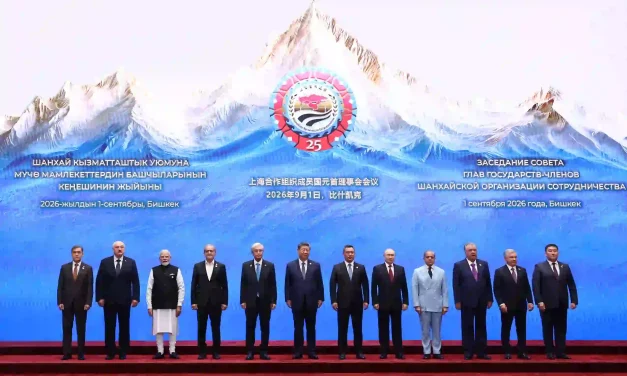
SCFR Online – Opinion: The Shanghai Cooperation Organization summit has created a new opportunity for Iran to transform its membership from a political achievement into economic and transit cooperation.
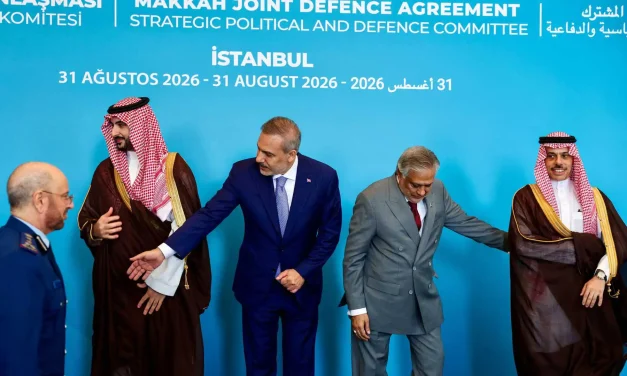
Strategic Council Online – Note: The Makkah Defense Pact can be seen as a sign of regional countries’ efforts to reduce security dependence on extra-regional powers and redefine the balance in West Asia.
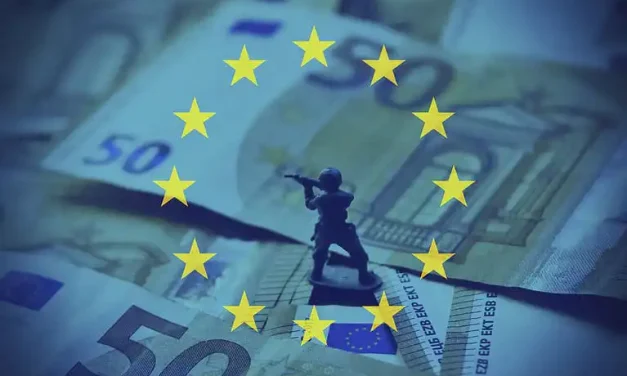
SCFR Online – Opinion: The Ukraine war, by exhausting US military capability on one hand and strengthening European defense capacity on the other, has altered the balance of power in the European continent, cast uncertainty over NATO’s future, and is driving it toward a European NATO.
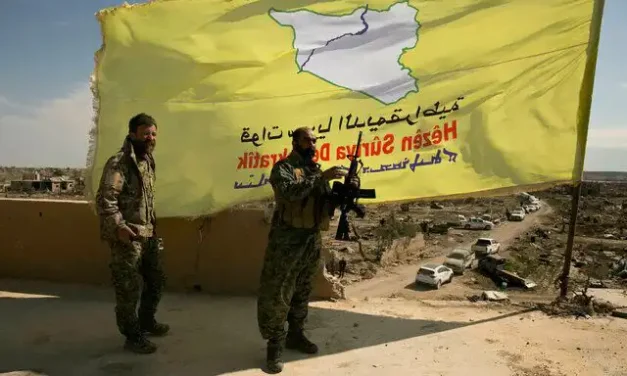
SCFR Online – Opinion: The dissolution of the SDF, although considered an achievement for Turkey’s security, does not put an end to the challenges arising from the Israeli regime’s aggression and expansionism, refugees, and Syria’s fragility.
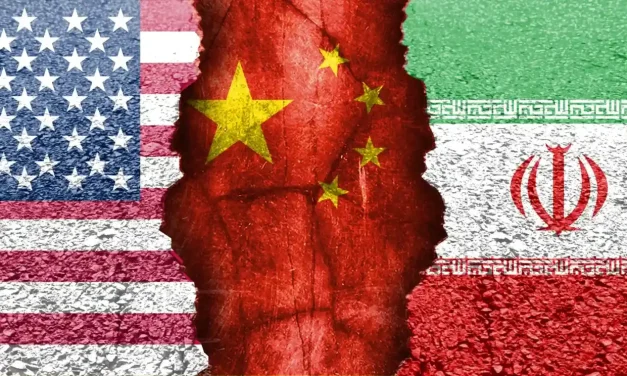
SCFR Online – Opinion: Concurrent with the official commencement of the United States’ economic war against our country, focusing on sanctions instruments, isolation, and economic pressure, what has now become increasingly important is the lack of alignment of other major global powers, especially China, with this policy.
SCFR Online – Opinion: The new US sanctions against Iran, despite extensive propaganda, face serious obstacles to success due to the ineffectiveness of sanctions tools and opposition from some of Tehran’s trading partners.


Strategic Council Online – Now that under the present situation of Palestine, the UAE and Bahrain have accepted Israel as a reality, under the US support, it is considered a clear betrayal of the Palestinian people and aspiration.
Qasem Mohebali – Expert on Middle East Affairs

Strategic Council Online – Editorial – The Karabakh crisis has no military solution and so these tensions should be immediately stopped. And any political solution or negotiation should be channelled through regional frameworks to be effective and productive. The internationalization of this problem would further complicate the conflict under circumstances in which international players are interested in continued crisis and escalation in this region.
Hasan Beheshtipour – International relations analyst

Strategic Council Online – If Joe Biden, Trump’s Democratic rival, wins the presidential elections, we will be witness to a different atmosphere in the arena of international relations and Chinese and Russian arms sales to Iran will be overshadowed by Biden’s return to the Joint Comprehensive Plan of Action (JCPOA). Under such circumstances, Beijing and Moscow will sell conventional and limited arms to Iran more conveniently.
Rahman Qahramanpour – Senior Expert on Geopolitical Affairs

Strategic Council Online-Editorial: The Islamic Republic of Iran has tried to challenge imperialistic and hegemonic policies through establishing regional links in order to put an end to the hegemony of the US and other imperial powers in the West Asia region.
Jafar Qannadbashi-expert of Middle East issues

Strategic Council Online – Donald Trump’s recent remarks on lack of commitment to a peaceful transfer of power can be evaluated from two aspects; one related to the nature and the rules of the elections in the United States and the mail-in elections process in that country, and the other related to his personal and psychological characteristics that he is not prepared at all to accept defeat.
Amir Ali Abolfath – Expert on American Affairs

Strategic Council Online – The most likely scenario Lebanon is presently faced with is not to allow the prime minister proposed by Michel Aoun to form government in the absence of the consent of Saad Hariri, Fouad Siniora and Samir Geagea, and finally, with the widening of political vacuum, the Lebanese President will be forced to appoint Saad Hariri to form the government.
Hassan Hanizadeh – Expert on Middle East Affairs
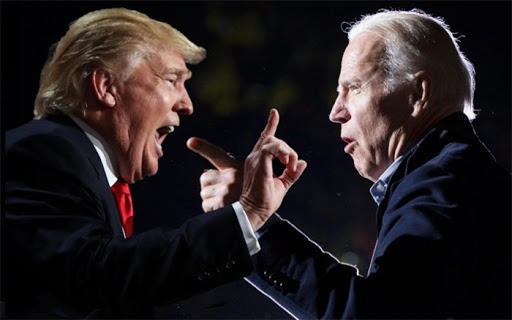
Strategic Council Online-editorial: Election debates are most crucial for American voters to make their final decision. Wednesday’s debate between Trump and Biden will provide stronger grounds on who is going to be the next US president.
Tahmoores Gholami- expert of American affairs

Strategic Council Online – The illegitimate presence of the Zionists in the Persian Gulf will increase vulnerability of these forces; as the Arab nations of the region are not psychologically and culturally ready to accept the citizens of the Israeli regime and this is considered a serious challenge for Tel Aviv. There may also be underground movements in the future to strike at the interests of the Israeli regime in the Arab countries.
Hassan Hanizadeh – Expert of the Middle East

Online Strategic Council–editorial: Even though Donald Trump remains adamant in weakening international organizations with his unilateral thinking, the world stands united in recognizing the role of the United Nations and the Security Council in settling disputes. This seems to be a positive development.
Dr Abdorreza Farajirad- Geopolitical analyst
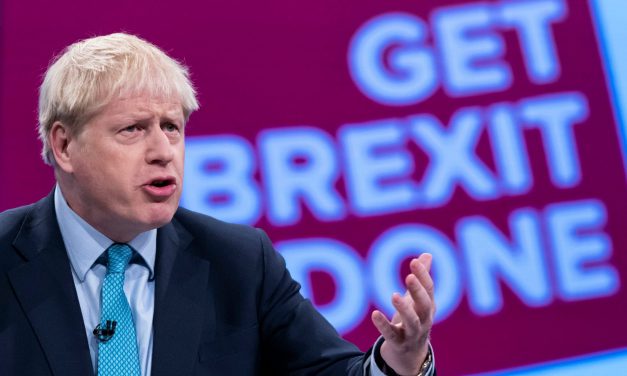
Strategic Council Online – London is now in an ambiguous position because it is both about to secede completely from the European Union and it is not clear what trend the US will adopt towards Britain after its separation.
Ali Bigdeli – Expert on European Affairs
SCFR Online – Opinion: The intensification of U.S. sanctions against Iran on the eve of the U.S. midterm elections indicates Washington’s inability to achieve its war objectives.
SCFR Online – Opinion: The competition between Washington and Beijing over chips and artificial intelligence, simultaneously with the shifting of technological balances, has taken on new economic and security dimensions.
SCFR Online – Opinion: The Shanghai Cooperation Organization summit has created a new opportunity for Iran to transform its membership from a political achievement into economic and transit cooperation.
Strategic Council Online – Note: The Makkah Defense Pact can be seen as a sign of regional countries’ efforts to reduce security dependence on extra-regional powers and redefine the balance in West Asia.
SCFR Online – Opinion: The Ukraine war, by exhausting US military capability on one hand and strengthening European defense capacity on the other, has altered the balance of power in the European continent, cast uncertainty over NATO’s future, and is driving it toward a European NATO.
SCFR Online – Opinion: The dissolution of the SDF, although considered an achievement for Turkey’s security, does not put an end to the challenges arising from the Israeli regime’s aggression and expansionism, refugees, and Syria’s fragility.
SCFR Online – Opinion: Concurrent with the official commencement of the United States’ economic war against our country, focusing on sanctions instruments, isolation, and economic pressure, what has now become increasingly important is the lack of alignment of other major global powers, especially China, with this policy.
SCFR Online – Opinion: The new US sanctions against Iran, despite extensive propaganda, face serious obstacles to success due to the ineffectiveness of sanctions tools and opposition from some of Tehran’s trading partners.
Strategic Council Online – Now that under the present situation of Palestine, the UAE and Bahrain have accepted Israel as a reality, under the US support, it is considered a clear betrayal of the Palestinian people and aspiration.
Qasem Mohebali – Expert on Middle East Affairs
Strategic Council Online – Editorial – The Karabakh crisis has no military solution and so these tensions should be immediately stopped. And any political solution or negotiation should be channelled through regional frameworks to be effective and productive. The internationalization of this problem would further complicate the conflict under circumstances in which international players are interested in continued crisis and escalation in this region.
Hasan Beheshtipour – International relations analyst
Strategic Council Online – If Joe Biden, Trump’s Democratic rival, wins the presidential elections, we will be witness to a different atmosphere in the arena of international relations and Chinese and Russian arms sales to Iran will be overshadowed by Biden’s return to the Joint Comprehensive Plan of Action (JCPOA). Under such circumstances, Beijing and Moscow will sell conventional and limited arms to Iran more conveniently.
Rahman Qahramanpour – Senior Expert on Geopolitical Affairs
Strategic Council Online-Editorial: The Islamic Republic of Iran has tried to challenge imperialistic and hegemonic policies through establishing regional links in order to put an end to the hegemony of the US and other imperial powers in the West Asia region.
Jafar Qannadbashi-expert of Middle East issues
Strategic Council Online – Donald Trump’s recent remarks on lack of commitment to a peaceful transfer of power can be evaluated from two aspects; one related to the nature and the rules of the elections in the United States and the mail-in elections process in that country, and the other related to his personal and psychological characteristics that he is not prepared at all to accept defeat.
Amir Ali Abolfath – Expert on American Affairs
Strategic Council Online – The most likely scenario Lebanon is presently faced with is not to allow the prime minister proposed by Michel Aoun to form government in the absence of the consent of Saad Hariri, Fouad Siniora and Samir Geagea, and finally, with the widening of political vacuum, the Lebanese President will be forced to appoint Saad Hariri to form the government.
Hassan Hanizadeh – Expert on Middle East Affairs
Strategic Council Online-editorial: Election debates are most crucial for American voters to make their final decision. Wednesday’s debate between Trump and Biden will provide stronger grounds on who is going to be the next US president.
Tahmoores Gholami- expert of American affairs
Strategic Council Online – The illegitimate presence of the Zionists in the Persian Gulf will increase vulnerability of these forces; as the Arab nations of the region are not psychologically and culturally ready to accept the citizens of the Israeli regime and this is considered a serious challenge for Tel Aviv. There may also be underground movements in the future to strike at the interests of the Israeli regime in the Arab countries.
Hassan Hanizadeh – Expert of the Middle East
Online Strategic Council–editorial: Even though Donald Trump remains adamant in weakening international organizations with his unilateral thinking, the world stands united in recognizing the role of the United Nations and the Security Council in settling disputes. This seems to be a positive development.
Dr Abdorreza Farajirad- Geopolitical analyst
Strategic Council Online – London is now in an ambiguous position because it is both about to secede completely from the European Union and it is not clear what trend the US will adopt towards Britain after its separation.
Ali Bigdeli – Expert on European Affairs
Strategic Council Online – Now that under the present situation of Palestine, the UAE and Bahrain have accepted Israel as a reality, under the US support, it is considered a clear betrayal of the Palestinian people and aspiration.
Qasem Mohebali – Expert on Middle East Affairs
Strategic Council Online – Editorial – The Karabakh crisis has no military solution and so these tensions should be immediately stopped. And any political solution or negotiation should be channelled through regional frameworks to be effective and productive. The internationalization of this problem would further complicate the conflict under circumstances in which international players are interested in continued crisis and escalation in this region.
Hasan Beheshtipour – International relations analyst
Strategic Council Online – If Joe Biden, Trump’s Democratic rival, wins the presidential elections, we will be witness to a different atmosphere in the arena of international relations and Chinese and Russian arms sales to Iran will be overshadowed by Biden’s return to the Joint Comprehensive Plan of Action (JCPOA). Under such circumstances, Beijing and Moscow will sell conventional and limited arms to Iran more conveniently.
Rahman Qahramanpour – Senior Expert on Geopolitical Affairs
Strategic Council Online-Editorial: The Islamic Republic of Iran has tried to challenge imperialistic and hegemonic policies through establishing regional links in order to put an end to the hegemony of the US and other imperial powers in the West Asia region.
Jafar Qannadbashi-expert of Middle East issues
Strategic Council Online – Donald Trump’s recent remarks on lack of commitment to a peaceful transfer of power can be evaluated from two aspects; one related to the nature and the rules of the elections in the United States and the mail-in elections process in that country, and the other related to his personal and psychological characteristics that he is not prepared at all to accept defeat.
Amir Ali Abolfath – Expert on American Affairs
Strategic Council Online – The most likely scenario Lebanon is presently faced with is not to allow the prime minister proposed by Michel Aoun to form government in the absence of the consent of Saad Hariri, Fouad Siniora and Samir Geagea, and finally, with the widening of political vacuum, the Lebanese President will be forced to appoint Saad Hariri to form the government.
Hassan Hanizadeh – Expert on Middle East Affairs
Strategic Council Online-editorial: Election debates are most crucial for American voters to make their final decision. Wednesday’s debate between Trump and Biden will provide stronger grounds on who is going to be the next US president.
Tahmoores Gholami- expert of American affairs
Strategic Council Online – The illegitimate presence of the Zionists in the Persian Gulf will increase vulnerability of these forces; as the Arab nations of the region are not psychologically and culturally ready to accept the citizens of the Israeli regime and this is considered a serious challenge for Tel Aviv. There may also be underground movements in the future to strike at the interests of the Israeli regime in the Arab countries.
Hassan Hanizadeh – Expert of the Middle East
Online Strategic Council–editorial: Even though Donald Trump remains adamant in weakening international organizations with his unilateral thinking, the world stands united in recognizing the role of the United Nations and the Security Council in settling disputes. This seems to be a positive development.
Dr Abdorreza Farajirad- Geopolitical analyst
Strategic Council Online – London is now in an ambiguous position because it is both about to secede completely from the European Union and it is not clear what trend the US will adopt towards Britain after its separation.
Ali Bigdeli – Expert on European Affairs
SCFR Online – Opinion: The intensification of U.S. sanctions against Iran on the eve of the U.S. midterm elections indicates Washington’s inability to achieve its war objectives.
SCFR Online – Opinion: The competition between Washington and Beijing over chips and artificial intelligence, simultaneously with the shifting of technological balances, has taken on new economic and security dimensions.
SCFR Online – Opinion: The Shanghai Cooperation Organization summit has created a new opportunity for Iran to transform its membership from a political achievement into economic and transit cooperation.
Strategic Council Online – Note: The Makkah Defense Pact can be seen as a sign of regional countries’ efforts to reduce security dependence on extra-regional powers and redefine the balance in West Asia.
SCFR Online – Opinion: The Ukraine war, by exhausting US military capability on one hand and strengthening European defense capacity on the other, has altered the balance of power in the European continent, cast uncertainty over NATO’s future, and is driving it toward a European NATO.
SCFR Online – Opinion: The dissolution of the SDF, although considered an achievement for Turkey’s security, does not put an end to the challenges arising from the Israeli regime’s aggression and expansionism, refugees, and Syria’s fragility.
SCFR Online – Opinion: Concurrent with the official commencement of the United States’ economic war against our country, focusing on sanctions instruments, isolation, and economic pressure, what has now become increasingly important is the lack of alignment of other major global powers, especially China, with this policy.
SCFR Online – Opinion: The new US sanctions against Iran, despite extensive propaganda, face serious obstacles to success due to the ineffectiveness of sanctions tools and opposition from some of Tehran’s trading partners.
Strategic Council Online – Now that under the present situation of Palestine, the UAE and Bahrain have accepted Israel as a reality, under the US support, it is considered a clear betrayal of the Palestinian people and aspiration.
Qasem Mohebali – Expert on Middle East Affairs
Strategic Council Online – Editorial – The Karabakh crisis has no military solution and so these tensions should be immediately stopped. And any political solution or negotiation should be channelled through regional frameworks to be effective and productive. The internationalization of this problem would further complicate the conflict under circumstances in which international players are interested in continued crisis and escalation in this region.
Hasan Beheshtipour – International relations analyst
Strategic Council Online – If Joe Biden, Trump’s Democratic rival, wins the presidential elections, we will be witness to a different atmosphere in the arena of international relations and Chinese and Russian arms sales to Iran will be overshadowed by Biden’s return to the Joint Comprehensive Plan of Action (JCPOA). Under such circumstances, Beijing and Moscow will sell conventional and limited arms to Iran more conveniently.
Rahman Qahramanpour – Senior Expert on Geopolitical Affairs
Strategic Council Online-Editorial: The Islamic Republic of Iran has tried to challenge imperialistic and hegemonic policies through establishing regional links in order to put an end to the hegemony of the US and other imperial powers in the West Asia region.
Jafar Qannadbashi-expert of Middle East issues
Strategic Council Online – Donald Trump’s recent remarks on lack of commitment to a peaceful transfer of power can be evaluated from two aspects; one related to the nature and the rules of the elections in the United States and the mail-in elections process in that country, and the other related to his personal and psychological characteristics that he is not prepared at all to accept defeat.
Amir Ali Abolfath – Expert on American Affairs
Strategic Council Online – The most likely scenario Lebanon is presently faced with is not to allow the prime minister proposed by Michel Aoun to form government in the absence of the consent of Saad Hariri, Fouad Siniora and Samir Geagea, and finally, with the widening of political vacuum, the Lebanese President will be forced to appoint Saad Hariri to form the government.
Hassan Hanizadeh – Expert on Middle East Affairs
Strategic Council Online-editorial: Election debates are most crucial for American voters to make their final decision. Wednesday’s debate between Trump and Biden will provide stronger grounds on who is going to be the next US president.
Tahmoores Gholami- expert of American affairs
Strategic Council Online – The illegitimate presence of the Zionists in the Persian Gulf will increase vulnerability of these forces; as the Arab nations of the region are not psychologically and culturally ready to accept the citizens of the Israeli regime and this is considered a serious challenge for Tel Aviv. There may also be underground movements in the future to strike at the interests of the Israeli regime in the Arab countries.
Hassan Hanizadeh – Expert of the Middle East
Online Strategic Council–editorial: Even though Donald Trump remains adamant in weakening international organizations with his unilateral thinking, the world stands united in recognizing the role of the United Nations and the Security Council in settling disputes. This seems to be a positive development.
Dr Abdorreza Farajirad- Geopolitical analyst
Strategic Council Online – London is now in an ambiguous position because it is both about to secede completely from the European Union and it is not clear what trend the US will adopt towards Britain after its separation.
Ali Bigdeli – Expert on European Affairs
SCFR Online – Opinion: The intensification of U.S. sanctions against Iran on the eve of the U.S. midterm elections indicates Washington’s inability to achieve its war objectives.
SCFR Online – Opinion: The competition between Washington and Beijing over chips and artificial intelligence, simultaneously with the shifting of technological balances, has taken on new economic and security dimensions.
SCFR Online – Opinion: The Shanghai Cooperation Organization summit has created a new opportunity for Iran to transform its membership from a political achievement into economic and transit cooperation.
Strategic Council Online – Note: The Makkah Defense Pact can be seen as a sign of regional countries’ efforts to reduce security dependence on extra-regional powers and redefine the balance in West Asia.
SCFR Online – Opinion: The Ukraine war, by exhausting US military capability on one hand and strengthening European defense capacity on the other, has altered the balance of power in the European continent, cast uncertainty over NATO’s future, and is driving it toward a European NATO.
SCFR Online – Opinion: The dissolution of the SDF, although considered an achievement for Turkey’s security, does not put an end to the challenges arising from the Israeli regime’s aggression and expansionism, refugees, and Syria’s fragility.
SCFR Online – Opinion: Concurrent with the official commencement of the United States’ economic war against our country, focusing on sanctions instruments, isolation, and economic pressure, what has now become increasingly important is the lack of alignment of other major global powers, especially China, with this policy.
SCFR Online – Opinion: The new US sanctions against Iran, despite extensive propaganda, face serious obstacles to success due to the ineffectiveness of sanctions tools and opposition from some of Tehran’s trading partners.
Strategic Council Online – Now that under the present situation of Palestine, the UAE and Bahrain have accepted Israel as a reality, under the US support, it is considered a clear betrayal of the Palestinian people and aspiration.
Qasem Mohebali – Expert on Middle East Affairs
Strategic Council Online – Editorial – The Karabakh crisis has no military solution and so these tensions should be immediately stopped. And any political solution or negotiation should be channelled through regional frameworks to be effective and productive. The internationalization of this problem would further complicate the conflict under circumstances in which international players are interested in continued crisis and escalation in this region.
Hasan Beheshtipour – International relations analyst
Strategic Council Online – If Joe Biden, Trump’s Democratic rival, wins the presidential elections, we will be witness to a different atmosphere in the arena of international relations and Chinese and Russian arms sales to Iran will be overshadowed by Biden’s return to the Joint Comprehensive Plan of Action (JCPOA). Under such circumstances, Beijing and Moscow will sell conventional and limited arms to Iran more conveniently.
Rahman Qahramanpour – Senior Expert on Geopolitical Affairs
Strategic Council Online-Editorial: The Islamic Republic of Iran has tried to challenge imperialistic and hegemonic policies through establishing regional links in order to put an end to the hegemony of the US and other imperial powers in the West Asia region.
Jafar Qannadbashi-expert of Middle East issues
Strategic Council Online – Donald Trump’s recent remarks on lack of commitment to a peaceful transfer of power can be evaluated from two aspects; one related to the nature and the rules of the elections in the United States and the mail-in elections process in that country, and the other related to his personal and psychological characteristics that he is not prepared at all to accept defeat.
Amir Ali Abolfath – Expert on American Affairs
Strategic Council Online – The most likely scenario Lebanon is presently faced with is not to allow the prime minister proposed by Michel Aoun to form government in the absence of the consent of Saad Hariri, Fouad Siniora and Samir Geagea, and finally, with the widening of political vacuum, the Lebanese President will be forced to appoint Saad Hariri to form the government.
Hassan Hanizadeh – Expert on Middle East Affairs
Strategic Council Online-editorial: Election debates are most crucial for American voters to make their final decision. Wednesday’s debate between Trump and Biden will provide stronger grounds on who is going to be the next US president.
Tahmoores Gholami- expert of American affairs
Strategic Council Online – The illegitimate presence of the Zionists in the Persian Gulf will increase vulnerability of these forces; as the Arab nations of the region are not psychologically and culturally ready to accept the citizens of the Israeli regime and this is considered a serious challenge for Tel Aviv. There may also be underground movements in the future to strike at the interests of the Israeli regime in the Arab countries.
Hassan Hanizadeh – Expert of the Middle East
Online Strategic Council–editorial: Even though Donald Trump remains adamant in weakening international organizations with his unilateral thinking, the world stands united in recognizing the role of the United Nations and the Security Council in settling disputes. This seems to be a positive development.
Dr Abdorreza Farajirad- Geopolitical analyst
Strategic Council Online – London is now in an ambiguous position because it is both about to secede completely from the European Union and it is not clear what trend the US will adopt towards Britain after its separation.
Ali Bigdeli – Expert on European Affairs
SCFR Online – Opinion: The intensification of U.S. sanctions against Iran on the eve of the U.S. midterm elections indicates Washington’s inability to achieve its war objectives.
SCFR Online – Opinion: The competition between Washington and Beijing over chips and artificial intelligence, simultaneously with the shifting of technological balances, has taken on new economic and security dimensions.
SCFR Online – Opinion: The Shanghai Cooperation Organization summit has created a new opportunity for Iran to transform its membership from a political achievement into economic and transit cooperation.
Strategic Council Online – Note: The Makkah Defense Pact can be seen as a sign of regional countries’ efforts to reduce security dependence on extra-regional powers and redefine the balance in West Asia.
SCFR Online – Opinion: The Ukraine war, by exhausting US military capability on one hand and strengthening European defense capacity on the other, has altered the balance of power in the European continent, cast uncertainty over NATO’s future, and is driving it toward a European NATO.
SCFR Online – Opinion: The dissolution of the SDF, although considered an achievement for Turkey’s security, does not put an end to the challenges arising from the Israeli regime’s aggression and expansionism, refugees, and Syria’s fragility.
SCFR Online – Opinion: Concurrent with the official commencement of the United States’ economic war against our country, focusing on sanctions instruments, isolation, and economic pressure, what has now become increasingly important is the lack of alignment of other major global powers, especially China, with this policy.
SCFR Online – Opinion: The new US sanctions against Iran, despite extensive propaganda, face serious obstacles to success due to the ineffectiveness of sanctions tools and opposition from some of Tehran’s trading partners.
Strategic Council Online – Now that under the present situation of Palestine, the UAE and Bahrain have accepted Israel as a reality, under the US support, it is considered a clear betrayal of the Palestinian people and aspiration.
Qasem Mohebali – Expert on Middle East Affairs
Strategic Council Online – Editorial – The Karabakh crisis has no military solution and so these tensions should be immediately stopped. And any political solution or negotiation should be channelled through regional frameworks to be effective and productive. The internationalization of this problem would further complicate the conflict under circumstances in which international players are interested in continued crisis and escalation in this region.
Hasan Beheshtipour – International relations analyst
Strategic Council Online – If Joe Biden, Trump’s Democratic rival, wins the presidential elections, we will be witness to a different atmosphere in the arena of international relations and Chinese and Russian arms sales to Iran will be overshadowed by Biden’s return to the Joint Comprehensive Plan of Action (JCPOA). Under such circumstances, Beijing and Moscow will sell conventional and limited arms to Iran more conveniently.
Rahman Qahramanpour – Senior Expert on Geopolitical Affairs
Strategic Council Online-Editorial: The Islamic Republic of Iran has tried to challenge imperialistic and hegemonic policies through establishing regional links in order to put an end to the hegemony of the US and other imperial powers in the West Asia region.
Jafar Qannadbashi-expert of Middle East issues
Strategic Council Online – Donald Trump’s recent remarks on lack of commitment to a peaceful transfer of power can be evaluated from two aspects; one related to the nature and the rules of the elections in the United States and the mail-in elections process in that country, and the other related to his personal and psychological characteristics that he is not prepared at all to accept defeat.
Amir Ali Abolfath – Expert on American Affairs
Strategic Council Online – The most likely scenario Lebanon is presently faced with is not to allow the prime minister proposed by Michel Aoun to form government in the absence of the consent of Saad Hariri, Fouad Siniora and Samir Geagea, and finally, with the widening of political vacuum, the Lebanese President will be forced to appoint Saad Hariri to form the government.
Hassan Hanizadeh – Expert on Middle East Affairs
Strategic Council Online-editorial: Election debates are most crucial for American voters to make their final decision. Wednesday’s debate between Trump and Biden will provide stronger grounds on who is going to be the next US president.
Tahmoores Gholami- expert of American affairs
Strategic Council Online – The illegitimate presence of the Zionists in the Persian Gulf will increase vulnerability of these forces; as the Arab nations of the region are not psychologically and culturally ready to accept the citizens of the Israeli regime and this is considered a serious challenge for Tel Aviv. There may also be underground movements in the future to strike at the interests of the Israeli regime in the Arab countries.
Hassan Hanizadeh – Expert of the Middle East
Online Strategic Council–editorial: Even though Donald Trump remains adamant in weakening international organizations with his unilateral thinking, the world stands united in recognizing the role of the United Nations and the Security Council in settling disputes. This seems to be a positive development.
Dr Abdorreza Farajirad- Geopolitical analyst
Strategic Council Online – London is now in an ambiguous position because it is both about to secede completely from the European Union and it is not clear what trend the US will adopt towards Britain after its separation.
Ali Bigdeli – Expert on European Affairs
SCFR Online – Opinion: The intensification of U.S. sanctions against Iran on the eve of the U.S. midterm elections indicates Washington’s inability to achieve its war objectives.
SCFR Online – Opinion: The competition between Washington and Beijing over chips and artificial intelligence, simultaneously with the shifting of technological balances, has taken on new economic and security dimensions.
SCFR Online – Opinion: The Shanghai Cooperation Organization summit has created a new opportunity for Iran to transform its membership from a political achievement into economic and transit cooperation.
Strategic Council Online – Note: The Makkah Defense Pact can be seen as a sign of regional countries’ efforts to reduce security dependence on extra-regional powers and redefine the balance in West Asia.
SCFR Online – Opinion: The Ukraine war, by exhausting US military capability on one hand and strengthening European defense capacity on the other, has altered the balance of power in the European continent, cast uncertainty over NATO’s future, and is driving it toward a European NATO.
SCFR Online – Opinion: The dissolution of the SDF, although considered an achievement for Turkey’s security, does not put an end to the challenges arising from the Israeli regime’s aggression and expansionism, refugees, and Syria’s fragility.
SCFR Online – Opinion: Concurrent with the official commencement of the United States’ economic war against our country, focusing on sanctions instruments, isolation, and economic pressure, what has now become increasingly important is the lack of alignment of other major global powers, especially China, with this policy.
SCFR Online – Opinion: The new US sanctions against Iran, despite extensive propaganda, face serious obstacles to success due to the ineffectiveness of sanctions tools and opposition from some of Tehran’s trading partners.
Strategic Council Online – Now that under the present situation of Palestine, the UAE and Bahrain have accepted Israel as a reality, under the US support, it is considered a clear betrayal of the Palestinian people and aspiration.
Qasem Mohebali – Expert on Middle East Affairs
Strategic Council Online – Editorial – The Karabakh crisis has no military solution and so these tensions should be immediately stopped. And any political solution or negotiation should be channelled through regional frameworks to be effective and productive. The internationalization of this problem would further complicate the conflict under circumstances in which international players are interested in continued crisis and escalation in this region.
Hasan Beheshtipour – International relations analyst
Strategic Council Online – If Joe Biden, Trump’s Democratic rival, wins the presidential elections, we will be witness to a different atmosphere in the arena of international relations and Chinese and Russian arms sales to Iran will be overshadowed by Biden’s return to the Joint Comprehensive Plan of Action (JCPOA). Under such circumstances, Beijing and Moscow will sell conventional and limited arms to Iran more conveniently.
Rahman Qahramanpour – Senior Expert on Geopolitical Affairs
Strategic Council Online-Editorial: The Islamic Republic of Iran has tried to challenge imperialistic and hegemonic policies through establishing regional links in order to put an end to the hegemony of the US and other imperial powers in the West Asia region.
Jafar Qannadbashi-expert of Middle East issues
Strategic Council Online – Donald Trump’s recent remarks on lack of commitment to a peaceful transfer of power can be evaluated from two aspects; one related to the nature and the rules of the elections in the United States and the mail-in elections process in that country, and the other related to his personal and psychological characteristics that he is not prepared at all to accept defeat.
Amir Ali Abolfath – Expert on American Affairs
Strategic Council Online – The most likely scenario Lebanon is presently faced with is not to allow the prime minister proposed by Michel Aoun to form government in the absence of the consent of Saad Hariri, Fouad Siniora and Samir Geagea, and finally, with the widening of political vacuum, the Lebanese President will be forced to appoint Saad Hariri to form the government.
Hassan Hanizadeh – Expert on Middle East Affairs
Strategic Council Online-editorial: Election debates are most crucial for American voters to make their final decision. Wednesday’s debate between Trump and Biden will provide stronger grounds on who is going to be the next US president.
Tahmoores Gholami- expert of American affairs
Strategic Council Online – The illegitimate presence of the Zionists in the Persian Gulf will increase vulnerability of these forces; as the Arab nations of the region are not psychologically and culturally ready to accept the citizens of the Israeli regime and this is considered a serious challenge for Tel Aviv. There may also be underground movements in the future to strike at the interests of the Israeli regime in the Arab countries.
Hassan Hanizadeh – Expert of the Middle East
Online Strategic Council–editorial: Even though Donald Trump remains adamant in weakening international organizations with his unilateral thinking, the world stands united in recognizing the role of the United Nations and the Security Council in settling disputes. This seems to be a positive development.
Dr Abdorreza Farajirad- Geopolitical analyst
Strategic Council Online – London is now in an ambiguous position because it is both about to secede completely from the European Union and it is not clear what trend the US will adopt towards Britain after its separation.
Ali Bigdeli – Expert on European Affairs
SCFR Online – Opinion: The intensification of U.S. sanctions against Iran on the eve of the U.S. midterm elections indicates Washington’s inability to achieve its war objectives.
SCFR Online – Opinion: The competition between Washington and Beijing over chips and artificial intelligence, simultaneously with the shifting of technological balances, has taken on new economic and security dimensions.
SCFR Online – Opinion: The Shanghai Cooperation Organization summit has created a new opportunity for Iran to transform its membership from a political achievement into economic and transit cooperation.
Strategic Council Online – Note: The Makkah Defense Pact can be seen as a sign of regional countries’ efforts to reduce security dependence on extra-regional powers and redefine the balance in West Asia.
SCFR Online – Opinion: The Ukraine war, by exhausting US military capability on one hand and strengthening European defense capacity on the other, has altered the balance of power in the European continent, cast uncertainty over NATO’s future, and is driving it toward a European NATO.
SCFR Online – Opinion: The dissolution of the SDF, although considered an achievement for Turkey’s security, does not put an end to the challenges arising from the Israeli regime’s aggression and expansionism, refugees, and Syria’s fragility.
SCFR Online – Opinion: Concurrent with the official commencement of the United States’ economic war against our country, focusing on sanctions instruments, isolation, and economic pressure, what has now become increasingly important is the lack of alignment of other major global powers, especially China, with this policy.
SCFR Online – Opinion: The new US sanctions against Iran, despite extensive propaganda, face serious obstacles to success due to the ineffectiveness of sanctions tools and opposition from some of Tehran’s trading partners.