Reasons for the Ineffectiveness of Trump’s “Economic War” against Iran
SCFR Online – Opinion: The intensification of U.S. sanctions against Iran on the eve of the U.S. midterm elections indicates Washington’s inability to achieve its war objectives.


SCFR Online – Opinion: The intensification of U.S. sanctions against Iran on the eve of the U.S. midterm elections indicates Washington’s inability to achieve its war objectives.

SCFR Online – Opinion: The competition between Washington and Beijing over chips and artificial intelligence, simultaneously with the shifting of technological balances, has taken on new economic and security dimensions.
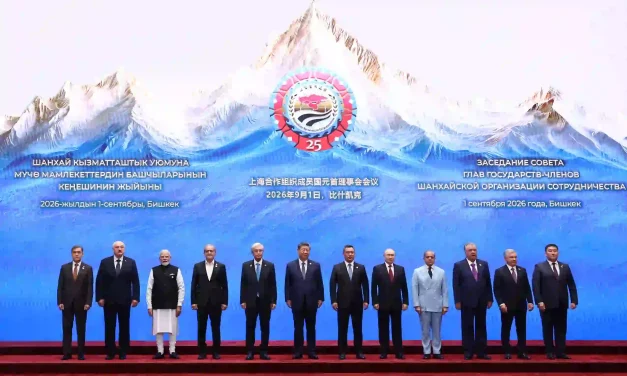
SCFR Online – Opinion: The Shanghai Cooperation Organization summit has created a new opportunity for Iran to transform its membership from a political achievement into economic and transit cooperation.
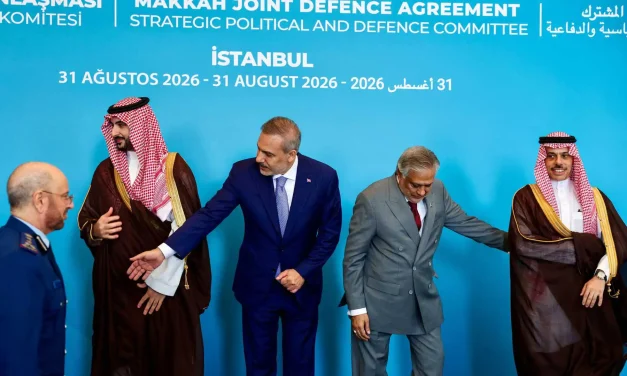
Strategic Council Online – Note: The Makkah Defense Pact can be seen as a sign of regional countries’ efforts to reduce security dependence on extra-regional powers and redefine the balance in West Asia.
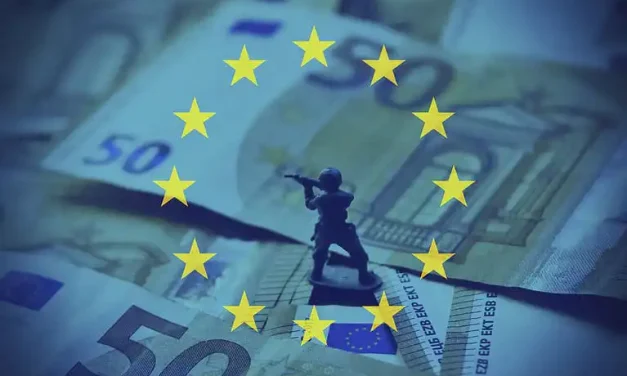
SCFR Online – Opinion: The Ukraine war, by exhausting US military capability on one hand and strengthening European defense capacity on the other, has altered the balance of power in the European continent, cast uncertainty over NATO’s future, and is driving it toward a European NATO.
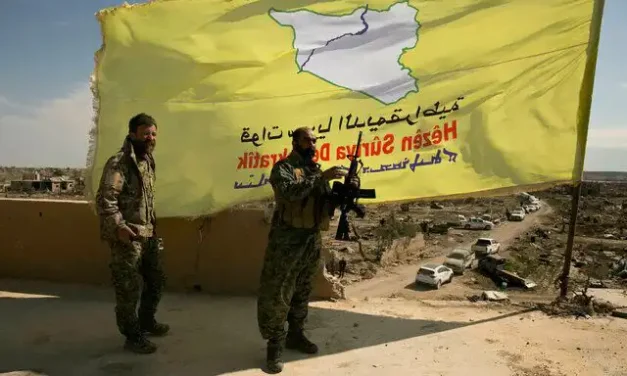
SCFR Online – Opinion: The dissolution of the SDF, although considered an achievement for Turkey’s security, does not put an end to the challenges arising from the Israeli regime’s aggression and expansionism, refugees, and Syria’s fragility.
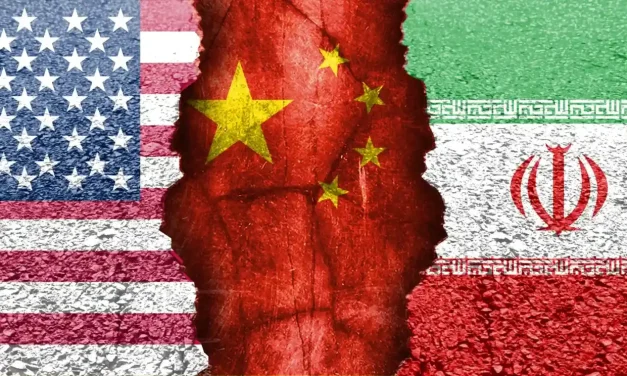
SCFR Online – Opinion: Concurrent with the official commencement of the United States’ economic war against our country, focusing on sanctions instruments, isolation, and economic pressure, what has now become increasingly important is the lack of alignment of other major global powers, especially China, with this policy.
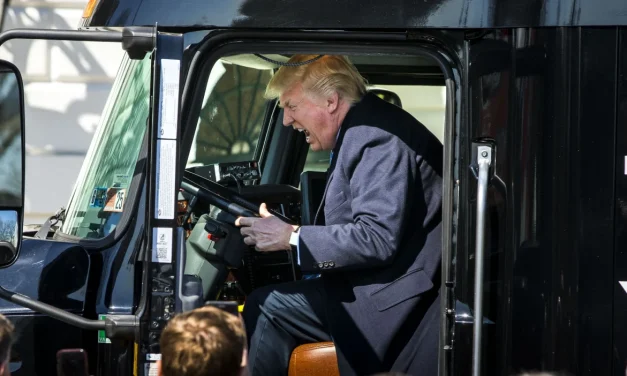
SCFR Online – Opinion: The new US sanctions against Iran, despite extensive propaganda, face serious obstacles to success due to the ineffectiveness of sanctions tools and opposition from some of Tehran’s trading partners.


Strategic Council Online – In addition to the Islamic Republic of Iran, the new Iraqi government seeks to establish new relations with countries in the region and beyond, in which countries such as Saudi Arabia, Turkey, and the Persian Gulf states are given priority.
Siamak Kakai – Iraqi Affairs Expert

Strategic Council Online – COVID 19 has been stagnating the world economy for at least a decade, and instead of countries working together to counter the coronavirus, we are witnessing a series of rivalries and political work. This process has largely called into question globalization and strengthened nationalism.
Dr. Abdolreza Farajirad – Geopolitical Analyst

Strategic Council Online – The US news site Al-Monitor reported on July 30, 2020, quoting informed sources, that the Kurdish-controlled Autonomous Region of Northern and Eastern Syria has signed an agreement with the American oil company Delta Crescent Energy LLC.
Abdullah Al-Samer – Syrian Analyst

Strategic Council Online – Many countries are redefining their previous relations with the Western bloc and paying much more attention to countries in the East, such as China, India, Japan, South Korea and even Russia because they know that in the 21st century, the world economic development revolves around Asian major powers.

Strategic Council Online – After the recent deadly blasts in Beirut, a clear scenario was followed by the Western media, including the American, as well as Zionist and Arab media to the effect that Hezbollah missiles were being kept in the said warehouse, which exploded due to heat. Riyadh even claimed that Hezbollah missiles had exploded following the Israeli missile strike, sparking propaganda that was denied by Seyed Hassan Nasrallah.
Hassan Hanizadeh – Middle East Affairs Expert

Strategic Council Online – At present, the US goal of maintaining presence in the Kurdish regions of Syria is to extract oil and gas, but the question is whether it is possible to implement this agreement and if so, how long will it continue, because the situation in the region is very sensitive and it cannot be assumed that if the Kurds dominate an area, they can use the resources and reserves there as they wish.
Reza Mirabian – Middle East Affairs Expert

Strategic Council Online – Due to the geographical constraints of the Occupied Territories and the vulnerability of the Zionist regime its officials are reluctant to enter into a classic war against Lebanon and other Resistance countries, as they are well aware that any military action by this regime will sooner or later face the reaction of the Resistance Axis states.
Hassan Hanizadeh – Middle East Expert

Strategic Council Online – Critics of Donald Trump believe that he opposes the mail-in voting because the turnout in such voting will increase, and this is not in the interests of the conservative right-wing. In fact, it is the liberals who get the chance to win whenever participation goes up.
Amir Ali Abolfath – Expert on American Issues

Strategic Council Online – Since the views of the United States and Iran on the Afghan peace process are completely different, it is inconceivable for Iran to stand by the US in the Afghan peace process and help them.
Pir Mohammad Mollazehi – Expert on Subcontinent Issues

Strategic Council Online – The Chinese are very serious about improving relations with Afghanistan and have clear policies, but as long as the Americans are in Afghanistan, it looks like Beijing will move with caution.
Pir Mohammad Mollazehi – Expert on Subcontinent Affairs
SCFR Online – Opinion: The intensification of U.S. sanctions against Iran on the eve of the U.S. midterm elections indicates Washington’s inability to achieve its war objectives.
SCFR Online – Opinion: The competition between Washington and Beijing over chips and artificial intelligence, simultaneously with the shifting of technological balances, has taken on new economic and security dimensions.
SCFR Online – Opinion: The Shanghai Cooperation Organization summit has created a new opportunity for Iran to transform its membership from a political achievement into economic and transit cooperation.
Strategic Council Online – Note: The Makkah Defense Pact can be seen as a sign of regional countries’ efforts to reduce security dependence on extra-regional powers and redefine the balance in West Asia.
SCFR Online – Opinion: The Ukraine war, by exhausting US military capability on one hand and strengthening European defense capacity on the other, has altered the balance of power in the European continent, cast uncertainty over NATO’s future, and is driving it toward a European NATO.
SCFR Online – Opinion: The dissolution of the SDF, although considered an achievement for Turkey’s security, does not put an end to the challenges arising from the Israeli regime’s aggression and expansionism, refugees, and Syria’s fragility.
SCFR Online – Opinion: Concurrent with the official commencement of the United States’ economic war against our country, focusing on sanctions instruments, isolation, and economic pressure, what has now become increasingly important is the lack of alignment of other major global powers, especially China, with this policy.
SCFR Online – Opinion: The new US sanctions against Iran, despite extensive propaganda, face serious obstacles to success due to the ineffectiveness of sanctions tools and opposition from some of Tehran’s trading partners.
Strategic Council Online – In addition to the Islamic Republic of Iran, the new Iraqi government seeks to establish new relations with countries in the region and beyond, in which countries such as Saudi Arabia, Turkey, and the Persian Gulf states are given priority.
Siamak Kakai – Iraqi Affairs Expert
Strategic Council Online – COVID 19 has been stagnating the world economy for at least a decade, and instead of countries working together to counter the coronavirus, we are witnessing a series of rivalries and political work. This process has largely called into question globalization and strengthened nationalism.
Dr. Abdolreza Farajirad – Geopolitical Analyst
Strategic Council Online – The US news site Al-Monitor reported on July 30, 2020, quoting informed sources, that the Kurdish-controlled Autonomous Region of Northern and Eastern Syria has signed an agreement with the American oil company Delta Crescent Energy LLC.
Abdullah Al-Samer – Syrian Analyst
Strategic Council Online – Many countries are redefining their previous relations with the Western bloc and paying much more attention to countries in the East, such as China, India, Japan, South Korea and even Russia because they know that in the 21st century, the world economic development revolves around Asian major powers.
Strategic Council Online – After the recent deadly blasts in Beirut, a clear scenario was followed by the Western media, including the American, as well as Zionist and Arab media to the effect that Hezbollah missiles were being kept in the said warehouse, which exploded due to heat. Riyadh even claimed that Hezbollah missiles had exploded following the Israeli missile strike, sparking propaganda that was denied by Seyed Hassan Nasrallah.
Hassan Hanizadeh – Middle East Affairs Expert
Strategic Council Online – At present, the US goal of maintaining presence in the Kurdish regions of Syria is to extract oil and gas, but the question is whether it is possible to implement this agreement and if so, how long will it continue, because the situation in the region is very sensitive and it cannot be assumed that if the Kurds dominate an area, they can use the resources and reserves there as they wish.
Reza Mirabian – Middle East Affairs Expert
Strategic Council Online – Due to the geographical constraints of the Occupied Territories and the vulnerability of the Zionist regime its officials are reluctant to enter into a classic war against Lebanon and other Resistance countries, as they are well aware that any military action by this regime will sooner or later face the reaction of the Resistance Axis states.
Hassan Hanizadeh – Middle East Expert
Strategic Council Online – Critics of Donald Trump believe that he opposes the mail-in voting because the turnout in such voting will increase, and this is not in the interests of the conservative right-wing. In fact, it is the liberals who get the chance to win whenever participation goes up.
Amir Ali Abolfath – Expert on American Issues
Strategic Council Online – Since the views of the United States and Iran on the Afghan peace process are completely different, it is inconceivable for Iran to stand by the US in the Afghan peace process and help them.
Pir Mohammad Mollazehi – Expert on Subcontinent Issues
Strategic Council Online – The Chinese are very serious about improving relations with Afghanistan and have clear policies, but as long as the Americans are in Afghanistan, it looks like Beijing will move with caution.
Pir Mohammad Mollazehi – Expert on Subcontinent Affairs
Strategic Council Online – In addition to the Islamic Republic of Iran, the new Iraqi government seeks to establish new relations with countries in the region and beyond, in which countries such as Saudi Arabia, Turkey, and the Persian Gulf states are given priority.
Siamak Kakai – Iraqi Affairs Expert
Strategic Council Online – COVID 19 has been stagnating the world economy for at least a decade, and instead of countries working together to counter the coronavirus, we are witnessing a series of rivalries and political work. This process has largely called into question globalization and strengthened nationalism.
Dr. Abdolreza Farajirad – Geopolitical Analyst
Strategic Council Online – The US news site Al-Monitor reported on July 30, 2020, quoting informed sources, that the Kurdish-controlled Autonomous Region of Northern and Eastern Syria has signed an agreement with the American oil company Delta Crescent Energy LLC.
Abdullah Al-Samer – Syrian Analyst
Strategic Council Online – Many countries are redefining their previous relations with the Western bloc and paying much more attention to countries in the East, such as China, India, Japan, South Korea and even Russia because they know that in the 21st century, the world economic development revolves around Asian major powers.
Strategic Council Online – After the recent deadly blasts in Beirut, a clear scenario was followed by the Western media, including the American, as well as Zionist and Arab media to the effect that Hezbollah missiles were being kept in the said warehouse, which exploded due to heat. Riyadh even claimed that Hezbollah missiles had exploded following the Israeli missile strike, sparking propaganda that was denied by Seyed Hassan Nasrallah.
Hassan Hanizadeh – Middle East Affairs Expert
Strategic Council Online – At present, the US goal of maintaining presence in the Kurdish regions of Syria is to extract oil and gas, but the question is whether it is possible to implement this agreement and if so, how long will it continue, because the situation in the region is very sensitive and it cannot be assumed that if the Kurds dominate an area, they can use the resources and reserves there as they wish.
Reza Mirabian – Middle East Affairs Expert
Strategic Council Online – Due to the geographical constraints of the Occupied Territories and the vulnerability of the Zionist regime its officials are reluctant to enter into a classic war against Lebanon and other Resistance countries, as they are well aware that any military action by this regime will sooner or later face the reaction of the Resistance Axis states.
Hassan Hanizadeh – Middle East Expert
Strategic Council Online – Critics of Donald Trump believe that he opposes the mail-in voting because the turnout in such voting will increase, and this is not in the interests of the conservative right-wing. In fact, it is the liberals who get the chance to win whenever participation goes up.
Amir Ali Abolfath – Expert on American Issues
Strategic Council Online – Since the views of the United States and Iran on the Afghan peace process are completely different, it is inconceivable for Iran to stand by the US in the Afghan peace process and help them.
Pir Mohammad Mollazehi – Expert on Subcontinent Issues
Strategic Council Online – The Chinese are very serious about improving relations with Afghanistan and have clear policies, but as long as the Americans are in Afghanistan, it looks like Beijing will move with caution.
Pir Mohammad Mollazehi – Expert on Subcontinent Affairs
SCFR Online – Opinion: The intensification of U.S. sanctions against Iran on the eve of the U.S. midterm elections indicates Washington’s inability to achieve its war objectives.
SCFR Online – Opinion: The competition between Washington and Beijing over chips and artificial intelligence, simultaneously with the shifting of technological balances, has taken on new economic and security dimensions.
SCFR Online – Opinion: The Shanghai Cooperation Organization summit has created a new opportunity for Iran to transform its membership from a political achievement into economic and transit cooperation.
Strategic Council Online – Note: The Makkah Defense Pact can be seen as a sign of regional countries’ efforts to reduce security dependence on extra-regional powers and redefine the balance in West Asia.
SCFR Online – Opinion: The Ukraine war, by exhausting US military capability on one hand and strengthening European defense capacity on the other, has altered the balance of power in the European continent, cast uncertainty over NATO’s future, and is driving it toward a European NATO.
SCFR Online – Opinion: The dissolution of the SDF, although considered an achievement for Turkey’s security, does not put an end to the challenges arising from the Israeli regime’s aggression and expansionism, refugees, and Syria’s fragility.
SCFR Online – Opinion: Concurrent with the official commencement of the United States’ economic war against our country, focusing on sanctions instruments, isolation, and economic pressure, what has now become increasingly important is the lack of alignment of other major global powers, especially China, with this policy.
SCFR Online – Opinion: The new US sanctions against Iran, despite extensive propaganda, face serious obstacles to success due to the ineffectiveness of sanctions tools and opposition from some of Tehran’s trading partners.
Strategic Council Online – In addition to the Islamic Republic of Iran, the new Iraqi government seeks to establish new relations with countries in the region and beyond, in which countries such as Saudi Arabia, Turkey, and the Persian Gulf states are given priority.
Siamak Kakai – Iraqi Affairs Expert
Strategic Council Online – COVID 19 has been stagnating the world economy for at least a decade, and instead of countries working together to counter the coronavirus, we are witnessing a series of rivalries and political work. This process has largely called into question globalization and strengthened nationalism.
Dr. Abdolreza Farajirad – Geopolitical Analyst
Strategic Council Online – The US news site Al-Monitor reported on July 30, 2020, quoting informed sources, that the Kurdish-controlled Autonomous Region of Northern and Eastern Syria has signed an agreement with the American oil company Delta Crescent Energy LLC.
Abdullah Al-Samer – Syrian Analyst
Strategic Council Online – Many countries are redefining their previous relations with the Western bloc and paying much more attention to countries in the East, such as China, India, Japan, South Korea and even Russia because they know that in the 21st century, the world economic development revolves around Asian major powers.
Strategic Council Online – After the recent deadly blasts in Beirut, a clear scenario was followed by the Western media, including the American, as well as Zionist and Arab media to the effect that Hezbollah missiles were being kept in the said warehouse, which exploded due to heat. Riyadh even claimed that Hezbollah missiles had exploded following the Israeli missile strike, sparking propaganda that was denied by Seyed Hassan Nasrallah.
Hassan Hanizadeh – Middle East Affairs Expert
Strategic Council Online – At present, the US goal of maintaining presence in the Kurdish regions of Syria is to extract oil and gas, but the question is whether it is possible to implement this agreement and if so, how long will it continue, because the situation in the region is very sensitive and it cannot be assumed that if the Kurds dominate an area, they can use the resources and reserves there as they wish.
Reza Mirabian – Middle East Affairs Expert
Strategic Council Online – Due to the geographical constraints of the Occupied Territories and the vulnerability of the Zionist regime its officials are reluctant to enter into a classic war against Lebanon and other Resistance countries, as they are well aware that any military action by this regime will sooner or later face the reaction of the Resistance Axis states.
Hassan Hanizadeh – Middle East Expert
Strategic Council Online – Critics of Donald Trump believe that he opposes the mail-in voting because the turnout in such voting will increase, and this is not in the interests of the conservative right-wing. In fact, it is the liberals who get the chance to win whenever participation goes up.
Amir Ali Abolfath – Expert on American Issues
Strategic Council Online – Since the views of the United States and Iran on the Afghan peace process are completely different, it is inconceivable for Iran to stand by the US in the Afghan peace process and help them.
Pir Mohammad Mollazehi – Expert on Subcontinent Issues
Strategic Council Online – The Chinese are very serious about improving relations with Afghanistan and have clear policies, but as long as the Americans are in Afghanistan, it looks like Beijing will move with caution.
Pir Mohammad Mollazehi – Expert on Subcontinent Affairs
SCFR Online – Opinion: The intensification of U.S. sanctions against Iran on the eve of the U.S. midterm elections indicates Washington’s inability to achieve its war objectives.
SCFR Online – Opinion: The competition between Washington and Beijing over chips and artificial intelligence, simultaneously with the shifting of technological balances, has taken on new economic and security dimensions.
SCFR Online – Opinion: The Shanghai Cooperation Organization summit has created a new opportunity for Iran to transform its membership from a political achievement into economic and transit cooperation.
Strategic Council Online – Note: The Makkah Defense Pact can be seen as a sign of regional countries’ efforts to reduce security dependence on extra-regional powers and redefine the balance in West Asia.
SCFR Online – Opinion: The Ukraine war, by exhausting US military capability on one hand and strengthening European defense capacity on the other, has altered the balance of power in the European continent, cast uncertainty over NATO’s future, and is driving it toward a European NATO.
SCFR Online – Opinion: The dissolution of the SDF, although considered an achievement for Turkey’s security, does not put an end to the challenges arising from the Israeli regime’s aggression and expansionism, refugees, and Syria’s fragility.
SCFR Online – Opinion: Concurrent with the official commencement of the United States’ economic war against our country, focusing on sanctions instruments, isolation, and economic pressure, what has now become increasingly important is the lack of alignment of other major global powers, especially China, with this policy.
SCFR Online – Opinion: The new US sanctions against Iran, despite extensive propaganda, face serious obstacles to success due to the ineffectiveness of sanctions tools and opposition from some of Tehran’s trading partners.
Strategic Council Online – In addition to the Islamic Republic of Iran, the new Iraqi government seeks to establish new relations with countries in the region and beyond, in which countries such as Saudi Arabia, Turkey, and the Persian Gulf states are given priority.
Siamak Kakai – Iraqi Affairs Expert
Strategic Council Online – COVID 19 has been stagnating the world economy for at least a decade, and instead of countries working together to counter the coronavirus, we are witnessing a series of rivalries and political work. This process has largely called into question globalization and strengthened nationalism.
Dr. Abdolreza Farajirad – Geopolitical Analyst
Strategic Council Online – The US news site Al-Monitor reported on July 30, 2020, quoting informed sources, that the Kurdish-controlled Autonomous Region of Northern and Eastern Syria has signed an agreement with the American oil company Delta Crescent Energy LLC.
Abdullah Al-Samer – Syrian Analyst
Strategic Council Online – Many countries are redefining their previous relations with the Western bloc and paying much more attention to countries in the East, such as China, India, Japan, South Korea and even Russia because they know that in the 21st century, the world economic development revolves around Asian major powers.
Strategic Council Online – After the recent deadly blasts in Beirut, a clear scenario was followed by the Western media, including the American, as well as Zionist and Arab media to the effect that Hezbollah missiles were being kept in the said warehouse, which exploded due to heat. Riyadh even claimed that Hezbollah missiles had exploded following the Israeli missile strike, sparking propaganda that was denied by Seyed Hassan Nasrallah.
Hassan Hanizadeh – Middle East Affairs Expert
Strategic Council Online – At present, the US goal of maintaining presence in the Kurdish regions of Syria is to extract oil and gas, but the question is whether it is possible to implement this agreement and if so, how long will it continue, because the situation in the region is very sensitive and it cannot be assumed that if the Kurds dominate an area, they can use the resources and reserves there as they wish.
Reza Mirabian – Middle East Affairs Expert
Strategic Council Online – Due to the geographical constraints of the Occupied Territories and the vulnerability of the Zionist regime its officials are reluctant to enter into a classic war against Lebanon and other Resistance countries, as they are well aware that any military action by this regime will sooner or later face the reaction of the Resistance Axis states.
Hassan Hanizadeh – Middle East Expert
Strategic Council Online – Critics of Donald Trump believe that he opposes the mail-in voting because the turnout in such voting will increase, and this is not in the interests of the conservative right-wing. In fact, it is the liberals who get the chance to win whenever participation goes up.
Amir Ali Abolfath – Expert on American Issues
Strategic Council Online – Since the views of the United States and Iran on the Afghan peace process are completely different, it is inconceivable for Iran to stand by the US in the Afghan peace process and help them.
Pir Mohammad Mollazehi – Expert on Subcontinent Issues
Strategic Council Online – The Chinese are very serious about improving relations with Afghanistan and have clear policies, but as long as the Americans are in Afghanistan, it looks like Beijing will move with caution.
Pir Mohammad Mollazehi – Expert on Subcontinent Affairs
SCFR Online – Opinion: The intensification of U.S. sanctions against Iran on the eve of the U.S. midterm elections indicates Washington’s inability to achieve its war objectives.
SCFR Online – Opinion: The competition between Washington and Beijing over chips and artificial intelligence, simultaneously with the shifting of technological balances, has taken on new economic and security dimensions.
SCFR Online – Opinion: The Shanghai Cooperation Organization summit has created a new opportunity for Iran to transform its membership from a political achievement into economic and transit cooperation.
Strategic Council Online – Note: The Makkah Defense Pact can be seen as a sign of regional countries’ efforts to reduce security dependence on extra-regional powers and redefine the balance in West Asia.
SCFR Online – Opinion: The Ukraine war, by exhausting US military capability on one hand and strengthening European defense capacity on the other, has altered the balance of power in the European continent, cast uncertainty over NATO’s future, and is driving it toward a European NATO.
SCFR Online – Opinion: The dissolution of the SDF, although considered an achievement for Turkey’s security, does not put an end to the challenges arising from the Israeli regime’s aggression and expansionism, refugees, and Syria’s fragility.
SCFR Online – Opinion: Concurrent with the official commencement of the United States’ economic war against our country, focusing on sanctions instruments, isolation, and economic pressure, what has now become increasingly important is the lack of alignment of other major global powers, especially China, with this policy.
SCFR Online – Opinion: The new US sanctions against Iran, despite extensive propaganda, face serious obstacles to success due to the ineffectiveness of sanctions tools and opposition from some of Tehran’s trading partners.
Strategic Council Online – In addition to the Islamic Republic of Iran, the new Iraqi government seeks to establish new relations with countries in the region and beyond, in which countries such as Saudi Arabia, Turkey, and the Persian Gulf states are given priority.
Siamak Kakai – Iraqi Affairs Expert
Strategic Council Online – COVID 19 has been stagnating the world economy for at least a decade, and instead of countries working together to counter the coronavirus, we are witnessing a series of rivalries and political work. This process has largely called into question globalization and strengthened nationalism.
Dr. Abdolreza Farajirad – Geopolitical Analyst
Strategic Council Online – The US news site Al-Monitor reported on July 30, 2020, quoting informed sources, that the Kurdish-controlled Autonomous Region of Northern and Eastern Syria has signed an agreement with the American oil company Delta Crescent Energy LLC.
Abdullah Al-Samer – Syrian Analyst
Strategic Council Online – Many countries are redefining their previous relations with the Western bloc and paying much more attention to countries in the East, such as China, India, Japan, South Korea and even Russia because they know that in the 21st century, the world economic development revolves around Asian major powers.
Strategic Council Online – After the recent deadly blasts in Beirut, a clear scenario was followed by the Western media, including the American, as well as Zionist and Arab media to the effect that Hezbollah missiles were being kept in the said warehouse, which exploded due to heat. Riyadh even claimed that Hezbollah missiles had exploded following the Israeli missile strike, sparking propaganda that was denied by Seyed Hassan Nasrallah.
Hassan Hanizadeh – Middle East Affairs Expert
Strategic Council Online – At present, the US goal of maintaining presence in the Kurdish regions of Syria is to extract oil and gas, but the question is whether it is possible to implement this agreement and if so, how long will it continue, because the situation in the region is very sensitive and it cannot be assumed that if the Kurds dominate an area, they can use the resources and reserves there as they wish.
Reza Mirabian – Middle East Affairs Expert
Strategic Council Online – Due to the geographical constraints of the Occupied Territories and the vulnerability of the Zionist regime its officials are reluctant to enter into a classic war against Lebanon and other Resistance countries, as they are well aware that any military action by this regime will sooner or later face the reaction of the Resistance Axis states.
Hassan Hanizadeh – Middle East Expert
Strategic Council Online – Critics of Donald Trump believe that he opposes the mail-in voting because the turnout in such voting will increase, and this is not in the interests of the conservative right-wing. In fact, it is the liberals who get the chance to win whenever participation goes up.
Amir Ali Abolfath – Expert on American Issues
Strategic Council Online – Since the views of the United States and Iran on the Afghan peace process are completely different, it is inconceivable for Iran to stand by the US in the Afghan peace process and help them.
Pir Mohammad Mollazehi – Expert on Subcontinent Issues
Strategic Council Online – The Chinese are very serious about improving relations with Afghanistan and have clear policies, but as long as the Americans are in Afghanistan, it looks like Beijing will move with caution.
Pir Mohammad Mollazehi – Expert on Subcontinent Affairs
SCFR Online – Opinion: The intensification of U.S. sanctions against Iran on the eve of the U.S. midterm elections indicates Washington’s inability to achieve its war objectives.
SCFR Online – Opinion: The competition between Washington and Beijing over chips and artificial intelligence, simultaneously with the shifting of technological balances, has taken on new economic and security dimensions.
SCFR Online – Opinion: The Shanghai Cooperation Organization summit has created a new opportunity for Iran to transform its membership from a political achievement into economic and transit cooperation.
Strategic Council Online – Note: The Makkah Defense Pact can be seen as a sign of regional countries’ efforts to reduce security dependence on extra-regional powers and redefine the balance in West Asia.
SCFR Online – Opinion: The Ukraine war, by exhausting US military capability on one hand and strengthening European defense capacity on the other, has altered the balance of power in the European continent, cast uncertainty over NATO’s future, and is driving it toward a European NATO.
SCFR Online – Opinion: The dissolution of the SDF, although considered an achievement for Turkey’s security, does not put an end to the challenges arising from the Israeli regime’s aggression and expansionism, refugees, and Syria’s fragility.
SCFR Online – Opinion: Concurrent with the official commencement of the United States’ economic war against our country, focusing on sanctions instruments, isolation, and economic pressure, what has now become increasingly important is the lack of alignment of other major global powers, especially China, with this policy.
SCFR Online – Opinion: The new US sanctions against Iran, despite extensive propaganda, face serious obstacles to success due to the ineffectiveness of sanctions tools and opposition from some of Tehran’s trading partners.
Strategic Council Online – In addition to the Islamic Republic of Iran, the new Iraqi government seeks to establish new relations with countries in the region and beyond, in which countries such as Saudi Arabia, Turkey, and the Persian Gulf states are given priority.
Siamak Kakai – Iraqi Affairs Expert
Strategic Council Online – COVID 19 has been stagnating the world economy for at least a decade, and instead of countries working together to counter the coronavirus, we are witnessing a series of rivalries and political work. This process has largely called into question globalization and strengthened nationalism.
Dr. Abdolreza Farajirad – Geopolitical Analyst
Strategic Council Online – The US news site Al-Monitor reported on July 30, 2020, quoting informed sources, that the Kurdish-controlled Autonomous Region of Northern and Eastern Syria has signed an agreement with the American oil company Delta Crescent Energy LLC.
Abdullah Al-Samer – Syrian Analyst
Strategic Council Online – Many countries are redefining their previous relations with the Western bloc and paying much more attention to countries in the East, such as China, India, Japan, South Korea and even Russia because they know that in the 21st century, the world economic development revolves around Asian major powers.
Strategic Council Online – After the recent deadly blasts in Beirut, a clear scenario was followed by the Western media, including the American, as well as Zionist and Arab media to the effect that Hezbollah missiles were being kept in the said warehouse, which exploded due to heat. Riyadh even claimed that Hezbollah missiles had exploded following the Israeli missile strike, sparking propaganda that was denied by Seyed Hassan Nasrallah.
Hassan Hanizadeh – Middle East Affairs Expert
Strategic Council Online – At present, the US goal of maintaining presence in the Kurdish regions of Syria is to extract oil and gas, but the question is whether it is possible to implement this agreement and if so, how long will it continue, because the situation in the region is very sensitive and it cannot be assumed that if the Kurds dominate an area, they can use the resources and reserves there as they wish.
Reza Mirabian – Middle East Affairs Expert
Strategic Council Online – Due to the geographical constraints of the Occupied Territories and the vulnerability of the Zionist regime its officials are reluctant to enter into a classic war against Lebanon and other Resistance countries, as they are well aware that any military action by this regime will sooner or later face the reaction of the Resistance Axis states.
Hassan Hanizadeh – Middle East Expert
Strategic Council Online – Critics of Donald Trump believe that he opposes the mail-in voting because the turnout in such voting will increase, and this is not in the interests of the conservative right-wing. In fact, it is the liberals who get the chance to win whenever participation goes up.
Amir Ali Abolfath – Expert on American Issues
Strategic Council Online – Since the views of the United States and Iran on the Afghan peace process are completely different, it is inconceivable for Iran to stand by the US in the Afghan peace process and help them.
Pir Mohammad Mollazehi – Expert on Subcontinent Issues
Strategic Council Online – The Chinese are very serious about improving relations with Afghanistan and have clear policies, but as long as the Americans are in Afghanistan, it looks like Beijing will move with caution.
Pir Mohammad Mollazehi – Expert on Subcontinent Affairs
SCFR Online – Opinion: The intensification of U.S. sanctions against Iran on the eve of the U.S. midterm elections indicates Washington’s inability to achieve its war objectives.
SCFR Online – Opinion: The competition between Washington and Beijing over chips and artificial intelligence, simultaneously with the shifting of technological balances, has taken on new economic and security dimensions.
SCFR Online – Opinion: The Shanghai Cooperation Organization summit has created a new opportunity for Iran to transform its membership from a political achievement into economic and transit cooperation.
Strategic Council Online – Note: The Makkah Defense Pact can be seen as a sign of regional countries’ efforts to reduce security dependence on extra-regional powers and redefine the balance in West Asia.
SCFR Online – Opinion: The Ukraine war, by exhausting US military capability on one hand and strengthening European defense capacity on the other, has altered the balance of power in the European continent, cast uncertainty over NATO’s future, and is driving it toward a European NATO.
SCFR Online – Opinion: The dissolution of the SDF, although considered an achievement for Turkey’s security, does not put an end to the challenges arising from the Israeli regime’s aggression and expansionism, refugees, and Syria’s fragility.
SCFR Online – Opinion: Concurrent with the official commencement of the United States’ economic war against our country, focusing on sanctions instruments, isolation, and economic pressure, what has now become increasingly important is the lack of alignment of other major global powers, especially China, with this policy.
SCFR Online – Opinion: The new US sanctions against Iran, despite extensive propaganda, face serious obstacles to success due to the ineffectiveness of sanctions tools and opposition from some of Tehran’s trading partners.