Reasons for the Ineffectiveness of Trump’s “Economic War” against Iran
SCFR Online – Opinion: The intensification of U.S. sanctions against Iran on the eve of the U.S. midterm elections indicates Washington’s inability to achieve its war objectives.


SCFR Online – Opinion: The intensification of U.S. sanctions against Iran on the eve of the U.S. midterm elections indicates Washington’s inability to achieve its war objectives.

SCFR Online – Opinion: The competition between Washington and Beijing over chips and artificial intelligence, simultaneously with the shifting of technological balances, has taken on new economic and security dimensions.
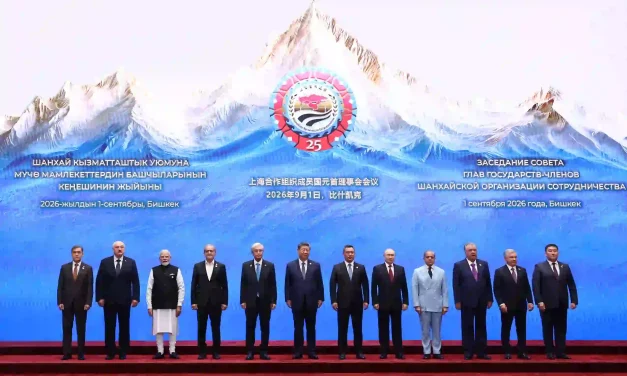
SCFR Online – Opinion: The Shanghai Cooperation Organization summit has created a new opportunity for Iran to transform its membership from a political achievement into economic and transit cooperation.
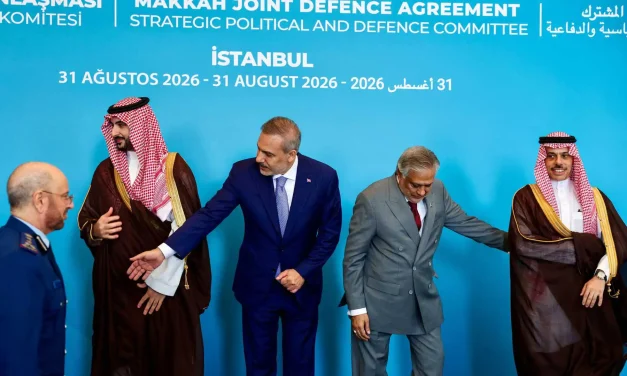
Strategic Council Online – Note: The Makkah Defense Pact can be seen as a sign of regional countries’ efforts to reduce security dependence on extra-regional powers and redefine the balance in West Asia.
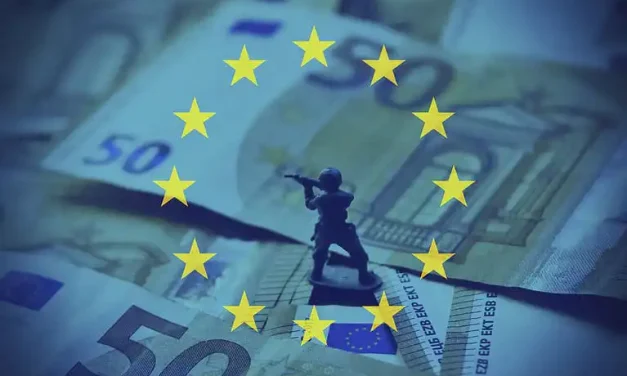
SCFR Online – Opinion: The Ukraine war, by exhausting US military capability on one hand and strengthening European defense capacity on the other, has altered the balance of power in the European continent, cast uncertainty over NATO’s future, and is driving it toward a European NATO.
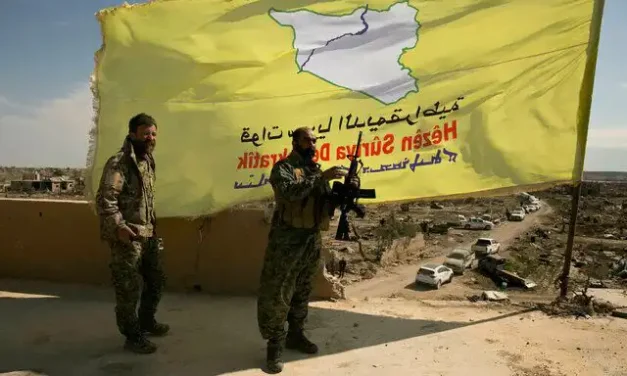
SCFR Online – Opinion: The dissolution of the SDF, although considered an achievement for Turkey’s security, does not put an end to the challenges arising from the Israeli regime’s aggression and expansionism, refugees, and Syria’s fragility.
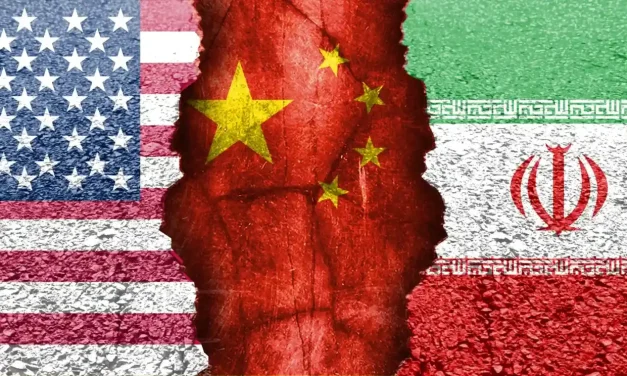
SCFR Online – Opinion: Concurrent with the official commencement of the United States’ economic war against our country, focusing on sanctions instruments, isolation, and economic pressure, what has now become increasingly important is the lack of alignment of other major global powers, especially China, with this policy.
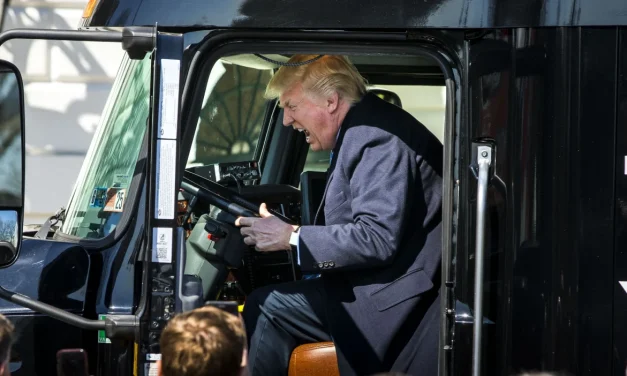
SCFR Online – Opinion: The new US sanctions against Iran, despite extensive propaganda, face serious obstacles to success due to the ineffectiveness of sanctions tools and opposition from some of Tehran’s trading partners.


Strategic Council Online – Opinion: Turkey is leaving behind a difficult situation; from one side bad domestic economic situation, and on the other side foreign policy challenges of the country at international arena have placed Turkey in a difficult situation.
Dr. Ghadir Golkarian, Professor, Near East University, Cyprus

Strategic Council Online – Interview: Having stated that unfortunately election in Libya drives the wedge instead of creating a united Libya, a university professor said:” present situation has made a very complicated and dangerous circumstance in Libya and it seems that we will be witness the continuation of such crises and even more violent than the past, along with the intensification of internal and regional competitions”.

Strategic Council Online – Interview: A member of Scientific Board affiliated to the Research Center for Strategic Studies mentioned the lack of pragmatic political will as the most important impediment for realization of the EU Strategic Compass and said:” EU is facing a number of challenges in the process of the realization of the strategy that make its realization doubtful in mid-term and add it to the list of inapplicable aspirations of the Union”.

Strategic Council Online – Opinion: Foreign policy of France, as the seventh economy of the world have been overshadowed by many variables during the past four years such as taking office by Trump, outbreak of corona crisis, yellow vests crisis, Brexit, and quick developments taken place in the Middle East region. Such variables have undoubtedly overshadowed the relations and cooperation between the two countries of Iran and France during the period.
Hadi Khazaei, Expert of European Affairs

Strategic Council Online – Interview: A professor at Allameh Tabataba’i University, saying that the RCEP agreement is the largest free trade pact in the world, noted: The world in 2030 will be faced with a very strong and unified economic hub that could play an impressive role in global economic, political, and security fields.

Strategic Council Online – Opinion: December 31, 2021 was the deadline for the withdrawal of US troops from Iraq under an agreement reached in July last year. However, five days before the deadline, the International Coalition by issuing a statement announced the end of the role of its combat forces in Iraq.
Seyed Reza Qazvini Ghorabi – Expert on Iraq affairs

Strategic Council Online – Interview: An expert on international affairs, commenting on the Western team’s approach to the Vienna talks, including Europe and the United States, said: During Donald Trump’s presidency, the United States and Europe had fundamental differences on a variety of issues, including the Joint Comprehensive Plan of Action (JCPOA); because the Europeans did not really agree with the US withdrawal from the JCPOA; but since Joe Biden took office, differences between Washington and Brussels have narrowed down in many areas, including the case of the JCPOA; therefore, now that the talks have reached a critical stage, all sides are bargaining for giving less concessions and gaining more points.

Strategic Council Online – Opinion: Tension between Russia and NATO has entered into new stage during the recent months. Verbal assaults of NATO and EU members against Russia continue in different ways. Russia opponents believe that Putin who misses the former Soviet Union is recreating Russian influenced region in the East. As they believe, he who considers the dismemberment of the Soviet Union as Geopolitical Tragedy knows that he intends to review the post-Soviet Union international order and acquires his clout over the former Soviet Union republics.
Mahmoud Fazeli, Analyst of International Issues

Strategic Council Online – Interview: An expert on West Asia affairs, saying that Abu Mazen meeting with the Israeli defense minister, would create a rift among Palestinian groups, added: The Zionists, under the current situation, are deeply concerned about the broad solidarity and unity of the Palestinians in the West Bank and Gaza.

Strategic Council Online –Guest post: In order to escape from geopolitical contraction caused by geographic determinism, China needs to use geopolitical strategy programs at ground, sea and even space.
Maryam Verij Kazemi, Researcher, Geopolitical Issues
SCFR Online – Opinion: The intensification of U.S. sanctions against Iran on the eve of the U.S. midterm elections indicates Washington’s inability to achieve its war objectives.
SCFR Online – Opinion: The competition between Washington and Beijing over chips and artificial intelligence, simultaneously with the shifting of technological balances, has taken on new economic and security dimensions.
SCFR Online – Opinion: The Shanghai Cooperation Organization summit has created a new opportunity for Iran to transform its membership from a political achievement into economic and transit cooperation.
Strategic Council Online – Note: The Makkah Defense Pact can be seen as a sign of regional countries’ efforts to reduce security dependence on extra-regional powers and redefine the balance in West Asia.
SCFR Online – Opinion: The Ukraine war, by exhausting US military capability on one hand and strengthening European defense capacity on the other, has altered the balance of power in the European continent, cast uncertainty over NATO’s future, and is driving it toward a European NATO.
SCFR Online – Opinion: The dissolution of the SDF, although considered an achievement for Turkey’s security, does not put an end to the challenges arising from the Israeli regime’s aggression and expansionism, refugees, and Syria’s fragility.
SCFR Online – Opinion: Concurrent with the official commencement of the United States’ economic war against our country, focusing on sanctions instruments, isolation, and economic pressure, what has now become increasingly important is the lack of alignment of other major global powers, especially China, with this policy.
SCFR Online – Opinion: The new US sanctions against Iran, despite extensive propaganda, face serious obstacles to success due to the ineffectiveness of sanctions tools and opposition from some of Tehran’s trading partners.
Strategic Council Online – Opinion: Turkey is leaving behind a difficult situation; from one side bad domestic economic situation, and on the other side foreign policy challenges of the country at international arena have placed Turkey in a difficult situation.
Dr. Ghadir Golkarian, Professor, Near East University, Cyprus
Strategic Council Online – Interview: Having stated that unfortunately election in Libya drives the wedge instead of creating a united Libya, a university professor said:” present situation has made a very complicated and dangerous circumstance in Libya and it seems that we will be witness the continuation of such crises and even more violent than the past, along with the intensification of internal and regional competitions”.
Strategic Council Online – Interview: A member of Scientific Board affiliated to the Research Center for Strategic Studies mentioned the lack of pragmatic political will as the most important impediment for realization of the EU Strategic Compass and said:” EU is facing a number of challenges in the process of the realization of the strategy that make its realization doubtful in mid-term and add it to the list of inapplicable aspirations of the Union”.
Strategic Council Online – Opinion: Foreign policy of France, as the seventh economy of the world have been overshadowed by many variables during the past four years such as taking office by Trump, outbreak of corona crisis, yellow vests crisis, Brexit, and quick developments taken place in the Middle East region. Such variables have undoubtedly overshadowed the relations and cooperation between the two countries of Iran and France during the period.
Hadi Khazaei, Expert of European Affairs
Strategic Council Online – Interview: A professor at Allameh Tabataba’i University, saying that the RCEP agreement is the largest free trade pact in the world, noted: The world in 2030 will be faced with a very strong and unified economic hub that could play an impressive role in global economic, political, and security fields.
Strategic Council Online – Opinion: December 31, 2021 was the deadline for the withdrawal of US troops from Iraq under an agreement reached in July last year. However, five days before the deadline, the International Coalition by issuing a statement announced the end of the role of its combat forces in Iraq.
Seyed Reza Qazvini Ghorabi – Expert on Iraq affairs
Strategic Council Online – Interview: An expert on international affairs, commenting on the Western team’s approach to the Vienna talks, including Europe and the United States, said: During Donald Trump’s presidency, the United States and Europe had fundamental differences on a variety of issues, including the Joint Comprehensive Plan of Action (JCPOA); because the Europeans did not really agree with the US withdrawal from the JCPOA; but since Joe Biden took office, differences between Washington and Brussels have narrowed down in many areas, including the case of the JCPOA; therefore, now that the talks have reached a critical stage, all sides are bargaining for giving less concessions and gaining more points.
Strategic Council Online – Opinion: Tension between Russia and NATO has entered into new stage during the recent months. Verbal assaults of NATO and EU members against Russia continue in different ways. Russia opponents believe that Putin who misses the former Soviet Union is recreating Russian influenced region in the East. As they believe, he who considers the dismemberment of the Soviet Union as Geopolitical Tragedy knows that he intends to review the post-Soviet Union international order and acquires his clout over the former Soviet Union republics.
Mahmoud Fazeli, Analyst of International Issues
Strategic Council Online – Interview: An expert on West Asia affairs, saying that Abu Mazen meeting with the Israeli defense minister, would create a rift among Palestinian groups, added: The Zionists, under the current situation, are deeply concerned about the broad solidarity and unity of the Palestinians in the West Bank and Gaza.
Strategic Council Online –Guest post: In order to escape from geopolitical contraction caused by geographic determinism, China needs to use geopolitical strategy programs at ground, sea and even space.
Maryam Verij Kazemi, Researcher, Geopolitical Issues
Strategic Council Online – Opinion: Turkey is leaving behind a difficult situation; from one side bad domestic economic situation, and on the other side foreign policy challenges of the country at international arena have placed Turkey in a difficult situation.
Dr. Ghadir Golkarian, Professor, Near East University, Cyprus
Strategic Council Online – Interview: Having stated that unfortunately election in Libya drives the wedge instead of creating a united Libya, a university professor said:” present situation has made a very complicated and dangerous circumstance in Libya and it seems that we will be witness the continuation of such crises and even more violent than the past, along with the intensification of internal and regional competitions”.
Strategic Council Online – Interview: A member of Scientific Board affiliated to the Research Center for Strategic Studies mentioned the lack of pragmatic political will as the most important impediment for realization of the EU Strategic Compass and said:” EU is facing a number of challenges in the process of the realization of the strategy that make its realization doubtful in mid-term and add it to the list of inapplicable aspirations of the Union”.
Strategic Council Online – Opinion: Foreign policy of France, as the seventh economy of the world have been overshadowed by many variables during the past four years such as taking office by Trump, outbreak of corona crisis, yellow vests crisis, Brexit, and quick developments taken place in the Middle East region. Such variables have undoubtedly overshadowed the relations and cooperation between the two countries of Iran and France during the period.
Hadi Khazaei, Expert of European Affairs
Strategic Council Online – Interview: A professor at Allameh Tabataba’i University, saying that the RCEP agreement is the largest free trade pact in the world, noted: The world in 2030 will be faced with a very strong and unified economic hub that could play an impressive role in global economic, political, and security fields.
Strategic Council Online – Opinion: December 31, 2021 was the deadline for the withdrawal of US troops from Iraq under an agreement reached in July last year. However, five days before the deadline, the International Coalition by issuing a statement announced the end of the role of its combat forces in Iraq.
Seyed Reza Qazvini Ghorabi – Expert on Iraq affairs
Strategic Council Online – Interview: An expert on international affairs, commenting on the Western team’s approach to the Vienna talks, including Europe and the United States, said: During Donald Trump’s presidency, the United States and Europe had fundamental differences on a variety of issues, including the Joint Comprehensive Plan of Action (JCPOA); because the Europeans did not really agree with the US withdrawal from the JCPOA; but since Joe Biden took office, differences between Washington and Brussels have narrowed down in many areas, including the case of the JCPOA; therefore, now that the talks have reached a critical stage, all sides are bargaining for giving less concessions and gaining more points.
Strategic Council Online – Opinion: Tension between Russia and NATO has entered into new stage during the recent months. Verbal assaults of NATO and EU members against Russia continue in different ways. Russia opponents believe that Putin who misses the former Soviet Union is recreating Russian influenced region in the East. As they believe, he who considers the dismemberment of the Soviet Union as Geopolitical Tragedy knows that he intends to review the post-Soviet Union international order and acquires his clout over the former Soviet Union republics.
Mahmoud Fazeli, Analyst of International Issues
Strategic Council Online – Interview: An expert on West Asia affairs, saying that Abu Mazen meeting with the Israeli defense minister, would create a rift among Palestinian groups, added: The Zionists, under the current situation, are deeply concerned about the broad solidarity and unity of the Palestinians in the West Bank and Gaza.
Strategic Council Online –Guest post: In order to escape from geopolitical contraction caused by geographic determinism, China needs to use geopolitical strategy programs at ground, sea and even space.
Maryam Verij Kazemi, Researcher, Geopolitical Issues
SCFR Online – Opinion: The intensification of U.S. sanctions against Iran on the eve of the U.S. midterm elections indicates Washington’s inability to achieve its war objectives.
SCFR Online – Opinion: The competition between Washington and Beijing over chips and artificial intelligence, simultaneously with the shifting of technological balances, has taken on new economic and security dimensions.
SCFR Online – Opinion: The Shanghai Cooperation Organization summit has created a new opportunity for Iran to transform its membership from a political achievement into economic and transit cooperation.
Strategic Council Online – Note: The Makkah Defense Pact can be seen as a sign of regional countries’ efforts to reduce security dependence on extra-regional powers and redefine the balance in West Asia.
SCFR Online – Opinion: The Ukraine war, by exhausting US military capability on one hand and strengthening European defense capacity on the other, has altered the balance of power in the European continent, cast uncertainty over NATO’s future, and is driving it toward a European NATO.
SCFR Online – Opinion: The dissolution of the SDF, although considered an achievement for Turkey’s security, does not put an end to the challenges arising from the Israeli regime’s aggression and expansionism, refugees, and Syria’s fragility.
SCFR Online – Opinion: Concurrent with the official commencement of the United States’ economic war against our country, focusing on sanctions instruments, isolation, and economic pressure, what has now become increasingly important is the lack of alignment of other major global powers, especially China, with this policy.
SCFR Online – Opinion: The new US sanctions against Iran, despite extensive propaganda, face serious obstacles to success due to the ineffectiveness of sanctions tools and opposition from some of Tehran’s trading partners.
Strategic Council Online – Opinion: Turkey is leaving behind a difficult situation; from one side bad domestic economic situation, and on the other side foreign policy challenges of the country at international arena have placed Turkey in a difficult situation.
Dr. Ghadir Golkarian, Professor, Near East University, Cyprus
Strategic Council Online – Interview: Having stated that unfortunately election in Libya drives the wedge instead of creating a united Libya, a university professor said:” present situation has made a very complicated and dangerous circumstance in Libya and it seems that we will be witness the continuation of such crises and even more violent than the past, along with the intensification of internal and regional competitions”.
Strategic Council Online – Interview: A member of Scientific Board affiliated to the Research Center for Strategic Studies mentioned the lack of pragmatic political will as the most important impediment for realization of the EU Strategic Compass and said:” EU is facing a number of challenges in the process of the realization of the strategy that make its realization doubtful in mid-term and add it to the list of inapplicable aspirations of the Union”.
Strategic Council Online – Opinion: Foreign policy of France, as the seventh economy of the world have been overshadowed by many variables during the past four years such as taking office by Trump, outbreak of corona crisis, yellow vests crisis, Brexit, and quick developments taken place in the Middle East region. Such variables have undoubtedly overshadowed the relations and cooperation between the two countries of Iran and France during the period.
Hadi Khazaei, Expert of European Affairs
Strategic Council Online – Interview: A professor at Allameh Tabataba’i University, saying that the RCEP agreement is the largest free trade pact in the world, noted: The world in 2030 will be faced with a very strong and unified economic hub that could play an impressive role in global economic, political, and security fields.
Strategic Council Online – Opinion: December 31, 2021 was the deadline for the withdrawal of US troops from Iraq under an agreement reached in July last year. However, five days before the deadline, the International Coalition by issuing a statement announced the end of the role of its combat forces in Iraq.
Seyed Reza Qazvini Ghorabi – Expert on Iraq affairs
Strategic Council Online – Interview: An expert on international affairs, commenting on the Western team’s approach to the Vienna talks, including Europe and the United States, said: During Donald Trump’s presidency, the United States and Europe had fundamental differences on a variety of issues, including the Joint Comprehensive Plan of Action (JCPOA); because the Europeans did not really agree with the US withdrawal from the JCPOA; but since Joe Biden took office, differences between Washington and Brussels have narrowed down in many areas, including the case of the JCPOA; therefore, now that the talks have reached a critical stage, all sides are bargaining for giving less concessions and gaining more points.
Strategic Council Online – Opinion: Tension between Russia and NATO has entered into new stage during the recent months. Verbal assaults of NATO and EU members against Russia continue in different ways. Russia opponents believe that Putin who misses the former Soviet Union is recreating Russian influenced region in the East. As they believe, he who considers the dismemberment of the Soviet Union as Geopolitical Tragedy knows that he intends to review the post-Soviet Union international order and acquires his clout over the former Soviet Union republics.
Mahmoud Fazeli, Analyst of International Issues
Strategic Council Online – Interview: An expert on West Asia affairs, saying that Abu Mazen meeting with the Israeli defense minister, would create a rift among Palestinian groups, added: The Zionists, under the current situation, are deeply concerned about the broad solidarity and unity of the Palestinians in the West Bank and Gaza.
Strategic Council Online –Guest post: In order to escape from geopolitical contraction caused by geographic determinism, China needs to use geopolitical strategy programs at ground, sea and even space.
Maryam Verij Kazemi, Researcher, Geopolitical Issues
SCFR Online – Opinion: The intensification of U.S. sanctions against Iran on the eve of the U.S. midterm elections indicates Washington’s inability to achieve its war objectives.
SCFR Online – Opinion: The competition between Washington and Beijing over chips and artificial intelligence, simultaneously with the shifting of technological balances, has taken on new economic and security dimensions.
SCFR Online – Opinion: The Shanghai Cooperation Organization summit has created a new opportunity for Iran to transform its membership from a political achievement into economic and transit cooperation.
Strategic Council Online – Note: The Makkah Defense Pact can be seen as a sign of regional countries’ efforts to reduce security dependence on extra-regional powers and redefine the balance in West Asia.
SCFR Online – Opinion: The Ukraine war, by exhausting US military capability on one hand and strengthening European defense capacity on the other, has altered the balance of power in the European continent, cast uncertainty over NATO’s future, and is driving it toward a European NATO.
SCFR Online – Opinion: The dissolution of the SDF, although considered an achievement for Turkey’s security, does not put an end to the challenges arising from the Israeli regime’s aggression and expansionism, refugees, and Syria’s fragility.
SCFR Online – Opinion: Concurrent with the official commencement of the United States’ economic war against our country, focusing on sanctions instruments, isolation, and economic pressure, what has now become increasingly important is the lack of alignment of other major global powers, especially China, with this policy.
SCFR Online – Opinion: The new US sanctions against Iran, despite extensive propaganda, face serious obstacles to success due to the ineffectiveness of sanctions tools and opposition from some of Tehran’s trading partners.
Strategic Council Online – Opinion: Turkey is leaving behind a difficult situation; from one side bad domestic economic situation, and on the other side foreign policy challenges of the country at international arena have placed Turkey in a difficult situation.
Dr. Ghadir Golkarian, Professor, Near East University, Cyprus
Strategic Council Online – Interview: Having stated that unfortunately election in Libya drives the wedge instead of creating a united Libya, a university professor said:” present situation has made a very complicated and dangerous circumstance in Libya and it seems that we will be witness the continuation of such crises and even more violent than the past, along with the intensification of internal and regional competitions”.
Strategic Council Online – Interview: A member of Scientific Board affiliated to the Research Center for Strategic Studies mentioned the lack of pragmatic political will as the most important impediment for realization of the EU Strategic Compass and said:” EU is facing a number of challenges in the process of the realization of the strategy that make its realization doubtful in mid-term and add it to the list of inapplicable aspirations of the Union”.
Strategic Council Online – Opinion: Foreign policy of France, as the seventh economy of the world have been overshadowed by many variables during the past four years such as taking office by Trump, outbreak of corona crisis, yellow vests crisis, Brexit, and quick developments taken place in the Middle East region. Such variables have undoubtedly overshadowed the relations and cooperation between the two countries of Iran and France during the period.
Hadi Khazaei, Expert of European Affairs
Strategic Council Online – Interview: A professor at Allameh Tabataba’i University, saying that the RCEP agreement is the largest free trade pact in the world, noted: The world in 2030 will be faced with a very strong and unified economic hub that could play an impressive role in global economic, political, and security fields.
Strategic Council Online – Opinion: December 31, 2021 was the deadline for the withdrawal of US troops from Iraq under an agreement reached in July last year. However, five days before the deadline, the International Coalition by issuing a statement announced the end of the role of its combat forces in Iraq.
Seyed Reza Qazvini Ghorabi – Expert on Iraq affairs
Strategic Council Online – Interview: An expert on international affairs, commenting on the Western team’s approach to the Vienna talks, including Europe and the United States, said: During Donald Trump’s presidency, the United States and Europe had fundamental differences on a variety of issues, including the Joint Comprehensive Plan of Action (JCPOA); because the Europeans did not really agree with the US withdrawal from the JCPOA; but since Joe Biden took office, differences between Washington and Brussels have narrowed down in many areas, including the case of the JCPOA; therefore, now that the talks have reached a critical stage, all sides are bargaining for giving less concessions and gaining more points.
Strategic Council Online – Opinion: Tension between Russia and NATO has entered into new stage during the recent months. Verbal assaults of NATO and EU members against Russia continue in different ways. Russia opponents believe that Putin who misses the former Soviet Union is recreating Russian influenced region in the East. As they believe, he who considers the dismemberment of the Soviet Union as Geopolitical Tragedy knows that he intends to review the post-Soviet Union international order and acquires his clout over the former Soviet Union republics.
Mahmoud Fazeli, Analyst of International Issues
Strategic Council Online – Interview: An expert on West Asia affairs, saying that Abu Mazen meeting with the Israeli defense minister, would create a rift among Palestinian groups, added: The Zionists, under the current situation, are deeply concerned about the broad solidarity and unity of the Palestinians in the West Bank and Gaza.
Strategic Council Online –Guest post: In order to escape from geopolitical contraction caused by geographic determinism, China needs to use geopolitical strategy programs at ground, sea and even space.
Maryam Verij Kazemi, Researcher, Geopolitical Issues
SCFR Online – Opinion: The intensification of U.S. sanctions against Iran on the eve of the U.S. midterm elections indicates Washington’s inability to achieve its war objectives.
SCFR Online – Opinion: The competition between Washington and Beijing over chips and artificial intelligence, simultaneously with the shifting of technological balances, has taken on new economic and security dimensions.
SCFR Online – Opinion: The Shanghai Cooperation Organization summit has created a new opportunity for Iran to transform its membership from a political achievement into economic and transit cooperation.
Strategic Council Online – Note: The Makkah Defense Pact can be seen as a sign of regional countries’ efforts to reduce security dependence on extra-regional powers and redefine the balance in West Asia.
SCFR Online – Opinion: The Ukraine war, by exhausting US military capability on one hand and strengthening European defense capacity on the other, has altered the balance of power in the European continent, cast uncertainty over NATO’s future, and is driving it toward a European NATO.
SCFR Online – Opinion: The dissolution of the SDF, although considered an achievement for Turkey’s security, does not put an end to the challenges arising from the Israeli regime’s aggression and expansionism, refugees, and Syria’s fragility.
SCFR Online – Opinion: Concurrent with the official commencement of the United States’ economic war against our country, focusing on sanctions instruments, isolation, and economic pressure, what has now become increasingly important is the lack of alignment of other major global powers, especially China, with this policy.
SCFR Online – Opinion: The new US sanctions against Iran, despite extensive propaganda, face serious obstacles to success due to the ineffectiveness of sanctions tools and opposition from some of Tehran’s trading partners.
Strategic Council Online – Opinion: Turkey is leaving behind a difficult situation; from one side bad domestic economic situation, and on the other side foreign policy challenges of the country at international arena have placed Turkey in a difficult situation.
Dr. Ghadir Golkarian, Professor, Near East University, Cyprus
Strategic Council Online – Interview: Having stated that unfortunately election in Libya drives the wedge instead of creating a united Libya, a university professor said:” present situation has made a very complicated and dangerous circumstance in Libya and it seems that we will be witness the continuation of such crises and even more violent than the past, along with the intensification of internal and regional competitions”.
Strategic Council Online – Interview: A member of Scientific Board affiliated to the Research Center for Strategic Studies mentioned the lack of pragmatic political will as the most important impediment for realization of the EU Strategic Compass and said:” EU is facing a number of challenges in the process of the realization of the strategy that make its realization doubtful in mid-term and add it to the list of inapplicable aspirations of the Union”.
Strategic Council Online – Opinion: Foreign policy of France, as the seventh economy of the world have been overshadowed by many variables during the past four years such as taking office by Trump, outbreak of corona crisis, yellow vests crisis, Brexit, and quick developments taken place in the Middle East region. Such variables have undoubtedly overshadowed the relations and cooperation between the two countries of Iran and France during the period.
Hadi Khazaei, Expert of European Affairs
Strategic Council Online – Interview: A professor at Allameh Tabataba’i University, saying that the RCEP agreement is the largest free trade pact in the world, noted: The world in 2030 will be faced with a very strong and unified economic hub that could play an impressive role in global economic, political, and security fields.
Strategic Council Online – Opinion: December 31, 2021 was the deadline for the withdrawal of US troops from Iraq under an agreement reached in July last year. However, five days before the deadline, the International Coalition by issuing a statement announced the end of the role of its combat forces in Iraq.
Seyed Reza Qazvini Ghorabi – Expert on Iraq affairs
Strategic Council Online – Interview: An expert on international affairs, commenting on the Western team’s approach to the Vienna talks, including Europe and the United States, said: During Donald Trump’s presidency, the United States and Europe had fundamental differences on a variety of issues, including the Joint Comprehensive Plan of Action (JCPOA); because the Europeans did not really agree with the US withdrawal from the JCPOA; but since Joe Biden took office, differences between Washington and Brussels have narrowed down in many areas, including the case of the JCPOA; therefore, now that the talks have reached a critical stage, all sides are bargaining for giving less concessions and gaining more points.
Strategic Council Online – Opinion: Tension between Russia and NATO has entered into new stage during the recent months. Verbal assaults of NATO and EU members against Russia continue in different ways. Russia opponents believe that Putin who misses the former Soviet Union is recreating Russian influenced region in the East. As they believe, he who considers the dismemberment of the Soviet Union as Geopolitical Tragedy knows that he intends to review the post-Soviet Union international order and acquires his clout over the former Soviet Union republics.
Mahmoud Fazeli, Analyst of International Issues
Strategic Council Online – Interview: An expert on West Asia affairs, saying that Abu Mazen meeting with the Israeli defense minister, would create a rift among Palestinian groups, added: The Zionists, under the current situation, are deeply concerned about the broad solidarity and unity of the Palestinians in the West Bank and Gaza.
Strategic Council Online –Guest post: In order to escape from geopolitical contraction caused by geographic determinism, China needs to use geopolitical strategy programs at ground, sea and even space.
Maryam Verij Kazemi, Researcher, Geopolitical Issues
SCFR Online – Opinion: The intensification of U.S. sanctions against Iran on the eve of the U.S. midterm elections indicates Washington’s inability to achieve its war objectives.
SCFR Online – Opinion: The competition between Washington and Beijing over chips and artificial intelligence, simultaneously with the shifting of technological balances, has taken on new economic and security dimensions.
SCFR Online – Opinion: The Shanghai Cooperation Organization summit has created a new opportunity for Iran to transform its membership from a political achievement into economic and transit cooperation.
Strategic Council Online – Note: The Makkah Defense Pact can be seen as a sign of regional countries’ efforts to reduce security dependence on extra-regional powers and redefine the balance in West Asia.
SCFR Online – Opinion: The Ukraine war, by exhausting US military capability on one hand and strengthening European defense capacity on the other, has altered the balance of power in the European continent, cast uncertainty over NATO’s future, and is driving it toward a European NATO.
SCFR Online – Opinion: The dissolution of the SDF, although considered an achievement for Turkey’s security, does not put an end to the challenges arising from the Israeli regime’s aggression and expansionism, refugees, and Syria’s fragility.
SCFR Online – Opinion: Concurrent with the official commencement of the United States’ economic war against our country, focusing on sanctions instruments, isolation, and economic pressure, what has now become increasingly important is the lack of alignment of other major global powers, especially China, with this policy.
SCFR Online – Opinion: The new US sanctions against Iran, despite extensive propaganda, face serious obstacles to success due to the ineffectiveness of sanctions tools and opposition from some of Tehran’s trading partners.
Strategic Council Online – Opinion: Turkey is leaving behind a difficult situation; from one side bad domestic economic situation, and on the other side foreign policy challenges of the country at international arena have placed Turkey in a difficult situation.
Dr. Ghadir Golkarian, Professor, Near East University, Cyprus
Strategic Council Online – Interview: Having stated that unfortunately election in Libya drives the wedge instead of creating a united Libya, a university professor said:” present situation has made a very complicated and dangerous circumstance in Libya and it seems that we will be witness the continuation of such crises and even more violent than the past, along with the intensification of internal and regional competitions”.
Strategic Council Online – Interview: A member of Scientific Board affiliated to the Research Center for Strategic Studies mentioned the lack of pragmatic political will as the most important impediment for realization of the EU Strategic Compass and said:” EU is facing a number of challenges in the process of the realization of the strategy that make its realization doubtful in mid-term and add it to the list of inapplicable aspirations of the Union”.
Strategic Council Online – Opinion: Foreign policy of France, as the seventh economy of the world have been overshadowed by many variables during the past four years such as taking office by Trump, outbreak of corona crisis, yellow vests crisis, Brexit, and quick developments taken place in the Middle East region. Such variables have undoubtedly overshadowed the relations and cooperation between the two countries of Iran and France during the period.
Hadi Khazaei, Expert of European Affairs
Strategic Council Online – Interview: A professor at Allameh Tabataba’i University, saying that the RCEP agreement is the largest free trade pact in the world, noted: The world in 2030 will be faced with a very strong and unified economic hub that could play an impressive role in global economic, political, and security fields.
Strategic Council Online – Opinion: December 31, 2021 was the deadline for the withdrawal of US troops from Iraq under an agreement reached in July last year. However, five days before the deadline, the International Coalition by issuing a statement announced the end of the role of its combat forces in Iraq.
Seyed Reza Qazvini Ghorabi – Expert on Iraq affairs
Strategic Council Online – Interview: An expert on international affairs, commenting on the Western team’s approach to the Vienna talks, including Europe and the United States, said: During Donald Trump’s presidency, the United States and Europe had fundamental differences on a variety of issues, including the Joint Comprehensive Plan of Action (JCPOA); because the Europeans did not really agree with the US withdrawal from the JCPOA; but since Joe Biden took office, differences between Washington and Brussels have narrowed down in many areas, including the case of the JCPOA; therefore, now that the talks have reached a critical stage, all sides are bargaining for giving less concessions and gaining more points.
Strategic Council Online – Opinion: Tension between Russia and NATO has entered into new stage during the recent months. Verbal assaults of NATO and EU members against Russia continue in different ways. Russia opponents believe that Putin who misses the former Soviet Union is recreating Russian influenced region in the East. As they believe, he who considers the dismemberment of the Soviet Union as Geopolitical Tragedy knows that he intends to review the post-Soviet Union international order and acquires his clout over the former Soviet Union republics.
Mahmoud Fazeli, Analyst of International Issues
Strategic Council Online – Interview: An expert on West Asia affairs, saying that Abu Mazen meeting with the Israeli defense minister, would create a rift among Palestinian groups, added: The Zionists, under the current situation, are deeply concerned about the broad solidarity and unity of the Palestinians in the West Bank and Gaza.
Strategic Council Online –Guest post: In order to escape from geopolitical contraction caused by geographic determinism, China needs to use geopolitical strategy programs at ground, sea and even space.
Maryam Verij Kazemi, Researcher, Geopolitical Issues
SCFR Online – Opinion: The intensification of U.S. sanctions against Iran on the eve of the U.S. midterm elections indicates Washington’s inability to achieve its war objectives.
SCFR Online – Opinion: The competition between Washington and Beijing over chips and artificial intelligence, simultaneously with the shifting of technological balances, has taken on new economic and security dimensions.
SCFR Online – Opinion: The Shanghai Cooperation Organization summit has created a new opportunity for Iran to transform its membership from a political achievement into economic and transit cooperation.
Strategic Council Online – Note: The Makkah Defense Pact can be seen as a sign of regional countries’ efforts to reduce security dependence on extra-regional powers and redefine the balance in West Asia.
SCFR Online – Opinion: The Ukraine war, by exhausting US military capability on one hand and strengthening European defense capacity on the other, has altered the balance of power in the European continent, cast uncertainty over NATO’s future, and is driving it toward a European NATO.
SCFR Online – Opinion: The dissolution of the SDF, although considered an achievement for Turkey’s security, does not put an end to the challenges arising from the Israeli regime’s aggression and expansionism, refugees, and Syria’s fragility.
SCFR Online – Opinion: Concurrent with the official commencement of the United States’ economic war against our country, focusing on sanctions instruments, isolation, and economic pressure, what has now become increasingly important is the lack of alignment of other major global powers, especially China, with this policy.
SCFR Online – Opinion: The new US sanctions against Iran, despite extensive propaganda, face serious obstacles to success due to the ineffectiveness of sanctions tools and opposition from some of Tehran’s trading partners.