جدیدترین مطالب

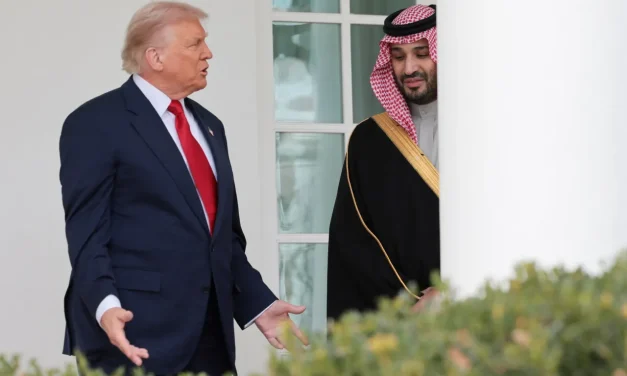
Implications of the US-Saudi Nuclear Agreement

SCFR Online – Opinion: The new US-Saudi nuclear agreement, despite legal and political ambiguities, could alter previous non-proliferation standards in West Asia and intensify nuclear competition, ushering it into a new phase.
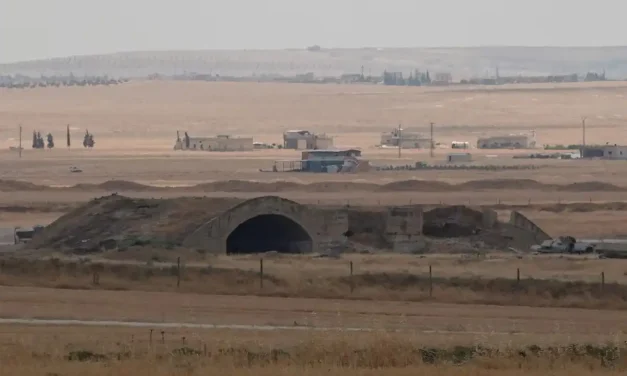
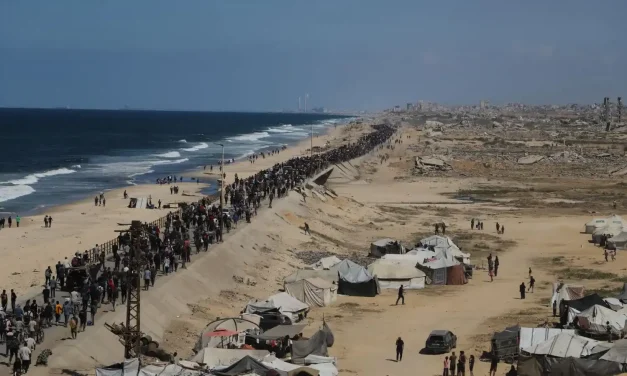
An Analysis of Recent Turkey-Israeli Regime Tensions

SCFR Online – Opinion: Recent developments in Syria indicate an intensification of strategic rivalry between Turkey and the Israeli regime, but mutual considerations and the role of the United States have limited the likelihood of direct war.

Increasing criticism of the extensive Zionist lobby network

SCFR Online – Opinion: An examination of the mechanisms of the Israeli regime’s influence in the United States depicts a complex picture of shared interests, strategic dependencies, and the limitations of this relationship.

Realities of the Tripartite Makkah Pact

SCFR Online – Interview: The signing of the Makkah agreement between Saudi Arabia, Pakistan, and Turkey has raised questions about the future of the region’s security structure and the position of these countries in West Asian equations. Can this agreement become a genuine collective defense mechanism, or does it have more of a political and deterrent function than creating new military capacity?

Strategic Implications of the Reduction of US Weapons Stockpiles

SCFR Online – Opinion: The continuation of the US war against Iran, in addition to increasing operational costs, has called into question the actual capacity of the American arsenal to simultaneously fulfill security commitments on multiple fronts; an issue that affects deterrence, defense production capacity, and Washington’s resource prioritization.

The Formation of a New Order in Relations Between Powers

SCFR Online – Opinion: The Russia-Ukraine war and the war of the United States and the Israeli regime against Iran have been formed with different objectives and actors, but field and political developments indicate that they are not entirely separate from one another.

An Analysis of the Makkah Defense Pact

SCFR Online – Opinion: On Friday, August 7, the heads of state of three countries – Saudi Arabia, Turkey, and Pakistan – signed a text under the title “Makkah Joint Defense Agreement.”

Loading

Strategic Perspective

The Baghdad conference: objectives and outcomes

The Baghdad conference: objectives and outcomes

Strategic Council Online-Opinion: On 28 August 2021, Baghdad was host to one of the most important regional meetings entitled the Baghdad Conference for Cooperation and Partnership. Guests participating in this one-day meeting included high-ranking officials from influential Arab and non-Arab states. The Baghdad conference was highly significant from two respects: first, the level and arrangement of participants that have deep differences bilaterally, trilaterally and on many aspects, second, the goals which were pursued in the meeting at domestic, regional and international levels.
Barsam Mohammadi—International issues analyst

Necessity of talks between the Taliban and the opposition and listening to public protests

Necessity of talks between the Taliban and the opposition and listening to public protests

Strategic Council Online—Interview: Advisor to the former president of Afghanistan says the Taliban were worried that with the continuation of resistance in Panjshir, nationwide protests and uprising could be formed across whole Afghanistan, adding that protests would definitely continue in Afghanistan in various forms as the majority of the Afghans do not agree with a phenomenon called Taliban.

Parliamentary Elections in Qatar, Its Regional Consequences

Parliamentary Elections in Qatar, Its Regional Consequences

Strategic Council Online – Note: The Emir of Qatar, Sheikh Tamim bin Hamad Al Thani, recently issued a decree announcing the holding of parliamentary elections in that country on October 2. Although the election is considered a practice of democracy in a country with a tribal system, it challenges the approach of other tribal regimes, such as Saudi Arabia, the UAE, and Bahrain, rather than the real electoral aspects.
Hassan Hanizadeh – expert on the Middle East affairs

Afghan asylum seekers; Neighbors’ Role & Responsibility of International Community

Afghan asylum seekers; Neighbors’ Role & Responsibility of International Community

Strategic Council Online- Interview: Former Director of the Logistics Headquarter of Afghanistan at the Ministry of Foreign Affairs having stated that countries and international bodies should fulfill their responsibilities by receiving Afghan asylum seekers and put their full weight behind Iran said:” Iran’s hospitality extended to the asylum seekers will, in fact, prevent them to head towards other regions and European countries.

Afghanistan Crisis and European Positions

Afghanistan Crisis and European Positions

Strategic Council Online – Note: The NATO-led invasion of Afghanistan, which began after 9/11 incident under the pretext of “war on terrorism”, two decades after the mission, the Taliban’s rapid advance has prompted various countries, including NATO members, to rush to withdraw their diplomatic delegations, staff and citizens from the territory of that country. Western troops stationed in Afghanistan have trained the Afghan army for years, but the training has not been enough, and the reason why the Afghan army has failed to defend the capital against the Taliban remains unclear. The head of the Council of Europe does not see the situation in Afghanistan as a successful narrative for the international community and is considering how the EU can use its influence in international relations to defend its interests.
Mahmoud Fazeli – analyst of international affairs

US Failure in Realizing Objectives in Afghanistan

US Failure in Realizing Objectives in Afghanistan

Strategic Council Online – Interview: An expert on US affairs commenting on whether Washington’s decision to withdraw its troops from Afghanistan is taking place at a time when the country has achieved its objectives or the decision indicates the ineffectiveness of the US strategy in Afghanistan, said: The US officials had set two targets at the time of the invasion of Afghanistan; the first was the fight against al-Qaeda terrorism and the second was the establishment of peace, stability and democracy in Afghanistan. But now that their forces are leaving Afghanistan, they claim that their mission has only been to eliminate al-Qaeda terrorism, and in this regard, they cite the killing of Osama bin Laden, the leader of that terrorist movement, as evidence to their claim.

Developments of Afghanistan and importance of role-playing and convergence of neighboring countries

Developments of Afghanistan and importance of role-playing and convergence of neighboring countries

Strategic Council Online-Interview: A political activist of Afghanistan emphasized the significance of consultation and role-playing by countries neighboring Afghanistan and support for the establishment of an inclusive government and said, definitely, the emergence and real representation of a change in the Taliban approach would be the formation of a plural and inclusive government in Afghanistan and all relevant parties in that country should be present in that.

أحدث الوظائف

Implications of the US-Saudi Nuclear Agreement

SCFR Online – Opinion: The new US-Saudi nuclear agreement, despite legal and political ambiguities, could alter previous non-proliferation standards in West Asia and intensify nuclear competition, ushering it into a new phase.

An Analysis of Recent Turkey-Israeli Regime Tensions

SCFR Online – Opinion: Recent developments in Syria indicate an intensification of strategic rivalry between Turkey and the Israeli regime, but mutual considerations and the role of the United States have limited the likelihood of direct war.

Increasing criticism of the extensive Zionist lobby network

SCFR Online – Opinion: An examination of the mechanisms of the Israeli regime’s influence in the United States depicts a complex picture of shared interests, strategic dependencies, and the limitations of this relationship.

Realities of the Tripartite Makkah Pact

SCFR Online – Interview: The signing of the Makkah agreement between Saudi Arabia, Pakistan, and Turkey has raised questions about the future of the region’s security structure and the position of these countries in West Asian equations. Can this agreement become a genuine collective defense mechanism, or does it have more of a political and deterrent function than creating new military capacity?

Strategic Implications of the Reduction of US Weapons Stockpiles

SCFR Online – Opinion: The continuation of the US war against Iran, in addition to increasing operational costs, has called into question the actual capacity of the American arsenal to simultaneously fulfill security commitments on multiple fronts; an issue that affects deterrence, defense production capacity, and Washington’s resource prioritization.

The Formation of a New Order in Relations Between Powers

SCFR Online – Opinion: The Russia-Ukraine war and the war of the United States and the Israeli regime against Iran have been formed with different objectives and actors, but field and political developments indicate that they are not entirely separate from one another.

An Analysis of the Makkah Defense Pact

SCFR Online – Opinion: On Friday, August 7, the heads of state of three countries – Saudi Arabia, Turkey, and Pakistan – signed a text under the title “Makkah Joint Defense Agreement.”

Loading

Strategic Perspective

The Baghdad conference: objectives and outcomes

The Baghdad conference: objectives and outcomes

Strategic Council Online-Opinion: On 28 August 2021, Baghdad was host to one of the most important regional meetings entitled the Baghdad Conference for Cooperation and Partnership. Guests participating in this one-day meeting included high-ranking officials from influential Arab and non-Arab states. The Baghdad conference was highly significant from two respects: first, the level and arrangement of participants that have deep differences bilaterally, trilaterally and on many aspects, second, the goals which were pursued in the meeting at domestic, regional and international levels.
Barsam Mohammadi—International issues analyst

Necessity of talks between the Taliban and the opposition and listening to public protests

Necessity of talks between the Taliban and the opposition and listening to public protests

Strategic Council Online—Interview: Advisor to the former president of Afghanistan says the Taliban were worried that with the continuation of resistance in Panjshir, nationwide protests and uprising could be formed across whole Afghanistan, adding that protests would definitely continue in Afghanistan in various forms as the majority of the Afghans do not agree with a phenomenon called Taliban.

Parliamentary Elections in Qatar, Its Regional Consequences

Parliamentary Elections in Qatar, Its Regional Consequences

Strategic Council Online – Note: The Emir of Qatar, Sheikh Tamim bin Hamad Al Thani, recently issued a decree announcing the holding of parliamentary elections in that country on October 2. Although the election is considered a practice of democracy in a country with a tribal system, it challenges the approach of other tribal regimes, such as Saudi Arabia, the UAE, and Bahrain, rather than the real electoral aspects.
Hassan Hanizadeh – expert on the Middle East affairs

Afghan asylum seekers; Neighbors’ Role & Responsibility of International Community

Afghan asylum seekers; Neighbors’ Role & Responsibility of International Community

Strategic Council Online- Interview: Former Director of the Logistics Headquarter of Afghanistan at the Ministry of Foreign Affairs having stated that countries and international bodies should fulfill their responsibilities by receiving Afghan asylum seekers and put their full weight behind Iran said:” Iran’s hospitality extended to the asylum seekers will, in fact, prevent them to head towards other regions and European countries.

Afghanistan Crisis and European Positions

Afghanistan Crisis and European Positions

Strategic Council Online – Note: The NATO-led invasion of Afghanistan, which began after 9/11 incident under the pretext of “war on terrorism”, two decades after the mission, the Taliban’s rapid advance has prompted various countries, including NATO members, to rush to withdraw their diplomatic delegations, staff and citizens from the territory of that country. Western troops stationed in Afghanistan have trained the Afghan army for years, but the training has not been enough, and the reason why the Afghan army has failed to defend the capital against the Taliban remains unclear. The head of the Council of Europe does not see the situation in Afghanistan as a successful narrative for the international community and is considering how the EU can use its influence in international relations to defend its interests.
Mahmoud Fazeli – analyst of international affairs

US Failure in Realizing Objectives in Afghanistan

US Failure in Realizing Objectives in Afghanistan

Strategic Council Online – Interview: An expert on US affairs commenting on whether Washington’s decision to withdraw its troops from Afghanistan is taking place at a time when the country has achieved its objectives or the decision indicates the ineffectiveness of the US strategy in Afghanistan, said: The US officials had set two targets at the time of the invasion of Afghanistan; the first was the fight against al-Qaeda terrorism and the second was the establishment of peace, stability and democracy in Afghanistan. But now that their forces are leaving Afghanistan, they claim that their mission has only been to eliminate al-Qaeda terrorism, and in this regard, they cite the killing of Osama bin Laden, the leader of that terrorist movement, as evidence to their claim.

Developments of Afghanistan and importance of role-playing and convergence of neighboring countries

Developments of Afghanistan and importance of role-playing and convergence of neighboring countries

Strategic Council Online-Interview: A political activist of Afghanistan emphasized the significance of consultation and role-playing by countries neighboring Afghanistan and support for the establishment of an inclusive government and said, definitely, the emergence and real representation of a change in the Taliban approach would be the formation of a plural and inclusive government in Afghanistan and all relevant parties in that country should be present in that.

Strategic Perspective

The Baghdad conference: objectives and outcomes

The Baghdad conference: objectives and outcomes

Strategic Council Online-Opinion: On 28 August 2021, Baghdad was host to one of the most important regional meetings entitled the Baghdad Conference for Cooperation and Partnership. Guests participating in this one-day meeting included high-ranking officials from influential Arab and non-Arab states. The Baghdad conference was highly significant from two respects: first, the level and arrangement of participants that have deep differences bilaterally, trilaterally and on many aspects, second, the goals which were pursued in the meeting at domestic, regional and international levels.
Barsam Mohammadi—International issues analyst

Necessity of talks between the Taliban and the opposition and listening to public protests

Necessity of talks between the Taliban and the opposition and listening to public protests

Strategic Council Online—Interview: Advisor to the former president of Afghanistan says the Taliban were worried that with the continuation of resistance in Panjshir, nationwide protests and uprising could be formed across whole Afghanistan, adding that protests would definitely continue in Afghanistan in various forms as the majority of the Afghans do not agree with a phenomenon called Taliban.

Parliamentary Elections in Qatar, Its Regional Consequences

Parliamentary Elections in Qatar, Its Regional Consequences

Strategic Council Online – Note: The Emir of Qatar, Sheikh Tamim bin Hamad Al Thani, recently issued a decree announcing the holding of parliamentary elections in that country on October 2. Although the election is considered a practice of democracy in a country with a tribal system, it challenges the approach of other tribal regimes, such as Saudi Arabia, the UAE, and Bahrain, rather than the real electoral aspects.
Hassan Hanizadeh – expert on the Middle East affairs

Afghan asylum seekers; Neighbors’ Role & Responsibility of International Community

Afghan asylum seekers; Neighbors’ Role & Responsibility of International Community

Strategic Council Online- Interview: Former Director of the Logistics Headquarter of Afghanistan at the Ministry of Foreign Affairs having stated that countries and international bodies should fulfill their responsibilities by receiving Afghan asylum seekers and put their full weight behind Iran said:” Iran’s hospitality extended to the asylum seekers will, in fact, prevent them to head towards other regions and European countries.

Afghanistan Crisis and European Positions

Afghanistan Crisis and European Positions

Strategic Council Online – Note: The NATO-led invasion of Afghanistan, which began after 9/11 incident under the pretext of “war on terrorism”, two decades after the mission, the Taliban’s rapid advance has prompted various countries, including NATO members, to rush to withdraw their diplomatic delegations, staff and citizens from the territory of that country. Western troops stationed in Afghanistan have trained the Afghan army for years, but the training has not been enough, and the reason why the Afghan army has failed to defend the capital against the Taliban remains unclear. The head of the Council of Europe does not see the situation in Afghanistan as a successful narrative for the international community and is considering how the EU can use its influence in international relations to defend its interests.
Mahmoud Fazeli – analyst of international affairs

US Failure in Realizing Objectives in Afghanistan

US Failure in Realizing Objectives in Afghanistan

Strategic Council Online – Interview: An expert on US affairs commenting on whether Washington’s decision to withdraw its troops from Afghanistan is taking place at a time when the country has achieved its objectives or the decision indicates the ineffectiveness of the US strategy in Afghanistan, said: The US officials had set two targets at the time of the invasion of Afghanistan; the first was the fight against al-Qaeda terrorism and the second was the establishment of peace, stability and democracy in Afghanistan. But now that their forces are leaving Afghanistan, they claim that their mission has only been to eliminate al-Qaeda terrorism, and in this regard, they cite the killing of Osama bin Laden, the leader of that terrorist movement, as evidence to their claim.

Developments of Afghanistan and importance of role-playing and convergence of neighboring countries

Developments of Afghanistan and importance of role-playing and convergence of neighboring countries

Strategic Council Online-Interview: A political activist of Afghanistan emphasized the significance of consultation and role-playing by countries neighboring Afghanistan and support for the establishment of an inclusive government and said, definitely, the emergence and real representation of a change in the Taliban approach would be the formation of a plural and inclusive government in Afghanistan and all relevant parties in that country should be present in that.

LATEST CONTENT

Implications of the US-Saudi Nuclear Agreement

SCFR Online – Opinion: The new US-Saudi nuclear agreement, despite legal and political ambiguities, could alter previous non-proliferation standards in West Asia and intensify nuclear competition, ushering it into a new phase.
An Analysis of Recent Turkey-Israeli Regime Tensions

SCFR Online – Opinion: Recent developments in Syria indicate an intensification of strategic rivalry between Turkey and the Israeli regime, but mutual considerations and the role of the United States have limited the likelihood of direct war.

Increasing criticism of the extensive Zionist lobby network

SCFR Online – Opinion: An examination of the mechanisms of the Israeli regime’s influence in the United States depicts a complex picture of shared interests, strategic dependencies, and the limitations of this relationship.

Realities of the Tripartite Makkah Pact

SCFR Online – Interview: The signing of the Makkah agreement between Saudi Arabia, Pakistan, and Turkey has raised questions about the future of the region’s security structure and the position of these countries in West Asian equations. Can this agreement become a genuine collective defense mechanism, or does it have more of a political and deterrent function than creating new military capacity?

Strategic Implications of the Reduction of US Weapons Stockpiles

SCFR Online – Opinion: The continuation of the US war against Iran, in addition to increasing operational costs, has called into question the actual capacity of the American arsenal to simultaneously fulfill security commitments on multiple fronts; an issue that affects deterrence, defense production capacity, and Washington’s resource prioritization.

The Formation of a New Order in Relations Between Powers

SCFR Online – Opinion: The Russia-Ukraine war and the war of the United States and the Israeli regime against Iran have been formed with different objectives and actors, but field and political developments indicate that they are not entirely separate from one another.

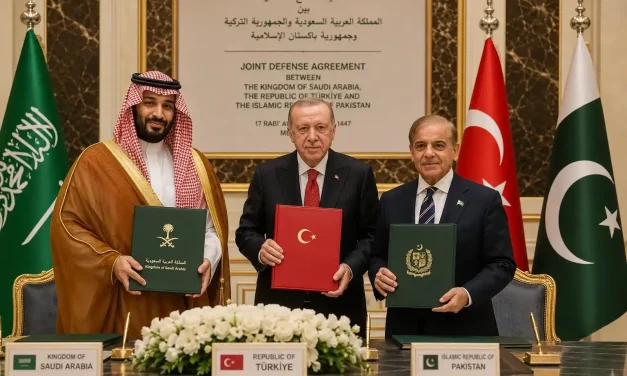
An Analysis of the Makkah Defense Pact

SCFR Online – Opinion: On Friday, August 7, the heads of state of three countries – Saudi Arabia, Turkey, and Pakistan – signed a text under the title “Makkah Joint Defense Agreement.”

Loading

Strategic Perspective

The Baghdad conference: objectives and outcomes

The Baghdad conference: objectives and outcomes

Strategic Council Online-Opinion: On 28 August 2021, Baghdad was host to one of the most important regional meetings entitled the Baghdad Conference for Cooperation and Partnership. Guests participating in this one-day meeting included high-ranking officials from influential Arab and non-Arab states. The Baghdad conference was highly significant from two respects: first, the level and arrangement of participants that have deep differences bilaterally, trilaterally and on many aspects, second, the goals which were pursued in the meeting at domestic, regional and international levels.
Barsam Mohammadi—International issues analyst

Necessity of talks between the Taliban and the opposition and listening to public protests

Necessity of talks between the Taliban and the opposition and listening to public protests

Strategic Council Online—Interview: Advisor to the former president of Afghanistan says the Taliban were worried that with the continuation of resistance in Panjshir, nationwide protests and uprising could be formed across whole Afghanistan, adding that protests would definitely continue in Afghanistan in various forms as the majority of the Afghans do not agree with a phenomenon called Taliban.

Parliamentary Elections in Qatar, Its Regional Consequences

Parliamentary Elections in Qatar, Its Regional Consequences

Strategic Council Online – Note: The Emir of Qatar, Sheikh Tamim bin Hamad Al Thani, recently issued a decree announcing the holding of parliamentary elections in that country on October 2. Although the election is considered a practice of democracy in a country with a tribal system, it challenges the approach of other tribal regimes, such as Saudi Arabia, the UAE, and Bahrain, rather than the real electoral aspects.
Hassan Hanizadeh – expert on the Middle East affairs

Afghan asylum seekers; Neighbors’ Role & Responsibility of International Community

Afghan asylum seekers; Neighbors’ Role & Responsibility of International Community

Strategic Council Online- Interview: Former Director of the Logistics Headquarter of Afghanistan at the Ministry of Foreign Affairs having stated that countries and international bodies should fulfill their responsibilities by receiving Afghan asylum seekers and put their full weight behind Iran said:” Iran’s hospitality extended to the asylum seekers will, in fact, prevent them to head towards other regions and European countries.

Afghanistan Crisis and European Positions

Afghanistan Crisis and European Positions

Strategic Council Online – Note: The NATO-led invasion of Afghanistan, which began after 9/11 incident under the pretext of “war on terrorism”, two decades after the mission, the Taliban’s rapid advance has prompted various countries, including NATO members, to rush to withdraw their diplomatic delegations, staff and citizens from the territory of that country. Western troops stationed in Afghanistan have trained the Afghan army for years, but the training has not been enough, and the reason why the Afghan army has failed to defend the capital against the Taliban remains unclear. The head of the Council of Europe does not see the situation in Afghanistan as a successful narrative for the international community and is considering how the EU can use its influence in international relations to defend its interests.
Mahmoud Fazeli – analyst of international affairs

US Failure in Realizing Objectives in Afghanistan

US Failure in Realizing Objectives in Afghanistan

Strategic Council Online – Interview: An expert on US affairs commenting on whether Washington’s decision to withdraw its troops from Afghanistan is taking place at a time when the country has achieved its objectives or the decision indicates the ineffectiveness of the US strategy in Afghanistan, said: The US officials had set two targets at the time of the invasion of Afghanistan; the first was the fight against al-Qaeda terrorism and the second was the establishment of peace, stability and democracy in Afghanistan. But now that their forces are leaving Afghanistan, they claim that their mission has only been to eliminate al-Qaeda terrorism, and in this regard, they cite the killing of Osama bin Laden, the leader of that terrorist movement, as evidence to their claim.

Developments of Afghanistan and importance of role-playing and convergence of neighboring countries

Developments of Afghanistan and importance of role-playing and convergence of neighboring countries

Strategic Council Online-Interview: A political activist of Afghanistan emphasized the significance of consultation and role-playing by countries neighboring Afghanistan and support for the establishment of an inclusive government and said, definitely, the emergence and real representation of a change in the Taliban approach would be the formation of a plural and inclusive government in Afghanistan and all relevant parties in that country should be present in that.

ÚLTIMAS PUBLICACIONES

Implications of the US-Saudi Nuclear Agreement

SCFR Online – Opinion: The new US-Saudi nuclear agreement, despite legal and political ambiguities, could alter previous non-proliferation standards in West Asia and intensify nuclear competition, ushering it into a new phase.
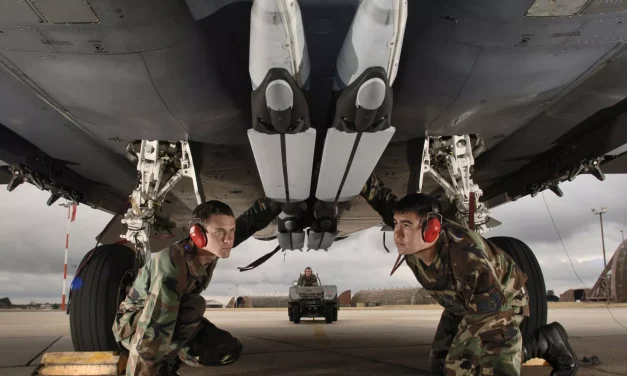
An Analysis of Recent Turkey-Israeli Regime Tensions

SCFR Online – Opinion: Recent developments in Syria indicate an intensification of strategic rivalry between Turkey and the Israeli regime, but mutual considerations and the role of the United States have limited the likelihood of direct war.

Increasing criticism of the extensive Zionist lobby network

SCFR Online – Opinion: An examination of the mechanisms of the Israeli regime’s influence in the United States depicts a complex picture of shared interests, strategic dependencies, and the limitations of this relationship.

Realities of the Tripartite Makkah Pact

SCFR Online – Interview: The signing of the Makkah agreement between Saudi Arabia, Pakistan, and Turkey has raised questions about the future of the region’s security structure and the position of these countries in West Asian equations. Can this agreement become a genuine collective defense mechanism, or does it have more of a political and deterrent function than creating new military capacity?

Strategic Implications of the Reduction of US Weapons Stockpiles

SCFR Online – Opinion: The continuation of the US war against Iran, in addition to increasing operational costs, has called into question the actual capacity of the American arsenal to simultaneously fulfill security commitments on multiple fronts; an issue that affects deterrence, defense production capacity, and Washington’s resource prioritization.

The Formation of a New Order in Relations Between Powers

SCFR Online – Opinion: The Russia-Ukraine war and the war of the United States and the Israeli regime against Iran have been formed with different objectives and actors, but field and political developments indicate that they are not entirely separate from one another.

An Analysis of the Makkah Defense Pact

SCFR Online – Opinion: On Friday, August 7, the heads of state of three countries – Saudi Arabia, Turkey, and Pakistan – signed a text under the title “Makkah Joint Defense Agreement.”

Loading

Strategic Perspective

The Baghdad conference: objectives and outcomes

The Baghdad conference: objectives and outcomes

Strategic Council Online-Opinion: On 28 August 2021, Baghdad was host to one of the most important regional meetings entitled the Baghdad Conference for Cooperation and Partnership. Guests participating in this one-day meeting included high-ranking officials from influential Arab and non-Arab states. The Baghdad conference was highly significant from two respects: first, the level and arrangement of participants that have deep differences bilaterally, trilaterally and on many aspects, second, the goals which were pursued in the meeting at domestic, regional and international levels.
Barsam Mohammadi—International issues analyst

Necessity of talks between the Taliban and the opposition and listening to public protests

Necessity of talks between the Taliban and the opposition and listening to public protests

Strategic Council Online—Interview: Advisor to the former president of Afghanistan says the Taliban were worried that with the continuation of resistance in Panjshir, nationwide protests and uprising could be formed across whole Afghanistan, adding that protests would definitely continue in Afghanistan in various forms as the majority of the Afghans do not agree with a phenomenon called Taliban.

Parliamentary Elections in Qatar, Its Regional Consequences

Parliamentary Elections in Qatar, Its Regional Consequences

Strategic Council Online – Note: The Emir of Qatar, Sheikh Tamim bin Hamad Al Thani, recently issued a decree announcing the holding of parliamentary elections in that country on October 2. Although the election is considered a practice of democracy in a country with a tribal system, it challenges the approach of other tribal regimes, such as Saudi Arabia, the UAE, and Bahrain, rather than the real electoral aspects.
Hassan Hanizadeh – expert on the Middle East affairs

Afghan asylum seekers; Neighbors’ Role & Responsibility of International Community

Afghan asylum seekers; Neighbors’ Role & Responsibility of International Community

Strategic Council Online- Interview: Former Director of the Logistics Headquarter of Afghanistan at the Ministry of Foreign Affairs having stated that countries and international bodies should fulfill their responsibilities by receiving Afghan asylum seekers and put their full weight behind Iran said:” Iran’s hospitality extended to the asylum seekers will, in fact, prevent them to head towards other regions and European countries.

Afghanistan Crisis and European Positions

Afghanistan Crisis and European Positions

Strategic Council Online – Note: The NATO-led invasion of Afghanistan, which began after 9/11 incident under the pretext of “war on terrorism”, two decades after the mission, the Taliban’s rapid advance has prompted various countries, including NATO members, to rush to withdraw their diplomatic delegations, staff and citizens from the territory of that country. Western troops stationed in Afghanistan have trained the Afghan army for years, but the training has not been enough, and the reason why the Afghan army has failed to defend the capital against the Taliban remains unclear. The head of the Council of Europe does not see the situation in Afghanistan as a successful narrative for the international community and is considering how the EU can use its influence in international relations to defend its interests.
Mahmoud Fazeli – analyst of international affairs

US Failure in Realizing Objectives in Afghanistan

US Failure in Realizing Objectives in Afghanistan

Strategic Council Online – Interview: An expert on US affairs commenting on whether Washington’s decision to withdraw its troops from Afghanistan is taking place at a time when the country has achieved its objectives or the decision indicates the ineffectiveness of the US strategy in Afghanistan, said: The US officials had set two targets at the time of the invasion of Afghanistan; the first was the fight against al-Qaeda terrorism and the second was the establishment of peace, stability and democracy in Afghanistan. But now that their forces are leaving Afghanistan, they claim that their mission has only been to eliminate al-Qaeda terrorism, and in this regard, they cite the killing of Osama bin Laden, the leader of that terrorist movement, as evidence to their claim.

Developments of Afghanistan and importance of role-playing and convergence of neighboring countries

Developments of Afghanistan and importance of role-playing and convergence of neighboring countries

Strategic Council Online-Interview: A political activist of Afghanistan emphasized the significance of consultation and role-playing by countries neighboring Afghanistan and support for the establishment of an inclusive government and said, definitely, the emergence and real representation of a change in the Taliban approach would be the formation of a plural and inclusive government in Afghanistan and all relevant parties in that country should be present in that.

ÚLTIMAS PUBLICACIONES

Implications of the US-Saudi Nuclear Agreement

SCFR Online – Opinion: The new US-Saudi nuclear agreement, despite legal and political ambiguities, could alter previous non-proliferation standards in West Asia and intensify nuclear competition, ushering it into a new phase.
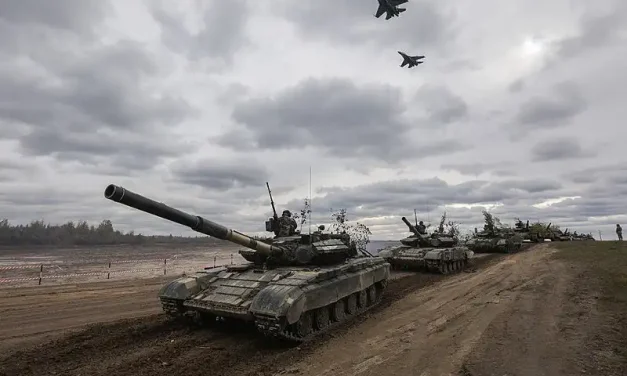
An Analysis of Recent Turkey-Israeli Regime Tensions

SCFR Online – Opinion: Recent developments in Syria indicate an intensification of strategic rivalry between Turkey and the Israeli regime, but mutual considerations and the role of the United States have limited the likelihood of direct war.

Increasing criticism of the extensive Zionist lobby network

SCFR Online – Opinion: An examination of the mechanisms of the Israeli regime’s influence in the United States depicts a complex picture of shared interests, strategic dependencies, and the limitations of this relationship.

Realities of the Tripartite Makkah Pact

SCFR Online – Interview: The signing of the Makkah agreement between Saudi Arabia, Pakistan, and Turkey has raised questions about the future of the region’s security structure and the position of these countries in West Asian equations. Can this agreement become a genuine collective defense mechanism, or does it have more of a political and deterrent function than creating new military capacity?

Strategic Implications of the Reduction of US Weapons Stockpiles

SCFR Online – Opinion: The continuation of the US war against Iran, in addition to increasing operational costs, has called into question the actual capacity of the American arsenal to simultaneously fulfill security commitments on multiple fronts; an issue that affects deterrence, defense production capacity, and Washington’s resource prioritization.

The Formation of a New Order in Relations Between Powers

SCFR Online – Opinion: The Russia-Ukraine war and the war of the United States and the Israeli regime against Iran have been formed with different objectives and actors, but field and political developments indicate that they are not entirely separate from one another.

An Analysis of the Makkah Defense Pact

SCFR Online – Opinion: On Friday, August 7, the heads of state of three countries – Saudi Arabia, Turkey, and Pakistan – signed a text under the title “Makkah Joint Defense Agreement.”

Loading

Strategic Perspective

The Baghdad conference: objectives and outcomes

The Baghdad conference: objectives and outcomes

Strategic Council Online-Opinion: On 28 August 2021, Baghdad was host to one of the most important regional meetings entitled the Baghdad Conference for Cooperation and Partnership. Guests participating in this one-day meeting included high-ranking officials from influential Arab and non-Arab states. The Baghdad conference was highly significant from two respects: first, the level and arrangement of participants that have deep differences bilaterally, trilaterally and on many aspects, second, the goals which were pursued in the meeting at domestic, regional and international levels.
Barsam Mohammadi—International issues analyst

Necessity of talks between the Taliban and the opposition and listening to public protests

Necessity of talks between the Taliban and the opposition and listening to public protests

Strategic Council Online—Interview: Advisor to the former president of Afghanistan says the Taliban were worried that with the continuation of resistance in Panjshir, nationwide protests and uprising could be formed across whole Afghanistan, adding that protests would definitely continue in Afghanistan in various forms as the majority of the Afghans do not agree with a phenomenon called Taliban.

Parliamentary Elections in Qatar, Its Regional Consequences

Parliamentary Elections in Qatar, Its Regional Consequences

Strategic Council Online – Note: The Emir of Qatar, Sheikh Tamim bin Hamad Al Thani, recently issued a decree announcing the holding of parliamentary elections in that country on October 2. Although the election is considered a practice of democracy in a country with a tribal system, it challenges the approach of other tribal regimes, such as Saudi Arabia, the UAE, and Bahrain, rather than the real electoral aspects.
Hassan Hanizadeh – expert on the Middle East affairs

Afghan asylum seekers; Neighbors’ Role & Responsibility of International Community

Afghan asylum seekers; Neighbors’ Role & Responsibility of International Community

Strategic Council Online- Interview: Former Director of the Logistics Headquarter of Afghanistan at the Ministry of Foreign Affairs having stated that countries and international bodies should fulfill their responsibilities by receiving Afghan asylum seekers and put their full weight behind Iran said:” Iran’s hospitality extended to the asylum seekers will, in fact, prevent them to head towards other regions and European countries.

Afghanistan Crisis and European Positions

Afghanistan Crisis and European Positions

Strategic Council Online – Note: The NATO-led invasion of Afghanistan, which began after 9/11 incident under the pretext of “war on terrorism”, two decades after the mission, the Taliban’s rapid advance has prompted various countries, including NATO members, to rush to withdraw their diplomatic delegations, staff and citizens from the territory of that country. Western troops stationed in Afghanistan have trained the Afghan army for years, but the training has not been enough, and the reason why the Afghan army has failed to defend the capital against the Taliban remains unclear. The head of the Council of Europe does not see the situation in Afghanistan as a successful narrative for the international community and is considering how the EU can use its influence in international relations to defend its interests.
Mahmoud Fazeli – analyst of international affairs

US Failure in Realizing Objectives in Afghanistan

US Failure in Realizing Objectives in Afghanistan

Strategic Council Online – Interview: An expert on US affairs commenting on whether Washington’s decision to withdraw its troops from Afghanistan is taking place at a time when the country has achieved its objectives or the decision indicates the ineffectiveness of the US strategy in Afghanistan, said: The US officials had set two targets at the time of the invasion of Afghanistan; the first was the fight against al-Qaeda terrorism and the second was the establishment of peace, stability and democracy in Afghanistan. But now that their forces are leaving Afghanistan, they claim that their mission has only been to eliminate al-Qaeda terrorism, and in this regard, they cite the killing of Osama bin Laden, the leader of that terrorist movement, as evidence to their claim.

Developments of Afghanistan and importance of role-playing and convergence of neighboring countries

Developments of Afghanistan and importance of role-playing and convergence of neighboring countries

Strategic Council Online-Interview: A political activist of Afghanistan emphasized the significance of consultation and role-playing by countries neighboring Afghanistan and support for the establishment of an inclusive government and said, definitely, the emergence and real representation of a change in the Taliban approach would be the formation of a plural and inclusive government in Afghanistan and all relevant parties in that country should be present in that.

ÚLTIMAS PUBLICACIONES

Implications of the US-Saudi Nuclear Agreement

SCFR Online – Opinion: The new US-Saudi nuclear agreement, despite legal and political ambiguities, could alter previous non-proliferation standards in West Asia and intensify nuclear competition, ushering it into a new phase.
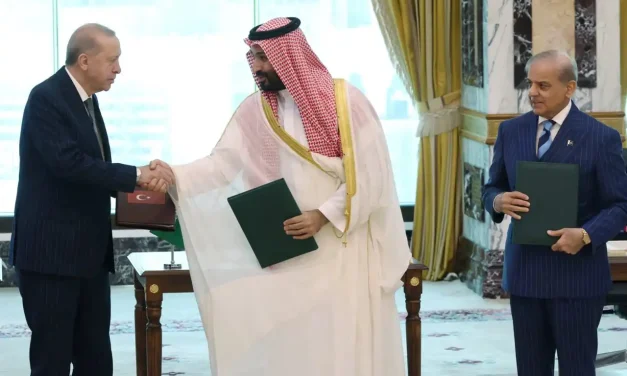
An Analysis of Recent Turkey-Israeli Regime Tensions

SCFR Online – Opinion: Recent developments in Syria indicate an intensification of strategic rivalry between Turkey and the Israeli regime, but mutual considerations and the role of the United States have limited the likelihood of direct war.

Increasing criticism of the extensive Zionist lobby network

SCFR Online – Opinion: An examination of the mechanisms of the Israeli regime’s influence in the United States depicts a complex picture of shared interests, strategic dependencies, and the limitations of this relationship.

Realities of the Tripartite Makkah Pact

SCFR Online – Interview: The signing of the Makkah agreement between Saudi Arabia, Pakistan, and Turkey has raised questions about the future of the region’s security structure and the position of these countries in West Asian equations. Can this agreement become a genuine collective defense mechanism, or does it have more of a political and deterrent function than creating new military capacity?

Strategic Implications of the Reduction of US Weapons Stockpiles

SCFR Online – Opinion: The continuation of the US war against Iran, in addition to increasing operational costs, has called into question the actual capacity of the American arsenal to simultaneously fulfill security commitments on multiple fronts; an issue that affects deterrence, defense production capacity, and Washington’s resource prioritization.

The Formation of a New Order in Relations Between Powers

SCFR Online – Opinion: The Russia-Ukraine war and the war of the United States and the Israeli regime against Iran have been formed with different objectives and actors, but field and political developments indicate that they are not entirely separate from one another.

An Analysis of the Makkah Defense Pact

SCFR Online – Opinion: On Friday, August 7, the heads of state of three countries – Saudi Arabia, Turkey, and Pakistan – signed a text under the title “Makkah Joint Defense Agreement.”

Loading

Strategic Perspective

The Baghdad conference: objectives and outcomes

The Baghdad conference: objectives and outcomes

Strategic Council Online-Opinion: On 28 August 2021, Baghdad was host to one of the most important regional meetings entitled the Baghdad Conference for Cooperation and Partnership. Guests participating in this one-day meeting included high-ranking officials from influential Arab and non-Arab states. The Baghdad conference was highly significant from two respects: first, the level and arrangement of participants that have deep differences bilaterally, trilaterally and on many aspects, second, the goals which were pursued in the meeting at domestic, regional and international levels.
Barsam Mohammadi—International issues analyst

Necessity of talks between the Taliban and the opposition and listening to public protests

Necessity of talks between the Taliban and the opposition and listening to public protests

Strategic Council Online—Interview: Advisor to the former president of Afghanistan says the Taliban were worried that with the continuation of resistance in Panjshir, nationwide protests and uprising could be formed across whole Afghanistan, adding that protests would definitely continue in Afghanistan in various forms as the majority of the Afghans do not agree with a phenomenon called Taliban.

Parliamentary Elections in Qatar, Its Regional Consequences

Parliamentary Elections in Qatar, Its Regional Consequences

Strategic Council Online – Note: The Emir of Qatar, Sheikh Tamim bin Hamad Al Thani, recently issued a decree announcing the holding of parliamentary elections in that country on October 2. Although the election is considered a practice of democracy in a country with a tribal system, it challenges the approach of other tribal regimes, such as Saudi Arabia, the UAE, and Bahrain, rather than the real electoral aspects.
Hassan Hanizadeh – expert on the Middle East affairs

Afghan asylum seekers; Neighbors’ Role & Responsibility of International Community

Afghan asylum seekers; Neighbors’ Role & Responsibility of International Community

Strategic Council Online- Interview: Former Director of the Logistics Headquarter of Afghanistan at the Ministry of Foreign Affairs having stated that countries and international bodies should fulfill their responsibilities by receiving Afghan asylum seekers and put their full weight behind Iran said:” Iran’s hospitality extended to the asylum seekers will, in fact, prevent them to head towards other regions and European countries.

Afghanistan Crisis and European Positions

Afghanistan Crisis and European Positions

Strategic Council Online – Note: The NATO-led invasion of Afghanistan, which began after 9/11 incident under the pretext of “war on terrorism”, two decades after the mission, the Taliban’s rapid advance has prompted various countries, including NATO members, to rush to withdraw their diplomatic delegations, staff and citizens from the territory of that country. Western troops stationed in Afghanistan have trained the Afghan army for years, but the training has not been enough, and the reason why the Afghan army has failed to defend the capital against the Taliban remains unclear. The head of the Council of Europe does not see the situation in Afghanistan as a successful narrative for the international community and is considering how the EU can use its influence in international relations to defend its interests.
Mahmoud Fazeli – analyst of international affairs

US Failure in Realizing Objectives in Afghanistan

US Failure in Realizing Objectives in Afghanistan

Strategic Council Online – Interview: An expert on US affairs commenting on whether Washington’s decision to withdraw its troops from Afghanistan is taking place at a time when the country has achieved its objectives or the decision indicates the ineffectiveness of the US strategy in Afghanistan, said: The US officials had set two targets at the time of the invasion of Afghanistan; the first was the fight against al-Qaeda terrorism and the second was the establishment of peace, stability and democracy in Afghanistan. But now that their forces are leaving Afghanistan, they claim that their mission has only been to eliminate al-Qaeda terrorism, and in this regard, they cite the killing of Osama bin Laden, the leader of that terrorist movement, as evidence to their claim.

Developments of Afghanistan and importance of role-playing and convergence of neighboring countries

Developments of Afghanistan and importance of role-playing and convergence of neighboring countries

Strategic Council Online-Interview: A political activist of Afghanistan emphasized the significance of consultation and role-playing by countries neighboring Afghanistan and support for the establishment of an inclusive government and said, definitely, the emergence and real representation of a change in the Taliban approach would be the formation of a plural and inclusive government in Afghanistan and all relevant parties in that country should be present in that.

ÚLTIMAS PUBLICACIONES

Implications of the US-Saudi Nuclear Agreement

SCFR Online – Opinion: The new US-Saudi nuclear agreement, despite legal and political ambiguities, could alter previous non-proliferation standards in West Asia and intensify nuclear competition, ushering it into a new phase.

An Analysis of Recent Turkey-Israeli Regime Tensions

SCFR Online – Opinion: Recent developments in Syria indicate an intensification of strategic rivalry between Turkey and the Israeli regime, but mutual considerations and the role of the United States have limited the likelihood of direct war.

Increasing criticism of the extensive Zionist lobby network

SCFR Online – Opinion: An examination of the mechanisms of the Israeli regime’s influence in the United States depicts a complex picture of shared interests, strategic dependencies, and the limitations of this relationship.

Realities of the Tripartite Makkah Pact

SCFR Online – Interview: The signing of the Makkah agreement between Saudi Arabia, Pakistan, and Turkey has raised questions about the future of the region’s security structure and the position of these countries in West Asian equations. Can this agreement become a genuine collective defense mechanism, or does it have more of a political and deterrent function than creating new military capacity?

Strategic Implications of the Reduction of US Weapons Stockpiles

SCFR Online – Opinion: The continuation of the US war against Iran, in addition to increasing operational costs, has called into question the actual capacity of the American arsenal to simultaneously fulfill security commitments on multiple fronts; an issue that affects deterrence, defense production capacity, and Washington’s resource prioritization.

The Formation of a New Order in Relations Between Powers

SCFR Online – Opinion: The Russia-Ukraine war and the war of the United States and the Israeli regime against Iran have been formed with different objectives and actors, but field and political developments indicate that they are not entirely separate from one another.

An Analysis of the Makkah Defense Pact

SCFR Online – Opinion: On Friday, August 7, the heads of state of three countries – Saudi Arabia, Turkey, and Pakistan – signed a text under the title “Makkah Joint Defense Agreement.”

Loading