جدیدترین مطالب

The Makkah Pact; Reasons for its Formation and Challenges Ahead

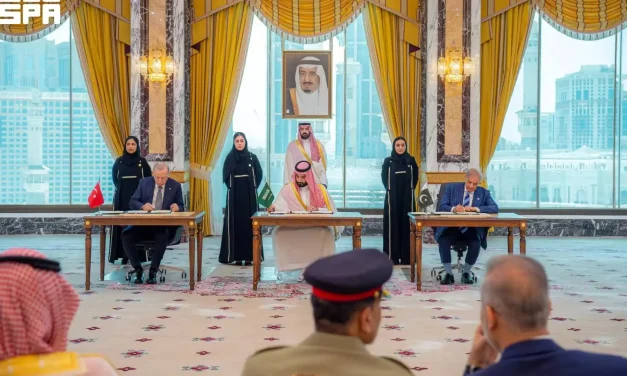
SCFR Online – Opinion: The Makkah Pact, signed between Saudi Arabia, Pakistan, and Turkey under the motto “an attack on one is an attack on all,” is viewed by some analysts less as a full-fledged military coalition and more as an attempt to reduce security dependence on an external power and to establish a regional security mechanism.
Implications of the US-Saudi Nuclear Agreement

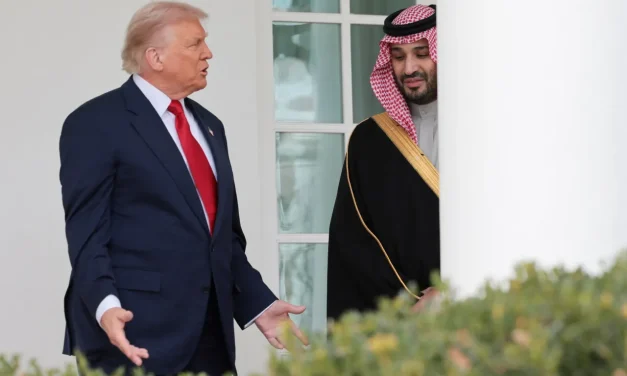
SCFR Online – Opinion: The new US-Saudi nuclear agreement, despite legal and political ambiguities, could alter previous non-proliferation standards in West Asia and intensify nuclear competition, ushering it into a new phase.

An Analysis of Recent Turkey-Israeli Regime Tensions

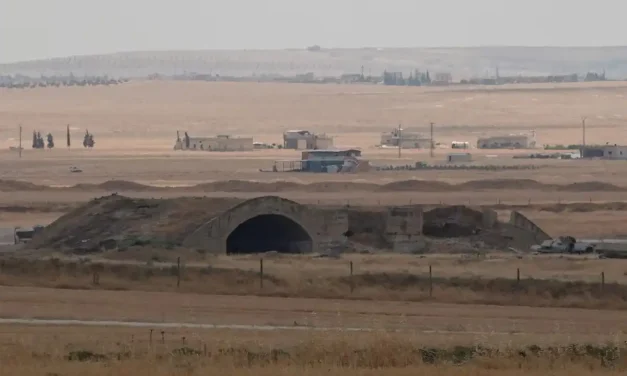
SCFR Online – Opinion: Recent developments in Syria indicate an intensification of strategic rivalry between Turkey and the Israeli regime, but mutual considerations and the role of the United States have limited the likelihood of direct war.

Increasing criticism of the extensive Zionist lobby network

SCFR Online – Opinion: An examination of the mechanisms of the Israeli regime’s influence in the United States depicts a complex picture of shared interests, strategic dependencies, and the limitations of this relationship.

Realities of the Tripartite Makkah Pact

SCFR Online – Interview: The signing of the Makkah agreement between Saudi Arabia, Pakistan, and Turkey has raised questions about the future of the region’s security structure and the position of these countries in West Asian equations. Can this agreement become a genuine collective defense mechanism, or does it have more of a political and deterrent function than creating new military capacity?

Strategic Implications of the Reduction of US Weapons Stockpiles

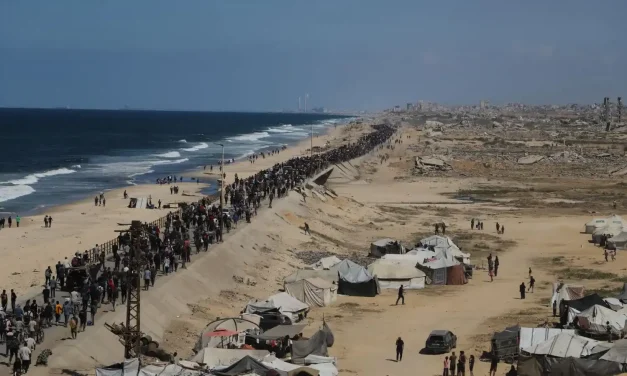
SCFR Online – Opinion: The continuation of the US war against Iran, in addition to increasing operational costs, has called into question the actual capacity of the American arsenal to simultaneously fulfill security commitments on multiple fronts; an issue that affects deterrence, defense production capacity, and Washington’s resource prioritization.

The Formation of a New Order in Relations Between Powers

SCFR Online – Opinion: The Russia-Ukraine war and the war of the United States and the Israeli regime against Iran have been formed with different objectives and actors, but field and political developments indicate that they are not entirely separate from one another.

Loading

Strategic Perspective

Strategic consequences of Saudi U-turn in the region

Strategic consequences of Saudi U-turn in the region

Strategic Council Online- It was March 26, 2015 when the Saudi-led coalition over-all air raids of the regional countries launched against Yemen called Operation Decisive Storm. The US and Israel played logistic role plus supplying weapons and equipments in the war. The operation was supposed to finish within a few weeks, achieving tangible results and pre-determined objectives.
Barsaam Mohammadi, international analyst.

Pakistan’s View on Withdrawal of US Troops from Afghanistan

Pakistan’s View on Withdrawal of US Troops from Afghanistan

Strategic Council Online – An analyst of Asia affairs said that the recent decision of the new US administration to withdraw its troops from Afghanistan is a win-win situation for Islamabad, adding that Pakistan views this issue politically and strategically against India and seeks to regain its strategic depth with an economic approach to Afghan markets as well as improving its relations with the United States.

Relations between Turkey and the United States during Biden

Relations between Turkey and the United States during Biden

Online Strategic Council—Interview: An expert of Turkey issues says it seems that during the next four years of Biden’s presidency in the White House, we would witness more US pressures on Turkey so that Ankara could not act independently outside the NATO framework and the policies of the United States as the leader of NATO.

Brazil and China; from trader partnership to strategic alliance

Brazil and China; from trader partnership to strategic alliance

Strategic Council Online—Opinion: Given that the strategic cooperation agreement signed between Iran and China has been top on the headlines of many Iranian and international media outlets, the comparative study of such cooperation can illuminate the public opinion and raise awareness on the nature of such agreements.
Amir Mohammad Reisian—Researcher, Latin America Desk, Economic Diplomacy Studies Office, Imam Sadeq University

Ups and Downs of Cooperation, Divergence between UAE & Saudi Arabia in Yemen

Ups and Downs of Cooperation, Divergence between UAE & Saudi Arabia in Yemen

Strategic Council Online – A faculty member of the University of Tehran, referring to the reasons for the dispute between Saudi Arabia and the UAE on Yemen, stressed: Given that the two countries are in different situations and have different points of view, their alliance is questionable and it is possible that their past relations in the region will totally fade away.

Strategic Implications of Biden’s Visit to Britain, Efforts to Revive Transatlantic Relations

Strategic Implications of Biden’s Visit to Britain, Efforts to Revive Transatlantic Relations

Strategic Council Online – An analyst of Europe affairs said that Biden’s visit to Britain and then to Belgium is an indication of the high importance of reviving transatlantic relations in the political sphere of Biden administration in the next four years. He added: The US emphasis on reviving transatlantic relations and at its helm the European Union, will not deal a blow on bilateral trade, political and security relations with Britain.

Consequences of destabilizing US presence in Iraq

Consequences of destabilizing US presence in Iraq

Strategic Council Online – Interview: An expert on Iraq affairs, commenting on the continued presence of US troops in Iraq despite strategic talks between the two countries on this issue and approval of the law on the withdrawal of US troops from Iraq in December 2019 said: There is no doubt that the stay of American forces in Iraq will intensify instability in that country.

IAEA Urged to Adopt Technical Outlook, Avoid Power Relations

IAEA Urged to Adopt Technical Outlook, Avoid Power Relations

Strategic Council Online – A university professor says whenever the big powers decide they can sacrifice the technical nature of the International Atomic Energy Agency (IAEA) for their goals and motives. Unfortunately, he noted, power relations prevail over technical issues in the agency.

أحدث الوظائف

The Makkah Pact; Reasons for its Formation and Challenges Ahead

SCFR Online – Opinion: The Makkah Pact, signed between Saudi Arabia, Pakistan, and Turkey under the motto “an attack on one is an attack on all,” is viewed by some analysts less as a full-fledged military coalition and more as an attempt to reduce security dependence on an external power and to establish a regional security mechanism.
Implications of the US-Saudi Nuclear Agreement

SCFR Online – Opinion: The new US-Saudi nuclear agreement, despite legal and political ambiguities, could alter previous non-proliferation standards in West Asia and intensify nuclear competition, ushering it into a new phase.

An Analysis of Recent Turkey-Israeli Regime Tensions

SCFR Online – Opinion: Recent developments in Syria indicate an intensification of strategic rivalry between Turkey and the Israeli regime, but mutual considerations and the role of the United States have limited the likelihood of direct war.

Increasing criticism of the extensive Zionist lobby network

SCFR Online – Opinion: An examination of the mechanisms of the Israeli regime’s influence in the United States depicts a complex picture of shared interests, strategic dependencies, and the limitations of this relationship.

Realities of the Tripartite Makkah Pact

SCFR Online – Interview: The signing of the Makkah agreement between Saudi Arabia, Pakistan, and Turkey has raised questions about the future of the region’s security structure and the position of these countries in West Asian equations. Can this agreement become a genuine collective defense mechanism, or does it have more of a political and deterrent function than creating new military capacity?

Strategic Implications of the Reduction of US Weapons Stockpiles

SCFR Online – Opinion: The continuation of the US war against Iran, in addition to increasing operational costs, has called into question the actual capacity of the American arsenal to simultaneously fulfill security commitments on multiple fronts; an issue that affects deterrence, defense production capacity, and Washington’s resource prioritization.

The Formation of a New Order in Relations Between Powers

SCFR Online – Opinion: The Russia-Ukraine war and the war of the United States and the Israeli regime against Iran have been formed with different objectives and actors, but field and political developments indicate that they are not entirely separate from one another.

Loading

Strategic Perspective

Strategic consequences of Saudi U-turn in the region

Strategic consequences of Saudi U-turn in the region

Strategic Council Online- It was March 26, 2015 when the Saudi-led coalition over-all air raids of the regional countries launched against Yemen called Operation Decisive Storm. The US and Israel played logistic role plus supplying weapons and equipments in the war. The operation was supposed to finish within a few weeks, achieving tangible results and pre-determined objectives.
Barsaam Mohammadi, international analyst.

Pakistan’s View on Withdrawal of US Troops from Afghanistan

Pakistan’s View on Withdrawal of US Troops from Afghanistan

Strategic Council Online – An analyst of Asia affairs said that the recent decision of the new US administration to withdraw its troops from Afghanistan is a win-win situation for Islamabad, adding that Pakistan views this issue politically and strategically against India and seeks to regain its strategic depth with an economic approach to Afghan markets as well as improving its relations with the United States.

Relations between Turkey and the United States during Biden

Relations between Turkey and the United States during Biden

Online Strategic Council—Interview: An expert of Turkey issues says it seems that during the next four years of Biden’s presidency in the White House, we would witness more US pressures on Turkey so that Ankara could not act independently outside the NATO framework and the policies of the United States as the leader of NATO.

Brazil and China; from trader partnership to strategic alliance

Brazil and China; from trader partnership to strategic alliance

Strategic Council Online—Opinion: Given that the strategic cooperation agreement signed between Iran and China has been top on the headlines of many Iranian and international media outlets, the comparative study of such cooperation can illuminate the public opinion and raise awareness on the nature of such agreements.
Amir Mohammad Reisian—Researcher, Latin America Desk, Economic Diplomacy Studies Office, Imam Sadeq University

Ups and Downs of Cooperation, Divergence between UAE & Saudi Arabia in Yemen

Ups and Downs of Cooperation, Divergence between UAE & Saudi Arabia in Yemen

Strategic Council Online – A faculty member of the University of Tehran, referring to the reasons for the dispute between Saudi Arabia and the UAE on Yemen, stressed: Given that the two countries are in different situations and have different points of view, their alliance is questionable and it is possible that their past relations in the region will totally fade away.

Strategic Implications of Biden’s Visit to Britain, Efforts to Revive Transatlantic Relations

Strategic Implications of Biden’s Visit to Britain, Efforts to Revive Transatlantic Relations

Strategic Council Online – An analyst of Europe affairs said that Biden’s visit to Britain and then to Belgium is an indication of the high importance of reviving transatlantic relations in the political sphere of Biden administration in the next four years. He added: The US emphasis on reviving transatlantic relations and at its helm the European Union, will not deal a blow on bilateral trade, political and security relations with Britain.

Consequences of destabilizing US presence in Iraq

Consequences of destabilizing US presence in Iraq

Strategic Council Online – Interview: An expert on Iraq affairs, commenting on the continued presence of US troops in Iraq despite strategic talks between the two countries on this issue and approval of the law on the withdrawal of US troops from Iraq in December 2019 said: There is no doubt that the stay of American forces in Iraq will intensify instability in that country.

IAEA Urged to Adopt Technical Outlook, Avoid Power Relations

IAEA Urged to Adopt Technical Outlook, Avoid Power Relations

Strategic Council Online – A university professor says whenever the big powers decide they can sacrifice the technical nature of the International Atomic Energy Agency (IAEA) for their goals and motives. Unfortunately, he noted, power relations prevail over technical issues in the agency.

Strategic Perspective

Strategic consequences of Saudi U-turn in the region

Strategic consequences of Saudi U-turn in the region

Strategic Council Online- It was March 26, 2015 when the Saudi-led coalition over-all air raids of the regional countries launched against Yemen called Operation Decisive Storm. The US and Israel played logistic role plus supplying weapons and equipments in the war. The operation was supposed to finish within a few weeks, achieving tangible results and pre-determined objectives.
Barsaam Mohammadi, international analyst.

Pakistan’s View on Withdrawal of US Troops from Afghanistan

Pakistan’s View on Withdrawal of US Troops from Afghanistan

Strategic Council Online – An analyst of Asia affairs said that the recent decision of the new US administration to withdraw its troops from Afghanistan is a win-win situation for Islamabad, adding that Pakistan views this issue politically and strategically against India and seeks to regain its strategic depth with an economic approach to Afghan markets as well as improving its relations with the United States.

Relations between Turkey and the United States during Biden

Relations between Turkey and the United States during Biden

Online Strategic Council—Interview: An expert of Turkey issues says it seems that during the next four years of Biden’s presidency in the White House, we would witness more US pressures on Turkey so that Ankara could not act independently outside the NATO framework and the policies of the United States as the leader of NATO.

Brazil and China; from trader partnership to strategic alliance

Brazil and China; from trader partnership to strategic alliance

Strategic Council Online—Opinion: Given that the strategic cooperation agreement signed between Iran and China has been top on the headlines of many Iranian and international media outlets, the comparative study of such cooperation can illuminate the public opinion and raise awareness on the nature of such agreements.
Amir Mohammad Reisian—Researcher, Latin America Desk, Economic Diplomacy Studies Office, Imam Sadeq University

Ups and Downs of Cooperation, Divergence between UAE & Saudi Arabia in Yemen

Ups and Downs of Cooperation, Divergence between UAE & Saudi Arabia in Yemen

Strategic Council Online – A faculty member of the University of Tehran, referring to the reasons for the dispute between Saudi Arabia and the UAE on Yemen, stressed: Given that the two countries are in different situations and have different points of view, their alliance is questionable and it is possible that their past relations in the region will totally fade away.

Strategic Implications of Biden’s Visit to Britain, Efforts to Revive Transatlantic Relations

Strategic Implications of Biden’s Visit to Britain, Efforts to Revive Transatlantic Relations

Strategic Council Online – An analyst of Europe affairs said that Biden’s visit to Britain and then to Belgium is an indication of the high importance of reviving transatlantic relations in the political sphere of Biden administration in the next four years. He added: The US emphasis on reviving transatlantic relations and at its helm the European Union, will not deal a blow on bilateral trade, political and security relations with Britain.

Consequences of destabilizing US presence in Iraq

Consequences of destabilizing US presence in Iraq

Strategic Council Online – Interview: An expert on Iraq affairs, commenting on the continued presence of US troops in Iraq despite strategic talks between the two countries on this issue and approval of the law on the withdrawal of US troops from Iraq in December 2019 said: There is no doubt that the stay of American forces in Iraq will intensify instability in that country.

IAEA Urged to Adopt Technical Outlook, Avoid Power Relations

IAEA Urged to Adopt Technical Outlook, Avoid Power Relations

Strategic Council Online – A university professor says whenever the big powers decide they can sacrifice the technical nature of the International Atomic Energy Agency (IAEA) for their goals and motives. Unfortunately, he noted, power relations prevail over technical issues in the agency.

LATEST CONTENT

The Makkah Pact; Reasons for its Formation and Challenges Ahead

SCFR Online – Opinion: The Makkah Pact, signed between Saudi Arabia, Pakistan, and Turkey under the motto “an attack on one is an attack on all,” is viewed by some analysts less as a full-fledged military coalition and more as an attempt to reduce security dependence on an external power and to establish a regional security mechanism.

Implications of the US-Saudi Nuclear Agreement

SCFR Online – Opinion: The new US-Saudi nuclear agreement, despite legal and political ambiguities, could alter previous non-proliferation standards in West Asia and intensify nuclear competition, ushering it into a new phase.

An Analysis of Recent Turkey-Israeli Regime Tensions

SCFR Online – Opinion: Recent developments in Syria indicate an intensification of strategic rivalry between Turkey and the Israeli regime, but mutual considerations and the role of the United States have limited the likelihood of direct war.

Increasing criticism of the extensive Zionist lobby network

SCFR Online – Opinion: An examination of the mechanisms of the Israeli regime’s influence in the United States depicts a complex picture of shared interests, strategic dependencies, and the limitations of this relationship.

Realities of the Tripartite Makkah Pact

SCFR Online – Interview: The signing of the Makkah agreement between Saudi Arabia, Pakistan, and Turkey has raised questions about the future of the region’s security structure and the position of these countries in West Asian equations. Can this agreement become a genuine collective defense mechanism, or does it have more of a political and deterrent function than creating new military capacity?

Strategic Implications of the Reduction of US Weapons Stockpiles

SCFR Online – Opinion: The continuation of the US war against Iran, in addition to increasing operational costs, has called into question the actual capacity of the American arsenal to simultaneously fulfill security commitments on multiple fronts; an issue that affects deterrence, defense production capacity, and Washington’s resource prioritization.

The Formation of a New Order in Relations Between Powers

SCFR Online – Opinion: The Russia-Ukraine war and the war of the United States and the Israeli regime against Iran have been formed with different objectives and actors, but field and political developments indicate that they are not entirely separate from one another.

Loading

Strategic Perspective

Strategic consequences of Saudi U-turn in the region

Strategic consequences of Saudi U-turn in the region

Strategic Council Online- It was March 26, 2015 when the Saudi-led coalition over-all air raids of the regional countries launched against Yemen called Operation Decisive Storm. The US and Israel played logistic role plus supplying weapons and equipments in the war. The operation was supposed to finish within a few weeks, achieving tangible results and pre-determined objectives.
Barsaam Mohammadi, international analyst.

Pakistan’s View on Withdrawal of US Troops from Afghanistan

Pakistan’s View on Withdrawal of US Troops from Afghanistan

Strategic Council Online – An analyst of Asia affairs said that the recent decision of the new US administration to withdraw its troops from Afghanistan is a win-win situation for Islamabad, adding that Pakistan views this issue politically and strategically against India and seeks to regain its strategic depth with an economic approach to Afghan markets as well as improving its relations with the United States.

Relations between Turkey and the United States during Biden

Relations between Turkey and the United States during Biden

Online Strategic Council—Interview: An expert of Turkey issues says it seems that during the next four years of Biden’s presidency in the White House, we would witness more US pressures on Turkey so that Ankara could not act independently outside the NATO framework and the policies of the United States as the leader of NATO.

Brazil and China; from trader partnership to strategic alliance

Brazil and China; from trader partnership to strategic alliance

Strategic Council Online—Opinion: Given that the strategic cooperation agreement signed between Iran and China has been top on the headlines of many Iranian and international media outlets, the comparative study of such cooperation can illuminate the public opinion and raise awareness on the nature of such agreements.
Amir Mohammad Reisian—Researcher, Latin America Desk, Economic Diplomacy Studies Office, Imam Sadeq University

Ups and Downs of Cooperation, Divergence between UAE & Saudi Arabia in Yemen

Ups and Downs of Cooperation, Divergence between UAE & Saudi Arabia in Yemen

Strategic Council Online – A faculty member of the University of Tehran, referring to the reasons for the dispute between Saudi Arabia and the UAE on Yemen, stressed: Given that the two countries are in different situations and have different points of view, their alliance is questionable and it is possible that their past relations in the region will totally fade away.

Strategic Implications of Biden’s Visit to Britain, Efforts to Revive Transatlantic Relations

Strategic Implications of Biden’s Visit to Britain, Efforts to Revive Transatlantic Relations

Strategic Council Online – An analyst of Europe affairs said that Biden’s visit to Britain and then to Belgium is an indication of the high importance of reviving transatlantic relations in the political sphere of Biden administration in the next four years. He added: The US emphasis on reviving transatlantic relations and at its helm the European Union, will not deal a blow on bilateral trade, political and security relations with Britain.

Consequences of destabilizing US presence in Iraq

Consequences of destabilizing US presence in Iraq

Strategic Council Online – Interview: An expert on Iraq affairs, commenting on the continued presence of US troops in Iraq despite strategic talks between the two countries on this issue and approval of the law on the withdrawal of US troops from Iraq in December 2019 said: There is no doubt that the stay of American forces in Iraq will intensify instability in that country.

IAEA Urged to Adopt Technical Outlook, Avoid Power Relations

IAEA Urged to Adopt Technical Outlook, Avoid Power Relations

Strategic Council Online – A university professor says whenever the big powers decide they can sacrifice the technical nature of the International Atomic Energy Agency (IAEA) for their goals and motives. Unfortunately, he noted, power relations prevail over technical issues in the agency.

ÚLTIMAS PUBLICACIONES

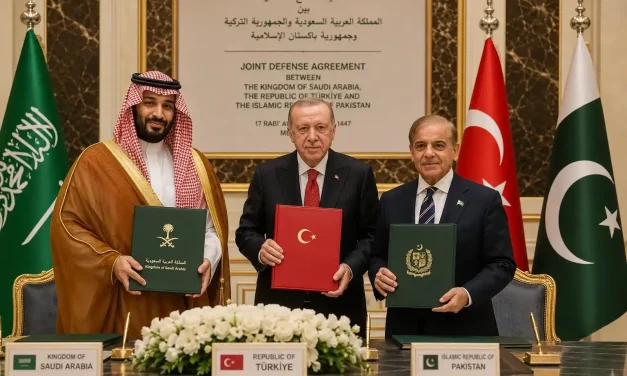
The Makkah Pact; Reasons for its Formation and Challenges Ahead

SCFR Online – Opinion: The Makkah Pact, signed between Saudi Arabia, Pakistan, and Turkey under the motto “an attack on one is an attack on all,” is viewed by some analysts less as a full-fledged military coalition and more as an attempt to reduce security dependence on an external power and to establish a regional security mechanism.
Implications of the US-Saudi Nuclear Agreement

SCFR Online – Opinion: The new US-Saudi nuclear agreement, despite legal and political ambiguities, could alter previous non-proliferation standards in West Asia and intensify nuclear competition, ushering it into a new phase.

An Analysis of Recent Turkey-Israeli Regime Tensions

SCFR Online – Opinion: Recent developments in Syria indicate an intensification of strategic rivalry between Turkey and the Israeli regime, but mutual considerations and the role of the United States have limited the likelihood of direct war.

Increasing criticism of the extensive Zionist lobby network

SCFR Online – Opinion: An examination of the mechanisms of the Israeli regime’s influence in the United States depicts a complex picture of shared interests, strategic dependencies, and the limitations of this relationship.

Realities of the Tripartite Makkah Pact

SCFR Online – Interview: The signing of the Makkah agreement between Saudi Arabia, Pakistan, and Turkey has raised questions about the future of the region’s security structure and the position of these countries in West Asian equations. Can this agreement become a genuine collective defense mechanism, or does it have more of a political and deterrent function than creating new military capacity?

Strategic Implications of the Reduction of US Weapons Stockpiles

SCFR Online – Opinion: The continuation of the US war against Iran, in addition to increasing operational costs, has called into question the actual capacity of the American arsenal to simultaneously fulfill security commitments on multiple fronts; an issue that affects deterrence, defense production capacity, and Washington’s resource prioritization.

The Formation of a New Order in Relations Between Powers

SCFR Online – Opinion: The Russia-Ukraine war and the war of the United States and the Israeli regime against Iran have been formed with different objectives and actors, but field and political developments indicate that they are not entirely separate from one another.

Loading

Strategic Perspective

Strategic consequences of Saudi U-turn in the region

Strategic consequences of Saudi U-turn in the region

Strategic Council Online- It was March 26, 2015 when the Saudi-led coalition over-all air raids of the regional countries launched against Yemen called Operation Decisive Storm. The US and Israel played logistic role plus supplying weapons and equipments in the war. The operation was supposed to finish within a few weeks, achieving tangible results and pre-determined objectives.
Barsaam Mohammadi, international analyst.

Pakistan’s View on Withdrawal of US Troops from Afghanistan

Pakistan’s View on Withdrawal of US Troops from Afghanistan

Strategic Council Online – An analyst of Asia affairs said that the recent decision of the new US administration to withdraw its troops from Afghanistan is a win-win situation for Islamabad, adding that Pakistan views this issue politically and strategically against India and seeks to regain its strategic depth with an economic approach to Afghan markets as well as improving its relations with the United States.

Relations between Turkey and the United States during Biden

Relations between Turkey and the United States during Biden

Online Strategic Council—Interview: An expert of Turkey issues says it seems that during the next four years of Biden’s presidency in the White House, we would witness more US pressures on Turkey so that Ankara could not act independently outside the NATO framework and the policies of the United States as the leader of NATO.

Brazil and China; from trader partnership to strategic alliance

Brazil and China; from trader partnership to strategic alliance

Strategic Council Online—Opinion: Given that the strategic cooperation agreement signed between Iran and China has been top on the headlines of many Iranian and international media outlets, the comparative study of such cooperation can illuminate the public opinion and raise awareness on the nature of such agreements.
Amir Mohammad Reisian—Researcher, Latin America Desk, Economic Diplomacy Studies Office, Imam Sadeq University

Ups and Downs of Cooperation, Divergence between UAE & Saudi Arabia in Yemen

Ups and Downs of Cooperation, Divergence between UAE & Saudi Arabia in Yemen

Strategic Council Online – A faculty member of the University of Tehran, referring to the reasons for the dispute between Saudi Arabia and the UAE on Yemen, stressed: Given that the two countries are in different situations and have different points of view, their alliance is questionable and it is possible that their past relations in the region will totally fade away.

Strategic Implications of Biden’s Visit to Britain, Efforts to Revive Transatlantic Relations

Strategic Implications of Biden’s Visit to Britain, Efforts to Revive Transatlantic Relations

Strategic Council Online – An analyst of Europe affairs said that Biden’s visit to Britain and then to Belgium is an indication of the high importance of reviving transatlantic relations in the political sphere of Biden administration in the next four years. He added: The US emphasis on reviving transatlantic relations and at its helm the European Union, will not deal a blow on bilateral trade, political and security relations with Britain.

Consequences of destabilizing US presence in Iraq

Consequences of destabilizing US presence in Iraq

Strategic Council Online – Interview: An expert on Iraq affairs, commenting on the continued presence of US troops in Iraq despite strategic talks between the two countries on this issue and approval of the law on the withdrawal of US troops from Iraq in December 2019 said: There is no doubt that the stay of American forces in Iraq will intensify instability in that country.

IAEA Urged to Adopt Technical Outlook, Avoid Power Relations

IAEA Urged to Adopt Technical Outlook, Avoid Power Relations

Strategic Council Online – A university professor says whenever the big powers decide they can sacrifice the technical nature of the International Atomic Energy Agency (IAEA) for their goals and motives. Unfortunately, he noted, power relations prevail over technical issues in the agency.

ÚLTIMAS PUBLICACIONES

The Makkah Pact; Reasons for its Formation and Challenges Ahead

SCFR Online – Opinion: The Makkah Pact, signed between Saudi Arabia, Pakistan, and Turkey under the motto “an attack on one is an attack on all,” is viewed by some analysts less as a full-fledged military coalition and more as an attempt to reduce security dependence on an external power and to establish a regional security mechanism.
Implications of the US-Saudi Nuclear Agreement

SCFR Online – Opinion: The new US-Saudi nuclear agreement, despite legal and political ambiguities, could alter previous non-proliferation standards in West Asia and intensify nuclear competition, ushering it into a new phase.

An Analysis of Recent Turkey-Israeli Regime Tensions

SCFR Online – Opinion: Recent developments in Syria indicate an intensification of strategic rivalry between Turkey and the Israeli regime, but mutual considerations and the role of the United States have limited the likelihood of direct war.

Increasing criticism of the extensive Zionist lobby network

SCFR Online – Opinion: An examination of the mechanisms of the Israeli regime’s influence in the United States depicts a complex picture of shared interests, strategic dependencies, and the limitations of this relationship.

Realities of the Tripartite Makkah Pact

SCFR Online – Interview: The signing of the Makkah agreement between Saudi Arabia, Pakistan, and Turkey has raised questions about the future of the region’s security structure and the position of these countries in West Asian equations. Can this agreement become a genuine collective defense mechanism, or does it have more of a political and deterrent function than creating new military capacity?

Strategic Implications of the Reduction of US Weapons Stockpiles

SCFR Online – Opinion: The continuation of the US war against Iran, in addition to increasing operational costs, has called into question the actual capacity of the American arsenal to simultaneously fulfill security commitments on multiple fronts; an issue that affects deterrence, defense production capacity, and Washington’s resource prioritization.

The Formation of a New Order in Relations Between Powers

SCFR Online – Opinion: The Russia-Ukraine war and the war of the United States and the Israeli regime against Iran have been formed with different objectives and actors, but field and political developments indicate that they are not entirely separate from one another.

Loading

Strategic Perspective

Strategic consequences of Saudi U-turn in the region

Strategic consequences of Saudi U-turn in the region

Strategic Council Online- It was March 26, 2015 when the Saudi-led coalition over-all air raids of the regional countries launched against Yemen called Operation Decisive Storm. The US and Israel played logistic role plus supplying weapons and equipments in the war. The operation was supposed to finish within a few weeks, achieving tangible results and pre-determined objectives.
Barsaam Mohammadi, international analyst.

Pakistan’s View on Withdrawal of US Troops from Afghanistan

Pakistan’s View on Withdrawal of US Troops from Afghanistan

Strategic Council Online – An analyst of Asia affairs said that the recent decision of the new US administration to withdraw its troops from Afghanistan is a win-win situation for Islamabad, adding that Pakistan views this issue politically and strategically against India and seeks to regain its strategic depth with an economic approach to Afghan markets as well as improving its relations with the United States.

Relations between Turkey and the United States during Biden

Relations between Turkey and the United States during Biden

Online Strategic Council—Interview: An expert of Turkey issues says it seems that during the next four years of Biden’s presidency in the White House, we would witness more US pressures on Turkey so that Ankara could not act independently outside the NATO framework and the policies of the United States as the leader of NATO.

Brazil and China; from trader partnership to strategic alliance

Brazil and China; from trader partnership to strategic alliance

Strategic Council Online—Opinion: Given that the strategic cooperation agreement signed between Iran and China has been top on the headlines of many Iranian and international media outlets, the comparative study of such cooperation can illuminate the public opinion and raise awareness on the nature of such agreements.
Amir Mohammad Reisian—Researcher, Latin America Desk, Economic Diplomacy Studies Office, Imam Sadeq University

Ups and Downs of Cooperation, Divergence between UAE & Saudi Arabia in Yemen

Ups and Downs of Cooperation, Divergence between UAE & Saudi Arabia in Yemen

Strategic Council Online – A faculty member of the University of Tehran, referring to the reasons for the dispute between Saudi Arabia and the UAE on Yemen, stressed: Given that the two countries are in different situations and have different points of view, their alliance is questionable and it is possible that their past relations in the region will totally fade away.

Strategic Implications of Biden’s Visit to Britain, Efforts to Revive Transatlantic Relations

Strategic Implications of Biden’s Visit to Britain, Efforts to Revive Transatlantic Relations

Strategic Council Online – An analyst of Europe affairs said that Biden’s visit to Britain and then to Belgium is an indication of the high importance of reviving transatlantic relations in the political sphere of Biden administration in the next four years. He added: The US emphasis on reviving transatlantic relations and at its helm the European Union, will not deal a blow on bilateral trade, political and security relations with Britain.

Consequences of destabilizing US presence in Iraq

Consequences of destabilizing US presence in Iraq

Strategic Council Online – Interview: An expert on Iraq affairs, commenting on the continued presence of US troops in Iraq despite strategic talks between the two countries on this issue and approval of the law on the withdrawal of US troops from Iraq in December 2019 said: There is no doubt that the stay of American forces in Iraq will intensify instability in that country.

IAEA Urged to Adopt Technical Outlook, Avoid Power Relations

IAEA Urged to Adopt Technical Outlook, Avoid Power Relations

Strategic Council Online – A university professor says whenever the big powers decide they can sacrifice the technical nature of the International Atomic Energy Agency (IAEA) for their goals and motives. Unfortunately, he noted, power relations prevail over technical issues in the agency.

ÚLTIMAS PUBLICACIONES

The Makkah Pact; Reasons for its Formation and Challenges Ahead

SCFR Online – Opinion: The Makkah Pact, signed between Saudi Arabia, Pakistan, and Turkey under the motto “an attack on one is an attack on all,” is viewed by some analysts less as a full-fledged military coalition and more as an attempt to reduce security dependence on an external power and to establish a regional security mechanism.
Implications of the US-Saudi Nuclear Agreement

SCFR Online – Opinion: The new US-Saudi nuclear agreement, despite legal and political ambiguities, could alter previous non-proliferation standards in West Asia and intensify nuclear competition, ushering it into a new phase.

An Analysis of Recent Turkey-Israeli Regime Tensions

SCFR Online – Opinion: Recent developments in Syria indicate an intensification of strategic rivalry between Turkey and the Israeli regime, but mutual considerations and the role of the United States have limited the likelihood of direct war.

Increasing criticism of the extensive Zionist lobby network

SCFR Online – Opinion: An examination of the mechanisms of the Israeli regime’s influence in the United States depicts a complex picture of shared interests, strategic dependencies, and the limitations of this relationship.

Realities of the Tripartite Makkah Pact

SCFR Online – Interview: The signing of the Makkah agreement between Saudi Arabia, Pakistan, and Turkey has raised questions about the future of the region’s security structure and the position of these countries in West Asian equations. Can this agreement become a genuine collective defense mechanism, or does it have more of a political and deterrent function than creating new military capacity?

Strategic Implications of the Reduction of US Weapons Stockpiles

SCFR Online – Opinion: The continuation of the US war against Iran, in addition to increasing operational costs, has called into question the actual capacity of the American arsenal to simultaneously fulfill security commitments on multiple fronts; an issue that affects deterrence, defense production capacity, and Washington’s resource prioritization.

The Formation of a New Order in Relations Between Powers

SCFR Online – Opinion: The Russia-Ukraine war and the war of the United States and the Israeli regime against Iran have been formed with different objectives and actors, but field and political developments indicate that they are not entirely separate from one another.

Loading

Strategic Perspective

Strategic consequences of Saudi U-turn in the region

Strategic consequences of Saudi U-turn in the region

Strategic Council Online- It was March 26, 2015 when the Saudi-led coalition over-all air raids of the regional countries launched against Yemen called Operation Decisive Storm. The US and Israel played logistic role plus supplying weapons and equipments in the war. The operation was supposed to finish within a few weeks, achieving tangible results and pre-determined objectives.
Barsaam Mohammadi, international analyst.

Pakistan’s View on Withdrawal of US Troops from Afghanistan

Pakistan’s View on Withdrawal of US Troops from Afghanistan

Strategic Council Online – An analyst of Asia affairs said that the recent decision of the new US administration to withdraw its troops from Afghanistan is a win-win situation for Islamabad, adding that Pakistan views this issue politically and strategically against India and seeks to regain its strategic depth with an economic approach to Afghan markets as well as improving its relations with the United States.

Relations between Turkey and the United States during Biden

Relations between Turkey and the United States during Biden

Online Strategic Council—Interview: An expert of Turkey issues says it seems that during the next four years of Biden’s presidency in the White House, we would witness more US pressures on Turkey so that Ankara could not act independently outside the NATO framework and the policies of the United States as the leader of NATO.

Brazil and China; from trader partnership to strategic alliance

Brazil and China; from trader partnership to strategic alliance

Strategic Council Online—Opinion: Given that the strategic cooperation agreement signed between Iran and China has been top on the headlines of many Iranian and international media outlets, the comparative study of such cooperation can illuminate the public opinion and raise awareness on the nature of such agreements.
Amir Mohammad Reisian—Researcher, Latin America Desk, Economic Diplomacy Studies Office, Imam Sadeq University

Ups and Downs of Cooperation, Divergence between UAE & Saudi Arabia in Yemen

Ups and Downs of Cooperation, Divergence between UAE & Saudi Arabia in Yemen

Strategic Council Online – A faculty member of the University of Tehran, referring to the reasons for the dispute between Saudi Arabia and the UAE on Yemen, stressed: Given that the two countries are in different situations and have different points of view, their alliance is questionable and it is possible that their past relations in the region will totally fade away.

Strategic Implications of Biden’s Visit to Britain, Efforts to Revive Transatlantic Relations

Strategic Implications of Biden’s Visit to Britain, Efforts to Revive Transatlantic Relations

Strategic Council Online – An analyst of Europe affairs said that Biden’s visit to Britain and then to Belgium is an indication of the high importance of reviving transatlantic relations in the political sphere of Biden administration in the next four years. He added: The US emphasis on reviving transatlantic relations and at its helm the European Union, will not deal a blow on bilateral trade, political and security relations with Britain.

Consequences of destabilizing US presence in Iraq

Consequences of destabilizing US presence in Iraq

Strategic Council Online – Interview: An expert on Iraq affairs, commenting on the continued presence of US troops in Iraq despite strategic talks between the two countries on this issue and approval of the law on the withdrawal of US troops from Iraq in December 2019 said: There is no doubt that the stay of American forces in Iraq will intensify instability in that country.

IAEA Urged to Adopt Technical Outlook, Avoid Power Relations

IAEA Urged to Adopt Technical Outlook, Avoid Power Relations

Strategic Council Online – A university professor says whenever the big powers decide they can sacrifice the technical nature of the International Atomic Energy Agency (IAEA) for their goals and motives. Unfortunately, he noted, power relations prevail over technical issues in the agency.

ÚLTIMAS PUBLICACIONES

The Makkah Pact; Reasons for its Formation and Challenges Ahead

SCFR Online – Opinion: The Makkah Pact, signed between Saudi Arabia, Pakistan, and Turkey under the motto “an attack on one is an attack on all,” is viewed by some analysts less as a full-fledged military coalition and more as an attempt to reduce security dependence on an external power and to establish a regional security mechanism.

Implications of the US-Saudi Nuclear Agreement

SCFR Online – Opinion: The new US-Saudi nuclear agreement, despite legal and political ambiguities, could alter previous non-proliferation standards in West Asia and intensify nuclear competition, ushering it into a new phase.

An Analysis of Recent Turkey-Israeli Regime Tensions

SCFR Online – Opinion: Recent developments in Syria indicate an intensification of strategic rivalry between Turkey and the Israeli regime, but mutual considerations and the role of the United States have limited the likelihood of direct war.

Increasing criticism of the extensive Zionist lobby network

SCFR Online – Opinion: An examination of the mechanisms of the Israeli regime’s influence in the United States depicts a complex picture of shared interests, strategic dependencies, and the limitations of this relationship.

Realities of the Tripartite Makkah Pact

SCFR Online – Interview: The signing of the Makkah agreement between Saudi Arabia, Pakistan, and Turkey has raised questions about the future of the region’s security structure and the position of these countries in West Asian equations. Can this agreement become a genuine collective defense mechanism, or does it have more of a political and deterrent function than creating new military capacity?

Strategic Implications of the Reduction of US Weapons Stockpiles

SCFR Online – Opinion: The continuation of the US war against Iran, in addition to increasing operational costs, has called into question the actual capacity of the American arsenal to simultaneously fulfill security commitments on multiple fronts; an issue that affects deterrence, defense production capacity, and Washington’s resource prioritization.

The Formation of a New Order in Relations Between Powers

SCFR Online – Opinion: The Russia-Ukraine war and the war of the United States and the Israeli regime against Iran have been formed with different objectives and actors, but field and political developments indicate that they are not entirely separate from one another.

Loading