جدیدترین مطالب

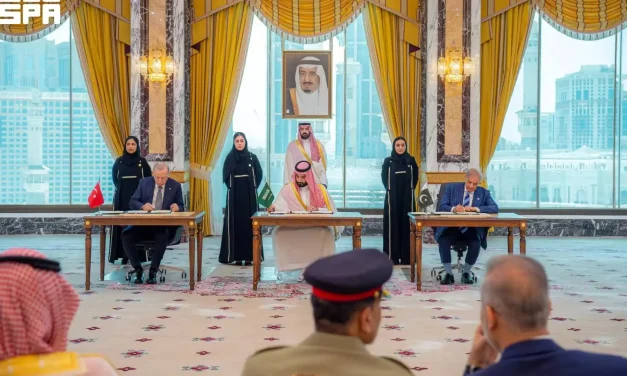
The Makkah Pact; Reasons for its Formation and Challenges Ahead

SCFR Online – Opinion: The Makkah Pact, signed between Saudi Arabia, Pakistan, and Turkey under the motto “an attack on one is an attack on all,” is viewed by some analysts less as a full-fledged military coalition and more as an attempt to reduce security dependence on an external power and to establish a regional security mechanism.
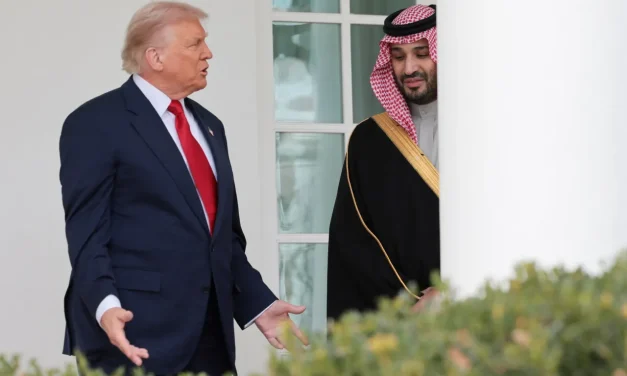
Implications of the US-Saudi Nuclear Agreement

SCFR Online – Opinion: The new US-Saudi nuclear agreement, despite legal and political ambiguities, could alter previous non-proliferation standards in West Asia and intensify nuclear competition, ushering it into a new phase.

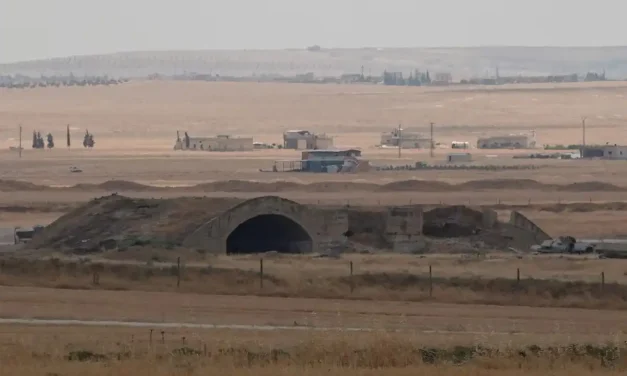
An Analysis of Recent Turkey-Israeli Regime Tensions

SCFR Online – Opinion: Recent developments in Syria indicate an intensification of strategic rivalry between Turkey and the Israeli regime, but mutual considerations and the role of the United States have limited the likelihood of direct war.

Increasing criticism of the extensive Zionist lobby network

SCFR Online – Opinion: An examination of the mechanisms of the Israeli regime’s influence in the United States depicts a complex picture of shared interests, strategic dependencies, and the limitations of this relationship.

Realities of the Tripartite Makkah Pact

SCFR Online – Interview: The signing of the Makkah agreement between Saudi Arabia, Pakistan, and Turkey has raised questions about the future of the region’s security structure and the position of these countries in West Asian equations. Can this agreement become a genuine collective defense mechanism, or does it have more of a political and deterrent function than creating new military capacity?

Strategic Implications of the Reduction of US Weapons Stockpiles

SCFR Online – Opinion: The continuation of the US war against Iran, in addition to increasing operational costs, has called into question the actual capacity of the American arsenal to simultaneously fulfill security commitments on multiple fronts; an issue that affects deterrence, defense production capacity, and Washington’s resource prioritization.

The Formation of a New Order in Relations Between Powers

SCFR Online – Opinion: The Russia-Ukraine war and the war of the United States and the Israeli regime against Iran have been formed with different objectives and actors, but field and political developments indicate that they are not entirely separate from one another.

Loading

Strategic Perspective

Strategic targets behind Saudi military agreements with Greece

Strategic targets behind Saudi military agreements with Greece

Strategic Council Online – Note: Greek Foreign Minister Nikos Dendias in his visit to Saudi Arabia signed two agreements on military cooperation between the two countries. According to the signed document, Greece is supposed to deliver one of the Patriot missiles received from the United States to Saudi Arabia, a move that could be the result of Saudi Arabia’s failure against Yemeni missiles and drones. The US-made Patriot anti-aircraft systems will be used to protect Saudi Arabia’s most important oil facilities, and the Greek systems will be used to protect other important military bases in that country. In recent months, Saudi Arabia has been under the burden of missile and drone strikes by the Yemeni armed forces and has never been able to thwart those attacks with its own defense systems.
Mahmoud Fazeli – analyst of international affairs

Role of Drones in Future Wars

Role of Drones in Future Wars

Strategic Council Online – An expert on military and strategic affairs said that considering the experience of the wars that have occurred in the past few years at the regional level is very important to understand the role of the drones in future wars, adding: Given the increasing importance and the determining role of the drones in future wars, we are witness to the significant investment of the big military powers in this field.

Sabotage in Natanz Nuclear Facilities and the Question of Deterrence

Sabotage in Natanz Nuclear Facilities and the Question of Deterrence

Strategic Council Online – A faculty member of the Institute for Strategic Studies, says that preventing enhancement of capabilities that could create deterrence against Israel’s capabilities and bring Israel’s deterrence under question is the regime’s consistent policy. He added: If strategic patience is interpreted as not responding, there may be more damage to Iran’s national interests and security.

Double and Political Standard of Europe on Human Rights

Double and Political Standard of Europe on Human Rights

Strategic Council Online – An expert on European affairs, commenting on the recent EU sanctions against eight Iranian institutions and officials and the EU double standards on human rights, said: There has always been a human rights gesture by the EU and they have taken advantage of this tool in line with their own interests.

US Withdrawal from Iraq to Guarantee Regional Peace, Stability

US Withdrawal from Iraq to Guarantee Regional Peace, Stability

Strategic Council Online – An analyst of Iraq affairs, referring to some issues of concern to Tehran and Baghdad raised during the visit of the Iraqi National Security Adviser to Iran, said that withdrawal of the Americans from that country can help improve security situation in Iraq and limit the ISIS. Unfortunately, he said what has overshadowed common security issues between Iran and Iraq is the continued presence of US forces in Iraq.

US Annual Intelligence Report Affected by Internal and External Challenges

US Annual Intelligence Report Affected by Internal and External Challenges

Strategic Council Online – A professor at the Faculty of World Studies, University of Tehran, referring to the most important issues raised in the US Annual Intelligence Report, which addresses global threats, said: The US is still coping with its domestic affairs and in this process, there is some confusion in the foreign policy issues including Iran’s nuclear program.

Messages of a Poll/ Analysis of Iranians Opposition to Missile Negotiations

Messages of a Poll/ Analysis of Iranians Opposition to Missile Negotiations

Strategic Council Online – An international affairs expert, referring to the results of a Canadian institute’s poll on views of the Iranians over certain foreign policy issues, as well as nuclear talks and the need to discuss its missile capability, stressed: Iranians are aware that no country in the present world can negotiate, make concessions, or accept imposed conditions on the means and power of its defense.

Strategic Importance of Libyan Developments for Turkey and Greece

Strategic Importance of Libyan Developments for Turkey and Greece

Strategic Council Online – The Eastern Mediterranean, border issues as well as the maritime agreement between Turkey and Libya are among the axes that have caused tensions between Greece and Turkey over the past two years. One of the contentious issues between the two neighbors is the internal developments in Libya. The visits of the leaders of both Libyan factions to Turkey and Greece have been met with fringe and controversy, and the crisis in Libya has practically added to the scope of the traditional rivalry between Athens and Ankara. Libya is in a geopolitically sensitive position, and its developments directly affect the security of Africa, the Middle East and Europe. If the Libyan crisis is resolved, the country can increase its oil production in 2 to 3 years and start oil trade with southern Europe.
Mahmoud Fazeli – Analyst of international affairs

أحدث الوظائف

The Makkah Pact; Reasons for its Formation and Challenges Ahead

SCFR Online – Opinion: The Makkah Pact, signed between Saudi Arabia, Pakistan, and Turkey under the motto “an attack on one is an attack on all,” is viewed by some analysts less as a full-fledged military coalition and more as an attempt to reduce security dependence on an external power and to establish a regional security mechanism.
Implications of the US-Saudi Nuclear Agreement

SCFR Online – Opinion: The new US-Saudi nuclear agreement, despite legal and political ambiguities, could alter previous non-proliferation standards in West Asia and intensify nuclear competition, ushering it into a new phase.

An Analysis of Recent Turkey-Israeli Regime Tensions

SCFR Online – Opinion: Recent developments in Syria indicate an intensification of strategic rivalry between Turkey and the Israeli regime, but mutual considerations and the role of the United States have limited the likelihood of direct war.

Increasing criticism of the extensive Zionist lobby network

SCFR Online – Opinion: An examination of the mechanisms of the Israeli regime’s influence in the United States depicts a complex picture of shared interests, strategic dependencies, and the limitations of this relationship.

Realities of the Tripartite Makkah Pact

SCFR Online – Interview: The signing of the Makkah agreement between Saudi Arabia, Pakistan, and Turkey has raised questions about the future of the region’s security structure and the position of these countries in West Asian equations. Can this agreement become a genuine collective defense mechanism, or does it have more of a political and deterrent function than creating new military capacity?

Strategic Implications of the Reduction of US Weapons Stockpiles

SCFR Online – Opinion: The continuation of the US war against Iran, in addition to increasing operational costs, has called into question the actual capacity of the American arsenal to simultaneously fulfill security commitments on multiple fronts; an issue that affects deterrence, defense production capacity, and Washington’s resource prioritization.

The Formation of a New Order in Relations Between Powers

SCFR Online – Opinion: The Russia-Ukraine war and the war of the United States and the Israeli regime against Iran have been formed with different objectives and actors, but field and political developments indicate that they are not entirely separate from one another.

Loading

Strategic Perspective

Strategic targets behind Saudi military agreements with Greece

Strategic targets behind Saudi military agreements with Greece

Strategic Council Online – Note: Greek Foreign Minister Nikos Dendias in his visit to Saudi Arabia signed two agreements on military cooperation between the two countries. According to the signed document, Greece is supposed to deliver one of the Patriot missiles received from the United States to Saudi Arabia, a move that could be the result of Saudi Arabia’s failure against Yemeni missiles and drones. The US-made Patriot anti-aircraft systems will be used to protect Saudi Arabia’s most important oil facilities, and the Greek systems will be used to protect other important military bases in that country. In recent months, Saudi Arabia has been under the burden of missile and drone strikes by the Yemeni armed forces and has never been able to thwart those attacks with its own defense systems.
Mahmoud Fazeli – analyst of international affairs

Role of Drones in Future Wars

Role of Drones in Future Wars

Strategic Council Online – An expert on military and strategic affairs said that considering the experience of the wars that have occurred in the past few years at the regional level is very important to understand the role of the drones in future wars, adding: Given the increasing importance and the determining role of the drones in future wars, we are witness to the significant investment of the big military powers in this field.

Sabotage in Natanz Nuclear Facilities and the Question of Deterrence

Sabotage in Natanz Nuclear Facilities and the Question of Deterrence

Strategic Council Online – A faculty member of the Institute for Strategic Studies, says that preventing enhancement of capabilities that could create deterrence against Israel’s capabilities and bring Israel’s deterrence under question is the regime’s consistent policy. He added: If strategic patience is interpreted as not responding, there may be more damage to Iran’s national interests and security.

Double and Political Standard of Europe on Human Rights

Double and Political Standard of Europe on Human Rights

Strategic Council Online – An expert on European affairs, commenting on the recent EU sanctions against eight Iranian institutions and officials and the EU double standards on human rights, said: There has always been a human rights gesture by the EU and they have taken advantage of this tool in line with their own interests.

US Withdrawal from Iraq to Guarantee Regional Peace, Stability

US Withdrawal from Iraq to Guarantee Regional Peace, Stability

Strategic Council Online – An analyst of Iraq affairs, referring to some issues of concern to Tehran and Baghdad raised during the visit of the Iraqi National Security Adviser to Iran, said that withdrawal of the Americans from that country can help improve security situation in Iraq and limit the ISIS. Unfortunately, he said what has overshadowed common security issues between Iran and Iraq is the continued presence of US forces in Iraq.

US Annual Intelligence Report Affected by Internal and External Challenges

US Annual Intelligence Report Affected by Internal and External Challenges

Strategic Council Online – A professor at the Faculty of World Studies, University of Tehran, referring to the most important issues raised in the US Annual Intelligence Report, which addresses global threats, said: The US is still coping with its domestic affairs and in this process, there is some confusion in the foreign policy issues including Iran’s nuclear program.

Messages of a Poll/ Analysis of Iranians Opposition to Missile Negotiations

Messages of a Poll/ Analysis of Iranians Opposition to Missile Negotiations

Strategic Council Online – An international affairs expert, referring to the results of a Canadian institute’s poll on views of the Iranians over certain foreign policy issues, as well as nuclear talks and the need to discuss its missile capability, stressed: Iranians are aware that no country in the present world can negotiate, make concessions, or accept imposed conditions on the means and power of its defense.

Strategic Importance of Libyan Developments for Turkey and Greece

Strategic Importance of Libyan Developments for Turkey and Greece

Strategic Council Online – The Eastern Mediterranean, border issues as well as the maritime agreement between Turkey and Libya are among the axes that have caused tensions between Greece and Turkey over the past two years. One of the contentious issues between the two neighbors is the internal developments in Libya. The visits of the leaders of both Libyan factions to Turkey and Greece have been met with fringe and controversy, and the crisis in Libya has practically added to the scope of the traditional rivalry between Athens and Ankara. Libya is in a geopolitically sensitive position, and its developments directly affect the security of Africa, the Middle East and Europe. If the Libyan crisis is resolved, the country can increase its oil production in 2 to 3 years and start oil trade with southern Europe.
Mahmoud Fazeli – Analyst of international affairs

Strategic Perspective

Strategic targets behind Saudi military agreements with Greece

Strategic targets behind Saudi military agreements with Greece

Strategic Council Online – Note: Greek Foreign Minister Nikos Dendias in his visit to Saudi Arabia signed two agreements on military cooperation between the two countries. According to the signed document, Greece is supposed to deliver one of the Patriot missiles received from the United States to Saudi Arabia, a move that could be the result of Saudi Arabia’s failure against Yemeni missiles and drones. The US-made Patriot anti-aircraft systems will be used to protect Saudi Arabia’s most important oil facilities, and the Greek systems will be used to protect other important military bases in that country. In recent months, Saudi Arabia has been under the burden of missile and drone strikes by the Yemeni armed forces and has never been able to thwart those attacks with its own defense systems.
Mahmoud Fazeli – analyst of international affairs

Role of Drones in Future Wars

Role of Drones in Future Wars

Strategic Council Online – An expert on military and strategic affairs said that considering the experience of the wars that have occurred in the past few years at the regional level is very important to understand the role of the drones in future wars, adding: Given the increasing importance and the determining role of the drones in future wars, we are witness to the significant investment of the big military powers in this field.

Sabotage in Natanz Nuclear Facilities and the Question of Deterrence

Sabotage in Natanz Nuclear Facilities and the Question of Deterrence

Strategic Council Online – A faculty member of the Institute for Strategic Studies, says that preventing enhancement of capabilities that could create deterrence against Israel’s capabilities and bring Israel’s deterrence under question is the regime’s consistent policy. He added: If strategic patience is interpreted as not responding, there may be more damage to Iran’s national interests and security.

Double and Political Standard of Europe on Human Rights

Double and Political Standard of Europe on Human Rights

Strategic Council Online – An expert on European affairs, commenting on the recent EU sanctions against eight Iranian institutions and officials and the EU double standards on human rights, said: There has always been a human rights gesture by the EU and they have taken advantage of this tool in line with their own interests.

US Withdrawal from Iraq to Guarantee Regional Peace, Stability

US Withdrawal from Iraq to Guarantee Regional Peace, Stability

Strategic Council Online – An analyst of Iraq affairs, referring to some issues of concern to Tehran and Baghdad raised during the visit of the Iraqi National Security Adviser to Iran, said that withdrawal of the Americans from that country can help improve security situation in Iraq and limit the ISIS. Unfortunately, he said what has overshadowed common security issues between Iran and Iraq is the continued presence of US forces in Iraq.

US Annual Intelligence Report Affected by Internal and External Challenges

US Annual Intelligence Report Affected by Internal and External Challenges

Strategic Council Online – A professor at the Faculty of World Studies, University of Tehran, referring to the most important issues raised in the US Annual Intelligence Report, which addresses global threats, said: The US is still coping with its domestic affairs and in this process, there is some confusion in the foreign policy issues including Iran’s nuclear program.

Messages of a Poll/ Analysis of Iranians Opposition to Missile Negotiations

Messages of a Poll/ Analysis of Iranians Opposition to Missile Negotiations

Strategic Council Online – An international affairs expert, referring to the results of a Canadian institute’s poll on views of the Iranians over certain foreign policy issues, as well as nuclear talks and the need to discuss its missile capability, stressed: Iranians are aware that no country in the present world can negotiate, make concessions, or accept imposed conditions on the means and power of its defense.

Strategic Importance of Libyan Developments for Turkey and Greece

Strategic Importance of Libyan Developments for Turkey and Greece

Strategic Council Online – The Eastern Mediterranean, border issues as well as the maritime agreement between Turkey and Libya are among the axes that have caused tensions between Greece and Turkey over the past two years. One of the contentious issues between the two neighbors is the internal developments in Libya. The visits of the leaders of both Libyan factions to Turkey and Greece have been met with fringe and controversy, and the crisis in Libya has practically added to the scope of the traditional rivalry between Athens and Ankara. Libya is in a geopolitically sensitive position, and its developments directly affect the security of Africa, the Middle East and Europe. If the Libyan crisis is resolved, the country can increase its oil production in 2 to 3 years and start oil trade with southern Europe.
Mahmoud Fazeli – Analyst of international affairs

LATEST CONTENT

The Makkah Pact; Reasons for its Formation and Challenges Ahead

SCFR Online – Opinion: The Makkah Pact, signed between Saudi Arabia, Pakistan, and Turkey under the motto “an attack on one is an attack on all,” is viewed by some analysts less as a full-fledged military coalition and more as an attempt to reduce security dependence on an external power and to establish a regional security mechanism.

Implications of the US-Saudi Nuclear Agreement

SCFR Online – Opinion: The new US-Saudi nuclear agreement, despite legal and political ambiguities, could alter previous non-proliferation standards in West Asia and intensify nuclear competition, ushering it into a new phase.

An Analysis of Recent Turkey-Israeli Regime Tensions

SCFR Online – Opinion: Recent developments in Syria indicate an intensification of strategic rivalry between Turkey and the Israeli regime, but mutual considerations and the role of the United States have limited the likelihood of direct war.

Increasing criticism of the extensive Zionist lobby network

SCFR Online – Opinion: An examination of the mechanisms of the Israeli regime’s influence in the United States depicts a complex picture of shared interests, strategic dependencies, and the limitations of this relationship.

Realities of the Tripartite Makkah Pact

SCFR Online – Interview: The signing of the Makkah agreement between Saudi Arabia, Pakistan, and Turkey has raised questions about the future of the region’s security structure and the position of these countries in West Asian equations. Can this agreement become a genuine collective defense mechanism, or does it have more of a political and deterrent function than creating new military capacity?

Strategic Implications of the Reduction of US Weapons Stockpiles

SCFR Online – Opinion: The continuation of the US war against Iran, in addition to increasing operational costs, has called into question the actual capacity of the American arsenal to simultaneously fulfill security commitments on multiple fronts; an issue that affects deterrence, defense production capacity, and Washington’s resource prioritization.

The Formation of a New Order in Relations Between Powers

SCFR Online – Opinion: The Russia-Ukraine war and the war of the United States and the Israeli regime against Iran have been formed with different objectives and actors, but field and political developments indicate that they are not entirely separate from one another.

Loading

Strategic Perspective

Strategic targets behind Saudi military agreements with Greece

Strategic targets behind Saudi military agreements with Greece

Strategic Council Online – Note: Greek Foreign Minister Nikos Dendias in his visit to Saudi Arabia signed two agreements on military cooperation between the two countries. According to the signed document, Greece is supposed to deliver one of the Patriot missiles received from the United States to Saudi Arabia, a move that could be the result of Saudi Arabia’s failure against Yemeni missiles and drones. The US-made Patriot anti-aircraft systems will be used to protect Saudi Arabia’s most important oil facilities, and the Greek systems will be used to protect other important military bases in that country. In recent months, Saudi Arabia has been under the burden of missile and drone strikes by the Yemeni armed forces and has never been able to thwart those attacks with its own defense systems.
Mahmoud Fazeli – analyst of international affairs

Role of Drones in Future Wars

Role of Drones in Future Wars

Strategic Council Online – An expert on military and strategic affairs said that considering the experience of the wars that have occurred in the past few years at the regional level is very important to understand the role of the drones in future wars, adding: Given the increasing importance and the determining role of the drones in future wars, we are witness to the significant investment of the big military powers in this field.

Sabotage in Natanz Nuclear Facilities and the Question of Deterrence

Sabotage in Natanz Nuclear Facilities and the Question of Deterrence

Strategic Council Online – A faculty member of the Institute for Strategic Studies, says that preventing enhancement of capabilities that could create deterrence against Israel’s capabilities and bring Israel’s deterrence under question is the regime’s consistent policy. He added: If strategic patience is interpreted as not responding, there may be more damage to Iran’s national interests and security.

Double and Political Standard of Europe on Human Rights

Double and Political Standard of Europe on Human Rights

Strategic Council Online – An expert on European affairs, commenting on the recent EU sanctions against eight Iranian institutions and officials and the EU double standards on human rights, said: There has always been a human rights gesture by the EU and they have taken advantage of this tool in line with their own interests.

US Withdrawal from Iraq to Guarantee Regional Peace, Stability

US Withdrawal from Iraq to Guarantee Regional Peace, Stability

Strategic Council Online – An analyst of Iraq affairs, referring to some issues of concern to Tehran and Baghdad raised during the visit of the Iraqi National Security Adviser to Iran, said that withdrawal of the Americans from that country can help improve security situation in Iraq and limit the ISIS. Unfortunately, he said what has overshadowed common security issues between Iran and Iraq is the continued presence of US forces in Iraq.

US Annual Intelligence Report Affected by Internal and External Challenges

US Annual Intelligence Report Affected by Internal and External Challenges

Strategic Council Online – A professor at the Faculty of World Studies, University of Tehran, referring to the most important issues raised in the US Annual Intelligence Report, which addresses global threats, said: The US is still coping with its domestic affairs and in this process, there is some confusion in the foreign policy issues including Iran’s nuclear program.

Messages of a Poll/ Analysis of Iranians Opposition to Missile Negotiations

Messages of a Poll/ Analysis of Iranians Opposition to Missile Negotiations

Strategic Council Online – An international affairs expert, referring to the results of a Canadian institute’s poll on views of the Iranians over certain foreign policy issues, as well as nuclear talks and the need to discuss its missile capability, stressed: Iranians are aware that no country in the present world can negotiate, make concessions, or accept imposed conditions on the means and power of its defense.

Strategic Importance of Libyan Developments for Turkey and Greece

Strategic Importance of Libyan Developments for Turkey and Greece

Strategic Council Online – The Eastern Mediterranean, border issues as well as the maritime agreement between Turkey and Libya are among the axes that have caused tensions between Greece and Turkey over the past two years. One of the contentious issues between the two neighbors is the internal developments in Libya. The visits of the leaders of both Libyan factions to Turkey and Greece have been met with fringe and controversy, and the crisis in Libya has practically added to the scope of the traditional rivalry between Athens and Ankara. Libya is in a geopolitically sensitive position, and its developments directly affect the security of Africa, the Middle East and Europe. If the Libyan crisis is resolved, the country can increase its oil production in 2 to 3 years and start oil trade with southern Europe.
Mahmoud Fazeli – Analyst of international affairs

ÚLTIMAS PUBLICACIONES

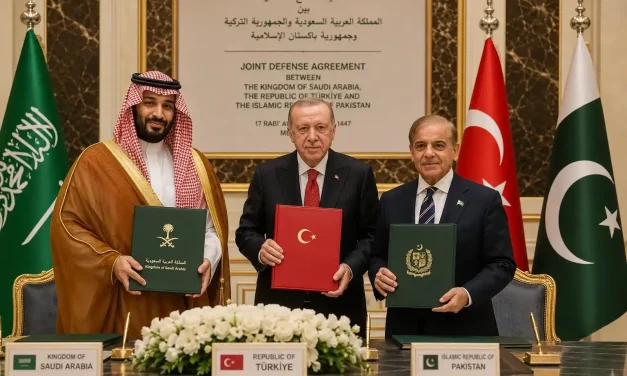
The Makkah Pact; Reasons for its Formation and Challenges Ahead

SCFR Online – Opinion: The Makkah Pact, signed between Saudi Arabia, Pakistan, and Turkey under the motto “an attack on one is an attack on all,” is viewed by some analysts less as a full-fledged military coalition and more as an attempt to reduce security dependence on an external power and to establish a regional security mechanism.
Implications of the US-Saudi Nuclear Agreement

SCFR Online – Opinion: The new US-Saudi nuclear agreement, despite legal and political ambiguities, could alter previous non-proliferation standards in West Asia and intensify nuclear competition, ushering it into a new phase.

An Analysis of Recent Turkey-Israeli Regime Tensions

SCFR Online – Opinion: Recent developments in Syria indicate an intensification of strategic rivalry between Turkey and the Israeli regime, but mutual considerations and the role of the United States have limited the likelihood of direct war.

Increasing criticism of the extensive Zionist lobby network

SCFR Online – Opinion: An examination of the mechanisms of the Israeli regime’s influence in the United States depicts a complex picture of shared interests, strategic dependencies, and the limitations of this relationship.

Realities of the Tripartite Makkah Pact

SCFR Online – Interview: The signing of the Makkah agreement between Saudi Arabia, Pakistan, and Turkey has raised questions about the future of the region’s security structure and the position of these countries in West Asian equations. Can this agreement become a genuine collective defense mechanism, or does it have more of a political and deterrent function than creating new military capacity?

Strategic Implications of the Reduction of US Weapons Stockpiles

SCFR Online – Opinion: The continuation of the US war against Iran, in addition to increasing operational costs, has called into question the actual capacity of the American arsenal to simultaneously fulfill security commitments on multiple fronts; an issue that affects deterrence, defense production capacity, and Washington’s resource prioritization.

The Formation of a New Order in Relations Between Powers

SCFR Online – Opinion: The Russia-Ukraine war and the war of the United States and the Israeli regime against Iran have been formed with different objectives and actors, but field and political developments indicate that they are not entirely separate from one another.

Loading

Strategic Perspective

Strategic targets behind Saudi military agreements with Greece

Strategic targets behind Saudi military agreements with Greece

Strategic Council Online – Note: Greek Foreign Minister Nikos Dendias in his visit to Saudi Arabia signed two agreements on military cooperation between the two countries. According to the signed document, Greece is supposed to deliver one of the Patriot missiles received from the United States to Saudi Arabia, a move that could be the result of Saudi Arabia’s failure against Yemeni missiles and drones. The US-made Patriot anti-aircraft systems will be used to protect Saudi Arabia’s most important oil facilities, and the Greek systems will be used to protect other important military bases in that country. In recent months, Saudi Arabia has been under the burden of missile and drone strikes by the Yemeni armed forces and has never been able to thwart those attacks with its own defense systems.
Mahmoud Fazeli – analyst of international affairs

Role of Drones in Future Wars

Role of Drones in Future Wars

Strategic Council Online – An expert on military and strategic affairs said that considering the experience of the wars that have occurred in the past few years at the regional level is very important to understand the role of the drones in future wars, adding: Given the increasing importance and the determining role of the drones in future wars, we are witness to the significant investment of the big military powers in this field.

Sabotage in Natanz Nuclear Facilities and the Question of Deterrence

Sabotage in Natanz Nuclear Facilities and the Question of Deterrence

Strategic Council Online – A faculty member of the Institute for Strategic Studies, says that preventing enhancement of capabilities that could create deterrence against Israel’s capabilities and bring Israel’s deterrence under question is the regime’s consistent policy. He added: If strategic patience is interpreted as not responding, there may be more damage to Iran’s national interests and security.

Double and Political Standard of Europe on Human Rights

Double and Political Standard of Europe on Human Rights

Strategic Council Online – An expert on European affairs, commenting on the recent EU sanctions against eight Iranian institutions and officials and the EU double standards on human rights, said: There has always been a human rights gesture by the EU and they have taken advantage of this tool in line with their own interests.

US Withdrawal from Iraq to Guarantee Regional Peace, Stability

US Withdrawal from Iraq to Guarantee Regional Peace, Stability

Strategic Council Online – An analyst of Iraq affairs, referring to some issues of concern to Tehran and Baghdad raised during the visit of the Iraqi National Security Adviser to Iran, said that withdrawal of the Americans from that country can help improve security situation in Iraq and limit the ISIS. Unfortunately, he said what has overshadowed common security issues between Iran and Iraq is the continued presence of US forces in Iraq.

US Annual Intelligence Report Affected by Internal and External Challenges

US Annual Intelligence Report Affected by Internal and External Challenges

Strategic Council Online – A professor at the Faculty of World Studies, University of Tehran, referring to the most important issues raised in the US Annual Intelligence Report, which addresses global threats, said: The US is still coping with its domestic affairs and in this process, there is some confusion in the foreign policy issues including Iran’s nuclear program.

Messages of a Poll/ Analysis of Iranians Opposition to Missile Negotiations

Messages of a Poll/ Analysis of Iranians Opposition to Missile Negotiations

Strategic Council Online – An international affairs expert, referring to the results of a Canadian institute’s poll on views of the Iranians over certain foreign policy issues, as well as nuclear talks and the need to discuss its missile capability, stressed: Iranians are aware that no country in the present world can negotiate, make concessions, or accept imposed conditions on the means and power of its defense.

Strategic Importance of Libyan Developments for Turkey and Greece

Strategic Importance of Libyan Developments for Turkey and Greece

Strategic Council Online – The Eastern Mediterranean, border issues as well as the maritime agreement between Turkey and Libya are among the axes that have caused tensions between Greece and Turkey over the past two years. One of the contentious issues between the two neighbors is the internal developments in Libya. The visits of the leaders of both Libyan factions to Turkey and Greece have been met with fringe and controversy, and the crisis in Libya has practically added to the scope of the traditional rivalry between Athens and Ankara. Libya is in a geopolitically sensitive position, and its developments directly affect the security of Africa, the Middle East and Europe. If the Libyan crisis is resolved, the country can increase its oil production in 2 to 3 years and start oil trade with southern Europe.
Mahmoud Fazeli – Analyst of international affairs

ÚLTIMAS PUBLICACIONES

The Makkah Pact; Reasons for its Formation and Challenges Ahead

SCFR Online – Opinion: The Makkah Pact, signed between Saudi Arabia, Pakistan, and Turkey under the motto “an attack on one is an attack on all,” is viewed by some analysts less as a full-fledged military coalition and more as an attempt to reduce security dependence on an external power and to establish a regional security mechanism.
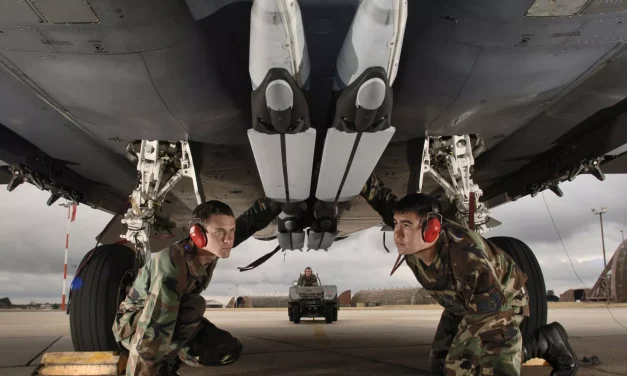
Implications of the US-Saudi Nuclear Agreement

SCFR Online – Opinion: The new US-Saudi nuclear agreement, despite legal and political ambiguities, could alter previous non-proliferation standards in West Asia and intensify nuclear competition, ushering it into a new phase.

An Analysis of Recent Turkey-Israeli Regime Tensions

SCFR Online – Opinion: Recent developments in Syria indicate an intensification of strategic rivalry between Turkey and the Israeli regime, but mutual considerations and the role of the United States have limited the likelihood of direct war.

Increasing criticism of the extensive Zionist lobby network

SCFR Online – Opinion: An examination of the mechanisms of the Israeli regime’s influence in the United States depicts a complex picture of shared interests, strategic dependencies, and the limitations of this relationship.

Realities of the Tripartite Makkah Pact

SCFR Online – Interview: The signing of the Makkah agreement between Saudi Arabia, Pakistan, and Turkey has raised questions about the future of the region’s security structure and the position of these countries in West Asian equations. Can this agreement become a genuine collective defense mechanism, or does it have more of a political and deterrent function than creating new military capacity?

Strategic Implications of the Reduction of US Weapons Stockpiles

SCFR Online – Opinion: The continuation of the US war against Iran, in addition to increasing operational costs, has called into question the actual capacity of the American arsenal to simultaneously fulfill security commitments on multiple fronts; an issue that affects deterrence, defense production capacity, and Washington’s resource prioritization.

The Formation of a New Order in Relations Between Powers

SCFR Online – Opinion: The Russia-Ukraine war and the war of the United States and the Israeli regime against Iran have been formed with different objectives and actors, but field and political developments indicate that they are not entirely separate from one another.

Loading

Strategic Perspective

Strategic targets behind Saudi military agreements with Greece

Strategic targets behind Saudi military agreements with Greece

Strategic Council Online – Note: Greek Foreign Minister Nikos Dendias in his visit to Saudi Arabia signed two agreements on military cooperation between the two countries. According to the signed document, Greece is supposed to deliver one of the Patriot missiles received from the United States to Saudi Arabia, a move that could be the result of Saudi Arabia’s failure against Yemeni missiles and drones. The US-made Patriot anti-aircraft systems will be used to protect Saudi Arabia’s most important oil facilities, and the Greek systems will be used to protect other important military bases in that country. In recent months, Saudi Arabia has been under the burden of missile and drone strikes by the Yemeni armed forces and has never been able to thwart those attacks with its own defense systems.
Mahmoud Fazeli – analyst of international affairs

Role of Drones in Future Wars

Role of Drones in Future Wars

Strategic Council Online – An expert on military and strategic affairs said that considering the experience of the wars that have occurred in the past few years at the regional level is very important to understand the role of the drones in future wars, adding: Given the increasing importance and the determining role of the drones in future wars, we are witness to the significant investment of the big military powers in this field.

Sabotage in Natanz Nuclear Facilities and the Question of Deterrence

Sabotage in Natanz Nuclear Facilities and the Question of Deterrence

Strategic Council Online – A faculty member of the Institute for Strategic Studies, says that preventing enhancement of capabilities that could create deterrence against Israel’s capabilities and bring Israel’s deterrence under question is the regime’s consistent policy. He added: If strategic patience is interpreted as not responding, there may be more damage to Iran’s national interests and security.

Double and Political Standard of Europe on Human Rights

Double and Political Standard of Europe on Human Rights

Strategic Council Online – An expert on European affairs, commenting on the recent EU sanctions against eight Iranian institutions and officials and the EU double standards on human rights, said: There has always been a human rights gesture by the EU and they have taken advantage of this tool in line with their own interests.

US Withdrawal from Iraq to Guarantee Regional Peace, Stability

US Withdrawal from Iraq to Guarantee Regional Peace, Stability

Strategic Council Online – An analyst of Iraq affairs, referring to some issues of concern to Tehran and Baghdad raised during the visit of the Iraqi National Security Adviser to Iran, said that withdrawal of the Americans from that country can help improve security situation in Iraq and limit the ISIS. Unfortunately, he said what has overshadowed common security issues between Iran and Iraq is the continued presence of US forces in Iraq.

US Annual Intelligence Report Affected by Internal and External Challenges

US Annual Intelligence Report Affected by Internal and External Challenges

Strategic Council Online – A professor at the Faculty of World Studies, University of Tehran, referring to the most important issues raised in the US Annual Intelligence Report, which addresses global threats, said: The US is still coping with its domestic affairs and in this process, there is some confusion in the foreign policy issues including Iran’s nuclear program.

Messages of a Poll/ Analysis of Iranians Opposition to Missile Negotiations

Messages of a Poll/ Analysis of Iranians Opposition to Missile Negotiations

Strategic Council Online – An international affairs expert, referring to the results of a Canadian institute’s poll on views of the Iranians over certain foreign policy issues, as well as nuclear talks and the need to discuss its missile capability, stressed: Iranians are aware that no country in the present world can negotiate, make concessions, or accept imposed conditions on the means and power of its defense.

Strategic Importance of Libyan Developments for Turkey and Greece

Strategic Importance of Libyan Developments for Turkey and Greece

Strategic Council Online – The Eastern Mediterranean, border issues as well as the maritime agreement between Turkey and Libya are among the axes that have caused tensions between Greece and Turkey over the past two years. One of the contentious issues between the two neighbors is the internal developments in Libya. The visits of the leaders of both Libyan factions to Turkey and Greece have been met with fringe and controversy, and the crisis in Libya has practically added to the scope of the traditional rivalry between Athens and Ankara. Libya is in a geopolitically sensitive position, and its developments directly affect the security of Africa, the Middle East and Europe. If the Libyan crisis is resolved, the country can increase its oil production in 2 to 3 years and start oil trade with southern Europe.
Mahmoud Fazeli – Analyst of international affairs

ÚLTIMAS PUBLICACIONES

The Makkah Pact; Reasons for its Formation and Challenges Ahead

SCFR Online – Opinion: The Makkah Pact, signed between Saudi Arabia, Pakistan, and Turkey under the motto “an attack on one is an attack on all,” is viewed by some analysts less as a full-fledged military coalition and more as an attempt to reduce security dependence on an external power and to establish a regional security mechanism.
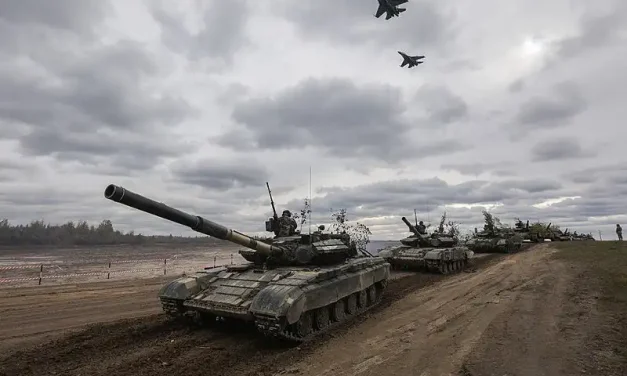
Implications of the US-Saudi Nuclear Agreement

SCFR Online – Opinion: The new US-Saudi nuclear agreement, despite legal and political ambiguities, could alter previous non-proliferation standards in West Asia and intensify nuclear competition, ushering it into a new phase.

An Analysis of Recent Turkey-Israeli Regime Tensions

SCFR Online – Opinion: Recent developments in Syria indicate an intensification of strategic rivalry between Turkey and the Israeli regime, but mutual considerations and the role of the United States have limited the likelihood of direct war.

Increasing criticism of the extensive Zionist lobby network

SCFR Online – Opinion: An examination of the mechanisms of the Israeli regime’s influence in the United States depicts a complex picture of shared interests, strategic dependencies, and the limitations of this relationship.

Realities of the Tripartite Makkah Pact

SCFR Online – Interview: The signing of the Makkah agreement between Saudi Arabia, Pakistan, and Turkey has raised questions about the future of the region’s security structure and the position of these countries in West Asian equations. Can this agreement become a genuine collective defense mechanism, or does it have more of a political and deterrent function than creating new military capacity?

Strategic Implications of the Reduction of US Weapons Stockpiles

SCFR Online – Opinion: The continuation of the US war against Iran, in addition to increasing operational costs, has called into question the actual capacity of the American arsenal to simultaneously fulfill security commitments on multiple fronts; an issue that affects deterrence, defense production capacity, and Washington’s resource prioritization.

The Formation of a New Order in Relations Between Powers

SCFR Online – Opinion: The Russia-Ukraine war and the war of the United States and the Israeli regime against Iran have been formed with different objectives and actors, but field and political developments indicate that they are not entirely separate from one another.

Loading

Strategic Perspective

Strategic targets behind Saudi military agreements with Greece

Strategic targets behind Saudi military agreements with Greece

Strategic Council Online – Note: Greek Foreign Minister Nikos Dendias in his visit to Saudi Arabia signed two agreements on military cooperation between the two countries. According to the signed document, Greece is supposed to deliver one of the Patriot missiles received from the United States to Saudi Arabia, a move that could be the result of Saudi Arabia’s failure against Yemeni missiles and drones. The US-made Patriot anti-aircraft systems will be used to protect Saudi Arabia’s most important oil facilities, and the Greek systems will be used to protect other important military bases in that country. In recent months, Saudi Arabia has been under the burden of missile and drone strikes by the Yemeni armed forces and has never been able to thwart those attacks with its own defense systems.
Mahmoud Fazeli – analyst of international affairs

Role of Drones in Future Wars

Role of Drones in Future Wars

Strategic Council Online – An expert on military and strategic affairs said that considering the experience of the wars that have occurred in the past few years at the regional level is very important to understand the role of the drones in future wars, adding: Given the increasing importance and the determining role of the drones in future wars, we are witness to the significant investment of the big military powers in this field.

Sabotage in Natanz Nuclear Facilities and the Question of Deterrence

Sabotage in Natanz Nuclear Facilities and the Question of Deterrence

Strategic Council Online – A faculty member of the Institute for Strategic Studies, says that preventing enhancement of capabilities that could create deterrence against Israel’s capabilities and bring Israel’s deterrence under question is the regime’s consistent policy. He added: If strategic patience is interpreted as not responding, there may be more damage to Iran’s national interests and security.

Double and Political Standard of Europe on Human Rights

Double and Political Standard of Europe on Human Rights

Strategic Council Online – An expert on European affairs, commenting on the recent EU sanctions against eight Iranian institutions and officials and the EU double standards on human rights, said: There has always been a human rights gesture by the EU and they have taken advantage of this tool in line with their own interests.

US Withdrawal from Iraq to Guarantee Regional Peace, Stability

US Withdrawal from Iraq to Guarantee Regional Peace, Stability

Strategic Council Online – An analyst of Iraq affairs, referring to some issues of concern to Tehran and Baghdad raised during the visit of the Iraqi National Security Adviser to Iran, said that withdrawal of the Americans from that country can help improve security situation in Iraq and limit the ISIS. Unfortunately, he said what has overshadowed common security issues between Iran and Iraq is the continued presence of US forces in Iraq.

US Annual Intelligence Report Affected by Internal and External Challenges

US Annual Intelligence Report Affected by Internal and External Challenges

Strategic Council Online – A professor at the Faculty of World Studies, University of Tehran, referring to the most important issues raised in the US Annual Intelligence Report, which addresses global threats, said: The US is still coping with its domestic affairs and in this process, there is some confusion in the foreign policy issues including Iran’s nuclear program.

Messages of a Poll/ Analysis of Iranians Opposition to Missile Negotiations

Messages of a Poll/ Analysis of Iranians Opposition to Missile Negotiations

Strategic Council Online – An international affairs expert, referring to the results of a Canadian institute’s poll on views of the Iranians over certain foreign policy issues, as well as nuclear talks and the need to discuss its missile capability, stressed: Iranians are aware that no country in the present world can negotiate, make concessions, or accept imposed conditions on the means and power of its defense.

Strategic Importance of Libyan Developments for Turkey and Greece

Strategic Importance of Libyan Developments for Turkey and Greece

Strategic Council Online – The Eastern Mediterranean, border issues as well as the maritime agreement between Turkey and Libya are among the axes that have caused tensions between Greece and Turkey over the past two years. One of the contentious issues between the two neighbors is the internal developments in Libya. The visits of the leaders of both Libyan factions to Turkey and Greece have been met with fringe and controversy, and the crisis in Libya has practically added to the scope of the traditional rivalry between Athens and Ankara. Libya is in a geopolitically sensitive position, and its developments directly affect the security of Africa, the Middle East and Europe. If the Libyan crisis is resolved, the country can increase its oil production in 2 to 3 years and start oil trade with southern Europe.
Mahmoud Fazeli – Analyst of international affairs

ÚLTIMAS PUBLICACIONES

The Makkah Pact; Reasons for its Formation and Challenges Ahead

SCFR Online – Opinion: The Makkah Pact, signed between Saudi Arabia, Pakistan, and Turkey under the motto “an attack on one is an attack on all,” is viewed by some analysts less as a full-fledged military coalition and more as an attempt to reduce security dependence on an external power and to establish a regional security mechanism.

Implications of the US-Saudi Nuclear Agreement

SCFR Online – Opinion: The new US-Saudi nuclear agreement, despite legal and political ambiguities, could alter previous non-proliferation standards in West Asia and intensify nuclear competition, ushering it into a new phase.

An Analysis of Recent Turkey-Israeli Regime Tensions

SCFR Online – Opinion: Recent developments in Syria indicate an intensification of strategic rivalry between Turkey and the Israeli regime, but mutual considerations and the role of the United States have limited the likelihood of direct war.

Increasing criticism of the extensive Zionist lobby network

SCFR Online – Opinion: An examination of the mechanisms of the Israeli regime’s influence in the United States depicts a complex picture of shared interests, strategic dependencies, and the limitations of this relationship.

Realities of the Tripartite Makkah Pact

SCFR Online – Interview: The signing of the Makkah agreement between Saudi Arabia, Pakistan, and Turkey has raised questions about the future of the region’s security structure and the position of these countries in West Asian equations. Can this agreement become a genuine collective defense mechanism, or does it have more of a political and deterrent function than creating new military capacity?

Strategic Implications of the Reduction of US Weapons Stockpiles

SCFR Online – Opinion: The continuation of the US war against Iran, in addition to increasing operational costs, has called into question the actual capacity of the American arsenal to simultaneously fulfill security commitments on multiple fronts; an issue that affects deterrence, defense production capacity, and Washington’s resource prioritization.

The Formation of a New Order in Relations Between Powers

SCFR Online – Opinion: The Russia-Ukraine war and the war of the United States and the Israeli regime against Iran have been formed with different objectives and actors, but field and political developments indicate that they are not entirely separate from one another.

Loading