جدیدترین مطالب

The Makkah Pact; Reasons for its Formation and Challenges Ahead

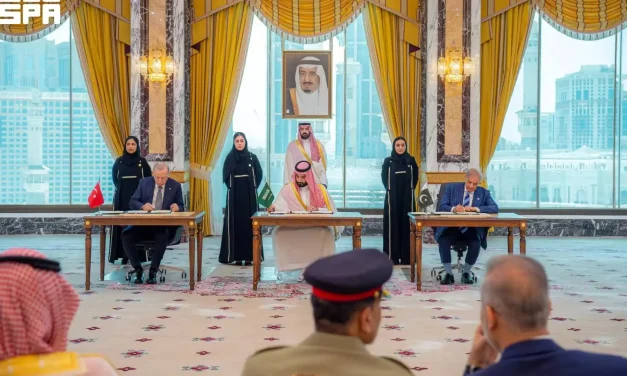
SCFR Online – Opinion: The Makkah Pact, signed between Saudi Arabia, Pakistan, and Turkey under the motto “an attack on one is an attack on all,” is viewed by some analysts less as a full-fledged military coalition and more as an attempt to reduce security dependence on an external power and to establish a regional security mechanism.
Implications of the US-Saudi Nuclear Agreement

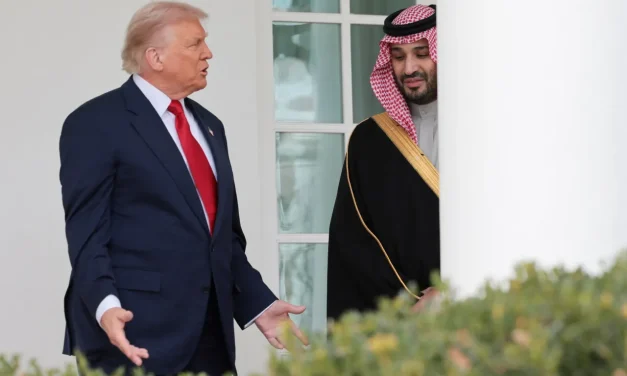
SCFR Online – Opinion: The new US-Saudi nuclear agreement, despite legal and political ambiguities, could alter previous non-proliferation standards in West Asia and intensify nuclear competition, ushering it into a new phase.

An Analysis of Recent Turkey-Israeli Regime Tensions

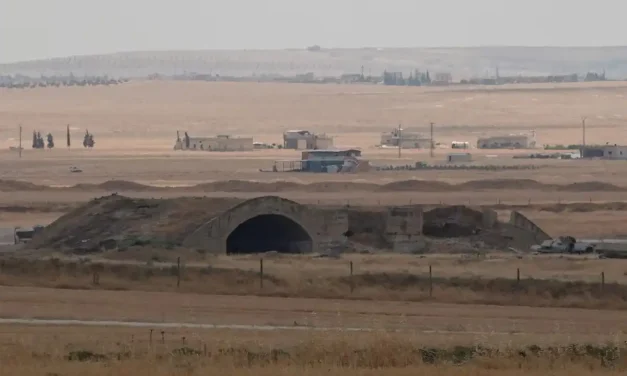
SCFR Online – Opinion: Recent developments in Syria indicate an intensification of strategic rivalry between Turkey and the Israeli regime, but mutual considerations and the role of the United States have limited the likelihood of direct war.

Increasing criticism of the extensive Zionist lobby network

SCFR Online – Opinion: An examination of the mechanisms of the Israeli regime’s influence in the United States depicts a complex picture of shared interests, strategic dependencies, and the limitations of this relationship.

Realities of the Tripartite Makkah Pact

SCFR Online – Interview: The signing of the Makkah agreement between Saudi Arabia, Pakistan, and Turkey has raised questions about the future of the region’s security structure and the position of these countries in West Asian equations. Can this agreement become a genuine collective defense mechanism, or does it have more of a political and deterrent function than creating new military capacity?

Strategic Implications of the Reduction of US Weapons Stockpiles

SCFR Online – Opinion: The continuation of the US war against Iran, in addition to increasing operational costs, has called into question the actual capacity of the American arsenal to simultaneously fulfill security commitments on multiple fronts; an issue that affects deterrence, defense production capacity, and Washington’s resource prioritization.

The Formation of a New Order in Relations Between Powers

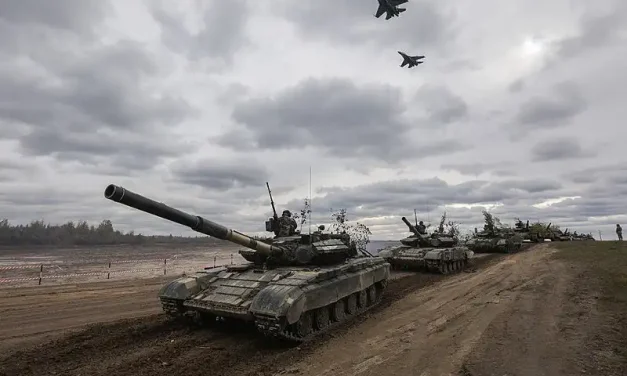
SCFR Online – Opinion: The Russia-Ukraine war and the war of the United States and the Israeli regime against Iran have been formed with different objectives and actors, but field and political developments indicate that they are not entirely separate from one another.

Loading

Strategic Perspective

Modality of Return to JCPOA; Tough Test for New US Administration

Modality of Return to JCPOA; Tough Test for New US Administration

Strategic Council Online – An expert on international affairs believes that the position taken by the new US Secretary of State and White House spokesman that Iran should first return to its obligations in the Joint Comprehensive Plan of Action (JCPOA) and then wait for the lifting of the US sanctions will not be accepted by Iran. The modality of the US return to the JCPOA is the test the Biden administration is facing.

Why foreign policy was lacking in Joe Biden’s inauguration speech?

Why foreign policy was lacking in Joe Biden’s inauguration speech?

Strategic Council Online—Interview: An analyst of America issues says Joe Biden’s inauguration speech demonstrated that domestic issues of the United States is put on the spotlight while foreign policy has been sidelined as Americans are facing identity threats from inside.

Effects of Second Karabakh War on Energy Equations in the Caucasus

Effects of Second Karabakh War on Energy Equations in the Caucasus

Strategic Council Online – An analyst on Caucasus affairs said: It seems that one of the consequences of the Second Karabakh War and lack of the Russian support for Armenia was that Russia, under geopolitical and territorial pressure, influenced the energy transfer issue and brought the war to a point to play its role in the ceasefire.

Prospect of Unrest in Zionist regime in Post-Trump Era

Prospect of Unrest in Zionist regime in Post-Trump Era

Strategic Council Online – An analyst of geopolitical affairs said: Joe Biden opposes Donald Trump’s policies towards Benjamin Netanyahu and the Palestinian issue, and domestic opposition in Israel have acknowledged this and hope that by continuing protests and escalating pressures, Netanyahu would be ousted from power and be summoned to the court.

Messages of Recent Iranian Military Exercises

Messages of Recent Iranian Military Exercises

Strategic Council Online – An expert on the Middle East affairs said that the messages or impressions that recent Iranian military exercises sent abroad were different from many previous messages due to the multiplicity and variety of those exercises. Following the mentioned exercises, we witnessed the recent threatening statements of the military officials of the Zionist regime against our country’s nuclear facilities, which are aimed at creating psychological warfare and overshadowing the positive effects of those exercises on the Axis of Resistance in the region. Of course, they are well aware of the fact that their slightest insane move against the Islamic Republic of Iran will be suicidal and will hasten their destruction.

The necessity of reviewing the misguided US Middle East policy by the Biden’s administration

The necessity of reviewing the misguided US Middle East policy by the Biden’s administration

Strategic Council Online—Interview: It seems that the Biden’s administration would partly make efforts to compensate the misguided policies and blunders of the Trump’s administration in the Middle East, says the Director of Global Studies Program of the Center for Strategic Studies of presidency, adding that the Biden’s administration should try to choose policies which are acceptable for the majority of the countries of the region while do not aim to interfere in the domestic affairs of the regional countries.

Challenges of Regional Cooperation in Southwest Asia

Challenges of Regional Cooperation in Southwest Asia

Strategic Council Online – Regional cooperation is established with the participation of countries in a region with economic, political, military-security, cultural, scientific, etc. aims and for achieving the desired situation and reducing adverse consequences. There are many examples of successful experiences in different parts of the world that have been able to increase efficiency and reduce challenges among countries in a region.
Ebrahim Romina – Faculty Member of Tarbiat Modarres University

ISIS Survivors in Iraq; a Tool for Foreign Players

ISIS Survivors in Iraq; a Tool for Foreign Players

Strategic Council Online – A university professor said that ISIS survivors are part of the leverage of foreign powers to advance their foreign policy towards Iraq, adding: This view is especially true about the United States, which is under the pressure of the resistance groups to withdraw troops following a decision by the Iraqi parliament.

أحدث الوظائف

The Makkah Pact; Reasons for its Formation and Challenges Ahead

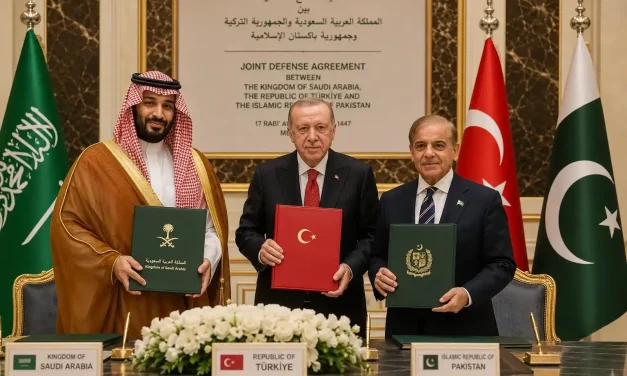
SCFR Online – Opinion: The Makkah Pact, signed between Saudi Arabia, Pakistan, and Turkey under the motto “an attack on one is an attack on all,” is viewed by some analysts less as a full-fledged military coalition and more as an attempt to reduce security dependence on an external power and to establish a regional security mechanism.
Implications of the US-Saudi Nuclear Agreement

SCFR Online – Opinion: The new US-Saudi nuclear agreement, despite legal and political ambiguities, could alter previous non-proliferation standards in West Asia and intensify nuclear competition, ushering it into a new phase.

An Analysis of Recent Turkey-Israeli Regime Tensions

SCFR Online – Opinion: Recent developments in Syria indicate an intensification of strategic rivalry between Turkey and the Israeli regime, but mutual considerations and the role of the United States have limited the likelihood of direct war.

Increasing criticism of the extensive Zionist lobby network

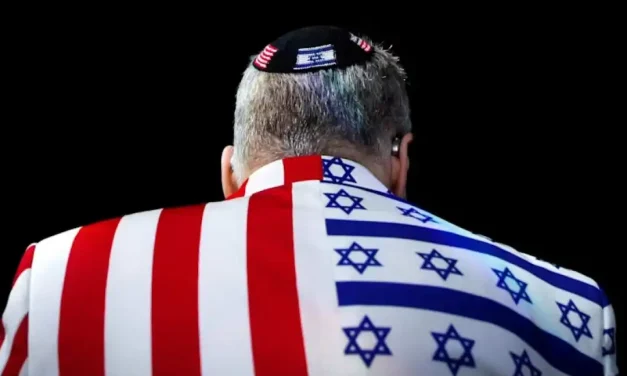
SCFR Online – Opinion: An examination of the mechanisms of the Israeli regime’s influence in the United States depicts a complex picture of shared interests, strategic dependencies, and the limitations of this relationship.

Realities of the Tripartite Makkah Pact

SCFR Online – Interview: The signing of the Makkah agreement between Saudi Arabia, Pakistan, and Turkey has raised questions about the future of the region’s security structure and the position of these countries in West Asian equations. Can this agreement become a genuine collective defense mechanism, or does it have more of a political and deterrent function than creating new military capacity?

Strategic Implications of the Reduction of US Weapons Stockpiles

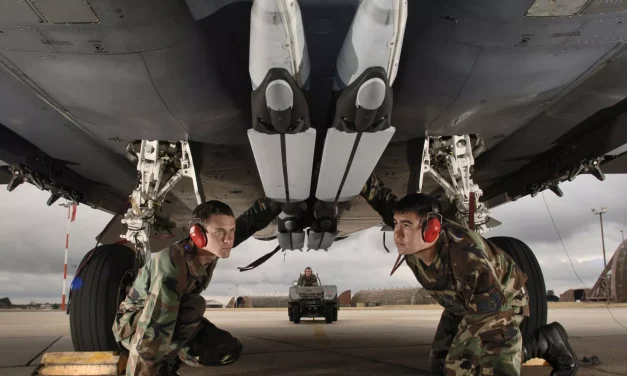
SCFR Online – Opinion: The continuation of the US war against Iran, in addition to increasing operational costs, has called into question the actual capacity of the American arsenal to simultaneously fulfill security commitments on multiple fronts; an issue that affects deterrence, defense production capacity, and Washington’s resource prioritization.

The Formation of a New Order in Relations Between Powers

SCFR Online – Opinion: The Russia-Ukraine war and the war of the United States and the Israeli regime against Iran have been formed with different objectives and actors, but field and political developments indicate that they are not entirely separate from one another.

Loading

Strategic Perspective

Modality of Return to JCPOA; Tough Test for New US Administration

Modality of Return to JCPOA; Tough Test for New US Administration

Strategic Council Online – An expert on international affairs believes that the position taken by the new US Secretary of State and White House spokesman that Iran should first return to its obligations in the Joint Comprehensive Plan of Action (JCPOA) and then wait for the lifting of the US sanctions will not be accepted by Iran. The modality of the US return to the JCPOA is the test the Biden administration is facing.

Why foreign policy was lacking in Joe Biden’s inauguration speech?

Why foreign policy was lacking in Joe Biden’s inauguration speech?

Strategic Council Online—Interview: An analyst of America issues says Joe Biden’s inauguration speech demonstrated that domestic issues of the United States is put on the spotlight while foreign policy has been sidelined as Americans are facing identity threats from inside.

Effects of Second Karabakh War on Energy Equations in the Caucasus

Effects of Second Karabakh War on Energy Equations in the Caucasus

Strategic Council Online – An analyst on Caucasus affairs said: It seems that one of the consequences of the Second Karabakh War and lack of the Russian support for Armenia was that Russia, under geopolitical and territorial pressure, influenced the energy transfer issue and brought the war to a point to play its role in the ceasefire.

Prospect of Unrest in Zionist regime in Post-Trump Era

Prospect of Unrest in Zionist regime in Post-Trump Era

Strategic Council Online – An analyst of geopolitical affairs said: Joe Biden opposes Donald Trump’s policies towards Benjamin Netanyahu and the Palestinian issue, and domestic opposition in Israel have acknowledged this and hope that by continuing protests and escalating pressures, Netanyahu would be ousted from power and be summoned to the court.

Messages of Recent Iranian Military Exercises

Messages of Recent Iranian Military Exercises

Strategic Council Online – An expert on the Middle East affairs said that the messages or impressions that recent Iranian military exercises sent abroad were different from many previous messages due to the multiplicity and variety of those exercises. Following the mentioned exercises, we witnessed the recent threatening statements of the military officials of the Zionist regime against our country’s nuclear facilities, which are aimed at creating psychological warfare and overshadowing the positive effects of those exercises on the Axis of Resistance in the region. Of course, they are well aware of the fact that their slightest insane move against the Islamic Republic of Iran will be suicidal and will hasten their destruction.

The necessity of reviewing the misguided US Middle East policy by the Biden’s administration

The necessity of reviewing the misguided US Middle East policy by the Biden’s administration

Strategic Council Online—Interview: It seems that the Biden’s administration would partly make efforts to compensate the misguided policies and blunders of the Trump’s administration in the Middle East, says the Director of Global Studies Program of the Center for Strategic Studies of presidency, adding that the Biden’s administration should try to choose policies which are acceptable for the majority of the countries of the region while do not aim to interfere in the domestic affairs of the regional countries.

Challenges of Regional Cooperation in Southwest Asia

Challenges of Regional Cooperation in Southwest Asia

Strategic Council Online – Regional cooperation is established with the participation of countries in a region with economic, political, military-security, cultural, scientific, etc. aims and for achieving the desired situation and reducing adverse consequences. There are many examples of successful experiences in different parts of the world that have been able to increase efficiency and reduce challenges among countries in a region.
Ebrahim Romina – Faculty Member of Tarbiat Modarres University

ISIS Survivors in Iraq; a Tool for Foreign Players

ISIS Survivors in Iraq; a Tool for Foreign Players

Strategic Council Online – A university professor said that ISIS survivors are part of the leverage of foreign powers to advance their foreign policy towards Iraq, adding: This view is especially true about the United States, which is under the pressure of the resistance groups to withdraw troops following a decision by the Iraqi parliament.

Strategic Perspective

Modality of Return to JCPOA; Tough Test for New US Administration

Modality of Return to JCPOA; Tough Test for New US Administration

Strategic Council Online – An expert on international affairs believes that the position taken by the new US Secretary of State and White House spokesman that Iran should first return to its obligations in the Joint Comprehensive Plan of Action (JCPOA) and then wait for the lifting of the US sanctions will not be accepted by Iran. The modality of the US return to the JCPOA is the test the Biden administration is facing.

Why foreign policy was lacking in Joe Biden’s inauguration speech?

Why foreign policy was lacking in Joe Biden’s inauguration speech?

Strategic Council Online—Interview: An analyst of America issues says Joe Biden’s inauguration speech demonstrated that domestic issues of the United States is put on the spotlight while foreign policy has been sidelined as Americans are facing identity threats from inside.

Effects of Second Karabakh War on Energy Equations in the Caucasus

Effects of Second Karabakh War on Energy Equations in the Caucasus

Strategic Council Online – An analyst on Caucasus affairs said: It seems that one of the consequences of the Second Karabakh War and lack of the Russian support for Armenia was that Russia, under geopolitical and territorial pressure, influenced the energy transfer issue and brought the war to a point to play its role in the ceasefire.

Prospect of Unrest in Zionist regime in Post-Trump Era

Prospect of Unrest in Zionist regime in Post-Trump Era

Strategic Council Online – An analyst of geopolitical affairs said: Joe Biden opposes Donald Trump’s policies towards Benjamin Netanyahu and the Palestinian issue, and domestic opposition in Israel have acknowledged this and hope that by continuing protests and escalating pressures, Netanyahu would be ousted from power and be summoned to the court.

Messages of Recent Iranian Military Exercises

Messages of Recent Iranian Military Exercises

Strategic Council Online – An expert on the Middle East affairs said that the messages or impressions that recent Iranian military exercises sent abroad were different from many previous messages due to the multiplicity and variety of those exercises. Following the mentioned exercises, we witnessed the recent threatening statements of the military officials of the Zionist regime against our country’s nuclear facilities, which are aimed at creating psychological warfare and overshadowing the positive effects of those exercises on the Axis of Resistance in the region. Of course, they are well aware of the fact that their slightest insane move against the Islamic Republic of Iran will be suicidal and will hasten their destruction.

The necessity of reviewing the misguided US Middle East policy by the Biden’s administration

The necessity of reviewing the misguided US Middle East policy by the Biden’s administration

Strategic Council Online—Interview: It seems that the Biden’s administration would partly make efforts to compensate the misguided policies and blunders of the Trump’s administration in the Middle East, says the Director of Global Studies Program of the Center for Strategic Studies of presidency, adding that the Biden’s administration should try to choose policies which are acceptable for the majority of the countries of the region while do not aim to interfere in the domestic affairs of the regional countries.

Challenges of Regional Cooperation in Southwest Asia

Challenges of Regional Cooperation in Southwest Asia

Strategic Council Online – Regional cooperation is established with the participation of countries in a region with economic, political, military-security, cultural, scientific, etc. aims and for achieving the desired situation and reducing adverse consequences. There are many examples of successful experiences in different parts of the world that have been able to increase efficiency and reduce challenges among countries in a region.
Ebrahim Romina – Faculty Member of Tarbiat Modarres University

ISIS Survivors in Iraq; a Tool for Foreign Players

ISIS Survivors in Iraq; a Tool for Foreign Players

Strategic Council Online – A university professor said that ISIS survivors are part of the leverage of foreign powers to advance their foreign policy towards Iraq, adding: This view is especially true about the United States, which is under the pressure of the resistance groups to withdraw troops following a decision by the Iraqi parliament.

LATEST CONTENT

The Makkah Pact; Reasons for its Formation and Challenges Ahead

SCFR Online – Opinion: The Makkah Pact, signed between Saudi Arabia, Pakistan, and Turkey under the motto “an attack on one is an attack on all,” is viewed by some analysts less as a full-fledged military coalition and more as an attempt to reduce security dependence on an external power and to establish a regional security mechanism.
Implications of the US-Saudi Nuclear Agreement

SCFR Online – Opinion: The new US-Saudi nuclear agreement, despite legal and political ambiguities, could alter previous non-proliferation standards in West Asia and intensify nuclear competition, ushering it into a new phase.

An Analysis of Recent Turkey-Israeli Regime Tensions

SCFR Online – Opinion: Recent developments in Syria indicate an intensification of strategic rivalry between Turkey and the Israeli regime, but mutual considerations and the role of the United States have limited the likelihood of direct war.

Increasing criticism of the extensive Zionist lobby network

SCFR Online – Opinion: An examination of the mechanisms of the Israeli regime’s influence in the United States depicts a complex picture of shared interests, strategic dependencies, and the limitations of this relationship.

Realities of the Tripartite Makkah Pact

SCFR Online – Interview: The signing of the Makkah agreement between Saudi Arabia, Pakistan, and Turkey has raised questions about the future of the region’s security structure and the position of these countries in West Asian equations. Can this agreement become a genuine collective defense mechanism, or does it have more of a political and deterrent function than creating new military capacity?

Strategic Implications of the Reduction of US Weapons Stockpiles

SCFR Online – Opinion: The continuation of the US war against Iran, in addition to increasing operational costs, has called into question the actual capacity of the American arsenal to simultaneously fulfill security commitments on multiple fronts; an issue that affects deterrence, defense production capacity, and Washington’s resource prioritization.

The Formation of a New Order in Relations Between Powers

SCFR Online – Opinion: The Russia-Ukraine war and the war of the United States and the Israeli regime against Iran have been formed with different objectives and actors, but field and political developments indicate that they are not entirely separate from one another.

Loading

Strategic Perspective

Modality of Return to JCPOA; Tough Test for New US Administration

Modality of Return to JCPOA; Tough Test for New US Administration

Strategic Council Online – An expert on international affairs believes that the position taken by the new US Secretary of State and White House spokesman that Iran should first return to its obligations in the Joint Comprehensive Plan of Action (JCPOA) and then wait for the lifting of the US sanctions will not be accepted by Iran. The modality of the US return to the JCPOA is the test the Biden administration is facing.

Why foreign policy was lacking in Joe Biden’s inauguration speech?

Why foreign policy was lacking in Joe Biden’s inauguration speech?

Strategic Council Online—Interview: An analyst of America issues says Joe Biden’s inauguration speech demonstrated that domestic issues of the United States is put on the spotlight while foreign policy has been sidelined as Americans are facing identity threats from inside.

Effects of Second Karabakh War on Energy Equations in the Caucasus

Effects of Second Karabakh War on Energy Equations in the Caucasus

Strategic Council Online – An analyst on Caucasus affairs said: It seems that one of the consequences of the Second Karabakh War and lack of the Russian support for Armenia was that Russia, under geopolitical and territorial pressure, influenced the energy transfer issue and brought the war to a point to play its role in the ceasefire.

Prospect of Unrest in Zionist regime in Post-Trump Era

Prospect of Unrest in Zionist regime in Post-Trump Era

Strategic Council Online – An analyst of geopolitical affairs said: Joe Biden opposes Donald Trump’s policies towards Benjamin Netanyahu and the Palestinian issue, and domestic opposition in Israel have acknowledged this and hope that by continuing protests and escalating pressures, Netanyahu would be ousted from power and be summoned to the court.

Messages of Recent Iranian Military Exercises

Messages of Recent Iranian Military Exercises

Strategic Council Online – An expert on the Middle East affairs said that the messages or impressions that recent Iranian military exercises sent abroad were different from many previous messages due to the multiplicity and variety of those exercises. Following the mentioned exercises, we witnessed the recent threatening statements of the military officials of the Zionist regime against our country’s nuclear facilities, which are aimed at creating psychological warfare and overshadowing the positive effects of those exercises on the Axis of Resistance in the region. Of course, they are well aware of the fact that their slightest insane move against the Islamic Republic of Iran will be suicidal and will hasten their destruction.

The necessity of reviewing the misguided US Middle East policy by the Biden’s administration

The necessity of reviewing the misguided US Middle East policy by the Biden’s administration

Strategic Council Online—Interview: It seems that the Biden’s administration would partly make efforts to compensate the misguided policies and blunders of the Trump’s administration in the Middle East, says the Director of Global Studies Program of the Center for Strategic Studies of presidency, adding that the Biden’s administration should try to choose policies which are acceptable for the majority of the countries of the region while do not aim to interfere in the domestic affairs of the regional countries.

Challenges of Regional Cooperation in Southwest Asia

Challenges of Regional Cooperation in Southwest Asia

Strategic Council Online – Regional cooperation is established with the participation of countries in a region with economic, political, military-security, cultural, scientific, etc. aims and for achieving the desired situation and reducing adverse consequences. There are many examples of successful experiences in different parts of the world that have been able to increase efficiency and reduce challenges among countries in a region.
Ebrahim Romina – Faculty Member of Tarbiat Modarres University

ISIS Survivors in Iraq; a Tool for Foreign Players

ISIS Survivors in Iraq; a Tool for Foreign Players

Strategic Council Online – A university professor said that ISIS survivors are part of the leverage of foreign powers to advance their foreign policy towards Iraq, adding: This view is especially true about the United States, which is under the pressure of the resistance groups to withdraw troops following a decision by the Iraqi parliament.

ÚLTIMAS PUBLICACIONES

The Makkah Pact; Reasons for its Formation and Challenges Ahead

SCFR Online – Opinion: The Makkah Pact, signed between Saudi Arabia, Pakistan, and Turkey under the motto “an attack on one is an attack on all,” is viewed by some analysts less as a full-fledged military coalition and more as an attempt to reduce security dependence on an external power and to establish a regional security mechanism.
Implications of the US-Saudi Nuclear Agreement

SCFR Online – Opinion: The new US-Saudi nuclear agreement, despite legal and political ambiguities, could alter previous non-proliferation standards in West Asia and intensify nuclear competition, ushering it into a new phase.

An Analysis of Recent Turkey-Israeli Regime Tensions

SCFR Online – Opinion: Recent developments in Syria indicate an intensification of strategic rivalry between Turkey and the Israeli regime, but mutual considerations and the role of the United States have limited the likelihood of direct war.

Increasing criticism of the extensive Zionist lobby network

SCFR Online – Opinion: An examination of the mechanisms of the Israeli regime’s influence in the United States depicts a complex picture of shared interests, strategic dependencies, and the limitations of this relationship.

Realities of the Tripartite Makkah Pact

SCFR Online – Interview: The signing of the Makkah agreement between Saudi Arabia, Pakistan, and Turkey has raised questions about the future of the region’s security structure and the position of these countries in West Asian equations. Can this agreement become a genuine collective defense mechanism, or does it have more of a political and deterrent function than creating new military capacity?

Strategic Implications of the Reduction of US Weapons Stockpiles

SCFR Online – Opinion: The continuation of the US war against Iran, in addition to increasing operational costs, has called into question the actual capacity of the American arsenal to simultaneously fulfill security commitments on multiple fronts; an issue that affects deterrence, defense production capacity, and Washington’s resource prioritization.

The Formation of a New Order in Relations Between Powers

SCFR Online – Opinion: The Russia-Ukraine war and the war of the United States and the Israeli regime against Iran have been formed with different objectives and actors, but field and political developments indicate that they are not entirely separate from one another.

Loading

Strategic Perspective

Modality of Return to JCPOA; Tough Test for New US Administration

Modality of Return to JCPOA; Tough Test for New US Administration

Strategic Council Online – An expert on international affairs believes that the position taken by the new US Secretary of State and White House spokesman that Iran should first return to its obligations in the Joint Comprehensive Plan of Action (JCPOA) and then wait for the lifting of the US sanctions will not be accepted by Iran. The modality of the US return to the JCPOA is the test the Biden administration is facing.

Why foreign policy was lacking in Joe Biden’s inauguration speech?

Why foreign policy was lacking in Joe Biden’s inauguration speech?

Strategic Council Online—Interview: An analyst of America issues says Joe Biden’s inauguration speech demonstrated that domestic issues of the United States is put on the spotlight while foreign policy has been sidelined as Americans are facing identity threats from inside.

Effects of Second Karabakh War on Energy Equations in the Caucasus

Effects of Second Karabakh War on Energy Equations in the Caucasus

Strategic Council Online – An analyst on Caucasus affairs said: It seems that one of the consequences of the Second Karabakh War and lack of the Russian support for Armenia was that Russia, under geopolitical and territorial pressure, influenced the energy transfer issue and brought the war to a point to play its role in the ceasefire.

Prospect of Unrest in Zionist regime in Post-Trump Era

Prospect of Unrest in Zionist regime in Post-Trump Era

Strategic Council Online – An analyst of geopolitical affairs said: Joe Biden opposes Donald Trump’s policies towards Benjamin Netanyahu and the Palestinian issue, and domestic opposition in Israel have acknowledged this and hope that by continuing protests and escalating pressures, Netanyahu would be ousted from power and be summoned to the court.

Messages of Recent Iranian Military Exercises

Messages of Recent Iranian Military Exercises

Strategic Council Online – An expert on the Middle East affairs said that the messages or impressions that recent Iranian military exercises sent abroad were different from many previous messages due to the multiplicity and variety of those exercises. Following the mentioned exercises, we witnessed the recent threatening statements of the military officials of the Zionist regime against our country’s nuclear facilities, which are aimed at creating psychological warfare and overshadowing the positive effects of those exercises on the Axis of Resistance in the region. Of course, they are well aware of the fact that their slightest insane move against the Islamic Republic of Iran will be suicidal and will hasten their destruction.

The necessity of reviewing the misguided US Middle East policy by the Biden’s administration

The necessity of reviewing the misguided US Middle East policy by the Biden’s administration

Strategic Council Online—Interview: It seems that the Biden’s administration would partly make efforts to compensate the misguided policies and blunders of the Trump’s administration in the Middle East, says the Director of Global Studies Program of the Center for Strategic Studies of presidency, adding that the Biden’s administration should try to choose policies which are acceptable for the majority of the countries of the region while do not aim to interfere in the domestic affairs of the regional countries.

Challenges of Regional Cooperation in Southwest Asia

Challenges of Regional Cooperation in Southwest Asia

Strategic Council Online – Regional cooperation is established with the participation of countries in a region with economic, political, military-security, cultural, scientific, etc. aims and for achieving the desired situation and reducing adverse consequences. There are many examples of successful experiences in different parts of the world that have been able to increase efficiency and reduce challenges among countries in a region.
Ebrahim Romina – Faculty Member of Tarbiat Modarres University

ISIS Survivors in Iraq; a Tool for Foreign Players

ISIS Survivors in Iraq; a Tool for Foreign Players

Strategic Council Online – A university professor said that ISIS survivors are part of the leverage of foreign powers to advance their foreign policy towards Iraq, adding: This view is especially true about the United States, which is under the pressure of the resistance groups to withdraw troops following a decision by the Iraqi parliament.

ÚLTIMAS PUBLICACIONES

The Makkah Pact; Reasons for its Formation and Challenges Ahead

SCFR Online – Opinion: The Makkah Pact, signed between Saudi Arabia, Pakistan, and Turkey under the motto “an attack on one is an attack on all,” is viewed by some analysts less as a full-fledged military coalition and more as an attempt to reduce security dependence on an external power and to establish a regional security mechanism.
Implications of the US-Saudi Nuclear Agreement

SCFR Online – Opinion: The new US-Saudi nuclear agreement, despite legal and political ambiguities, could alter previous non-proliferation standards in West Asia and intensify nuclear competition, ushering it into a new phase.

An Analysis of Recent Turkey-Israeli Regime Tensions

SCFR Online – Opinion: Recent developments in Syria indicate an intensification of strategic rivalry between Turkey and the Israeli regime, but mutual considerations and the role of the United States have limited the likelihood of direct war.

Increasing criticism of the extensive Zionist lobby network

SCFR Online – Opinion: An examination of the mechanisms of the Israeli regime’s influence in the United States depicts a complex picture of shared interests, strategic dependencies, and the limitations of this relationship.

Realities of the Tripartite Makkah Pact

SCFR Online – Interview: The signing of the Makkah agreement between Saudi Arabia, Pakistan, and Turkey has raised questions about the future of the region’s security structure and the position of these countries in West Asian equations. Can this agreement become a genuine collective defense mechanism, or does it have more of a political and deterrent function than creating new military capacity?

Strategic Implications of the Reduction of US Weapons Stockpiles

SCFR Online – Opinion: The continuation of the US war against Iran, in addition to increasing operational costs, has called into question the actual capacity of the American arsenal to simultaneously fulfill security commitments on multiple fronts; an issue that affects deterrence, defense production capacity, and Washington’s resource prioritization.

The Formation of a New Order in Relations Between Powers

SCFR Online – Opinion: The Russia-Ukraine war and the war of the United States and the Israeli regime against Iran have been formed with different objectives and actors, but field and political developments indicate that they are not entirely separate from one another.

Loading

Strategic Perspective

Modality of Return to JCPOA; Tough Test for New US Administration

Modality of Return to JCPOA; Tough Test for New US Administration

Strategic Council Online – An expert on international affairs believes that the position taken by the new US Secretary of State and White House spokesman that Iran should first return to its obligations in the Joint Comprehensive Plan of Action (JCPOA) and then wait for the lifting of the US sanctions will not be accepted by Iran. The modality of the US return to the JCPOA is the test the Biden administration is facing.

Why foreign policy was lacking in Joe Biden’s inauguration speech?

Why foreign policy was lacking in Joe Biden’s inauguration speech?

Strategic Council Online—Interview: An analyst of America issues says Joe Biden’s inauguration speech demonstrated that domestic issues of the United States is put on the spotlight while foreign policy has been sidelined as Americans are facing identity threats from inside.

Effects of Second Karabakh War on Energy Equations in the Caucasus

Effects of Second Karabakh War on Energy Equations in the Caucasus

Strategic Council Online – An analyst on Caucasus affairs said: It seems that one of the consequences of the Second Karabakh War and lack of the Russian support for Armenia was that Russia, under geopolitical and territorial pressure, influenced the energy transfer issue and brought the war to a point to play its role in the ceasefire.

Prospect of Unrest in Zionist regime in Post-Trump Era

Prospect of Unrest in Zionist regime in Post-Trump Era

Strategic Council Online – An analyst of geopolitical affairs said: Joe Biden opposes Donald Trump’s policies towards Benjamin Netanyahu and the Palestinian issue, and domestic opposition in Israel have acknowledged this and hope that by continuing protests and escalating pressures, Netanyahu would be ousted from power and be summoned to the court.

Messages of Recent Iranian Military Exercises

Messages of Recent Iranian Military Exercises

Strategic Council Online – An expert on the Middle East affairs said that the messages or impressions that recent Iranian military exercises sent abroad were different from many previous messages due to the multiplicity and variety of those exercises. Following the mentioned exercises, we witnessed the recent threatening statements of the military officials of the Zionist regime against our country’s nuclear facilities, which are aimed at creating psychological warfare and overshadowing the positive effects of those exercises on the Axis of Resistance in the region. Of course, they are well aware of the fact that their slightest insane move against the Islamic Republic of Iran will be suicidal and will hasten their destruction.

The necessity of reviewing the misguided US Middle East policy by the Biden’s administration

The necessity of reviewing the misguided US Middle East policy by the Biden’s administration

Strategic Council Online—Interview: It seems that the Biden’s administration would partly make efforts to compensate the misguided policies and blunders of the Trump’s administration in the Middle East, says the Director of Global Studies Program of the Center for Strategic Studies of presidency, adding that the Biden’s administration should try to choose policies which are acceptable for the majority of the countries of the region while do not aim to interfere in the domestic affairs of the regional countries.

Challenges of Regional Cooperation in Southwest Asia

Challenges of Regional Cooperation in Southwest Asia

Strategic Council Online – Regional cooperation is established with the participation of countries in a region with economic, political, military-security, cultural, scientific, etc. aims and for achieving the desired situation and reducing adverse consequences. There are many examples of successful experiences in different parts of the world that have been able to increase efficiency and reduce challenges among countries in a region.
Ebrahim Romina – Faculty Member of Tarbiat Modarres University

ISIS Survivors in Iraq; a Tool for Foreign Players

ISIS Survivors in Iraq; a Tool for Foreign Players

Strategic Council Online – A university professor said that ISIS survivors are part of the leverage of foreign powers to advance their foreign policy towards Iraq, adding: This view is especially true about the United States, which is under the pressure of the resistance groups to withdraw troops following a decision by the Iraqi parliament.

ÚLTIMAS PUBLICACIONES

The Makkah Pact; Reasons for its Formation and Challenges Ahead

SCFR Online – Opinion: The Makkah Pact, signed between Saudi Arabia, Pakistan, and Turkey under the motto “an attack on one is an attack on all,” is viewed by some analysts less as a full-fledged military coalition and more as an attempt to reduce security dependence on an external power and to establish a regional security mechanism.
Implications of the US-Saudi Nuclear Agreement

SCFR Online – Opinion: The new US-Saudi nuclear agreement, despite legal and political ambiguities, could alter previous non-proliferation standards in West Asia and intensify nuclear competition, ushering it into a new phase.

An Analysis of Recent Turkey-Israeli Regime Tensions

SCFR Online – Opinion: Recent developments in Syria indicate an intensification of strategic rivalry between Turkey and the Israeli regime, but mutual considerations and the role of the United States have limited the likelihood of direct war.

Increasing criticism of the extensive Zionist lobby network

SCFR Online – Opinion: An examination of the mechanisms of the Israeli regime’s influence in the United States depicts a complex picture of shared interests, strategic dependencies, and the limitations of this relationship.

Realities of the Tripartite Makkah Pact

SCFR Online – Interview: The signing of the Makkah agreement between Saudi Arabia, Pakistan, and Turkey has raised questions about the future of the region’s security structure and the position of these countries in West Asian equations. Can this agreement become a genuine collective defense mechanism, or does it have more of a political and deterrent function than creating new military capacity?

Strategic Implications of the Reduction of US Weapons Stockpiles

SCFR Online – Opinion: The continuation of the US war against Iran, in addition to increasing operational costs, has called into question the actual capacity of the American arsenal to simultaneously fulfill security commitments on multiple fronts; an issue that affects deterrence, defense production capacity, and Washington’s resource prioritization.

The Formation of a New Order in Relations Between Powers

SCFR Online – Opinion: The Russia-Ukraine war and the war of the United States and the Israeli regime against Iran have been formed with different objectives and actors, but field and political developments indicate that they are not entirely separate from one another.

Loading

Strategic Perspective

Modality of Return to JCPOA; Tough Test for New US Administration

Modality of Return to JCPOA; Tough Test for New US Administration

Strategic Council Online – An expert on international affairs believes that the position taken by the new US Secretary of State and White House spokesman that Iran should first return to its obligations in the Joint Comprehensive Plan of Action (JCPOA) and then wait for the lifting of the US sanctions will not be accepted by Iran. The modality of the US return to the JCPOA is the test the Biden administration is facing.

Why foreign policy was lacking in Joe Biden’s inauguration speech?

Why foreign policy was lacking in Joe Biden’s inauguration speech?

Strategic Council Online—Interview: An analyst of America issues says Joe Biden’s inauguration speech demonstrated that domestic issues of the United States is put on the spotlight while foreign policy has been sidelined as Americans are facing identity threats from inside.

Effects of Second Karabakh War on Energy Equations in the Caucasus

Effects of Second Karabakh War on Energy Equations in the Caucasus

Strategic Council Online – An analyst on Caucasus affairs said: It seems that one of the consequences of the Second Karabakh War and lack of the Russian support for Armenia was that Russia, under geopolitical and territorial pressure, influenced the energy transfer issue and brought the war to a point to play its role in the ceasefire.

Prospect of Unrest in Zionist regime in Post-Trump Era

Prospect of Unrest in Zionist regime in Post-Trump Era

Strategic Council Online – An analyst of geopolitical affairs said: Joe Biden opposes Donald Trump’s policies towards Benjamin Netanyahu and the Palestinian issue, and domestic opposition in Israel have acknowledged this and hope that by continuing protests and escalating pressures, Netanyahu would be ousted from power and be summoned to the court.

Messages of Recent Iranian Military Exercises

Messages of Recent Iranian Military Exercises

Strategic Council Online – An expert on the Middle East affairs said that the messages or impressions that recent Iranian military exercises sent abroad were different from many previous messages due to the multiplicity and variety of those exercises. Following the mentioned exercises, we witnessed the recent threatening statements of the military officials of the Zionist regime against our country’s nuclear facilities, which are aimed at creating psychological warfare and overshadowing the positive effects of those exercises on the Axis of Resistance in the region. Of course, they are well aware of the fact that their slightest insane move against the Islamic Republic of Iran will be suicidal and will hasten their destruction.

The necessity of reviewing the misguided US Middle East policy by the Biden’s administration

The necessity of reviewing the misguided US Middle East policy by the Biden’s administration

Strategic Council Online—Interview: It seems that the Biden’s administration would partly make efforts to compensate the misguided policies and blunders of the Trump’s administration in the Middle East, says the Director of Global Studies Program of the Center for Strategic Studies of presidency, adding that the Biden’s administration should try to choose policies which are acceptable for the majority of the countries of the region while do not aim to interfere in the domestic affairs of the regional countries.

Challenges of Regional Cooperation in Southwest Asia

Challenges of Regional Cooperation in Southwest Asia

Strategic Council Online – Regional cooperation is established with the participation of countries in a region with economic, political, military-security, cultural, scientific, etc. aims and for achieving the desired situation and reducing adverse consequences. There are many examples of successful experiences in different parts of the world that have been able to increase efficiency and reduce challenges among countries in a region.
Ebrahim Romina – Faculty Member of Tarbiat Modarres University

ISIS Survivors in Iraq; a Tool for Foreign Players

ISIS Survivors in Iraq; a Tool for Foreign Players

Strategic Council Online – A university professor said that ISIS survivors are part of the leverage of foreign powers to advance their foreign policy towards Iraq, adding: This view is especially true about the United States, which is under the pressure of the resistance groups to withdraw troops following a decision by the Iraqi parliament.

ÚLTIMAS PUBLICACIONES

The Makkah Pact; Reasons for its Formation and Challenges Ahead

SCFR Online – Opinion: The Makkah Pact, signed between Saudi Arabia, Pakistan, and Turkey under the motto “an attack on one is an attack on all,” is viewed by some analysts less as a full-fledged military coalition and more as an attempt to reduce security dependence on an external power and to establish a regional security mechanism.

Implications of the US-Saudi Nuclear Agreement

SCFR Online – Opinion: The new US-Saudi nuclear agreement, despite legal and political ambiguities, could alter previous non-proliferation standards in West Asia and intensify nuclear competition, ushering it into a new phase.

An Analysis of Recent Turkey-Israeli Regime Tensions

SCFR Online – Opinion: Recent developments in Syria indicate an intensification of strategic rivalry between Turkey and the Israeli regime, but mutual considerations and the role of the United States have limited the likelihood of direct war.

Increasing criticism of the extensive Zionist lobby network

SCFR Online – Opinion: An examination of the mechanisms of the Israeli regime’s influence in the United States depicts a complex picture of shared interests, strategic dependencies, and the limitations of this relationship.

Realities of the Tripartite Makkah Pact

SCFR Online – Interview: The signing of the Makkah agreement between Saudi Arabia, Pakistan, and Turkey has raised questions about the future of the region’s security structure and the position of these countries in West Asian equations. Can this agreement become a genuine collective defense mechanism, or does it have more of a political and deterrent function than creating new military capacity?

Strategic Implications of the Reduction of US Weapons Stockpiles

SCFR Online – Opinion: The continuation of the US war against Iran, in addition to increasing operational costs, has called into question the actual capacity of the American arsenal to simultaneously fulfill security commitments on multiple fronts; an issue that affects deterrence, defense production capacity, and Washington’s resource prioritization.

The Formation of a New Order in Relations Between Powers

SCFR Online – Opinion: The Russia-Ukraine war and the war of the United States and the Israeli regime against Iran have been formed with different objectives and actors, but field and political developments indicate that they are not entirely separate from one another.

Loading