Reasons for the Ineffectiveness of Trump’s “Economic War” against Iran
SCFR Online – Opinion: The intensification of U.S. sanctions against Iran on the eve of the U.S. midterm elections indicates Washington’s inability to achieve its war objectives.


SCFR Online – Opinion: The intensification of U.S. sanctions against Iran on the eve of the U.S. midterm elections indicates Washington’s inability to achieve its war objectives.

SCFR Online – Opinion: The competition between Washington and Beijing over chips and artificial intelligence, simultaneously with the shifting of technological balances, has taken on new economic and security dimensions.
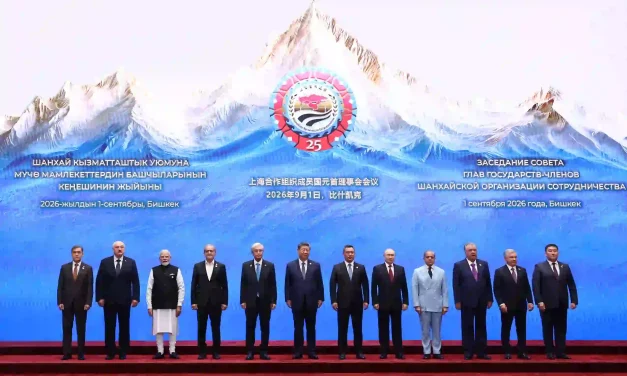
SCFR Online – Opinion: The Shanghai Cooperation Organization summit has created a new opportunity for Iran to transform its membership from a political achievement into economic and transit cooperation.
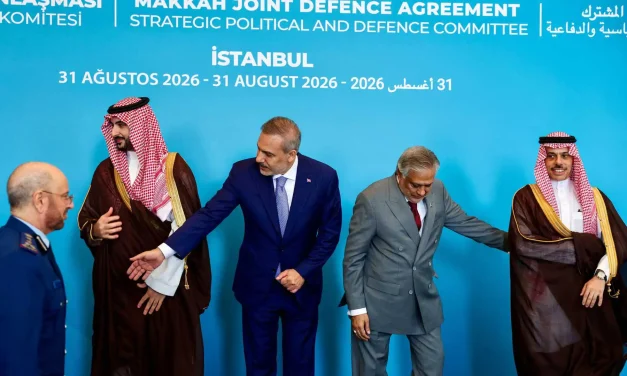
Strategic Council Online – Note: The Makkah Defense Pact can be seen as a sign of regional countries’ efforts to reduce security dependence on extra-regional powers and redefine the balance in West Asia.
SCFR Online – Opinion: The Ukraine war, by exhausting US military capability on one hand and strengthening European defense capacity on the other, has altered the balance of power in the European continent, cast uncertainty over NATO’s future, and is driving it toward a European NATO.
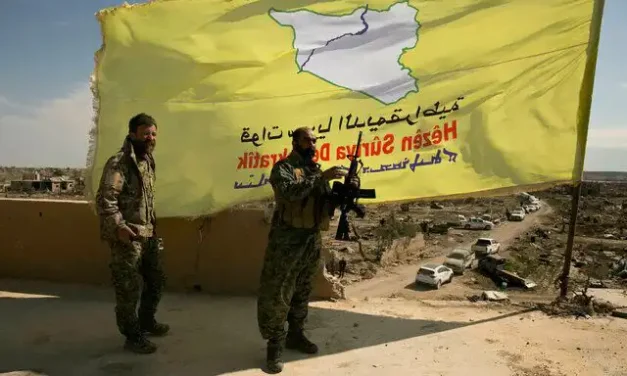
SCFR Online – Opinion: The dissolution of the SDF, although considered an achievement for Turkey’s security, does not put an end to the challenges arising from the Israeli regime’s aggression and expansionism, refugees, and Syria’s fragility.
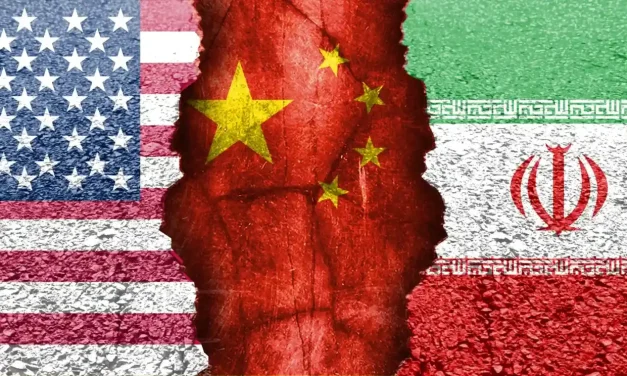
SCFR Online – Opinion: Concurrent with the official commencement of the United States’ economic war against our country, focusing on sanctions instruments, isolation, and economic pressure, what has now become increasingly important is the lack of alignment of other major global powers, especially China, with this policy.
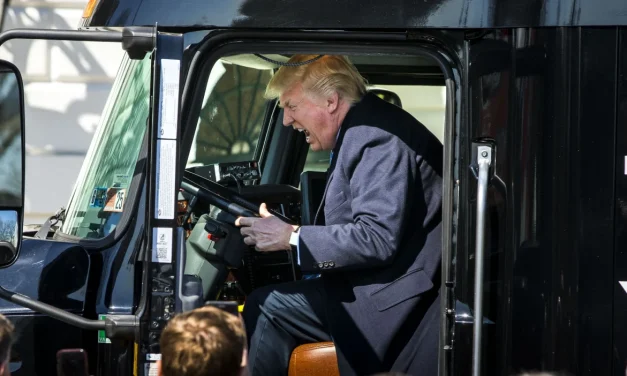
SCFR Online – Opinion: The new US sanctions against Iran, despite extensive propaganda, face serious obstacles to success due to the ineffectiveness of sanctions tools and opposition from some of Tehran’s trading partners.


Strategic Council Online – The two governments of Iran and Turkey have been the two balanced, stable and important governments in the region for centuries, and these two governments, within the historical context, have always been the main players in the region.
Dr. Mohsen Eslami – Faculty member of Tarbiat Modarres University

Strategic Council Online—Interview: The Ambassador and permanent representative of the Islamic Republic of Iran to the United Nations says the present climate in the United States and sensitivities of the rival party to the probable decisions and measures of Trump in his last days in the White House would prevent the outgoing US president from causing any worries in the remaining days in power.

Strategic Council Online—Editorial: Is the United States on the verge of another adventurism against Iran? This is the question which is now spreading and highlighted across the social media and yellow press and even the public opinion.
Hamid Khoshayand—International relations analyst

Strategic Council Online—Interview: An expert of West Asia affairs says political Islam enjoys the capacity of turning into a model of community among the Muslim Ummah, adding that the Saudi Arabia and the United Arab Emirates are opposed to political Islamic because they think it threatens their rule.

Strategic Council Online – An expert on European affairs, saying that perhaps with Brexit in future, the unity among the EU countries with the focus on France and Germany will increase, added: Of course, these assumptions are in the theoretical field and on paper, and we should see how France and Germany intend to use the situation as an opportunity to develop convergence within the European Union.

Strategic Council Online – Morocco is the last country that has taken measures for normalization of relations with the Zionist regime. This country, along with Egypt, Jordan, the UAE, Bahrain and Sudan, is the sixth country in the Arab world that establishes diplomatic relations with Israel. In return for the normalization of relations, Morocco received recognition of possession of Western Sahara.
Mahmoud Fazeli – Expert on international affairs

Strategic Council Online—Editorial: The rivalry between Americanization and Chinanization may result in the emergence of a third power or it may convert one of these two powers to a player with the highest bargaining power.
Reza Majidzadeh—Researcher of the political economy of development

Strategic Council Online – Note: Iran and Turkey are the two important countries in the West Asia region and inheritors of great empires and historical hegemony that have always been in “competition and cooperation” with each other. Although the two countries have different and sometimes competitive roles and effects in the region and disagree on various issues, those differences have never meant ignoring and overshadowing the many common interests in bilateral relations.
Hamid Khoshayand – International Affairs Analyst

Strategic Council Online – An expert on West Asia affairs said that a big part of the tourist travels of the Zionists to the United Arab Emirates, as well as holding Jewish festivities in Abu Dhabi, are a covering for espionage activities, adding: The Emiratis, by resorting to such measures, are trying to make the discussion over disclosure of their relations with the Zionist regime look normal at social levels.

Strategic Council Online – An international affairs analyst, referring to the hard day of the United States and the two consecutive defeats at the session for the UN budget voting, said: Unfortunately, in that session, some countries did not exercise the desired act of a neighbourhood.
SCFR Online – Opinion: The intensification of U.S. sanctions against Iran on the eve of the U.S. midterm elections indicates Washington’s inability to achieve its war objectives.
SCFR Online – Opinion: The competition between Washington and Beijing over chips and artificial intelligence, simultaneously with the shifting of technological balances, has taken on new economic and security dimensions.
SCFR Online – Opinion: The Shanghai Cooperation Organization summit has created a new opportunity for Iran to transform its membership from a political achievement into economic and transit cooperation.
Strategic Council Online – Note: The Makkah Defense Pact can be seen as a sign of regional countries’ efforts to reduce security dependence on extra-regional powers and redefine the balance in West Asia.
SCFR Online – Opinion: The Ukraine war, by exhausting US military capability on one hand and strengthening European defense capacity on the other, has altered the balance of power in the European continent, cast uncertainty over NATO’s future, and is driving it toward a European NATO.
SCFR Online – Opinion: The dissolution of the SDF, although considered an achievement for Turkey’s security, does not put an end to the challenges arising from the Israeli regime’s aggression and expansionism, refugees, and Syria’s fragility.
SCFR Online – Opinion: Concurrent with the official commencement of the United States’ economic war against our country, focusing on sanctions instruments, isolation, and economic pressure, what has now become increasingly important is the lack of alignment of other major global powers, especially China, with this policy.
SCFR Online – Opinion: The new US sanctions against Iran, despite extensive propaganda, face serious obstacles to success due to the ineffectiveness of sanctions tools and opposition from some of Tehran’s trading partners.
Strategic Council Online – The two governments of Iran and Turkey have been the two balanced, stable and important governments in the region for centuries, and these two governments, within the historical context, have always been the main players in the region.
Dr. Mohsen Eslami – Faculty member of Tarbiat Modarres University
Strategic Council Online—Interview: The Ambassador and permanent representative of the Islamic Republic of Iran to the United Nations says the present climate in the United States and sensitivities of the rival party to the probable decisions and measures of Trump in his last days in the White House would prevent the outgoing US president from causing any worries in the remaining days in power.
Strategic Council Online—Editorial: Is the United States on the verge of another adventurism against Iran? This is the question which is now spreading and highlighted across the social media and yellow press and even the public opinion.
Hamid Khoshayand—International relations analyst
Strategic Council Online—Interview: An expert of West Asia affairs says political Islam enjoys the capacity of turning into a model of community among the Muslim Ummah, adding that the Saudi Arabia and the United Arab Emirates are opposed to political Islamic because they think it threatens their rule.
Strategic Council Online – An expert on European affairs, saying that perhaps with Brexit in future, the unity among the EU countries with the focus on France and Germany will increase, added: Of course, these assumptions are in the theoretical field and on paper, and we should see how France and Germany intend to use the situation as an opportunity to develop convergence within the European Union.
Strategic Council Online – Morocco is the last country that has taken measures for normalization of relations with the Zionist regime. This country, along with Egypt, Jordan, the UAE, Bahrain and Sudan, is the sixth country in the Arab world that establishes diplomatic relations with Israel. In return for the normalization of relations, Morocco received recognition of possession of Western Sahara.
Mahmoud Fazeli – Expert on international affairs
Strategic Council Online—Editorial: The rivalry between Americanization and Chinanization may result in the emergence of a third power or it may convert one of these two powers to a player with the highest bargaining power.
Reza Majidzadeh—Researcher of the political economy of development
Strategic Council Online – Note: Iran and Turkey are the two important countries in the West Asia region and inheritors of great empires and historical hegemony that have always been in “competition and cooperation” with each other. Although the two countries have different and sometimes competitive roles and effects in the region and disagree on various issues, those differences have never meant ignoring and overshadowing the many common interests in bilateral relations.
Hamid Khoshayand – International Affairs Analyst
Strategic Council Online – An expert on West Asia affairs said that a big part of the tourist travels of the Zionists to the United Arab Emirates, as well as holding Jewish festivities in Abu Dhabi, are a covering for espionage activities, adding: The Emiratis, by resorting to such measures, are trying to make the discussion over disclosure of their relations with the Zionist regime look normal at social levels.
Strategic Council Online – An international affairs analyst, referring to the hard day of the United States and the two consecutive defeats at the session for the UN budget voting, said: Unfortunately, in that session, some countries did not exercise the desired act of a neighbourhood.
Strategic Council Online – The two governments of Iran and Turkey have been the two balanced, stable and important governments in the region for centuries, and these two governments, within the historical context, have always been the main players in the region.
Dr. Mohsen Eslami – Faculty member of Tarbiat Modarres University
Strategic Council Online—Interview: The Ambassador and permanent representative of the Islamic Republic of Iran to the United Nations says the present climate in the United States and sensitivities of the rival party to the probable decisions and measures of Trump in his last days in the White House would prevent the outgoing US president from causing any worries in the remaining days in power.
Strategic Council Online—Editorial: Is the United States on the verge of another adventurism against Iran? This is the question which is now spreading and highlighted across the social media and yellow press and even the public opinion.
Hamid Khoshayand—International relations analyst
Strategic Council Online—Interview: An expert of West Asia affairs says political Islam enjoys the capacity of turning into a model of community among the Muslim Ummah, adding that the Saudi Arabia and the United Arab Emirates are opposed to political Islamic because they think it threatens their rule.
Strategic Council Online – An expert on European affairs, saying that perhaps with Brexit in future, the unity among the EU countries with the focus on France and Germany will increase, added: Of course, these assumptions are in the theoretical field and on paper, and we should see how France and Germany intend to use the situation as an opportunity to develop convergence within the European Union.
Strategic Council Online – Morocco is the last country that has taken measures for normalization of relations with the Zionist regime. This country, along with Egypt, Jordan, the UAE, Bahrain and Sudan, is the sixth country in the Arab world that establishes diplomatic relations with Israel. In return for the normalization of relations, Morocco received recognition of possession of Western Sahara.
Mahmoud Fazeli – Expert on international affairs
Strategic Council Online—Editorial: The rivalry between Americanization and Chinanization may result in the emergence of a third power or it may convert one of these two powers to a player with the highest bargaining power.
Reza Majidzadeh—Researcher of the political economy of development
Strategic Council Online – Note: Iran and Turkey are the two important countries in the West Asia region and inheritors of great empires and historical hegemony that have always been in “competition and cooperation” with each other. Although the two countries have different and sometimes competitive roles and effects in the region and disagree on various issues, those differences have never meant ignoring and overshadowing the many common interests in bilateral relations.
Hamid Khoshayand – International Affairs Analyst
Strategic Council Online – An expert on West Asia affairs said that a big part of the tourist travels of the Zionists to the United Arab Emirates, as well as holding Jewish festivities in Abu Dhabi, are a covering for espionage activities, adding: The Emiratis, by resorting to such measures, are trying to make the discussion over disclosure of their relations with the Zionist regime look normal at social levels.
Strategic Council Online – An international affairs analyst, referring to the hard day of the United States and the two consecutive defeats at the session for the UN budget voting, said: Unfortunately, in that session, some countries did not exercise the desired act of a neighbourhood.
SCFR Online – Opinion: The intensification of U.S. sanctions against Iran on the eve of the U.S. midterm elections indicates Washington’s inability to achieve its war objectives.
SCFR Online – Opinion: The competition between Washington and Beijing over chips and artificial intelligence, simultaneously with the shifting of technological balances, has taken on new economic and security dimensions.
SCFR Online – Opinion: The Shanghai Cooperation Organization summit has created a new opportunity for Iran to transform its membership from a political achievement into economic and transit cooperation.
Strategic Council Online – Note: The Makkah Defense Pact can be seen as a sign of regional countries’ efforts to reduce security dependence on extra-regional powers and redefine the balance in West Asia.
SCFR Online – Opinion: The Ukraine war, by exhausting US military capability on one hand and strengthening European defense capacity on the other, has altered the balance of power in the European continent, cast uncertainty over NATO’s future, and is driving it toward a European NATO.
SCFR Online – Opinion: The dissolution of the SDF, although considered an achievement for Turkey’s security, does not put an end to the challenges arising from the Israeli regime’s aggression and expansionism, refugees, and Syria’s fragility.
SCFR Online – Opinion: Concurrent with the official commencement of the United States’ economic war against our country, focusing on sanctions instruments, isolation, and economic pressure, what has now become increasingly important is the lack of alignment of other major global powers, especially China, with this policy.
SCFR Online – Opinion: The new US sanctions against Iran, despite extensive propaganda, face serious obstacles to success due to the ineffectiveness of sanctions tools and opposition from some of Tehran’s trading partners.
Strategic Council Online – The two governments of Iran and Turkey have been the two balanced, stable and important governments in the region for centuries, and these two governments, within the historical context, have always been the main players in the region.
Dr. Mohsen Eslami – Faculty member of Tarbiat Modarres University
Strategic Council Online—Interview: The Ambassador and permanent representative of the Islamic Republic of Iran to the United Nations says the present climate in the United States and sensitivities of the rival party to the probable decisions and measures of Trump in his last days in the White House would prevent the outgoing US president from causing any worries in the remaining days in power.
Strategic Council Online—Editorial: Is the United States on the verge of another adventurism against Iran? This is the question which is now spreading and highlighted across the social media and yellow press and even the public opinion.
Hamid Khoshayand—International relations analyst
Strategic Council Online—Interview: An expert of West Asia affairs says political Islam enjoys the capacity of turning into a model of community among the Muslim Ummah, adding that the Saudi Arabia and the United Arab Emirates are opposed to political Islamic because they think it threatens their rule.
Strategic Council Online – An expert on European affairs, saying that perhaps with Brexit in future, the unity among the EU countries with the focus on France and Germany will increase, added: Of course, these assumptions are in the theoretical field and on paper, and we should see how France and Germany intend to use the situation as an opportunity to develop convergence within the European Union.
Strategic Council Online – Morocco is the last country that has taken measures for normalization of relations with the Zionist regime. This country, along with Egypt, Jordan, the UAE, Bahrain and Sudan, is the sixth country in the Arab world that establishes diplomatic relations with Israel. In return for the normalization of relations, Morocco received recognition of possession of Western Sahara.
Mahmoud Fazeli – Expert on international affairs
Strategic Council Online—Editorial: The rivalry between Americanization and Chinanization may result in the emergence of a third power or it may convert one of these two powers to a player with the highest bargaining power.
Reza Majidzadeh—Researcher of the political economy of development
Strategic Council Online – Note: Iran and Turkey are the two important countries in the West Asia region and inheritors of great empires and historical hegemony that have always been in “competition and cooperation” with each other. Although the two countries have different and sometimes competitive roles and effects in the region and disagree on various issues, those differences have never meant ignoring and overshadowing the many common interests in bilateral relations.
Hamid Khoshayand – International Affairs Analyst
Strategic Council Online – An expert on West Asia affairs said that a big part of the tourist travels of the Zionists to the United Arab Emirates, as well as holding Jewish festivities in Abu Dhabi, are a covering for espionage activities, adding: The Emiratis, by resorting to such measures, are trying to make the discussion over disclosure of their relations with the Zionist regime look normal at social levels.
Strategic Council Online – An international affairs analyst, referring to the hard day of the United States and the two consecutive defeats at the session for the UN budget voting, said: Unfortunately, in that session, some countries did not exercise the desired act of a neighbourhood.
SCFR Online – Opinion: The intensification of U.S. sanctions against Iran on the eve of the U.S. midterm elections indicates Washington’s inability to achieve its war objectives.
SCFR Online – Opinion: The competition between Washington and Beijing over chips and artificial intelligence, simultaneously with the shifting of technological balances, has taken on new economic and security dimensions.
SCFR Online – Opinion: The Shanghai Cooperation Organization summit has created a new opportunity for Iran to transform its membership from a political achievement into economic and transit cooperation.
Strategic Council Online – Note: The Makkah Defense Pact can be seen as a sign of regional countries’ efforts to reduce security dependence on extra-regional powers and redefine the balance in West Asia.
SCFR Online – Opinion: The Ukraine war, by exhausting US military capability on one hand and strengthening European defense capacity on the other, has altered the balance of power in the European continent, cast uncertainty over NATO’s future, and is driving it toward a European NATO.
SCFR Online – Opinion: The dissolution of the SDF, although considered an achievement for Turkey’s security, does not put an end to the challenges arising from the Israeli regime’s aggression and expansionism, refugees, and Syria’s fragility.
SCFR Online – Opinion: Concurrent with the official commencement of the United States’ economic war against our country, focusing on sanctions instruments, isolation, and economic pressure, what has now become increasingly important is the lack of alignment of other major global powers, especially China, with this policy.
SCFR Online – Opinion: The new US sanctions against Iran, despite extensive propaganda, face serious obstacles to success due to the ineffectiveness of sanctions tools and opposition from some of Tehran’s trading partners.
Strategic Council Online – The two governments of Iran and Turkey have been the two balanced, stable and important governments in the region for centuries, and these two governments, within the historical context, have always been the main players in the region.
Dr. Mohsen Eslami – Faculty member of Tarbiat Modarres University
Strategic Council Online—Interview: The Ambassador and permanent representative of the Islamic Republic of Iran to the United Nations says the present climate in the United States and sensitivities of the rival party to the probable decisions and measures of Trump in his last days in the White House would prevent the outgoing US president from causing any worries in the remaining days in power.
Strategic Council Online—Editorial: Is the United States on the verge of another adventurism against Iran? This is the question which is now spreading and highlighted across the social media and yellow press and even the public opinion.
Hamid Khoshayand—International relations analyst
Strategic Council Online—Interview: An expert of West Asia affairs says political Islam enjoys the capacity of turning into a model of community among the Muslim Ummah, adding that the Saudi Arabia and the United Arab Emirates are opposed to political Islamic because they think it threatens their rule.
Strategic Council Online – An expert on European affairs, saying that perhaps with Brexit in future, the unity among the EU countries with the focus on France and Germany will increase, added: Of course, these assumptions are in the theoretical field and on paper, and we should see how France and Germany intend to use the situation as an opportunity to develop convergence within the European Union.
Strategic Council Online – Morocco is the last country that has taken measures for normalization of relations with the Zionist regime. This country, along with Egypt, Jordan, the UAE, Bahrain and Sudan, is the sixth country in the Arab world that establishes diplomatic relations with Israel. In return for the normalization of relations, Morocco received recognition of possession of Western Sahara.
Mahmoud Fazeli – Expert on international affairs
Strategic Council Online—Editorial: The rivalry between Americanization and Chinanization may result in the emergence of a third power or it may convert one of these two powers to a player with the highest bargaining power.
Reza Majidzadeh—Researcher of the political economy of development
Strategic Council Online – Note: Iran and Turkey are the two important countries in the West Asia region and inheritors of great empires and historical hegemony that have always been in “competition and cooperation” with each other. Although the two countries have different and sometimes competitive roles and effects in the region and disagree on various issues, those differences have never meant ignoring and overshadowing the many common interests in bilateral relations.
Hamid Khoshayand – International Affairs Analyst
Strategic Council Online – An expert on West Asia affairs said that a big part of the tourist travels of the Zionists to the United Arab Emirates, as well as holding Jewish festivities in Abu Dhabi, are a covering for espionage activities, adding: The Emiratis, by resorting to such measures, are trying to make the discussion over disclosure of their relations with the Zionist regime look normal at social levels.
Strategic Council Online – An international affairs analyst, referring to the hard day of the United States and the two consecutive defeats at the session for the UN budget voting, said: Unfortunately, in that session, some countries did not exercise the desired act of a neighbourhood.
SCFR Online – Opinion: The intensification of U.S. sanctions against Iran on the eve of the U.S. midterm elections indicates Washington’s inability to achieve its war objectives.
SCFR Online – Opinion: The competition between Washington and Beijing over chips and artificial intelligence, simultaneously with the shifting of technological balances, has taken on new economic and security dimensions.
SCFR Online – Opinion: The Shanghai Cooperation Organization summit has created a new opportunity for Iran to transform its membership from a political achievement into economic and transit cooperation.
Strategic Council Online – Note: The Makkah Defense Pact can be seen as a sign of regional countries’ efforts to reduce security dependence on extra-regional powers and redefine the balance in West Asia.
SCFR Online – Opinion: The Ukraine war, by exhausting US military capability on one hand and strengthening European defense capacity on the other, has altered the balance of power in the European continent, cast uncertainty over NATO’s future, and is driving it toward a European NATO.
SCFR Online – Opinion: The dissolution of the SDF, although considered an achievement for Turkey’s security, does not put an end to the challenges arising from the Israeli regime’s aggression and expansionism, refugees, and Syria’s fragility.
SCFR Online – Opinion: Concurrent with the official commencement of the United States’ economic war against our country, focusing on sanctions instruments, isolation, and economic pressure, what has now become increasingly important is the lack of alignment of other major global powers, especially China, with this policy.
SCFR Online – Opinion: The new US sanctions against Iran, despite extensive propaganda, face serious obstacles to success due to the ineffectiveness of sanctions tools and opposition from some of Tehran’s trading partners.
Strategic Council Online – The two governments of Iran and Turkey have been the two balanced, stable and important governments in the region for centuries, and these two governments, within the historical context, have always been the main players in the region.
Dr. Mohsen Eslami – Faculty member of Tarbiat Modarres University
Strategic Council Online—Interview: The Ambassador and permanent representative of the Islamic Republic of Iran to the United Nations says the present climate in the United States and sensitivities of the rival party to the probable decisions and measures of Trump in his last days in the White House would prevent the outgoing US president from causing any worries in the remaining days in power.
Strategic Council Online—Editorial: Is the United States on the verge of another adventurism against Iran? This is the question which is now spreading and highlighted across the social media and yellow press and even the public opinion.
Hamid Khoshayand—International relations analyst
Strategic Council Online—Interview: An expert of West Asia affairs says political Islam enjoys the capacity of turning into a model of community among the Muslim Ummah, adding that the Saudi Arabia and the United Arab Emirates are opposed to political Islamic because they think it threatens their rule.
Strategic Council Online – An expert on European affairs, saying that perhaps with Brexit in future, the unity among the EU countries with the focus on France and Germany will increase, added: Of course, these assumptions are in the theoretical field and on paper, and we should see how France and Germany intend to use the situation as an opportunity to develop convergence within the European Union.
Strategic Council Online – Morocco is the last country that has taken measures for normalization of relations with the Zionist regime. This country, along with Egypt, Jordan, the UAE, Bahrain and Sudan, is the sixth country in the Arab world that establishes diplomatic relations with Israel. In return for the normalization of relations, Morocco received recognition of possession of Western Sahara.
Mahmoud Fazeli – Expert on international affairs
Strategic Council Online—Editorial: The rivalry between Americanization and Chinanization may result in the emergence of a third power or it may convert one of these two powers to a player with the highest bargaining power.
Reza Majidzadeh—Researcher of the political economy of development
Strategic Council Online – Note: Iran and Turkey are the two important countries in the West Asia region and inheritors of great empires and historical hegemony that have always been in “competition and cooperation” with each other. Although the two countries have different and sometimes competitive roles and effects in the region and disagree on various issues, those differences have never meant ignoring and overshadowing the many common interests in bilateral relations.
Hamid Khoshayand – International Affairs Analyst
Strategic Council Online – An expert on West Asia affairs said that a big part of the tourist travels of the Zionists to the United Arab Emirates, as well as holding Jewish festivities in Abu Dhabi, are a covering for espionage activities, adding: The Emiratis, by resorting to such measures, are trying to make the discussion over disclosure of their relations with the Zionist regime look normal at social levels.
Strategic Council Online – An international affairs analyst, referring to the hard day of the United States and the two consecutive defeats at the session for the UN budget voting, said: Unfortunately, in that session, some countries did not exercise the desired act of a neighbourhood.
SCFR Online – Opinion: The intensification of U.S. sanctions against Iran on the eve of the U.S. midterm elections indicates Washington’s inability to achieve its war objectives.
SCFR Online – Opinion: The competition between Washington and Beijing over chips and artificial intelligence, simultaneously with the shifting of technological balances, has taken on new economic and security dimensions.
SCFR Online – Opinion: The Shanghai Cooperation Organization summit has created a new opportunity for Iran to transform its membership from a political achievement into economic and transit cooperation.
Strategic Council Online – Note: The Makkah Defense Pact can be seen as a sign of regional countries’ efforts to reduce security dependence on extra-regional powers and redefine the balance in West Asia.
SCFR Online – Opinion: The Ukraine war, by exhausting US military capability on one hand and strengthening European defense capacity on the other, has altered the balance of power in the European continent, cast uncertainty over NATO’s future, and is driving it toward a European NATO.
SCFR Online – Opinion: The dissolution of the SDF, although considered an achievement for Turkey’s security, does not put an end to the challenges arising from the Israeli regime’s aggression and expansionism, refugees, and Syria’s fragility.
SCFR Online – Opinion: Concurrent with the official commencement of the United States’ economic war against our country, focusing on sanctions instruments, isolation, and economic pressure, what has now become increasingly important is the lack of alignment of other major global powers, especially China, with this policy.
SCFR Online – Opinion: The new US sanctions against Iran, despite extensive propaganda, face serious obstacles to success due to the ineffectiveness of sanctions tools and opposition from some of Tehran’s trading partners.
Strategic Council Online – The two governments of Iran and Turkey have been the two balanced, stable and important governments in the region for centuries, and these two governments, within the historical context, have always been the main players in the region.
Dr. Mohsen Eslami – Faculty member of Tarbiat Modarres University
Strategic Council Online—Interview: The Ambassador and permanent representative of the Islamic Republic of Iran to the United Nations says the present climate in the United States and sensitivities of the rival party to the probable decisions and measures of Trump in his last days in the White House would prevent the outgoing US president from causing any worries in the remaining days in power.
Strategic Council Online—Editorial: Is the United States on the verge of another adventurism against Iran? This is the question which is now spreading and highlighted across the social media and yellow press and even the public opinion.
Hamid Khoshayand—International relations analyst
Strategic Council Online—Interview: An expert of West Asia affairs says political Islam enjoys the capacity of turning into a model of community among the Muslim Ummah, adding that the Saudi Arabia and the United Arab Emirates are opposed to political Islamic because they think it threatens their rule.
Strategic Council Online – An expert on European affairs, saying that perhaps with Brexit in future, the unity among the EU countries with the focus on France and Germany will increase, added: Of course, these assumptions are in the theoretical field and on paper, and we should see how France and Germany intend to use the situation as an opportunity to develop convergence within the European Union.
Strategic Council Online – Morocco is the last country that has taken measures for normalization of relations with the Zionist regime. This country, along with Egypt, Jordan, the UAE, Bahrain and Sudan, is the sixth country in the Arab world that establishes diplomatic relations with Israel. In return for the normalization of relations, Morocco received recognition of possession of Western Sahara.
Mahmoud Fazeli – Expert on international affairs
Strategic Council Online—Editorial: The rivalry between Americanization and Chinanization may result in the emergence of a third power or it may convert one of these two powers to a player with the highest bargaining power.
Reza Majidzadeh—Researcher of the political economy of development
Strategic Council Online – Note: Iran and Turkey are the two important countries in the West Asia region and inheritors of great empires and historical hegemony that have always been in “competition and cooperation” with each other. Although the two countries have different and sometimes competitive roles and effects in the region and disagree on various issues, those differences have never meant ignoring and overshadowing the many common interests in bilateral relations.
Hamid Khoshayand – International Affairs Analyst
Strategic Council Online – An expert on West Asia affairs said that a big part of the tourist travels of the Zionists to the United Arab Emirates, as well as holding Jewish festivities in Abu Dhabi, are a covering for espionage activities, adding: The Emiratis, by resorting to such measures, are trying to make the discussion over disclosure of their relations with the Zionist regime look normal at social levels.
Strategic Council Online – An international affairs analyst, referring to the hard day of the United States and the two consecutive defeats at the session for the UN budget voting, said: Unfortunately, in that session, some countries did not exercise the desired act of a neighbourhood.
SCFR Online – Opinion: The intensification of U.S. sanctions against Iran on the eve of the U.S. midterm elections indicates Washington’s inability to achieve its war objectives.
SCFR Online – Opinion: The competition between Washington and Beijing over chips and artificial intelligence, simultaneously with the shifting of technological balances, has taken on new economic and security dimensions.
SCFR Online – Opinion: The Shanghai Cooperation Organization summit has created a new opportunity for Iran to transform its membership from a political achievement into economic and transit cooperation.
Strategic Council Online – Note: The Makkah Defense Pact can be seen as a sign of regional countries’ efforts to reduce security dependence on extra-regional powers and redefine the balance in West Asia.
SCFR Online – Opinion: The Ukraine war, by exhausting US military capability on one hand and strengthening European defense capacity on the other, has altered the balance of power in the European continent, cast uncertainty over NATO’s future, and is driving it toward a European NATO.
SCFR Online – Opinion: The dissolution of the SDF, although considered an achievement for Turkey’s security, does not put an end to the challenges arising from the Israeli regime’s aggression and expansionism, refugees, and Syria’s fragility.
SCFR Online – Opinion: Concurrent with the official commencement of the United States’ economic war against our country, focusing on sanctions instruments, isolation, and economic pressure, what has now become increasingly important is the lack of alignment of other major global powers, especially China, with this policy.
SCFR Online – Opinion: The new US sanctions against Iran, despite extensive propaganda, face serious obstacles to success due to the ineffectiveness of sanctions tools and opposition from some of Tehran’s trading partners.