Reasons for the Ineffectiveness of Trump’s “Economic War” against Iran
SCFR Online – Opinion: The intensification of U.S. sanctions against Iran on the eve of the U.S. midterm elections indicates Washington’s inability to achieve its war objectives.


SCFR Online – Opinion: The intensification of U.S. sanctions against Iran on the eve of the U.S. midterm elections indicates Washington’s inability to achieve its war objectives.

SCFR Online – Opinion: The competition between Washington and Beijing over chips and artificial intelligence, simultaneously with the shifting of technological balances, has taken on new economic and security dimensions.
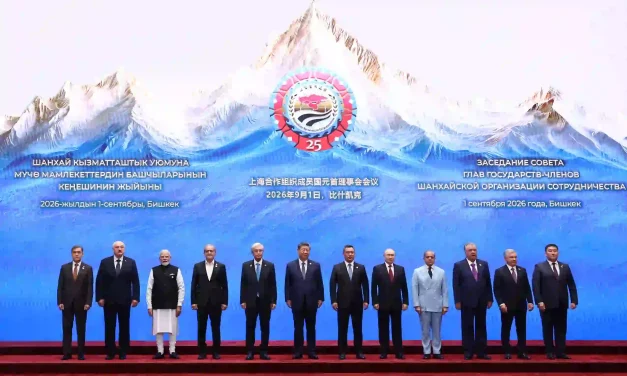
SCFR Online – Opinion: The Shanghai Cooperation Organization summit has created a new opportunity for Iran to transform its membership from a political achievement into economic and transit cooperation.
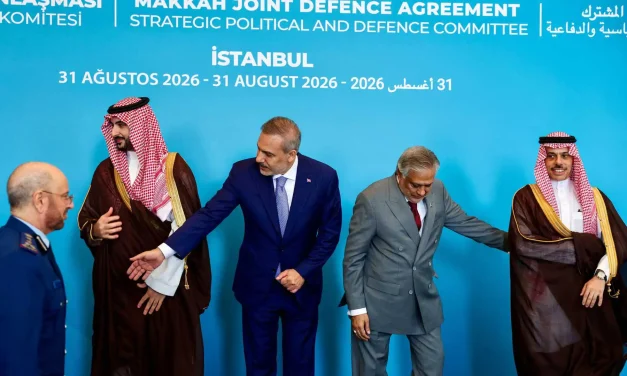
Strategic Council Online – Note: The Makkah Defense Pact can be seen as a sign of regional countries’ efforts to reduce security dependence on extra-regional powers and redefine the balance in West Asia.
SCFR Online – Opinion: The Ukraine war, by exhausting US military capability on one hand and strengthening European defense capacity on the other, has altered the balance of power in the European continent, cast uncertainty over NATO’s future, and is driving it toward a European NATO.
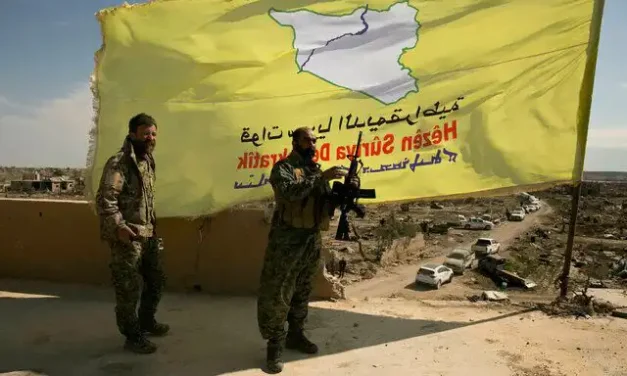
SCFR Online – Opinion: The dissolution of the SDF, although considered an achievement for Turkey’s security, does not put an end to the challenges arising from the Israeli regime’s aggression and expansionism, refugees, and Syria’s fragility.
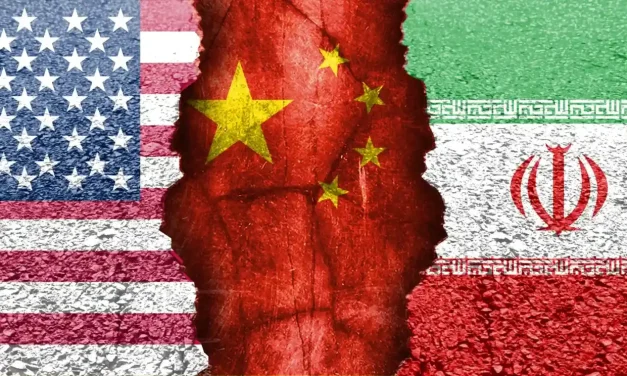
SCFR Online – Opinion: Concurrent with the official commencement of the United States’ economic war against our country, focusing on sanctions instruments, isolation, and economic pressure, what has now become increasingly important is the lack of alignment of other major global powers, especially China, with this policy.
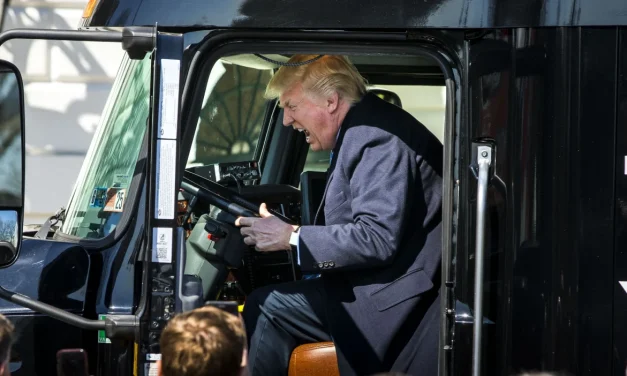
SCFR Online – Opinion: The new US sanctions against Iran, despite extensive propaganda, face serious obstacles to success due to the ineffectiveness of sanctions tools and opposition from some of Tehran’s trading partners.


Strategic Council Online – Europe is pursuing a kind of “tilt but don’t spill” attitude towards Turkey, based on which it is neither indifferent nor reacts harshly.
Afshin Zargar – PhD in International Relations, Faculty Member

Strategic Council Online – A faculty member of the School of International Relations said that after a hard Brexit, in the medium and long term we will be witness to a decreased political, military and economic presence of Britain in the Middle East and the Persian Gulf, adding: The United Kingdom will increase its coordination with the United States in the Persian Gulf, while trying to introduce new cards for playing in the region.

Strategic Council Online—Interview: An expert of European affairs says experience has it that measures taken by the French government and other European governments in creating restrictions for Muslims have not resulted in the weakening of the faith of Muslims but have disrupted the climate of peace and reconciliation between Muslims and other citizens in Europe.

Online Strategic Council—Interview: An expert of West Asia affairs says the link between the elements of “belief” and “the management Style of Soleimani” who had pinned his trust in God resulted in the defeat of Daesh.

Strategic Council Online – A faculty member of Tarbiat Modares University, stating that Turkey seeks to revive its soft power with the idea of regional convergence, said: Details of this plan, its common interests and threats are not clear and there is an ambiguity that basically to what extent bringing those countries together can be realistic and practical.

Strategic Council Online – Former Middle East director-general of the Ministry of Foreign Affairs, stating that the conflict in Western Sahara will not end easily, noted: It seems that under the current situation an opportunity has been created for the Moroccan government to make an exchange in return for official recognition of Israel and get concessions from the Trump administration at the end of his term for taking control over Western Sahara.

Strategic Council Online – An expert on West Asia affairs assessed the US letter to Ansarollah and the attempt to negotiate with them as a sign of the effectiveness of the Resistance and said: One of the factors that led Mohammed bin Salman to resort to the United States for putting an end to the war in Yemen is the issue of balance of power which has now changed in favour of Ansarollah.

Strategic Council Online – An expert on international affairs said in case the sanctions are lifted, Iran will reverse its steps in reducing its commitments towards the Joint Comprehensive Plan of Action (JCPOA) but is not willing to renegotiate the JCPOA with the United States.
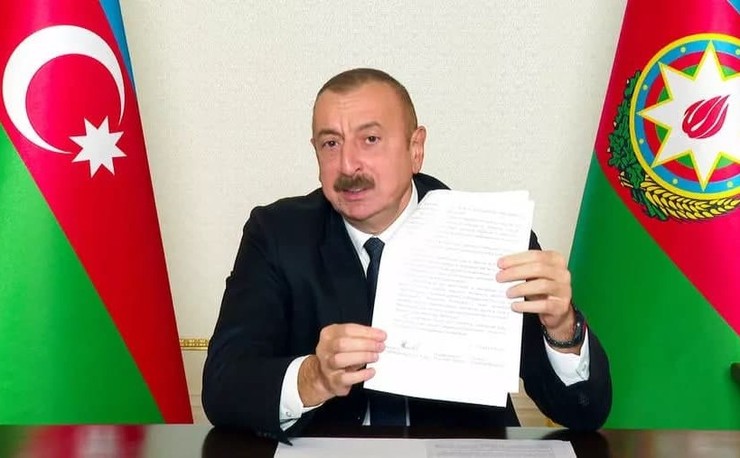
Strategic Council Online—Interview: A researcher of the Caucasus region says the opposition of some political parties in the Republic of Azerbaijan to the ceasefire deal with the Republic of Armenia can play a significant role given the Caucasus conflict has not yet been finished.

Strategic Council Online – A political economy analyst, referring to the common interests between the EU presidency, that is Germany, and China, said: The Germans are working in favour of China, and the growth in the trade figures of China-Europe relations shows the direction of future lineups in the world.
SCFR Online – Opinion: The intensification of U.S. sanctions against Iran on the eve of the U.S. midterm elections indicates Washington’s inability to achieve its war objectives.
SCFR Online – Opinion: The competition between Washington and Beijing over chips and artificial intelligence, simultaneously with the shifting of technological balances, has taken on new economic and security dimensions.
SCFR Online – Opinion: The Shanghai Cooperation Organization summit has created a new opportunity for Iran to transform its membership from a political achievement into economic and transit cooperation.
Strategic Council Online – Note: The Makkah Defense Pact can be seen as a sign of regional countries’ efforts to reduce security dependence on extra-regional powers and redefine the balance in West Asia.
SCFR Online – Opinion: The Ukraine war, by exhausting US military capability on one hand and strengthening European defense capacity on the other, has altered the balance of power in the European continent, cast uncertainty over NATO’s future, and is driving it toward a European NATO.
SCFR Online – Opinion: The dissolution of the SDF, although considered an achievement for Turkey’s security, does not put an end to the challenges arising from the Israeli regime’s aggression and expansionism, refugees, and Syria’s fragility.
SCFR Online – Opinion: Concurrent with the official commencement of the United States’ economic war against our country, focusing on sanctions instruments, isolation, and economic pressure, what has now become increasingly important is the lack of alignment of other major global powers, especially China, with this policy.
SCFR Online – Opinion: The new US sanctions against Iran, despite extensive propaganda, face serious obstacles to success due to the ineffectiveness of sanctions tools and opposition from some of Tehran’s trading partners.
Strategic Council Online – Europe is pursuing a kind of “tilt but don’t spill” attitude towards Turkey, based on which it is neither indifferent nor reacts harshly.
Afshin Zargar – PhD in International Relations, Faculty Member
Strategic Council Online – A faculty member of the School of International Relations said that after a hard Brexit, in the medium and long term we will be witness to a decreased political, military and economic presence of Britain in the Middle East and the Persian Gulf, adding: The United Kingdom will increase its coordination with the United States in the Persian Gulf, while trying to introduce new cards for playing in the region.
Strategic Council Online—Interview: An expert of European affairs says experience has it that measures taken by the French government and other European governments in creating restrictions for Muslims have not resulted in the weakening of the faith of Muslims but have disrupted the climate of peace and reconciliation between Muslims and other citizens in Europe.
Online Strategic Council—Interview: An expert of West Asia affairs says the link between the elements of “belief” and “the management Style of Soleimani” who had pinned his trust in God resulted in the defeat of Daesh.
Strategic Council Online – A faculty member of Tarbiat Modares University, stating that Turkey seeks to revive its soft power with the idea of regional convergence, said: Details of this plan, its common interests and threats are not clear and there is an ambiguity that basically to what extent bringing those countries together can be realistic and practical.
Strategic Council Online – Former Middle East director-general of the Ministry of Foreign Affairs, stating that the conflict in Western Sahara will not end easily, noted: It seems that under the current situation an opportunity has been created for the Moroccan government to make an exchange in return for official recognition of Israel and get concessions from the Trump administration at the end of his term for taking control over Western Sahara.
Strategic Council Online – An expert on West Asia affairs assessed the US letter to Ansarollah and the attempt to negotiate with them as a sign of the effectiveness of the Resistance and said: One of the factors that led Mohammed bin Salman to resort to the United States for putting an end to the war in Yemen is the issue of balance of power which has now changed in favour of Ansarollah.
Strategic Council Online – An expert on international affairs said in case the sanctions are lifted, Iran will reverse its steps in reducing its commitments towards the Joint Comprehensive Plan of Action (JCPOA) but is not willing to renegotiate the JCPOA with the United States.
Strategic Council Online—Interview: A researcher of the Caucasus region says the opposition of some political parties in the Republic of Azerbaijan to the ceasefire deal with the Republic of Armenia can play a significant role given the Caucasus conflict has not yet been finished.
Strategic Council Online – A political economy analyst, referring to the common interests between the EU presidency, that is Germany, and China, said: The Germans are working in favour of China, and the growth in the trade figures of China-Europe relations shows the direction of future lineups in the world.
Strategic Council Online – Europe is pursuing a kind of “tilt but don’t spill” attitude towards Turkey, based on which it is neither indifferent nor reacts harshly.
Afshin Zargar – PhD in International Relations, Faculty Member
Strategic Council Online – A faculty member of the School of International Relations said that after a hard Brexit, in the medium and long term we will be witness to a decreased political, military and economic presence of Britain in the Middle East and the Persian Gulf, adding: The United Kingdom will increase its coordination with the United States in the Persian Gulf, while trying to introduce new cards for playing in the region.
Strategic Council Online—Interview: An expert of European affairs says experience has it that measures taken by the French government and other European governments in creating restrictions for Muslims have not resulted in the weakening of the faith of Muslims but have disrupted the climate of peace and reconciliation between Muslims and other citizens in Europe.
Online Strategic Council—Interview: An expert of West Asia affairs says the link between the elements of “belief” and “the management Style of Soleimani” who had pinned his trust in God resulted in the defeat of Daesh.
Strategic Council Online – A faculty member of Tarbiat Modares University, stating that Turkey seeks to revive its soft power with the idea of regional convergence, said: Details of this plan, its common interests and threats are not clear and there is an ambiguity that basically to what extent bringing those countries together can be realistic and practical.
Strategic Council Online – Former Middle East director-general of the Ministry of Foreign Affairs, stating that the conflict in Western Sahara will not end easily, noted: It seems that under the current situation an opportunity has been created for the Moroccan government to make an exchange in return for official recognition of Israel and get concessions from the Trump administration at the end of his term for taking control over Western Sahara.
Strategic Council Online – An expert on West Asia affairs assessed the US letter to Ansarollah and the attempt to negotiate with them as a sign of the effectiveness of the Resistance and said: One of the factors that led Mohammed bin Salman to resort to the United States for putting an end to the war in Yemen is the issue of balance of power which has now changed in favour of Ansarollah.
Strategic Council Online – An expert on international affairs said in case the sanctions are lifted, Iran will reverse its steps in reducing its commitments towards the Joint Comprehensive Plan of Action (JCPOA) but is not willing to renegotiate the JCPOA with the United States.
Strategic Council Online—Interview: A researcher of the Caucasus region says the opposition of some political parties in the Republic of Azerbaijan to the ceasefire deal with the Republic of Armenia can play a significant role given the Caucasus conflict has not yet been finished.
Strategic Council Online – A political economy analyst, referring to the common interests between the EU presidency, that is Germany, and China, said: The Germans are working in favour of China, and the growth in the trade figures of China-Europe relations shows the direction of future lineups in the world.
SCFR Online – Opinion: The intensification of U.S. sanctions against Iran on the eve of the U.S. midterm elections indicates Washington’s inability to achieve its war objectives.
SCFR Online – Opinion: The competition between Washington and Beijing over chips and artificial intelligence, simultaneously with the shifting of technological balances, has taken on new economic and security dimensions.
SCFR Online – Opinion: The Shanghai Cooperation Organization summit has created a new opportunity for Iran to transform its membership from a political achievement into economic and transit cooperation.
Strategic Council Online – Note: The Makkah Defense Pact can be seen as a sign of regional countries’ efforts to reduce security dependence on extra-regional powers and redefine the balance in West Asia.
SCFR Online – Opinion: The Ukraine war, by exhausting US military capability on one hand and strengthening European defense capacity on the other, has altered the balance of power in the European continent, cast uncertainty over NATO’s future, and is driving it toward a European NATO.
SCFR Online – Opinion: The dissolution of the SDF, although considered an achievement for Turkey’s security, does not put an end to the challenges arising from the Israeli regime’s aggression and expansionism, refugees, and Syria’s fragility.
SCFR Online – Opinion: Concurrent with the official commencement of the United States’ economic war against our country, focusing on sanctions instruments, isolation, and economic pressure, what has now become increasingly important is the lack of alignment of other major global powers, especially China, with this policy.
SCFR Online – Opinion: The new US sanctions against Iran, despite extensive propaganda, face serious obstacles to success due to the ineffectiveness of sanctions tools and opposition from some of Tehran’s trading partners.
Strategic Council Online – Europe is pursuing a kind of “tilt but don’t spill” attitude towards Turkey, based on which it is neither indifferent nor reacts harshly.
Afshin Zargar – PhD in International Relations, Faculty Member
Strategic Council Online – A faculty member of the School of International Relations said that after a hard Brexit, in the medium and long term we will be witness to a decreased political, military and economic presence of Britain in the Middle East and the Persian Gulf, adding: The United Kingdom will increase its coordination with the United States in the Persian Gulf, while trying to introduce new cards for playing in the region.
Strategic Council Online—Interview: An expert of European affairs says experience has it that measures taken by the French government and other European governments in creating restrictions for Muslims have not resulted in the weakening of the faith of Muslims but have disrupted the climate of peace and reconciliation between Muslims and other citizens in Europe.
Online Strategic Council—Interview: An expert of West Asia affairs says the link between the elements of “belief” and “the management Style of Soleimani” who had pinned his trust in God resulted in the defeat of Daesh.
Strategic Council Online – A faculty member of Tarbiat Modares University, stating that Turkey seeks to revive its soft power with the idea of regional convergence, said: Details of this plan, its common interests and threats are not clear and there is an ambiguity that basically to what extent bringing those countries together can be realistic and practical.
Strategic Council Online – Former Middle East director-general of the Ministry of Foreign Affairs, stating that the conflict in Western Sahara will not end easily, noted: It seems that under the current situation an opportunity has been created for the Moroccan government to make an exchange in return for official recognition of Israel and get concessions from the Trump administration at the end of his term for taking control over Western Sahara.
Strategic Council Online – An expert on West Asia affairs assessed the US letter to Ansarollah and the attempt to negotiate with them as a sign of the effectiveness of the Resistance and said: One of the factors that led Mohammed bin Salman to resort to the United States for putting an end to the war in Yemen is the issue of balance of power which has now changed in favour of Ansarollah.
Strategic Council Online – An expert on international affairs said in case the sanctions are lifted, Iran will reverse its steps in reducing its commitments towards the Joint Comprehensive Plan of Action (JCPOA) but is not willing to renegotiate the JCPOA with the United States.
Strategic Council Online—Interview: A researcher of the Caucasus region says the opposition of some political parties in the Republic of Azerbaijan to the ceasefire deal with the Republic of Armenia can play a significant role given the Caucasus conflict has not yet been finished.
Strategic Council Online – A political economy analyst, referring to the common interests between the EU presidency, that is Germany, and China, said: The Germans are working in favour of China, and the growth in the trade figures of China-Europe relations shows the direction of future lineups in the world.
SCFR Online – Opinion: The intensification of U.S. sanctions against Iran on the eve of the U.S. midterm elections indicates Washington’s inability to achieve its war objectives.
SCFR Online – Opinion: The competition between Washington and Beijing over chips and artificial intelligence, simultaneously with the shifting of technological balances, has taken on new economic and security dimensions.
SCFR Online – Opinion: The Shanghai Cooperation Organization summit has created a new opportunity for Iran to transform its membership from a political achievement into economic and transit cooperation.
Strategic Council Online – Note: The Makkah Defense Pact can be seen as a sign of regional countries’ efforts to reduce security dependence on extra-regional powers and redefine the balance in West Asia.
SCFR Online – Opinion: The Ukraine war, by exhausting US military capability on one hand and strengthening European defense capacity on the other, has altered the balance of power in the European continent, cast uncertainty over NATO’s future, and is driving it toward a European NATO.
SCFR Online – Opinion: The dissolution of the SDF, although considered an achievement for Turkey’s security, does not put an end to the challenges arising from the Israeli regime’s aggression and expansionism, refugees, and Syria’s fragility.
SCFR Online – Opinion: Concurrent with the official commencement of the United States’ economic war against our country, focusing on sanctions instruments, isolation, and economic pressure, what has now become increasingly important is the lack of alignment of other major global powers, especially China, with this policy.
SCFR Online – Opinion: The new US sanctions against Iran, despite extensive propaganda, face serious obstacles to success due to the ineffectiveness of sanctions tools and opposition from some of Tehran’s trading partners.
Strategic Council Online – Europe is pursuing a kind of “tilt but don’t spill” attitude towards Turkey, based on which it is neither indifferent nor reacts harshly.
Afshin Zargar – PhD in International Relations, Faculty Member
Strategic Council Online – A faculty member of the School of International Relations said that after a hard Brexit, in the medium and long term we will be witness to a decreased political, military and economic presence of Britain in the Middle East and the Persian Gulf, adding: The United Kingdom will increase its coordination with the United States in the Persian Gulf, while trying to introduce new cards for playing in the region.
Strategic Council Online—Interview: An expert of European affairs says experience has it that measures taken by the French government and other European governments in creating restrictions for Muslims have not resulted in the weakening of the faith of Muslims but have disrupted the climate of peace and reconciliation between Muslims and other citizens in Europe.
Online Strategic Council—Interview: An expert of West Asia affairs says the link between the elements of “belief” and “the management Style of Soleimani” who had pinned his trust in God resulted in the defeat of Daesh.
Strategic Council Online – A faculty member of Tarbiat Modares University, stating that Turkey seeks to revive its soft power with the idea of regional convergence, said: Details of this plan, its common interests and threats are not clear and there is an ambiguity that basically to what extent bringing those countries together can be realistic and practical.
Strategic Council Online – Former Middle East director-general of the Ministry of Foreign Affairs, stating that the conflict in Western Sahara will not end easily, noted: It seems that under the current situation an opportunity has been created for the Moroccan government to make an exchange in return for official recognition of Israel and get concessions from the Trump administration at the end of his term for taking control over Western Sahara.
Strategic Council Online – An expert on West Asia affairs assessed the US letter to Ansarollah and the attempt to negotiate with them as a sign of the effectiveness of the Resistance and said: One of the factors that led Mohammed bin Salman to resort to the United States for putting an end to the war in Yemen is the issue of balance of power which has now changed in favour of Ansarollah.
Strategic Council Online – An expert on international affairs said in case the sanctions are lifted, Iran will reverse its steps in reducing its commitments towards the Joint Comprehensive Plan of Action (JCPOA) but is not willing to renegotiate the JCPOA with the United States.
Strategic Council Online—Interview: A researcher of the Caucasus region says the opposition of some political parties in the Republic of Azerbaijan to the ceasefire deal with the Republic of Armenia can play a significant role given the Caucasus conflict has not yet been finished.
Strategic Council Online – A political economy analyst, referring to the common interests between the EU presidency, that is Germany, and China, said: The Germans are working in favour of China, and the growth in the trade figures of China-Europe relations shows the direction of future lineups in the world.
SCFR Online – Opinion: The intensification of U.S. sanctions against Iran on the eve of the U.S. midterm elections indicates Washington’s inability to achieve its war objectives.
SCFR Online – Opinion: The competition between Washington and Beijing over chips and artificial intelligence, simultaneously with the shifting of technological balances, has taken on new economic and security dimensions.
SCFR Online – Opinion: The Shanghai Cooperation Organization summit has created a new opportunity for Iran to transform its membership from a political achievement into economic and transit cooperation.
Strategic Council Online – Note: The Makkah Defense Pact can be seen as a sign of regional countries’ efforts to reduce security dependence on extra-regional powers and redefine the balance in West Asia.
SCFR Online – Opinion: The Ukraine war, by exhausting US military capability on one hand and strengthening European defense capacity on the other, has altered the balance of power in the European continent, cast uncertainty over NATO’s future, and is driving it toward a European NATO.
SCFR Online – Opinion: The dissolution of the SDF, although considered an achievement for Turkey’s security, does not put an end to the challenges arising from the Israeli regime’s aggression and expansionism, refugees, and Syria’s fragility.
SCFR Online – Opinion: Concurrent with the official commencement of the United States’ economic war against our country, focusing on sanctions instruments, isolation, and economic pressure, what has now become increasingly important is the lack of alignment of other major global powers, especially China, with this policy.
SCFR Online – Opinion: The new US sanctions against Iran, despite extensive propaganda, face serious obstacles to success due to the ineffectiveness of sanctions tools and opposition from some of Tehran’s trading partners.
Strategic Council Online – Europe is pursuing a kind of “tilt but don’t spill” attitude towards Turkey, based on which it is neither indifferent nor reacts harshly.
Afshin Zargar – PhD in International Relations, Faculty Member
Strategic Council Online – A faculty member of the School of International Relations said that after a hard Brexit, in the medium and long term we will be witness to a decreased political, military and economic presence of Britain in the Middle East and the Persian Gulf, adding: The United Kingdom will increase its coordination with the United States in the Persian Gulf, while trying to introduce new cards for playing in the region.
Strategic Council Online—Interview: An expert of European affairs says experience has it that measures taken by the French government and other European governments in creating restrictions for Muslims have not resulted in the weakening of the faith of Muslims but have disrupted the climate of peace and reconciliation between Muslims and other citizens in Europe.
Online Strategic Council—Interview: An expert of West Asia affairs says the link between the elements of “belief” and “the management Style of Soleimani” who had pinned his trust in God resulted in the defeat of Daesh.
Strategic Council Online – A faculty member of Tarbiat Modares University, stating that Turkey seeks to revive its soft power with the idea of regional convergence, said: Details of this plan, its common interests and threats are not clear and there is an ambiguity that basically to what extent bringing those countries together can be realistic and practical.
Strategic Council Online – Former Middle East director-general of the Ministry of Foreign Affairs, stating that the conflict in Western Sahara will not end easily, noted: It seems that under the current situation an opportunity has been created for the Moroccan government to make an exchange in return for official recognition of Israel and get concessions from the Trump administration at the end of his term for taking control over Western Sahara.
Strategic Council Online – An expert on West Asia affairs assessed the US letter to Ansarollah and the attempt to negotiate with them as a sign of the effectiveness of the Resistance and said: One of the factors that led Mohammed bin Salman to resort to the United States for putting an end to the war in Yemen is the issue of balance of power which has now changed in favour of Ansarollah.
Strategic Council Online – An expert on international affairs said in case the sanctions are lifted, Iran will reverse its steps in reducing its commitments towards the Joint Comprehensive Plan of Action (JCPOA) but is not willing to renegotiate the JCPOA with the United States.
Strategic Council Online—Interview: A researcher of the Caucasus region says the opposition of some political parties in the Republic of Azerbaijan to the ceasefire deal with the Republic of Armenia can play a significant role given the Caucasus conflict has not yet been finished.
Strategic Council Online – A political economy analyst, referring to the common interests between the EU presidency, that is Germany, and China, said: The Germans are working in favour of China, and the growth in the trade figures of China-Europe relations shows the direction of future lineups in the world.
SCFR Online – Opinion: The intensification of U.S. sanctions against Iran on the eve of the U.S. midterm elections indicates Washington’s inability to achieve its war objectives.
SCFR Online – Opinion: The competition between Washington and Beijing over chips and artificial intelligence, simultaneously with the shifting of technological balances, has taken on new economic and security dimensions.
SCFR Online – Opinion: The Shanghai Cooperation Organization summit has created a new opportunity for Iran to transform its membership from a political achievement into economic and transit cooperation.
Strategic Council Online – Note: The Makkah Defense Pact can be seen as a sign of regional countries’ efforts to reduce security dependence on extra-regional powers and redefine the balance in West Asia.
SCFR Online – Opinion: The Ukraine war, by exhausting US military capability on one hand and strengthening European defense capacity on the other, has altered the balance of power in the European continent, cast uncertainty over NATO’s future, and is driving it toward a European NATO.
SCFR Online – Opinion: The dissolution of the SDF, although considered an achievement for Turkey’s security, does not put an end to the challenges arising from the Israeli regime’s aggression and expansionism, refugees, and Syria’s fragility.
SCFR Online – Opinion: Concurrent with the official commencement of the United States’ economic war against our country, focusing on sanctions instruments, isolation, and economic pressure, what has now become increasingly important is the lack of alignment of other major global powers, especially China, with this policy.
SCFR Online – Opinion: The new US sanctions against Iran, despite extensive propaganda, face serious obstacles to success due to the ineffectiveness of sanctions tools and opposition from some of Tehran’s trading partners.
Strategic Council Online – Europe is pursuing a kind of “tilt but don’t spill” attitude towards Turkey, based on which it is neither indifferent nor reacts harshly.
Afshin Zargar – PhD in International Relations, Faculty Member
Strategic Council Online – A faculty member of the School of International Relations said that after a hard Brexit, in the medium and long term we will be witness to a decreased political, military and economic presence of Britain in the Middle East and the Persian Gulf, adding: The United Kingdom will increase its coordination with the United States in the Persian Gulf, while trying to introduce new cards for playing in the region.
Strategic Council Online—Interview: An expert of European affairs says experience has it that measures taken by the French government and other European governments in creating restrictions for Muslims have not resulted in the weakening of the faith of Muslims but have disrupted the climate of peace and reconciliation between Muslims and other citizens in Europe.
Online Strategic Council—Interview: An expert of West Asia affairs says the link between the elements of “belief” and “the management Style of Soleimani” who had pinned his trust in God resulted in the defeat of Daesh.
Strategic Council Online – A faculty member of Tarbiat Modares University, stating that Turkey seeks to revive its soft power with the idea of regional convergence, said: Details of this plan, its common interests and threats are not clear and there is an ambiguity that basically to what extent bringing those countries together can be realistic and practical.
Strategic Council Online – Former Middle East director-general of the Ministry of Foreign Affairs, stating that the conflict in Western Sahara will not end easily, noted: It seems that under the current situation an opportunity has been created for the Moroccan government to make an exchange in return for official recognition of Israel and get concessions from the Trump administration at the end of his term for taking control over Western Sahara.
Strategic Council Online – An expert on West Asia affairs assessed the US letter to Ansarollah and the attempt to negotiate with them as a sign of the effectiveness of the Resistance and said: One of the factors that led Mohammed bin Salman to resort to the United States for putting an end to the war in Yemen is the issue of balance of power which has now changed in favour of Ansarollah.
Strategic Council Online – An expert on international affairs said in case the sanctions are lifted, Iran will reverse its steps in reducing its commitments towards the Joint Comprehensive Plan of Action (JCPOA) but is not willing to renegotiate the JCPOA with the United States.
Strategic Council Online—Interview: A researcher of the Caucasus region says the opposition of some political parties in the Republic of Azerbaijan to the ceasefire deal with the Republic of Armenia can play a significant role given the Caucasus conflict has not yet been finished.
Strategic Council Online – A political economy analyst, referring to the common interests between the EU presidency, that is Germany, and China, said: The Germans are working in favour of China, and the growth in the trade figures of China-Europe relations shows the direction of future lineups in the world.
SCFR Online – Opinion: The intensification of U.S. sanctions against Iran on the eve of the U.S. midterm elections indicates Washington’s inability to achieve its war objectives.
SCFR Online – Opinion: The competition between Washington and Beijing over chips and artificial intelligence, simultaneously with the shifting of technological balances, has taken on new economic and security dimensions.
SCFR Online – Opinion: The Shanghai Cooperation Organization summit has created a new opportunity for Iran to transform its membership from a political achievement into economic and transit cooperation.
Strategic Council Online – Note: The Makkah Defense Pact can be seen as a sign of regional countries’ efforts to reduce security dependence on extra-regional powers and redefine the balance in West Asia.
SCFR Online – Opinion: The Ukraine war, by exhausting US military capability on one hand and strengthening European defense capacity on the other, has altered the balance of power in the European continent, cast uncertainty over NATO’s future, and is driving it toward a European NATO.
SCFR Online – Opinion: The dissolution of the SDF, although considered an achievement for Turkey’s security, does not put an end to the challenges arising from the Israeli regime’s aggression and expansionism, refugees, and Syria’s fragility.
SCFR Online – Opinion: Concurrent with the official commencement of the United States’ economic war against our country, focusing on sanctions instruments, isolation, and economic pressure, what has now become increasingly important is the lack of alignment of other major global powers, especially China, with this policy.
SCFR Online – Opinion: The new US sanctions against Iran, despite extensive propaganda, face serious obstacles to success due to the ineffectiveness of sanctions tools and opposition from some of Tehran’s trading partners.