جدیدترین مطالب

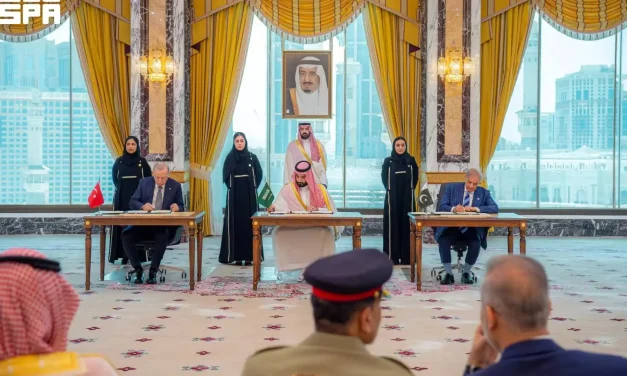
The Makkah Pact; Reasons for its Formation and Challenges Ahead

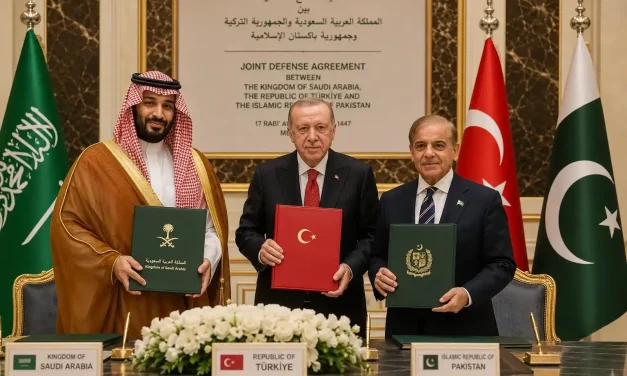
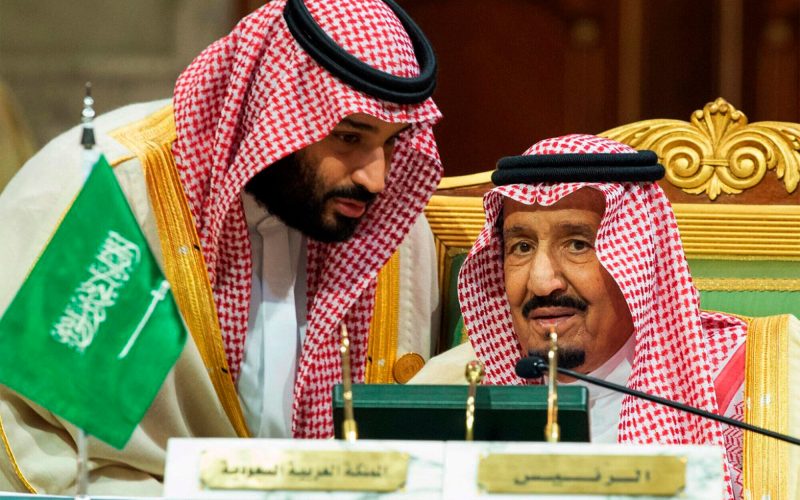
SCFR Online – Opinion: The Makkah Pact, signed between Saudi Arabia, Pakistan, and Turkey under the motto “an attack on one is an attack on all,” is viewed by some analysts less as a full-fledged military coalition and more as an attempt to reduce security dependence on an external power and to establish a regional security mechanism.

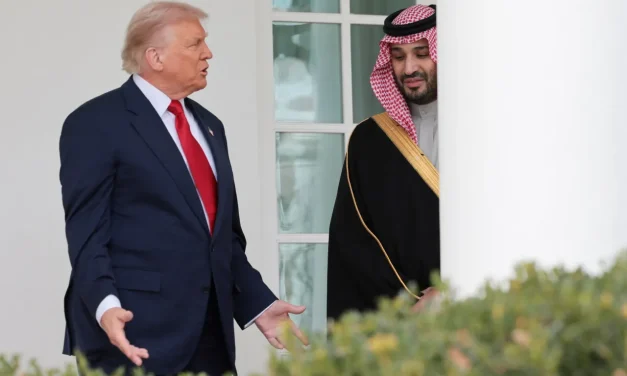
Implications of the US-Saudi Nuclear Agreement

SCFR Online – Opinion: The new US-Saudi nuclear agreement, despite legal and political ambiguities, could alter previous non-proliferation standards in West Asia and intensify nuclear competition, ushering it into a new phase.

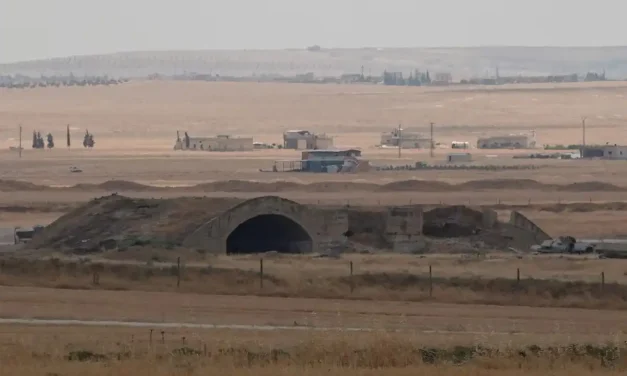
An Analysis of Recent Turkey-Israeli Regime Tensions

SCFR Online – Opinion: Recent developments in Syria indicate an intensification of strategic rivalry between Turkey and the Israeli regime, but mutual considerations and the role of the United States have limited the likelihood of direct war.

Increasing criticism of the extensive Zionist lobby network

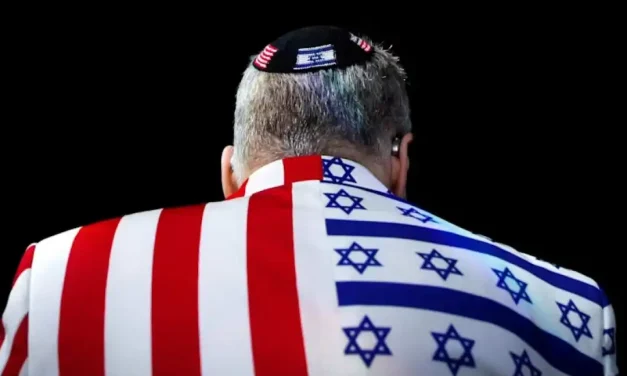
SCFR Online – Opinion: An examination of the mechanisms of the Israeli regime’s influence in the United States depicts a complex picture of shared interests, strategic dependencies, and the limitations of this relationship.

Realities of the Tripartite Makkah Pact

SCFR Online – Interview: The signing of the Makkah agreement between Saudi Arabia, Pakistan, and Turkey has raised questions about the future of the region’s security structure and the position of these countries in West Asian equations. Can this agreement become a genuine collective defense mechanism, or does it have more of a political and deterrent function than creating new military capacity?

Strategic Implications of the Reduction of US Weapons Stockpiles

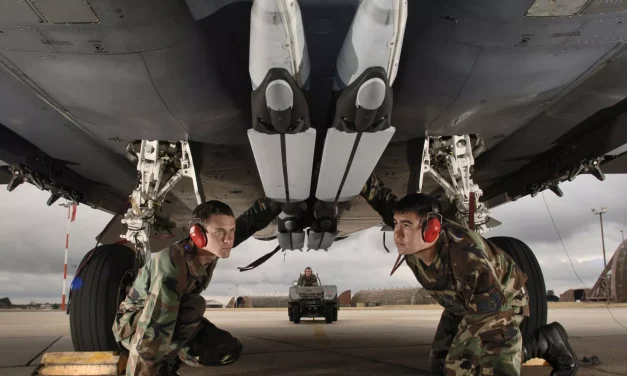
SCFR Online – Opinion: The continuation of the US war against Iran, in addition to increasing operational costs, has called into question the actual capacity of the American arsenal to simultaneously fulfill security commitments on multiple fronts; an issue that affects deterrence, defense production capacity, and Washington’s resource prioritization.

Loading

Strategic Perspective

Implications of US Withdrawal from Iraq and Afghanistan

Implications of US Withdrawal from Iraq and Afghanistan

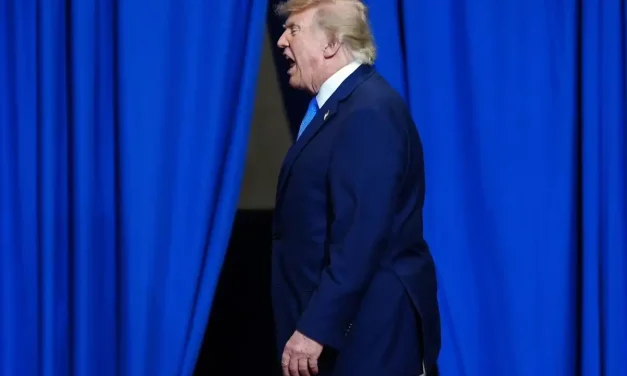
Strategic Council Online – Despite warnings, Ronald Trump intends to reduce the number of American troops from Afghanistan and Iraq ahead of the deadline. He wants to be still influential in foreign and security policy, and intends to constrain his successor, Joe Biden. Withdrawal of US troops from Iraq and Afghanistan, without coordination and acceptance of the responsibility, could have dangerous consequences for the region as well as for the European allies of the US.
Mahmoud Fazeli – Expert on International Affairs

Weakening American position; reviving the left in Latin America

Weakening American position; reviving the left in Latin America

Strategic Council Online—Interview: The present conditions in Latin America suggest that the leftist movements now have the possibility of revival in this region, a university professor said, adding that such a possibility has been provided not only for domestic conditions but also for the weakening US position as a superpower.

Escalation of Violence in Afghanistan; US New Administration’s Strategy?

Escalation of Violence in Afghanistan; US New Administration’s Strategy?

Strategic Council Online – As ISIS targets the Afghan capital with numerous missile strikes, this idea has been bolstered that it could pave the way for a continued US presence in Afghanistan and given that ISIS terrorist attacks are in line with the targets of the White House to perpetuate violence in Afghanistan and manage it, planning of those attacks has been attributed to Washington.
Mohammad Reza Asgari Moroudi – senior expert on Asia affairs

Field Advances of Ansarullah; Despair of Saudi Regime in Yemen

Field Advances of Ansarullah; Despair of Saudi Regime in Yemen

Strategic Council Online – An expert on West Asia affairs said that Saudi Arabia is trying to somehow save itself from the predicament of the war in Yemen, adding: By taking back the Ma’rib Province, no area in the northern part of Yemen will remain in the hands of Saudi Arabia or Saudi mercenaries and Ansarullah will exercise its sovereignty over all those areas.

Strengthening Marine, Air Power, Britain’s Post-Brexit Strategy

Strengthening Marine, Air Power, Britain’s Post-Brexit Strategy

Strategic Council Online – One of Britain’s responses to instability in liberal order that, in the aftermath of the World War II and together with the United States, has been its most important advocate and builder, is strategic self-reliance, by strengthening its defense capability and the noteworthy point in the new defense assessment of that country is the shift in orientation and focus on national defense and foreign security around the naval and air forces and establishment of more military bases outside Britain.
Dr. Hossein Mofidi Ahmadi – Researcher on Britain and Europe affairs

Negative Consequences of Saudi Economic Investment in Iraq

Negative Consequences of Saudi Economic Investment in Iraq

Strategic Council Online: An expert on the Middle East affairs, referring to the protest rally of the Iraqis in response to Saudi Arabia’s investment in their country, said: The government of Mustafa Al-Kadhimi is looking to foreign investment, especially by the wealthy states in the Persian Gulf, to alleviate economic problems – countries that in the past two decades, with the support of the ISIS and some extremist Sunni groups in Iraq, have always tried to prevent any stabilization and security in the war-torn country.

Examining Failure of Trump’s Confused , Isolationist Foreign Policy

Examining Failure of Trump’s Confused , Isolationist Foreign Policy

Strategic Council Online – An analyst at the Center for Strategic Studies of President’s Office described confusion and disturbance as the hallmarks of the Trump administration’s foreign policy, saying his term in the area of foreign policy was a complete failure for the United States.

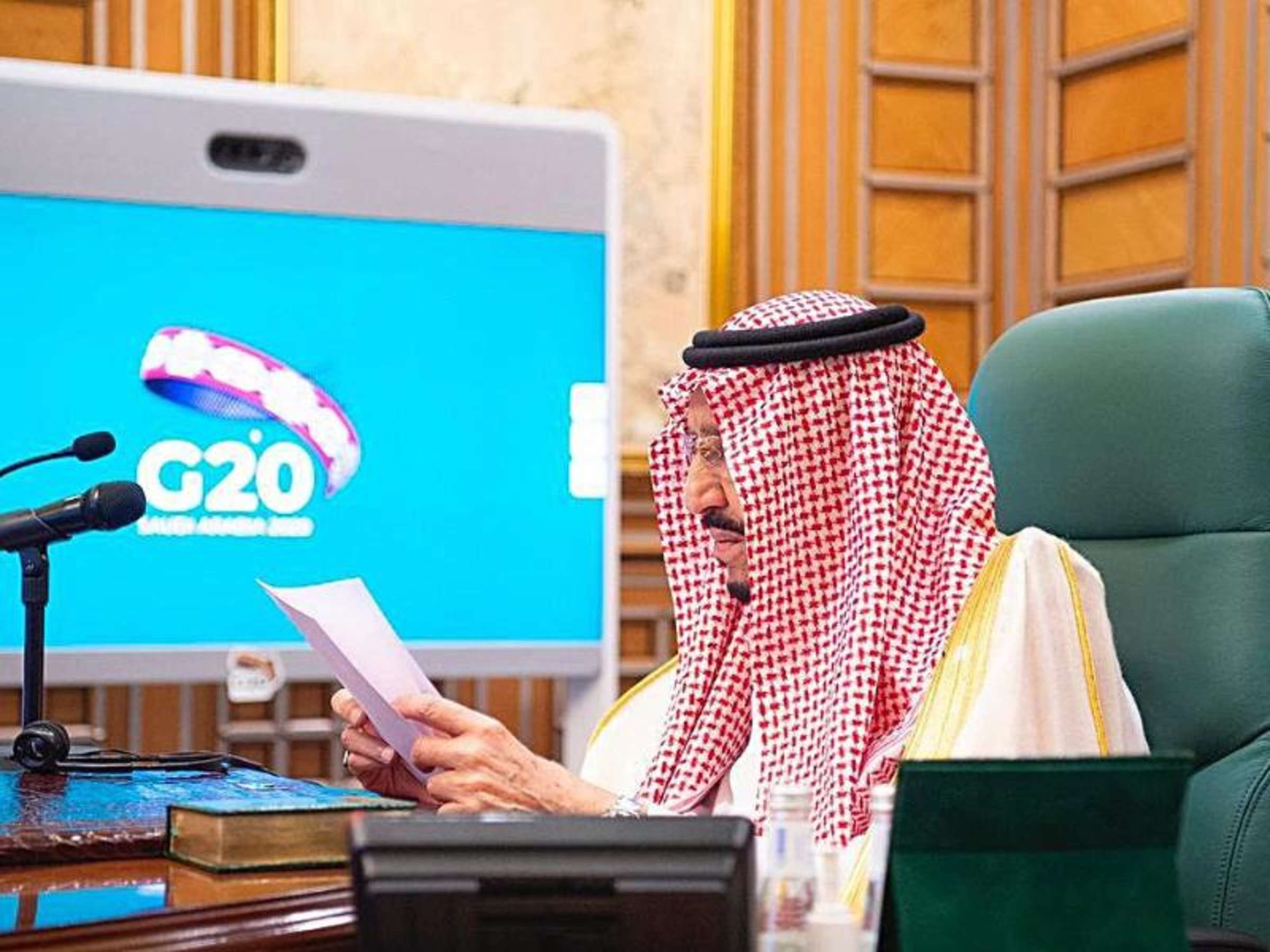
Saudi Arabia, the main loser of G20 Summit

Saudi Arabia, the main loser of G20 Summit

Strategic Council Online—Interview: An expert of Persian Gulf studies says the recent G20 Summit meeting was held under circumstances in which many human rights groups had asked the G20 leaders to take the opportunity to put pressure on the Saudi regime for its grave violations of human rights.

أحدث الوظائف

The Makkah Pact; Reasons for its Formation and Challenges Ahead

SCFR Online – Opinion: The Makkah Pact, signed between Saudi Arabia, Pakistan, and Turkey under the motto “an attack on one is an attack on all,” is viewed by some analysts less as a full-fledged military coalition and more as an attempt to reduce security dependence on an external power and to establish a regional security mechanism.

Implications of the US-Saudi Nuclear Agreement

SCFR Online – Opinion: The new US-Saudi nuclear agreement, despite legal and political ambiguities, could alter previous non-proliferation standards in West Asia and intensify nuclear competition, ushering it into a new phase.

An Analysis of Recent Turkey-Israeli Regime Tensions

SCFR Online – Opinion: Recent developments in Syria indicate an intensification of strategic rivalry between Turkey and the Israeli regime, but mutual considerations and the role of the United States have limited the likelihood of direct war.

Increasing criticism of the extensive Zionist lobby network

SCFR Online – Opinion: An examination of the mechanisms of the Israeli regime’s influence in the United States depicts a complex picture of shared interests, strategic dependencies, and the limitations of this relationship.

Realities of the Tripartite Makkah Pact

SCFR Online – Interview: The signing of the Makkah agreement between Saudi Arabia, Pakistan, and Turkey has raised questions about the future of the region’s security structure and the position of these countries in West Asian equations. Can this agreement become a genuine collective defense mechanism, or does it have more of a political and deterrent function than creating new military capacity?

Strategic Implications of the Reduction of US Weapons Stockpiles

SCFR Online – Opinion: The continuation of the US war against Iran, in addition to increasing operational costs, has called into question the actual capacity of the American arsenal to simultaneously fulfill security commitments on multiple fronts; an issue that affects deterrence, defense production capacity, and Washington’s resource prioritization.

Loading

Strategic Perspective

Implications of US Withdrawal from Iraq and Afghanistan

Implications of US Withdrawal from Iraq and Afghanistan

Strategic Council Online – Despite warnings, Ronald Trump intends to reduce the number of American troops from Afghanistan and Iraq ahead of the deadline. He wants to be still influential in foreign and security policy, and intends to constrain his successor, Joe Biden. Withdrawal of US troops from Iraq and Afghanistan, without coordination and acceptance of the responsibility, could have dangerous consequences for the region as well as for the European allies of the US.
Mahmoud Fazeli – Expert on International Affairs

Weakening American position; reviving the left in Latin America

Weakening American position; reviving the left in Latin America

Strategic Council Online—Interview: The present conditions in Latin America suggest that the leftist movements now have the possibility of revival in this region, a university professor said, adding that such a possibility has been provided not only for domestic conditions but also for the weakening US position as a superpower.

Escalation of Violence in Afghanistan; US New Administration’s Strategy?

Escalation of Violence in Afghanistan; US New Administration’s Strategy?

Strategic Council Online – As ISIS targets the Afghan capital with numerous missile strikes, this idea has been bolstered that it could pave the way for a continued US presence in Afghanistan and given that ISIS terrorist attacks are in line with the targets of the White House to perpetuate violence in Afghanistan and manage it, planning of those attacks has been attributed to Washington.
Mohammad Reza Asgari Moroudi – senior expert on Asia affairs

Field Advances of Ansarullah; Despair of Saudi Regime in Yemen

Field Advances of Ansarullah; Despair of Saudi Regime in Yemen

Strategic Council Online – An expert on West Asia affairs said that Saudi Arabia is trying to somehow save itself from the predicament of the war in Yemen, adding: By taking back the Ma’rib Province, no area in the northern part of Yemen will remain in the hands of Saudi Arabia or Saudi mercenaries and Ansarullah will exercise its sovereignty over all those areas.

Strengthening Marine, Air Power, Britain’s Post-Brexit Strategy

Strengthening Marine, Air Power, Britain’s Post-Brexit Strategy

Strategic Council Online – One of Britain’s responses to instability in liberal order that, in the aftermath of the World War II and together with the United States, has been its most important advocate and builder, is strategic self-reliance, by strengthening its defense capability and the noteworthy point in the new defense assessment of that country is the shift in orientation and focus on national defense and foreign security around the naval and air forces and establishment of more military bases outside Britain.
Dr. Hossein Mofidi Ahmadi – Researcher on Britain and Europe affairs

Negative Consequences of Saudi Economic Investment in Iraq

Negative Consequences of Saudi Economic Investment in Iraq

Strategic Council Online: An expert on the Middle East affairs, referring to the protest rally of the Iraqis in response to Saudi Arabia’s investment in their country, said: The government of Mustafa Al-Kadhimi is looking to foreign investment, especially by the wealthy states in the Persian Gulf, to alleviate economic problems – countries that in the past two decades, with the support of the ISIS and some extremist Sunni groups in Iraq, have always tried to prevent any stabilization and security in the war-torn country.

Examining Failure of Trump’s Confused , Isolationist Foreign Policy

Examining Failure of Trump’s Confused , Isolationist Foreign Policy

Strategic Council Online – An analyst at the Center for Strategic Studies of President’s Office described confusion and disturbance as the hallmarks of the Trump administration’s foreign policy, saying his term in the area of foreign policy was a complete failure for the United States.

Saudi Arabia, the main loser of G20 Summit

Saudi Arabia, the main loser of G20 Summit

Strategic Council Online—Interview: An expert of Persian Gulf studies says the recent G20 Summit meeting was held under circumstances in which many human rights groups had asked the G20 leaders to take the opportunity to put pressure on the Saudi regime for its grave violations of human rights.

Strategic Perspective

Implications of US Withdrawal from Iraq and Afghanistan

Implications of US Withdrawal from Iraq and Afghanistan

Strategic Council Online – Despite warnings, Ronald Trump intends to reduce the number of American troops from Afghanistan and Iraq ahead of the deadline. He wants to be still influential in foreign and security policy, and intends to constrain his successor, Joe Biden. Withdrawal of US troops from Iraq and Afghanistan, without coordination and acceptance of the responsibility, could have dangerous consequences for the region as well as for the European allies of the US.
Mahmoud Fazeli – Expert on International Affairs

Weakening American position; reviving the left in Latin America

Weakening American position; reviving the left in Latin America

Strategic Council Online—Interview: The present conditions in Latin America suggest that the leftist movements now have the possibility of revival in this region, a university professor said, adding that such a possibility has been provided not only for domestic conditions but also for the weakening US position as a superpower.

Escalation of Violence in Afghanistan; US New Administration’s Strategy?

Escalation of Violence in Afghanistan; US New Administration’s Strategy?

Strategic Council Online – As ISIS targets the Afghan capital with numerous missile strikes, this idea has been bolstered that it could pave the way for a continued US presence in Afghanistan and given that ISIS terrorist attacks are in line with the targets of the White House to perpetuate violence in Afghanistan and manage it, planning of those attacks has been attributed to Washington.
Mohammad Reza Asgari Moroudi – senior expert on Asia affairs

Field Advances of Ansarullah; Despair of Saudi Regime in Yemen

Field Advances of Ansarullah; Despair of Saudi Regime in Yemen

Strategic Council Online – An expert on West Asia affairs said that Saudi Arabia is trying to somehow save itself from the predicament of the war in Yemen, adding: By taking back the Ma’rib Province, no area in the northern part of Yemen will remain in the hands of Saudi Arabia or Saudi mercenaries and Ansarullah will exercise its sovereignty over all those areas.

Strengthening Marine, Air Power, Britain’s Post-Brexit Strategy

Strengthening Marine, Air Power, Britain’s Post-Brexit Strategy

Strategic Council Online – One of Britain’s responses to instability in liberal order that, in the aftermath of the World War II and together with the United States, has been its most important advocate and builder, is strategic self-reliance, by strengthening its defense capability and the noteworthy point in the new defense assessment of that country is the shift in orientation and focus on national defense and foreign security around the naval and air forces and establishment of more military bases outside Britain.
Dr. Hossein Mofidi Ahmadi – Researcher on Britain and Europe affairs

Negative Consequences of Saudi Economic Investment in Iraq

Negative Consequences of Saudi Economic Investment in Iraq

Strategic Council Online: An expert on the Middle East affairs, referring to the protest rally of the Iraqis in response to Saudi Arabia’s investment in their country, said: The government of Mustafa Al-Kadhimi is looking to foreign investment, especially by the wealthy states in the Persian Gulf, to alleviate economic problems – countries that in the past two decades, with the support of the ISIS and some extremist Sunni groups in Iraq, have always tried to prevent any stabilization and security in the war-torn country.

Examining Failure of Trump’s Confused , Isolationist Foreign Policy

Examining Failure of Trump’s Confused , Isolationist Foreign Policy

Strategic Council Online – An analyst at the Center for Strategic Studies of President’s Office described confusion and disturbance as the hallmarks of the Trump administration’s foreign policy, saying his term in the area of foreign policy was a complete failure for the United States.

Saudi Arabia, the main loser of G20 Summit

Saudi Arabia, the main loser of G20 Summit

Strategic Council Online—Interview: An expert of Persian Gulf studies says the recent G20 Summit meeting was held under circumstances in which many human rights groups had asked the G20 leaders to take the opportunity to put pressure on the Saudi regime for its grave violations of human rights.

LATEST CONTENT

The Makkah Pact; Reasons for its Formation and Challenges Ahead

SCFR Online – Opinion: The Makkah Pact, signed between Saudi Arabia, Pakistan, and Turkey under the motto “an attack on one is an attack on all,” is viewed by some analysts less as a full-fledged military coalition and more as an attempt to reduce security dependence on an external power and to establish a regional security mechanism.

Implications of the US-Saudi Nuclear Agreement

SCFR Online – Opinion: The new US-Saudi nuclear agreement, despite legal and political ambiguities, could alter previous non-proliferation standards in West Asia and intensify nuclear competition, ushering it into a new phase.

An Analysis of Recent Turkey-Israeli Regime Tensions

SCFR Online – Opinion: Recent developments in Syria indicate an intensification of strategic rivalry between Turkey and the Israeli regime, but mutual considerations and the role of the United States have limited the likelihood of direct war.

Increasing criticism of the extensive Zionist lobby network

SCFR Online – Opinion: An examination of the mechanisms of the Israeli regime’s influence in the United States depicts a complex picture of shared interests, strategic dependencies, and the limitations of this relationship.

Realities of the Tripartite Makkah Pact

SCFR Online – Interview: The signing of the Makkah agreement between Saudi Arabia, Pakistan, and Turkey has raised questions about the future of the region’s security structure and the position of these countries in West Asian equations. Can this agreement become a genuine collective defense mechanism, or does it have more of a political and deterrent function than creating new military capacity?

Strategic Implications of the Reduction of US Weapons Stockpiles

SCFR Online – Opinion: The continuation of the US war against Iran, in addition to increasing operational costs, has called into question the actual capacity of the American arsenal to simultaneously fulfill security commitments on multiple fronts; an issue that affects deterrence, defense production capacity, and Washington’s resource prioritization.

Loading

Strategic Perspective

Implications of US Withdrawal from Iraq and Afghanistan

Implications of US Withdrawal from Iraq and Afghanistan

Strategic Council Online – Despite warnings, Ronald Trump intends to reduce the number of American troops from Afghanistan and Iraq ahead of the deadline. He wants to be still influential in foreign and security policy, and intends to constrain his successor, Joe Biden. Withdrawal of US troops from Iraq and Afghanistan, without coordination and acceptance of the responsibility, could have dangerous consequences for the region as well as for the European allies of the US.
Mahmoud Fazeli – Expert on International Affairs

Weakening American position; reviving the left in Latin America

Weakening American position; reviving the left in Latin America

Strategic Council Online—Interview: The present conditions in Latin America suggest that the leftist movements now have the possibility of revival in this region, a university professor said, adding that such a possibility has been provided not only for domestic conditions but also for the weakening US position as a superpower.

Escalation of Violence in Afghanistan; US New Administration’s Strategy?

Escalation of Violence in Afghanistan; US New Administration’s Strategy?

Strategic Council Online – As ISIS targets the Afghan capital with numerous missile strikes, this idea has been bolstered that it could pave the way for a continued US presence in Afghanistan and given that ISIS terrorist attacks are in line with the targets of the White House to perpetuate violence in Afghanistan and manage it, planning of those attacks has been attributed to Washington.
Mohammad Reza Asgari Moroudi – senior expert on Asia affairs

Field Advances of Ansarullah; Despair of Saudi Regime in Yemen

Field Advances of Ansarullah; Despair of Saudi Regime in Yemen

Strategic Council Online – An expert on West Asia affairs said that Saudi Arabia is trying to somehow save itself from the predicament of the war in Yemen, adding: By taking back the Ma’rib Province, no area in the northern part of Yemen will remain in the hands of Saudi Arabia or Saudi mercenaries and Ansarullah will exercise its sovereignty over all those areas.

Strengthening Marine, Air Power, Britain’s Post-Brexit Strategy

Strengthening Marine, Air Power, Britain’s Post-Brexit Strategy

Strategic Council Online – One of Britain’s responses to instability in liberal order that, in the aftermath of the World War II and together with the United States, has been its most important advocate and builder, is strategic self-reliance, by strengthening its defense capability and the noteworthy point in the new defense assessment of that country is the shift in orientation and focus on national defense and foreign security around the naval and air forces and establishment of more military bases outside Britain.
Dr. Hossein Mofidi Ahmadi – Researcher on Britain and Europe affairs

Negative Consequences of Saudi Economic Investment in Iraq

Negative Consequences of Saudi Economic Investment in Iraq

Strategic Council Online: An expert on the Middle East affairs, referring to the protest rally of the Iraqis in response to Saudi Arabia’s investment in their country, said: The government of Mustafa Al-Kadhimi is looking to foreign investment, especially by the wealthy states in the Persian Gulf, to alleviate economic problems – countries that in the past two decades, with the support of the ISIS and some extremist Sunni groups in Iraq, have always tried to prevent any stabilization and security in the war-torn country.

Examining Failure of Trump’s Confused , Isolationist Foreign Policy

Examining Failure of Trump’s Confused , Isolationist Foreign Policy

Strategic Council Online – An analyst at the Center for Strategic Studies of President’s Office described confusion and disturbance as the hallmarks of the Trump administration’s foreign policy, saying his term in the area of foreign policy was a complete failure for the United States.

Saudi Arabia, the main loser of G20 Summit

Saudi Arabia, the main loser of G20 Summit

Strategic Council Online—Interview: An expert of Persian Gulf studies says the recent G20 Summit meeting was held under circumstances in which many human rights groups had asked the G20 leaders to take the opportunity to put pressure on the Saudi regime for its grave violations of human rights.

ÚLTIMAS PUBLICACIONES

The Makkah Pact; Reasons for its Formation and Challenges Ahead

SCFR Online – Opinion: The Makkah Pact, signed between Saudi Arabia, Pakistan, and Turkey under the motto “an attack on one is an attack on all,” is viewed by some analysts less as a full-fledged military coalition and more as an attempt to reduce security dependence on an external power and to establish a regional security mechanism.

Implications of the US-Saudi Nuclear Agreement

SCFR Online – Opinion: The new US-Saudi nuclear agreement, despite legal and political ambiguities, could alter previous non-proliferation standards in West Asia and intensify nuclear competition, ushering it into a new phase.

An Analysis of Recent Turkey-Israeli Regime Tensions

SCFR Online – Opinion: Recent developments in Syria indicate an intensification of strategic rivalry between Turkey and the Israeli regime, but mutual considerations and the role of the United States have limited the likelihood of direct war.

Increasing criticism of the extensive Zionist lobby network

SCFR Online – Opinion: An examination of the mechanisms of the Israeli regime’s influence in the United States depicts a complex picture of shared interests, strategic dependencies, and the limitations of this relationship.

Realities of the Tripartite Makkah Pact

SCFR Online – Interview: The signing of the Makkah agreement between Saudi Arabia, Pakistan, and Turkey has raised questions about the future of the region’s security structure and the position of these countries in West Asian equations. Can this agreement become a genuine collective defense mechanism, or does it have more of a political and deterrent function than creating new military capacity?

Strategic Implications of the Reduction of US Weapons Stockpiles

SCFR Online – Opinion: The continuation of the US war against Iran, in addition to increasing operational costs, has called into question the actual capacity of the American arsenal to simultaneously fulfill security commitments on multiple fronts; an issue that affects deterrence, defense production capacity, and Washington’s resource prioritization.

Loading

Strategic Perspective

Implications of US Withdrawal from Iraq and Afghanistan

Implications of US Withdrawal from Iraq and Afghanistan

Strategic Council Online – Despite warnings, Ronald Trump intends to reduce the number of American troops from Afghanistan and Iraq ahead of the deadline. He wants to be still influential in foreign and security policy, and intends to constrain his successor, Joe Biden. Withdrawal of US troops from Iraq and Afghanistan, without coordination and acceptance of the responsibility, could have dangerous consequences for the region as well as for the European allies of the US.
Mahmoud Fazeli – Expert on International Affairs

Weakening American position; reviving the left in Latin America

Weakening American position; reviving the left in Latin America

Strategic Council Online—Interview: The present conditions in Latin America suggest that the leftist movements now have the possibility of revival in this region, a university professor said, adding that such a possibility has been provided not only for domestic conditions but also for the weakening US position as a superpower.

Escalation of Violence in Afghanistan; US New Administration’s Strategy?

Escalation of Violence in Afghanistan; US New Administration’s Strategy?

Strategic Council Online – As ISIS targets the Afghan capital with numerous missile strikes, this idea has been bolstered that it could pave the way for a continued US presence in Afghanistan and given that ISIS terrorist attacks are in line with the targets of the White House to perpetuate violence in Afghanistan and manage it, planning of those attacks has been attributed to Washington.
Mohammad Reza Asgari Moroudi – senior expert on Asia affairs

Field Advances of Ansarullah; Despair of Saudi Regime in Yemen

Field Advances of Ansarullah; Despair of Saudi Regime in Yemen

Strategic Council Online – An expert on West Asia affairs said that Saudi Arabia is trying to somehow save itself from the predicament of the war in Yemen, adding: By taking back the Ma’rib Province, no area in the northern part of Yemen will remain in the hands of Saudi Arabia or Saudi mercenaries and Ansarullah will exercise its sovereignty over all those areas.

Strengthening Marine, Air Power, Britain’s Post-Brexit Strategy

Strengthening Marine, Air Power, Britain’s Post-Brexit Strategy

Strategic Council Online – One of Britain’s responses to instability in liberal order that, in the aftermath of the World War II and together with the United States, has been its most important advocate and builder, is strategic self-reliance, by strengthening its defense capability and the noteworthy point in the new defense assessment of that country is the shift in orientation and focus on national defense and foreign security around the naval and air forces and establishment of more military bases outside Britain.
Dr. Hossein Mofidi Ahmadi – Researcher on Britain and Europe affairs

Negative Consequences of Saudi Economic Investment in Iraq

Negative Consequences of Saudi Economic Investment in Iraq

Strategic Council Online: An expert on the Middle East affairs, referring to the protest rally of the Iraqis in response to Saudi Arabia’s investment in their country, said: The government of Mustafa Al-Kadhimi is looking to foreign investment, especially by the wealthy states in the Persian Gulf, to alleviate economic problems – countries that in the past two decades, with the support of the ISIS and some extremist Sunni groups in Iraq, have always tried to prevent any stabilization and security in the war-torn country.

Examining Failure of Trump’s Confused , Isolationist Foreign Policy

Examining Failure of Trump’s Confused , Isolationist Foreign Policy

Strategic Council Online – An analyst at the Center for Strategic Studies of President’s Office described confusion and disturbance as the hallmarks of the Trump administration’s foreign policy, saying his term in the area of foreign policy was a complete failure for the United States.

Saudi Arabia, the main loser of G20 Summit

Saudi Arabia, the main loser of G20 Summit

Strategic Council Online—Interview: An expert of Persian Gulf studies says the recent G20 Summit meeting was held under circumstances in which many human rights groups had asked the G20 leaders to take the opportunity to put pressure on the Saudi regime for its grave violations of human rights.

ÚLTIMAS PUBLICACIONES

The Makkah Pact; Reasons for its Formation and Challenges Ahead

SCFR Online – Opinion: The Makkah Pact, signed between Saudi Arabia, Pakistan, and Turkey under the motto “an attack on one is an attack on all,” is viewed by some analysts less as a full-fledged military coalition and more as an attempt to reduce security dependence on an external power and to establish a regional security mechanism.

Implications of the US-Saudi Nuclear Agreement

SCFR Online – Opinion: The new US-Saudi nuclear agreement, despite legal and political ambiguities, could alter previous non-proliferation standards in West Asia and intensify nuclear competition, ushering it into a new phase.

An Analysis of Recent Turkey-Israeli Regime Tensions

SCFR Online – Opinion: Recent developments in Syria indicate an intensification of strategic rivalry between Turkey and the Israeli regime, but mutual considerations and the role of the United States have limited the likelihood of direct war.

Increasing criticism of the extensive Zionist lobby network

SCFR Online – Opinion: An examination of the mechanisms of the Israeli regime’s influence in the United States depicts a complex picture of shared interests, strategic dependencies, and the limitations of this relationship.

Realities of the Tripartite Makkah Pact

SCFR Online – Interview: The signing of the Makkah agreement between Saudi Arabia, Pakistan, and Turkey has raised questions about the future of the region’s security structure and the position of these countries in West Asian equations. Can this agreement become a genuine collective defense mechanism, or does it have more of a political and deterrent function than creating new military capacity?

Strategic Implications of the Reduction of US Weapons Stockpiles

SCFR Online – Opinion: The continuation of the US war against Iran, in addition to increasing operational costs, has called into question the actual capacity of the American arsenal to simultaneously fulfill security commitments on multiple fronts; an issue that affects deterrence, defense production capacity, and Washington’s resource prioritization.

Loading

Strategic Perspective

Implications of US Withdrawal from Iraq and Afghanistan

Implications of US Withdrawal from Iraq and Afghanistan

Strategic Council Online – Despite warnings, Ronald Trump intends to reduce the number of American troops from Afghanistan and Iraq ahead of the deadline. He wants to be still influential in foreign and security policy, and intends to constrain his successor, Joe Biden. Withdrawal of US troops from Iraq and Afghanistan, without coordination and acceptance of the responsibility, could have dangerous consequences for the region as well as for the European allies of the US.
Mahmoud Fazeli – Expert on International Affairs

Weakening American position; reviving the left in Latin America

Weakening American position; reviving the left in Latin America

Strategic Council Online—Interview: The present conditions in Latin America suggest that the leftist movements now have the possibility of revival in this region, a university professor said, adding that such a possibility has been provided not only for domestic conditions but also for the weakening US position as a superpower.

Escalation of Violence in Afghanistan; US New Administration’s Strategy?

Escalation of Violence in Afghanistan; US New Administration’s Strategy?

Strategic Council Online – As ISIS targets the Afghan capital with numerous missile strikes, this idea has been bolstered that it could pave the way for a continued US presence in Afghanistan and given that ISIS terrorist attacks are in line with the targets of the White House to perpetuate violence in Afghanistan and manage it, planning of those attacks has been attributed to Washington.
Mohammad Reza Asgari Moroudi – senior expert on Asia affairs

Field Advances of Ansarullah; Despair of Saudi Regime in Yemen

Field Advances of Ansarullah; Despair of Saudi Regime in Yemen

Strategic Council Online – An expert on West Asia affairs said that Saudi Arabia is trying to somehow save itself from the predicament of the war in Yemen, adding: By taking back the Ma’rib Province, no area in the northern part of Yemen will remain in the hands of Saudi Arabia or Saudi mercenaries and Ansarullah will exercise its sovereignty over all those areas.

Strengthening Marine, Air Power, Britain’s Post-Brexit Strategy

Strengthening Marine, Air Power, Britain’s Post-Brexit Strategy

Strategic Council Online – One of Britain’s responses to instability in liberal order that, in the aftermath of the World War II and together with the United States, has been its most important advocate and builder, is strategic self-reliance, by strengthening its defense capability and the noteworthy point in the new defense assessment of that country is the shift in orientation and focus on national defense and foreign security around the naval and air forces and establishment of more military bases outside Britain.
Dr. Hossein Mofidi Ahmadi – Researcher on Britain and Europe affairs

Negative Consequences of Saudi Economic Investment in Iraq

Negative Consequences of Saudi Economic Investment in Iraq

Strategic Council Online: An expert on the Middle East affairs, referring to the protest rally of the Iraqis in response to Saudi Arabia’s investment in their country, said: The government of Mustafa Al-Kadhimi is looking to foreign investment, especially by the wealthy states in the Persian Gulf, to alleviate economic problems – countries that in the past two decades, with the support of the ISIS and some extremist Sunni groups in Iraq, have always tried to prevent any stabilization and security in the war-torn country.

Examining Failure of Trump’s Confused , Isolationist Foreign Policy

Examining Failure of Trump’s Confused , Isolationist Foreign Policy

Strategic Council Online – An analyst at the Center for Strategic Studies of President’s Office described confusion and disturbance as the hallmarks of the Trump administration’s foreign policy, saying his term in the area of foreign policy was a complete failure for the United States.

Saudi Arabia, the main loser of G20 Summit

Saudi Arabia, the main loser of G20 Summit

Strategic Council Online—Interview: An expert of Persian Gulf studies says the recent G20 Summit meeting was held under circumstances in which many human rights groups had asked the G20 leaders to take the opportunity to put pressure on the Saudi regime for its grave violations of human rights.

ÚLTIMAS PUBLICACIONES

The Makkah Pact; Reasons for its Formation and Challenges Ahead

SCFR Online – Opinion: The Makkah Pact, signed between Saudi Arabia, Pakistan, and Turkey under the motto “an attack on one is an attack on all,” is viewed by some analysts less as a full-fledged military coalition and more as an attempt to reduce security dependence on an external power and to establish a regional security mechanism.

Implications of the US-Saudi Nuclear Agreement

SCFR Online – Opinion: The new US-Saudi nuclear agreement, despite legal and political ambiguities, could alter previous non-proliferation standards in West Asia and intensify nuclear competition, ushering it into a new phase.

An Analysis of Recent Turkey-Israeli Regime Tensions

SCFR Online – Opinion: Recent developments in Syria indicate an intensification of strategic rivalry between Turkey and the Israeli regime, but mutual considerations and the role of the United States have limited the likelihood of direct war.

Increasing criticism of the extensive Zionist lobby network

SCFR Online – Opinion: An examination of the mechanisms of the Israeli regime’s influence in the United States depicts a complex picture of shared interests, strategic dependencies, and the limitations of this relationship.

Realities of the Tripartite Makkah Pact

SCFR Online – Interview: The signing of the Makkah agreement between Saudi Arabia, Pakistan, and Turkey has raised questions about the future of the region’s security structure and the position of these countries in West Asian equations. Can this agreement become a genuine collective defense mechanism, or does it have more of a political and deterrent function than creating new military capacity?

Strategic Implications of the Reduction of US Weapons Stockpiles

SCFR Online – Opinion: The continuation of the US war against Iran, in addition to increasing operational costs, has called into question the actual capacity of the American arsenal to simultaneously fulfill security commitments on multiple fronts; an issue that affects deterrence, defense production capacity, and Washington’s resource prioritization.

Loading

Strategic Perspective

Implications of US Withdrawal from Iraq and Afghanistan

Implications of US Withdrawal from Iraq and Afghanistan

Strategic Council Online – Despite warnings, Ronald Trump intends to reduce the number of American troops from Afghanistan and Iraq ahead of the deadline. He wants to be still influential in foreign and security policy, and intends to constrain his successor, Joe Biden. Withdrawal of US troops from Iraq and Afghanistan, without coordination and acceptance of the responsibility, could have dangerous consequences for the region as well as for the European allies of the US.
Mahmoud Fazeli – Expert on International Affairs

Weakening American position; reviving the left in Latin America

Weakening American position; reviving the left in Latin America

Strategic Council Online—Interview: The present conditions in Latin America suggest that the leftist movements now have the possibility of revival in this region, a university professor said, adding that such a possibility has been provided not only for domestic conditions but also for the weakening US position as a superpower.

Escalation of Violence in Afghanistan; US New Administration’s Strategy?

Escalation of Violence in Afghanistan; US New Administration’s Strategy?

Strategic Council Online – As ISIS targets the Afghan capital with numerous missile strikes, this idea has been bolstered that it could pave the way for a continued US presence in Afghanistan and given that ISIS terrorist attacks are in line with the targets of the White House to perpetuate violence in Afghanistan and manage it, planning of those attacks has been attributed to Washington.
Mohammad Reza Asgari Moroudi – senior expert on Asia affairs

Field Advances of Ansarullah; Despair of Saudi Regime in Yemen

Field Advances of Ansarullah; Despair of Saudi Regime in Yemen

Strategic Council Online – An expert on West Asia affairs said that Saudi Arabia is trying to somehow save itself from the predicament of the war in Yemen, adding: By taking back the Ma’rib Province, no area in the northern part of Yemen will remain in the hands of Saudi Arabia or Saudi mercenaries and Ansarullah will exercise its sovereignty over all those areas.

Strengthening Marine, Air Power, Britain’s Post-Brexit Strategy

Strengthening Marine, Air Power, Britain’s Post-Brexit Strategy

Strategic Council Online – One of Britain’s responses to instability in liberal order that, in the aftermath of the World War II and together with the United States, has been its most important advocate and builder, is strategic self-reliance, by strengthening its defense capability and the noteworthy point in the new defense assessment of that country is the shift in orientation and focus on national defense and foreign security around the naval and air forces and establishment of more military bases outside Britain.
Dr. Hossein Mofidi Ahmadi – Researcher on Britain and Europe affairs

Negative Consequences of Saudi Economic Investment in Iraq

Negative Consequences of Saudi Economic Investment in Iraq

Strategic Council Online: An expert on the Middle East affairs, referring to the protest rally of the Iraqis in response to Saudi Arabia’s investment in their country, said: The government of Mustafa Al-Kadhimi is looking to foreign investment, especially by the wealthy states in the Persian Gulf, to alleviate economic problems – countries that in the past two decades, with the support of the ISIS and some extremist Sunni groups in Iraq, have always tried to prevent any stabilization and security in the war-torn country.

Examining Failure of Trump’s Confused , Isolationist Foreign Policy

Examining Failure of Trump’s Confused , Isolationist Foreign Policy

Strategic Council Online – An analyst at the Center for Strategic Studies of President’s Office described confusion and disturbance as the hallmarks of the Trump administration’s foreign policy, saying his term in the area of foreign policy was a complete failure for the United States.

Saudi Arabia, the main loser of G20 Summit

Saudi Arabia, the main loser of G20 Summit

Strategic Council Online—Interview: An expert of Persian Gulf studies says the recent G20 Summit meeting was held under circumstances in which many human rights groups had asked the G20 leaders to take the opportunity to put pressure on the Saudi regime for its grave violations of human rights.

ÚLTIMAS PUBLICACIONES

The Makkah Pact; Reasons for its Formation and Challenges Ahead

SCFR Online – Opinion: The Makkah Pact, signed between Saudi Arabia, Pakistan, and Turkey under the motto “an attack on one is an attack on all,” is viewed by some analysts less as a full-fledged military coalition and more as an attempt to reduce security dependence on an external power and to establish a regional security mechanism.

Implications of the US-Saudi Nuclear Agreement

SCFR Online – Opinion: The new US-Saudi nuclear agreement, despite legal and political ambiguities, could alter previous non-proliferation standards in West Asia and intensify nuclear competition, ushering it into a new phase.

An Analysis of Recent Turkey-Israeli Regime Tensions

SCFR Online – Opinion: Recent developments in Syria indicate an intensification of strategic rivalry between Turkey and the Israeli regime, but mutual considerations and the role of the United States have limited the likelihood of direct war.

Increasing criticism of the extensive Zionist lobby network

SCFR Online – Opinion: An examination of the mechanisms of the Israeli regime’s influence in the United States depicts a complex picture of shared interests, strategic dependencies, and the limitations of this relationship.

Realities of the Tripartite Makkah Pact

SCFR Online – Interview: The signing of the Makkah agreement between Saudi Arabia, Pakistan, and Turkey has raised questions about the future of the region’s security structure and the position of these countries in West Asian equations. Can this agreement become a genuine collective defense mechanism, or does it have more of a political and deterrent function than creating new military capacity?

Strategic Implications of the Reduction of US Weapons Stockpiles

SCFR Online – Opinion: The continuation of the US war against Iran, in addition to increasing operational costs, has called into question the actual capacity of the American arsenal to simultaneously fulfill security commitments on multiple fronts; an issue that affects deterrence, defense production capacity, and Washington’s resource prioritization.

Loading