Reasons for the Ineffectiveness of Trump’s “Economic War” against Iran
SCFR Online – Opinion: The intensification of U.S. sanctions against Iran on the eve of the U.S. midterm elections indicates Washington’s inability to achieve its war objectives.


SCFR Online – Opinion: The intensification of U.S. sanctions against Iran on the eve of the U.S. midterm elections indicates Washington’s inability to achieve its war objectives.

SCFR Online – Opinion: The competition between Washington and Beijing over chips and artificial intelligence, simultaneously with the shifting of technological balances, has taken on new economic and security dimensions.
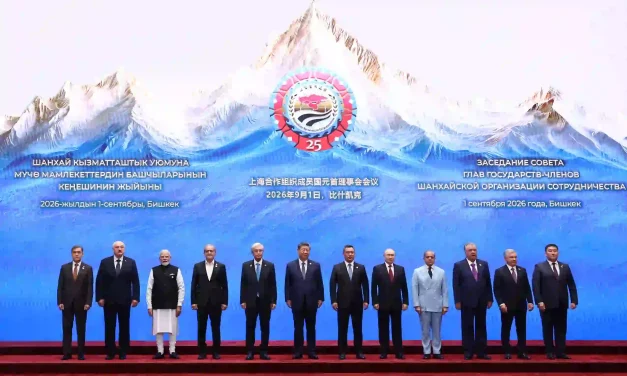
SCFR Online – Opinion: The Shanghai Cooperation Organization summit has created a new opportunity for Iran to transform its membership from a political achievement into economic and transit cooperation.
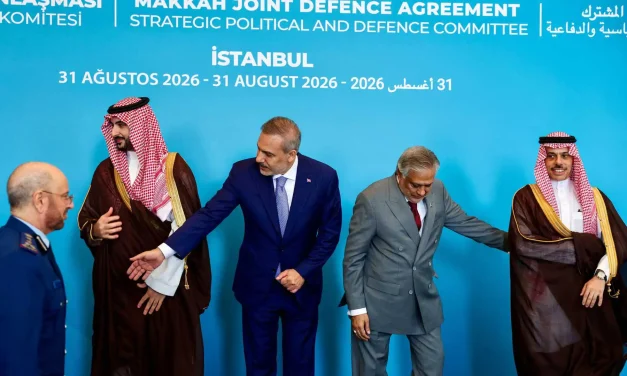
Strategic Council Online – Note: The Makkah Defense Pact can be seen as a sign of regional countries’ efforts to reduce security dependence on extra-regional powers and redefine the balance in West Asia.
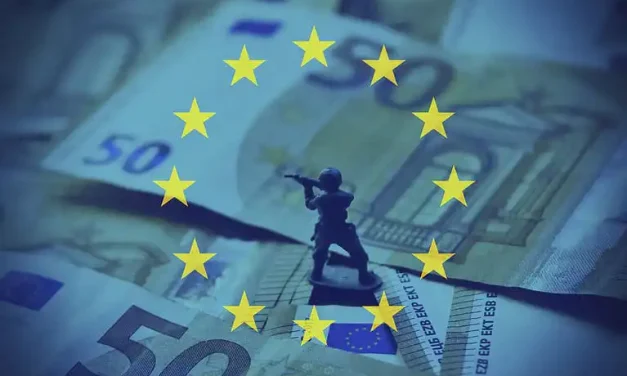
SCFR Online – Opinion: The Ukraine war, by exhausting US military capability on one hand and strengthening European defense capacity on the other, has altered the balance of power in the European continent, cast uncertainty over NATO’s future, and is driving it toward a European NATO.
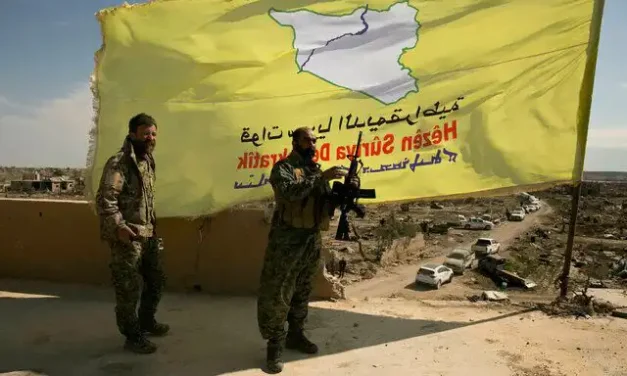
SCFR Online – Opinion: The dissolution of the SDF, although considered an achievement for Turkey’s security, does not put an end to the challenges arising from the Israeli regime’s aggression and expansionism, refugees, and Syria’s fragility.
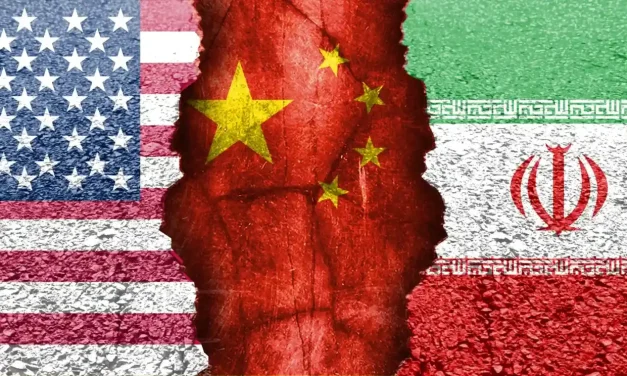
SCFR Online – Opinion: Concurrent with the official commencement of the United States’ economic war against our country, focusing on sanctions instruments, isolation, and economic pressure, what has now become increasingly important is the lack of alignment of other major global powers, especially China, with this policy.
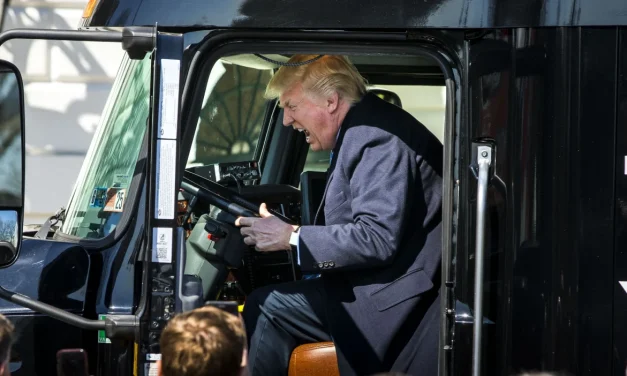
SCFR Online – Opinion: The new US sanctions against Iran, despite extensive propaganda, face serious obstacles to success due to the ineffectiveness of sanctions tools and opposition from some of Tehran’s trading partners.


Strategic Council Online – If the Zionist regime’s relations with the Arab world improve, Iran’s relations with the Arab states will be destroyed, and if Iran’s relations with the Arabs improve, Tel Aviv’s relations with the Arab capitals will be strained; In this case, the Arab states will return to their traditional policy that the Israeli regime is the enemy of the Arabs and the Palestinians.
Qasem Mohabeli – Middle East Affairs Expert

Strategic Council Online – An international affairs analyst, referring to the features of the final statement of the meeting of the JCPOA Joint Commission, said: Holding this meeting in these circumstances, as well as issuing a statement expressing the alignment of the members, was a positive step towards maintaining the Joint Comprehensive Plan of Action order and the international community’s opposition to US actions.

Strategic Council Online – The recent failed visit of Pakistani army generals to Riyadh, followed by the visit of Imran Khan, seems to be more the result of the frown of the Riyadh rulers than a sign of Pakistani initiative.
Mashallah Shakeri – Former Iranian ambassador to Pakistan and expert on international affairs

Strategic Council Online – Arab states, especially Saudi Arabia, Jordan and Egypt, are trying to pull Iraq from the ideological sphere to the atmosphere of Arab reaction in order to deepen the distance between Tehran and Baghdad politically and ideologically.
Hassan Hanizadeh – Middle East Affairs Expert

Strategic Council Online – The opposition of Beijing and Moscow to Washington’s request to extend the arms embargo on Iran, i.e. giving a negative vote to the US draft resolution of the Security Council, indicates that these countries want to sell arms to Iran.
Amir Ali Abolfath – American Affairs Expert
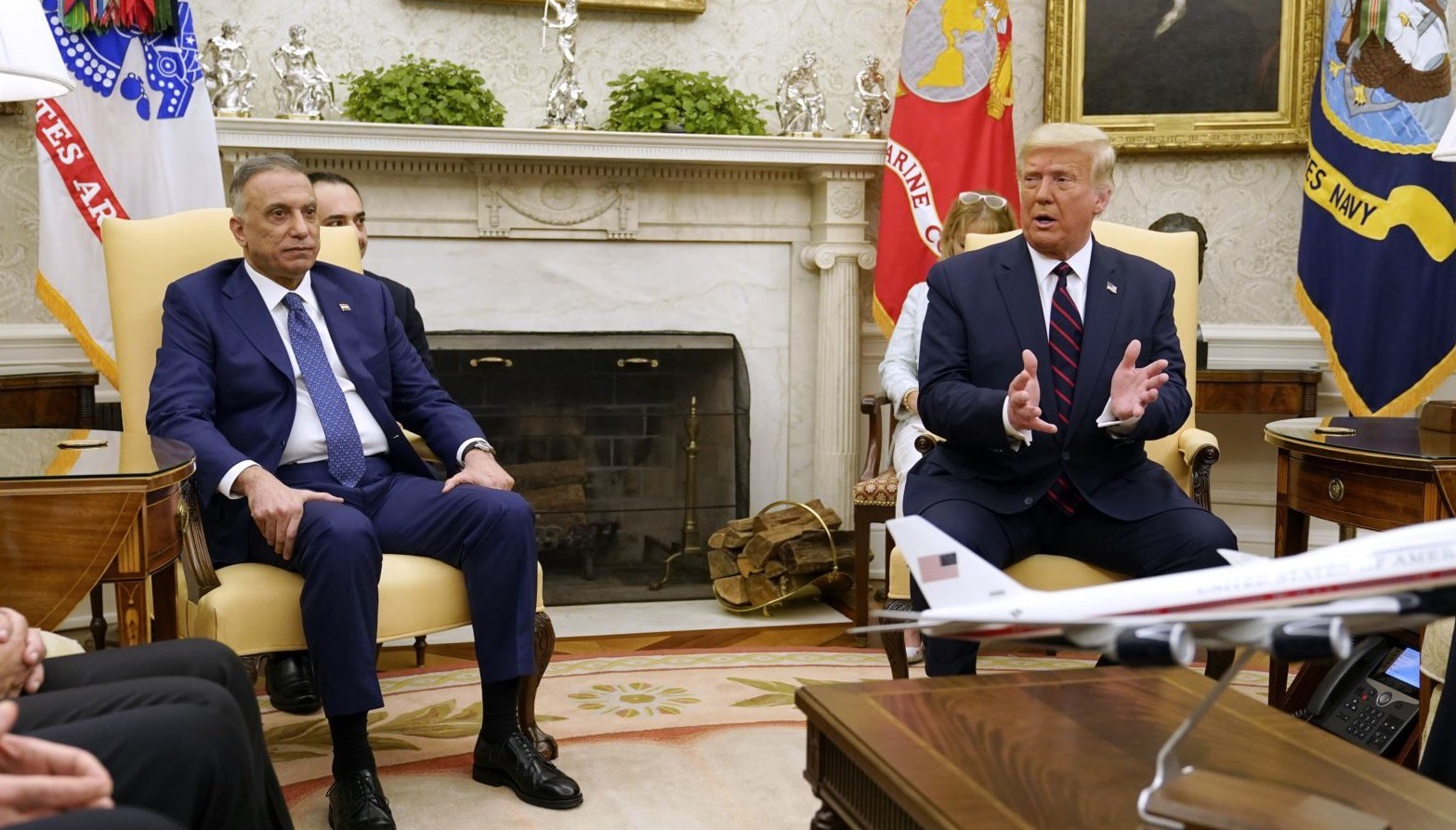
Strategic Council Online – Al-Kazemi’s stances reflect his outlooks and political vision about the United States. Some believe that the Americans hope that with Al-Kazemi as Iraq’s prime minister, relations with the US are set to expand and the scope of criticism of the United States inside Iraq will decrease; But we should not overlook the subsequent developments in Iraq; because next year elections will be held and Al-Kazemi himself, as a statesman, has plans for his political future, and is probably thinking of creating a political faction or party.
Siamak Kakai – Iraqi Affairs Expert

Strategic Council Online – Perhaps one of the goals of the United States in transferring troops from Germany to Poland is to divert Moscow’s attention to Russia’s western borders, forcing the Russians to spend a significant portion of their troops and equipment, as well as their military budgets on the western borders.
Seyed Reza Mirtaher – Expert in Military and Strategic Issues

Strategic Council Online – Europeans say that if the release of Taliban prisoners by the Afghan and US governments is to be a sign of confidence in the start of intra-Afghan negotiations, the Taliban must take further confidence-building steps. Therefore, from the European point of view, the release of 5,000 Taliban forces, even without a positive outlook for a peace agreement, is tactically very dangerous.
Nozar Shafiee – Expert and Researcher on Subcontinent Issues

Strategic Council Online – “The purpose of the US presence in Iraq is to support Israel’s freedom of action in the region and to contain Iran,” said a West Asian affairs analyst. He added domination over Iraq and utilization of its capacities in line with hostility towards its neighbors will never serve the satisfaction of the neighbouring countries, religious authorities and Iraqi politicians.

Strategic Council Online – After the end of the Cold War, economic sanctions were widely used by major world powers as an active tool in foreign policy. An economic embargo is a policy in which the goal is to change a third country’s position on an issue, change its behaviour and performance, and ultimately change the political system of the country in question. This is done by applying economic pressures and restrictions and harming the welfare of society in the target country. The United States holds the record for imposing the most sanctions since a hundred years ago and has imposed more sanctions than the United Nations Security Council and other countries.
Farzan Ghasemi – Researcher at the Office of Economic Diplomacy, Imam Sadegh University
SCFR Online – Opinion: The intensification of U.S. sanctions against Iran on the eve of the U.S. midterm elections indicates Washington’s inability to achieve its war objectives.
SCFR Online – Opinion: The competition between Washington and Beijing over chips and artificial intelligence, simultaneously with the shifting of technological balances, has taken on new economic and security dimensions.
SCFR Online – Opinion: The Shanghai Cooperation Organization summit has created a new opportunity for Iran to transform its membership from a political achievement into economic and transit cooperation.
Strategic Council Online – Note: The Makkah Defense Pact can be seen as a sign of regional countries’ efforts to reduce security dependence on extra-regional powers and redefine the balance in West Asia.
SCFR Online – Opinion: The Ukraine war, by exhausting US military capability on one hand and strengthening European defense capacity on the other, has altered the balance of power in the European continent, cast uncertainty over NATO’s future, and is driving it toward a European NATO.
SCFR Online – Opinion: The dissolution of the SDF, although considered an achievement for Turkey’s security, does not put an end to the challenges arising from the Israeli regime’s aggression and expansionism, refugees, and Syria’s fragility.
SCFR Online – Opinion: Concurrent with the official commencement of the United States’ economic war against our country, focusing on sanctions instruments, isolation, and economic pressure, what has now become increasingly important is the lack of alignment of other major global powers, especially China, with this policy.
SCFR Online – Opinion: The new US sanctions against Iran, despite extensive propaganda, face serious obstacles to success due to the ineffectiveness of sanctions tools and opposition from some of Tehran’s trading partners.
Strategic Council Online – If the Zionist regime’s relations with the Arab world improve, Iran’s relations with the Arab states will be destroyed, and if Iran’s relations with the Arabs improve, Tel Aviv’s relations with the Arab capitals will be strained; In this case, the Arab states will return to their traditional policy that the Israeli regime is the enemy of the Arabs and the Palestinians.
Qasem Mohabeli – Middle East Affairs Expert
Strategic Council Online – An international affairs analyst, referring to the features of the final statement of the meeting of the JCPOA Joint Commission, said: Holding this meeting in these circumstances, as well as issuing a statement expressing the alignment of the members, was a positive step towards maintaining the Joint Comprehensive Plan of Action order and the international community’s opposition to US actions.
Strategic Council Online – The recent failed visit of Pakistani army generals to Riyadh, followed by the visit of Imran Khan, seems to be more the result of the frown of the Riyadh rulers than a sign of Pakistani initiative.
Mashallah Shakeri – Former Iranian ambassador to Pakistan and expert on international affairs
Strategic Council Online – Arab states, especially Saudi Arabia, Jordan and Egypt, are trying to pull Iraq from the ideological sphere to the atmosphere of Arab reaction in order to deepen the distance between Tehran and Baghdad politically and ideologically.
Hassan Hanizadeh – Middle East Affairs Expert
Strategic Council Online – The opposition of Beijing and Moscow to Washington’s request to extend the arms embargo on Iran, i.e. giving a negative vote to the US draft resolution of the Security Council, indicates that these countries want to sell arms to Iran.
Amir Ali Abolfath – American Affairs Expert
Strategic Council Online – Al-Kazemi’s stances reflect his outlooks and political vision about the United States. Some believe that the Americans hope that with Al-Kazemi as Iraq’s prime minister, relations with the US are set to expand and the scope of criticism of the United States inside Iraq will decrease; But we should not overlook the subsequent developments in Iraq; because next year elections will be held and Al-Kazemi himself, as a statesman, has plans for his political future, and is probably thinking of creating a political faction or party.
Siamak Kakai – Iraqi Affairs Expert
Strategic Council Online – Perhaps one of the goals of the United States in transferring troops from Germany to Poland is to divert Moscow’s attention to Russia’s western borders, forcing the Russians to spend a significant portion of their troops and equipment, as well as their military budgets on the western borders.
Seyed Reza Mirtaher – Expert in Military and Strategic Issues
Strategic Council Online – Europeans say that if the release of Taliban prisoners by the Afghan and US governments is to be a sign of confidence in the start of intra-Afghan negotiations, the Taliban must take further confidence-building steps. Therefore, from the European point of view, the release of 5,000 Taliban forces, even without a positive outlook for a peace agreement, is tactically very dangerous.
Nozar Shafiee – Expert and Researcher on Subcontinent Issues
Strategic Council Online – “The purpose of the US presence in Iraq is to support Israel’s freedom of action in the region and to contain Iran,” said a West Asian affairs analyst. He added domination over Iraq and utilization of its capacities in line with hostility towards its neighbors will never serve the satisfaction of the neighbouring countries, religious authorities and Iraqi politicians.
Strategic Council Online – After the end of the Cold War, economic sanctions were widely used by major world powers as an active tool in foreign policy. An economic embargo is a policy in which the goal is to change a third country’s position on an issue, change its behaviour and performance, and ultimately change the political system of the country in question. This is done by applying economic pressures and restrictions and harming the welfare of society in the target country. The United States holds the record for imposing the most sanctions since a hundred years ago and has imposed more sanctions than the United Nations Security Council and other countries.
Farzan Ghasemi – Researcher at the Office of Economic Diplomacy, Imam Sadegh University
Strategic Council Online – If the Zionist regime’s relations with the Arab world improve, Iran’s relations with the Arab states will be destroyed, and if Iran’s relations with the Arabs improve, Tel Aviv’s relations with the Arab capitals will be strained; In this case, the Arab states will return to their traditional policy that the Israeli regime is the enemy of the Arabs and the Palestinians.
Qasem Mohabeli – Middle East Affairs Expert
Strategic Council Online – An international affairs analyst, referring to the features of the final statement of the meeting of the JCPOA Joint Commission, said: Holding this meeting in these circumstances, as well as issuing a statement expressing the alignment of the members, was a positive step towards maintaining the Joint Comprehensive Plan of Action order and the international community’s opposition to US actions.
Strategic Council Online – The recent failed visit of Pakistani army generals to Riyadh, followed by the visit of Imran Khan, seems to be more the result of the frown of the Riyadh rulers than a sign of Pakistani initiative.
Mashallah Shakeri – Former Iranian ambassador to Pakistan and expert on international affairs
Strategic Council Online – Arab states, especially Saudi Arabia, Jordan and Egypt, are trying to pull Iraq from the ideological sphere to the atmosphere of Arab reaction in order to deepen the distance between Tehran and Baghdad politically and ideologically.
Hassan Hanizadeh – Middle East Affairs Expert
Strategic Council Online – The opposition of Beijing and Moscow to Washington’s request to extend the arms embargo on Iran, i.e. giving a negative vote to the US draft resolution of the Security Council, indicates that these countries want to sell arms to Iran.
Amir Ali Abolfath – American Affairs Expert
Strategic Council Online – Al-Kazemi’s stances reflect his outlooks and political vision about the United States. Some believe that the Americans hope that with Al-Kazemi as Iraq’s prime minister, relations with the US are set to expand and the scope of criticism of the United States inside Iraq will decrease; But we should not overlook the subsequent developments in Iraq; because next year elections will be held and Al-Kazemi himself, as a statesman, has plans for his political future, and is probably thinking of creating a political faction or party.
Siamak Kakai – Iraqi Affairs Expert
Strategic Council Online – Perhaps one of the goals of the United States in transferring troops from Germany to Poland is to divert Moscow’s attention to Russia’s western borders, forcing the Russians to spend a significant portion of their troops and equipment, as well as their military budgets on the western borders.
Seyed Reza Mirtaher – Expert in Military and Strategic Issues
Strategic Council Online – Europeans say that if the release of Taliban prisoners by the Afghan and US governments is to be a sign of confidence in the start of intra-Afghan negotiations, the Taliban must take further confidence-building steps. Therefore, from the European point of view, the release of 5,000 Taliban forces, even without a positive outlook for a peace agreement, is tactically very dangerous.
Nozar Shafiee – Expert and Researcher on Subcontinent Issues
Strategic Council Online – “The purpose of the US presence in Iraq is to support Israel’s freedom of action in the region and to contain Iran,” said a West Asian affairs analyst. He added domination over Iraq and utilization of its capacities in line with hostility towards its neighbors will never serve the satisfaction of the neighbouring countries, religious authorities and Iraqi politicians.
Strategic Council Online – After the end of the Cold War, economic sanctions were widely used by major world powers as an active tool in foreign policy. An economic embargo is a policy in which the goal is to change a third country’s position on an issue, change its behaviour and performance, and ultimately change the political system of the country in question. This is done by applying economic pressures and restrictions and harming the welfare of society in the target country. The United States holds the record for imposing the most sanctions since a hundred years ago and has imposed more sanctions than the United Nations Security Council and other countries.
Farzan Ghasemi – Researcher at the Office of Economic Diplomacy, Imam Sadegh University
SCFR Online – Opinion: The intensification of U.S. sanctions against Iran on the eve of the U.S. midterm elections indicates Washington’s inability to achieve its war objectives.
SCFR Online – Opinion: The competition between Washington and Beijing over chips and artificial intelligence, simultaneously with the shifting of technological balances, has taken on new economic and security dimensions.
SCFR Online – Opinion: The Shanghai Cooperation Organization summit has created a new opportunity for Iran to transform its membership from a political achievement into economic and transit cooperation.
Strategic Council Online – Note: The Makkah Defense Pact can be seen as a sign of regional countries’ efforts to reduce security dependence on extra-regional powers and redefine the balance in West Asia.
SCFR Online – Opinion: The Ukraine war, by exhausting US military capability on one hand and strengthening European defense capacity on the other, has altered the balance of power in the European continent, cast uncertainty over NATO’s future, and is driving it toward a European NATO.
SCFR Online – Opinion: The dissolution of the SDF, although considered an achievement for Turkey’s security, does not put an end to the challenges arising from the Israeli regime’s aggression and expansionism, refugees, and Syria’s fragility.
SCFR Online – Opinion: Concurrent with the official commencement of the United States’ economic war against our country, focusing on sanctions instruments, isolation, and economic pressure, what has now become increasingly important is the lack of alignment of other major global powers, especially China, with this policy.
SCFR Online – Opinion: The new US sanctions against Iran, despite extensive propaganda, face serious obstacles to success due to the ineffectiveness of sanctions tools and opposition from some of Tehran’s trading partners.
Strategic Council Online – If the Zionist regime’s relations with the Arab world improve, Iran’s relations with the Arab states will be destroyed, and if Iran’s relations with the Arabs improve, Tel Aviv’s relations with the Arab capitals will be strained; In this case, the Arab states will return to their traditional policy that the Israeli regime is the enemy of the Arabs and the Palestinians.
Qasem Mohabeli – Middle East Affairs Expert
Strategic Council Online – An international affairs analyst, referring to the features of the final statement of the meeting of the JCPOA Joint Commission, said: Holding this meeting in these circumstances, as well as issuing a statement expressing the alignment of the members, was a positive step towards maintaining the Joint Comprehensive Plan of Action order and the international community’s opposition to US actions.
Strategic Council Online – The recent failed visit of Pakistani army generals to Riyadh, followed by the visit of Imran Khan, seems to be more the result of the frown of the Riyadh rulers than a sign of Pakistani initiative.
Mashallah Shakeri – Former Iranian ambassador to Pakistan and expert on international affairs
Strategic Council Online – Arab states, especially Saudi Arabia, Jordan and Egypt, are trying to pull Iraq from the ideological sphere to the atmosphere of Arab reaction in order to deepen the distance between Tehran and Baghdad politically and ideologically.
Hassan Hanizadeh – Middle East Affairs Expert
Strategic Council Online – The opposition of Beijing and Moscow to Washington’s request to extend the arms embargo on Iran, i.e. giving a negative vote to the US draft resolution of the Security Council, indicates that these countries want to sell arms to Iran.
Amir Ali Abolfath – American Affairs Expert
Strategic Council Online – Al-Kazemi’s stances reflect his outlooks and political vision about the United States. Some believe that the Americans hope that with Al-Kazemi as Iraq’s prime minister, relations with the US are set to expand and the scope of criticism of the United States inside Iraq will decrease; But we should not overlook the subsequent developments in Iraq; because next year elections will be held and Al-Kazemi himself, as a statesman, has plans for his political future, and is probably thinking of creating a political faction or party.
Siamak Kakai – Iraqi Affairs Expert
Strategic Council Online – Perhaps one of the goals of the United States in transferring troops from Germany to Poland is to divert Moscow’s attention to Russia’s western borders, forcing the Russians to spend a significant portion of their troops and equipment, as well as their military budgets on the western borders.
Seyed Reza Mirtaher – Expert in Military and Strategic Issues
Strategic Council Online – Europeans say that if the release of Taliban prisoners by the Afghan and US governments is to be a sign of confidence in the start of intra-Afghan negotiations, the Taliban must take further confidence-building steps. Therefore, from the European point of view, the release of 5,000 Taliban forces, even without a positive outlook for a peace agreement, is tactically very dangerous.
Nozar Shafiee – Expert and Researcher on Subcontinent Issues
Strategic Council Online – “The purpose of the US presence in Iraq is to support Israel’s freedom of action in the region and to contain Iran,” said a West Asian affairs analyst. He added domination over Iraq and utilization of its capacities in line with hostility towards its neighbors will never serve the satisfaction of the neighbouring countries, religious authorities and Iraqi politicians.
Strategic Council Online – After the end of the Cold War, economic sanctions were widely used by major world powers as an active tool in foreign policy. An economic embargo is a policy in which the goal is to change a third country’s position on an issue, change its behaviour and performance, and ultimately change the political system of the country in question. This is done by applying economic pressures and restrictions and harming the welfare of society in the target country. The United States holds the record for imposing the most sanctions since a hundred years ago and has imposed more sanctions than the United Nations Security Council and other countries.
Farzan Ghasemi – Researcher at the Office of Economic Diplomacy, Imam Sadegh University
SCFR Online – Opinion: The intensification of U.S. sanctions against Iran on the eve of the U.S. midterm elections indicates Washington’s inability to achieve its war objectives.
SCFR Online – Opinion: The competition between Washington and Beijing over chips and artificial intelligence, simultaneously with the shifting of technological balances, has taken on new economic and security dimensions.
SCFR Online – Opinion: The Shanghai Cooperation Organization summit has created a new opportunity for Iran to transform its membership from a political achievement into economic and transit cooperation.
Strategic Council Online – Note: The Makkah Defense Pact can be seen as a sign of regional countries’ efforts to reduce security dependence on extra-regional powers and redefine the balance in West Asia.
SCFR Online – Opinion: The Ukraine war, by exhausting US military capability on one hand and strengthening European defense capacity on the other, has altered the balance of power in the European continent, cast uncertainty over NATO’s future, and is driving it toward a European NATO.
SCFR Online – Opinion: The dissolution of the SDF, although considered an achievement for Turkey’s security, does not put an end to the challenges arising from the Israeli regime’s aggression and expansionism, refugees, and Syria’s fragility.
SCFR Online – Opinion: Concurrent with the official commencement of the United States’ economic war against our country, focusing on sanctions instruments, isolation, and economic pressure, what has now become increasingly important is the lack of alignment of other major global powers, especially China, with this policy.
SCFR Online – Opinion: The new US sanctions against Iran, despite extensive propaganda, face serious obstacles to success due to the ineffectiveness of sanctions tools and opposition from some of Tehran’s trading partners.
Strategic Council Online – If the Zionist regime’s relations with the Arab world improve, Iran’s relations with the Arab states will be destroyed, and if Iran’s relations with the Arabs improve, Tel Aviv’s relations with the Arab capitals will be strained; In this case, the Arab states will return to their traditional policy that the Israeli regime is the enemy of the Arabs and the Palestinians.
Qasem Mohabeli – Middle East Affairs Expert
Strategic Council Online – An international affairs analyst, referring to the features of the final statement of the meeting of the JCPOA Joint Commission, said: Holding this meeting in these circumstances, as well as issuing a statement expressing the alignment of the members, was a positive step towards maintaining the Joint Comprehensive Plan of Action order and the international community’s opposition to US actions.
Strategic Council Online – The recent failed visit of Pakistani army generals to Riyadh, followed by the visit of Imran Khan, seems to be more the result of the frown of the Riyadh rulers than a sign of Pakistani initiative.
Mashallah Shakeri – Former Iranian ambassador to Pakistan and expert on international affairs
Strategic Council Online – Arab states, especially Saudi Arabia, Jordan and Egypt, are trying to pull Iraq from the ideological sphere to the atmosphere of Arab reaction in order to deepen the distance between Tehran and Baghdad politically and ideologically.
Hassan Hanizadeh – Middle East Affairs Expert
Strategic Council Online – The opposition of Beijing and Moscow to Washington’s request to extend the arms embargo on Iran, i.e. giving a negative vote to the US draft resolution of the Security Council, indicates that these countries want to sell arms to Iran.
Amir Ali Abolfath – American Affairs Expert
Strategic Council Online – Al-Kazemi’s stances reflect his outlooks and political vision about the United States. Some believe that the Americans hope that with Al-Kazemi as Iraq’s prime minister, relations with the US are set to expand and the scope of criticism of the United States inside Iraq will decrease; But we should not overlook the subsequent developments in Iraq; because next year elections will be held and Al-Kazemi himself, as a statesman, has plans for his political future, and is probably thinking of creating a political faction or party.
Siamak Kakai – Iraqi Affairs Expert
Strategic Council Online – Perhaps one of the goals of the United States in transferring troops from Germany to Poland is to divert Moscow’s attention to Russia’s western borders, forcing the Russians to spend a significant portion of their troops and equipment, as well as their military budgets on the western borders.
Seyed Reza Mirtaher – Expert in Military and Strategic Issues
Strategic Council Online – Europeans say that if the release of Taliban prisoners by the Afghan and US governments is to be a sign of confidence in the start of intra-Afghan negotiations, the Taliban must take further confidence-building steps. Therefore, from the European point of view, the release of 5,000 Taliban forces, even without a positive outlook for a peace agreement, is tactically very dangerous.
Nozar Shafiee – Expert and Researcher on Subcontinent Issues
Strategic Council Online – “The purpose of the US presence in Iraq is to support Israel’s freedom of action in the region and to contain Iran,” said a West Asian affairs analyst. He added domination over Iraq and utilization of its capacities in line with hostility towards its neighbors will never serve the satisfaction of the neighbouring countries, religious authorities and Iraqi politicians.
Strategic Council Online – After the end of the Cold War, economic sanctions were widely used by major world powers as an active tool in foreign policy. An economic embargo is a policy in which the goal is to change a third country’s position on an issue, change its behaviour and performance, and ultimately change the political system of the country in question. This is done by applying economic pressures and restrictions and harming the welfare of society in the target country. The United States holds the record for imposing the most sanctions since a hundred years ago and has imposed more sanctions than the United Nations Security Council and other countries.
Farzan Ghasemi – Researcher at the Office of Economic Diplomacy, Imam Sadegh University
SCFR Online – Opinion: The intensification of U.S. sanctions against Iran on the eve of the U.S. midterm elections indicates Washington’s inability to achieve its war objectives.
SCFR Online – Opinion: The competition between Washington and Beijing over chips and artificial intelligence, simultaneously with the shifting of technological balances, has taken on new economic and security dimensions.
SCFR Online – Opinion: The Shanghai Cooperation Organization summit has created a new opportunity for Iran to transform its membership from a political achievement into economic and transit cooperation.
Strategic Council Online – Note: The Makkah Defense Pact can be seen as a sign of regional countries’ efforts to reduce security dependence on extra-regional powers and redefine the balance in West Asia.
SCFR Online – Opinion: The Ukraine war, by exhausting US military capability on one hand and strengthening European defense capacity on the other, has altered the balance of power in the European continent, cast uncertainty over NATO’s future, and is driving it toward a European NATO.
SCFR Online – Opinion: The dissolution of the SDF, although considered an achievement for Turkey’s security, does not put an end to the challenges arising from the Israeli regime’s aggression and expansionism, refugees, and Syria’s fragility.
SCFR Online – Opinion: Concurrent with the official commencement of the United States’ economic war against our country, focusing on sanctions instruments, isolation, and economic pressure, what has now become increasingly important is the lack of alignment of other major global powers, especially China, with this policy.
SCFR Online – Opinion: The new US sanctions against Iran, despite extensive propaganda, face serious obstacles to success due to the ineffectiveness of sanctions tools and opposition from some of Tehran’s trading partners.
Strategic Council Online – If the Zionist regime’s relations with the Arab world improve, Iran’s relations with the Arab states will be destroyed, and if Iran’s relations with the Arabs improve, Tel Aviv’s relations with the Arab capitals will be strained; In this case, the Arab states will return to their traditional policy that the Israeli regime is the enemy of the Arabs and the Palestinians.
Qasem Mohabeli – Middle East Affairs Expert
Strategic Council Online – An international affairs analyst, referring to the features of the final statement of the meeting of the JCPOA Joint Commission, said: Holding this meeting in these circumstances, as well as issuing a statement expressing the alignment of the members, was a positive step towards maintaining the Joint Comprehensive Plan of Action order and the international community’s opposition to US actions.
Strategic Council Online – The recent failed visit of Pakistani army generals to Riyadh, followed by the visit of Imran Khan, seems to be more the result of the frown of the Riyadh rulers than a sign of Pakistani initiative.
Mashallah Shakeri – Former Iranian ambassador to Pakistan and expert on international affairs
Strategic Council Online – Arab states, especially Saudi Arabia, Jordan and Egypt, are trying to pull Iraq from the ideological sphere to the atmosphere of Arab reaction in order to deepen the distance between Tehran and Baghdad politically and ideologically.
Hassan Hanizadeh – Middle East Affairs Expert
Strategic Council Online – The opposition of Beijing and Moscow to Washington’s request to extend the arms embargo on Iran, i.e. giving a negative vote to the US draft resolution of the Security Council, indicates that these countries want to sell arms to Iran.
Amir Ali Abolfath – American Affairs Expert
Strategic Council Online – Al-Kazemi’s stances reflect his outlooks and political vision about the United States. Some believe that the Americans hope that with Al-Kazemi as Iraq’s prime minister, relations with the US are set to expand and the scope of criticism of the United States inside Iraq will decrease; But we should not overlook the subsequent developments in Iraq; because next year elections will be held and Al-Kazemi himself, as a statesman, has plans for his political future, and is probably thinking of creating a political faction or party.
Siamak Kakai – Iraqi Affairs Expert
Strategic Council Online – Perhaps one of the goals of the United States in transferring troops from Germany to Poland is to divert Moscow’s attention to Russia’s western borders, forcing the Russians to spend a significant portion of their troops and equipment, as well as their military budgets on the western borders.
Seyed Reza Mirtaher – Expert in Military and Strategic Issues
Strategic Council Online – Europeans say that if the release of Taliban prisoners by the Afghan and US governments is to be a sign of confidence in the start of intra-Afghan negotiations, the Taliban must take further confidence-building steps. Therefore, from the European point of view, the release of 5,000 Taliban forces, even without a positive outlook for a peace agreement, is tactically very dangerous.
Nozar Shafiee – Expert and Researcher on Subcontinent Issues
Strategic Council Online – “The purpose of the US presence in Iraq is to support Israel’s freedom of action in the region and to contain Iran,” said a West Asian affairs analyst. He added domination over Iraq and utilization of its capacities in line with hostility towards its neighbors will never serve the satisfaction of the neighbouring countries, religious authorities and Iraqi politicians.
Strategic Council Online – After the end of the Cold War, economic sanctions were widely used by major world powers as an active tool in foreign policy. An economic embargo is a policy in which the goal is to change a third country’s position on an issue, change its behaviour and performance, and ultimately change the political system of the country in question. This is done by applying economic pressures and restrictions and harming the welfare of society in the target country. The United States holds the record for imposing the most sanctions since a hundred years ago and has imposed more sanctions than the United Nations Security Council and other countries.
Farzan Ghasemi – Researcher at the Office of Economic Diplomacy, Imam Sadegh University
SCFR Online – Opinion: The intensification of U.S. sanctions against Iran on the eve of the U.S. midterm elections indicates Washington’s inability to achieve its war objectives.
SCFR Online – Opinion: The competition between Washington and Beijing over chips and artificial intelligence, simultaneously with the shifting of technological balances, has taken on new economic and security dimensions.
SCFR Online – Opinion: The Shanghai Cooperation Organization summit has created a new opportunity for Iran to transform its membership from a political achievement into economic and transit cooperation.
Strategic Council Online – Note: The Makkah Defense Pact can be seen as a sign of regional countries’ efforts to reduce security dependence on extra-regional powers and redefine the balance in West Asia.
SCFR Online – Opinion: The Ukraine war, by exhausting US military capability on one hand and strengthening European defense capacity on the other, has altered the balance of power in the European continent, cast uncertainty over NATO’s future, and is driving it toward a European NATO.
SCFR Online – Opinion: The dissolution of the SDF, although considered an achievement for Turkey’s security, does not put an end to the challenges arising from the Israeli regime’s aggression and expansionism, refugees, and Syria’s fragility.
SCFR Online – Opinion: Concurrent with the official commencement of the United States’ economic war against our country, focusing on sanctions instruments, isolation, and economic pressure, what has now become increasingly important is the lack of alignment of other major global powers, especially China, with this policy.
SCFR Online – Opinion: The new US sanctions against Iran, despite extensive propaganda, face serious obstacles to success due to the ineffectiveness of sanctions tools and opposition from some of Tehran’s trading partners.
Strategic Council Online – If the Zionist regime’s relations with the Arab world improve, Iran’s relations with the Arab states will be destroyed, and if Iran’s relations with the Arabs improve, Tel Aviv’s relations with the Arab capitals will be strained; In this case, the Arab states will return to their traditional policy that the Israeli regime is the enemy of the Arabs and the Palestinians.
Qasem Mohabeli – Middle East Affairs Expert
Strategic Council Online – An international affairs analyst, referring to the features of the final statement of the meeting of the JCPOA Joint Commission, said: Holding this meeting in these circumstances, as well as issuing a statement expressing the alignment of the members, was a positive step towards maintaining the Joint Comprehensive Plan of Action order and the international community’s opposition to US actions.
Strategic Council Online – The recent failed visit of Pakistani army generals to Riyadh, followed by the visit of Imran Khan, seems to be more the result of the frown of the Riyadh rulers than a sign of Pakistani initiative.
Mashallah Shakeri – Former Iranian ambassador to Pakistan and expert on international affairs
Strategic Council Online – Arab states, especially Saudi Arabia, Jordan and Egypt, are trying to pull Iraq from the ideological sphere to the atmosphere of Arab reaction in order to deepen the distance between Tehran and Baghdad politically and ideologically.
Hassan Hanizadeh – Middle East Affairs Expert
Strategic Council Online – The opposition of Beijing and Moscow to Washington’s request to extend the arms embargo on Iran, i.e. giving a negative vote to the US draft resolution of the Security Council, indicates that these countries want to sell arms to Iran.
Amir Ali Abolfath – American Affairs Expert
Strategic Council Online – Al-Kazemi’s stances reflect his outlooks and political vision about the United States. Some believe that the Americans hope that with Al-Kazemi as Iraq’s prime minister, relations with the US are set to expand and the scope of criticism of the United States inside Iraq will decrease; But we should not overlook the subsequent developments in Iraq; because next year elections will be held and Al-Kazemi himself, as a statesman, has plans for his political future, and is probably thinking of creating a political faction or party.
Siamak Kakai – Iraqi Affairs Expert
Strategic Council Online – Perhaps one of the goals of the United States in transferring troops from Germany to Poland is to divert Moscow’s attention to Russia’s western borders, forcing the Russians to spend a significant portion of their troops and equipment, as well as their military budgets on the western borders.
Seyed Reza Mirtaher – Expert in Military and Strategic Issues
Strategic Council Online – Europeans say that if the release of Taliban prisoners by the Afghan and US governments is to be a sign of confidence in the start of intra-Afghan negotiations, the Taliban must take further confidence-building steps. Therefore, from the European point of view, the release of 5,000 Taliban forces, even without a positive outlook for a peace agreement, is tactically very dangerous.
Nozar Shafiee – Expert and Researcher on Subcontinent Issues
Strategic Council Online – “The purpose of the US presence in Iraq is to support Israel’s freedom of action in the region and to contain Iran,” said a West Asian affairs analyst. He added domination over Iraq and utilization of its capacities in line with hostility towards its neighbors will never serve the satisfaction of the neighbouring countries, religious authorities and Iraqi politicians.
Strategic Council Online – After the end of the Cold War, economic sanctions were widely used by major world powers as an active tool in foreign policy. An economic embargo is a policy in which the goal is to change a third country’s position on an issue, change its behaviour and performance, and ultimately change the political system of the country in question. This is done by applying economic pressures and restrictions and harming the welfare of society in the target country. The United States holds the record for imposing the most sanctions since a hundred years ago and has imposed more sanctions than the United Nations Security Council and other countries.
Farzan Ghasemi – Researcher at the Office of Economic Diplomacy, Imam Sadegh University
SCFR Online – Opinion: The intensification of U.S. sanctions against Iran on the eve of the U.S. midterm elections indicates Washington’s inability to achieve its war objectives.
SCFR Online – Opinion: The competition between Washington and Beijing over chips and artificial intelligence, simultaneously with the shifting of technological balances, has taken on new economic and security dimensions.
SCFR Online – Opinion: The Shanghai Cooperation Organization summit has created a new opportunity for Iran to transform its membership from a political achievement into economic and transit cooperation.
Strategic Council Online – Note: The Makkah Defense Pact can be seen as a sign of regional countries’ efforts to reduce security dependence on extra-regional powers and redefine the balance in West Asia.
SCFR Online – Opinion: The Ukraine war, by exhausting US military capability on one hand and strengthening European defense capacity on the other, has altered the balance of power in the European continent, cast uncertainty over NATO’s future, and is driving it toward a European NATO.
SCFR Online – Opinion: The dissolution of the SDF, although considered an achievement for Turkey’s security, does not put an end to the challenges arising from the Israeli regime’s aggression and expansionism, refugees, and Syria’s fragility.
SCFR Online – Opinion: Concurrent with the official commencement of the United States’ economic war against our country, focusing on sanctions instruments, isolation, and economic pressure, what has now become increasingly important is the lack of alignment of other major global powers, especially China, with this policy.
SCFR Online – Opinion: The new US sanctions against Iran, despite extensive propaganda, face serious obstacles to success due to the ineffectiveness of sanctions tools and opposition from some of Tehran’s trading partners.