جدیدترین مطالب

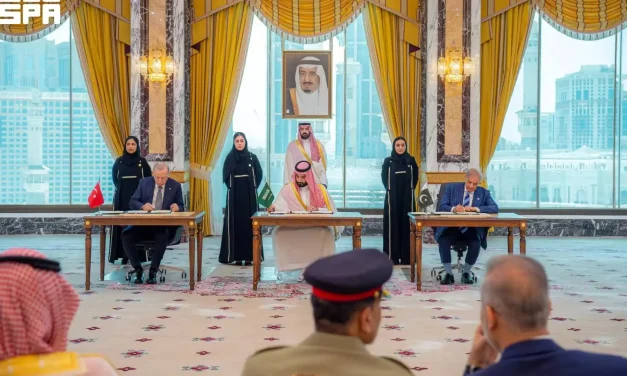
The Makkah Pact; Reasons for its Formation and Challenges Ahead

SCFR Online – Opinion: The Makkah Pact, signed between Saudi Arabia, Pakistan, and Turkey under the motto “an attack on one is an attack on all,” is viewed by some analysts less as a full-fledged military coalition and more as an attempt to reduce security dependence on an external power and to establish a regional security mechanism.
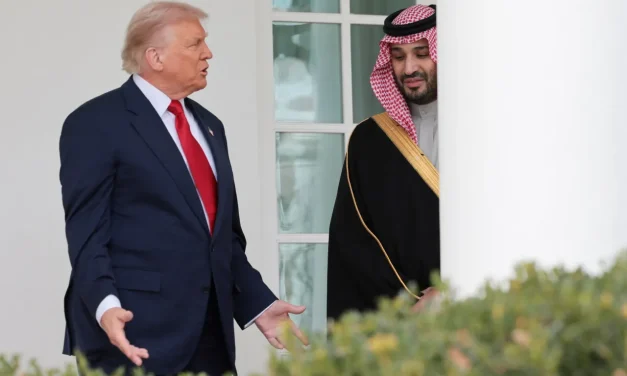
Implications of the US-Saudi Nuclear Agreement

SCFR Online – Opinion: The new US-Saudi nuclear agreement, despite legal and political ambiguities, could alter previous non-proliferation standards in West Asia and intensify nuclear competition, ushering it into a new phase.

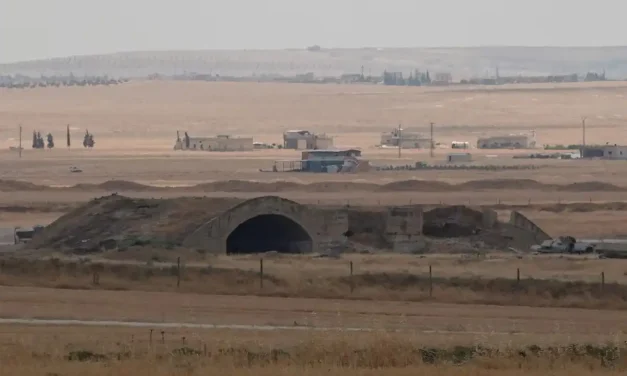
An Analysis of Recent Turkey-Israeli Regime Tensions

SCFR Online – Opinion: Recent developments in Syria indicate an intensification of strategic rivalry between Turkey and the Israeli regime, but mutual considerations and the role of the United States have limited the likelihood of direct war.

Increasing criticism of the extensive Zionist lobby network

SCFR Online – Opinion: An examination of the mechanisms of the Israeli regime’s influence in the United States depicts a complex picture of shared interests, strategic dependencies, and the limitations of this relationship.

Realities of the Tripartite Makkah Pact

SCFR Online – Interview: The signing of the Makkah agreement between Saudi Arabia, Pakistan, and Turkey has raised questions about the future of the region’s security structure and the position of these countries in West Asian equations. Can this agreement become a genuine collective defense mechanism, or does it have more of a political and deterrent function than creating new military capacity?

Strategic Implications of the Reduction of US Weapons Stockpiles

SCFR Online – Opinion: The continuation of the US war against Iran, in addition to increasing operational costs, has called into question the actual capacity of the American arsenal to simultaneously fulfill security commitments on multiple fronts; an issue that affects deterrence, defense production capacity, and Washington’s resource prioritization.

The Formation of a New Order in Relations Between Powers

SCFR Online – Opinion: The Russia-Ukraine war and the war of the United States and the Israeli regime against Iran have been formed with different objectives and actors, but field and political developments indicate that they are not entirely separate from one another.

Loading

Strategic Perspective

White House Goals behind Accusing Iran, Russia, China of interfering in US Protests

White House Goals behind Accusing Iran, Russia, China of interfering in US Protests

Strategic Council Online – A professor of the University of Tehran noting that the claim of Iran’s intervention in the US protests could eventually end up in Tehran’s favor, said: “The White House officials want to question the legitimacy of the protests in the US by linking them to foreign countries. While doing so, they are attacking their own people and trying to put the blame on others by way of projection.

West’s Strategic Reflections on “Eastern Threat”

West’s Strategic Reflections on “Eastern Threat”

Strategic Council Online – “The post-corona era is a space for hostility in the areas of trade, finance, economics and administration,” a university professor said, referring to NATO Secretary-General’s warning of China’s future threat to the West. “These tensions have begun and cannot be ignored in the relations of the great powers,” he said.

Reasons for US Military Buildup in South China Sea

Reasons for US Military Buildup in South China Sea

Strategic Council Online – Developments in recent years in the South China Sea, namely China’s efforts to increase its maritime territory by building artificial islands and claiming ownership of some islands in the sea that have caused some controversy with neighboring countries such as the Philippines, Vietnam, Malaysia and the like has led the United States, along with its allies Australia and Britain, to increase its military presence in the South China Sea.
Reza Mirtaher – American Affairs Expert

Libya; Scene of Turkey-Egypt Proxy War

Libya; Scene of Turkey-Egypt Proxy War

Strategic Council Online – For the Westerners, any defeat and retreat of General Haftar’s forces mean the defeat of Egypt and the Arab reactionary states, which have sought to secure Western interests in Libya on a proxy basis, and now with the big defeat of Khalifa Haftar’s forces, have left the battlefield to the rival forces supported by Turkey.
Jafar Qanadbashi – African Affairs Expert

US-Iraq Strategic Dialogue Aims to Get Concessions from Kazemi Govt.

US-Iraq Strategic Dialogue Aims to Get Concessions from Kazemi Govt.

Strategic Council Online – A university professor says the reason for the US demand to hold strategic talks with Iraq is the shaky status of the American army in Iraq. “If the US troops leave Iraq or reduce their number both cases are positive,” he said.

Objectives & Reasons for Anti-Racist Protests in Europe

Objectives & Reasons for Anti-Racist Protests in Europe

Strategic Council Online – Explaining the reasons for the rise of anti-racism protests in Europe, a geopolitical professor said: “Trump’s hatred of Europe has spread, and even European officials wish such a president would not come to power again. People’s sentiments over the racist treatment of blacks by the US police have been hurt, and as long as they do not make an achievement these demonstrations would naturally continue.”

Russia’s Nuclear Deterrence Strategy

Russia’s Nuclear Deterrence Strategy

Strategic Council Online – Prince Vladimir’s submarine, which joined the Russian Navy on June 12, 2020 on the occasion of the Russia Day celebrations is the fourth generation of nuclear submarines with significant capabilities. The submarine, capable of launching 20 nuclear warhead missiles at the same time, is equipped with advanced deep manoeuvring systems and the use of modern weapons. Prince Vladimir’s submarine can go 400 meters deep into the ocean to evade radars.
Dr. Shoaib Bahman – Expert on Russian Affairs

Stability Challenges in Libya Despite Haftar’s Field Setback

Stability Challenges in Libya Despite Haftar’s Field Setback

Strategic Council Online – Talking about the field progress of the National Unity Government and the defeats of Khalifa Haftar in Libya, a university professor said it is unlikely that peace will be achieved in Libya in the current situation. He stressed that other agreements should be reached in addition to the Skhirat peace agreement another deal must be forged taking into account the demands of the political groups because if the government of national unity fails to meet the people’s demands we may see extremist groups emerge in the country.

Prospects of US-Iraq Strategic Dialogue; US Deceptions

Prospects of US-Iraq Strategic Dialogue; US Deceptions

Strategic Council Online – In the negotiations between the United States and Iraq in recent weeks, a reduction of American forces in Iraq has been emphasized and it has been decided that the withdrawal of these forces will take place in the coming months; but because the term “reduction of forces” has been used, this can be interpretive.
Siamak Kakai – Iraqi Affairs Expert

أحدث الوظائف

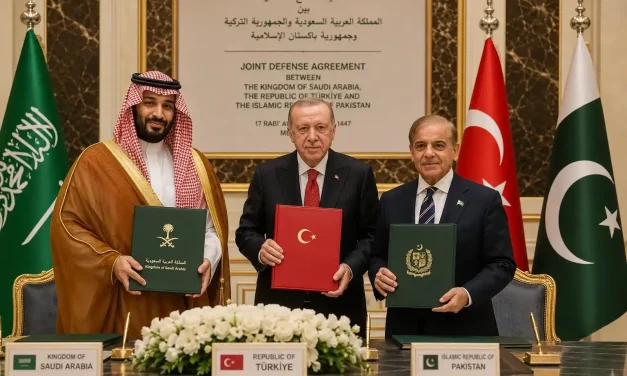
The Makkah Pact; Reasons for its Formation and Challenges Ahead

SCFR Online – Opinion: The Makkah Pact, signed between Saudi Arabia, Pakistan, and Turkey under the motto “an attack on one is an attack on all,” is viewed by some analysts less as a full-fledged military coalition and more as an attempt to reduce security dependence on an external power and to establish a regional security mechanism.
Implications of the US-Saudi Nuclear Agreement

SCFR Online – Opinion: The new US-Saudi nuclear agreement, despite legal and political ambiguities, could alter previous non-proliferation standards in West Asia and intensify nuclear competition, ushering it into a new phase.

An Analysis of Recent Turkey-Israeli Regime Tensions

SCFR Online – Opinion: Recent developments in Syria indicate an intensification of strategic rivalry between Turkey and the Israeli regime, but mutual considerations and the role of the United States have limited the likelihood of direct war.

Increasing criticism of the extensive Zionist lobby network

SCFR Online – Opinion: An examination of the mechanisms of the Israeli regime’s influence in the United States depicts a complex picture of shared interests, strategic dependencies, and the limitations of this relationship.

Realities of the Tripartite Makkah Pact

SCFR Online – Interview: The signing of the Makkah agreement between Saudi Arabia, Pakistan, and Turkey has raised questions about the future of the region’s security structure and the position of these countries in West Asian equations. Can this agreement become a genuine collective defense mechanism, or does it have more of a political and deterrent function than creating new military capacity?

Strategic Implications of the Reduction of US Weapons Stockpiles

SCFR Online – Opinion: The continuation of the US war against Iran, in addition to increasing operational costs, has called into question the actual capacity of the American arsenal to simultaneously fulfill security commitments on multiple fronts; an issue that affects deterrence, defense production capacity, and Washington’s resource prioritization.

The Formation of a New Order in Relations Between Powers

SCFR Online – Opinion: The Russia-Ukraine war and the war of the United States and the Israeli regime against Iran have been formed with different objectives and actors, but field and political developments indicate that they are not entirely separate from one another.

Loading

Strategic Perspective

White House Goals behind Accusing Iran, Russia, China of interfering in US Protests

White House Goals behind Accusing Iran, Russia, China of interfering in US Protests

Strategic Council Online – A professor of the University of Tehran noting that the claim of Iran’s intervention in the US protests could eventually end up in Tehran’s favor, said: “The White House officials want to question the legitimacy of the protests in the US by linking them to foreign countries. While doing so, they are attacking their own people and trying to put the blame on others by way of projection.

West’s Strategic Reflections on “Eastern Threat”

West’s Strategic Reflections on “Eastern Threat”

Strategic Council Online – “The post-corona era is a space for hostility in the areas of trade, finance, economics and administration,” a university professor said, referring to NATO Secretary-General’s warning of China’s future threat to the West. “These tensions have begun and cannot be ignored in the relations of the great powers,” he said.

Reasons for US Military Buildup in South China Sea

Reasons for US Military Buildup in South China Sea

Strategic Council Online – Developments in recent years in the South China Sea, namely China’s efforts to increase its maritime territory by building artificial islands and claiming ownership of some islands in the sea that have caused some controversy with neighboring countries such as the Philippines, Vietnam, Malaysia and the like has led the United States, along with its allies Australia and Britain, to increase its military presence in the South China Sea.
Reza Mirtaher – American Affairs Expert

Libya; Scene of Turkey-Egypt Proxy War

Libya; Scene of Turkey-Egypt Proxy War

Strategic Council Online – For the Westerners, any defeat and retreat of General Haftar’s forces mean the defeat of Egypt and the Arab reactionary states, which have sought to secure Western interests in Libya on a proxy basis, and now with the big defeat of Khalifa Haftar’s forces, have left the battlefield to the rival forces supported by Turkey.
Jafar Qanadbashi – African Affairs Expert

US-Iraq Strategic Dialogue Aims to Get Concessions from Kazemi Govt.

US-Iraq Strategic Dialogue Aims to Get Concessions from Kazemi Govt.

Strategic Council Online – A university professor says the reason for the US demand to hold strategic talks with Iraq is the shaky status of the American army in Iraq. “If the US troops leave Iraq or reduce their number both cases are positive,” he said.

Objectives & Reasons for Anti-Racist Protests in Europe

Objectives & Reasons for Anti-Racist Protests in Europe

Strategic Council Online – Explaining the reasons for the rise of anti-racism protests in Europe, a geopolitical professor said: “Trump’s hatred of Europe has spread, and even European officials wish such a president would not come to power again. People’s sentiments over the racist treatment of blacks by the US police have been hurt, and as long as they do not make an achievement these demonstrations would naturally continue.”

Russia’s Nuclear Deterrence Strategy

Russia’s Nuclear Deterrence Strategy

Strategic Council Online – Prince Vladimir’s submarine, which joined the Russian Navy on June 12, 2020 on the occasion of the Russia Day celebrations is the fourth generation of nuclear submarines with significant capabilities. The submarine, capable of launching 20 nuclear warhead missiles at the same time, is equipped with advanced deep manoeuvring systems and the use of modern weapons. Prince Vladimir’s submarine can go 400 meters deep into the ocean to evade radars.
Dr. Shoaib Bahman – Expert on Russian Affairs

Stability Challenges in Libya Despite Haftar’s Field Setback

Stability Challenges in Libya Despite Haftar’s Field Setback

Strategic Council Online – Talking about the field progress of the National Unity Government and the defeats of Khalifa Haftar in Libya, a university professor said it is unlikely that peace will be achieved in Libya in the current situation. He stressed that other agreements should be reached in addition to the Skhirat peace agreement another deal must be forged taking into account the demands of the political groups because if the government of national unity fails to meet the people’s demands we may see extremist groups emerge in the country.

Prospects of US-Iraq Strategic Dialogue; US Deceptions

Prospects of US-Iraq Strategic Dialogue; US Deceptions

Strategic Council Online – In the negotiations between the United States and Iraq in recent weeks, a reduction of American forces in Iraq has been emphasized and it has been decided that the withdrawal of these forces will take place in the coming months; but because the term “reduction of forces” has been used, this can be interpretive.
Siamak Kakai – Iraqi Affairs Expert

Strategic Perspective

White House Goals behind Accusing Iran, Russia, China of interfering in US Protests

White House Goals behind Accusing Iran, Russia, China of interfering in US Protests

Strategic Council Online – A professor of the University of Tehran noting that the claim of Iran’s intervention in the US protests could eventually end up in Tehran’s favor, said: “The White House officials want to question the legitimacy of the protests in the US by linking them to foreign countries. While doing so, they are attacking their own people and trying to put the blame on others by way of projection.

West’s Strategic Reflections on “Eastern Threat”

West’s Strategic Reflections on “Eastern Threat”

Strategic Council Online – “The post-corona era is a space for hostility in the areas of trade, finance, economics and administration,” a university professor said, referring to NATO Secretary-General’s warning of China’s future threat to the West. “These tensions have begun and cannot be ignored in the relations of the great powers,” he said.

Reasons for US Military Buildup in South China Sea

Reasons for US Military Buildup in South China Sea

Strategic Council Online – Developments in recent years in the South China Sea, namely China’s efforts to increase its maritime territory by building artificial islands and claiming ownership of some islands in the sea that have caused some controversy with neighboring countries such as the Philippines, Vietnam, Malaysia and the like has led the United States, along with its allies Australia and Britain, to increase its military presence in the South China Sea.
Reza Mirtaher – American Affairs Expert

Libya; Scene of Turkey-Egypt Proxy War

Libya; Scene of Turkey-Egypt Proxy War

Strategic Council Online – For the Westerners, any defeat and retreat of General Haftar’s forces mean the defeat of Egypt and the Arab reactionary states, which have sought to secure Western interests in Libya on a proxy basis, and now with the big defeat of Khalifa Haftar’s forces, have left the battlefield to the rival forces supported by Turkey.
Jafar Qanadbashi – African Affairs Expert

US-Iraq Strategic Dialogue Aims to Get Concessions from Kazemi Govt.

US-Iraq Strategic Dialogue Aims to Get Concessions from Kazemi Govt.

Strategic Council Online – A university professor says the reason for the US demand to hold strategic talks with Iraq is the shaky status of the American army in Iraq. “If the US troops leave Iraq or reduce their number both cases are positive,” he said.

Objectives & Reasons for Anti-Racist Protests in Europe

Objectives & Reasons for Anti-Racist Protests in Europe

Strategic Council Online – Explaining the reasons for the rise of anti-racism protests in Europe, a geopolitical professor said: “Trump’s hatred of Europe has spread, and even European officials wish such a president would not come to power again. People’s sentiments over the racist treatment of blacks by the US police have been hurt, and as long as they do not make an achievement these demonstrations would naturally continue.”

Russia’s Nuclear Deterrence Strategy

Russia’s Nuclear Deterrence Strategy

Strategic Council Online – Prince Vladimir’s submarine, which joined the Russian Navy on June 12, 2020 on the occasion of the Russia Day celebrations is the fourth generation of nuclear submarines with significant capabilities. The submarine, capable of launching 20 nuclear warhead missiles at the same time, is equipped with advanced deep manoeuvring systems and the use of modern weapons. Prince Vladimir’s submarine can go 400 meters deep into the ocean to evade radars.
Dr. Shoaib Bahman – Expert on Russian Affairs

Stability Challenges in Libya Despite Haftar’s Field Setback

Stability Challenges in Libya Despite Haftar’s Field Setback

Strategic Council Online – Talking about the field progress of the National Unity Government and the defeats of Khalifa Haftar in Libya, a university professor said it is unlikely that peace will be achieved in Libya in the current situation. He stressed that other agreements should be reached in addition to the Skhirat peace agreement another deal must be forged taking into account the demands of the political groups because if the government of national unity fails to meet the people’s demands we may see extremist groups emerge in the country.

Prospects of US-Iraq Strategic Dialogue; US Deceptions

Prospects of US-Iraq Strategic Dialogue; US Deceptions

Strategic Council Online – In the negotiations between the United States and Iraq in recent weeks, a reduction of American forces in Iraq has been emphasized and it has been decided that the withdrawal of these forces will take place in the coming months; but because the term “reduction of forces” has been used, this can be interpretive.
Siamak Kakai – Iraqi Affairs Expert

LATEST CONTENT

The Makkah Pact; Reasons for its Formation and Challenges Ahead

SCFR Online – Opinion: The Makkah Pact, signed between Saudi Arabia, Pakistan, and Turkey under the motto “an attack on one is an attack on all,” is viewed by some analysts less as a full-fledged military coalition and more as an attempt to reduce security dependence on an external power and to establish a regional security mechanism.

Implications of the US-Saudi Nuclear Agreement

SCFR Online – Opinion: The new US-Saudi nuclear agreement, despite legal and political ambiguities, could alter previous non-proliferation standards in West Asia and intensify nuclear competition, ushering it into a new phase.

An Analysis of Recent Turkey-Israeli Regime Tensions

SCFR Online – Opinion: Recent developments in Syria indicate an intensification of strategic rivalry between Turkey and the Israeli regime, but mutual considerations and the role of the United States have limited the likelihood of direct war.

Increasing criticism of the extensive Zionist lobby network

SCFR Online – Opinion: An examination of the mechanisms of the Israeli regime’s influence in the United States depicts a complex picture of shared interests, strategic dependencies, and the limitations of this relationship.

Realities of the Tripartite Makkah Pact

SCFR Online – Interview: The signing of the Makkah agreement between Saudi Arabia, Pakistan, and Turkey has raised questions about the future of the region’s security structure and the position of these countries in West Asian equations. Can this agreement become a genuine collective defense mechanism, or does it have more of a political and deterrent function than creating new military capacity?

Strategic Implications of the Reduction of US Weapons Stockpiles

SCFR Online – Opinion: The continuation of the US war against Iran, in addition to increasing operational costs, has called into question the actual capacity of the American arsenal to simultaneously fulfill security commitments on multiple fronts; an issue that affects deterrence, defense production capacity, and Washington’s resource prioritization.

The Formation of a New Order in Relations Between Powers

SCFR Online – Opinion: The Russia-Ukraine war and the war of the United States and the Israeli regime against Iran have been formed with different objectives and actors, but field and political developments indicate that they are not entirely separate from one another.

Loading

Strategic Perspective

White House Goals behind Accusing Iran, Russia, China of interfering in US Protests

White House Goals behind Accusing Iran, Russia, China of interfering in US Protests

Strategic Council Online – A professor of the University of Tehran noting that the claim of Iran’s intervention in the US protests could eventually end up in Tehran’s favor, said: “The White House officials want to question the legitimacy of the protests in the US by linking them to foreign countries. While doing so, they are attacking their own people and trying to put the blame on others by way of projection.

West’s Strategic Reflections on “Eastern Threat”

West’s Strategic Reflections on “Eastern Threat”

Strategic Council Online – “The post-corona era is a space for hostility in the areas of trade, finance, economics and administration,” a university professor said, referring to NATO Secretary-General’s warning of China’s future threat to the West. “These tensions have begun and cannot be ignored in the relations of the great powers,” he said.

Reasons for US Military Buildup in South China Sea

Reasons for US Military Buildup in South China Sea

Strategic Council Online – Developments in recent years in the South China Sea, namely China’s efforts to increase its maritime territory by building artificial islands and claiming ownership of some islands in the sea that have caused some controversy with neighboring countries such as the Philippines, Vietnam, Malaysia and the like has led the United States, along with its allies Australia and Britain, to increase its military presence in the South China Sea.
Reza Mirtaher – American Affairs Expert

Libya; Scene of Turkey-Egypt Proxy War

Libya; Scene of Turkey-Egypt Proxy War

Strategic Council Online – For the Westerners, any defeat and retreat of General Haftar’s forces mean the defeat of Egypt and the Arab reactionary states, which have sought to secure Western interests in Libya on a proxy basis, and now with the big defeat of Khalifa Haftar’s forces, have left the battlefield to the rival forces supported by Turkey.
Jafar Qanadbashi – African Affairs Expert

US-Iraq Strategic Dialogue Aims to Get Concessions from Kazemi Govt.

US-Iraq Strategic Dialogue Aims to Get Concessions from Kazemi Govt.

Strategic Council Online – A university professor says the reason for the US demand to hold strategic talks with Iraq is the shaky status of the American army in Iraq. “If the US troops leave Iraq or reduce their number both cases are positive,” he said.

Objectives & Reasons for Anti-Racist Protests in Europe

Objectives & Reasons for Anti-Racist Protests in Europe

Strategic Council Online – Explaining the reasons for the rise of anti-racism protests in Europe, a geopolitical professor said: “Trump’s hatred of Europe has spread, and even European officials wish such a president would not come to power again. People’s sentiments over the racist treatment of blacks by the US police have been hurt, and as long as they do not make an achievement these demonstrations would naturally continue.”

Russia’s Nuclear Deterrence Strategy

Russia’s Nuclear Deterrence Strategy

Strategic Council Online – Prince Vladimir’s submarine, which joined the Russian Navy on June 12, 2020 on the occasion of the Russia Day celebrations is the fourth generation of nuclear submarines with significant capabilities. The submarine, capable of launching 20 nuclear warhead missiles at the same time, is equipped with advanced deep manoeuvring systems and the use of modern weapons. Prince Vladimir’s submarine can go 400 meters deep into the ocean to evade radars.
Dr. Shoaib Bahman – Expert on Russian Affairs

Stability Challenges in Libya Despite Haftar’s Field Setback

Stability Challenges in Libya Despite Haftar’s Field Setback

Strategic Council Online – Talking about the field progress of the National Unity Government and the defeats of Khalifa Haftar in Libya, a university professor said it is unlikely that peace will be achieved in Libya in the current situation. He stressed that other agreements should be reached in addition to the Skhirat peace agreement another deal must be forged taking into account the demands of the political groups because if the government of national unity fails to meet the people’s demands we may see extremist groups emerge in the country.

Prospects of US-Iraq Strategic Dialogue; US Deceptions

Prospects of US-Iraq Strategic Dialogue; US Deceptions

Strategic Council Online – In the negotiations between the United States and Iraq in recent weeks, a reduction of American forces in Iraq has been emphasized and it has been decided that the withdrawal of these forces will take place in the coming months; but because the term “reduction of forces” has been used, this can be interpretive.
Siamak Kakai – Iraqi Affairs Expert

ÚLTIMAS PUBLICACIONES

The Makkah Pact; Reasons for its Formation and Challenges Ahead

SCFR Online – Opinion: The Makkah Pact, signed between Saudi Arabia, Pakistan, and Turkey under the motto “an attack on one is an attack on all,” is viewed by some analysts less as a full-fledged military coalition and more as an attempt to reduce security dependence on an external power and to establish a regional security mechanism.
Implications of the US-Saudi Nuclear Agreement

SCFR Online – Opinion: The new US-Saudi nuclear agreement, despite legal and political ambiguities, could alter previous non-proliferation standards in West Asia and intensify nuclear competition, ushering it into a new phase.

An Analysis of Recent Turkey-Israeli Regime Tensions

SCFR Online – Opinion: Recent developments in Syria indicate an intensification of strategic rivalry between Turkey and the Israeli regime, but mutual considerations and the role of the United States have limited the likelihood of direct war.

Increasing criticism of the extensive Zionist lobby network

SCFR Online – Opinion: An examination of the mechanisms of the Israeli regime’s influence in the United States depicts a complex picture of shared interests, strategic dependencies, and the limitations of this relationship.

Realities of the Tripartite Makkah Pact

SCFR Online – Interview: The signing of the Makkah agreement between Saudi Arabia, Pakistan, and Turkey has raised questions about the future of the region’s security structure and the position of these countries in West Asian equations. Can this agreement become a genuine collective defense mechanism, or does it have more of a political and deterrent function than creating new military capacity?

Strategic Implications of the Reduction of US Weapons Stockpiles

SCFR Online – Opinion: The continuation of the US war against Iran, in addition to increasing operational costs, has called into question the actual capacity of the American arsenal to simultaneously fulfill security commitments on multiple fronts; an issue that affects deterrence, defense production capacity, and Washington’s resource prioritization.

The Formation of a New Order in Relations Between Powers

SCFR Online – Opinion: The Russia-Ukraine war and the war of the United States and the Israeli regime against Iran have been formed with different objectives and actors, but field and political developments indicate that they are not entirely separate from one another.

Loading

Strategic Perspective

White House Goals behind Accusing Iran, Russia, China of interfering in US Protests

White House Goals behind Accusing Iran, Russia, China of interfering in US Protests

Strategic Council Online – A professor of the University of Tehran noting that the claim of Iran’s intervention in the US protests could eventually end up in Tehran’s favor, said: “The White House officials want to question the legitimacy of the protests in the US by linking them to foreign countries. While doing so, they are attacking their own people and trying to put the blame on others by way of projection.

West’s Strategic Reflections on “Eastern Threat”

West’s Strategic Reflections on “Eastern Threat”

Strategic Council Online – “The post-corona era is a space for hostility in the areas of trade, finance, economics and administration,” a university professor said, referring to NATO Secretary-General’s warning of China’s future threat to the West. “These tensions have begun and cannot be ignored in the relations of the great powers,” he said.

Reasons for US Military Buildup in South China Sea

Reasons for US Military Buildup in South China Sea

Strategic Council Online – Developments in recent years in the South China Sea, namely China’s efforts to increase its maritime territory by building artificial islands and claiming ownership of some islands in the sea that have caused some controversy with neighboring countries such as the Philippines, Vietnam, Malaysia and the like has led the United States, along with its allies Australia and Britain, to increase its military presence in the South China Sea.
Reza Mirtaher – American Affairs Expert

Libya; Scene of Turkey-Egypt Proxy War

Libya; Scene of Turkey-Egypt Proxy War

Strategic Council Online – For the Westerners, any defeat and retreat of General Haftar’s forces mean the defeat of Egypt and the Arab reactionary states, which have sought to secure Western interests in Libya on a proxy basis, and now with the big defeat of Khalifa Haftar’s forces, have left the battlefield to the rival forces supported by Turkey.
Jafar Qanadbashi – African Affairs Expert

US-Iraq Strategic Dialogue Aims to Get Concessions from Kazemi Govt.

US-Iraq Strategic Dialogue Aims to Get Concessions from Kazemi Govt.

Strategic Council Online – A university professor says the reason for the US demand to hold strategic talks with Iraq is the shaky status of the American army in Iraq. “If the US troops leave Iraq or reduce their number both cases are positive,” he said.

Objectives & Reasons for Anti-Racist Protests in Europe

Objectives & Reasons for Anti-Racist Protests in Europe

Strategic Council Online – Explaining the reasons for the rise of anti-racism protests in Europe, a geopolitical professor said: “Trump’s hatred of Europe has spread, and even European officials wish such a president would not come to power again. People’s sentiments over the racist treatment of blacks by the US police have been hurt, and as long as they do not make an achievement these demonstrations would naturally continue.”

Russia’s Nuclear Deterrence Strategy

Russia’s Nuclear Deterrence Strategy

Strategic Council Online – Prince Vladimir’s submarine, which joined the Russian Navy on June 12, 2020 on the occasion of the Russia Day celebrations is the fourth generation of nuclear submarines with significant capabilities. The submarine, capable of launching 20 nuclear warhead missiles at the same time, is equipped with advanced deep manoeuvring systems and the use of modern weapons. Prince Vladimir’s submarine can go 400 meters deep into the ocean to evade radars.
Dr. Shoaib Bahman – Expert on Russian Affairs

Stability Challenges in Libya Despite Haftar’s Field Setback

Stability Challenges in Libya Despite Haftar’s Field Setback

Strategic Council Online – Talking about the field progress of the National Unity Government and the defeats of Khalifa Haftar in Libya, a university professor said it is unlikely that peace will be achieved in Libya in the current situation. He stressed that other agreements should be reached in addition to the Skhirat peace agreement another deal must be forged taking into account the demands of the political groups because if the government of national unity fails to meet the people’s demands we may see extremist groups emerge in the country.

Prospects of US-Iraq Strategic Dialogue; US Deceptions

Prospects of US-Iraq Strategic Dialogue; US Deceptions

Strategic Council Online – In the negotiations between the United States and Iraq in recent weeks, a reduction of American forces in Iraq has been emphasized and it has been decided that the withdrawal of these forces will take place in the coming months; but because the term “reduction of forces” has been used, this can be interpretive.
Siamak Kakai – Iraqi Affairs Expert

ÚLTIMAS PUBLICACIONES

The Makkah Pact; Reasons for its Formation and Challenges Ahead

SCFR Online – Opinion: The Makkah Pact, signed between Saudi Arabia, Pakistan, and Turkey under the motto “an attack on one is an attack on all,” is viewed by some analysts less as a full-fledged military coalition and more as an attempt to reduce security dependence on an external power and to establish a regional security mechanism.
Implications of the US-Saudi Nuclear Agreement

SCFR Online – Opinion: The new US-Saudi nuclear agreement, despite legal and political ambiguities, could alter previous non-proliferation standards in West Asia and intensify nuclear competition, ushering it into a new phase.

An Analysis of Recent Turkey-Israeli Regime Tensions

SCFR Online – Opinion: Recent developments in Syria indicate an intensification of strategic rivalry between Turkey and the Israeli regime, but mutual considerations and the role of the United States have limited the likelihood of direct war.

Increasing criticism of the extensive Zionist lobby network

SCFR Online – Opinion: An examination of the mechanisms of the Israeli regime’s influence in the United States depicts a complex picture of shared interests, strategic dependencies, and the limitations of this relationship.

Realities of the Tripartite Makkah Pact

SCFR Online – Interview: The signing of the Makkah agreement between Saudi Arabia, Pakistan, and Turkey has raised questions about the future of the region’s security structure and the position of these countries in West Asian equations. Can this agreement become a genuine collective defense mechanism, or does it have more of a political and deterrent function than creating new military capacity?

Strategic Implications of the Reduction of US Weapons Stockpiles

SCFR Online – Opinion: The continuation of the US war against Iran, in addition to increasing operational costs, has called into question the actual capacity of the American arsenal to simultaneously fulfill security commitments on multiple fronts; an issue that affects deterrence, defense production capacity, and Washington’s resource prioritization.

The Formation of a New Order in Relations Between Powers

SCFR Online – Opinion: The Russia-Ukraine war and the war of the United States and the Israeli regime against Iran have been formed with different objectives and actors, but field and political developments indicate that they are not entirely separate from one another.

Loading

Strategic Perspective

White House Goals behind Accusing Iran, Russia, China of interfering in US Protests

White House Goals behind Accusing Iran, Russia, China of interfering in US Protests

Strategic Council Online – A professor of the University of Tehran noting that the claim of Iran’s intervention in the US protests could eventually end up in Tehran’s favor, said: “The White House officials want to question the legitimacy of the protests in the US by linking them to foreign countries. While doing so, they are attacking their own people and trying to put the blame on others by way of projection.

West’s Strategic Reflections on “Eastern Threat”

West’s Strategic Reflections on “Eastern Threat”

Strategic Council Online – “The post-corona era is a space for hostility in the areas of trade, finance, economics and administration,” a university professor said, referring to NATO Secretary-General’s warning of China’s future threat to the West. “These tensions have begun and cannot be ignored in the relations of the great powers,” he said.

Reasons for US Military Buildup in South China Sea

Reasons for US Military Buildup in South China Sea

Strategic Council Online – Developments in recent years in the South China Sea, namely China’s efforts to increase its maritime territory by building artificial islands and claiming ownership of some islands in the sea that have caused some controversy with neighboring countries such as the Philippines, Vietnam, Malaysia and the like has led the United States, along with its allies Australia and Britain, to increase its military presence in the South China Sea.
Reza Mirtaher – American Affairs Expert

Libya; Scene of Turkey-Egypt Proxy War

Libya; Scene of Turkey-Egypt Proxy War

Strategic Council Online – For the Westerners, any defeat and retreat of General Haftar’s forces mean the defeat of Egypt and the Arab reactionary states, which have sought to secure Western interests in Libya on a proxy basis, and now with the big defeat of Khalifa Haftar’s forces, have left the battlefield to the rival forces supported by Turkey.
Jafar Qanadbashi – African Affairs Expert

US-Iraq Strategic Dialogue Aims to Get Concessions from Kazemi Govt.

US-Iraq Strategic Dialogue Aims to Get Concessions from Kazemi Govt.

Strategic Council Online – A university professor says the reason for the US demand to hold strategic talks with Iraq is the shaky status of the American army in Iraq. “If the US troops leave Iraq or reduce their number both cases are positive,” he said.

Objectives & Reasons for Anti-Racist Protests in Europe

Objectives & Reasons for Anti-Racist Protests in Europe

Strategic Council Online – Explaining the reasons for the rise of anti-racism protests in Europe, a geopolitical professor said: “Trump’s hatred of Europe has spread, and even European officials wish such a president would not come to power again. People’s sentiments over the racist treatment of blacks by the US police have been hurt, and as long as they do not make an achievement these demonstrations would naturally continue.”

Russia’s Nuclear Deterrence Strategy

Russia’s Nuclear Deterrence Strategy

Strategic Council Online – Prince Vladimir’s submarine, which joined the Russian Navy on June 12, 2020 on the occasion of the Russia Day celebrations is the fourth generation of nuclear submarines with significant capabilities. The submarine, capable of launching 20 nuclear warhead missiles at the same time, is equipped with advanced deep manoeuvring systems and the use of modern weapons. Prince Vladimir’s submarine can go 400 meters deep into the ocean to evade radars.
Dr. Shoaib Bahman – Expert on Russian Affairs

Stability Challenges in Libya Despite Haftar’s Field Setback

Stability Challenges in Libya Despite Haftar’s Field Setback

Strategic Council Online – Talking about the field progress of the National Unity Government and the defeats of Khalifa Haftar in Libya, a university professor said it is unlikely that peace will be achieved in Libya in the current situation. He stressed that other agreements should be reached in addition to the Skhirat peace agreement another deal must be forged taking into account the demands of the political groups because if the government of national unity fails to meet the people’s demands we may see extremist groups emerge in the country.

Prospects of US-Iraq Strategic Dialogue; US Deceptions

Prospects of US-Iraq Strategic Dialogue; US Deceptions

Strategic Council Online – In the negotiations between the United States and Iraq in recent weeks, a reduction of American forces in Iraq has been emphasized and it has been decided that the withdrawal of these forces will take place in the coming months; but because the term “reduction of forces” has been used, this can be interpretive.
Siamak Kakai – Iraqi Affairs Expert

ÚLTIMAS PUBLICACIONES

The Makkah Pact; Reasons for its Formation and Challenges Ahead

SCFR Online – Opinion: The Makkah Pact, signed between Saudi Arabia, Pakistan, and Turkey under the motto “an attack on one is an attack on all,” is viewed by some analysts less as a full-fledged military coalition and more as an attempt to reduce security dependence on an external power and to establish a regional security mechanism.
Implications of the US-Saudi Nuclear Agreement

SCFR Online – Opinion: The new US-Saudi nuclear agreement, despite legal and political ambiguities, could alter previous non-proliferation standards in West Asia and intensify nuclear competition, ushering it into a new phase.

An Analysis of Recent Turkey-Israeli Regime Tensions

SCFR Online – Opinion: Recent developments in Syria indicate an intensification of strategic rivalry between Turkey and the Israeli regime, but mutual considerations and the role of the United States have limited the likelihood of direct war.

Increasing criticism of the extensive Zionist lobby network

SCFR Online – Opinion: An examination of the mechanisms of the Israeli regime’s influence in the United States depicts a complex picture of shared interests, strategic dependencies, and the limitations of this relationship.

Realities of the Tripartite Makkah Pact

SCFR Online – Interview: The signing of the Makkah agreement between Saudi Arabia, Pakistan, and Turkey has raised questions about the future of the region’s security structure and the position of these countries in West Asian equations. Can this agreement become a genuine collective defense mechanism, or does it have more of a political and deterrent function than creating new military capacity?

Strategic Implications of the Reduction of US Weapons Stockpiles

SCFR Online – Opinion: The continuation of the US war against Iran, in addition to increasing operational costs, has called into question the actual capacity of the American arsenal to simultaneously fulfill security commitments on multiple fronts; an issue that affects deterrence, defense production capacity, and Washington’s resource prioritization.

The Formation of a New Order in Relations Between Powers

SCFR Online – Opinion: The Russia-Ukraine war and the war of the United States and the Israeli regime against Iran have been formed with different objectives and actors, but field and political developments indicate that they are not entirely separate from one another.

Loading

Strategic Perspective

White House Goals behind Accusing Iran, Russia, China of interfering in US Protests

White House Goals behind Accusing Iran, Russia, China of interfering in US Protests

Strategic Council Online – A professor of the University of Tehran noting that the claim of Iran’s intervention in the US protests could eventually end up in Tehran’s favor, said: “The White House officials want to question the legitimacy of the protests in the US by linking them to foreign countries. While doing so, they are attacking their own people and trying to put the blame on others by way of projection.

West’s Strategic Reflections on “Eastern Threat”

West’s Strategic Reflections on “Eastern Threat”

Strategic Council Online – “The post-corona era is a space for hostility in the areas of trade, finance, economics and administration,” a university professor said, referring to NATO Secretary-General’s warning of China’s future threat to the West. “These tensions have begun and cannot be ignored in the relations of the great powers,” he said.

Reasons for US Military Buildup in South China Sea

Reasons for US Military Buildup in South China Sea

Strategic Council Online – Developments in recent years in the South China Sea, namely China’s efforts to increase its maritime territory by building artificial islands and claiming ownership of some islands in the sea that have caused some controversy with neighboring countries such as the Philippines, Vietnam, Malaysia and the like has led the United States, along with its allies Australia and Britain, to increase its military presence in the South China Sea.
Reza Mirtaher – American Affairs Expert

Libya; Scene of Turkey-Egypt Proxy War

Libya; Scene of Turkey-Egypt Proxy War

Strategic Council Online – For the Westerners, any defeat and retreat of General Haftar’s forces mean the defeat of Egypt and the Arab reactionary states, which have sought to secure Western interests in Libya on a proxy basis, and now with the big defeat of Khalifa Haftar’s forces, have left the battlefield to the rival forces supported by Turkey.
Jafar Qanadbashi – African Affairs Expert

US-Iraq Strategic Dialogue Aims to Get Concessions from Kazemi Govt.

US-Iraq Strategic Dialogue Aims to Get Concessions from Kazemi Govt.

Strategic Council Online – A university professor says the reason for the US demand to hold strategic talks with Iraq is the shaky status of the American army in Iraq. “If the US troops leave Iraq or reduce their number both cases are positive,” he said.

Objectives & Reasons for Anti-Racist Protests in Europe

Objectives & Reasons for Anti-Racist Protests in Europe

Strategic Council Online – Explaining the reasons for the rise of anti-racism protests in Europe, a geopolitical professor said: “Trump’s hatred of Europe has spread, and even European officials wish such a president would not come to power again. People’s sentiments over the racist treatment of blacks by the US police have been hurt, and as long as they do not make an achievement these demonstrations would naturally continue.”

Russia’s Nuclear Deterrence Strategy

Russia’s Nuclear Deterrence Strategy

Strategic Council Online – Prince Vladimir’s submarine, which joined the Russian Navy on June 12, 2020 on the occasion of the Russia Day celebrations is the fourth generation of nuclear submarines with significant capabilities. The submarine, capable of launching 20 nuclear warhead missiles at the same time, is equipped with advanced deep manoeuvring systems and the use of modern weapons. Prince Vladimir’s submarine can go 400 meters deep into the ocean to evade radars.
Dr. Shoaib Bahman – Expert on Russian Affairs

Stability Challenges in Libya Despite Haftar’s Field Setback

Stability Challenges in Libya Despite Haftar’s Field Setback

Strategic Council Online – Talking about the field progress of the National Unity Government and the defeats of Khalifa Haftar in Libya, a university professor said it is unlikely that peace will be achieved in Libya in the current situation. He stressed that other agreements should be reached in addition to the Skhirat peace agreement another deal must be forged taking into account the demands of the political groups because if the government of national unity fails to meet the people’s demands we may see extremist groups emerge in the country.

Prospects of US-Iraq Strategic Dialogue; US Deceptions

Prospects of US-Iraq Strategic Dialogue; US Deceptions

Strategic Council Online – In the negotiations between the United States and Iraq in recent weeks, a reduction of American forces in Iraq has been emphasized and it has been decided that the withdrawal of these forces will take place in the coming months; but because the term “reduction of forces” has been used, this can be interpretive.
Siamak Kakai – Iraqi Affairs Expert

ÚLTIMAS PUBLICACIONES

The Makkah Pact; Reasons for its Formation and Challenges Ahead

SCFR Online – Opinion: The Makkah Pact, signed between Saudi Arabia, Pakistan, and Turkey under the motto “an attack on one is an attack on all,” is viewed by some analysts less as a full-fledged military coalition and more as an attempt to reduce security dependence on an external power and to establish a regional security mechanism.

Implications of the US-Saudi Nuclear Agreement

SCFR Online – Opinion: The new US-Saudi nuclear agreement, despite legal and political ambiguities, could alter previous non-proliferation standards in West Asia and intensify nuclear competition, ushering it into a new phase.

An Analysis of Recent Turkey-Israeli Regime Tensions

SCFR Online – Opinion: Recent developments in Syria indicate an intensification of strategic rivalry between Turkey and the Israeli regime, but mutual considerations and the role of the United States have limited the likelihood of direct war.

Increasing criticism of the extensive Zionist lobby network

SCFR Online – Opinion: An examination of the mechanisms of the Israeli regime’s influence in the United States depicts a complex picture of shared interests, strategic dependencies, and the limitations of this relationship.

Realities of the Tripartite Makkah Pact

SCFR Online – Interview: The signing of the Makkah agreement between Saudi Arabia, Pakistan, and Turkey has raised questions about the future of the region’s security structure and the position of these countries in West Asian equations. Can this agreement become a genuine collective defense mechanism, or does it have more of a political and deterrent function than creating new military capacity?

Strategic Implications of the Reduction of US Weapons Stockpiles

SCFR Online – Opinion: The continuation of the US war against Iran, in addition to increasing operational costs, has called into question the actual capacity of the American arsenal to simultaneously fulfill security commitments on multiple fronts; an issue that affects deterrence, defense production capacity, and Washington’s resource prioritization.

The Formation of a New Order in Relations Between Powers

SCFR Online – Opinion: The Russia-Ukraine war and the war of the United States and the Israeli regime against Iran have been formed with different objectives and actors, but field and political developments indicate that they are not entirely separate from one another.

Loading