جدیدترین مطالب

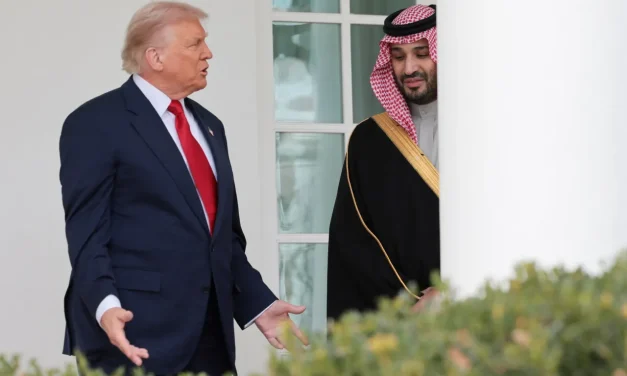
Implications of the US-Saudi Nuclear Agreement

SCFR Online – Opinion: The new US-Saudi nuclear agreement, despite legal and political ambiguities, could alter previous non-proliferation standards in West Asia and intensify nuclear competition, ushering it into a new phase.
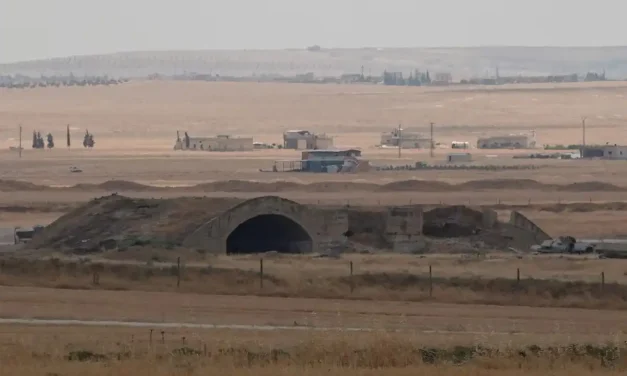
An Analysis of Recent Turkey-Israeli Regime Tensions

SCFR Online – Opinion: Recent developments in Syria indicate an intensification of strategic rivalry between Turkey and the Israeli regime, but mutual considerations and the role of the United States have limited the likelihood of direct war.

Increasing criticism of the extensive Zionist lobby network

SCFR Online – Opinion: An examination of the mechanisms of the Israeli regime’s influence in the United States depicts a complex picture of shared interests, strategic dependencies, and the limitations of this relationship.

Realities of the Tripartite Makkah Pact

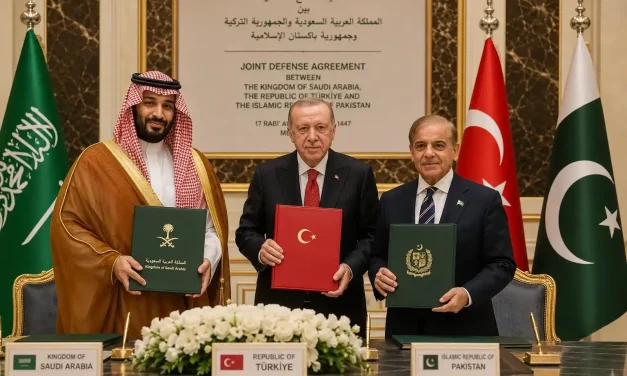
SCFR Online – Interview: The signing of the Makkah agreement between Saudi Arabia, Pakistan, and Turkey has raised questions about the future of the region’s security structure and the position of these countries in West Asian equations. Can this agreement become a genuine collective defense mechanism, or does it have more of a political and deterrent function than creating new military capacity?

Strategic Implications of the Reduction of US Weapons Stockpiles

SCFR Online – Opinion: The continuation of the US war against Iran, in addition to increasing operational costs, has called into question the actual capacity of the American arsenal to simultaneously fulfill security commitments on multiple fronts; an issue that affects deterrence, defense production capacity, and Washington’s resource prioritization.

The Formation of a New Order in Relations Between Powers

SCFR Online – Opinion: The Russia-Ukraine war and the war of the United States and the Israeli regime against Iran have been formed with different objectives and actors, but field and political developments indicate that they are not entirely separate from one another.

An Analysis of the Makkah Defense Pact

SCFR Online – Opinion: On Friday, August 7, the heads of state of three countries – Saudi Arabia, Turkey, and Pakistan – signed a text under the title “Makkah Joint Defense Agreement.”

Loading

Strategic Perspective

Chinese Economy and Consequences of Coronavirus

Chinese Economy and Consequences of Coronavirus

Strategic Council Online: The Coronavirus has hit the Chinese economy badly, and it will, for a long time, make China’s economy vulnerable. When China’s annual economic growth reaches below 6%, political alarm bells will be sounded, meaning 2020 maybe a year of domestic political challenges for the Beijing government.
Dr Saeed Attar – University Professor

Heavy Shadow of West’s Decline on Munich Security Conference

Heavy Shadow of West’s Decline on Munich Security Conference

Strategic Council Online: A faculty member of the Shahid Beheshti University outlining the most important issues at the Munich Security Conference described the current state of world security as extremely shaky and noted that the Conference could not accomplish any important results.

US Senate’s Goal behind Reducing Trump’s War Powers on Iran

US Senate’s Goal behind Reducing Trump’s War Powers on Iran

Strategic Council Online: US lawmakers and Senators pursue two key goals behind adopting the Trump War Powers Act: First, to reinstate the decisive role of the Congress in the decision-making process on war, and the second to prevent Trump’s adventurous actions against Iran.
Amir Ali Abolfatah – American Affairs Expert

Munich Security Conference: Show of Rising US-China Tensions

Munich Security Conference: Show of Rising US-China Tensions

Strategic Council Online: An American affairs analyst said US Secretary of State Mike Pompeo’s tough stance against China at the Munich Security Conference signalled US weakness and decline: Under such circumstances, a government that once saw itself as a global power would exhibit nervous behaviour and to protect itself would behave more aggressively.

Saudi Contradictory Policy towards Iran

Saudi Contradictory Policy towards Iran

Strategic Council Online: The double standards played by the Saudis to the effect that on the one hand, they say they do not seek tensions with Iran and on the other hand emphasize that they share the same positions with the US against Iran may indicate Riyadh’s contradictory approach to Tehran.
Davoud Ahmadzadeh – Middle East Affairs Expert

US Peace Deal with Taliban Aims at Long-Term Deployment in Afghanistan

US Peace Deal with Taliban Aims at Long-Term Deployment in Afghanistan

Strategic Council Online: A faculty member at the University of Tehran believes the US seven day “reduction in violence” plan in Afghanistan is a cross-sectional tactic noting that US strategies in Afghanistan are no longer effective so they are taking tactical and short-term actions to find solutions.

US Concern over Britain-Huawei Cooperation

US Concern over Britain-Huawei Cooperation

Strategic Council Online: A university professor referred to the sharpening of differences between the United States and Britain over the latter’s cooperation with the Chinese Huawei company, saying that the British appear to have included multilateralism and expansion of members in their foreign relations portfolio.

New Threats from Ankara and Continued Military Presence in Syria

New Threats from Ankara and Continued Military Presence in Syria

Strategic Council Online: A West Asia affairs expert said the reading of Russia, Iran and Syria of the Sochi deal appear to be different from what Turkey thinks of the deal. Mr Erdogan is making his own personal interpretation of the Sochi deal, which is tantamount to turning the negotiating table upside down and disturb the rules of the game.

Political, Economic Dimensions of Coronavirus Outbreak

Political, Economic Dimensions of Coronavirus Outbreak

Strategic Council Online: If Coronavirus continues to spread serious damage will be inflicted on the Chinese economy. Meantime, and if the US does not cooperate in controlling the disease, rumours that the US benefits from the spread of the virus and its impact on the Chinese economy, as well as its magnification, are acceptable.
Abdolreza Faraji Rad – Expert on Geopolitics

Dimensions of New Tensions between Islamabad & Delhi

Dimensions of New Tensions between Islamabad & Delhi

Strategic Council Online: An Asian affairs analyst attributed the recent tension between Islamabad and New Delhi to the Kashmir issue and to some extent to Afghanistan, saying Kashmir has become a symbolic and prestigious matter for both sides and despite the strong role of the two countries’ military in foreign policy, the BJP’s extreme nationalist stance and its negative view of Muslims will not only fail to resolve the differences between the two countries in the near future but will continue in the form of war of words, as well as political and sometimes military conflicts.

أحدث الوظائف

Implications of the US-Saudi Nuclear Agreement

SCFR Online – Opinion: The new US-Saudi nuclear agreement, despite legal and political ambiguities, could alter previous non-proliferation standards in West Asia and intensify nuclear competition, ushering it into a new phase.
An Analysis of Recent Turkey-Israeli Regime Tensions

SCFR Online – Opinion: Recent developments in Syria indicate an intensification of strategic rivalry between Turkey and the Israeli regime, but mutual considerations and the role of the United States have limited the likelihood of direct war.

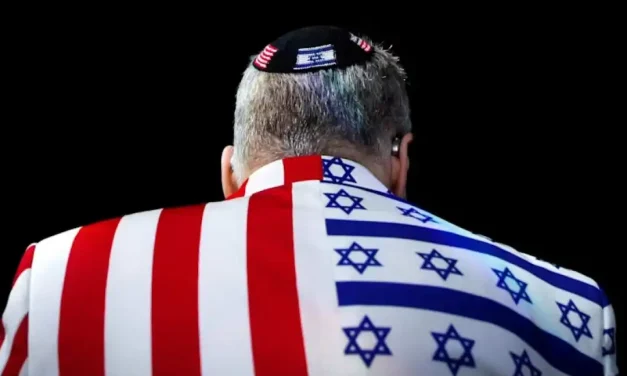
Increasing criticism of the extensive Zionist lobby network

SCFR Online – Opinion: An examination of the mechanisms of the Israeli regime’s influence in the United States depicts a complex picture of shared interests, strategic dependencies, and the limitations of this relationship.

Realities of the Tripartite Makkah Pact

SCFR Online – Interview: The signing of the Makkah agreement between Saudi Arabia, Pakistan, and Turkey has raised questions about the future of the region’s security structure and the position of these countries in West Asian equations. Can this agreement become a genuine collective defense mechanism, or does it have more of a political and deterrent function than creating new military capacity?

Strategic Implications of the Reduction of US Weapons Stockpiles

SCFR Online – Opinion: The continuation of the US war against Iran, in addition to increasing operational costs, has called into question the actual capacity of the American arsenal to simultaneously fulfill security commitments on multiple fronts; an issue that affects deterrence, defense production capacity, and Washington’s resource prioritization.

The Formation of a New Order in Relations Between Powers

SCFR Online – Opinion: The Russia-Ukraine war and the war of the United States and the Israeli regime against Iran have been formed with different objectives and actors, but field and political developments indicate that they are not entirely separate from one another.

An Analysis of the Makkah Defense Pact

SCFR Online – Opinion: On Friday, August 7, the heads of state of three countries – Saudi Arabia, Turkey, and Pakistan – signed a text under the title “Makkah Joint Defense Agreement.”

Loading

Strategic Perspective

Chinese Economy and Consequences of Coronavirus

Chinese Economy and Consequences of Coronavirus

Strategic Council Online: The Coronavirus has hit the Chinese economy badly, and it will, for a long time, make China’s economy vulnerable. When China’s annual economic growth reaches below 6%, political alarm bells will be sounded, meaning 2020 maybe a year of domestic political challenges for the Beijing government.
Dr Saeed Attar – University Professor

Heavy Shadow of West’s Decline on Munich Security Conference

Heavy Shadow of West’s Decline on Munich Security Conference

Strategic Council Online: A faculty member of the Shahid Beheshti University outlining the most important issues at the Munich Security Conference described the current state of world security as extremely shaky and noted that the Conference could not accomplish any important results.

US Senate’s Goal behind Reducing Trump’s War Powers on Iran

US Senate’s Goal behind Reducing Trump’s War Powers on Iran

Strategic Council Online: US lawmakers and Senators pursue two key goals behind adopting the Trump War Powers Act: First, to reinstate the decisive role of the Congress in the decision-making process on war, and the second to prevent Trump’s adventurous actions against Iran.
Amir Ali Abolfatah – American Affairs Expert

Munich Security Conference: Show of Rising US-China Tensions

Munich Security Conference: Show of Rising US-China Tensions

Strategic Council Online: An American affairs analyst said US Secretary of State Mike Pompeo’s tough stance against China at the Munich Security Conference signalled US weakness and decline: Under such circumstances, a government that once saw itself as a global power would exhibit nervous behaviour and to protect itself would behave more aggressively.

Saudi Contradictory Policy towards Iran

Saudi Contradictory Policy towards Iran

Strategic Council Online: The double standards played by the Saudis to the effect that on the one hand, they say they do not seek tensions with Iran and on the other hand emphasize that they share the same positions with the US against Iran may indicate Riyadh’s contradictory approach to Tehran.
Davoud Ahmadzadeh – Middle East Affairs Expert

US Peace Deal with Taliban Aims at Long-Term Deployment in Afghanistan

US Peace Deal with Taliban Aims at Long-Term Deployment in Afghanistan

Strategic Council Online: A faculty member at the University of Tehran believes the US seven day “reduction in violence” plan in Afghanistan is a cross-sectional tactic noting that US strategies in Afghanistan are no longer effective so they are taking tactical and short-term actions to find solutions.

US Concern over Britain-Huawei Cooperation

US Concern over Britain-Huawei Cooperation

Strategic Council Online: A university professor referred to the sharpening of differences between the United States and Britain over the latter’s cooperation with the Chinese Huawei company, saying that the British appear to have included multilateralism and expansion of members in their foreign relations portfolio.

New Threats from Ankara and Continued Military Presence in Syria

New Threats from Ankara and Continued Military Presence in Syria

Strategic Council Online: A West Asia affairs expert said the reading of Russia, Iran and Syria of the Sochi deal appear to be different from what Turkey thinks of the deal. Mr Erdogan is making his own personal interpretation of the Sochi deal, which is tantamount to turning the negotiating table upside down and disturb the rules of the game.

Political, Economic Dimensions of Coronavirus Outbreak

Political, Economic Dimensions of Coronavirus Outbreak

Strategic Council Online: If Coronavirus continues to spread serious damage will be inflicted on the Chinese economy. Meantime, and if the US does not cooperate in controlling the disease, rumours that the US benefits from the spread of the virus and its impact on the Chinese economy, as well as its magnification, are acceptable.
Abdolreza Faraji Rad – Expert on Geopolitics

Dimensions of New Tensions between Islamabad & Delhi

Dimensions of New Tensions between Islamabad & Delhi

Strategic Council Online: An Asian affairs analyst attributed the recent tension between Islamabad and New Delhi to the Kashmir issue and to some extent to Afghanistan, saying Kashmir has become a symbolic and prestigious matter for both sides and despite the strong role of the two countries’ military in foreign policy, the BJP’s extreme nationalist stance and its negative view of Muslims will not only fail to resolve the differences between the two countries in the near future but will continue in the form of war of words, as well as political and sometimes military conflicts.

Strategic Perspective

Chinese Economy and Consequences of Coronavirus

Chinese Economy and Consequences of Coronavirus

Strategic Council Online: The Coronavirus has hit the Chinese economy badly, and it will, for a long time, make China’s economy vulnerable. When China’s annual economic growth reaches below 6%, political alarm bells will be sounded, meaning 2020 maybe a year of domestic political challenges for the Beijing government.
Dr Saeed Attar – University Professor

Heavy Shadow of West’s Decline on Munich Security Conference

Heavy Shadow of West’s Decline on Munich Security Conference

Strategic Council Online: A faculty member of the Shahid Beheshti University outlining the most important issues at the Munich Security Conference described the current state of world security as extremely shaky and noted that the Conference could not accomplish any important results.

US Senate’s Goal behind Reducing Trump’s War Powers on Iran

US Senate’s Goal behind Reducing Trump’s War Powers on Iran

Strategic Council Online: US lawmakers and Senators pursue two key goals behind adopting the Trump War Powers Act: First, to reinstate the decisive role of the Congress in the decision-making process on war, and the second to prevent Trump’s adventurous actions against Iran.
Amir Ali Abolfatah – American Affairs Expert

Munich Security Conference: Show of Rising US-China Tensions

Munich Security Conference: Show of Rising US-China Tensions

Strategic Council Online: An American affairs analyst said US Secretary of State Mike Pompeo’s tough stance against China at the Munich Security Conference signalled US weakness and decline: Under such circumstances, a government that once saw itself as a global power would exhibit nervous behaviour and to protect itself would behave more aggressively.

Saudi Contradictory Policy towards Iran

Saudi Contradictory Policy towards Iran

Strategic Council Online: The double standards played by the Saudis to the effect that on the one hand, they say they do not seek tensions with Iran and on the other hand emphasize that they share the same positions with the US against Iran may indicate Riyadh’s contradictory approach to Tehran.
Davoud Ahmadzadeh – Middle East Affairs Expert

US Peace Deal with Taliban Aims at Long-Term Deployment in Afghanistan

US Peace Deal with Taliban Aims at Long-Term Deployment in Afghanistan

Strategic Council Online: A faculty member at the University of Tehran believes the US seven day “reduction in violence” plan in Afghanistan is a cross-sectional tactic noting that US strategies in Afghanistan are no longer effective so they are taking tactical and short-term actions to find solutions.

US Concern over Britain-Huawei Cooperation

US Concern over Britain-Huawei Cooperation

Strategic Council Online: A university professor referred to the sharpening of differences between the United States and Britain over the latter’s cooperation with the Chinese Huawei company, saying that the British appear to have included multilateralism and expansion of members in their foreign relations portfolio.

New Threats from Ankara and Continued Military Presence in Syria

New Threats from Ankara and Continued Military Presence in Syria

Strategic Council Online: A West Asia affairs expert said the reading of Russia, Iran and Syria of the Sochi deal appear to be different from what Turkey thinks of the deal. Mr Erdogan is making his own personal interpretation of the Sochi deal, which is tantamount to turning the negotiating table upside down and disturb the rules of the game.

Political, Economic Dimensions of Coronavirus Outbreak

Political, Economic Dimensions of Coronavirus Outbreak

Strategic Council Online: If Coronavirus continues to spread serious damage will be inflicted on the Chinese economy. Meantime, and if the US does not cooperate in controlling the disease, rumours that the US benefits from the spread of the virus and its impact on the Chinese economy, as well as its magnification, are acceptable.
Abdolreza Faraji Rad – Expert on Geopolitics

Dimensions of New Tensions between Islamabad & Delhi

Dimensions of New Tensions between Islamabad & Delhi

Strategic Council Online: An Asian affairs analyst attributed the recent tension between Islamabad and New Delhi to the Kashmir issue and to some extent to Afghanistan, saying Kashmir has become a symbolic and prestigious matter for both sides and despite the strong role of the two countries’ military in foreign policy, the BJP’s extreme nationalist stance and its negative view of Muslims will not only fail to resolve the differences between the two countries in the near future but will continue in the form of war of words, as well as political and sometimes military conflicts.

LATEST CONTENT

Implications of the US-Saudi Nuclear Agreement

SCFR Online – Opinion: The new US-Saudi nuclear agreement, despite legal and political ambiguities, could alter previous non-proliferation standards in West Asia and intensify nuclear competition, ushering it into a new phase.
An Analysis of Recent Turkey-Israeli Regime Tensions

SCFR Online – Opinion: Recent developments in Syria indicate an intensification of strategic rivalry between Turkey and the Israeli regime, but mutual considerations and the role of the United States have limited the likelihood of direct war.

Increasing criticism of the extensive Zionist lobby network

SCFR Online – Opinion: An examination of the mechanisms of the Israeli regime’s influence in the United States depicts a complex picture of shared interests, strategic dependencies, and the limitations of this relationship.

Realities of the Tripartite Makkah Pact

SCFR Online – Interview: The signing of the Makkah agreement between Saudi Arabia, Pakistan, and Turkey has raised questions about the future of the region’s security structure and the position of these countries in West Asian equations. Can this agreement become a genuine collective defense mechanism, or does it have more of a political and deterrent function than creating new military capacity?

Strategic Implications of the Reduction of US Weapons Stockpiles

SCFR Online – Opinion: The continuation of the US war against Iran, in addition to increasing operational costs, has called into question the actual capacity of the American arsenal to simultaneously fulfill security commitments on multiple fronts; an issue that affects deterrence, defense production capacity, and Washington’s resource prioritization.

The Formation of a New Order in Relations Between Powers

SCFR Online – Opinion: The Russia-Ukraine war and the war of the United States and the Israeli regime against Iran have been formed with different objectives and actors, but field and political developments indicate that they are not entirely separate from one another.

An Analysis of the Makkah Defense Pact

SCFR Online – Opinion: On Friday, August 7, the heads of state of three countries – Saudi Arabia, Turkey, and Pakistan – signed a text under the title “Makkah Joint Defense Agreement.”

Loading

Strategic Perspective

Chinese Economy and Consequences of Coronavirus

Chinese Economy and Consequences of Coronavirus

Strategic Council Online: The Coronavirus has hit the Chinese economy badly, and it will, for a long time, make China’s economy vulnerable. When China’s annual economic growth reaches below 6%, political alarm bells will be sounded, meaning 2020 maybe a year of domestic political challenges for the Beijing government.
Dr Saeed Attar – University Professor

Heavy Shadow of West’s Decline on Munich Security Conference

Heavy Shadow of West’s Decline on Munich Security Conference

Strategic Council Online: A faculty member of the Shahid Beheshti University outlining the most important issues at the Munich Security Conference described the current state of world security as extremely shaky and noted that the Conference could not accomplish any important results.

US Senate’s Goal behind Reducing Trump’s War Powers on Iran

US Senate’s Goal behind Reducing Trump’s War Powers on Iran

Strategic Council Online: US lawmakers and Senators pursue two key goals behind adopting the Trump War Powers Act: First, to reinstate the decisive role of the Congress in the decision-making process on war, and the second to prevent Trump’s adventurous actions against Iran.
Amir Ali Abolfatah – American Affairs Expert

Munich Security Conference: Show of Rising US-China Tensions

Munich Security Conference: Show of Rising US-China Tensions

Strategic Council Online: An American affairs analyst said US Secretary of State Mike Pompeo’s tough stance against China at the Munich Security Conference signalled US weakness and decline: Under such circumstances, a government that once saw itself as a global power would exhibit nervous behaviour and to protect itself would behave more aggressively.

Saudi Contradictory Policy towards Iran

Saudi Contradictory Policy towards Iran

Strategic Council Online: The double standards played by the Saudis to the effect that on the one hand, they say they do not seek tensions with Iran and on the other hand emphasize that they share the same positions with the US against Iran may indicate Riyadh’s contradictory approach to Tehran.
Davoud Ahmadzadeh – Middle East Affairs Expert

US Peace Deal with Taliban Aims at Long-Term Deployment in Afghanistan

US Peace Deal with Taliban Aims at Long-Term Deployment in Afghanistan

Strategic Council Online: A faculty member at the University of Tehran believes the US seven day “reduction in violence” plan in Afghanistan is a cross-sectional tactic noting that US strategies in Afghanistan are no longer effective so they are taking tactical and short-term actions to find solutions.

US Concern over Britain-Huawei Cooperation

US Concern over Britain-Huawei Cooperation

Strategic Council Online: A university professor referred to the sharpening of differences between the United States and Britain over the latter’s cooperation with the Chinese Huawei company, saying that the British appear to have included multilateralism and expansion of members in their foreign relations portfolio.

New Threats from Ankara and Continued Military Presence in Syria

New Threats from Ankara and Continued Military Presence in Syria

Strategic Council Online: A West Asia affairs expert said the reading of Russia, Iran and Syria of the Sochi deal appear to be different from what Turkey thinks of the deal. Mr Erdogan is making his own personal interpretation of the Sochi deal, which is tantamount to turning the negotiating table upside down and disturb the rules of the game.

Political, Economic Dimensions of Coronavirus Outbreak

Political, Economic Dimensions of Coronavirus Outbreak

Strategic Council Online: If Coronavirus continues to spread serious damage will be inflicted on the Chinese economy. Meantime, and if the US does not cooperate in controlling the disease, rumours that the US benefits from the spread of the virus and its impact on the Chinese economy, as well as its magnification, are acceptable.
Abdolreza Faraji Rad – Expert on Geopolitics

Dimensions of New Tensions between Islamabad & Delhi

Dimensions of New Tensions between Islamabad & Delhi

Strategic Council Online: An Asian affairs analyst attributed the recent tension between Islamabad and New Delhi to the Kashmir issue and to some extent to Afghanistan, saying Kashmir has become a symbolic and prestigious matter for both sides and despite the strong role of the two countries’ military in foreign policy, the BJP’s extreme nationalist stance and its negative view of Muslims will not only fail to resolve the differences between the two countries in the near future but will continue in the form of war of words, as well as political and sometimes military conflicts.

ÚLTIMAS PUBLICACIONES

Implications of the US-Saudi Nuclear Agreement

SCFR Online – Opinion: The new US-Saudi nuclear agreement, despite legal and political ambiguities, could alter previous non-proliferation standards in West Asia and intensify nuclear competition, ushering it into a new phase.
An Analysis of Recent Turkey-Israeli Regime Tensions

SCFR Online – Opinion: Recent developments in Syria indicate an intensification of strategic rivalry between Turkey and the Israeli regime, but mutual considerations and the role of the United States have limited the likelihood of direct war.

Increasing criticism of the extensive Zionist lobby network

SCFR Online – Opinion: An examination of the mechanisms of the Israeli regime’s influence in the United States depicts a complex picture of shared interests, strategic dependencies, and the limitations of this relationship.

Realities of the Tripartite Makkah Pact

SCFR Online – Interview: The signing of the Makkah agreement between Saudi Arabia, Pakistan, and Turkey has raised questions about the future of the region’s security structure and the position of these countries in West Asian equations. Can this agreement become a genuine collective defense mechanism, or does it have more of a political and deterrent function than creating new military capacity?

Strategic Implications of the Reduction of US Weapons Stockpiles

SCFR Online – Opinion: The continuation of the US war against Iran, in addition to increasing operational costs, has called into question the actual capacity of the American arsenal to simultaneously fulfill security commitments on multiple fronts; an issue that affects deterrence, defense production capacity, and Washington’s resource prioritization.

The Formation of a New Order in Relations Between Powers

SCFR Online – Opinion: The Russia-Ukraine war and the war of the United States and the Israeli regime against Iran have been formed with different objectives and actors, but field and political developments indicate that they are not entirely separate from one another.

An Analysis of the Makkah Defense Pact

SCFR Online – Opinion: On Friday, August 7, the heads of state of three countries – Saudi Arabia, Turkey, and Pakistan – signed a text under the title “Makkah Joint Defense Agreement.”

Loading

Strategic Perspective

Chinese Economy and Consequences of Coronavirus

Chinese Economy and Consequences of Coronavirus

Strategic Council Online: The Coronavirus has hit the Chinese economy badly, and it will, for a long time, make China’s economy vulnerable. When China’s annual economic growth reaches below 6%, political alarm bells will be sounded, meaning 2020 maybe a year of domestic political challenges for the Beijing government.
Dr Saeed Attar – University Professor

Heavy Shadow of West’s Decline on Munich Security Conference

Heavy Shadow of West’s Decline on Munich Security Conference

Strategic Council Online: A faculty member of the Shahid Beheshti University outlining the most important issues at the Munich Security Conference described the current state of world security as extremely shaky and noted that the Conference could not accomplish any important results.

US Senate’s Goal behind Reducing Trump’s War Powers on Iran

US Senate’s Goal behind Reducing Trump’s War Powers on Iran

Strategic Council Online: US lawmakers and Senators pursue two key goals behind adopting the Trump War Powers Act: First, to reinstate the decisive role of the Congress in the decision-making process on war, and the second to prevent Trump’s adventurous actions against Iran.
Amir Ali Abolfatah – American Affairs Expert

Munich Security Conference: Show of Rising US-China Tensions

Munich Security Conference: Show of Rising US-China Tensions

Strategic Council Online: An American affairs analyst said US Secretary of State Mike Pompeo’s tough stance against China at the Munich Security Conference signalled US weakness and decline: Under such circumstances, a government that once saw itself as a global power would exhibit nervous behaviour and to protect itself would behave more aggressively.

Saudi Contradictory Policy towards Iran

Saudi Contradictory Policy towards Iran

Strategic Council Online: The double standards played by the Saudis to the effect that on the one hand, they say they do not seek tensions with Iran and on the other hand emphasize that they share the same positions with the US against Iran may indicate Riyadh’s contradictory approach to Tehran.
Davoud Ahmadzadeh – Middle East Affairs Expert

US Peace Deal with Taliban Aims at Long-Term Deployment in Afghanistan

US Peace Deal with Taliban Aims at Long-Term Deployment in Afghanistan

Strategic Council Online: A faculty member at the University of Tehran believes the US seven day “reduction in violence” plan in Afghanistan is a cross-sectional tactic noting that US strategies in Afghanistan are no longer effective so they are taking tactical and short-term actions to find solutions.

US Concern over Britain-Huawei Cooperation

US Concern over Britain-Huawei Cooperation

Strategic Council Online: A university professor referred to the sharpening of differences between the United States and Britain over the latter’s cooperation with the Chinese Huawei company, saying that the British appear to have included multilateralism and expansion of members in their foreign relations portfolio.

New Threats from Ankara and Continued Military Presence in Syria

New Threats from Ankara and Continued Military Presence in Syria

Strategic Council Online: A West Asia affairs expert said the reading of Russia, Iran and Syria of the Sochi deal appear to be different from what Turkey thinks of the deal. Mr Erdogan is making his own personal interpretation of the Sochi deal, which is tantamount to turning the negotiating table upside down and disturb the rules of the game.

Political, Economic Dimensions of Coronavirus Outbreak

Political, Economic Dimensions of Coronavirus Outbreak

Strategic Council Online: If Coronavirus continues to spread serious damage will be inflicted on the Chinese economy. Meantime, and if the US does not cooperate in controlling the disease, rumours that the US benefits from the spread of the virus and its impact on the Chinese economy, as well as its magnification, are acceptable.
Abdolreza Faraji Rad – Expert on Geopolitics

Dimensions of New Tensions between Islamabad & Delhi

Dimensions of New Tensions between Islamabad & Delhi

Strategic Council Online: An Asian affairs analyst attributed the recent tension between Islamabad and New Delhi to the Kashmir issue and to some extent to Afghanistan, saying Kashmir has become a symbolic and prestigious matter for both sides and despite the strong role of the two countries’ military in foreign policy, the BJP’s extreme nationalist stance and its negative view of Muslims will not only fail to resolve the differences between the two countries in the near future but will continue in the form of war of words, as well as political and sometimes military conflicts.

ÚLTIMAS PUBLICACIONES

Implications of the US-Saudi Nuclear Agreement

SCFR Online – Opinion: The new US-Saudi nuclear agreement, despite legal and political ambiguities, could alter previous non-proliferation standards in West Asia and intensify nuclear competition, ushering it into a new phase.
An Analysis of Recent Turkey-Israeli Regime Tensions

SCFR Online – Opinion: Recent developments in Syria indicate an intensification of strategic rivalry between Turkey and the Israeli regime, but mutual considerations and the role of the United States have limited the likelihood of direct war.

Increasing criticism of the extensive Zionist lobby network

SCFR Online – Opinion: An examination of the mechanisms of the Israeli regime’s influence in the United States depicts a complex picture of shared interests, strategic dependencies, and the limitations of this relationship.

Realities of the Tripartite Makkah Pact

SCFR Online – Interview: The signing of the Makkah agreement between Saudi Arabia, Pakistan, and Turkey has raised questions about the future of the region’s security structure and the position of these countries in West Asian equations. Can this agreement become a genuine collective defense mechanism, or does it have more of a political and deterrent function than creating new military capacity?

Strategic Implications of the Reduction of US Weapons Stockpiles

SCFR Online – Opinion: The continuation of the US war against Iran, in addition to increasing operational costs, has called into question the actual capacity of the American arsenal to simultaneously fulfill security commitments on multiple fronts; an issue that affects deterrence, defense production capacity, and Washington’s resource prioritization.

The Formation of a New Order in Relations Between Powers

SCFR Online – Opinion: The Russia-Ukraine war and the war of the United States and the Israeli regime against Iran have been formed with different objectives and actors, but field and political developments indicate that they are not entirely separate from one another.

An Analysis of the Makkah Defense Pact

SCFR Online – Opinion: On Friday, August 7, the heads of state of three countries – Saudi Arabia, Turkey, and Pakistan – signed a text under the title “Makkah Joint Defense Agreement.”

Loading

Strategic Perspective

Chinese Economy and Consequences of Coronavirus

Chinese Economy and Consequences of Coronavirus

Strategic Council Online: The Coronavirus has hit the Chinese economy badly, and it will, for a long time, make China’s economy vulnerable. When China’s annual economic growth reaches below 6%, political alarm bells will be sounded, meaning 2020 maybe a year of domestic political challenges for the Beijing government.
Dr Saeed Attar – University Professor

Heavy Shadow of West’s Decline on Munich Security Conference

Heavy Shadow of West’s Decline on Munich Security Conference

Strategic Council Online: A faculty member of the Shahid Beheshti University outlining the most important issues at the Munich Security Conference described the current state of world security as extremely shaky and noted that the Conference could not accomplish any important results.

US Senate’s Goal behind Reducing Trump’s War Powers on Iran

US Senate’s Goal behind Reducing Trump’s War Powers on Iran

Strategic Council Online: US lawmakers and Senators pursue two key goals behind adopting the Trump War Powers Act: First, to reinstate the decisive role of the Congress in the decision-making process on war, and the second to prevent Trump’s adventurous actions against Iran.
Amir Ali Abolfatah – American Affairs Expert

Munich Security Conference: Show of Rising US-China Tensions

Munich Security Conference: Show of Rising US-China Tensions

Strategic Council Online: An American affairs analyst said US Secretary of State Mike Pompeo’s tough stance against China at the Munich Security Conference signalled US weakness and decline: Under such circumstances, a government that once saw itself as a global power would exhibit nervous behaviour and to protect itself would behave more aggressively.

Saudi Contradictory Policy towards Iran

Saudi Contradictory Policy towards Iran

Strategic Council Online: The double standards played by the Saudis to the effect that on the one hand, they say they do not seek tensions with Iran and on the other hand emphasize that they share the same positions with the US against Iran may indicate Riyadh’s contradictory approach to Tehran.
Davoud Ahmadzadeh – Middle East Affairs Expert

US Peace Deal with Taliban Aims at Long-Term Deployment in Afghanistan

US Peace Deal with Taliban Aims at Long-Term Deployment in Afghanistan

Strategic Council Online: A faculty member at the University of Tehran believes the US seven day “reduction in violence” plan in Afghanistan is a cross-sectional tactic noting that US strategies in Afghanistan are no longer effective so they are taking tactical and short-term actions to find solutions.

US Concern over Britain-Huawei Cooperation

US Concern over Britain-Huawei Cooperation

Strategic Council Online: A university professor referred to the sharpening of differences between the United States and Britain over the latter’s cooperation with the Chinese Huawei company, saying that the British appear to have included multilateralism and expansion of members in their foreign relations portfolio.

New Threats from Ankara and Continued Military Presence in Syria

New Threats from Ankara and Continued Military Presence in Syria

Strategic Council Online: A West Asia affairs expert said the reading of Russia, Iran and Syria of the Sochi deal appear to be different from what Turkey thinks of the deal. Mr Erdogan is making his own personal interpretation of the Sochi deal, which is tantamount to turning the negotiating table upside down and disturb the rules of the game.

Political, Economic Dimensions of Coronavirus Outbreak

Political, Economic Dimensions of Coronavirus Outbreak

Strategic Council Online: If Coronavirus continues to spread serious damage will be inflicted on the Chinese economy. Meantime, and if the US does not cooperate in controlling the disease, rumours that the US benefits from the spread of the virus and its impact on the Chinese economy, as well as its magnification, are acceptable.
Abdolreza Faraji Rad – Expert on Geopolitics

Dimensions of New Tensions between Islamabad & Delhi

Dimensions of New Tensions between Islamabad & Delhi

Strategic Council Online: An Asian affairs analyst attributed the recent tension between Islamabad and New Delhi to the Kashmir issue and to some extent to Afghanistan, saying Kashmir has become a symbolic and prestigious matter for both sides and despite the strong role of the two countries’ military in foreign policy, the BJP’s extreme nationalist stance and its negative view of Muslims will not only fail to resolve the differences between the two countries in the near future but will continue in the form of war of words, as well as political and sometimes military conflicts.

ÚLTIMAS PUBLICACIONES

Implications of the US-Saudi Nuclear Agreement

SCFR Online – Opinion: The new US-Saudi nuclear agreement, despite legal and political ambiguities, could alter previous non-proliferation standards in West Asia and intensify nuclear competition, ushering it into a new phase.

An Analysis of Recent Turkey-Israeli Regime Tensions

SCFR Online – Opinion: Recent developments in Syria indicate an intensification of strategic rivalry between Turkey and the Israeli regime, but mutual considerations and the role of the United States have limited the likelihood of direct war.

Increasing criticism of the extensive Zionist lobby network

SCFR Online – Opinion: An examination of the mechanisms of the Israeli regime’s influence in the United States depicts a complex picture of shared interests, strategic dependencies, and the limitations of this relationship.

Realities of the Tripartite Makkah Pact

SCFR Online – Interview: The signing of the Makkah agreement between Saudi Arabia, Pakistan, and Turkey has raised questions about the future of the region’s security structure and the position of these countries in West Asian equations. Can this agreement become a genuine collective defense mechanism, or does it have more of a political and deterrent function than creating new military capacity?

Strategic Implications of the Reduction of US Weapons Stockpiles

SCFR Online – Opinion: The continuation of the US war against Iran, in addition to increasing operational costs, has called into question the actual capacity of the American arsenal to simultaneously fulfill security commitments on multiple fronts; an issue that affects deterrence, defense production capacity, and Washington’s resource prioritization.

The Formation of a New Order in Relations Between Powers

SCFR Online – Opinion: The Russia-Ukraine war and the war of the United States and the Israeli regime against Iran have been formed with different objectives and actors, but field and political developments indicate that they are not entirely separate from one another.

An Analysis of the Makkah Defense Pact

SCFR Online – Opinion: On Friday, August 7, the heads of state of three countries – Saudi Arabia, Turkey, and Pakistan – signed a text under the title “Makkah Joint Defense Agreement.”

Loading

Strategic Perspective

Chinese Economy and Consequences of Coronavirus

Chinese Economy and Consequences of Coronavirus

Strategic Council Online: The Coronavirus has hit the Chinese economy badly, and it will, for a long time, make China’s economy vulnerable. When China’s annual economic growth reaches below 6%, political alarm bells will be sounded, meaning 2020 maybe a year of domestic political challenges for the Beijing government.
Dr Saeed Attar – University Professor

Heavy Shadow of West’s Decline on Munich Security Conference

Heavy Shadow of West’s Decline on Munich Security Conference

Strategic Council Online: A faculty member of the Shahid Beheshti University outlining the most important issues at the Munich Security Conference described the current state of world security as extremely shaky and noted that the Conference could not accomplish any important results.

US Senate’s Goal behind Reducing Trump’s War Powers on Iran

US Senate’s Goal behind Reducing Trump’s War Powers on Iran

Strategic Council Online: US lawmakers and Senators pursue two key goals behind adopting the Trump War Powers Act: First, to reinstate the decisive role of the Congress in the decision-making process on war, and the second to prevent Trump’s adventurous actions against Iran.
Amir Ali Abolfatah – American Affairs Expert

Munich Security Conference: Show of Rising US-China Tensions

Munich Security Conference: Show of Rising US-China Tensions

Strategic Council Online: An American affairs analyst said US Secretary of State Mike Pompeo’s tough stance against China at the Munich Security Conference signalled US weakness and decline: Under such circumstances, a government that once saw itself as a global power would exhibit nervous behaviour and to protect itself would behave more aggressively.

Saudi Contradictory Policy towards Iran

Saudi Contradictory Policy towards Iran

Strategic Council Online: The double standards played by the Saudis to the effect that on the one hand, they say they do not seek tensions with Iran and on the other hand emphasize that they share the same positions with the US against Iran may indicate Riyadh’s contradictory approach to Tehran.
Davoud Ahmadzadeh – Middle East Affairs Expert

US Peace Deal with Taliban Aims at Long-Term Deployment in Afghanistan

US Peace Deal with Taliban Aims at Long-Term Deployment in Afghanistan

Strategic Council Online: A faculty member at the University of Tehran believes the US seven day “reduction in violence” plan in Afghanistan is a cross-sectional tactic noting that US strategies in Afghanistan are no longer effective so they are taking tactical and short-term actions to find solutions.

US Concern over Britain-Huawei Cooperation

US Concern over Britain-Huawei Cooperation

Strategic Council Online: A university professor referred to the sharpening of differences between the United States and Britain over the latter’s cooperation with the Chinese Huawei company, saying that the British appear to have included multilateralism and expansion of members in their foreign relations portfolio.

New Threats from Ankara and Continued Military Presence in Syria

New Threats from Ankara and Continued Military Presence in Syria

Strategic Council Online: A West Asia affairs expert said the reading of Russia, Iran and Syria of the Sochi deal appear to be different from what Turkey thinks of the deal. Mr Erdogan is making his own personal interpretation of the Sochi deal, which is tantamount to turning the negotiating table upside down and disturb the rules of the game.

Political, Economic Dimensions of Coronavirus Outbreak

Political, Economic Dimensions of Coronavirus Outbreak

Strategic Council Online: If Coronavirus continues to spread serious damage will be inflicted on the Chinese economy. Meantime, and if the US does not cooperate in controlling the disease, rumours that the US benefits from the spread of the virus and its impact on the Chinese economy, as well as its magnification, are acceptable.
Abdolreza Faraji Rad – Expert on Geopolitics

Dimensions of New Tensions between Islamabad & Delhi

Dimensions of New Tensions between Islamabad & Delhi

Strategic Council Online: An Asian affairs analyst attributed the recent tension between Islamabad and New Delhi to the Kashmir issue and to some extent to Afghanistan, saying Kashmir has become a symbolic and prestigious matter for both sides and despite the strong role of the two countries’ military in foreign policy, the BJP’s extreme nationalist stance and its negative view of Muslims will not only fail to resolve the differences between the two countries in the near future but will continue in the form of war of words, as well as political and sometimes military conflicts.

ÚLTIMAS PUBLICACIONES

Implications of the US-Saudi Nuclear Agreement

SCFR Online – Opinion: The new US-Saudi nuclear agreement, despite legal and political ambiguities, could alter previous non-proliferation standards in West Asia and intensify nuclear competition, ushering it into a new phase.

An Analysis of Recent Turkey-Israeli Regime Tensions

SCFR Online – Opinion: Recent developments in Syria indicate an intensification of strategic rivalry between Turkey and the Israeli regime, but mutual considerations and the role of the United States have limited the likelihood of direct war.

Increasing criticism of the extensive Zionist lobby network

SCFR Online – Opinion: An examination of the mechanisms of the Israeli regime’s influence in the United States depicts a complex picture of shared interests, strategic dependencies, and the limitations of this relationship.

Realities of the Tripartite Makkah Pact

SCFR Online – Interview: The signing of the Makkah agreement between Saudi Arabia, Pakistan, and Turkey has raised questions about the future of the region’s security structure and the position of these countries in West Asian equations. Can this agreement become a genuine collective defense mechanism, or does it have more of a political and deterrent function than creating new military capacity?

Strategic Implications of the Reduction of US Weapons Stockpiles

SCFR Online – Opinion: The continuation of the US war against Iran, in addition to increasing operational costs, has called into question the actual capacity of the American arsenal to simultaneously fulfill security commitments on multiple fronts; an issue that affects deterrence, defense production capacity, and Washington’s resource prioritization.

The Formation of a New Order in Relations Between Powers

SCFR Online – Opinion: The Russia-Ukraine war and the war of the United States and the Israeli regime against Iran have been formed with different objectives and actors, but field and political developments indicate that they are not entirely separate from one another.

An Analysis of the Makkah Defense Pact

SCFR Online – Opinion: On Friday, August 7, the heads of state of three countries – Saudi Arabia, Turkey, and Pakistan – signed a text under the title “Makkah Joint Defense Agreement.”

Loading