جدیدترین مطالب

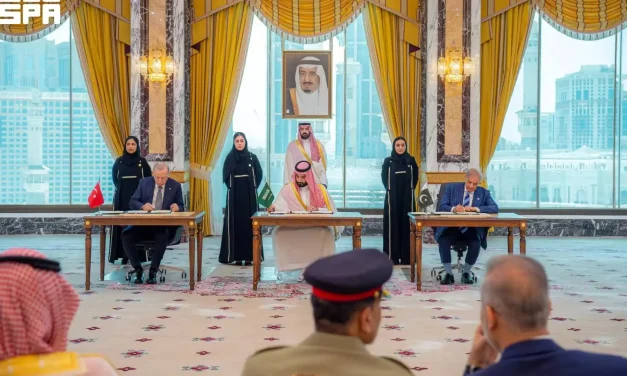
The Makkah Pact; Reasons for its Formation and Challenges Ahead

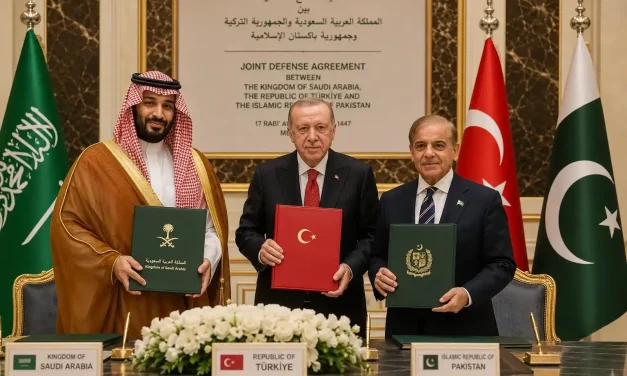
SCFR Online – Opinion: The Makkah Pact, signed between Saudi Arabia, Pakistan, and Turkey under the motto “an attack on one is an attack on all,” is viewed by some analysts less as a full-fledged military coalition and more as an attempt to reduce security dependence on an external power and to establish a regional security mechanism.

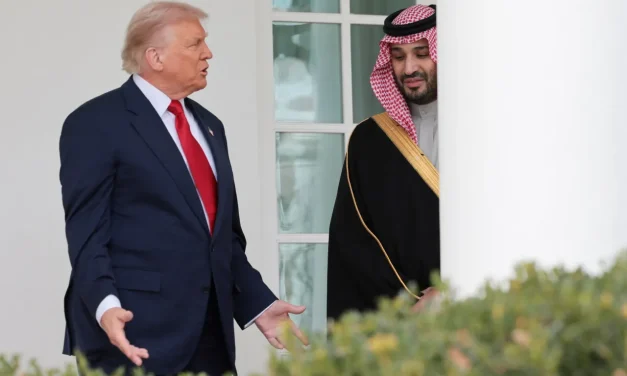
Implications of the US-Saudi Nuclear Agreement

SCFR Online – Opinion: The new US-Saudi nuclear agreement, despite legal and political ambiguities, could alter previous non-proliferation standards in West Asia and intensify nuclear competition, ushering it into a new phase.

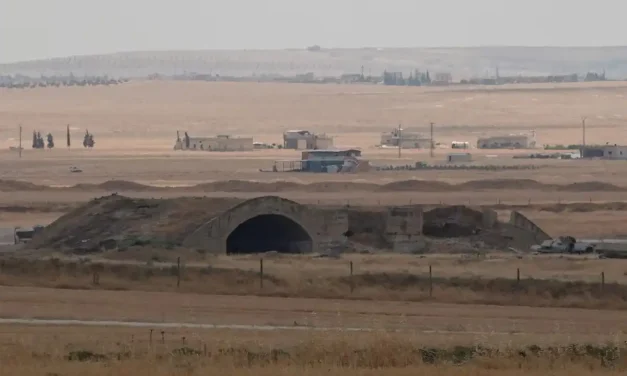
An Analysis of Recent Turkey-Israeli Regime Tensions

SCFR Online – Opinion: Recent developments in Syria indicate an intensification of strategic rivalry between Turkey and the Israeli regime, but mutual considerations and the role of the United States have limited the likelihood of direct war.

Increasing criticism of the extensive Zionist lobby network

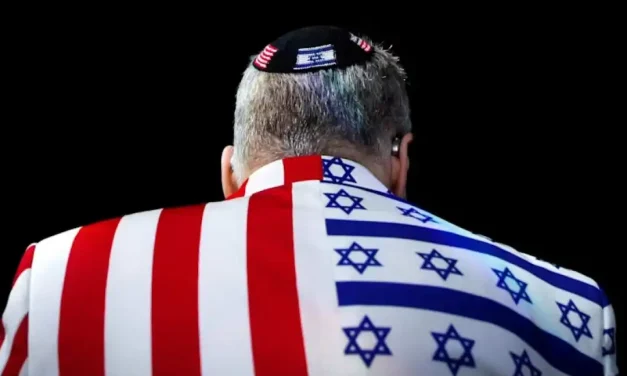
SCFR Online – Opinion: An examination of the mechanisms of the Israeli regime’s influence in the United States depicts a complex picture of shared interests, strategic dependencies, and the limitations of this relationship.

Realities of the Tripartite Makkah Pact

SCFR Online – Interview: The signing of the Makkah agreement between Saudi Arabia, Pakistan, and Turkey has raised questions about the future of the region’s security structure and the position of these countries in West Asian equations. Can this agreement become a genuine collective defense mechanism, or does it have more of a political and deterrent function than creating new military capacity?

Strategic Implications of the Reduction of US Weapons Stockpiles

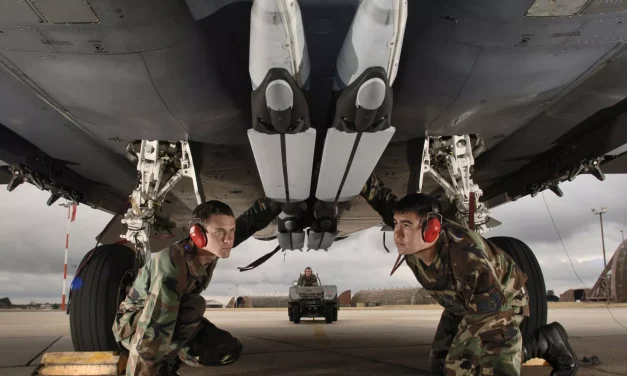
SCFR Online – Opinion: The continuation of the US war against Iran, in addition to increasing operational costs, has called into question the actual capacity of the American arsenal to simultaneously fulfill security commitments on multiple fronts; an issue that affects deterrence, defense production capacity, and Washington’s resource prioritization.

Loading

Strategic Perspective

Sudan: People’s Revolution or Palace Revolution?

Strategic Council Online: What took place in Sudan after Omar al-Bashir stepped down from power has attracted the attention of the world these days. The reality is that the country is prone to civil war between the various parties, which could be a threat to regional security.
Kourosh Fakhr Tavoli – African Affairs Expert

Netanyahu’s Agenda for New Term

Strategic Council Online: Benjamin Netanyahu will try to portray himself as the top player in the region in his new term as prime minister and to make up for his past defeats in Gaza through adventurism and escalation of movements against Syria and the Hezbollah.
Hassan Hanizadeh – Middle East Expert

Impact of Local Election Results on Erdogan’s Policies

Strategic Council Online: Generally speaking, municipal elections, despite the relative success of the Justice & Development Party, exposed challenges between political parties and groups in Turkey.
Siamak Kakai – Turkish Affairs Expert

Consequences of US Action Against IRGC, Contrary to International Law

Consequences of US Action Against IRGC, Contrary to International Law

Strategic Council Online: Putting the Islamic Revolutionary Guards Corps (IRGC) on the list of terrorist groups by the US and Iran’s designation of the US Central Command (CENTCOM) on the same list would increase the possibility of military confrontation between the two sides either intentionally or unintentionally. It can be said that it is now the most sensitive and the most dangerous juncture in the relationship between Iran and the United States which could lead to a military encounter.
Amir Ali Abolfatah – American Affairs Expert

Components Affecting the Venezuelan Crisis

Strategic Council Online: Street demonstrations in Venezuela are still continuing, while the crisis is becoming more internationalized day by day.
Hadi Aalami Fariman – Venezuelan Affairs Specialist

US Approach on Peace Negotiations with the Taliban

Strategic Council Online: It seems that the US intends to nominate Zalmay Khalilzad as a presidential candidate upon the coming to power of an interim government in Afghanistan. Given the lobbies that the US has had over the past year with some political and ethnic currents in Afghanistan, Washington wants Khalilzad to take over the Afghan presidency as a figure that has restored peace to Afghanistan.
Mohammadreza Asgari Murudi – Expert on Afghanistan Affairs

West’s Dual Policy towards New Zealand’s Terrorist Incident

Strategic Council Online: In the classification of countries in the face of terrorism, one can say the United States, Britain, France, Germany, the Netherlands and Belgium are the states that have strongly contributed to the escalation of Islamophobia. In the New Zealand incident, the media of these countries were not ready to describe the attackers on two mosques terrorism.
Hassan Hanizadeh – Middle East Affairs Expert

Importance and Perspectives of Iran-Tajikistan Relations

Strategic Council Online: For nearly three years now, due to various reasons, including different conspiracies, Iran-Tajikistan relations have gone through ups and downs that do not match the close relations of the two countries in the past.
Vali Kouzegar Kaleji – Senior Researcher on Central Asian and Caucasus Affairs

Iran-Iraq Strategic Alliance

Strategic Council Online: The recent three-day visit of Iran’s President Hassan Rouhani to Iraq is a clear sign that a new chapter has been opened in the strategic relations between Tehran and Baghdad. This is an indication that bilateral ties between the two countries have entered a sustainable and very crucial stage. Relying on the good cooperation between the two sides over the past 15 years, the two sides have now entered a much wider and more productive partnership.
Jafar Ghanadbashi – Middle East Affairs Expert

Outlook of UK Exit from the European Union

Strategic Council Online: The United Kingdom had three options to pick up from. First to implement the initiative without the agreement of the EU; secondly, to pursue a deal with the European Union, which is a very difficult task; and thirdly, to hold another referendum, while Theresa May’s party is totally opposed to the idea.
Ali Bigdeli – Expert on European Affairs

أحدث الوظائف

The Makkah Pact; Reasons for its Formation and Challenges Ahead

SCFR Online – Opinion: The Makkah Pact, signed between Saudi Arabia, Pakistan, and Turkey under the motto “an attack on one is an attack on all,” is viewed by some analysts less as a full-fledged military coalition and more as an attempt to reduce security dependence on an external power and to establish a regional security mechanism.

Implications of the US-Saudi Nuclear Agreement

SCFR Online – Opinion: The new US-Saudi nuclear agreement, despite legal and political ambiguities, could alter previous non-proliferation standards in West Asia and intensify nuclear competition, ushering it into a new phase.

An Analysis of Recent Turkey-Israeli Regime Tensions

SCFR Online – Opinion: Recent developments in Syria indicate an intensification of strategic rivalry between Turkey and the Israeli regime, but mutual considerations and the role of the United States have limited the likelihood of direct war.

Increasing criticism of the extensive Zionist lobby network

SCFR Online – Opinion: An examination of the mechanisms of the Israeli regime’s influence in the United States depicts a complex picture of shared interests, strategic dependencies, and the limitations of this relationship.

Realities of the Tripartite Makkah Pact

SCFR Online – Interview: The signing of the Makkah agreement between Saudi Arabia, Pakistan, and Turkey has raised questions about the future of the region’s security structure and the position of these countries in West Asian equations. Can this agreement become a genuine collective defense mechanism, or does it have more of a political and deterrent function than creating new military capacity?

Strategic Implications of the Reduction of US Weapons Stockpiles

SCFR Online – Opinion: The continuation of the US war against Iran, in addition to increasing operational costs, has called into question the actual capacity of the American arsenal to simultaneously fulfill security commitments on multiple fronts; an issue that affects deterrence, defense production capacity, and Washington’s resource prioritization.

Loading

Strategic Perspective

Sudan: People’s Revolution or Palace Revolution?

Strategic Council Online: What took place in Sudan after Omar al-Bashir stepped down from power has attracted the attention of the world these days. The reality is that the country is prone to civil war between the various parties, which could be a threat to regional security.
Kourosh Fakhr Tavoli – African Affairs Expert

Netanyahu’s Agenda for New Term

Strategic Council Online: Benjamin Netanyahu will try to portray himself as the top player in the region in his new term as prime minister and to make up for his past defeats in Gaza through adventurism and escalation of movements against Syria and the Hezbollah.
Hassan Hanizadeh – Middle East Expert

Impact of Local Election Results on Erdogan’s Policies

Strategic Council Online: Generally speaking, municipal elections, despite the relative success of the Justice & Development Party, exposed challenges between political parties and groups in Turkey.
Siamak Kakai – Turkish Affairs Expert

Consequences of US Action Against IRGC, Contrary to International Law

Consequences of US Action Against IRGC, Contrary to International Law

Strategic Council Online: Putting the Islamic Revolutionary Guards Corps (IRGC) on the list of terrorist groups by the US and Iran’s designation of the US Central Command (CENTCOM) on the same list would increase the possibility of military confrontation between the two sides either intentionally or unintentionally. It can be said that it is now the most sensitive and the most dangerous juncture in the relationship between Iran and the United States which could lead to a military encounter.
Amir Ali Abolfatah – American Affairs Expert

Components Affecting the Venezuelan Crisis

Strategic Council Online: Street demonstrations in Venezuela are still continuing, while the crisis is becoming more internationalized day by day.
Hadi Aalami Fariman – Venezuelan Affairs Specialist

US Approach on Peace Negotiations with the Taliban

Strategic Council Online: It seems that the US intends to nominate Zalmay Khalilzad as a presidential candidate upon the coming to power of an interim government in Afghanistan. Given the lobbies that the US has had over the past year with some political and ethnic currents in Afghanistan, Washington wants Khalilzad to take over the Afghan presidency as a figure that has restored peace to Afghanistan.
Mohammadreza Asgari Murudi – Expert on Afghanistan Affairs

West’s Dual Policy towards New Zealand’s Terrorist Incident

Strategic Council Online: In the classification of countries in the face of terrorism, one can say the United States, Britain, France, Germany, the Netherlands and Belgium are the states that have strongly contributed to the escalation of Islamophobia. In the New Zealand incident, the media of these countries were not ready to describe the attackers on two mosques terrorism.
Hassan Hanizadeh – Middle East Affairs Expert

Importance and Perspectives of Iran-Tajikistan Relations

Strategic Council Online: For nearly three years now, due to various reasons, including different conspiracies, Iran-Tajikistan relations have gone through ups and downs that do not match the close relations of the two countries in the past.
Vali Kouzegar Kaleji – Senior Researcher on Central Asian and Caucasus Affairs

Iran-Iraq Strategic Alliance

Strategic Council Online: The recent three-day visit of Iran’s President Hassan Rouhani to Iraq is a clear sign that a new chapter has been opened in the strategic relations between Tehran and Baghdad. This is an indication that bilateral ties between the two countries have entered a sustainable and very crucial stage. Relying on the good cooperation between the two sides over the past 15 years, the two sides have now entered a much wider and more productive partnership.
Jafar Ghanadbashi – Middle East Affairs Expert

Outlook of UK Exit from the European Union

Strategic Council Online: The United Kingdom had three options to pick up from. First to implement the initiative without the agreement of the EU; secondly, to pursue a deal with the European Union, which is a very difficult task; and thirdly, to hold another referendum, while Theresa May’s party is totally opposed to the idea.
Ali Bigdeli – Expert on European Affairs

Strategic Perspective

Sudan: People’s Revolution or Palace Revolution?

Strategic Council Online: What took place in Sudan after Omar al-Bashir stepped down from power has attracted the attention of the world these days. The reality is that the country is prone to civil war between the various parties, which could be a threat to regional security.
Kourosh Fakhr Tavoli – African Affairs Expert

Netanyahu’s Agenda for New Term

Strategic Council Online: Benjamin Netanyahu will try to portray himself as the top player in the region in his new term as prime minister and to make up for his past defeats in Gaza through adventurism and escalation of movements against Syria and the Hezbollah.
Hassan Hanizadeh – Middle East Expert

Impact of Local Election Results on Erdogan’s Policies

Strategic Council Online: Generally speaking, municipal elections, despite the relative success of the Justice & Development Party, exposed challenges between political parties and groups in Turkey.
Siamak Kakai – Turkish Affairs Expert

Consequences of US Action Against IRGC, Contrary to International Law

Consequences of US Action Against IRGC, Contrary to International Law

Strategic Council Online: Putting the Islamic Revolutionary Guards Corps (IRGC) on the list of terrorist groups by the US and Iran’s designation of the US Central Command (CENTCOM) on the same list would increase the possibility of military confrontation between the two sides either intentionally or unintentionally. It can be said that it is now the most sensitive and the most dangerous juncture in the relationship between Iran and the United States which could lead to a military encounter.
Amir Ali Abolfatah – American Affairs Expert

Components Affecting the Venezuelan Crisis

Strategic Council Online: Street demonstrations in Venezuela are still continuing, while the crisis is becoming more internationalized day by day.
Hadi Aalami Fariman – Venezuelan Affairs Specialist

US Approach on Peace Negotiations with the Taliban

Strategic Council Online: It seems that the US intends to nominate Zalmay Khalilzad as a presidential candidate upon the coming to power of an interim government in Afghanistan. Given the lobbies that the US has had over the past year with some political and ethnic currents in Afghanistan, Washington wants Khalilzad to take over the Afghan presidency as a figure that has restored peace to Afghanistan.
Mohammadreza Asgari Murudi – Expert on Afghanistan Affairs

West’s Dual Policy towards New Zealand’s Terrorist Incident

Strategic Council Online: In the classification of countries in the face of terrorism, one can say the United States, Britain, France, Germany, the Netherlands and Belgium are the states that have strongly contributed to the escalation of Islamophobia. In the New Zealand incident, the media of these countries were not ready to describe the attackers on two mosques terrorism.
Hassan Hanizadeh – Middle East Affairs Expert

Importance and Perspectives of Iran-Tajikistan Relations

Strategic Council Online: For nearly three years now, due to various reasons, including different conspiracies, Iran-Tajikistan relations have gone through ups and downs that do not match the close relations of the two countries in the past.
Vali Kouzegar Kaleji – Senior Researcher on Central Asian and Caucasus Affairs

Iran-Iraq Strategic Alliance

Strategic Council Online: The recent three-day visit of Iran’s President Hassan Rouhani to Iraq is a clear sign that a new chapter has been opened in the strategic relations between Tehran and Baghdad. This is an indication that bilateral ties between the two countries have entered a sustainable and very crucial stage. Relying on the good cooperation between the two sides over the past 15 years, the two sides have now entered a much wider and more productive partnership.
Jafar Ghanadbashi – Middle East Affairs Expert

Outlook of UK Exit from the European Union

Strategic Council Online: The United Kingdom had three options to pick up from. First to implement the initiative without the agreement of the EU; secondly, to pursue a deal with the European Union, which is a very difficult task; and thirdly, to hold another referendum, while Theresa May’s party is totally opposed to the idea.
Ali Bigdeli – Expert on European Affairs

LATEST CONTENT

The Makkah Pact; Reasons for its Formation and Challenges Ahead

SCFR Online – Opinion: The Makkah Pact, signed between Saudi Arabia, Pakistan, and Turkey under the motto “an attack on one is an attack on all,” is viewed by some analysts less as a full-fledged military coalition and more as an attempt to reduce security dependence on an external power and to establish a regional security mechanism.

Implications of the US-Saudi Nuclear Agreement

SCFR Online – Opinion: The new US-Saudi nuclear agreement, despite legal and political ambiguities, could alter previous non-proliferation standards in West Asia and intensify nuclear competition, ushering it into a new phase.

An Analysis of Recent Turkey-Israeli Regime Tensions

SCFR Online – Opinion: Recent developments in Syria indicate an intensification of strategic rivalry between Turkey and the Israeli regime, but mutual considerations and the role of the United States have limited the likelihood of direct war.

Increasing criticism of the extensive Zionist lobby network

SCFR Online – Opinion: An examination of the mechanisms of the Israeli regime’s influence in the United States depicts a complex picture of shared interests, strategic dependencies, and the limitations of this relationship.

Realities of the Tripartite Makkah Pact

SCFR Online – Interview: The signing of the Makkah agreement between Saudi Arabia, Pakistan, and Turkey has raised questions about the future of the region’s security structure and the position of these countries in West Asian equations. Can this agreement become a genuine collective defense mechanism, or does it have more of a political and deterrent function than creating new military capacity?

Strategic Implications of the Reduction of US Weapons Stockpiles

SCFR Online – Opinion: The continuation of the US war against Iran, in addition to increasing operational costs, has called into question the actual capacity of the American arsenal to simultaneously fulfill security commitments on multiple fronts; an issue that affects deterrence, defense production capacity, and Washington’s resource prioritization.

Loading

Strategic Perspective

Sudan: People’s Revolution or Palace Revolution?

Strategic Council Online: What took place in Sudan after Omar al-Bashir stepped down from power has attracted the attention of the world these days. The reality is that the country is prone to civil war between the various parties, which could be a threat to regional security.
Kourosh Fakhr Tavoli – African Affairs Expert

Netanyahu’s Agenda for New Term

Strategic Council Online: Benjamin Netanyahu will try to portray himself as the top player in the region in his new term as prime minister and to make up for his past defeats in Gaza through adventurism and escalation of movements against Syria and the Hezbollah.
Hassan Hanizadeh – Middle East Expert

Impact of Local Election Results on Erdogan’s Policies

Strategic Council Online: Generally speaking, municipal elections, despite the relative success of the Justice & Development Party, exposed challenges between political parties and groups in Turkey.
Siamak Kakai – Turkish Affairs Expert

Consequences of US Action Against IRGC, Contrary to International Law

Consequences of US Action Against IRGC, Contrary to International Law

Strategic Council Online: Putting the Islamic Revolutionary Guards Corps (IRGC) on the list of terrorist groups by the US and Iran’s designation of the US Central Command (CENTCOM) on the same list would increase the possibility of military confrontation between the two sides either intentionally or unintentionally. It can be said that it is now the most sensitive and the most dangerous juncture in the relationship between Iran and the United States which could lead to a military encounter.
Amir Ali Abolfatah – American Affairs Expert

Components Affecting the Venezuelan Crisis

Strategic Council Online: Street demonstrations in Venezuela are still continuing, while the crisis is becoming more internationalized day by day.
Hadi Aalami Fariman – Venezuelan Affairs Specialist

US Approach on Peace Negotiations with the Taliban

Strategic Council Online: It seems that the US intends to nominate Zalmay Khalilzad as a presidential candidate upon the coming to power of an interim government in Afghanistan. Given the lobbies that the US has had over the past year with some political and ethnic currents in Afghanistan, Washington wants Khalilzad to take over the Afghan presidency as a figure that has restored peace to Afghanistan.
Mohammadreza Asgari Murudi – Expert on Afghanistan Affairs

West’s Dual Policy towards New Zealand’s Terrorist Incident

Strategic Council Online: In the classification of countries in the face of terrorism, one can say the United States, Britain, France, Germany, the Netherlands and Belgium are the states that have strongly contributed to the escalation of Islamophobia. In the New Zealand incident, the media of these countries were not ready to describe the attackers on two mosques terrorism.
Hassan Hanizadeh – Middle East Affairs Expert

Importance and Perspectives of Iran-Tajikistan Relations

Strategic Council Online: For nearly three years now, due to various reasons, including different conspiracies, Iran-Tajikistan relations have gone through ups and downs that do not match the close relations of the two countries in the past.
Vali Kouzegar Kaleji – Senior Researcher on Central Asian and Caucasus Affairs

Iran-Iraq Strategic Alliance

Strategic Council Online: The recent three-day visit of Iran’s President Hassan Rouhani to Iraq is a clear sign that a new chapter has been opened in the strategic relations between Tehran and Baghdad. This is an indication that bilateral ties between the two countries have entered a sustainable and very crucial stage. Relying on the good cooperation between the two sides over the past 15 years, the two sides have now entered a much wider and more productive partnership.
Jafar Ghanadbashi – Middle East Affairs Expert

Outlook of UK Exit from the European Union

Strategic Council Online: The United Kingdom had three options to pick up from. First to implement the initiative without the agreement of the EU; secondly, to pursue a deal with the European Union, which is a very difficult task; and thirdly, to hold another referendum, while Theresa May’s party is totally opposed to the idea.
Ali Bigdeli – Expert on European Affairs

ÚLTIMAS PUBLICACIONES

The Makkah Pact; Reasons for its Formation and Challenges Ahead

SCFR Online – Opinion: The Makkah Pact, signed between Saudi Arabia, Pakistan, and Turkey under the motto “an attack on one is an attack on all,” is viewed by some analysts less as a full-fledged military coalition and more as an attempt to reduce security dependence on an external power and to establish a regional security mechanism.

Implications of the US-Saudi Nuclear Agreement

SCFR Online – Opinion: The new US-Saudi nuclear agreement, despite legal and political ambiguities, could alter previous non-proliferation standards in West Asia and intensify nuclear competition, ushering it into a new phase.

An Analysis of Recent Turkey-Israeli Regime Tensions

SCFR Online – Opinion: Recent developments in Syria indicate an intensification of strategic rivalry between Turkey and the Israeli regime, but mutual considerations and the role of the United States have limited the likelihood of direct war.

Increasing criticism of the extensive Zionist lobby network

SCFR Online – Opinion: An examination of the mechanisms of the Israeli regime’s influence in the United States depicts a complex picture of shared interests, strategic dependencies, and the limitations of this relationship.

Realities of the Tripartite Makkah Pact

SCFR Online – Interview: The signing of the Makkah agreement between Saudi Arabia, Pakistan, and Turkey has raised questions about the future of the region’s security structure and the position of these countries in West Asian equations. Can this agreement become a genuine collective defense mechanism, or does it have more of a political and deterrent function than creating new military capacity?

Strategic Implications of the Reduction of US Weapons Stockpiles

SCFR Online – Opinion: The continuation of the US war against Iran, in addition to increasing operational costs, has called into question the actual capacity of the American arsenal to simultaneously fulfill security commitments on multiple fronts; an issue that affects deterrence, defense production capacity, and Washington’s resource prioritization.

Loading

Strategic Perspective

Sudan: People’s Revolution or Palace Revolution?

Strategic Council Online: What took place in Sudan after Omar al-Bashir stepped down from power has attracted the attention of the world these days. The reality is that the country is prone to civil war between the various parties, which could be a threat to regional security.
Kourosh Fakhr Tavoli – African Affairs Expert

Netanyahu’s Agenda for New Term

Strategic Council Online: Benjamin Netanyahu will try to portray himself as the top player in the region in his new term as prime minister and to make up for his past defeats in Gaza through adventurism and escalation of movements against Syria and the Hezbollah.
Hassan Hanizadeh – Middle East Expert

Impact of Local Election Results on Erdogan’s Policies

Strategic Council Online: Generally speaking, municipal elections, despite the relative success of the Justice & Development Party, exposed challenges between political parties and groups in Turkey.
Siamak Kakai – Turkish Affairs Expert

Consequences of US Action Against IRGC, Contrary to International Law

Consequences of US Action Against IRGC, Contrary to International Law

Strategic Council Online: Putting the Islamic Revolutionary Guards Corps (IRGC) on the list of terrorist groups by the US and Iran’s designation of the US Central Command (CENTCOM) on the same list would increase the possibility of military confrontation between the two sides either intentionally or unintentionally. It can be said that it is now the most sensitive and the most dangerous juncture in the relationship between Iran and the United States which could lead to a military encounter.
Amir Ali Abolfatah – American Affairs Expert

Components Affecting the Venezuelan Crisis

Strategic Council Online: Street demonstrations in Venezuela are still continuing, while the crisis is becoming more internationalized day by day.
Hadi Aalami Fariman – Venezuelan Affairs Specialist

US Approach on Peace Negotiations with the Taliban

Strategic Council Online: It seems that the US intends to nominate Zalmay Khalilzad as a presidential candidate upon the coming to power of an interim government in Afghanistan. Given the lobbies that the US has had over the past year with some political and ethnic currents in Afghanistan, Washington wants Khalilzad to take over the Afghan presidency as a figure that has restored peace to Afghanistan.
Mohammadreza Asgari Murudi – Expert on Afghanistan Affairs

West’s Dual Policy towards New Zealand’s Terrorist Incident

Strategic Council Online: In the classification of countries in the face of terrorism, one can say the United States, Britain, France, Germany, the Netherlands and Belgium are the states that have strongly contributed to the escalation of Islamophobia. In the New Zealand incident, the media of these countries were not ready to describe the attackers on two mosques terrorism.
Hassan Hanizadeh – Middle East Affairs Expert

Importance and Perspectives of Iran-Tajikistan Relations

Strategic Council Online: For nearly three years now, due to various reasons, including different conspiracies, Iran-Tajikistan relations have gone through ups and downs that do not match the close relations of the two countries in the past.
Vali Kouzegar Kaleji – Senior Researcher on Central Asian and Caucasus Affairs

Iran-Iraq Strategic Alliance

Strategic Council Online: The recent three-day visit of Iran’s President Hassan Rouhani to Iraq is a clear sign that a new chapter has been opened in the strategic relations between Tehran and Baghdad. This is an indication that bilateral ties between the two countries have entered a sustainable and very crucial stage. Relying on the good cooperation between the two sides over the past 15 years, the two sides have now entered a much wider and more productive partnership.
Jafar Ghanadbashi – Middle East Affairs Expert

Outlook of UK Exit from the European Union

Strategic Council Online: The United Kingdom had three options to pick up from. First to implement the initiative without the agreement of the EU; secondly, to pursue a deal with the European Union, which is a very difficult task; and thirdly, to hold another referendum, while Theresa May’s party is totally opposed to the idea.
Ali Bigdeli – Expert on European Affairs

ÚLTIMAS PUBLICACIONES

The Makkah Pact; Reasons for its Formation and Challenges Ahead

SCFR Online – Opinion: The Makkah Pact, signed between Saudi Arabia, Pakistan, and Turkey under the motto “an attack on one is an attack on all,” is viewed by some analysts less as a full-fledged military coalition and more as an attempt to reduce security dependence on an external power and to establish a regional security mechanism.

Implications of the US-Saudi Nuclear Agreement

SCFR Online – Opinion: The new US-Saudi nuclear agreement, despite legal and political ambiguities, could alter previous non-proliferation standards in West Asia and intensify nuclear competition, ushering it into a new phase.

An Analysis of Recent Turkey-Israeli Regime Tensions

SCFR Online – Opinion: Recent developments in Syria indicate an intensification of strategic rivalry between Turkey and the Israeli regime, but mutual considerations and the role of the United States have limited the likelihood of direct war.

Increasing criticism of the extensive Zionist lobby network

SCFR Online – Opinion: An examination of the mechanisms of the Israeli regime’s influence in the United States depicts a complex picture of shared interests, strategic dependencies, and the limitations of this relationship.

Realities of the Tripartite Makkah Pact

SCFR Online – Interview: The signing of the Makkah agreement between Saudi Arabia, Pakistan, and Turkey has raised questions about the future of the region’s security structure and the position of these countries in West Asian equations. Can this agreement become a genuine collective defense mechanism, or does it have more of a political and deterrent function than creating new military capacity?

Strategic Implications of the Reduction of US Weapons Stockpiles

SCFR Online – Opinion: The continuation of the US war against Iran, in addition to increasing operational costs, has called into question the actual capacity of the American arsenal to simultaneously fulfill security commitments on multiple fronts; an issue that affects deterrence, defense production capacity, and Washington’s resource prioritization.

Loading

Strategic Perspective

Sudan: People’s Revolution or Palace Revolution?

Strategic Council Online: What took place in Sudan after Omar al-Bashir stepped down from power has attracted the attention of the world these days. The reality is that the country is prone to civil war between the various parties, which could be a threat to regional security.
Kourosh Fakhr Tavoli – African Affairs Expert

Netanyahu’s Agenda for New Term

Strategic Council Online: Benjamin Netanyahu will try to portray himself as the top player in the region in his new term as prime minister and to make up for his past defeats in Gaza through adventurism and escalation of movements against Syria and the Hezbollah.
Hassan Hanizadeh – Middle East Expert

Impact of Local Election Results on Erdogan’s Policies

Strategic Council Online: Generally speaking, municipal elections, despite the relative success of the Justice & Development Party, exposed challenges between political parties and groups in Turkey.
Siamak Kakai – Turkish Affairs Expert

Consequences of US Action Against IRGC, Contrary to International Law

Consequences of US Action Against IRGC, Contrary to International Law

Strategic Council Online: Putting the Islamic Revolutionary Guards Corps (IRGC) on the list of terrorist groups by the US and Iran’s designation of the US Central Command (CENTCOM) on the same list would increase the possibility of military confrontation between the two sides either intentionally or unintentionally. It can be said that it is now the most sensitive and the most dangerous juncture in the relationship between Iran and the United States which could lead to a military encounter.
Amir Ali Abolfatah – American Affairs Expert

Components Affecting the Venezuelan Crisis

Strategic Council Online: Street demonstrations in Venezuela are still continuing, while the crisis is becoming more internationalized day by day.
Hadi Aalami Fariman – Venezuelan Affairs Specialist

US Approach on Peace Negotiations with the Taliban

Strategic Council Online: It seems that the US intends to nominate Zalmay Khalilzad as a presidential candidate upon the coming to power of an interim government in Afghanistan. Given the lobbies that the US has had over the past year with some political and ethnic currents in Afghanistan, Washington wants Khalilzad to take over the Afghan presidency as a figure that has restored peace to Afghanistan.
Mohammadreza Asgari Murudi – Expert on Afghanistan Affairs

West’s Dual Policy towards New Zealand’s Terrorist Incident

Strategic Council Online: In the classification of countries in the face of terrorism, one can say the United States, Britain, France, Germany, the Netherlands and Belgium are the states that have strongly contributed to the escalation of Islamophobia. In the New Zealand incident, the media of these countries were not ready to describe the attackers on two mosques terrorism.
Hassan Hanizadeh – Middle East Affairs Expert

Importance and Perspectives of Iran-Tajikistan Relations

Strategic Council Online: For nearly three years now, due to various reasons, including different conspiracies, Iran-Tajikistan relations have gone through ups and downs that do not match the close relations of the two countries in the past.
Vali Kouzegar Kaleji – Senior Researcher on Central Asian and Caucasus Affairs

Iran-Iraq Strategic Alliance

Strategic Council Online: The recent three-day visit of Iran’s President Hassan Rouhani to Iraq is a clear sign that a new chapter has been opened in the strategic relations between Tehran and Baghdad. This is an indication that bilateral ties between the two countries have entered a sustainable and very crucial stage. Relying on the good cooperation between the two sides over the past 15 years, the two sides have now entered a much wider and more productive partnership.
Jafar Ghanadbashi – Middle East Affairs Expert

Outlook of UK Exit from the European Union

Strategic Council Online: The United Kingdom had three options to pick up from. First to implement the initiative without the agreement of the EU; secondly, to pursue a deal with the European Union, which is a very difficult task; and thirdly, to hold another referendum, while Theresa May’s party is totally opposed to the idea.
Ali Bigdeli – Expert on European Affairs

ÚLTIMAS PUBLICACIONES

The Makkah Pact; Reasons for its Formation and Challenges Ahead

SCFR Online – Opinion: The Makkah Pact, signed between Saudi Arabia, Pakistan, and Turkey under the motto “an attack on one is an attack on all,” is viewed by some analysts less as a full-fledged military coalition and more as an attempt to reduce security dependence on an external power and to establish a regional security mechanism.

Implications of the US-Saudi Nuclear Agreement

SCFR Online – Opinion: The new US-Saudi nuclear agreement, despite legal and political ambiguities, could alter previous non-proliferation standards in West Asia and intensify nuclear competition, ushering it into a new phase.

An Analysis of Recent Turkey-Israeli Regime Tensions

SCFR Online – Opinion: Recent developments in Syria indicate an intensification of strategic rivalry between Turkey and the Israeli regime, but mutual considerations and the role of the United States have limited the likelihood of direct war.

Increasing criticism of the extensive Zionist lobby network

SCFR Online – Opinion: An examination of the mechanisms of the Israeli regime’s influence in the United States depicts a complex picture of shared interests, strategic dependencies, and the limitations of this relationship.

Realities of the Tripartite Makkah Pact

SCFR Online – Interview: The signing of the Makkah agreement between Saudi Arabia, Pakistan, and Turkey has raised questions about the future of the region’s security structure and the position of these countries in West Asian equations. Can this agreement become a genuine collective defense mechanism, or does it have more of a political and deterrent function than creating new military capacity?

Strategic Implications of the Reduction of US Weapons Stockpiles

SCFR Online – Opinion: The continuation of the US war against Iran, in addition to increasing operational costs, has called into question the actual capacity of the American arsenal to simultaneously fulfill security commitments on multiple fronts; an issue that affects deterrence, defense production capacity, and Washington’s resource prioritization.

Loading

Strategic Perspective

Sudan: People’s Revolution or Palace Revolution?

Strategic Council Online: What took place in Sudan after Omar al-Bashir stepped down from power has attracted the attention of the world these days. The reality is that the country is prone to civil war between the various parties, which could be a threat to regional security.
Kourosh Fakhr Tavoli – African Affairs Expert

Netanyahu’s Agenda for New Term

Strategic Council Online: Benjamin Netanyahu will try to portray himself as the top player in the region in his new term as prime minister and to make up for his past defeats in Gaza through adventurism and escalation of movements against Syria and the Hezbollah.
Hassan Hanizadeh – Middle East Expert

Impact of Local Election Results on Erdogan’s Policies

Strategic Council Online: Generally speaking, municipal elections, despite the relative success of the Justice & Development Party, exposed challenges between political parties and groups in Turkey.
Siamak Kakai – Turkish Affairs Expert

Consequences of US Action Against IRGC, Contrary to International Law

Consequences of US Action Against IRGC, Contrary to International Law

Strategic Council Online: Putting the Islamic Revolutionary Guards Corps (IRGC) on the list of terrorist groups by the US and Iran’s designation of the US Central Command (CENTCOM) on the same list would increase the possibility of military confrontation between the two sides either intentionally or unintentionally. It can be said that it is now the most sensitive and the most dangerous juncture in the relationship between Iran and the United States which could lead to a military encounter.
Amir Ali Abolfatah – American Affairs Expert

Components Affecting the Venezuelan Crisis

Strategic Council Online: Street demonstrations in Venezuela are still continuing, while the crisis is becoming more internationalized day by day.
Hadi Aalami Fariman – Venezuelan Affairs Specialist

US Approach on Peace Negotiations with the Taliban

Strategic Council Online: It seems that the US intends to nominate Zalmay Khalilzad as a presidential candidate upon the coming to power of an interim government in Afghanistan. Given the lobbies that the US has had over the past year with some political and ethnic currents in Afghanistan, Washington wants Khalilzad to take over the Afghan presidency as a figure that has restored peace to Afghanistan.
Mohammadreza Asgari Murudi – Expert on Afghanistan Affairs

West’s Dual Policy towards New Zealand’s Terrorist Incident

Strategic Council Online: In the classification of countries in the face of terrorism, one can say the United States, Britain, France, Germany, the Netherlands and Belgium are the states that have strongly contributed to the escalation of Islamophobia. In the New Zealand incident, the media of these countries were not ready to describe the attackers on two mosques terrorism.
Hassan Hanizadeh – Middle East Affairs Expert

Importance and Perspectives of Iran-Tajikistan Relations

Strategic Council Online: For nearly three years now, due to various reasons, including different conspiracies, Iran-Tajikistan relations have gone through ups and downs that do not match the close relations of the two countries in the past.
Vali Kouzegar Kaleji – Senior Researcher on Central Asian and Caucasus Affairs

Iran-Iraq Strategic Alliance

Strategic Council Online: The recent three-day visit of Iran’s President Hassan Rouhani to Iraq is a clear sign that a new chapter has been opened in the strategic relations between Tehran and Baghdad. This is an indication that bilateral ties between the two countries have entered a sustainable and very crucial stage. Relying on the good cooperation between the two sides over the past 15 years, the two sides have now entered a much wider and more productive partnership.
Jafar Ghanadbashi – Middle East Affairs Expert

Outlook of UK Exit from the European Union

Strategic Council Online: The United Kingdom had three options to pick up from. First to implement the initiative without the agreement of the EU; secondly, to pursue a deal with the European Union, which is a very difficult task; and thirdly, to hold another referendum, while Theresa May’s party is totally opposed to the idea.
Ali Bigdeli – Expert on European Affairs

ÚLTIMAS PUBLICACIONES

The Makkah Pact; Reasons for its Formation and Challenges Ahead

SCFR Online – Opinion: The Makkah Pact, signed between Saudi Arabia, Pakistan, and Turkey under the motto “an attack on one is an attack on all,” is viewed by some analysts less as a full-fledged military coalition and more as an attempt to reduce security dependence on an external power and to establish a regional security mechanism.

Implications of the US-Saudi Nuclear Agreement

SCFR Online – Opinion: The new US-Saudi nuclear agreement, despite legal and political ambiguities, could alter previous non-proliferation standards in West Asia and intensify nuclear competition, ushering it into a new phase.

An Analysis of Recent Turkey-Israeli Regime Tensions

SCFR Online – Opinion: Recent developments in Syria indicate an intensification of strategic rivalry between Turkey and the Israeli regime, but mutual considerations and the role of the United States have limited the likelihood of direct war.

Increasing criticism of the extensive Zionist lobby network

SCFR Online – Opinion: An examination of the mechanisms of the Israeli regime’s influence in the United States depicts a complex picture of shared interests, strategic dependencies, and the limitations of this relationship.

Realities of the Tripartite Makkah Pact

SCFR Online – Interview: The signing of the Makkah agreement between Saudi Arabia, Pakistan, and Turkey has raised questions about the future of the region’s security structure and the position of these countries in West Asian equations. Can this agreement become a genuine collective defense mechanism, or does it have more of a political and deterrent function than creating new military capacity?

Strategic Implications of the Reduction of US Weapons Stockpiles

SCFR Online – Opinion: The continuation of the US war against Iran, in addition to increasing operational costs, has called into question the actual capacity of the American arsenal to simultaneously fulfill security commitments on multiple fronts; an issue that affects deterrence, defense production capacity, and Washington’s resource prioritization.

Loading