جدیدترین مطالب

Implications of the US-Saudi Nuclear Agreement

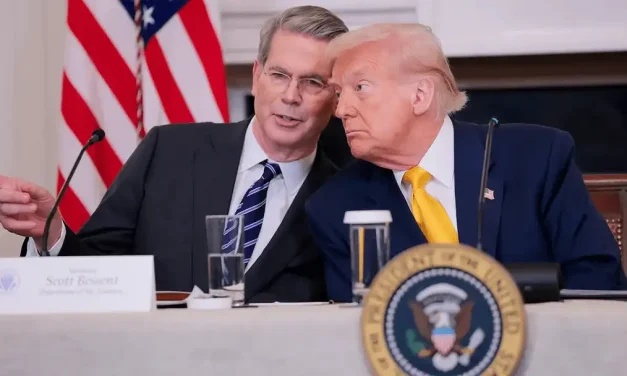
SCFR Online – Opinion: The new US-Saudi nuclear agreement, despite legal and political ambiguities, could alter previous non-proliferation standards in West Asia and intensify nuclear competition, ushering it into a new phase.

An Analysis of Recent Turkey-Israeli Regime Tensions

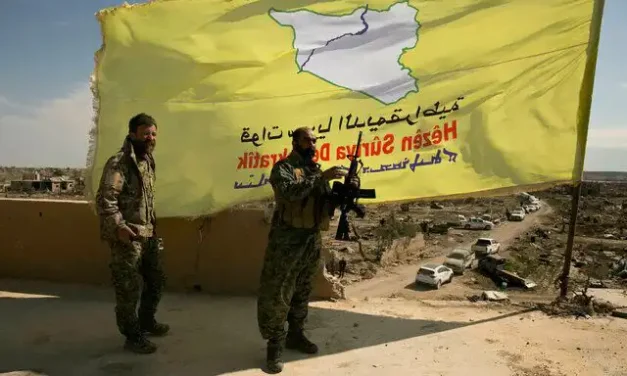
SCFR Online – Opinion: Recent developments in Syria indicate an intensification of strategic rivalry between Turkey and the Israeli regime, but mutual considerations and the role of the United States have limited the likelihood of direct war.

Increasing criticism of the extensive Zionist lobby network

SCFR Online – Opinion: An examination of the mechanisms of the Israeli regime’s influence in the United States depicts a complex picture of shared interests, strategic dependencies, and the limitations of this relationship.

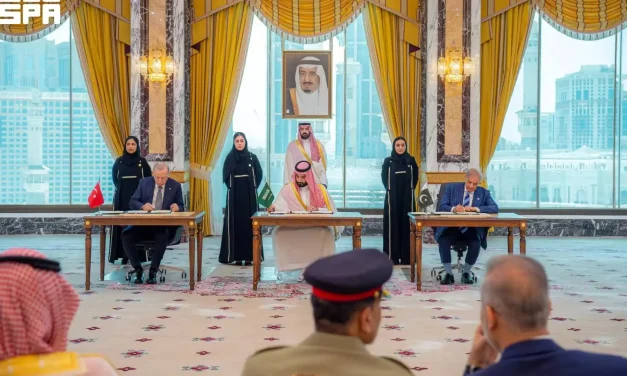
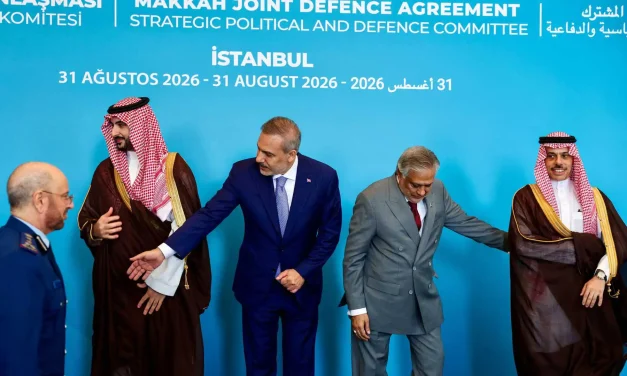
Realities of the Tripartite Makkah Pact

SCFR Online – Interview: The signing of the Makkah agreement between Saudi Arabia, Pakistan, and Turkey has raised questions about the future of the region’s security structure and the position of these countries in West Asian equations. Can this agreement become a genuine collective defense mechanism, or does it have more of a political and deterrent function than creating new military capacity?

Strategic Implications of the Reduction of US Weapons Stockpiles

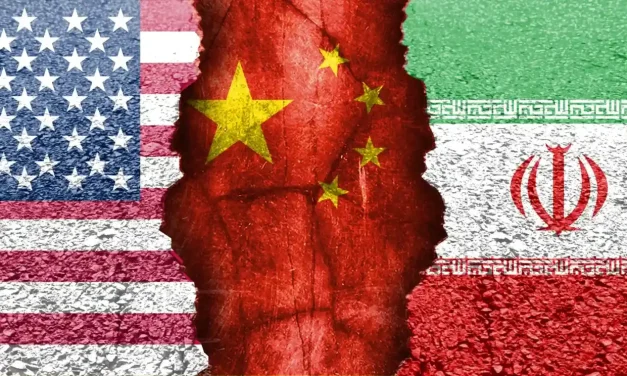
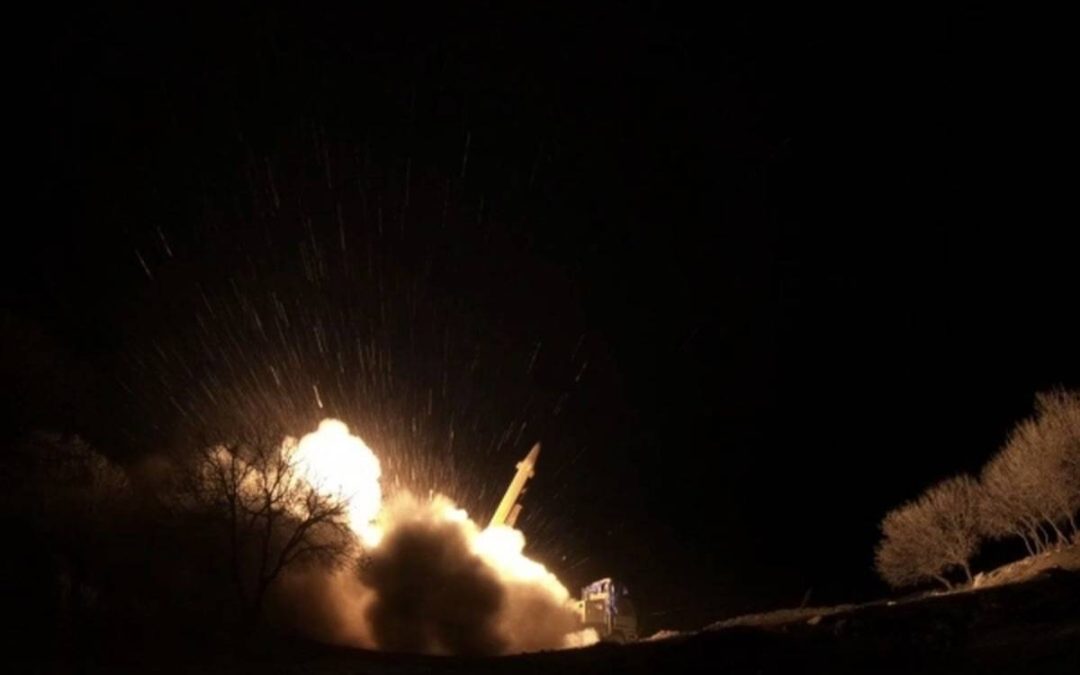
SCFR Online – Opinion: The continuation of the US war against Iran, in addition to increasing operational costs, has called into question the actual capacity of the American arsenal to simultaneously fulfill security commitments on multiple fronts; an issue that affects deterrence, defense production capacity, and Washington’s resource prioritization.

The Formation of a New Order in Relations Between Powers

SCFR Online – Opinion: The Russia-Ukraine war and the war of the United States and the Israeli regime against Iran have been formed with different objectives and actors, but field and political developments indicate that they are not entirely separate from one another.

An Analysis of the Makkah Defense Pact

SCFR Online – Opinion: On Friday, August 7, the heads of state of three countries – Saudi Arabia, Turkey, and Pakistan – signed a text under the title “Makkah Joint Defense Agreement.”

Loading

Strategic Perspective

The Complexities and the Necessity of Confronting ISIS-Khorasan

The Complexities and the Necessity of Confronting ISIS-Khorasan

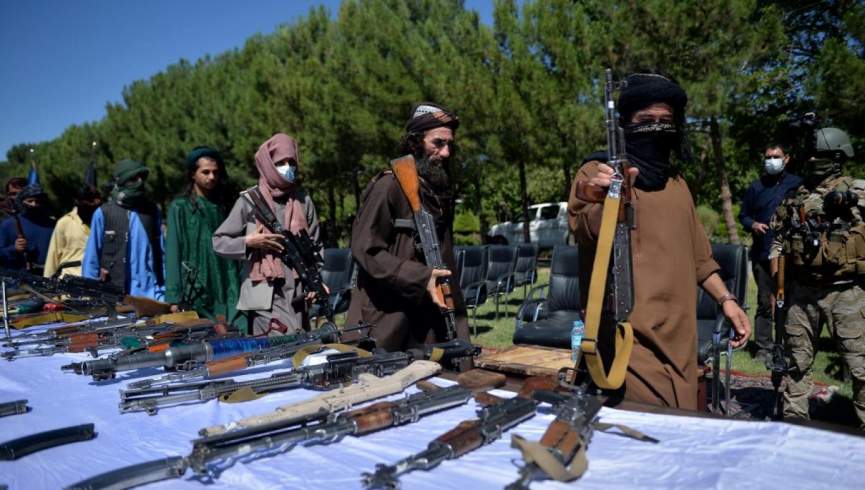
Strategic Council Online – Note: With the rise of the Taliban in Afghanistan, the issue of ISIS-Khorasan, the conflict between these two groups, and the expansion of the scope of their security threats in the region have become more critical than ever before, as the terrorist activities of this terrorist group disrupt regional security. In addition to this, support for suicide activities and armed individuals in the region has also put the security of Iran at risk. Therefore, ISIS-Khorasan is recognized as a significant threat to the eastern security of our country.
Dr. Hossein Ebrahimnia – Regional Issues Expert

Perspective of Relations between Kurdistan Regional Government and Baghdad

Perspective of Relations between Kurdistan Regional Government and Baghdad

Strategic Council Online – Interview: An expert on Iraq issues said: As Turkey gets closer to the central government of Iraq, the Kurdistan Regional Government (KRG) should overlook many of its claims about its autonomy in the future and will become more dependent on the central government.

An Analysis on Importance & Status of Measures Taken by the Hague Court Regarding the Gaza War

An Analysis on Importance & Status of Measures Taken by the Hague Court Regarding the Gaza War

Strategic Council Online – Interview: A former Iranian diplomat says The Court of Justice at the Hauge adopted new measures in early April, according to which the Zionist regime “given the worsening conditions of life faced by Palestinians in Gaza, in particular, the spread of famine and starvation,” shall take “all necessary and effective measures to ensure, without delay, in full cooperation with the United Nations, the unhindered provision at scale by all concerned of urgently needed basic services and humanitarian assistance to Palestinians throughout Gaza.”

An analysis of the failure of the Zionist regime’s strategy in the Gaza war

An analysis of the failure of the Zionist regime’s strategy in the Gaza war

Strategic Council Online – Opinion: More than six months have passed since the war in Gaza. Although the Zionist regime was fully supported by the United States during this period and is present in the war scene with all its might, it has not been able to achieve any of its “declared” and “practical” goals.
Hamid Khoshayand –Expert of regional issues

Characteristics and Strategic Consequences of Iran’s Historic Response to Zionist Regime

Characteristics and Strategic Consequences of Iran’s Historic Response to Zionist Regime

Strategic Council Online—Opinion: There are two different views about the Islamic Republic of Iran’s missile attacks against the Zionist regime. The first view is based on a superficial reading and a reductionist description that evaluates it as a low-impact and not-so-extensive operation. The second view, a realistic reading, sees Iran’s response as opening a new page of “balance of power” and “turning point” in regional equations, the effects and consequences of which will gradually emerge.

Opportunities & Challenges of NATO on Its 75th Birthday

Opportunities & Challenges of NATO on Its 75th Birthday

Strategic Council Online—Opinion: An expert on international affairs said: Although NATO, on its 75th birthday, has become more cohesive than three decades ago due to Russia’s attack on Ukraine, this does not mean it will not face challenges in its future prospects.

Biden-Netanyahu Rift Grows Wider, But US-Israel Strategic Relations Persist

Biden-Netanyahu Rift Grows Wider, But US-Israel Strategic Relations Persist

Strategic Council Online – Opinion: In recent weeks, the verbal disputes between Washington and Tel Aviv regarding the Gaza war have increased. The tensions that have arisen are such that some international observers interpret it as a difference between America and the Zionist regime, and some talk about the first “rift” between the two sides in the last 76 years.

The impact of recent Turkish elections on the political future of the ruling party

The impact of recent Turkish elections on the political future of the ruling party

Strategic Council Online—Opinion: Recep Tayyip Erdogan, the President of Turkiye, on the same night that he won the second round of the presidential elections in May 2023, told the crowd of his supporters, “We love Istanbul, we started our journey to this city, and we will continue it.” At the same time, he wanted to take back the Istanbul Municipality from the rival and kept repeating that we will take back Istanbul. Erdogan referred to the Istanbul Municipality, which his party lost in 2019 elections of this metropolis and the economic capital of Turkiye, to his Republican opponent, Akram Imamoglu.
Siyamak Kakaee—Researcher of Turkiye affairs

أحدث الوظائف

Implications of the US-Saudi Nuclear Agreement

SCFR Online – Opinion: The new US-Saudi nuclear agreement, despite legal and political ambiguities, could alter previous non-proliferation standards in West Asia and intensify nuclear competition, ushering it into a new phase.

An Analysis of Recent Turkey-Israeli Regime Tensions

SCFR Online – Opinion: Recent developments in Syria indicate an intensification of strategic rivalry between Turkey and the Israeli regime, but mutual considerations and the role of the United States have limited the likelihood of direct war.

Increasing criticism of the extensive Zionist lobby network

SCFR Online – Opinion: An examination of the mechanisms of the Israeli regime’s influence in the United States depicts a complex picture of shared interests, strategic dependencies, and the limitations of this relationship.

Realities of the Tripartite Makkah Pact

SCFR Online – Interview: The signing of the Makkah agreement between Saudi Arabia, Pakistan, and Turkey has raised questions about the future of the region’s security structure and the position of these countries in West Asian equations. Can this agreement become a genuine collective defense mechanism, or does it have more of a political and deterrent function than creating new military capacity?

Strategic Implications of the Reduction of US Weapons Stockpiles

SCFR Online – Opinion: The continuation of the US war against Iran, in addition to increasing operational costs, has called into question the actual capacity of the American arsenal to simultaneously fulfill security commitments on multiple fronts; an issue that affects deterrence, defense production capacity, and Washington’s resource prioritization.

The Formation of a New Order in Relations Between Powers

SCFR Online – Opinion: The Russia-Ukraine war and the war of the United States and the Israeli regime against Iran have been formed with different objectives and actors, but field and political developments indicate that they are not entirely separate from one another.

An Analysis of the Makkah Defense Pact

SCFR Online – Opinion: On Friday, August 7, the heads of state of three countries – Saudi Arabia, Turkey, and Pakistan – signed a text under the title “Makkah Joint Defense Agreement.”

Loading

Strategic Perspective

The Complexities and the Necessity of Confronting ISIS-Khorasan

The Complexities and the Necessity of Confronting ISIS-Khorasan

Strategic Council Online – Note: With the rise of the Taliban in Afghanistan, the issue of ISIS-Khorasan, the conflict between these two groups, and the expansion of the scope of their security threats in the region have become more critical than ever before, as the terrorist activities of this terrorist group disrupt regional security. In addition to this, support for suicide activities and armed individuals in the region has also put the security of Iran at risk. Therefore, ISIS-Khorasan is recognized as a significant threat to the eastern security of our country.
Dr. Hossein Ebrahimnia – Regional Issues Expert

Perspective of Relations between Kurdistan Regional Government and Baghdad

Perspective of Relations between Kurdistan Regional Government and Baghdad

Strategic Council Online – Interview: An expert on Iraq issues said: As Turkey gets closer to the central government of Iraq, the Kurdistan Regional Government (KRG) should overlook many of its claims about its autonomy in the future and will become more dependent on the central government.

An Analysis on Importance & Status of Measures Taken by the Hague Court Regarding the Gaza War

An Analysis on Importance & Status of Measures Taken by the Hague Court Regarding the Gaza War

Strategic Council Online – Interview: A former Iranian diplomat says The Court of Justice at the Hauge adopted new measures in early April, according to which the Zionist regime “given the worsening conditions of life faced by Palestinians in Gaza, in particular, the spread of famine and starvation,” shall take “all necessary and effective measures to ensure, without delay, in full cooperation with the United Nations, the unhindered provision at scale by all concerned of urgently needed basic services and humanitarian assistance to Palestinians throughout Gaza.”

An analysis of the failure of the Zionist regime’s strategy in the Gaza war

An analysis of the failure of the Zionist regime’s strategy in the Gaza war

Strategic Council Online – Opinion: More than six months have passed since the war in Gaza. Although the Zionist regime was fully supported by the United States during this period and is present in the war scene with all its might, it has not been able to achieve any of its “declared” and “practical” goals.
Hamid Khoshayand –Expert of regional issues

Characteristics and Strategic Consequences of Iran’s Historic Response to Zionist Regime

Characteristics and Strategic Consequences of Iran’s Historic Response to Zionist Regime

Strategic Council Online—Opinion: There are two different views about the Islamic Republic of Iran’s missile attacks against the Zionist regime. The first view is based on a superficial reading and a reductionist description that evaluates it as a low-impact and not-so-extensive operation. The second view, a realistic reading, sees Iran’s response as opening a new page of “balance of power” and “turning point” in regional equations, the effects and consequences of which will gradually emerge.

Opportunities & Challenges of NATO on Its 75th Birthday

Opportunities & Challenges of NATO on Its 75th Birthday

Strategic Council Online—Opinion: An expert on international affairs said: Although NATO, on its 75th birthday, has become more cohesive than three decades ago due to Russia’s attack on Ukraine, this does not mean it will not face challenges in its future prospects.

Biden-Netanyahu Rift Grows Wider, But US-Israel Strategic Relations Persist

Biden-Netanyahu Rift Grows Wider, But US-Israel Strategic Relations Persist

Strategic Council Online – Opinion: In recent weeks, the verbal disputes between Washington and Tel Aviv regarding the Gaza war have increased. The tensions that have arisen are such that some international observers interpret it as a difference between America and the Zionist regime, and some talk about the first “rift” between the two sides in the last 76 years.

The impact of recent Turkish elections on the political future of the ruling party

The impact of recent Turkish elections on the political future of the ruling party

Strategic Council Online—Opinion: Recep Tayyip Erdogan, the President of Turkiye, on the same night that he won the second round of the presidential elections in May 2023, told the crowd of his supporters, “We love Istanbul, we started our journey to this city, and we will continue it.” At the same time, he wanted to take back the Istanbul Municipality from the rival and kept repeating that we will take back Istanbul. Erdogan referred to the Istanbul Municipality, which his party lost in 2019 elections of this metropolis and the economic capital of Turkiye, to his Republican opponent, Akram Imamoglu.
Siyamak Kakaee—Researcher of Turkiye affairs

Strategic Perspective

The Complexities and the Necessity of Confronting ISIS-Khorasan

The Complexities and the Necessity of Confronting ISIS-Khorasan

Strategic Council Online – Note: With the rise of the Taliban in Afghanistan, the issue of ISIS-Khorasan, the conflict between these two groups, and the expansion of the scope of their security threats in the region have become more critical than ever before, as the terrorist activities of this terrorist group disrupt regional security. In addition to this, support for suicide activities and armed individuals in the region has also put the security of Iran at risk. Therefore, ISIS-Khorasan is recognized as a significant threat to the eastern security of our country.
Dr. Hossein Ebrahimnia – Regional Issues Expert

Perspective of Relations between Kurdistan Regional Government and Baghdad

Perspective of Relations between Kurdistan Regional Government and Baghdad

Strategic Council Online – Interview: An expert on Iraq issues said: As Turkey gets closer to the central government of Iraq, the Kurdistan Regional Government (KRG) should overlook many of its claims about its autonomy in the future and will become more dependent on the central government.

An Analysis on Importance & Status of Measures Taken by the Hague Court Regarding the Gaza War

An Analysis on Importance & Status of Measures Taken by the Hague Court Regarding the Gaza War

Strategic Council Online – Interview: A former Iranian diplomat says The Court of Justice at the Hauge adopted new measures in early April, according to which the Zionist regime “given the worsening conditions of life faced by Palestinians in Gaza, in particular, the spread of famine and starvation,” shall take “all necessary and effective measures to ensure, without delay, in full cooperation with the United Nations, the unhindered provision at scale by all concerned of urgently needed basic services and humanitarian assistance to Palestinians throughout Gaza.”

An analysis of the failure of the Zionist regime’s strategy in the Gaza war

An analysis of the failure of the Zionist regime’s strategy in the Gaza war

Strategic Council Online – Opinion: More than six months have passed since the war in Gaza. Although the Zionist regime was fully supported by the United States during this period and is present in the war scene with all its might, it has not been able to achieve any of its “declared” and “practical” goals.
Hamid Khoshayand –Expert of regional issues

Characteristics and Strategic Consequences of Iran’s Historic Response to Zionist Regime

Characteristics and Strategic Consequences of Iran’s Historic Response to Zionist Regime

Strategic Council Online—Opinion: There are two different views about the Islamic Republic of Iran’s missile attacks against the Zionist regime. The first view is based on a superficial reading and a reductionist description that evaluates it as a low-impact and not-so-extensive operation. The second view, a realistic reading, sees Iran’s response as opening a new page of “balance of power” and “turning point” in regional equations, the effects and consequences of which will gradually emerge.

Opportunities & Challenges of NATO on Its 75th Birthday

Opportunities & Challenges of NATO on Its 75th Birthday

Strategic Council Online—Opinion: An expert on international affairs said: Although NATO, on its 75th birthday, has become more cohesive than three decades ago due to Russia’s attack on Ukraine, this does not mean it will not face challenges in its future prospects.

Biden-Netanyahu Rift Grows Wider, But US-Israel Strategic Relations Persist

Biden-Netanyahu Rift Grows Wider, But US-Israel Strategic Relations Persist

Strategic Council Online – Opinion: In recent weeks, the verbal disputes between Washington and Tel Aviv regarding the Gaza war have increased. The tensions that have arisen are such that some international observers interpret it as a difference between America and the Zionist regime, and some talk about the first “rift” between the two sides in the last 76 years.

The impact of recent Turkish elections on the political future of the ruling party

The impact of recent Turkish elections on the political future of the ruling party

Strategic Council Online—Opinion: Recep Tayyip Erdogan, the President of Turkiye, on the same night that he won the second round of the presidential elections in May 2023, told the crowd of his supporters, “We love Istanbul, we started our journey to this city, and we will continue it.” At the same time, he wanted to take back the Istanbul Municipality from the rival and kept repeating that we will take back Istanbul. Erdogan referred to the Istanbul Municipality, which his party lost in 2019 elections of this metropolis and the economic capital of Turkiye, to his Republican opponent, Akram Imamoglu.
Siyamak Kakaee—Researcher of Turkiye affairs

LATEST CONTENT

Implications of the US-Saudi Nuclear Agreement

SCFR Online – Opinion: The new US-Saudi nuclear agreement, despite legal and political ambiguities, could alter previous non-proliferation standards in West Asia and intensify nuclear competition, ushering it into a new phase.

An Analysis of Recent Turkey-Israeli Regime Tensions

SCFR Online – Opinion: Recent developments in Syria indicate an intensification of strategic rivalry between Turkey and the Israeli regime, but mutual considerations and the role of the United States have limited the likelihood of direct war.

Increasing criticism of the extensive Zionist lobby network

SCFR Online – Opinion: An examination of the mechanisms of the Israeli regime’s influence in the United States depicts a complex picture of shared interests, strategic dependencies, and the limitations of this relationship.

Realities of the Tripartite Makkah Pact

SCFR Online – Interview: The signing of the Makkah agreement between Saudi Arabia, Pakistan, and Turkey has raised questions about the future of the region’s security structure and the position of these countries in West Asian equations. Can this agreement become a genuine collective defense mechanism, or does it have more of a political and deterrent function than creating new military capacity?

Strategic Implications of the Reduction of US Weapons Stockpiles

SCFR Online – Opinion: The continuation of the US war against Iran, in addition to increasing operational costs, has called into question the actual capacity of the American arsenal to simultaneously fulfill security commitments on multiple fronts; an issue that affects deterrence, defense production capacity, and Washington’s resource prioritization.

The Formation of a New Order in Relations Between Powers

SCFR Online – Opinion: The Russia-Ukraine war and the war of the United States and the Israeli regime against Iran have been formed with different objectives and actors, but field and political developments indicate that they are not entirely separate from one another.

An Analysis of the Makkah Defense Pact

SCFR Online – Opinion: On Friday, August 7, the heads of state of three countries – Saudi Arabia, Turkey, and Pakistan – signed a text under the title “Makkah Joint Defense Agreement.”

Loading

Strategic Perspective

The Complexities and the Necessity of Confronting ISIS-Khorasan

The Complexities and the Necessity of Confronting ISIS-Khorasan

Strategic Council Online – Note: With the rise of the Taliban in Afghanistan, the issue of ISIS-Khorasan, the conflict between these two groups, and the expansion of the scope of their security threats in the region have become more critical than ever before, as the terrorist activities of this terrorist group disrupt regional security. In addition to this, support for suicide activities and armed individuals in the region has also put the security of Iran at risk. Therefore, ISIS-Khorasan is recognized as a significant threat to the eastern security of our country.
Dr. Hossein Ebrahimnia – Regional Issues Expert

Perspective of Relations between Kurdistan Regional Government and Baghdad

Perspective of Relations between Kurdistan Regional Government and Baghdad

Strategic Council Online – Interview: An expert on Iraq issues said: As Turkey gets closer to the central government of Iraq, the Kurdistan Regional Government (KRG) should overlook many of its claims about its autonomy in the future and will become more dependent on the central government.

An Analysis on Importance & Status of Measures Taken by the Hague Court Regarding the Gaza War

An Analysis on Importance & Status of Measures Taken by the Hague Court Regarding the Gaza War

Strategic Council Online – Interview: A former Iranian diplomat says The Court of Justice at the Hauge adopted new measures in early April, according to which the Zionist regime “given the worsening conditions of life faced by Palestinians in Gaza, in particular, the spread of famine and starvation,” shall take “all necessary and effective measures to ensure, without delay, in full cooperation with the United Nations, the unhindered provision at scale by all concerned of urgently needed basic services and humanitarian assistance to Palestinians throughout Gaza.”

An analysis of the failure of the Zionist regime’s strategy in the Gaza war

An analysis of the failure of the Zionist regime’s strategy in the Gaza war

Strategic Council Online – Opinion: More than six months have passed since the war in Gaza. Although the Zionist regime was fully supported by the United States during this period and is present in the war scene with all its might, it has not been able to achieve any of its “declared” and “practical” goals.
Hamid Khoshayand –Expert of regional issues

Characteristics and Strategic Consequences of Iran’s Historic Response to Zionist Regime

Characteristics and Strategic Consequences of Iran’s Historic Response to Zionist Regime

Strategic Council Online—Opinion: There are two different views about the Islamic Republic of Iran’s missile attacks against the Zionist regime. The first view is based on a superficial reading and a reductionist description that evaluates it as a low-impact and not-so-extensive operation. The second view, a realistic reading, sees Iran’s response as opening a new page of “balance of power” and “turning point” in regional equations, the effects and consequences of which will gradually emerge.

Opportunities & Challenges of NATO on Its 75th Birthday

Opportunities & Challenges of NATO on Its 75th Birthday

Strategic Council Online—Opinion: An expert on international affairs said: Although NATO, on its 75th birthday, has become more cohesive than three decades ago due to Russia’s attack on Ukraine, this does not mean it will not face challenges in its future prospects.

Biden-Netanyahu Rift Grows Wider, But US-Israel Strategic Relations Persist

Biden-Netanyahu Rift Grows Wider, But US-Israel Strategic Relations Persist

Strategic Council Online – Opinion: In recent weeks, the verbal disputes between Washington and Tel Aviv regarding the Gaza war have increased. The tensions that have arisen are such that some international observers interpret it as a difference between America and the Zionist regime, and some talk about the first “rift” between the two sides in the last 76 years.

The impact of recent Turkish elections on the political future of the ruling party

The impact of recent Turkish elections on the political future of the ruling party

Strategic Council Online—Opinion: Recep Tayyip Erdogan, the President of Turkiye, on the same night that he won the second round of the presidential elections in May 2023, told the crowd of his supporters, “We love Istanbul, we started our journey to this city, and we will continue it.” At the same time, he wanted to take back the Istanbul Municipality from the rival and kept repeating that we will take back Istanbul. Erdogan referred to the Istanbul Municipality, which his party lost in 2019 elections of this metropolis and the economic capital of Turkiye, to his Republican opponent, Akram Imamoglu.
Siyamak Kakaee—Researcher of Turkiye affairs

ÚLTIMAS PUBLICACIONES

Implications of the US-Saudi Nuclear Agreement

SCFR Online – Opinion: The new US-Saudi nuclear agreement, despite legal and political ambiguities, could alter previous non-proliferation standards in West Asia and intensify nuclear competition, ushering it into a new phase.

An Analysis of Recent Turkey-Israeli Regime Tensions

SCFR Online – Opinion: Recent developments in Syria indicate an intensification of strategic rivalry between Turkey and the Israeli regime, but mutual considerations and the role of the United States have limited the likelihood of direct war.

Increasing criticism of the extensive Zionist lobby network

SCFR Online – Opinion: An examination of the mechanisms of the Israeli regime’s influence in the United States depicts a complex picture of shared interests, strategic dependencies, and the limitations of this relationship.

Realities of the Tripartite Makkah Pact

SCFR Online – Interview: The signing of the Makkah agreement between Saudi Arabia, Pakistan, and Turkey has raised questions about the future of the region’s security structure and the position of these countries in West Asian equations. Can this agreement become a genuine collective defense mechanism, or does it have more of a political and deterrent function than creating new military capacity?

Strategic Implications of the Reduction of US Weapons Stockpiles

SCFR Online – Opinion: The continuation of the US war against Iran, in addition to increasing operational costs, has called into question the actual capacity of the American arsenal to simultaneously fulfill security commitments on multiple fronts; an issue that affects deterrence, defense production capacity, and Washington’s resource prioritization.

The Formation of a New Order in Relations Between Powers

SCFR Online – Opinion: The Russia-Ukraine war and the war of the United States and the Israeli regime against Iran have been formed with different objectives and actors, but field and political developments indicate that they are not entirely separate from one another.

An Analysis of the Makkah Defense Pact

SCFR Online – Opinion: On Friday, August 7, the heads of state of three countries – Saudi Arabia, Turkey, and Pakistan – signed a text under the title “Makkah Joint Defense Agreement.”

Loading

Strategic Perspective

The Complexities and the Necessity of Confronting ISIS-Khorasan

The Complexities and the Necessity of Confronting ISIS-Khorasan

Strategic Council Online – Note: With the rise of the Taliban in Afghanistan, the issue of ISIS-Khorasan, the conflict between these two groups, and the expansion of the scope of their security threats in the region have become more critical than ever before, as the terrorist activities of this terrorist group disrupt regional security. In addition to this, support for suicide activities and armed individuals in the region has also put the security of Iran at risk. Therefore, ISIS-Khorasan is recognized as a significant threat to the eastern security of our country.
Dr. Hossein Ebrahimnia – Regional Issues Expert

Perspective of Relations between Kurdistan Regional Government and Baghdad

Perspective of Relations between Kurdistan Regional Government and Baghdad

Strategic Council Online – Interview: An expert on Iraq issues said: As Turkey gets closer to the central government of Iraq, the Kurdistan Regional Government (KRG) should overlook many of its claims about its autonomy in the future and will become more dependent on the central government.

An Analysis on Importance & Status of Measures Taken by the Hague Court Regarding the Gaza War

An Analysis on Importance & Status of Measures Taken by the Hague Court Regarding the Gaza War

Strategic Council Online – Interview: A former Iranian diplomat says The Court of Justice at the Hauge adopted new measures in early April, according to which the Zionist regime “given the worsening conditions of life faced by Palestinians in Gaza, in particular, the spread of famine and starvation,” shall take “all necessary and effective measures to ensure, without delay, in full cooperation with the United Nations, the unhindered provision at scale by all concerned of urgently needed basic services and humanitarian assistance to Palestinians throughout Gaza.”

An analysis of the failure of the Zionist regime’s strategy in the Gaza war

An analysis of the failure of the Zionist regime’s strategy in the Gaza war

Strategic Council Online – Opinion: More than six months have passed since the war in Gaza. Although the Zionist regime was fully supported by the United States during this period and is present in the war scene with all its might, it has not been able to achieve any of its “declared” and “practical” goals.
Hamid Khoshayand –Expert of regional issues

Characteristics and Strategic Consequences of Iran’s Historic Response to Zionist Regime

Characteristics and Strategic Consequences of Iran’s Historic Response to Zionist Regime

Strategic Council Online—Opinion: There are two different views about the Islamic Republic of Iran’s missile attacks against the Zionist regime. The first view is based on a superficial reading and a reductionist description that evaluates it as a low-impact and not-so-extensive operation. The second view, a realistic reading, sees Iran’s response as opening a new page of “balance of power” and “turning point” in regional equations, the effects and consequences of which will gradually emerge.

Opportunities & Challenges of NATO on Its 75th Birthday

Opportunities & Challenges of NATO on Its 75th Birthday

Strategic Council Online—Opinion: An expert on international affairs said: Although NATO, on its 75th birthday, has become more cohesive than three decades ago due to Russia’s attack on Ukraine, this does not mean it will not face challenges in its future prospects.

Biden-Netanyahu Rift Grows Wider, But US-Israel Strategic Relations Persist

Biden-Netanyahu Rift Grows Wider, But US-Israel Strategic Relations Persist

Strategic Council Online – Opinion: In recent weeks, the verbal disputes between Washington and Tel Aviv regarding the Gaza war have increased. The tensions that have arisen are such that some international observers interpret it as a difference between America and the Zionist regime, and some talk about the first “rift” between the two sides in the last 76 years.

The impact of recent Turkish elections on the political future of the ruling party

The impact of recent Turkish elections on the political future of the ruling party

Strategic Council Online—Opinion: Recep Tayyip Erdogan, the President of Turkiye, on the same night that he won the second round of the presidential elections in May 2023, told the crowd of his supporters, “We love Istanbul, we started our journey to this city, and we will continue it.” At the same time, he wanted to take back the Istanbul Municipality from the rival and kept repeating that we will take back Istanbul. Erdogan referred to the Istanbul Municipality, which his party lost in 2019 elections of this metropolis and the economic capital of Turkiye, to his Republican opponent, Akram Imamoglu.
Siyamak Kakaee—Researcher of Turkiye affairs

ÚLTIMAS PUBLICACIONES

Implications of the US-Saudi Nuclear Agreement

SCFR Online – Opinion: The new US-Saudi nuclear agreement, despite legal and political ambiguities, could alter previous non-proliferation standards in West Asia and intensify nuclear competition, ushering it into a new phase.

An Analysis of Recent Turkey-Israeli Regime Tensions

SCFR Online – Opinion: Recent developments in Syria indicate an intensification of strategic rivalry between Turkey and the Israeli regime, but mutual considerations and the role of the United States have limited the likelihood of direct war.

Increasing criticism of the extensive Zionist lobby network

SCFR Online – Opinion: An examination of the mechanisms of the Israeli regime’s influence in the United States depicts a complex picture of shared interests, strategic dependencies, and the limitations of this relationship.

Realities of the Tripartite Makkah Pact

SCFR Online – Interview: The signing of the Makkah agreement between Saudi Arabia, Pakistan, and Turkey has raised questions about the future of the region’s security structure and the position of these countries in West Asian equations. Can this agreement become a genuine collective defense mechanism, or does it have more of a political and deterrent function than creating new military capacity?

Strategic Implications of the Reduction of US Weapons Stockpiles

SCFR Online – Opinion: The continuation of the US war against Iran, in addition to increasing operational costs, has called into question the actual capacity of the American arsenal to simultaneously fulfill security commitments on multiple fronts; an issue that affects deterrence, defense production capacity, and Washington’s resource prioritization.

The Formation of a New Order in Relations Between Powers

SCFR Online – Opinion: The Russia-Ukraine war and the war of the United States and the Israeli regime against Iran have been formed with different objectives and actors, but field and political developments indicate that they are not entirely separate from one another.

An Analysis of the Makkah Defense Pact

SCFR Online – Opinion: On Friday, August 7, the heads of state of three countries – Saudi Arabia, Turkey, and Pakistan – signed a text under the title “Makkah Joint Defense Agreement.”

Loading

Strategic Perspective

The Complexities and the Necessity of Confronting ISIS-Khorasan

The Complexities and the Necessity of Confronting ISIS-Khorasan

Strategic Council Online – Note: With the rise of the Taliban in Afghanistan, the issue of ISIS-Khorasan, the conflict between these two groups, and the expansion of the scope of their security threats in the region have become more critical than ever before, as the terrorist activities of this terrorist group disrupt regional security. In addition to this, support for suicide activities and armed individuals in the region has also put the security of Iran at risk. Therefore, ISIS-Khorasan is recognized as a significant threat to the eastern security of our country.
Dr. Hossein Ebrahimnia – Regional Issues Expert

Perspective of Relations between Kurdistan Regional Government and Baghdad

Perspective of Relations between Kurdistan Regional Government and Baghdad

Strategic Council Online – Interview: An expert on Iraq issues said: As Turkey gets closer to the central government of Iraq, the Kurdistan Regional Government (KRG) should overlook many of its claims about its autonomy in the future and will become more dependent on the central government.

An Analysis on Importance & Status of Measures Taken by the Hague Court Regarding the Gaza War

An Analysis on Importance & Status of Measures Taken by the Hague Court Regarding the Gaza War

Strategic Council Online – Interview: A former Iranian diplomat says The Court of Justice at the Hauge adopted new measures in early April, according to which the Zionist regime “given the worsening conditions of life faced by Palestinians in Gaza, in particular, the spread of famine and starvation,” shall take “all necessary and effective measures to ensure, without delay, in full cooperation with the United Nations, the unhindered provision at scale by all concerned of urgently needed basic services and humanitarian assistance to Palestinians throughout Gaza.”

An analysis of the failure of the Zionist regime’s strategy in the Gaza war

An analysis of the failure of the Zionist regime’s strategy in the Gaza war

Strategic Council Online – Opinion: More than six months have passed since the war in Gaza. Although the Zionist regime was fully supported by the United States during this period and is present in the war scene with all its might, it has not been able to achieve any of its “declared” and “practical” goals.
Hamid Khoshayand –Expert of regional issues

Characteristics and Strategic Consequences of Iran’s Historic Response to Zionist Regime

Characteristics and Strategic Consequences of Iran’s Historic Response to Zionist Regime

Strategic Council Online—Opinion: There are two different views about the Islamic Republic of Iran’s missile attacks against the Zionist regime. The first view is based on a superficial reading and a reductionist description that evaluates it as a low-impact and not-so-extensive operation. The second view, a realistic reading, sees Iran’s response as opening a new page of “balance of power” and “turning point” in regional equations, the effects and consequences of which will gradually emerge.

Opportunities & Challenges of NATO on Its 75th Birthday

Opportunities & Challenges of NATO on Its 75th Birthday

Strategic Council Online—Opinion: An expert on international affairs said: Although NATO, on its 75th birthday, has become more cohesive than three decades ago due to Russia’s attack on Ukraine, this does not mean it will not face challenges in its future prospects.

Biden-Netanyahu Rift Grows Wider, But US-Israel Strategic Relations Persist

Biden-Netanyahu Rift Grows Wider, But US-Israel Strategic Relations Persist

Strategic Council Online – Opinion: In recent weeks, the verbal disputes between Washington and Tel Aviv regarding the Gaza war have increased. The tensions that have arisen are such that some international observers interpret it as a difference between America and the Zionist regime, and some talk about the first “rift” between the two sides in the last 76 years.

The impact of recent Turkish elections on the political future of the ruling party

The impact of recent Turkish elections on the political future of the ruling party

Strategic Council Online—Opinion: Recep Tayyip Erdogan, the President of Turkiye, on the same night that he won the second round of the presidential elections in May 2023, told the crowd of his supporters, “We love Istanbul, we started our journey to this city, and we will continue it.” At the same time, he wanted to take back the Istanbul Municipality from the rival and kept repeating that we will take back Istanbul. Erdogan referred to the Istanbul Municipality, which his party lost in 2019 elections of this metropolis and the economic capital of Turkiye, to his Republican opponent, Akram Imamoglu.
Siyamak Kakaee—Researcher of Turkiye affairs

ÚLTIMAS PUBLICACIONES

Implications of the US-Saudi Nuclear Agreement

SCFR Online – Opinion: The new US-Saudi nuclear agreement, despite legal and political ambiguities, could alter previous non-proliferation standards in West Asia and intensify nuclear competition, ushering it into a new phase.

An Analysis of Recent Turkey-Israeli Regime Tensions

SCFR Online – Opinion: Recent developments in Syria indicate an intensification of strategic rivalry between Turkey and the Israeli regime, but mutual considerations and the role of the United States have limited the likelihood of direct war.

Increasing criticism of the extensive Zionist lobby network

SCFR Online – Opinion: An examination of the mechanisms of the Israeli regime’s influence in the United States depicts a complex picture of shared interests, strategic dependencies, and the limitations of this relationship.

Realities of the Tripartite Makkah Pact

SCFR Online – Interview: The signing of the Makkah agreement between Saudi Arabia, Pakistan, and Turkey has raised questions about the future of the region’s security structure and the position of these countries in West Asian equations. Can this agreement become a genuine collective defense mechanism, or does it have more of a political and deterrent function than creating new military capacity?

Strategic Implications of the Reduction of US Weapons Stockpiles

SCFR Online – Opinion: The continuation of the US war against Iran, in addition to increasing operational costs, has called into question the actual capacity of the American arsenal to simultaneously fulfill security commitments on multiple fronts; an issue that affects deterrence, defense production capacity, and Washington’s resource prioritization.

The Formation of a New Order in Relations Between Powers

SCFR Online – Opinion: The Russia-Ukraine war and the war of the United States and the Israeli regime against Iran have been formed with different objectives and actors, but field and political developments indicate that they are not entirely separate from one another.

An Analysis of the Makkah Defense Pact

SCFR Online – Opinion: On Friday, August 7, the heads of state of three countries – Saudi Arabia, Turkey, and Pakistan – signed a text under the title “Makkah Joint Defense Agreement.”

Loading

Strategic Perspective

The Complexities and the Necessity of Confronting ISIS-Khorasan

The Complexities and the Necessity of Confronting ISIS-Khorasan

Strategic Council Online – Note: With the rise of the Taliban in Afghanistan, the issue of ISIS-Khorasan, the conflict between these two groups, and the expansion of the scope of their security threats in the region have become more critical than ever before, as the terrorist activities of this terrorist group disrupt regional security. In addition to this, support for suicide activities and armed individuals in the region has also put the security of Iran at risk. Therefore, ISIS-Khorasan is recognized as a significant threat to the eastern security of our country.
Dr. Hossein Ebrahimnia – Regional Issues Expert

Perspective of Relations between Kurdistan Regional Government and Baghdad

Perspective of Relations between Kurdistan Regional Government and Baghdad

Strategic Council Online – Interview: An expert on Iraq issues said: As Turkey gets closer to the central government of Iraq, the Kurdistan Regional Government (KRG) should overlook many of its claims about its autonomy in the future and will become more dependent on the central government.

An Analysis on Importance & Status of Measures Taken by the Hague Court Regarding the Gaza War

An Analysis on Importance & Status of Measures Taken by the Hague Court Regarding the Gaza War

Strategic Council Online – Interview: A former Iranian diplomat says The Court of Justice at the Hauge adopted new measures in early April, according to which the Zionist regime “given the worsening conditions of life faced by Palestinians in Gaza, in particular, the spread of famine and starvation,” shall take “all necessary and effective measures to ensure, without delay, in full cooperation with the United Nations, the unhindered provision at scale by all concerned of urgently needed basic services and humanitarian assistance to Palestinians throughout Gaza.”

An analysis of the failure of the Zionist regime’s strategy in the Gaza war

An analysis of the failure of the Zionist regime’s strategy in the Gaza war

Strategic Council Online – Opinion: More than six months have passed since the war in Gaza. Although the Zionist regime was fully supported by the United States during this period and is present in the war scene with all its might, it has not been able to achieve any of its “declared” and “practical” goals.
Hamid Khoshayand –Expert of regional issues

Characteristics and Strategic Consequences of Iran’s Historic Response to Zionist Regime

Characteristics and Strategic Consequences of Iran’s Historic Response to Zionist Regime

Strategic Council Online—Opinion: There are two different views about the Islamic Republic of Iran’s missile attacks against the Zionist regime. The first view is based on a superficial reading and a reductionist description that evaluates it as a low-impact and not-so-extensive operation. The second view, a realistic reading, sees Iran’s response as opening a new page of “balance of power” and “turning point” in regional equations, the effects and consequences of which will gradually emerge.

Opportunities & Challenges of NATO on Its 75th Birthday

Opportunities & Challenges of NATO on Its 75th Birthday

Strategic Council Online—Opinion: An expert on international affairs said: Although NATO, on its 75th birthday, has become more cohesive than three decades ago due to Russia’s attack on Ukraine, this does not mean it will not face challenges in its future prospects.

Biden-Netanyahu Rift Grows Wider, But US-Israel Strategic Relations Persist

Biden-Netanyahu Rift Grows Wider, But US-Israel Strategic Relations Persist

Strategic Council Online – Opinion: In recent weeks, the verbal disputes between Washington and Tel Aviv regarding the Gaza war have increased. The tensions that have arisen are such that some international observers interpret it as a difference between America and the Zionist regime, and some talk about the first “rift” between the two sides in the last 76 years.

The impact of recent Turkish elections on the political future of the ruling party

The impact of recent Turkish elections on the political future of the ruling party

Strategic Council Online—Opinion: Recep Tayyip Erdogan, the President of Turkiye, on the same night that he won the second round of the presidential elections in May 2023, told the crowd of his supporters, “We love Istanbul, we started our journey to this city, and we will continue it.” At the same time, he wanted to take back the Istanbul Municipality from the rival and kept repeating that we will take back Istanbul. Erdogan referred to the Istanbul Municipality, which his party lost in 2019 elections of this metropolis and the economic capital of Turkiye, to his Republican opponent, Akram Imamoglu.
Siyamak Kakaee—Researcher of Turkiye affairs

ÚLTIMAS PUBLICACIONES

Implications of the US-Saudi Nuclear Agreement

SCFR Online – Opinion: The new US-Saudi nuclear agreement, despite legal and political ambiguities, could alter previous non-proliferation standards in West Asia and intensify nuclear competition, ushering it into a new phase.

An Analysis of Recent Turkey-Israeli Regime Tensions

SCFR Online – Opinion: Recent developments in Syria indicate an intensification of strategic rivalry between Turkey and the Israeli regime, but mutual considerations and the role of the United States have limited the likelihood of direct war.

Increasing criticism of the extensive Zionist lobby network

SCFR Online – Opinion: An examination of the mechanisms of the Israeli regime’s influence in the United States depicts a complex picture of shared interests, strategic dependencies, and the limitations of this relationship.

Realities of the Tripartite Makkah Pact

SCFR Online – Interview: The signing of the Makkah agreement between Saudi Arabia, Pakistan, and Turkey has raised questions about the future of the region’s security structure and the position of these countries in West Asian equations. Can this agreement become a genuine collective defense mechanism, or does it have more of a political and deterrent function than creating new military capacity?

Strategic Implications of the Reduction of US Weapons Stockpiles

SCFR Online – Opinion: The continuation of the US war against Iran, in addition to increasing operational costs, has called into question the actual capacity of the American arsenal to simultaneously fulfill security commitments on multiple fronts; an issue that affects deterrence, defense production capacity, and Washington’s resource prioritization.

The Formation of a New Order in Relations Between Powers

SCFR Online – Opinion: The Russia-Ukraine war and the war of the United States and the Israeli regime against Iran have been formed with different objectives and actors, but field and political developments indicate that they are not entirely separate from one another.

An Analysis of the Makkah Defense Pact

SCFR Online – Opinion: On Friday, August 7, the heads of state of three countries – Saudi Arabia, Turkey, and Pakistan – signed a text under the title “Makkah Joint Defense Agreement.”

Loading