Reasons for the Ineffectiveness of Trump’s “Economic War” against Iran
SCFR Online – Opinion: The intensification of U.S. sanctions against Iran on the eve of the U.S. midterm elections indicates Washington’s inability to achieve its war objectives.


SCFR Online – Opinion: The intensification of U.S. sanctions against Iran on the eve of the U.S. midterm elections indicates Washington’s inability to achieve its war objectives.

SCFR Online – Opinion: The competition between Washington and Beijing over chips and artificial intelligence, simultaneously with the shifting of technological balances, has taken on new economic and security dimensions.
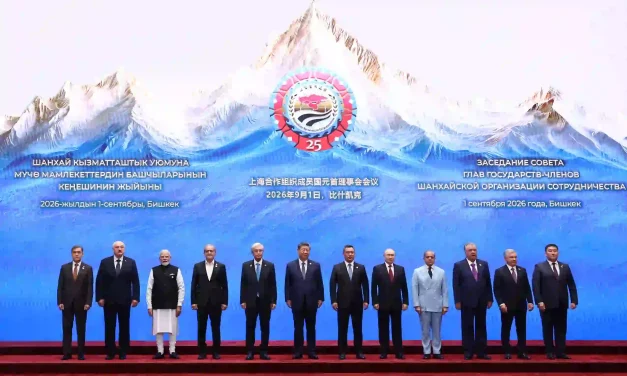
SCFR Online – Opinion: The Shanghai Cooperation Organization summit has created a new opportunity for Iran to transform its membership from a political achievement into economic and transit cooperation.
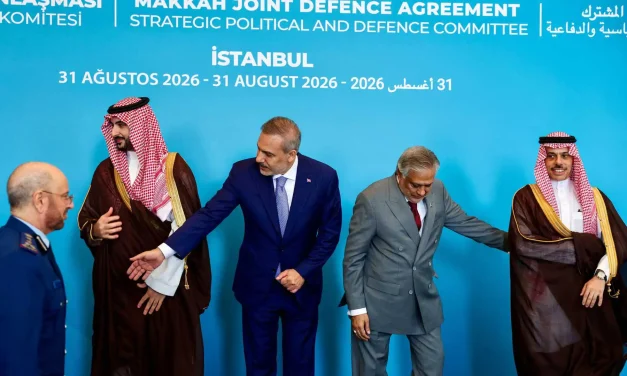
Strategic Council Online – Note: The Makkah Defense Pact can be seen as a sign of regional countries’ efforts to reduce security dependence on extra-regional powers and redefine the balance in West Asia.
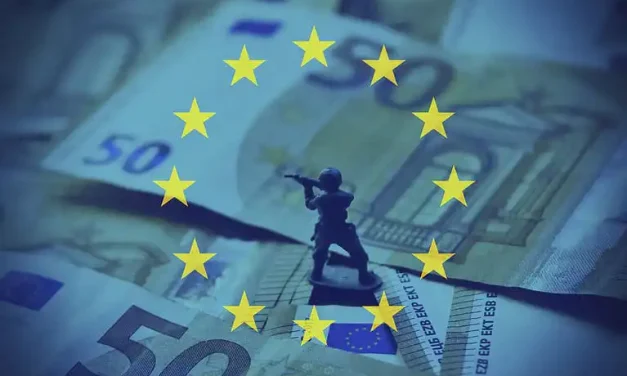
SCFR Online – Opinion: The Ukraine war, by exhausting US military capability on one hand and strengthening European defense capacity on the other, has altered the balance of power in the European continent, cast uncertainty over NATO’s future, and is driving it toward a European NATO.
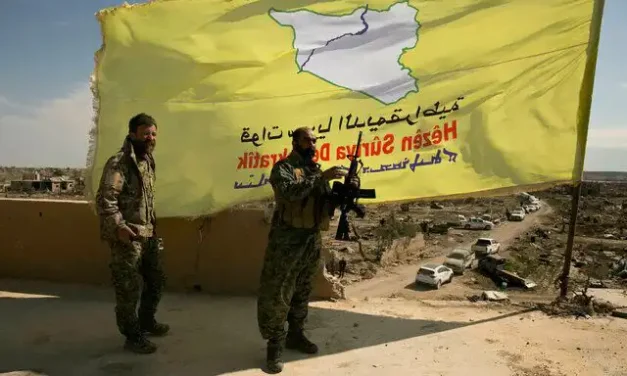
SCFR Online – Opinion: The dissolution of the SDF, although considered an achievement for Turkey’s security, does not put an end to the challenges arising from the Israeli regime’s aggression and expansionism, refugees, and Syria’s fragility.
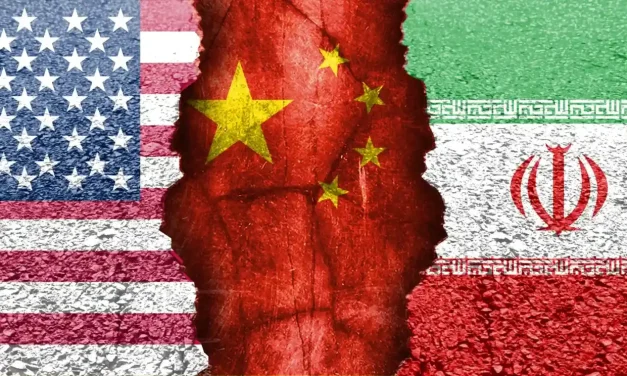
SCFR Online – Opinion: Concurrent with the official commencement of the United States’ economic war against our country, focusing on sanctions instruments, isolation, and economic pressure, what has now become increasingly important is the lack of alignment of other major global powers, especially China, with this policy.
SCFR Online – Opinion: The new US sanctions against Iran, despite extensive propaganda, face serious obstacles to success due to the ineffectiveness of sanctions tools and opposition from some of Tehran’s trading partners.


Strategic Council Online: The President of the Strategic Council on Foreign Relations said: We need to have a “Strong Region” comprised of “Strong Actors.” Our security and economy depend on the strength of each of us and the strength of the entire region.

Strategic Council Online – Interview: An analyst of Turkey affairs considered the results of the first round of the elections as a kind of victory for Erdogan and said: With the victory of Kılıçdaroğlu, some regional changes might be witnessed, but in any case, it seems that the winner of the elections will face a series of internal problems and those problems will be aggravated if Kılıçdaroğlu wins.

Strategic Council Online – Interview: An expert on international law, saying that Baku is trying to discredit Russia in the developments in the Caucasus, referred to the negotiations between Armenia and the Republic of Azerbaijan in the United States and noted: Washington, to compensate for its diplomatic backwardness in the second Karabakh war, is trying to create an alternative to the Russian mechanism and push the developments in a direction that is against the interests of Iran and Russia.

Strategic Council Online – Interview: A researcher on subcontinental affairs says that the United Nations is looking for a mechanism with a so-called aim of “recognition of the Taliban” to prevent the movement from its extreme behavior. The international view is that by attracting the Taliban, more effective steps can be taken to achieve the target.

Strategic Council Online – Interview: An analyst of Europe affairs, while explaining the dimensions of the draft of the EU Cyber Solidarity Act, said: Despite the resistance of some EU members to sharing information within the framework of the European cyber shield or pervasive dome, this law addresses this concern; and the massive budget that has been allocated has increased the possibility of the success of the Act. On the other hand, due to the announcement of the cyber security strategy of the United States on March 2 of the current year, as well as the effort for transatlantic cooperation to deal with cyber threats, the European Union is making a double effort to put the law into action.

Strategic Council Online—Opinion: The two-day visit of Mr. Raisi, the president of the Islamic Republic of Iran, to Syria is important from different dimensions. This trip, which has had many reflections in the media and political circles of the region, has a vital role in the implementation of dozens of economic and commercial agreements, as well as the signing of new military and security agreements, which were agreed upon by the parties during the past years but were not fully implemented.
Barsam Mohammadi—Expert in regional issues

Strategic Council Online: The President of the Strategic Council on Foreign Relations, addressing the international conference of “the Geometry of the New World Order,” held at the High National Defense University, emphasized that the smart combination of hard, semi-hard, and soft powers, determines the position of a country in the New World Order.

Strategic Council Online – Interview: A researcher of the Zionist regime affairs at the Stream Research Institute, regarding the continuation of protests in the Zionist regime in response to the revision plan of the judicial reform law, said: Protests against the Supreme Court reform case have entered the 18th consecutive week, while the negotiations between Netanyahu’s government and the opposition parties to reach a solution are not inspiring.

Strategic Council Online – Opinion: The resumption of the “policy of terror” by the Zionist regime has once again attracted the attention of Israel’s political and security circles.
Hamid Khoshayand – Expert on regional affairs

Strategic Council Online – Opinion: While national elections are set to be held in Turkey (May 14), and Greece (May 21), senior officials of the two countries hope to witness a new chapter in bilateral relations after the official election results are announced. Despite deep-rooted differences between the two countries, Greece was one of the first countries to offer sympathy and aid after two earthquakes hit 11 southern Turkish provinces on February 6. Turkey was also the first country to express sympathy and help after the train accident in northern Greece on February 28 that left 57 dead.
Mahmoud Fazeli – International Affairs analyst
SCFR Online – Opinion: The intensification of U.S. sanctions against Iran on the eve of the U.S. midterm elections indicates Washington’s inability to achieve its war objectives.
SCFR Online – Opinion: The competition between Washington and Beijing over chips and artificial intelligence, simultaneously with the shifting of technological balances, has taken on new economic and security dimensions.
SCFR Online – Opinion: The Shanghai Cooperation Organization summit has created a new opportunity for Iran to transform its membership from a political achievement into economic and transit cooperation.
Strategic Council Online – Note: The Makkah Defense Pact can be seen as a sign of regional countries’ efforts to reduce security dependence on extra-regional powers and redefine the balance in West Asia.
SCFR Online – Opinion: The Ukraine war, by exhausting US military capability on one hand and strengthening European defense capacity on the other, has altered the balance of power in the European continent, cast uncertainty over NATO’s future, and is driving it toward a European NATO.
SCFR Online – Opinion: The dissolution of the SDF, although considered an achievement for Turkey’s security, does not put an end to the challenges arising from the Israeli regime’s aggression and expansionism, refugees, and Syria’s fragility.
SCFR Online – Opinion: Concurrent with the official commencement of the United States’ economic war against our country, focusing on sanctions instruments, isolation, and economic pressure, what has now become increasingly important is the lack of alignment of other major global powers, especially China, with this policy.
SCFR Online – Opinion: The new US sanctions against Iran, despite extensive propaganda, face serious obstacles to success due to the ineffectiveness of sanctions tools and opposition from some of Tehran’s trading partners.
Strategic Council Online: The President of the Strategic Council on Foreign Relations said: We need to have a “Strong Region” comprised of “Strong Actors.” Our security and economy depend on the strength of each of us and the strength of the entire region.
Strategic Council Online – Interview: An analyst of Turkey affairs considered the results of the first round of the elections as a kind of victory for Erdogan and said: With the victory of Kılıçdaroğlu, some regional changes might be witnessed, but in any case, it seems that the winner of the elections will face a series of internal problems and those problems will be aggravated if Kılıçdaroğlu wins.
Strategic Council Online – Interview: An expert on international law, saying that Baku is trying to discredit Russia in the developments in the Caucasus, referred to the negotiations between Armenia and the Republic of Azerbaijan in the United States and noted: Washington, to compensate for its diplomatic backwardness in the second Karabakh war, is trying to create an alternative to the Russian mechanism and push the developments in a direction that is against the interests of Iran and Russia.
Strategic Council Online – Interview: A researcher on subcontinental affairs says that the United Nations is looking for a mechanism with a so-called aim of “recognition of the Taliban” to prevent the movement from its extreme behavior. The international view is that by attracting the Taliban, more effective steps can be taken to achieve the target.
Strategic Council Online – Interview: An analyst of Europe affairs, while explaining the dimensions of the draft of the EU Cyber Solidarity Act, said: Despite the resistance of some EU members to sharing information within the framework of the European cyber shield or pervasive dome, this law addresses this concern; and the massive budget that has been allocated has increased the possibility of the success of the Act. On the other hand, due to the announcement of the cyber security strategy of the United States on March 2 of the current year, as well as the effort for transatlantic cooperation to deal with cyber threats, the European Union is making a double effort to put the law into action.
Strategic Council Online—Opinion: The two-day visit of Mr. Raisi, the president of the Islamic Republic of Iran, to Syria is important from different dimensions. This trip, which has had many reflections in the media and political circles of the region, has a vital role in the implementation of dozens of economic and commercial agreements, as well as the signing of new military and security agreements, which were agreed upon by the parties during the past years but were not fully implemented.
Barsam Mohammadi—Expert in regional issues
Strategic Council Online: The President of the Strategic Council on Foreign Relations, addressing the international conference of “the Geometry of the New World Order,” held at the High National Defense University, emphasized that the smart combination of hard, semi-hard, and soft powers, determines the position of a country in the New World Order.
Strategic Council Online – Interview: A researcher of the Zionist regime affairs at the Stream Research Institute, regarding the continuation of protests in the Zionist regime in response to the revision plan of the judicial reform law, said: Protests against the Supreme Court reform case have entered the 18th consecutive week, while the negotiations between Netanyahu’s government and the opposition parties to reach a solution are not inspiring.
Strategic Council Online – Opinion: The resumption of the “policy of terror” by the Zionist regime has once again attracted the attention of Israel’s political and security circles.
Hamid Khoshayand – Expert on regional affairs
Strategic Council Online – Opinion: While national elections are set to be held in Turkey (May 14), and Greece (May 21), senior officials of the two countries hope to witness a new chapter in bilateral relations after the official election results are announced. Despite deep-rooted differences between the two countries, Greece was one of the first countries to offer sympathy and aid after two earthquakes hit 11 southern Turkish provinces on February 6. Turkey was also the first country to express sympathy and help after the train accident in northern Greece on February 28 that left 57 dead.
Mahmoud Fazeli – International Affairs analyst
Strategic Council Online: The President of the Strategic Council on Foreign Relations said: We need to have a “Strong Region” comprised of “Strong Actors.” Our security and economy depend on the strength of each of us and the strength of the entire region.
Strategic Council Online – Interview: An analyst of Turkey affairs considered the results of the first round of the elections as a kind of victory for Erdogan and said: With the victory of Kılıçdaroğlu, some regional changes might be witnessed, but in any case, it seems that the winner of the elections will face a series of internal problems and those problems will be aggravated if Kılıçdaroğlu wins.
Strategic Council Online – Interview: An expert on international law, saying that Baku is trying to discredit Russia in the developments in the Caucasus, referred to the negotiations between Armenia and the Republic of Azerbaijan in the United States and noted: Washington, to compensate for its diplomatic backwardness in the second Karabakh war, is trying to create an alternative to the Russian mechanism and push the developments in a direction that is against the interests of Iran and Russia.
Strategic Council Online – Interview: A researcher on subcontinental affairs says that the United Nations is looking for a mechanism with a so-called aim of “recognition of the Taliban” to prevent the movement from its extreme behavior. The international view is that by attracting the Taliban, more effective steps can be taken to achieve the target.
Strategic Council Online – Interview: An analyst of Europe affairs, while explaining the dimensions of the draft of the EU Cyber Solidarity Act, said: Despite the resistance of some EU members to sharing information within the framework of the European cyber shield or pervasive dome, this law addresses this concern; and the massive budget that has been allocated has increased the possibility of the success of the Act. On the other hand, due to the announcement of the cyber security strategy of the United States on March 2 of the current year, as well as the effort for transatlantic cooperation to deal with cyber threats, the European Union is making a double effort to put the law into action.
Strategic Council Online—Opinion: The two-day visit of Mr. Raisi, the president of the Islamic Republic of Iran, to Syria is important from different dimensions. This trip, which has had many reflections in the media and political circles of the region, has a vital role in the implementation of dozens of economic and commercial agreements, as well as the signing of new military and security agreements, which were agreed upon by the parties during the past years but were not fully implemented.
Barsam Mohammadi—Expert in regional issues
Strategic Council Online: The President of the Strategic Council on Foreign Relations, addressing the international conference of “the Geometry of the New World Order,” held at the High National Defense University, emphasized that the smart combination of hard, semi-hard, and soft powers, determines the position of a country in the New World Order.
Strategic Council Online – Interview: A researcher of the Zionist regime affairs at the Stream Research Institute, regarding the continuation of protests in the Zionist regime in response to the revision plan of the judicial reform law, said: Protests against the Supreme Court reform case have entered the 18th consecutive week, while the negotiations between Netanyahu’s government and the opposition parties to reach a solution are not inspiring.
Strategic Council Online – Opinion: The resumption of the “policy of terror” by the Zionist regime has once again attracted the attention of Israel’s political and security circles.
Hamid Khoshayand – Expert on regional affairs
Strategic Council Online – Opinion: While national elections are set to be held in Turkey (May 14), and Greece (May 21), senior officials of the two countries hope to witness a new chapter in bilateral relations after the official election results are announced. Despite deep-rooted differences between the two countries, Greece was one of the first countries to offer sympathy and aid after two earthquakes hit 11 southern Turkish provinces on February 6. Turkey was also the first country to express sympathy and help after the train accident in northern Greece on February 28 that left 57 dead.
Mahmoud Fazeli – International Affairs analyst
SCFR Online – Opinion: The intensification of U.S. sanctions against Iran on the eve of the U.S. midterm elections indicates Washington’s inability to achieve its war objectives.
SCFR Online – Opinion: The competition between Washington and Beijing over chips and artificial intelligence, simultaneously with the shifting of technological balances, has taken on new economic and security dimensions.
SCFR Online – Opinion: The Shanghai Cooperation Organization summit has created a new opportunity for Iran to transform its membership from a political achievement into economic and transit cooperation.
Strategic Council Online – Note: The Makkah Defense Pact can be seen as a sign of regional countries’ efforts to reduce security dependence on extra-regional powers and redefine the balance in West Asia.
SCFR Online – Opinion: The Ukraine war, by exhausting US military capability on one hand and strengthening European defense capacity on the other, has altered the balance of power in the European continent, cast uncertainty over NATO’s future, and is driving it toward a European NATO.
SCFR Online – Opinion: The dissolution of the SDF, although considered an achievement for Turkey’s security, does not put an end to the challenges arising from the Israeli regime’s aggression and expansionism, refugees, and Syria’s fragility.
SCFR Online – Opinion: Concurrent with the official commencement of the United States’ economic war against our country, focusing on sanctions instruments, isolation, and economic pressure, what has now become increasingly important is the lack of alignment of other major global powers, especially China, with this policy.
SCFR Online – Opinion: The new US sanctions against Iran, despite extensive propaganda, face serious obstacles to success due to the ineffectiveness of sanctions tools and opposition from some of Tehran’s trading partners.
Strategic Council Online: The President of the Strategic Council on Foreign Relations said: We need to have a “Strong Region” comprised of “Strong Actors.” Our security and economy depend on the strength of each of us and the strength of the entire region.
Strategic Council Online – Interview: An analyst of Turkey affairs considered the results of the first round of the elections as a kind of victory for Erdogan and said: With the victory of Kılıçdaroğlu, some regional changes might be witnessed, but in any case, it seems that the winner of the elections will face a series of internal problems and those problems will be aggravated if Kılıçdaroğlu wins.
Strategic Council Online – Interview: An expert on international law, saying that Baku is trying to discredit Russia in the developments in the Caucasus, referred to the negotiations between Armenia and the Republic of Azerbaijan in the United States and noted: Washington, to compensate for its diplomatic backwardness in the second Karabakh war, is trying to create an alternative to the Russian mechanism and push the developments in a direction that is against the interests of Iran and Russia.
Strategic Council Online – Interview: A researcher on subcontinental affairs says that the United Nations is looking for a mechanism with a so-called aim of “recognition of the Taliban” to prevent the movement from its extreme behavior. The international view is that by attracting the Taliban, more effective steps can be taken to achieve the target.
Strategic Council Online – Interview: An analyst of Europe affairs, while explaining the dimensions of the draft of the EU Cyber Solidarity Act, said: Despite the resistance of some EU members to sharing information within the framework of the European cyber shield or pervasive dome, this law addresses this concern; and the massive budget that has been allocated has increased the possibility of the success of the Act. On the other hand, due to the announcement of the cyber security strategy of the United States on March 2 of the current year, as well as the effort for transatlantic cooperation to deal with cyber threats, the European Union is making a double effort to put the law into action.
Strategic Council Online—Opinion: The two-day visit of Mr. Raisi, the president of the Islamic Republic of Iran, to Syria is important from different dimensions. This trip, which has had many reflections in the media and political circles of the region, has a vital role in the implementation of dozens of economic and commercial agreements, as well as the signing of new military and security agreements, which were agreed upon by the parties during the past years but were not fully implemented.
Barsam Mohammadi—Expert in regional issues
Strategic Council Online: The President of the Strategic Council on Foreign Relations, addressing the international conference of “the Geometry of the New World Order,” held at the High National Defense University, emphasized that the smart combination of hard, semi-hard, and soft powers, determines the position of a country in the New World Order.
Strategic Council Online – Interview: A researcher of the Zionist regime affairs at the Stream Research Institute, regarding the continuation of protests in the Zionist regime in response to the revision plan of the judicial reform law, said: Protests against the Supreme Court reform case have entered the 18th consecutive week, while the negotiations between Netanyahu’s government and the opposition parties to reach a solution are not inspiring.
Strategic Council Online – Opinion: The resumption of the “policy of terror” by the Zionist regime has once again attracted the attention of Israel’s political and security circles.
Hamid Khoshayand – Expert on regional affairs
Strategic Council Online – Opinion: While national elections are set to be held in Turkey (May 14), and Greece (May 21), senior officials of the two countries hope to witness a new chapter in bilateral relations after the official election results are announced. Despite deep-rooted differences between the two countries, Greece was one of the first countries to offer sympathy and aid after two earthquakes hit 11 southern Turkish provinces on February 6. Turkey was also the first country to express sympathy and help after the train accident in northern Greece on February 28 that left 57 dead.
Mahmoud Fazeli – International Affairs analyst
SCFR Online – Opinion: The intensification of U.S. sanctions against Iran on the eve of the U.S. midterm elections indicates Washington’s inability to achieve its war objectives.
SCFR Online – Opinion: The competition between Washington and Beijing over chips and artificial intelligence, simultaneously with the shifting of technological balances, has taken on new economic and security dimensions.
SCFR Online – Opinion: The Shanghai Cooperation Organization summit has created a new opportunity for Iran to transform its membership from a political achievement into economic and transit cooperation.
Strategic Council Online – Note: The Makkah Defense Pact can be seen as a sign of regional countries’ efforts to reduce security dependence on extra-regional powers and redefine the balance in West Asia.
SCFR Online – Opinion: The Ukraine war, by exhausting US military capability on one hand and strengthening European defense capacity on the other, has altered the balance of power in the European continent, cast uncertainty over NATO’s future, and is driving it toward a European NATO.
SCFR Online – Opinion: The dissolution of the SDF, although considered an achievement for Turkey’s security, does not put an end to the challenges arising from the Israeli regime’s aggression and expansionism, refugees, and Syria’s fragility.
SCFR Online – Opinion: Concurrent with the official commencement of the United States’ economic war against our country, focusing on sanctions instruments, isolation, and economic pressure, what has now become increasingly important is the lack of alignment of other major global powers, especially China, with this policy.
SCFR Online – Opinion: The new US sanctions against Iran, despite extensive propaganda, face serious obstacles to success due to the ineffectiveness of sanctions tools and opposition from some of Tehran’s trading partners.
Strategic Council Online: The President of the Strategic Council on Foreign Relations said: We need to have a “Strong Region” comprised of “Strong Actors.” Our security and economy depend on the strength of each of us and the strength of the entire region.
Strategic Council Online – Interview: An analyst of Turkey affairs considered the results of the first round of the elections as a kind of victory for Erdogan and said: With the victory of Kılıçdaroğlu, some regional changes might be witnessed, but in any case, it seems that the winner of the elections will face a series of internal problems and those problems will be aggravated if Kılıçdaroğlu wins.
Strategic Council Online – Interview: An expert on international law, saying that Baku is trying to discredit Russia in the developments in the Caucasus, referred to the negotiations between Armenia and the Republic of Azerbaijan in the United States and noted: Washington, to compensate for its diplomatic backwardness in the second Karabakh war, is trying to create an alternative to the Russian mechanism and push the developments in a direction that is against the interests of Iran and Russia.
Strategic Council Online – Interview: A researcher on subcontinental affairs says that the United Nations is looking for a mechanism with a so-called aim of “recognition of the Taliban” to prevent the movement from its extreme behavior. The international view is that by attracting the Taliban, more effective steps can be taken to achieve the target.
Strategic Council Online – Interview: An analyst of Europe affairs, while explaining the dimensions of the draft of the EU Cyber Solidarity Act, said: Despite the resistance of some EU members to sharing information within the framework of the European cyber shield or pervasive dome, this law addresses this concern; and the massive budget that has been allocated has increased the possibility of the success of the Act. On the other hand, due to the announcement of the cyber security strategy of the United States on March 2 of the current year, as well as the effort for transatlantic cooperation to deal with cyber threats, the European Union is making a double effort to put the law into action.
Strategic Council Online—Opinion: The two-day visit of Mr. Raisi, the president of the Islamic Republic of Iran, to Syria is important from different dimensions. This trip, which has had many reflections in the media and political circles of the region, has a vital role in the implementation of dozens of economic and commercial agreements, as well as the signing of new military and security agreements, which were agreed upon by the parties during the past years but were not fully implemented.
Barsam Mohammadi—Expert in regional issues
Strategic Council Online: The President of the Strategic Council on Foreign Relations, addressing the international conference of “the Geometry of the New World Order,” held at the High National Defense University, emphasized that the smart combination of hard, semi-hard, and soft powers, determines the position of a country in the New World Order.
Strategic Council Online – Interview: A researcher of the Zionist regime affairs at the Stream Research Institute, regarding the continuation of protests in the Zionist regime in response to the revision plan of the judicial reform law, said: Protests against the Supreme Court reform case have entered the 18th consecutive week, while the negotiations between Netanyahu’s government and the opposition parties to reach a solution are not inspiring.
Strategic Council Online – Opinion: The resumption of the “policy of terror” by the Zionist regime has once again attracted the attention of Israel’s political and security circles.
Hamid Khoshayand – Expert on regional affairs
Strategic Council Online – Opinion: While national elections are set to be held in Turkey (May 14), and Greece (May 21), senior officials of the two countries hope to witness a new chapter in bilateral relations after the official election results are announced. Despite deep-rooted differences between the two countries, Greece was one of the first countries to offer sympathy and aid after two earthquakes hit 11 southern Turkish provinces on February 6. Turkey was also the first country to express sympathy and help after the train accident in northern Greece on February 28 that left 57 dead.
Mahmoud Fazeli – International Affairs analyst
SCFR Online – Opinion: The intensification of U.S. sanctions against Iran on the eve of the U.S. midterm elections indicates Washington’s inability to achieve its war objectives.
SCFR Online – Opinion: The competition between Washington and Beijing over chips and artificial intelligence, simultaneously with the shifting of technological balances, has taken on new economic and security dimensions.
SCFR Online – Opinion: The Shanghai Cooperation Organization summit has created a new opportunity for Iran to transform its membership from a political achievement into economic and transit cooperation.
Strategic Council Online – Note: The Makkah Defense Pact can be seen as a sign of regional countries’ efforts to reduce security dependence on extra-regional powers and redefine the balance in West Asia.
SCFR Online – Opinion: The Ukraine war, by exhausting US military capability on one hand and strengthening European defense capacity on the other, has altered the balance of power in the European continent, cast uncertainty over NATO’s future, and is driving it toward a European NATO.
SCFR Online – Opinion: The dissolution of the SDF, although considered an achievement for Turkey’s security, does not put an end to the challenges arising from the Israeli regime’s aggression and expansionism, refugees, and Syria’s fragility.
SCFR Online – Opinion: Concurrent with the official commencement of the United States’ economic war against our country, focusing on sanctions instruments, isolation, and economic pressure, what has now become increasingly important is the lack of alignment of other major global powers, especially China, with this policy.
SCFR Online – Opinion: The new US sanctions against Iran, despite extensive propaganda, face serious obstacles to success due to the ineffectiveness of sanctions tools and opposition from some of Tehran’s trading partners.
Strategic Council Online: The President of the Strategic Council on Foreign Relations said: We need to have a “Strong Region” comprised of “Strong Actors.” Our security and economy depend on the strength of each of us and the strength of the entire region.
Strategic Council Online – Interview: An analyst of Turkey affairs considered the results of the first round of the elections as a kind of victory for Erdogan and said: With the victory of Kılıçdaroğlu, some regional changes might be witnessed, but in any case, it seems that the winner of the elections will face a series of internal problems and those problems will be aggravated if Kılıçdaroğlu wins.
Strategic Council Online – Interview: An expert on international law, saying that Baku is trying to discredit Russia in the developments in the Caucasus, referred to the negotiations between Armenia and the Republic of Azerbaijan in the United States and noted: Washington, to compensate for its diplomatic backwardness in the second Karabakh war, is trying to create an alternative to the Russian mechanism and push the developments in a direction that is against the interests of Iran and Russia.
Strategic Council Online – Interview: A researcher on subcontinental affairs says that the United Nations is looking for a mechanism with a so-called aim of “recognition of the Taliban” to prevent the movement from its extreme behavior. The international view is that by attracting the Taliban, more effective steps can be taken to achieve the target.
Strategic Council Online – Interview: An analyst of Europe affairs, while explaining the dimensions of the draft of the EU Cyber Solidarity Act, said: Despite the resistance of some EU members to sharing information within the framework of the European cyber shield or pervasive dome, this law addresses this concern; and the massive budget that has been allocated has increased the possibility of the success of the Act. On the other hand, due to the announcement of the cyber security strategy of the United States on March 2 of the current year, as well as the effort for transatlantic cooperation to deal with cyber threats, the European Union is making a double effort to put the law into action.
Strategic Council Online—Opinion: The two-day visit of Mr. Raisi, the president of the Islamic Republic of Iran, to Syria is important from different dimensions. This trip, which has had many reflections in the media and political circles of the region, has a vital role in the implementation of dozens of economic and commercial agreements, as well as the signing of new military and security agreements, which were agreed upon by the parties during the past years but were not fully implemented.
Barsam Mohammadi—Expert in regional issues
Strategic Council Online: The President of the Strategic Council on Foreign Relations, addressing the international conference of “the Geometry of the New World Order,” held at the High National Defense University, emphasized that the smart combination of hard, semi-hard, and soft powers, determines the position of a country in the New World Order.
Strategic Council Online – Interview: A researcher of the Zionist regime affairs at the Stream Research Institute, regarding the continuation of protests in the Zionist regime in response to the revision plan of the judicial reform law, said: Protests against the Supreme Court reform case have entered the 18th consecutive week, while the negotiations between Netanyahu’s government and the opposition parties to reach a solution are not inspiring.
Strategic Council Online – Opinion: The resumption of the “policy of terror” by the Zionist regime has once again attracted the attention of Israel’s political and security circles.
Hamid Khoshayand – Expert on regional affairs
Strategic Council Online – Opinion: While national elections are set to be held in Turkey (May 14), and Greece (May 21), senior officials of the two countries hope to witness a new chapter in bilateral relations after the official election results are announced. Despite deep-rooted differences between the two countries, Greece was one of the first countries to offer sympathy and aid after two earthquakes hit 11 southern Turkish provinces on February 6. Turkey was also the first country to express sympathy and help after the train accident in northern Greece on February 28 that left 57 dead.
Mahmoud Fazeli – International Affairs analyst
SCFR Online – Opinion: The intensification of U.S. sanctions against Iran on the eve of the U.S. midterm elections indicates Washington’s inability to achieve its war objectives.
SCFR Online – Opinion: The competition between Washington and Beijing over chips and artificial intelligence, simultaneously with the shifting of technological balances, has taken on new economic and security dimensions.
SCFR Online – Opinion: The Shanghai Cooperation Organization summit has created a new opportunity for Iran to transform its membership from a political achievement into economic and transit cooperation.
Strategic Council Online – Note: The Makkah Defense Pact can be seen as a sign of regional countries’ efforts to reduce security dependence on extra-regional powers and redefine the balance in West Asia.
SCFR Online – Opinion: The Ukraine war, by exhausting US military capability on one hand and strengthening European defense capacity on the other, has altered the balance of power in the European continent, cast uncertainty over NATO’s future, and is driving it toward a European NATO.
SCFR Online – Opinion: The dissolution of the SDF, although considered an achievement for Turkey’s security, does not put an end to the challenges arising from the Israeli regime’s aggression and expansionism, refugees, and Syria’s fragility.
SCFR Online – Opinion: Concurrent with the official commencement of the United States’ economic war against our country, focusing on sanctions instruments, isolation, and economic pressure, what has now become increasingly important is the lack of alignment of other major global powers, especially China, with this policy.
SCFR Online – Opinion: The new US sanctions against Iran, despite extensive propaganda, face serious obstacles to success due to the ineffectiveness of sanctions tools and opposition from some of Tehran’s trading partners.
Strategic Council Online: The President of the Strategic Council on Foreign Relations said: We need to have a “Strong Region” comprised of “Strong Actors.” Our security and economy depend on the strength of each of us and the strength of the entire region.
Strategic Council Online – Interview: An analyst of Turkey affairs considered the results of the first round of the elections as a kind of victory for Erdogan and said: With the victory of Kılıçdaroğlu, some regional changes might be witnessed, but in any case, it seems that the winner of the elections will face a series of internal problems and those problems will be aggravated if Kılıçdaroğlu wins.
Strategic Council Online – Interview: An expert on international law, saying that Baku is trying to discredit Russia in the developments in the Caucasus, referred to the negotiations between Armenia and the Republic of Azerbaijan in the United States and noted: Washington, to compensate for its diplomatic backwardness in the second Karabakh war, is trying to create an alternative to the Russian mechanism and push the developments in a direction that is against the interests of Iran and Russia.
Strategic Council Online – Interview: A researcher on subcontinental affairs says that the United Nations is looking for a mechanism with a so-called aim of “recognition of the Taliban” to prevent the movement from its extreme behavior. The international view is that by attracting the Taliban, more effective steps can be taken to achieve the target.
Strategic Council Online – Interview: An analyst of Europe affairs, while explaining the dimensions of the draft of the EU Cyber Solidarity Act, said: Despite the resistance of some EU members to sharing information within the framework of the European cyber shield or pervasive dome, this law addresses this concern; and the massive budget that has been allocated has increased the possibility of the success of the Act. On the other hand, due to the announcement of the cyber security strategy of the United States on March 2 of the current year, as well as the effort for transatlantic cooperation to deal with cyber threats, the European Union is making a double effort to put the law into action.
Strategic Council Online—Opinion: The two-day visit of Mr. Raisi, the president of the Islamic Republic of Iran, to Syria is important from different dimensions. This trip, which has had many reflections in the media and political circles of the region, has a vital role in the implementation of dozens of economic and commercial agreements, as well as the signing of new military and security agreements, which were agreed upon by the parties during the past years but were not fully implemented.
Barsam Mohammadi—Expert in regional issues
Strategic Council Online: The President of the Strategic Council on Foreign Relations, addressing the international conference of “the Geometry of the New World Order,” held at the High National Defense University, emphasized that the smart combination of hard, semi-hard, and soft powers, determines the position of a country in the New World Order.
Strategic Council Online – Interview: A researcher of the Zionist regime affairs at the Stream Research Institute, regarding the continuation of protests in the Zionist regime in response to the revision plan of the judicial reform law, said: Protests against the Supreme Court reform case have entered the 18th consecutive week, while the negotiations between Netanyahu’s government and the opposition parties to reach a solution are not inspiring.
Strategic Council Online – Opinion: The resumption of the “policy of terror” by the Zionist regime has once again attracted the attention of Israel’s political and security circles.
Hamid Khoshayand – Expert on regional affairs
Strategic Council Online – Opinion: While national elections are set to be held in Turkey (May 14), and Greece (May 21), senior officials of the two countries hope to witness a new chapter in bilateral relations after the official election results are announced. Despite deep-rooted differences between the two countries, Greece was one of the first countries to offer sympathy and aid after two earthquakes hit 11 southern Turkish provinces on February 6. Turkey was also the first country to express sympathy and help after the train accident in northern Greece on February 28 that left 57 dead.
Mahmoud Fazeli – International Affairs analyst
SCFR Online – Opinion: The intensification of U.S. sanctions against Iran on the eve of the U.S. midterm elections indicates Washington’s inability to achieve its war objectives.
SCFR Online – Opinion: The competition between Washington and Beijing over chips and artificial intelligence, simultaneously with the shifting of technological balances, has taken on new economic and security dimensions.
SCFR Online – Opinion: The Shanghai Cooperation Organization summit has created a new opportunity for Iran to transform its membership from a political achievement into economic and transit cooperation.
Strategic Council Online – Note: The Makkah Defense Pact can be seen as a sign of regional countries’ efforts to reduce security dependence on extra-regional powers and redefine the balance in West Asia.
SCFR Online – Opinion: The Ukraine war, by exhausting US military capability on one hand and strengthening European defense capacity on the other, has altered the balance of power in the European continent, cast uncertainty over NATO’s future, and is driving it toward a European NATO.
SCFR Online – Opinion: The dissolution of the SDF, although considered an achievement for Turkey’s security, does not put an end to the challenges arising from the Israeli regime’s aggression and expansionism, refugees, and Syria’s fragility.
SCFR Online – Opinion: Concurrent with the official commencement of the United States’ economic war against our country, focusing on sanctions instruments, isolation, and economic pressure, what has now become increasingly important is the lack of alignment of other major global powers, especially China, with this policy.
SCFR Online – Opinion: The new US sanctions against Iran, despite extensive propaganda, face serious obstacles to success due to the ineffectiveness of sanctions tools and opposition from some of Tehran’s trading partners.