Reasons for the Ineffectiveness of Trump’s “Economic War” against Iran
SCFR Online – Opinion: The intensification of U.S. sanctions against Iran on the eve of the U.S. midterm elections indicates Washington’s inability to achieve its war objectives.


SCFR Online – Opinion: The intensification of U.S. sanctions against Iran on the eve of the U.S. midterm elections indicates Washington’s inability to achieve its war objectives.

SCFR Online – Opinion: The competition between Washington and Beijing over chips and artificial intelligence, simultaneously with the shifting of technological balances, has taken on new economic and security dimensions.
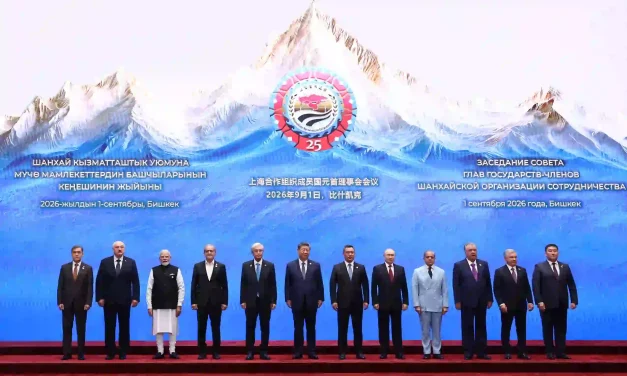
SCFR Online – Opinion: The Shanghai Cooperation Organization summit has created a new opportunity for Iran to transform its membership from a political achievement into economic and transit cooperation.
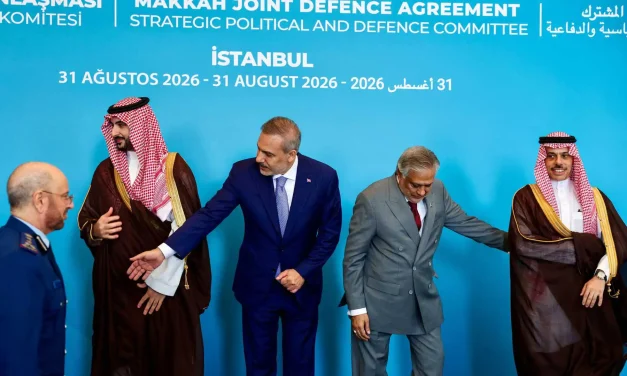
Strategic Council Online – Note: The Makkah Defense Pact can be seen as a sign of regional countries’ efforts to reduce security dependence on extra-regional powers and redefine the balance in West Asia.
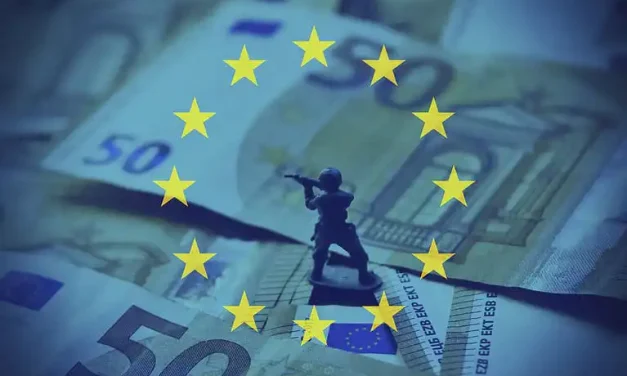
SCFR Online – Opinion: The Ukraine war, by exhausting US military capability on one hand and strengthening European defense capacity on the other, has altered the balance of power in the European continent, cast uncertainty over NATO’s future, and is driving it toward a European NATO.
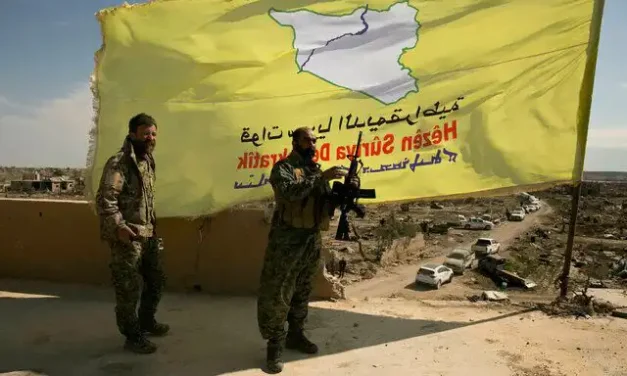
SCFR Online – Opinion: The dissolution of the SDF, although considered an achievement for Turkey’s security, does not put an end to the challenges arising from the Israeli regime’s aggression and expansionism, refugees, and Syria’s fragility.
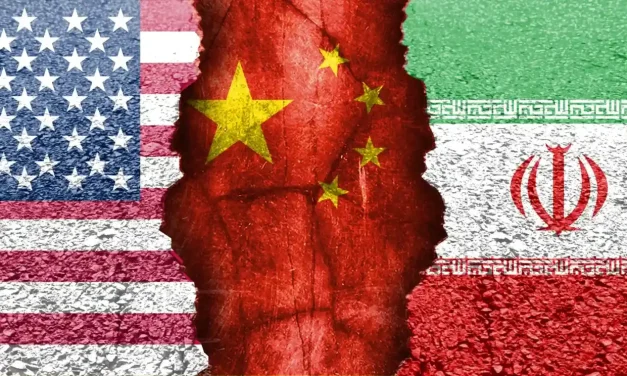
SCFR Online – Opinion: Concurrent with the official commencement of the United States’ economic war against our country, focusing on sanctions instruments, isolation, and economic pressure, what has now become increasingly important is the lack of alignment of other major global powers, especially China, with this policy.
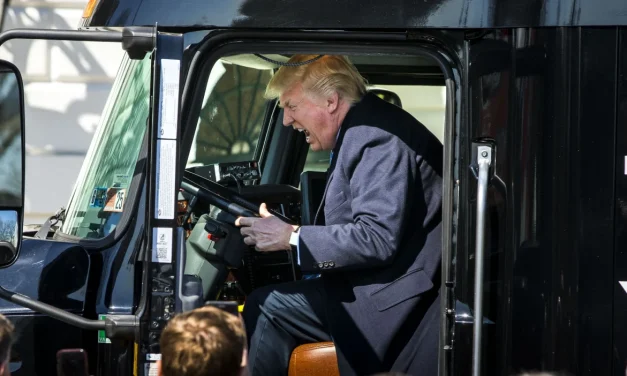
SCFR Online – Opinion: The new US sanctions against Iran, despite extensive propaganda, face serious obstacles to success due to the ineffectiveness of sanctions tools and opposition from some of Tehran’s trading partners.


Strategic Council Online—Interview: A faculty member of Tehran University analyzed the efforts of Western countries to legislate in this regard by stating that Westerners accuse China that the inference method and reasoning process of their artificial intelligence-based systems is without orientation and cannot be described.

Strategic Council Online – Interview: A faculty member of the Institute of Strategic Studies says there has been a change in the global energy transmission lines after the Ukraine war began. He noted: With the continued shift in the oil trade routes of Russia, India and China have become strategic business partners for Moscow. This development has taken place in the shadow of the decline of the US influence among its key allies in the Middle East.

Strategic Council Online – Opinion: After the breakthrough in diplomatic relations between the Islamic Republic of Iran and Saudi Arabia, West Asia, and the Persian Gulf are witnessing “positive movements”; the countries that used to be on the opposite front have abandoned previous policies and are moving towards interaction and resumption of bilateral relations.
Barsam Mohammadi – Expert on regional affairs

Strategic Council Online-Interview: An expert on African issues listed power-seeking and non-acceptance of conventional rules as the root causes of conflicts in Sudan and emphasized that although the Sudanese parties want to eliminate each other, it seems that even if the conflicts do not lead to the elimination of one side, in the short term, it will end and the two sides cannot continue the war due to the lack of facilities in this country.
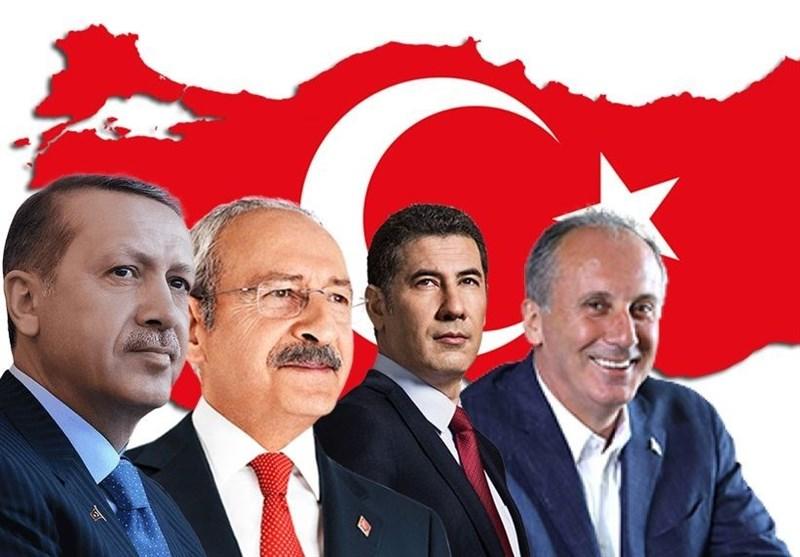
Strategic Council Online—Opinion: As the Turkish presidential and parliamentary elections on May 14, 2023, are approaching, the activities of the eligible candidates are expanding. In the Turkish presidential election, four candidates, and in the parliamentary election, 27 parties will compete. The upcoming elections will be the 13th presidential election in Türkiye’s history, the second presidential election since the beginning of the presidential term, and the 28th parliamentary election in this country. The presidency and parliamentary representation term is five years, and the number of people elected representatives is 600.
Mahmoud Fazeli—Analyst of international affairs

Strategic Council Online – Guest opinion: Amidst talks about Iran’s essential issues and challenges in the current calendar year, what quickly comes into one’s mind is the debate on economic disturbances and people’s livelihood problems. This is even though, in today’s interconnected world, we can safely say that the root of many domestic financial problems lies in foreign policy and international relations of the country; however, this does not mean minimizing the importance of managerial inefficiencies and the weakness and inadequacy of some internal executive and supervisory institutions.
Dr. Mohammad Mehdi Mazaheri – University professor

Strategic Council Online – Opinion: The placement of nuclear weapons of NATO and Russia near each other’s borders will increase the risk of tensions and entry of the US and Russia into a hot war and face the non-proliferation and progress in the field of nuclear disarmament with serious risks. Meantime, Non-nuclear countries are forced to take countermeasures to ensure their security.
Pouria Nabipour – Ph.D. in political science and international relations

Strategic Council Online – Opinion: At the end of his recent trip to China, French President Emmanuel Macron made critical comments about the “strategic independence” of the European Union, which is noteworthy.
Hamid Khoshayand – Expert on regional affairs

Strategic Council Online – Interview: A former Iranian diplomat said that the main challenges and concerns of the foreign ministers of neighboring countries of Afghanistan, which had been raised in the first meeting in Samarkand, were prominent in the second meeting as well, adding: The Taliban have come to power by force of arms and all the past concerns are still standing about the future situation of Afghanistan.

Strategic Council Online – Interview: Director of the Yemen Desk at Mersad Research Institute said that in the current situation, the ceasefire, which is tantamount to the end of the Saudi military aggression, should be considered a fixed issue. He further emphasized: But the end of the internal conflict between the Yemeni groups concerning the partly conflicting interests of those groups and the support of the rival regional parties does not seem to be very accessible for such a capacity to develop their interests in the vital region of Bab al-Mandeb Strait.
SCFR Online – Opinion: The intensification of U.S. sanctions against Iran on the eve of the U.S. midterm elections indicates Washington’s inability to achieve its war objectives.
SCFR Online – Opinion: The competition between Washington and Beijing over chips and artificial intelligence, simultaneously with the shifting of technological balances, has taken on new economic and security dimensions.
SCFR Online – Opinion: The Shanghai Cooperation Organization summit has created a new opportunity for Iran to transform its membership from a political achievement into economic and transit cooperation.
Strategic Council Online – Note: The Makkah Defense Pact can be seen as a sign of regional countries’ efforts to reduce security dependence on extra-regional powers and redefine the balance in West Asia.
SCFR Online – Opinion: The Ukraine war, by exhausting US military capability on one hand and strengthening European defense capacity on the other, has altered the balance of power in the European continent, cast uncertainty over NATO’s future, and is driving it toward a European NATO.
SCFR Online – Opinion: The dissolution of the SDF, although considered an achievement for Turkey’s security, does not put an end to the challenges arising from the Israeli regime’s aggression and expansionism, refugees, and Syria’s fragility.
SCFR Online – Opinion: Concurrent with the official commencement of the United States’ economic war against our country, focusing on sanctions instruments, isolation, and economic pressure, what has now become increasingly important is the lack of alignment of other major global powers, especially China, with this policy.
SCFR Online – Opinion: The new US sanctions against Iran, despite extensive propaganda, face serious obstacles to success due to the ineffectiveness of sanctions tools and opposition from some of Tehran’s trading partners.
Strategic Council Online—Interview: A faculty member of Tehran University analyzed the efforts of Western countries to legislate in this regard by stating that Westerners accuse China that the inference method and reasoning process of their artificial intelligence-based systems is without orientation and cannot be described.
Strategic Council Online – Interview: A faculty member of the Institute of Strategic Studies says there has been a change in the global energy transmission lines after the Ukraine war began. He noted: With the continued shift in the oil trade routes of Russia, India and China have become strategic business partners for Moscow. This development has taken place in the shadow of the decline of the US influence among its key allies in the Middle East.
Strategic Council Online – Opinion: After the breakthrough in diplomatic relations between the Islamic Republic of Iran and Saudi Arabia, West Asia, and the Persian Gulf are witnessing “positive movements”; the countries that used to be on the opposite front have abandoned previous policies and are moving towards interaction and resumption of bilateral relations.
Barsam Mohammadi – Expert on regional affairs
Strategic Council Online-Interview: An expert on African issues listed power-seeking and non-acceptance of conventional rules as the root causes of conflicts in Sudan and emphasized that although the Sudanese parties want to eliminate each other, it seems that even if the conflicts do not lead to the elimination of one side, in the short term, it will end and the two sides cannot continue the war due to the lack of facilities in this country.
Strategic Council Online—Opinion: As the Turkish presidential and parliamentary elections on May 14, 2023, are approaching, the activities of the eligible candidates are expanding. In the Turkish presidential election, four candidates, and in the parliamentary election, 27 parties will compete. The upcoming elections will be the 13th presidential election in Türkiye’s history, the second presidential election since the beginning of the presidential term, and the 28th parliamentary election in this country. The presidency and parliamentary representation term is five years, and the number of people elected representatives is 600.
Mahmoud Fazeli—Analyst of international affairs
Strategic Council Online – Guest opinion: Amidst talks about Iran’s essential issues and challenges in the current calendar year, what quickly comes into one’s mind is the debate on economic disturbances and people’s livelihood problems. This is even though, in today’s interconnected world, we can safely say that the root of many domestic financial problems lies in foreign policy and international relations of the country; however, this does not mean minimizing the importance of managerial inefficiencies and the weakness and inadequacy of some internal executive and supervisory institutions.
Dr. Mohammad Mehdi Mazaheri – University professor
Strategic Council Online – Opinion: The placement of nuclear weapons of NATO and Russia near each other’s borders will increase the risk of tensions and entry of the US and Russia into a hot war and face the non-proliferation and progress in the field of nuclear disarmament with serious risks. Meantime, Non-nuclear countries are forced to take countermeasures to ensure their security.
Pouria Nabipour – Ph.D. in political science and international relations
Strategic Council Online – Opinion: At the end of his recent trip to China, French President Emmanuel Macron made critical comments about the “strategic independence” of the European Union, which is noteworthy.
Hamid Khoshayand – Expert on regional affairs
Strategic Council Online – Interview: A former Iranian diplomat said that the main challenges and concerns of the foreign ministers of neighboring countries of Afghanistan, which had been raised in the first meeting in Samarkand, were prominent in the second meeting as well, adding: The Taliban have come to power by force of arms and all the past concerns are still standing about the future situation of Afghanistan.
Strategic Council Online – Interview: Director of the Yemen Desk at Mersad Research Institute said that in the current situation, the ceasefire, which is tantamount to the end of the Saudi military aggression, should be considered a fixed issue. He further emphasized: But the end of the internal conflict between the Yemeni groups concerning the partly conflicting interests of those groups and the support of the rival regional parties does not seem to be very accessible for such a capacity to develop their interests in the vital region of Bab al-Mandeb Strait.
Strategic Council Online—Interview: A faculty member of Tehran University analyzed the efforts of Western countries to legislate in this regard by stating that Westerners accuse China that the inference method and reasoning process of their artificial intelligence-based systems is without orientation and cannot be described.
Strategic Council Online – Interview: A faculty member of the Institute of Strategic Studies says there has been a change in the global energy transmission lines after the Ukraine war began. He noted: With the continued shift in the oil trade routes of Russia, India and China have become strategic business partners for Moscow. This development has taken place in the shadow of the decline of the US influence among its key allies in the Middle East.
Strategic Council Online – Opinion: After the breakthrough in diplomatic relations between the Islamic Republic of Iran and Saudi Arabia, West Asia, and the Persian Gulf are witnessing “positive movements”; the countries that used to be on the opposite front have abandoned previous policies and are moving towards interaction and resumption of bilateral relations.
Barsam Mohammadi – Expert on regional affairs
Strategic Council Online-Interview: An expert on African issues listed power-seeking and non-acceptance of conventional rules as the root causes of conflicts in Sudan and emphasized that although the Sudanese parties want to eliminate each other, it seems that even if the conflicts do not lead to the elimination of one side, in the short term, it will end and the two sides cannot continue the war due to the lack of facilities in this country.
Strategic Council Online—Opinion: As the Turkish presidential and parliamentary elections on May 14, 2023, are approaching, the activities of the eligible candidates are expanding. In the Turkish presidential election, four candidates, and in the parliamentary election, 27 parties will compete. The upcoming elections will be the 13th presidential election in Türkiye’s history, the second presidential election since the beginning of the presidential term, and the 28th parliamentary election in this country. The presidency and parliamentary representation term is five years, and the number of people elected representatives is 600.
Mahmoud Fazeli—Analyst of international affairs
Strategic Council Online – Guest opinion: Amidst talks about Iran’s essential issues and challenges in the current calendar year, what quickly comes into one’s mind is the debate on economic disturbances and people’s livelihood problems. This is even though, in today’s interconnected world, we can safely say that the root of many domestic financial problems lies in foreign policy and international relations of the country; however, this does not mean minimizing the importance of managerial inefficiencies and the weakness and inadequacy of some internal executive and supervisory institutions.
Dr. Mohammad Mehdi Mazaheri – University professor
Strategic Council Online – Opinion: The placement of nuclear weapons of NATO and Russia near each other’s borders will increase the risk of tensions and entry of the US and Russia into a hot war and face the non-proliferation and progress in the field of nuclear disarmament with serious risks. Meantime, Non-nuclear countries are forced to take countermeasures to ensure their security.
Pouria Nabipour – Ph.D. in political science and international relations
Strategic Council Online – Opinion: At the end of his recent trip to China, French President Emmanuel Macron made critical comments about the “strategic independence” of the European Union, which is noteworthy.
Hamid Khoshayand – Expert on regional affairs
Strategic Council Online – Interview: A former Iranian diplomat said that the main challenges and concerns of the foreign ministers of neighboring countries of Afghanistan, which had been raised in the first meeting in Samarkand, were prominent in the second meeting as well, adding: The Taliban have come to power by force of arms and all the past concerns are still standing about the future situation of Afghanistan.
Strategic Council Online – Interview: Director of the Yemen Desk at Mersad Research Institute said that in the current situation, the ceasefire, which is tantamount to the end of the Saudi military aggression, should be considered a fixed issue. He further emphasized: But the end of the internal conflict between the Yemeni groups concerning the partly conflicting interests of those groups and the support of the rival regional parties does not seem to be very accessible for such a capacity to develop their interests in the vital region of Bab al-Mandeb Strait.
SCFR Online – Opinion: The intensification of U.S. sanctions against Iran on the eve of the U.S. midterm elections indicates Washington’s inability to achieve its war objectives.
SCFR Online – Opinion: The competition between Washington and Beijing over chips and artificial intelligence, simultaneously with the shifting of technological balances, has taken on new economic and security dimensions.
SCFR Online – Opinion: The Shanghai Cooperation Organization summit has created a new opportunity for Iran to transform its membership from a political achievement into economic and transit cooperation.
Strategic Council Online – Note: The Makkah Defense Pact can be seen as a sign of regional countries’ efforts to reduce security dependence on extra-regional powers and redefine the balance in West Asia.
SCFR Online – Opinion: The Ukraine war, by exhausting US military capability on one hand and strengthening European defense capacity on the other, has altered the balance of power in the European continent, cast uncertainty over NATO’s future, and is driving it toward a European NATO.
SCFR Online – Opinion: The dissolution of the SDF, although considered an achievement for Turkey’s security, does not put an end to the challenges arising from the Israeli regime’s aggression and expansionism, refugees, and Syria’s fragility.
SCFR Online – Opinion: Concurrent with the official commencement of the United States’ economic war against our country, focusing on sanctions instruments, isolation, and economic pressure, what has now become increasingly important is the lack of alignment of other major global powers, especially China, with this policy.
SCFR Online – Opinion: The new US sanctions against Iran, despite extensive propaganda, face serious obstacles to success due to the ineffectiveness of sanctions tools and opposition from some of Tehran’s trading partners.
Strategic Council Online—Interview: A faculty member of Tehran University analyzed the efforts of Western countries to legislate in this regard by stating that Westerners accuse China that the inference method and reasoning process of their artificial intelligence-based systems is without orientation and cannot be described.
Strategic Council Online – Interview: A faculty member of the Institute of Strategic Studies says there has been a change in the global energy transmission lines after the Ukraine war began. He noted: With the continued shift in the oil trade routes of Russia, India and China have become strategic business partners for Moscow. This development has taken place in the shadow of the decline of the US influence among its key allies in the Middle East.
Strategic Council Online – Opinion: After the breakthrough in diplomatic relations between the Islamic Republic of Iran and Saudi Arabia, West Asia, and the Persian Gulf are witnessing “positive movements”; the countries that used to be on the opposite front have abandoned previous policies and are moving towards interaction and resumption of bilateral relations.
Barsam Mohammadi – Expert on regional affairs
Strategic Council Online-Interview: An expert on African issues listed power-seeking and non-acceptance of conventional rules as the root causes of conflicts in Sudan and emphasized that although the Sudanese parties want to eliminate each other, it seems that even if the conflicts do not lead to the elimination of one side, in the short term, it will end and the two sides cannot continue the war due to the lack of facilities in this country.
Strategic Council Online—Opinion: As the Turkish presidential and parliamentary elections on May 14, 2023, are approaching, the activities of the eligible candidates are expanding. In the Turkish presidential election, four candidates, and in the parliamentary election, 27 parties will compete. The upcoming elections will be the 13th presidential election in Türkiye’s history, the second presidential election since the beginning of the presidential term, and the 28th parliamentary election in this country. The presidency and parliamentary representation term is five years, and the number of people elected representatives is 600.
Mahmoud Fazeli—Analyst of international affairs
Strategic Council Online – Guest opinion: Amidst talks about Iran’s essential issues and challenges in the current calendar year, what quickly comes into one’s mind is the debate on economic disturbances and people’s livelihood problems. This is even though, in today’s interconnected world, we can safely say that the root of many domestic financial problems lies in foreign policy and international relations of the country; however, this does not mean minimizing the importance of managerial inefficiencies and the weakness and inadequacy of some internal executive and supervisory institutions.
Dr. Mohammad Mehdi Mazaheri – University professor
Strategic Council Online – Opinion: The placement of nuclear weapons of NATO and Russia near each other’s borders will increase the risk of tensions and entry of the US and Russia into a hot war and face the non-proliferation and progress in the field of nuclear disarmament with serious risks. Meantime, Non-nuclear countries are forced to take countermeasures to ensure their security.
Pouria Nabipour – Ph.D. in political science and international relations
Strategic Council Online – Opinion: At the end of his recent trip to China, French President Emmanuel Macron made critical comments about the “strategic independence” of the European Union, which is noteworthy.
Hamid Khoshayand – Expert on regional affairs
Strategic Council Online – Interview: A former Iranian diplomat said that the main challenges and concerns of the foreign ministers of neighboring countries of Afghanistan, which had been raised in the first meeting in Samarkand, were prominent in the second meeting as well, adding: The Taliban have come to power by force of arms and all the past concerns are still standing about the future situation of Afghanistan.
Strategic Council Online – Interview: Director of the Yemen Desk at Mersad Research Institute said that in the current situation, the ceasefire, which is tantamount to the end of the Saudi military aggression, should be considered a fixed issue. He further emphasized: But the end of the internal conflict between the Yemeni groups concerning the partly conflicting interests of those groups and the support of the rival regional parties does not seem to be very accessible for such a capacity to develop their interests in the vital region of Bab al-Mandeb Strait.
SCFR Online – Opinion: The intensification of U.S. sanctions against Iran on the eve of the U.S. midterm elections indicates Washington’s inability to achieve its war objectives.
SCFR Online – Opinion: The competition between Washington and Beijing over chips and artificial intelligence, simultaneously with the shifting of technological balances, has taken on new economic and security dimensions.
SCFR Online – Opinion: The Shanghai Cooperation Organization summit has created a new opportunity for Iran to transform its membership from a political achievement into economic and transit cooperation.
Strategic Council Online – Note: The Makkah Defense Pact can be seen as a sign of regional countries’ efforts to reduce security dependence on extra-regional powers and redefine the balance in West Asia.
SCFR Online – Opinion: The Ukraine war, by exhausting US military capability on one hand and strengthening European defense capacity on the other, has altered the balance of power in the European continent, cast uncertainty over NATO’s future, and is driving it toward a European NATO.
SCFR Online – Opinion: The dissolution of the SDF, although considered an achievement for Turkey’s security, does not put an end to the challenges arising from the Israeli regime’s aggression and expansionism, refugees, and Syria’s fragility.
SCFR Online – Opinion: Concurrent with the official commencement of the United States’ economic war against our country, focusing on sanctions instruments, isolation, and economic pressure, what has now become increasingly important is the lack of alignment of other major global powers, especially China, with this policy.
SCFR Online – Opinion: The new US sanctions against Iran, despite extensive propaganda, face serious obstacles to success due to the ineffectiveness of sanctions tools and opposition from some of Tehran’s trading partners.
Strategic Council Online—Interview: A faculty member of Tehran University analyzed the efforts of Western countries to legislate in this regard by stating that Westerners accuse China that the inference method and reasoning process of their artificial intelligence-based systems is without orientation and cannot be described.
Strategic Council Online – Interview: A faculty member of the Institute of Strategic Studies says there has been a change in the global energy transmission lines after the Ukraine war began. He noted: With the continued shift in the oil trade routes of Russia, India and China have become strategic business partners for Moscow. This development has taken place in the shadow of the decline of the US influence among its key allies in the Middle East.
Strategic Council Online – Opinion: After the breakthrough in diplomatic relations between the Islamic Republic of Iran and Saudi Arabia, West Asia, and the Persian Gulf are witnessing “positive movements”; the countries that used to be on the opposite front have abandoned previous policies and are moving towards interaction and resumption of bilateral relations.
Barsam Mohammadi – Expert on regional affairs
Strategic Council Online-Interview: An expert on African issues listed power-seeking and non-acceptance of conventional rules as the root causes of conflicts in Sudan and emphasized that although the Sudanese parties want to eliminate each other, it seems that even if the conflicts do not lead to the elimination of one side, in the short term, it will end and the two sides cannot continue the war due to the lack of facilities in this country.
Strategic Council Online—Opinion: As the Turkish presidential and parliamentary elections on May 14, 2023, are approaching, the activities of the eligible candidates are expanding. In the Turkish presidential election, four candidates, and in the parliamentary election, 27 parties will compete. The upcoming elections will be the 13th presidential election in Türkiye’s history, the second presidential election since the beginning of the presidential term, and the 28th parliamentary election in this country. The presidency and parliamentary representation term is five years, and the number of people elected representatives is 600.
Mahmoud Fazeli—Analyst of international affairs
Strategic Council Online – Guest opinion: Amidst talks about Iran’s essential issues and challenges in the current calendar year, what quickly comes into one’s mind is the debate on economic disturbances and people’s livelihood problems. This is even though, in today’s interconnected world, we can safely say that the root of many domestic financial problems lies in foreign policy and international relations of the country; however, this does not mean minimizing the importance of managerial inefficiencies and the weakness and inadequacy of some internal executive and supervisory institutions.
Dr. Mohammad Mehdi Mazaheri – University professor
Strategic Council Online – Opinion: The placement of nuclear weapons of NATO and Russia near each other’s borders will increase the risk of tensions and entry of the US and Russia into a hot war and face the non-proliferation and progress in the field of nuclear disarmament with serious risks. Meantime, Non-nuclear countries are forced to take countermeasures to ensure their security.
Pouria Nabipour – Ph.D. in political science and international relations
Strategic Council Online – Opinion: At the end of his recent trip to China, French President Emmanuel Macron made critical comments about the “strategic independence” of the European Union, which is noteworthy.
Hamid Khoshayand – Expert on regional affairs
Strategic Council Online – Interview: A former Iranian diplomat said that the main challenges and concerns of the foreign ministers of neighboring countries of Afghanistan, which had been raised in the first meeting in Samarkand, were prominent in the second meeting as well, adding: The Taliban have come to power by force of arms and all the past concerns are still standing about the future situation of Afghanistan.
Strategic Council Online – Interview: Director of the Yemen Desk at Mersad Research Institute said that in the current situation, the ceasefire, which is tantamount to the end of the Saudi military aggression, should be considered a fixed issue. He further emphasized: But the end of the internal conflict between the Yemeni groups concerning the partly conflicting interests of those groups and the support of the rival regional parties does not seem to be very accessible for such a capacity to develop their interests in the vital region of Bab al-Mandeb Strait.
SCFR Online – Opinion: The intensification of U.S. sanctions against Iran on the eve of the U.S. midterm elections indicates Washington’s inability to achieve its war objectives.
SCFR Online – Opinion: The competition between Washington and Beijing over chips and artificial intelligence, simultaneously with the shifting of technological balances, has taken on new economic and security dimensions.
SCFR Online – Opinion: The Shanghai Cooperation Organization summit has created a new opportunity for Iran to transform its membership from a political achievement into economic and transit cooperation.
Strategic Council Online – Note: The Makkah Defense Pact can be seen as a sign of regional countries’ efforts to reduce security dependence on extra-regional powers and redefine the balance in West Asia.
SCFR Online – Opinion: The Ukraine war, by exhausting US military capability on one hand and strengthening European defense capacity on the other, has altered the balance of power in the European continent, cast uncertainty over NATO’s future, and is driving it toward a European NATO.
SCFR Online – Opinion: The dissolution of the SDF, although considered an achievement for Turkey’s security, does not put an end to the challenges arising from the Israeli regime’s aggression and expansionism, refugees, and Syria’s fragility.
SCFR Online – Opinion: Concurrent with the official commencement of the United States’ economic war against our country, focusing on sanctions instruments, isolation, and economic pressure, what has now become increasingly important is the lack of alignment of other major global powers, especially China, with this policy.
SCFR Online – Opinion: The new US sanctions against Iran, despite extensive propaganda, face serious obstacles to success due to the ineffectiveness of sanctions tools and opposition from some of Tehran’s trading partners.
Strategic Council Online—Interview: A faculty member of Tehran University analyzed the efforts of Western countries to legislate in this regard by stating that Westerners accuse China that the inference method and reasoning process of their artificial intelligence-based systems is without orientation and cannot be described.
Strategic Council Online – Interview: A faculty member of the Institute of Strategic Studies says there has been a change in the global energy transmission lines after the Ukraine war began. He noted: With the continued shift in the oil trade routes of Russia, India and China have become strategic business partners for Moscow. This development has taken place in the shadow of the decline of the US influence among its key allies in the Middle East.
Strategic Council Online – Opinion: After the breakthrough in diplomatic relations between the Islamic Republic of Iran and Saudi Arabia, West Asia, and the Persian Gulf are witnessing “positive movements”; the countries that used to be on the opposite front have abandoned previous policies and are moving towards interaction and resumption of bilateral relations.
Barsam Mohammadi – Expert on regional affairs
Strategic Council Online-Interview: An expert on African issues listed power-seeking and non-acceptance of conventional rules as the root causes of conflicts in Sudan and emphasized that although the Sudanese parties want to eliminate each other, it seems that even if the conflicts do not lead to the elimination of one side, in the short term, it will end and the two sides cannot continue the war due to the lack of facilities in this country.
Strategic Council Online—Opinion: As the Turkish presidential and parliamentary elections on May 14, 2023, are approaching, the activities of the eligible candidates are expanding. In the Turkish presidential election, four candidates, and in the parliamentary election, 27 parties will compete. The upcoming elections will be the 13th presidential election in Türkiye’s history, the second presidential election since the beginning of the presidential term, and the 28th parliamentary election in this country. The presidency and parliamentary representation term is five years, and the number of people elected representatives is 600.
Mahmoud Fazeli—Analyst of international affairs
Strategic Council Online – Guest opinion: Amidst talks about Iran’s essential issues and challenges in the current calendar year, what quickly comes into one’s mind is the debate on economic disturbances and people’s livelihood problems. This is even though, in today’s interconnected world, we can safely say that the root of many domestic financial problems lies in foreign policy and international relations of the country; however, this does not mean minimizing the importance of managerial inefficiencies and the weakness and inadequacy of some internal executive and supervisory institutions.
Dr. Mohammad Mehdi Mazaheri – University professor
Strategic Council Online – Opinion: The placement of nuclear weapons of NATO and Russia near each other’s borders will increase the risk of tensions and entry of the US and Russia into a hot war and face the non-proliferation and progress in the field of nuclear disarmament with serious risks. Meantime, Non-nuclear countries are forced to take countermeasures to ensure their security.
Pouria Nabipour – Ph.D. in political science and international relations
Strategic Council Online – Opinion: At the end of his recent trip to China, French President Emmanuel Macron made critical comments about the “strategic independence” of the European Union, which is noteworthy.
Hamid Khoshayand – Expert on regional affairs
Strategic Council Online – Interview: A former Iranian diplomat said that the main challenges and concerns of the foreign ministers of neighboring countries of Afghanistan, which had been raised in the first meeting in Samarkand, were prominent in the second meeting as well, adding: The Taliban have come to power by force of arms and all the past concerns are still standing about the future situation of Afghanistan.
Strategic Council Online – Interview: Director of the Yemen Desk at Mersad Research Institute said that in the current situation, the ceasefire, which is tantamount to the end of the Saudi military aggression, should be considered a fixed issue. He further emphasized: But the end of the internal conflict between the Yemeni groups concerning the partly conflicting interests of those groups and the support of the rival regional parties does not seem to be very accessible for such a capacity to develop their interests in the vital region of Bab al-Mandeb Strait.
SCFR Online – Opinion: The intensification of U.S. sanctions against Iran on the eve of the U.S. midterm elections indicates Washington’s inability to achieve its war objectives.
SCFR Online – Opinion: The competition between Washington and Beijing over chips and artificial intelligence, simultaneously with the shifting of technological balances, has taken on new economic and security dimensions.
SCFR Online – Opinion: The Shanghai Cooperation Organization summit has created a new opportunity for Iran to transform its membership from a political achievement into economic and transit cooperation.
Strategic Council Online – Note: The Makkah Defense Pact can be seen as a sign of regional countries’ efforts to reduce security dependence on extra-regional powers and redefine the balance in West Asia.
SCFR Online – Opinion: The Ukraine war, by exhausting US military capability on one hand and strengthening European defense capacity on the other, has altered the balance of power in the European continent, cast uncertainty over NATO’s future, and is driving it toward a European NATO.
SCFR Online – Opinion: The dissolution of the SDF, although considered an achievement for Turkey’s security, does not put an end to the challenges arising from the Israeli regime’s aggression and expansionism, refugees, and Syria’s fragility.
SCFR Online – Opinion: Concurrent with the official commencement of the United States’ economic war against our country, focusing on sanctions instruments, isolation, and economic pressure, what has now become increasingly important is the lack of alignment of other major global powers, especially China, with this policy.
SCFR Online – Opinion: The new US sanctions against Iran, despite extensive propaganda, face serious obstacles to success due to the ineffectiveness of sanctions tools and opposition from some of Tehran’s trading partners.
Strategic Council Online—Interview: A faculty member of Tehran University analyzed the efforts of Western countries to legislate in this regard by stating that Westerners accuse China that the inference method and reasoning process of their artificial intelligence-based systems is without orientation and cannot be described.
Strategic Council Online – Interview: A faculty member of the Institute of Strategic Studies says there has been a change in the global energy transmission lines after the Ukraine war began. He noted: With the continued shift in the oil trade routes of Russia, India and China have become strategic business partners for Moscow. This development has taken place in the shadow of the decline of the US influence among its key allies in the Middle East.
Strategic Council Online – Opinion: After the breakthrough in diplomatic relations between the Islamic Republic of Iran and Saudi Arabia, West Asia, and the Persian Gulf are witnessing “positive movements”; the countries that used to be on the opposite front have abandoned previous policies and are moving towards interaction and resumption of bilateral relations.
Barsam Mohammadi – Expert on regional affairs
Strategic Council Online-Interview: An expert on African issues listed power-seeking and non-acceptance of conventional rules as the root causes of conflicts in Sudan and emphasized that although the Sudanese parties want to eliminate each other, it seems that even if the conflicts do not lead to the elimination of one side, in the short term, it will end and the two sides cannot continue the war due to the lack of facilities in this country.
Strategic Council Online—Opinion: As the Turkish presidential and parliamentary elections on May 14, 2023, are approaching, the activities of the eligible candidates are expanding. In the Turkish presidential election, four candidates, and in the parliamentary election, 27 parties will compete. The upcoming elections will be the 13th presidential election in Türkiye’s history, the second presidential election since the beginning of the presidential term, and the 28th parliamentary election in this country. The presidency and parliamentary representation term is five years, and the number of people elected representatives is 600.
Mahmoud Fazeli—Analyst of international affairs
Strategic Council Online – Guest opinion: Amidst talks about Iran’s essential issues and challenges in the current calendar year, what quickly comes into one’s mind is the debate on economic disturbances and people’s livelihood problems. This is even though, in today’s interconnected world, we can safely say that the root of many domestic financial problems lies in foreign policy and international relations of the country; however, this does not mean minimizing the importance of managerial inefficiencies and the weakness and inadequacy of some internal executive and supervisory institutions.
Dr. Mohammad Mehdi Mazaheri – University professor
Strategic Council Online – Opinion: The placement of nuclear weapons of NATO and Russia near each other’s borders will increase the risk of tensions and entry of the US and Russia into a hot war and face the non-proliferation and progress in the field of nuclear disarmament with serious risks. Meantime, Non-nuclear countries are forced to take countermeasures to ensure their security.
Pouria Nabipour – Ph.D. in political science and international relations
Strategic Council Online – Opinion: At the end of his recent trip to China, French President Emmanuel Macron made critical comments about the “strategic independence” of the European Union, which is noteworthy.
Hamid Khoshayand – Expert on regional affairs
Strategic Council Online – Interview: A former Iranian diplomat said that the main challenges and concerns of the foreign ministers of neighboring countries of Afghanistan, which had been raised in the first meeting in Samarkand, were prominent in the second meeting as well, adding: The Taliban have come to power by force of arms and all the past concerns are still standing about the future situation of Afghanistan.
Strategic Council Online – Interview: Director of the Yemen Desk at Mersad Research Institute said that in the current situation, the ceasefire, which is tantamount to the end of the Saudi military aggression, should be considered a fixed issue. He further emphasized: But the end of the internal conflict between the Yemeni groups concerning the partly conflicting interests of those groups and the support of the rival regional parties does not seem to be very accessible for such a capacity to develop their interests in the vital region of Bab al-Mandeb Strait.
SCFR Online – Opinion: The intensification of U.S. sanctions against Iran on the eve of the U.S. midterm elections indicates Washington’s inability to achieve its war objectives.
SCFR Online – Opinion: The competition between Washington and Beijing over chips and artificial intelligence, simultaneously with the shifting of technological balances, has taken on new economic and security dimensions.
SCFR Online – Opinion: The Shanghai Cooperation Organization summit has created a new opportunity for Iran to transform its membership from a political achievement into economic and transit cooperation.
Strategic Council Online – Note: The Makkah Defense Pact can be seen as a sign of regional countries’ efforts to reduce security dependence on extra-regional powers and redefine the balance in West Asia.
SCFR Online – Opinion: The Ukraine war, by exhausting US military capability on one hand and strengthening European defense capacity on the other, has altered the balance of power in the European continent, cast uncertainty over NATO’s future, and is driving it toward a European NATO.
SCFR Online – Opinion: The dissolution of the SDF, although considered an achievement for Turkey’s security, does not put an end to the challenges arising from the Israeli regime’s aggression and expansionism, refugees, and Syria’s fragility.
SCFR Online – Opinion: Concurrent with the official commencement of the United States’ economic war against our country, focusing on sanctions instruments, isolation, and economic pressure, what has now become increasingly important is the lack of alignment of other major global powers, especially China, with this policy.
SCFR Online – Opinion: The new US sanctions against Iran, despite extensive propaganda, face serious obstacles to success due to the ineffectiveness of sanctions tools and opposition from some of Tehran’s trading partners.