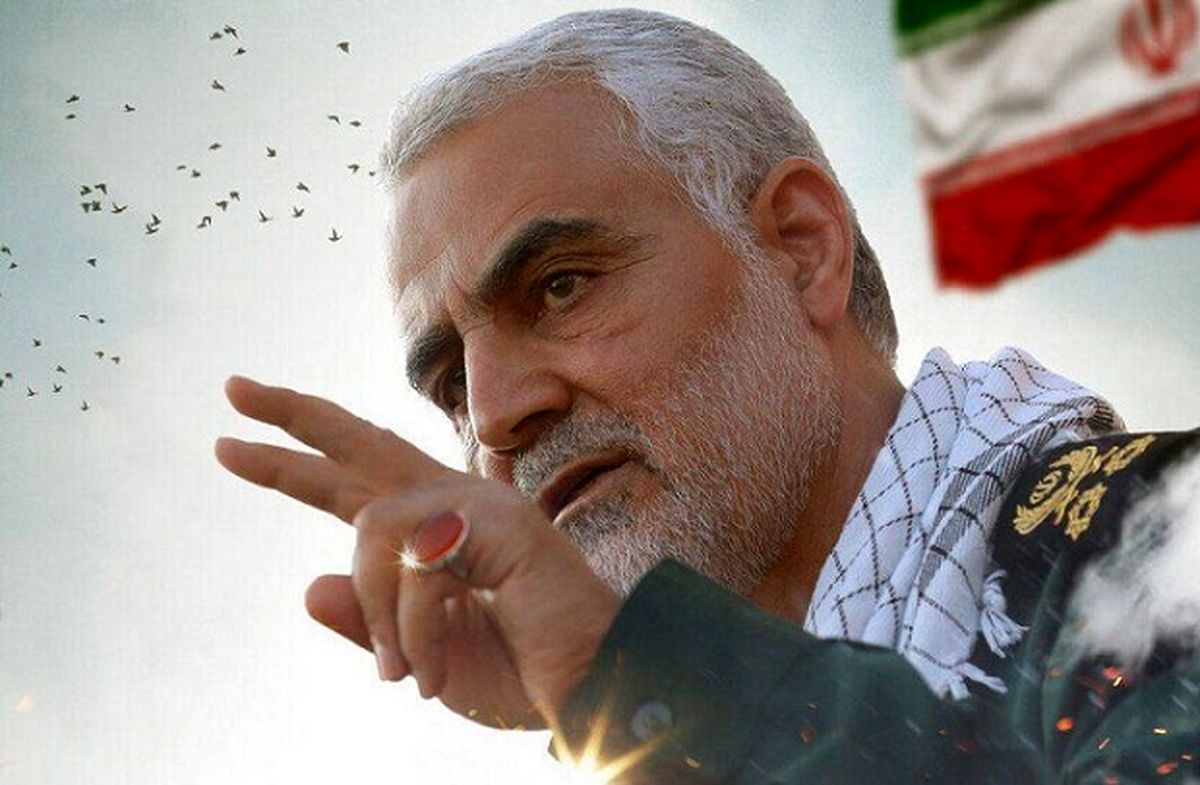
Reasons for the Ineffectiveness of Trump’s “Economic War” against Iran
SCFR Online – Opinion: The intensification of U.S. sanctions against Iran on the eve of the U.S. midterm elections indicates Washington’s inability to achieve its war objectives.
SCFR Online – Opinion: The competition between Washington and Beijing over chips and artificial intelligence, simultaneously with the shifting of technological balances, has taken on new economic and security dimensions.
SCFR Online – Opinion: The Shanghai Cooperation Organization summit has created a new opportunity for Iran to transform its membership from a political achievement into economic and transit cooperation.
Strategic Council Online – Note: The Makkah Defense Pact can be seen as a sign of regional countries’ efforts to reduce security dependence on extra-regional powers and redefine the balance in West Asia.
SCFR Online – Opinion: The Ukraine war, by exhausting US military capability on one hand and strengthening European defense capacity on the other, has altered the balance of power in the European continent, cast uncertainty over NATO’s future, and is driving it toward a European NATO.
SCFR Online – Opinion: The dissolution of the SDF, although considered an achievement for Turkey’s security, does not put an end to the challenges arising from the Israeli regime’s aggression and expansionism, refugees, and Syria’s fragility.
SCFR Online – Opinion: Concurrent with the official commencement of the United States’ economic war against our country, focusing on sanctions instruments, isolation, and economic pressure, what has now become increasingly important is the lack of alignment of other major global powers, especially China, with this policy.
SCFR Online – Opinion: The new US sanctions against Iran, despite extensive propaganda, face serious obstacles to success due to the ineffectiveness of sanctions tools and opposition from some of Tehran’s trading partners.
Strategic Council Online – Opinion: The main lesson of the war in Ukraine is that if a country neglects to build its deterrent power and strengthen its offensive capability or relies on the security guarantees of foreign powers, it may suffer the fate of Ukraine.
Pouria Nabipour – PhD in Political Science and International Relations
Strategic Council Online – Interview: A researcher of Israel affairs at Stream Research Institute, commenting on how the most right-wing cabinet in the Zionist regime, led by Benjamin Netanyahu, has come to power, said: About the new cabinet of the Zionist regime, we should know that the extreme right parties, the Religious Zionism, Jewish Power and Noam, formed a coalition and won 14 seats in the recent elections, which was unprecedented in the history of Israel. Currently, 14 seats of the three extreme parties are among Netanyahu’s coalition.
Strategic Council Online—Interview: Emphasizing that the Republic of Azerbaijan and Armenia should respect each other’s territorial integrity and observe international standards, an expert on international issues said that what happened with the blocking of Lachin corridor is against the standards of international law. The Republic of Azerbaijan should be demanded to cancel the restrictions and at the same time clarify the ambiguities of the Moscow Agreement, which was signed with the presence of Russia and between Armenia and the Republic of Azerbaijan, otherwise there is always the possibility of conflicts and disputes.
Strategic Council Online – Interview: A professor at Yerevan State University while emphasizing the necessity of cooperation among Iran, Russia and Armenia to resolve the conflicts in the Karabakh region said: The measures being followed by the Republic of Azerbaijan show that Baku really wants war in the region. Any agreement and negotiation that takes place is quickly violated by Baku, and this violation of commitments is of no importance to them.
Strategic Council Online – Opinion: In December, a several-day joint conference was held in Washington with the participation of 49 African countries. The purpose of this conference was to discuss common priorities as well as how to develop relations between the United States and African countries.
Hossein Sayyahi- Researcher on international politics
Strategic Council Online – Interview: An expert on Caucasus affairs said: Armenia is angry with Russia over its failure to give a quick and decisive response regarding the lifting of the blockage of the Lachin Corridor, and by not welcoming tripartite negotiations, it intends to show its dissatisfaction, but this action will not help to improve the situation and enables the Republic of Azerbaijan to find the possibility for more movement.
Strategic Council Online – Opinion: The US military budget for 2023 with an “unprecedented” figure of 858 billion dollars, which is 80 billion dollars more than this year’s military budget, was approved by the Senate with 83 votes in favor and 11 votes against. This issue has faced many criticisms within the United States.
Barsam Mohammadi – Expert on international affairs
Strategic Council Online – Opinion: In his third visit to Athens in the past seven months, Boyar Osmani, the Foreign Minister of North Macedonia, while expressing full satisfaction over the process of bilateral relations between Skopje and Athens, described the relations as a model of good neighborliness and spoke about the foundation of sustainable cooperation based on trust and mutual respect. Referring to the Prespa Agreement between Greece and North Macedonia in 2018, he referred to it as the basis for further strengthening bilateral relations and cooperation, and appreciated Greece’s support for its country’s accession to the European Union.
Mahmoud Fazeli – Analyst of international affairs
Strategic Council Online—Opinion: The war in Ukraine is going against the goals, interests and perspectives of the foreign policy of the United States, NATO and European allies. In the past ten months, the Americans have taken several actions in the form of military-intelligence assistance, political, diplomatic and international movements, economic sanctions, etc., with “tactical goals” based on defeating, weakening or grounding Russia, but they have not achieved desirable and real results in this field.
Hamid Khoshayand – Expert on regional issues
Strategic Council Online—Interview: An expert on European issues emphasized that what the Europeans put forward regarding the warnings concerning the end of weapons and expressing hope for the end of the war in Ukraine and the start of negotiations, is analyzed in the framework of their demands, but they do not have the ability to achieve this demand and in terms of military power are also heavily dependent on America.
SCFR Online – Opinion: The intensification of U.S. sanctions against Iran on the eve of the U.S. midterm elections indicates Washington’s inability to achieve its war objectives.
SCFR Online – Opinion: The competition between Washington and Beijing over chips and artificial intelligence, simultaneously with the shifting of technological balances, has taken on new economic and security dimensions.
SCFR Online – Opinion: The Shanghai Cooperation Organization summit has created a new opportunity for Iran to transform its membership from a political achievement into economic and transit cooperation.
Strategic Council Online – Note: The Makkah Defense Pact can be seen as a sign of regional countries’ efforts to reduce security dependence on extra-regional powers and redefine the balance in West Asia.
SCFR Online – Opinion: The Ukraine war, by exhausting US military capability on one hand and strengthening European defense capacity on the other, has altered the balance of power in the European continent, cast uncertainty over NATO’s future, and is driving it toward a European NATO.
SCFR Online – Opinion: The dissolution of the SDF, although considered an achievement for Turkey’s security, does not put an end to the challenges arising from the Israeli regime’s aggression and expansionism, refugees, and Syria’s fragility.
SCFR Online – Opinion: Concurrent with the official commencement of the United States’ economic war against our country, focusing on sanctions instruments, isolation, and economic pressure, what has now become increasingly important is the lack of alignment of other major global powers, especially China, with this policy.
SCFR Online – Opinion: The new US sanctions against Iran, despite extensive propaganda, face serious obstacles to success due to the ineffectiveness of sanctions tools and opposition from some of Tehran’s trading partners.
Strategic Council Online – Opinion: The main lesson of the war in Ukraine is that if a country neglects to build its deterrent power and strengthen its offensive capability or relies on the security guarantees of foreign powers, it may suffer the fate of Ukraine.
Pouria Nabipour – PhD in Political Science and International Relations
Strategic Council Online – Interview: A researcher of Israel affairs at Stream Research Institute, commenting on how the most right-wing cabinet in the Zionist regime, led by Benjamin Netanyahu, has come to power, said: About the new cabinet of the Zionist regime, we should know that the extreme right parties, the Religious Zionism, Jewish Power and Noam, formed a coalition and won 14 seats in the recent elections, which was unprecedented in the history of Israel. Currently, 14 seats of the three extreme parties are among Netanyahu’s coalition.
Strategic Council Online—Interview: Emphasizing that the Republic of Azerbaijan and Armenia should respect each other’s territorial integrity and observe international standards, an expert on international issues said that what happened with the blocking of Lachin corridor is against the standards of international law. The Republic of Azerbaijan should be demanded to cancel the restrictions and at the same time clarify the ambiguities of the Moscow Agreement, which was signed with the presence of Russia and between Armenia and the Republic of Azerbaijan, otherwise there is always the possibility of conflicts and disputes.
Strategic Council Online – Interview: A professor at Yerevan State University while emphasizing the necessity of cooperation among Iran, Russia and Armenia to resolve the conflicts in the Karabakh region said: The measures being followed by the Republic of Azerbaijan show that Baku really wants war in the region. Any agreement and negotiation that takes place is quickly violated by Baku, and this violation of commitments is of no importance to them.
Strategic Council Online – Opinion: In December, a several-day joint conference was held in Washington with the participation of 49 African countries. The purpose of this conference was to discuss common priorities as well as how to develop relations between the United States and African countries.
Hossein Sayyahi- Researcher on international politics
Strategic Council Online – Interview: An expert on Caucasus affairs said: Armenia is angry with Russia over its failure to give a quick and decisive response regarding the lifting of the blockage of the Lachin Corridor, and by not welcoming tripartite negotiations, it intends to show its dissatisfaction, but this action will not help to improve the situation and enables the Republic of Azerbaijan to find the possibility for more movement.
Strategic Council Online – Opinion: The US military budget for 2023 with an “unprecedented” figure of 858 billion dollars, which is 80 billion dollars more than this year’s military budget, was approved by the Senate with 83 votes in favor and 11 votes against. This issue has faced many criticisms within the United States.
Barsam Mohammadi – Expert on international affairs
Strategic Council Online – Opinion: In his third visit to Athens in the past seven months, Boyar Osmani, the Foreign Minister of North Macedonia, while expressing full satisfaction over the process of bilateral relations between Skopje and Athens, described the relations as a model of good neighborliness and spoke about the foundation of sustainable cooperation based on trust and mutual respect. Referring to the Prespa Agreement between Greece and North Macedonia in 2018, he referred to it as the basis for further strengthening bilateral relations and cooperation, and appreciated Greece’s support for its country’s accession to the European Union.
Mahmoud Fazeli – Analyst of international affairs
Strategic Council Online—Opinion: The war in Ukraine is going against the goals, interests and perspectives of the foreign policy of the United States, NATO and European allies. In the past ten months, the Americans have taken several actions in the form of military-intelligence assistance, political, diplomatic and international movements, economic sanctions, etc., with “tactical goals” based on defeating, weakening or grounding Russia, but they have not achieved desirable and real results in this field.
Hamid Khoshayand – Expert on regional issues
Strategic Council Online—Interview: An expert on European issues emphasized that what the Europeans put forward regarding the warnings concerning the end of weapons and expressing hope for the end of the war in Ukraine and the start of negotiations, is analyzed in the framework of their demands, but they do not have the ability to achieve this demand and in terms of military power are also heavily dependent on America.
Strategic Council Online – Opinion: The main lesson of the war in Ukraine is that if a country neglects to build its deterrent power and strengthen its offensive capability or relies on the security guarantees of foreign powers, it may suffer the fate of Ukraine.
Pouria Nabipour – PhD in Political Science and International Relations
Strategic Council Online – Interview: A researcher of Israel affairs at Stream Research Institute, commenting on how the most right-wing cabinet in the Zionist regime, led by Benjamin Netanyahu, has come to power, said: About the new cabinet of the Zionist regime, we should know that the extreme right parties, the Religious Zionism, Jewish Power and Noam, formed a coalition and won 14 seats in the recent elections, which was unprecedented in the history of Israel. Currently, 14 seats of the three extreme parties are among Netanyahu’s coalition.
Strategic Council Online—Interview: Emphasizing that the Republic of Azerbaijan and Armenia should respect each other’s territorial integrity and observe international standards, an expert on international issues said that what happened with the blocking of Lachin corridor is against the standards of international law. The Republic of Azerbaijan should be demanded to cancel the restrictions and at the same time clarify the ambiguities of the Moscow Agreement, which was signed with the presence of Russia and between Armenia and the Republic of Azerbaijan, otherwise there is always the possibility of conflicts and disputes.
Strategic Council Online – Interview: A professor at Yerevan State University while emphasizing the necessity of cooperation among Iran, Russia and Armenia to resolve the conflicts in the Karabakh region said: The measures being followed by the Republic of Azerbaijan show that Baku really wants war in the region. Any agreement and negotiation that takes place is quickly violated by Baku, and this violation of commitments is of no importance to them.
Strategic Council Online – Opinion: In December, a several-day joint conference was held in Washington with the participation of 49 African countries. The purpose of this conference was to discuss common priorities as well as how to develop relations between the United States and African countries.
Hossein Sayyahi- Researcher on international politics
Strategic Council Online – Interview: An expert on Caucasus affairs said: Armenia is angry with Russia over its failure to give a quick and decisive response regarding the lifting of the blockage of the Lachin Corridor, and by not welcoming tripartite negotiations, it intends to show its dissatisfaction, but this action will not help to improve the situation and enables the Republic of Azerbaijan to find the possibility for more movement.
Strategic Council Online – Opinion: The US military budget for 2023 with an “unprecedented” figure of 858 billion dollars, which is 80 billion dollars more than this year’s military budget, was approved by the Senate with 83 votes in favor and 11 votes against. This issue has faced many criticisms within the United States.
Barsam Mohammadi – Expert on international affairs
Strategic Council Online – Opinion: In his third visit to Athens in the past seven months, Boyar Osmani, the Foreign Minister of North Macedonia, while expressing full satisfaction over the process of bilateral relations between Skopje and Athens, described the relations as a model of good neighborliness and spoke about the foundation of sustainable cooperation based on trust and mutual respect. Referring to the Prespa Agreement between Greece and North Macedonia in 2018, he referred to it as the basis for further strengthening bilateral relations and cooperation, and appreciated Greece’s support for its country’s accession to the European Union.
Mahmoud Fazeli – Analyst of international affairs
Strategic Council Online—Opinion: The war in Ukraine is going against the goals, interests and perspectives of the foreign policy of the United States, NATO and European allies. In the past ten months, the Americans have taken several actions in the form of military-intelligence assistance, political, diplomatic and international movements, economic sanctions, etc., with “tactical goals” based on defeating, weakening or grounding Russia, but they have not achieved desirable and real results in this field.
Hamid Khoshayand – Expert on regional issues
Strategic Council Online—Interview: An expert on European issues emphasized that what the Europeans put forward regarding the warnings concerning the end of weapons and expressing hope for the end of the war in Ukraine and the start of negotiations, is analyzed in the framework of their demands, but they do not have the ability to achieve this demand and in terms of military power are also heavily dependent on America.
SCFR Online – Opinion: The intensification of U.S. sanctions against Iran on the eve of the U.S. midterm elections indicates Washington’s inability to achieve its war objectives.
SCFR Online – Opinion: The competition between Washington and Beijing over chips and artificial intelligence, simultaneously with the shifting of technological balances, has taken on new economic and security dimensions.
SCFR Online – Opinion: The Shanghai Cooperation Organization summit has created a new opportunity for Iran to transform its membership from a political achievement into economic and transit cooperation.
Strategic Council Online – Note: The Makkah Defense Pact can be seen as a sign of regional countries’ efforts to reduce security dependence on extra-regional powers and redefine the balance in West Asia.
SCFR Online – Opinion: The Ukraine war, by exhausting US military capability on one hand and strengthening European defense capacity on the other, has altered the balance of power in the European continent, cast uncertainty over NATO’s future, and is driving it toward a European NATO.
SCFR Online – Opinion: The dissolution of the SDF, although considered an achievement for Turkey’s security, does not put an end to the challenges arising from the Israeli regime’s aggression and expansionism, refugees, and Syria’s fragility.
SCFR Online – Opinion: Concurrent with the official commencement of the United States’ economic war against our country, focusing on sanctions instruments, isolation, and economic pressure, what has now become increasingly important is the lack of alignment of other major global powers, especially China, with this policy.
SCFR Online – Opinion: The new US sanctions against Iran, despite extensive propaganda, face serious obstacles to success due to the ineffectiveness of sanctions tools and opposition from some of Tehran’s trading partners.
Strategic Council Online – Opinion: The main lesson of the war in Ukraine is that if a country neglects to build its deterrent power and strengthen its offensive capability or relies on the security guarantees of foreign powers, it may suffer the fate of Ukraine.
Pouria Nabipour – PhD in Political Science and International Relations
Strategic Council Online – Interview: A researcher of Israel affairs at Stream Research Institute, commenting on how the most right-wing cabinet in the Zionist regime, led by Benjamin Netanyahu, has come to power, said: About the new cabinet of the Zionist regime, we should know that the extreme right parties, the Religious Zionism, Jewish Power and Noam, formed a coalition and won 14 seats in the recent elections, which was unprecedented in the history of Israel. Currently, 14 seats of the three extreme parties are among Netanyahu’s coalition.
Strategic Council Online—Interview: Emphasizing that the Republic of Azerbaijan and Armenia should respect each other’s territorial integrity and observe international standards, an expert on international issues said that what happened with the blocking of Lachin corridor is against the standards of international law. The Republic of Azerbaijan should be demanded to cancel the restrictions and at the same time clarify the ambiguities of the Moscow Agreement, which was signed with the presence of Russia and between Armenia and the Republic of Azerbaijan, otherwise there is always the possibility of conflicts and disputes.
Strategic Council Online – Interview: A professor at Yerevan State University while emphasizing the necessity of cooperation among Iran, Russia and Armenia to resolve the conflicts in the Karabakh region said: The measures being followed by the Republic of Azerbaijan show that Baku really wants war in the region. Any agreement and negotiation that takes place is quickly violated by Baku, and this violation of commitments is of no importance to them.
Strategic Council Online – Opinion: In December, a several-day joint conference was held in Washington with the participation of 49 African countries. The purpose of this conference was to discuss common priorities as well as how to develop relations between the United States and African countries.
Hossein Sayyahi- Researcher on international politics
Strategic Council Online – Interview: An expert on Caucasus affairs said: Armenia is angry with Russia over its failure to give a quick and decisive response regarding the lifting of the blockage of the Lachin Corridor, and by not welcoming tripartite negotiations, it intends to show its dissatisfaction, but this action will not help to improve the situation and enables the Republic of Azerbaijan to find the possibility for more movement.
Strategic Council Online – Opinion: The US military budget for 2023 with an “unprecedented” figure of 858 billion dollars, which is 80 billion dollars more than this year’s military budget, was approved by the Senate with 83 votes in favor and 11 votes against. This issue has faced many criticisms within the United States.
Barsam Mohammadi – Expert on international affairs
Strategic Council Online – Opinion: In his third visit to Athens in the past seven months, Boyar Osmani, the Foreign Minister of North Macedonia, while expressing full satisfaction over the process of bilateral relations between Skopje and Athens, described the relations as a model of good neighborliness and spoke about the foundation of sustainable cooperation based on trust and mutual respect. Referring to the Prespa Agreement between Greece and North Macedonia in 2018, he referred to it as the basis for further strengthening bilateral relations and cooperation, and appreciated Greece’s support for its country’s accession to the European Union.
Mahmoud Fazeli – Analyst of international affairs
Strategic Council Online—Opinion: The war in Ukraine is going against the goals, interests and perspectives of the foreign policy of the United States, NATO and European allies. In the past ten months, the Americans have taken several actions in the form of military-intelligence assistance, political, diplomatic and international movements, economic sanctions, etc., with “tactical goals” based on defeating, weakening or grounding Russia, but they have not achieved desirable and real results in this field.
Hamid Khoshayand – Expert on regional issues
Strategic Council Online—Interview: An expert on European issues emphasized that what the Europeans put forward regarding the warnings concerning the end of weapons and expressing hope for the end of the war in Ukraine and the start of negotiations, is analyzed in the framework of their demands, but they do not have the ability to achieve this demand and in terms of military power are also heavily dependent on America.
SCFR Online – Opinion: The intensification of U.S. sanctions against Iran on the eve of the U.S. midterm elections indicates Washington’s inability to achieve its war objectives.
SCFR Online – Opinion: The competition between Washington and Beijing over chips and artificial intelligence, simultaneously with the shifting of technological balances, has taken on new economic and security dimensions.
SCFR Online – Opinion: The Shanghai Cooperation Organization summit has created a new opportunity for Iran to transform its membership from a political achievement into economic and transit cooperation.
Strategic Council Online – Note: The Makkah Defense Pact can be seen as a sign of regional countries’ efforts to reduce security dependence on extra-regional powers and redefine the balance in West Asia.
SCFR Online – Opinion: The Ukraine war, by exhausting US military capability on one hand and strengthening European defense capacity on the other, has altered the balance of power in the European continent, cast uncertainty over NATO’s future, and is driving it toward a European NATO.
SCFR Online – Opinion: The dissolution of the SDF, although considered an achievement for Turkey’s security, does not put an end to the challenges arising from the Israeli regime’s aggression and expansionism, refugees, and Syria’s fragility.
SCFR Online – Opinion: Concurrent with the official commencement of the United States’ economic war against our country, focusing on sanctions instruments, isolation, and economic pressure, what has now become increasingly important is the lack of alignment of other major global powers, especially China, with this policy.
SCFR Online – Opinion: The new US sanctions against Iran, despite extensive propaganda, face serious obstacles to success due to the ineffectiveness of sanctions tools and opposition from some of Tehran’s trading partners.
Strategic Council Online – Opinion: The main lesson of the war in Ukraine is that if a country neglects to build its deterrent power and strengthen its offensive capability or relies on the security guarantees of foreign powers, it may suffer the fate of Ukraine.
Pouria Nabipour – PhD in Political Science and International Relations
Strategic Council Online – Interview: A researcher of Israel affairs at Stream Research Institute, commenting on how the most right-wing cabinet in the Zionist regime, led by Benjamin Netanyahu, has come to power, said: About the new cabinet of the Zionist regime, we should know that the extreme right parties, the Religious Zionism, Jewish Power and Noam, formed a coalition and won 14 seats in the recent elections, which was unprecedented in the history of Israel. Currently, 14 seats of the three extreme parties are among Netanyahu’s coalition.
Strategic Council Online—Interview: Emphasizing that the Republic of Azerbaijan and Armenia should respect each other’s territorial integrity and observe international standards, an expert on international issues said that what happened with the blocking of Lachin corridor is against the standards of international law. The Republic of Azerbaijan should be demanded to cancel the restrictions and at the same time clarify the ambiguities of the Moscow Agreement, which was signed with the presence of Russia and between Armenia and the Republic of Azerbaijan, otherwise there is always the possibility of conflicts and disputes.
Strategic Council Online – Interview: A professor at Yerevan State University while emphasizing the necessity of cooperation among Iran, Russia and Armenia to resolve the conflicts in the Karabakh region said: The measures being followed by the Republic of Azerbaijan show that Baku really wants war in the region. Any agreement and negotiation that takes place is quickly violated by Baku, and this violation of commitments is of no importance to them.
Strategic Council Online – Opinion: In December, a several-day joint conference was held in Washington with the participation of 49 African countries. The purpose of this conference was to discuss common priorities as well as how to develop relations between the United States and African countries.
Hossein Sayyahi- Researcher on international politics
Strategic Council Online – Interview: An expert on Caucasus affairs said: Armenia is angry with Russia over its failure to give a quick and decisive response regarding the lifting of the blockage of the Lachin Corridor, and by not welcoming tripartite negotiations, it intends to show its dissatisfaction, but this action will not help to improve the situation and enables the Republic of Azerbaijan to find the possibility for more movement.
Strategic Council Online – Opinion: The US military budget for 2023 with an “unprecedented” figure of 858 billion dollars, which is 80 billion dollars more than this year’s military budget, was approved by the Senate with 83 votes in favor and 11 votes against. This issue has faced many criticisms within the United States.
Barsam Mohammadi – Expert on international affairs
Strategic Council Online – Opinion: In his third visit to Athens in the past seven months, Boyar Osmani, the Foreign Minister of North Macedonia, while expressing full satisfaction over the process of bilateral relations between Skopje and Athens, described the relations as a model of good neighborliness and spoke about the foundation of sustainable cooperation based on trust and mutual respect. Referring to the Prespa Agreement between Greece and North Macedonia in 2018, he referred to it as the basis for further strengthening bilateral relations and cooperation, and appreciated Greece’s support for its country’s accession to the European Union.
Mahmoud Fazeli – Analyst of international affairs
Strategic Council Online—Opinion: The war in Ukraine is going against the goals, interests and perspectives of the foreign policy of the United States, NATO and European allies. In the past ten months, the Americans have taken several actions in the form of military-intelligence assistance, political, diplomatic and international movements, economic sanctions, etc., with “tactical goals” based on defeating, weakening or grounding Russia, but they have not achieved desirable and real results in this field.
Hamid Khoshayand – Expert on regional issues
Strategic Council Online—Interview: An expert on European issues emphasized that what the Europeans put forward regarding the warnings concerning the end of weapons and expressing hope for the end of the war in Ukraine and the start of negotiations, is analyzed in the framework of their demands, but they do not have the ability to achieve this demand and in terms of military power are also heavily dependent on America.
SCFR Online – Opinion: The intensification of U.S. sanctions against Iran on the eve of the U.S. midterm elections indicates Washington’s inability to achieve its war objectives.
SCFR Online – Opinion: The competition between Washington and Beijing over chips and artificial intelligence, simultaneously with the shifting of technological balances, has taken on new economic and security dimensions.
SCFR Online – Opinion: The Shanghai Cooperation Organization summit has created a new opportunity for Iran to transform its membership from a political achievement into economic and transit cooperation.
Strategic Council Online – Note: The Makkah Defense Pact can be seen as a sign of regional countries’ efforts to reduce security dependence on extra-regional powers and redefine the balance in West Asia.
SCFR Online – Opinion: The Ukraine war, by exhausting US military capability on one hand and strengthening European defense capacity on the other, has altered the balance of power in the European continent, cast uncertainty over NATO’s future, and is driving it toward a European NATO.
SCFR Online – Opinion: The dissolution of the SDF, although considered an achievement for Turkey’s security, does not put an end to the challenges arising from the Israeli regime’s aggression and expansionism, refugees, and Syria’s fragility.
SCFR Online – Opinion: Concurrent with the official commencement of the United States’ economic war against our country, focusing on sanctions instruments, isolation, and economic pressure, what has now become increasingly important is the lack of alignment of other major global powers, especially China, with this policy.
SCFR Online – Opinion: The new US sanctions against Iran, despite extensive propaganda, face serious obstacles to success due to the ineffectiveness of sanctions tools and opposition from some of Tehran’s trading partners.
Strategic Council Online – Opinion: The main lesson of the war in Ukraine is that if a country neglects to build its deterrent power and strengthen its offensive capability or relies on the security guarantees of foreign powers, it may suffer the fate of Ukraine.
Pouria Nabipour – PhD in Political Science and International Relations
Strategic Council Online – Interview: A researcher of Israel affairs at Stream Research Institute, commenting on how the most right-wing cabinet in the Zionist regime, led by Benjamin Netanyahu, has come to power, said: About the new cabinet of the Zionist regime, we should know that the extreme right parties, the Religious Zionism, Jewish Power and Noam, formed a coalition and won 14 seats in the recent elections, which was unprecedented in the history of Israel. Currently, 14 seats of the three extreme parties are among Netanyahu’s coalition.
Strategic Council Online—Interview: Emphasizing that the Republic of Azerbaijan and Armenia should respect each other’s territorial integrity and observe international standards, an expert on international issues said that what happened with the blocking of Lachin corridor is against the standards of international law. The Republic of Azerbaijan should be demanded to cancel the restrictions and at the same time clarify the ambiguities of the Moscow Agreement, which was signed with the presence of Russia and between Armenia and the Republic of Azerbaijan, otherwise there is always the possibility of conflicts and disputes.
Strategic Council Online – Interview: A professor at Yerevan State University while emphasizing the necessity of cooperation among Iran, Russia and Armenia to resolve the conflicts in the Karabakh region said: The measures being followed by the Republic of Azerbaijan show that Baku really wants war in the region. Any agreement and negotiation that takes place is quickly violated by Baku, and this violation of commitments is of no importance to them.
Strategic Council Online – Opinion: In December, a several-day joint conference was held in Washington with the participation of 49 African countries. The purpose of this conference was to discuss common priorities as well as how to develop relations between the United States and African countries.
Hossein Sayyahi- Researcher on international politics
Strategic Council Online – Interview: An expert on Caucasus affairs said: Armenia is angry with Russia over its failure to give a quick and decisive response regarding the lifting of the blockage of the Lachin Corridor, and by not welcoming tripartite negotiations, it intends to show its dissatisfaction, but this action will not help to improve the situation and enables the Republic of Azerbaijan to find the possibility for more movement.
Strategic Council Online – Opinion: The US military budget for 2023 with an “unprecedented” figure of 858 billion dollars, which is 80 billion dollars more than this year’s military budget, was approved by the Senate with 83 votes in favor and 11 votes against. This issue has faced many criticisms within the United States.
Barsam Mohammadi – Expert on international affairs
Strategic Council Online – Opinion: In his third visit to Athens in the past seven months, Boyar Osmani, the Foreign Minister of North Macedonia, while expressing full satisfaction over the process of bilateral relations between Skopje and Athens, described the relations as a model of good neighborliness and spoke about the foundation of sustainable cooperation based on trust and mutual respect. Referring to the Prespa Agreement between Greece and North Macedonia in 2018, he referred to it as the basis for further strengthening bilateral relations and cooperation, and appreciated Greece’s support for its country’s accession to the European Union.
Mahmoud Fazeli – Analyst of international affairs
Strategic Council Online—Opinion: The war in Ukraine is going against the goals, interests and perspectives of the foreign policy of the United States, NATO and European allies. In the past ten months, the Americans have taken several actions in the form of military-intelligence assistance, political, diplomatic and international movements, economic sanctions, etc., with “tactical goals” based on defeating, weakening or grounding Russia, but they have not achieved desirable and real results in this field.
Hamid Khoshayand – Expert on regional issues
Strategic Council Online—Interview: An expert on European issues emphasized that what the Europeans put forward regarding the warnings concerning the end of weapons and expressing hope for the end of the war in Ukraine and the start of negotiations, is analyzed in the framework of their demands, but they do not have the ability to achieve this demand and in terms of military power are also heavily dependent on America.
SCFR Online – Opinion: The intensification of U.S. sanctions against Iran on the eve of the U.S. midterm elections indicates Washington’s inability to achieve its war objectives.
SCFR Online – Opinion: The competition between Washington and Beijing over chips and artificial intelligence, simultaneously with the shifting of technological balances, has taken on new economic and security dimensions.
SCFR Online – Opinion: The Shanghai Cooperation Organization summit has created a new opportunity for Iran to transform its membership from a political achievement into economic and transit cooperation.
Strategic Council Online – Note: The Makkah Defense Pact can be seen as a sign of regional countries’ efforts to reduce security dependence on extra-regional powers and redefine the balance in West Asia.
SCFR Online – Opinion: The Ukraine war, by exhausting US military capability on one hand and strengthening European defense capacity on the other, has altered the balance of power in the European continent, cast uncertainty over NATO’s future, and is driving it toward a European NATO.
SCFR Online – Opinion: The dissolution of the SDF, although considered an achievement for Turkey’s security, does not put an end to the challenges arising from the Israeli regime’s aggression and expansionism, refugees, and Syria’s fragility.
SCFR Online – Opinion: Concurrent with the official commencement of the United States’ economic war against our country, focusing on sanctions instruments, isolation, and economic pressure, what has now become increasingly important is the lack of alignment of other major global powers, especially China, with this policy.
SCFR Online – Opinion: The new US sanctions against Iran, despite extensive propaganda, face serious obstacles to success due to the ineffectiveness of sanctions tools and opposition from some of Tehran’s trading partners.
Strategic Council Online – Opinion: The main lesson of the war in Ukraine is that if a country neglects to build its deterrent power and strengthen its offensive capability or relies on the security guarantees of foreign powers, it may suffer the fate of Ukraine.
Pouria Nabipour – PhD in Political Science and International Relations
Strategic Council Online – Interview: A researcher of Israel affairs at Stream Research Institute, commenting on how the most right-wing cabinet in the Zionist regime, led by Benjamin Netanyahu, has come to power, said: About the new cabinet of the Zionist regime, we should know that the extreme right parties, the Religious Zionism, Jewish Power and Noam, formed a coalition and won 14 seats in the recent elections, which was unprecedented in the history of Israel. Currently, 14 seats of the three extreme parties are among Netanyahu’s coalition.
Strategic Council Online—Interview: Emphasizing that the Republic of Azerbaijan and Armenia should respect each other’s territorial integrity and observe international standards, an expert on international issues said that what happened with the blocking of Lachin corridor is against the standards of international law. The Republic of Azerbaijan should be demanded to cancel the restrictions and at the same time clarify the ambiguities of the Moscow Agreement, which was signed with the presence of Russia and between Armenia and the Republic of Azerbaijan, otherwise there is always the possibility of conflicts and disputes.
Strategic Council Online – Interview: A professor at Yerevan State University while emphasizing the necessity of cooperation among Iran, Russia and Armenia to resolve the conflicts in the Karabakh region said: The measures being followed by the Republic of Azerbaijan show that Baku really wants war in the region. Any agreement and negotiation that takes place is quickly violated by Baku, and this violation of commitments is of no importance to them.
Strategic Council Online – Opinion: In December, a several-day joint conference was held in Washington with the participation of 49 African countries. The purpose of this conference was to discuss common priorities as well as how to develop relations between the United States and African countries.
Hossein Sayyahi- Researcher on international politics
Strategic Council Online – Interview: An expert on Caucasus affairs said: Armenia is angry with Russia over its failure to give a quick and decisive response regarding the lifting of the blockage of the Lachin Corridor, and by not welcoming tripartite negotiations, it intends to show its dissatisfaction, but this action will not help to improve the situation and enables the Republic of Azerbaijan to find the possibility for more movement.
Strategic Council Online – Opinion: The US military budget for 2023 with an “unprecedented” figure of 858 billion dollars, which is 80 billion dollars more than this year’s military budget, was approved by the Senate with 83 votes in favor and 11 votes against. This issue has faced many criticisms within the United States.
Barsam Mohammadi – Expert on international affairs
Strategic Council Online – Opinion: In his third visit to Athens in the past seven months, Boyar Osmani, the Foreign Minister of North Macedonia, while expressing full satisfaction over the process of bilateral relations between Skopje and Athens, described the relations as a model of good neighborliness and spoke about the foundation of sustainable cooperation based on trust and mutual respect. Referring to the Prespa Agreement between Greece and North Macedonia in 2018, he referred to it as the basis for further strengthening bilateral relations and cooperation, and appreciated Greece’s support for its country’s accession to the European Union.
Mahmoud Fazeli – Analyst of international affairs
Strategic Council Online—Opinion: The war in Ukraine is going against the goals, interests and perspectives of the foreign policy of the United States, NATO and European allies. In the past ten months, the Americans have taken several actions in the form of military-intelligence assistance, political, diplomatic and international movements, economic sanctions, etc., with “tactical goals” based on defeating, weakening or grounding Russia, but they have not achieved desirable and real results in this field.
Hamid Khoshayand – Expert on regional issues
Strategic Council Online—Interview: An expert on European issues emphasized that what the Europeans put forward regarding the warnings concerning the end of weapons and expressing hope for the end of the war in Ukraine and the start of negotiations, is analyzed in the framework of their demands, but they do not have the ability to achieve this demand and in terms of military power are also heavily dependent on America.
SCFR Online – Opinion: The intensification of U.S. sanctions against Iran on the eve of the U.S. midterm elections indicates Washington’s inability to achieve its war objectives.
SCFR Online – Opinion: The competition between Washington and Beijing over chips and artificial intelligence, simultaneously with the shifting of technological balances, has taken on new economic and security dimensions.
SCFR Online – Opinion: The Shanghai Cooperation Organization summit has created a new opportunity for Iran to transform its membership from a political achievement into economic and transit cooperation.
Strategic Council Online – Note: The Makkah Defense Pact can be seen as a sign of regional countries’ efforts to reduce security dependence on extra-regional powers and redefine the balance in West Asia.
SCFR Online – Opinion: The Ukraine war, by exhausting US military capability on one hand and strengthening European defense capacity on the other, has altered the balance of power in the European continent, cast uncertainty over NATO’s future, and is driving it toward a European NATO.
SCFR Online – Opinion: The dissolution of the SDF, although considered an achievement for Turkey’s security, does not put an end to the challenges arising from the Israeli regime’s aggression and expansionism, refugees, and Syria’s fragility.
SCFR Online – Opinion: Concurrent with the official commencement of the United States’ economic war against our country, focusing on sanctions instruments, isolation, and economic pressure, what has now become increasingly important is the lack of alignment of other major global powers, especially China, with this policy.
SCFR Online – Opinion: The new US sanctions against Iran, despite extensive propaganda, face serious obstacles to success due to the ineffectiveness of sanctions tools and opposition from some of Tehran’s trading partners.