An Analysis of the Makkah Defense Pact
SCFR Online – Opinion: On Friday, August 7, the heads of state of three countries – Saudi Arabia, Turkey, and Pakistan – signed a text under the title “Makkah Joint Defense Agreement.”
Strategic Council Online – Note: The initiative to revive the Hejaz Railway, beyond being a transportation project, constitutes an attempt to redefine geopolitics, the economy, and Turkey’s regional position; however, its realization appears to face significant financial, security, and institutional challenges.
SCFR Online – Opinion: The Strait of Hormuz crisis is no longer merely the consequence of a military confrontation, but rather a sign of the transition from the US-centered maritime order to a new energy security structure involving the participation of emerging and influential powers.
SCFR Online – Opinion: Iran’s active deterrence strategy, while increasing the costs of US intervention, has increasingly exposed the hidden rifts between Washington’s interests and those of the Israeli regime.
SCFR Online – Opinion: The escalation of verbal and strategic tensions between Turkey and the Israeli regime, although not increasing the likelihood of direct war, indicates the formation of a new order in West Asian geopolitical rivalries.
Strategic Council Online – Note: Recent developments in the political geography of West Asia, from rising tensions in the Persian Gulf to missile and drone activities in the Red Sea and the recent warning by Kaja Kallas, the European Union’s foreign policy chief, regarding the threat to freedom of navigation, indicate a key pattern shift; the US-Iran war has moved beyond the scope of a regional and local confrontation and has linked two vital passageways for the global economy: the Strait of Hormuz and the Bab el-Mandeb Strait.
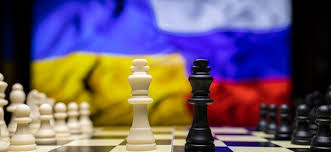
SCFR Online – Opinion: The Ukraine war was not merely a European crisis, but rather the starting point for the rearrangement of the global balance of power and a shift in the strategic behavior of great powers.
SCFR Online – Opinion: Great power competition is now pursued more in trade, currency, technology, and global supply chains than on the battlefields of military confrontation.
Strategic Council Online – Opinion: The Arctic is no longer a frozen, remote periphery; it has become a live theater of great-power competition, where sea routes, port infrastructure, the law of the sea, and military deterrence are intertwined, shaping the future of maritime security.
Strategic Council Online – Opinion: In recent years, relations between China and the European Union, particularly from the second half of 2025 to the beginning of 2026, have entered a new phase that can be described as a form of “cautious and pragmatic engagement,” one that is founded more on mutual non-harm than on deep strategic advancements.
Strategic Council Online – Opinion: The agreement being formed between the European Union and India, aimed at creating a vast two-billion-person trade zone, will have geopolitical and economic consequences extending beyond mere trade.
Strategic Council Online – Interview: The Ukraine war has become a new turning point in the political, security, and even commercial relations of allies on both sides of the Atlantic. While this war is nearing its fourth year, many questions still remain regarding its future and its consequences; among them, will the continuation of the Ukraine war lead to the collapse of the European security illusion?
Strategic Council Online – Opinion: At the European Union summit, it was decided that, to assist Ukraine, instead of using Russia’s frozen assets in European countries, 90 billion euros would be borrowed from financial markets and allocated to Ukraine. This issue is considered a very significant development in the European Union’s policy toward Russia.
Strategic Council Online – Opinion: The sanctions imposed by the European Union against the Islamic Republic of Iran before the activation of the snapback mechanism represent an effort to exert additional political and economic pressure on our country to change the system’s behavior regarding regional developments.
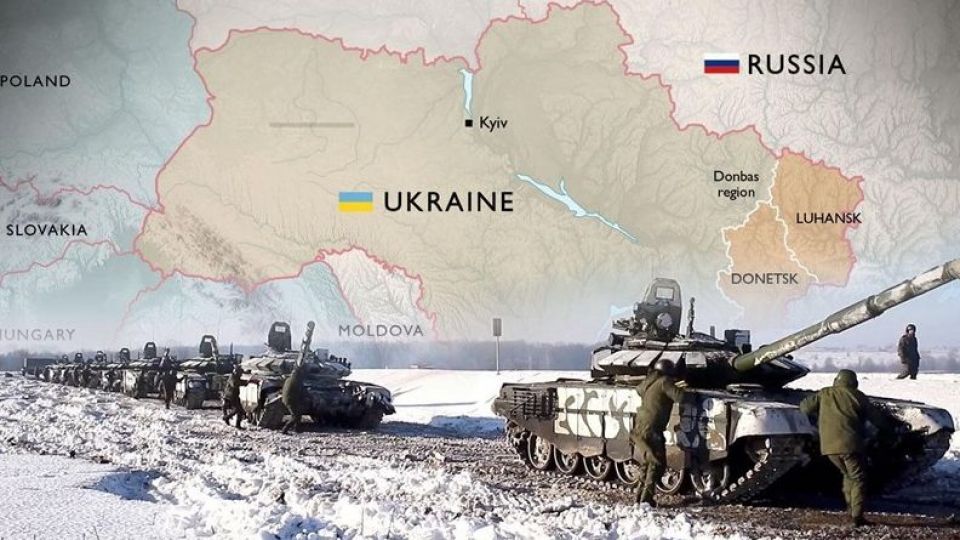
Strategic Council Online – Opinion: After nearly four years of conflict, the outlook for Ukraine-Russia peace negotiations remains unclear; not due to a lack of initiatives, but because of deep conflicts of interest, Russia’s strategy of exploiting the battlefield situation politically, and European confusion and lack of consensus. Achieving a lasting peace seems out of reach.
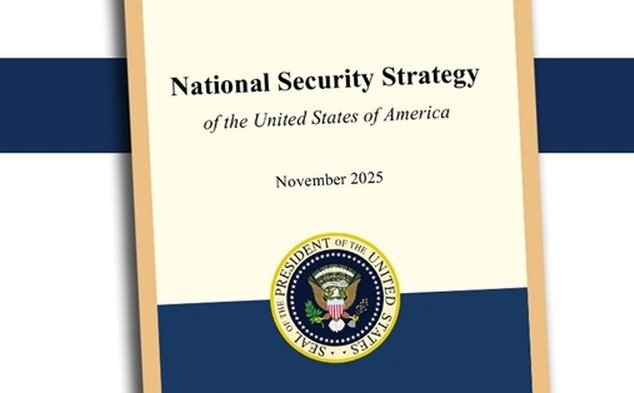
Strategic Council Online – Opinion: The United States’ 2025 National Security Strategy (NSS 2025) is not merely a revision of Washington’s foreign policy, but an official declaration redefining its interests, sphere of influence, and the framework of international relations. This change could shake the foundations of the post-Cold War order and place Europe and NATO in a difficult position.
Strategic Council Online – Interview: An international affairs analyst stated: Today, Ukraine is facing a set of structural corruption, intra-European divisions, a shift in America’s approach, and a legitimacy crisis for Zelenskyy, which has propelled the course of the war and the future of the European Union and NATO into an entirely new phase.
Strategic Council Online – Opinion: The competition between the United States and China over rare minerals and new technologies is not merely an economic rivalry, but a battle to shape the future geopolitical order. This competition has profound implications for Europe and the Global South, and ignoring it may come with high costs.
SCFR Online – Opinion: On Friday, August 7, the heads of state of three countries – Saudi Arabia, Turkey, and Pakistan – signed a text under the title “Makkah Joint Defense Agreement.”
Strategic Council Online – Note: The initiative to revive the Hejaz Railway, beyond being a transportation project, constitutes an attempt to redefine geopolitics, the economy, and Turkey’s regional position; however, its realization appears to face significant financial, security, and institutional challenges.
SCFR Online – Opinion: The Strait of Hormuz crisis is no longer merely the consequence of a military confrontation, but rather a sign of the transition from the US-centered maritime order to a new energy security structure involving the participation of emerging and influential powers.
SCFR Online – Opinion: Iran’s active deterrence strategy, while increasing the costs of US intervention, has increasingly exposed the hidden rifts between Washington’s interests and those of the Israeli regime.
SCFR Online – Opinion: The escalation of verbal and strategic tensions between Turkey and the Israeli regime, although not increasing the likelihood of direct war, indicates the formation of a new order in West Asian geopolitical rivalries.
Strategic Council Online – Note: Recent developments in the political geography of West Asia, from rising tensions in the Persian Gulf to missile and drone activities in the Red Sea and the recent warning by Kaja Kallas, the European Union’s foreign policy chief, regarding the threat to freedom of navigation, indicate a key pattern shift; the US-Iran war has moved beyond the scope of a regional and local confrontation and has linked two vital passageways for the global economy: the Strait of Hormuz and the Bab el-Mandeb Strait.
SCFR Online – Opinion: The Ukraine war was not merely a European crisis, but rather the starting point for the rearrangement of the global balance of power and a shift in the strategic behavior of great powers.
SCFR Online – Opinion: Great power competition is now pursued more in trade, currency, technology, and global supply chains than on the battlefields of military confrontation.
Strategic Council Online – Opinion: The Arctic is no longer a frozen, remote periphery; it has become a live theater of great-power competition, where sea routes, port infrastructure, the law of the sea, and military deterrence are intertwined, shaping the future of maritime security.
Strategic Council Online – Opinion: In recent years, relations between China and the European Union, particularly from the second half of 2025 to the beginning of 2026, have entered a new phase that can be described as a form of “cautious and pragmatic engagement,” one that is founded more on mutual non-harm than on deep strategic advancements.
Strategic Council Online – Opinion: The agreement being formed between the European Union and India, aimed at creating a vast two-billion-person trade zone, will have geopolitical and economic consequences extending beyond mere trade.
Strategic Council Online – Interview: The Ukraine war has become a new turning point in the political, security, and even commercial relations of allies on both sides of the Atlantic. While this war is nearing its fourth year, many questions still remain regarding its future and its consequences; among them, will the continuation of the Ukraine war lead to the collapse of the European security illusion?
Strategic Council Online – Opinion: At the European Union summit, it was decided that, to assist Ukraine, instead of using Russia’s frozen assets in European countries, 90 billion euros would be borrowed from financial markets and allocated to Ukraine. This issue is considered a very significant development in the European Union’s policy toward Russia.
Strategic Council Online – Opinion: The sanctions imposed by the European Union against the Islamic Republic of Iran before the activation of the snapback mechanism represent an effort to exert additional political and economic pressure on our country to change the system’s behavior regarding regional developments.
Strategic Council Online – Opinion: After nearly four years of conflict, the outlook for Ukraine-Russia peace negotiations remains unclear; not due to a lack of initiatives, but because of deep conflicts of interest, Russia’s strategy of exploiting the battlefield situation politically, and European confusion and lack of consensus. Achieving a lasting peace seems out of reach.
Strategic Council Online – Opinion: The United States’ 2025 National Security Strategy (NSS 2025) is not merely a revision of Washington’s foreign policy, but an official declaration redefining its interests, sphere of influence, and the framework of international relations. This change could shake the foundations of the post-Cold War order and place Europe and NATO in a difficult position.
Strategic Council Online – Interview: An international affairs analyst stated: Today, Ukraine is facing a set of structural corruption, intra-European divisions, a shift in America’s approach, and a legitimacy crisis for Zelenskyy, which has propelled the course of the war and the future of the European Union and NATO into an entirely new phase.
Strategic Council Online – Opinion: The competition between the United States and China over rare minerals and new technologies is not merely an economic rivalry, but a battle to shape the future geopolitical order. This competition has profound implications for Europe and the Global South, and ignoring it may come with high costs.
Strategic Council Online – Opinion: The Arctic is no longer a frozen, remote periphery; it has become a live theater of great-power competition, where sea routes, port infrastructure, the law of the sea, and military deterrence are intertwined, shaping the future of maritime security.
Strategic Council Online – Opinion: In recent years, relations between China and the European Union, particularly from the second half of 2025 to the beginning of 2026, have entered a new phase that can be described as a form of “cautious and pragmatic engagement,” one that is founded more on mutual non-harm than on deep strategic advancements.
Strategic Council Online – Opinion: The agreement being formed between the European Union and India, aimed at creating a vast two-billion-person trade zone, will have geopolitical and economic consequences extending beyond mere trade.
Strategic Council Online – Interview: The Ukraine war has become a new turning point in the political, security, and even commercial relations of allies on both sides of the Atlantic. While this war is nearing its fourth year, many questions still remain regarding its future and its consequences; among them, will the continuation of the Ukraine war lead to the collapse of the European security illusion?
Strategic Council Online – Opinion: At the European Union summit, it was decided that, to assist Ukraine, instead of using Russia’s frozen assets in European countries, 90 billion euros would be borrowed from financial markets and allocated to Ukraine. This issue is considered a very significant development in the European Union’s policy toward Russia.
Strategic Council Online – Opinion: The sanctions imposed by the European Union against the Islamic Republic of Iran before the activation of the snapback mechanism represent an effort to exert additional political and economic pressure on our country to change the system’s behavior regarding regional developments.
Strategic Council Online – Opinion: After nearly four years of conflict, the outlook for Ukraine-Russia peace negotiations remains unclear; not due to a lack of initiatives, but because of deep conflicts of interest, Russia’s strategy of exploiting the battlefield situation politically, and European confusion and lack of consensus. Achieving a lasting peace seems out of reach.
Strategic Council Online – Opinion: The United States’ 2025 National Security Strategy (NSS 2025) is not merely a revision of Washington’s foreign policy, but an official declaration redefining its interests, sphere of influence, and the framework of international relations. This change could shake the foundations of the post-Cold War order and place Europe and NATO in a difficult position.
Strategic Council Online – Interview: An international affairs analyst stated: Today, Ukraine is facing a set of structural corruption, intra-European divisions, a shift in America’s approach, and a legitimacy crisis for Zelenskyy, which has propelled the course of the war and the future of the European Union and NATO into an entirely new phase.
Strategic Council Online – Opinion: The competition between the United States and China over rare minerals and new technologies is not merely an economic rivalry, but a battle to shape the future geopolitical order. This competition has profound implications for Europe and the Global South, and ignoring it may come with high costs.
SCFR Online – Opinion: On Friday, August 7, the heads of state of three countries – Saudi Arabia, Turkey, and Pakistan – signed a text under the title “Makkah Joint Defense Agreement.”
Strategic Council Online – Note: The initiative to revive the Hejaz Railway, beyond being a transportation project, constitutes an attempt to redefine geopolitics, the economy, and Turkey’s regional position; however, its realization appears to face significant financial, security, and institutional challenges.
SCFR Online – Opinion: The Strait of Hormuz crisis is no longer merely the consequence of a military confrontation, but rather a sign of the transition from the US-centered maritime order to a new energy security structure involving the participation of emerging and influential powers.
SCFR Online – Opinion: Iran’s active deterrence strategy, while increasing the costs of US intervention, has increasingly exposed the hidden rifts between Washington’s interests and those of the Israeli regime.
SCFR Online – Opinion: The escalation of verbal and strategic tensions between Turkey and the Israeli regime, although not increasing the likelihood of direct war, indicates the formation of a new order in West Asian geopolitical rivalries.
Strategic Council Online – Note: Recent developments in the political geography of West Asia, from rising tensions in the Persian Gulf to missile and drone activities in the Red Sea and the recent warning by Kaja Kallas, the European Union’s foreign policy chief, regarding the threat to freedom of navigation, indicate a key pattern shift; the US-Iran war has moved beyond the scope of a regional and local confrontation and has linked two vital passageways for the global economy: the Strait of Hormuz and the Bab el-Mandeb Strait.
SCFR Online – Opinion: The Ukraine war was not merely a European crisis, but rather the starting point for the rearrangement of the global balance of power and a shift in the strategic behavior of great powers.
SCFR Online – Opinion: Great power competition is now pursued more in trade, currency, technology, and global supply chains than on the battlefields of military confrontation.
Strategic Council Online – Opinion: The Arctic is no longer a frozen, remote periphery; it has become a live theater of great-power competition, where sea routes, port infrastructure, the law of the sea, and military deterrence are intertwined, shaping the future of maritime security.
Strategic Council Online – Opinion: In recent years, relations between China and the European Union, particularly from the second half of 2025 to the beginning of 2026, have entered a new phase that can be described as a form of “cautious and pragmatic engagement,” one that is founded more on mutual non-harm than on deep strategic advancements.
Strategic Council Online – Opinion: The agreement being formed between the European Union and India, aimed at creating a vast two-billion-person trade zone, will have geopolitical and economic consequences extending beyond mere trade.
Strategic Council Online – Interview: The Ukraine war has become a new turning point in the political, security, and even commercial relations of allies on both sides of the Atlantic. While this war is nearing its fourth year, many questions still remain regarding its future and its consequences; among them, will the continuation of the Ukraine war lead to the collapse of the European security illusion?
Strategic Council Online – Opinion: At the European Union summit, it was decided that, to assist Ukraine, instead of using Russia’s frozen assets in European countries, 90 billion euros would be borrowed from financial markets and allocated to Ukraine. This issue is considered a very significant development in the European Union’s policy toward Russia.
Strategic Council Online – Opinion: The sanctions imposed by the European Union against the Islamic Republic of Iran before the activation of the snapback mechanism represent an effort to exert additional political and economic pressure on our country to change the system’s behavior regarding regional developments.
Strategic Council Online – Opinion: After nearly four years of conflict, the outlook for Ukraine-Russia peace negotiations remains unclear; not due to a lack of initiatives, but because of deep conflicts of interest, Russia’s strategy of exploiting the battlefield situation politically, and European confusion and lack of consensus. Achieving a lasting peace seems out of reach.
Strategic Council Online – Opinion: The United States’ 2025 National Security Strategy (NSS 2025) is not merely a revision of Washington’s foreign policy, but an official declaration redefining its interests, sphere of influence, and the framework of international relations. This change could shake the foundations of the post-Cold War order and place Europe and NATO in a difficult position.
Strategic Council Online – Interview: An international affairs analyst stated: Today, Ukraine is facing a set of structural corruption, intra-European divisions, a shift in America’s approach, and a legitimacy crisis for Zelenskyy, which has propelled the course of the war and the future of the European Union and NATO into an entirely new phase.
Strategic Council Online – Opinion: The competition between the United States and China over rare minerals and new technologies is not merely an economic rivalry, but a battle to shape the future geopolitical order. This competition has profound implications for Europe and the Global South, and ignoring it may come with high costs.
SCFR Online – Opinion: On Friday, August 7, the heads of state of three countries – Saudi Arabia, Turkey, and Pakistan – signed a text under the title “Makkah Joint Defense Agreement.”
Strategic Council Online – Note: The initiative to revive the Hejaz Railway, beyond being a transportation project, constitutes an attempt to redefine geopolitics, the economy, and Turkey’s regional position; however, its realization appears to face significant financial, security, and institutional challenges.
SCFR Online – Opinion: The Strait of Hormuz crisis is no longer merely the consequence of a military confrontation, but rather a sign of the transition from the US-centered maritime order to a new energy security structure involving the participation of emerging and influential powers.
SCFR Online – Opinion: Iran’s active deterrence strategy, while increasing the costs of US intervention, has increasingly exposed the hidden rifts between Washington’s interests and those of the Israeli regime.
SCFR Online – Opinion: The escalation of verbal and strategic tensions between Turkey and the Israeli regime, although not increasing the likelihood of direct war, indicates the formation of a new order in West Asian geopolitical rivalries.
Strategic Council Online – Note: Recent developments in the political geography of West Asia, from rising tensions in the Persian Gulf to missile and drone activities in the Red Sea and the recent warning by Kaja Kallas, the European Union’s foreign policy chief, regarding the threat to freedom of navigation, indicate a key pattern shift; the US-Iran war has moved beyond the scope of a regional and local confrontation and has linked two vital passageways for the global economy: the Strait of Hormuz and the Bab el-Mandeb Strait.
SCFR Online – Opinion: The Ukraine war was not merely a European crisis, but rather the starting point for the rearrangement of the global balance of power and a shift in the strategic behavior of great powers.
SCFR Online – Opinion: Great power competition is now pursued more in trade, currency, technology, and global supply chains than on the battlefields of military confrontation.
Strategic Council Online – Opinion: The Arctic is no longer a frozen, remote periphery; it has become a live theater of great-power competition, where sea routes, port infrastructure, the law of the sea, and military deterrence are intertwined, shaping the future of maritime security.
Strategic Council Online – Opinion: In recent years, relations between China and the European Union, particularly from the second half of 2025 to the beginning of 2026, have entered a new phase that can be described as a form of “cautious and pragmatic engagement,” one that is founded more on mutual non-harm than on deep strategic advancements.
Strategic Council Online – Opinion: The agreement being formed between the European Union and India, aimed at creating a vast two-billion-person trade zone, will have geopolitical and economic consequences extending beyond mere trade.
Strategic Council Online – Interview: The Ukraine war has become a new turning point in the political, security, and even commercial relations of allies on both sides of the Atlantic. While this war is nearing its fourth year, many questions still remain regarding its future and its consequences; among them, will the continuation of the Ukraine war lead to the collapse of the European security illusion?
Strategic Council Online – Opinion: At the European Union summit, it was decided that, to assist Ukraine, instead of using Russia’s frozen assets in European countries, 90 billion euros would be borrowed from financial markets and allocated to Ukraine. This issue is considered a very significant development in the European Union’s policy toward Russia.
Strategic Council Online – Opinion: The sanctions imposed by the European Union against the Islamic Republic of Iran before the activation of the snapback mechanism represent an effort to exert additional political and economic pressure on our country to change the system’s behavior regarding regional developments.
Strategic Council Online – Opinion: After nearly four years of conflict, the outlook for Ukraine-Russia peace negotiations remains unclear; not due to a lack of initiatives, but because of deep conflicts of interest, Russia’s strategy of exploiting the battlefield situation politically, and European confusion and lack of consensus. Achieving a lasting peace seems out of reach.
Strategic Council Online – Opinion: The United States’ 2025 National Security Strategy (NSS 2025) is not merely a revision of Washington’s foreign policy, but an official declaration redefining its interests, sphere of influence, and the framework of international relations. This change could shake the foundations of the post-Cold War order and place Europe and NATO in a difficult position.
Strategic Council Online – Interview: An international affairs analyst stated: Today, Ukraine is facing a set of structural corruption, intra-European divisions, a shift in America’s approach, and a legitimacy crisis for Zelenskyy, which has propelled the course of the war and the future of the European Union and NATO into an entirely new phase.
Strategic Council Online – Opinion: The competition between the United States and China over rare minerals and new technologies is not merely an economic rivalry, but a battle to shape the future geopolitical order. This competition has profound implications for Europe and the Global South, and ignoring it may come with high costs.
SCFR Online – Opinion: On Friday, August 7, the heads of state of three countries – Saudi Arabia, Turkey, and Pakistan – signed a text under the title “Makkah Joint Defense Agreement.”
Strategic Council Online – Note: The initiative to revive the Hejaz Railway, beyond being a transportation project, constitutes an attempt to redefine geopolitics, the economy, and Turkey’s regional position; however, its realization appears to face significant financial, security, and institutional challenges.
SCFR Online – Opinion: The Strait of Hormuz crisis is no longer merely the consequence of a military confrontation, but rather a sign of the transition from the US-centered maritime order to a new energy security structure involving the participation of emerging and influential powers.
SCFR Online – Opinion: Iran’s active deterrence strategy, while increasing the costs of US intervention, has increasingly exposed the hidden rifts between Washington’s interests and those of the Israeli regime.
SCFR Online – Opinion: The escalation of verbal and strategic tensions between Turkey and the Israeli regime, although not increasing the likelihood of direct war, indicates the formation of a new order in West Asian geopolitical rivalries.
Strategic Council Online – Note: Recent developments in the political geography of West Asia, from rising tensions in the Persian Gulf to missile and drone activities in the Red Sea and the recent warning by Kaja Kallas, the European Union’s foreign policy chief, regarding the threat to freedom of navigation, indicate a key pattern shift; the US-Iran war has moved beyond the scope of a regional and local confrontation and has linked two vital passageways for the global economy: the Strait of Hormuz and the Bab el-Mandeb Strait.
SCFR Online – Opinion: The Ukraine war was not merely a European crisis, but rather the starting point for the rearrangement of the global balance of power and a shift in the strategic behavior of great powers.
SCFR Online – Opinion: Great power competition is now pursued more in trade, currency, technology, and global supply chains than on the battlefields of military confrontation.
Strategic Council Online – Opinion: The Arctic is no longer a frozen, remote periphery; it has become a live theater of great-power competition, where sea routes, port infrastructure, the law of the sea, and military deterrence are intertwined, shaping the future of maritime security.
Strategic Council Online – Opinion: In recent years, relations between China and the European Union, particularly from the second half of 2025 to the beginning of 2026, have entered a new phase that can be described as a form of “cautious and pragmatic engagement,” one that is founded more on mutual non-harm than on deep strategic advancements.
Strategic Council Online – Opinion: The agreement being formed between the European Union and India, aimed at creating a vast two-billion-person trade zone, will have geopolitical and economic consequences extending beyond mere trade.
Strategic Council Online – Interview: The Ukraine war has become a new turning point in the political, security, and even commercial relations of allies on both sides of the Atlantic. While this war is nearing its fourth year, many questions still remain regarding its future and its consequences; among them, will the continuation of the Ukraine war lead to the collapse of the European security illusion?
Strategic Council Online – Opinion: At the European Union summit, it was decided that, to assist Ukraine, instead of using Russia’s frozen assets in European countries, 90 billion euros would be borrowed from financial markets and allocated to Ukraine. This issue is considered a very significant development in the European Union’s policy toward Russia.
Strategic Council Online – Opinion: The sanctions imposed by the European Union against the Islamic Republic of Iran before the activation of the snapback mechanism represent an effort to exert additional political and economic pressure on our country to change the system’s behavior regarding regional developments.
Strategic Council Online – Opinion: After nearly four years of conflict, the outlook for Ukraine-Russia peace negotiations remains unclear; not due to a lack of initiatives, but because of deep conflicts of interest, Russia’s strategy of exploiting the battlefield situation politically, and European confusion and lack of consensus. Achieving a lasting peace seems out of reach.
Strategic Council Online – Opinion: The United States’ 2025 National Security Strategy (NSS 2025) is not merely a revision of Washington’s foreign policy, but an official declaration redefining its interests, sphere of influence, and the framework of international relations. This change could shake the foundations of the post-Cold War order and place Europe and NATO in a difficult position.
Strategic Council Online – Interview: An international affairs analyst stated: Today, Ukraine is facing a set of structural corruption, intra-European divisions, a shift in America’s approach, and a legitimacy crisis for Zelenskyy, which has propelled the course of the war and the future of the European Union and NATO into an entirely new phase.
Strategic Council Online – Opinion: The competition between the United States and China over rare minerals and new technologies is not merely an economic rivalry, but a battle to shape the future geopolitical order. This competition has profound implications for Europe and the Global South, and ignoring it may come with high costs.
SCFR Online – Opinion: On Friday, August 7, the heads of state of three countries – Saudi Arabia, Turkey, and Pakistan – signed a text under the title “Makkah Joint Defense Agreement.”
Strategic Council Online – Note: The initiative to revive the Hejaz Railway, beyond being a transportation project, constitutes an attempt to redefine geopolitics, the economy, and Turkey’s regional position; however, its realization appears to face significant financial, security, and institutional challenges.
SCFR Online – Opinion: The Strait of Hormuz crisis is no longer merely the consequence of a military confrontation, but rather a sign of the transition from the US-centered maritime order to a new energy security structure involving the participation of emerging and influential powers.
SCFR Online – Opinion: Iran’s active deterrence strategy, while increasing the costs of US intervention, has increasingly exposed the hidden rifts between Washington’s interests and those of the Israeli regime.
SCFR Online – Opinion: The escalation of verbal and strategic tensions between Turkey and the Israeli regime, although not increasing the likelihood of direct war, indicates the formation of a new order in West Asian geopolitical rivalries.
Strategic Council Online – Note: Recent developments in the political geography of West Asia, from rising tensions in the Persian Gulf to missile and drone activities in the Red Sea and the recent warning by Kaja Kallas, the European Union’s foreign policy chief, regarding the threat to freedom of navigation, indicate a key pattern shift; the US-Iran war has moved beyond the scope of a regional and local confrontation and has linked two vital passageways for the global economy: the Strait of Hormuz and the Bab el-Mandeb Strait.
SCFR Online – Opinion: The Ukraine war was not merely a European crisis, but rather the starting point for the rearrangement of the global balance of power and a shift in the strategic behavior of great powers.
SCFR Online – Opinion: Great power competition is now pursued more in trade, currency, technology, and global supply chains than on the battlefields of military confrontation.
Strategic Council Online – Opinion: The Arctic is no longer a frozen, remote periphery; it has become a live theater of great-power competition, where sea routes, port infrastructure, the law of the sea, and military deterrence are intertwined, shaping the future of maritime security.
Strategic Council Online – Opinion: In recent years, relations between China and the European Union, particularly from the second half of 2025 to the beginning of 2026, have entered a new phase that can be described as a form of “cautious and pragmatic engagement,” one that is founded more on mutual non-harm than on deep strategic advancements.
Strategic Council Online – Opinion: The agreement being formed between the European Union and India, aimed at creating a vast two-billion-person trade zone, will have geopolitical and economic consequences extending beyond mere trade.
Strategic Council Online – Interview: The Ukraine war has become a new turning point in the political, security, and even commercial relations of allies on both sides of the Atlantic. While this war is nearing its fourth year, many questions still remain regarding its future and its consequences; among them, will the continuation of the Ukraine war lead to the collapse of the European security illusion?
Strategic Council Online – Opinion: At the European Union summit, it was decided that, to assist Ukraine, instead of using Russia’s frozen assets in European countries, 90 billion euros would be borrowed from financial markets and allocated to Ukraine. This issue is considered a very significant development in the European Union’s policy toward Russia.
Strategic Council Online – Opinion: The sanctions imposed by the European Union against the Islamic Republic of Iran before the activation of the snapback mechanism represent an effort to exert additional political and economic pressure on our country to change the system’s behavior regarding regional developments.
Strategic Council Online – Opinion: After nearly four years of conflict, the outlook for Ukraine-Russia peace negotiations remains unclear; not due to a lack of initiatives, but because of deep conflicts of interest, Russia’s strategy of exploiting the battlefield situation politically, and European confusion and lack of consensus. Achieving a lasting peace seems out of reach.
Strategic Council Online – Opinion: The United States’ 2025 National Security Strategy (NSS 2025) is not merely a revision of Washington’s foreign policy, but an official declaration redefining its interests, sphere of influence, and the framework of international relations. This change could shake the foundations of the post-Cold War order and place Europe and NATO in a difficult position.
Strategic Council Online – Interview: An international affairs analyst stated: Today, Ukraine is facing a set of structural corruption, intra-European divisions, a shift in America’s approach, and a legitimacy crisis for Zelenskyy, which has propelled the course of the war and the future of the European Union and NATO into an entirely new phase.
Strategic Council Online – Opinion: The competition between the United States and China over rare minerals and new technologies is not merely an economic rivalry, but a battle to shape the future geopolitical order. This competition has profound implications for Europe and the Global South, and ignoring it may come with high costs.
SCFR Online – Opinion: On Friday, August 7, the heads of state of three countries – Saudi Arabia, Turkey, and Pakistan – signed a text under the title “Makkah Joint Defense Agreement.”
Strategic Council Online – Note: The initiative to revive the Hejaz Railway, beyond being a transportation project, constitutes an attempt to redefine geopolitics, the economy, and Turkey’s regional position; however, its realization appears to face significant financial, security, and institutional challenges.
SCFR Online – Opinion: The Strait of Hormuz crisis is no longer merely the consequence of a military confrontation, but rather a sign of the transition from the US-centered maritime order to a new energy security structure involving the participation of emerging and influential powers.
SCFR Online – Opinion: Iran’s active deterrence strategy, while increasing the costs of US intervention, has increasingly exposed the hidden rifts between Washington’s interests and those of the Israeli regime.
SCFR Online – Opinion: The escalation of verbal and strategic tensions between Turkey and the Israeli regime, although not increasing the likelihood of direct war, indicates the formation of a new order in West Asian geopolitical rivalries.
Strategic Council Online – Note: Recent developments in the political geography of West Asia, from rising tensions in the Persian Gulf to missile and drone activities in the Red Sea and the recent warning by Kaja Kallas, the European Union’s foreign policy chief, regarding the threat to freedom of navigation, indicate a key pattern shift; the US-Iran war has moved beyond the scope of a regional and local confrontation and has linked two vital passageways for the global economy: the Strait of Hormuz and the Bab el-Mandeb Strait.
SCFR Online – Opinion: The Ukraine war was not merely a European crisis, but rather the starting point for the rearrangement of the global balance of power and a shift in the strategic behavior of great powers.
SCFR Online – Opinion: Great power competition is now pursued more in trade, currency, technology, and global supply chains than on the battlefields of military confrontation.