جدیدترین مطالب

Balancing in the chain of chokepoints; from sea-based deterrence to pluralistic diplomacy

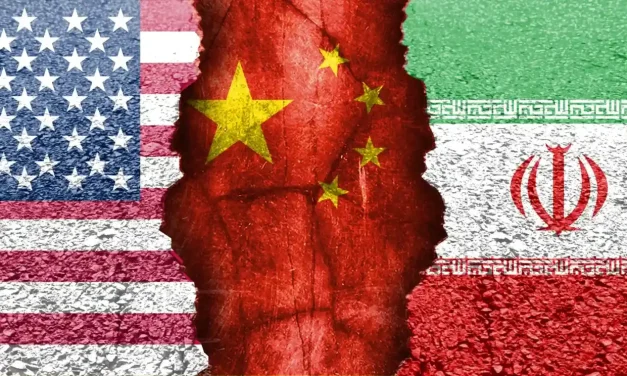
Strategic Council Online – Note: Recent developments in the political geography of West Asia, from rising tensions in the Persian Gulf to missile and drone activities in the Red Sea and the recent warning by Kaja Kallas, the European Union’s foreign policy chief, regarding the threat to freedom of navigation, indicate a key pattern shift; the US-Iran war has moved beyond the scope of a regional and local confrontation and has linked two vital passageways for the global economy: the Strait of Hormuz and the Bab el-Mandeb Strait.

Indicators for Choosing Between War and Diplomacy

SCFR Online – Opinion: Foreign policy analysis is valid when it evaluates decisions based on the information and circumstances prevailing at the time they were made, not on the basis of outcomes that only become apparent after the crisis has ended.

Loading

UAE

Objectives & Motivations of Bin Salman Regional Tour

Objectives & Motivations of Bin Salman Regional Tour

Strategic Council Online- Opinion: Regional tour of Mohammad Bin Salman to five countries of Oman, Bahrain, UAE, Kuwait and Qatar (Persian Gulf Cooperation Council members) is considered to be the most important political, economic and security momentum of the Crown Prince of Saudi Arabia in the last days of 2021. It is also interpreted as a remedial measure for fragile situation of Saudis at the regional and world levels. It should be noted that one of the objectives of Mohammad Bin Salman was to consult with the authorities of littoral Arab states of Persian Gulf and to make a consensus to confront some of the regional as well as the global issues such as Yemen, Iran, JCPOA revival, etc.
Hamid Khoshayand, Expert of Regional Issues

Saudi Interventionist Policy in Lebanon, Its Consequences on Axis of Resistance

Saudi Interventionist Policy in Lebanon, Its Consequences on Axis of Resistance

Strategic Council Online – Interview: An analyst of West Asia affairs, stressing that resignation of the Lebanese minister of information will not resolve the Riyadh-Beirut issues, said: Saudi aid is a function of Riyadh’s policies in Beirut, that is to say an attempt to isolate the Hezbollah and the Axis of Resistance.

Saudi Political-Economic Pressures on Lebanon, Its Consequences

Saudi Political-Economic Pressures on Lebanon, Its Consequences

Strategic Council Online – Interview: Former Iranian ambassador to Lebanon said that Saudi Arabia in any case seeks to create chaos, form a kind of political vacuum and create crisis in Lebanon. Riyadh also intends to lead the Resistance to the civil war and tarnish its image in that country. He noted: The main problem of Riyadh is the presence of Hezbollah in Lebanon, and with the resignation of Mr. Qardahi, Saudi Arabia will not take a positive step to solve Lebanon’s economic problems.

Consequences of Persian Gulf Arab States Rapprochement with Syria

Consequences of Persian Gulf Arab States Rapprochement with Syria

Strategic Council Online- Interview: An expert of Middle East affairs commented on measures taken by some Arab states of Persian Gulf towards Bashar Assad government during recent years and stated:” Since 2011 when the Syrian crisis started, countries like Saudi Arabia, Qatar, UAE, and Bahrain tried in coordination to strengthen terrorist group-lets and thus topple Bashar Assad government”.

Objectives of Reviving Turkey’s Relations with UAE

Objectives of Reviving Turkey’s Relations with UAE

Strategic Council Online – Opinion: The recent visit of the UAE Crown Prince Mohammed bin Zayed Al Nahyan to Ankara and the consequences of this visit in Turkish foreign policy shows that the Turkish president, despite his decisive vision in domestic politics, has become more realistic in foreign policy in recent years and the new round of relations with the UAE is important in economic, political, and regional terms and in strengthening Ankara’s position in the international arena.
Mahmoud Fazeli – Analyst of international affairs

Strategic Objectives of Saudi Arabia for Fanning Tension in Lebanon

Strategic Objectives of Saudi Arabia for Fanning Tension in Lebanon

Strategic Council Online- Opinion: Any effort aimed at economic collapse of the coalition government is at first stage a kind of investment made by Saudi Arabia for the next Lebanese election in March 2022.
Hossein Sayahi, Researcher, International Affairs

Afghan asylum seekers; Neighbors’ Role & Responsibility of International Community

Afghan asylum seekers; Neighbors’ Role & Responsibility of International Community

Strategic Council Online- Interview: Former Director of the Logistics Headquarter of Afghanistan at the Ministry of Foreign Affairs having stated that countries and international bodies should fulfill their responsibilities by receiving Afghan asylum seekers and put their full weight behind Iran said:” Iran’s hospitality extended to the asylum seekers will, in fact, prevent them to head towards other regions and European countries.

Obstacles, Prospects for Formation of Najib Mikati Government in Lebanon

Obstacles, Prospects for Formation of Najib Mikati Government in Lebanon

Strategic Council Online – Formation of government has always been the most complex and difficult political process in Lebanon, which is typically slow and has become one of the most challenging issues in that country for many years. The new era, which began with the resignation of Saad Hariri as prime minister and following October 2019 protests in Lebanon, entered a complex and tense path up to now when “Najib Mikati” has been appointed by Michel Aoun to form a new government.
Barsam Mohammadi – Analyst of international affairs

Roots and outcomes of the diplomatic crises between Riyadh and Beirut

Roots and outcomes of the diplomatic crises between Riyadh and Beirut

Strategic Council Online—Interview: Former director-general of the Ministry of Foreign Affairs for the Middle East, while referring to the tensions in the relations between Riyadh and Beirut which resulted in the resignation of the Lebanese foreign minister, said if interests of Saudi Arabia are secured in the composition of the next Lebanese cabinet, the pressure would decrease and their policies will also change. Otherwise, he said, pressures will continue on Lebanon and they will create obstacles so as a stable government is not formed in Beirut.

Lebanon’s government crisis: consequences and dimensions

Lebanon’s government crisis: consequences and dimensions

Strategic Council Online: Editorial—Under the present circumstances, we may witness once again a crisis in the formation of the Lebanese cabinet. With increasing foreign interference in Lebanon, it seems this crisis would be extended and prolonged more than the previous occasions as each of the foreign players are seeking to advance their own objectives and want to set the pieces of government in their own favour. This is while Lebanon is not a country to be settled with instruction issued from abroad.
Hossein Ajorloo – Expert of Middle East affairs

أحدث الوظائف

Balancing in the chain of chokepoints; from sea-based deterrence to pluralistic diplomacy

Strategic Council Online – Note: Recent developments in the political geography of West Asia, from rising tensions in the Persian Gulf to missile and drone activities in the Red Sea and the recent warning by Kaja Kallas, the European Union’s foreign policy chief, regarding the threat to freedom of navigation, indicate a key pattern shift; the US-Iran war has moved beyond the scope of a regional and local confrontation and has linked two vital passageways for the global economy: the Strait of Hormuz and the Bab el-Mandeb Strait.

Indicators for Choosing Between War and Diplomacy

SCFR Online – Opinion: Foreign policy analysis is valid when it evaluates decisions based on the information and circumstances prevailing at the time they were made, not on the basis of outcomes that only become apparent after the crisis has ended.

Loading

UAE

Objectives & Motivations of Bin Salman Regional Tour

Objectives & Motivations of Bin Salman Regional Tour

Strategic Council Online- Opinion: Regional tour of Mohammad Bin Salman to five countries of Oman, Bahrain, UAE, Kuwait and Qatar (Persian Gulf Cooperation Council members) is considered to be the most important political, economic and security momentum of the Crown Prince of Saudi Arabia in the last days of 2021. It is also interpreted as a remedial measure for fragile situation of Saudis at the regional and world levels. It should be noted that one of the objectives of Mohammad Bin Salman was to consult with the authorities of littoral Arab states of Persian Gulf and to make a consensus to confront some of the regional as well as the global issues such as Yemen, Iran, JCPOA revival, etc.
Hamid Khoshayand, Expert of Regional Issues

Saudi Interventionist Policy in Lebanon, Its Consequences on Axis of Resistance

Saudi Interventionist Policy in Lebanon, Its Consequences on Axis of Resistance

Strategic Council Online – Interview: An analyst of West Asia affairs, stressing that resignation of the Lebanese minister of information will not resolve the Riyadh-Beirut issues, said: Saudi aid is a function of Riyadh’s policies in Beirut, that is to say an attempt to isolate the Hezbollah and the Axis of Resistance.

Saudi Political-Economic Pressures on Lebanon, Its Consequences

Saudi Political-Economic Pressures on Lebanon, Its Consequences

Strategic Council Online – Interview: Former Iranian ambassador to Lebanon said that Saudi Arabia in any case seeks to create chaos, form a kind of political vacuum and create crisis in Lebanon. Riyadh also intends to lead the Resistance to the civil war and tarnish its image in that country. He noted: The main problem of Riyadh is the presence of Hezbollah in Lebanon, and with the resignation of Mr. Qardahi, Saudi Arabia will not take a positive step to solve Lebanon’s economic problems.

Consequences of Persian Gulf Arab States Rapprochement with Syria

Consequences of Persian Gulf Arab States Rapprochement with Syria

Strategic Council Online- Interview: An expert of Middle East affairs commented on measures taken by some Arab states of Persian Gulf towards Bashar Assad government during recent years and stated:” Since 2011 when the Syrian crisis started, countries like Saudi Arabia, Qatar, UAE, and Bahrain tried in coordination to strengthen terrorist group-lets and thus topple Bashar Assad government”.

Objectives of Reviving Turkey’s Relations with UAE

Objectives of Reviving Turkey’s Relations with UAE

Strategic Council Online – Opinion: The recent visit of the UAE Crown Prince Mohammed bin Zayed Al Nahyan to Ankara and the consequences of this visit in Turkish foreign policy shows that the Turkish president, despite his decisive vision in domestic politics, has become more realistic in foreign policy in recent years and the new round of relations with the UAE is important in economic, political, and regional terms and in strengthening Ankara’s position in the international arena.
Mahmoud Fazeli – Analyst of international affairs

Strategic Objectives of Saudi Arabia for Fanning Tension in Lebanon

Strategic Objectives of Saudi Arabia for Fanning Tension in Lebanon

Strategic Council Online- Opinion: Any effort aimed at economic collapse of the coalition government is at first stage a kind of investment made by Saudi Arabia for the next Lebanese election in March 2022.
Hossein Sayahi, Researcher, International Affairs

Afghan asylum seekers; Neighbors’ Role & Responsibility of International Community

Afghan asylum seekers; Neighbors’ Role & Responsibility of International Community

Strategic Council Online- Interview: Former Director of the Logistics Headquarter of Afghanistan at the Ministry of Foreign Affairs having stated that countries and international bodies should fulfill their responsibilities by receiving Afghan asylum seekers and put their full weight behind Iran said:” Iran’s hospitality extended to the asylum seekers will, in fact, prevent them to head towards other regions and European countries.

Obstacles, Prospects for Formation of Najib Mikati Government in Lebanon

Obstacles, Prospects for Formation of Najib Mikati Government in Lebanon

Strategic Council Online – Formation of government has always been the most complex and difficult political process in Lebanon, which is typically slow and has become one of the most challenging issues in that country for many years. The new era, which began with the resignation of Saad Hariri as prime minister and following October 2019 protests in Lebanon, entered a complex and tense path up to now when “Najib Mikati” has been appointed by Michel Aoun to form a new government.
Barsam Mohammadi – Analyst of international affairs

Roots and outcomes of the diplomatic crises between Riyadh and Beirut

Roots and outcomes of the diplomatic crises between Riyadh and Beirut

Strategic Council Online—Interview: Former director-general of the Ministry of Foreign Affairs for the Middle East, while referring to the tensions in the relations between Riyadh and Beirut which resulted in the resignation of the Lebanese foreign minister, said if interests of Saudi Arabia are secured in the composition of the next Lebanese cabinet, the pressure would decrease and their policies will also change. Otherwise, he said, pressures will continue on Lebanon and they will create obstacles so as a stable government is not formed in Beirut.

Lebanon’s government crisis: consequences and dimensions

Lebanon’s government crisis: consequences and dimensions

Strategic Council Online: Editorial—Under the present circumstances, we may witness once again a crisis in the formation of the Lebanese cabinet. With increasing foreign interference in Lebanon, it seems this crisis would be extended and prolonged more than the previous occasions as each of the foreign players are seeking to advance their own objectives and want to set the pieces of government in their own favour. This is while Lebanon is not a country to be settled with instruction issued from abroad.
Hossein Ajorloo – Expert of Middle East affairs

UAE

Objectives & Motivations of Bin Salman Regional Tour

Objectives & Motivations of Bin Salman Regional Tour

Strategic Council Online- Opinion: Regional tour of Mohammad Bin Salman to five countries of Oman, Bahrain, UAE, Kuwait and Qatar (Persian Gulf Cooperation Council members) is considered to be the most important political, economic and security momentum of the Crown Prince of Saudi Arabia in the last days of 2021. It is also interpreted as a remedial measure for fragile situation of Saudis at the regional and world levels. It should be noted that one of the objectives of Mohammad Bin Salman was to consult with the authorities of littoral Arab states of Persian Gulf and to make a consensus to confront some of the regional as well as the global issues such as Yemen, Iran, JCPOA revival, etc.
Hamid Khoshayand, Expert of Regional Issues

Saudi Interventionist Policy in Lebanon, Its Consequences on Axis of Resistance

Saudi Interventionist Policy in Lebanon, Its Consequences on Axis of Resistance

Strategic Council Online – Interview: An analyst of West Asia affairs, stressing that resignation of the Lebanese minister of information will not resolve the Riyadh-Beirut issues, said: Saudi aid is a function of Riyadh’s policies in Beirut, that is to say an attempt to isolate the Hezbollah and the Axis of Resistance.

Saudi Political-Economic Pressures on Lebanon, Its Consequences

Saudi Political-Economic Pressures on Lebanon, Its Consequences

Strategic Council Online – Interview: Former Iranian ambassador to Lebanon said that Saudi Arabia in any case seeks to create chaos, form a kind of political vacuum and create crisis in Lebanon. Riyadh also intends to lead the Resistance to the civil war and tarnish its image in that country. He noted: The main problem of Riyadh is the presence of Hezbollah in Lebanon, and with the resignation of Mr. Qardahi, Saudi Arabia will not take a positive step to solve Lebanon’s economic problems.

Consequences of Persian Gulf Arab States Rapprochement with Syria

Consequences of Persian Gulf Arab States Rapprochement with Syria

Strategic Council Online- Interview: An expert of Middle East affairs commented on measures taken by some Arab states of Persian Gulf towards Bashar Assad government during recent years and stated:” Since 2011 when the Syrian crisis started, countries like Saudi Arabia, Qatar, UAE, and Bahrain tried in coordination to strengthen terrorist group-lets and thus topple Bashar Assad government”.

Objectives of Reviving Turkey’s Relations with UAE

Objectives of Reviving Turkey’s Relations with UAE

Strategic Council Online – Opinion: The recent visit of the UAE Crown Prince Mohammed bin Zayed Al Nahyan to Ankara and the consequences of this visit in Turkish foreign policy shows that the Turkish president, despite his decisive vision in domestic politics, has become more realistic in foreign policy in recent years and the new round of relations with the UAE is important in economic, political, and regional terms and in strengthening Ankara’s position in the international arena.
Mahmoud Fazeli – Analyst of international affairs

Strategic Objectives of Saudi Arabia for Fanning Tension in Lebanon

Strategic Objectives of Saudi Arabia for Fanning Tension in Lebanon

Strategic Council Online- Opinion: Any effort aimed at economic collapse of the coalition government is at first stage a kind of investment made by Saudi Arabia for the next Lebanese election in March 2022.
Hossein Sayahi, Researcher, International Affairs

Afghan asylum seekers; Neighbors’ Role & Responsibility of International Community

Afghan asylum seekers; Neighbors’ Role & Responsibility of International Community

Strategic Council Online- Interview: Former Director of the Logistics Headquarter of Afghanistan at the Ministry of Foreign Affairs having stated that countries and international bodies should fulfill their responsibilities by receiving Afghan asylum seekers and put their full weight behind Iran said:” Iran’s hospitality extended to the asylum seekers will, in fact, prevent them to head towards other regions and European countries.

Obstacles, Prospects for Formation of Najib Mikati Government in Lebanon

Obstacles, Prospects for Formation of Najib Mikati Government in Lebanon

Strategic Council Online – Formation of government has always been the most complex and difficult political process in Lebanon, which is typically slow and has become one of the most challenging issues in that country for many years. The new era, which began with the resignation of Saad Hariri as prime minister and following October 2019 protests in Lebanon, entered a complex and tense path up to now when “Najib Mikati” has been appointed by Michel Aoun to form a new government.
Barsam Mohammadi – Analyst of international affairs

Roots and outcomes of the diplomatic crises between Riyadh and Beirut

Roots and outcomes of the diplomatic crises between Riyadh and Beirut

Strategic Council Online—Interview: Former director-general of the Ministry of Foreign Affairs for the Middle East, while referring to the tensions in the relations between Riyadh and Beirut which resulted in the resignation of the Lebanese foreign minister, said if interests of Saudi Arabia are secured in the composition of the next Lebanese cabinet, the pressure would decrease and their policies will also change. Otherwise, he said, pressures will continue on Lebanon and they will create obstacles so as a stable government is not formed in Beirut.

Lebanon’s government crisis: consequences and dimensions

Lebanon’s government crisis: consequences and dimensions

Strategic Council Online: Editorial—Under the present circumstances, we may witness once again a crisis in the formation of the Lebanese cabinet. With increasing foreign interference in Lebanon, it seems this crisis would be extended and prolonged more than the previous occasions as each of the foreign players are seeking to advance their own objectives and want to set the pieces of government in their own favour. This is while Lebanon is not a country to be settled with instruction issued from abroad.
Hossein Ajorloo – Expert of Middle East affairs

LATEST CONTENT

Balancing in the chain of chokepoints; from sea-based deterrence to pluralistic diplomacy

Strategic Council Online – Note: Recent developments in the political geography of West Asia, from rising tensions in the Persian Gulf to missile and drone activities in the Red Sea and the recent warning by Kaja Kallas, the European Union’s foreign policy chief, regarding the threat to freedom of navigation, indicate a key pattern shift; the US-Iran war has moved beyond the scope of a regional and local confrontation and has linked two vital passageways for the global economy: the Strait of Hormuz and the Bab el-Mandeb Strait.

Indicators for Choosing Between War and Diplomacy

SCFR Online – Opinion: Foreign policy analysis is valid when it evaluates decisions based on the information and circumstances prevailing at the time they were made, not on the basis of outcomes that only become apparent after the crisis has ended.

Loading

UAE

Objectives & Motivations of Bin Salman Regional Tour

Objectives & Motivations of Bin Salman Regional Tour

Strategic Council Online- Opinion: Regional tour of Mohammad Bin Salman to five countries of Oman, Bahrain, UAE, Kuwait and Qatar (Persian Gulf Cooperation Council members) is considered to be the most important political, economic and security momentum of the Crown Prince of Saudi Arabia in the last days of 2021. It is also interpreted as a remedial measure for fragile situation of Saudis at the regional and world levels. It should be noted that one of the objectives of Mohammad Bin Salman was to consult with the authorities of littoral Arab states of Persian Gulf and to make a consensus to confront some of the regional as well as the global issues such as Yemen, Iran, JCPOA revival, etc.
Hamid Khoshayand, Expert of Regional Issues

Saudi Interventionist Policy in Lebanon, Its Consequences on Axis of Resistance

Saudi Interventionist Policy in Lebanon, Its Consequences on Axis of Resistance

Strategic Council Online – Interview: An analyst of West Asia affairs, stressing that resignation of the Lebanese minister of information will not resolve the Riyadh-Beirut issues, said: Saudi aid is a function of Riyadh’s policies in Beirut, that is to say an attempt to isolate the Hezbollah and the Axis of Resistance.

Saudi Political-Economic Pressures on Lebanon, Its Consequences

Saudi Political-Economic Pressures on Lebanon, Its Consequences

Strategic Council Online – Interview: Former Iranian ambassador to Lebanon said that Saudi Arabia in any case seeks to create chaos, form a kind of political vacuum and create crisis in Lebanon. Riyadh also intends to lead the Resistance to the civil war and tarnish its image in that country. He noted: The main problem of Riyadh is the presence of Hezbollah in Lebanon, and with the resignation of Mr. Qardahi, Saudi Arabia will not take a positive step to solve Lebanon’s economic problems.

Consequences of Persian Gulf Arab States Rapprochement with Syria

Consequences of Persian Gulf Arab States Rapprochement with Syria

Strategic Council Online- Interview: An expert of Middle East affairs commented on measures taken by some Arab states of Persian Gulf towards Bashar Assad government during recent years and stated:” Since 2011 when the Syrian crisis started, countries like Saudi Arabia, Qatar, UAE, and Bahrain tried in coordination to strengthen terrorist group-lets and thus topple Bashar Assad government”.

Objectives of Reviving Turkey’s Relations with UAE

Objectives of Reviving Turkey’s Relations with UAE

Strategic Council Online – Opinion: The recent visit of the UAE Crown Prince Mohammed bin Zayed Al Nahyan to Ankara and the consequences of this visit in Turkish foreign policy shows that the Turkish president, despite his decisive vision in domestic politics, has become more realistic in foreign policy in recent years and the new round of relations with the UAE is important in economic, political, and regional terms and in strengthening Ankara’s position in the international arena.
Mahmoud Fazeli – Analyst of international affairs

Strategic Objectives of Saudi Arabia for Fanning Tension in Lebanon

Strategic Objectives of Saudi Arabia for Fanning Tension in Lebanon

Strategic Council Online- Opinion: Any effort aimed at economic collapse of the coalition government is at first stage a kind of investment made by Saudi Arabia for the next Lebanese election in March 2022.
Hossein Sayahi, Researcher, International Affairs

Afghan asylum seekers; Neighbors’ Role & Responsibility of International Community

Afghan asylum seekers; Neighbors’ Role & Responsibility of International Community

Strategic Council Online- Interview: Former Director of the Logistics Headquarter of Afghanistan at the Ministry of Foreign Affairs having stated that countries and international bodies should fulfill their responsibilities by receiving Afghan asylum seekers and put their full weight behind Iran said:” Iran’s hospitality extended to the asylum seekers will, in fact, prevent them to head towards other regions and European countries.

Obstacles, Prospects for Formation of Najib Mikati Government in Lebanon

Obstacles, Prospects for Formation of Najib Mikati Government in Lebanon

Strategic Council Online – Formation of government has always been the most complex and difficult political process in Lebanon, which is typically slow and has become one of the most challenging issues in that country for many years. The new era, which began with the resignation of Saad Hariri as prime minister and following October 2019 protests in Lebanon, entered a complex and tense path up to now when “Najib Mikati” has been appointed by Michel Aoun to form a new government.
Barsam Mohammadi – Analyst of international affairs

Roots and outcomes of the diplomatic crises between Riyadh and Beirut

Roots and outcomes of the diplomatic crises between Riyadh and Beirut

Strategic Council Online—Interview: Former director-general of the Ministry of Foreign Affairs for the Middle East, while referring to the tensions in the relations between Riyadh and Beirut which resulted in the resignation of the Lebanese foreign minister, said if interests of Saudi Arabia are secured in the composition of the next Lebanese cabinet, the pressure would decrease and their policies will also change. Otherwise, he said, pressures will continue on Lebanon and they will create obstacles so as a stable government is not formed in Beirut.

Lebanon’s government crisis: consequences and dimensions

Lebanon’s government crisis: consequences and dimensions

Strategic Council Online: Editorial—Under the present circumstances, we may witness once again a crisis in the formation of the Lebanese cabinet. With increasing foreign interference in Lebanon, it seems this crisis would be extended and prolonged more than the previous occasions as each of the foreign players are seeking to advance their own objectives and want to set the pieces of government in their own favour. This is while Lebanon is not a country to be settled with instruction issued from abroad.
Hossein Ajorloo – Expert of Middle East affairs

ÚLTIMAS PUBLICACIONES

Balancing in the chain of chokepoints; from sea-based deterrence to pluralistic diplomacy

Strategic Council Online – Note: Recent developments in the political geography of West Asia, from rising tensions in the Persian Gulf to missile and drone activities in the Red Sea and the recent warning by Kaja Kallas, the European Union’s foreign policy chief, regarding the threat to freedom of navigation, indicate a key pattern shift; the US-Iran war has moved beyond the scope of a regional and local confrontation and has linked two vital passageways for the global economy: the Strait of Hormuz and the Bab el-Mandeb Strait.

Indicators for Choosing Between War and Diplomacy

SCFR Online – Opinion: Foreign policy analysis is valid when it evaluates decisions based on the information and circumstances prevailing at the time they were made, not on the basis of outcomes that only become apparent after the crisis has ended.

Loading

UAE

Objectives & Motivations of Bin Salman Regional Tour

Objectives & Motivations of Bin Salman Regional Tour

Strategic Council Online- Opinion: Regional tour of Mohammad Bin Salman to five countries of Oman, Bahrain, UAE, Kuwait and Qatar (Persian Gulf Cooperation Council members) is considered to be the most important political, economic and security momentum of the Crown Prince of Saudi Arabia in the last days of 2021. It is also interpreted as a remedial measure for fragile situation of Saudis at the regional and world levels. It should be noted that one of the objectives of Mohammad Bin Salman was to consult with the authorities of littoral Arab states of Persian Gulf and to make a consensus to confront some of the regional as well as the global issues such as Yemen, Iran, JCPOA revival, etc.
Hamid Khoshayand, Expert of Regional Issues

Saudi Interventionist Policy in Lebanon, Its Consequences on Axis of Resistance

Saudi Interventionist Policy in Lebanon, Its Consequences on Axis of Resistance

Strategic Council Online – Interview: An analyst of West Asia affairs, stressing that resignation of the Lebanese minister of information will not resolve the Riyadh-Beirut issues, said: Saudi aid is a function of Riyadh’s policies in Beirut, that is to say an attempt to isolate the Hezbollah and the Axis of Resistance.

Saudi Political-Economic Pressures on Lebanon, Its Consequences

Saudi Political-Economic Pressures on Lebanon, Its Consequences

Strategic Council Online – Interview: Former Iranian ambassador to Lebanon said that Saudi Arabia in any case seeks to create chaos, form a kind of political vacuum and create crisis in Lebanon. Riyadh also intends to lead the Resistance to the civil war and tarnish its image in that country. He noted: The main problem of Riyadh is the presence of Hezbollah in Lebanon, and with the resignation of Mr. Qardahi, Saudi Arabia will not take a positive step to solve Lebanon’s economic problems.

Consequences of Persian Gulf Arab States Rapprochement with Syria

Consequences of Persian Gulf Arab States Rapprochement with Syria

Strategic Council Online- Interview: An expert of Middle East affairs commented on measures taken by some Arab states of Persian Gulf towards Bashar Assad government during recent years and stated:” Since 2011 when the Syrian crisis started, countries like Saudi Arabia, Qatar, UAE, and Bahrain tried in coordination to strengthen terrorist group-lets and thus topple Bashar Assad government”.

Objectives of Reviving Turkey’s Relations with UAE

Objectives of Reviving Turkey’s Relations with UAE

Strategic Council Online – Opinion: The recent visit of the UAE Crown Prince Mohammed bin Zayed Al Nahyan to Ankara and the consequences of this visit in Turkish foreign policy shows that the Turkish president, despite his decisive vision in domestic politics, has become more realistic in foreign policy in recent years and the new round of relations with the UAE is important in economic, political, and regional terms and in strengthening Ankara’s position in the international arena.
Mahmoud Fazeli – Analyst of international affairs

Strategic Objectives of Saudi Arabia for Fanning Tension in Lebanon

Strategic Objectives of Saudi Arabia for Fanning Tension in Lebanon

Strategic Council Online- Opinion: Any effort aimed at economic collapse of the coalition government is at first stage a kind of investment made by Saudi Arabia for the next Lebanese election in March 2022.
Hossein Sayahi, Researcher, International Affairs

Afghan asylum seekers; Neighbors’ Role & Responsibility of International Community

Afghan asylum seekers; Neighbors’ Role & Responsibility of International Community

Strategic Council Online- Interview: Former Director of the Logistics Headquarter of Afghanistan at the Ministry of Foreign Affairs having stated that countries and international bodies should fulfill their responsibilities by receiving Afghan asylum seekers and put their full weight behind Iran said:” Iran’s hospitality extended to the asylum seekers will, in fact, prevent them to head towards other regions and European countries.

Obstacles, Prospects for Formation of Najib Mikati Government in Lebanon

Obstacles, Prospects for Formation of Najib Mikati Government in Lebanon

Strategic Council Online – Formation of government has always been the most complex and difficult political process in Lebanon, which is typically slow and has become one of the most challenging issues in that country for many years. The new era, which began with the resignation of Saad Hariri as prime minister and following October 2019 protests in Lebanon, entered a complex and tense path up to now when “Najib Mikati” has been appointed by Michel Aoun to form a new government.
Barsam Mohammadi – Analyst of international affairs

Roots and outcomes of the diplomatic crises between Riyadh and Beirut

Roots and outcomes of the diplomatic crises between Riyadh and Beirut

Strategic Council Online—Interview: Former director-general of the Ministry of Foreign Affairs for the Middle East, while referring to the tensions in the relations between Riyadh and Beirut which resulted in the resignation of the Lebanese foreign minister, said if interests of Saudi Arabia are secured in the composition of the next Lebanese cabinet, the pressure would decrease and their policies will also change. Otherwise, he said, pressures will continue on Lebanon and they will create obstacles so as a stable government is not formed in Beirut.

Lebanon’s government crisis: consequences and dimensions

Lebanon’s government crisis: consequences and dimensions

Strategic Council Online: Editorial—Under the present circumstances, we may witness once again a crisis in the formation of the Lebanese cabinet. With increasing foreign interference in Lebanon, it seems this crisis would be extended and prolonged more than the previous occasions as each of the foreign players are seeking to advance their own objectives and want to set the pieces of government in their own favour. This is while Lebanon is not a country to be settled with instruction issued from abroad.
Hossein Ajorloo – Expert of Middle East affairs

ÚLTIMAS PUBLICACIONES

Balancing in the chain of chokepoints; from sea-based deterrence to pluralistic diplomacy

Strategic Council Online – Note: Recent developments in the political geography of West Asia, from rising tensions in the Persian Gulf to missile and drone activities in the Red Sea and the recent warning by Kaja Kallas, the European Union’s foreign policy chief, regarding the threat to freedom of navigation, indicate a key pattern shift; the US-Iran war has moved beyond the scope of a regional and local confrontation and has linked two vital passageways for the global economy: the Strait of Hormuz and the Bab el-Mandeb Strait.

Indicators for Choosing Between War and Diplomacy

SCFR Online – Opinion: Foreign policy analysis is valid when it evaluates decisions based on the information and circumstances prevailing at the time they were made, not on the basis of outcomes that only become apparent after the crisis has ended.

Loading

UAE

Objectives & Motivations of Bin Salman Regional Tour

Objectives & Motivations of Bin Salman Regional Tour

Strategic Council Online- Opinion: Regional tour of Mohammad Bin Salman to five countries of Oman, Bahrain, UAE, Kuwait and Qatar (Persian Gulf Cooperation Council members) is considered to be the most important political, economic and security momentum of the Crown Prince of Saudi Arabia in the last days of 2021. It is also interpreted as a remedial measure for fragile situation of Saudis at the regional and world levels. It should be noted that one of the objectives of Mohammad Bin Salman was to consult with the authorities of littoral Arab states of Persian Gulf and to make a consensus to confront some of the regional as well as the global issues such as Yemen, Iran, JCPOA revival, etc.
Hamid Khoshayand, Expert of Regional Issues

Saudi Interventionist Policy in Lebanon, Its Consequences on Axis of Resistance

Saudi Interventionist Policy in Lebanon, Its Consequences on Axis of Resistance

Strategic Council Online – Interview: An analyst of West Asia affairs, stressing that resignation of the Lebanese minister of information will not resolve the Riyadh-Beirut issues, said: Saudi aid is a function of Riyadh’s policies in Beirut, that is to say an attempt to isolate the Hezbollah and the Axis of Resistance.

Saudi Political-Economic Pressures on Lebanon, Its Consequences

Saudi Political-Economic Pressures on Lebanon, Its Consequences

Strategic Council Online – Interview: Former Iranian ambassador to Lebanon said that Saudi Arabia in any case seeks to create chaos, form a kind of political vacuum and create crisis in Lebanon. Riyadh also intends to lead the Resistance to the civil war and tarnish its image in that country. He noted: The main problem of Riyadh is the presence of Hezbollah in Lebanon, and with the resignation of Mr. Qardahi, Saudi Arabia will not take a positive step to solve Lebanon’s economic problems.

Consequences of Persian Gulf Arab States Rapprochement with Syria

Consequences of Persian Gulf Arab States Rapprochement with Syria

Strategic Council Online- Interview: An expert of Middle East affairs commented on measures taken by some Arab states of Persian Gulf towards Bashar Assad government during recent years and stated:” Since 2011 when the Syrian crisis started, countries like Saudi Arabia, Qatar, UAE, and Bahrain tried in coordination to strengthen terrorist group-lets and thus topple Bashar Assad government”.

Objectives of Reviving Turkey’s Relations with UAE

Objectives of Reviving Turkey’s Relations with UAE

Strategic Council Online – Opinion: The recent visit of the UAE Crown Prince Mohammed bin Zayed Al Nahyan to Ankara and the consequences of this visit in Turkish foreign policy shows that the Turkish president, despite his decisive vision in domestic politics, has become more realistic in foreign policy in recent years and the new round of relations with the UAE is important in economic, political, and regional terms and in strengthening Ankara’s position in the international arena.
Mahmoud Fazeli – Analyst of international affairs

Strategic Objectives of Saudi Arabia for Fanning Tension in Lebanon

Strategic Objectives of Saudi Arabia for Fanning Tension in Lebanon

Strategic Council Online- Opinion: Any effort aimed at economic collapse of the coalition government is at first stage a kind of investment made by Saudi Arabia for the next Lebanese election in March 2022.
Hossein Sayahi, Researcher, International Affairs

Afghan asylum seekers; Neighbors’ Role & Responsibility of International Community

Afghan asylum seekers; Neighbors’ Role & Responsibility of International Community

Strategic Council Online- Interview: Former Director of the Logistics Headquarter of Afghanistan at the Ministry of Foreign Affairs having stated that countries and international bodies should fulfill their responsibilities by receiving Afghan asylum seekers and put their full weight behind Iran said:” Iran’s hospitality extended to the asylum seekers will, in fact, prevent them to head towards other regions and European countries.

Obstacles, Prospects for Formation of Najib Mikati Government in Lebanon

Obstacles, Prospects for Formation of Najib Mikati Government in Lebanon

Strategic Council Online – Formation of government has always been the most complex and difficult political process in Lebanon, which is typically slow and has become one of the most challenging issues in that country for many years. The new era, which began with the resignation of Saad Hariri as prime minister and following October 2019 protests in Lebanon, entered a complex and tense path up to now when “Najib Mikati” has been appointed by Michel Aoun to form a new government.
Barsam Mohammadi – Analyst of international affairs

Roots and outcomes of the diplomatic crises between Riyadh and Beirut

Roots and outcomes of the diplomatic crises between Riyadh and Beirut

Strategic Council Online—Interview: Former director-general of the Ministry of Foreign Affairs for the Middle East, while referring to the tensions in the relations between Riyadh and Beirut which resulted in the resignation of the Lebanese foreign minister, said if interests of Saudi Arabia are secured in the composition of the next Lebanese cabinet, the pressure would decrease and their policies will also change. Otherwise, he said, pressures will continue on Lebanon and they will create obstacles so as a stable government is not formed in Beirut.

Lebanon’s government crisis: consequences and dimensions

Lebanon’s government crisis: consequences and dimensions

Strategic Council Online: Editorial—Under the present circumstances, we may witness once again a crisis in the formation of the Lebanese cabinet. With increasing foreign interference in Lebanon, it seems this crisis would be extended and prolonged more than the previous occasions as each of the foreign players are seeking to advance their own objectives and want to set the pieces of government in their own favour. This is while Lebanon is not a country to be settled with instruction issued from abroad.
Hossein Ajorloo – Expert of Middle East affairs

ÚLTIMAS PUBLICACIONES

Balancing in the chain of chokepoints; from sea-based deterrence to pluralistic diplomacy

Strategic Council Online – Note: Recent developments in the political geography of West Asia, from rising tensions in the Persian Gulf to missile and drone activities in the Red Sea and the recent warning by Kaja Kallas, the European Union’s foreign policy chief, regarding the threat to freedom of navigation, indicate a key pattern shift; the US-Iran war has moved beyond the scope of a regional and local confrontation and has linked two vital passageways for the global economy: the Strait of Hormuz and the Bab el-Mandeb Strait.

Indicators for Choosing Between War and Diplomacy

SCFR Online – Opinion: Foreign policy analysis is valid when it evaluates decisions based on the information and circumstances prevailing at the time they were made, not on the basis of outcomes that only become apparent after the crisis has ended.

Loading

UAE

Objectives & Motivations of Bin Salman Regional Tour

Objectives & Motivations of Bin Salman Regional Tour

Strategic Council Online- Opinion: Regional tour of Mohammad Bin Salman to five countries of Oman, Bahrain, UAE, Kuwait and Qatar (Persian Gulf Cooperation Council members) is considered to be the most important political, economic and security momentum of the Crown Prince of Saudi Arabia in the last days of 2021. It is also interpreted as a remedial measure for fragile situation of Saudis at the regional and world levels. It should be noted that one of the objectives of Mohammad Bin Salman was to consult with the authorities of littoral Arab states of Persian Gulf and to make a consensus to confront some of the regional as well as the global issues such as Yemen, Iran, JCPOA revival, etc.
Hamid Khoshayand, Expert of Regional Issues

Saudi Interventionist Policy in Lebanon, Its Consequences on Axis of Resistance

Saudi Interventionist Policy in Lebanon, Its Consequences on Axis of Resistance

Strategic Council Online – Interview: An analyst of West Asia affairs, stressing that resignation of the Lebanese minister of information will not resolve the Riyadh-Beirut issues, said: Saudi aid is a function of Riyadh’s policies in Beirut, that is to say an attempt to isolate the Hezbollah and the Axis of Resistance.

Saudi Political-Economic Pressures on Lebanon, Its Consequences

Saudi Political-Economic Pressures on Lebanon, Its Consequences

Strategic Council Online – Interview: Former Iranian ambassador to Lebanon said that Saudi Arabia in any case seeks to create chaos, form a kind of political vacuum and create crisis in Lebanon. Riyadh also intends to lead the Resistance to the civil war and tarnish its image in that country. He noted: The main problem of Riyadh is the presence of Hezbollah in Lebanon, and with the resignation of Mr. Qardahi, Saudi Arabia will not take a positive step to solve Lebanon’s economic problems.

Consequences of Persian Gulf Arab States Rapprochement with Syria

Consequences of Persian Gulf Arab States Rapprochement with Syria

Strategic Council Online- Interview: An expert of Middle East affairs commented on measures taken by some Arab states of Persian Gulf towards Bashar Assad government during recent years and stated:” Since 2011 when the Syrian crisis started, countries like Saudi Arabia, Qatar, UAE, and Bahrain tried in coordination to strengthen terrorist group-lets and thus topple Bashar Assad government”.

Objectives of Reviving Turkey’s Relations with UAE

Objectives of Reviving Turkey’s Relations with UAE

Strategic Council Online – Opinion: The recent visit of the UAE Crown Prince Mohammed bin Zayed Al Nahyan to Ankara and the consequences of this visit in Turkish foreign policy shows that the Turkish president, despite his decisive vision in domestic politics, has become more realistic in foreign policy in recent years and the new round of relations with the UAE is important in economic, political, and regional terms and in strengthening Ankara’s position in the international arena.
Mahmoud Fazeli – Analyst of international affairs

Strategic Objectives of Saudi Arabia for Fanning Tension in Lebanon

Strategic Objectives of Saudi Arabia for Fanning Tension in Lebanon

Strategic Council Online- Opinion: Any effort aimed at economic collapse of the coalition government is at first stage a kind of investment made by Saudi Arabia for the next Lebanese election in March 2022.
Hossein Sayahi, Researcher, International Affairs

Afghan asylum seekers; Neighbors’ Role & Responsibility of International Community

Afghan asylum seekers; Neighbors’ Role & Responsibility of International Community

Strategic Council Online- Interview: Former Director of the Logistics Headquarter of Afghanistan at the Ministry of Foreign Affairs having stated that countries and international bodies should fulfill their responsibilities by receiving Afghan asylum seekers and put their full weight behind Iran said:” Iran’s hospitality extended to the asylum seekers will, in fact, prevent them to head towards other regions and European countries.

Obstacles, Prospects for Formation of Najib Mikati Government in Lebanon

Obstacles, Prospects for Formation of Najib Mikati Government in Lebanon

Strategic Council Online – Formation of government has always been the most complex and difficult political process in Lebanon, which is typically slow and has become one of the most challenging issues in that country for many years. The new era, which began with the resignation of Saad Hariri as prime minister and following October 2019 protests in Lebanon, entered a complex and tense path up to now when “Najib Mikati” has been appointed by Michel Aoun to form a new government.
Barsam Mohammadi – Analyst of international affairs

Roots and outcomes of the diplomatic crises between Riyadh and Beirut

Roots and outcomes of the diplomatic crises between Riyadh and Beirut

Strategic Council Online—Interview: Former director-general of the Ministry of Foreign Affairs for the Middle East, while referring to the tensions in the relations between Riyadh and Beirut which resulted in the resignation of the Lebanese foreign minister, said if interests of Saudi Arabia are secured in the composition of the next Lebanese cabinet, the pressure would decrease and their policies will also change. Otherwise, he said, pressures will continue on Lebanon and they will create obstacles so as a stable government is not formed in Beirut.

Lebanon’s government crisis: consequences and dimensions

Lebanon’s government crisis: consequences and dimensions

Strategic Council Online: Editorial—Under the present circumstances, we may witness once again a crisis in the formation of the Lebanese cabinet. With increasing foreign interference in Lebanon, it seems this crisis would be extended and prolonged more than the previous occasions as each of the foreign players are seeking to advance their own objectives and want to set the pieces of government in their own favour. This is while Lebanon is not a country to be settled with instruction issued from abroad.
Hossein Ajorloo – Expert of Middle East affairs

ÚLTIMAS PUBLICACIONES

Balancing in the chain of chokepoints; from sea-based deterrence to pluralistic diplomacy

Strategic Council Online – Note: Recent developments in the political geography of West Asia, from rising tensions in the Persian Gulf to missile and drone activities in the Red Sea and the recent warning by Kaja Kallas, the European Union’s foreign policy chief, regarding the threat to freedom of navigation, indicate a key pattern shift; the US-Iran war has moved beyond the scope of a regional and local confrontation and has linked two vital passageways for the global economy: the Strait of Hormuz and the Bab el-Mandeb Strait.

Indicators for Choosing Between War and Diplomacy

SCFR Online – Opinion: Foreign policy analysis is valid when it evaluates decisions based on the information and circumstances prevailing at the time they were made, not on the basis of outcomes that only become apparent after the crisis has ended.

Loading