جدیدترین مطالب

Consequences of Declining Trust in the Judiciary in Europe

SCFRonline – Opinion: The increase in public distrust of the French judicial system, which in recent surveys has reached approximately two-thirds of citizens, should be analyzed within a framework broader than temporary dissatisfaction or an emotional reaction to a particular criminal case.

Iran’s Potential Levers of Power

SCFRonline– Opinion: Iran’s geopolitical power is not limited solely to oil and the Strait of Hormuz; the unintended emergence of disruptions in the future global food and energy security chains can also demonstrate Iran’s strategic importance.

The Inseparability of the Lebanese Front from the Axis of Resistance

SCFR Online–Opinion: By providing an extensive network of social, healthcare, educational, and post-war reconstruction services, Hezbollah has established a strong social base for itself among Lebanon’s Shiites and Sunnis, and even beyond that, among other segments of Lebanese society, including Christians. Hezbollah has never been an external actor imposed upon Lebanon; rather, it is a phenomenon fundamentally born out of the occupation and crimes of the Zionist regime and itself influenced by popular resistance.

The Increasing Efforts of the Zionist Regime to Redefine Borders and the Regional Order and Its Consequences

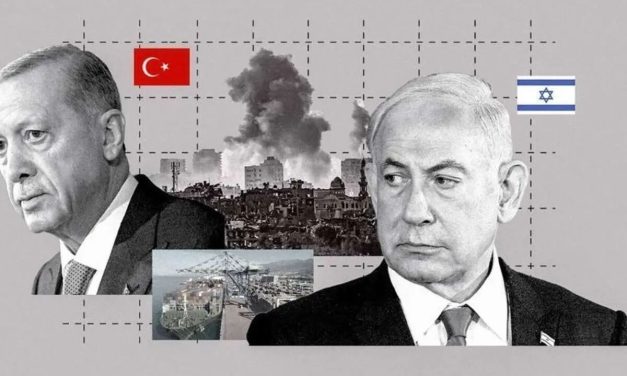
SCFR Online– Opinion: Security and military developments in the region over recent months indicate that the ongoing crises and wars in Gaza, southern Lebanon, and parts of Syrian territory encompass broader dimensions of geopolitical and geostrategic transformations. In this context, the increased military presence and control of the Zionist regime over parts of the territories of these areas, along with proposals regarding the creation of buffer zones or even the expansion of security borders, have raised serious questions about the future of the regional order and its consequences for the countries of West Asia.

Loading

Iran

Iran’s Role in the New World Order

Iran’s Role in the New World Order

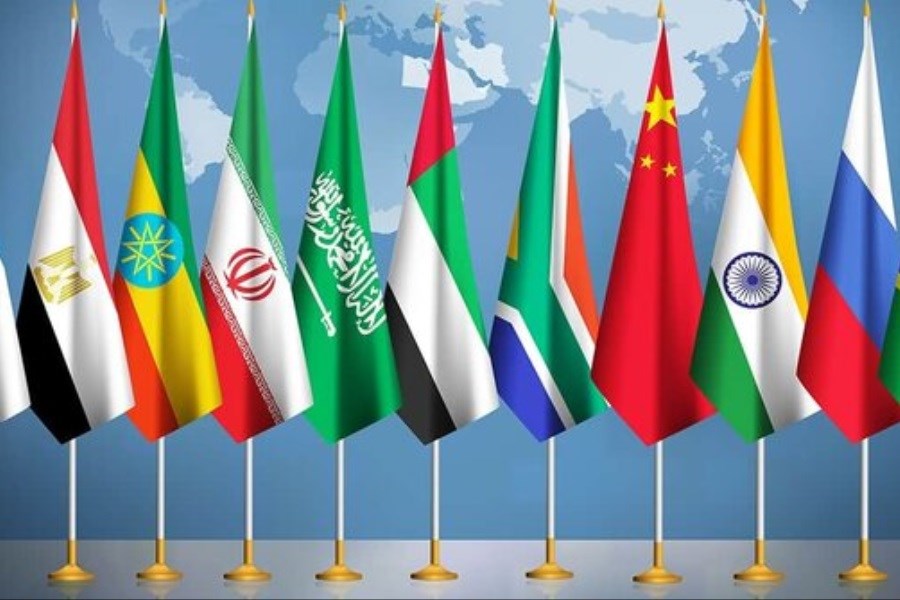
Strategic Council Online – Interview: An international affairs analyst stated that the contemporary world is transitioning toward a multipolar order in which major powers such as the United States, China, and Russia are engaged in a complex competition to preserve or expand their global influence. In this context, Iran, as a key player in the region and the Islamic world with significant strategic capabilities—including membership in BRICS and the Shanghai Cooperation Organization (SCO)—can leverage these developments to strengthen its position.

Iran’s Smart Diplomacy in Managing Regional Crises

Iran’s Smart Diplomacy in Managing Regional Crises

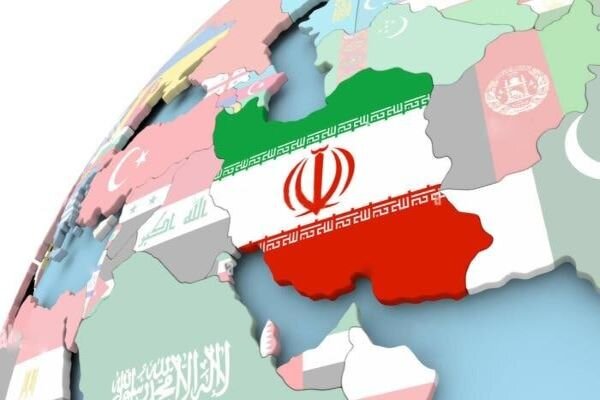
Strategic Council Online– Interview: A West Asia affairs analyst, discussing the role of Iran’s smart diplomacy in turning regional crises into opportunities to strengthen the country’s influence and position in the region, stated: Iran’s multilateral foreign policy can be an effective alternative to Western military interventions, especially at a time when the failures of the U.S. and the Israeli regime have reduced the trust of West Asian countries in them. By consciously leveraging regional capacities and strengthening cooperation, Tehran can play a pivotal role in establishing sustainable stability in the region.

Iran’s Potential Capacity in the Large Energy Market

Iran’s Potential Capacity in the Large Energy Market

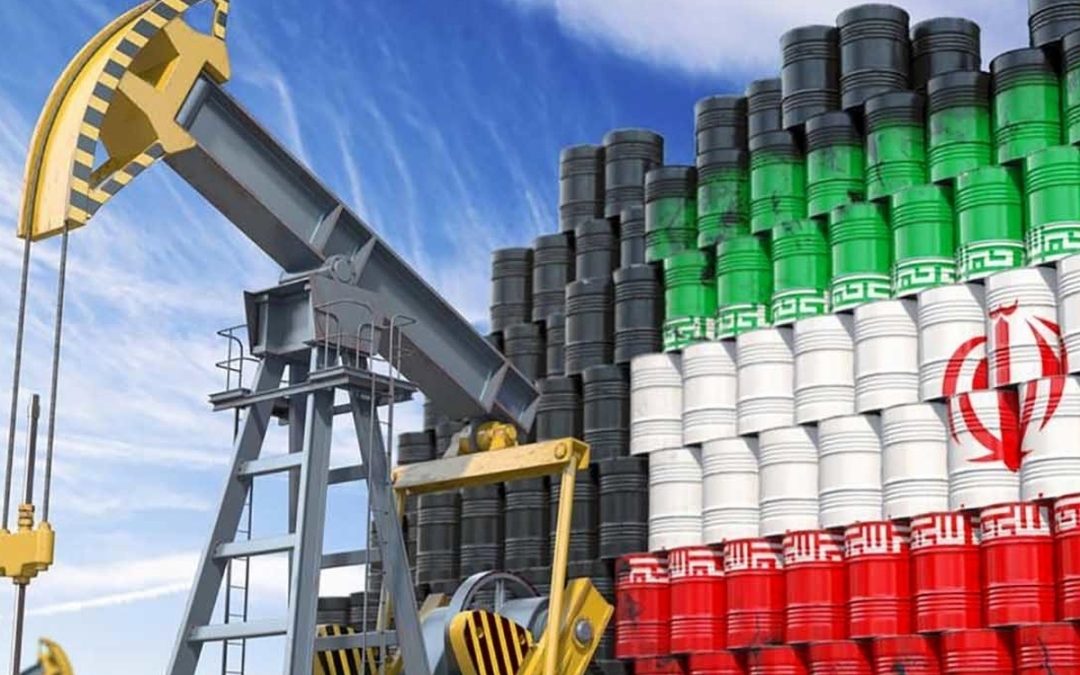
Strategic Council Online – Interview: An energy affairs analyst stated that the recent imposed war by the Zionist regime and the U.S. against Iran, which Donald Trump described as a military success, has disrupted energy markets and intensified concerns over rising oil prices. This event once again underscored Iran’s decisive position in the oil and gas market.

Formation of a New Regional Order Through Consolidation of Iran-Arab Relations

Formation of a New Regional Order Through Consolidation of Iran-Arab Relations

Strategic Council Online – Interview: A senior West Asia analyst stated that The Washington Post recently emphasized in a report that the attacks by the Zionist regime and the U.S. on Iran not only failed in their strategy to isolate Tehran but also altered the perspective of Persian Gulf countries regarding regional threats, identifying the Zionists as the primary destabilizing force in the region.

Reasons for NATO Members’ Agreement to the Proposed U.S. Budget Increase

Reasons for NATO Members’ Agreement to the Proposed U.S. Budget Increase

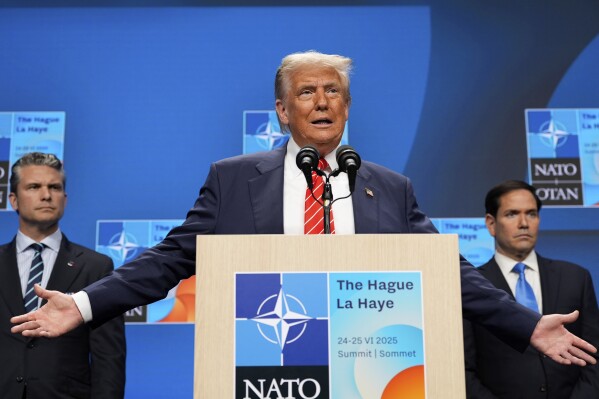
Strategic Council Online – Interview: An international affairs expert stated that, given the Russian threat and the rise of militarism worldwide, European countries have concluded that they must cooperate with the U.S. in establishing a unified European defense shield and strengthening NATO. Consequently, they agreed to a five percent increase in NATO’s budget during the recent summit.

Domestic Concerns and Repercussions of the 12-Day War for Trump and Netanyahu

Domestic Concerns and Repercussions of the 12-Day War for Trump and Netanyahu

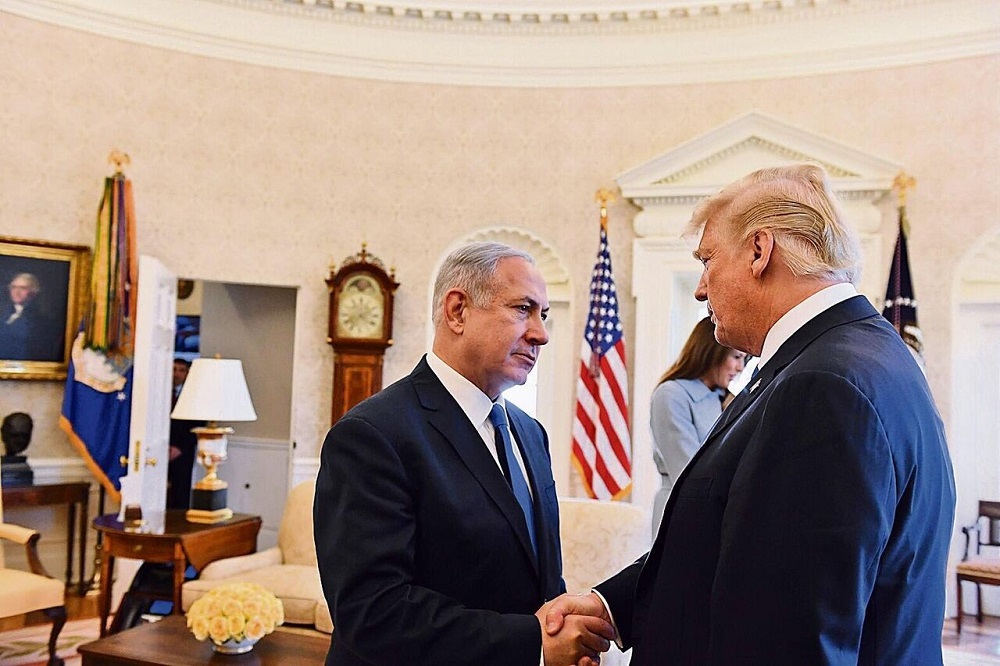
Strategic Council Online – Opinion: Every war, regardless of its duration (short or long) and how it ends (ceasefire, lifting siege, or peace), faces an issue called “The Day After.” The day after the war ends refers to the day when the consequences of the war gradually become apparent to the warring parties in various spheres, including political, military, social, economic, and others. The imposed war by the Zionist regime and America against Iran is no exception to this rule.

Objectives of Western Military Support Escalation for the Zionist Regime After the Ceasefire with Iran

Objectives of Western Military Support Escalation for the Zionist Regime After the Ceasefire with Iran

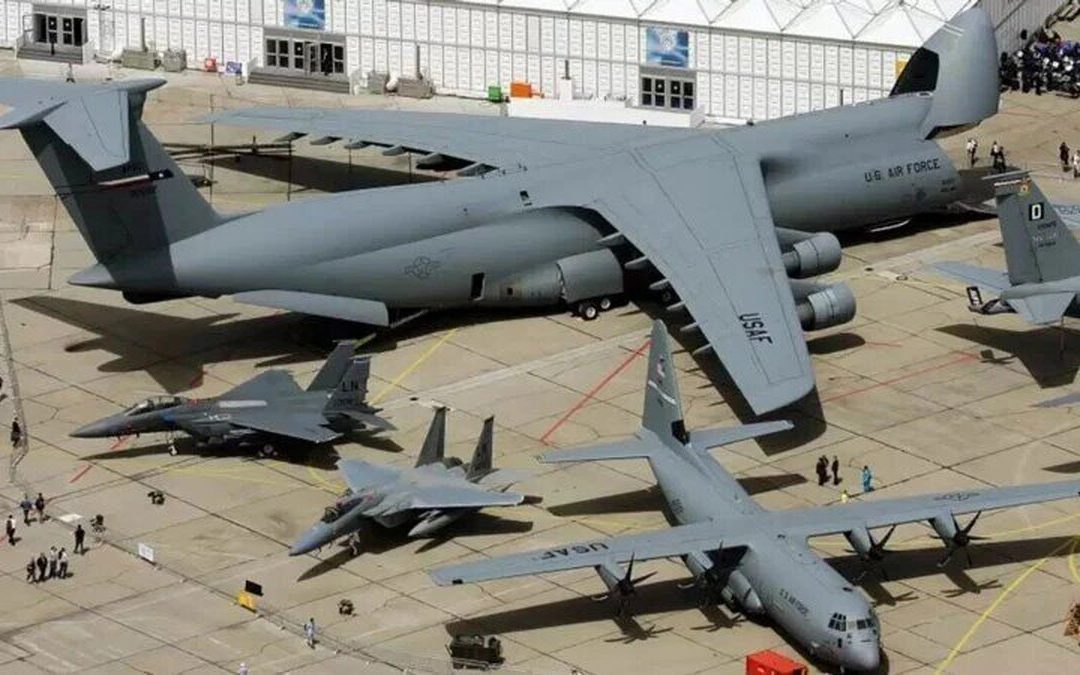
Strategic Council Online – Interview: A West Asia affairs expert stated that following the imposition of a ceasefire on the Zionist regime on June 23, 2025, after its military aggression against Iran, reports from Arab sources indicate the arrival of 17 heavy transport aircraft carrying military equipment from the United States and Germany to the Occupied Territories. This move, which the Iraqi media “Naya” describes as part of Western efforts to rebuild the Zionist regime’s military capabilities after heavy losses in the 12-day war with Iran, poses a serious threat to regional peace and Iran’s nuclear negotiations.

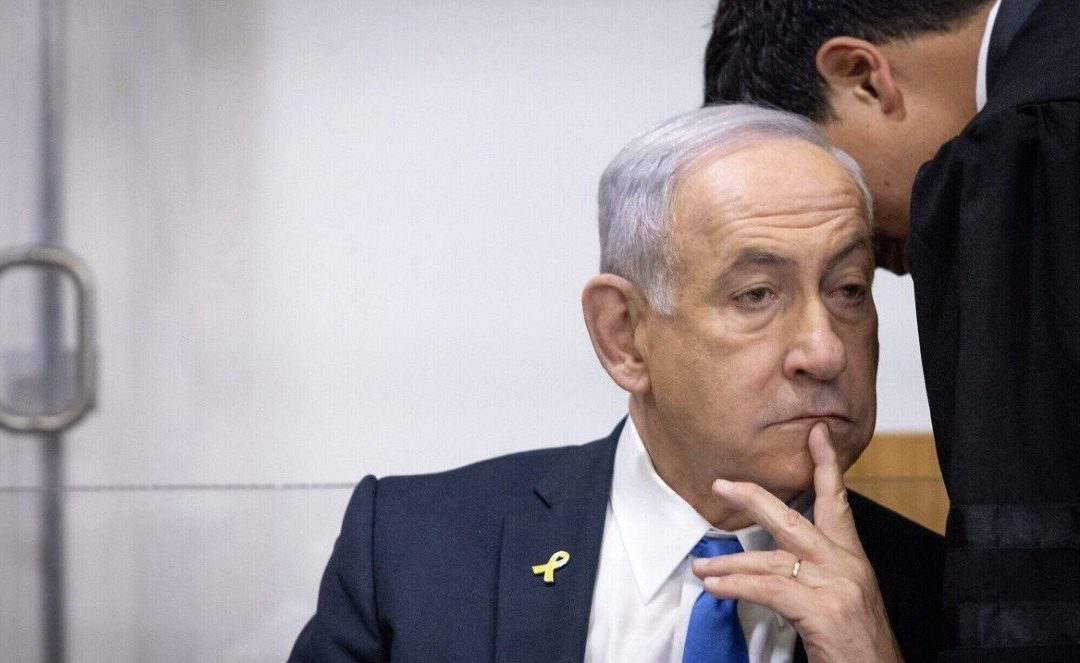
Netanyahu’s Tactics to Evade Trial Under Pretext of Security and Regional Developments

Netanyahu’s Tactics to Evade Trial Under Pretext of Security and Regional Developments

Strategic Council Online – Interview: An Israeli regime affairs researcher stated: The Zionist regime media recently announced that Benjamin Netanyahu, the Prime Minister of this regime, has requested a two-week postponement of his trial for security reasons and regional developments. On Sunday, news also emerged that the “Occupied Jerusalem” district court agreed to postpone Netanyahu’s trial by one week. This decision followed the Zionist regime Prime Minister summoning officials from the Foreign Intelligence Service (Mossad) and Military Intelligence Organization (Aman) to a confidential session held at this court to explain the reasons for his request to delay his trial by two weeks.

The Necessity of Vigilance in Confronting the Zionist Regime’s Deception

The Necessity of Vigilance in Confronting the Zionist Regime’s Deception

Strategic Council Online – Opinion: The Zionist regime, which enjoyed the comprehensive support of the United States in its recent aggression against Iran, initially believed that with the surprise in the early days, the war would end quickly and the Islamic Republic of Iran would be defeated. However, contrary to the calculations of the regime and the White House, Iran immediately seized the initiative and, in response to the attacks and aggression of the Zionist regime and in self-defense, inflicted irreparable blows on this regime. As a result, the regime was ultimately scrambling to stop the attacks.

أحدث الوظائف

Consequences of Declining Trust in the Judiciary in Europe

SCFRonline – Opinion: The increase in public distrust of the French judicial system, which in recent surveys has reached approximately two-thirds of citizens, should be analyzed within a framework broader than temporary dissatisfaction or an emotional reaction to a particular criminal case.

Iran’s Potential Levers of Power

SCFRonline– Opinion: Iran’s geopolitical power is not limited solely to oil and the Strait of Hormuz; the unintended emergence of disruptions in the future global food and energy security chains can also demonstrate Iran’s strategic importance.

The Inseparability of the Lebanese Front from the Axis of Resistance

SCFR Online–Opinion: By providing an extensive network of social, healthcare, educational, and post-war reconstruction services, Hezbollah has established a strong social base for itself among Lebanon’s Shiites and Sunnis, and even beyond that, among other segments of Lebanese society, including Christians. Hezbollah has never been an external actor imposed upon Lebanon; rather, it is a phenomenon fundamentally born out of the occupation and crimes of the Zionist regime and itself influenced by popular resistance.

The Increasing Efforts of the Zionist Regime to Redefine Borders and the Regional Order and Its Consequences

SCFR Online– Opinion: Security and military developments in the region over recent months indicate that the ongoing crises and wars in Gaza, southern Lebanon, and parts of Syrian territory encompass broader dimensions of geopolitical and geostrategic transformations. In this context, the increased military presence and control of the Zionist regime over parts of the territories of these areas, along with proposals regarding the creation of buffer zones or even the expansion of security borders, have raised serious questions about the future of the regional order and its consequences for the countries of West Asia.

Loading

Iran

Iran’s Role in the New World Order

Iran’s Role in the New World Order

Strategic Council Online – Interview: An international affairs analyst stated that the contemporary world is transitioning toward a multipolar order in which major powers such as the United States, China, and Russia are engaged in a complex competition to preserve or expand their global influence. In this context, Iran, as a key player in the region and the Islamic world with significant strategic capabilities—including membership in BRICS and the Shanghai Cooperation Organization (SCO)—can leverage these developments to strengthen its position.

Iran’s Smart Diplomacy in Managing Regional Crises

Iran’s Smart Diplomacy in Managing Regional Crises

Strategic Council Online– Interview: A West Asia affairs analyst, discussing the role of Iran’s smart diplomacy in turning regional crises into opportunities to strengthen the country’s influence and position in the region, stated: Iran’s multilateral foreign policy can be an effective alternative to Western military interventions, especially at a time when the failures of the U.S. and the Israeli regime have reduced the trust of West Asian countries in them. By consciously leveraging regional capacities and strengthening cooperation, Tehran can play a pivotal role in establishing sustainable stability in the region.

Iran’s Potential Capacity in the Large Energy Market

Iran’s Potential Capacity in the Large Energy Market

Strategic Council Online – Interview: An energy affairs analyst stated that the recent imposed war by the Zionist regime and the U.S. against Iran, which Donald Trump described as a military success, has disrupted energy markets and intensified concerns over rising oil prices. This event once again underscored Iran’s decisive position in the oil and gas market.

Formation of a New Regional Order Through Consolidation of Iran-Arab Relations

Formation of a New Regional Order Through Consolidation of Iran-Arab Relations

Strategic Council Online – Interview: A senior West Asia analyst stated that The Washington Post recently emphasized in a report that the attacks by the Zionist regime and the U.S. on Iran not only failed in their strategy to isolate Tehran but also altered the perspective of Persian Gulf countries regarding regional threats, identifying the Zionists as the primary destabilizing force in the region.

Reasons for NATO Members’ Agreement to the Proposed U.S. Budget Increase

Reasons for NATO Members’ Agreement to the Proposed U.S. Budget Increase

Strategic Council Online – Interview: An international affairs expert stated that, given the Russian threat and the rise of militarism worldwide, European countries have concluded that they must cooperate with the U.S. in establishing a unified European defense shield and strengthening NATO. Consequently, they agreed to a five percent increase in NATO’s budget during the recent summit.

Domestic Concerns and Repercussions of the 12-Day War for Trump and Netanyahu

Domestic Concerns and Repercussions of the 12-Day War for Trump and Netanyahu

Strategic Council Online – Opinion: Every war, regardless of its duration (short or long) and how it ends (ceasefire, lifting siege, or peace), faces an issue called “The Day After.” The day after the war ends refers to the day when the consequences of the war gradually become apparent to the warring parties in various spheres, including political, military, social, economic, and others. The imposed war by the Zionist regime and America against Iran is no exception to this rule.

Objectives of Western Military Support Escalation for the Zionist Regime After the Ceasefire with Iran

Objectives of Western Military Support Escalation for the Zionist Regime After the Ceasefire with Iran

Strategic Council Online – Interview: A West Asia affairs expert stated that following the imposition of a ceasefire on the Zionist regime on June 23, 2025, after its military aggression against Iran, reports from Arab sources indicate the arrival of 17 heavy transport aircraft carrying military equipment from the United States and Germany to the Occupied Territories. This move, which the Iraqi media “Naya” describes as part of Western efforts to rebuild the Zionist regime’s military capabilities after heavy losses in the 12-day war with Iran, poses a serious threat to regional peace and Iran’s nuclear negotiations.

Netanyahu’s Tactics to Evade Trial Under Pretext of Security and Regional Developments

Netanyahu’s Tactics to Evade Trial Under Pretext of Security and Regional Developments

Strategic Council Online – Interview: An Israeli regime affairs researcher stated: The Zionist regime media recently announced that Benjamin Netanyahu, the Prime Minister of this regime, has requested a two-week postponement of his trial for security reasons and regional developments. On Sunday, news also emerged that the “Occupied Jerusalem” district court agreed to postpone Netanyahu’s trial by one week. This decision followed the Zionist regime Prime Minister summoning officials from the Foreign Intelligence Service (Mossad) and Military Intelligence Organization (Aman) to a confidential session held at this court to explain the reasons for his request to delay his trial by two weeks.

The Necessity of Vigilance in Confronting the Zionist Regime’s Deception

The Necessity of Vigilance in Confronting the Zionist Regime’s Deception

Strategic Council Online – Opinion: The Zionist regime, which enjoyed the comprehensive support of the United States in its recent aggression against Iran, initially believed that with the surprise in the early days, the war would end quickly and the Islamic Republic of Iran would be defeated. However, contrary to the calculations of the regime and the White House, Iran immediately seized the initiative and, in response to the attacks and aggression of the Zionist regime and in self-defense, inflicted irreparable blows on this regime. As a result, the regime was ultimately scrambling to stop the attacks.

Iran

Iran’s Role in the New World Order

Iran’s Role in the New World Order

Strategic Council Online – Interview: An international affairs analyst stated that the contemporary world is transitioning toward a multipolar order in which major powers such as the United States, China, and Russia are engaged in a complex competition to preserve or expand their global influence. In this context, Iran, as a key player in the region and the Islamic world with significant strategic capabilities—including membership in BRICS and the Shanghai Cooperation Organization (SCO)—can leverage these developments to strengthen its position.

Iran’s Smart Diplomacy in Managing Regional Crises

Iran’s Smart Diplomacy in Managing Regional Crises

Strategic Council Online– Interview: A West Asia affairs analyst, discussing the role of Iran’s smart diplomacy in turning regional crises into opportunities to strengthen the country’s influence and position in the region, stated: Iran’s multilateral foreign policy can be an effective alternative to Western military interventions, especially at a time when the failures of the U.S. and the Israeli regime have reduced the trust of West Asian countries in them. By consciously leveraging regional capacities and strengthening cooperation, Tehran can play a pivotal role in establishing sustainable stability in the region.

Iran’s Potential Capacity in the Large Energy Market

Iran’s Potential Capacity in the Large Energy Market

Strategic Council Online – Interview: An energy affairs analyst stated that the recent imposed war by the Zionist regime and the U.S. against Iran, which Donald Trump described as a military success, has disrupted energy markets and intensified concerns over rising oil prices. This event once again underscored Iran’s decisive position in the oil and gas market.

Formation of a New Regional Order Through Consolidation of Iran-Arab Relations

Formation of a New Regional Order Through Consolidation of Iran-Arab Relations

Strategic Council Online – Interview: A senior West Asia analyst stated that The Washington Post recently emphasized in a report that the attacks by the Zionist regime and the U.S. on Iran not only failed in their strategy to isolate Tehran but also altered the perspective of Persian Gulf countries regarding regional threats, identifying the Zionists as the primary destabilizing force in the region.

Reasons for NATO Members’ Agreement to the Proposed U.S. Budget Increase

Reasons for NATO Members’ Agreement to the Proposed U.S. Budget Increase

Strategic Council Online – Interview: An international affairs expert stated that, given the Russian threat and the rise of militarism worldwide, European countries have concluded that they must cooperate with the U.S. in establishing a unified European defense shield and strengthening NATO. Consequently, they agreed to a five percent increase in NATO’s budget during the recent summit.

Domestic Concerns and Repercussions of the 12-Day War for Trump and Netanyahu

Domestic Concerns and Repercussions of the 12-Day War for Trump and Netanyahu

Strategic Council Online – Opinion: Every war, regardless of its duration (short or long) and how it ends (ceasefire, lifting siege, or peace), faces an issue called “The Day After.” The day after the war ends refers to the day when the consequences of the war gradually become apparent to the warring parties in various spheres, including political, military, social, economic, and others. The imposed war by the Zionist regime and America against Iran is no exception to this rule.

Objectives of Western Military Support Escalation for the Zionist Regime After the Ceasefire with Iran

Objectives of Western Military Support Escalation for the Zionist Regime After the Ceasefire with Iran

Strategic Council Online – Interview: A West Asia affairs expert stated that following the imposition of a ceasefire on the Zionist regime on June 23, 2025, after its military aggression against Iran, reports from Arab sources indicate the arrival of 17 heavy transport aircraft carrying military equipment from the United States and Germany to the Occupied Territories. This move, which the Iraqi media “Naya” describes as part of Western efforts to rebuild the Zionist regime’s military capabilities after heavy losses in the 12-day war with Iran, poses a serious threat to regional peace and Iran’s nuclear negotiations.

Netanyahu’s Tactics to Evade Trial Under Pretext of Security and Regional Developments

Netanyahu’s Tactics to Evade Trial Under Pretext of Security and Regional Developments

Strategic Council Online – Interview: An Israeli regime affairs researcher stated: The Zionist regime media recently announced that Benjamin Netanyahu, the Prime Minister of this regime, has requested a two-week postponement of his trial for security reasons and regional developments. On Sunday, news also emerged that the “Occupied Jerusalem” district court agreed to postpone Netanyahu’s trial by one week. This decision followed the Zionist regime Prime Minister summoning officials from the Foreign Intelligence Service (Mossad) and Military Intelligence Organization (Aman) to a confidential session held at this court to explain the reasons for his request to delay his trial by two weeks.

The Necessity of Vigilance in Confronting the Zionist Regime’s Deception

The Necessity of Vigilance in Confronting the Zionist Regime’s Deception

Strategic Council Online – Opinion: The Zionist regime, which enjoyed the comprehensive support of the United States in its recent aggression against Iran, initially believed that with the surprise in the early days, the war would end quickly and the Islamic Republic of Iran would be defeated. However, contrary to the calculations of the regime and the White House, Iran immediately seized the initiative and, in response to the attacks and aggression of the Zionist regime and in self-defense, inflicted irreparable blows on this regime. As a result, the regime was ultimately scrambling to stop the attacks.

LATEST CONTENT

Consequences of Declining Trust in the Judiciary in Europe

SCFRonline – Opinion: The increase in public distrust of the French judicial system, which in recent surveys has reached approximately two-thirds of citizens, should be analyzed within a framework broader than temporary dissatisfaction or an emotional reaction to a particular criminal case.

Iran’s Potential Levers of Power

SCFRonline– Opinion: Iran’s geopolitical power is not limited solely to oil and the Strait of Hormuz; the unintended emergence of disruptions in the future global food and energy security chains can also demonstrate Iran’s strategic importance.

The Inseparability of the Lebanese Front from the Axis of Resistance

SCFR Online–Opinion: By providing an extensive network of social, healthcare, educational, and post-war reconstruction services, Hezbollah has established a strong social base for itself among Lebanon’s Shiites and Sunnis, and even beyond that, among other segments of Lebanese society, including Christians. Hezbollah has never been an external actor imposed upon Lebanon; rather, it is a phenomenon fundamentally born out of the occupation and crimes of the Zionist regime and itself influenced by popular resistance.

The Increasing Efforts of the Zionist Regime to Redefine Borders and the Regional Order and Its Consequences

SCFR Online– Opinion: Security and military developments in the region over recent months indicate that the ongoing crises and wars in Gaza, southern Lebanon, and parts of Syrian territory encompass broader dimensions of geopolitical and geostrategic transformations. In this context, the increased military presence and control of the Zionist regime over parts of the territories of these areas, along with proposals regarding the creation of buffer zones or even the expansion of security borders, have raised serious questions about the future of the regional order and its consequences for the countries of West Asia.

Loading

Iran

Iran’s Role in the New World Order

Iran’s Role in the New World Order

Strategic Council Online – Interview: An international affairs analyst stated that the contemporary world is transitioning toward a multipolar order in which major powers such as the United States, China, and Russia are engaged in a complex competition to preserve or expand their global influence. In this context, Iran, as a key player in the region and the Islamic world with significant strategic capabilities—including membership in BRICS and the Shanghai Cooperation Organization (SCO)—can leverage these developments to strengthen its position.

Iran’s Smart Diplomacy in Managing Regional Crises

Iran’s Smart Diplomacy in Managing Regional Crises

Strategic Council Online– Interview: A West Asia affairs analyst, discussing the role of Iran’s smart diplomacy in turning regional crises into opportunities to strengthen the country’s influence and position in the region, stated: Iran’s multilateral foreign policy can be an effective alternative to Western military interventions, especially at a time when the failures of the U.S. and the Israeli regime have reduced the trust of West Asian countries in them. By consciously leveraging regional capacities and strengthening cooperation, Tehran can play a pivotal role in establishing sustainable stability in the region.

Iran’s Potential Capacity in the Large Energy Market

Iran’s Potential Capacity in the Large Energy Market

Strategic Council Online – Interview: An energy affairs analyst stated that the recent imposed war by the Zionist regime and the U.S. against Iran, which Donald Trump described as a military success, has disrupted energy markets and intensified concerns over rising oil prices. This event once again underscored Iran’s decisive position in the oil and gas market.

Formation of a New Regional Order Through Consolidation of Iran-Arab Relations

Formation of a New Regional Order Through Consolidation of Iran-Arab Relations

Strategic Council Online – Interview: A senior West Asia analyst stated that The Washington Post recently emphasized in a report that the attacks by the Zionist regime and the U.S. on Iran not only failed in their strategy to isolate Tehran but also altered the perspective of Persian Gulf countries regarding regional threats, identifying the Zionists as the primary destabilizing force in the region.

Reasons for NATO Members’ Agreement to the Proposed U.S. Budget Increase

Reasons for NATO Members’ Agreement to the Proposed U.S. Budget Increase

Strategic Council Online – Interview: An international affairs expert stated that, given the Russian threat and the rise of militarism worldwide, European countries have concluded that they must cooperate with the U.S. in establishing a unified European defense shield and strengthening NATO. Consequently, they agreed to a five percent increase in NATO’s budget during the recent summit.

Domestic Concerns and Repercussions of the 12-Day War for Trump and Netanyahu

Domestic Concerns and Repercussions of the 12-Day War for Trump and Netanyahu

Strategic Council Online – Opinion: Every war, regardless of its duration (short or long) and how it ends (ceasefire, lifting siege, or peace), faces an issue called “The Day After.” The day after the war ends refers to the day when the consequences of the war gradually become apparent to the warring parties in various spheres, including political, military, social, economic, and others. The imposed war by the Zionist regime and America against Iran is no exception to this rule.

Objectives of Western Military Support Escalation for the Zionist Regime After the Ceasefire with Iran

Objectives of Western Military Support Escalation for the Zionist Regime After the Ceasefire with Iran

Strategic Council Online – Interview: A West Asia affairs expert stated that following the imposition of a ceasefire on the Zionist regime on June 23, 2025, after its military aggression against Iran, reports from Arab sources indicate the arrival of 17 heavy transport aircraft carrying military equipment from the United States and Germany to the Occupied Territories. This move, which the Iraqi media “Naya” describes as part of Western efforts to rebuild the Zionist regime’s military capabilities after heavy losses in the 12-day war with Iran, poses a serious threat to regional peace and Iran’s nuclear negotiations.

Netanyahu’s Tactics to Evade Trial Under Pretext of Security and Regional Developments

Netanyahu’s Tactics to Evade Trial Under Pretext of Security and Regional Developments

Strategic Council Online – Interview: An Israeli regime affairs researcher stated: The Zionist regime media recently announced that Benjamin Netanyahu, the Prime Minister of this regime, has requested a two-week postponement of his trial for security reasons and regional developments. On Sunday, news also emerged that the “Occupied Jerusalem” district court agreed to postpone Netanyahu’s trial by one week. This decision followed the Zionist regime Prime Minister summoning officials from the Foreign Intelligence Service (Mossad) and Military Intelligence Organization (Aman) to a confidential session held at this court to explain the reasons for his request to delay his trial by two weeks.

The Necessity of Vigilance in Confronting the Zionist Regime’s Deception

The Necessity of Vigilance in Confronting the Zionist Regime’s Deception

Strategic Council Online – Opinion: The Zionist regime, which enjoyed the comprehensive support of the United States in its recent aggression against Iran, initially believed that with the surprise in the early days, the war would end quickly and the Islamic Republic of Iran would be defeated. However, contrary to the calculations of the regime and the White House, Iran immediately seized the initiative and, in response to the attacks and aggression of the Zionist regime and in self-defense, inflicted irreparable blows on this regime. As a result, the regime was ultimately scrambling to stop the attacks.

ÚLTIMAS PUBLICACIONES

Consequences of Declining Trust in the Judiciary in Europe

SCFRonline – Opinion: The increase in public distrust of the French judicial system, which in recent surveys has reached approximately two-thirds of citizens, should be analyzed within a framework broader than temporary dissatisfaction or an emotional reaction to a particular criminal case.

Iran’s Potential Levers of Power

SCFRonline– Opinion: Iran’s geopolitical power is not limited solely to oil and the Strait of Hormuz; the unintended emergence of disruptions in the future global food and energy security chains can also demonstrate Iran’s strategic importance.

The Inseparability of the Lebanese Front from the Axis of Resistance

SCFR Online–Opinion: By providing an extensive network of social, healthcare, educational, and post-war reconstruction services, Hezbollah has established a strong social base for itself among Lebanon’s Shiites and Sunnis, and even beyond that, among other segments of Lebanese society, including Christians. Hezbollah has never been an external actor imposed upon Lebanon; rather, it is a phenomenon fundamentally born out of the occupation and crimes of the Zionist regime and itself influenced by popular resistance.

The Increasing Efforts of the Zionist Regime to Redefine Borders and the Regional Order and Its Consequences

SCFR Online– Opinion: Security and military developments in the region over recent months indicate that the ongoing crises and wars in Gaza, southern Lebanon, and parts of Syrian territory encompass broader dimensions of geopolitical and geostrategic transformations. In this context, the increased military presence and control of the Zionist regime over parts of the territories of these areas, along with proposals regarding the creation of buffer zones or even the expansion of security borders, have raised serious questions about the future of the regional order and its consequences for the countries of West Asia.

Loading

Iran

Iran’s Role in the New World Order

Iran’s Role in the New World Order

Strategic Council Online – Interview: An international affairs analyst stated that the contemporary world is transitioning toward a multipolar order in which major powers such as the United States, China, and Russia are engaged in a complex competition to preserve or expand their global influence. In this context, Iran, as a key player in the region and the Islamic world with significant strategic capabilities—including membership in BRICS and the Shanghai Cooperation Organization (SCO)—can leverage these developments to strengthen its position.

Iran’s Smart Diplomacy in Managing Regional Crises

Iran’s Smart Diplomacy in Managing Regional Crises

Strategic Council Online– Interview: A West Asia affairs analyst, discussing the role of Iran’s smart diplomacy in turning regional crises into opportunities to strengthen the country’s influence and position in the region, stated: Iran’s multilateral foreign policy can be an effective alternative to Western military interventions, especially at a time when the failures of the U.S. and the Israeli regime have reduced the trust of West Asian countries in them. By consciously leveraging regional capacities and strengthening cooperation, Tehran can play a pivotal role in establishing sustainable stability in the region.

Iran’s Potential Capacity in the Large Energy Market

Iran’s Potential Capacity in the Large Energy Market

Strategic Council Online – Interview: An energy affairs analyst stated that the recent imposed war by the Zionist regime and the U.S. against Iran, which Donald Trump described as a military success, has disrupted energy markets and intensified concerns over rising oil prices. This event once again underscored Iran’s decisive position in the oil and gas market.

Formation of a New Regional Order Through Consolidation of Iran-Arab Relations

Formation of a New Regional Order Through Consolidation of Iran-Arab Relations

Strategic Council Online – Interview: A senior West Asia analyst stated that The Washington Post recently emphasized in a report that the attacks by the Zionist regime and the U.S. on Iran not only failed in their strategy to isolate Tehran but also altered the perspective of Persian Gulf countries regarding regional threats, identifying the Zionists as the primary destabilizing force in the region.

Reasons for NATO Members’ Agreement to the Proposed U.S. Budget Increase

Reasons for NATO Members’ Agreement to the Proposed U.S. Budget Increase

Strategic Council Online – Interview: An international affairs expert stated that, given the Russian threat and the rise of militarism worldwide, European countries have concluded that they must cooperate with the U.S. in establishing a unified European defense shield and strengthening NATO. Consequently, they agreed to a five percent increase in NATO’s budget during the recent summit.

Domestic Concerns and Repercussions of the 12-Day War for Trump and Netanyahu

Domestic Concerns and Repercussions of the 12-Day War for Trump and Netanyahu

Strategic Council Online – Opinion: Every war, regardless of its duration (short or long) and how it ends (ceasefire, lifting siege, or peace), faces an issue called “The Day After.” The day after the war ends refers to the day when the consequences of the war gradually become apparent to the warring parties in various spheres, including political, military, social, economic, and others. The imposed war by the Zionist regime and America against Iran is no exception to this rule.

Objectives of Western Military Support Escalation for the Zionist Regime After the Ceasefire with Iran

Objectives of Western Military Support Escalation for the Zionist Regime After the Ceasefire with Iran

Strategic Council Online – Interview: A West Asia affairs expert stated that following the imposition of a ceasefire on the Zionist regime on June 23, 2025, after its military aggression against Iran, reports from Arab sources indicate the arrival of 17 heavy transport aircraft carrying military equipment from the United States and Germany to the Occupied Territories. This move, which the Iraqi media “Naya” describes as part of Western efforts to rebuild the Zionist regime’s military capabilities after heavy losses in the 12-day war with Iran, poses a serious threat to regional peace and Iran’s nuclear negotiations.

Netanyahu’s Tactics to Evade Trial Under Pretext of Security and Regional Developments

Netanyahu’s Tactics to Evade Trial Under Pretext of Security and Regional Developments

Strategic Council Online – Interview: An Israeli regime affairs researcher stated: The Zionist regime media recently announced that Benjamin Netanyahu, the Prime Minister of this regime, has requested a two-week postponement of his trial for security reasons and regional developments. On Sunday, news also emerged that the “Occupied Jerusalem” district court agreed to postpone Netanyahu’s trial by one week. This decision followed the Zionist regime Prime Minister summoning officials from the Foreign Intelligence Service (Mossad) and Military Intelligence Organization (Aman) to a confidential session held at this court to explain the reasons for his request to delay his trial by two weeks.

The Necessity of Vigilance in Confronting the Zionist Regime’s Deception

The Necessity of Vigilance in Confronting the Zionist Regime’s Deception

Strategic Council Online – Opinion: The Zionist regime, which enjoyed the comprehensive support of the United States in its recent aggression against Iran, initially believed that with the surprise in the early days, the war would end quickly and the Islamic Republic of Iran would be defeated. However, contrary to the calculations of the regime and the White House, Iran immediately seized the initiative and, in response to the attacks and aggression of the Zionist regime and in self-defense, inflicted irreparable blows on this regime. As a result, the regime was ultimately scrambling to stop the attacks.

ÚLTIMAS PUBLICACIONES

Consequences of Declining Trust in the Judiciary in Europe

SCFRonline – Opinion: The increase in public distrust of the French judicial system, which in recent surveys has reached approximately two-thirds of citizens, should be analyzed within a framework broader than temporary dissatisfaction or an emotional reaction to a particular criminal case.

Iran’s Potential Levers of Power

SCFRonline– Opinion: Iran’s geopolitical power is not limited solely to oil and the Strait of Hormuz; the unintended emergence of disruptions in the future global food and energy security chains can also demonstrate Iran’s strategic importance.

The Inseparability of the Lebanese Front from the Axis of Resistance

SCFR Online–Opinion: By providing an extensive network of social, healthcare, educational, and post-war reconstruction services, Hezbollah has established a strong social base for itself among Lebanon’s Shiites and Sunnis, and even beyond that, among other segments of Lebanese society, including Christians. Hezbollah has never been an external actor imposed upon Lebanon; rather, it is a phenomenon fundamentally born out of the occupation and crimes of the Zionist regime and itself influenced by popular resistance.

The Increasing Efforts of the Zionist Regime to Redefine Borders and the Regional Order and Its Consequences

SCFR Online– Opinion: Security and military developments in the region over recent months indicate that the ongoing crises and wars in Gaza, southern Lebanon, and parts of Syrian territory encompass broader dimensions of geopolitical and geostrategic transformations. In this context, the increased military presence and control of the Zionist regime over parts of the territories of these areas, along with proposals regarding the creation of buffer zones or even the expansion of security borders, have raised serious questions about the future of the regional order and its consequences for the countries of West Asia.

Loading

Iran

Iran’s Role in the New World Order

Iran’s Role in the New World Order

Strategic Council Online – Interview: An international affairs analyst stated that the contemporary world is transitioning toward a multipolar order in which major powers such as the United States, China, and Russia are engaged in a complex competition to preserve or expand their global influence. In this context, Iran, as a key player in the region and the Islamic world with significant strategic capabilities—including membership in BRICS and the Shanghai Cooperation Organization (SCO)—can leverage these developments to strengthen its position.

Iran’s Smart Diplomacy in Managing Regional Crises

Iran’s Smart Diplomacy in Managing Regional Crises

Strategic Council Online– Interview: A West Asia affairs analyst, discussing the role of Iran’s smart diplomacy in turning regional crises into opportunities to strengthen the country’s influence and position in the region, stated: Iran’s multilateral foreign policy can be an effective alternative to Western military interventions, especially at a time when the failures of the U.S. and the Israeli regime have reduced the trust of West Asian countries in them. By consciously leveraging regional capacities and strengthening cooperation, Tehran can play a pivotal role in establishing sustainable stability in the region.

Iran’s Potential Capacity in the Large Energy Market

Iran’s Potential Capacity in the Large Energy Market

Strategic Council Online – Interview: An energy affairs analyst stated that the recent imposed war by the Zionist regime and the U.S. against Iran, which Donald Trump described as a military success, has disrupted energy markets and intensified concerns over rising oil prices. This event once again underscored Iran’s decisive position in the oil and gas market.

Formation of a New Regional Order Through Consolidation of Iran-Arab Relations

Formation of a New Regional Order Through Consolidation of Iran-Arab Relations

Strategic Council Online – Interview: A senior West Asia analyst stated that The Washington Post recently emphasized in a report that the attacks by the Zionist regime and the U.S. on Iran not only failed in their strategy to isolate Tehran but also altered the perspective of Persian Gulf countries regarding regional threats, identifying the Zionists as the primary destabilizing force in the region.

Reasons for NATO Members’ Agreement to the Proposed U.S. Budget Increase

Reasons for NATO Members’ Agreement to the Proposed U.S. Budget Increase

Strategic Council Online – Interview: An international affairs expert stated that, given the Russian threat and the rise of militarism worldwide, European countries have concluded that they must cooperate with the U.S. in establishing a unified European defense shield and strengthening NATO. Consequently, they agreed to a five percent increase in NATO’s budget during the recent summit.

Domestic Concerns and Repercussions of the 12-Day War for Trump and Netanyahu

Domestic Concerns and Repercussions of the 12-Day War for Trump and Netanyahu

Strategic Council Online – Opinion: Every war, regardless of its duration (short or long) and how it ends (ceasefire, lifting siege, or peace), faces an issue called “The Day After.” The day after the war ends refers to the day when the consequences of the war gradually become apparent to the warring parties in various spheres, including political, military, social, economic, and others. The imposed war by the Zionist regime and America against Iran is no exception to this rule.

Objectives of Western Military Support Escalation for the Zionist Regime After the Ceasefire with Iran

Objectives of Western Military Support Escalation for the Zionist Regime After the Ceasefire with Iran

Strategic Council Online – Interview: A West Asia affairs expert stated that following the imposition of a ceasefire on the Zionist regime on June 23, 2025, after its military aggression against Iran, reports from Arab sources indicate the arrival of 17 heavy transport aircraft carrying military equipment from the United States and Germany to the Occupied Territories. This move, which the Iraqi media “Naya” describes as part of Western efforts to rebuild the Zionist regime’s military capabilities after heavy losses in the 12-day war with Iran, poses a serious threat to regional peace and Iran’s nuclear negotiations.

Netanyahu’s Tactics to Evade Trial Under Pretext of Security and Regional Developments

Netanyahu’s Tactics to Evade Trial Under Pretext of Security and Regional Developments

Strategic Council Online – Interview: An Israeli regime affairs researcher stated: The Zionist regime media recently announced that Benjamin Netanyahu, the Prime Minister of this regime, has requested a two-week postponement of his trial for security reasons and regional developments. On Sunday, news also emerged that the “Occupied Jerusalem” district court agreed to postpone Netanyahu’s trial by one week. This decision followed the Zionist regime Prime Minister summoning officials from the Foreign Intelligence Service (Mossad) and Military Intelligence Organization (Aman) to a confidential session held at this court to explain the reasons for his request to delay his trial by two weeks.

The Necessity of Vigilance in Confronting the Zionist Regime’s Deception

The Necessity of Vigilance in Confronting the Zionist Regime’s Deception

Strategic Council Online – Opinion: The Zionist regime, which enjoyed the comprehensive support of the United States in its recent aggression against Iran, initially believed that with the surprise in the early days, the war would end quickly and the Islamic Republic of Iran would be defeated. However, contrary to the calculations of the regime and the White House, Iran immediately seized the initiative and, in response to the attacks and aggression of the Zionist regime and in self-defense, inflicted irreparable blows on this regime. As a result, the regime was ultimately scrambling to stop the attacks.

ÚLTIMAS PUBLICACIONES

Consequences of Declining Trust in the Judiciary in Europe

SCFRonline – Opinion: The increase in public distrust of the French judicial system, which in recent surveys has reached approximately two-thirds of citizens, should be analyzed within a framework broader than temporary dissatisfaction or an emotional reaction to a particular criminal case.

Iran’s Potential Levers of Power

SCFRonline– Opinion: Iran’s geopolitical power is not limited solely to oil and the Strait of Hormuz; the unintended emergence of disruptions in the future global food and energy security chains can also demonstrate Iran’s strategic importance.

The Inseparability of the Lebanese Front from the Axis of Resistance

SCFR Online–Opinion: By providing an extensive network of social, healthcare, educational, and post-war reconstruction services, Hezbollah has established a strong social base for itself among Lebanon’s Shiites and Sunnis, and even beyond that, among other segments of Lebanese society, including Christians. Hezbollah has never been an external actor imposed upon Lebanon; rather, it is a phenomenon fundamentally born out of the occupation and crimes of the Zionist regime and itself influenced by popular resistance.

The Increasing Efforts of the Zionist Regime to Redefine Borders and the Regional Order and Its Consequences

SCFR Online– Opinion: Security and military developments in the region over recent months indicate that the ongoing crises and wars in Gaza, southern Lebanon, and parts of Syrian territory encompass broader dimensions of geopolitical and geostrategic transformations. In this context, the increased military presence and control of the Zionist regime over parts of the territories of these areas, along with proposals regarding the creation of buffer zones or even the expansion of security borders, have raised serious questions about the future of the regional order and its consequences for the countries of West Asia.

Loading

Iran

Iran’s Role in the New World Order

Iran’s Role in the New World Order

Strategic Council Online – Interview: An international affairs analyst stated that the contemporary world is transitioning toward a multipolar order in which major powers such as the United States, China, and Russia are engaged in a complex competition to preserve or expand their global influence. In this context, Iran, as a key player in the region and the Islamic world with significant strategic capabilities—including membership in BRICS and the Shanghai Cooperation Organization (SCO)—can leverage these developments to strengthen its position.

Iran’s Smart Diplomacy in Managing Regional Crises

Iran’s Smart Diplomacy in Managing Regional Crises

Strategic Council Online– Interview: A West Asia affairs analyst, discussing the role of Iran’s smart diplomacy in turning regional crises into opportunities to strengthen the country’s influence and position in the region, stated: Iran’s multilateral foreign policy can be an effective alternative to Western military interventions, especially at a time when the failures of the U.S. and the Israeli regime have reduced the trust of West Asian countries in them. By consciously leveraging regional capacities and strengthening cooperation, Tehran can play a pivotal role in establishing sustainable stability in the region.

Iran’s Potential Capacity in the Large Energy Market

Iran’s Potential Capacity in the Large Energy Market

Strategic Council Online – Interview: An energy affairs analyst stated that the recent imposed war by the Zionist regime and the U.S. against Iran, which Donald Trump described as a military success, has disrupted energy markets and intensified concerns over rising oil prices. This event once again underscored Iran’s decisive position in the oil and gas market.

Formation of a New Regional Order Through Consolidation of Iran-Arab Relations

Formation of a New Regional Order Through Consolidation of Iran-Arab Relations

Strategic Council Online – Interview: A senior West Asia analyst stated that The Washington Post recently emphasized in a report that the attacks by the Zionist regime and the U.S. on Iran not only failed in their strategy to isolate Tehran but also altered the perspective of Persian Gulf countries regarding regional threats, identifying the Zionists as the primary destabilizing force in the region.

Reasons for NATO Members’ Agreement to the Proposed U.S. Budget Increase

Reasons for NATO Members’ Agreement to the Proposed U.S. Budget Increase

Strategic Council Online – Interview: An international affairs expert stated that, given the Russian threat and the rise of militarism worldwide, European countries have concluded that they must cooperate with the U.S. in establishing a unified European defense shield and strengthening NATO. Consequently, they agreed to a five percent increase in NATO’s budget during the recent summit.

Domestic Concerns and Repercussions of the 12-Day War for Trump and Netanyahu

Domestic Concerns and Repercussions of the 12-Day War for Trump and Netanyahu

Strategic Council Online – Opinion: Every war, regardless of its duration (short or long) and how it ends (ceasefire, lifting siege, or peace), faces an issue called “The Day After.” The day after the war ends refers to the day when the consequences of the war gradually become apparent to the warring parties in various spheres, including political, military, social, economic, and others. The imposed war by the Zionist regime and America against Iran is no exception to this rule.

Objectives of Western Military Support Escalation for the Zionist Regime After the Ceasefire with Iran

Objectives of Western Military Support Escalation for the Zionist Regime After the Ceasefire with Iran

Strategic Council Online – Interview: A West Asia affairs expert stated that following the imposition of a ceasefire on the Zionist regime on June 23, 2025, after its military aggression against Iran, reports from Arab sources indicate the arrival of 17 heavy transport aircraft carrying military equipment from the United States and Germany to the Occupied Territories. This move, which the Iraqi media “Naya” describes as part of Western efforts to rebuild the Zionist regime’s military capabilities after heavy losses in the 12-day war with Iran, poses a serious threat to regional peace and Iran’s nuclear negotiations.

Netanyahu’s Tactics to Evade Trial Under Pretext of Security and Regional Developments

Netanyahu’s Tactics to Evade Trial Under Pretext of Security and Regional Developments

Strategic Council Online – Interview: An Israeli regime affairs researcher stated: The Zionist regime media recently announced that Benjamin Netanyahu, the Prime Minister of this regime, has requested a two-week postponement of his trial for security reasons and regional developments. On Sunday, news also emerged that the “Occupied Jerusalem” district court agreed to postpone Netanyahu’s trial by one week. This decision followed the Zionist regime Prime Minister summoning officials from the Foreign Intelligence Service (Mossad) and Military Intelligence Organization (Aman) to a confidential session held at this court to explain the reasons for his request to delay his trial by two weeks.

The Necessity of Vigilance in Confronting the Zionist Regime’s Deception

The Necessity of Vigilance in Confronting the Zionist Regime’s Deception

Strategic Council Online – Opinion: The Zionist regime, which enjoyed the comprehensive support of the United States in its recent aggression against Iran, initially believed that with the surprise in the early days, the war would end quickly and the Islamic Republic of Iran would be defeated. However, contrary to the calculations of the regime and the White House, Iran immediately seized the initiative and, in response to the attacks and aggression of the Zionist regime and in self-defense, inflicted irreparable blows on this regime. As a result, the regime was ultimately scrambling to stop the attacks.

ÚLTIMAS PUBLICACIONES

Consequences of Declining Trust in the Judiciary in Europe

SCFRonline – Opinion: The increase in public distrust of the French judicial system, which in recent surveys has reached approximately two-thirds of citizens, should be analyzed within a framework broader than temporary dissatisfaction or an emotional reaction to a particular criminal case.

Iran’s Potential Levers of Power

SCFRonline– Opinion: Iran’s geopolitical power is not limited solely to oil and the Strait of Hormuz; the unintended emergence of disruptions in the future global food and energy security chains can also demonstrate Iran’s strategic importance.

The Inseparability of the Lebanese Front from the Axis of Resistance

SCFR Online–Opinion: By providing an extensive network of social, healthcare, educational, and post-war reconstruction services, Hezbollah has established a strong social base for itself among Lebanon’s Shiites and Sunnis, and even beyond that, among other segments of Lebanese society, including Christians. Hezbollah has never been an external actor imposed upon Lebanon; rather, it is a phenomenon fundamentally born out of the occupation and crimes of the Zionist regime and itself influenced by popular resistance.

The Increasing Efforts of the Zionist Regime to Redefine Borders and the Regional Order and Its Consequences

SCFR Online– Opinion: Security and military developments in the region over recent months indicate that the ongoing crises and wars in Gaza, southern Lebanon, and parts of Syrian territory encompass broader dimensions of geopolitical and geostrategic transformations. In this context, the increased military presence and control of the Zionist regime over parts of the territories of these areas, along with proposals regarding the creation of buffer zones or even the expansion of security borders, have raised serious questions about the future of the regional order and its consequences for the countries of West Asia.

Loading