Geoeconomics as the Most Important Arena of Great Power Competition
SCFR Online – Opinion: Great power competition is now pursued more in trade, currency, technology, and global supply chains than on the battlefields of military confrontation.
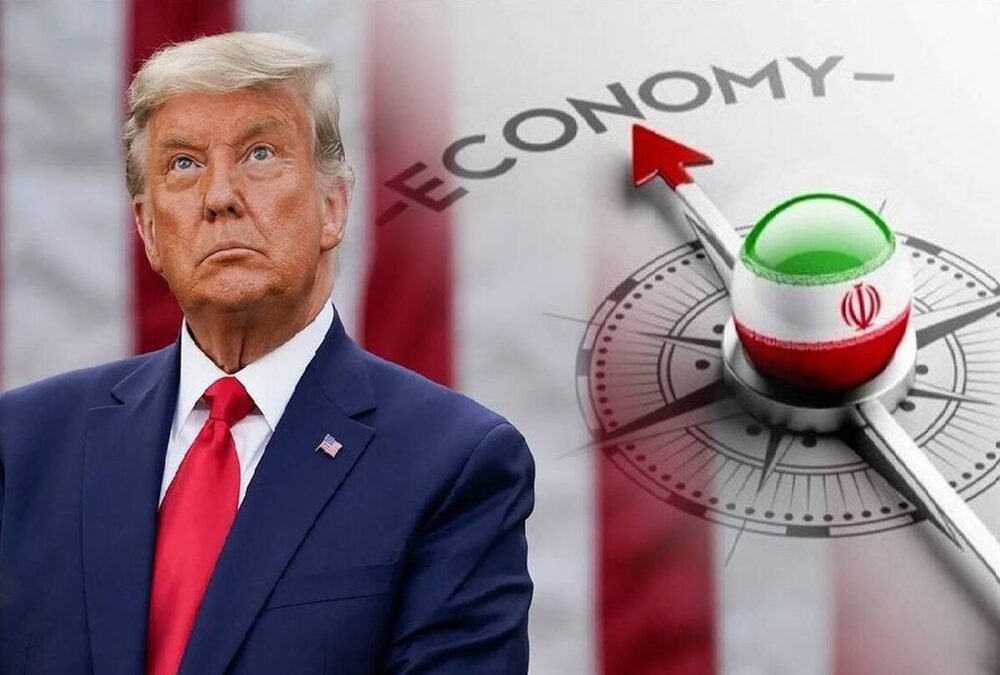
Strategic Council Online – Note: By disregarding Iran’s deterrence capabilities and political economy leverage in the Strait of Hormuz, Washington has reached a strategic deadlock from which military means are unable to extricate it.
SCFR Online – Opinion: Foreign policy analysis is valid when it evaluates decisions based on the information and circumstances prevailing at the time they were made, not on the basis of outcomes that only become apparent after the crisis has ended.
SCFR Online-Opinion: Sanctions are gradually transforming from classical financial instruments into complex mechanisms for the containment of technology, data, and global supply chains.
SCFR Online – Opinion: Emmanuel Macron’s visit to Damascus is an attempt to redefine France’s role in Syria following the recent political developments in that country; an effort pursued within the context of great power competition and the country’s security challenges.
Strategic Council Online – Note: Middle powers such as India, Turkey, Australia, and some Persian Gulf countries are no longer marginal actors, but are redefining global power equations through balancing diplomacy.
Strategic Council Online – Note: In today’s global politics, the creation of narratives has become as important as territorial control and economic management, and has turned into the main tool of great power competition.
Strategic Council Online – Note: Hamas’s handing over the civilian management in Gaza is assessed as an attempt to reduce political pressures, facilitate reconstruction, and preserve the status of resistance in the future equations of Palestine.
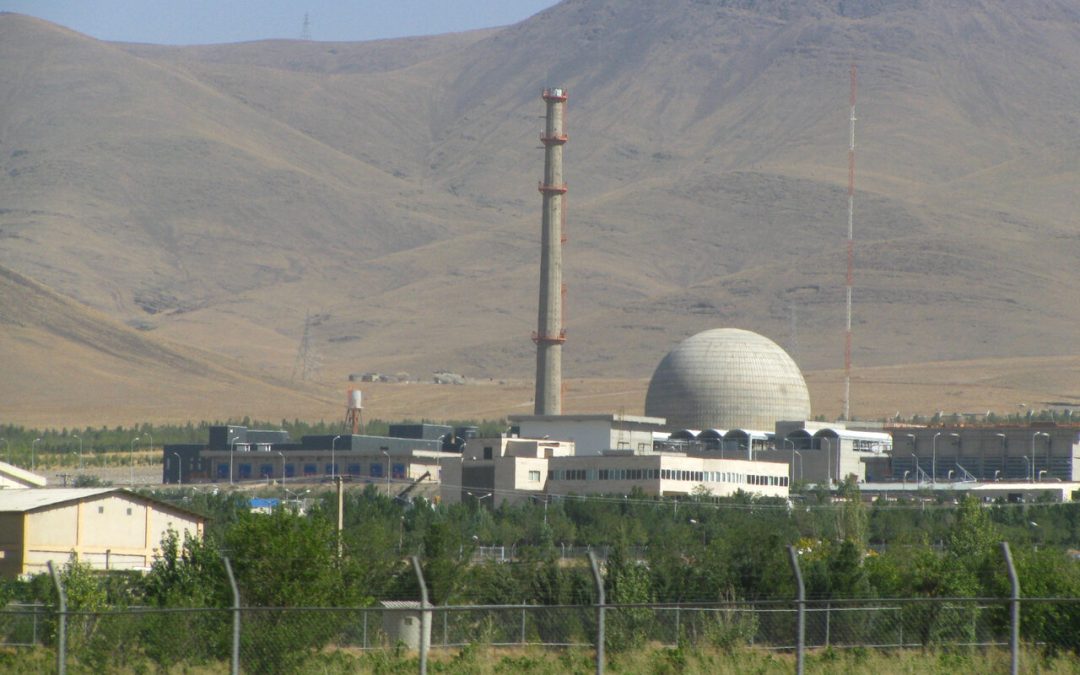
Strategic Council Online – Opinion: The international community has prohibited attacks on nuclear facilities for clear reasons based on lived experiences, and various legal documents have emphasized this.
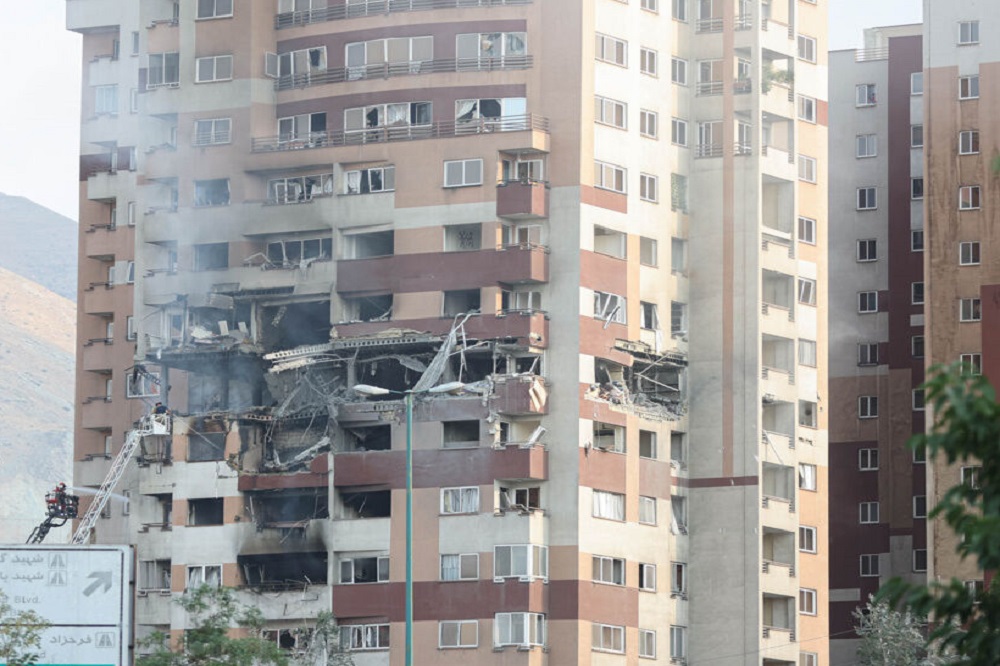
Strategic Council Online– Opinion: In recent weeks, we witnessed how the Israeli regime disrupted the peace-seeking negotiations between our country’s officials and the U.S., and out of concern that diplomatic agreements might not secure its interests and objectives, it launched an aggressive attack on our soil. This regime, which had convinced Donald Trump to withdraw from the JCPOA in 2018, also persuaded him in this attack to cover up the weaknesses of the Israeli regime and, using its superior military equipment, target Iran’s nuclear facilities, which were under the supervision of the International Atomic Energy Agency.
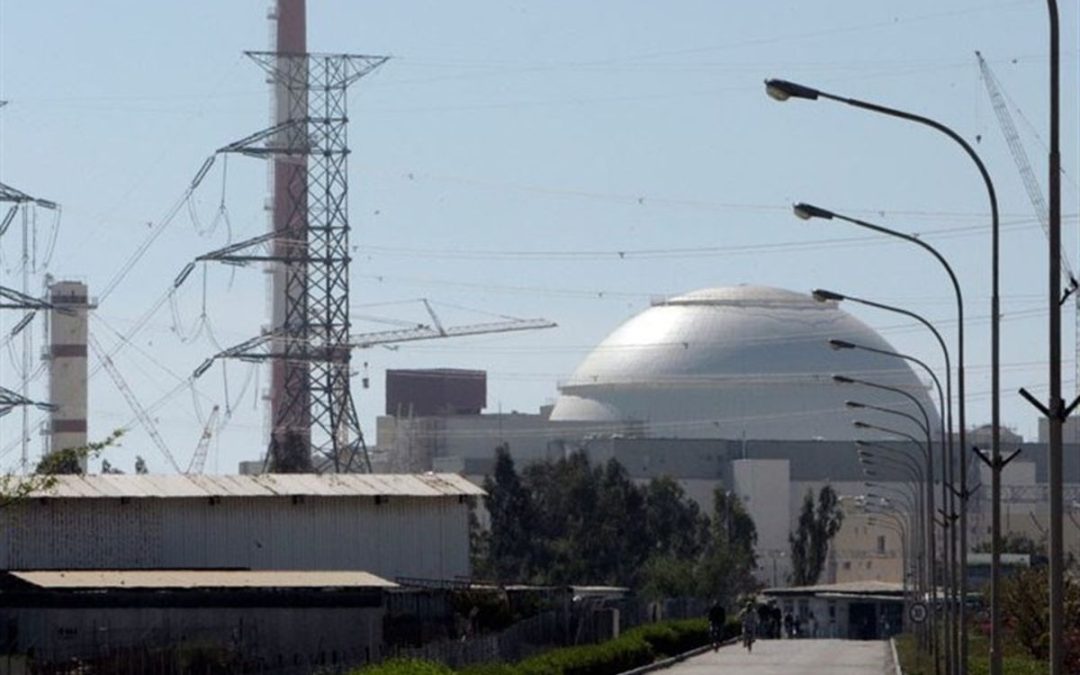
Strategic Council Online – Opinion: Military attack on the civilian nuclear facilities of any country that is a member of the Nuclear Non-Proliferation Treaty (NPT) constitutes a clear violation of the United Nations Charter, international humanitarian law, and specifically the NPT.
Strategic Council Online – Interview: An economist and university faculty member stated that the temporary agreement between the U.S. and China to reduce trade tariffs, recently announced in Geneva, is a turning point in easing trade tensions between the two largest economies in the world. This development, which led to positive reactions in global markets and a rise in economic indicators, has indirect consequences for Iran’s economy.
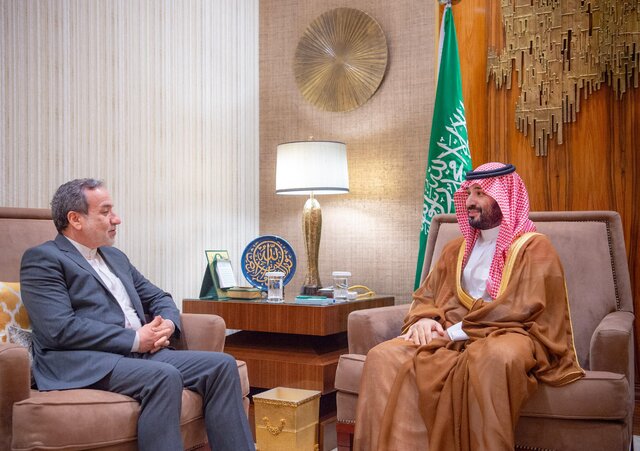
Strategic Council Online– Opinion: The Persian Gulf, as one of the most sensitive geopolitical regions in the world, is an arena for competition among regional and transregional powers, where the security and national interests of the actors take priority. This region holds strategic importance due to its vast energy reserves and the key role it plays in global oil and gas trade.
However, threats like environmental issues, smuggling, and energy security risks have added new complexities to its security equations. Iran, with the longest coastline in the Persian Gulf and a strategic geographical position, must protect its interests in a tense environment where extra-regional actors like the United States play a destructive role. In this framework, cooperation in specific areas serves as a tool to mitigate threats and strengthen our position in the regional balance of power.
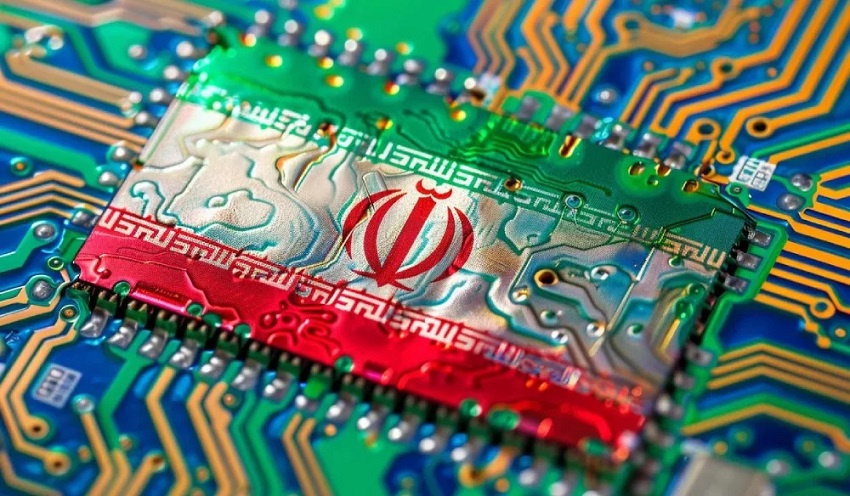
Strategic Council Online – Opinion: While China’s model may serve as a useful guide for Iran in artificial intelligence, it is essential to adjust these policies considering the market size, human resource capacity, and the domestic cultural and political context.
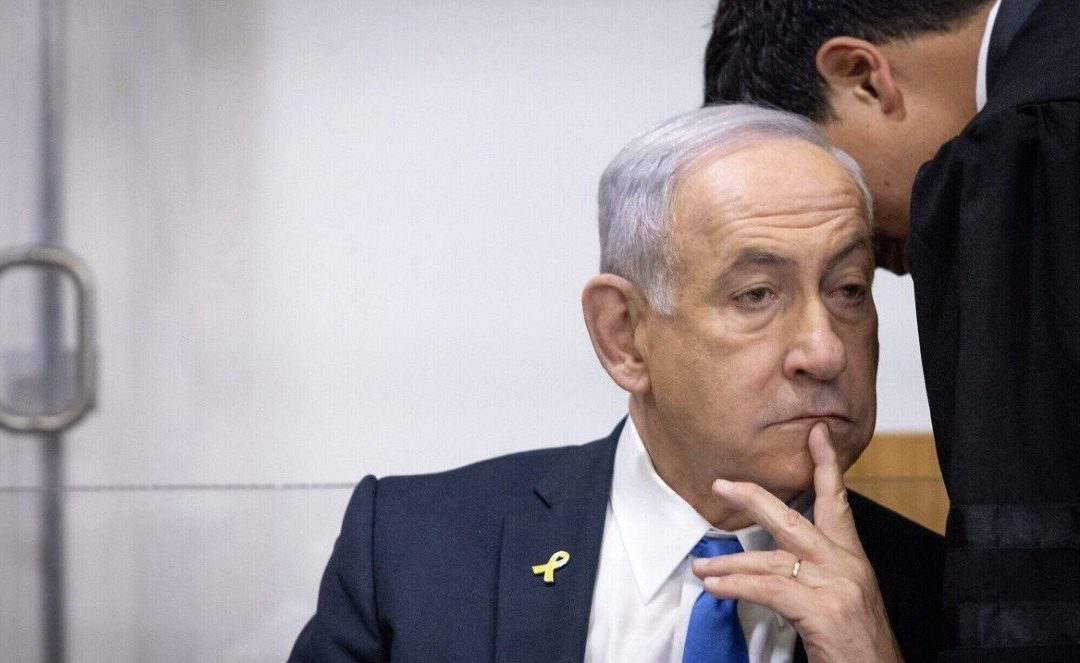
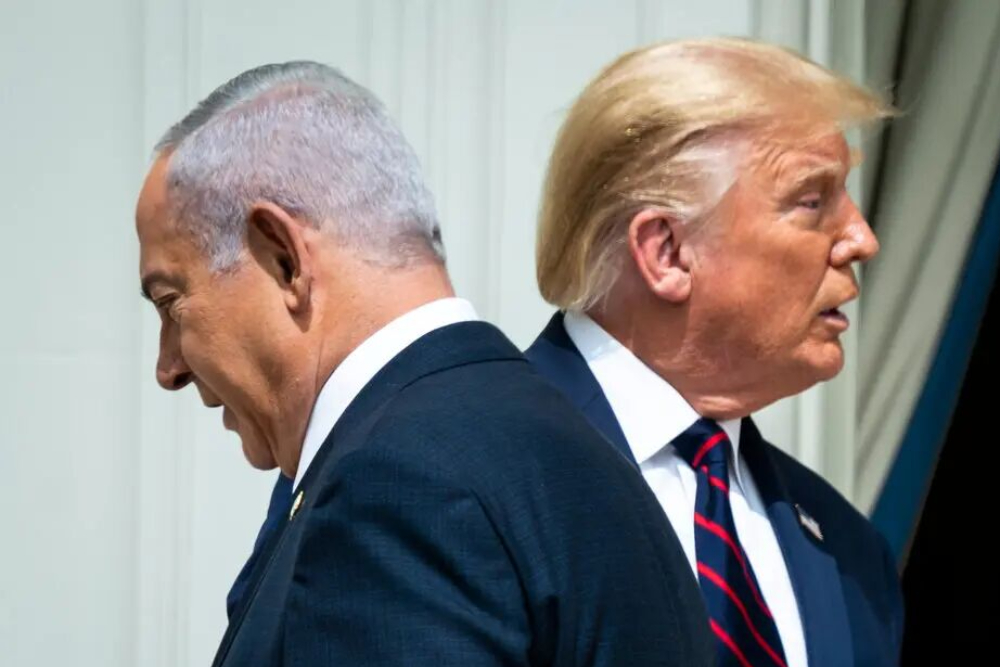
Strategic Council Online– Note: In recent weeks, the warmth of relations between Trump and Netanyahu has been questioned, and it seems that the two sides have had significant disagreements regarding the mechanisms for dealing with sensitive issues and challenges in the region, especially Iran, Hamas, Gaza, and Yemen.
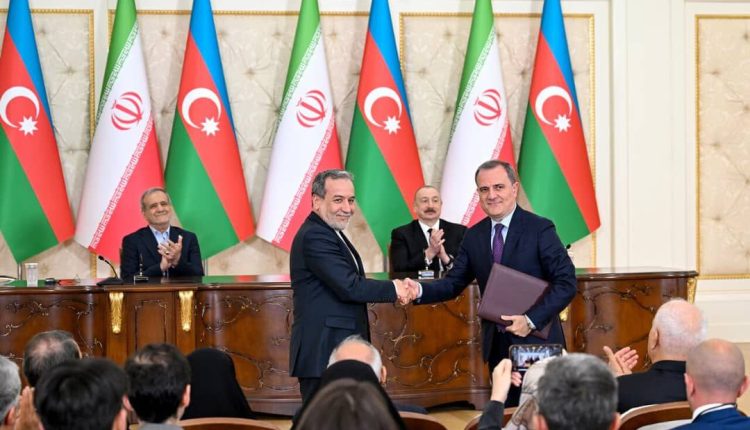
Strategic Council Online – Analysis: Among the countries of the world, few can be found like Iran and the Republic of Azerbaijan, which, in addition to sharing a common civilizational origin, are deeply and extensively interconnected in all aspects (cultural, linguistic, religious, ethnic, customs and traditions, etc.).
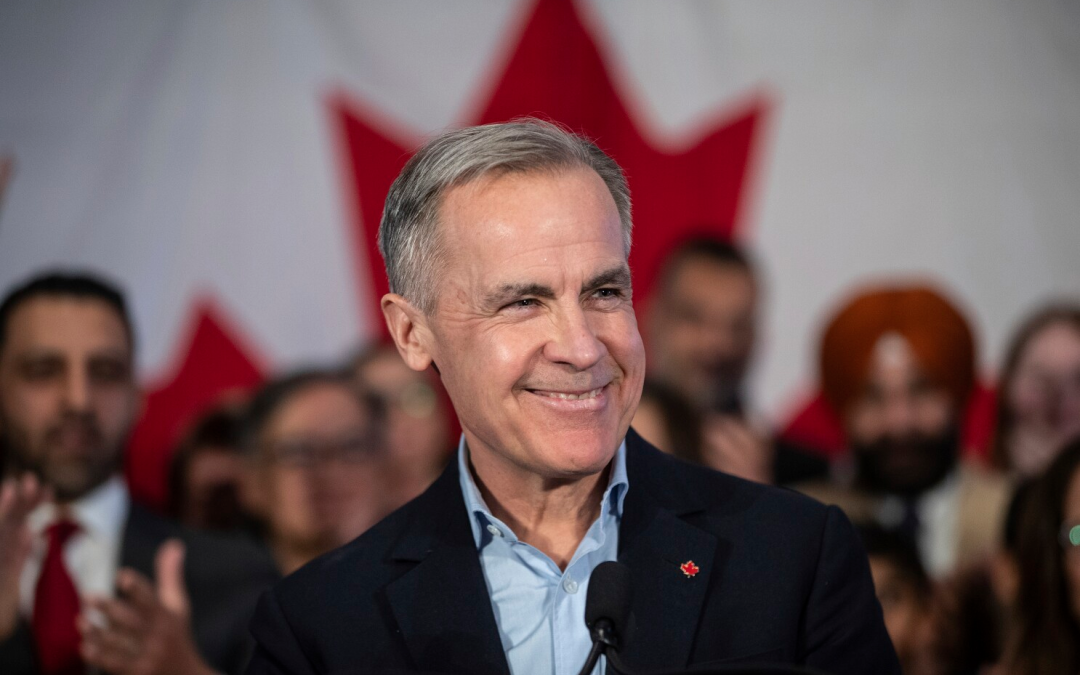
Strategic Council Online – Interview: A former Iranian diplomat said: Although Donald Trump’s territorial claims will not be a serious threat to the new Canadian government, the tariff war could burden the Canadian economy and the new government.
Strategic Council Online – Guest Opinion: The recent nuclear talks between Iran and the United States, which are being conducted through the mediation of Oman, have once again attracted the attention of the international community. Although in the past, Iran, due to its differences and problems with the United States, mostly entered into negotiations on nuclear issues with European countries, especially the United Kingdom, France and Germany (EU3), in this period, due to specific regional and international conditions, and mainly due to the US President Donald Trump’s approach these negotiations have been limited to Iran and the United States, and other world powers are not present in the talks at the moment.
SCFR Online – Opinion: Great power competition is now pursued more in trade, currency, technology, and global supply chains than on the battlefields of military confrontation.
Strategic Council Online – Note: By disregarding Iran’s deterrence capabilities and political economy leverage in the Strait of Hormuz, Washington has reached a strategic deadlock from which military means are unable to extricate it.
SCFR Online – Opinion: Foreign policy analysis is valid when it evaluates decisions based on the information and circumstances prevailing at the time they were made, not on the basis of outcomes that only become apparent after the crisis has ended.
SCFR Online-Opinion: Sanctions are gradually transforming from classical financial instruments into complex mechanisms for the containment of technology, data, and global supply chains.
SCFR Online – Opinion: Emmanuel Macron’s visit to Damascus is an attempt to redefine France’s role in Syria following the recent political developments in that country; an effort pursued within the context of great power competition and the country’s security challenges.
Strategic Council Online – Note: Middle powers such as India, Turkey, Australia, and some Persian Gulf countries are no longer marginal actors, but are redefining global power equations through balancing diplomacy.
Strategic Council Online – Note: In today’s global politics, the creation of narratives has become as important as territorial control and economic management, and has turned into the main tool of great power competition.
Strategic Council Online – Note: Hamas’s handing over the civilian management in Gaza is assessed as an attempt to reduce political pressures, facilitate reconstruction, and preserve the status of resistance in the future equations of Palestine.
Strategic Council Online – Opinion: The international community has prohibited attacks on nuclear facilities for clear reasons based on lived experiences, and various legal documents have emphasized this.
Strategic Council Online– Opinion: In recent weeks, we witnessed how the Israeli regime disrupted the peace-seeking negotiations between our country’s officials and the U.S., and out of concern that diplomatic agreements might not secure its interests and objectives, it launched an aggressive attack on our soil. This regime, which had convinced Donald Trump to withdraw from the JCPOA in 2018, also persuaded him in this attack to cover up the weaknesses of the Israeli regime and, using its superior military equipment, target Iran’s nuclear facilities, which were under the supervision of the International Atomic Energy Agency.
Strategic Council Online – Opinion: Military attack on the civilian nuclear facilities of any country that is a member of the Nuclear Non-Proliferation Treaty (NPT) constitutes a clear violation of the United Nations Charter, international humanitarian law, and specifically the NPT.
Strategic Council Online – Interview: An economist and university faculty member stated that the temporary agreement between the U.S. and China to reduce trade tariffs, recently announced in Geneva, is a turning point in easing trade tensions between the two largest economies in the world. This development, which led to positive reactions in global markets and a rise in economic indicators, has indirect consequences for Iran’s economy.
Strategic Council Online– Opinion: The Persian Gulf, as one of the most sensitive geopolitical regions in the world, is an arena for competition among regional and transregional powers, where the security and national interests of the actors take priority. This region holds strategic importance due to its vast energy reserves and the key role it plays in global oil and gas trade.
However, threats like environmental issues, smuggling, and energy security risks have added new complexities to its security equations. Iran, with the longest coastline in the Persian Gulf and a strategic geographical position, must protect its interests in a tense environment where extra-regional actors like the United States play a destructive role. In this framework, cooperation in specific areas serves as a tool to mitigate threats and strengthen our position in the regional balance of power.
Strategic Council Online – Opinion: While China’s model may serve as a useful guide for Iran in artificial intelligence, it is essential to adjust these policies considering the market size, human resource capacity, and the domestic cultural and political context.
Strategic Council Online– Note: In recent weeks, the warmth of relations between Trump and Netanyahu has been questioned, and it seems that the two sides have had significant disagreements regarding the mechanisms for dealing with sensitive issues and challenges in the region, especially Iran, Hamas, Gaza, and Yemen.
Strategic Council Online – Analysis: Among the countries of the world, few can be found like Iran and the Republic of Azerbaijan, which, in addition to sharing a common civilizational origin, are deeply and extensively interconnected in all aspects (cultural, linguistic, religious, ethnic, customs and traditions, etc.).
Strategic Council Online – Interview: A former Iranian diplomat said: Although Donald Trump’s territorial claims will not be a serious threat to the new Canadian government, the tariff war could burden the Canadian economy and the new government.
Strategic Council Online – Guest Opinion: The recent nuclear talks between Iran and the United States, which are being conducted through the mediation of Oman, have once again attracted the attention of the international community. Although in the past, Iran, due to its differences and problems with the United States, mostly entered into negotiations on nuclear issues with European countries, especially the United Kingdom, France and Germany (EU3), in this period, due to specific regional and international conditions, and mainly due to the US President Donald Trump’s approach these negotiations have been limited to Iran and the United States, and other world powers are not present in the talks at the moment.
Strategic Council Online – Opinion: The international community has prohibited attacks on nuclear facilities for clear reasons based on lived experiences, and various legal documents have emphasized this.
Strategic Council Online– Opinion: In recent weeks, we witnessed how the Israeli regime disrupted the peace-seeking negotiations between our country’s officials and the U.S., and out of concern that diplomatic agreements might not secure its interests and objectives, it launched an aggressive attack on our soil. This regime, which had convinced Donald Trump to withdraw from the JCPOA in 2018, also persuaded him in this attack to cover up the weaknesses of the Israeli regime and, using its superior military equipment, target Iran’s nuclear facilities, which were under the supervision of the International Atomic Energy Agency.
Strategic Council Online – Opinion: Military attack on the civilian nuclear facilities of any country that is a member of the Nuclear Non-Proliferation Treaty (NPT) constitutes a clear violation of the United Nations Charter, international humanitarian law, and specifically the NPT.
Strategic Council Online – Interview: An economist and university faculty member stated that the temporary agreement between the U.S. and China to reduce trade tariffs, recently announced in Geneva, is a turning point in easing trade tensions between the two largest economies in the world. This development, which led to positive reactions in global markets and a rise in economic indicators, has indirect consequences for Iran’s economy.
Strategic Council Online– Opinion: The Persian Gulf, as one of the most sensitive geopolitical regions in the world, is an arena for competition among regional and transregional powers, where the security and national interests of the actors take priority. This region holds strategic importance due to its vast energy reserves and the key role it plays in global oil and gas trade.
However, threats like environmental issues, smuggling, and energy security risks have added new complexities to its security equations. Iran, with the longest coastline in the Persian Gulf and a strategic geographical position, must protect its interests in a tense environment where extra-regional actors like the United States play a destructive role. In this framework, cooperation in specific areas serves as a tool to mitigate threats and strengthen our position in the regional balance of power.
Strategic Council Online – Opinion: While China’s model may serve as a useful guide for Iran in artificial intelligence, it is essential to adjust these policies considering the market size, human resource capacity, and the domestic cultural and political context.
Strategic Council Online– Note: In recent weeks, the warmth of relations between Trump and Netanyahu has been questioned, and it seems that the two sides have had significant disagreements regarding the mechanisms for dealing with sensitive issues and challenges in the region, especially Iran, Hamas, Gaza, and Yemen.
Strategic Council Online – Analysis: Among the countries of the world, few can be found like Iran and the Republic of Azerbaijan, which, in addition to sharing a common civilizational origin, are deeply and extensively interconnected in all aspects (cultural, linguistic, religious, ethnic, customs and traditions, etc.).
Strategic Council Online – Interview: A former Iranian diplomat said: Although Donald Trump’s territorial claims will not be a serious threat to the new Canadian government, the tariff war could burden the Canadian economy and the new government.
Strategic Council Online – Guest Opinion: The recent nuclear talks between Iran and the United States, which are being conducted through the mediation of Oman, have once again attracted the attention of the international community. Although in the past, Iran, due to its differences and problems with the United States, mostly entered into negotiations on nuclear issues with European countries, especially the United Kingdom, France and Germany (EU3), in this period, due to specific regional and international conditions, and mainly due to the US President Donald Trump’s approach these negotiations have been limited to Iran and the United States, and other world powers are not present in the talks at the moment.
SCFR Online – Opinion: Great power competition is now pursued more in trade, currency, technology, and global supply chains than on the battlefields of military confrontation.
Strategic Council Online – Note: By disregarding Iran’s deterrence capabilities and political economy leverage in the Strait of Hormuz, Washington has reached a strategic deadlock from which military means are unable to extricate it.
SCFR Online – Opinion: Foreign policy analysis is valid when it evaluates decisions based on the information and circumstances prevailing at the time they were made, not on the basis of outcomes that only become apparent after the crisis has ended.
SCFR Online-Opinion: Sanctions are gradually transforming from classical financial instruments into complex mechanisms for the containment of technology, data, and global supply chains.
SCFR Online – Opinion: Emmanuel Macron’s visit to Damascus is an attempt to redefine France’s role in Syria following the recent political developments in that country; an effort pursued within the context of great power competition and the country’s security challenges.
Strategic Council Online – Note: Middle powers such as India, Turkey, Australia, and some Persian Gulf countries are no longer marginal actors, but are redefining global power equations through balancing diplomacy.
Strategic Council Online – Note: In today’s global politics, the creation of narratives has become as important as territorial control and economic management, and has turned into the main tool of great power competition.
Strategic Council Online – Note: Hamas’s handing over the civilian management in Gaza is assessed as an attempt to reduce political pressures, facilitate reconstruction, and preserve the status of resistance in the future equations of Palestine.
Strategic Council Online – Opinion: The international community has prohibited attacks on nuclear facilities for clear reasons based on lived experiences, and various legal documents have emphasized this.
Strategic Council Online– Opinion: In recent weeks, we witnessed how the Israeli regime disrupted the peace-seeking negotiations between our country’s officials and the U.S., and out of concern that diplomatic agreements might not secure its interests and objectives, it launched an aggressive attack on our soil. This regime, which had convinced Donald Trump to withdraw from the JCPOA in 2018, also persuaded him in this attack to cover up the weaknesses of the Israeli regime and, using its superior military equipment, target Iran’s nuclear facilities, which were under the supervision of the International Atomic Energy Agency.
Strategic Council Online – Opinion: Military attack on the civilian nuclear facilities of any country that is a member of the Nuclear Non-Proliferation Treaty (NPT) constitutes a clear violation of the United Nations Charter, international humanitarian law, and specifically the NPT.
Strategic Council Online – Interview: An economist and university faculty member stated that the temporary agreement between the U.S. and China to reduce trade tariffs, recently announced in Geneva, is a turning point in easing trade tensions between the two largest economies in the world. This development, which led to positive reactions in global markets and a rise in economic indicators, has indirect consequences for Iran’s economy.
Strategic Council Online– Opinion: The Persian Gulf, as one of the most sensitive geopolitical regions in the world, is an arena for competition among regional and transregional powers, where the security and national interests of the actors take priority. This region holds strategic importance due to its vast energy reserves and the key role it plays in global oil and gas trade.
However, threats like environmental issues, smuggling, and energy security risks have added new complexities to its security equations. Iran, with the longest coastline in the Persian Gulf and a strategic geographical position, must protect its interests in a tense environment where extra-regional actors like the United States play a destructive role. In this framework, cooperation in specific areas serves as a tool to mitigate threats and strengthen our position in the regional balance of power.
Strategic Council Online – Opinion: While China’s model may serve as a useful guide for Iran in artificial intelligence, it is essential to adjust these policies considering the market size, human resource capacity, and the domestic cultural and political context.
Strategic Council Online– Note: In recent weeks, the warmth of relations between Trump and Netanyahu has been questioned, and it seems that the two sides have had significant disagreements regarding the mechanisms for dealing with sensitive issues and challenges in the region, especially Iran, Hamas, Gaza, and Yemen.
Strategic Council Online – Analysis: Among the countries of the world, few can be found like Iran and the Republic of Azerbaijan, which, in addition to sharing a common civilizational origin, are deeply and extensively interconnected in all aspects (cultural, linguistic, religious, ethnic, customs and traditions, etc.).
Strategic Council Online – Interview: A former Iranian diplomat said: Although Donald Trump’s territorial claims will not be a serious threat to the new Canadian government, the tariff war could burden the Canadian economy and the new government.
Strategic Council Online – Guest Opinion: The recent nuclear talks between Iran and the United States, which are being conducted through the mediation of Oman, have once again attracted the attention of the international community. Although in the past, Iran, due to its differences and problems with the United States, mostly entered into negotiations on nuclear issues with European countries, especially the United Kingdom, France and Germany (EU3), in this period, due to specific regional and international conditions, and mainly due to the US President Donald Trump’s approach these negotiations have been limited to Iran and the United States, and other world powers are not present in the talks at the moment.
SCFR Online – Opinion: Great power competition is now pursued more in trade, currency, technology, and global supply chains than on the battlefields of military confrontation.
Strategic Council Online – Note: By disregarding Iran’s deterrence capabilities and political economy leverage in the Strait of Hormuz, Washington has reached a strategic deadlock from which military means are unable to extricate it.
SCFR Online – Opinion: Foreign policy analysis is valid when it evaluates decisions based on the information and circumstances prevailing at the time they were made, not on the basis of outcomes that only become apparent after the crisis has ended.
SCFR Online-Opinion: Sanctions are gradually transforming from classical financial instruments into complex mechanisms for the containment of technology, data, and global supply chains.
SCFR Online – Opinion: Emmanuel Macron’s visit to Damascus is an attempt to redefine France’s role in Syria following the recent political developments in that country; an effort pursued within the context of great power competition and the country’s security challenges.
Strategic Council Online – Note: Middle powers such as India, Turkey, Australia, and some Persian Gulf countries are no longer marginal actors, but are redefining global power equations through balancing diplomacy.
Strategic Council Online – Note: In today’s global politics, the creation of narratives has become as important as territorial control and economic management, and has turned into the main tool of great power competition.
Strategic Council Online – Note: Hamas’s handing over the civilian management in Gaza is assessed as an attempt to reduce political pressures, facilitate reconstruction, and preserve the status of resistance in the future equations of Palestine.
Strategic Council Online – Opinion: The international community has prohibited attacks on nuclear facilities for clear reasons based on lived experiences, and various legal documents have emphasized this.
Strategic Council Online– Opinion: In recent weeks, we witnessed how the Israeli regime disrupted the peace-seeking negotiations between our country’s officials and the U.S., and out of concern that diplomatic agreements might not secure its interests and objectives, it launched an aggressive attack on our soil. This regime, which had convinced Donald Trump to withdraw from the JCPOA in 2018, also persuaded him in this attack to cover up the weaknesses of the Israeli regime and, using its superior military equipment, target Iran’s nuclear facilities, which were under the supervision of the International Atomic Energy Agency.
Strategic Council Online – Opinion: Military attack on the civilian nuclear facilities of any country that is a member of the Nuclear Non-Proliferation Treaty (NPT) constitutes a clear violation of the United Nations Charter, international humanitarian law, and specifically the NPT.
Strategic Council Online – Interview: An economist and university faculty member stated that the temporary agreement between the U.S. and China to reduce trade tariffs, recently announced in Geneva, is a turning point in easing trade tensions between the two largest economies in the world. This development, which led to positive reactions in global markets and a rise in economic indicators, has indirect consequences for Iran’s economy.
Strategic Council Online– Opinion: The Persian Gulf, as one of the most sensitive geopolitical regions in the world, is an arena for competition among regional and transregional powers, where the security and national interests of the actors take priority. This region holds strategic importance due to its vast energy reserves and the key role it plays in global oil and gas trade.
However, threats like environmental issues, smuggling, and energy security risks have added new complexities to its security equations. Iran, with the longest coastline in the Persian Gulf and a strategic geographical position, must protect its interests in a tense environment where extra-regional actors like the United States play a destructive role. In this framework, cooperation in specific areas serves as a tool to mitigate threats and strengthen our position in the regional balance of power.
Strategic Council Online – Opinion: While China’s model may serve as a useful guide for Iran in artificial intelligence, it is essential to adjust these policies considering the market size, human resource capacity, and the domestic cultural and political context.
Strategic Council Online– Note: In recent weeks, the warmth of relations between Trump and Netanyahu has been questioned, and it seems that the two sides have had significant disagreements regarding the mechanisms for dealing with sensitive issues and challenges in the region, especially Iran, Hamas, Gaza, and Yemen.
Strategic Council Online – Analysis: Among the countries of the world, few can be found like Iran and the Republic of Azerbaijan, which, in addition to sharing a common civilizational origin, are deeply and extensively interconnected in all aspects (cultural, linguistic, religious, ethnic, customs and traditions, etc.).
Strategic Council Online – Interview: A former Iranian diplomat said: Although Donald Trump’s territorial claims will not be a serious threat to the new Canadian government, the tariff war could burden the Canadian economy and the new government.
Strategic Council Online – Guest Opinion: The recent nuclear talks between Iran and the United States, which are being conducted through the mediation of Oman, have once again attracted the attention of the international community. Although in the past, Iran, due to its differences and problems with the United States, mostly entered into negotiations on nuclear issues with European countries, especially the United Kingdom, France and Germany (EU3), in this period, due to specific regional and international conditions, and mainly due to the US President Donald Trump’s approach these negotiations have been limited to Iran and the United States, and other world powers are not present in the talks at the moment.
SCFR Online – Opinion: Great power competition is now pursued more in trade, currency, technology, and global supply chains than on the battlefields of military confrontation.
Strategic Council Online – Note: By disregarding Iran’s deterrence capabilities and political economy leverage in the Strait of Hormuz, Washington has reached a strategic deadlock from which military means are unable to extricate it.
SCFR Online – Opinion: Foreign policy analysis is valid when it evaluates decisions based on the information and circumstances prevailing at the time they were made, not on the basis of outcomes that only become apparent after the crisis has ended.
SCFR Online-Opinion: Sanctions are gradually transforming from classical financial instruments into complex mechanisms for the containment of technology, data, and global supply chains.
SCFR Online – Opinion: Emmanuel Macron’s visit to Damascus is an attempt to redefine France’s role in Syria following the recent political developments in that country; an effort pursued within the context of great power competition and the country’s security challenges.
Strategic Council Online – Note: Middle powers such as India, Turkey, Australia, and some Persian Gulf countries are no longer marginal actors, but are redefining global power equations through balancing diplomacy.
Strategic Council Online – Note: In today’s global politics, the creation of narratives has become as important as territorial control and economic management, and has turned into the main tool of great power competition.
Strategic Council Online – Note: Hamas’s handing over the civilian management in Gaza is assessed as an attempt to reduce political pressures, facilitate reconstruction, and preserve the status of resistance in the future equations of Palestine.
Strategic Council Online – Opinion: The international community has prohibited attacks on nuclear facilities for clear reasons based on lived experiences, and various legal documents have emphasized this.
Strategic Council Online– Opinion: In recent weeks, we witnessed how the Israeli regime disrupted the peace-seeking negotiations between our country’s officials and the U.S., and out of concern that diplomatic agreements might not secure its interests and objectives, it launched an aggressive attack on our soil. This regime, which had convinced Donald Trump to withdraw from the JCPOA in 2018, also persuaded him in this attack to cover up the weaknesses of the Israeli regime and, using its superior military equipment, target Iran’s nuclear facilities, which were under the supervision of the International Atomic Energy Agency.
Strategic Council Online – Opinion: Military attack on the civilian nuclear facilities of any country that is a member of the Nuclear Non-Proliferation Treaty (NPT) constitutes a clear violation of the United Nations Charter, international humanitarian law, and specifically the NPT.
Strategic Council Online – Interview: An economist and university faculty member stated that the temporary agreement between the U.S. and China to reduce trade tariffs, recently announced in Geneva, is a turning point in easing trade tensions between the two largest economies in the world. This development, which led to positive reactions in global markets and a rise in economic indicators, has indirect consequences for Iran’s economy.
Strategic Council Online– Opinion: The Persian Gulf, as one of the most sensitive geopolitical regions in the world, is an arena for competition among regional and transregional powers, where the security and national interests of the actors take priority. This region holds strategic importance due to its vast energy reserves and the key role it plays in global oil and gas trade.
However, threats like environmental issues, smuggling, and energy security risks have added new complexities to its security equations. Iran, with the longest coastline in the Persian Gulf and a strategic geographical position, must protect its interests in a tense environment where extra-regional actors like the United States play a destructive role. In this framework, cooperation in specific areas serves as a tool to mitigate threats and strengthen our position in the regional balance of power.
Strategic Council Online – Opinion: While China’s model may serve as a useful guide for Iran in artificial intelligence, it is essential to adjust these policies considering the market size, human resource capacity, and the domestic cultural and political context.
Strategic Council Online– Note: In recent weeks, the warmth of relations between Trump and Netanyahu has been questioned, and it seems that the two sides have had significant disagreements regarding the mechanisms for dealing with sensitive issues and challenges in the region, especially Iran, Hamas, Gaza, and Yemen.
Strategic Council Online – Analysis: Among the countries of the world, few can be found like Iran and the Republic of Azerbaijan, which, in addition to sharing a common civilizational origin, are deeply and extensively interconnected in all aspects (cultural, linguistic, religious, ethnic, customs and traditions, etc.).
Strategic Council Online – Interview: A former Iranian diplomat said: Although Donald Trump’s territorial claims will not be a serious threat to the new Canadian government, the tariff war could burden the Canadian economy and the new government.
Strategic Council Online – Guest Opinion: The recent nuclear talks between Iran and the United States, which are being conducted through the mediation of Oman, have once again attracted the attention of the international community. Although in the past, Iran, due to its differences and problems with the United States, mostly entered into negotiations on nuclear issues with European countries, especially the United Kingdom, France and Germany (EU3), in this period, due to specific regional and international conditions, and mainly due to the US President Donald Trump’s approach these negotiations have been limited to Iran and the United States, and other world powers are not present in the talks at the moment.
SCFR Online – Opinion: Great power competition is now pursued more in trade, currency, technology, and global supply chains than on the battlefields of military confrontation.
Strategic Council Online – Note: By disregarding Iran’s deterrence capabilities and political economy leverage in the Strait of Hormuz, Washington has reached a strategic deadlock from which military means are unable to extricate it.
SCFR Online – Opinion: Foreign policy analysis is valid when it evaluates decisions based on the information and circumstances prevailing at the time they were made, not on the basis of outcomes that only become apparent after the crisis has ended.
SCFR Online-Opinion: Sanctions are gradually transforming from classical financial instruments into complex mechanisms for the containment of technology, data, and global supply chains.
SCFR Online – Opinion: Emmanuel Macron’s visit to Damascus is an attempt to redefine France’s role in Syria following the recent political developments in that country; an effort pursued within the context of great power competition and the country’s security challenges.
Strategic Council Online – Note: Middle powers such as India, Turkey, Australia, and some Persian Gulf countries are no longer marginal actors, but are redefining global power equations through balancing diplomacy.
Strategic Council Online – Note: In today’s global politics, the creation of narratives has become as important as territorial control and economic management, and has turned into the main tool of great power competition.
Strategic Council Online – Note: Hamas’s handing over the civilian management in Gaza is assessed as an attempt to reduce political pressures, facilitate reconstruction, and preserve the status of resistance in the future equations of Palestine.
Strategic Council Online – Opinion: The international community has prohibited attacks on nuclear facilities for clear reasons based on lived experiences, and various legal documents have emphasized this.
Strategic Council Online– Opinion: In recent weeks, we witnessed how the Israeli regime disrupted the peace-seeking negotiations between our country’s officials and the U.S., and out of concern that diplomatic agreements might not secure its interests and objectives, it launched an aggressive attack on our soil. This regime, which had convinced Donald Trump to withdraw from the JCPOA in 2018, also persuaded him in this attack to cover up the weaknesses of the Israeli regime and, using its superior military equipment, target Iran’s nuclear facilities, which were under the supervision of the International Atomic Energy Agency.
Strategic Council Online – Opinion: Military attack on the civilian nuclear facilities of any country that is a member of the Nuclear Non-Proliferation Treaty (NPT) constitutes a clear violation of the United Nations Charter, international humanitarian law, and specifically the NPT.
Strategic Council Online – Interview: An economist and university faculty member stated that the temporary agreement between the U.S. and China to reduce trade tariffs, recently announced in Geneva, is a turning point in easing trade tensions between the two largest economies in the world. This development, which led to positive reactions in global markets and a rise in economic indicators, has indirect consequences for Iran’s economy.
Strategic Council Online– Opinion: The Persian Gulf, as one of the most sensitive geopolitical regions in the world, is an arena for competition among regional and transregional powers, where the security and national interests of the actors take priority. This region holds strategic importance due to its vast energy reserves and the key role it plays in global oil and gas trade.
However, threats like environmental issues, smuggling, and energy security risks have added new complexities to its security equations. Iran, with the longest coastline in the Persian Gulf and a strategic geographical position, must protect its interests in a tense environment where extra-regional actors like the United States play a destructive role. In this framework, cooperation in specific areas serves as a tool to mitigate threats and strengthen our position in the regional balance of power.
Strategic Council Online – Opinion: While China’s model may serve as a useful guide for Iran in artificial intelligence, it is essential to adjust these policies considering the market size, human resource capacity, and the domestic cultural and political context.
Strategic Council Online– Note: In recent weeks, the warmth of relations between Trump and Netanyahu has been questioned, and it seems that the two sides have had significant disagreements regarding the mechanisms for dealing with sensitive issues and challenges in the region, especially Iran, Hamas, Gaza, and Yemen.
Strategic Council Online – Analysis: Among the countries of the world, few can be found like Iran and the Republic of Azerbaijan, which, in addition to sharing a common civilizational origin, are deeply and extensively interconnected in all aspects (cultural, linguistic, religious, ethnic, customs and traditions, etc.).
Strategic Council Online – Interview: A former Iranian diplomat said: Although Donald Trump’s territorial claims will not be a serious threat to the new Canadian government, the tariff war could burden the Canadian economy and the new government.
Strategic Council Online – Guest Opinion: The recent nuclear talks between Iran and the United States, which are being conducted through the mediation of Oman, have once again attracted the attention of the international community. Although in the past, Iran, due to its differences and problems with the United States, mostly entered into negotiations on nuclear issues with European countries, especially the United Kingdom, France and Germany (EU3), in this period, due to specific regional and international conditions, and mainly due to the US President Donald Trump’s approach these negotiations have been limited to Iran and the United States, and other world powers are not present in the talks at the moment.
SCFR Online – Opinion: Great power competition is now pursued more in trade, currency, technology, and global supply chains than on the battlefields of military confrontation.
Strategic Council Online – Note: By disregarding Iran’s deterrence capabilities and political economy leverage in the Strait of Hormuz, Washington has reached a strategic deadlock from which military means are unable to extricate it.
SCFR Online – Opinion: Foreign policy analysis is valid when it evaluates decisions based on the information and circumstances prevailing at the time they were made, not on the basis of outcomes that only become apparent after the crisis has ended.
SCFR Online-Opinion: Sanctions are gradually transforming from classical financial instruments into complex mechanisms for the containment of technology, data, and global supply chains.
SCFR Online – Opinion: Emmanuel Macron’s visit to Damascus is an attempt to redefine France’s role in Syria following the recent political developments in that country; an effort pursued within the context of great power competition and the country’s security challenges.
Strategic Council Online – Note: Middle powers such as India, Turkey, Australia, and some Persian Gulf countries are no longer marginal actors, but are redefining global power equations through balancing diplomacy.
Strategic Council Online – Note: In today’s global politics, the creation of narratives has become as important as territorial control and economic management, and has turned into the main tool of great power competition.
Strategic Council Online – Note: Hamas’s handing over the civilian management in Gaza is assessed as an attempt to reduce political pressures, facilitate reconstruction, and preserve the status of resistance in the future equations of Palestine.