Reasons for the Ineffectiveness of Trump’s “Economic War” against Iran
SCFR Online – Opinion: The intensification of U.S. sanctions against Iran on the eve of the U.S. midterm elections indicates Washington’s inability to achieve its war objectives.


SCFR Online – Opinion: The intensification of U.S. sanctions against Iran on the eve of the U.S. midterm elections indicates Washington’s inability to achieve its war objectives.

SCFR Online – Opinion: The competition between Washington and Beijing over chips and artificial intelligence, simultaneously with the shifting of technological balances, has taken on new economic and security dimensions.
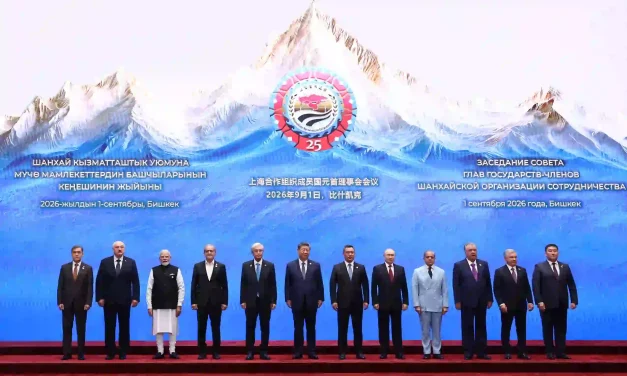
SCFR Online – Opinion: The Shanghai Cooperation Organization summit has created a new opportunity for Iran to transform its membership from a political achievement into economic and transit cooperation.
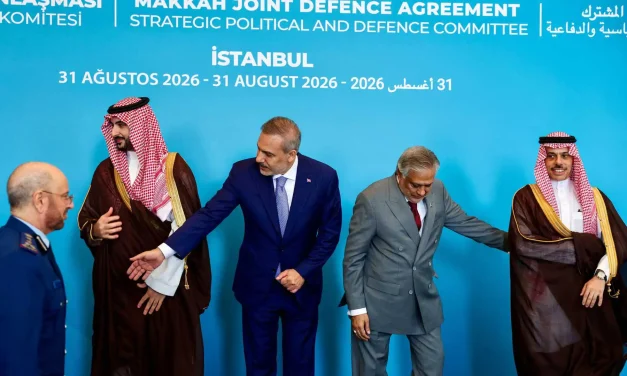
Strategic Council Online – Note: The Makkah Defense Pact can be seen as a sign of regional countries’ efforts to reduce security dependence on extra-regional powers and redefine the balance in West Asia.
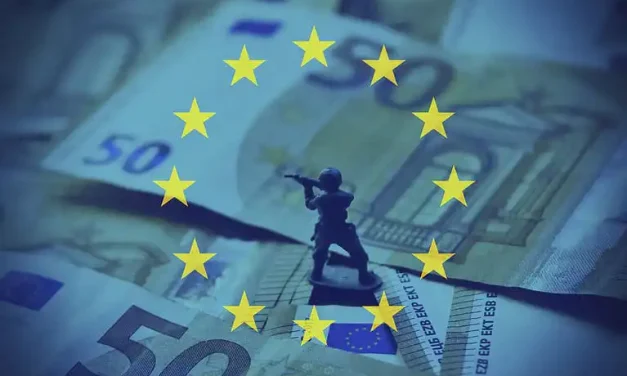
SCFR Online – Opinion: The Ukraine war, by exhausting US military capability on one hand and strengthening European defense capacity on the other, has altered the balance of power in the European continent, cast uncertainty over NATO’s future, and is driving it toward a European NATO.
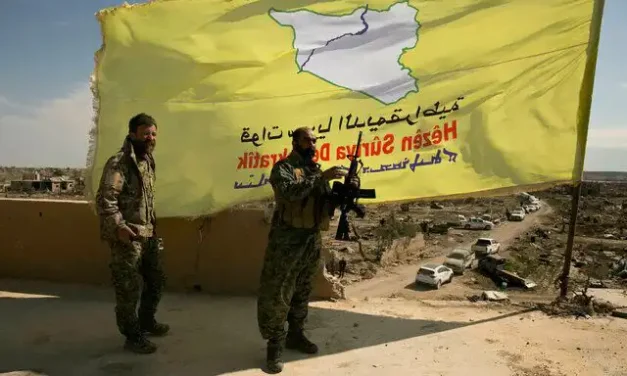
SCFR Online – Opinion: The dissolution of the SDF, although considered an achievement for Turkey’s security, does not put an end to the challenges arising from the Israeli regime’s aggression and expansionism, refugees, and Syria’s fragility.
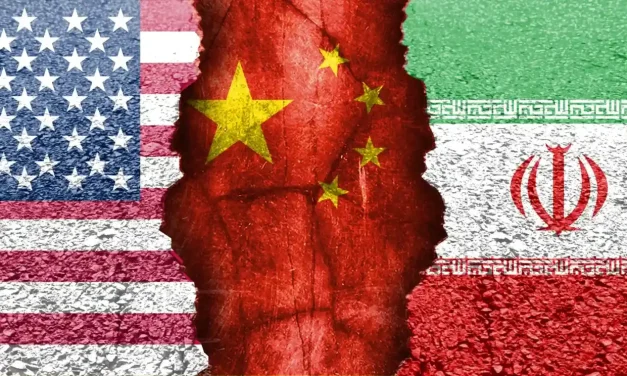
SCFR Online – Opinion: Concurrent with the official commencement of the United States’ economic war against our country, focusing on sanctions instruments, isolation, and economic pressure, what has now become increasingly important is the lack of alignment of other major global powers, especially China, with this policy.
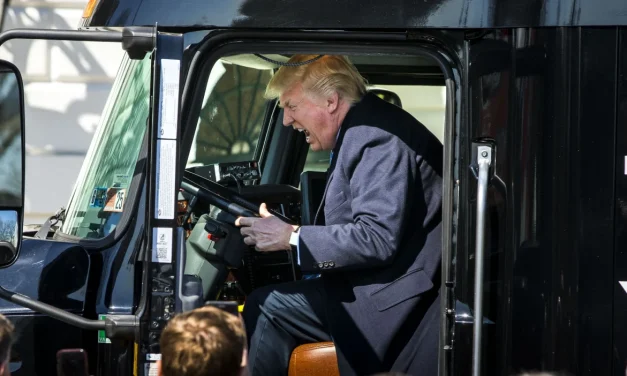
SCFR Online – Opinion: The new US sanctions against Iran, despite extensive propaganda, face serious obstacles to success due to the ineffectiveness of sanctions tools and opposition from some of Tehran’s trading partners.

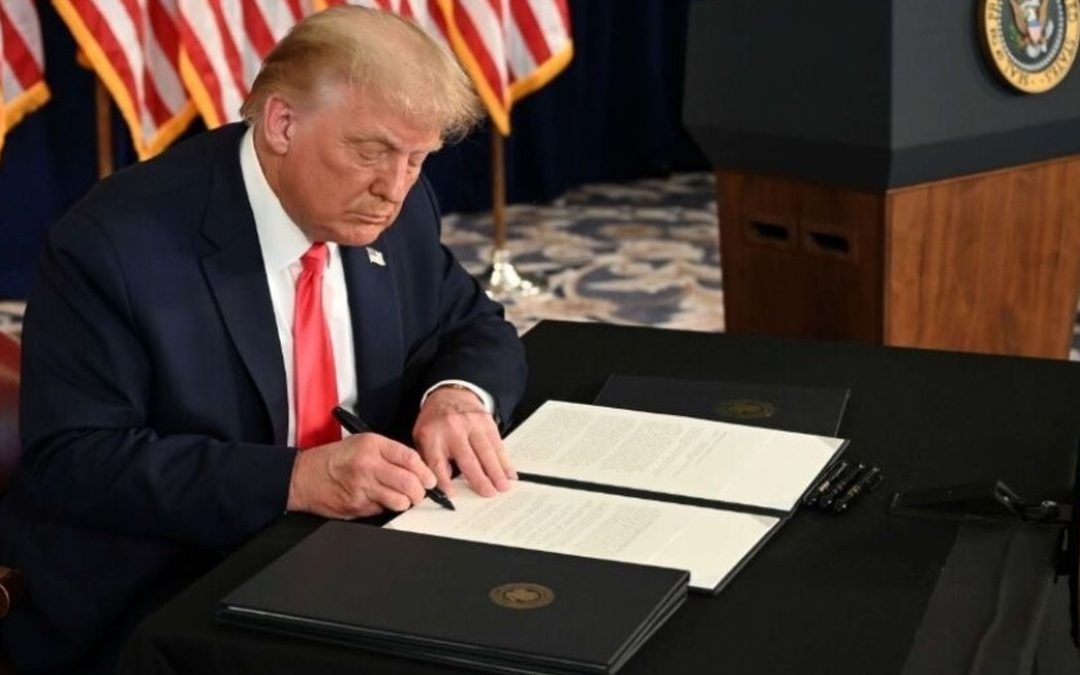
Strategic Council Online – Opinion: Deterrence has always been one of the main pillars of the US foreign and security policy against its rivals. However, geopolitical developments, the emergence of non-state actors, cyber threats, and changes in the global balance of power show the need for the US to reconsider its traditional deterrence approaches. In this regard, the concept of “smart deterrence” as a combination of hard and soft tools has attracted the attention of American politicians.

Strategic Council Online – Opinion: In the words of the Supreme Leader of the Revolution, two types of discourses can be seen in the policy of neutralizing the sanctions: 1. The discourse emphasizes the lack of reliance and trust in the West and 2. The discourse of pragmatism focuses on relying on domestic power and the resistance economy.
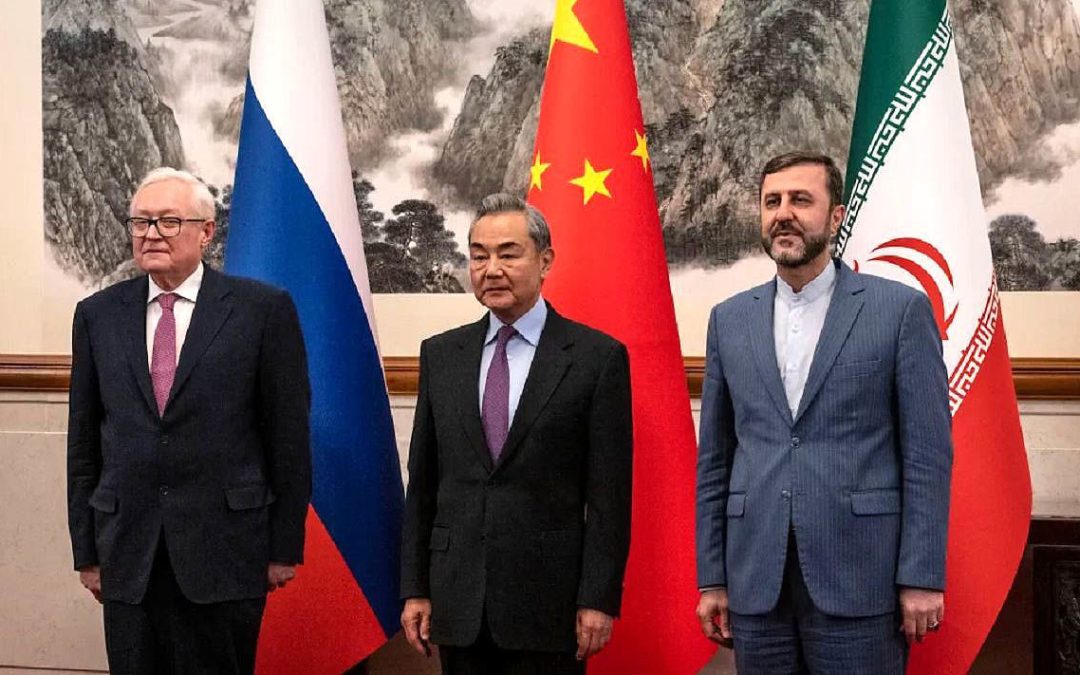
Strategic Council Online – Dialogue: An expert on China said that if Iran gains a clear understanding of China’s global initiatives in the area of security, it can enter into good interactions with Beijing to resolve the nuclear issue. This is because China is interested in creating a new initiative in the Iranian nuclear issue that, although based on the JCPOA, creates a new framework for cooperation and interaction between the parties to the Joint Comprehensive Plan of Action.

Strategic Council Online – Interview: A senior energy expert said that Turkey’s determination to realize the regional strategy of transforming this country into an energy hub is very serious, especially after the fall of the Bashar al-Assad government.

Online Strategic Council – Interview: An international law expert said: Although there are appropriate laws and regulations regarding the non-sending of arms to countries that violate human rights and humanitarian law, the recent proposal of the UN Special Rapporteur, considering the crimes committed in Gaza and occupied Palestine by the Israeli regime, can complement and improve the current laws and help them in terms of implementation.

Strategic Council Online: An international affairs expert said that Europe and the United States will definitely put pressure on various ruling groups to change their approach towards minorities, women, and different ethnic groups in Syria in order to normalize political and economic relations with Syria domestically, regionally, and internationally. Only then can the lifting of sanctions be justified for Europe and the United States.

Strategic Council Online—Opinion: It is noteworthy that Bashar al-Assad’s government was an ally of the Islamic Resistance Front and that his fall from power is a challenge to this front. However, for various reasons, such an event can never be considered a “defeat” for the Resistance Front in the region.

Strategic Council Online: Dr. Seyed Kamal Kharrazi stated that the fall of Bashar al-Assad’s government in Syria was part of an American-Israeli plot, with the most compelling evidence being the immediate visit of a U.S. Deputy Secretary of State to Damascus and the withdrawal of the $10 million bounty for the capture of Golani.

Strategic Council Online – Opinion: The second round of the Iran-Saudi-China trilateral meeting, hosted by Riyadh, signals the development of relations in an atmosphere of increasing regional and international tensions and uncertainties. The meeting also confirmed China’s role beyond facilitating the revived relations between Tehran and Riyadh and related to China’s political economy perspective in the Middle East, which has significant implications for the Beijing-Washington macro-rivalry.

Strategic Council Online – Interview: A senior energy expert considered the increase in gas extraction from the joint field with Iran to be in line with Qatar’s maximum exploitation of hydrocarbon resources and greater connection to international markets.
SCFR Online – Opinion: The intensification of U.S. sanctions against Iran on the eve of the U.S. midterm elections indicates Washington’s inability to achieve its war objectives.
SCFR Online – Opinion: The competition between Washington and Beijing over chips and artificial intelligence, simultaneously with the shifting of technological balances, has taken on new economic and security dimensions.
SCFR Online – Opinion: The Shanghai Cooperation Organization summit has created a new opportunity for Iran to transform its membership from a political achievement into economic and transit cooperation.
Strategic Council Online – Note: The Makkah Defense Pact can be seen as a sign of regional countries’ efforts to reduce security dependence on extra-regional powers and redefine the balance in West Asia.
SCFR Online – Opinion: The Ukraine war, by exhausting US military capability on one hand and strengthening European defense capacity on the other, has altered the balance of power in the European continent, cast uncertainty over NATO’s future, and is driving it toward a European NATO.
SCFR Online – Opinion: The dissolution of the SDF, although considered an achievement for Turkey’s security, does not put an end to the challenges arising from the Israeli regime’s aggression and expansionism, refugees, and Syria’s fragility.
SCFR Online – Opinion: Concurrent with the official commencement of the United States’ economic war against our country, focusing on sanctions instruments, isolation, and economic pressure, what has now become increasingly important is the lack of alignment of other major global powers, especially China, with this policy.
SCFR Online – Opinion: The new US sanctions against Iran, despite extensive propaganda, face serious obstacles to success due to the ineffectiveness of sanctions tools and opposition from some of Tehran’s trading partners.
Strategic Council Online – Opinion: Deterrence has always been one of the main pillars of the US foreign and security policy against its rivals. However, geopolitical developments, the emergence of non-state actors, cyber threats, and changes in the global balance of power show the need for the US to reconsider its traditional deterrence approaches. In this regard, the concept of “smart deterrence” as a combination of hard and soft tools has attracted the attention of American politicians.
Strategic Council Online – Opinion: In the words of the Supreme Leader of the Revolution, two types of discourses can be seen in the policy of neutralizing the sanctions: 1. The discourse emphasizes the lack of reliance and trust in the West and 2. The discourse of pragmatism focuses on relying on domestic power and the resistance economy.
Strategic Council Online – Dialogue: An expert on China said that if Iran gains a clear understanding of China’s global initiatives in the area of security, it can enter into good interactions with Beijing to resolve the nuclear issue. This is because China is interested in creating a new initiative in the Iranian nuclear issue that, although based on the JCPOA, creates a new framework for cooperation and interaction between the parties to the Joint Comprehensive Plan of Action.
Strategic Council Online – Interview: A senior energy expert said that Turkey’s determination to realize the regional strategy of transforming this country into an energy hub is very serious, especially after the fall of the Bashar al-Assad government.
Online Strategic Council – Interview: An international law expert said: Although there are appropriate laws and regulations regarding the non-sending of arms to countries that violate human rights and humanitarian law, the recent proposal of the UN Special Rapporteur, considering the crimes committed in Gaza and occupied Palestine by the Israeli regime, can complement and improve the current laws and help them in terms of implementation.
Strategic Council Online: An international affairs expert said that Europe and the United States will definitely put pressure on various ruling groups to change their approach towards minorities, women, and different ethnic groups in Syria in order to normalize political and economic relations with Syria domestically, regionally, and internationally. Only then can the lifting of sanctions be justified for Europe and the United States.
Strategic Council Online—Opinion: It is noteworthy that Bashar al-Assad’s government was an ally of the Islamic Resistance Front and that his fall from power is a challenge to this front. However, for various reasons, such an event can never be considered a “defeat” for the Resistance Front in the region.
Strategic Council Online: Dr. Seyed Kamal Kharrazi stated that the fall of Bashar al-Assad’s government in Syria was part of an American-Israeli plot, with the most compelling evidence being the immediate visit of a U.S. Deputy Secretary of State to Damascus and the withdrawal of the $10 million bounty for the capture of Golani.
Strategic Council Online – Opinion: The second round of the Iran-Saudi-China trilateral meeting, hosted by Riyadh, signals the development of relations in an atmosphere of increasing regional and international tensions and uncertainties. The meeting also confirmed China’s role beyond facilitating the revived relations between Tehran and Riyadh and related to China’s political economy perspective in the Middle East, which has significant implications for the Beijing-Washington macro-rivalry.
Strategic Council Online – Interview: A senior energy expert considered the increase in gas extraction from the joint field with Iran to be in line with Qatar’s maximum exploitation of hydrocarbon resources and greater connection to international markets.
Strategic Council Online – Opinion: Deterrence has always been one of the main pillars of the US foreign and security policy against its rivals. However, geopolitical developments, the emergence of non-state actors, cyber threats, and changes in the global balance of power show the need for the US to reconsider its traditional deterrence approaches. In this regard, the concept of “smart deterrence” as a combination of hard and soft tools has attracted the attention of American politicians.
Strategic Council Online – Opinion: In the words of the Supreme Leader of the Revolution, two types of discourses can be seen in the policy of neutralizing the sanctions: 1. The discourse emphasizes the lack of reliance and trust in the West and 2. The discourse of pragmatism focuses on relying on domestic power and the resistance economy.
Strategic Council Online – Dialogue: An expert on China said that if Iran gains a clear understanding of China’s global initiatives in the area of security, it can enter into good interactions with Beijing to resolve the nuclear issue. This is because China is interested in creating a new initiative in the Iranian nuclear issue that, although based on the JCPOA, creates a new framework for cooperation and interaction between the parties to the Joint Comprehensive Plan of Action.
Strategic Council Online – Interview: A senior energy expert said that Turkey’s determination to realize the regional strategy of transforming this country into an energy hub is very serious, especially after the fall of the Bashar al-Assad government.
Online Strategic Council – Interview: An international law expert said: Although there are appropriate laws and regulations regarding the non-sending of arms to countries that violate human rights and humanitarian law, the recent proposal of the UN Special Rapporteur, considering the crimes committed in Gaza and occupied Palestine by the Israeli regime, can complement and improve the current laws and help them in terms of implementation.
Strategic Council Online: An international affairs expert said that Europe and the United States will definitely put pressure on various ruling groups to change their approach towards minorities, women, and different ethnic groups in Syria in order to normalize political and economic relations with Syria domestically, regionally, and internationally. Only then can the lifting of sanctions be justified for Europe and the United States.
Strategic Council Online—Opinion: It is noteworthy that Bashar al-Assad’s government was an ally of the Islamic Resistance Front and that his fall from power is a challenge to this front. However, for various reasons, such an event can never be considered a “defeat” for the Resistance Front in the region.
Strategic Council Online: Dr. Seyed Kamal Kharrazi stated that the fall of Bashar al-Assad’s government in Syria was part of an American-Israeli plot, with the most compelling evidence being the immediate visit of a U.S. Deputy Secretary of State to Damascus and the withdrawal of the $10 million bounty for the capture of Golani.
Strategic Council Online – Opinion: The second round of the Iran-Saudi-China trilateral meeting, hosted by Riyadh, signals the development of relations in an atmosphere of increasing regional and international tensions and uncertainties. The meeting also confirmed China’s role beyond facilitating the revived relations between Tehran and Riyadh and related to China’s political economy perspective in the Middle East, which has significant implications for the Beijing-Washington macro-rivalry.
Strategic Council Online – Interview: A senior energy expert considered the increase in gas extraction from the joint field with Iran to be in line with Qatar’s maximum exploitation of hydrocarbon resources and greater connection to international markets.
SCFR Online – Opinion: The intensification of U.S. sanctions against Iran on the eve of the U.S. midterm elections indicates Washington’s inability to achieve its war objectives.
SCFR Online – Opinion: The competition between Washington and Beijing over chips and artificial intelligence, simultaneously with the shifting of technological balances, has taken on new economic and security dimensions.
SCFR Online – Opinion: The Shanghai Cooperation Organization summit has created a new opportunity for Iran to transform its membership from a political achievement into economic and transit cooperation.
Strategic Council Online – Note: The Makkah Defense Pact can be seen as a sign of regional countries’ efforts to reduce security dependence on extra-regional powers and redefine the balance in West Asia.
SCFR Online – Opinion: The Ukraine war, by exhausting US military capability on one hand and strengthening European defense capacity on the other, has altered the balance of power in the European continent, cast uncertainty over NATO’s future, and is driving it toward a European NATO.
SCFR Online – Opinion: The dissolution of the SDF, although considered an achievement for Turkey’s security, does not put an end to the challenges arising from the Israeli regime’s aggression and expansionism, refugees, and Syria’s fragility.
SCFR Online – Opinion: Concurrent with the official commencement of the United States’ economic war against our country, focusing on sanctions instruments, isolation, and economic pressure, what has now become increasingly important is the lack of alignment of other major global powers, especially China, with this policy.
SCFR Online – Opinion: The new US sanctions against Iran, despite extensive propaganda, face serious obstacles to success due to the ineffectiveness of sanctions tools and opposition from some of Tehran’s trading partners.
Strategic Council Online – Opinion: Deterrence has always been one of the main pillars of the US foreign and security policy against its rivals. However, geopolitical developments, the emergence of non-state actors, cyber threats, and changes in the global balance of power show the need for the US to reconsider its traditional deterrence approaches. In this regard, the concept of “smart deterrence” as a combination of hard and soft tools has attracted the attention of American politicians.
Strategic Council Online – Opinion: In the words of the Supreme Leader of the Revolution, two types of discourses can be seen in the policy of neutralizing the sanctions: 1. The discourse emphasizes the lack of reliance and trust in the West and 2. The discourse of pragmatism focuses on relying on domestic power and the resistance economy.
Strategic Council Online – Dialogue: An expert on China said that if Iran gains a clear understanding of China’s global initiatives in the area of security, it can enter into good interactions with Beijing to resolve the nuclear issue. This is because China is interested in creating a new initiative in the Iranian nuclear issue that, although based on the JCPOA, creates a new framework for cooperation and interaction between the parties to the Joint Comprehensive Plan of Action.
Strategic Council Online – Interview: A senior energy expert said that Turkey’s determination to realize the regional strategy of transforming this country into an energy hub is very serious, especially after the fall of the Bashar al-Assad government.
Online Strategic Council – Interview: An international law expert said: Although there are appropriate laws and regulations regarding the non-sending of arms to countries that violate human rights and humanitarian law, the recent proposal of the UN Special Rapporteur, considering the crimes committed in Gaza and occupied Palestine by the Israeli regime, can complement and improve the current laws and help them in terms of implementation.
Strategic Council Online: An international affairs expert said that Europe and the United States will definitely put pressure on various ruling groups to change their approach towards minorities, women, and different ethnic groups in Syria in order to normalize political and economic relations with Syria domestically, regionally, and internationally. Only then can the lifting of sanctions be justified for Europe and the United States.
Strategic Council Online—Opinion: It is noteworthy that Bashar al-Assad’s government was an ally of the Islamic Resistance Front and that his fall from power is a challenge to this front. However, for various reasons, such an event can never be considered a “defeat” for the Resistance Front in the region.
Strategic Council Online: Dr. Seyed Kamal Kharrazi stated that the fall of Bashar al-Assad’s government in Syria was part of an American-Israeli plot, with the most compelling evidence being the immediate visit of a U.S. Deputy Secretary of State to Damascus and the withdrawal of the $10 million bounty for the capture of Golani.
Strategic Council Online – Opinion: The second round of the Iran-Saudi-China trilateral meeting, hosted by Riyadh, signals the development of relations in an atmosphere of increasing regional and international tensions and uncertainties. The meeting also confirmed China’s role beyond facilitating the revived relations between Tehran and Riyadh and related to China’s political economy perspective in the Middle East, which has significant implications for the Beijing-Washington macro-rivalry.
Strategic Council Online – Interview: A senior energy expert considered the increase in gas extraction from the joint field with Iran to be in line with Qatar’s maximum exploitation of hydrocarbon resources and greater connection to international markets.
SCFR Online – Opinion: The intensification of U.S. sanctions against Iran on the eve of the U.S. midterm elections indicates Washington’s inability to achieve its war objectives.
SCFR Online – Opinion: The competition between Washington and Beijing over chips and artificial intelligence, simultaneously with the shifting of technological balances, has taken on new economic and security dimensions.
SCFR Online – Opinion: The Shanghai Cooperation Organization summit has created a new opportunity for Iran to transform its membership from a political achievement into economic and transit cooperation.
Strategic Council Online – Note: The Makkah Defense Pact can be seen as a sign of regional countries’ efforts to reduce security dependence on extra-regional powers and redefine the balance in West Asia.
SCFR Online – Opinion: The Ukraine war, by exhausting US military capability on one hand and strengthening European defense capacity on the other, has altered the balance of power in the European continent, cast uncertainty over NATO’s future, and is driving it toward a European NATO.
SCFR Online – Opinion: The dissolution of the SDF, although considered an achievement for Turkey’s security, does not put an end to the challenges arising from the Israeli regime’s aggression and expansionism, refugees, and Syria’s fragility.
SCFR Online – Opinion: Concurrent with the official commencement of the United States’ economic war against our country, focusing on sanctions instruments, isolation, and economic pressure, what has now become increasingly important is the lack of alignment of other major global powers, especially China, with this policy.
SCFR Online – Opinion: The new US sanctions against Iran, despite extensive propaganda, face serious obstacles to success due to the ineffectiveness of sanctions tools and opposition from some of Tehran’s trading partners.
Strategic Council Online – Opinion: Deterrence has always been one of the main pillars of the US foreign and security policy against its rivals. However, geopolitical developments, the emergence of non-state actors, cyber threats, and changes in the global balance of power show the need for the US to reconsider its traditional deterrence approaches. In this regard, the concept of “smart deterrence” as a combination of hard and soft tools has attracted the attention of American politicians.
Strategic Council Online – Opinion: In the words of the Supreme Leader of the Revolution, two types of discourses can be seen in the policy of neutralizing the sanctions: 1. The discourse emphasizes the lack of reliance and trust in the West and 2. The discourse of pragmatism focuses on relying on domestic power and the resistance economy.
Strategic Council Online – Dialogue: An expert on China said that if Iran gains a clear understanding of China’s global initiatives in the area of security, it can enter into good interactions with Beijing to resolve the nuclear issue. This is because China is interested in creating a new initiative in the Iranian nuclear issue that, although based on the JCPOA, creates a new framework for cooperation and interaction between the parties to the Joint Comprehensive Plan of Action.
Strategic Council Online – Interview: A senior energy expert said that Turkey’s determination to realize the regional strategy of transforming this country into an energy hub is very serious, especially after the fall of the Bashar al-Assad government.
Online Strategic Council – Interview: An international law expert said: Although there are appropriate laws and regulations regarding the non-sending of arms to countries that violate human rights and humanitarian law, the recent proposal of the UN Special Rapporteur, considering the crimes committed in Gaza and occupied Palestine by the Israeli regime, can complement and improve the current laws and help them in terms of implementation.
Strategic Council Online: An international affairs expert said that Europe and the United States will definitely put pressure on various ruling groups to change their approach towards minorities, women, and different ethnic groups in Syria in order to normalize political and economic relations with Syria domestically, regionally, and internationally. Only then can the lifting of sanctions be justified for Europe and the United States.
Strategic Council Online—Opinion: It is noteworthy that Bashar al-Assad’s government was an ally of the Islamic Resistance Front and that his fall from power is a challenge to this front. However, for various reasons, such an event can never be considered a “defeat” for the Resistance Front in the region.
Strategic Council Online: Dr. Seyed Kamal Kharrazi stated that the fall of Bashar al-Assad’s government in Syria was part of an American-Israeli plot, with the most compelling evidence being the immediate visit of a U.S. Deputy Secretary of State to Damascus and the withdrawal of the $10 million bounty for the capture of Golani.
Strategic Council Online – Opinion: The second round of the Iran-Saudi-China trilateral meeting, hosted by Riyadh, signals the development of relations in an atmosphere of increasing regional and international tensions and uncertainties. The meeting also confirmed China’s role beyond facilitating the revived relations between Tehran and Riyadh and related to China’s political economy perspective in the Middle East, which has significant implications for the Beijing-Washington macro-rivalry.
Strategic Council Online – Interview: A senior energy expert considered the increase in gas extraction from the joint field with Iran to be in line with Qatar’s maximum exploitation of hydrocarbon resources and greater connection to international markets.
SCFR Online – Opinion: The intensification of U.S. sanctions against Iran on the eve of the U.S. midterm elections indicates Washington’s inability to achieve its war objectives.
SCFR Online – Opinion: The competition between Washington and Beijing over chips and artificial intelligence, simultaneously with the shifting of technological balances, has taken on new economic and security dimensions.
SCFR Online – Opinion: The Shanghai Cooperation Organization summit has created a new opportunity for Iran to transform its membership from a political achievement into economic and transit cooperation.
Strategic Council Online – Note: The Makkah Defense Pact can be seen as a sign of regional countries’ efforts to reduce security dependence on extra-regional powers and redefine the balance in West Asia.
SCFR Online – Opinion: The Ukraine war, by exhausting US military capability on one hand and strengthening European defense capacity on the other, has altered the balance of power in the European continent, cast uncertainty over NATO’s future, and is driving it toward a European NATO.
SCFR Online – Opinion: The dissolution of the SDF, although considered an achievement for Turkey’s security, does not put an end to the challenges arising from the Israeli regime’s aggression and expansionism, refugees, and Syria’s fragility.
SCFR Online – Opinion: Concurrent with the official commencement of the United States’ economic war against our country, focusing on sanctions instruments, isolation, and economic pressure, what has now become increasingly important is the lack of alignment of other major global powers, especially China, with this policy.
SCFR Online – Opinion: The new US sanctions against Iran, despite extensive propaganda, face serious obstacles to success due to the ineffectiveness of sanctions tools and opposition from some of Tehran’s trading partners.
Strategic Council Online – Opinion: Deterrence has always been one of the main pillars of the US foreign and security policy against its rivals. However, geopolitical developments, the emergence of non-state actors, cyber threats, and changes in the global balance of power show the need for the US to reconsider its traditional deterrence approaches. In this regard, the concept of “smart deterrence” as a combination of hard and soft tools has attracted the attention of American politicians.
Strategic Council Online – Opinion: In the words of the Supreme Leader of the Revolution, two types of discourses can be seen in the policy of neutralizing the sanctions: 1. The discourse emphasizes the lack of reliance and trust in the West and 2. The discourse of pragmatism focuses on relying on domestic power and the resistance economy.
Strategic Council Online – Dialogue: An expert on China said that if Iran gains a clear understanding of China’s global initiatives in the area of security, it can enter into good interactions with Beijing to resolve the nuclear issue. This is because China is interested in creating a new initiative in the Iranian nuclear issue that, although based on the JCPOA, creates a new framework for cooperation and interaction between the parties to the Joint Comprehensive Plan of Action.
Strategic Council Online – Interview: A senior energy expert said that Turkey’s determination to realize the regional strategy of transforming this country into an energy hub is very serious, especially after the fall of the Bashar al-Assad government.
Online Strategic Council – Interview: An international law expert said: Although there are appropriate laws and regulations regarding the non-sending of arms to countries that violate human rights and humanitarian law, the recent proposal of the UN Special Rapporteur, considering the crimes committed in Gaza and occupied Palestine by the Israeli regime, can complement and improve the current laws and help them in terms of implementation.
Strategic Council Online: An international affairs expert said that Europe and the United States will definitely put pressure on various ruling groups to change their approach towards minorities, women, and different ethnic groups in Syria in order to normalize political and economic relations with Syria domestically, regionally, and internationally. Only then can the lifting of sanctions be justified for Europe and the United States.
Strategic Council Online—Opinion: It is noteworthy that Bashar al-Assad’s government was an ally of the Islamic Resistance Front and that his fall from power is a challenge to this front. However, for various reasons, such an event can never be considered a “defeat” for the Resistance Front in the region.
Strategic Council Online: Dr. Seyed Kamal Kharrazi stated that the fall of Bashar al-Assad’s government in Syria was part of an American-Israeli plot, with the most compelling evidence being the immediate visit of a U.S. Deputy Secretary of State to Damascus and the withdrawal of the $10 million bounty for the capture of Golani.
Strategic Council Online – Opinion: The second round of the Iran-Saudi-China trilateral meeting, hosted by Riyadh, signals the development of relations in an atmosphere of increasing regional and international tensions and uncertainties. The meeting also confirmed China’s role beyond facilitating the revived relations between Tehran and Riyadh and related to China’s political economy perspective in the Middle East, which has significant implications for the Beijing-Washington macro-rivalry.
Strategic Council Online – Interview: A senior energy expert considered the increase in gas extraction from the joint field with Iran to be in line with Qatar’s maximum exploitation of hydrocarbon resources and greater connection to international markets.
SCFR Online – Opinion: The intensification of U.S. sanctions against Iran on the eve of the U.S. midterm elections indicates Washington’s inability to achieve its war objectives.
SCFR Online – Opinion: The competition between Washington and Beijing over chips and artificial intelligence, simultaneously with the shifting of technological balances, has taken on new economic and security dimensions.
SCFR Online – Opinion: The Shanghai Cooperation Organization summit has created a new opportunity for Iran to transform its membership from a political achievement into economic and transit cooperation.
Strategic Council Online – Note: The Makkah Defense Pact can be seen as a sign of regional countries’ efforts to reduce security dependence on extra-regional powers and redefine the balance in West Asia.
SCFR Online – Opinion: The Ukraine war, by exhausting US military capability on one hand and strengthening European defense capacity on the other, has altered the balance of power in the European continent, cast uncertainty over NATO’s future, and is driving it toward a European NATO.
SCFR Online – Opinion: The dissolution of the SDF, although considered an achievement for Turkey’s security, does not put an end to the challenges arising from the Israeli regime’s aggression and expansionism, refugees, and Syria’s fragility.
SCFR Online – Opinion: Concurrent with the official commencement of the United States’ economic war against our country, focusing on sanctions instruments, isolation, and economic pressure, what has now become increasingly important is the lack of alignment of other major global powers, especially China, with this policy.
SCFR Online – Opinion: The new US sanctions against Iran, despite extensive propaganda, face serious obstacles to success due to the ineffectiveness of sanctions tools and opposition from some of Tehran’s trading partners.
Strategic Council Online – Opinion: Deterrence has always been one of the main pillars of the US foreign and security policy against its rivals. However, geopolitical developments, the emergence of non-state actors, cyber threats, and changes in the global balance of power show the need for the US to reconsider its traditional deterrence approaches. In this regard, the concept of “smart deterrence” as a combination of hard and soft tools has attracted the attention of American politicians.
Strategic Council Online – Opinion: In the words of the Supreme Leader of the Revolution, two types of discourses can be seen in the policy of neutralizing the sanctions: 1. The discourse emphasizes the lack of reliance and trust in the West and 2. The discourse of pragmatism focuses on relying on domestic power and the resistance economy.
Strategic Council Online – Dialogue: An expert on China said that if Iran gains a clear understanding of China’s global initiatives in the area of security, it can enter into good interactions with Beijing to resolve the nuclear issue. This is because China is interested in creating a new initiative in the Iranian nuclear issue that, although based on the JCPOA, creates a new framework for cooperation and interaction between the parties to the Joint Comprehensive Plan of Action.
Strategic Council Online – Interview: A senior energy expert said that Turkey’s determination to realize the regional strategy of transforming this country into an energy hub is very serious, especially after the fall of the Bashar al-Assad government.
Online Strategic Council – Interview: An international law expert said: Although there are appropriate laws and regulations regarding the non-sending of arms to countries that violate human rights and humanitarian law, the recent proposal of the UN Special Rapporteur, considering the crimes committed in Gaza and occupied Palestine by the Israeli regime, can complement and improve the current laws and help them in terms of implementation.
Strategic Council Online: An international affairs expert said that Europe and the United States will definitely put pressure on various ruling groups to change their approach towards minorities, women, and different ethnic groups in Syria in order to normalize political and economic relations with Syria domestically, regionally, and internationally. Only then can the lifting of sanctions be justified for Europe and the United States.
Strategic Council Online—Opinion: It is noteworthy that Bashar al-Assad’s government was an ally of the Islamic Resistance Front and that his fall from power is a challenge to this front. However, for various reasons, such an event can never be considered a “defeat” for the Resistance Front in the region.
Strategic Council Online: Dr. Seyed Kamal Kharrazi stated that the fall of Bashar al-Assad’s government in Syria was part of an American-Israeli plot, with the most compelling evidence being the immediate visit of a U.S. Deputy Secretary of State to Damascus and the withdrawal of the $10 million bounty for the capture of Golani.
Strategic Council Online – Opinion: The second round of the Iran-Saudi-China trilateral meeting, hosted by Riyadh, signals the development of relations in an atmosphere of increasing regional and international tensions and uncertainties. The meeting also confirmed China’s role beyond facilitating the revived relations between Tehran and Riyadh and related to China’s political economy perspective in the Middle East, which has significant implications for the Beijing-Washington macro-rivalry.
Strategic Council Online – Interview: A senior energy expert considered the increase in gas extraction from the joint field with Iran to be in line with Qatar’s maximum exploitation of hydrocarbon resources and greater connection to international markets.
SCFR Online – Opinion: The intensification of U.S. sanctions against Iran on the eve of the U.S. midterm elections indicates Washington’s inability to achieve its war objectives.
SCFR Online – Opinion: The competition between Washington and Beijing over chips and artificial intelligence, simultaneously with the shifting of technological balances, has taken on new economic and security dimensions.
SCFR Online – Opinion: The Shanghai Cooperation Organization summit has created a new opportunity for Iran to transform its membership from a political achievement into economic and transit cooperation.
Strategic Council Online – Note: The Makkah Defense Pact can be seen as a sign of regional countries’ efforts to reduce security dependence on extra-regional powers and redefine the balance in West Asia.
SCFR Online – Opinion: The Ukraine war, by exhausting US military capability on one hand and strengthening European defense capacity on the other, has altered the balance of power in the European continent, cast uncertainty over NATO’s future, and is driving it toward a European NATO.
SCFR Online – Opinion: The dissolution of the SDF, although considered an achievement for Turkey’s security, does not put an end to the challenges arising from the Israeli regime’s aggression and expansionism, refugees, and Syria’s fragility.
SCFR Online – Opinion: Concurrent with the official commencement of the United States’ economic war against our country, focusing on sanctions instruments, isolation, and economic pressure, what has now become increasingly important is the lack of alignment of other major global powers, especially China, with this policy.
SCFR Online – Opinion: The new US sanctions against Iran, despite extensive propaganda, face serious obstacles to success due to the ineffectiveness of sanctions tools and opposition from some of Tehran’s trading partners.