Reasons for the Ineffectiveness of Trump’s “Economic War” against Iran
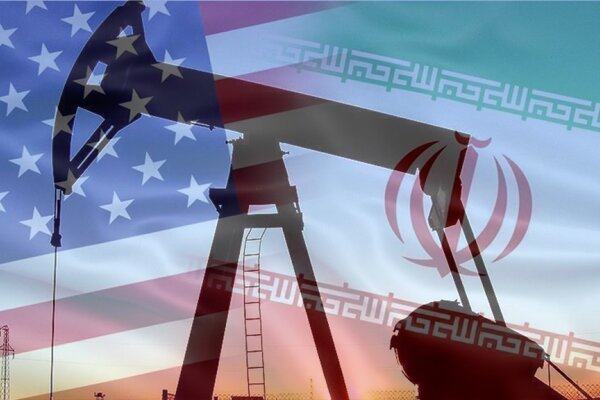
SCFR Online – Opinion: The intensification of U.S. sanctions against Iran on the eve of the U.S. midterm elections indicates Washington’s inability to achieve its war objectives.
SCFR Online – Opinion: The competition between Washington and Beijing over chips and artificial intelligence, simultaneously with the shifting of technological balances, has taken on new economic and security dimensions.
SCFR Online – Opinion: The Shanghai Cooperation Organization summit has created a new opportunity for Iran to transform its membership from a political achievement into economic and transit cooperation.
Strategic Council Online – Note: The Makkah Defense Pact can be seen as a sign of regional countries’ efforts to reduce security dependence on extra-regional powers and redefine the balance in West Asia.
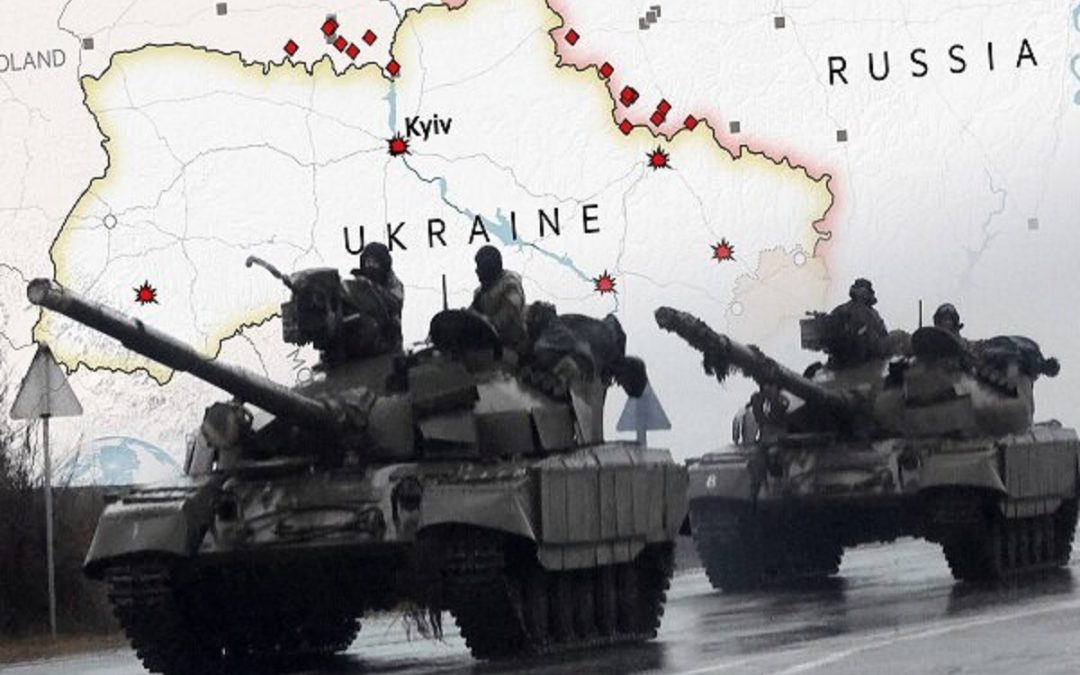
SCFR Online – Opinion: The Ukraine war, by exhausting US military capability on one hand and strengthening European defense capacity on the other, has altered the balance of power in the European continent, cast uncertainty over NATO’s future, and is driving it toward a European NATO.
SCFR Online – Opinion: The dissolution of the SDF, although considered an achievement for Turkey’s security, does not put an end to the challenges arising from the Israeli regime’s aggression and expansionism, refugees, and Syria’s fragility.
SCFR Online – Opinion: Concurrent with the official commencement of the United States’ economic war against our country, focusing on sanctions instruments, isolation, and economic pressure, what has now become increasingly important is the lack of alignment of other major global powers, especially China, with this policy.
SCFR Online – Opinion: The new US sanctions against Iran, despite extensive propaganda, face serious obstacles to success due to the ineffectiveness of sanctions tools and opposition from some of Tehran’s trading partners.
SCFR Online – Note: Vladimir Putin, President of Russia, recently announced—more than four years after the commencement of military aggression against Ukraine—that he believes the conflict between Russia and Ukraine is drawing to a close.
SCFR Online – Opinion: The countries of the Persian Gulf have reached the conclusion that sustainable security will be achieved not through confrontation, but through regional engagement with Iran.
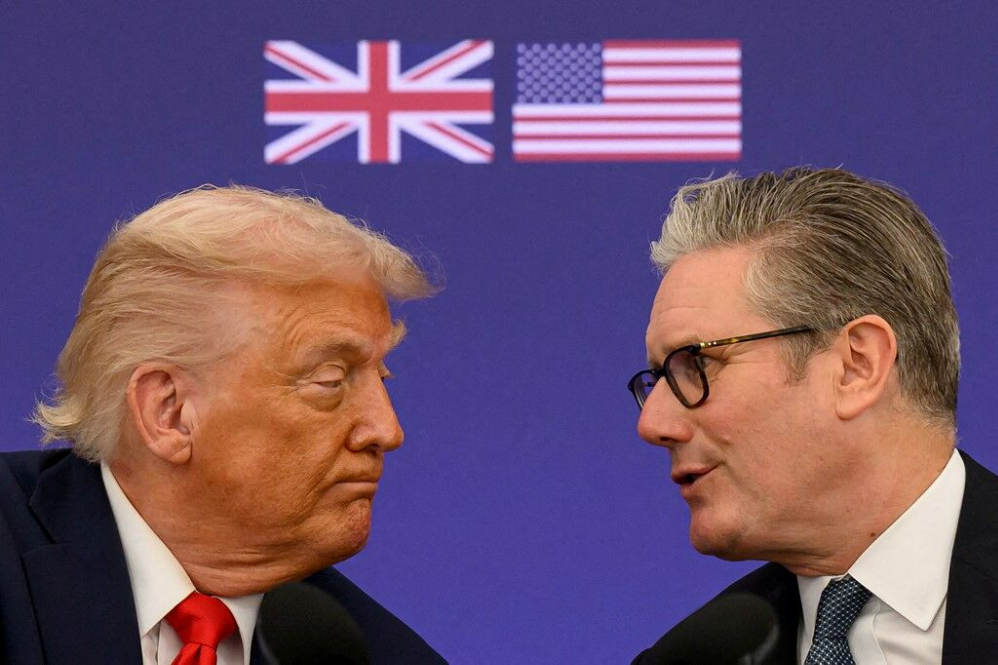
SCFR Online – Opinion: The different policy that Europeans have adopted regarding the US war against Iran stems from disagreements that have emerged between the two sides in recent years, particularly during the Donald Trump administration.
SCFR Online – Opinion: America’s inability to achieve a decisive victory over Iran and its unfortunate economic consequences have permanently shattered the belief in Washington’s global dominance.
SCFR Online – Note: Europe’s refusal to align with the United States in the war against Iran is not a temporary tactic, but rather a sign of strategic divergence and a move toward forced autonomy.
SCFR Online – Note: The militarization of artificial intelligence has eroded the boundaries of ethics and responsibility in warfare, transforming contemporary conflicts into arenas where human decision-making has become increasingly marginalized.
SCFR Online – Note: Following the resumption of the US and Israeli regime’s war against Iran on February 28, certain divisions have emerged within the United States regarding this issue, both among the public and among political factions.
SCFR Online – Opinion: The internal situation of the Israeli regime during the 40-day war can be analyzed from several perspectives. The popularity levels of Benjamin Netanyahu, the Likud Party, and the ruling coalition led by Netanyahu until February 28, 2026, remained approximately the same as during the preceding year. The most recent factor that had somewhat increased Netanyahu’s popularity was the advancement of the 2024 war with Hezbollah Lebanon. Subsequently, his popularity temporarily increased during the 12-day war with Iran, but after the war, it returned to its previous state.
Strategic Council Online – Opinion: In the strategic geography of the global economy, certain regions attain such significance that they effectively become determining factors of the international order. The Strait of Hormuz is among these points; a narrow yet vital passage through which a considerable portion of the world’s energy transits, and whose stability is directly intertwined with the interests and economic security of many countries. However, the importance of the Strait of Hormuz is not limited solely to the volume of energy passing through it. This strait is also a stage upon which the limitations and challenges of great power politics are revealed. From China’s perspective, the policy of the United States regarding the security of this strategic chokepoint, rather than reflecting a stable order, demonstrates a set of contradictions and strategic difficulties that Washington faces in managing the regional order.
Strategic Council Online – Opinion: The four-point proposal announced by Xi Jinping, President of China, can be described as a new strategic framework for “peace and stability in West Asia and the Persian Gulf.”
SCFR Online – Opinion: The intensification of U.S. sanctions against Iran on the eve of the U.S. midterm elections indicates Washington’s inability to achieve its war objectives.
SCFR Online – Opinion: The competition between Washington and Beijing over chips and artificial intelligence, simultaneously with the shifting of technological balances, has taken on new economic and security dimensions.
SCFR Online – Opinion: The Shanghai Cooperation Organization summit has created a new opportunity for Iran to transform its membership from a political achievement into economic and transit cooperation.
Strategic Council Online – Note: The Makkah Defense Pact can be seen as a sign of regional countries’ efforts to reduce security dependence on extra-regional powers and redefine the balance in West Asia.
SCFR Online – Opinion: The Ukraine war, by exhausting US military capability on one hand and strengthening European defense capacity on the other, has altered the balance of power in the European continent, cast uncertainty over NATO’s future, and is driving it toward a European NATO.
SCFR Online – Opinion: The dissolution of the SDF, although considered an achievement for Turkey’s security, does not put an end to the challenges arising from the Israeli regime’s aggression and expansionism, refugees, and Syria’s fragility.
SCFR Online – Opinion: Concurrent with the official commencement of the United States’ economic war against our country, focusing on sanctions instruments, isolation, and economic pressure, what has now become increasingly important is the lack of alignment of other major global powers, especially China, with this policy.
SCFR Online – Opinion: The new US sanctions against Iran, despite extensive propaganda, face serious obstacles to success due to the ineffectiveness of sanctions tools and opposition from some of Tehran’s trading partners.
SCFR Online – Note: Vladimir Putin, President of Russia, recently announced—more than four years after the commencement of military aggression against Ukraine—that he believes the conflict between Russia and Ukraine is drawing to a close.
SCFR Online – Opinion: The countries of the Persian Gulf have reached the conclusion that sustainable security will be achieved not through confrontation, but through regional engagement with Iran.
SCFR Online – Opinion: The different policy that Europeans have adopted regarding the US war against Iran stems from disagreements that have emerged between the two sides in recent years, particularly during the Donald Trump administration.
SCFR Online – Opinion: America’s inability to achieve a decisive victory over Iran and its unfortunate economic consequences have permanently shattered the belief in Washington’s global dominance.
SCFR Online – Note: Europe’s refusal to align with the United States in the war against Iran is not a temporary tactic, but rather a sign of strategic divergence and a move toward forced autonomy.
SCFR Online – Note: The militarization of artificial intelligence has eroded the boundaries of ethics and responsibility in warfare, transforming contemporary conflicts into arenas where human decision-making has become increasingly marginalized.
SCFR Online – Note: Following the resumption of the US and Israeli regime’s war against Iran on February 28, certain divisions have emerged within the United States regarding this issue, both among the public and among political factions.
SCFR Online – Opinion: The internal situation of the Israeli regime during the 40-day war can be analyzed from several perspectives. The popularity levels of Benjamin Netanyahu, the Likud Party, and the ruling coalition led by Netanyahu until February 28, 2026, remained approximately the same as during the preceding year. The most recent factor that had somewhat increased Netanyahu’s popularity was the advancement of the 2024 war with Hezbollah Lebanon. Subsequently, his popularity temporarily increased during the 12-day war with Iran, but after the war, it returned to its previous state.
Strategic Council Online – Opinion: In the strategic geography of the global economy, certain regions attain such significance that they effectively become determining factors of the international order. The Strait of Hormuz is among these points; a narrow yet vital passage through which a considerable portion of the world’s energy transits, and whose stability is directly intertwined with the interests and economic security of many countries. However, the importance of the Strait of Hormuz is not limited solely to the volume of energy passing through it. This strait is also a stage upon which the limitations and challenges of great power politics are revealed. From China’s perspective, the policy of the United States regarding the security of this strategic chokepoint, rather than reflecting a stable order, demonstrates a set of contradictions and strategic difficulties that Washington faces in managing the regional order.
Strategic Council Online – Opinion: The four-point proposal announced by Xi Jinping, President of China, can be described as a new strategic framework for “peace and stability in West Asia and the Persian Gulf.”
SCFR Online – Note: Vladimir Putin, President of Russia, recently announced—more than four years after the commencement of military aggression against Ukraine—that he believes the conflict between Russia and Ukraine is drawing to a close.
SCFR Online – Opinion: The countries of the Persian Gulf have reached the conclusion that sustainable security will be achieved not through confrontation, but through regional engagement with Iran.
SCFR Online – Opinion: The different policy that Europeans have adopted regarding the US war against Iran stems from disagreements that have emerged between the two sides in recent years, particularly during the Donald Trump administration.
SCFR Online – Opinion: America’s inability to achieve a decisive victory over Iran and its unfortunate economic consequences have permanently shattered the belief in Washington’s global dominance.
SCFR Online – Note: Europe’s refusal to align with the United States in the war against Iran is not a temporary tactic, but rather a sign of strategic divergence and a move toward forced autonomy.
SCFR Online – Note: The militarization of artificial intelligence has eroded the boundaries of ethics and responsibility in warfare, transforming contemporary conflicts into arenas where human decision-making has become increasingly marginalized.
SCFR Online – Note: Following the resumption of the US and Israeli regime’s war against Iran on February 28, certain divisions have emerged within the United States regarding this issue, both among the public and among political factions.
SCFR Online – Opinion: The internal situation of the Israeli regime during the 40-day war can be analyzed from several perspectives. The popularity levels of Benjamin Netanyahu, the Likud Party, and the ruling coalition led by Netanyahu until February 28, 2026, remained approximately the same as during the preceding year. The most recent factor that had somewhat increased Netanyahu’s popularity was the advancement of the 2024 war with Hezbollah Lebanon. Subsequently, his popularity temporarily increased during the 12-day war with Iran, but after the war, it returned to its previous state.
Strategic Council Online – Opinion: In the strategic geography of the global economy, certain regions attain such significance that they effectively become determining factors of the international order. The Strait of Hormuz is among these points; a narrow yet vital passage through which a considerable portion of the world’s energy transits, and whose stability is directly intertwined with the interests and economic security of many countries. However, the importance of the Strait of Hormuz is not limited solely to the volume of energy passing through it. This strait is also a stage upon which the limitations and challenges of great power politics are revealed. From China’s perspective, the policy of the United States regarding the security of this strategic chokepoint, rather than reflecting a stable order, demonstrates a set of contradictions and strategic difficulties that Washington faces in managing the regional order.
Strategic Council Online – Opinion: The four-point proposal announced by Xi Jinping, President of China, can be described as a new strategic framework for “peace and stability in West Asia and the Persian Gulf.”
SCFR Online – Opinion: The intensification of U.S. sanctions against Iran on the eve of the U.S. midterm elections indicates Washington’s inability to achieve its war objectives.
SCFR Online – Opinion: The competition between Washington and Beijing over chips and artificial intelligence, simultaneously with the shifting of technological balances, has taken on new economic and security dimensions.
SCFR Online – Opinion: The Shanghai Cooperation Organization summit has created a new opportunity for Iran to transform its membership from a political achievement into economic and transit cooperation.
Strategic Council Online – Note: The Makkah Defense Pact can be seen as a sign of regional countries’ efforts to reduce security dependence on extra-regional powers and redefine the balance in West Asia.
SCFR Online – Opinion: The Ukraine war, by exhausting US military capability on one hand and strengthening European defense capacity on the other, has altered the balance of power in the European continent, cast uncertainty over NATO’s future, and is driving it toward a European NATO.
SCFR Online – Opinion: The dissolution of the SDF, although considered an achievement for Turkey’s security, does not put an end to the challenges arising from the Israeli regime’s aggression and expansionism, refugees, and Syria’s fragility.
SCFR Online – Opinion: Concurrent with the official commencement of the United States’ economic war against our country, focusing on sanctions instruments, isolation, and economic pressure, what has now become increasingly important is the lack of alignment of other major global powers, especially China, with this policy.
SCFR Online – Opinion: The new US sanctions against Iran, despite extensive propaganda, face serious obstacles to success due to the ineffectiveness of sanctions tools and opposition from some of Tehran’s trading partners.
SCFR Online – Note: Vladimir Putin, President of Russia, recently announced—more than four years after the commencement of military aggression against Ukraine—that he believes the conflict between Russia and Ukraine is drawing to a close.
SCFR Online – Opinion: The countries of the Persian Gulf have reached the conclusion that sustainable security will be achieved not through confrontation, but through regional engagement with Iran.
SCFR Online – Opinion: The different policy that Europeans have adopted regarding the US war against Iran stems from disagreements that have emerged between the two sides in recent years, particularly during the Donald Trump administration.
SCFR Online – Opinion: America’s inability to achieve a decisive victory over Iran and its unfortunate economic consequences have permanently shattered the belief in Washington’s global dominance.
SCFR Online – Note: Europe’s refusal to align with the United States in the war against Iran is not a temporary tactic, but rather a sign of strategic divergence and a move toward forced autonomy.
SCFR Online – Note: The militarization of artificial intelligence has eroded the boundaries of ethics and responsibility in warfare, transforming contemporary conflicts into arenas where human decision-making has become increasingly marginalized.
SCFR Online – Note: Following the resumption of the US and Israeli regime’s war against Iran on February 28, certain divisions have emerged within the United States regarding this issue, both among the public and among political factions.
SCFR Online – Opinion: The internal situation of the Israeli regime during the 40-day war can be analyzed from several perspectives. The popularity levels of Benjamin Netanyahu, the Likud Party, and the ruling coalition led by Netanyahu until February 28, 2026, remained approximately the same as during the preceding year. The most recent factor that had somewhat increased Netanyahu’s popularity was the advancement of the 2024 war with Hezbollah Lebanon. Subsequently, his popularity temporarily increased during the 12-day war with Iran, but after the war, it returned to its previous state.
Strategic Council Online – Opinion: In the strategic geography of the global economy, certain regions attain such significance that they effectively become determining factors of the international order. The Strait of Hormuz is among these points; a narrow yet vital passage through which a considerable portion of the world’s energy transits, and whose stability is directly intertwined with the interests and economic security of many countries. However, the importance of the Strait of Hormuz is not limited solely to the volume of energy passing through it. This strait is also a stage upon which the limitations and challenges of great power politics are revealed. From China’s perspective, the policy of the United States regarding the security of this strategic chokepoint, rather than reflecting a stable order, demonstrates a set of contradictions and strategic difficulties that Washington faces in managing the regional order.
Strategic Council Online – Opinion: The four-point proposal announced by Xi Jinping, President of China, can be described as a new strategic framework for “peace and stability in West Asia and the Persian Gulf.”
SCFR Online – Opinion: The intensification of U.S. sanctions against Iran on the eve of the U.S. midterm elections indicates Washington’s inability to achieve its war objectives.
SCFR Online – Opinion: The competition between Washington and Beijing over chips and artificial intelligence, simultaneously with the shifting of technological balances, has taken on new economic and security dimensions.
SCFR Online – Opinion: The Shanghai Cooperation Organization summit has created a new opportunity for Iran to transform its membership from a political achievement into economic and transit cooperation.
Strategic Council Online – Note: The Makkah Defense Pact can be seen as a sign of regional countries’ efforts to reduce security dependence on extra-regional powers and redefine the balance in West Asia.
SCFR Online – Opinion: The Ukraine war, by exhausting US military capability on one hand and strengthening European defense capacity on the other, has altered the balance of power in the European continent, cast uncertainty over NATO’s future, and is driving it toward a European NATO.
SCFR Online – Opinion: The dissolution of the SDF, although considered an achievement for Turkey’s security, does not put an end to the challenges arising from the Israeli regime’s aggression and expansionism, refugees, and Syria’s fragility.
SCFR Online – Opinion: Concurrent with the official commencement of the United States’ economic war against our country, focusing on sanctions instruments, isolation, and economic pressure, what has now become increasingly important is the lack of alignment of other major global powers, especially China, with this policy.
SCFR Online – Opinion: The new US sanctions against Iran, despite extensive propaganda, face serious obstacles to success due to the ineffectiveness of sanctions tools and opposition from some of Tehran’s trading partners.
SCFR Online – Note: Vladimir Putin, President of Russia, recently announced—more than four years after the commencement of military aggression against Ukraine—that he believes the conflict between Russia and Ukraine is drawing to a close.
SCFR Online – Opinion: The countries of the Persian Gulf have reached the conclusion that sustainable security will be achieved not through confrontation, but through regional engagement with Iran.
SCFR Online – Opinion: The different policy that Europeans have adopted regarding the US war against Iran stems from disagreements that have emerged between the two sides in recent years, particularly during the Donald Trump administration.
SCFR Online – Opinion: America’s inability to achieve a decisive victory over Iran and its unfortunate economic consequences have permanently shattered the belief in Washington’s global dominance.
SCFR Online – Note: Europe’s refusal to align with the United States in the war against Iran is not a temporary tactic, but rather a sign of strategic divergence and a move toward forced autonomy.
SCFR Online – Note: The militarization of artificial intelligence has eroded the boundaries of ethics and responsibility in warfare, transforming contemporary conflicts into arenas where human decision-making has become increasingly marginalized.
SCFR Online – Note: Following the resumption of the US and Israeli regime’s war against Iran on February 28, certain divisions have emerged within the United States regarding this issue, both among the public and among political factions.
SCFR Online – Opinion: The internal situation of the Israeli regime during the 40-day war can be analyzed from several perspectives. The popularity levels of Benjamin Netanyahu, the Likud Party, and the ruling coalition led by Netanyahu until February 28, 2026, remained approximately the same as during the preceding year. The most recent factor that had somewhat increased Netanyahu’s popularity was the advancement of the 2024 war with Hezbollah Lebanon. Subsequently, his popularity temporarily increased during the 12-day war with Iran, but after the war, it returned to its previous state.
Strategic Council Online – Opinion: In the strategic geography of the global economy, certain regions attain such significance that they effectively become determining factors of the international order. The Strait of Hormuz is among these points; a narrow yet vital passage through which a considerable portion of the world’s energy transits, and whose stability is directly intertwined with the interests and economic security of many countries. However, the importance of the Strait of Hormuz is not limited solely to the volume of energy passing through it. This strait is also a stage upon which the limitations and challenges of great power politics are revealed. From China’s perspective, the policy of the United States regarding the security of this strategic chokepoint, rather than reflecting a stable order, demonstrates a set of contradictions and strategic difficulties that Washington faces in managing the regional order.
Strategic Council Online – Opinion: The four-point proposal announced by Xi Jinping, President of China, can be described as a new strategic framework for “peace and stability in West Asia and the Persian Gulf.”
SCFR Online – Opinion: The intensification of U.S. sanctions against Iran on the eve of the U.S. midterm elections indicates Washington’s inability to achieve its war objectives.
SCFR Online – Opinion: The competition between Washington and Beijing over chips and artificial intelligence, simultaneously with the shifting of technological balances, has taken on new economic and security dimensions.
SCFR Online – Opinion: The Shanghai Cooperation Organization summit has created a new opportunity for Iran to transform its membership from a political achievement into economic and transit cooperation.
Strategic Council Online – Note: The Makkah Defense Pact can be seen as a sign of regional countries’ efforts to reduce security dependence on extra-regional powers and redefine the balance in West Asia.
SCFR Online – Opinion: The Ukraine war, by exhausting US military capability on one hand and strengthening European defense capacity on the other, has altered the balance of power in the European continent, cast uncertainty over NATO’s future, and is driving it toward a European NATO.
SCFR Online – Opinion: The dissolution of the SDF, although considered an achievement for Turkey’s security, does not put an end to the challenges arising from the Israeli regime’s aggression and expansionism, refugees, and Syria’s fragility.
SCFR Online – Opinion: Concurrent with the official commencement of the United States’ economic war against our country, focusing on sanctions instruments, isolation, and economic pressure, what has now become increasingly important is the lack of alignment of other major global powers, especially China, with this policy.
SCFR Online – Opinion: The new US sanctions against Iran, despite extensive propaganda, face serious obstacles to success due to the ineffectiveness of sanctions tools and opposition from some of Tehran’s trading partners.
SCFR Online – Note: Vladimir Putin, President of Russia, recently announced—more than four years after the commencement of military aggression against Ukraine—that he believes the conflict between Russia and Ukraine is drawing to a close.
SCFR Online – Opinion: The countries of the Persian Gulf have reached the conclusion that sustainable security will be achieved not through confrontation, but through regional engagement with Iran.
SCFR Online – Opinion: The different policy that Europeans have adopted regarding the US war against Iran stems from disagreements that have emerged between the two sides in recent years, particularly during the Donald Trump administration.
SCFR Online – Opinion: America’s inability to achieve a decisive victory over Iran and its unfortunate economic consequences have permanently shattered the belief in Washington’s global dominance.
SCFR Online – Note: Europe’s refusal to align with the United States in the war against Iran is not a temporary tactic, but rather a sign of strategic divergence and a move toward forced autonomy.
SCFR Online – Note: The militarization of artificial intelligence has eroded the boundaries of ethics and responsibility in warfare, transforming contemporary conflicts into arenas where human decision-making has become increasingly marginalized.
SCFR Online – Note: Following the resumption of the US and Israeli regime’s war against Iran on February 28, certain divisions have emerged within the United States regarding this issue, both among the public and among political factions.
SCFR Online – Opinion: The internal situation of the Israeli regime during the 40-day war can be analyzed from several perspectives. The popularity levels of Benjamin Netanyahu, the Likud Party, and the ruling coalition led by Netanyahu until February 28, 2026, remained approximately the same as during the preceding year. The most recent factor that had somewhat increased Netanyahu’s popularity was the advancement of the 2024 war with Hezbollah Lebanon. Subsequently, his popularity temporarily increased during the 12-day war with Iran, but after the war, it returned to its previous state.
Strategic Council Online – Opinion: In the strategic geography of the global economy, certain regions attain such significance that they effectively become determining factors of the international order. The Strait of Hormuz is among these points; a narrow yet vital passage through which a considerable portion of the world’s energy transits, and whose stability is directly intertwined with the interests and economic security of many countries. However, the importance of the Strait of Hormuz is not limited solely to the volume of energy passing through it. This strait is also a stage upon which the limitations and challenges of great power politics are revealed. From China’s perspective, the policy of the United States regarding the security of this strategic chokepoint, rather than reflecting a stable order, demonstrates a set of contradictions and strategic difficulties that Washington faces in managing the regional order.
Strategic Council Online – Opinion: The four-point proposal announced by Xi Jinping, President of China, can be described as a new strategic framework for “peace and stability in West Asia and the Persian Gulf.”
SCFR Online – Opinion: The intensification of U.S. sanctions against Iran on the eve of the U.S. midterm elections indicates Washington’s inability to achieve its war objectives.
SCFR Online – Opinion: The competition between Washington and Beijing over chips and artificial intelligence, simultaneously with the shifting of technological balances, has taken on new economic and security dimensions.
SCFR Online – Opinion: The Shanghai Cooperation Organization summit has created a new opportunity for Iran to transform its membership from a political achievement into economic and transit cooperation.
Strategic Council Online – Note: The Makkah Defense Pact can be seen as a sign of regional countries’ efforts to reduce security dependence on extra-regional powers and redefine the balance in West Asia.
SCFR Online – Opinion: The Ukraine war, by exhausting US military capability on one hand and strengthening European defense capacity on the other, has altered the balance of power in the European continent, cast uncertainty over NATO’s future, and is driving it toward a European NATO.
SCFR Online – Opinion: The dissolution of the SDF, although considered an achievement for Turkey’s security, does not put an end to the challenges arising from the Israeli regime’s aggression and expansionism, refugees, and Syria’s fragility.
SCFR Online – Opinion: Concurrent with the official commencement of the United States’ economic war against our country, focusing on sanctions instruments, isolation, and economic pressure, what has now become increasingly important is the lack of alignment of other major global powers, especially China, with this policy.
SCFR Online – Opinion: The new US sanctions against Iran, despite extensive propaganda, face serious obstacles to success due to the ineffectiveness of sanctions tools and opposition from some of Tehran’s trading partners.
SCFR Online – Note: Vladimir Putin, President of Russia, recently announced—more than four years after the commencement of military aggression against Ukraine—that he believes the conflict between Russia and Ukraine is drawing to a close.
SCFR Online – Opinion: The countries of the Persian Gulf have reached the conclusion that sustainable security will be achieved not through confrontation, but through regional engagement with Iran.
SCFR Online – Opinion: The different policy that Europeans have adopted regarding the US war against Iran stems from disagreements that have emerged between the two sides in recent years, particularly during the Donald Trump administration.
SCFR Online – Opinion: America’s inability to achieve a decisive victory over Iran and its unfortunate economic consequences have permanently shattered the belief in Washington’s global dominance.
SCFR Online – Note: Europe’s refusal to align with the United States in the war against Iran is not a temporary tactic, but rather a sign of strategic divergence and a move toward forced autonomy.
SCFR Online – Note: The militarization of artificial intelligence has eroded the boundaries of ethics and responsibility in warfare, transforming contemporary conflicts into arenas where human decision-making has become increasingly marginalized.
SCFR Online – Note: Following the resumption of the US and Israeli regime’s war against Iran on February 28, certain divisions have emerged within the United States regarding this issue, both among the public and among political factions.
SCFR Online – Opinion: The internal situation of the Israeli regime during the 40-day war can be analyzed from several perspectives. The popularity levels of Benjamin Netanyahu, the Likud Party, and the ruling coalition led by Netanyahu until February 28, 2026, remained approximately the same as during the preceding year. The most recent factor that had somewhat increased Netanyahu’s popularity was the advancement of the 2024 war with Hezbollah Lebanon. Subsequently, his popularity temporarily increased during the 12-day war with Iran, but after the war, it returned to its previous state.
Strategic Council Online – Opinion: In the strategic geography of the global economy, certain regions attain such significance that they effectively become determining factors of the international order. The Strait of Hormuz is among these points; a narrow yet vital passage through which a considerable portion of the world’s energy transits, and whose stability is directly intertwined with the interests and economic security of many countries. However, the importance of the Strait of Hormuz is not limited solely to the volume of energy passing through it. This strait is also a stage upon which the limitations and challenges of great power politics are revealed. From China’s perspective, the policy of the United States regarding the security of this strategic chokepoint, rather than reflecting a stable order, demonstrates a set of contradictions and strategic difficulties that Washington faces in managing the regional order.
Strategic Council Online – Opinion: The four-point proposal announced by Xi Jinping, President of China, can be described as a new strategic framework for “peace and stability in West Asia and the Persian Gulf.”
SCFR Online – Opinion: The intensification of U.S. sanctions against Iran on the eve of the U.S. midterm elections indicates Washington’s inability to achieve its war objectives.
SCFR Online – Opinion: The competition between Washington and Beijing over chips and artificial intelligence, simultaneously with the shifting of technological balances, has taken on new economic and security dimensions.
SCFR Online – Opinion: The Shanghai Cooperation Organization summit has created a new opportunity for Iran to transform its membership from a political achievement into economic and transit cooperation.
Strategic Council Online – Note: The Makkah Defense Pact can be seen as a sign of regional countries’ efforts to reduce security dependence on extra-regional powers and redefine the balance in West Asia.
SCFR Online – Opinion: The Ukraine war, by exhausting US military capability on one hand and strengthening European defense capacity on the other, has altered the balance of power in the European continent, cast uncertainty over NATO’s future, and is driving it toward a European NATO.
SCFR Online – Opinion: The dissolution of the SDF, although considered an achievement for Turkey’s security, does not put an end to the challenges arising from the Israeli regime’s aggression and expansionism, refugees, and Syria’s fragility.
SCFR Online – Opinion: Concurrent with the official commencement of the United States’ economic war against our country, focusing on sanctions instruments, isolation, and economic pressure, what has now become increasingly important is the lack of alignment of other major global powers, especially China, with this policy.
SCFR Online – Opinion: The new US sanctions against Iran, despite extensive propaganda, face serious obstacles to success due to the ineffectiveness of sanctions tools and opposition from some of Tehran’s trading partners.