جدیدترین مطالب

Consequences of Declining Trust in the Judiciary in Europe

SCFRonline – Opinion: The increase in public distrust of the French judicial system, which in recent surveys has reached approximately two-thirds of citizens, should be analyzed within a framework broader than temporary dissatisfaction or an emotional reaction to a particular criminal case.

Iran’s Potential Levers of Power

SCFRonline– Opinion: Iran’s geopolitical power is not limited solely to oil and the Strait of Hormuz; the unintended emergence of disruptions in the future global food and energy security chains can also demonstrate Iran’s strategic importance.

The Inseparability of the Lebanese Front from the Axis of Resistance

SCFR Online–Opinion: By providing an extensive network of social, healthcare, educational, and post-war reconstruction services, Hezbollah has established a strong social base for itself among Lebanon’s Shiites and Sunnis, and even beyond that, among other segments of Lebanese society, including Christians. Hezbollah has never been an external actor imposed upon Lebanon; rather, it is a phenomenon fundamentally born out of the occupation and crimes of the Zionist regime and itself influenced by popular resistance.

The Increasing Efforts of the Zionist Regime to Redefine Borders and the Regional Order and Its Consequences

SCFR Online– Opinion: Security and military developments in the region over recent months indicate that the ongoing crises and wars in Gaza, southern Lebanon, and parts of Syrian territory encompass broader dimensions of geopolitical and geostrategic transformations. In this context, the increased military presence and control of the Zionist regime over parts of the territories of these areas, along with proposals regarding the creation of buffer zones or even the expansion of security borders, have raised serious questions about the future of the regional order and its consequences for the countries of West Asia.

Loading

Iran

A Look at the U.S. Security Agreement with Qatar

A Look at the U.S. Security Agreement with Qatar

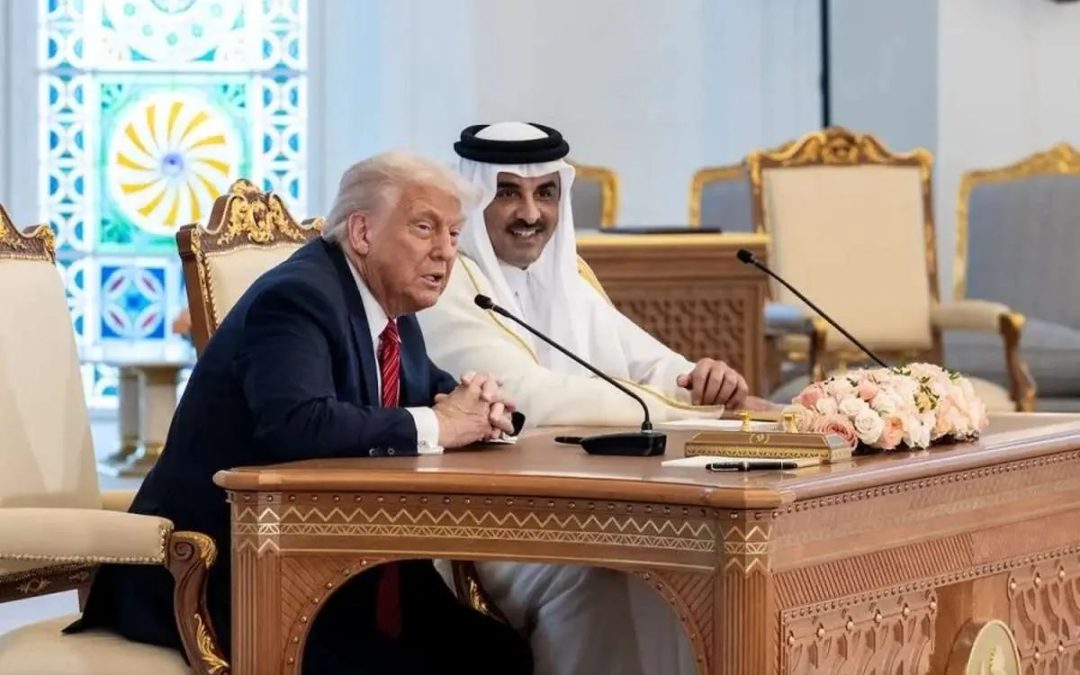
Online Strategic Council – Interview: An expert on Persian Gulf regional issues stated: The White House recently announced that Trump signed an executive order guaranteeing Qatar’s security. The order states that U.S. policy is to deter and respond to any external attack on Qatar’s security and territorial integrity.

Iran’s Opportunities to Play a Role in the Digital Economy of the Global South

Iran’s Opportunities to Play a Role in the Digital Economy of the Global South

Online Strategic Council – Interview: A researcher in the field of digital economy and artificial intelligence said: In today’s world, artificial intelligence (AI) is considered one of the main pillars of global economic and geopolitical transformations. The increasing competition among major powers, such as the United States and China, along with the European Union’s efforts to become a leading continent in the field of artificial intelligence, underscores the growing importance of this technology in shaping the economic and political destinies of countries. Amidst this, Global South countries, including Iran, can play an effective role in shaping the digital future by utilizing their domestic capacities and international cooperation.

Egypt Seeks to Reduce Vulnerability vis-à-vis the Zionist Regime

Egypt Seeks to Reduce Vulnerability vis-à-vis the Zionist Regime

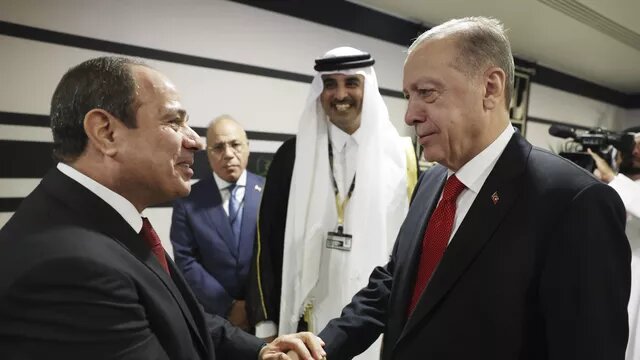
Online Strategic Council – Interview: A senior Egyptian affairs analyst stated that Egypt, the first Arab country to sign a peace agreement with the Zionist regime in 1979, has now adopted a new strategy due to concerns about the regime’s expansionist policies. The developments following the 2023 Gaza war revealed that Tel Aviv, with the unconditional support of the United States, seeks to alter the balance of power in West Asia —a matter that has compelled Cairo to expand its relations with Iran and Turkey, two significant regional powers. By holding joint military exercises with Turkey, mediating in Iran’s nuclear dossier, and seeking military and technological cooperation, Egypt is trying to prevent the Zionists’ hegemony in the region. Although the formation of a trilateral military alliance seems unlikely for now, Cairo’s rapprochement with Tehran and Ankara is considered a potential threat to the Israeli regime. In fact, in the face of regional pressures and border crises, Egypt is seeking to create a strategic balance to curb Tel Aviv’s influence and enhance its own position in the West Asian equations.

An Analysis of Iraq’s Vision 2050 Plan: Challenges and Opportunities Ahead

An Analysis of Iraq’s Vision 2050 Plan: Challenges and Opportunities Ahead

Online Strategic Council – Interview: A West Asia affairs expert stated that the unveiling of Iraq’s Vision 2050 plan by its Prime Minister, Mohammed Shia’ Al-Sudani, is assessed as a turning point on the path of economic development and reducing the country’s dependence on oil revenues. This plan is designed to create a diversified economy, develop infrastructure, and position Iraq at the heart of Asia-Europe trade corridors. If realized, it could alter the region’s geopolitical equations. In this plan, Al-Sudani has emphasized diverting 20 percent of the Asia-Europe trade through Iraq, which, if successful, will make the country a key player in global trade. On the other hand, environmental crises, security challenges, and the necessity of reforming governance structures in Iraq have made this plan a multidimensional and complex issue. For Iran, the implementation of Vision 2050 not only creates economic opportunities in the fields of energy and transit but also provides the possibility of enhancing political and security cooperation. However, the success of this plan is contingent upon resolving internal obstacles and Baghdad’s smart management of foreign relations, an issue that could improve the future of Iran-Iraq interactions and the regional standing of both countries in the coming decades.

Consequences of Four Iraqi Shiite Groups Being Placed on the US Terrorist List

Consequences of Four Iraqi Shiite Groups Being Placed on the US Terrorist List

Strategic Council Online– Interview: A senior Iraqi affairs analyst stated that the recent action by the US Department of State in placing four Iraqi Shiite groups on the list of foreign terrorist organizations has not only seriously challenged Iraq’s security dimension but has also broadly overshadowed Baghdad’s political and diplomatic equations. This decision, interpreted as a continuation of Washington’s policy of maximum pressure in the region, could have multi-layered consequences for Iraq’s internal security, foreign relations, and even the balance of power. The groups affected by this decision are part of the official structure of the Popular Mobilization Forces (PMF) and were key players in the defeat of ISIS; therefore, their placement on the terrorist list is not only considered a threat against US interests but also calls into question the legitimacy and cohesion of Iraq’s security forces. This move could cast a shadow over the process of withdrawing US forces from Iraq and provide a pretext for the continuation of Washington’s military presence. Similarly, at the regional level, it further frees the hands of the Israeli regime for aggressive actions.

Efforts to Retake Bagram Airbase Complete America’s Unfinished Scenario in the Region

Efforts to Retake Bagram Airbase Complete America’s Unfinished Scenario in the Region

Strategic Council Online – Interview: A senior analyst on Afghan and Pakistani affairs stated that China’s explicit reaction to the new US efforts to retake Bagram Air Base in Afghanistan has once again highlighted the geopolitical competition among major powers in this sensitive region. Beijing has emphasized that any escalation of tensions or creation of confrontation in Afghanistan runs counter to the wishes and interests of the Afghan people and the entire region, and the Afghans themselves must shape the future of Afghanistan. This stance comes as US President Donald Trump has revealed Washington’s plan to return to Bagram, citing the base’s proximity to sensitive Chinese nuclear areas as one of the primary motivations. Analysts believe that a potential US return to Bagram signifies not only the revival of a military presence in Afghanistan but also an effort to curb China’s growing influence and control vital regional trade and security routes; a move that could have broad geopolitical consequences for all of Central and South Asia.

Attack by the Israeli Regime on Qatar and the Collapse of American Security Guarantees

Attack by the Israeli Regime on Qatar and the Collapse of American Security Guarantees

Strategic Council Online – Interview: An international affairs analyst stated that the Israeli regime’s airstrike on Qatar, under the pretext of targeting Hamas leaders, could be a turning point in the security and diplomatic equations of the Persian Gulf. This action not only challenged Qatar’s sovereignty but also raised questions about the security of the member states of the Persian Gulf Cooperation Council. Given that the Israeli regime is considered a close ally of the United States, this aggression has heightened sensitivities and increased doubts about Washington’s commitment to ensuring the security and protection of its regional partners. Under such circumstances, Iran can pursue regional dialogues and cooperation in the Persian Gulf, considering the Arab countries’ concerns about the ineffectiveness of American security guarantees. On the other hand, the Israeli regime’s aggression against Qatar has practically endangered normalization agreements, including the Abraham Accords, and reduced the chances of developing cooperation between Tel Aviv and some Arab countries. Internal pressure on the UAE and Bahrain to reconsider their relations with this regime has increased. Thus, the Israeli regime’s attack on Doha has not only complicated the security equations but also plunged the region’s political and diplomatic prospects into a complex phase, indicating that regional actors must reconsider traditional approaches dependent on extra-regional powers.

Shanghai Summit, New Global Order, and Iran’s Position

Shanghai Summit, New Global Order, and Iran’s Position

Strategic Council Online – Opinion: The 25th Shanghai Cooperation Organization (SCO) Summit in Tianjin, China, can be considered one of the most significant events in recent years in terms of global power dynamics. Through its impressive hosting and the announcement of various economic and political initiatives, China attempted to present an image of a gradual transition from the West-centric financial order. The presence of leaders from Russia, India, and Central Asian countries also demonstrated that the idea of multipolarity is no longer merely a slogan but is being pursued through economic and institutional cooperation. The coincidence of the Shanghai Summit with the military parade in Beijing commemorating the 80th anniversary of China’s victory over Japan also highlighted the integration of the “hard power–soft power” strategy on the international stage.

Deception of EU3 Foreign Ministers in Joint Article on Trigger Mechanism

Deception of EU3 Foreign Ministers in Joint Article on Trigger Mechanism

Strategic Council Online – Opinion: The joint article by the foreign ministers of Britain, France, and Germany, recently published in Politico under the title “Why we are seeking to reimpose UN sanctions on Iran,” was an apparent attempt to present a one-sided narrative regarding Iran’s nuclear dossier. While the article emphasized increased uranium stockpiles, limited cooperation with the IAEA, and Iran’s security threats, important facts of our country’s nuclear case were ignored entirely.

أحدث الوظائف

Consequences of Declining Trust in the Judiciary in Europe

SCFRonline – Opinion: The increase in public distrust of the French judicial system, which in recent surveys has reached approximately two-thirds of citizens, should be analyzed within a framework broader than temporary dissatisfaction or an emotional reaction to a particular criminal case.

Iran’s Potential Levers of Power

SCFRonline– Opinion: Iran’s geopolitical power is not limited solely to oil and the Strait of Hormuz; the unintended emergence of disruptions in the future global food and energy security chains can also demonstrate Iran’s strategic importance.

The Inseparability of the Lebanese Front from the Axis of Resistance

SCFR Online–Opinion: By providing an extensive network of social, healthcare, educational, and post-war reconstruction services, Hezbollah has established a strong social base for itself among Lebanon’s Shiites and Sunnis, and even beyond that, among other segments of Lebanese society, including Christians. Hezbollah has never been an external actor imposed upon Lebanon; rather, it is a phenomenon fundamentally born out of the occupation and crimes of the Zionist regime and itself influenced by popular resistance.

The Increasing Efforts of the Zionist Regime to Redefine Borders and the Regional Order and Its Consequences

SCFR Online– Opinion: Security and military developments in the region over recent months indicate that the ongoing crises and wars in Gaza, southern Lebanon, and parts of Syrian territory encompass broader dimensions of geopolitical and geostrategic transformations. In this context, the increased military presence and control of the Zionist regime over parts of the territories of these areas, along with proposals regarding the creation of buffer zones or even the expansion of security borders, have raised serious questions about the future of the regional order and its consequences for the countries of West Asia.

Loading

Iran

A Look at the U.S. Security Agreement with Qatar

A Look at the U.S. Security Agreement with Qatar

Online Strategic Council – Interview: An expert on Persian Gulf regional issues stated: The White House recently announced that Trump signed an executive order guaranteeing Qatar’s security. The order states that U.S. policy is to deter and respond to any external attack on Qatar’s security and territorial integrity.

Iran’s Opportunities to Play a Role in the Digital Economy of the Global South

Iran’s Opportunities to Play a Role in the Digital Economy of the Global South

Online Strategic Council – Interview: A researcher in the field of digital economy and artificial intelligence said: In today’s world, artificial intelligence (AI) is considered one of the main pillars of global economic and geopolitical transformations. The increasing competition among major powers, such as the United States and China, along with the European Union’s efforts to become a leading continent in the field of artificial intelligence, underscores the growing importance of this technology in shaping the economic and political destinies of countries. Amidst this, Global South countries, including Iran, can play an effective role in shaping the digital future by utilizing their domestic capacities and international cooperation.

Egypt Seeks to Reduce Vulnerability vis-à-vis the Zionist Regime

Egypt Seeks to Reduce Vulnerability vis-à-vis the Zionist Regime

Online Strategic Council – Interview: A senior Egyptian affairs analyst stated that Egypt, the first Arab country to sign a peace agreement with the Zionist regime in 1979, has now adopted a new strategy due to concerns about the regime’s expansionist policies. The developments following the 2023 Gaza war revealed that Tel Aviv, with the unconditional support of the United States, seeks to alter the balance of power in West Asia —a matter that has compelled Cairo to expand its relations with Iran and Turkey, two significant regional powers. By holding joint military exercises with Turkey, mediating in Iran’s nuclear dossier, and seeking military and technological cooperation, Egypt is trying to prevent the Zionists’ hegemony in the region. Although the formation of a trilateral military alliance seems unlikely for now, Cairo’s rapprochement with Tehran and Ankara is considered a potential threat to the Israeli regime. In fact, in the face of regional pressures and border crises, Egypt is seeking to create a strategic balance to curb Tel Aviv’s influence and enhance its own position in the West Asian equations.

An Analysis of Iraq’s Vision 2050 Plan: Challenges and Opportunities Ahead

An Analysis of Iraq’s Vision 2050 Plan: Challenges and Opportunities Ahead

Online Strategic Council – Interview: A West Asia affairs expert stated that the unveiling of Iraq’s Vision 2050 plan by its Prime Minister, Mohammed Shia’ Al-Sudani, is assessed as a turning point on the path of economic development and reducing the country’s dependence on oil revenues. This plan is designed to create a diversified economy, develop infrastructure, and position Iraq at the heart of Asia-Europe trade corridors. If realized, it could alter the region’s geopolitical equations. In this plan, Al-Sudani has emphasized diverting 20 percent of the Asia-Europe trade through Iraq, which, if successful, will make the country a key player in global trade. On the other hand, environmental crises, security challenges, and the necessity of reforming governance structures in Iraq have made this plan a multidimensional and complex issue. For Iran, the implementation of Vision 2050 not only creates economic opportunities in the fields of energy and transit but also provides the possibility of enhancing political and security cooperation. However, the success of this plan is contingent upon resolving internal obstacles and Baghdad’s smart management of foreign relations, an issue that could improve the future of Iran-Iraq interactions and the regional standing of both countries in the coming decades.

Consequences of Four Iraqi Shiite Groups Being Placed on the US Terrorist List

Consequences of Four Iraqi Shiite Groups Being Placed on the US Terrorist List

Strategic Council Online– Interview: A senior Iraqi affairs analyst stated that the recent action by the US Department of State in placing four Iraqi Shiite groups on the list of foreign terrorist organizations has not only seriously challenged Iraq’s security dimension but has also broadly overshadowed Baghdad’s political and diplomatic equations. This decision, interpreted as a continuation of Washington’s policy of maximum pressure in the region, could have multi-layered consequences for Iraq’s internal security, foreign relations, and even the balance of power. The groups affected by this decision are part of the official structure of the Popular Mobilization Forces (PMF) and were key players in the defeat of ISIS; therefore, their placement on the terrorist list is not only considered a threat against US interests but also calls into question the legitimacy and cohesion of Iraq’s security forces. This move could cast a shadow over the process of withdrawing US forces from Iraq and provide a pretext for the continuation of Washington’s military presence. Similarly, at the regional level, it further frees the hands of the Israeli regime for aggressive actions.

Efforts to Retake Bagram Airbase Complete America’s Unfinished Scenario in the Region

Efforts to Retake Bagram Airbase Complete America’s Unfinished Scenario in the Region

Strategic Council Online – Interview: A senior analyst on Afghan and Pakistani affairs stated that China’s explicit reaction to the new US efforts to retake Bagram Air Base in Afghanistan has once again highlighted the geopolitical competition among major powers in this sensitive region. Beijing has emphasized that any escalation of tensions or creation of confrontation in Afghanistan runs counter to the wishes and interests of the Afghan people and the entire region, and the Afghans themselves must shape the future of Afghanistan. This stance comes as US President Donald Trump has revealed Washington’s plan to return to Bagram, citing the base’s proximity to sensitive Chinese nuclear areas as one of the primary motivations. Analysts believe that a potential US return to Bagram signifies not only the revival of a military presence in Afghanistan but also an effort to curb China’s growing influence and control vital regional trade and security routes; a move that could have broad geopolitical consequences for all of Central and South Asia.

Attack by the Israeli Regime on Qatar and the Collapse of American Security Guarantees

Attack by the Israeli Regime on Qatar and the Collapse of American Security Guarantees

Strategic Council Online – Interview: An international affairs analyst stated that the Israeli regime’s airstrike on Qatar, under the pretext of targeting Hamas leaders, could be a turning point in the security and diplomatic equations of the Persian Gulf. This action not only challenged Qatar’s sovereignty but also raised questions about the security of the member states of the Persian Gulf Cooperation Council. Given that the Israeli regime is considered a close ally of the United States, this aggression has heightened sensitivities and increased doubts about Washington’s commitment to ensuring the security and protection of its regional partners. Under such circumstances, Iran can pursue regional dialogues and cooperation in the Persian Gulf, considering the Arab countries’ concerns about the ineffectiveness of American security guarantees. On the other hand, the Israeli regime’s aggression against Qatar has practically endangered normalization agreements, including the Abraham Accords, and reduced the chances of developing cooperation between Tel Aviv and some Arab countries. Internal pressure on the UAE and Bahrain to reconsider their relations with this regime has increased. Thus, the Israeli regime’s attack on Doha has not only complicated the security equations but also plunged the region’s political and diplomatic prospects into a complex phase, indicating that regional actors must reconsider traditional approaches dependent on extra-regional powers.

Shanghai Summit, New Global Order, and Iran’s Position

Shanghai Summit, New Global Order, and Iran’s Position

Strategic Council Online – Opinion: The 25th Shanghai Cooperation Organization (SCO) Summit in Tianjin, China, can be considered one of the most significant events in recent years in terms of global power dynamics. Through its impressive hosting and the announcement of various economic and political initiatives, China attempted to present an image of a gradual transition from the West-centric financial order. The presence of leaders from Russia, India, and Central Asian countries also demonstrated that the idea of multipolarity is no longer merely a slogan but is being pursued through economic and institutional cooperation. The coincidence of the Shanghai Summit with the military parade in Beijing commemorating the 80th anniversary of China’s victory over Japan also highlighted the integration of the “hard power–soft power” strategy on the international stage.

Deception of EU3 Foreign Ministers in Joint Article on Trigger Mechanism

Deception of EU3 Foreign Ministers in Joint Article on Trigger Mechanism

Strategic Council Online – Opinion: The joint article by the foreign ministers of Britain, France, and Germany, recently published in Politico under the title “Why we are seeking to reimpose UN sanctions on Iran,” was an apparent attempt to present a one-sided narrative regarding Iran’s nuclear dossier. While the article emphasized increased uranium stockpiles, limited cooperation with the IAEA, and Iran’s security threats, important facts of our country’s nuclear case were ignored entirely.

Iran

A Look at the U.S. Security Agreement with Qatar

A Look at the U.S. Security Agreement with Qatar

Online Strategic Council – Interview: An expert on Persian Gulf regional issues stated: The White House recently announced that Trump signed an executive order guaranteeing Qatar’s security. The order states that U.S. policy is to deter and respond to any external attack on Qatar’s security and territorial integrity.

Iran’s Opportunities to Play a Role in the Digital Economy of the Global South

Iran’s Opportunities to Play a Role in the Digital Economy of the Global South

Online Strategic Council – Interview: A researcher in the field of digital economy and artificial intelligence said: In today’s world, artificial intelligence (AI) is considered one of the main pillars of global economic and geopolitical transformations. The increasing competition among major powers, such as the United States and China, along with the European Union’s efforts to become a leading continent in the field of artificial intelligence, underscores the growing importance of this technology in shaping the economic and political destinies of countries. Amidst this, Global South countries, including Iran, can play an effective role in shaping the digital future by utilizing their domestic capacities and international cooperation.

Egypt Seeks to Reduce Vulnerability vis-à-vis the Zionist Regime

Egypt Seeks to Reduce Vulnerability vis-à-vis the Zionist Regime

Online Strategic Council – Interview: A senior Egyptian affairs analyst stated that Egypt, the first Arab country to sign a peace agreement with the Zionist regime in 1979, has now adopted a new strategy due to concerns about the regime’s expansionist policies. The developments following the 2023 Gaza war revealed that Tel Aviv, with the unconditional support of the United States, seeks to alter the balance of power in West Asia —a matter that has compelled Cairo to expand its relations with Iran and Turkey, two significant regional powers. By holding joint military exercises with Turkey, mediating in Iran’s nuclear dossier, and seeking military and technological cooperation, Egypt is trying to prevent the Zionists’ hegemony in the region. Although the formation of a trilateral military alliance seems unlikely for now, Cairo’s rapprochement with Tehran and Ankara is considered a potential threat to the Israeli regime. In fact, in the face of regional pressures and border crises, Egypt is seeking to create a strategic balance to curb Tel Aviv’s influence and enhance its own position in the West Asian equations.

An Analysis of Iraq’s Vision 2050 Plan: Challenges and Opportunities Ahead

An Analysis of Iraq’s Vision 2050 Plan: Challenges and Opportunities Ahead

Online Strategic Council – Interview: A West Asia affairs expert stated that the unveiling of Iraq’s Vision 2050 plan by its Prime Minister, Mohammed Shia’ Al-Sudani, is assessed as a turning point on the path of economic development and reducing the country’s dependence on oil revenues. This plan is designed to create a diversified economy, develop infrastructure, and position Iraq at the heart of Asia-Europe trade corridors. If realized, it could alter the region’s geopolitical equations. In this plan, Al-Sudani has emphasized diverting 20 percent of the Asia-Europe trade through Iraq, which, if successful, will make the country a key player in global trade. On the other hand, environmental crises, security challenges, and the necessity of reforming governance structures in Iraq have made this plan a multidimensional and complex issue. For Iran, the implementation of Vision 2050 not only creates economic opportunities in the fields of energy and transit but also provides the possibility of enhancing political and security cooperation. However, the success of this plan is contingent upon resolving internal obstacles and Baghdad’s smart management of foreign relations, an issue that could improve the future of Iran-Iraq interactions and the regional standing of both countries in the coming decades.

Consequences of Four Iraqi Shiite Groups Being Placed on the US Terrorist List

Consequences of Four Iraqi Shiite Groups Being Placed on the US Terrorist List

Strategic Council Online– Interview: A senior Iraqi affairs analyst stated that the recent action by the US Department of State in placing four Iraqi Shiite groups on the list of foreign terrorist organizations has not only seriously challenged Iraq’s security dimension but has also broadly overshadowed Baghdad’s political and diplomatic equations. This decision, interpreted as a continuation of Washington’s policy of maximum pressure in the region, could have multi-layered consequences for Iraq’s internal security, foreign relations, and even the balance of power. The groups affected by this decision are part of the official structure of the Popular Mobilization Forces (PMF) and were key players in the defeat of ISIS; therefore, their placement on the terrorist list is not only considered a threat against US interests but also calls into question the legitimacy and cohesion of Iraq’s security forces. This move could cast a shadow over the process of withdrawing US forces from Iraq and provide a pretext for the continuation of Washington’s military presence. Similarly, at the regional level, it further frees the hands of the Israeli regime for aggressive actions.

Efforts to Retake Bagram Airbase Complete America’s Unfinished Scenario in the Region

Efforts to Retake Bagram Airbase Complete America’s Unfinished Scenario in the Region

Strategic Council Online – Interview: A senior analyst on Afghan and Pakistani affairs stated that China’s explicit reaction to the new US efforts to retake Bagram Air Base in Afghanistan has once again highlighted the geopolitical competition among major powers in this sensitive region. Beijing has emphasized that any escalation of tensions or creation of confrontation in Afghanistan runs counter to the wishes and interests of the Afghan people and the entire region, and the Afghans themselves must shape the future of Afghanistan. This stance comes as US President Donald Trump has revealed Washington’s plan to return to Bagram, citing the base’s proximity to sensitive Chinese nuclear areas as one of the primary motivations. Analysts believe that a potential US return to Bagram signifies not only the revival of a military presence in Afghanistan but also an effort to curb China’s growing influence and control vital regional trade and security routes; a move that could have broad geopolitical consequences for all of Central and South Asia.

Attack by the Israeli Regime on Qatar and the Collapse of American Security Guarantees

Attack by the Israeli Regime on Qatar and the Collapse of American Security Guarantees

Strategic Council Online – Interview: An international affairs analyst stated that the Israeli regime’s airstrike on Qatar, under the pretext of targeting Hamas leaders, could be a turning point in the security and diplomatic equations of the Persian Gulf. This action not only challenged Qatar’s sovereignty but also raised questions about the security of the member states of the Persian Gulf Cooperation Council. Given that the Israeli regime is considered a close ally of the United States, this aggression has heightened sensitivities and increased doubts about Washington’s commitment to ensuring the security and protection of its regional partners. Under such circumstances, Iran can pursue regional dialogues and cooperation in the Persian Gulf, considering the Arab countries’ concerns about the ineffectiveness of American security guarantees. On the other hand, the Israeli regime’s aggression against Qatar has practically endangered normalization agreements, including the Abraham Accords, and reduced the chances of developing cooperation between Tel Aviv and some Arab countries. Internal pressure on the UAE and Bahrain to reconsider their relations with this regime has increased. Thus, the Israeli regime’s attack on Doha has not only complicated the security equations but also plunged the region’s political and diplomatic prospects into a complex phase, indicating that regional actors must reconsider traditional approaches dependent on extra-regional powers.

Shanghai Summit, New Global Order, and Iran’s Position

Shanghai Summit, New Global Order, and Iran’s Position

Strategic Council Online – Opinion: The 25th Shanghai Cooperation Organization (SCO) Summit in Tianjin, China, can be considered one of the most significant events in recent years in terms of global power dynamics. Through its impressive hosting and the announcement of various economic and political initiatives, China attempted to present an image of a gradual transition from the West-centric financial order. The presence of leaders from Russia, India, and Central Asian countries also demonstrated that the idea of multipolarity is no longer merely a slogan but is being pursued through economic and institutional cooperation. The coincidence of the Shanghai Summit with the military parade in Beijing commemorating the 80th anniversary of China’s victory over Japan also highlighted the integration of the “hard power–soft power” strategy on the international stage.

Deception of EU3 Foreign Ministers in Joint Article on Trigger Mechanism

Deception of EU3 Foreign Ministers in Joint Article on Trigger Mechanism

Strategic Council Online – Opinion: The joint article by the foreign ministers of Britain, France, and Germany, recently published in Politico under the title “Why we are seeking to reimpose UN sanctions on Iran,” was an apparent attempt to present a one-sided narrative regarding Iran’s nuclear dossier. While the article emphasized increased uranium stockpiles, limited cooperation with the IAEA, and Iran’s security threats, important facts of our country’s nuclear case were ignored entirely.

LATEST CONTENT

Consequences of Declining Trust in the Judiciary in Europe

SCFRonline – Opinion: The increase in public distrust of the French judicial system, which in recent surveys has reached approximately two-thirds of citizens, should be analyzed within a framework broader than temporary dissatisfaction or an emotional reaction to a particular criminal case.

Iran’s Potential Levers of Power

SCFRonline– Opinion: Iran’s geopolitical power is not limited solely to oil and the Strait of Hormuz; the unintended emergence of disruptions in the future global food and energy security chains can also demonstrate Iran’s strategic importance.

The Inseparability of the Lebanese Front from the Axis of Resistance

SCFR Online–Opinion: By providing an extensive network of social, healthcare, educational, and post-war reconstruction services, Hezbollah has established a strong social base for itself among Lebanon’s Shiites and Sunnis, and even beyond that, among other segments of Lebanese society, including Christians. Hezbollah has never been an external actor imposed upon Lebanon; rather, it is a phenomenon fundamentally born out of the occupation and crimes of the Zionist regime and itself influenced by popular resistance.

The Increasing Efforts of the Zionist Regime to Redefine Borders and the Regional Order and Its Consequences

SCFR Online– Opinion: Security and military developments in the region over recent months indicate that the ongoing crises and wars in Gaza, southern Lebanon, and parts of Syrian territory encompass broader dimensions of geopolitical and geostrategic transformations. In this context, the increased military presence and control of the Zionist regime over parts of the territories of these areas, along with proposals regarding the creation of buffer zones or even the expansion of security borders, have raised serious questions about the future of the regional order and its consequences for the countries of West Asia.

Loading

Iran

A Look at the U.S. Security Agreement with Qatar

A Look at the U.S. Security Agreement with Qatar

Online Strategic Council – Interview: An expert on Persian Gulf regional issues stated: The White House recently announced that Trump signed an executive order guaranteeing Qatar’s security. The order states that U.S. policy is to deter and respond to any external attack on Qatar’s security and territorial integrity.

Iran’s Opportunities to Play a Role in the Digital Economy of the Global South

Iran’s Opportunities to Play a Role in the Digital Economy of the Global South

Online Strategic Council – Interview: A researcher in the field of digital economy and artificial intelligence said: In today’s world, artificial intelligence (AI) is considered one of the main pillars of global economic and geopolitical transformations. The increasing competition among major powers, such as the United States and China, along with the European Union’s efforts to become a leading continent in the field of artificial intelligence, underscores the growing importance of this technology in shaping the economic and political destinies of countries. Amidst this, Global South countries, including Iran, can play an effective role in shaping the digital future by utilizing their domestic capacities and international cooperation.

Egypt Seeks to Reduce Vulnerability vis-à-vis the Zionist Regime

Egypt Seeks to Reduce Vulnerability vis-à-vis the Zionist Regime

Online Strategic Council – Interview: A senior Egyptian affairs analyst stated that Egypt, the first Arab country to sign a peace agreement with the Zionist regime in 1979, has now adopted a new strategy due to concerns about the regime’s expansionist policies. The developments following the 2023 Gaza war revealed that Tel Aviv, with the unconditional support of the United States, seeks to alter the balance of power in West Asia —a matter that has compelled Cairo to expand its relations with Iran and Turkey, two significant regional powers. By holding joint military exercises with Turkey, mediating in Iran’s nuclear dossier, and seeking military and technological cooperation, Egypt is trying to prevent the Zionists’ hegemony in the region. Although the formation of a trilateral military alliance seems unlikely for now, Cairo’s rapprochement with Tehran and Ankara is considered a potential threat to the Israeli regime. In fact, in the face of regional pressures and border crises, Egypt is seeking to create a strategic balance to curb Tel Aviv’s influence and enhance its own position in the West Asian equations.

An Analysis of Iraq’s Vision 2050 Plan: Challenges and Opportunities Ahead

An Analysis of Iraq’s Vision 2050 Plan: Challenges and Opportunities Ahead

Online Strategic Council – Interview: A West Asia affairs expert stated that the unveiling of Iraq’s Vision 2050 plan by its Prime Minister, Mohammed Shia’ Al-Sudani, is assessed as a turning point on the path of economic development and reducing the country’s dependence on oil revenues. This plan is designed to create a diversified economy, develop infrastructure, and position Iraq at the heart of Asia-Europe trade corridors. If realized, it could alter the region’s geopolitical equations. In this plan, Al-Sudani has emphasized diverting 20 percent of the Asia-Europe trade through Iraq, which, if successful, will make the country a key player in global trade. On the other hand, environmental crises, security challenges, and the necessity of reforming governance structures in Iraq have made this plan a multidimensional and complex issue. For Iran, the implementation of Vision 2050 not only creates economic opportunities in the fields of energy and transit but also provides the possibility of enhancing political and security cooperation. However, the success of this plan is contingent upon resolving internal obstacles and Baghdad’s smart management of foreign relations, an issue that could improve the future of Iran-Iraq interactions and the regional standing of both countries in the coming decades.

Consequences of Four Iraqi Shiite Groups Being Placed on the US Terrorist List

Consequences of Four Iraqi Shiite Groups Being Placed on the US Terrorist List

Strategic Council Online– Interview: A senior Iraqi affairs analyst stated that the recent action by the US Department of State in placing four Iraqi Shiite groups on the list of foreign terrorist organizations has not only seriously challenged Iraq’s security dimension but has also broadly overshadowed Baghdad’s political and diplomatic equations. This decision, interpreted as a continuation of Washington’s policy of maximum pressure in the region, could have multi-layered consequences for Iraq’s internal security, foreign relations, and even the balance of power. The groups affected by this decision are part of the official structure of the Popular Mobilization Forces (PMF) and were key players in the defeat of ISIS; therefore, their placement on the terrorist list is not only considered a threat against US interests but also calls into question the legitimacy and cohesion of Iraq’s security forces. This move could cast a shadow over the process of withdrawing US forces from Iraq and provide a pretext for the continuation of Washington’s military presence. Similarly, at the regional level, it further frees the hands of the Israeli regime for aggressive actions.

Efforts to Retake Bagram Airbase Complete America’s Unfinished Scenario in the Region

Efforts to Retake Bagram Airbase Complete America’s Unfinished Scenario in the Region

Strategic Council Online – Interview: A senior analyst on Afghan and Pakistani affairs stated that China’s explicit reaction to the new US efforts to retake Bagram Air Base in Afghanistan has once again highlighted the geopolitical competition among major powers in this sensitive region. Beijing has emphasized that any escalation of tensions or creation of confrontation in Afghanistan runs counter to the wishes and interests of the Afghan people and the entire region, and the Afghans themselves must shape the future of Afghanistan. This stance comes as US President Donald Trump has revealed Washington’s plan to return to Bagram, citing the base’s proximity to sensitive Chinese nuclear areas as one of the primary motivations. Analysts believe that a potential US return to Bagram signifies not only the revival of a military presence in Afghanistan but also an effort to curb China’s growing influence and control vital regional trade and security routes; a move that could have broad geopolitical consequences for all of Central and South Asia.

Attack by the Israeli Regime on Qatar and the Collapse of American Security Guarantees

Attack by the Israeli Regime on Qatar and the Collapse of American Security Guarantees

Strategic Council Online – Interview: An international affairs analyst stated that the Israeli regime’s airstrike on Qatar, under the pretext of targeting Hamas leaders, could be a turning point in the security and diplomatic equations of the Persian Gulf. This action not only challenged Qatar’s sovereignty but also raised questions about the security of the member states of the Persian Gulf Cooperation Council. Given that the Israeli regime is considered a close ally of the United States, this aggression has heightened sensitivities and increased doubts about Washington’s commitment to ensuring the security and protection of its regional partners. Under such circumstances, Iran can pursue regional dialogues and cooperation in the Persian Gulf, considering the Arab countries’ concerns about the ineffectiveness of American security guarantees. On the other hand, the Israeli regime’s aggression against Qatar has practically endangered normalization agreements, including the Abraham Accords, and reduced the chances of developing cooperation between Tel Aviv and some Arab countries. Internal pressure on the UAE and Bahrain to reconsider their relations with this regime has increased. Thus, the Israeli regime’s attack on Doha has not only complicated the security equations but also plunged the region’s political and diplomatic prospects into a complex phase, indicating that regional actors must reconsider traditional approaches dependent on extra-regional powers.

Shanghai Summit, New Global Order, and Iran’s Position

Shanghai Summit, New Global Order, and Iran’s Position

Strategic Council Online – Opinion: The 25th Shanghai Cooperation Organization (SCO) Summit in Tianjin, China, can be considered one of the most significant events in recent years in terms of global power dynamics. Through its impressive hosting and the announcement of various economic and political initiatives, China attempted to present an image of a gradual transition from the West-centric financial order. The presence of leaders from Russia, India, and Central Asian countries also demonstrated that the idea of multipolarity is no longer merely a slogan but is being pursued through economic and institutional cooperation. The coincidence of the Shanghai Summit with the military parade in Beijing commemorating the 80th anniversary of China’s victory over Japan also highlighted the integration of the “hard power–soft power” strategy on the international stage.

Deception of EU3 Foreign Ministers in Joint Article on Trigger Mechanism

Deception of EU3 Foreign Ministers in Joint Article on Trigger Mechanism

Strategic Council Online – Opinion: The joint article by the foreign ministers of Britain, France, and Germany, recently published in Politico under the title “Why we are seeking to reimpose UN sanctions on Iran,” was an apparent attempt to present a one-sided narrative regarding Iran’s nuclear dossier. While the article emphasized increased uranium stockpiles, limited cooperation with the IAEA, and Iran’s security threats, important facts of our country’s nuclear case were ignored entirely.

ÚLTIMAS PUBLICACIONES

Consequences of Declining Trust in the Judiciary in Europe

SCFRonline – Opinion: The increase in public distrust of the French judicial system, which in recent surveys has reached approximately two-thirds of citizens, should be analyzed within a framework broader than temporary dissatisfaction or an emotional reaction to a particular criminal case.

Iran’s Potential Levers of Power

SCFRonline– Opinion: Iran’s geopolitical power is not limited solely to oil and the Strait of Hormuz; the unintended emergence of disruptions in the future global food and energy security chains can also demonstrate Iran’s strategic importance.

The Inseparability of the Lebanese Front from the Axis of Resistance

SCFR Online–Opinion: By providing an extensive network of social, healthcare, educational, and post-war reconstruction services, Hezbollah has established a strong social base for itself among Lebanon’s Shiites and Sunnis, and even beyond that, among other segments of Lebanese society, including Christians. Hezbollah has never been an external actor imposed upon Lebanon; rather, it is a phenomenon fundamentally born out of the occupation and crimes of the Zionist regime and itself influenced by popular resistance.

The Increasing Efforts of the Zionist Regime to Redefine Borders and the Regional Order and Its Consequences

SCFR Online– Opinion: Security and military developments in the region over recent months indicate that the ongoing crises and wars in Gaza, southern Lebanon, and parts of Syrian territory encompass broader dimensions of geopolitical and geostrategic transformations. In this context, the increased military presence and control of the Zionist regime over parts of the territories of these areas, along with proposals regarding the creation of buffer zones or even the expansion of security borders, have raised serious questions about the future of the regional order and its consequences for the countries of West Asia.

Loading

Iran

A Look at the U.S. Security Agreement with Qatar

A Look at the U.S. Security Agreement with Qatar

Online Strategic Council – Interview: An expert on Persian Gulf regional issues stated: The White House recently announced that Trump signed an executive order guaranteeing Qatar’s security. The order states that U.S. policy is to deter and respond to any external attack on Qatar’s security and territorial integrity.

Iran’s Opportunities to Play a Role in the Digital Economy of the Global South

Iran’s Opportunities to Play a Role in the Digital Economy of the Global South

Online Strategic Council – Interview: A researcher in the field of digital economy and artificial intelligence said: In today’s world, artificial intelligence (AI) is considered one of the main pillars of global economic and geopolitical transformations. The increasing competition among major powers, such as the United States and China, along with the European Union’s efforts to become a leading continent in the field of artificial intelligence, underscores the growing importance of this technology in shaping the economic and political destinies of countries. Amidst this, Global South countries, including Iran, can play an effective role in shaping the digital future by utilizing their domestic capacities and international cooperation.

Egypt Seeks to Reduce Vulnerability vis-à-vis the Zionist Regime

Egypt Seeks to Reduce Vulnerability vis-à-vis the Zionist Regime

Online Strategic Council – Interview: A senior Egyptian affairs analyst stated that Egypt, the first Arab country to sign a peace agreement with the Zionist regime in 1979, has now adopted a new strategy due to concerns about the regime’s expansionist policies. The developments following the 2023 Gaza war revealed that Tel Aviv, with the unconditional support of the United States, seeks to alter the balance of power in West Asia —a matter that has compelled Cairo to expand its relations with Iran and Turkey, two significant regional powers. By holding joint military exercises with Turkey, mediating in Iran’s nuclear dossier, and seeking military and technological cooperation, Egypt is trying to prevent the Zionists’ hegemony in the region. Although the formation of a trilateral military alliance seems unlikely for now, Cairo’s rapprochement with Tehran and Ankara is considered a potential threat to the Israeli regime. In fact, in the face of regional pressures and border crises, Egypt is seeking to create a strategic balance to curb Tel Aviv’s influence and enhance its own position in the West Asian equations.

An Analysis of Iraq’s Vision 2050 Plan: Challenges and Opportunities Ahead

An Analysis of Iraq’s Vision 2050 Plan: Challenges and Opportunities Ahead

Online Strategic Council – Interview: A West Asia affairs expert stated that the unveiling of Iraq’s Vision 2050 plan by its Prime Minister, Mohammed Shia’ Al-Sudani, is assessed as a turning point on the path of economic development and reducing the country’s dependence on oil revenues. This plan is designed to create a diversified economy, develop infrastructure, and position Iraq at the heart of Asia-Europe trade corridors. If realized, it could alter the region’s geopolitical equations. In this plan, Al-Sudani has emphasized diverting 20 percent of the Asia-Europe trade through Iraq, which, if successful, will make the country a key player in global trade. On the other hand, environmental crises, security challenges, and the necessity of reforming governance structures in Iraq have made this plan a multidimensional and complex issue. For Iran, the implementation of Vision 2050 not only creates economic opportunities in the fields of energy and transit but also provides the possibility of enhancing political and security cooperation. However, the success of this plan is contingent upon resolving internal obstacles and Baghdad’s smart management of foreign relations, an issue that could improve the future of Iran-Iraq interactions and the regional standing of both countries in the coming decades.

Consequences of Four Iraqi Shiite Groups Being Placed on the US Terrorist List

Consequences of Four Iraqi Shiite Groups Being Placed on the US Terrorist List

Strategic Council Online– Interview: A senior Iraqi affairs analyst stated that the recent action by the US Department of State in placing four Iraqi Shiite groups on the list of foreign terrorist organizations has not only seriously challenged Iraq’s security dimension but has also broadly overshadowed Baghdad’s political and diplomatic equations. This decision, interpreted as a continuation of Washington’s policy of maximum pressure in the region, could have multi-layered consequences for Iraq’s internal security, foreign relations, and even the balance of power. The groups affected by this decision are part of the official structure of the Popular Mobilization Forces (PMF) and were key players in the defeat of ISIS; therefore, their placement on the terrorist list is not only considered a threat against US interests but also calls into question the legitimacy and cohesion of Iraq’s security forces. This move could cast a shadow over the process of withdrawing US forces from Iraq and provide a pretext for the continuation of Washington’s military presence. Similarly, at the regional level, it further frees the hands of the Israeli regime for aggressive actions.

Efforts to Retake Bagram Airbase Complete America’s Unfinished Scenario in the Region

Efforts to Retake Bagram Airbase Complete America’s Unfinished Scenario in the Region

Strategic Council Online – Interview: A senior analyst on Afghan and Pakistani affairs stated that China’s explicit reaction to the new US efforts to retake Bagram Air Base in Afghanistan has once again highlighted the geopolitical competition among major powers in this sensitive region. Beijing has emphasized that any escalation of tensions or creation of confrontation in Afghanistan runs counter to the wishes and interests of the Afghan people and the entire region, and the Afghans themselves must shape the future of Afghanistan. This stance comes as US President Donald Trump has revealed Washington’s plan to return to Bagram, citing the base’s proximity to sensitive Chinese nuclear areas as one of the primary motivations. Analysts believe that a potential US return to Bagram signifies not only the revival of a military presence in Afghanistan but also an effort to curb China’s growing influence and control vital regional trade and security routes; a move that could have broad geopolitical consequences for all of Central and South Asia.

Attack by the Israeli Regime on Qatar and the Collapse of American Security Guarantees

Attack by the Israeli Regime on Qatar and the Collapse of American Security Guarantees

Strategic Council Online – Interview: An international affairs analyst stated that the Israeli regime’s airstrike on Qatar, under the pretext of targeting Hamas leaders, could be a turning point in the security and diplomatic equations of the Persian Gulf. This action not only challenged Qatar’s sovereignty but also raised questions about the security of the member states of the Persian Gulf Cooperation Council. Given that the Israeli regime is considered a close ally of the United States, this aggression has heightened sensitivities and increased doubts about Washington’s commitment to ensuring the security and protection of its regional partners. Under such circumstances, Iran can pursue regional dialogues and cooperation in the Persian Gulf, considering the Arab countries’ concerns about the ineffectiveness of American security guarantees. On the other hand, the Israeli regime’s aggression against Qatar has practically endangered normalization agreements, including the Abraham Accords, and reduced the chances of developing cooperation between Tel Aviv and some Arab countries. Internal pressure on the UAE and Bahrain to reconsider their relations with this regime has increased. Thus, the Israeli regime’s attack on Doha has not only complicated the security equations but also plunged the region’s political and diplomatic prospects into a complex phase, indicating that regional actors must reconsider traditional approaches dependent on extra-regional powers.

Shanghai Summit, New Global Order, and Iran’s Position

Shanghai Summit, New Global Order, and Iran’s Position

Strategic Council Online – Opinion: The 25th Shanghai Cooperation Organization (SCO) Summit in Tianjin, China, can be considered one of the most significant events in recent years in terms of global power dynamics. Through its impressive hosting and the announcement of various economic and political initiatives, China attempted to present an image of a gradual transition from the West-centric financial order. The presence of leaders from Russia, India, and Central Asian countries also demonstrated that the idea of multipolarity is no longer merely a slogan but is being pursued through economic and institutional cooperation. The coincidence of the Shanghai Summit with the military parade in Beijing commemorating the 80th anniversary of China’s victory over Japan also highlighted the integration of the “hard power–soft power” strategy on the international stage.

Deception of EU3 Foreign Ministers in Joint Article on Trigger Mechanism

Deception of EU3 Foreign Ministers in Joint Article on Trigger Mechanism

Strategic Council Online – Opinion: The joint article by the foreign ministers of Britain, France, and Germany, recently published in Politico under the title “Why we are seeking to reimpose UN sanctions on Iran,” was an apparent attempt to present a one-sided narrative regarding Iran’s nuclear dossier. While the article emphasized increased uranium stockpiles, limited cooperation with the IAEA, and Iran’s security threats, important facts of our country’s nuclear case were ignored entirely.

ÚLTIMAS PUBLICACIONES

Consequences of Declining Trust in the Judiciary in Europe

SCFRonline – Opinion: The increase in public distrust of the French judicial system, which in recent surveys has reached approximately two-thirds of citizens, should be analyzed within a framework broader than temporary dissatisfaction or an emotional reaction to a particular criminal case.

Iran’s Potential Levers of Power

SCFRonline– Opinion: Iran’s geopolitical power is not limited solely to oil and the Strait of Hormuz; the unintended emergence of disruptions in the future global food and energy security chains can also demonstrate Iran’s strategic importance.

The Inseparability of the Lebanese Front from the Axis of Resistance

SCFR Online–Opinion: By providing an extensive network of social, healthcare, educational, and post-war reconstruction services, Hezbollah has established a strong social base for itself among Lebanon’s Shiites and Sunnis, and even beyond that, among other segments of Lebanese society, including Christians. Hezbollah has never been an external actor imposed upon Lebanon; rather, it is a phenomenon fundamentally born out of the occupation and crimes of the Zionist regime and itself influenced by popular resistance.

The Increasing Efforts of the Zionist Regime to Redefine Borders and the Regional Order and Its Consequences

SCFR Online– Opinion: Security and military developments in the region over recent months indicate that the ongoing crises and wars in Gaza, southern Lebanon, and parts of Syrian territory encompass broader dimensions of geopolitical and geostrategic transformations. In this context, the increased military presence and control of the Zionist regime over parts of the territories of these areas, along with proposals regarding the creation of buffer zones or even the expansion of security borders, have raised serious questions about the future of the regional order and its consequences for the countries of West Asia.

Loading

Iran

A Look at the U.S. Security Agreement with Qatar

A Look at the U.S. Security Agreement with Qatar

Online Strategic Council – Interview: An expert on Persian Gulf regional issues stated: The White House recently announced that Trump signed an executive order guaranteeing Qatar’s security. The order states that U.S. policy is to deter and respond to any external attack on Qatar’s security and territorial integrity.

Iran’s Opportunities to Play a Role in the Digital Economy of the Global South

Iran’s Opportunities to Play a Role in the Digital Economy of the Global South

Online Strategic Council – Interview: A researcher in the field of digital economy and artificial intelligence said: In today’s world, artificial intelligence (AI) is considered one of the main pillars of global economic and geopolitical transformations. The increasing competition among major powers, such as the United States and China, along with the European Union’s efforts to become a leading continent in the field of artificial intelligence, underscores the growing importance of this technology in shaping the economic and political destinies of countries. Amidst this, Global South countries, including Iran, can play an effective role in shaping the digital future by utilizing their domestic capacities and international cooperation.

Egypt Seeks to Reduce Vulnerability vis-à-vis the Zionist Regime

Egypt Seeks to Reduce Vulnerability vis-à-vis the Zionist Regime

Online Strategic Council – Interview: A senior Egyptian affairs analyst stated that Egypt, the first Arab country to sign a peace agreement with the Zionist regime in 1979, has now adopted a new strategy due to concerns about the regime’s expansionist policies. The developments following the 2023 Gaza war revealed that Tel Aviv, with the unconditional support of the United States, seeks to alter the balance of power in West Asia —a matter that has compelled Cairo to expand its relations with Iran and Turkey, two significant regional powers. By holding joint military exercises with Turkey, mediating in Iran’s nuclear dossier, and seeking military and technological cooperation, Egypt is trying to prevent the Zionists’ hegemony in the region. Although the formation of a trilateral military alliance seems unlikely for now, Cairo’s rapprochement with Tehran and Ankara is considered a potential threat to the Israeli regime. In fact, in the face of regional pressures and border crises, Egypt is seeking to create a strategic balance to curb Tel Aviv’s influence and enhance its own position in the West Asian equations.

An Analysis of Iraq’s Vision 2050 Plan: Challenges and Opportunities Ahead

An Analysis of Iraq’s Vision 2050 Plan: Challenges and Opportunities Ahead

Online Strategic Council – Interview: A West Asia affairs expert stated that the unveiling of Iraq’s Vision 2050 plan by its Prime Minister, Mohammed Shia’ Al-Sudani, is assessed as a turning point on the path of economic development and reducing the country’s dependence on oil revenues. This plan is designed to create a diversified economy, develop infrastructure, and position Iraq at the heart of Asia-Europe trade corridors. If realized, it could alter the region’s geopolitical equations. In this plan, Al-Sudani has emphasized diverting 20 percent of the Asia-Europe trade through Iraq, which, if successful, will make the country a key player in global trade. On the other hand, environmental crises, security challenges, and the necessity of reforming governance structures in Iraq have made this plan a multidimensional and complex issue. For Iran, the implementation of Vision 2050 not only creates economic opportunities in the fields of energy and transit but also provides the possibility of enhancing political and security cooperation. However, the success of this plan is contingent upon resolving internal obstacles and Baghdad’s smart management of foreign relations, an issue that could improve the future of Iran-Iraq interactions and the regional standing of both countries in the coming decades.

Consequences of Four Iraqi Shiite Groups Being Placed on the US Terrorist List

Consequences of Four Iraqi Shiite Groups Being Placed on the US Terrorist List

Strategic Council Online– Interview: A senior Iraqi affairs analyst stated that the recent action by the US Department of State in placing four Iraqi Shiite groups on the list of foreign terrorist organizations has not only seriously challenged Iraq’s security dimension but has also broadly overshadowed Baghdad’s political and diplomatic equations. This decision, interpreted as a continuation of Washington’s policy of maximum pressure in the region, could have multi-layered consequences for Iraq’s internal security, foreign relations, and even the balance of power. The groups affected by this decision are part of the official structure of the Popular Mobilization Forces (PMF) and were key players in the defeat of ISIS; therefore, their placement on the terrorist list is not only considered a threat against US interests but also calls into question the legitimacy and cohesion of Iraq’s security forces. This move could cast a shadow over the process of withdrawing US forces from Iraq and provide a pretext for the continuation of Washington’s military presence. Similarly, at the regional level, it further frees the hands of the Israeli regime for aggressive actions.

Efforts to Retake Bagram Airbase Complete America’s Unfinished Scenario in the Region

Efforts to Retake Bagram Airbase Complete America’s Unfinished Scenario in the Region

Strategic Council Online – Interview: A senior analyst on Afghan and Pakistani affairs stated that China’s explicit reaction to the new US efforts to retake Bagram Air Base in Afghanistan has once again highlighted the geopolitical competition among major powers in this sensitive region. Beijing has emphasized that any escalation of tensions or creation of confrontation in Afghanistan runs counter to the wishes and interests of the Afghan people and the entire region, and the Afghans themselves must shape the future of Afghanistan. This stance comes as US President Donald Trump has revealed Washington’s plan to return to Bagram, citing the base’s proximity to sensitive Chinese nuclear areas as one of the primary motivations. Analysts believe that a potential US return to Bagram signifies not only the revival of a military presence in Afghanistan but also an effort to curb China’s growing influence and control vital regional trade and security routes; a move that could have broad geopolitical consequences for all of Central and South Asia.

Attack by the Israeli Regime on Qatar and the Collapse of American Security Guarantees

Attack by the Israeli Regime on Qatar and the Collapse of American Security Guarantees

Strategic Council Online – Interview: An international affairs analyst stated that the Israeli regime’s airstrike on Qatar, under the pretext of targeting Hamas leaders, could be a turning point in the security and diplomatic equations of the Persian Gulf. This action not only challenged Qatar’s sovereignty but also raised questions about the security of the member states of the Persian Gulf Cooperation Council. Given that the Israeli regime is considered a close ally of the United States, this aggression has heightened sensitivities and increased doubts about Washington’s commitment to ensuring the security and protection of its regional partners. Under such circumstances, Iran can pursue regional dialogues and cooperation in the Persian Gulf, considering the Arab countries’ concerns about the ineffectiveness of American security guarantees. On the other hand, the Israeli regime’s aggression against Qatar has practically endangered normalization agreements, including the Abraham Accords, and reduced the chances of developing cooperation between Tel Aviv and some Arab countries. Internal pressure on the UAE and Bahrain to reconsider their relations with this regime has increased. Thus, the Israeli regime’s attack on Doha has not only complicated the security equations but also plunged the region’s political and diplomatic prospects into a complex phase, indicating that regional actors must reconsider traditional approaches dependent on extra-regional powers.

Shanghai Summit, New Global Order, and Iran’s Position

Shanghai Summit, New Global Order, and Iran’s Position

Strategic Council Online – Opinion: The 25th Shanghai Cooperation Organization (SCO) Summit in Tianjin, China, can be considered one of the most significant events in recent years in terms of global power dynamics. Through its impressive hosting and the announcement of various economic and political initiatives, China attempted to present an image of a gradual transition from the West-centric financial order. The presence of leaders from Russia, India, and Central Asian countries also demonstrated that the idea of multipolarity is no longer merely a slogan but is being pursued through economic and institutional cooperation. The coincidence of the Shanghai Summit with the military parade in Beijing commemorating the 80th anniversary of China’s victory over Japan also highlighted the integration of the “hard power–soft power” strategy on the international stage.

Deception of EU3 Foreign Ministers in Joint Article on Trigger Mechanism

Deception of EU3 Foreign Ministers in Joint Article on Trigger Mechanism

Strategic Council Online – Opinion: The joint article by the foreign ministers of Britain, France, and Germany, recently published in Politico under the title “Why we are seeking to reimpose UN sanctions on Iran,” was an apparent attempt to present a one-sided narrative regarding Iran’s nuclear dossier. While the article emphasized increased uranium stockpiles, limited cooperation with the IAEA, and Iran’s security threats, important facts of our country’s nuclear case were ignored entirely.

ÚLTIMAS PUBLICACIONES

Consequences of Declining Trust in the Judiciary in Europe

SCFRonline – Opinion: The increase in public distrust of the French judicial system, which in recent surveys has reached approximately two-thirds of citizens, should be analyzed within a framework broader than temporary dissatisfaction or an emotional reaction to a particular criminal case.

Iran’s Potential Levers of Power

SCFRonline– Opinion: Iran’s geopolitical power is not limited solely to oil and the Strait of Hormuz; the unintended emergence of disruptions in the future global food and energy security chains can also demonstrate Iran’s strategic importance.

The Inseparability of the Lebanese Front from the Axis of Resistance

SCFR Online–Opinion: By providing an extensive network of social, healthcare, educational, and post-war reconstruction services, Hezbollah has established a strong social base for itself among Lebanon’s Shiites and Sunnis, and even beyond that, among other segments of Lebanese society, including Christians. Hezbollah has never been an external actor imposed upon Lebanon; rather, it is a phenomenon fundamentally born out of the occupation and crimes of the Zionist regime and itself influenced by popular resistance.

The Increasing Efforts of the Zionist Regime to Redefine Borders and the Regional Order and Its Consequences

SCFR Online– Opinion: Security and military developments in the region over recent months indicate that the ongoing crises and wars in Gaza, southern Lebanon, and parts of Syrian territory encompass broader dimensions of geopolitical and geostrategic transformations. In this context, the increased military presence and control of the Zionist regime over parts of the territories of these areas, along with proposals regarding the creation of buffer zones or even the expansion of security borders, have raised serious questions about the future of the regional order and its consequences for the countries of West Asia.

Loading

Iran

A Look at the U.S. Security Agreement with Qatar

A Look at the U.S. Security Agreement with Qatar

Online Strategic Council – Interview: An expert on Persian Gulf regional issues stated: The White House recently announced that Trump signed an executive order guaranteeing Qatar’s security. The order states that U.S. policy is to deter and respond to any external attack on Qatar’s security and territorial integrity.

Iran’s Opportunities to Play a Role in the Digital Economy of the Global South

Iran’s Opportunities to Play a Role in the Digital Economy of the Global South

Online Strategic Council – Interview: A researcher in the field of digital economy and artificial intelligence said: In today’s world, artificial intelligence (AI) is considered one of the main pillars of global economic and geopolitical transformations. The increasing competition among major powers, such as the United States and China, along with the European Union’s efforts to become a leading continent in the field of artificial intelligence, underscores the growing importance of this technology in shaping the economic and political destinies of countries. Amidst this, Global South countries, including Iran, can play an effective role in shaping the digital future by utilizing their domestic capacities and international cooperation.

Egypt Seeks to Reduce Vulnerability vis-à-vis the Zionist Regime

Egypt Seeks to Reduce Vulnerability vis-à-vis the Zionist Regime

Online Strategic Council – Interview: A senior Egyptian affairs analyst stated that Egypt, the first Arab country to sign a peace agreement with the Zionist regime in 1979, has now adopted a new strategy due to concerns about the regime’s expansionist policies. The developments following the 2023 Gaza war revealed that Tel Aviv, with the unconditional support of the United States, seeks to alter the balance of power in West Asia —a matter that has compelled Cairo to expand its relations with Iran and Turkey, two significant regional powers. By holding joint military exercises with Turkey, mediating in Iran’s nuclear dossier, and seeking military and technological cooperation, Egypt is trying to prevent the Zionists’ hegemony in the region. Although the formation of a trilateral military alliance seems unlikely for now, Cairo’s rapprochement with Tehran and Ankara is considered a potential threat to the Israeli regime. In fact, in the face of regional pressures and border crises, Egypt is seeking to create a strategic balance to curb Tel Aviv’s influence and enhance its own position in the West Asian equations.

An Analysis of Iraq’s Vision 2050 Plan: Challenges and Opportunities Ahead

An Analysis of Iraq’s Vision 2050 Plan: Challenges and Opportunities Ahead

Online Strategic Council – Interview: A West Asia affairs expert stated that the unveiling of Iraq’s Vision 2050 plan by its Prime Minister, Mohammed Shia’ Al-Sudani, is assessed as a turning point on the path of economic development and reducing the country’s dependence on oil revenues. This plan is designed to create a diversified economy, develop infrastructure, and position Iraq at the heart of Asia-Europe trade corridors. If realized, it could alter the region’s geopolitical equations. In this plan, Al-Sudani has emphasized diverting 20 percent of the Asia-Europe trade through Iraq, which, if successful, will make the country a key player in global trade. On the other hand, environmental crises, security challenges, and the necessity of reforming governance structures in Iraq have made this plan a multidimensional and complex issue. For Iran, the implementation of Vision 2050 not only creates economic opportunities in the fields of energy and transit but also provides the possibility of enhancing political and security cooperation. However, the success of this plan is contingent upon resolving internal obstacles and Baghdad’s smart management of foreign relations, an issue that could improve the future of Iran-Iraq interactions and the regional standing of both countries in the coming decades.

Consequences of Four Iraqi Shiite Groups Being Placed on the US Terrorist List

Consequences of Four Iraqi Shiite Groups Being Placed on the US Terrorist List

Strategic Council Online– Interview: A senior Iraqi affairs analyst stated that the recent action by the US Department of State in placing four Iraqi Shiite groups on the list of foreign terrorist organizations has not only seriously challenged Iraq’s security dimension but has also broadly overshadowed Baghdad’s political and diplomatic equations. This decision, interpreted as a continuation of Washington’s policy of maximum pressure in the region, could have multi-layered consequences for Iraq’s internal security, foreign relations, and even the balance of power. The groups affected by this decision are part of the official structure of the Popular Mobilization Forces (PMF) and were key players in the defeat of ISIS; therefore, their placement on the terrorist list is not only considered a threat against US interests but also calls into question the legitimacy and cohesion of Iraq’s security forces. This move could cast a shadow over the process of withdrawing US forces from Iraq and provide a pretext for the continuation of Washington’s military presence. Similarly, at the regional level, it further frees the hands of the Israeli regime for aggressive actions.

Efforts to Retake Bagram Airbase Complete America’s Unfinished Scenario in the Region

Efforts to Retake Bagram Airbase Complete America’s Unfinished Scenario in the Region

Strategic Council Online – Interview: A senior analyst on Afghan and Pakistani affairs stated that China’s explicit reaction to the new US efforts to retake Bagram Air Base in Afghanistan has once again highlighted the geopolitical competition among major powers in this sensitive region. Beijing has emphasized that any escalation of tensions or creation of confrontation in Afghanistan runs counter to the wishes and interests of the Afghan people and the entire region, and the Afghans themselves must shape the future of Afghanistan. This stance comes as US President Donald Trump has revealed Washington’s plan to return to Bagram, citing the base’s proximity to sensitive Chinese nuclear areas as one of the primary motivations. Analysts believe that a potential US return to Bagram signifies not only the revival of a military presence in Afghanistan but also an effort to curb China’s growing influence and control vital regional trade and security routes; a move that could have broad geopolitical consequences for all of Central and South Asia.

Attack by the Israeli Regime on Qatar and the Collapse of American Security Guarantees

Attack by the Israeli Regime on Qatar and the Collapse of American Security Guarantees

Strategic Council Online – Interview: An international affairs analyst stated that the Israeli regime’s airstrike on Qatar, under the pretext of targeting Hamas leaders, could be a turning point in the security and diplomatic equations of the Persian Gulf. This action not only challenged Qatar’s sovereignty but also raised questions about the security of the member states of the Persian Gulf Cooperation Council. Given that the Israeli regime is considered a close ally of the United States, this aggression has heightened sensitivities and increased doubts about Washington’s commitment to ensuring the security and protection of its regional partners. Under such circumstances, Iran can pursue regional dialogues and cooperation in the Persian Gulf, considering the Arab countries’ concerns about the ineffectiveness of American security guarantees. On the other hand, the Israeli regime’s aggression against Qatar has practically endangered normalization agreements, including the Abraham Accords, and reduced the chances of developing cooperation between Tel Aviv and some Arab countries. Internal pressure on the UAE and Bahrain to reconsider their relations with this regime has increased. Thus, the Israeli regime’s attack on Doha has not only complicated the security equations but also plunged the region’s political and diplomatic prospects into a complex phase, indicating that regional actors must reconsider traditional approaches dependent on extra-regional powers.

Shanghai Summit, New Global Order, and Iran’s Position

Shanghai Summit, New Global Order, and Iran’s Position

Strategic Council Online – Opinion: The 25th Shanghai Cooperation Organization (SCO) Summit in Tianjin, China, can be considered one of the most significant events in recent years in terms of global power dynamics. Through its impressive hosting and the announcement of various economic and political initiatives, China attempted to present an image of a gradual transition from the West-centric financial order. The presence of leaders from Russia, India, and Central Asian countries also demonstrated that the idea of multipolarity is no longer merely a slogan but is being pursued through economic and institutional cooperation. The coincidence of the Shanghai Summit with the military parade in Beijing commemorating the 80th anniversary of China’s victory over Japan also highlighted the integration of the “hard power–soft power” strategy on the international stage.

Deception of EU3 Foreign Ministers in Joint Article on Trigger Mechanism

Deception of EU3 Foreign Ministers in Joint Article on Trigger Mechanism

Strategic Council Online – Opinion: The joint article by the foreign ministers of Britain, France, and Germany, recently published in Politico under the title “Why we are seeking to reimpose UN sanctions on Iran,” was an apparent attempt to present a one-sided narrative regarding Iran’s nuclear dossier. While the article emphasized increased uranium stockpiles, limited cooperation with the IAEA, and Iran’s security threats, important facts of our country’s nuclear case were ignored entirely.

ÚLTIMAS PUBLICACIONES

Consequences of Declining Trust in the Judiciary in Europe

SCFRonline – Opinion: The increase in public distrust of the French judicial system, which in recent surveys has reached approximately two-thirds of citizens, should be analyzed within a framework broader than temporary dissatisfaction or an emotional reaction to a particular criminal case.

Iran’s Potential Levers of Power

SCFRonline– Opinion: Iran’s geopolitical power is not limited solely to oil and the Strait of Hormuz; the unintended emergence of disruptions in the future global food and energy security chains can also demonstrate Iran’s strategic importance.

The Inseparability of the Lebanese Front from the Axis of Resistance

SCFR Online–Opinion: By providing an extensive network of social, healthcare, educational, and post-war reconstruction services, Hezbollah has established a strong social base for itself among Lebanon’s Shiites and Sunnis, and even beyond that, among other segments of Lebanese society, including Christians. Hezbollah has never been an external actor imposed upon Lebanon; rather, it is a phenomenon fundamentally born out of the occupation and crimes of the Zionist regime and itself influenced by popular resistance.

The Increasing Efforts of the Zionist Regime to Redefine Borders and the Regional Order and Its Consequences

SCFR Online– Opinion: Security and military developments in the region over recent months indicate that the ongoing crises and wars in Gaza, southern Lebanon, and parts of Syrian territory encompass broader dimensions of geopolitical and geostrategic transformations. In this context, the increased military presence and control of the Zionist regime over parts of the territories of these areas, along with proposals regarding the creation of buffer zones or even the expansion of security borders, have raised serious questions about the future of the regional order and its consequences for the countries of West Asia.

Loading