جدیدترین مطالب

The Makkah Pact; Reasons for its Formation and Challenges Ahead

SCFR Online – Opinion: The Makkah Pact, signed between Saudi Arabia, Pakistan, and Turkey under the motto “an attack on one is an attack on all,” is viewed by some analysts less as a full-fledged military coalition and more as an attempt to reduce security dependence on an external power and to establish a regional security mechanism.

Implications of the US-Saudi Nuclear Agreement

SCFR Online – Opinion: The new US-Saudi nuclear agreement, despite legal and political ambiguities, could alter previous non-proliferation standards in West Asia and intensify nuclear competition, ushering it into a new phase.

An Analysis of Recent Turkey-Israeli Regime Tensions

SCFR Online – Opinion: Recent developments in Syria indicate an intensification of strategic rivalry between Turkey and the Israeli regime, but mutual considerations and the role of the United States have limited the likelihood of direct war.

Increasing criticism of the extensive Zionist lobby network

SCFR Online – Opinion: An examination of the mechanisms of the Israeli regime’s influence in the United States depicts a complex picture of shared interests, strategic dependencies, and the limitations of this relationship.

Realities of the Tripartite Makkah Pact

SCFR Online – Interview: The signing of the Makkah agreement between Saudi Arabia, Pakistan, and Turkey has raised questions about the future of the region’s security structure and the position of these countries in West Asian equations. Can this agreement become a genuine collective defense mechanism, or does it have more of a political and deterrent function than creating new military capacity?

Loading

Zionist regime

Analysis: Egypt’s Approach to the Gaza Crisis

Analysis: Egypt’s Approach to the Gaza Crisis

Strategic Council Online Opinion: Egypt’s foreign policy towards West Asia, especially in matters related to Gaza, is influenced by complex strategic factors that include national security, relations with global powers, and the country’s role in regional developments.

Analysis of Egypt’s Plan for Reconstruction of Gaza

Analysis of Egypt’s Plan for Reconstruction of Gaza

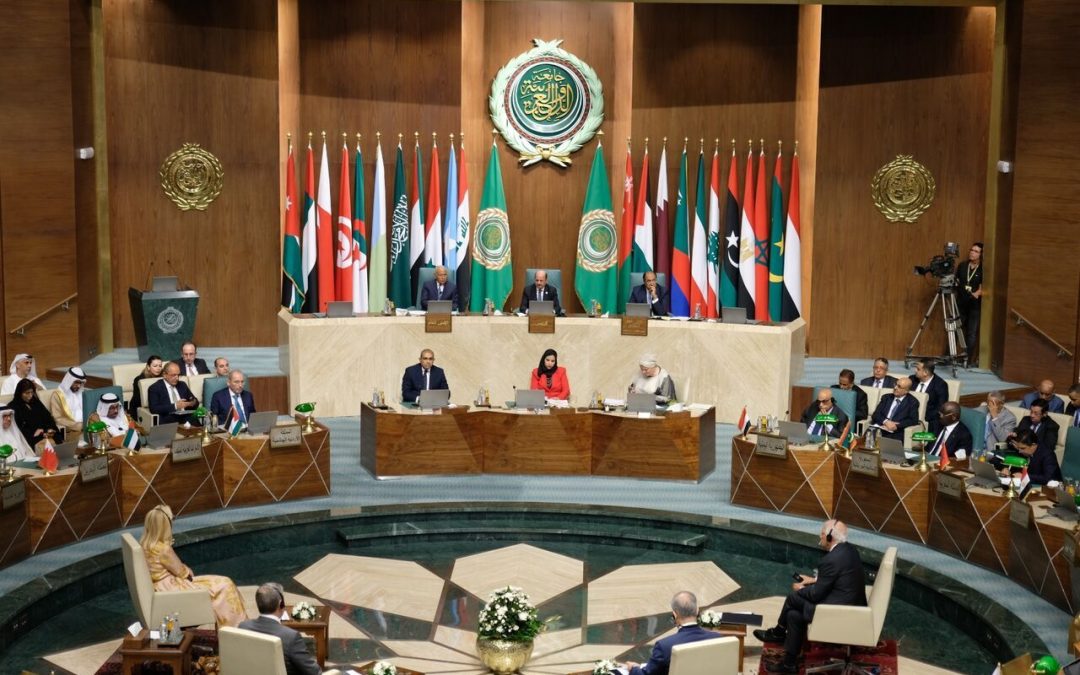
Strategic Council Online – Opinion: Egypt’s comprehensive plan for the reconstruction of Gaza, which was “unveiled” at the recent Arab League summit in Cairo, is the most important plan of the Arab countries in rebuilding Gaza that was approved at this meeting. To implement the proposed plan by Egypt, $53 billion in financial resources have been allocated, almost equal to the cost of rebuilding Gaza.

Reasons for Arab States’ Opposition to Trump’s Gaza Plan

Reasons for Arab States’ Opposition to Trump’s Gaza Plan

Strategic Council Online – Opinion: Egypt, Jordan, Saudi Arabia, the United Arab Emirates, Qatar, as well as the Palestinian Authority and the Arab League, in a meeting held in Cairo, issued a joint statement rejecting US President Donald Trump’s proposal to transfer Gaza residents to Egypt and Jordan.

Hamas’s Display of Power in Handing over Zionist Regime Prisoners

Hamas’s Display of Power in Handing over Zionist Regime Prisoners

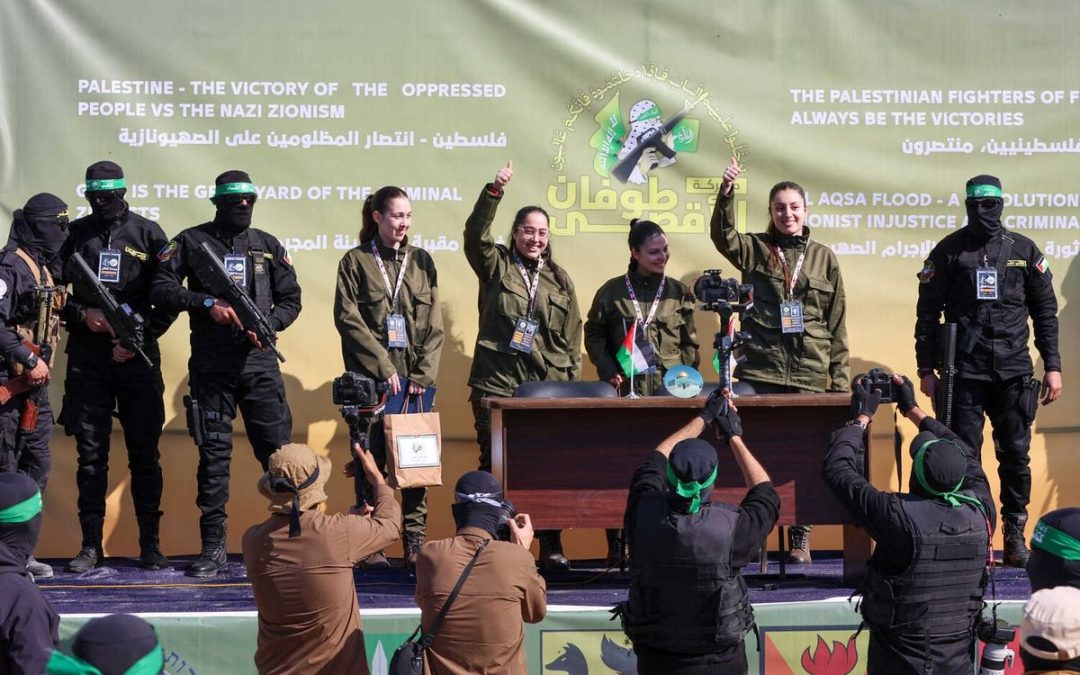
Strategic Council Online – Opinion: Hamas’s mastery and proficiency in “narrative-making” and new “psychological warfare” tactics go beyond imagination. In recent weeks, Hamas has practically turned the ceremony for the release of Zionist prisoners into a stage to prove its legitimacy and wage a soft war against the Zionist regime.

West’s Double Standards and Destruction of Foundations of the Rule of Law in International Criminal Law

West’s Double Standards and Destruction of Foundations of the Rule of Law in International Criminal Law

Strategic Council Online – Opinion: International criminal law, as one of the main pillars of the international system, is based on principles such as justice, equality before the law, and the fight against impunity. However, the behavior of some Western countries, especially towards the Zionist regime, indicates the application of double standards and the weakening of the foundations of the rule of law.

International Legal Consequences of Violating Lebanese Airspace at Nasrallah’s Funeral

International Legal Consequences of Violating Lebanese Airspace at Nasrallah’s Funeral

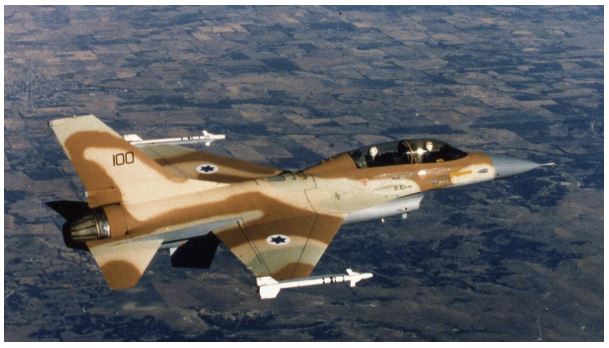
Strategic Council Online– Opinion: International law, as a set of rules and principles governing relations between states, always emphasizes the preservation of peace, security, and sovereignty of states. One of the fundamental principles of this legal system is respect for the territorial sovereignty of states and the prohibition of violating their territorial integrity without legal authorization.

أحدث الوظائف

The Makkah Pact; Reasons for its Formation and Challenges Ahead

SCFR Online – Opinion: The Makkah Pact, signed between Saudi Arabia, Pakistan, and Turkey under the motto “an attack on one is an attack on all,” is viewed by some analysts less as a full-fledged military coalition and more as an attempt to reduce security dependence on an external power and to establish a regional security mechanism.

Implications of the US-Saudi Nuclear Agreement

SCFR Online – Opinion: The new US-Saudi nuclear agreement, despite legal and political ambiguities, could alter previous non-proliferation standards in West Asia and intensify nuclear competition, ushering it into a new phase.

An Analysis of Recent Turkey-Israeli Regime Tensions

SCFR Online – Opinion: Recent developments in Syria indicate an intensification of strategic rivalry between Turkey and the Israeli regime, but mutual considerations and the role of the United States have limited the likelihood of direct war.

Increasing criticism of the extensive Zionist lobby network

SCFR Online – Opinion: An examination of the mechanisms of the Israeli regime’s influence in the United States depicts a complex picture of shared interests, strategic dependencies, and the limitations of this relationship.

Realities of the Tripartite Makkah Pact

SCFR Online – Interview: The signing of the Makkah agreement between Saudi Arabia, Pakistan, and Turkey has raised questions about the future of the region’s security structure and the position of these countries in West Asian equations. Can this agreement become a genuine collective defense mechanism, or does it have more of a political and deterrent function than creating new military capacity?

Loading

Zionist regime

Analysis: Egypt’s Approach to the Gaza Crisis

Analysis: Egypt’s Approach to the Gaza Crisis

Strategic Council Online Opinion: Egypt’s foreign policy towards West Asia, especially in matters related to Gaza, is influenced by complex strategic factors that include national security, relations with global powers, and the country’s role in regional developments.

Analysis of Egypt’s Plan for Reconstruction of Gaza

Analysis of Egypt’s Plan for Reconstruction of Gaza

Strategic Council Online – Opinion: Egypt’s comprehensive plan for the reconstruction of Gaza, which was “unveiled” at the recent Arab League summit in Cairo, is the most important plan of the Arab countries in rebuilding Gaza that was approved at this meeting. To implement the proposed plan by Egypt, $53 billion in financial resources have been allocated, almost equal to the cost of rebuilding Gaza.

Reasons for Arab States’ Opposition to Trump’s Gaza Plan

Reasons for Arab States’ Opposition to Trump’s Gaza Plan

Strategic Council Online – Opinion: Egypt, Jordan, Saudi Arabia, the United Arab Emirates, Qatar, as well as the Palestinian Authority and the Arab League, in a meeting held in Cairo, issued a joint statement rejecting US President Donald Trump’s proposal to transfer Gaza residents to Egypt and Jordan.

Hamas’s Display of Power in Handing over Zionist Regime Prisoners

Hamas’s Display of Power in Handing over Zionist Regime Prisoners

Strategic Council Online – Opinion: Hamas’s mastery and proficiency in “narrative-making” and new “psychological warfare” tactics go beyond imagination. In recent weeks, Hamas has practically turned the ceremony for the release of Zionist prisoners into a stage to prove its legitimacy and wage a soft war against the Zionist regime.

West’s Double Standards and Destruction of Foundations of the Rule of Law in International Criminal Law

West’s Double Standards and Destruction of Foundations of the Rule of Law in International Criminal Law

Strategic Council Online – Opinion: International criminal law, as one of the main pillars of the international system, is based on principles such as justice, equality before the law, and the fight against impunity. However, the behavior of some Western countries, especially towards the Zionist regime, indicates the application of double standards and the weakening of the foundations of the rule of law.

International Legal Consequences of Violating Lebanese Airspace at Nasrallah’s Funeral

International Legal Consequences of Violating Lebanese Airspace at Nasrallah’s Funeral

Strategic Council Online– Opinion: International law, as a set of rules and principles governing relations between states, always emphasizes the preservation of peace, security, and sovereignty of states. One of the fundamental principles of this legal system is respect for the territorial sovereignty of states and the prohibition of violating their territorial integrity without legal authorization.

Zionist regime

Analysis: Egypt’s Approach to the Gaza Crisis

Analysis: Egypt’s Approach to the Gaza Crisis

Strategic Council Online Opinion: Egypt’s foreign policy towards West Asia, especially in matters related to Gaza, is influenced by complex strategic factors that include national security, relations with global powers, and the country’s role in regional developments.

Analysis of Egypt’s Plan for Reconstruction of Gaza

Analysis of Egypt’s Plan for Reconstruction of Gaza

Strategic Council Online – Opinion: Egypt’s comprehensive plan for the reconstruction of Gaza, which was “unveiled” at the recent Arab League summit in Cairo, is the most important plan of the Arab countries in rebuilding Gaza that was approved at this meeting. To implement the proposed plan by Egypt, $53 billion in financial resources have been allocated, almost equal to the cost of rebuilding Gaza.

Reasons for Arab States’ Opposition to Trump’s Gaza Plan

Reasons for Arab States’ Opposition to Trump’s Gaza Plan

Strategic Council Online – Opinion: Egypt, Jordan, Saudi Arabia, the United Arab Emirates, Qatar, as well as the Palestinian Authority and the Arab League, in a meeting held in Cairo, issued a joint statement rejecting US President Donald Trump’s proposal to transfer Gaza residents to Egypt and Jordan.

Hamas’s Display of Power in Handing over Zionist Regime Prisoners

Hamas’s Display of Power in Handing over Zionist Regime Prisoners

Strategic Council Online – Opinion: Hamas’s mastery and proficiency in “narrative-making” and new “psychological warfare” tactics go beyond imagination. In recent weeks, Hamas has practically turned the ceremony for the release of Zionist prisoners into a stage to prove its legitimacy and wage a soft war against the Zionist regime.

West’s Double Standards and Destruction of Foundations of the Rule of Law in International Criminal Law

West’s Double Standards and Destruction of Foundations of the Rule of Law in International Criminal Law

Strategic Council Online – Opinion: International criminal law, as one of the main pillars of the international system, is based on principles such as justice, equality before the law, and the fight against impunity. However, the behavior of some Western countries, especially towards the Zionist regime, indicates the application of double standards and the weakening of the foundations of the rule of law.

International Legal Consequences of Violating Lebanese Airspace at Nasrallah’s Funeral

International Legal Consequences of Violating Lebanese Airspace at Nasrallah’s Funeral

Strategic Council Online– Opinion: International law, as a set of rules and principles governing relations between states, always emphasizes the preservation of peace, security, and sovereignty of states. One of the fundamental principles of this legal system is respect for the territorial sovereignty of states and the prohibition of violating their territorial integrity without legal authorization.

LATEST CONTENT

The Makkah Pact; Reasons for its Formation and Challenges Ahead

SCFR Online – Opinion: The Makkah Pact, signed between Saudi Arabia, Pakistan, and Turkey under the motto “an attack on one is an attack on all,” is viewed by some analysts less as a full-fledged military coalition and more as an attempt to reduce security dependence on an external power and to establish a regional security mechanism.

Implications of the US-Saudi Nuclear Agreement

SCFR Online – Opinion: The new US-Saudi nuclear agreement, despite legal and political ambiguities, could alter previous non-proliferation standards in West Asia and intensify nuclear competition, ushering it into a new phase.

An Analysis of Recent Turkey-Israeli Regime Tensions

SCFR Online – Opinion: Recent developments in Syria indicate an intensification of strategic rivalry between Turkey and the Israeli regime, but mutual considerations and the role of the United States have limited the likelihood of direct war.

Increasing criticism of the extensive Zionist lobby network

SCFR Online – Opinion: An examination of the mechanisms of the Israeli regime’s influence in the United States depicts a complex picture of shared interests, strategic dependencies, and the limitations of this relationship.

Realities of the Tripartite Makkah Pact

SCFR Online – Interview: The signing of the Makkah agreement between Saudi Arabia, Pakistan, and Turkey has raised questions about the future of the region’s security structure and the position of these countries in West Asian equations. Can this agreement become a genuine collective defense mechanism, or does it have more of a political and deterrent function than creating new military capacity?

Loading

Zionist regime

Analysis: Egypt’s Approach to the Gaza Crisis

Analysis: Egypt’s Approach to the Gaza Crisis

Strategic Council Online Opinion: Egypt’s foreign policy towards West Asia, especially in matters related to Gaza, is influenced by complex strategic factors that include national security, relations with global powers, and the country’s role in regional developments.

Analysis of Egypt’s Plan for Reconstruction of Gaza

Analysis of Egypt’s Plan for Reconstruction of Gaza

Strategic Council Online – Opinion: Egypt’s comprehensive plan for the reconstruction of Gaza, which was “unveiled” at the recent Arab League summit in Cairo, is the most important plan of the Arab countries in rebuilding Gaza that was approved at this meeting. To implement the proposed plan by Egypt, $53 billion in financial resources have been allocated, almost equal to the cost of rebuilding Gaza.

Reasons for Arab States’ Opposition to Trump’s Gaza Plan

Reasons for Arab States’ Opposition to Trump’s Gaza Plan

Strategic Council Online – Opinion: Egypt, Jordan, Saudi Arabia, the United Arab Emirates, Qatar, as well as the Palestinian Authority and the Arab League, in a meeting held in Cairo, issued a joint statement rejecting US President Donald Trump’s proposal to transfer Gaza residents to Egypt and Jordan.

Hamas’s Display of Power in Handing over Zionist Regime Prisoners

Hamas’s Display of Power in Handing over Zionist Regime Prisoners

Strategic Council Online – Opinion: Hamas’s mastery and proficiency in “narrative-making” and new “psychological warfare” tactics go beyond imagination. In recent weeks, Hamas has practically turned the ceremony for the release of Zionist prisoners into a stage to prove its legitimacy and wage a soft war against the Zionist regime.

West’s Double Standards and Destruction of Foundations of the Rule of Law in International Criminal Law

West’s Double Standards and Destruction of Foundations of the Rule of Law in International Criminal Law

Strategic Council Online – Opinion: International criminal law, as one of the main pillars of the international system, is based on principles such as justice, equality before the law, and the fight against impunity. However, the behavior of some Western countries, especially towards the Zionist regime, indicates the application of double standards and the weakening of the foundations of the rule of law.

International Legal Consequences of Violating Lebanese Airspace at Nasrallah’s Funeral

International Legal Consequences of Violating Lebanese Airspace at Nasrallah’s Funeral

Strategic Council Online– Opinion: International law, as a set of rules and principles governing relations between states, always emphasizes the preservation of peace, security, and sovereignty of states. One of the fundamental principles of this legal system is respect for the territorial sovereignty of states and the prohibition of violating their territorial integrity without legal authorization.

ÚLTIMAS PUBLICACIONES

The Makkah Pact; Reasons for its Formation and Challenges Ahead

SCFR Online – Opinion: The Makkah Pact, signed between Saudi Arabia, Pakistan, and Turkey under the motto “an attack on one is an attack on all,” is viewed by some analysts less as a full-fledged military coalition and more as an attempt to reduce security dependence on an external power and to establish a regional security mechanism.

Implications of the US-Saudi Nuclear Agreement

SCFR Online – Opinion: The new US-Saudi nuclear agreement, despite legal and political ambiguities, could alter previous non-proliferation standards in West Asia and intensify nuclear competition, ushering it into a new phase.

An Analysis of Recent Turkey-Israeli Regime Tensions

SCFR Online – Opinion: Recent developments in Syria indicate an intensification of strategic rivalry between Turkey and the Israeli regime, but mutual considerations and the role of the United States have limited the likelihood of direct war.

Increasing criticism of the extensive Zionist lobby network

SCFR Online – Opinion: An examination of the mechanisms of the Israeli regime’s influence in the United States depicts a complex picture of shared interests, strategic dependencies, and the limitations of this relationship.

Realities of the Tripartite Makkah Pact

SCFR Online – Interview: The signing of the Makkah agreement between Saudi Arabia, Pakistan, and Turkey has raised questions about the future of the region’s security structure and the position of these countries in West Asian equations. Can this agreement become a genuine collective defense mechanism, or does it have more of a political and deterrent function than creating new military capacity?

Loading

Zionist regime

Analysis: Egypt’s Approach to the Gaza Crisis

Analysis: Egypt’s Approach to the Gaza Crisis

Strategic Council Online Opinion: Egypt’s foreign policy towards West Asia, especially in matters related to Gaza, is influenced by complex strategic factors that include national security, relations with global powers, and the country’s role in regional developments.

Analysis of Egypt’s Plan for Reconstruction of Gaza

Analysis of Egypt’s Plan for Reconstruction of Gaza

Strategic Council Online – Opinion: Egypt’s comprehensive plan for the reconstruction of Gaza, which was “unveiled” at the recent Arab League summit in Cairo, is the most important plan of the Arab countries in rebuilding Gaza that was approved at this meeting. To implement the proposed plan by Egypt, $53 billion in financial resources have been allocated, almost equal to the cost of rebuilding Gaza.

Reasons for Arab States’ Opposition to Trump’s Gaza Plan

Reasons for Arab States’ Opposition to Trump’s Gaza Plan

Strategic Council Online – Opinion: Egypt, Jordan, Saudi Arabia, the United Arab Emirates, Qatar, as well as the Palestinian Authority and the Arab League, in a meeting held in Cairo, issued a joint statement rejecting US President Donald Trump’s proposal to transfer Gaza residents to Egypt and Jordan.

Hamas’s Display of Power in Handing over Zionist Regime Prisoners

Hamas’s Display of Power in Handing over Zionist Regime Prisoners

Strategic Council Online – Opinion: Hamas’s mastery and proficiency in “narrative-making” and new “psychological warfare” tactics go beyond imagination. In recent weeks, Hamas has practically turned the ceremony for the release of Zionist prisoners into a stage to prove its legitimacy and wage a soft war against the Zionist regime.

West’s Double Standards and Destruction of Foundations of the Rule of Law in International Criminal Law

West’s Double Standards and Destruction of Foundations of the Rule of Law in International Criminal Law

Strategic Council Online – Opinion: International criminal law, as one of the main pillars of the international system, is based on principles such as justice, equality before the law, and the fight against impunity. However, the behavior of some Western countries, especially towards the Zionist regime, indicates the application of double standards and the weakening of the foundations of the rule of law.

International Legal Consequences of Violating Lebanese Airspace at Nasrallah’s Funeral

International Legal Consequences of Violating Lebanese Airspace at Nasrallah’s Funeral

Strategic Council Online– Opinion: International law, as a set of rules and principles governing relations between states, always emphasizes the preservation of peace, security, and sovereignty of states. One of the fundamental principles of this legal system is respect for the territorial sovereignty of states and the prohibition of violating their territorial integrity without legal authorization.

ÚLTIMAS PUBLICACIONES

The Makkah Pact; Reasons for its Formation and Challenges Ahead

SCFR Online – Opinion: The Makkah Pact, signed between Saudi Arabia, Pakistan, and Turkey under the motto “an attack on one is an attack on all,” is viewed by some analysts less as a full-fledged military coalition and more as an attempt to reduce security dependence on an external power and to establish a regional security mechanism.

Implications of the US-Saudi Nuclear Agreement

SCFR Online – Opinion: The new US-Saudi nuclear agreement, despite legal and political ambiguities, could alter previous non-proliferation standards in West Asia and intensify nuclear competition, ushering it into a new phase.

An Analysis of Recent Turkey-Israeli Regime Tensions

SCFR Online – Opinion: Recent developments in Syria indicate an intensification of strategic rivalry between Turkey and the Israeli regime, but mutual considerations and the role of the United States have limited the likelihood of direct war.

Increasing criticism of the extensive Zionist lobby network

SCFR Online – Opinion: An examination of the mechanisms of the Israeli regime’s influence in the United States depicts a complex picture of shared interests, strategic dependencies, and the limitations of this relationship.

Realities of the Tripartite Makkah Pact

SCFR Online – Interview: The signing of the Makkah agreement between Saudi Arabia, Pakistan, and Turkey has raised questions about the future of the region’s security structure and the position of these countries in West Asian equations. Can this agreement become a genuine collective defense mechanism, or does it have more of a political and deterrent function than creating new military capacity?

Loading

Zionist regime

Analysis: Egypt’s Approach to the Gaza Crisis

Analysis: Egypt’s Approach to the Gaza Crisis

Strategic Council Online Opinion: Egypt’s foreign policy towards West Asia, especially in matters related to Gaza, is influenced by complex strategic factors that include national security, relations with global powers, and the country’s role in regional developments.

Analysis of Egypt’s Plan for Reconstruction of Gaza

Analysis of Egypt’s Plan for Reconstruction of Gaza

Strategic Council Online – Opinion: Egypt’s comprehensive plan for the reconstruction of Gaza, which was “unveiled” at the recent Arab League summit in Cairo, is the most important plan of the Arab countries in rebuilding Gaza that was approved at this meeting. To implement the proposed plan by Egypt, $53 billion in financial resources have been allocated, almost equal to the cost of rebuilding Gaza.

Reasons for Arab States’ Opposition to Trump’s Gaza Plan

Reasons for Arab States’ Opposition to Trump’s Gaza Plan

Strategic Council Online – Opinion: Egypt, Jordan, Saudi Arabia, the United Arab Emirates, Qatar, as well as the Palestinian Authority and the Arab League, in a meeting held in Cairo, issued a joint statement rejecting US President Donald Trump’s proposal to transfer Gaza residents to Egypt and Jordan.

Hamas’s Display of Power in Handing over Zionist Regime Prisoners

Hamas’s Display of Power in Handing over Zionist Regime Prisoners

Strategic Council Online – Opinion: Hamas’s mastery and proficiency in “narrative-making” and new “psychological warfare” tactics go beyond imagination. In recent weeks, Hamas has practically turned the ceremony for the release of Zionist prisoners into a stage to prove its legitimacy and wage a soft war against the Zionist regime.

West’s Double Standards and Destruction of Foundations of the Rule of Law in International Criminal Law

West’s Double Standards and Destruction of Foundations of the Rule of Law in International Criminal Law

Strategic Council Online – Opinion: International criminal law, as one of the main pillars of the international system, is based on principles such as justice, equality before the law, and the fight against impunity. However, the behavior of some Western countries, especially towards the Zionist regime, indicates the application of double standards and the weakening of the foundations of the rule of law.

International Legal Consequences of Violating Lebanese Airspace at Nasrallah’s Funeral

International Legal Consequences of Violating Lebanese Airspace at Nasrallah’s Funeral

Strategic Council Online– Opinion: International law, as a set of rules and principles governing relations between states, always emphasizes the preservation of peace, security, and sovereignty of states. One of the fundamental principles of this legal system is respect for the territorial sovereignty of states and the prohibition of violating their territorial integrity without legal authorization.

ÚLTIMAS PUBLICACIONES

The Makkah Pact; Reasons for its Formation and Challenges Ahead

SCFR Online – Opinion: The Makkah Pact, signed between Saudi Arabia, Pakistan, and Turkey under the motto “an attack on one is an attack on all,” is viewed by some analysts less as a full-fledged military coalition and more as an attempt to reduce security dependence on an external power and to establish a regional security mechanism.

Implications of the US-Saudi Nuclear Agreement

SCFR Online – Opinion: The new US-Saudi nuclear agreement, despite legal and political ambiguities, could alter previous non-proliferation standards in West Asia and intensify nuclear competition, ushering it into a new phase.

An Analysis of Recent Turkey-Israeli Regime Tensions

SCFR Online – Opinion: Recent developments in Syria indicate an intensification of strategic rivalry between Turkey and the Israeli regime, but mutual considerations and the role of the United States have limited the likelihood of direct war.

Increasing criticism of the extensive Zionist lobby network

SCFR Online – Opinion: An examination of the mechanisms of the Israeli regime’s influence in the United States depicts a complex picture of shared interests, strategic dependencies, and the limitations of this relationship.

Realities of the Tripartite Makkah Pact

SCFR Online – Interview: The signing of the Makkah agreement between Saudi Arabia, Pakistan, and Turkey has raised questions about the future of the region’s security structure and the position of these countries in West Asian equations. Can this agreement become a genuine collective defense mechanism, or does it have more of a political and deterrent function than creating new military capacity?

Loading

Zionist regime

Analysis: Egypt’s Approach to the Gaza Crisis

Analysis: Egypt’s Approach to the Gaza Crisis

Strategic Council Online Opinion: Egypt’s foreign policy towards West Asia, especially in matters related to Gaza, is influenced by complex strategic factors that include national security, relations with global powers, and the country’s role in regional developments.

Analysis of Egypt’s Plan for Reconstruction of Gaza

Analysis of Egypt’s Plan for Reconstruction of Gaza

Strategic Council Online – Opinion: Egypt’s comprehensive plan for the reconstruction of Gaza, which was “unveiled” at the recent Arab League summit in Cairo, is the most important plan of the Arab countries in rebuilding Gaza that was approved at this meeting. To implement the proposed plan by Egypt, $53 billion in financial resources have been allocated, almost equal to the cost of rebuilding Gaza.

Reasons for Arab States’ Opposition to Trump’s Gaza Plan

Reasons for Arab States’ Opposition to Trump’s Gaza Plan

Strategic Council Online – Opinion: Egypt, Jordan, Saudi Arabia, the United Arab Emirates, Qatar, as well as the Palestinian Authority and the Arab League, in a meeting held in Cairo, issued a joint statement rejecting US President Donald Trump’s proposal to transfer Gaza residents to Egypt and Jordan.

Hamas’s Display of Power in Handing over Zionist Regime Prisoners

Hamas’s Display of Power in Handing over Zionist Regime Prisoners

Strategic Council Online – Opinion: Hamas’s mastery and proficiency in “narrative-making” and new “psychological warfare” tactics go beyond imagination. In recent weeks, Hamas has practically turned the ceremony for the release of Zionist prisoners into a stage to prove its legitimacy and wage a soft war against the Zionist regime.

West’s Double Standards and Destruction of Foundations of the Rule of Law in International Criminal Law

West’s Double Standards and Destruction of Foundations of the Rule of Law in International Criminal Law

Strategic Council Online – Opinion: International criminal law, as one of the main pillars of the international system, is based on principles such as justice, equality before the law, and the fight against impunity. However, the behavior of some Western countries, especially towards the Zionist regime, indicates the application of double standards and the weakening of the foundations of the rule of law.

International Legal Consequences of Violating Lebanese Airspace at Nasrallah’s Funeral

International Legal Consequences of Violating Lebanese Airspace at Nasrallah’s Funeral

Strategic Council Online– Opinion: International law, as a set of rules and principles governing relations between states, always emphasizes the preservation of peace, security, and sovereignty of states. One of the fundamental principles of this legal system is respect for the territorial sovereignty of states and the prohibition of violating their territorial integrity without legal authorization.

ÚLTIMAS PUBLICACIONES

The Makkah Pact; Reasons for its Formation and Challenges Ahead

SCFR Online – Opinion: The Makkah Pact, signed between Saudi Arabia, Pakistan, and Turkey under the motto “an attack on one is an attack on all,” is viewed by some analysts less as a full-fledged military coalition and more as an attempt to reduce security dependence on an external power and to establish a regional security mechanism.

Implications of the US-Saudi Nuclear Agreement

SCFR Online – Opinion: The new US-Saudi nuclear agreement, despite legal and political ambiguities, could alter previous non-proliferation standards in West Asia and intensify nuclear competition, ushering it into a new phase.

An Analysis of Recent Turkey-Israeli Regime Tensions

SCFR Online – Opinion: Recent developments in Syria indicate an intensification of strategic rivalry between Turkey and the Israeli regime, but mutual considerations and the role of the United States have limited the likelihood of direct war.

Increasing criticism of the extensive Zionist lobby network

SCFR Online – Opinion: An examination of the mechanisms of the Israeli regime’s influence in the United States depicts a complex picture of shared interests, strategic dependencies, and the limitations of this relationship.

Realities of the Tripartite Makkah Pact

SCFR Online – Interview: The signing of the Makkah agreement between Saudi Arabia, Pakistan, and Turkey has raised questions about the future of the region’s security structure and the position of these countries in West Asian equations. Can this agreement become a genuine collective defense mechanism, or does it have more of a political and deterrent function than creating new military capacity?

Loading