جدیدترین مطالب

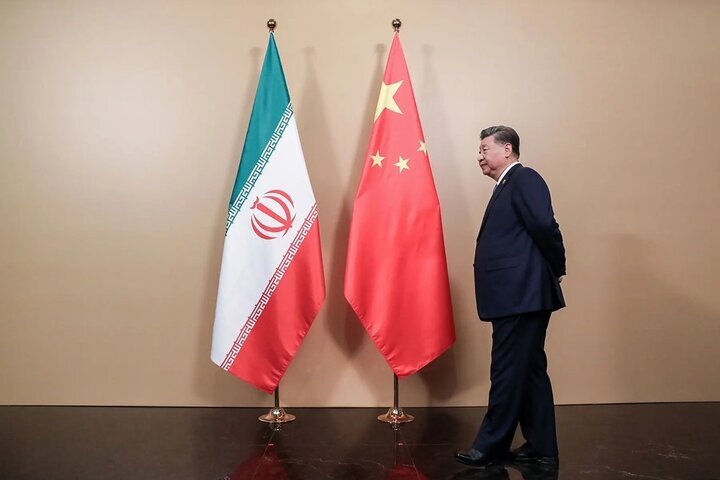
China’s Rejection of US Sanctions; Strengthening Iran’s Geopolitical Leverage

SCFR Online – Opinion: Concurrent with the official commencement of the United States’ economic war against our country, focusing on sanctions instruments, isolation, and economic pressure, what has now become increasingly important is the lack of alignment of other major global powers, especially China, with this policy.

The Makkah Pact; Reasons for its Formation and Challenges Ahead

SCFR Online – Opinion: The Makkah Pact, signed between Saudi Arabia, Pakistan, and Turkey under the motto “an attack on one is an attack on all,” is viewed by some analysts less as a full-fledged military coalition and more as an attempt to reduce security dependence on an external power and to establish a regional security mechanism.

Implications of the US-Saudi Nuclear Agreement

SCFR Online – Opinion: The new US-Saudi nuclear agreement, despite legal and political ambiguities, could alter previous non-proliferation standards in West Asia and intensify nuclear competition, ushering it into a new phase.

An Analysis of Recent Turkey-Israeli Regime Tensions

SCFR Online – Opinion: Recent developments in Syria indicate an intensification of strategic rivalry between Turkey and the Israeli regime, but mutual considerations and the role of the United States have limited the likelihood of direct war.

Loading

محمد مهدی مظاهری

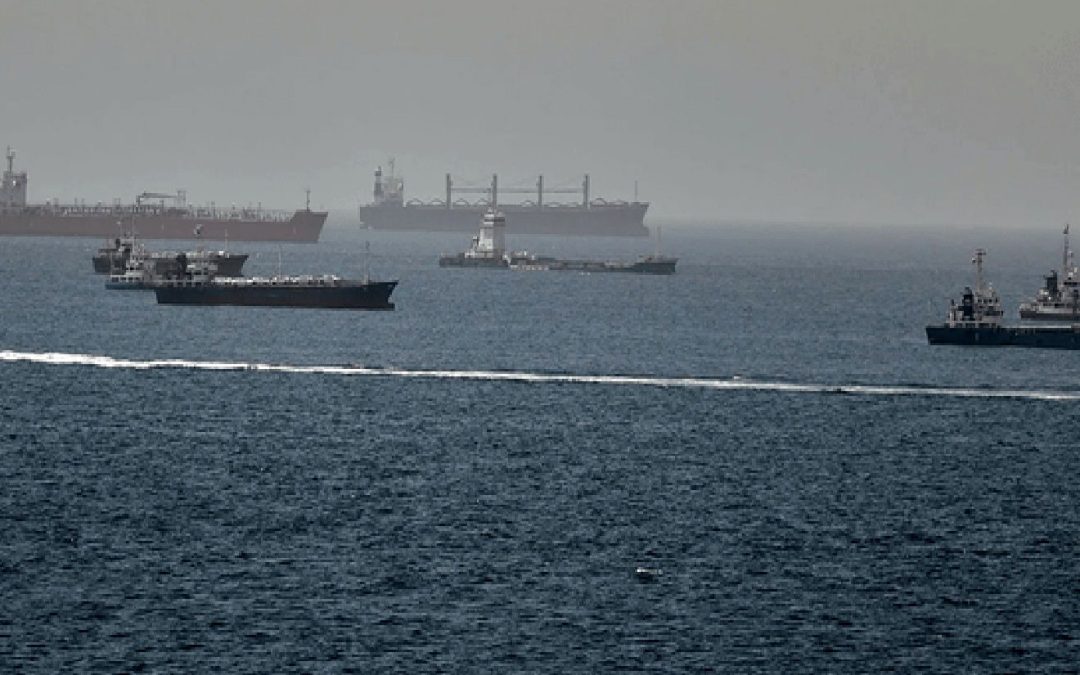
Balancing in the chain of chokepoints; from sea-based deterrence to pluralistic diplomacy

Balancing in the chain of chokepoints; from sea-based deterrence to pluralistic diplomacy

Strategic Council Online – Note: Recent developments in the political geography of West Asia, from rising tensions in the Persian Gulf to missile and drone activities in the Red Sea and the recent warning by Kaja Kallas, the European Union’s foreign policy chief, regarding the threat to freedom of navigation, indicate a key pattern shift; the US-Iran war has moved beyond the scope of a regional and local confrontation and has linked two vital passageways for the global economy: the Strait of Hormuz and the Bab el-Mandeb Strait.

An Evil Alliance to Launch a Regional War

An Evil Alliance to Launch a Regional War

Strategic Council Online – Opinion: Since the beginning of the Israeli regime’s attack on the Gaza Strip, one of the primary and serious concerns surrounding it was the shaping of a comprehensive and regional war involving various countries in West Asia and international powers supporting the multiple sides of the war. Of course, the concern of all regional actors about this all-encompassing war was not and is not the same. While Lebanon’s Hezbollah and the Islamic Republic of Iran have always tried to manage tensions and avoid engaging in a large-scale war desired by the Zionist regime, the current criminal and rebellious actor in the region, the Israeli regime, who apparently has been granted authorization by the world powers for any action to maintain its security, has other motives in mind.

Reasons for Shaping Al-Aqsa Storm; Upcoming Scenarios

Reasons for Shaping Al-Aqsa Storm; Upcoming Scenarios

Strategic Council Online – Opinion: In a situation where, in recent months, the United States made extensive efforts to establish relations between Saudi Arabia and the Zionist regime, and a few Arab governments in the region also started their relations with Tel Aviv, on the anniversary of Yom Kippur War, the surprise and large-scale attack by Hamas forces on occupied territories were carried out under the codename “Al-Aqsa Storm” and by launching five thousand rockets to nearby Jewish settlements and some areas in the center of Israel. In the meantime, Hamas forces entered the areas occupied by the Israelis – an attack that caught the world by surprise and overshadowed other important crises and wars, such as the Russia-Ukraine war and the Karabakh crisis.
Dr. Mohammad Mehdi Mazaheri – University professor

What Is Russia Looking for in Persian Gulf?

What Is Russia Looking for in Persian Gulf?

Strategic Council Online – Opinion: After the Russia’s military strike against Ukraine in early months of 2022, many international observers and analysts thought that the Arab countries of the Persian Gulf, due to their proximity to the United States and Western countries, would immediately condemn the attack and would join the camp of the West, but the speculations did not turn out to be correct.
Dr. Mohammad Mahdi Mazaheri – University professor

أحدث الوظائف

China’s Rejection of US Sanctions; Strengthening Iran’s Geopolitical Leverage

SCFR Online – Opinion: Concurrent with the official commencement of the United States’ economic war against our country, focusing on sanctions instruments, isolation, and economic pressure, what has now become increasingly important is the lack of alignment of other major global powers, especially China, with this policy.

The Makkah Pact; Reasons for its Formation and Challenges Ahead

SCFR Online – Opinion: The Makkah Pact, signed between Saudi Arabia, Pakistan, and Turkey under the motto “an attack on one is an attack on all,” is viewed by some analysts less as a full-fledged military coalition and more as an attempt to reduce security dependence on an external power and to establish a regional security mechanism.

Implications of the US-Saudi Nuclear Agreement

SCFR Online – Opinion: The new US-Saudi nuclear agreement, despite legal and political ambiguities, could alter previous non-proliferation standards in West Asia and intensify nuclear competition, ushering it into a new phase.

An Analysis of Recent Turkey-Israeli Regime Tensions

SCFR Online – Opinion: Recent developments in Syria indicate an intensification of strategic rivalry between Turkey and the Israeli regime, but mutual considerations and the role of the United States have limited the likelihood of direct war.

Loading

محمد مهدی مظاهری

Balancing in the chain of chokepoints; from sea-based deterrence to pluralistic diplomacy

Balancing in the chain of chokepoints; from sea-based deterrence to pluralistic diplomacy

Strategic Council Online – Note: Recent developments in the political geography of West Asia, from rising tensions in the Persian Gulf to missile and drone activities in the Red Sea and the recent warning by Kaja Kallas, the European Union’s foreign policy chief, regarding the threat to freedom of navigation, indicate a key pattern shift; the US-Iran war has moved beyond the scope of a regional and local confrontation and has linked two vital passageways for the global economy: the Strait of Hormuz and the Bab el-Mandeb Strait.

An Evil Alliance to Launch a Regional War

An Evil Alliance to Launch a Regional War

Strategic Council Online – Opinion: Since the beginning of the Israeli regime’s attack on the Gaza Strip, one of the primary and serious concerns surrounding it was the shaping of a comprehensive and regional war involving various countries in West Asia and international powers supporting the multiple sides of the war. Of course, the concern of all regional actors about this all-encompassing war was not and is not the same. While Lebanon’s Hezbollah and the Islamic Republic of Iran have always tried to manage tensions and avoid engaging in a large-scale war desired by the Zionist regime, the current criminal and rebellious actor in the region, the Israeli regime, who apparently has been granted authorization by the world powers for any action to maintain its security, has other motives in mind.

Reasons for Shaping Al-Aqsa Storm; Upcoming Scenarios

Reasons for Shaping Al-Aqsa Storm; Upcoming Scenarios

Strategic Council Online – Opinion: In a situation where, in recent months, the United States made extensive efforts to establish relations between Saudi Arabia and the Zionist regime, and a few Arab governments in the region also started their relations with Tel Aviv, on the anniversary of Yom Kippur War, the surprise and large-scale attack by Hamas forces on occupied territories were carried out under the codename “Al-Aqsa Storm” and by launching five thousand rockets to nearby Jewish settlements and some areas in the center of Israel. In the meantime, Hamas forces entered the areas occupied by the Israelis – an attack that caught the world by surprise and overshadowed other important crises and wars, such as the Russia-Ukraine war and the Karabakh crisis.
Dr. Mohammad Mehdi Mazaheri – University professor

What Is Russia Looking for in Persian Gulf?

What Is Russia Looking for in Persian Gulf?

Strategic Council Online – Opinion: After the Russia’s military strike against Ukraine in early months of 2022, many international observers and analysts thought that the Arab countries of the Persian Gulf, due to their proximity to the United States and Western countries, would immediately condemn the attack and would join the camp of the West, but the speculations did not turn out to be correct.
Dr. Mohammad Mahdi Mazaheri – University professor

محمد مهدی مظاهری

Balancing in the chain of chokepoints; from sea-based deterrence to pluralistic diplomacy

Balancing in the chain of chokepoints; from sea-based deterrence to pluralistic diplomacy

Strategic Council Online – Note: Recent developments in the political geography of West Asia, from rising tensions in the Persian Gulf to missile and drone activities in the Red Sea and the recent warning by Kaja Kallas, the European Union’s foreign policy chief, regarding the threat to freedom of navigation, indicate a key pattern shift; the US-Iran war has moved beyond the scope of a regional and local confrontation and has linked two vital passageways for the global economy: the Strait of Hormuz and the Bab el-Mandeb Strait.

An Evil Alliance to Launch a Regional War

An Evil Alliance to Launch a Regional War

Strategic Council Online – Opinion: Since the beginning of the Israeli regime’s attack on the Gaza Strip, one of the primary and serious concerns surrounding it was the shaping of a comprehensive and regional war involving various countries in West Asia and international powers supporting the multiple sides of the war. Of course, the concern of all regional actors about this all-encompassing war was not and is not the same. While Lebanon’s Hezbollah and the Islamic Republic of Iran have always tried to manage tensions and avoid engaging in a large-scale war desired by the Zionist regime, the current criminal and rebellious actor in the region, the Israeli regime, who apparently has been granted authorization by the world powers for any action to maintain its security, has other motives in mind.

Reasons for Shaping Al-Aqsa Storm; Upcoming Scenarios

Reasons for Shaping Al-Aqsa Storm; Upcoming Scenarios

Strategic Council Online – Opinion: In a situation where, in recent months, the United States made extensive efforts to establish relations between Saudi Arabia and the Zionist regime, and a few Arab governments in the region also started their relations with Tel Aviv, on the anniversary of Yom Kippur War, the surprise and large-scale attack by Hamas forces on occupied territories were carried out under the codename “Al-Aqsa Storm” and by launching five thousand rockets to nearby Jewish settlements and some areas in the center of Israel. In the meantime, Hamas forces entered the areas occupied by the Israelis – an attack that caught the world by surprise and overshadowed other important crises and wars, such as the Russia-Ukraine war and the Karabakh crisis.
Dr. Mohammad Mehdi Mazaheri – University professor

What Is Russia Looking for in Persian Gulf?

What Is Russia Looking for in Persian Gulf?

Strategic Council Online – Opinion: After the Russia’s military strike against Ukraine in early months of 2022, many international observers and analysts thought that the Arab countries of the Persian Gulf, due to their proximity to the United States and Western countries, would immediately condemn the attack and would join the camp of the West, but the speculations did not turn out to be correct.
Dr. Mohammad Mahdi Mazaheri – University professor

LATEST CONTENT

China’s Rejection of US Sanctions; Strengthening Iran’s Geopolitical Leverage

SCFR Online – Opinion: Concurrent with the official commencement of the United States’ economic war against our country, focusing on sanctions instruments, isolation, and economic pressure, what has now become increasingly important is the lack of alignment of other major global powers, especially China, with this policy.

The Makkah Pact; Reasons for its Formation and Challenges Ahead

SCFR Online – Opinion: The Makkah Pact, signed between Saudi Arabia, Pakistan, and Turkey under the motto “an attack on one is an attack on all,” is viewed by some analysts less as a full-fledged military coalition and more as an attempt to reduce security dependence on an external power and to establish a regional security mechanism.

Implications of the US-Saudi Nuclear Agreement

SCFR Online – Opinion: The new US-Saudi nuclear agreement, despite legal and political ambiguities, could alter previous non-proliferation standards in West Asia and intensify nuclear competition, ushering it into a new phase.

An Analysis of Recent Turkey-Israeli Regime Tensions

SCFR Online – Opinion: Recent developments in Syria indicate an intensification of strategic rivalry between Turkey and the Israeli regime, but mutual considerations and the role of the United States have limited the likelihood of direct war.

Loading

محمد مهدی مظاهری

Balancing in the chain of chokepoints; from sea-based deterrence to pluralistic diplomacy

Balancing in the chain of chokepoints; from sea-based deterrence to pluralistic diplomacy

Strategic Council Online – Note: Recent developments in the political geography of West Asia, from rising tensions in the Persian Gulf to missile and drone activities in the Red Sea and the recent warning by Kaja Kallas, the European Union’s foreign policy chief, regarding the threat to freedom of navigation, indicate a key pattern shift; the US-Iran war has moved beyond the scope of a regional and local confrontation and has linked two vital passageways for the global economy: the Strait of Hormuz and the Bab el-Mandeb Strait.

An Evil Alliance to Launch a Regional War

An Evil Alliance to Launch a Regional War

Strategic Council Online – Opinion: Since the beginning of the Israeli regime’s attack on the Gaza Strip, one of the primary and serious concerns surrounding it was the shaping of a comprehensive and regional war involving various countries in West Asia and international powers supporting the multiple sides of the war. Of course, the concern of all regional actors about this all-encompassing war was not and is not the same. While Lebanon’s Hezbollah and the Islamic Republic of Iran have always tried to manage tensions and avoid engaging in a large-scale war desired by the Zionist regime, the current criminal and rebellious actor in the region, the Israeli regime, who apparently has been granted authorization by the world powers for any action to maintain its security, has other motives in mind.

Reasons for Shaping Al-Aqsa Storm; Upcoming Scenarios

Reasons for Shaping Al-Aqsa Storm; Upcoming Scenarios

Strategic Council Online – Opinion: In a situation where, in recent months, the United States made extensive efforts to establish relations between Saudi Arabia and the Zionist regime, and a few Arab governments in the region also started their relations with Tel Aviv, on the anniversary of Yom Kippur War, the surprise and large-scale attack by Hamas forces on occupied territories were carried out under the codename “Al-Aqsa Storm” and by launching five thousand rockets to nearby Jewish settlements and some areas in the center of Israel. In the meantime, Hamas forces entered the areas occupied by the Israelis – an attack that caught the world by surprise and overshadowed other important crises and wars, such as the Russia-Ukraine war and the Karabakh crisis.
Dr. Mohammad Mehdi Mazaheri – University professor

What Is Russia Looking for in Persian Gulf?

What Is Russia Looking for in Persian Gulf?

Strategic Council Online – Opinion: After the Russia’s military strike against Ukraine in early months of 2022, many international observers and analysts thought that the Arab countries of the Persian Gulf, due to their proximity to the United States and Western countries, would immediately condemn the attack and would join the camp of the West, but the speculations did not turn out to be correct.
Dr. Mohammad Mahdi Mazaheri – University professor

ÚLTIMAS PUBLICACIONES

China’s Rejection of US Sanctions; Strengthening Iran’s Geopolitical Leverage

SCFR Online – Opinion: Concurrent with the official commencement of the United States’ economic war against our country, focusing on sanctions instruments, isolation, and economic pressure, what has now become increasingly important is the lack of alignment of other major global powers, especially China, with this policy.

The Makkah Pact; Reasons for its Formation and Challenges Ahead

SCFR Online – Opinion: The Makkah Pact, signed between Saudi Arabia, Pakistan, and Turkey under the motto “an attack on one is an attack on all,” is viewed by some analysts less as a full-fledged military coalition and more as an attempt to reduce security dependence on an external power and to establish a regional security mechanism.

Implications of the US-Saudi Nuclear Agreement

SCFR Online – Opinion: The new US-Saudi nuclear agreement, despite legal and political ambiguities, could alter previous non-proliferation standards in West Asia and intensify nuclear competition, ushering it into a new phase.

An Analysis of Recent Turkey-Israeli Regime Tensions

SCFR Online – Opinion: Recent developments in Syria indicate an intensification of strategic rivalry between Turkey and the Israeli regime, but mutual considerations and the role of the United States have limited the likelihood of direct war.

Loading

محمد مهدی مظاهری

Balancing in the chain of chokepoints; from sea-based deterrence to pluralistic diplomacy

Balancing in the chain of chokepoints; from sea-based deterrence to pluralistic diplomacy

Strategic Council Online – Note: Recent developments in the political geography of West Asia, from rising tensions in the Persian Gulf to missile and drone activities in the Red Sea and the recent warning by Kaja Kallas, the European Union’s foreign policy chief, regarding the threat to freedom of navigation, indicate a key pattern shift; the US-Iran war has moved beyond the scope of a regional and local confrontation and has linked two vital passageways for the global economy: the Strait of Hormuz and the Bab el-Mandeb Strait.

An Evil Alliance to Launch a Regional War

An Evil Alliance to Launch a Regional War

Strategic Council Online – Opinion: Since the beginning of the Israeli regime’s attack on the Gaza Strip, one of the primary and serious concerns surrounding it was the shaping of a comprehensive and regional war involving various countries in West Asia and international powers supporting the multiple sides of the war. Of course, the concern of all regional actors about this all-encompassing war was not and is not the same. While Lebanon’s Hezbollah and the Islamic Republic of Iran have always tried to manage tensions and avoid engaging in a large-scale war desired by the Zionist regime, the current criminal and rebellious actor in the region, the Israeli regime, who apparently has been granted authorization by the world powers for any action to maintain its security, has other motives in mind.

Reasons for Shaping Al-Aqsa Storm; Upcoming Scenarios

Reasons for Shaping Al-Aqsa Storm; Upcoming Scenarios

Strategic Council Online – Opinion: In a situation where, in recent months, the United States made extensive efforts to establish relations between Saudi Arabia and the Zionist regime, and a few Arab governments in the region also started their relations with Tel Aviv, on the anniversary of Yom Kippur War, the surprise and large-scale attack by Hamas forces on occupied territories were carried out under the codename “Al-Aqsa Storm” and by launching five thousand rockets to nearby Jewish settlements and some areas in the center of Israel. In the meantime, Hamas forces entered the areas occupied by the Israelis – an attack that caught the world by surprise and overshadowed other important crises and wars, such as the Russia-Ukraine war and the Karabakh crisis.
Dr. Mohammad Mehdi Mazaheri – University professor

What Is Russia Looking for in Persian Gulf?

What Is Russia Looking for in Persian Gulf?

Strategic Council Online – Opinion: After the Russia’s military strike against Ukraine in early months of 2022, many international observers and analysts thought that the Arab countries of the Persian Gulf, due to their proximity to the United States and Western countries, would immediately condemn the attack and would join the camp of the West, but the speculations did not turn out to be correct.
Dr. Mohammad Mahdi Mazaheri – University professor

ÚLTIMAS PUBLICACIONES

China’s Rejection of US Sanctions; Strengthening Iran’s Geopolitical Leverage

SCFR Online – Opinion: Concurrent with the official commencement of the United States’ economic war against our country, focusing on sanctions instruments, isolation, and economic pressure, what has now become increasingly important is the lack of alignment of other major global powers, especially China, with this policy.

The Makkah Pact; Reasons for its Formation and Challenges Ahead

SCFR Online – Opinion: The Makkah Pact, signed between Saudi Arabia, Pakistan, and Turkey under the motto “an attack on one is an attack on all,” is viewed by some analysts less as a full-fledged military coalition and more as an attempt to reduce security dependence on an external power and to establish a regional security mechanism.

Implications of the US-Saudi Nuclear Agreement

SCFR Online – Opinion: The new US-Saudi nuclear agreement, despite legal and political ambiguities, could alter previous non-proliferation standards in West Asia and intensify nuclear competition, ushering it into a new phase.

An Analysis of Recent Turkey-Israeli Regime Tensions

SCFR Online – Opinion: Recent developments in Syria indicate an intensification of strategic rivalry between Turkey and the Israeli regime, but mutual considerations and the role of the United States have limited the likelihood of direct war.

Loading

محمد مهدی مظاهری

Balancing in the chain of chokepoints; from sea-based deterrence to pluralistic diplomacy

Balancing in the chain of chokepoints; from sea-based deterrence to pluralistic diplomacy

Strategic Council Online – Note: Recent developments in the political geography of West Asia, from rising tensions in the Persian Gulf to missile and drone activities in the Red Sea and the recent warning by Kaja Kallas, the European Union’s foreign policy chief, regarding the threat to freedom of navigation, indicate a key pattern shift; the US-Iran war has moved beyond the scope of a regional and local confrontation and has linked two vital passageways for the global economy: the Strait of Hormuz and the Bab el-Mandeb Strait.

An Evil Alliance to Launch a Regional War

An Evil Alliance to Launch a Regional War

Strategic Council Online – Opinion: Since the beginning of the Israeli regime’s attack on the Gaza Strip, one of the primary and serious concerns surrounding it was the shaping of a comprehensive and regional war involving various countries in West Asia and international powers supporting the multiple sides of the war. Of course, the concern of all regional actors about this all-encompassing war was not and is not the same. While Lebanon’s Hezbollah and the Islamic Republic of Iran have always tried to manage tensions and avoid engaging in a large-scale war desired by the Zionist regime, the current criminal and rebellious actor in the region, the Israeli regime, who apparently has been granted authorization by the world powers for any action to maintain its security, has other motives in mind.

Reasons for Shaping Al-Aqsa Storm; Upcoming Scenarios

Reasons for Shaping Al-Aqsa Storm; Upcoming Scenarios

Strategic Council Online – Opinion: In a situation where, in recent months, the United States made extensive efforts to establish relations between Saudi Arabia and the Zionist regime, and a few Arab governments in the region also started their relations with Tel Aviv, on the anniversary of Yom Kippur War, the surprise and large-scale attack by Hamas forces on occupied territories were carried out under the codename “Al-Aqsa Storm” and by launching five thousand rockets to nearby Jewish settlements and some areas in the center of Israel. In the meantime, Hamas forces entered the areas occupied by the Israelis – an attack that caught the world by surprise and overshadowed other important crises and wars, such as the Russia-Ukraine war and the Karabakh crisis.
Dr. Mohammad Mehdi Mazaheri – University professor

What Is Russia Looking for in Persian Gulf?

What Is Russia Looking for in Persian Gulf?

Strategic Council Online – Opinion: After the Russia’s military strike against Ukraine in early months of 2022, many international observers and analysts thought that the Arab countries of the Persian Gulf, due to their proximity to the United States and Western countries, would immediately condemn the attack and would join the camp of the West, but the speculations did not turn out to be correct.
Dr. Mohammad Mahdi Mazaheri – University professor

ÚLTIMAS PUBLICACIONES

China’s Rejection of US Sanctions; Strengthening Iran’s Geopolitical Leverage

SCFR Online – Opinion: Concurrent with the official commencement of the United States’ economic war against our country, focusing on sanctions instruments, isolation, and economic pressure, what has now become increasingly important is the lack of alignment of other major global powers, especially China, with this policy.

The Makkah Pact; Reasons for its Formation and Challenges Ahead

SCFR Online – Opinion: The Makkah Pact, signed between Saudi Arabia, Pakistan, and Turkey under the motto “an attack on one is an attack on all,” is viewed by some analysts less as a full-fledged military coalition and more as an attempt to reduce security dependence on an external power and to establish a regional security mechanism.

Implications of the US-Saudi Nuclear Agreement

SCFR Online – Opinion: The new US-Saudi nuclear agreement, despite legal and political ambiguities, could alter previous non-proliferation standards in West Asia and intensify nuclear competition, ushering it into a new phase.

An Analysis of Recent Turkey-Israeli Regime Tensions

SCFR Online – Opinion: Recent developments in Syria indicate an intensification of strategic rivalry between Turkey and the Israeli regime, but mutual considerations and the role of the United States have limited the likelihood of direct war.

Loading

محمد مهدی مظاهری

Balancing in the chain of chokepoints; from sea-based deterrence to pluralistic diplomacy

Balancing in the chain of chokepoints; from sea-based deterrence to pluralistic diplomacy

Strategic Council Online – Note: Recent developments in the political geography of West Asia, from rising tensions in the Persian Gulf to missile and drone activities in the Red Sea and the recent warning by Kaja Kallas, the European Union’s foreign policy chief, regarding the threat to freedom of navigation, indicate a key pattern shift; the US-Iran war has moved beyond the scope of a regional and local confrontation and has linked two vital passageways for the global economy: the Strait of Hormuz and the Bab el-Mandeb Strait.

An Evil Alliance to Launch a Regional War

An Evil Alliance to Launch a Regional War

Strategic Council Online – Opinion: Since the beginning of the Israeli regime’s attack on the Gaza Strip, one of the primary and serious concerns surrounding it was the shaping of a comprehensive and regional war involving various countries in West Asia and international powers supporting the multiple sides of the war. Of course, the concern of all regional actors about this all-encompassing war was not and is not the same. While Lebanon’s Hezbollah and the Islamic Republic of Iran have always tried to manage tensions and avoid engaging in a large-scale war desired by the Zionist regime, the current criminal and rebellious actor in the region, the Israeli regime, who apparently has been granted authorization by the world powers for any action to maintain its security, has other motives in mind.

Reasons for Shaping Al-Aqsa Storm; Upcoming Scenarios

Reasons for Shaping Al-Aqsa Storm; Upcoming Scenarios

Strategic Council Online – Opinion: In a situation where, in recent months, the United States made extensive efforts to establish relations between Saudi Arabia and the Zionist regime, and a few Arab governments in the region also started their relations with Tel Aviv, on the anniversary of Yom Kippur War, the surprise and large-scale attack by Hamas forces on occupied territories were carried out under the codename “Al-Aqsa Storm” and by launching five thousand rockets to nearby Jewish settlements and some areas in the center of Israel. In the meantime, Hamas forces entered the areas occupied by the Israelis – an attack that caught the world by surprise and overshadowed other important crises and wars, such as the Russia-Ukraine war and the Karabakh crisis.
Dr. Mohammad Mehdi Mazaheri – University professor

What Is Russia Looking for in Persian Gulf?

What Is Russia Looking for in Persian Gulf?

Strategic Council Online – Opinion: After the Russia’s military strike against Ukraine in early months of 2022, many international observers and analysts thought that the Arab countries of the Persian Gulf, due to their proximity to the United States and Western countries, would immediately condemn the attack and would join the camp of the West, but the speculations did not turn out to be correct.
Dr. Mohammad Mahdi Mazaheri – University professor

ÚLTIMAS PUBLICACIONES

China’s Rejection of US Sanctions; Strengthening Iran’s Geopolitical Leverage

SCFR Online – Opinion: Concurrent with the official commencement of the United States’ economic war against our country, focusing on sanctions instruments, isolation, and economic pressure, what has now become increasingly important is the lack of alignment of other major global powers, especially China, with this policy.

The Makkah Pact; Reasons for its Formation and Challenges Ahead

SCFR Online – Opinion: The Makkah Pact, signed between Saudi Arabia, Pakistan, and Turkey under the motto “an attack on one is an attack on all,” is viewed by some analysts less as a full-fledged military coalition and more as an attempt to reduce security dependence on an external power and to establish a regional security mechanism.

Implications of the US-Saudi Nuclear Agreement

SCFR Online – Opinion: The new US-Saudi nuclear agreement, despite legal and political ambiguities, could alter previous non-proliferation standards in West Asia and intensify nuclear competition, ushering it into a new phase.

An Analysis of Recent Turkey-Israeli Regime Tensions

SCFR Online – Opinion: Recent developments in Syria indicate an intensification of strategic rivalry between Turkey and the Israeli regime, but mutual considerations and the role of the United States have limited the likelihood of direct war.

Loading