2025/09/30
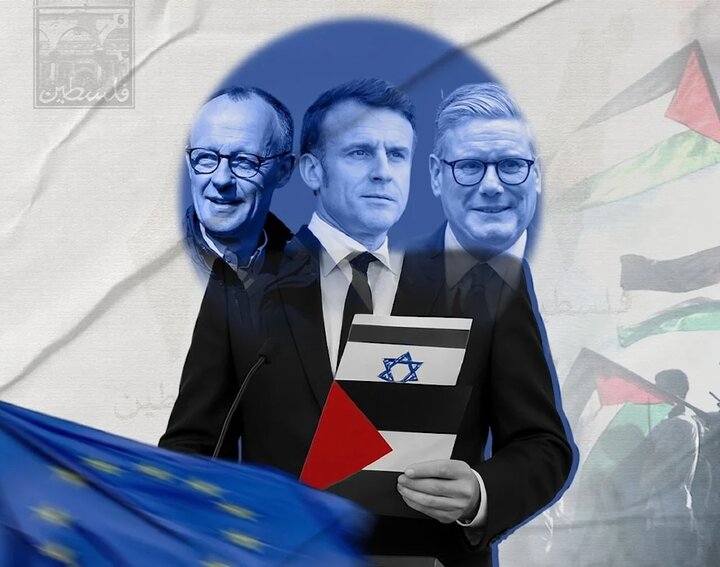
Online Strategic Council – Interview: An international affairs analyst stated that the recent United Nations meeting, which centered on recognizing the state of Palestine and the two-state solution, has sparked a wave of international reactions. Supporters of this plan see it as a step towards peace. Still, critics view it with skepticism and believe that this move is more of a tool to deceive public opinion and solidify the existence of the Zionist regime than to resolve the crisis. The initiative by France and some European countries is being proposed while the genocide in Gaza continues, and the West has so far taken no effective action to stop it. Some analysts say the primary goal of this plan is not the establishment of an independent Palestinian state, but rather the disarmament of resistance groups and the isolation of Hamas—an action that, through superficial negotiations and apparent peace, paves the way for realizing the interests of the Israeli regime. Iran, by rejecting the two-state solution, presents a different narrative for the future of Palestine, based on a referendum involving all indigenous inhabitants of the land.

2025/09/28
Strategic Council Online – Interview: An international economics expert stated that sanctions, as discussed in political and economic literature, are tools used to force countries to change their behavior in foreign or domestic policies. However, the fundamental question is whether these tools consistently achieve the expected results. The European Union, which has intensified its sanctions policy against Russia since 2014, especially after the Ukraine war in 2022, now faces the question of to what extent these sanctions have been able to halt Moscow’s economic machine. Although more than 50 sanction packages have been imposed against Russia since 2014, statistics and analyses show that Russia has been able to overcome the pressures in many cases and even gain more profit in some areas. Experts believe that the lack of unity in European decision-making, the conflict of economic interests among member states, and the historical dependence of some on Russian energy have all combined to cause Europe’s sanctions policy not only to fail to achieve its ultimate goal but, in some cases, to yield opposite results. Meanwhile, the debate over “secondary sanctions” and the change in the European Union’s strategies after the Ukraine war marks a turning point in the future path of Moscow-Brussels relations.
2025/09/27
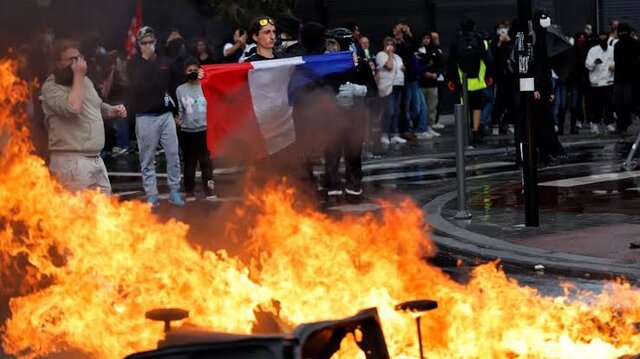
Strategic Council Online – Interview: An international affairs expert stated that the French government’s inability to meet public demands has led to a resurgence of domestic protests. The budget deficit has compelled Emmanuel Macron’s government to implement measures such as reducing public service expenditures, eliminating national holidays, cutting wages, and increasing taxes to offset the shortfall, which has further fueled the protests.
2025/09/27
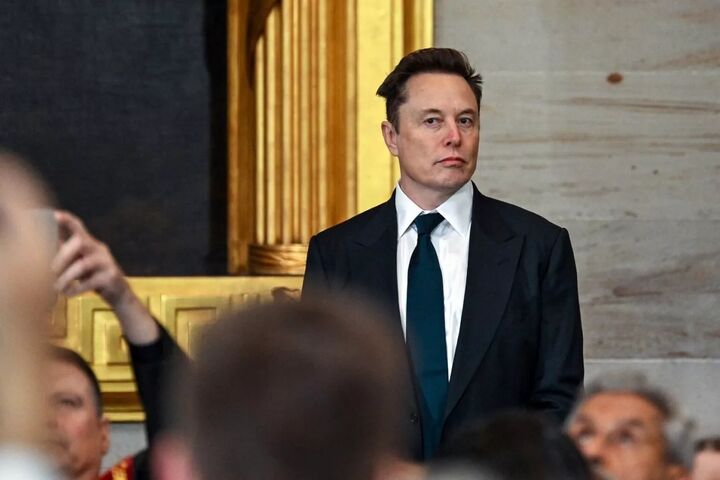
Strategic Council Online – A senior US affairs analyst stated that the overt intervention of billionaire and media mogul Elon Musk in the UK’s internal developments has once again brought the discussion about the role of non-state actors in international politics to the forefront of attention. With his provocative speech at the extreme right-wing rally in London, Musk not only called for the dissolution of parliament and early elections but also effectively sowed the seeds of political violence in the country’s fragile social fabric by promoting a rhetoric of “resistance or destruction.” UK Prime Minister Keir Starmer condemned these remarks, but the matter goes beyond a war of words. The emergence of figures like Musk, who simultaneously possess capital, media influence, and social popularity, has blurred the line between official politics and protest movements. This trend could become a serious challenge to the principle of non-interference in the internal affairs of countries, one of the fundamental principles of the UN Charter. International institutions have been designed primarily to control the actions of states, rather than billionaires who own global platforms. Today, however, developments show that technology and media giants can influence the political developments of countries as independent actors; a reality that could pose new questions to the international order regarding national sovereignty and political security.
2025/09/27
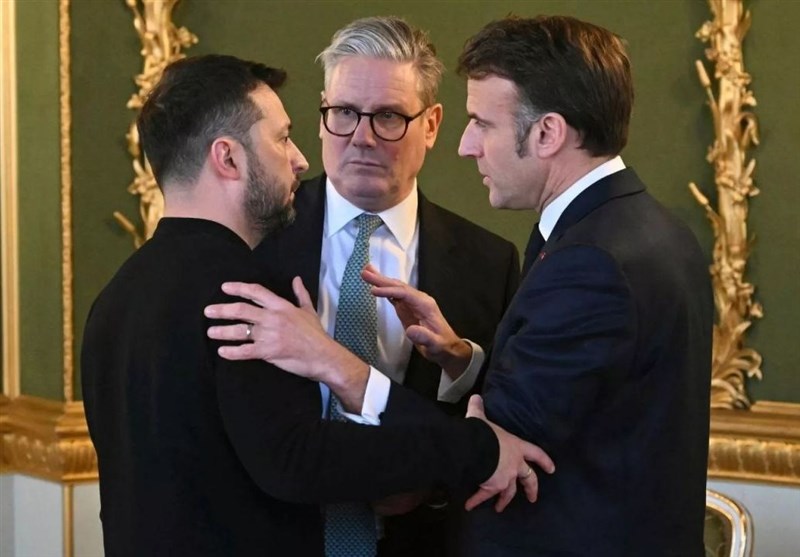
Strategic Council Online – Interview: An expert on Eurasian and Russian affairs stated that the West’s reaction to Russia’s threats regarding any deployment of foreign forces in Ukraine, whether under NATO or as an independent force, will be a combination of caution and deterrence. He said: Despite the desire of Europe and America to deploy military forces in Ukraine, they emphasize indirect support for Ukraine, including economic sanctions and increased diplomatic pressure on Moscow, and at best propose deploying neutral observers in Ukraine.
