Reasons for the Ineffectiveness of Trump’s “Economic War” against Iran
SCFR Online – Opinion: The intensification of U.S. sanctions against Iran on the eve of the U.S. midterm elections indicates Washington’s inability to achieve its war objectives.


SCFR Online – Opinion: The intensification of U.S. sanctions against Iran on the eve of the U.S. midterm elections indicates Washington’s inability to achieve its war objectives.

SCFR Online – Opinion: The competition between Washington and Beijing over chips and artificial intelligence, simultaneously with the shifting of technological balances, has taken on new economic and security dimensions.
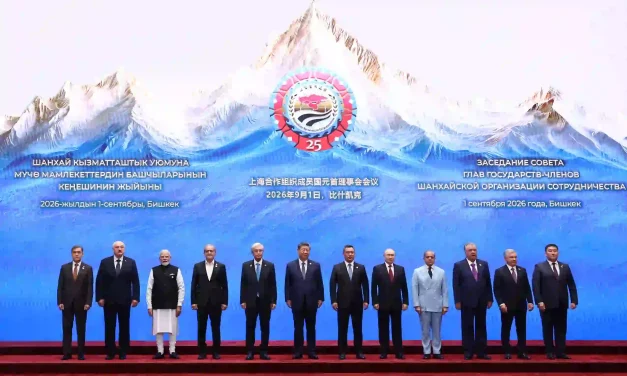
SCFR Online – Opinion: The Shanghai Cooperation Organization summit has created a new opportunity for Iran to transform its membership from a political achievement into economic and transit cooperation.
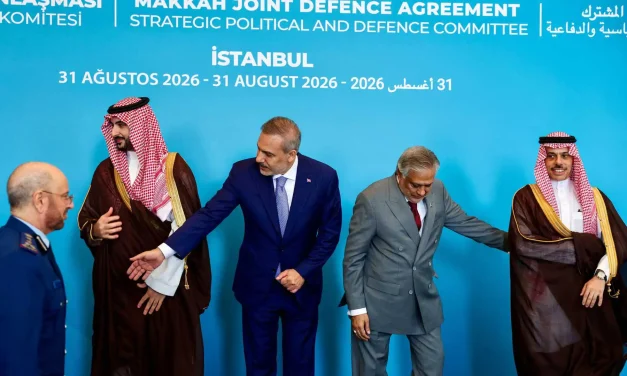
Strategic Council Online – Note: The Makkah Defense Pact can be seen as a sign of regional countries’ efforts to reduce security dependence on extra-regional powers and redefine the balance in West Asia.
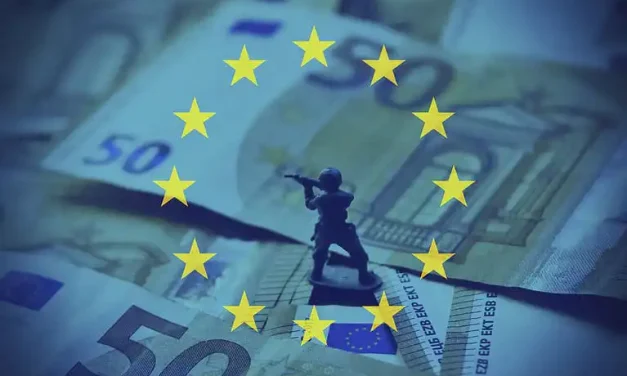
SCFR Online – Opinion: The Ukraine war, by exhausting US military capability on one hand and strengthening European defense capacity on the other, has altered the balance of power in the European continent, cast uncertainty over NATO’s future, and is driving it toward a European NATO.
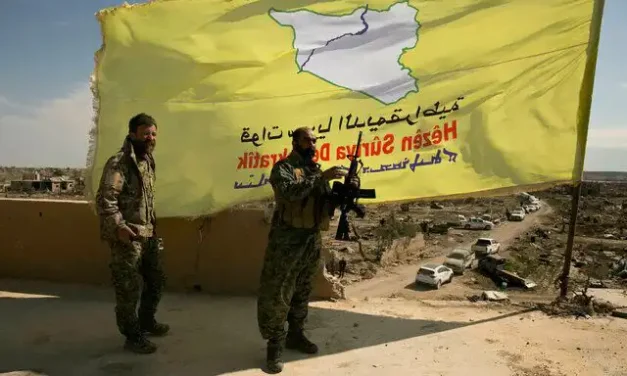
SCFR Online – Opinion: The dissolution of the SDF, although considered an achievement for Turkey’s security, does not put an end to the challenges arising from the Israeli regime’s aggression and expansionism, refugees, and Syria’s fragility.
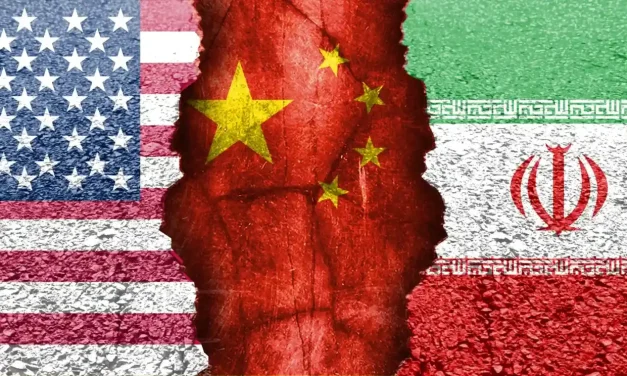
SCFR Online – Opinion: Concurrent with the official commencement of the United States’ economic war against our country, focusing on sanctions instruments, isolation, and economic pressure, what has now become increasingly important is the lack of alignment of other major global powers, especially China, with this policy.
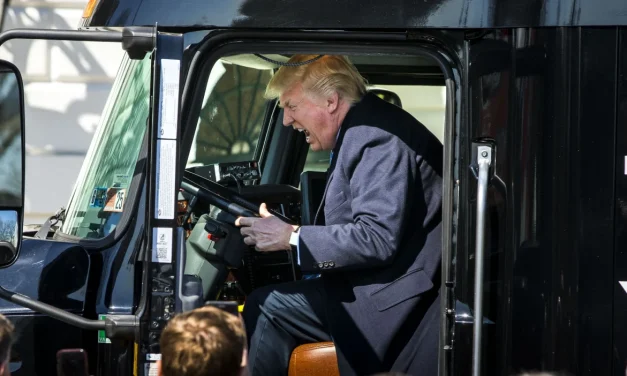
SCFR Online – Opinion: The new US sanctions against Iran, despite extensive propaganda, face serious obstacles to success due to the ineffectiveness of sanctions tools and opposition from some of Tehran’s trading partners.


Strategic Council Online – Opinion: With the dominance of armed groups in Syria and the possible intensification of political, military, and security chaos in the country on the one hand and widespread foreign interventions on the other, the risk of ISIS revival has become stronger not only in Syria but also in the country’s surroundings, including Iraq.

Strategic Council Online – Opinion: The US National Strategy to Counter Islamophobia, apparently to justify and explain policies to defend the rights of racial minorities, especially Muslims living in the United States, was unveiled by the White House on December 12, 2024, in a situation where world public opinion has been witnessing with astonishment for more than a year the unprecedented increase in the shipment of deadly weapons and the full-scale political, legal, international and media support of the United States for the genocide and the commission of heinous crimes by the occupying and child-killing Israeli regime in the Gaza Strip, the West Bank and other parts of the occupied territories against Palestinians, mainly civilians, women, children, the elderly, journalists, hospitals and all vital centers and infrastructures of the residents of the occupied territories.

Strategic Council Online – Opinion: After the end of World War II, Germany was among the European governments that did the most “good service” to the Zionist regime; the reason for this is quite clear. Germany considers itself “indebted” to the Zionist regime because of Hitler’s behavior and actions towards the Jews. Therefore, in order to compensate for Hitler’s actions and “gain the trust” of the Zionists and at the same time “benefit from the Jewish lobby,” it did not neglect any service to Tel Aviv.

Strategic Council Online – Opinion: Trump’s return to the White House has confronted Ukraine and its European supporters with important questions: Will the United States continue to provide weapons and financial support to Kiev, or, as Trump claims, will peace prevail in Ukraine-Russia relations? If an agreement is reached to end the war, what will be the fate of Ukraine’s lost territories? Will peace be a lasting agreement, or will it pave the way for another major conflict? These questions have not yet received a clear answer.

Online Strategic Council – Interview: An international law expert said: Although there are appropriate laws and regulations regarding the non-sending of arms to countries that violate human rights and humanitarian law, the recent proposal of the UN Special Rapporteur, considering the crimes committed in Gaza and occupied Palestine by the Israeli regime, can complement and improve the current laws and help them in terms of implementation.

Strategic Council Online–Opinion: The positions of the Arab countries on the developments in Syria can be divided into three groups.

Strategic Council Online – Opinion: Monitoring the political, military, and security circles of the Zionist regime and its military movements shows that this regime, with the support and cooperation of the US government, is seeking to implement the “Syrian scenario” in Yemen.

Strategic Council Online – Interview: An expert on American affairs believes that Donald Trump’s territorial and sovereign threats against Denmark, Canada, and Mexico stem from his nationalistic approach and force these countries to accept the increase in trade tariffs from the United States.

Strategic Council Online: An international affairs expert said that Europe and the United States will definitely put pressure on various ruling groups to change their approach towards minorities, women, and different ethnic groups in Syria in order to normalize political and economic relations with Syria domestically, regionally, and internationally. Only then can the lifting of sanctions be justified for Europe and the United States.

Strategic Council Online—Opinion: Over the past three years, Europe has acted during the Ukrainian conflict in a way that has allowed it to pursue disparate policy options, including supporting Ukraine in its conflict with Russia, maintaining the structure of the European security order, and not bringing European military forces into the war. The escalation of military conflicts in Ukraine, the possibility of a reduction in military aid from Washington, and the possibility of a forced ceasefire have placed European governments in a difficult position.
SCFR Online – Opinion: The intensification of U.S. sanctions against Iran on the eve of the U.S. midterm elections indicates Washington’s inability to achieve its war objectives.
SCFR Online – Opinion: The competition between Washington and Beijing over chips and artificial intelligence, simultaneously with the shifting of technological balances, has taken on new economic and security dimensions.
SCFR Online – Opinion: The Shanghai Cooperation Organization summit has created a new opportunity for Iran to transform its membership from a political achievement into economic and transit cooperation.
Strategic Council Online – Note: The Makkah Defense Pact can be seen as a sign of regional countries’ efforts to reduce security dependence on extra-regional powers and redefine the balance in West Asia.
SCFR Online – Opinion: The Ukraine war, by exhausting US military capability on one hand and strengthening European defense capacity on the other, has altered the balance of power in the European continent, cast uncertainty over NATO’s future, and is driving it toward a European NATO.
SCFR Online – Opinion: The dissolution of the SDF, although considered an achievement for Turkey’s security, does not put an end to the challenges arising from the Israeli regime’s aggression and expansionism, refugees, and Syria’s fragility.
SCFR Online – Opinion: Concurrent with the official commencement of the United States’ economic war against our country, focusing on sanctions instruments, isolation, and economic pressure, what has now become increasingly important is the lack of alignment of other major global powers, especially China, with this policy.
SCFR Online – Opinion: The new US sanctions against Iran, despite extensive propaganda, face serious obstacles to success due to the ineffectiveness of sanctions tools and opposition from some of Tehran’s trading partners.
Strategic Council Online – Opinion: With the dominance of armed groups in Syria and the possible intensification of political, military, and security chaos in the country on the one hand and widespread foreign interventions on the other, the risk of ISIS revival has become stronger not only in Syria but also in the country’s surroundings, including Iraq.
Strategic Council Online – Opinion: The US National Strategy to Counter Islamophobia, apparently to justify and explain policies to defend the rights of racial minorities, especially Muslims living in the United States, was unveiled by the White House on December 12, 2024, in a situation where world public opinion has been witnessing with astonishment for more than a year the unprecedented increase in the shipment of deadly weapons and the full-scale political, legal, international and media support of the United States for the genocide and the commission of heinous crimes by the occupying and child-killing Israeli regime in the Gaza Strip, the West Bank and other parts of the occupied territories against Palestinians, mainly civilians, women, children, the elderly, journalists, hospitals and all vital centers and infrastructures of the residents of the occupied territories.
Strategic Council Online – Opinion: After the end of World War II, Germany was among the European governments that did the most “good service” to the Zionist regime; the reason for this is quite clear. Germany considers itself “indebted” to the Zionist regime because of Hitler’s behavior and actions towards the Jews. Therefore, in order to compensate for Hitler’s actions and “gain the trust” of the Zionists and at the same time “benefit from the Jewish lobby,” it did not neglect any service to Tel Aviv.
Strategic Council Online – Opinion: Trump’s return to the White House has confronted Ukraine and its European supporters with important questions: Will the United States continue to provide weapons and financial support to Kiev, or, as Trump claims, will peace prevail in Ukraine-Russia relations? If an agreement is reached to end the war, what will be the fate of Ukraine’s lost territories? Will peace be a lasting agreement, or will it pave the way for another major conflict? These questions have not yet received a clear answer.
Online Strategic Council – Interview: An international law expert said: Although there are appropriate laws and regulations regarding the non-sending of arms to countries that violate human rights and humanitarian law, the recent proposal of the UN Special Rapporteur, considering the crimes committed in Gaza and occupied Palestine by the Israeli regime, can complement and improve the current laws and help them in terms of implementation.
Strategic Council Online–Opinion: The positions of the Arab countries on the developments in Syria can be divided into three groups.
Strategic Council Online – Opinion: Monitoring the political, military, and security circles of the Zionist regime and its military movements shows that this regime, with the support and cooperation of the US government, is seeking to implement the “Syrian scenario” in Yemen.
Strategic Council Online – Interview: An expert on American affairs believes that Donald Trump’s territorial and sovereign threats against Denmark, Canada, and Mexico stem from his nationalistic approach and force these countries to accept the increase in trade tariffs from the United States.
Strategic Council Online: An international affairs expert said that Europe and the United States will definitely put pressure on various ruling groups to change their approach towards minorities, women, and different ethnic groups in Syria in order to normalize political and economic relations with Syria domestically, regionally, and internationally. Only then can the lifting of sanctions be justified for Europe and the United States.
Strategic Council Online—Opinion: Over the past three years, Europe has acted during the Ukrainian conflict in a way that has allowed it to pursue disparate policy options, including supporting Ukraine in its conflict with Russia, maintaining the structure of the European security order, and not bringing European military forces into the war. The escalation of military conflicts in Ukraine, the possibility of a reduction in military aid from Washington, and the possibility of a forced ceasefire have placed European governments in a difficult position.
Strategic Council Online – Opinion: With the dominance of armed groups in Syria and the possible intensification of political, military, and security chaos in the country on the one hand and widespread foreign interventions on the other, the risk of ISIS revival has become stronger not only in Syria but also in the country’s surroundings, including Iraq.
Strategic Council Online – Opinion: The US National Strategy to Counter Islamophobia, apparently to justify and explain policies to defend the rights of racial minorities, especially Muslims living in the United States, was unveiled by the White House on December 12, 2024, in a situation where world public opinion has been witnessing with astonishment for more than a year the unprecedented increase in the shipment of deadly weapons and the full-scale political, legal, international and media support of the United States for the genocide and the commission of heinous crimes by the occupying and child-killing Israeli regime in the Gaza Strip, the West Bank and other parts of the occupied territories against Palestinians, mainly civilians, women, children, the elderly, journalists, hospitals and all vital centers and infrastructures of the residents of the occupied territories.
Strategic Council Online – Opinion: After the end of World War II, Germany was among the European governments that did the most “good service” to the Zionist regime; the reason for this is quite clear. Germany considers itself “indebted” to the Zionist regime because of Hitler’s behavior and actions towards the Jews. Therefore, in order to compensate for Hitler’s actions and “gain the trust” of the Zionists and at the same time “benefit from the Jewish lobby,” it did not neglect any service to Tel Aviv.
Strategic Council Online – Opinion: Trump’s return to the White House has confronted Ukraine and its European supporters with important questions: Will the United States continue to provide weapons and financial support to Kiev, or, as Trump claims, will peace prevail in Ukraine-Russia relations? If an agreement is reached to end the war, what will be the fate of Ukraine’s lost territories? Will peace be a lasting agreement, or will it pave the way for another major conflict? These questions have not yet received a clear answer.
Online Strategic Council – Interview: An international law expert said: Although there are appropriate laws and regulations regarding the non-sending of arms to countries that violate human rights and humanitarian law, the recent proposal of the UN Special Rapporteur, considering the crimes committed in Gaza and occupied Palestine by the Israeli regime, can complement and improve the current laws and help them in terms of implementation.
Strategic Council Online–Opinion: The positions of the Arab countries on the developments in Syria can be divided into three groups.
Strategic Council Online – Opinion: Monitoring the political, military, and security circles of the Zionist regime and its military movements shows that this regime, with the support and cooperation of the US government, is seeking to implement the “Syrian scenario” in Yemen.
Strategic Council Online – Interview: An expert on American affairs believes that Donald Trump’s territorial and sovereign threats against Denmark, Canada, and Mexico stem from his nationalistic approach and force these countries to accept the increase in trade tariffs from the United States.
Strategic Council Online: An international affairs expert said that Europe and the United States will definitely put pressure on various ruling groups to change their approach towards minorities, women, and different ethnic groups in Syria in order to normalize political and economic relations with Syria domestically, regionally, and internationally. Only then can the lifting of sanctions be justified for Europe and the United States.
Strategic Council Online—Opinion: Over the past three years, Europe has acted during the Ukrainian conflict in a way that has allowed it to pursue disparate policy options, including supporting Ukraine in its conflict with Russia, maintaining the structure of the European security order, and not bringing European military forces into the war. The escalation of military conflicts in Ukraine, the possibility of a reduction in military aid from Washington, and the possibility of a forced ceasefire have placed European governments in a difficult position.
SCFR Online – Opinion: The intensification of U.S. sanctions against Iran on the eve of the U.S. midterm elections indicates Washington’s inability to achieve its war objectives.
SCFR Online – Opinion: The competition between Washington and Beijing over chips and artificial intelligence, simultaneously with the shifting of technological balances, has taken on new economic and security dimensions.
SCFR Online – Opinion: The Shanghai Cooperation Organization summit has created a new opportunity for Iran to transform its membership from a political achievement into economic and transit cooperation.
Strategic Council Online – Note: The Makkah Defense Pact can be seen as a sign of regional countries’ efforts to reduce security dependence on extra-regional powers and redefine the balance in West Asia.
SCFR Online – Opinion: The Ukraine war, by exhausting US military capability on one hand and strengthening European defense capacity on the other, has altered the balance of power in the European continent, cast uncertainty over NATO’s future, and is driving it toward a European NATO.
SCFR Online – Opinion: The dissolution of the SDF, although considered an achievement for Turkey’s security, does not put an end to the challenges arising from the Israeli regime’s aggression and expansionism, refugees, and Syria’s fragility.
SCFR Online – Opinion: Concurrent with the official commencement of the United States’ economic war against our country, focusing on sanctions instruments, isolation, and economic pressure, what has now become increasingly important is the lack of alignment of other major global powers, especially China, with this policy.
SCFR Online – Opinion: The new US sanctions against Iran, despite extensive propaganda, face serious obstacles to success due to the ineffectiveness of sanctions tools and opposition from some of Tehran’s trading partners.
Strategic Council Online – Opinion: With the dominance of armed groups in Syria and the possible intensification of political, military, and security chaos in the country on the one hand and widespread foreign interventions on the other, the risk of ISIS revival has become stronger not only in Syria but also in the country’s surroundings, including Iraq.
Strategic Council Online – Opinion: The US National Strategy to Counter Islamophobia, apparently to justify and explain policies to defend the rights of racial minorities, especially Muslims living in the United States, was unveiled by the White House on December 12, 2024, in a situation where world public opinion has been witnessing with astonishment for more than a year the unprecedented increase in the shipment of deadly weapons and the full-scale political, legal, international and media support of the United States for the genocide and the commission of heinous crimes by the occupying and child-killing Israeli regime in the Gaza Strip, the West Bank and other parts of the occupied territories against Palestinians, mainly civilians, women, children, the elderly, journalists, hospitals and all vital centers and infrastructures of the residents of the occupied territories.
Strategic Council Online – Opinion: After the end of World War II, Germany was among the European governments that did the most “good service” to the Zionist regime; the reason for this is quite clear. Germany considers itself “indebted” to the Zionist regime because of Hitler’s behavior and actions towards the Jews. Therefore, in order to compensate for Hitler’s actions and “gain the trust” of the Zionists and at the same time “benefit from the Jewish lobby,” it did not neglect any service to Tel Aviv.
Strategic Council Online – Opinion: Trump’s return to the White House has confronted Ukraine and its European supporters with important questions: Will the United States continue to provide weapons and financial support to Kiev, or, as Trump claims, will peace prevail in Ukraine-Russia relations? If an agreement is reached to end the war, what will be the fate of Ukraine’s lost territories? Will peace be a lasting agreement, or will it pave the way for another major conflict? These questions have not yet received a clear answer.
Online Strategic Council – Interview: An international law expert said: Although there are appropriate laws and regulations regarding the non-sending of arms to countries that violate human rights and humanitarian law, the recent proposal of the UN Special Rapporteur, considering the crimes committed in Gaza and occupied Palestine by the Israeli regime, can complement and improve the current laws and help them in terms of implementation.
Strategic Council Online–Opinion: The positions of the Arab countries on the developments in Syria can be divided into three groups.
Strategic Council Online – Opinion: Monitoring the political, military, and security circles of the Zionist regime and its military movements shows that this regime, with the support and cooperation of the US government, is seeking to implement the “Syrian scenario” in Yemen.
Strategic Council Online – Interview: An expert on American affairs believes that Donald Trump’s territorial and sovereign threats against Denmark, Canada, and Mexico stem from his nationalistic approach and force these countries to accept the increase in trade tariffs from the United States.
Strategic Council Online: An international affairs expert said that Europe and the United States will definitely put pressure on various ruling groups to change their approach towards minorities, women, and different ethnic groups in Syria in order to normalize political and economic relations with Syria domestically, regionally, and internationally. Only then can the lifting of sanctions be justified for Europe and the United States.
Strategic Council Online—Opinion: Over the past three years, Europe has acted during the Ukrainian conflict in a way that has allowed it to pursue disparate policy options, including supporting Ukraine in its conflict with Russia, maintaining the structure of the European security order, and not bringing European military forces into the war. The escalation of military conflicts in Ukraine, the possibility of a reduction in military aid from Washington, and the possibility of a forced ceasefire have placed European governments in a difficult position.
SCFR Online – Opinion: The intensification of U.S. sanctions against Iran on the eve of the U.S. midterm elections indicates Washington’s inability to achieve its war objectives.
SCFR Online – Opinion: The competition between Washington and Beijing over chips and artificial intelligence, simultaneously with the shifting of technological balances, has taken on new economic and security dimensions.
SCFR Online – Opinion: The Shanghai Cooperation Organization summit has created a new opportunity for Iran to transform its membership from a political achievement into economic and transit cooperation.
Strategic Council Online – Note: The Makkah Defense Pact can be seen as a sign of regional countries’ efforts to reduce security dependence on extra-regional powers and redefine the balance in West Asia.
SCFR Online – Opinion: The Ukraine war, by exhausting US military capability on one hand and strengthening European defense capacity on the other, has altered the balance of power in the European continent, cast uncertainty over NATO’s future, and is driving it toward a European NATO.
SCFR Online – Opinion: The dissolution of the SDF, although considered an achievement for Turkey’s security, does not put an end to the challenges arising from the Israeli regime’s aggression and expansionism, refugees, and Syria’s fragility.
SCFR Online – Opinion: Concurrent with the official commencement of the United States’ economic war against our country, focusing on sanctions instruments, isolation, and economic pressure, what has now become increasingly important is the lack of alignment of other major global powers, especially China, with this policy.
SCFR Online – Opinion: The new US sanctions against Iran, despite extensive propaganda, face serious obstacles to success due to the ineffectiveness of sanctions tools and opposition from some of Tehran’s trading partners.
Strategic Council Online – Opinion: With the dominance of armed groups in Syria and the possible intensification of political, military, and security chaos in the country on the one hand and widespread foreign interventions on the other, the risk of ISIS revival has become stronger not only in Syria but also in the country’s surroundings, including Iraq.
Strategic Council Online – Opinion: The US National Strategy to Counter Islamophobia, apparently to justify and explain policies to defend the rights of racial minorities, especially Muslims living in the United States, was unveiled by the White House on December 12, 2024, in a situation where world public opinion has been witnessing with astonishment for more than a year the unprecedented increase in the shipment of deadly weapons and the full-scale political, legal, international and media support of the United States for the genocide and the commission of heinous crimes by the occupying and child-killing Israeli regime in the Gaza Strip, the West Bank and other parts of the occupied territories against Palestinians, mainly civilians, women, children, the elderly, journalists, hospitals and all vital centers and infrastructures of the residents of the occupied territories.
Strategic Council Online – Opinion: After the end of World War II, Germany was among the European governments that did the most “good service” to the Zionist regime; the reason for this is quite clear. Germany considers itself “indebted” to the Zionist regime because of Hitler’s behavior and actions towards the Jews. Therefore, in order to compensate for Hitler’s actions and “gain the trust” of the Zionists and at the same time “benefit from the Jewish lobby,” it did not neglect any service to Tel Aviv.
Strategic Council Online – Opinion: Trump’s return to the White House has confronted Ukraine and its European supporters with important questions: Will the United States continue to provide weapons and financial support to Kiev, or, as Trump claims, will peace prevail in Ukraine-Russia relations? If an agreement is reached to end the war, what will be the fate of Ukraine’s lost territories? Will peace be a lasting agreement, or will it pave the way for another major conflict? These questions have not yet received a clear answer.
Online Strategic Council – Interview: An international law expert said: Although there are appropriate laws and regulations regarding the non-sending of arms to countries that violate human rights and humanitarian law, the recent proposal of the UN Special Rapporteur, considering the crimes committed in Gaza and occupied Palestine by the Israeli regime, can complement and improve the current laws and help them in terms of implementation.
Strategic Council Online–Opinion: The positions of the Arab countries on the developments in Syria can be divided into three groups.
Strategic Council Online – Opinion: Monitoring the political, military, and security circles of the Zionist regime and its military movements shows that this regime, with the support and cooperation of the US government, is seeking to implement the “Syrian scenario” in Yemen.
Strategic Council Online – Interview: An expert on American affairs believes that Donald Trump’s territorial and sovereign threats against Denmark, Canada, and Mexico stem from his nationalistic approach and force these countries to accept the increase in trade tariffs from the United States.
Strategic Council Online: An international affairs expert said that Europe and the United States will definitely put pressure on various ruling groups to change their approach towards minorities, women, and different ethnic groups in Syria in order to normalize political and economic relations with Syria domestically, regionally, and internationally. Only then can the lifting of sanctions be justified for Europe and the United States.
Strategic Council Online—Opinion: Over the past three years, Europe has acted during the Ukrainian conflict in a way that has allowed it to pursue disparate policy options, including supporting Ukraine in its conflict with Russia, maintaining the structure of the European security order, and not bringing European military forces into the war. The escalation of military conflicts in Ukraine, the possibility of a reduction in military aid from Washington, and the possibility of a forced ceasefire have placed European governments in a difficult position.
SCFR Online – Opinion: The intensification of U.S. sanctions against Iran on the eve of the U.S. midterm elections indicates Washington’s inability to achieve its war objectives.
SCFR Online – Opinion: The competition between Washington and Beijing over chips and artificial intelligence, simultaneously with the shifting of technological balances, has taken on new economic and security dimensions.
SCFR Online – Opinion: The Shanghai Cooperation Organization summit has created a new opportunity for Iran to transform its membership from a political achievement into economic and transit cooperation.
Strategic Council Online – Note: The Makkah Defense Pact can be seen as a sign of regional countries’ efforts to reduce security dependence on extra-regional powers and redefine the balance in West Asia.
SCFR Online – Opinion: The Ukraine war, by exhausting US military capability on one hand and strengthening European defense capacity on the other, has altered the balance of power in the European continent, cast uncertainty over NATO’s future, and is driving it toward a European NATO.
SCFR Online – Opinion: The dissolution of the SDF, although considered an achievement for Turkey’s security, does not put an end to the challenges arising from the Israeli regime’s aggression and expansionism, refugees, and Syria’s fragility.
SCFR Online – Opinion: Concurrent with the official commencement of the United States’ economic war against our country, focusing on sanctions instruments, isolation, and economic pressure, what has now become increasingly important is the lack of alignment of other major global powers, especially China, with this policy.
SCFR Online – Opinion: The new US sanctions against Iran, despite extensive propaganda, face serious obstacles to success due to the ineffectiveness of sanctions tools and opposition from some of Tehran’s trading partners.
Strategic Council Online – Opinion: With the dominance of armed groups in Syria and the possible intensification of political, military, and security chaos in the country on the one hand and widespread foreign interventions on the other, the risk of ISIS revival has become stronger not only in Syria but also in the country’s surroundings, including Iraq.
Strategic Council Online – Opinion: The US National Strategy to Counter Islamophobia, apparently to justify and explain policies to defend the rights of racial minorities, especially Muslims living in the United States, was unveiled by the White House on December 12, 2024, in a situation where world public opinion has been witnessing with astonishment for more than a year the unprecedented increase in the shipment of deadly weapons and the full-scale political, legal, international and media support of the United States for the genocide and the commission of heinous crimes by the occupying and child-killing Israeli regime in the Gaza Strip, the West Bank and other parts of the occupied territories against Palestinians, mainly civilians, women, children, the elderly, journalists, hospitals and all vital centers and infrastructures of the residents of the occupied territories.
Strategic Council Online – Opinion: After the end of World War II, Germany was among the European governments that did the most “good service” to the Zionist regime; the reason for this is quite clear. Germany considers itself “indebted” to the Zionist regime because of Hitler’s behavior and actions towards the Jews. Therefore, in order to compensate for Hitler’s actions and “gain the trust” of the Zionists and at the same time “benefit from the Jewish lobby,” it did not neglect any service to Tel Aviv.
Strategic Council Online – Opinion: Trump’s return to the White House has confronted Ukraine and its European supporters with important questions: Will the United States continue to provide weapons and financial support to Kiev, or, as Trump claims, will peace prevail in Ukraine-Russia relations? If an agreement is reached to end the war, what will be the fate of Ukraine’s lost territories? Will peace be a lasting agreement, or will it pave the way for another major conflict? These questions have not yet received a clear answer.
Online Strategic Council – Interview: An international law expert said: Although there are appropriate laws and regulations regarding the non-sending of arms to countries that violate human rights and humanitarian law, the recent proposal of the UN Special Rapporteur, considering the crimes committed in Gaza and occupied Palestine by the Israeli regime, can complement and improve the current laws and help them in terms of implementation.
Strategic Council Online–Opinion: The positions of the Arab countries on the developments in Syria can be divided into three groups.
Strategic Council Online – Opinion: Monitoring the political, military, and security circles of the Zionist regime and its military movements shows that this regime, with the support and cooperation of the US government, is seeking to implement the “Syrian scenario” in Yemen.
Strategic Council Online – Interview: An expert on American affairs believes that Donald Trump’s territorial and sovereign threats against Denmark, Canada, and Mexico stem from his nationalistic approach and force these countries to accept the increase in trade tariffs from the United States.
Strategic Council Online: An international affairs expert said that Europe and the United States will definitely put pressure on various ruling groups to change their approach towards minorities, women, and different ethnic groups in Syria in order to normalize political and economic relations with Syria domestically, regionally, and internationally. Only then can the lifting of sanctions be justified for Europe and the United States.
Strategic Council Online—Opinion: Over the past three years, Europe has acted during the Ukrainian conflict in a way that has allowed it to pursue disparate policy options, including supporting Ukraine in its conflict with Russia, maintaining the structure of the European security order, and not bringing European military forces into the war. The escalation of military conflicts in Ukraine, the possibility of a reduction in military aid from Washington, and the possibility of a forced ceasefire have placed European governments in a difficult position.
SCFR Online – Opinion: The intensification of U.S. sanctions against Iran on the eve of the U.S. midterm elections indicates Washington’s inability to achieve its war objectives.
SCFR Online – Opinion: The competition between Washington and Beijing over chips and artificial intelligence, simultaneously with the shifting of technological balances, has taken on new economic and security dimensions.
SCFR Online – Opinion: The Shanghai Cooperation Organization summit has created a new opportunity for Iran to transform its membership from a political achievement into economic and transit cooperation.
Strategic Council Online – Note: The Makkah Defense Pact can be seen as a sign of regional countries’ efforts to reduce security dependence on extra-regional powers and redefine the balance in West Asia.
SCFR Online – Opinion: The Ukraine war, by exhausting US military capability on one hand and strengthening European defense capacity on the other, has altered the balance of power in the European continent, cast uncertainty over NATO’s future, and is driving it toward a European NATO.
SCFR Online – Opinion: The dissolution of the SDF, although considered an achievement for Turkey’s security, does not put an end to the challenges arising from the Israeli regime’s aggression and expansionism, refugees, and Syria’s fragility.
SCFR Online – Opinion: Concurrent with the official commencement of the United States’ economic war against our country, focusing on sanctions instruments, isolation, and economic pressure, what has now become increasingly important is the lack of alignment of other major global powers, especially China, with this policy.
SCFR Online – Opinion: The new US sanctions against Iran, despite extensive propaganda, face serious obstacles to success due to the ineffectiveness of sanctions tools and opposition from some of Tehran’s trading partners.
Strategic Council Online – Opinion: With the dominance of armed groups in Syria and the possible intensification of political, military, and security chaos in the country on the one hand and widespread foreign interventions on the other, the risk of ISIS revival has become stronger not only in Syria but also in the country’s surroundings, including Iraq.
Strategic Council Online – Opinion: The US National Strategy to Counter Islamophobia, apparently to justify and explain policies to defend the rights of racial minorities, especially Muslims living in the United States, was unveiled by the White House on December 12, 2024, in a situation where world public opinion has been witnessing with astonishment for more than a year the unprecedented increase in the shipment of deadly weapons and the full-scale political, legal, international and media support of the United States for the genocide and the commission of heinous crimes by the occupying and child-killing Israeli regime in the Gaza Strip, the West Bank and other parts of the occupied territories against Palestinians, mainly civilians, women, children, the elderly, journalists, hospitals and all vital centers and infrastructures of the residents of the occupied territories.
Strategic Council Online – Opinion: After the end of World War II, Germany was among the European governments that did the most “good service” to the Zionist regime; the reason for this is quite clear. Germany considers itself “indebted” to the Zionist regime because of Hitler’s behavior and actions towards the Jews. Therefore, in order to compensate for Hitler’s actions and “gain the trust” of the Zionists and at the same time “benefit from the Jewish lobby,” it did not neglect any service to Tel Aviv.
Strategic Council Online – Opinion: Trump’s return to the White House has confronted Ukraine and its European supporters with important questions: Will the United States continue to provide weapons and financial support to Kiev, or, as Trump claims, will peace prevail in Ukraine-Russia relations? If an agreement is reached to end the war, what will be the fate of Ukraine’s lost territories? Will peace be a lasting agreement, or will it pave the way for another major conflict? These questions have not yet received a clear answer.
Online Strategic Council – Interview: An international law expert said: Although there are appropriate laws and regulations regarding the non-sending of arms to countries that violate human rights and humanitarian law, the recent proposal of the UN Special Rapporteur, considering the crimes committed in Gaza and occupied Palestine by the Israeli regime, can complement and improve the current laws and help them in terms of implementation.
Strategic Council Online–Opinion: The positions of the Arab countries on the developments in Syria can be divided into three groups.
Strategic Council Online – Opinion: Monitoring the political, military, and security circles of the Zionist regime and its military movements shows that this regime, with the support and cooperation of the US government, is seeking to implement the “Syrian scenario” in Yemen.
Strategic Council Online – Interview: An expert on American affairs believes that Donald Trump’s territorial and sovereign threats against Denmark, Canada, and Mexico stem from his nationalistic approach and force these countries to accept the increase in trade tariffs from the United States.
Strategic Council Online: An international affairs expert said that Europe and the United States will definitely put pressure on various ruling groups to change their approach towards minorities, women, and different ethnic groups in Syria in order to normalize political and economic relations with Syria domestically, regionally, and internationally. Only then can the lifting of sanctions be justified for Europe and the United States.
Strategic Council Online—Opinion: Over the past three years, Europe has acted during the Ukrainian conflict in a way that has allowed it to pursue disparate policy options, including supporting Ukraine in its conflict with Russia, maintaining the structure of the European security order, and not bringing European military forces into the war. The escalation of military conflicts in Ukraine, the possibility of a reduction in military aid from Washington, and the possibility of a forced ceasefire have placed European governments in a difficult position.
SCFR Online – Opinion: The intensification of U.S. sanctions against Iran on the eve of the U.S. midterm elections indicates Washington’s inability to achieve its war objectives.
SCFR Online – Opinion: The competition between Washington and Beijing over chips and artificial intelligence, simultaneously with the shifting of technological balances, has taken on new economic and security dimensions.
SCFR Online – Opinion: The Shanghai Cooperation Organization summit has created a new opportunity for Iran to transform its membership from a political achievement into economic and transit cooperation.
Strategic Council Online – Note: The Makkah Defense Pact can be seen as a sign of regional countries’ efforts to reduce security dependence on extra-regional powers and redefine the balance in West Asia.
SCFR Online – Opinion: The Ukraine war, by exhausting US military capability on one hand and strengthening European defense capacity on the other, has altered the balance of power in the European continent, cast uncertainty over NATO’s future, and is driving it toward a European NATO.
SCFR Online – Opinion: The dissolution of the SDF, although considered an achievement for Turkey’s security, does not put an end to the challenges arising from the Israeli regime’s aggression and expansionism, refugees, and Syria’s fragility.
SCFR Online – Opinion: Concurrent with the official commencement of the United States’ economic war against our country, focusing on sanctions instruments, isolation, and economic pressure, what has now become increasingly important is the lack of alignment of other major global powers, especially China, with this policy.
SCFR Online – Opinion: The new US sanctions against Iran, despite extensive propaganda, face serious obstacles to success due to the ineffectiveness of sanctions tools and opposition from some of Tehran’s trading partners.