An Analysis of the Makkah Defense Pact
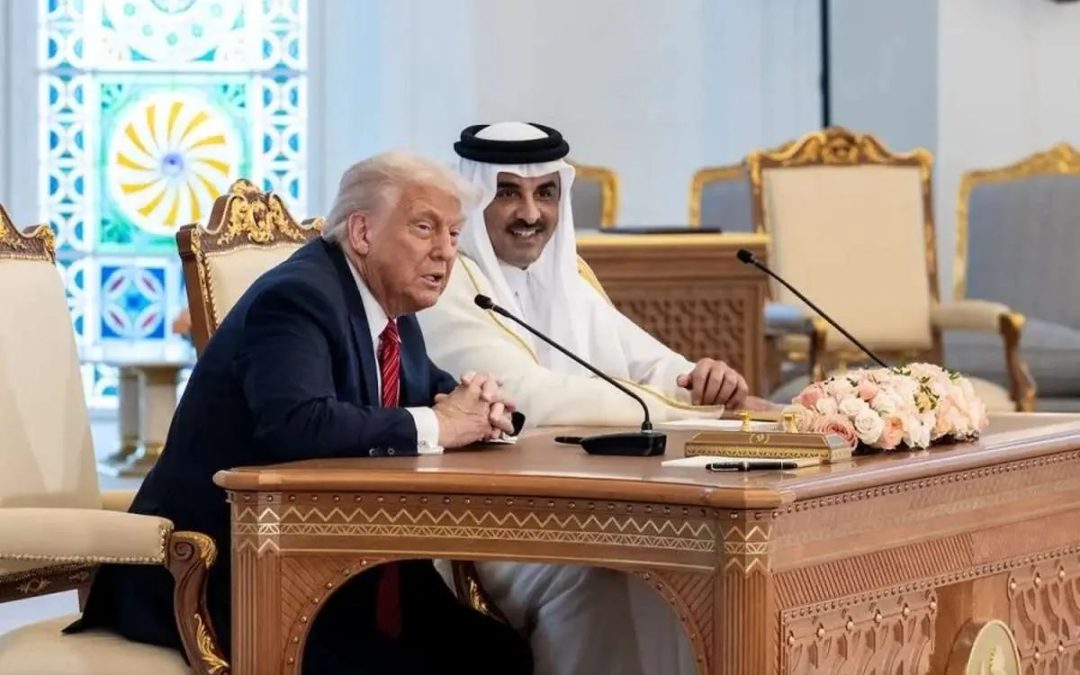
SCFR Online – Opinion: On Friday, August 7, the heads of state of three countries – Saudi Arabia, Turkey, and Pakistan – signed a text under the title “Makkah Joint Defense Agreement.”
Strategic Council Online – Note: The initiative to revive the Hejaz Railway, beyond being a transportation project, constitutes an attempt to redefine geopolitics, the economy, and Turkey’s regional position; however, its realization appears to face significant financial, security, and institutional challenges.
SCFR Online – Opinion: The Strait of Hormuz crisis is no longer merely the consequence of a military confrontation, but rather a sign of the transition from the US-centered maritime order to a new energy security structure involving the participation of emerging and influential powers.
SCFR Online – Opinion: Iran’s active deterrence strategy, while increasing the costs of US intervention, has increasingly exposed the hidden rifts between Washington’s interests and those of the Israeli regime.
SCFR Online – Opinion: The escalation of verbal and strategic tensions between Turkey and the Israeli regime, although not increasing the likelihood of direct war, indicates the formation of a new order in West Asian geopolitical rivalries.
Strategic Council Online – Note: Recent developments in the political geography of West Asia, from rising tensions in the Persian Gulf to missile and drone activities in the Red Sea and the recent warning by Kaja Kallas, the European Union’s foreign policy chief, regarding the threat to freedom of navigation, indicate a key pattern shift; the US-Iran war has moved beyond the scope of a regional and local confrontation and has linked two vital passageways for the global economy: the Strait of Hormuz and the Bab el-Mandeb Strait.
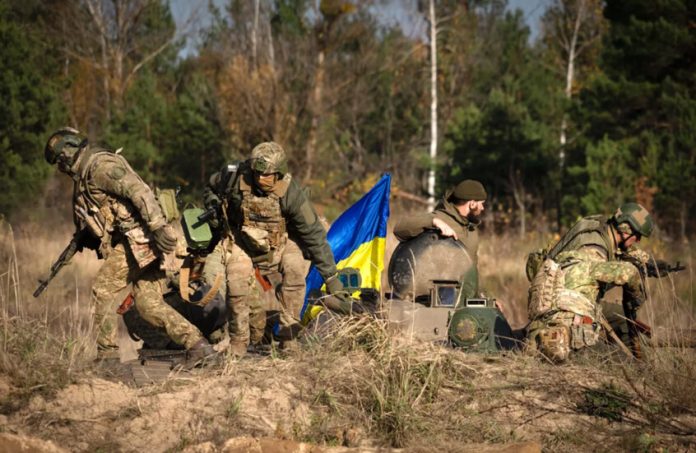
SCFR Online – Opinion: The Ukraine war was not merely a European crisis, but rather the starting point for the rearrangement of the global balance of power and a shift in the strategic behavior of great powers.
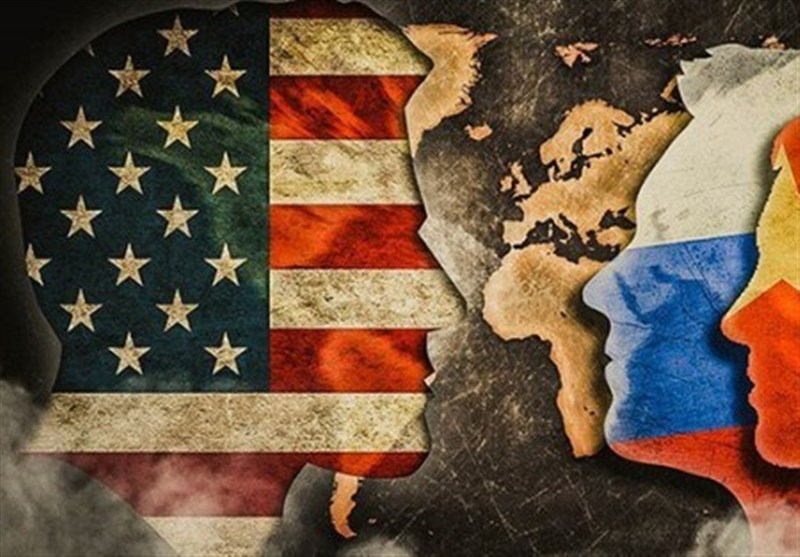
SCFR Online – Opinion: Great power competition is now pursued more in trade, currency, technology, and global supply chains than on the battlefields of military confrontation.
Online Strategic Council – Commentary: These days, the differences between the two sides of the Atlantic over how to deal with Russia in the Ukraine war have become a serious rift.
Online Strategic Council – Interview: A senior European affairs analyst, referring to recent developments, stated: Europe’s role in the new international order is complex, affected by the Ukraine war, and simultaneously possesses capacities for economic and political interaction with Iran.
Online Strategic Council – Note: Developments in the West Asia region, including tensions between Iran and the Israeli regime or regional cooperation, are influenced by macro policies pursued by extra-regional powers. Of course, other equations are very influential. It must be noted that China and Russia have no desire whatsoever for America’s success in the West Asia region and, based on this, they do not support the success and operational superiority of the Israeli regime in confronting Iran. Meanwhile, the Americans are seeking to focus their forces in West Asia for now, amid the three crises of Ukraine, Taiwan, and West Asia.
Online Strategic Council – Interview: A senior Afghan affairs analyst stated: Recently, Afghan media reported on airstrikes on Kabul and the sound of massive explosions. Local sources and news networks claimed that the Pakistani army had taken responsibility for this operation, and the target of the operation was identified as the leader of the Pakistani Taliban movement. Local Taliban spokesmen confirmed the occurrence of the explosion and announced that investigations had begun. The escalation of this incident, which occurred amid rising border and political tensions between Islamabad and Kabul, could affect the security equations in West and South Asia.
Online Strategic Council – Note: The recent movements by the Zionist regime to open a new front in Iraq indicate the continuation of this regime’s policy of creating crises and an effort to restore its lost deterrence in the region.
Online Strategic Council – Dialogue: A Latin American affairs expert stated that the United States has recently announced it is engaged in an “armed war” with drug cartels in Latin America, and its forces have targeted several boats belonging to Venezuela and Colombia. The President of Colombia has condemned this action and even said that Donald Trump should be prosecuted. In light of these actions, Trump is moving further away each week from his commitment that “no new wars” would be started during his second term.
Online Strategic Council – Memo: With Sanae Takaichi as Prime Minister, Japan will move closer to the United States, adopt a tougher stance towards China and North Korea, and overall, the country’s foreign policy path will become more security-oriented than before.
Online Strategic Council – Interview: A university professor and international affairs analyst stated, “The US-centered world order is transitioning towards a multipolar structure.” This geopolitical transformation brings challenges and opportunities for Iran.
Online Strategic Council – Interview: An expert on Persian Gulf regional issues stated: The White House recently announced that Trump signed an executive order guaranteeing Qatar’s security. The order states that U.S. policy is to deter and respond to any external attack on Qatar’s security and territorial integrity.
Online Strategic Council – Note: Three years after the start of the Ukraine war, the West is facing a reality that was predictable from the very beginning in the calculations of many realistic analysts: neither side can achieve a complete victory.
SCFR Online – Opinion: On Friday, August 7, the heads of state of three countries – Saudi Arabia, Turkey, and Pakistan – signed a text under the title “Makkah Joint Defense Agreement.”
Strategic Council Online – Note: The initiative to revive the Hejaz Railway, beyond being a transportation project, constitutes an attempt to redefine geopolitics, the economy, and Turkey’s regional position; however, its realization appears to face significant financial, security, and institutional challenges.
SCFR Online – Opinion: The Strait of Hormuz crisis is no longer merely the consequence of a military confrontation, but rather a sign of the transition from the US-centered maritime order to a new energy security structure involving the participation of emerging and influential powers.
SCFR Online – Opinion: Iran’s active deterrence strategy, while increasing the costs of US intervention, has increasingly exposed the hidden rifts between Washington’s interests and those of the Israeli regime.
SCFR Online – Opinion: The escalation of verbal and strategic tensions between Turkey and the Israeli regime, although not increasing the likelihood of direct war, indicates the formation of a new order in West Asian geopolitical rivalries.
Strategic Council Online – Note: Recent developments in the political geography of West Asia, from rising tensions in the Persian Gulf to missile and drone activities in the Red Sea and the recent warning by Kaja Kallas, the European Union’s foreign policy chief, regarding the threat to freedom of navigation, indicate a key pattern shift; the US-Iran war has moved beyond the scope of a regional and local confrontation and has linked two vital passageways for the global economy: the Strait of Hormuz and the Bab el-Mandeb Strait.
SCFR Online – Opinion: The Ukraine war was not merely a European crisis, but rather the starting point for the rearrangement of the global balance of power and a shift in the strategic behavior of great powers.
SCFR Online – Opinion: Great power competition is now pursued more in trade, currency, technology, and global supply chains than on the battlefields of military confrontation.
Online Strategic Council – Commentary: These days, the differences between the two sides of the Atlantic over how to deal with Russia in the Ukraine war have become a serious rift.
Online Strategic Council – Interview: A senior European affairs analyst, referring to recent developments, stated: Europe’s role in the new international order is complex, affected by the Ukraine war, and simultaneously possesses capacities for economic and political interaction with Iran.
Online Strategic Council – Note: Developments in the West Asia region, including tensions between Iran and the Israeli regime or regional cooperation, are influenced by macro policies pursued by extra-regional powers. Of course, other equations are very influential. It must be noted that China and Russia have no desire whatsoever for America’s success in the West Asia region and, based on this, they do not support the success and operational superiority of the Israeli regime in confronting Iran. Meanwhile, the Americans are seeking to focus their forces in West Asia for now, amid the three crises of Ukraine, Taiwan, and West Asia.
Online Strategic Council – Interview: A senior Afghan affairs analyst stated: Recently, Afghan media reported on airstrikes on Kabul and the sound of massive explosions. Local sources and news networks claimed that the Pakistani army had taken responsibility for this operation, and the target of the operation was identified as the leader of the Pakistani Taliban movement. Local Taliban spokesmen confirmed the occurrence of the explosion and announced that investigations had begun. The escalation of this incident, which occurred amid rising border and political tensions between Islamabad and Kabul, could affect the security equations in West and South Asia.
Online Strategic Council – Note: The recent movements by the Zionist regime to open a new front in Iraq indicate the continuation of this regime’s policy of creating crises and an effort to restore its lost deterrence in the region.
Online Strategic Council – Dialogue: A Latin American affairs expert stated that the United States has recently announced it is engaged in an “armed war” with drug cartels in Latin America, and its forces have targeted several boats belonging to Venezuela and Colombia. The President of Colombia has condemned this action and even said that Donald Trump should be prosecuted. In light of these actions, Trump is moving further away each week from his commitment that “no new wars” would be started during his second term.
Online Strategic Council – Memo: With Sanae Takaichi as Prime Minister, Japan will move closer to the United States, adopt a tougher stance towards China and North Korea, and overall, the country’s foreign policy path will become more security-oriented than before.
Online Strategic Council – Interview: A university professor and international affairs analyst stated, “The US-centered world order is transitioning towards a multipolar structure.” This geopolitical transformation brings challenges and opportunities for Iran.
Online Strategic Council – Interview: An expert on Persian Gulf regional issues stated: The White House recently announced that Trump signed an executive order guaranteeing Qatar’s security. The order states that U.S. policy is to deter and respond to any external attack on Qatar’s security and territorial integrity.
Online Strategic Council – Note: Three years after the start of the Ukraine war, the West is facing a reality that was predictable from the very beginning in the calculations of many realistic analysts: neither side can achieve a complete victory.
Online Strategic Council – Commentary: These days, the differences between the two sides of the Atlantic over how to deal with Russia in the Ukraine war have become a serious rift.
Online Strategic Council – Interview: A senior European affairs analyst, referring to recent developments, stated: Europe’s role in the new international order is complex, affected by the Ukraine war, and simultaneously possesses capacities for economic and political interaction with Iran.
Online Strategic Council – Note: Developments in the West Asia region, including tensions between Iran and the Israeli regime or regional cooperation, are influenced by macro policies pursued by extra-regional powers. Of course, other equations are very influential. It must be noted that China and Russia have no desire whatsoever for America’s success in the West Asia region and, based on this, they do not support the success and operational superiority of the Israeli regime in confronting Iran. Meanwhile, the Americans are seeking to focus their forces in West Asia for now, amid the three crises of Ukraine, Taiwan, and West Asia.
Online Strategic Council – Interview: A senior Afghan affairs analyst stated: Recently, Afghan media reported on airstrikes on Kabul and the sound of massive explosions. Local sources and news networks claimed that the Pakistani army had taken responsibility for this operation, and the target of the operation was identified as the leader of the Pakistani Taliban movement. Local Taliban spokesmen confirmed the occurrence of the explosion and announced that investigations had begun. The escalation of this incident, which occurred amid rising border and political tensions between Islamabad and Kabul, could affect the security equations in West and South Asia.
Online Strategic Council – Note: The recent movements by the Zionist regime to open a new front in Iraq indicate the continuation of this regime’s policy of creating crises and an effort to restore its lost deterrence in the region.
Online Strategic Council – Dialogue: A Latin American affairs expert stated that the United States has recently announced it is engaged in an “armed war” with drug cartels in Latin America, and its forces have targeted several boats belonging to Venezuela and Colombia. The President of Colombia has condemned this action and even said that Donald Trump should be prosecuted. In light of these actions, Trump is moving further away each week from his commitment that “no new wars” would be started during his second term.
Online Strategic Council – Memo: With Sanae Takaichi as Prime Minister, Japan will move closer to the United States, adopt a tougher stance towards China and North Korea, and overall, the country’s foreign policy path will become more security-oriented than before.
Online Strategic Council – Interview: A university professor and international affairs analyst stated, “The US-centered world order is transitioning towards a multipolar structure.” This geopolitical transformation brings challenges and opportunities for Iran.
Online Strategic Council – Interview: An expert on Persian Gulf regional issues stated: The White House recently announced that Trump signed an executive order guaranteeing Qatar’s security. The order states that U.S. policy is to deter and respond to any external attack on Qatar’s security and territorial integrity.
Online Strategic Council – Note: Three years after the start of the Ukraine war, the West is facing a reality that was predictable from the very beginning in the calculations of many realistic analysts: neither side can achieve a complete victory.
SCFR Online – Opinion: On Friday, August 7, the heads of state of three countries – Saudi Arabia, Turkey, and Pakistan – signed a text under the title “Makkah Joint Defense Agreement.”
Strategic Council Online – Note: The initiative to revive the Hejaz Railway, beyond being a transportation project, constitutes an attempt to redefine geopolitics, the economy, and Turkey’s regional position; however, its realization appears to face significant financial, security, and institutional challenges.
SCFR Online – Opinion: The Strait of Hormuz crisis is no longer merely the consequence of a military confrontation, but rather a sign of the transition from the US-centered maritime order to a new energy security structure involving the participation of emerging and influential powers.
SCFR Online – Opinion: Iran’s active deterrence strategy, while increasing the costs of US intervention, has increasingly exposed the hidden rifts between Washington’s interests and those of the Israeli regime.
SCFR Online – Opinion: The escalation of verbal and strategic tensions between Turkey and the Israeli regime, although not increasing the likelihood of direct war, indicates the formation of a new order in West Asian geopolitical rivalries.
Strategic Council Online – Note: Recent developments in the political geography of West Asia, from rising tensions in the Persian Gulf to missile and drone activities in the Red Sea and the recent warning by Kaja Kallas, the European Union’s foreign policy chief, regarding the threat to freedom of navigation, indicate a key pattern shift; the US-Iran war has moved beyond the scope of a regional and local confrontation and has linked two vital passageways for the global economy: the Strait of Hormuz and the Bab el-Mandeb Strait.
SCFR Online – Opinion: The Ukraine war was not merely a European crisis, but rather the starting point for the rearrangement of the global balance of power and a shift in the strategic behavior of great powers.
SCFR Online – Opinion: Great power competition is now pursued more in trade, currency, technology, and global supply chains than on the battlefields of military confrontation.
Online Strategic Council – Commentary: These days, the differences between the two sides of the Atlantic over how to deal with Russia in the Ukraine war have become a serious rift.
Online Strategic Council – Interview: A senior European affairs analyst, referring to recent developments, stated: Europe’s role in the new international order is complex, affected by the Ukraine war, and simultaneously possesses capacities for economic and political interaction with Iran.
Online Strategic Council – Note: Developments in the West Asia region, including tensions between Iran and the Israeli regime or regional cooperation, are influenced by macro policies pursued by extra-regional powers. Of course, other equations are very influential. It must be noted that China and Russia have no desire whatsoever for America’s success in the West Asia region and, based on this, they do not support the success and operational superiority of the Israeli regime in confronting Iran. Meanwhile, the Americans are seeking to focus their forces in West Asia for now, amid the three crises of Ukraine, Taiwan, and West Asia.
Online Strategic Council – Interview: A senior Afghan affairs analyst stated: Recently, Afghan media reported on airstrikes on Kabul and the sound of massive explosions. Local sources and news networks claimed that the Pakistani army had taken responsibility for this operation, and the target of the operation was identified as the leader of the Pakistani Taliban movement. Local Taliban spokesmen confirmed the occurrence of the explosion and announced that investigations had begun. The escalation of this incident, which occurred amid rising border and political tensions between Islamabad and Kabul, could affect the security equations in West and South Asia.
Online Strategic Council – Note: The recent movements by the Zionist regime to open a new front in Iraq indicate the continuation of this regime’s policy of creating crises and an effort to restore its lost deterrence in the region.
Online Strategic Council – Dialogue: A Latin American affairs expert stated that the United States has recently announced it is engaged in an “armed war” with drug cartels in Latin America, and its forces have targeted several boats belonging to Venezuela and Colombia. The President of Colombia has condemned this action and even said that Donald Trump should be prosecuted. In light of these actions, Trump is moving further away each week from his commitment that “no new wars” would be started during his second term.
Online Strategic Council – Memo: With Sanae Takaichi as Prime Minister, Japan will move closer to the United States, adopt a tougher stance towards China and North Korea, and overall, the country’s foreign policy path will become more security-oriented than before.
Online Strategic Council – Interview: A university professor and international affairs analyst stated, “The US-centered world order is transitioning towards a multipolar structure.” This geopolitical transformation brings challenges and opportunities for Iran.
Online Strategic Council – Interview: An expert on Persian Gulf regional issues stated: The White House recently announced that Trump signed an executive order guaranteeing Qatar’s security. The order states that U.S. policy is to deter and respond to any external attack on Qatar’s security and territorial integrity.
Online Strategic Council – Note: Three years after the start of the Ukraine war, the West is facing a reality that was predictable from the very beginning in the calculations of many realistic analysts: neither side can achieve a complete victory.
SCFR Online – Opinion: On Friday, August 7, the heads of state of three countries – Saudi Arabia, Turkey, and Pakistan – signed a text under the title “Makkah Joint Defense Agreement.”
Strategic Council Online – Note: The initiative to revive the Hejaz Railway, beyond being a transportation project, constitutes an attempt to redefine geopolitics, the economy, and Turkey’s regional position; however, its realization appears to face significant financial, security, and institutional challenges.
SCFR Online – Opinion: The Strait of Hormuz crisis is no longer merely the consequence of a military confrontation, but rather a sign of the transition from the US-centered maritime order to a new energy security structure involving the participation of emerging and influential powers.
SCFR Online – Opinion: Iran’s active deterrence strategy, while increasing the costs of US intervention, has increasingly exposed the hidden rifts between Washington’s interests and those of the Israeli regime.
SCFR Online – Opinion: The escalation of verbal and strategic tensions between Turkey and the Israeli regime, although not increasing the likelihood of direct war, indicates the formation of a new order in West Asian geopolitical rivalries.
Strategic Council Online – Note: Recent developments in the political geography of West Asia, from rising tensions in the Persian Gulf to missile and drone activities in the Red Sea and the recent warning by Kaja Kallas, the European Union’s foreign policy chief, regarding the threat to freedom of navigation, indicate a key pattern shift; the US-Iran war has moved beyond the scope of a regional and local confrontation and has linked two vital passageways for the global economy: the Strait of Hormuz and the Bab el-Mandeb Strait.
SCFR Online – Opinion: The Ukraine war was not merely a European crisis, but rather the starting point for the rearrangement of the global balance of power and a shift in the strategic behavior of great powers.
SCFR Online – Opinion: Great power competition is now pursued more in trade, currency, technology, and global supply chains than on the battlefields of military confrontation.
Online Strategic Council – Commentary: These days, the differences between the two sides of the Atlantic over how to deal with Russia in the Ukraine war have become a serious rift.
Online Strategic Council – Interview: A senior European affairs analyst, referring to recent developments, stated: Europe’s role in the new international order is complex, affected by the Ukraine war, and simultaneously possesses capacities for economic and political interaction with Iran.
Online Strategic Council – Note: Developments in the West Asia region, including tensions between Iran and the Israeli regime or regional cooperation, are influenced by macro policies pursued by extra-regional powers. Of course, other equations are very influential. It must be noted that China and Russia have no desire whatsoever for America’s success in the West Asia region and, based on this, they do not support the success and operational superiority of the Israeli regime in confronting Iran. Meanwhile, the Americans are seeking to focus their forces in West Asia for now, amid the three crises of Ukraine, Taiwan, and West Asia.
Online Strategic Council – Interview: A senior Afghan affairs analyst stated: Recently, Afghan media reported on airstrikes on Kabul and the sound of massive explosions. Local sources and news networks claimed that the Pakistani army had taken responsibility for this operation, and the target of the operation was identified as the leader of the Pakistani Taliban movement. Local Taliban spokesmen confirmed the occurrence of the explosion and announced that investigations had begun. The escalation of this incident, which occurred amid rising border and political tensions between Islamabad and Kabul, could affect the security equations in West and South Asia.
Online Strategic Council – Note: The recent movements by the Zionist regime to open a new front in Iraq indicate the continuation of this regime’s policy of creating crises and an effort to restore its lost deterrence in the region.
Online Strategic Council – Dialogue: A Latin American affairs expert stated that the United States has recently announced it is engaged in an “armed war” with drug cartels in Latin America, and its forces have targeted several boats belonging to Venezuela and Colombia. The President of Colombia has condemned this action and even said that Donald Trump should be prosecuted. In light of these actions, Trump is moving further away each week from his commitment that “no new wars” would be started during his second term.
Online Strategic Council – Memo: With Sanae Takaichi as Prime Minister, Japan will move closer to the United States, adopt a tougher stance towards China and North Korea, and overall, the country’s foreign policy path will become more security-oriented than before.
Online Strategic Council – Interview: A university professor and international affairs analyst stated, “The US-centered world order is transitioning towards a multipolar structure.” This geopolitical transformation brings challenges and opportunities for Iran.
Online Strategic Council – Interview: An expert on Persian Gulf regional issues stated: The White House recently announced that Trump signed an executive order guaranteeing Qatar’s security. The order states that U.S. policy is to deter and respond to any external attack on Qatar’s security and territorial integrity.
Online Strategic Council – Note: Three years after the start of the Ukraine war, the West is facing a reality that was predictable from the very beginning in the calculations of many realistic analysts: neither side can achieve a complete victory.
SCFR Online – Opinion: On Friday, August 7, the heads of state of three countries – Saudi Arabia, Turkey, and Pakistan – signed a text under the title “Makkah Joint Defense Agreement.”
Strategic Council Online – Note: The initiative to revive the Hejaz Railway, beyond being a transportation project, constitutes an attempt to redefine geopolitics, the economy, and Turkey’s regional position; however, its realization appears to face significant financial, security, and institutional challenges.
SCFR Online – Opinion: The Strait of Hormuz crisis is no longer merely the consequence of a military confrontation, but rather a sign of the transition from the US-centered maritime order to a new energy security structure involving the participation of emerging and influential powers.
SCFR Online – Opinion: Iran’s active deterrence strategy, while increasing the costs of US intervention, has increasingly exposed the hidden rifts between Washington’s interests and those of the Israeli regime.
SCFR Online – Opinion: The escalation of verbal and strategic tensions between Turkey and the Israeli regime, although not increasing the likelihood of direct war, indicates the formation of a new order in West Asian geopolitical rivalries.
Strategic Council Online – Note: Recent developments in the political geography of West Asia, from rising tensions in the Persian Gulf to missile and drone activities in the Red Sea and the recent warning by Kaja Kallas, the European Union’s foreign policy chief, regarding the threat to freedom of navigation, indicate a key pattern shift; the US-Iran war has moved beyond the scope of a regional and local confrontation and has linked two vital passageways for the global economy: the Strait of Hormuz and the Bab el-Mandeb Strait.
SCFR Online – Opinion: The Ukraine war was not merely a European crisis, but rather the starting point for the rearrangement of the global balance of power and a shift in the strategic behavior of great powers.
SCFR Online – Opinion: Great power competition is now pursued more in trade, currency, technology, and global supply chains than on the battlefields of military confrontation.
Online Strategic Council – Commentary: These days, the differences between the two sides of the Atlantic over how to deal with Russia in the Ukraine war have become a serious rift.
Online Strategic Council – Interview: A senior European affairs analyst, referring to recent developments, stated: Europe’s role in the new international order is complex, affected by the Ukraine war, and simultaneously possesses capacities for economic and political interaction with Iran.
Online Strategic Council – Note: Developments in the West Asia region, including tensions between Iran and the Israeli regime or regional cooperation, are influenced by macro policies pursued by extra-regional powers. Of course, other equations are very influential. It must be noted that China and Russia have no desire whatsoever for America’s success in the West Asia region and, based on this, they do not support the success and operational superiority of the Israeli regime in confronting Iran. Meanwhile, the Americans are seeking to focus their forces in West Asia for now, amid the three crises of Ukraine, Taiwan, and West Asia.
Online Strategic Council – Interview: A senior Afghan affairs analyst stated: Recently, Afghan media reported on airstrikes on Kabul and the sound of massive explosions. Local sources and news networks claimed that the Pakistani army had taken responsibility for this operation, and the target of the operation was identified as the leader of the Pakistani Taliban movement. Local Taliban spokesmen confirmed the occurrence of the explosion and announced that investigations had begun. The escalation of this incident, which occurred amid rising border and political tensions between Islamabad and Kabul, could affect the security equations in West and South Asia.
Online Strategic Council – Note: The recent movements by the Zionist regime to open a new front in Iraq indicate the continuation of this regime’s policy of creating crises and an effort to restore its lost deterrence in the region.
Online Strategic Council – Dialogue: A Latin American affairs expert stated that the United States has recently announced it is engaged in an “armed war” with drug cartels in Latin America, and its forces have targeted several boats belonging to Venezuela and Colombia. The President of Colombia has condemned this action and even said that Donald Trump should be prosecuted. In light of these actions, Trump is moving further away each week from his commitment that “no new wars” would be started during his second term.
Online Strategic Council – Memo: With Sanae Takaichi as Prime Minister, Japan will move closer to the United States, adopt a tougher stance towards China and North Korea, and overall, the country’s foreign policy path will become more security-oriented than before.
Online Strategic Council – Interview: A university professor and international affairs analyst stated, “The US-centered world order is transitioning towards a multipolar structure.” This geopolitical transformation brings challenges and opportunities for Iran.
Online Strategic Council – Interview: An expert on Persian Gulf regional issues stated: The White House recently announced that Trump signed an executive order guaranteeing Qatar’s security. The order states that U.S. policy is to deter and respond to any external attack on Qatar’s security and territorial integrity.
Online Strategic Council – Note: Three years after the start of the Ukraine war, the West is facing a reality that was predictable from the very beginning in the calculations of many realistic analysts: neither side can achieve a complete victory.
SCFR Online – Opinion: On Friday, August 7, the heads of state of three countries – Saudi Arabia, Turkey, and Pakistan – signed a text under the title “Makkah Joint Defense Agreement.”
Strategic Council Online – Note: The initiative to revive the Hejaz Railway, beyond being a transportation project, constitutes an attempt to redefine geopolitics, the economy, and Turkey’s regional position; however, its realization appears to face significant financial, security, and institutional challenges.
SCFR Online – Opinion: The Strait of Hormuz crisis is no longer merely the consequence of a military confrontation, but rather a sign of the transition from the US-centered maritime order to a new energy security structure involving the participation of emerging and influential powers.
SCFR Online – Opinion: Iran’s active deterrence strategy, while increasing the costs of US intervention, has increasingly exposed the hidden rifts between Washington’s interests and those of the Israeli regime.
SCFR Online – Opinion: The escalation of verbal and strategic tensions between Turkey and the Israeli regime, although not increasing the likelihood of direct war, indicates the formation of a new order in West Asian geopolitical rivalries.
Strategic Council Online – Note: Recent developments in the political geography of West Asia, from rising tensions in the Persian Gulf to missile and drone activities in the Red Sea and the recent warning by Kaja Kallas, the European Union’s foreign policy chief, regarding the threat to freedom of navigation, indicate a key pattern shift; the US-Iran war has moved beyond the scope of a regional and local confrontation and has linked two vital passageways for the global economy: the Strait of Hormuz and the Bab el-Mandeb Strait.
SCFR Online – Opinion: The Ukraine war was not merely a European crisis, but rather the starting point for the rearrangement of the global balance of power and a shift in the strategic behavior of great powers.
SCFR Online – Opinion: Great power competition is now pursued more in trade, currency, technology, and global supply chains than on the battlefields of military confrontation.
Online Strategic Council – Commentary: These days, the differences between the two sides of the Atlantic over how to deal with Russia in the Ukraine war have become a serious rift.
Online Strategic Council – Interview: A senior European affairs analyst, referring to recent developments, stated: Europe’s role in the new international order is complex, affected by the Ukraine war, and simultaneously possesses capacities for economic and political interaction with Iran.
Online Strategic Council – Note: Developments in the West Asia region, including tensions between Iran and the Israeli regime or regional cooperation, are influenced by macro policies pursued by extra-regional powers. Of course, other equations are very influential. It must be noted that China and Russia have no desire whatsoever for America’s success in the West Asia region and, based on this, they do not support the success and operational superiority of the Israeli regime in confronting Iran. Meanwhile, the Americans are seeking to focus their forces in West Asia for now, amid the three crises of Ukraine, Taiwan, and West Asia.
Online Strategic Council – Interview: A senior Afghan affairs analyst stated: Recently, Afghan media reported on airstrikes on Kabul and the sound of massive explosions. Local sources and news networks claimed that the Pakistani army had taken responsibility for this operation, and the target of the operation was identified as the leader of the Pakistani Taliban movement. Local Taliban spokesmen confirmed the occurrence of the explosion and announced that investigations had begun. The escalation of this incident, which occurred amid rising border and political tensions between Islamabad and Kabul, could affect the security equations in West and South Asia.
Online Strategic Council – Note: The recent movements by the Zionist regime to open a new front in Iraq indicate the continuation of this regime’s policy of creating crises and an effort to restore its lost deterrence in the region.
Online Strategic Council – Dialogue: A Latin American affairs expert stated that the United States has recently announced it is engaged in an “armed war” with drug cartels in Latin America, and its forces have targeted several boats belonging to Venezuela and Colombia. The President of Colombia has condemned this action and even said that Donald Trump should be prosecuted. In light of these actions, Trump is moving further away each week from his commitment that “no new wars” would be started during his second term.
Online Strategic Council – Memo: With Sanae Takaichi as Prime Minister, Japan will move closer to the United States, adopt a tougher stance towards China and North Korea, and overall, the country’s foreign policy path will become more security-oriented than before.
Online Strategic Council – Interview: A university professor and international affairs analyst stated, “The US-centered world order is transitioning towards a multipolar structure.” This geopolitical transformation brings challenges and opportunities for Iran.
Online Strategic Council – Interview: An expert on Persian Gulf regional issues stated: The White House recently announced that Trump signed an executive order guaranteeing Qatar’s security. The order states that U.S. policy is to deter and respond to any external attack on Qatar’s security and territorial integrity.
Online Strategic Council – Note: Three years after the start of the Ukraine war, the West is facing a reality that was predictable from the very beginning in the calculations of many realistic analysts: neither side can achieve a complete victory.
SCFR Online – Opinion: On Friday, August 7, the heads of state of three countries – Saudi Arabia, Turkey, and Pakistan – signed a text under the title “Makkah Joint Defense Agreement.”
Strategic Council Online – Note: The initiative to revive the Hejaz Railway, beyond being a transportation project, constitutes an attempt to redefine geopolitics, the economy, and Turkey’s regional position; however, its realization appears to face significant financial, security, and institutional challenges.
SCFR Online – Opinion: The Strait of Hormuz crisis is no longer merely the consequence of a military confrontation, but rather a sign of the transition from the US-centered maritime order to a new energy security structure involving the participation of emerging and influential powers.
SCFR Online – Opinion: Iran’s active deterrence strategy, while increasing the costs of US intervention, has increasingly exposed the hidden rifts between Washington’s interests and those of the Israeli regime.
SCFR Online – Opinion: The escalation of verbal and strategic tensions between Turkey and the Israeli regime, although not increasing the likelihood of direct war, indicates the formation of a new order in West Asian geopolitical rivalries.
Strategic Council Online – Note: Recent developments in the political geography of West Asia, from rising tensions in the Persian Gulf to missile and drone activities in the Red Sea and the recent warning by Kaja Kallas, the European Union’s foreign policy chief, regarding the threat to freedom of navigation, indicate a key pattern shift; the US-Iran war has moved beyond the scope of a regional and local confrontation and has linked two vital passageways for the global economy: the Strait of Hormuz and the Bab el-Mandeb Strait.
SCFR Online – Opinion: The Ukraine war was not merely a European crisis, but rather the starting point for the rearrangement of the global balance of power and a shift in the strategic behavior of great powers.
SCFR Online – Opinion: Great power competition is now pursued more in trade, currency, technology, and global supply chains than on the battlefields of military confrontation.