Reasons for the Ineffectiveness of Trump’s “Economic War” against Iran
SCFR Online – Opinion: The intensification of U.S. sanctions against Iran on the eve of the U.S. midterm elections indicates Washington’s inability to achieve its war objectives.


SCFR Online – Opinion: The intensification of U.S. sanctions against Iran on the eve of the U.S. midterm elections indicates Washington’s inability to achieve its war objectives.

SCFR Online – Opinion: The competition between Washington and Beijing over chips and artificial intelligence, simultaneously with the shifting of technological balances, has taken on new economic and security dimensions.
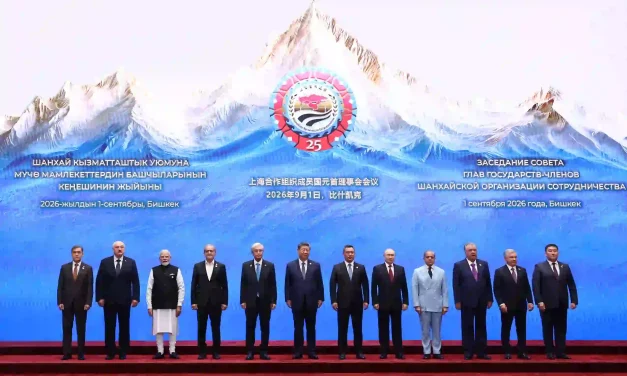
SCFR Online – Opinion: The Shanghai Cooperation Organization summit has created a new opportunity for Iran to transform its membership from a political achievement into economic and transit cooperation.
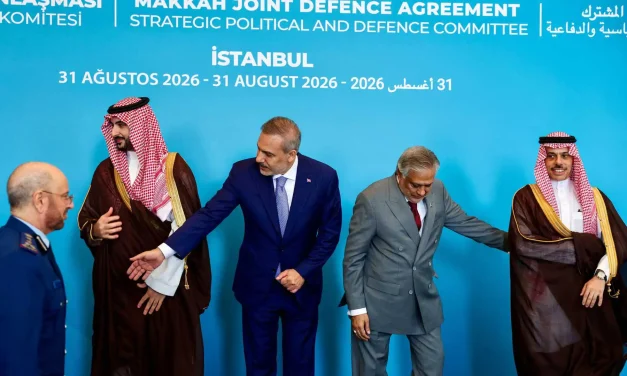
Strategic Council Online – Note: The Makkah Defense Pact can be seen as a sign of regional countries’ efforts to reduce security dependence on extra-regional powers and redefine the balance in West Asia.
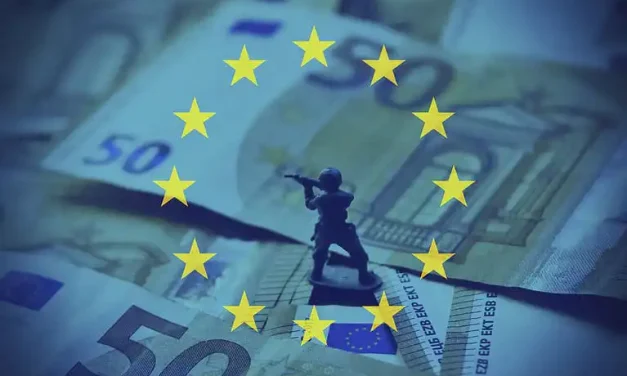
SCFR Online – Opinion: The Ukraine war, by exhausting US military capability on one hand and strengthening European defense capacity on the other, has altered the balance of power in the European continent, cast uncertainty over NATO’s future, and is driving it toward a European NATO.
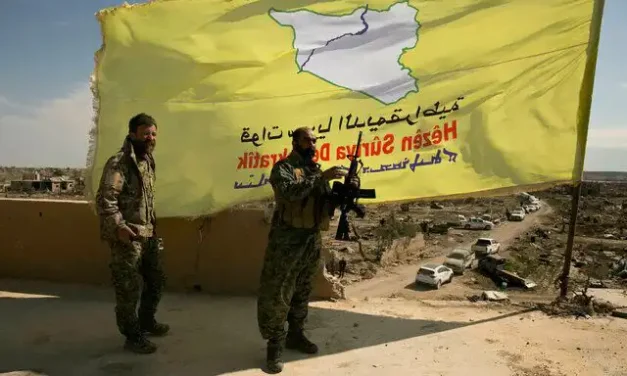
SCFR Online – Opinion: The dissolution of the SDF, although considered an achievement for Turkey’s security, does not put an end to the challenges arising from the Israeli regime’s aggression and expansionism, refugees, and Syria’s fragility.
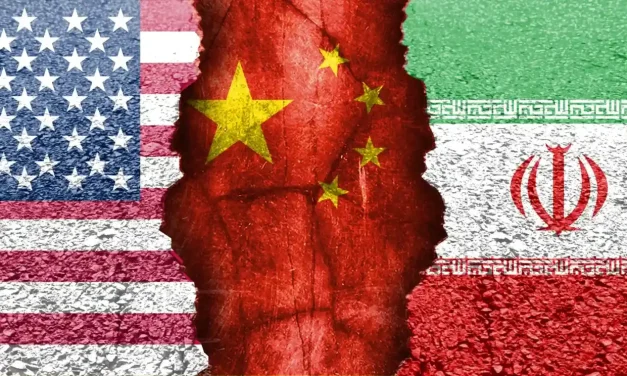
SCFR Online – Opinion: Concurrent with the official commencement of the United States’ economic war against our country, focusing on sanctions instruments, isolation, and economic pressure, what has now become increasingly important is the lack of alignment of other major global powers, especially China, with this policy.
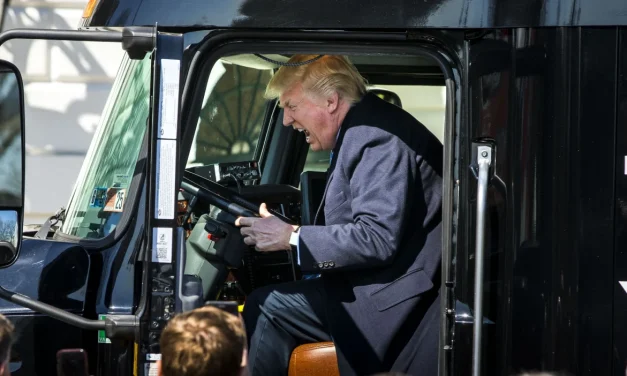
SCFR Online – Opinion: The new US sanctions against Iran, despite extensive propaganda, face serious obstacles to success due to the ineffectiveness of sanctions tools and opposition from some of Tehran’s trading partners.

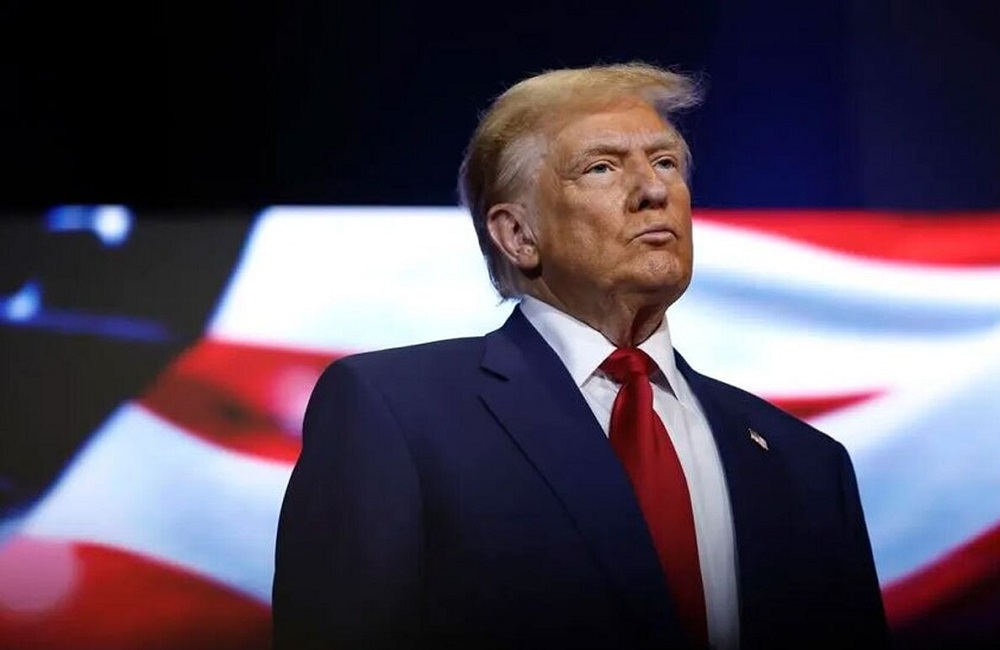
Online Strategic Council – Interview: An expert on West Asian issues stated: Trump’s foreign policy in West Asia began with threats, humiliation, and a show of power, but ultimately ended in failure and strengthened the position of the Resistance Axis.
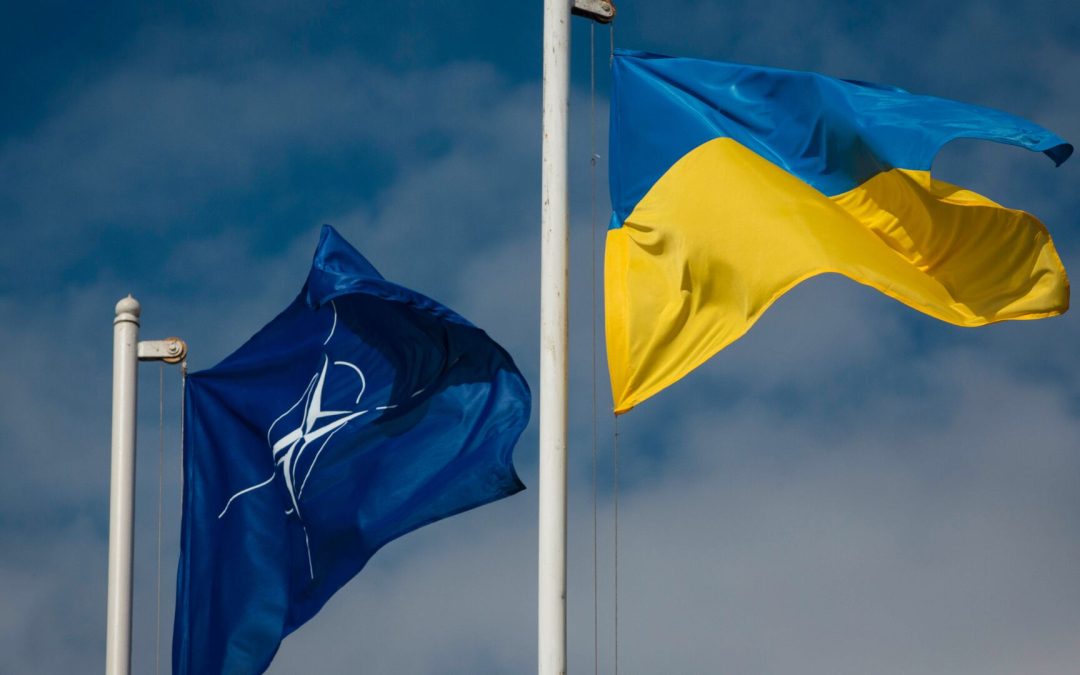
Online Strategic Council – Interview: An international affairs analyst stated that the developments in the Ukraine war have shown that, despite expanding its military influence in Eastern Europe, NATO has failed to contain Russia and has become trapped in a strategic deadlock.

Online Strategic Council – Interview: An East Asian affairs analyst stated: “U.S.-China competition during Trump’s second term has taken on a structural nature, expanding from the economic level to the realms of technology, military, and global order.”

Online Strategic Council – Interview: Sanae Takaichi, Japan’s new prime minister, is an updated version of Shinzo Abe with a high degree of nationalism and a return to traditions. Experts believe that Japan’s approach on the international stage will not change much, and the country’s defense, economic, and cultural policies will continue along the Abe path.

Online Strategic Council – Interview: A West Asia affairs analyst stated that the developments following the Gaza war demonstrated that Iran, by solidifying its geostrategic position and its military power-balancing capability, can become a decisive actor in the new security order of West Asia.

Strategic Council Online- Interview: An expert on West Asian issues stated: The developments following the Gaza war indicate that the U.S. strategy to redefine the West Asian order through the normalization of relations with the Israeli regime has reached a dead end. Therefore, the post-Gaza war developments have once again placed the U.S. security engineering strategy in West Asia at the center of analysts’ attention.

Online Strategic Council – Note: Volodymyr Zelenskyy’s third trip to Washington this year as President of Ukraine must be considered a turning point in the Ukraine war. This trip took place one day after a two-and-a-half-hour phone call between Trump and Putin. It coincided with speculation about holding a second meeting between the presidents of the United States and Russia in Budapest.

Strategic Council Online – Opinion: Today, submarine cables have become the backbone of the global economy and security. While China seeks to expand its influence through investments in submarine cable networks and the Digital Silk Road initiative, the United States strives to maintain control over the global digital order through deterrent strategies and multinational alliances. The geopolitical competition beneath the waves has now become one of the most sensitive arenas of confrontation between the two major powers, where data is the tool of power.
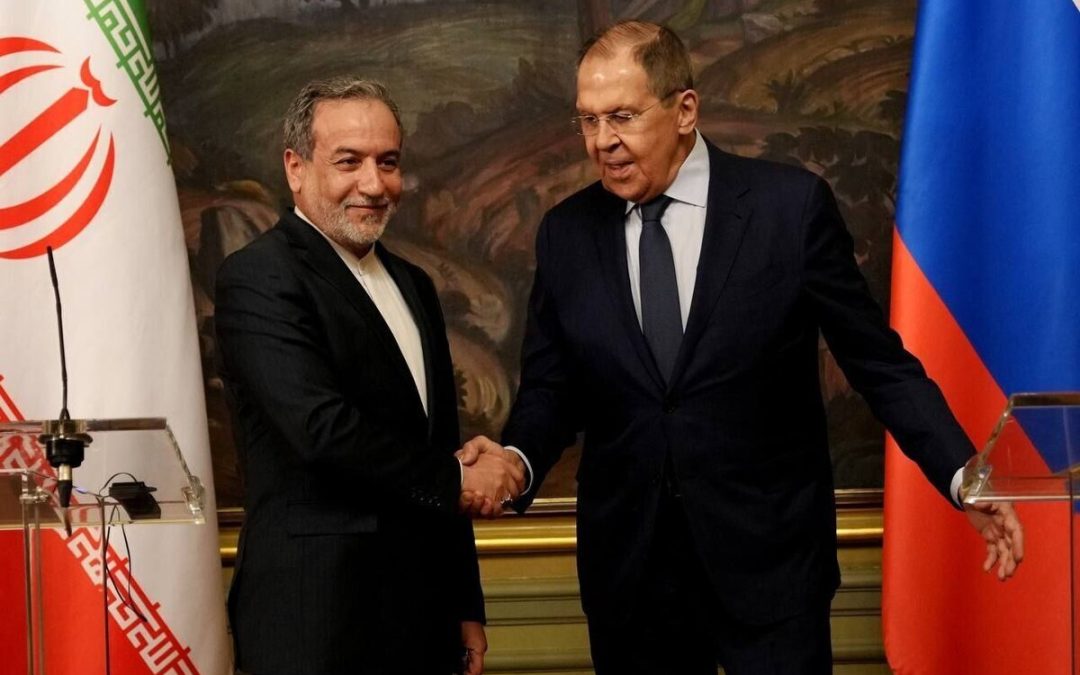
Online Strategic Council – Interview: It is essential that Tehran, Moscow, and Beijing adopt a more coordinated approach in the face of Washington’s strategy to revive its influence in Eurasia.
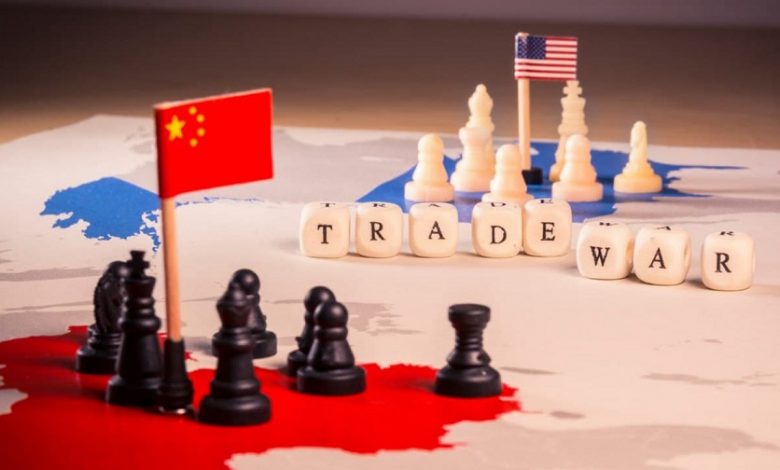
Online Strategic Council – Dialogue: A senior Chinese affairs analyst stated that recent developments in U.S.-China economic relations are a clear sign that the trade war between the world’s two major powers has entered a new phase.
SCFR Online – Opinion: The intensification of U.S. sanctions against Iran on the eve of the U.S. midterm elections indicates Washington’s inability to achieve its war objectives.
SCFR Online – Opinion: The competition between Washington and Beijing over chips and artificial intelligence, simultaneously with the shifting of technological balances, has taken on new economic and security dimensions.
SCFR Online – Opinion: The Shanghai Cooperation Organization summit has created a new opportunity for Iran to transform its membership from a political achievement into economic and transit cooperation.
Strategic Council Online – Note: The Makkah Defense Pact can be seen as a sign of regional countries’ efforts to reduce security dependence on extra-regional powers and redefine the balance in West Asia.
SCFR Online – Opinion: The Ukraine war, by exhausting US military capability on one hand and strengthening European defense capacity on the other, has altered the balance of power in the European continent, cast uncertainty over NATO’s future, and is driving it toward a European NATO.
SCFR Online – Opinion: The dissolution of the SDF, although considered an achievement for Turkey’s security, does not put an end to the challenges arising from the Israeli regime’s aggression and expansionism, refugees, and Syria’s fragility.
SCFR Online – Opinion: Concurrent with the official commencement of the United States’ economic war against our country, focusing on sanctions instruments, isolation, and economic pressure, what has now become increasingly important is the lack of alignment of other major global powers, especially China, with this policy.
SCFR Online – Opinion: The new US sanctions against Iran, despite extensive propaganda, face serious obstacles to success due to the ineffectiveness of sanctions tools and opposition from some of Tehran’s trading partners.
Online Strategic Council – Interview: An expert on West Asian issues stated: Trump’s foreign policy in West Asia began with threats, humiliation, and a show of power, but ultimately ended in failure and strengthened the position of the Resistance Axis.
Online Strategic Council – Interview: An international affairs analyst stated that the developments in the Ukraine war have shown that, despite expanding its military influence in Eastern Europe, NATO has failed to contain Russia and has become trapped in a strategic deadlock.
Online Strategic Council – Interview: An East Asian affairs analyst stated: “U.S.-China competition during Trump’s second term has taken on a structural nature, expanding from the economic level to the realms of technology, military, and global order.”
Online Strategic Council – Interview: Sanae Takaichi, Japan’s new prime minister, is an updated version of Shinzo Abe with a high degree of nationalism and a return to traditions. Experts believe that Japan’s approach on the international stage will not change much, and the country’s defense, economic, and cultural policies will continue along the Abe path.
Online Strategic Council – Interview: A West Asia affairs analyst stated that the developments following the Gaza war demonstrated that Iran, by solidifying its geostrategic position and its military power-balancing capability, can become a decisive actor in the new security order of West Asia.
Strategic Council Online- Interview: An expert on West Asian issues stated: The developments following the Gaza war indicate that the U.S. strategy to redefine the West Asian order through the normalization of relations with the Israeli regime has reached a dead end. Therefore, the post-Gaza war developments have once again placed the U.S. security engineering strategy in West Asia at the center of analysts’ attention.
Online Strategic Council – Note: Volodymyr Zelenskyy’s third trip to Washington this year as President of Ukraine must be considered a turning point in the Ukraine war. This trip took place one day after a two-and-a-half-hour phone call between Trump and Putin. It coincided with speculation about holding a second meeting between the presidents of the United States and Russia in Budapest.
Strategic Council Online – Opinion: Today, submarine cables have become the backbone of the global economy and security. While China seeks to expand its influence through investments in submarine cable networks and the Digital Silk Road initiative, the United States strives to maintain control over the global digital order through deterrent strategies and multinational alliances. The geopolitical competition beneath the waves has now become one of the most sensitive arenas of confrontation between the two major powers, where data is the tool of power.
Online Strategic Council – Interview: It is essential that Tehran, Moscow, and Beijing adopt a more coordinated approach in the face of Washington’s strategy to revive its influence in Eurasia.
Online Strategic Council – Dialogue: A senior Chinese affairs analyst stated that recent developments in U.S.-China economic relations are a clear sign that the trade war between the world’s two major powers has entered a new phase.
Online Strategic Council – Interview: An expert on West Asian issues stated: Trump’s foreign policy in West Asia began with threats, humiliation, and a show of power, but ultimately ended in failure and strengthened the position of the Resistance Axis.
Online Strategic Council – Interview: An international affairs analyst stated that the developments in the Ukraine war have shown that, despite expanding its military influence in Eastern Europe, NATO has failed to contain Russia and has become trapped in a strategic deadlock.
Online Strategic Council – Interview: An East Asian affairs analyst stated: “U.S.-China competition during Trump’s second term has taken on a structural nature, expanding from the economic level to the realms of technology, military, and global order.”
Online Strategic Council – Interview: Sanae Takaichi, Japan’s new prime minister, is an updated version of Shinzo Abe with a high degree of nationalism and a return to traditions. Experts believe that Japan’s approach on the international stage will not change much, and the country’s defense, economic, and cultural policies will continue along the Abe path.
Online Strategic Council – Interview: A West Asia affairs analyst stated that the developments following the Gaza war demonstrated that Iran, by solidifying its geostrategic position and its military power-balancing capability, can become a decisive actor in the new security order of West Asia.
Strategic Council Online- Interview: An expert on West Asian issues stated: The developments following the Gaza war indicate that the U.S. strategy to redefine the West Asian order through the normalization of relations with the Israeli regime has reached a dead end. Therefore, the post-Gaza war developments have once again placed the U.S. security engineering strategy in West Asia at the center of analysts’ attention.
Online Strategic Council – Note: Volodymyr Zelenskyy’s third trip to Washington this year as President of Ukraine must be considered a turning point in the Ukraine war. This trip took place one day after a two-and-a-half-hour phone call between Trump and Putin. It coincided with speculation about holding a second meeting between the presidents of the United States and Russia in Budapest.
Strategic Council Online – Opinion: Today, submarine cables have become the backbone of the global economy and security. While China seeks to expand its influence through investments in submarine cable networks and the Digital Silk Road initiative, the United States strives to maintain control over the global digital order through deterrent strategies and multinational alliances. The geopolitical competition beneath the waves has now become one of the most sensitive arenas of confrontation between the two major powers, where data is the tool of power.
Online Strategic Council – Interview: It is essential that Tehran, Moscow, and Beijing adopt a more coordinated approach in the face of Washington’s strategy to revive its influence in Eurasia.
Online Strategic Council – Dialogue: A senior Chinese affairs analyst stated that recent developments in U.S.-China economic relations are a clear sign that the trade war between the world’s two major powers has entered a new phase.
SCFR Online – Opinion: The intensification of U.S. sanctions against Iran on the eve of the U.S. midterm elections indicates Washington’s inability to achieve its war objectives.
SCFR Online – Opinion: The competition between Washington and Beijing over chips and artificial intelligence, simultaneously with the shifting of technological balances, has taken on new economic and security dimensions.
SCFR Online – Opinion: The Shanghai Cooperation Organization summit has created a new opportunity for Iran to transform its membership from a political achievement into economic and transit cooperation.
Strategic Council Online – Note: The Makkah Defense Pact can be seen as a sign of regional countries’ efforts to reduce security dependence on extra-regional powers and redefine the balance in West Asia.
SCFR Online – Opinion: The Ukraine war, by exhausting US military capability on one hand and strengthening European defense capacity on the other, has altered the balance of power in the European continent, cast uncertainty over NATO’s future, and is driving it toward a European NATO.
SCFR Online – Opinion: The dissolution of the SDF, although considered an achievement for Turkey’s security, does not put an end to the challenges arising from the Israeli regime’s aggression and expansionism, refugees, and Syria’s fragility.
SCFR Online – Opinion: Concurrent with the official commencement of the United States’ economic war against our country, focusing on sanctions instruments, isolation, and economic pressure, what has now become increasingly important is the lack of alignment of other major global powers, especially China, with this policy.
SCFR Online – Opinion: The new US sanctions against Iran, despite extensive propaganda, face serious obstacles to success due to the ineffectiveness of sanctions tools and opposition from some of Tehran’s trading partners.
Online Strategic Council – Interview: An expert on West Asian issues stated: Trump’s foreign policy in West Asia began with threats, humiliation, and a show of power, but ultimately ended in failure and strengthened the position of the Resistance Axis.
Online Strategic Council – Interview: An international affairs analyst stated that the developments in the Ukraine war have shown that, despite expanding its military influence in Eastern Europe, NATO has failed to contain Russia and has become trapped in a strategic deadlock.
Online Strategic Council – Interview: An East Asian affairs analyst stated: “U.S.-China competition during Trump’s second term has taken on a structural nature, expanding from the economic level to the realms of technology, military, and global order.”
Online Strategic Council – Interview: Sanae Takaichi, Japan’s new prime minister, is an updated version of Shinzo Abe with a high degree of nationalism and a return to traditions. Experts believe that Japan’s approach on the international stage will not change much, and the country’s defense, economic, and cultural policies will continue along the Abe path.
Online Strategic Council – Interview: A West Asia affairs analyst stated that the developments following the Gaza war demonstrated that Iran, by solidifying its geostrategic position and its military power-balancing capability, can become a decisive actor in the new security order of West Asia.
Strategic Council Online- Interview: An expert on West Asian issues stated: The developments following the Gaza war indicate that the U.S. strategy to redefine the West Asian order through the normalization of relations with the Israeli regime has reached a dead end. Therefore, the post-Gaza war developments have once again placed the U.S. security engineering strategy in West Asia at the center of analysts’ attention.
Online Strategic Council – Note: Volodymyr Zelenskyy’s third trip to Washington this year as President of Ukraine must be considered a turning point in the Ukraine war. This trip took place one day after a two-and-a-half-hour phone call between Trump and Putin. It coincided with speculation about holding a second meeting between the presidents of the United States and Russia in Budapest.
Strategic Council Online – Opinion: Today, submarine cables have become the backbone of the global economy and security. While China seeks to expand its influence through investments in submarine cable networks and the Digital Silk Road initiative, the United States strives to maintain control over the global digital order through deterrent strategies and multinational alliances. The geopolitical competition beneath the waves has now become one of the most sensitive arenas of confrontation between the two major powers, where data is the tool of power.
Online Strategic Council – Interview: It is essential that Tehran, Moscow, and Beijing adopt a more coordinated approach in the face of Washington’s strategy to revive its influence in Eurasia.
Online Strategic Council – Dialogue: A senior Chinese affairs analyst stated that recent developments in U.S.-China economic relations are a clear sign that the trade war between the world’s two major powers has entered a new phase.
SCFR Online – Opinion: The intensification of U.S. sanctions against Iran on the eve of the U.S. midterm elections indicates Washington’s inability to achieve its war objectives.
SCFR Online – Opinion: The competition between Washington and Beijing over chips and artificial intelligence, simultaneously with the shifting of technological balances, has taken on new economic and security dimensions.
SCFR Online – Opinion: The Shanghai Cooperation Organization summit has created a new opportunity for Iran to transform its membership from a political achievement into economic and transit cooperation.
Strategic Council Online – Note: The Makkah Defense Pact can be seen as a sign of regional countries’ efforts to reduce security dependence on extra-regional powers and redefine the balance in West Asia.
SCFR Online – Opinion: The Ukraine war, by exhausting US military capability on one hand and strengthening European defense capacity on the other, has altered the balance of power in the European continent, cast uncertainty over NATO’s future, and is driving it toward a European NATO.
SCFR Online – Opinion: The dissolution of the SDF, although considered an achievement for Turkey’s security, does not put an end to the challenges arising from the Israeli regime’s aggression and expansionism, refugees, and Syria’s fragility.
SCFR Online – Opinion: Concurrent with the official commencement of the United States’ economic war against our country, focusing on sanctions instruments, isolation, and economic pressure, what has now become increasingly important is the lack of alignment of other major global powers, especially China, with this policy.
SCFR Online – Opinion: The new US sanctions against Iran, despite extensive propaganda, face serious obstacles to success due to the ineffectiveness of sanctions tools and opposition from some of Tehran’s trading partners.
Online Strategic Council – Interview: An expert on West Asian issues stated: Trump’s foreign policy in West Asia began with threats, humiliation, and a show of power, but ultimately ended in failure and strengthened the position of the Resistance Axis.
Online Strategic Council – Interview: An international affairs analyst stated that the developments in the Ukraine war have shown that, despite expanding its military influence in Eastern Europe, NATO has failed to contain Russia and has become trapped in a strategic deadlock.
Online Strategic Council – Interview: An East Asian affairs analyst stated: “U.S.-China competition during Trump’s second term has taken on a structural nature, expanding from the economic level to the realms of technology, military, and global order.”
Online Strategic Council – Interview: Sanae Takaichi, Japan’s new prime minister, is an updated version of Shinzo Abe with a high degree of nationalism and a return to traditions. Experts believe that Japan’s approach on the international stage will not change much, and the country’s defense, economic, and cultural policies will continue along the Abe path.
Online Strategic Council – Interview: A West Asia affairs analyst stated that the developments following the Gaza war demonstrated that Iran, by solidifying its geostrategic position and its military power-balancing capability, can become a decisive actor in the new security order of West Asia.
Strategic Council Online- Interview: An expert on West Asian issues stated: The developments following the Gaza war indicate that the U.S. strategy to redefine the West Asian order through the normalization of relations with the Israeli regime has reached a dead end. Therefore, the post-Gaza war developments have once again placed the U.S. security engineering strategy in West Asia at the center of analysts’ attention.
Online Strategic Council – Note: Volodymyr Zelenskyy’s third trip to Washington this year as President of Ukraine must be considered a turning point in the Ukraine war. This trip took place one day after a two-and-a-half-hour phone call between Trump and Putin. It coincided with speculation about holding a second meeting between the presidents of the United States and Russia in Budapest.
Strategic Council Online – Opinion: Today, submarine cables have become the backbone of the global economy and security. While China seeks to expand its influence through investments in submarine cable networks and the Digital Silk Road initiative, the United States strives to maintain control over the global digital order through deterrent strategies and multinational alliances. The geopolitical competition beneath the waves has now become one of the most sensitive arenas of confrontation between the two major powers, where data is the tool of power.
Online Strategic Council – Interview: It is essential that Tehran, Moscow, and Beijing adopt a more coordinated approach in the face of Washington’s strategy to revive its influence in Eurasia.
Online Strategic Council – Dialogue: A senior Chinese affairs analyst stated that recent developments in U.S.-China economic relations are a clear sign that the trade war between the world’s two major powers has entered a new phase.
SCFR Online – Opinion: The intensification of U.S. sanctions against Iran on the eve of the U.S. midterm elections indicates Washington’s inability to achieve its war objectives.
SCFR Online – Opinion: The competition between Washington and Beijing over chips and artificial intelligence, simultaneously with the shifting of technological balances, has taken on new economic and security dimensions.
SCFR Online – Opinion: The Shanghai Cooperation Organization summit has created a new opportunity for Iran to transform its membership from a political achievement into economic and transit cooperation.
Strategic Council Online – Note: The Makkah Defense Pact can be seen as a sign of regional countries’ efforts to reduce security dependence on extra-regional powers and redefine the balance in West Asia.
SCFR Online – Opinion: The Ukraine war, by exhausting US military capability on one hand and strengthening European defense capacity on the other, has altered the balance of power in the European continent, cast uncertainty over NATO’s future, and is driving it toward a European NATO.
SCFR Online – Opinion: The dissolution of the SDF, although considered an achievement for Turkey’s security, does not put an end to the challenges arising from the Israeli regime’s aggression and expansionism, refugees, and Syria’s fragility.
SCFR Online – Opinion: Concurrent with the official commencement of the United States’ economic war against our country, focusing on sanctions instruments, isolation, and economic pressure, what has now become increasingly important is the lack of alignment of other major global powers, especially China, with this policy.
SCFR Online – Opinion: The new US sanctions against Iran, despite extensive propaganda, face serious obstacles to success due to the ineffectiveness of sanctions tools and opposition from some of Tehran’s trading partners.
Online Strategic Council – Interview: An expert on West Asian issues stated: Trump’s foreign policy in West Asia began with threats, humiliation, and a show of power, but ultimately ended in failure and strengthened the position of the Resistance Axis.
Online Strategic Council – Interview: An international affairs analyst stated that the developments in the Ukraine war have shown that, despite expanding its military influence in Eastern Europe, NATO has failed to contain Russia and has become trapped in a strategic deadlock.
Online Strategic Council – Interview: An East Asian affairs analyst stated: “U.S.-China competition during Trump’s second term has taken on a structural nature, expanding from the economic level to the realms of technology, military, and global order.”
Online Strategic Council – Interview: Sanae Takaichi, Japan’s new prime minister, is an updated version of Shinzo Abe with a high degree of nationalism and a return to traditions. Experts believe that Japan’s approach on the international stage will not change much, and the country’s defense, economic, and cultural policies will continue along the Abe path.
Online Strategic Council – Interview: A West Asia affairs analyst stated that the developments following the Gaza war demonstrated that Iran, by solidifying its geostrategic position and its military power-balancing capability, can become a decisive actor in the new security order of West Asia.
Strategic Council Online- Interview: An expert on West Asian issues stated: The developments following the Gaza war indicate that the U.S. strategy to redefine the West Asian order through the normalization of relations with the Israeli regime has reached a dead end. Therefore, the post-Gaza war developments have once again placed the U.S. security engineering strategy in West Asia at the center of analysts’ attention.
Online Strategic Council – Note: Volodymyr Zelenskyy’s third trip to Washington this year as President of Ukraine must be considered a turning point in the Ukraine war. This trip took place one day after a two-and-a-half-hour phone call between Trump and Putin. It coincided with speculation about holding a second meeting between the presidents of the United States and Russia in Budapest.
Strategic Council Online – Opinion: Today, submarine cables have become the backbone of the global economy and security. While China seeks to expand its influence through investments in submarine cable networks and the Digital Silk Road initiative, the United States strives to maintain control over the global digital order through deterrent strategies and multinational alliances. The geopolitical competition beneath the waves has now become one of the most sensitive arenas of confrontation between the two major powers, where data is the tool of power.
Online Strategic Council – Interview: It is essential that Tehran, Moscow, and Beijing adopt a more coordinated approach in the face of Washington’s strategy to revive its influence in Eurasia.
Online Strategic Council – Dialogue: A senior Chinese affairs analyst stated that recent developments in U.S.-China economic relations are a clear sign that the trade war between the world’s two major powers has entered a new phase.
SCFR Online – Opinion: The intensification of U.S. sanctions against Iran on the eve of the U.S. midterm elections indicates Washington’s inability to achieve its war objectives.
SCFR Online – Opinion: The competition between Washington and Beijing over chips and artificial intelligence, simultaneously with the shifting of technological balances, has taken on new economic and security dimensions.
SCFR Online – Opinion: The Shanghai Cooperation Organization summit has created a new opportunity for Iran to transform its membership from a political achievement into economic and transit cooperation.
Strategic Council Online – Note: The Makkah Defense Pact can be seen as a sign of regional countries’ efforts to reduce security dependence on extra-regional powers and redefine the balance in West Asia.
SCFR Online – Opinion: The Ukraine war, by exhausting US military capability on one hand and strengthening European defense capacity on the other, has altered the balance of power in the European continent, cast uncertainty over NATO’s future, and is driving it toward a European NATO.
SCFR Online – Opinion: The dissolution of the SDF, although considered an achievement for Turkey’s security, does not put an end to the challenges arising from the Israeli regime’s aggression and expansionism, refugees, and Syria’s fragility.
SCFR Online – Opinion: Concurrent with the official commencement of the United States’ economic war against our country, focusing on sanctions instruments, isolation, and economic pressure, what has now become increasingly important is the lack of alignment of other major global powers, especially China, with this policy.
SCFR Online – Opinion: The new US sanctions against Iran, despite extensive propaganda, face serious obstacles to success due to the ineffectiveness of sanctions tools and opposition from some of Tehran’s trading partners.
Online Strategic Council – Interview: An expert on West Asian issues stated: Trump’s foreign policy in West Asia began with threats, humiliation, and a show of power, but ultimately ended in failure and strengthened the position of the Resistance Axis.
Online Strategic Council – Interview: An international affairs analyst stated that the developments in the Ukraine war have shown that, despite expanding its military influence in Eastern Europe, NATO has failed to contain Russia and has become trapped in a strategic deadlock.
Online Strategic Council – Interview: An East Asian affairs analyst stated: “U.S.-China competition during Trump’s second term has taken on a structural nature, expanding from the economic level to the realms of technology, military, and global order.”
Online Strategic Council – Interview: Sanae Takaichi, Japan’s new prime minister, is an updated version of Shinzo Abe with a high degree of nationalism and a return to traditions. Experts believe that Japan’s approach on the international stage will not change much, and the country’s defense, economic, and cultural policies will continue along the Abe path.
Online Strategic Council – Interview: A West Asia affairs analyst stated that the developments following the Gaza war demonstrated that Iran, by solidifying its geostrategic position and its military power-balancing capability, can become a decisive actor in the new security order of West Asia.
Strategic Council Online- Interview: An expert on West Asian issues stated: The developments following the Gaza war indicate that the U.S. strategy to redefine the West Asian order through the normalization of relations with the Israeli regime has reached a dead end. Therefore, the post-Gaza war developments have once again placed the U.S. security engineering strategy in West Asia at the center of analysts’ attention.
Online Strategic Council – Note: Volodymyr Zelenskyy’s third trip to Washington this year as President of Ukraine must be considered a turning point in the Ukraine war. This trip took place one day after a two-and-a-half-hour phone call between Trump and Putin. It coincided with speculation about holding a second meeting between the presidents of the United States and Russia in Budapest.
Strategic Council Online – Opinion: Today, submarine cables have become the backbone of the global economy and security. While China seeks to expand its influence through investments in submarine cable networks and the Digital Silk Road initiative, the United States strives to maintain control over the global digital order through deterrent strategies and multinational alliances. The geopolitical competition beneath the waves has now become one of the most sensitive arenas of confrontation between the two major powers, where data is the tool of power.
Online Strategic Council – Interview: It is essential that Tehran, Moscow, and Beijing adopt a more coordinated approach in the face of Washington’s strategy to revive its influence in Eurasia.
Online Strategic Council – Dialogue: A senior Chinese affairs analyst stated that recent developments in U.S.-China economic relations are a clear sign that the trade war between the world’s two major powers has entered a new phase.
SCFR Online – Opinion: The intensification of U.S. sanctions against Iran on the eve of the U.S. midterm elections indicates Washington’s inability to achieve its war objectives.
SCFR Online – Opinion: The competition between Washington and Beijing over chips and artificial intelligence, simultaneously with the shifting of technological balances, has taken on new economic and security dimensions.
SCFR Online – Opinion: The Shanghai Cooperation Organization summit has created a new opportunity for Iran to transform its membership from a political achievement into economic and transit cooperation.
Strategic Council Online – Note: The Makkah Defense Pact can be seen as a sign of regional countries’ efforts to reduce security dependence on extra-regional powers and redefine the balance in West Asia.
SCFR Online – Opinion: The Ukraine war, by exhausting US military capability on one hand and strengthening European defense capacity on the other, has altered the balance of power in the European continent, cast uncertainty over NATO’s future, and is driving it toward a European NATO.
SCFR Online – Opinion: The dissolution of the SDF, although considered an achievement for Turkey’s security, does not put an end to the challenges arising from the Israeli regime’s aggression and expansionism, refugees, and Syria’s fragility.
SCFR Online – Opinion: Concurrent with the official commencement of the United States’ economic war against our country, focusing on sanctions instruments, isolation, and economic pressure, what has now become increasingly important is the lack of alignment of other major global powers, especially China, with this policy.
SCFR Online – Opinion: The new US sanctions against Iran, despite extensive propaganda, face serious obstacles to success due to the ineffectiveness of sanctions tools and opposition from some of Tehran’s trading partners.