جدیدترین مطالب

The Makkah Pact; Reasons for its Formation and Challenges Ahead

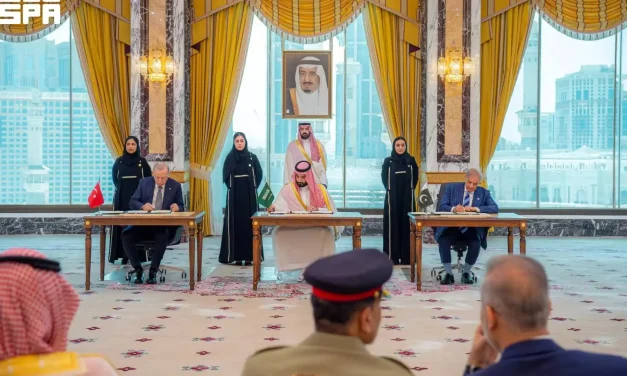
SCFR Online – Opinion: The Makkah Pact, signed between Saudi Arabia, Pakistan, and Turkey under the motto “an attack on one is an attack on all,” is viewed by some analysts less as a full-fledged military coalition and more as an attempt to reduce security dependence on an external power and to establish a regional security mechanism.

Implications of the US-Saudi Nuclear Agreement

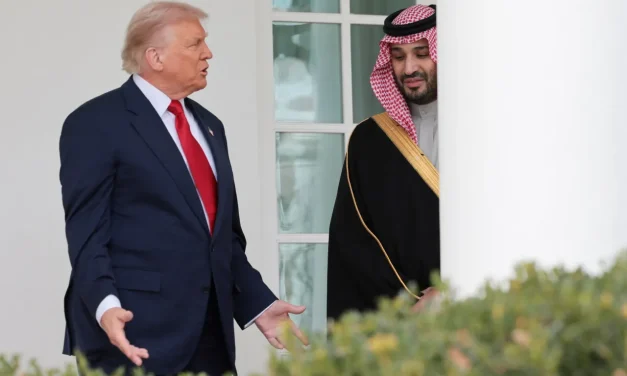
SCFR Online – Opinion: The new US-Saudi nuclear agreement, despite legal and political ambiguities, could alter previous non-proliferation standards in West Asia and intensify nuclear competition, ushering it into a new phase.

An Analysis of Recent Turkey-Israeli Regime Tensions

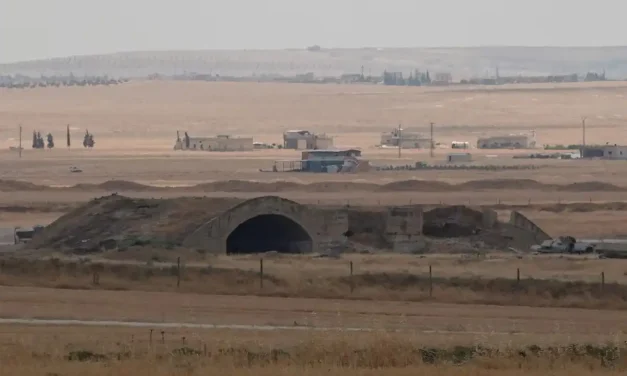
SCFR Online – Opinion: Recent developments in Syria indicate an intensification of strategic rivalry between Turkey and the Israeli regime, but mutual considerations and the role of the United States have limited the likelihood of direct war.

Increasing criticism of the extensive Zionist lobby network

SCFR Online – Opinion: An examination of the mechanisms of the Israeli regime’s influence in the United States depicts a complex picture of shared interests, strategic dependencies, and the limitations of this relationship.

Realities of the Tripartite Makkah Pact

SCFR Online – Interview: The signing of the Makkah agreement between Saudi Arabia, Pakistan, and Turkey has raised questions about the future of the region’s security structure and the position of these countries in West Asian equations. Can this agreement become a genuine collective defense mechanism, or does it have more of a political and deterrent function than creating new military capacity?

Loading

Sanctions

Consequences of Global Sanctions Against the Israeli Regime

Consequences of Global Sanctions Against the Israeli Regime

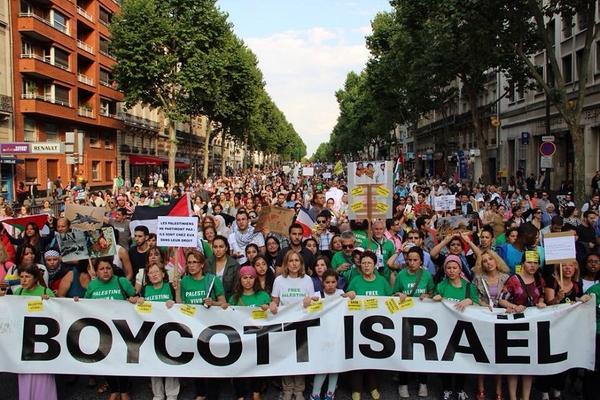
Strategic Council Online – Interview: An international affairs expert stated that in recent months, a multitude of political, economic, cultural, and scientific sanctions have been imposed against the Israeli regime, which, in the interpretation of many analysts, constitutes an “unprecedented set” of multi-layered global pressures. This wave, from the European Union to academic circles, from music festivals to world cinema, has targeted Tel Aviv’s international legitimacy and placed it in an increasingly tight spot. The message of these sanctions is also clear; the Israeli regime can no longer rely on its traditional immunity in the West to escape the moral and political consequences of its crimes in Gaza. Diplomatic isolation, economic restrictions, civil pressures, and damage to cultural prestige are all shaping an environment that can not only limit the Israeli regime’s freedom of action on the international stage but also challenges the credibility and legitimacy of this regime in global public opinion; a challenge that, in principle, should lead to a change in behavior or even internal political equations of the Israeli regime.

Inefficiency of the West’s Economic Lever for Ending the Ukraine War

Inefficiency of the West’s Economic Lever for Ending the Ukraine War

Strategic Council Online – Interview: An international economics expert stated that sanctions, as discussed in political and economic literature, are tools used to force countries to change their behavior in foreign or domestic policies. However, the fundamental question is whether these tools consistently achieve the expected results. The European Union, which has intensified its sanctions policy against Russia since 2014, especially after the Ukraine war in 2022, now faces the question of to what extent these sanctions have been able to halt Moscow’s economic machine. Although more than 50 sanction packages have been imposed against Russia since 2014, statistics and analyses show that Russia has been able to overcome the pressures in many cases and even gain more profit in some areas. Experts believe that the lack of unity in European decision-making, the conflict of economic interests among member states, and the historical dependence of some on Russian energy have all combined to cause Europe’s sanctions policy not only to fail to achieve its ultimate goal but, in some cases, to yield opposite results. Meanwhile, the debate over “secondary sanctions” and the change in the European Union’s strategies after the Ukraine war marks a turning point in the future path of Moscow-Brussels relations.

Deception of EU3 Foreign Ministers in Joint Article on Trigger Mechanism

Deception of EU3 Foreign Ministers in Joint Article on Trigger Mechanism

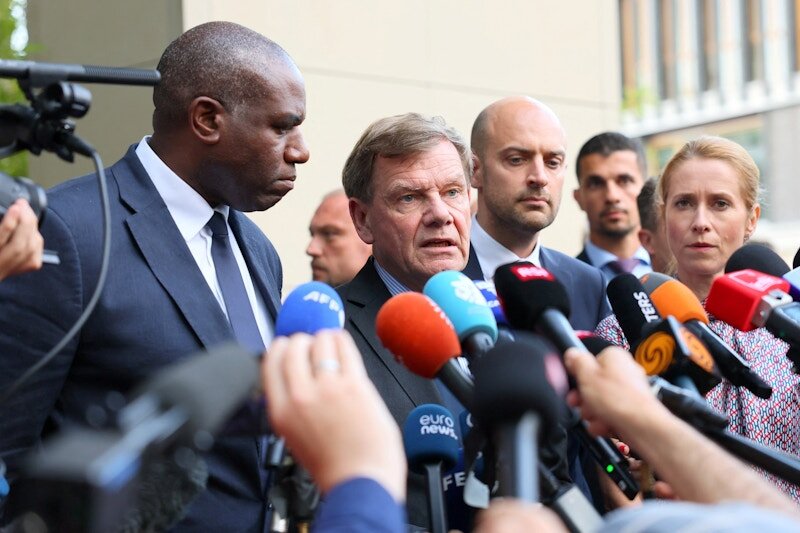
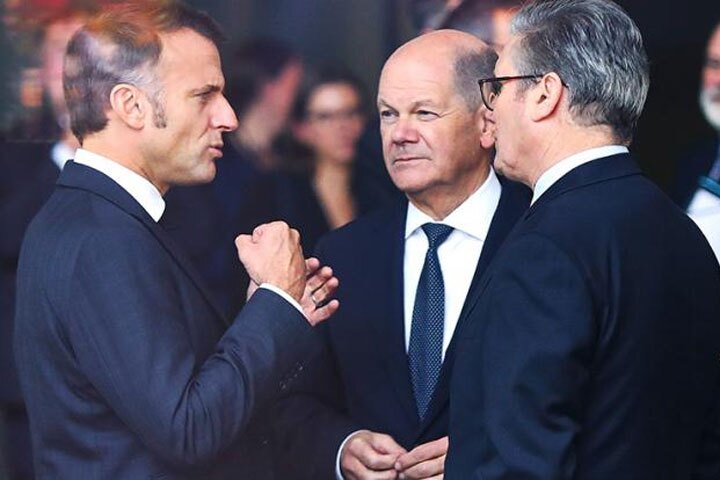
Strategic Council Online – Opinion: The joint article by the foreign ministers of Britain, France, and Germany, recently published in Politico under the title “Why we are seeking to reimpose UN sanctions on Iran,” was an apparent attempt to present a one-sided narrative regarding Iran’s nuclear dossier. While the article emphasized increased uranium stockpiles, limited cooperation with the IAEA, and Iran’s security threats, important facts of our country’s nuclear case were ignored entirely.

Features of Cryptocurrencies and the Consequences of Their Use Under Sanction Conditions

Features of Cryptocurrencies and the Consequences of Their Use Under Sanction Conditions

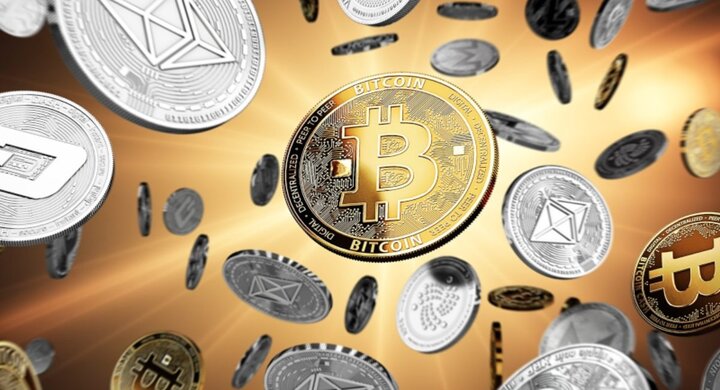
Strategic Council Online – Opinion: In recent years, with the expansion of international sanctions and the intensification of economic pressures on specific countries, many have turned their attention to new financial technologies. Among these technologies, cryptocurrencies have garnered more attention than others. Media, economic actors, and even some politicians have referred to cryptocurrency as a potential tool for bypassing sanctions, as if these cryptocurrencies are the very keyword that unlocks the closed doors of the global banking system.

An Analysis of the Prospects for a Peace Agreement Between Ukraine and Russia

An Analysis of the Prospects for a Peace Agreement Between Ukraine and Russia

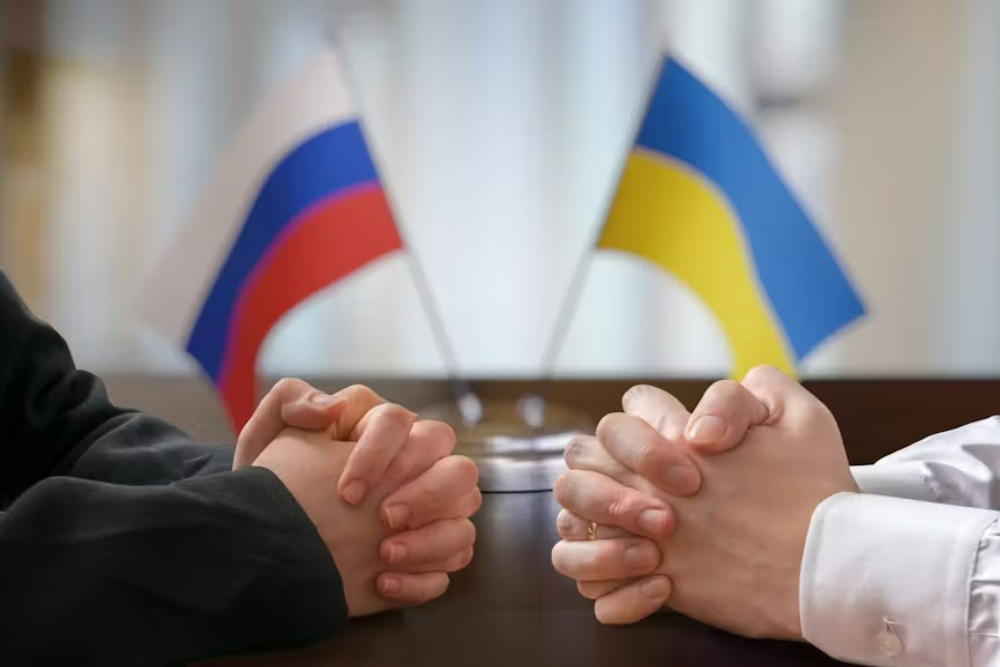
Strategic Council Online – Opinion: Given the suspension of weeks-long negotiations between Russia and the United States regarding ending the war in Ukraine, Donald Trump has effectively failed to end the war in Ukraine within his expected timeframe. This is especially true since Trump’s demands for ending the war caused significant shock among European leaders and the Ukrainian government, effectively disregarding their political and economic interests in these negotiations.

EU3 and Iran-US Nuclear Talks

EU3 and Iran-US Nuclear Talks

Strategic Council Online – Guest Opinion: The recent nuclear talks between Iran and the United States, which are being conducted through the mediation of Oman, have once again attracted the attention of the international community. Although in the past, Iran, due to its differences and problems with the United States, mostly entered into negotiations on nuclear issues with European countries, especially the United Kingdom, France and Germany (EU3), in this period, due to specific regional and international conditions, and mainly due to the US President Donald Trump’s approach these negotiations have been limited to Iran and the United States, and other world powers are not present in the talks at the moment.

Active Resistance in Neutralizing the Sanctions

Active Resistance in Neutralizing the Sanctions

Strategic Council Online – Opinion: In the words of the Supreme Leader of the Revolution, two types of discourses can be seen in the policy of neutralizing the sanctions: 1. The discourse emphasizes the lack of reliance and trust in the West and 2. The discourse of pragmatism focuses on relying on domestic power and the resistance economy.

Lebanon’s Future After Joseph Aoun’s Election

Lebanon’s Future After Joseph Aoun’s Election

Strategic Council Online—Interview: An expert on regional issues said, “The future of Lebanon depends on the cooperation of the various clans and influential countries in Lebanon.”

Europe’s Challenge to Lift Sanctions on Syria

Europe’s Challenge to Lift Sanctions on Syria

Strategic Council Online: An international affairs expert said that Europe and the United States will definitely put pressure on various ruling groups to change their approach towards minorities, women, and different ethnic groups in Syria in order to normalize political and economic relations with Syria domestically, regionally, and internationally. Only then can the lifting of sanctions be justified for Europe and the United States.

أحدث الوظائف

The Makkah Pact; Reasons for its Formation and Challenges Ahead

SCFR Online – Opinion: The Makkah Pact, signed between Saudi Arabia, Pakistan, and Turkey under the motto “an attack on one is an attack on all,” is viewed by some analysts less as a full-fledged military coalition and more as an attempt to reduce security dependence on an external power and to establish a regional security mechanism.

Implications of the US-Saudi Nuclear Agreement

SCFR Online – Opinion: The new US-Saudi nuclear agreement, despite legal and political ambiguities, could alter previous non-proliferation standards in West Asia and intensify nuclear competition, ushering it into a new phase.

An Analysis of Recent Turkey-Israeli Regime Tensions

SCFR Online – Opinion: Recent developments in Syria indicate an intensification of strategic rivalry between Turkey and the Israeli regime, but mutual considerations and the role of the United States have limited the likelihood of direct war.

Increasing criticism of the extensive Zionist lobby network

SCFR Online – Opinion: An examination of the mechanisms of the Israeli regime’s influence in the United States depicts a complex picture of shared interests, strategic dependencies, and the limitations of this relationship.

Realities of the Tripartite Makkah Pact

SCFR Online – Interview: The signing of the Makkah agreement between Saudi Arabia, Pakistan, and Turkey has raised questions about the future of the region’s security structure and the position of these countries in West Asian equations. Can this agreement become a genuine collective defense mechanism, or does it have more of a political and deterrent function than creating new military capacity?

Loading

Sanctions

Consequences of Global Sanctions Against the Israeli Regime

Consequences of Global Sanctions Against the Israeli Regime

Strategic Council Online – Interview: An international affairs expert stated that in recent months, a multitude of political, economic, cultural, and scientific sanctions have been imposed against the Israeli regime, which, in the interpretation of many analysts, constitutes an “unprecedented set” of multi-layered global pressures. This wave, from the European Union to academic circles, from music festivals to world cinema, has targeted Tel Aviv’s international legitimacy and placed it in an increasingly tight spot. The message of these sanctions is also clear; the Israeli regime can no longer rely on its traditional immunity in the West to escape the moral and political consequences of its crimes in Gaza. Diplomatic isolation, economic restrictions, civil pressures, and damage to cultural prestige are all shaping an environment that can not only limit the Israeli regime’s freedom of action on the international stage but also challenges the credibility and legitimacy of this regime in global public opinion; a challenge that, in principle, should lead to a change in behavior or even internal political equations of the Israeli regime.

Inefficiency of the West’s Economic Lever for Ending the Ukraine War

Inefficiency of the West’s Economic Lever for Ending the Ukraine War

Strategic Council Online – Interview: An international economics expert stated that sanctions, as discussed in political and economic literature, are tools used to force countries to change their behavior in foreign or domestic policies. However, the fundamental question is whether these tools consistently achieve the expected results. The European Union, which has intensified its sanctions policy against Russia since 2014, especially after the Ukraine war in 2022, now faces the question of to what extent these sanctions have been able to halt Moscow’s economic machine. Although more than 50 sanction packages have been imposed against Russia since 2014, statistics and analyses show that Russia has been able to overcome the pressures in many cases and even gain more profit in some areas. Experts believe that the lack of unity in European decision-making, the conflict of economic interests among member states, and the historical dependence of some on Russian energy have all combined to cause Europe’s sanctions policy not only to fail to achieve its ultimate goal but, in some cases, to yield opposite results. Meanwhile, the debate over “secondary sanctions” and the change in the European Union’s strategies after the Ukraine war marks a turning point in the future path of Moscow-Brussels relations.

Deception of EU3 Foreign Ministers in Joint Article on Trigger Mechanism

Deception of EU3 Foreign Ministers in Joint Article on Trigger Mechanism

Strategic Council Online – Opinion: The joint article by the foreign ministers of Britain, France, and Germany, recently published in Politico under the title “Why we are seeking to reimpose UN sanctions on Iran,” was an apparent attempt to present a one-sided narrative regarding Iran’s nuclear dossier. While the article emphasized increased uranium stockpiles, limited cooperation with the IAEA, and Iran’s security threats, important facts of our country’s nuclear case were ignored entirely.

Features of Cryptocurrencies and the Consequences of Their Use Under Sanction Conditions

Features of Cryptocurrencies and the Consequences of Their Use Under Sanction Conditions

Strategic Council Online – Opinion: In recent years, with the expansion of international sanctions and the intensification of economic pressures on specific countries, many have turned their attention to new financial technologies. Among these technologies, cryptocurrencies have garnered more attention than others. Media, economic actors, and even some politicians have referred to cryptocurrency as a potential tool for bypassing sanctions, as if these cryptocurrencies are the very keyword that unlocks the closed doors of the global banking system.

An Analysis of the Prospects for a Peace Agreement Between Ukraine and Russia

An Analysis of the Prospects for a Peace Agreement Between Ukraine and Russia

Strategic Council Online – Opinion: Given the suspension of weeks-long negotiations between Russia and the United States regarding ending the war in Ukraine, Donald Trump has effectively failed to end the war in Ukraine within his expected timeframe. This is especially true since Trump’s demands for ending the war caused significant shock among European leaders and the Ukrainian government, effectively disregarding their political and economic interests in these negotiations.

EU3 and Iran-US Nuclear Talks

EU3 and Iran-US Nuclear Talks

Strategic Council Online – Guest Opinion: The recent nuclear talks between Iran and the United States, which are being conducted through the mediation of Oman, have once again attracted the attention of the international community. Although in the past, Iran, due to its differences and problems with the United States, mostly entered into negotiations on nuclear issues with European countries, especially the United Kingdom, France and Germany (EU3), in this period, due to specific regional and international conditions, and mainly due to the US President Donald Trump’s approach these negotiations have been limited to Iran and the United States, and other world powers are not present in the talks at the moment.

Active Resistance in Neutralizing the Sanctions

Active Resistance in Neutralizing the Sanctions

Strategic Council Online – Opinion: In the words of the Supreme Leader of the Revolution, two types of discourses can be seen in the policy of neutralizing the sanctions: 1. The discourse emphasizes the lack of reliance and trust in the West and 2. The discourse of pragmatism focuses on relying on domestic power and the resistance economy.

Lebanon’s Future After Joseph Aoun’s Election

Lebanon’s Future After Joseph Aoun’s Election

Strategic Council Online—Interview: An expert on regional issues said, “The future of Lebanon depends on the cooperation of the various clans and influential countries in Lebanon.”

Europe’s Challenge to Lift Sanctions on Syria

Europe’s Challenge to Lift Sanctions on Syria

Strategic Council Online: An international affairs expert said that Europe and the United States will definitely put pressure on various ruling groups to change their approach towards minorities, women, and different ethnic groups in Syria in order to normalize political and economic relations with Syria domestically, regionally, and internationally. Only then can the lifting of sanctions be justified for Europe and the United States.

Sanctions

Consequences of Global Sanctions Against the Israeli Regime

Consequences of Global Sanctions Against the Israeli Regime

Strategic Council Online – Interview: An international affairs expert stated that in recent months, a multitude of political, economic, cultural, and scientific sanctions have been imposed against the Israeli regime, which, in the interpretation of many analysts, constitutes an “unprecedented set” of multi-layered global pressures. This wave, from the European Union to academic circles, from music festivals to world cinema, has targeted Tel Aviv’s international legitimacy and placed it in an increasingly tight spot. The message of these sanctions is also clear; the Israeli regime can no longer rely on its traditional immunity in the West to escape the moral and political consequences of its crimes in Gaza. Diplomatic isolation, economic restrictions, civil pressures, and damage to cultural prestige are all shaping an environment that can not only limit the Israeli regime’s freedom of action on the international stage but also challenges the credibility and legitimacy of this regime in global public opinion; a challenge that, in principle, should lead to a change in behavior or even internal political equations of the Israeli regime.

Inefficiency of the West’s Economic Lever for Ending the Ukraine War

Inefficiency of the West’s Economic Lever for Ending the Ukraine War

Strategic Council Online – Interview: An international economics expert stated that sanctions, as discussed in political and economic literature, are tools used to force countries to change their behavior in foreign or domestic policies. However, the fundamental question is whether these tools consistently achieve the expected results. The European Union, which has intensified its sanctions policy against Russia since 2014, especially after the Ukraine war in 2022, now faces the question of to what extent these sanctions have been able to halt Moscow’s economic machine. Although more than 50 sanction packages have been imposed against Russia since 2014, statistics and analyses show that Russia has been able to overcome the pressures in many cases and even gain more profit in some areas. Experts believe that the lack of unity in European decision-making, the conflict of economic interests among member states, and the historical dependence of some on Russian energy have all combined to cause Europe’s sanctions policy not only to fail to achieve its ultimate goal but, in some cases, to yield opposite results. Meanwhile, the debate over “secondary sanctions” and the change in the European Union’s strategies after the Ukraine war marks a turning point in the future path of Moscow-Brussels relations.

Deception of EU3 Foreign Ministers in Joint Article on Trigger Mechanism

Deception of EU3 Foreign Ministers in Joint Article on Trigger Mechanism

Strategic Council Online – Opinion: The joint article by the foreign ministers of Britain, France, and Germany, recently published in Politico under the title “Why we are seeking to reimpose UN sanctions on Iran,” was an apparent attempt to present a one-sided narrative regarding Iran’s nuclear dossier. While the article emphasized increased uranium stockpiles, limited cooperation with the IAEA, and Iran’s security threats, important facts of our country’s nuclear case were ignored entirely.

Features of Cryptocurrencies and the Consequences of Their Use Under Sanction Conditions

Features of Cryptocurrencies and the Consequences of Their Use Under Sanction Conditions

Strategic Council Online – Opinion: In recent years, with the expansion of international sanctions and the intensification of economic pressures on specific countries, many have turned their attention to new financial technologies. Among these technologies, cryptocurrencies have garnered more attention than others. Media, economic actors, and even some politicians have referred to cryptocurrency as a potential tool for bypassing sanctions, as if these cryptocurrencies are the very keyword that unlocks the closed doors of the global banking system.

An Analysis of the Prospects for a Peace Agreement Between Ukraine and Russia

An Analysis of the Prospects for a Peace Agreement Between Ukraine and Russia

Strategic Council Online – Opinion: Given the suspension of weeks-long negotiations between Russia and the United States regarding ending the war in Ukraine, Donald Trump has effectively failed to end the war in Ukraine within his expected timeframe. This is especially true since Trump’s demands for ending the war caused significant shock among European leaders and the Ukrainian government, effectively disregarding their political and economic interests in these negotiations.

EU3 and Iran-US Nuclear Talks

EU3 and Iran-US Nuclear Talks

Strategic Council Online – Guest Opinion: The recent nuclear talks between Iran and the United States, which are being conducted through the mediation of Oman, have once again attracted the attention of the international community. Although in the past, Iran, due to its differences and problems with the United States, mostly entered into negotiations on nuclear issues with European countries, especially the United Kingdom, France and Germany (EU3), in this period, due to specific regional and international conditions, and mainly due to the US President Donald Trump’s approach these negotiations have been limited to Iran and the United States, and other world powers are not present in the talks at the moment.

Active Resistance in Neutralizing the Sanctions

Active Resistance in Neutralizing the Sanctions

Strategic Council Online – Opinion: In the words of the Supreme Leader of the Revolution, two types of discourses can be seen in the policy of neutralizing the sanctions: 1. The discourse emphasizes the lack of reliance and trust in the West and 2. The discourse of pragmatism focuses on relying on domestic power and the resistance economy.

Lebanon’s Future After Joseph Aoun’s Election

Lebanon’s Future After Joseph Aoun’s Election

Strategic Council Online—Interview: An expert on regional issues said, “The future of Lebanon depends on the cooperation of the various clans and influential countries in Lebanon.”

Europe’s Challenge to Lift Sanctions on Syria

Europe’s Challenge to Lift Sanctions on Syria

Strategic Council Online: An international affairs expert said that Europe and the United States will definitely put pressure on various ruling groups to change their approach towards minorities, women, and different ethnic groups in Syria in order to normalize political and economic relations with Syria domestically, regionally, and internationally. Only then can the lifting of sanctions be justified for Europe and the United States.

LATEST CONTENT

The Makkah Pact; Reasons for its Formation and Challenges Ahead

SCFR Online – Opinion: The Makkah Pact, signed between Saudi Arabia, Pakistan, and Turkey under the motto “an attack on one is an attack on all,” is viewed by some analysts less as a full-fledged military coalition and more as an attempt to reduce security dependence on an external power and to establish a regional security mechanism.

Implications of the US-Saudi Nuclear Agreement

SCFR Online – Opinion: The new US-Saudi nuclear agreement, despite legal and political ambiguities, could alter previous non-proliferation standards in West Asia and intensify nuclear competition, ushering it into a new phase.

An Analysis of Recent Turkey-Israeli Regime Tensions

SCFR Online – Opinion: Recent developments in Syria indicate an intensification of strategic rivalry between Turkey and the Israeli regime, but mutual considerations and the role of the United States have limited the likelihood of direct war.

Increasing criticism of the extensive Zionist lobby network

SCFR Online – Opinion: An examination of the mechanisms of the Israeli regime’s influence in the United States depicts a complex picture of shared interests, strategic dependencies, and the limitations of this relationship.

Realities of the Tripartite Makkah Pact

SCFR Online – Interview: The signing of the Makkah agreement between Saudi Arabia, Pakistan, and Turkey has raised questions about the future of the region’s security structure and the position of these countries in West Asian equations. Can this agreement become a genuine collective defense mechanism, or does it have more of a political and deterrent function than creating new military capacity?

Loading

Sanctions

Consequences of Global Sanctions Against the Israeli Regime

Consequences of Global Sanctions Against the Israeli Regime

Strategic Council Online – Interview: An international affairs expert stated that in recent months, a multitude of political, economic, cultural, and scientific sanctions have been imposed against the Israeli regime, which, in the interpretation of many analysts, constitutes an “unprecedented set” of multi-layered global pressures. This wave, from the European Union to academic circles, from music festivals to world cinema, has targeted Tel Aviv’s international legitimacy and placed it in an increasingly tight spot. The message of these sanctions is also clear; the Israeli regime can no longer rely on its traditional immunity in the West to escape the moral and political consequences of its crimes in Gaza. Diplomatic isolation, economic restrictions, civil pressures, and damage to cultural prestige are all shaping an environment that can not only limit the Israeli regime’s freedom of action on the international stage but also challenges the credibility and legitimacy of this regime in global public opinion; a challenge that, in principle, should lead to a change in behavior or even internal political equations of the Israeli regime.

Inefficiency of the West’s Economic Lever for Ending the Ukraine War

Inefficiency of the West’s Economic Lever for Ending the Ukraine War

Strategic Council Online – Interview: An international economics expert stated that sanctions, as discussed in political and economic literature, are tools used to force countries to change their behavior in foreign or domestic policies. However, the fundamental question is whether these tools consistently achieve the expected results. The European Union, which has intensified its sanctions policy against Russia since 2014, especially after the Ukraine war in 2022, now faces the question of to what extent these sanctions have been able to halt Moscow’s economic machine. Although more than 50 sanction packages have been imposed against Russia since 2014, statistics and analyses show that Russia has been able to overcome the pressures in many cases and even gain more profit in some areas. Experts believe that the lack of unity in European decision-making, the conflict of economic interests among member states, and the historical dependence of some on Russian energy have all combined to cause Europe’s sanctions policy not only to fail to achieve its ultimate goal but, in some cases, to yield opposite results. Meanwhile, the debate over “secondary sanctions” and the change in the European Union’s strategies after the Ukraine war marks a turning point in the future path of Moscow-Brussels relations.

Deception of EU3 Foreign Ministers in Joint Article on Trigger Mechanism

Deception of EU3 Foreign Ministers in Joint Article on Trigger Mechanism

Strategic Council Online – Opinion: The joint article by the foreign ministers of Britain, France, and Germany, recently published in Politico under the title “Why we are seeking to reimpose UN sanctions on Iran,” was an apparent attempt to present a one-sided narrative regarding Iran’s nuclear dossier. While the article emphasized increased uranium stockpiles, limited cooperation with the IAEA, and Iran’s security threats, important facts of our country’s nuclear case were ignored entirely.

Features of Cryptocurrencies and the Consequences of Their Use Under Sanction Conditions

Features of Cryptocurrencies and the Consequences of Their Use Under Sanction Conditions

Strategic Council Online – Opinion: In recent years, with the expansion of international sanctions and the intensification of economic pressures on specific countries, many have turned their attention to new financial technologies. Among these technologies, cryptocurrencies have garnered more attention than others. Media, economic actors, and even some politicians have referred to cryptocurrency as a potential tool for bypassing sanctions, as if these cryptocurrencies are the very keyword that unlocks the closed doors of the global banking system.

An Analysis of the Prospects for a Peace Agreement Between Ukraine and Russia

An Analysis of the Prospects for a Peace Agreement Between Ukraine and Russia

Strategic Council Online – Opinion: Given the suspension of weeks-long negotiations between Russia and the United States regarding ending the war in Ukraine, Donald Trump has effectively failed to end the war in Ukraine within his expected timeframe. This is especially true since Trump’s demands for ending the war caused significant shock among European leaders and the Ukrainian government, effectively disregarding their political and economic interests in these negotiations.

EU3 and Iran-US Nuclear Talks

EU3 and Iran-US Nuclear Talks

Strategic Council Online – Guest Opinion: The recent nuclear talks between Iran and the United States, which are being conducted through the mediation of Oman, have once again attracted the attention of the international community. Although in the past, Iran, due to its differences and problems with the United States, mostly entered into negotiations on nuclear issues with European countries, especially the United Kingdom, France and Germany (EU3), in this period, due to specific regional and international conditions, and mainly due to the US President Donald Trump’s approach these negotiations have been limited to Iran and the United States, and other world powers are not present in the talks at the moment.

Active Resistance in Neutralizing the Sanctions

Active Resistance in Neutralizing the Sanctions

Strategic Council Online – Opinion: In the words of the Supreme Leader of the Revolution, two types of discourses can be seen in the policy of neutralizing the sanctions: 1. The discourse emphasizes the lack of reliance and trust in the West and 2. The discourse of pragmatism focuses on relying on domestic power and the resistance economy.

Lebanon’s Future After Joseph Aoun’s Election

Lebanon’s Future After Joseph Aoun’s Election

Strategic Council Online—Interview: An expert on regional issues said, “The future of Lebanon depends on the cooperation of the various clans and influential countries in Lebanon.”

Europe’s Challenge to Lift Sanctions on Syria

Europe’s Challenge to Lift Sanctions on Syria

Strategic Council Online: An international affairs expert said that Europe and the United States will definitely put pressure on various ruling groups to change their approach towards minorities, women, and different ethnic groups in Syria in order to normalize political and economic relations with Syria domestically, regionally, and internationally. Only then can the lifting of sanctions be justified for Europe and the United States.

ÚLTIMAS PUBLICACIONES

The Makkah Pact; Reasons for its Formation and Challenges Ahead

SCFR Online – Opinion: The Makkah Pact, signed between Saudi Arabia, Pakistan, and Turkey under the motto “an attack on one is an attack on all,” is viewed by some analysts less as a full-fledged military coalition and more as an attempt to reduce security dependence on an external power and to establish a regional security mechanism.

Implications of the US-Saudi Nuclear Agreement

SCFR Online – Opinion: The new US-Saudi nuclear agreement, despite legal and political ambiguities, could alter previous non-proliferation standards in West Asia and intensify nuclear competition, ushering it into a new phase.

An Analysis of Recent Turkey-Israeli Regime Tensions

SCFR Online – Opinion: Recent developments in Syria indicate an intensification of strategic rivalry between Turkey and the Israeli regime, but mutual considerations and the role of the United States have limited the likelihood of direct war.

Increasing criticism of the extensive Zionist lobby network

SCFR Online – Opinion: An examination of the mechanisms of the Israeli regime’s influence in the United States depicts a complex picture of shared interests, strategic dependencies, and the limitations of this relationship.

Realities of the Tripartite Makkah Pact

SCFR Online – Interview: The signing of the Makkah agreement between Saudi Arabia, Pakistan, and Turkey has raised questions about the future of the region’s security structure and the position of these countries in West Asian equations. Can this agreement become a genuine collective defense mechanism, or does it have more of a political and deterrent function than creating new military capacity?

Loading

Sanctions

Consequences of Global Sanctions Against the Israeli Regime

Consequences of Global Sanctions Against the Israeli Regime

Strategic Council Online – Interview: An international affairs expert stated that in recent months, a multitude of political, economic, cultural, and scientific sanctions have been imposed against the Israeli regime, which, in the interpretation of many analysts, constitutes an “unprecedented set” of multi-layered global pressures. This wave, from the European Union to academic circles, from music festivals to world cinema, has targeted Tel Aviv’s international legitimacy and placed it in an increasingly tight spot. The message of these sanctions is also clear; the Israeli regime can no longer rely on its traditional immunity in the West to escape the moral and political consequences of its crimes in Gaza. Diplomatic isolation, economic restrictions, civil pressures, and damage to cultural prestige are all shaping an environment that can not only limit the Israeli regime’s freedom of action on the international stage but also challenges the credibility and legitimacy of this regime in global public opinion; a challenge that, in principle, should lead to a change in behavior or even internal political equations of the Israeli regime.

Inefficiency of the West’s Economic Lever for Ending the Ukraine War

Inefficiency of the West’s Economic Lever for Ending the Ukraine War

Strategic Council Online – Interview: An international economics expert stated that sanctions, as discussed in political and economic literature, are tools used to force countries to change their behavior in foreign or domestic policies. However, the fundamental question is whether these tools consistently achieve the expected results. The European Union, which has intensified its sanctions policy against Russia since 2014, especially after the Ukraine war in 2022, now faces the question of to what extent these sanctions have been able to halt Moscow’s economic machine. Although more than 50 sanction packages have been imposed against Russia since 2014, statistics and analyses show that Russia has been able to overcome the pressures in many cases and even gain more profit in some areas. Experts believe that the lack of unity in European decision-making, the conflict of economic interests among member states, and the historical dependence of some on Russian energy have all combined to cause Europe’s sanctions policy not only to fail to achieve its ultimate goal but, in some cases, to yield opposite results. Meanwhile, the debate over “secondary sanctions” and the change in the European Union’s strategies after the Ukraine war marks a turning point in the future path of Moscow-Brussels relations.

Deception of EU3 Foreign Ministers in Joint Article on Trigger Mechanism

Deception of EU3 Foreign Ministers in Joint Article on Trigger Mechanism

Strategic Council Online – Opinion: The joint article by the foreign ministers of Britain, France, and Germany, recently published in Politico under the title “Why we are seeking to reimpose UN sanctions on Iran,” was an apparent attempt to present a one-sided narrative regarding Iran’s nuclear dossier. While the article emphasized increased uranium stockpiles, limited cooperation with the IAEA, and Iran’s security threats, important facts of our country’s nuclear case were ignored entirely.

Features of Cryptocurrencies and the Consequences of Their Use Under Sanction Conditions

Features of Cryptocurrencies and the Consequences of Their Use Under Sanction Conditions

Strategic Council Online – Opinion: In recent years, with the expansion of international sanctions and the intensification of economic pressures on specific countries, many have turned their attention to new financial technologies. Among these technologies, cryptocurrencies have garnered more attention than others. Media, economic actors, and even some politicians have referred to cryptocurrency as a potential tool for bypassing sanctions, as if these cryptocurrencies are the very keyword that unlocks the closed doors of the global banking system.

An Analysis of the Prospects for a Peace Agreement Between Ukraine and Russia

An Analysis of the Prospects for a Peace Agreement Between Ukraine and Russia

Strategic Council Online – Opinion: Given the suspension of weeks-long negotiations between Russia and the United States regarding ending the war in Ukraine, Donald Trump has effectively failed to end the war in Ukraine within his expected timeframe. This is especially true since Trump’s demands for ending the war caused significant shock among European leaders and the Ukrainian government, effectively disregarding their political and economic interests in these negotiations.

EU3 and Iran-US Nuclear Talks

EU3 and Iran-US Nuclear Talks

Strategic Council Online – Guest Opinion: The recent nuclear talks between Iran and the United States, which are being conducted through the mediation of Oman, have once again attracted the attention of the international community. Although in the past, Iran, due to its differences and problems with the United States, mostly entered into negotiations on nuclear issues with European countries, especially the United Kingdom, France and Germany (EU3), in this period, due to specific regional and international conditions, and mainly due to the US President Donald Trump’s approach these negotiations have been limited to Iran and the United States, and other world powers are not present in the talks at the moment.

Active Resistance in Neutralizing the Sanctions

Active Resistance in Neutralizing the Sanctions

Strategic Council Online – Opinion: In the words of the Supreme Leader of the Revolution, two types of discourses can be seen in the policy of neutralizing the sanctions: 1. The discourse emphasizes the lack of reliance and trust in the West and 2. The discourse of pragmatism focuses on relying on domestic power and the resistance economy.

Lebanon’s Future After Joseph Aoun’s Election

Lebanon’s Future After Joseph Aoun’s Election

Strategic Council Online—Interview: An expert on regional issues said, “The future of Lebanon depends on the cooperation of the various clans and influential countries in Lebanon.”

Europe’s Challenge to Lift Sanctions on Syria

Europe’s Challenge to Lift Sanctions on Syria

Strategic Council Online: An international affairs expert said that Europe and the United States will definitely put pressure on various ruling groups to change their approach towards minorities, women, and different ethnic groups in Syria in order to normalize political and economic relations with Syria domestically, regionally, and internationally. Only then can the lifting of sanctions be justified for Europe and the United States.

ÚLTIMAS PUBLICACIONES

The Makkah Pact; Reasons for its Formation and Challenges Ahead

SCFR Online – Opinion: The Makkah Pact, signed between Saudi Arabia, Pakistan, and Turkey under the motto “an attack on one is an attack on all,” is viewed by some analysts less as a full-fledged military coalition and more as an attempt to reduce security dependence on an external power and to establish a regional security mechanism.

Implications of the US-Saudi Nuclear Agreement

SCFR Online – Opinion: The new US-Saudi nuclear agreement, despite legal and political ambiguities, could alter previous non-proliferation standards in West Asia and intensify nuclear competition, ushering it into a new phase.

An Analysis of Recent Turkey-Israeli Regime Tensions

SCFR Online – Opinion: Recent developments in Syria indicate an intensification of strategic rivalry between Turkey and the Israeli regime, but mutual considerations and the role of the United States have limited the likelihood of direct war.

Increasing criticism of the extensive Zionist lobby network

SCFR Online – Opinion: An examination of the mechanisms of the Israeli regime’s influence in the United States depicts a complex picture of shared interests, strategic dependencies, and the limitations of this relationship.

Realities of the Tripartite Makkah Pact

SCFR Online – Interview: The signing of the Makkah agreement between Saudi Arabia, Pakistan, and Turkey has raised questions about the future of the region’s security structure and the position of these countries in West Asian equations. Can this agreement become a genuine collective defense mechanism, or does it have more of a political and deterrent function than creating new military capacity?

Loading

Sanctions

Consequences of Global Sanctions Against the Israeli Regime

Consequences of Global Sanctions Against the Israeli Regime

Strategic Council Online – Interview: An international affairs expert stated that in recent months, a multitude of political, economic, cultural, and scientific sanctions have been imposed against the Israeli regime, which, in the interpretation of many analysts, constitutes an “unprecedented set” of multi-layered global pressures. This wave, from the European Union to academic circles, from music festivals to world cinema, has targeted Tel Aviv’s international legitimacy and placed it in an increasingly tight spot. The message of these sanctions is also clear; the Israeli regime can no longer rely on its traditional immunity in the West to escape the moral and political consequences of its crimes in Gaza. Diplomatic isolation, economic restrictions, civil pressures, and damage to cultural prestige are all shaping an environment that can not only limit the Israeli regime’s freedom of action on the international stage but also challenges the credibility and legitimacy of this regime in global public opinion; a challenge that, in principle, should lead to a change in behavior or even internal political equations of the Israeli regime.

Inefficiency of the West’s Economic Lever for Ending the Ukraine War

Inefficiency of the West’s Economic Lever for Ending the Ukraine War

Strategic Council Online – Interview: An international economics expert stated that sanctions, as discussed in political and economic literature, are tools used to force countries to change their behavior in foreign or domestic policies. However, the fundamental question is whether these tools consistently achieve the expected results. The European Union, which has intensified its sanctions policy against Russia since 2014, especially after the Ukraine war in 2022, now faces the question of to what extent these sanctions have been able to halt Moscow’s economic machine. Although more than 50 sanction packages have been imposed against Russia since 2014, statistics and analyses show that Russia has been able to overcome the pressures in many cases and even gain more profit in some areas. Experts believe that the lack of unity in European decision-making, the conflict of economic interests among member states, and the historical dependence of some on Russian energy have all combined to cause Europe’s sanctions policy not only to fail to achieve its ultimate goal but, in some cases, to yield opposite results. Meanwhile, the debate over “secondary sanctions” and the change in the European Union’s strategies after the Ukraine war marks a turning point in the future path of Moscow-Brussels relations.

Deception of EU3 Foreign Ministers in Joint Article on Trigger Mechanism

Deception of EU3 Foreign Ministers in Joint Article on Trigger Mechanism

Strategic Council Online – Opinion: The joint article by the foreign ministers of Britain, France, and Germany, recently published in Politico under the title “Why we are seeking to reimpose UN sanctions on Iran,” was an apparent attempt to present a one-sided narrative regarding Iran’s nuclear dossier. While the article emphasized increased uranium stockpiles, limited cooperation with the IAEA, and Iran’s security threats, important facts of our country’s nuclear case were ignored entirely.

Features of Cryptocurrencies and the Consequences of Their Use Under Sanction Conditions

Features of Cryptocurrencies and the Consequences of Their Use Under Sanction Conditions

Strategic Council Online – Opinion: In recent years, with the expansion of international sanctions and the intensification of economic pressures on specific countries, many have turned their attention to new financial technologies. Among these technologies, cryptocurrencies have garnered more attention than others. Media, economic actors, and even some politicians have referred to cryptocurrency as a potential tool for bypassing sanctions, as if these cryptocurrencies are the very keyword that unlocks the closed doors of the global banking system.

An Analysis of the Prospects for a Peace Agreement Between Ukraine and Russia

An Analysis of the Prospects for a Peace Agreement Between Ukraine and Russia

Strategic Council Online – Opinion: Given the suspension of weeks-long negotiations between Russia and the United States regarding ending the war in Ukraine, Donald Trump has effectively failed to end the war in Ukraine within his expected timeframe. This is especially true since Trump’s demands for ending the war caused significant shock among European leaders and the Ukrainian government, effectively disregarding their political and economic interests in these negotiations.

EU3 and Iran-US Nuclear Talks

EU3 and Iran-US Nuclear Talks

Strategic Council Online – Guest Opinion: The recent nuclear talks between Iran and the United States, which are being conducted through the mediation of Oman, have once again attracted the attention of the international community. Although in the past, Iran, due to its differences and problems with the United States, mostly entered into negotiations on nuclear issues with European countries, especially the United Kingdom, France and Germany (EU3), in this period, due to specific regional and international conditions, and mainly due to the US President Donald Trump’s approach these negotiations have been limited to Iran and the United States, and other world powers are not present in the talks at the moment.

Active Resistance in Neutralizing the Sanctions

Active Resistance in Neutralizing the Sanctions

Strategic Council Online – Opinion: In the words of the Supreme Leader of the Revolution, two types of discourses can be seen in the policy of neutralizing the sanctions: 1. The discourse emphasizes the lack of reliance and trust in the West and 2. The discourse of pragmatism focuses on relying on domestic power and the resistance economy.

Lebanon’s Future After Joseph Aoun’s Election

Lebanon’s Future After Joseph Aoun’s Election

Strategic Council Online—Interview: An expert on regional issues said, “The future of Lebanon depends on the cooperation of the various clans and influential countries in Lebanon.”

Europe’s Challenge to Lift Sanctions on Syria

Europe’s Challenge to Lift Sanctions on Syria

Strategic Council Online: An international affairs expert said that Europe and the United States will definitely put pressure on various ruling groups to change their approach towards minorities, women, and different ethnic groups in Syria in order to normalize political and economic relations with Syria domestically, regionally, and internationally. Only then can the lifting of sanctions be justified for Europe and the United States.

ÚLTIMAS PUBLICACIONES

The Makkah Pact; Reasons for its Formation and Challenges Ahead

SCFR Online – Opinion: The Makkah Pact, signed between Saudi Arabia, Pakistan, and Turkey under the motto “an attack on one is an attack on all,” is viewed by some analysts less as a full-fledged military coalition and more as an attempt to reduce security dependence on an external power and to establish a regional security mechanism.

Implications of the US-Saudi Nuclear Agreement

SCFR Online – Opinion: The new US-Saudi nuclear agreement, despite legal and political ambiguities, could alter previous non-proliferation standards in West Asia and intensify nuclear competition, ushering it into a new phase.

An Analysis of Recent Turkey-Israeli Regime Tensions

SCFR Online – Opinion: Recent developments in Syria indicate an intensification of strategic rivalry between Turkey and the Israeli regime, but mutual considerations and the role of the United States have limited the likelihood of direct war.

Increasing criticism of the extensive Zionist lobby network

SCFR Online – Opinion: An examination of the mechanisms of the Israeli regime’s influence in the United States depicts a complex picture of shared interests, strategic dependencies, and the limitations of this relationship.

Realities of the Tripartite Makkah Pact

SCFR Online – Interview: The signing of the Makkah agreement between Saudi Arabia, Pakistan, and Turkey has raised questions about the future of the region’s security structure and the position of these countries in West Asian equations. Can this agreement become a genuine collective defense mechanism, or does it have more of a political and deterrent function than creating new military capacity?

Loading

Sanctions

Consequences of Global Sanctions Against the Israeli Regime

Consequences of Global Sanctions Against the Israeli Regime

Strategic Council Online – Interview: An international affairs expert stated that in recent months, a multitude of political, economic, cultural, and scientific sanctions have been imposed against the Israeli regime, which, in the interpretation of many analysts, constitutes an “unprecedented set” of multi-layered global pressures. This wave, from the European Union to academic circles, from music festivals to world cinema, has targeted Tel Aviv’s international legitimacy and placed it in an increasingly tight spot. The message of these sanctions is also clear; the Israeli regime can no longer rely on its traditional immunity in the West to escape the moral and political consequences of its crimes in Gaza. Diplomatic isolation, economic restrictions, civil pressures, and damage to cultural prestige are all shaping an environment that can not only limit the Israeli regime’s freedom of action on the international stage but also challenges the credibility and legitimacy of this regime in global public opinion; a challenge that, in principle, should lead to a change in behavior or even internal political equations of the Israeli regime.

Inefficiency of the West’s Economic Lever for Ending the Ukraine War

Inefficiency of the West’s Economic Lever for Ending the Ukraine War

Strategic Council Online – Interview: An international economics expert stated that sanctions, as discussed in political and economic literature, are tools used to force countries to change their behavior in foreign or domestic policies. However, the fundamental question is whether these tools consistently achieve the expected results. The European Union, which has intensified its sanctions policy against Russia since 2014, especially after the Ukraine war in 2022, now faces the question of to what extent these sanctions have been able to halt Moscow’s economic machine. Although more than 50 sanction packages have been imposed against Russia since 2014, statistics and analyses show that Russia has been able to overcome the pressures in many cases and even gain more profit in some areas. Experts believe that the lack of unity in European decision-making, the conflict of economic interests among member states, and the historical dependence of some on Russian energy have all combined to cause Europe’s sanctions policy not only to fail to achieve its ultimate goal but, in some cases, to yield opposite results. Meanwhile, the debate over “secondary sanctions” and the change in the European Union’s strategies after the Ukraine war marks a turning point in the future path of Moscow-Brussels relations.

Deception of EU3 Foreign Ministers in Joint Article on Trigger Mechanism

Deception of EU3 Foreign Ministers in Joint Article on Trigger Mechanism

Strategic Council Online – Opinion: The joint article by the foreign ministers of Britain, France, and Germany, recently published in Politico under the title “Why we are seeking to reimpose UN sanctions on Iran,” was an apparent attempt to present a one-sided narrative regarding Iran’s nuclear dossier. While the article emphasized increased uranium stockpiles, limited cooperation with the IAEA, and Iran’s security threats, important facts of our country’s nuclear case were ignored entirely.

Features of Cryptocurrencies and the Consequences of Their Use Under Sanction Conditions

Features of Cryptocurrencies and the Consequences of Their Use Under Sanction Conditions

Strategic Council Online – Opinion: In recent years, with the expansion of international sanctions and the intensification of economic pressures on specific countries, many have turned their attention to new financial technologies. Among these technologies, cryptocurrencies have garnered more attention than others. Media, economic actors, and even some politicians have referred to cryptocurrency as a potential tool for bypassing sanctions, as if these cryptocurrencies are the very keyword that unlocks the closed doors of the global banking system.

An Analysis of the Prospects for a Peace Agreement Between Ukraine and Russia

An Analysis of the Prospects for a Peace Agreement Between Ukraine and Russia

Strategic Council Online – Opinion: Given the suspension of weeks-long negotiations between Russia and the United States regarding ending the war in Ukraine, Donald Trump has effectively failed to end the war in Ukraine within his expected timeframe. This is especially true since Trump’s demands for ending the war caused significant shock among European leaders and the Ukrainian government, effectively disregarding their political and economic interests in these negotiations.

EU3 and Iran-US Nuclear Talks

EU3 and Iran-US Nuclear Talks

Strategic Council Online – Guest Opinion: The recent nuclear talks between Iran and the United States, which are being conducted through the mediation of Oman, have once again attracted the attention of the international community. Although in the past, Iran, due to its differences and problems with the United States, mostly entered into negotiations on nuclear issues with European countries, especially the United Kingdom, France and Germany (EU3), in this period, due to specific regional and international conditions, and mainly due to the US President Donald Trump’s approach these negotiations have been limited to Iran and the United States, and other world powers are not present in the talks at the moment.

Active Resistance in Neutralizing the Sanctions

Active Resistance in Neutralizing the Sanctions

Strategic Council Online – Opinion: In the words of the Supreme Leader of the Revolution, two types of discourses can be seen in the policy of neutralizing the sanctions: 1. The discourse emphasizes the lack of reliance and trust in the West and 2. The discourse of pragmatism focuses on relying on domestic power and the resistance economy.

Lebanon’s Future After Joseph Aoun’s Election

Lebanon’s Future After Joseph Aoun’s Election

Strategic Council Online—Interview: An expert on regional issues said, “The future of Lebanon depends on the cooperation of the various clans and influential countries in Lebanon.”

Europe’s Challenge to Lift Sanctions on Syria

Europe’s Challenge to Lift Sanctions on Syria

Strategic Council Online: An international affairs expert said that Europe and the United States will definitely put pressure on various ruling groups to change their approach towards minorities, women, and different ethnic groups in Syria in order to normalize political and economic relations with Syria domestically, regionally, and internationally. Only then can the lifting of sanctions be justified for Europe and the United States.

ÚLTIMAS PUBLICACIONES

The Makkah Pact; Reasons for its Formation and Challenges Ahead

SCFR Online – Opinion: The Makkah Pact, signed between Saudi Arabia, Pakistan, and Turkey under the motto “an attack on one is an attack on all,” is viewed by some analysts less as a full-fledged military coalition and more as an attempt to reduce security dependence on an external power and to establish a regional security mechanism.

Implications of the US-Saudi Nuclear Agreement

SCFR Online – Opinion: The new US-Saudi nuclear agreement, despite legal and political ambiguities, could alter previous non-proliferation standards in West Asia and intensify nuclear competition, ushering it into a new phase.

An Analysis of Recent Turkey-Israeli Regime Tensions

SCFR Online – Opinion: Recent developments in Syria indicate an intensification of strategic rivalry between Turkey and the Israeli regime, but mutual considerations and the role of the United States have limited the likelihood of direct war.

Increasing criticism of the extensive Zionist lobby network

SCFR Online – Opinion: An examination of the mechanisms of the Israeli regime’s influence in the United States depicts a complex picture of shared interests, strategic dependencies, and the limitations of this relationship.

Realities of the Tripartite Makkah Pact

SCFR Online – Interview: The signing of the Makkah agreement between Saudi Arabia, Pakistan, and Turkey has raised questions about the future of the region’s security structure and the position of these countries in West Asian equations. Can this agreement become a genuine collective defense mechanism, or does it have more of a political and deterrent function than creating new military capacity?

Loading