2025/09/28
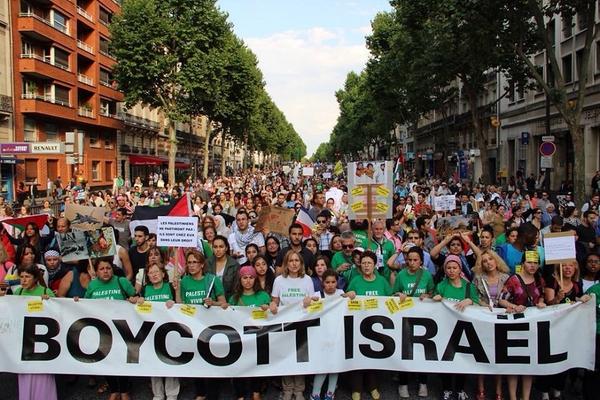
Strategic Council Online – Interview: An international affairs expert stated that in recent months, a multitude of political, economic, cultural, and scientific sanctions have been imposed against the Israeli regime, which, in the interpretation of many analysts, constitutes an “unprecedented set” of multi-layered global pressures. This wave, from the European Union to academic circles, from music festivals to world cinema, has targeted Tel Aviv’s international legitimacy and placed it in an increasingly tight spot. The message of these sanctions is also clear; the Israeli regime can no longer rely on its traditional immunity in the West to escape the moral and political consequences of its crimes in Gaza. Diplomatic isolation, economic restrictions, civil pressures, and damage to cultural prestige are all shaping an environment that can not only limit the Israeli regime’s freedom of action on the international stage but also challenges the credibility and legitimacy of this regime in global public opinion; a challenge that, in principle, should lead to a change in behavior or even internal political equations of the Israeli regime.

2025/09/28
Strategic Council Online – Interview: An international economics expert stated that sanctions, as discussed in political and economic literature, are tools used to force countries to change their behavior in foreign or domestic policies. However, the fundamental question is whether these tools consistently achieve the expected results. The European Union, which has intensified its sanctions policy against Russia since 2014, especially after the Ukraine war in 2022, now faces the question of to what extent these sanctions have been able to halt Moscow’s economic machine. Although more than 50 sanction packages have been imposed against Russia since 2014, statistics and analyses show that Russia has been able to overcome the pressures in many cases and even gain more profit in some areas. Experts believe that the lack of unity in European decision-making, the conflict of economic interests among member states, and the historical dependence of some on Russian energy have all combined to cause Europe’s sanctions policy not only to fail to achieve its ultimate goal but, in some cases, to yield opposite results. Meanwhile, the debate over “secondary sanctions” and the change in the European Union’s strategies after the Ukraine war marks a turning point in the future path of Moscow-Brussels relations.
2025/09/12
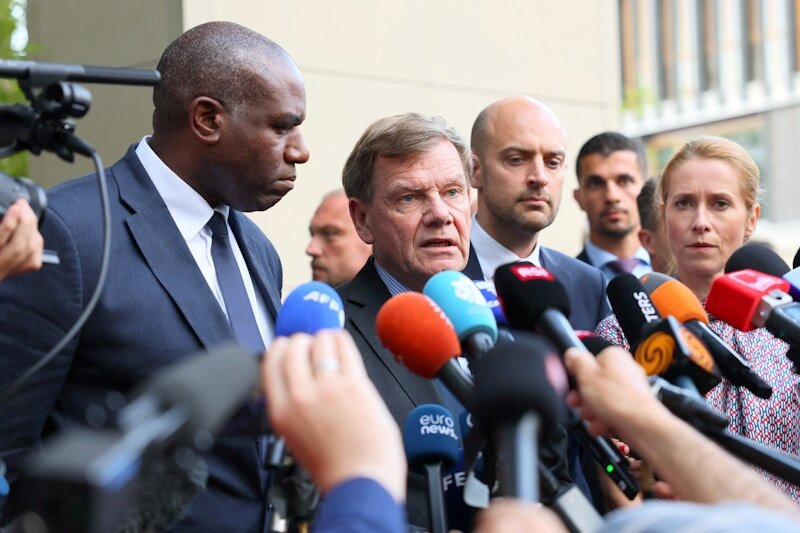
Strategic Council Online – Opinion: The joint article by the foreign ministers of Britain, France, and Germany, recently published in Politico under the title “Why we are seeking to reimpose UN sanctions on Iran,” was an apparent attempt to present a one-sided narrative regarding Iran’s nuclear dossier. While the article emphasized increased uranium stockpiles, limited cooperation with the IAEA, and Iran’s security threats, important facts of our country’s nuclear case were ignored entirely.
2025/08/17
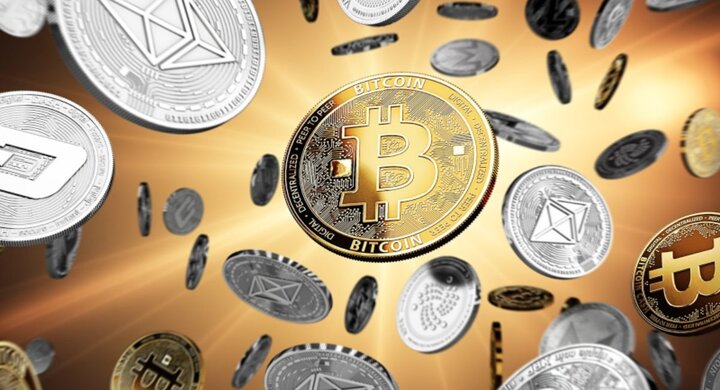
Strategic Council Online – Opinion: In recent years, with the expansion of international sanctions and the intensification of economic pressures on specific countries, many have turned their attention to new financial technologies. Among these technologies, cryptocurrencies have garnered more attention than others. Media, economic actors, and even some politicians have referred to cryptocurrency as a potential tool for bypassing sanctions, as if these cryptocurrencies are the very keyword that unlocks the closed doors of the global banking system.
2025/05/17
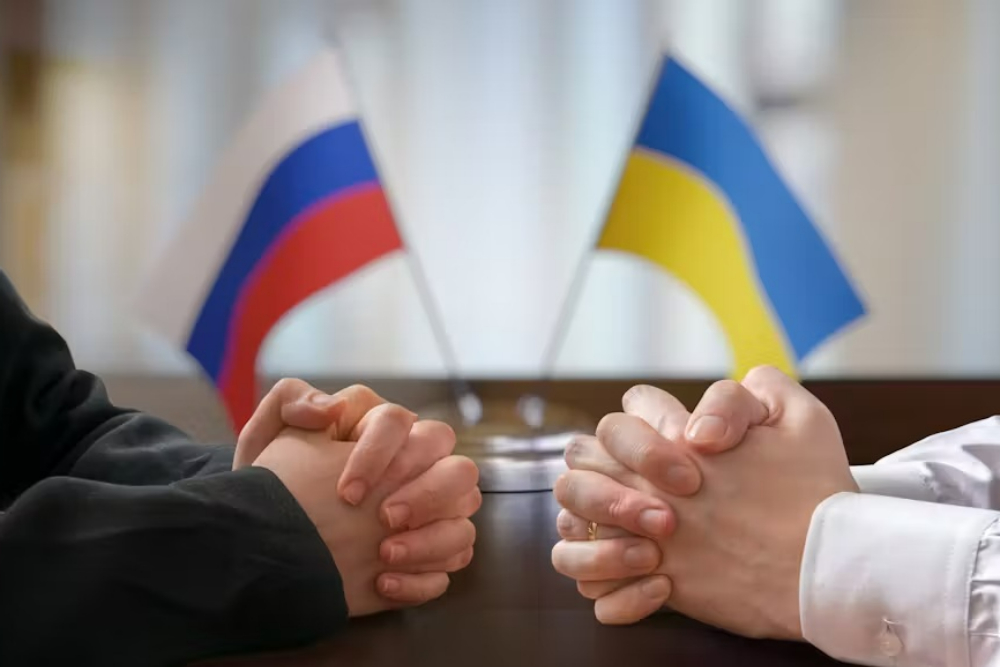
Strategic Council Online – Opinion: Given the suspension of weeks-long negotiations between Russia and the United States regarding ending the war in Ukraine, Donald Trump has effectively failed to end the war in Ukraine within his expected timeframe. This is especially true since Trump’s demands for ending the war caused significant shock among European leaders and the Ukrainian government, effectively disregarding their political and economic interests in these negotiations.
