An Analysis of the Prospects for a Peace Agreement Between Ukraine and Russia

2025/05/17 | Note, Politics, Top News

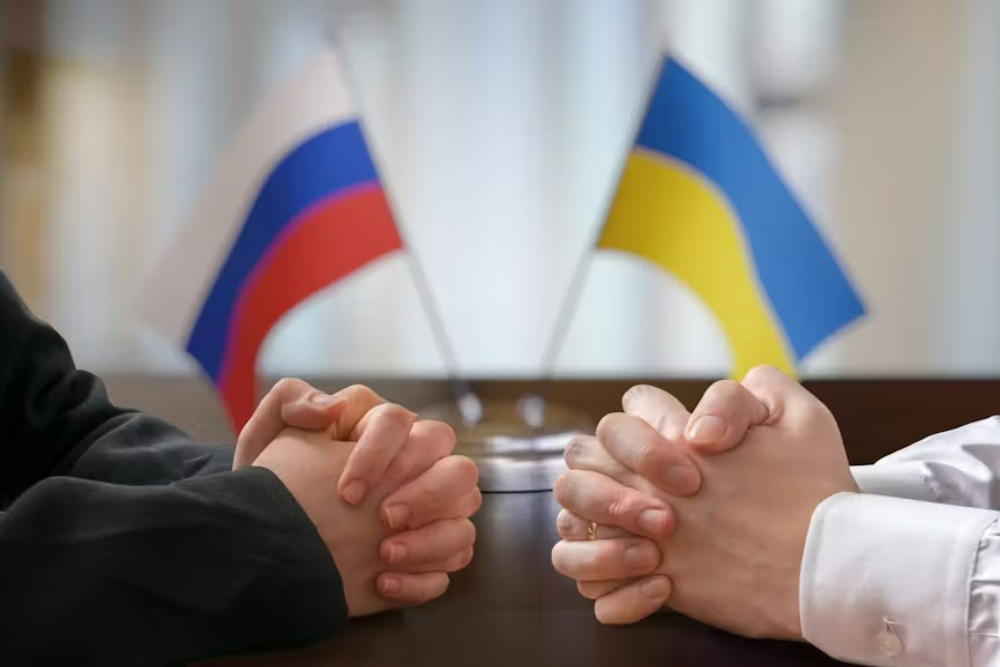
Strategic Council Online – Opinion: Given the suspension of weeks-long negotiations between Russia and the United States regarding ending the war in Ukraine, Donald Trump has effectively failed to end the war in Ukraine within his expected timeframe. This is especially true since Trump’s demands for ending the war caused significant shock among European leaders and the Ukrainian government, effectively disregarding their political and economic interests in these negotiations.

Morteza Makki – European Affairs Researcher

During this period, alongside the U.S. government’s consultations with Russia in several rounds of talks in Riyadh and Istanbul, European governments have become more determined to support Ukraine, approving new financial and military aid packages for Kyiv. The U.S. even transferred the leadership of the Western Contact Group, consisting of 50 countries assisting Ukraine, to the British government. Concurrently with the Western Contact Group’s efforts, European governments formed a new coalition called the “Friends of Ukraine” to attract more aid for Kyiv.

The U.S. failure to bring Ukrainian and Russian perspectives closer to ending the war created maneuvering space for European governments to play a more active role in ceasefire negotiations. Consequently, we have witnessed more explicit and serious stances from European governments, particularly France, the UK, and Germany, toward Russia. The visits of the French president, German chancellor, British prime minister, and Polish prime minister to Kyiv sent a strong signal to Moscow that if it does not accept a 30-day ceasefire, it will face extensive economic and financial sanctions—sanctions that would impose new restrictions on the Russian Central Bank and other financial institutions’ access to the SWIFT system.

A key point regarding European governments’ consultations and moves is their effort to align with Trump in forming a united front against Russia. European leaders in Kyiv held a phone call with the U.S. president, sharing their views and positions on Russia and the ceasefire deadline. European governments are well aware that without the U.S., they cannot actively manage the Ukraine crisis. Washington is the pillar of NATO, and without America, European countries have little leverage against Russia.

On the other hand, in response to European political moves, Vladimir Putin, during a phone call with Recep Tayyip Erdoğan, expressed his readiness to negotiate with Ukrainian President Volodymyr Zelensky in Istanbul. The Ukrainian president welcomed Putin’s proposal, calling it a step forward. However, Zelensky ruled out any negotiations with Russia without a declared 30-day ceasefire.

Russia has reacted cautiously to the European governments’ ceasefire ultimatum. Trump’s stance on these developments suggests that Russia accepting a 30-day ceasefire is not far-fetched. Over the past two months, despite Trump’s willingness to grant Moscow significant concessions regarding Crimea’s recognition and occupied eastern Ukrainian territories, Russia has effectively thwarted all of Trump’s political moves. Putin’s excessive insistence on his maximalist goals in Ukraine could bridge the gap between the U.S. and Europe, bringing Trump closer to European governments.

On Sunday, May 10, Trump declared a “big day for Russia and Ukraine,” supporting European and Ukrainian governments’ positions on unconditional negotiations and accepting a ceasefire.

Given the stances and political moves of key players in the Ukraine crisis, it appears Russia is under significant pressure to continue the war. Putin had sought to formalize Crimea’s annexation and eastern Ukrainian territories before any ceasefire. However, if he agrees to unconditional talks and a 30-day ceasefire, he would effectively lose control over negotiations, as this ceasefire could pave the way for a fragile compromise and an armed peace between Russia and the West.

European governments also see no clear prospects in relations with Russia; thus, if they can establish a temporary and permanent ceasefire, they hope to maintain the sanctions regime against Moscow. As a result, it seems Russia cannot easily escape these severe economic sanctions without making concessions in Ukraine.
0 Comments

LATEST CONTENT

The Makkah Pact; Reasons for its Formation and Challenges Ahead

SCFR Online – Opinion: The Makkah Pact, signed between Saudi Arabia, Pakistan, and Turkey under the motto “an attack on one is an attack on all,” is viewed by some analysts less as a full-fledged military coalition and more as an attempt to reduce security dependence on an external power and to establish a regional security mechanism.

Implications of the US-Saudi Nuclear Agreement

SCFR Online – Opinion: The new US-Saudi nuclear agreement, despite legal and political ambiguities, could alter previous non-proliferation standards in West Asia and intensify nuclear competition, ushering it into a new phase.

An Analysis of Recent Turkey-Israeli Regime Tensions

SCFR Online – Opinion: Recent developments in Syria indicate an intensification of strategic rivalry between Turkey and the Israeli regime, but mutual considerations and the role of the United States have limited the likelihood of direct war.

Increasing criticism of the extensive Zionist lobby network

SCFR Online – Opinion: An examination of the mechanisms of the Israeli regime’s influence in the United States depicts a complex picture of shared interests, strategic dependencies, and the limitations of this relationship.

Realities of the Tripartite Makkah Pact

SCFR Online – Interview: The signing of the Makkah agreement between Saudi Arabia, Pakistan, and Turkey has raised questions about the future of the region’s security structure and the position of these countries in West Asian equations. Can this agreement become a genuine collective defense mechanism, or does it have more of a political and deterrent function than creating new military capacity?

Loading

Últimas publicaciones

The Makkah Pact; Reasons for its Formation and Challenges Ahead

SCFR Online – Opinion: The Makkah Pact, signed between Saudi Arabia, Pakistan, and Turkey under the motto “an attack on one is an attack on all,” is viewed by some analysts less as a full-fledged military coalition and more as an attempt to reduce security dependence on an external power and to establish a regional security mechanism.

Implications of the US-Saudi Nuclear Agreement

SCFR Online – Opinion: The new US-Saudi nuclear agreement, despite legal and political ambiguities, could alter previous non-proliferation standards in West Asia and intensify nuclear competition, ushering it into a new phase.

An Analysis of Recent Turkey-Israeli Regime Tensions

SCFR Online – Opinion: Recent developments in Syria indicate an intensification of strategic rivalry between Turkey and the Israeli regime, but mutual considerations and the role of the United States have limited the likelihood of direct war.

Increasing criticism of the extensive Zionist lobby network

SCFR Online – Opinion: An examination of the mechanisms of the Israeli regime’s influence in the United States depicts a complex picture of shared interests, strategic dependencies, and the limitations of this relationship.

Realities of the Tripartite Makkah Pact

SCFR Online – Interview: The signing of the Makkah agreement between Saudi Arabia, Pakistan, and Turkey has raised questions about the future of the region’s security structure and the position of these countries in West Asian equations. Can this agreement become a genuine collective defense mechanism, or does it have more of a political and deterrent function than creating new military capacity?

Loading

DERNIER CONTENU

The Makkah Pact; Reasons for its Formation and Challenges Ahead

SCFR Online – Opinion: The Makkah Pact, signed between Saudi Arabia, Pakistan, and Turkey under the motto “an attack on one is an attack on all,” is viewed by some analysts less as a full-fledged military coalition and more as an attempt to reduce security dependence on an external power and to establish a regional security mechanism.

Implications of the US-Saudi Nuclear Agreement

SCFR Online – Opinion: The new US-Saudi nuclear agreement, despite legal and political ambiguities, could alter previous non-proliferation standards in West Asia and intensify nuclear competition, ushering it into a new phase.

An Analysis of Recent Turkey-Israeli Regime Tensions

SCFR Online – Opinion: Recent developments in Syria indicate an intensification of strategic rivalry between Turkey and the Israeli regime, but mutual considerations and the role of the United States have limited the likelihood of direct war.

Increasing criticism of the extensive Zionist lobby network

SCFR Online – Opinion: An examination of the mechanisms of the Israeli regime’s influence in the United States depicts a complex picture of shared interests, strategic dependencies, and the limitations of this relationship.

Realities of the Tripartite Makkah Pact

SCFR Online – Interview: The signing of the Makkah agreement between Saudi Arabia, Pakistan, and Turkey has raised questions about the future of the region’s security structure and the position of these countries in West Asian equations. Can this agreement become a genuine collective defense mechanism, or does it have more of a political and deterrent function than creating new military capacity?

Loading

DERNIER CONTENU

The Makkah Pact; Reasons for its Formation and Challenges Ahead

SCFR Online – Opinion: The Makkah Pact, signed between Saudi Arabia, Pakistan, and Turkey under the motto “an attack on one is an attack on all,” is viewed by some analysts less as a full-fledged military coalition and more as an attempt to reduce security dependence on an external power and to establish a regional security mechanism.

Implications of the US-Saudi Nuclear Agreement

SCFR Online – Opinion: The new US-Saudi nuclear agreement, despite legal and political ambiguities, could alter previous non-proliferation standards in West Asia and intensify nuclear competition, ushering it into a new phase.

An Analysis of Recent Turkey-Israeli Regime Tensions

SCFR Online – Opinion: Recent developments in Syria indicate an intensification of strategic rivalry between Turkey and the Israeli regime, but mutual considerations and the role of the United States have limited the likelihood of direct war.

Increasing criticism of the extensive Zionist lobby network

SCFR Online – Opinion: An examination of the mechanisms of the Israeli regime’s influence in the United States depicts a complex picture of shared interests, strategic dependencies, and the limitations of this relationship.

Realities of the Tripartite Makkah Pact

SCFR Online – Interview: The signing of the Makkah agreement between Saudi Arabia, Pakistan, and Turkey has raised questions about the future of the region’s security structure and the position of these countries in West Asian equations. Can this agreement become a genuine collective defense mechanism, or does it have more of a political and deterrent function than creating new military capacity?

Loading

DERNIER CONTENU

The Makkah Pact; Reasons for its Formation and Challenges Ahead

SCFR Online – Opinion: The Makkah Pact, signed between Saudi Arabia, Pakistan, and Turkey under the motto “an attack on one is an attack on all,” is viewed by some analysts less as a full-fledged military coalition and more as an attempt to reduce security dependence on an external power and to establish a regional security mechanism.

Implications of the US-Saudi Nuclear Agreement

SCFR Online – Opinion: The new US-Saudi nuclear agreement, despite legal and political ambiguities, could alter previous non-proliferation standards in West Asia and intensify nuclear competition, ushering it into a new phase.

An Analysis of Recent Turkey-Israeli Regime Tensions

SCFR Online – Opinion: Recent developments in Syria indicate an intensification of strategic rivalry between Turkey and the Israeli regime, but mutual considerations and the role of the United States have limited the likelihood of direct war.

Increasing criticism of the extensive Zionist lobby network

SCFR Online – Opinion: An examination of the mechanisms of the Israeli regime’s influence in the United States depicts a complex picture of shared interests, strategic dependencies, and the limitations of this relationship.

Realities of the Tripartite Makkah Pact

SCFR Online – Interview: The signing of the Makkah agreement between Saudi Arabia, Pakistan, and Turkey has raised questions about the future of the region’s security structure and the position of these countries in West Asian equations. Can this agreement become a genuine collective defense mechanism, or does it have more of a political and deterrent function than creating new military capacity?

Loading