جدیدترین مطالب

Realities of the Tripartite Makkah Pact

SCFR Online – Interview: The signing of the Makkah agreement between Saudi Arabia, Pakistan, and Turkey has raised questions about the future of the region’s security structure and the position of these countries in West Asian equations. Can this agreement become a genuine collective defense mechanism, or does it have more of a political and deterrent function than creating new military capacity?

Strategic Implications of the Reduction of US Weapons Stockpiles

SCFR Online – Opinion: The continuation of the US war against Iran, in addition to increasing operational costs, has called into question the actual capacity of the American arsenal to simultaneously fulfill security commitments on multiple fronts; an issue that affects deterrence, defense production capacity, and Washington’s resource prioritization.

The Formation of a New Order in Relations Between Powers

SCFR Online – Opinion: The Russia-Ukraine war and the war of the United States and the Israeli regime against Iran have been formed with different objectives and actors, but field and political developments indicate that they are not entirely separate from one another.

An Analysis of the Makkah Defense Pact

SCFR Online – Opinion: On Friday, August 7, the heads of state of three countries – Saudi Arabia, Turkey, and Pakistan – signed a text under the title “Makkah Joint Defense Agreement.”

Dimensions and challenges of the initiative to revive the Hejaz Railway

Strategic Council Online – Note: The initiative to revive the Hejaz Railway, beyond being a transportation project, constitutes an attempt to redefine geopolitics, the economy, and Turkey’s regional position; however, its realization appears to face significant financial, security, and institutional challenges.

Loading

Iran

Iran’s Normative Diplomacy Towards the Zionist Regime

Iran’s Normative Diplomacy Towards the Zionist Regime

Strategic Council Online – Guest Opinion: While it seemed that Iran and the Israeli regime were scheming after Iran’s Operation True Promise against the terrorist attack of this regime on the consular building of the Iranian embassy in Damascus in (April 2024, the end It was found that the terrorist act of the Zionist regime in martyring Ismail Haniyeh in Tehran on the morning of Wednesday, (July 31, 2024) showed that direct fire continues in the relations between Tehran and Tel Aviv, and it is difficult to return to the conditions of indirect conflict.

Messages on Yahya Sinwar’s Election as Martyr Haniyeh’s Successor

Messages on Yahya Sinwar’s Election as Martyr Haniyeh’s Successor

Strategic Council Online – Interview: An expert on Zionist issues said: Following the assassination of Ismail Haniyeh in Tehran, Hamas chose Yahya Sinwar as his successor. Considering this choice, the question arises as to what the positions of Sinwar are and what the strategy of Hamas is following this replacement.

Necessity of A Decisive, Measured, & Proportional Response from the Islamic Republic of Iran to the Zionist Regime

Necessity of A Decisive, Measured, & Proportional Response from the Islamic Republic of Iran to the Zionist Regime

Strategic Council Online – Opinion: The Zionist regime alone lacks the necessary and sufficient capacities to carry out belligerent policies, terror, genocide, and violence in the “long term.” What has kept this regime afloat for more than 75 years and has caused its bellicosity to continue is mainly due to two fundamental factors: First, the support of Western countries, especially the United States, for the Zionist regime, and second, the complete passivity and self-defeat of some Arab governments in the face of crimes of the Zionists.

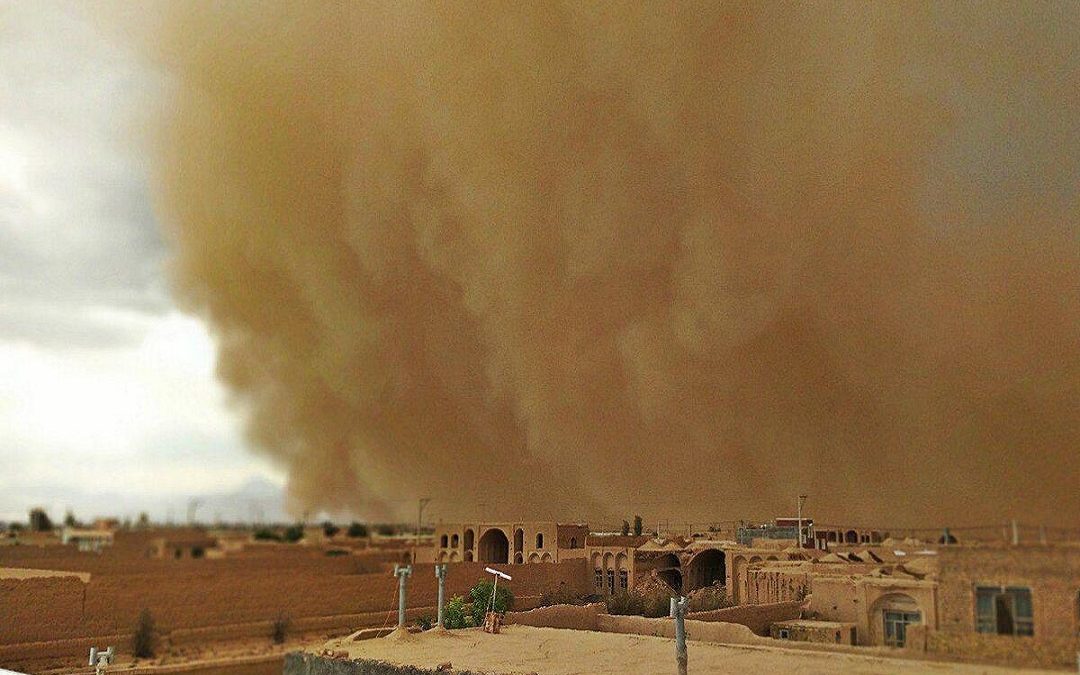
Regional and Global Cooperation Necessary to Deal Seriously with the Dust Crisis

Regional and Global Cooperation Necessary to Deal Seriously with the Dust Crisis

Strategic Council Online – Analytical Report: Dust plays an important role in the ecosystem, which affects the chemical processes of the atmosphere and climate, the properties of water and soil, the movement of nutrients, and the cycle of food in the marine and terrestrial environment. Dust can also damage crops and adversely affect food production. Airborne dust reduces air quality and visibility and may have adverse health effects, especially for people with respiratory problems.

Reasons for Armenia’s Strategic Proximity to Europe and America

Reasons for Armenia’s Strategic Proximity to Europe and America

Strategic Council Online: The former Iranian ambassador to Armenia said Armenia’s strategic closeness to Europe and America is not far from expected because Pashinyan’s government is worried that if another attack occurs on its borders, it will not be able to maintain its position and defend its country. Therefore, he is trying to arrange for allies in the West.

Erdogan’s Motives and Opportunities for Reconciliation with the Syrian Government

Erdogan’s Motives and Opportunities for Reconciliation with the Syrian Government

Strategic Council Online—An expert on Caucasus issues said that the Turkish Foreign Minister recently stated in a joint press conference with his Saudi counterpart: “Our current strategy is dialogue and peace, and we ask Iran and Russia to play a constructive role in this process.” According to these statements, Turkey’s policy towards Syrian refugees and its consequences have once again been considered.

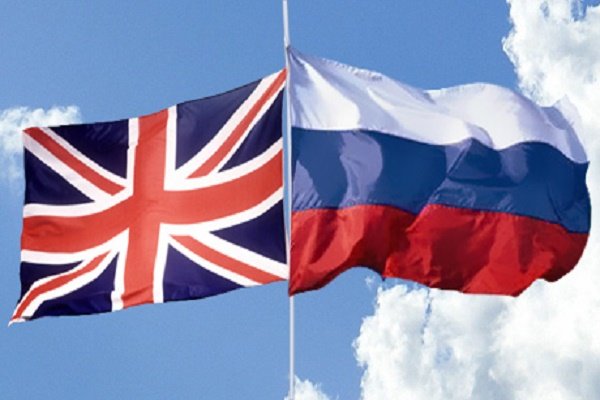
An Analysis of the Possible Approach of the New British Government in Foreign Policy

An Analysis of the Possible Approach of the New British Government in Foreign Policy

Strategic Council Online—Interview: An expert on European issues said: The British Labor Party, led by Keir Starmer, won the election by winning an overwhelming majority of the seats in the House of Commons. On the other hand, the Conservative party, led by Rishi Sunak, has lost 170 seats and is on the way to its heaviest political defeat since the party was founded in the 19th century.

An Analysis of the Saudi-UAE Border Dispute

An Analysis of the Saudi-UAE Border Dispute

Strategic Council Online – Interview: An expert on regional issues said: The dispute between Saudi Arabia and the United Arab Emirates over the Ilyasat region is more economy and investment oriented than border related. Therefore, it is unlikely for the dispute to have widescale repercussions politically and diplomatically.

Economy & Security: Connecting Links between Turkey and Persian Gulf States

Economy & Security: Connecting Links between Turkey and Persian Gulf States

Strategic Council Online – Opinion: Since 2000, Turkey has gradually shifted its foreign policy from the “Looking East” approach to the more traditional “Looking West” foreign policy. The most important reasons for this change in the structure of Turkey’s foreign policy were the developments in Iraq, the Syrian crisis, and Ankara’s failure to become a member state of the European Union. In addition to the above, the influence of people like President Erdogan and Davutoglu (former PM) on the change in Turkey’s foreign policy has been undeniable.

أحدث الوظائف

Realities of the Tripartite Makkah Pact

SCFR Online – Interview: The signing of the Makkah agreement between Saudi Arabia, Pakistan, and Turkey has raised questions about the future of the region’s security structure and the position of these countries in West Asian equations. Can this agreement become a genuine collective defense mechanism, or does it have more of a political and deterrent function than creating new military capacity?

Strategic Implications of the Reduction of US Weapons Stockpiles

SCFR Online – Opinion: The continuation of the US war against Iran, in addition to increasing operational costs, has called into question the actual capacity of the American arsenal to simultaneously fulfill security commitments on multiple fronts; an issue that affects deterrence, defense production capacity, and Washington’s resource prioritization.

The Formation of a New Order in Relations Between Powers

SCFR Online – Opinion: The Russia-Ukraine war and the war of the United States and the Israeli regime against Iran have been formed with different objectives and actors, but field and political developments indicate that they are not entirely separate from one another.

An Analysis of the Makkah Defense Pact

SCFR Online – Opinion: On Friday, August 7, the heads of state of three countries – Saudi Arabia, Turkey, and Pakistan – signed a text under the title “Makkah Joint Defense Agreement.”

Dimensions and challenges of the initiative to revive the Hejaz Railway

Strategic Council Online – Note: The initiative to revive the Hejaz Railway, beyond being a transportation project, constitutes an attempt to redefine geopolitics, the economy, and Turkey’s regional position; however, its realization appears to face significant financial, security, and institutional challenges.

Loading

Iran

Iran’s Normative Diplomacy Towards the Zionist Regime

Iran’s Normative Diplomacy Towards the Zionist Regime

Strategic Council Online – Guest Opinion: While it seemed that Iran and the Israeli regime were scheming after Iran’s Operation True Promise against the terrorist attack of this regime on the consular building of the Iranian embassy in Damascus in (April 2024, the end It was found that the terrorist act of the Zionist regime in martyring Ismail Haniyeh in Tehran on the morning of Wednesday, (July 31, 2024) showed that direct fire continues in the relations between Tehran and Tel Aviv, and it is difficult to return to the conditions of indirect conflict.

Messages on Yahya Sinwar’s Election as Martyr Haniyeh’s Successor

Messages on Yahya Sinwar’s Election as Martyr Haniyeh’s Successor

Strategic Council Online – Interview: An expert on Zionist issues said: Following the assassination of Ismail Haniyeh in Tehran, Hamas chose Yahya Sinwar as his successor. Considering this choice, the question arises as to what the positions of Sinwar are and what the strategy of Hamas is following this replacement.

Necessity of A Decisive, Measured, & Proportional Response from the Islamic Republic of Iran to the Zionist Regime

Necessity of A Decisive, Measured, & Proportional Response from the Islamic Republic of Iran to the Zionist Regime

Strategic Council Online – Opinion: The Zionist regime alone lacks the necessary and sufficient capacities to carry out belligerent policies, terror, genocide, and violence in the “long term.” What has kept this regime afloat for more than 75 years and has caused its bellicosity to continue is mainly due to two fundamental factors: First, the support of Western countries, especially the United States, for the Zionist regime, and second, the complete passivity and self-defeat of some Arab governments in the face of crimes of the Zionists.

Regional and Global Cooperation Necessary to Deal Seriously with the Dust Crisis

Regional and Global Cooperation Necessary to Deal Seriously with the Dust Crisis

Strategic Council Online – Analytical Report: Dust plays an important role in the ecosystem, which affects the chemical processes of the atmosphere and climate, the properties of water and soil, the movement of nutrients, and the cycle of food in the marine and terrestrial environment. Dust can also damage crops and adversely affect food production. Airborne dust reduces air quality and visibility and may have adverse health effects, especially for people with respiratory problems.

Reasons for Armenia’s Strategic Proximity to Europe and America

Reasons for Armenia’s Strategic Proximity to Europe and America

Strategic Council Online: The former Iranian ambassador to Armenia said Armenia’s strategic closeness to Europe and America is not far from expected because Pashinyan’s government is worried that if another attack occurs on its borders, it will not be able to maintain its position and defend its country. Therefore, he is trying to arrange for allies in the West.

Erdogan’s Motives and Opportunities for Reconciliation with the Syrian Government

Erdogan’s Motives and Opportunities for Reconciliation with the Syrian Government

Strategic Council Online—An expert on Caucasus issues said that the Turkish Foreign Minister recently stated in a joint press conference with his Saudi counterpart: “Our current strategy is dialogue and peace, and we ask Iran and Russia to play a constructive role in this process.” According to these statements, Turkey’s policy towards Syrian refugees and its consequences have once again been considered.

An Analysis of the Possible Approach of the New British Government in Foreign Policy

An Analysis of the Possible Approach of the New British Government in Foreign Policy

Strategic Council Online—Interview: An expert on European issues said: The British Labor Party, led by Keir Starmer, won the election by winning an overwhelming majority of the seats in the House of Commons. On the other hand, the Conservative party, led by Rishi Sunak, has lost 170 seats and is on the way to its heaviest political defeat since the party was founded in the 19th century.

An Analysis of the Saudi-UAE Border Dispute

An Analysis of the Saudi-UAE Border Dispute

Strategic Council Online – Interview: An expert on regional issues said: The dispute between Saudi Arabia and the United Arab Emirates over the Ilyasat region is more economy and investment oriented than border related. Therefore, it is unlikely for the dispute to have widescale repercussions politically and diplomatically.

Economy & Security: Connecting Links between Turkey and Persian Gulf States

Economy & Security: Connecting Links between Turkey and Persian Gulf States

Strategic Council Online – Opinion: Since 2000, Turkey has gradually shifted its foreign policy from the “Looking East” approach to the more traditional “Looking West” foreign policy. The most important reasons for this change in the structure of Turkey’s foreign policy were the developments in Iraq, the Syrian crisis, and Ankara’s failure to become a member state of the European Union. In addition to the above, the influence of people like President Erdogan and Davutoglu (former PM) on the change in Turkey’s foreign policy has been undeniable.

Iran

Iran’s Normative Diplomacy Towards the Zionist Regime

Iran’s Normative Diplomacy Towards the Zionist Regime

Strategic Council Online – Guest Opinion: While it seemed that Iran and the Israeli regime were scheming after Iran’s Operation True Promise against the terrorist attack of this regime on the consular building of the Iranian embassy in Damascus in (April 2024, the end It was found that the terrorist act of the Zionist regime in martyring Ismail Haniyeh in Tehran on the morning of Wednesday, (July 31, 2024) showed that direct fire continues in the relations between Tehran and Tel Aviv, and it is difficult to return to the conditions of indirect conflict.

Messages on Yahya Sinwar’s Election as Martyr Haniyeh’s Successor

Messages on Yahya Sinwar’s Election as Martyr Haniyeh’s Successor

Strategic Council Online – Interview: An expert on Zionist issues said: Following the assassination of Ismail Haniyeh in Tehran, Hamas chose Yahya Sinwar as his successor. Considering this choice, the question arises as to what the positions of Sinwar are and what the strategy of Hamas is following this replacement.

Necessity of A Decisive, Measured, & Proportional Response from the Islamic Republic of Iran to the Zionist Regime

Necessity of A Decisive, Measured, & Proportional Response from the Islamic Republic of Iran to the Zionist Regime

Strategic Council Online – Opinion: The Zionist regime alone lacks the necessary and sufficient capacities to carry out belligerent policies, terror, genocide, and violence in the “long term.” What has kept this regime afloat for more than 75 years and has caused its bellicosity to continue is mainly due to two fundamental factors: First, the support of Western countries, especially the United States, for the Zionist regime, and second, the complete passivity and self-defeat of some Arab governments in the face of crimes of the Zionists.

Regional and Global Cooperation Necessary to Deal Seriously with the Dust Crisis

Regional and Global Cooperation Necessary to Deal Seriously with the Dust Crisis

Strategic Council Online – Analytical Report: Dust plays an important role in the ecosystem, which affects the chemical processes of the atmosphere and climate, the properties of water and soil, the movement of nutrients, and the cycle of food in the marine and terrestrial environment. Dust can also damage crops and adversely affect food production. Airborne dust reduces air quality and visibility and may have adverse health effects, especially for people with respiratory problems.

Reasons for Armenia’s Strategic Proximity to Europe and America

Reasons for Armenia’s Strategic Proximity to Europe and America

Strategic Council Online: The former Iranian ambassador to Armenia said Armenia’s strategic closeness to Europe and America is not far from expected because Pashinyan’s government is worried that if another attack occurs on its borders, it will not be able to maintain its position and defend its country. Therefore, he is trying to arrange for allies in the West.

Erdogan’s Motives and Opportunities for Reconciliation with the Syrian Government

Erdogan’s Motives and Opportunities for Reconciliation with the Syrian Government

Strategic Council Online—An expert on Caucasus issues said that the Turkish Foreign Minister recently stated in a joint press conference with his Saudi counterpart: “Our current strategy is dialogue and peace, and we ask Iran and Russia to play a constructive role in this process.” According to these statements, Turkey’s policy towards Syrian refugees and its consequences have once again been considered.

An Analysis of the Possible Approach of the New British Government in Foreign Policy

An Analysis of the Possible Approach of the New British Government in Foreign Policy

Strategic Council Online—Interview: An expert on European issues said: The British Labor Party, led by Keir Starmer, won the election by winning an overwhelming majority of the seats in the House of Commons. On the other hand, the Conservative party, led by Rishi Sunak, has lost 170 seats and is on the way to its heaviest political defeat since the party was founded in the 19th century.

An Analysis of the Saudi-UAE Border Dispute

An Analysis of the Saudi-UAE Border Dispute

Strategic Council Online – Interview: An expert on regional issues said: The dispute between Saudi Arabia and the United Arab Emirates over the Ilyasat region is more economy and investment oriented than border related. Therefore, it is unlikely for the dispute to have widescale repercussions politically and diplomatically.

Economy & Security: Connecting Links between Turkey and Persian Gulf States

Economy & Security: Connecting Links between Turkey and Persian Gulf States

Strategic Council Online – Opinion: Since 2000, Turkey has gradually shifted its foreign policy from the “Looking East” approach to the more traditional “Looking West” foreign policy. The most important reasons for this change in the structure of Turkey’s foreign policy were the developments in Iraq, the Syrian crisis, and Ankara’s failure to become a member state of the European Union. In addition to the above, the influence of people like President Erdogan and Davutoglu (former PM) on the change in Turkey’s foreign policy has been undeniable.

LATEST CONTENT

Realities of the Tripartite Makkah Pact

SCFR Online – Interview: The signing of the Makkah agreement between Saudi Arabia, Pakistan, and Turkey has raised questions about the future of the region’s security structure and the position of these countries in West Asian equations. Can this agreement become a genuine collective defense mechanism, or does it have more of a political and deterrent function than creating new military capacity?

Strategic Implications of the Reduction of US Weapons Stockpiles

SCFR Online – Opinion: The continuation of the US war against Iran, in addition to increasing operational costs, has called into question the actual capacity of the American arsenal to simultaneously fulfill security commitments on multiple fronts; an issue that affects deterrence, defense production capacity, and Washington’s resource prioritization.

The Formation of a New Order in Relations Between Powers

SCFR Online – Opinion: The Russia-Ukraine war and the war of the United States and the Israeli regime against Iran have been formed with different objectives and actors, but field and political developments indicate that they are not entirely separate from one another.

An Analysis of the Makkah Defense Pact

SCFR Online – Opinion: On Friday, August 7, the heads of state of three countries – Saudi Arabia, Turkey, and Pakistan – signed a text under the title “Makkah Joint Defense Agreement.”

Dimensions and challenges of the initiative to revive the Hejaz Railway

Strategic Council Online – Note: The initiative to revive the Hejaz Railway, beyond being a transportation project, constitutes an attempt to redefine geopolitics, the economy, and Turkey’s regional position; however, its realization appears to face significant financial, security, and institutional challenges.

Loading

Iran

Iran’s Normative Diplomacy Towards the Zionist Regime

Iran’s Normative Diplomacy Towards the Zionist Regime

Strategic Council Online – Guest Opinion: While it seemed that Iran and the Israeli regime were scheming after Iran’s Operation True Promise against the terrorist attack of this regime on the consular building of the Iranian embassy in Damascus in (April 2024, the end It was found that the terrorist act of the Zionist regime in martyring Ismail Haniyeh in Tehran on the morning of Wednesday, (July 31, 2024) showed that direct fire continues in the relations between Tehran and Tel Aviv, and it is difficult to return to the conditions of indirect conflict.

Messages on Yahya Sinwar’s Election as Martyr Haniyeh’s Successor

Messages on Yahya Sinwar’s Election as Martyr Haniyeh’s Successor

Strategic Council Online – Interview: An expert on Zionist issues said: Following the assassination of Ismail Haniyeh in Tehran, Hamas chose Yahya Sinwar as his successor. Considering this choice, the question arises as to what the positions of Sinwar are and what the strategy of Hamas is following this replacement.

Necessity of A Decisive, Measured, & Proportional Response from the Islamic Republic of Iran to the Zionist Regime

Necessity of A Decisive, Measured, & Proportional Response from the Islamic Republic of Iran to the Zionist Regime

Strategic Council Online – Opinion: The Zionist regime alone lacks the necessary and sufficient capacities to carry out belligerent policies, terror, genocide, and violence in the “long term.” What has kept this regime afloat for more than 75 years and has caused its bellicosity to continue is mainly due to two fundamental factors: First, the support of Western countries, especially the United States, for the Zionist regime, and second, the complete passivity and self-defeat of some Arab governments in the face of crimes of the Zionists.

Regional and Global Cooperation Necessary to Deal Seriously with the Dust Crisis

Regional and Global Cooperation Necessary to Deal Seriously with the Dust Crisis

Strategic Council Online – Analytical Report: Dust plays an important role in the ecosystem, which affects the chemical processes of the atmosphere and climate, the properties of water and soil, the movement of nutrients, and the cycle of food in the marine and terrestrial environment. Dust can also damage crops and adversely affect food production. Airborne dust reduces air quality and visibility and may have adverse health effects, especially for people with respiratory problems.

Reasons for Armenia’s Strategic Proximity to Europe and America

Reasons for Armenia’s Strategic Proximity to Europe and America

Strategic Council Online: The former Iranian ambassador to Armenia said Armenia’s strategic closeness to Europe and America is not far from expected because Pashinyan’s government is worried that if another attack occurs on its borders, it will not be able to maintain its position and defend its country. Therefore, he is trying to arrange for allies in the West.

Erdogan’s Motives and Opportunities for Reconciliation with the Syrian Government

Erdogan’s Motives and Opportunities for Reconciliation with the Syrian Government

Strategic Council Online—An expert on Caucasus issues said that the Turkish Foreign Minister recently stated in a joint press conference with his Saudi counterpart: “Our current strategy is dialogue and peace, and we ask Iran and Russia to play a constructive role in this process.” According to these statements, Turkey’s policy towards Syrian refugees and its consequences have once again been considered.

An Analysis of the Possible Approach of the New British Government in Foreign Policy

An Analysis of the Possible Approach of the New British Government in Foreign Policy

Strategic Council Online—Interview: An expert on European issues said: The British Labor Party, led by Keir Starmer, won the election by winning an overwhelming majority of the seats in the House of Commons. On the other hand, the Conservative party, led by Rishi Sunak, has lost 170 seats and is on the way to its heaviest political defeat since the party was founded in the 19th century.

An Analysis of the Saudi-UAE Border Dispute

An Analysis of the Saudi-UAE Border Dispute

Strategic Council Online – Interview: An expert on regional issues said: The dispute between Saudi Arabia and the United Arab Emirates over the Ilyasat region is more economy and investment oriented than border related. Therefore, it is unlikely for the dispute to have widescale repercussions politically and diplomatically.

Economy & Security: Connecting Links between Turkey and Persian Gulf States

Economy & Security: Connecting Links between Turkey and Persian Gulf States

Strategic Council Online – Opinion: Since 2000, Turkey has gradually shifted its foreign policy from the “Looking East” approach to the more traditional “Looking West” foreign policy. The most important reasons for this change in the structure of Turkey’s foreign policy were the developments in Iraq, the Syrian crisis, and Ankara’s failure to become a member state of the European Union. In addition to the above, the influence of people like President Erdogan and Davutoglu (former PM) on the change in Turkey’s foreign policy has been undeniable.

ÚLTIMAS PUBLICACIONES

Realities of the Tripartite Makkah Pact

SCFR Online – Interview: The signing of the Makkah agreement between Saudi Arabia, Pakistan, and Turkey has raised questions about the future of the region’s security structure and the position of these countries in West Asian equations. Can this agreement become a genuine collective defense mechanism, or does it have more of a political and deterrent function than creating new military capacity?

Strategic Implications of the Reduction of US Weapons Stockpiles

SCFR Online – Opinion: The continuation of the US war against Iran, in addition to increasing operational costs, has called into question the actual capacity of the American arsenal to simultaneously fulfill security commitments on multiple fronts; an issue that affects deterrence, defense production capacity, and Washington’s resource prioritization.

The Formation of a New Order in Relations Between Powers

SCFR Online – Opinion: The Russia-Ukraine war and the war of the United States and the Israeli regime against Iran have been formed with different objectives and actors, but field and political developments indicate that they are not entirely separate from one another.

An Analysis of the Makkah Defense Pact

SCFR Online – Opinion: On Friday, August 7, the heads of state of three countries – Saudi Arabia, Turkey, and Pakistan – signed a text under the title “Makkah Joint Defense Agreement.”

Dimensions and challenges of the initiative to revive the Hejaz Railway

Strategic Council Online – Note: The initiative to revive the Hejaz Railway, beyond being a transportation project, constitutes an attempt to redefine geopolitics, the economy, and Turkey’s regional position; however, its realization appears to face significant financial, security, and institutional challenges.

Loading

Iran

Iran’s Normative Diplomacy Towards the Zionist Regime

Iran’s Normative Diplomacy Towards the Zionist Regime

Strategic Council Online – Guest Opinion: While it seemed that Iran and the Israeli regime were scheming after Iran’s Operation True Promise against the terrorist attack of this regime on the consular building of the Iranian embassy in Damascus in (April 2024, the end It was found that the terrorist act of the Zionist regime in martyring Ismail Haniyeh in Tehran on the morning of Wednesday, (July 31, 2024) showed that direct fire continues in the relations between Tehran and Tel Aviv, and it is difficult to return to the conditions of indirect conflict.

Messages on Yahya Sinwar’s Election as Martyr Haniyeh’s Successor

Messages on Yahya Sinwar’s Election as Martyr Haniyeh’s Successor

Strategic Council Online – Interview: An expert on Zionist issues said: Following the assassination of Ismail Haniyeh in Tehran, Hamas chose Yahya Sinwar as his successor. Considering this choice, the question arises as to what the positions of Sinwar are and what the strategy of Hamas is following this replacement.

Necessity of A Decisive, Measured, & Proportional Response from the Islamic Republic of Iran to the Zionist Regime

Necessity of A Decisive, Measured, & Proportional Response from the Islamic Republic of Iran to the Zionist Regime

Strategic Council Online – Opinion: The Zionist regime alone lacks the necessary and sufficient capacities to carry out belligerent policies, terror, genocide, and violence in the “long term.” What has kept this regime afloat for more than 75 years and has caused its bellicosity to continue is mainly due to two fundamental factors: First, the support of Western countries, especially the United States, for the Zionist regime, and second, the complete passivity and self-defeat of some Arab governments in the face of crimes of the Zionists.

Regional and Global Cooperation Necessary to Deal Seriously with the Dust Crisis

Regional and Global Cooperation Necessary to Deal Seriously with the Dust Crisis

Strategic Council Online – Analytical Report: Dust plays an important role in the ecosystem, which affects the chemical processes of the atmosphere and climate, the properties of water and soil, the movement of nutrients, and the cycle of food in the marine and terrestrial environment. Dust can also damage crops and adversely affect food production. Airborne dust reduces air quality and visibility and may have adverse health effects, especially for people with respiratory problems.

Reasons for Armenia’s Strategic Proximity to Europe and America

Reasons for Armenia’s Strategic Proximity to Europe and America

Strategic Council Online: The former Iranian ambassador to Armenia said Armenia’s strategic closeness to Europe and America is not far from expected because Pashinyan’s government is worried that if another attack occurs on its borders, it will not be able to maintain its position and defend its country. Therefore, he is trying to arrange for allies in the West.

Erdogan’s Motives and Opportunities for Reconciliation with the Syrian Government

Erdogan’s Motives and Opportunities for Reconciliation with the Syrian Government

Strategic Council Online—An expert on Caucasus issues said that the Turkish Foreign Minister recently stated in a joint press conference with his Saudi counterpart: “Our current strategy is dialogue and peace, and we ask Iran and Russia to play a constructive role in this process.” According to these statements, Turkey’s policy towards Syrian refugees and its consequences have once again been considered.

An Analysis of the Possible Approach of the New British Government in Foreign Policy

An Analysis of the Possible Approach of the New British Government in Foreign Policy

Strategic Council Online—Interview: An expert on European issues said: The British Labor Party, led by Keir Starmer, won the election by winning an overwhelming majority of the seats in the House of Commons. On the other hand, the Conservative party, led by Rishi Sunak, has lost 170 seats and is on the way to its heaviest political defeat since the party was founded in the 19th century.

An Analysis of the Saudi-UAE Border Dispute

An Analysis of the Saudi-UAE Border Dispute

Strategic Council Online – Interview: An expert on regional issues said: The dispute between Saudi Arabia and the United Arab Emirates over the Ilyasat region is more economy and investment oriented than border related. Therefore, it is unlikely for the dispute to have widescale repercussions politically and diplomatically.

Economy & Security: Connecting Links between Turkey and Persian Gulf States

Economy & Security: Connecting Links between Turkey and Persian Gulf States

Strategic Council Online – Opinion: Since 2000, Turkey has gradually shifted its foreign policy from the “Looking East” approach to the more traditional “Looking West” foreign policy. The most important reasons for this change in the structure of Turkey’s foreign policy were the developments in Iraq, the Syrian crisis, and Ankara’s failure to become a member state of the European Union. In addition to the above, the influence of people like President Erdogan and Davutoglu (former PM) on the change in Turkey’s foreign policy has been undeniable.

ÚLTIMAS PUBLICACIONES

Realities of the Tripartite Makkah Pact

SCFR Online – Interview: The signing of the Makkah agreement between Saudi Arabia, Pakistan, and Turkey has raised questions about the future of the region’s security structure and the position of these countries in West Asian equations. Can this agreement become a genuine collective defense mechanism, or does it have more of a political and deterrent function than creating new military capacity?

Strategic Implications of the Reduction of US Weapons Stockpiles

SCFR Online – Opinion: The continuation of the US war against Iran, in addition to increasing operational costs, has called into question the actual capacity of the American arsenal to simultaneously fulfill security commitments on multiple fronts; an issue that affects deterrence, defense production capacity, and Washington’s resource prioritization.

The Formation of a New Order in Relations Between Powers

SCFR Online – Opinion: The Russia-Ukraine war and the war of the United States and the Israeli regime against Iran have been formed with different objectives and actors, but field and political developments indicate that they are not entirely separate from one another.

An Analysis of the Makkah Defense Pact

SCFR Online – Opinion: On Friday, August 7, the heads of state of three countries – Saudi Arabia, Turkey, and Pakistan – signed a text under the title “Makkah Joint Defense Agreement.”

Dimensions and challenges of the initiative to revive the Hejaz Railway

Strategic Council Online – Note: The initiative to revive the Hejaz Railway, beyond being a transportation project, constitutes an attempt to redefine geopolitics, the economy, and Turkey’s regional position; however, its realization appears to face significant financial, security, and institutional challenges.

Loading

Iran

Iran’s Normative Diplomacy Towards the Zionist Regime

Iran’s Normative Diplomacy Towards the Zionist Regime

Strategic Council Online – Guest Opinion: While it seemed that Iran and the Israeli regime were scheming after Iran’s Operation True Promise against the terrorist attack of this regime on the consular building of the Iranian embassy in Damascus in (April 2024, the end It was found that the terrorist act of the Zionist regime in martyring Ismail Haniyeh in Tehran on the morning of Wednesday, (July 31, 2024) showed that direct fire continues in the relations between Tehran and Tel Aviv, and it is difficult to return to the conditions of indirect conflict.

Messages on Yahya Sinwar’s Election as Martyr Haniyeh’s Successor

Messages on Yahya Sinwar’s Election as Martyr Haniyeh’s Successor

Strategic Council Online – Interview: An expert on Zionist issues said: Following the assassination of Ismail Haniyeh in Tehran, Hamas chose Yahya Sinwar as his successor. Considering this choice, the question arises as to what the positions of Sinwar are and what the strategy of Hamas is following this replacement.

Necessity of A Decisive, Measured, & Proportional Response from the Islamic Republic of Iran to the Zionist Regime

Necessity of A Decisive, Measured, & Proportional Response from the Islamic Republic of Iran to the Zionist Regime

Strategic Council Online – Opinion: The Zionist regime alone lacks the necessary and sufficient capacities to carry out belligerent policies, terror, genocide, and violence in the “long term.” What has kept this regime afloat for more than 75 years and has caused its bellicosity to continue is mainly due to two fundamental factors: First, the support of Western countries, especially the United States, for the Zionist regime, and second, the complete passivity and self-defeat of some Arab governments in the face of crimes of the Zionists.

Regional and Global Cooperation Necessary to Deal Seriously with the Dust Crisis

Regional and Global Cooperation Necessary to Deal Seriously with the Dust Crisis

Strategic Council Online – Analytical Report: Dust plays an important role in the ecosystem, which affects the chemical processes of the atmosphere and climate, the properties of water and soil, the movement of nutrients, and the cycle of food in the marine and terrestrial environment. Dust can also damage crops and adversely affect food production. Airborne dust reduces air quality and visibility and may have adverse health effects, especially for people with respiratory problems.

Reasons for Armenia’s Strategic Proximity to Europe and America

Reasons for Armenia’s Strategic Proximity to Europe and America

Strategic Council Online: The former Iranian ambassador to Armenia said Armenia’s strategic closeness to Europe and America is not far from expected because Pashinyan’s government is worried that if another attack occurs on its borders, it will not be able to maintain its position and defend its country. Therefore, he is trying to arrange for allies in the West.

Erdogan’s Motives and Opportunities for Reconciliation with the Syrian Government

Erdogan’s Motives and Opportunities for Reconciliation with the Syrian Government

Strategic Council Online—An expert on Caucasus issues said that the Turkish Foreign Minister recently stated in a joint press conference with his Saudi counterpart: “Our current strategy is dialogue and peace, and we ask Iran and Russia to play a constructive role in this process.” According to these statements, Turkey’s policy towards Syrian refugees and its consequences have once again been considered.

An Analysis of the Possible Approach of the New British Government in Foreign Policy

An Analysis of the Possible Approach of the New British Government in Foreign Policy

Strategic Council Online—Interview: An expert on European issues said: The British Labor Party, led by Keir Starmer, won the election by winning an overwhelming majority of the seats in the House of Commons. On the other hand, the Conservative party, led by Rishi Sunak, has lost 170 seats and is on the way to its heaviest political defeat since the party was founded in the 19th century.

An Analysis of the Saudi-UAE Border Dispute

An Analysis of the Saudi-UAE Border Dispute

Strategic Council Online – Interview: An expert on regional issues said: The dispute between Saudi Arabia and the United Arab Emirates over the Ilyasat region is more economy and investment oriented than border related. Therefore, it is unlikely for the dispute to have widescale repercussions politically and diplomatically.

Economy & Security: Connecting Links between Turkey and Persian Gulf States

Economy & Security: Connecting Links between Turkey and Persian Gulf States

Strategic Council Online – Opinion: Since 2000, Turkey has gradually shifted its foreign policy from the “Looking East” approach to the more traditional “Looking West” foreign policy. The most important reasons for this change in the structure of Turkey’s foreign policy were the developments in Iraq, the Syrian crisis, and Ankara’s failure to become a member state of the European Union. In addition to the above, the influence of people like President Erdogan and Davutoglu (former PM) on the change in Turkey’s foreign policy has been undeniable.

ÚLTIMAS PUBLICACIONES

Realities of the Tripartite Makkah Pact

SCFR Online – Interview: The signing of the Makkah agreement between Saudi Arabia, Pakistan, and Turkey has raised questions about the future of the region’s security structure and the position of these countries in West Asian equations. Can this agreement become a genuine collective defense mechanism, or does it have more of a political and deterrent function than creating new military capacity?

Strategic Implications of the Reduction of US Weapons Stockpiles

SCFR Online – Opinion: The continuation of the US war against Iran, in addition to increasing operational costs, has called into question the actual capacity of the American arsenal to simultaneously fulfill security commitments on multiple fronts; an issue that affects deterrence, defense production capacity, and Washington’s resource prioritization.

The Formation of a New Order in Relations Between Powers

SCFR Online – Opinion: The Russia-Ukraine war and the war of the United States and the Israeli regime against Iran have been formed with different objectives and actors, but field and political developments indicate that they are not entirely separate from one another.

An Analysis of the Makkah Defense Pact

SCFR Online – Opinion: On Friday, August 7, the heads of state of three countries – Saudi Arabia, Turkey, and Pakistan – signed a text under the title “Makkah Joint Defense Agreement.”

Dimensions and challenges of the initiative to revive the Hejaz Railway

Strategic Council Online – Note: The initiative to revive the Hejaz Railway, beyond being a transportation project, constitutes an attempt to redefine geopolitics, the economy, and Turkey’s regional position; however, its realization appears to face significant financial, security, and institutional challenges.

Loading

Iran

Iran’s Normative Diplomacy Towards the Zionist Regime

Iran’s Normative Diplomacy Towards the Zionist Regime

Strategic Council Online – Guest Opinion: While it seemed that Iran and the Israeli regime were scheming after Iran’s Operation True Promise against the terrorist attack of this regime on the consular building of the Iranian embassy in Damascus in (April 2024, the end It was found that the terrorist act of the Zionist regime in martyring Ismail Haniyeh in Tehran on the morning of Wednesday, (July 31, 2024) showed that direct fire continues in the relations between Tehran and Tel Aviv, and it is difficult to return to the conditions of indirect conflict.

Messages on Yahya Sinwar’s Election as Martyr Haniyeh’s Successor

Messages on Yahya Sinwar’s Election as Martyr Haniyeh’s Successor

Strategic Council Online – Interview: An expert on Zionist issues said: Following the assassination of Ismail Haniyeh in Tehran, Hamas chose Yahya Sinwar as his successor. Considering this choice, the question arises as to what the positions of Sinwar are and what the strategy of Hamas is following this replacement.

Necessity of A Decisive, Measured, & Proportional Response from the Islamic Republic of Iran to the Zionist Regime

Necessity of A Decisive, Measured, & Proportional Response from the Islamic Republic of Iran to the Zionist Regime

Strategic Council Online – Opinion: The Zionist regime alone lacks the necessary and sufficient capacities to carry out belligerent policies, terror, genocide, and violence in the “long term.” What has kept this regime afloat for more than 75 years and has caused its bellicosity to continue is mainly due to two fundamental factors: First, the support of Western countries, especially the United States, for the Zionist regime, and second, the complete passivity and self-defeat of some Arab governments in the face of crimes of the Zionists.

Regional and Global Cooperation Necessary to Deal Seriously with the Dust Crisis

Regional and Global Cooperation Necessary to Deal Seriously with the Dust Crisis

Strategic Council Online – Analytical Report: Dust plays an important role in the ecosystem, which affects the chemical processes of the atmosphere and climate, the properties of water and soil, the movement of nutrients, and the cycle of food in the marine and terrestrial environment. Dust can also damage crops and adversely affect food production. Airborne dust reduces air quality and visibility and may have adverse health effects, especially for people with respiratory problems.

Reasons for Armenia’s Strategic Proximity to Europe and America

Reasons for Armenia’s Strategic Proximity to Europe and America

Strategic Council Online: The former Iranian ambassador to Armenia said Armenia’s strategic closeness to Europe and America is not far from expected because Pashinyan’s government is worried that if another attack occurs on its borders, it will not be able to maintain its position and defend its country. Therefore, he is trying to arrange for allies in the West.

Erdogan’s Motives and Opportunities for Reconciliation with the Syrian Government

Erdogan’s Motives and Opportunities for Reconciliation with the Syrian Government

Strategic Council Online—An expert on Caucasus issues said that the Turkish Foreign Minister recently stated in a joint press conference with his Saudi counterpart: “Our current strategy is dialogue and peace, and we ask Iran and Russia to play a constructive role in this process.” According to these statements, Turkey’s policy towards Syrian refugees and its consequences have once again been considered.

An Analysis of the Possible Approach of the New British Government in Foreign Policy

An Analysis of the Possible Approach of the New British Government in Foreign Policy

Strategic Council Online—Interview: An expert on European issues said: The British Labor Party, led by Keir Starmer, won the election by winning an overwhelming majority of the seats in the House of Commons. On the other hand, the Conservative party, led by Rishi Sunak, has lost 170 seats and is on the way to its heaviest political defeat since the party was founded in the 19th century.

An Analysis of the Saudi-UAE Border Dispute

An Analysis of the Saudi-UAE Border Dispute

Strategic Council Online – Interview: An expert on regional issues said: The dispute between Saudi Arabia and the United Arab Emirates over the Ilyasat region is more economy and investment oriented than border related. Therefore, it is unlikely for the dispute to have widescale repercussions politically and diplomatically.

Economy & Security: Connecting Links between Turkey and Persian Gulf States

Economy & Security: Connecting Links between Turkey and Persian Gulf States

Strategic Council Online – Opinion: Since 2000, Turkey has gradually shifted its foreign policy from the “Looking East” approach to the more traditional “Looking West” foreign policy. The most important reasons for this change in the structure of Turkey’s foreign policy were the developments in Iraq, the Syrian crisis, and Ankara’s failure to become a member state of the European Union. In addition to the above, the influence of people like President Erdogan and Davutoglu (former PM) on the change in Turkey’s foreign policy has been undeniable.

ÚLTIMAS PUBLICACIONES

Realities of the Tripartite Makkah Pact

SCFR Online – Interview: The signing of the Makkah agreement between Saudi Arabia, Pakistan, and Turkey has raised questions about the future of the region’s security structure and the position of these countries in West Asian equations. Can this agreement become a genuine collective defense mechanism, or does it have more of a political and deterrent function than creating new military capacity?

Strategic Implications of the Reduction of US Weapons Stockpiles

SCFR Online – Opinion: The continuation of the US war against Iran, in addition to increasing operational costs, has called into question the actual capacity of the American arsenal to simultaneously fulfill security commitments on multiple fronts; an issue that affects deterrence, defense production capacity, and Washington’s resource prioritization.

The Formation of a New Order in Relations Between Powers

SCFR Online – Opinion: The Russia-Ukraine war and the war of the United States and the Israeli regime against Iran have been formed with different objectives and actors, but field and political developments indicate that they are not entirely separate from one another.

An Analysis of the Makkah Defense Pact

SCFR Online – Opinion: On Friday, August 7, the heads of state of three countries – Saudi Arabia, Turkey, and Pakistan – signed a text under the title “Makkah Joint Defense Agreement.”

Dimensions and challenges of the initiative to revive the Hejaz Railway

Strategic Council Online – Note: The initiative to revive the Hejaz Railway, beyond being a transportation project, constitutes an attempt to redefine geopolitics, the economy, and Turkey’s regional position; however, its realization appears to face significant financial, security, and institutional challenges.

Loading