جدیدترین مطالب

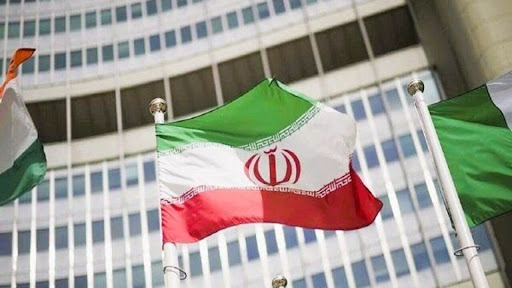
China’s Rejection of US Sanctions; Strengthening Iran’s Geopolitical Leverage

SCFR Online – Opinion: Concurrent with the official commencement of the United States’ economic war against our country, focusing on sanctions instruments, isolation, and economic pressure, what has now become increasingly important is the lack of alignment of other major global powers, especially China, with this policy.

Loading

Trump

Brussels and Beijing: Cautious Cooperation Based on Dependency with a Flavor of Distrust

Brussels and Beijing: Cautious Cooperation Based on Dependency with a Flavor of Distrust

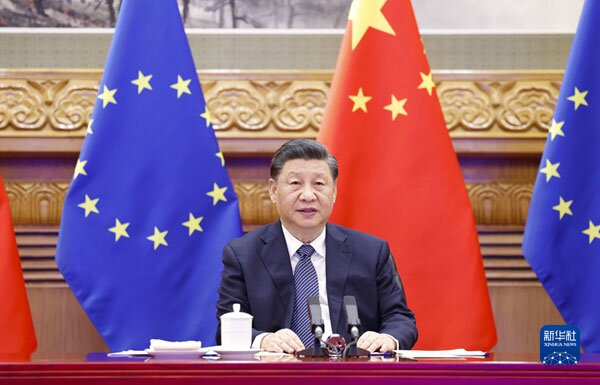
Strategy Council Online – Opinion: At the recent summit of European Union leaders and China, held in Beijing to mark the 50th anniversary of diplomatic relations, the parties once again sought to redefine their relationship in an atmosphere filled with mutual opportunities and threats. While the European Union emphasized the need to deepen cooperation with China, particularly in combating climate change and removing trade barriers, the heavy shadow of the Ukraine crisis and the escalating geopolitical tensions between Washington and Beijing pushed the talks to an unprecedented level of prudence and caution.

Feedback on Trump’s Economic Policies in America

Feedback on Trump’s Economic Policies in America

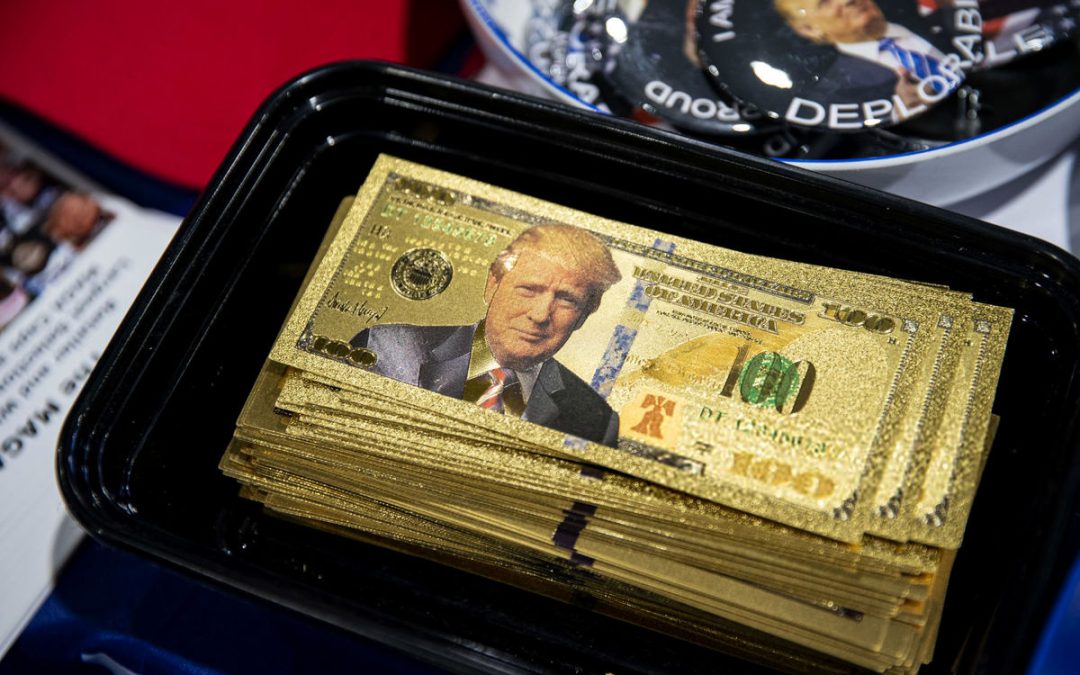
Strategic Council Online – Interview: An American affairs analyst stated: Although only seven months have passed since the beginning of Donald Trump’s second term in the White House, the administration’s official narrative of economic performance has again become a contentious subject in American academic, media, and expert circles. Statistics recently released by the Trump administration on economic indicators appear to suggest economic revival, reduced inflation, and a strengthened labor market. However, when these statistics are juxtaposed with independent data and credible surveys, a different and concerning picture of the U.S. economy’s real condition emerges. Rising unemployment rates, declining employment growth, falling labor force participation, consumer inflation exceeding optimal levels, and widespread public dissatisfaction with living costs are the most significant indicators challenging the Trump administration’s narrative. This comes as Trump, repeating his “Make America Great Again” slogan, had promised that protective trade policies and heavy tariffs would increase domestic employment and enhance the competitiveness of U.S. industries. Yet according to many economists and market observers, these policies have not only failed to revive the economy but have instead increased production costs, burdened domestic consumers, and disrupted global supply chains.

The Necessity of Strengthening Environmental Diplomacy to Counter the Consequences of the Trump Administration’s Deregulation

The Necessity of Strengthening Environmental Diplomacy to Counter the Consequences of the Trump Administration’s Deregulation

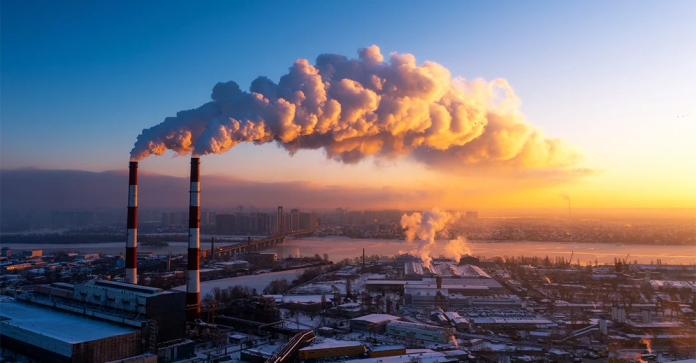
Strategic Council Online – Interview: A senior international security analyst stated: The Trump administration’s environmental deregulation policies will inflict serious and long-term damage on international security. The Donald Trump administration has adopted a controversial approach through extensive environmental deregulation policies, including revoking the 2009 scientific finding that identified greenhouse gases as a threat to public health. This decision, described by Lee Zeldin, head of the U.S. Environmental Protection Agency (EPA), as “the largest deregulation in American history,” not only weakens global efforts to combat global warming but will also have more destructive repercussions in the realm of international security.

BRICS Initiatives to Reduce Countries’ Dependence on the Dollar and Their Challenges

BRICS Initiatives to Reduce Countries’ Dependence on the Dollar and Their Challenges

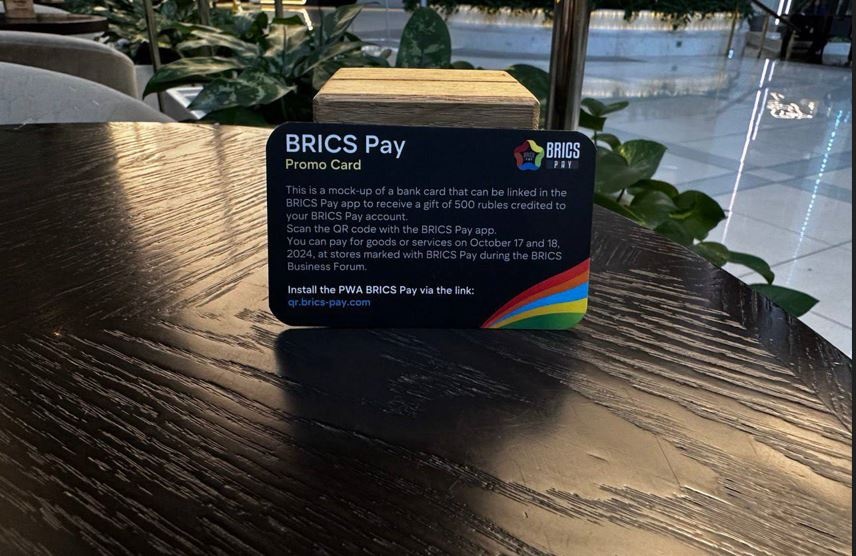
Strategic Council Online – Opinion: The expansion of the BRICS group, particularly with the addition of influential powers such as Iran, Saudi Arabia, the UAE, and Egypt, has sparked a wave of concern in American policymaking circles, especially among conservative factions symbolized by Donald Trump. This fear does not stem merely from the increase in membership. Still, it is rooted in the coalition’s potential to challenge the Western-led economic and political order—particularly the dollar’s exclusive status as the global reserve and exchange currency.

Legal Avenues to Pursue the US and Zionist Regime’s Attack on Iran

Legal Avenues to Pursue the US and Zionist Regime’s Attack on Iran

Strategic Council Online – Interview: The Former Deputy for Legal Affairs of the Ministry of Foreign Affairs stated that two paths—general provisions of international law and the Algiers Accord—are avenues through which the issue of the US and Zionist regime’s attack on Iran can be pursued in international forums.

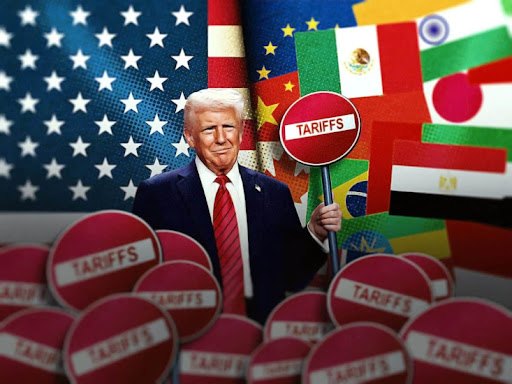
The Global Consequences of Trump’s Tariff War

The Global Consequences of Trump’s Tariff War

Strategic Council Online – Interview: A senior U.S. affairs analyst stated that the tariff policies of U.S. President Donald Trump have once again exposed the world to the prospect of a full-scale trade war. Trump’s threat to impose a 50% tariff on Brazilian goods and extensive tariffs against over 150 countries, including close U.S. allies like Japan and South Korea, reflects the White House’s aggressive approach to global trade.

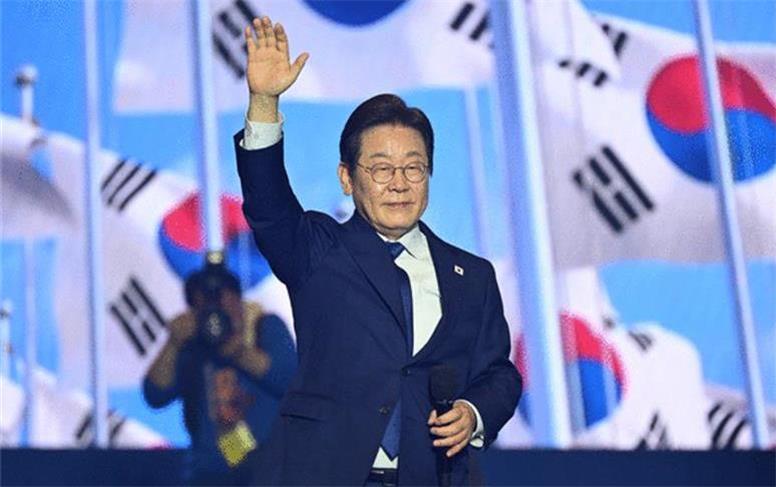
An Analysis of South Korea’s Response to Trump’s Tariff Policy

An Analysis of South Korea’s Response to Trump’s Tariff Policy

Strategic Council Online – Opinion: With Donald Trump’s return to the U.S. presidency, a new wave of economic protectionism in the form of tariff policies has impacted global trade. One of the first countries targeted by these tariffs was South Korea—a nation whose economy heavily relies on exports, particularly to the American market.

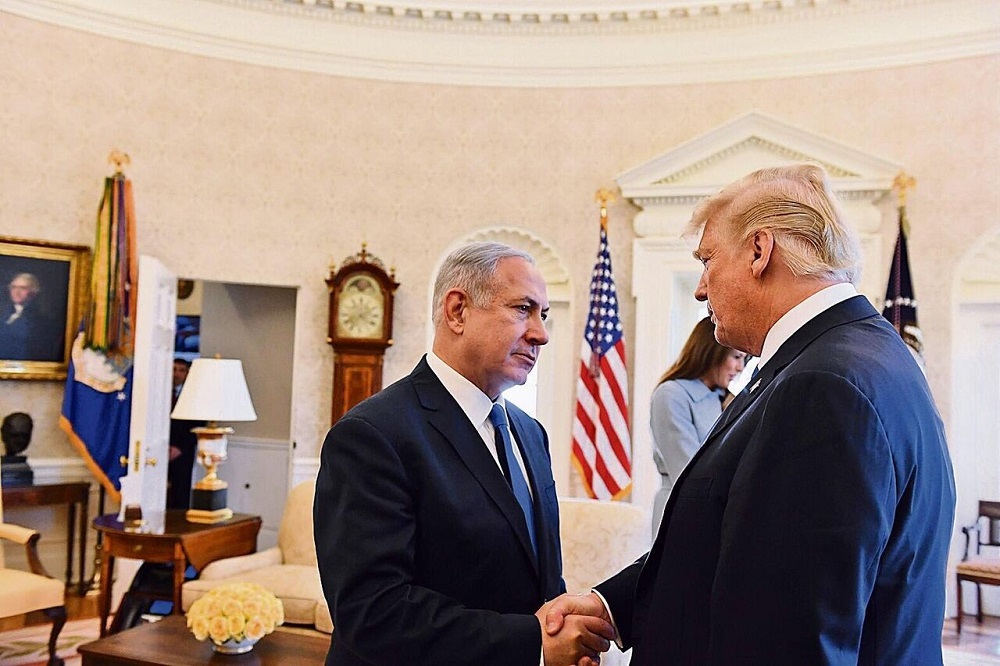
Domestic Concerns and Repercussions of the 12-Day War for Trump and Netanyahu

Domestic Concerns and Repercussions of the 12-Day War for Trump and Netanyahu

Strategic Council Online – Opinion: Every war, regardless of its duration (short or long) and how it ends (ceasefire, lifting siege, or peace), faces an issue called “The Day After.” The day after the war ends refers to the day when the consequences of the war gradually become apparent to the warring parties in various spheres, including political, military, social, economic, and others. The imposed war by the Zionist regime and America against Iran is no exception to this rule.

Netanyahu’s Tactics to Evade Trial Under Pretext of Security and Regional Developments

Netanyahu’s Tactics to Evade Trial Under Pretext of Security and Regional Developments

Strategic Council Online – Interview: An Israeli regime affairs researcher stated: The Zionist regime media recently announced that Benjamin Netanyahu, the Prime Minister of this regime, has requested a two-week postponement of his trial for security reasons and regional developments. On Sunday, news also emerged that the “Occupied Jerusalem” district court agreed to postpone Netanyahu’s trial by one week. This decision followed the Zionist regime Prime Minister summoning officials from the Foreign Intelligence Service (Mossad) and Military Intelligence Organization (Aman) to a confidential session held at this court to explain the reasons for his request to delay his trial by two weeks.

أحدث الوظائف

China’s Rejection of US Sanctions; Strengthening Iran’s Geopolitical Leverage

SCFR Online – Opinion: Concurrent with the official commencement of the United States’ economic war against our country, focusing on sanctions instruments, isolation, and economic pressure, what has now become increasingly important is the lack of alignment of other major global powers, especially China, with this policy.

Loading

Trump

Brussels and Beijing: Cautious Cooperation Based on Dependency with a Flavor of Distrust

Brussels and Beijing: Cautious Cooperation Based on Dependency with a Flavor of Distrust

Strategy Council Online – Opinion: At the recent summit of European Union leaders and China, held in Beijing to mark the 50th anniversary of diplomatic relations, the parties once again sought to redefine their relationship in an atmosphere filled with mutual opportunities and threats. While the European Union emphasized the need to deepen cooperation with China, particularly in combating climate change and removing trade barriers, the heavy shadow of the Ukraine crisis and the escalating geopolitical tensions between Washington and Beijing pushed the talks to an unprecedented level of prudence and caution.

Feedback on Trump’s Economic Policies in America

Feedback on Trump’s Economic Policies in America

Strategic Council Online – Interview: An American affairs analyst stated: Although only seven months have passed since the beginning of Donald Trump’s second term in the White House, the administration’s official narrative of economic performance has again become a contentious subject in American academic, media, and expert circles. Statistics recently released by the Trump administration on economic indicators appear to suggest economic revival, reduced inflation, and a strengthened labor market. However, when these statistics are juxtaposed with independent data and credible surveys, a different and concerning picture of the U.S. economy’s real condition emerges. Rising unemployment rates, declining employment growth, falling labor force participation, consumer inflation exceeding optimal levels, and widespread public dissatisfaction with living costs are the most significant indicators challenging the Trump administration’s narrative. This comes as Trump, repeating his “Make America Great Again” slogan, had promised that protective trade policies and heavy tariffs would increase domestic employment and enhance the competitiveness of U.S. industries. Yet according to many economists and market observers, these policies have not only failed to revive the economy but have instead increased production costs, burdened domestic consumers, and disrupted global supply chains.

The Necessity of Strengthening Environmental Diplomacy to Counter the Consequences of the Trump Administration’s Deregulation

The Necessity of Strengthening Environmental Diplomacy to Counter the Consequences of the Trump Administration’s Deregulation

Strategic Council Online – Interview: A senior international security analyst stated: The Trump administration’s environmental deregulation policies will inflict serious and long-term damage on international security. The Donald Trump administration has adopted a controversial approach through extensive environmental deregulation policies, including revoking the 2009 scientific finding that identified greenhouse gases as a threat to public health. This decision, described by Lee Zeldin, head of the U.S. Environmental Protection Agency (EPA), as “the largest deregulation in American history,” not only weakens global efforts to combat global warming but will also have more destructive repercussions in the realm of international security.

BRICS Initiatives to Reduce Countries’ Dependence on the Dollar and Their Challenges

BRICS Initiatives to Reduce Countries’ Dependence on the Dollar and Their Challenges

Strategic Council Online – Opinion: The expansion of the BRICS group, particularly with the addition of influential powers such as Iran, Saudi Arabia, the UAE, and Egypt, has sparked a wave of concern in American policymaking circles, especially among conservative factions symbolized by Donald Trump. This fear does not stem merely from the increase in membership. Still, it is rooted in the coalition’s potential to challenge the Western-led economic and political order—particularly the dollar’s exclusive status as the global reserve and exchange currency.

Legal Avenues to Pursue the US and Zionist Regime’s Attack on Iran

Legal Avenues to Pursue the US and Zionist Regime’s Attack on Iran

Strategic Council Online – Interview: The Former Deputy for Legal Affairs of the Ministry of Foreign Affairs stated that two paths—general provisions of international law and the Algiers Accord—are avenues through which the issue of the US and Zionist regime’s attack on Iran can be pursued in international forums.

The Global Consequences of Trump’s Tariff War

The Global Consequences of Trump’s Tariff War

Strategic Council Online – Interview: A senior U.S. affairs analyst stated that the tariff policies of U.S. President Donald Trump have once again exposed the world to the prospect of a full-scale trade war. Trump’s threat to impose a 50% tariff on Brazilian goods and extensive tariffs against over 150 countries, including close U.S. allies like Japan and South Korea, reflects the White House’s aggressive approach to global trade.

An Analysis of South Korea’s Response to Trump’s Tariff Policy

An Analysis of South Korea’s Response to Trump’s Tariff Policy

Strategic Council Online – Opinion: With Donald Trump’s return to the U.S. presidency, a new wave of economic protectionism in the form of tariff policies has impacted global trade. One of the first countries targeted by these tariffs was South Korea—a nation whose economy heavily relies on exports, particularly to the American market.

Domestic Concerns and Repercussions of the 12-Day War for Trump and Netanyahu

Domestic Concerns and Repercussions of the 12-Day War for Trump and Netanyahu

Strategic Council Online – Opinion: Every war, regardless of its duration (short or long) and how it ends (ceasefire, lifting siege, or peace), faces an issue called “The Day After.” The day after the war ends refers to the day when the consequences of the war gradually become apparent to the warring parties in various spheres, including political, military, social, economic, and others. The imposed war by the Zionist regime and America against Iran is no exception to this rule.

Netanyahu’s Tactics to Evade Trial Under Pretext of Security and Regional Developments

Netanyahu’s Tactics to Evade Trial Under Pretext of Security and Regional Developments

Strategic Council Online – Interview: An Israeli regime affairs researcher stated: The Zionist regime media recently announced that Benjamin Netanyahu, the Prime Minister of this regime, has requested a two-week postponement of his trial for security reasons and regional developments. On Sunday, news also emerged that the “Occupied Jerusalem” district court agreed to postpone Netanyahu’s trial by one week. This decision followed the Zionist regime Prime Minister summoning officials from the Foreign Intelligence Service (Mossad) and Military Intelligence Organization (Aman) to a confidential session held at this court to explain the reasons for his request to delay his trial by two weeks.

Trump

Brussels and Beijing: Cautious Cooperation Based on Dependency with a Flavor of Distrust

Brussels and Beijing: Cautious Cooperation Based on Dependency with a Flavor of Distrust

Strategy Council Online – Opinion: At the recent summit of European Union leaders and China, held in Beijing to mark the 50th anniversary of diplomatic relations, the parties once again sought to redefine their relationship in an atmosphere filled with mutual opportunities and threats. While the European Union emphasized the need to deepen cooperation with China, particularly in combating climate change and removing trade barriers, the heavy shadow of the Ukraine crisis and the escalating geopolitical tensions between Washington and Beijing pushed the talks to an unprecedented level of prudence and caution.

Feedback on Trump’s Economic Policies in America

Feedback on Trump’s Economic Policies in America

Strategic Council Online – Interview: An American affairs analyst stated: Although only seven months have passed since the beginning of Donald Trump’s second term in the White House, the administration’s official narrative of economic performance has again become a contentious subject in American academic, media, and expert circles. Statistics recently released by the Trump administration on economic indicators appear to suggest economic revival, reduced inflation, and a strengthened labor market. However, when these statistics are juxtaposed with independent data and credible surveys, a different and concerning picture of the U.S. economy’s real condition emerges. Rising unemployment rates, declining employment growth, falling labor force participation, consumer inflation exceeding optimal levels, and widespread public dissatisfaction with living costs are the most significant indicators challenging the Trump administration’s narrative. This comes as Trump, repeating his “Make America Great Again” slogan, had promised that protective trade policies and heavy tariffs would increase domestic employment and enhance the competitiveness of U.S. industries. Yet according to many economists and market observers, these policies have not only failed to revive the economy but have instead increased production costs, burdened domestic consumers, and disrupted global supply chains.

The Necessity of Strengthening Environmental Diplomacy to Counter the Consequences of the Trump Administration’s Deregulation

The Necessity of Strengthening Environmental Diplomacy to Counter the Consequences of the Trump Administration’s Deregulation

Strategic Council Online – Interview: A senior international security analyst stated: The Trump administration’s environmental deregulation policies will inflict serious and long-term damage on international security. The Donald Trump administration has adopted a controversial approach through extensive environmental deregulation policies, including revoking the 2009 scientific finding that identified greenhouse gases as a threat to public health. This decision, described by Lee Zeldin, head of the U.S. Environmental Protection Agency (EPA), as “the largest deregulation in American history,” not only weakens global efforts to combat global warming but will also have more destructive repercussions in the realm of international security.

BRICS Initiatives to Reduce Countries’ Dependence on the Dollar and Their Challenges

BRICS Initiatives to Reduce Countries’ Dependence on the Dollar and Their Challenges

Strategic Council Online – Opinion: The expansion of the BRICS group, particularly with the addition of influential powers such as Iran, Saudi Arabia, the UAE, and Egypt, has sparked a wave of concern in American policymaking circles, especially among conservative factions symbolized by Donald Trump. This fear does not stem merely from the increase in membership. Still, it is rooted in the coalition’s potential to challenge the Western-led economic and political order—particularly the dollar’s exclusive status as the global reserve and exchange currency.

Legal Avenues to Pursue the US and Zionist Regime’s Attack on Iran

Legal Avenues to Pursue the US and Zionist Regime’s Attack on Iran

Strategic Council Online – Interview: The Former Deputy for Legal Affairs of the Ministry of Foreign Affairs stated that two paths—general provisions of international law and the Algiers Accord—are avenues through which the issue of the US and Zionist regime’s attack on Iran can be pursued in international forums.

The Global Consequences of Trump’s Tariff War

The Global Consequences of Trump’s Tariff War

Strategic Council Online – Interview: A senior U.S. affairs analyst stated that the tariff policies of U.S. President Donald Trump have once again exposed the world to the prospect of a full-scale trade war. Trump’s threat to impose a 50% tariff on Brazilian goods and extensive tariffs against over 150 countries, including close U.S. allies like Japan and South Korea, reflects the White House’s aggressive approach to global trade.

An Analysis of South Korea’s Response to Trump’s Tariff Policy

An Analysis of South Korea’s Response to Trump’s Tariff Policy

Strategic Council Online – Opinion: With Donald Trump’s return to the U.S. presidency, a new wave of economic protectionism in the form of tariff policies has impacted global trade. One of the first countries targeted by these tariffs was South Korea—a nation whose economy heavily relies on exports, particularly to the American market.

Domestic Concerns and Repercussions of the 12-Day War for Trump and Netanyahu

Domestic Concerns and Repercussions of the 12-Day War for Trump and Netanyahu

Strategic Council Online – Opinion: Every war, regardless of its duration (short or long) and how it ends (ceasefire, lifting siege, or peace), faces an issue called “The Day After.” The day after the war ends refers to the day when the consequences of the war gradually become apparent to the warring parties in various spheres, including political, military, social, economic, and others. The imposed war by the Zionist regime and America against Iran is no exception to this rule.

Netanyahu’s Tactics to Evade Trial Under Pretext of Security and Regional Developments

Netanyahu’s Tactics to Evade Trial Under Pretext of Security and Regional Developments

Strategic Council Online – Interview: An Israeli regime affairs researcher stated: The Zionist regime media recently announced that Benjamin Netanyahu, the Prime Minister of this regime, has requested a two-week postponement of his trial for security reasons and regional developments. On Sunday, news also emerged that the “Occupied Jerusalem” district court agreed to postpone Netanyahu’s trial by one week. This decision followed the Zionist regime Prime Minister summoning officials from the Foreign Intelligence Service (Mossad) and Military Intelligence Organization (Aman) to a confidential session held at this court to explain the reasons for his request to delay his trial by two weeks.

LATEST CONTENT

China’s Rejection of US Sanctions; Strengthening Iran’s Geopolitical Leverage

SCFR Online – Opinion: Concurrent with the official commencement of the United States’ economic war against our country, focusing on sanctions instruments, isolation, and economic pressure, what has now become increasingly important is the lack of alignment of other major global powers, especially China, with this policy.

Loading

Trump

Brussels and Beijing: Cautious Cooperation Based on Dependency with a Flavor of Distrust

Brussels and Beijing: Cautious Cooperation Based on Dependency with a Flavor of Distrust

Strategy Council Online – Opinion: At the recent summit of European Union leaders and China, held in Beijing to mark the 50th anniversary of diplomatic relations, the parties once again sought to redefine their relationship in an atmosphere filled with mutual opportunities and threats. While the European Union emphasized the need to deepen cooperation with China, particularly in combating climate change and removing trade barriers, the heavy shadow of the Ukraine crisis and the escalating geopolitical tensions between Washington and Beijing pushed the talks to an unprecedented level of prudence and caution.

Feedback on Trump’s Economic Policies in America

Feedback on Trump’s Economic Policies in America

Strategic Council Online – Interview: An American affairs analyst stated: Although only seven months have passed since the beginning of Donald Trump’s second term in the White House, the administration’s official narrative of economic performance has again become a contentious subject in American academic, media, and expert circles. Statistics recently released by the Trump administration on economic indicators appear to suggest economic revival, reduced inflation, and a strengthened labor market. However, when these statistics are juxtaposed with independent data and credible surveys, a different and concerning picture of the U.S. economy’s real condition emerges. Rising unemployment rates, declining employment growth, falling labor force participation, consumer inflation exceeding optimal levels, and widespread public dissatisfaction with living costs are the most significant indicators challenging the Trump administration’s narrative. This comes as Trump, repeating his “Make America Great Again” slogan, had promised that protective trade policies and heavy tariffs would increase domestic employment and enhance the competitiveness of U.S. industries. Yet according to many economists and market observers, these policies have not only failed to revive the economy but have instead increased production costs, burdened domestic consumers, and disrupted global supply chains.

The Necessity of Strengthening Environmental Diplomacy to Counter the Consequences of the Trump Administration’s Deregulation

The Necessity of Strengthening Environmental Diplomacy to Counter the Consequences of the Trump Administration’s Deregulation

Strategic Council Online – Interview: A senior international security analyst stated: The Trump administration’s environmental deregulation policies will inflict serious and long-term damage on international security. The Donald Trump administration has adopted a controversial approach through extensive environmental deregulation policies, including revoking the 2009 scientific finding that identified greenhouse gases as a threat to public health. This decision, described by Lee Zeldin, head of the U.S. Environmental Protection Agency (EPA), as “the largest deregulation in American history,” not only weakens global efforts to combat global warming but will also have more destructive repercussions in the realm of international security.

BRICS Initiatives to Reduce Countries’ Dependence on the Dollar and Their Challenges

BRICS Initiatives to Reduce Countries’ Dependence on the Dollar and Their Challenges

Strategic Council Online – Opinion: The expansion of the BRICS group, particularly with the addition of influential powers such as Iran, Saudi Arabia, the UAE, and Egypt, has sparked a wave of concern in American policymaking circles, especially among conservative factions symbolized by Donald Trump. This fear does not stem merely from the increase in membership. Still, it is rooted in the coalition’s potential to challenge the Western-led economic and political order—particularly the dollar’s exclusive status as the global reserve and exchange currency.

Legal Avenues to Pursue the US and Zionist Regime’s Attack on Iran

Legal Avenues to Pursue the US and Zionist Regime’s Attack on Iran

Strategic Council Online – Interview: The Former Deputy for Legal Affairs of the Ministry of Foreign Affairs stated that two paths—general provisions of international law and the Algiers Accord—are avenues through which the issue of the US and Zionist regime’s attack on Iran can be pursued in international forums.

The Global Consequences of Trump’s Tariff War

The Global Consequences of Trump’s Tariff War

Strategic Council Online – Interview: A senior U.S. affairs analyst stated that the tariff policies of U.S. President Donald Trump have once again exposed the world to the prospect of a full-scale trade war. Trump’s threat to impose a 50% tariff on Brazilian goods and extensive tariffs against over 150 countries, including close U.S. allies like Japan and South Korea, reflects the White House’s aggressive approach to global trade.

An Analysis of South Korea’s Response to Trump’s Tariff Policy

An Analysis of South Korea’s Response to Trump’s Tariff Policy

Strategic Council Online – Opinion: With Donald Trump’s return to the U.S. presidency, a new wave of economic protectionism in the form of tariff policies has impacted global trade. One of the first countries targeted by these tariffs was South Korea—a nation whose economy heavily relies on exports, particularly to the American market.

Domestic Concerns and Repercussions of the 12-Day War for Trump and Netanyahu

Domestic Concerns and Repercussions of the 12-Day War for Trump and Netanyahu

Strategic Council Online – Opinion: Every war, regardless of its duration (short or long) and how it ends (ceasefire, lifting siege, or peace), faces an issue called “The Day After.” The day after the war ends refers to the day when the consequences of the war gradually become apparent to the warring parties in various spheres, including political, military, social, economic, and others. The imposed war by the Zionist regime and America against Iran is no exception to this rule.

Netanyahu’s Tactics to Evade Trial Under Pretext of Security and Regional Developments

Netanyahu’s Tactics to Evade Trial Under Pretext of Security and Regional Developments

Strategic Council Online – Interview: An Israeli regime affairs researcher stated: The Zionist regime media recently announced that Benjamin Netanyahu, the Prime Minister of this regime, has requested a two-week postponement of his trial for security reasons and regional developments. On Sunday, news also emerged that the “Occupied Jerusalem” district court agreed to postpone Netanyahu’s trial by one week. This decision followed the Zionist regime Prime Minister summoning officials from the Foreign Intelligence Service (Mossad) and Military Intelligence Organization (Aman) to a confidential session held at this court to explain the reasons for his request to delay his trial by two weeks.

ÚLTIMAS PUBLICACIONES

China’s Rejection of US Sanctions; Strengthening Iran’s Geopolitical Leverage

SCFR Online – Opinion: Concurrent with the official commencement of the United States’ economic war against our country, focusing on sanctions instruments, isolation, and economic pressure, what has now become increasingly important is the lack of alignment of other major global powers, especially China, with this policy.

Loading

Trump

Brussels and Beijing: Cautious Cooperation Based on Dependency with a Flavor of Distrust

Brussels and Beijing: Cautious Cooperation Based on Dependency with a Flavor of Distrust

Strategy Council Online – Opinion: At the recent summit of European Union leaders and China, held in Beijing to mark the 50th anniversary of diplomatic relations, the parties once again sought to redefine their relationship in an atmosphere filled with mutual opportunities and threats. While the European Union emphasized the need to deepen cooperation with China, particularly in combating climate change and removing trade barriers, the heavy shadow of the Ukraine crisis and the escalating geopolitical tensions between Washington and Beijing pushed the talks to an unprecedented level of prudence and caution.

Feedback on Trump’s Economic Policies in America

Feedback on Trump’s Economic Policies in America

Strategic Council Online – Interview: An American affairs analyst stated: Although only seven months have passed since the beginning of Donald Trump’s second term in the White House, the administration’s official narrative of economic performance has again become a contentious subject in American academic, media, and expert circles. Statistics recently released by the Trump administration on economic indicators appear to suggest economic revival, reduced inflation, and a strengthened labor market. However, when these statistics are juxtaposed with independent data and credible surveys, a different and concerning picture of the U.S. economy’s real condition emerges. Rising unemployment rates, declining employment growth, falling labor force participation, consumer inflation exceeding optimal levels, and widespread public dissatisfaction with living costs are the most significant indicators challenging the Trump administration’s narrative. This comes as Trump, repeating his “Make America Great Again” slogan, had promised that protective trade policies and heavy tariffs would increase domestic employment and enhance the competitiveness of U.S. industries. Yet according to many economists and market observers, these policies have not only failed to revive the economy but have instead increased production costs, burdened domestic consumers, and disrupted global supply chains.

The Necessity of Strengthening Environmental Diplomacy to Counter the Consequences of the Trump Administration’s Deregulation

The Necessity of Strengthening Environmental Diplomacy to Counter the Consequences of the Trump Administration’s Deregulation

Strategic Council Online – Interview: A senior international security analyst stated: The Trump administration’s environmental deregulation policies will inflict serious and long-term damage on international security. The Donald Trump administration has adopted a controversial approach through extensive environmental deregulation policies, including revoking the 2009 scientific finding that identified greenhouse gases as a threat to public health. This decision, described by Lee Zeldin, head of the U.S. Environmental Protection Agency (EPA), as “the largest deregulation in American history,” not only weakens global efforts to combat global warming but will also have more destructive repercussions in the realm of international security.

BRICS Initiatives to Reduce Countries’ Dependence on the Dollar and Their Challenges

BRICS Initiatives to Reduce Countries’ Dependence on the Dollar and Their Challenges

Strategic Council Online – Opinion: The expansion of the BRICS group, particularly with the addition of influential powers such as Iran, Saudi Arabia, the UAE, and Egypt, has sparked a wave of concern in American policymaking circles, especially among conservative factions symbolized by Donald Trump. This fear does not stem merely from the increase in membership. Still, it is rooted in the coalition’s potential to challenge the Western-led economic and political order—particularly the dollar’s exclusive status as the global reserve and exchange currency.

Legal Avenues to Pursue the US and Zionist Regime’s Attack on Iran

Legal Avenues to Pursue the US and Zionist Regime’s Attack on Iran

Strategic Council Online – Interview: The Former Deputy for Legal Affairs of the Ministry of Foreign Affairs stated that two paths—general provisions of international law and the Algiers Accord—are avenues through which the issue of the US and Zionist regime’s attack on Iran can be pursued in international forums.

The Global Consequences of Trump’s Tariff War

The Global Consequences of Trump’s Tariff War

Strategic Council Online – Interview: A senior U.S. affairs analyst stated that the tariff policies of U.S. President Donald Trump have once again exposed the world to the prospect of a full-scale trade war. Trump’s threat to impose a 50% tariff on Brazilian goods and extensive tariffs against over 150 countries, including close U.S. allies like Japan and South Korea, reflects the White House’s aggressive approach to global trade.

An Analysis of South Korea’s Response to Trump’s Tariff Policy

An Analysis of South Korea’s Response to Trump’s Tariff Policy

Strategic Council Online – Opinion: With Donald Trump’s return to the U.S. presidency, a new wave of economic protectionism in the form of tariff policies has impacted global trade. One of the first countries targeted by these tariffs was South Korea—a nation whose economy heavily relies on exports, particularly to the American market.

Domestic Concerns and Repercussions of the 12-Day War for Trump and Netanyahu

Domestic Concerns and Repercussions of the 12-Day War for Trump and Netanyahu

Strategic Council Online – Opinion: Every war, regardless of its duration (short or long) and how it ends (ceasefire, lifting siege, or peace), faces an issue called “The Day After.” The day after the war ends refers to the day when the consequences of the war gradually become apparent to the warring parties in various spheres, including political, military, social, economic, and others. The imposed war by the Zionist regime and America against Iran is no exception to this rule.

Netanyahu’s Tactics to Evade Trial Under Pretext of Security and Regional Developments

Netanyahu’s Tactics to Evade Trial Under Pretext of Security and Regional Developments

Strategic Council Online – Interview: An Israeli regime affairs researcher stated: The Zionist regime media recently announced that Benjamin Netanyahu, the Prime Minister of this regime, has requested a two-week postponement of his trial for security reasons and regional developments. On Sunday, news also emerged that the “Occupied Jerusalem” district court agreed to postpone Netanyahu’s trial by one week. This decision followed the Zionist regime Prime Minister summoning officials from the Foreign Intelligence Service (Mossad) and Military Intelligence Organization (Aman) to a confidential session held at this court to explain the reasons for his request to delay his trial by two weeks.

ÚLTIMAS PUBLICACIONES

China’s Rejection of US Sanctions; Strengthening Iran’s Geopolitical Leverage

SCFR Online – Opinion: Concurrent with the official commencement of the United States’ economic war against our country, focusing on sanctions instruments, isolation, and economic pressure, what has now become increasingly important is the lack of alignment of other major global powers, especially China, with this policy.

Loading

Trump

Brussels and Beijing: Cautious Cooperation Based on Dependency with a Flavor of Distrust

Brussels and Beijing: Cautious Cooperation Based on Dependency with a Flavor of Distrust

Strategy Council Online – Opinion: At the recent summit of European Union leaders and China, held in Beijing to mark the 50th anniversary of diplomatic relations, the parties once again sought to redefine their relationship in an atmosphere filled with mutual opportunities and threats. While the European Union emphasized the need to deepen cooperation with China, particularly in combating climate change and removing trade barriers, the heavy shadow of the Ukraine crisis and the escalating geopolitical tensions between Washington and Beijing pushed the talks to an unprecedented level of prudence and caution.

Feedback on Trump’s Economic Policies in America

Feedback on Trump’s Economic Policies in America

Strategic Council Online – Interview: An American affairs analyst stated: Although only seven months have passed since the beginning of Donald Trump’s second term in the White House, the administration’s official narrative of economic performance has again become a contentious subject in American academic, media, and expert circles. Statistics recently released by the Trump administration on economic indicators appear to suggest economic revival, reduced inflation, and a strengthened labor market. However, when these statistics are juxtaposed with independent data and credible surveys, a different and concerning picture of the U.S. economy’s real condition emerges. Rising unemployment rates, declining employment growth, falling labor force participation, consumer inflation exceeding optimal levels, and widespread public dissatisfaction with living costs are the most significant indicators challenging the Trump administration’s narrative. This comes as Trump, repeating his “Make America Great Again” slogan, had promised that protective trade policies and heavy tariffs would increase domestic employment and enhance the competitiveness of U.S. industries. Yet according to many economists and market observers, these policies have not only failed to revive the economy but have instead increased production costs, burdened domestic consumers, and disrupted global supply chains.

The Necessity of Strengthening Environmental Diplomacy to Counter the Consequences of the Trump Administration’s Deregulation

The Necessity of Strengthening Environmental Diplomacy to Counter the Consequences of the Trump Administration’s Deregulation

Strategic Council Online – Interview: A senior international security analyst stated: The Trump administration’s environmental deregulation policies will inflict serious and long-term damage on international security. The Donald Trump administration has adopted a controversial approach through extensive environmental deregulation policies, including revoking the 2009 scientific finding that identified greenhouse gases as a threat to public health. This decision, described by Lee Zeldin, head of the U.S. Environmental Protection Agency (EPA), as “the largest deregulation in American history,” not only weakens global efforts to combat global warming but will also have more destructive repercussions in the realm of international security.

BRICS Initiatives to Reduce Countries’ Dependence on the Dollar and Their Challenges

BRICS Initiatives to Reduce Countries’ Dependence on the Dollar and Their Challenges

Strategic Council Online – Opinion: The expansion of the BRICS group, particularly with the addition of influential powers such as Iran, Saudi Arabia, the UAE, and Egypt, has sparked a wave of concern in American policymaking circles, especially among conservative factions symbolized by Donald Trump. This fear does not stem merely from the increase in membership. Still, it is rooted in the coalition’s potential to challenge the Western-led economic and political order—particularly the dollar’s exclusive status as the global reserve and exchange currency.

Legal Avenues to Pursue the US and Zionist Regime’s Attack on Iran

Legal Avenues to Pursue the US and Zionist Regime’s Attack on Iran

Strategic Council Online – Interview: The Former Deputy for Legal Affairs of the Ministry of Foreign Affairs stated that two paths—general provisions of international law and the Algiers Accord—are avenues through which the issue of the US and Zionist regime’s attack on Iran can be pursued in international forums.

The Global Consequences of Trump’s Tariff War

The Global Consequences of Trump’s Tariff War

Strategic Council Online – Interview: A senior U.S. affairs analyst stated that the tariff policies of U.S. President Donald Trump have once again exposed the world to the prospect of a full-scale trade war. Trump’s threat to impose a 50% tariff on Brazilian goods and extensive tariffs against over 150 countries, including close U.S. allies like Japan and South Korea, reflects the White House’s aggressive approach to global trade.

An Analysis of South Korea’s Response to Trump’s Tariff Policy

An Analysis of South Korea’s Response to Trump’s Tariff Policy

Strategic Council Online – Opinion: With Donald Trump’s return to the U.S. presidency, a new wave of economic protectionism in the form of tariff policies has impacted global trade. One of the first countries targeted by these tariffs was South Korea—a nation whose economy heavily relies on exports, particularly to the American market.

Domestic Concerns and Repercussions of the 12-Day War for Trump and Netanyahu

Domestic Concerns and Repercussions of the 12-Day War for Trump and Netanyahu

Strategic Council Online – Opinion: Every war, regardless of its duration (short or long) and how it ends (ceasefire, lifting siege, or peace), faces an issue called “The Day After.” The day after the war ends refers to the day when the consequences of the war gradually become apparent to the warring parties in various spheres, including political, military, social, economic, and others. The imposed war by the Zionist regime and America against Iran is no exception to this rule.

Netanyahu’s Tactics to Evade Trial Under Pretext of Security and Regional Developments

Netanyahu’s Tactics to Evade Trial Under Pretext of Security and Regional Developments

Strategic Council Online – Interview: An Israeli regime affairs researcher stated: The Zionist regime media recently announced that Benjamin Netanyahu, the Prime Minister of this regime, has requested a two-week postponement of his trial for security reasons and regional developments. On Sunday, news also emerged that the “Occupied Jerusalem” district court agreed to postpone Netanyahu’s trial by one week. This decision followed the Zionist regime Prime Minister summoning officials from the Foreign Intelligence Service (Mossad) and Military Intelligence Organization (Aman) to a confidential session held at this court to explain the reasons for his request to delay his trial by two weeks.

ÚLTIMAS PUBLICACIONES

China’s Rejection of US Sanctions; Strengthening Iran’s Geopolitical Leverage

SCFR Online – Opinion: Concurrent with the official commencement of the United States’ economic war against our country, focusing on sanctions instruments, isolation, and economic pressure, what has now become increasingly important is the lack of alignment of other major global powers, especially China, with this policy.

Loading

Trump

Brussels and Beijing: Cautious Cooperation Based on Dependency with a Flavor of Distrust

Brussels and Beijing: Cautious Cooperation Based on Dependency with a Flavor of Distrust

Strategy Council Online – Opinion: At the recent summit of European Union leaders and China, held in Beijing to mark the 50th anniversary of diplomatic relations, the parties once again sought to redefine their relationship in an atmosphere filled with mutual opportunities and threats. While the European Union emphasized the need to deepen cooperation with China, particularly in combating climate change and removing trade barriers, the heavy shadow of the Ukraine crisis and the escalating geopolitical tensions between Washington and Beijing pushed the talks to an unprecedented level of prudence and caution.

Feedback on Trump’s Economic Policies in America

Feedback on Trump’s Economic Policies in America

Strategic Council Online – Interview: An American affairs analyst stated: Although only seven months have passed since the beginning of Donald Trump’s second term in the White House, the administration’s official narrative of economic performance has again become a contentious subject in American academic, media, and expert circles. Statistics recently released by the Trump administration on economic indicators appear to suggest economic revival, reduced inflation, and a strengthened labor market. However, when these statistics are juxtaposed with independent data and credible surveys, a different and concerning picture of the U.S. economy’s real condition emerges. Rising unemployment rates, declining employment growth, falling labor force participation, consumer inflation exceeding optimal levels, and widespread public dissatisfaction with living costs are the most significant indicators challenging the Trump administration’s narrative. This comes as Trump, repeating his “Make America Great Again” slogan, had promised that protective trade policies and heavy tariffs would increase domestic employment and enhance the competitiveness of U.S. industries. Yet according to many economists and market observers, these policies have not only failed to revive the economy but have instead increased production costs, burdened domestic consumers, and disrupted global supply chains.

The Necessity of Strengthening Environmental Diplomacy to Counter the Consequences of the Trump Administration’s Deregulation

The Necessity of Strengthening Environmental Diplomacy to Counter the Consequences of the Trump Administration’s Deregulation

Strategic Council Online – Interview: A senior international security analyst stated: The Trump administration’s environmental deregulation policies will inflict serious and long-term damage on international security. The Donald Trump administration has adopted a controversial approach through extensive environmental deregulation policies, including revoking the 2009 scientific finding that identified greenhouse gases as a threat to public health. This decision, described by Lee Zeldin, head of the U.S. Environmental Protection Agency (EPA), as “the largest deregulation in American history,” not only weakens global efforts to combat global warming but will also have more destructive repercussions in the realm of international security.

BRICS Initiatives to Reduce Countries’ Dependence on the Dollar and Their Challenges

BRICS Initiatives to Reduce Countries’ Dependence on the Dollar and Their Challenges

Strategic Council Online – Opinion: The expansion of the BRICS group, particularly with the addition of influential powers such as Iran, Saudi Arabia, the UAE, and Egypt, has sparked a wave of concern in American policymaking circles, especially among conservative factions symbolized by Donald Trump. This fear does not stem merely from the increase in membership. Still, it is rooted in the coalition’s potential to challenge the Western-led economic and political order—particularly the dollar’s exclusive status as the global reserve and exchange currency.

Legal Avenues to Pursue the US and Zionist Regime’s Attack on Iran

Legal Avenues to Pursue the US and Zionist Regime’s Attack on Iran

Strategic Council Online – Interview: The Former Deputy for Legal Affairs of the Ministry of Foreign Affairs stated that two paths—general provisions of international law and the Algiers Accord—are avenues through which the issue of the US and Zionist regime’s attack on Iran can be pursued in international forums.

The Global Consequences of Trump’s Tariff War

The Global Consequences of Trump’s Tariff War

Strategic Council Online – Interview: A senior U.S. affairs analyst stated that the tariff policies of U.S. President Donald Trump have once again exposed the world to the prospect of a full-scale trade war. Trump’s threat to impose a 50% tariff on Brazilian goods and extensive tariffs against over 150 countries, including close U.S. allies like Japan and South Korea, reflects the White House’s aggressive approach to global trade.

An Analysis of South Korea’s Response to Trump’s Tariff Policy

An Analysis of South Korea’s Response to Trump’s Tariff Policy

Strategic Council Online – Opinion: With Donald Trump’s return to the U.S. presidency, a new wave of economic protectionism in the form of tariff policies has impacted global trade. One of the first countries targeted by these tariffs was South Korea—a nation whose economy heavily relies on exports, particularly to the American market.

Domestic Concerns and Repercussions of the 12-Day War for Trump and Netanyahu

Domestic Concerns and Repercussions of the 12-Day War for Trump and Netanyahu

Strategic Council Online – Opinion: Every war, regardless of its duration (short or long) and how it ends (ceasefire, lifting siege, or peace), faces an issue called “The Day After.” The day after the war ends refers to the day when the consequences of the war gradually become apparent to the warring parties in various spheres, including political, military, social, economic, and others. The imposed war by the Zionist regime and America against Iran is no exception to this rule.

Netanyahu’s Tactics to Evade Trial Under Pretext of Security and Regional Developments

Netanyahu’s Tactics to Evade Trial Under Pretext of Security and Regional Developments

Strategic Council Online – Interview: An Israeli regime affairs researcher stated: The Zionist regime media recently announced that Benjamin Netanyahu, the Prime Minister of this regime, has requested a two-week postponement of his trial for security reasons and regional developments. On Sunday, news also emerged that the “Occupied Jerusalem” district court agreed to postpone Netanyahu’s trial by one week. This decision followed the Zionist regime Prime Minister summoning officials from the Foreign Intelligence Service (Mossad) and Military Intelligence Organization (Aman) to a confidential session held at this court to explain the reasons for his request to delay his trial by two weeks.

ÚLTIMAS PUBLICACIONES

China’s Rejection of US Sanctions; Strengthening Iran’s Geopolitical Leverage

SCFR Online – Opinion: Concurrent with the official commencement of the United States’ economic war against our country, focusing on sanctions instruments, isolation, and economic pressure, what has now become increasingly important is the lack of alignment of other major global powers, especially China, with this policy.

Loading