Reasons for the Ineffectiveness of Trump’s “Economic War” against Iran
SCFR Online – Opinion: The intensification of U.S. sanctions against Iran on the eve of the U.S. midterm elections indicates Washington’s inability to achieve its war objectives.
SCFR Online – Opinion: The competition between Washington and Beijing over chips and artificial intelligence, simultaneously with the shifting of technological balances, has taken on new economic and security dimensions.
SCFR Online – Opinion: The Shanghai Cooperation Organization summit has created a new opportunity for Iran to transform its membership from a political achievement into economic and transit cooperation.
Strategic Council Online – Note: The Makkah Defense Pact can be seen as a sign of regional countries’ efforts to reduce security dependence on extra-regional powers and redefine the balance in West Asia.
SCFR Online – Opinion: The Ukraine war, by exhausting US military capability on one hand and strengthening European defense capacity on the other, has altered the balance of power in the European continent, cast uncertainty over NATO’s future, and is driving it toward a European NATO.
SCFR Online – Opinion: The dissolution of the SDF, although considered an achievement for Turkey’s security, does not put an end to the challenges arising from the Israeli regime’s aggression and expansionism, refugees, and Syria’s fragility.
SCFR Online – Opinion: Concurrent with the official commencement of the United States’ economic war against our country, focusing on sanctions instruments, isolation, and economic pressure, what has now become increasingly important is the lack of alignment of other major global powers, especially China, with this policy.
SCFR Online – Opinion: The new US sanctions against Iran, despite extensive propaganda, face serious obstacles to success due to the ineffectiveness of sanctions tools and opposition from some of Tehran’s trading partners.
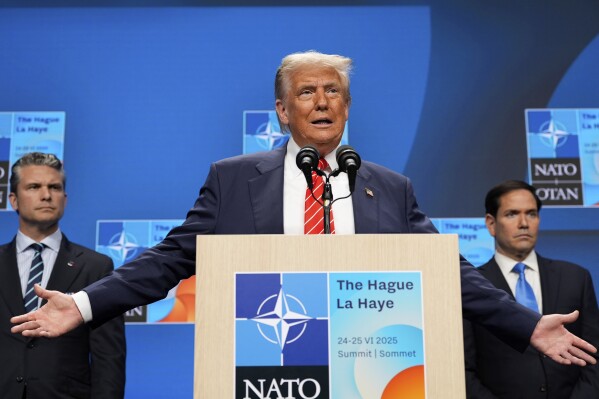
Strategic Council Online – Interview: An international affairs expert stated that, given the Russian threat and the rise of militarism worldwide, European countries have concluded that they must cooperate with the U.S. in establishing a unified European defense shield and strengthening NATO. Consequently, they agreed to a five percent increase in NATO’s budget during the recent summit.
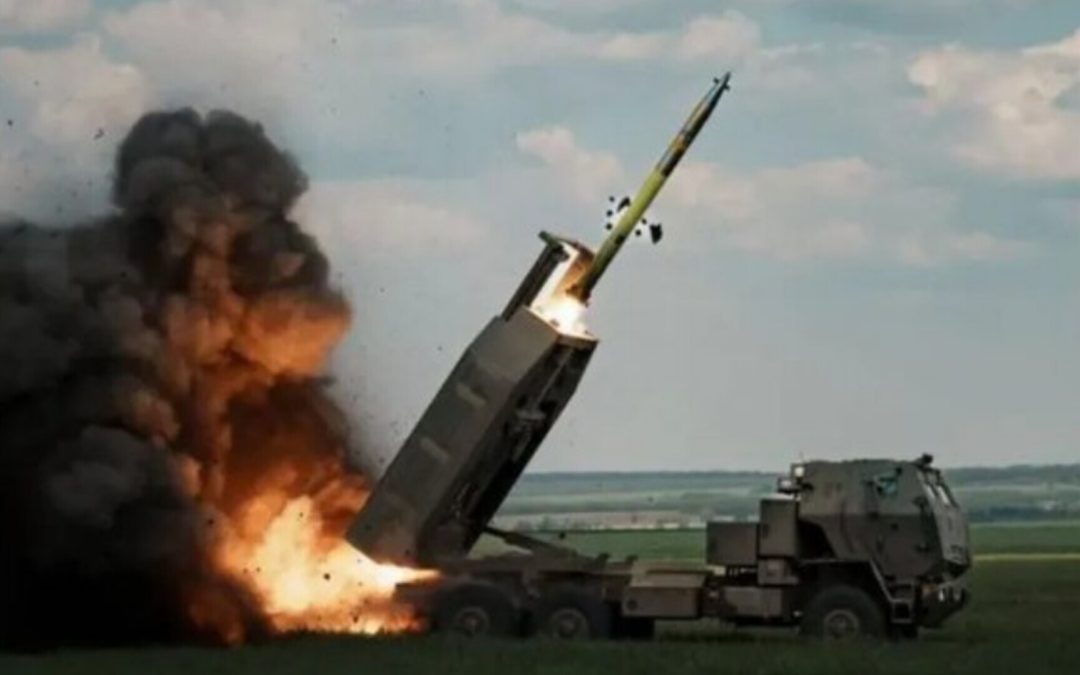
Strategic Council–Online – Interview: A European affairs expert stated that German Chancellor Friedrich Merz recently announced that Western allies would no longer impose any restrictions on Ukraine’s use of long-range weapons against Russian military targets. Following the decision by European countries, the question arises as to why this decision was made at this stage and what consequences it will have.
Strategic Council Online – Interview: While Donald Trump, the President of the United States, was pressuring the parties involved in the Ukraine war to initiate negotiations to end the conflict, Operation Cobweb emerged as an unexpected development that transformed the dynamics of this war. This operation, which led to the destruction of several Russian strategic Tu-22M3 bombers, has raised questions about the future of negotiations, the escalation of tensions, and its strategic implications for Russia’s foreign policy and relations with NATO.
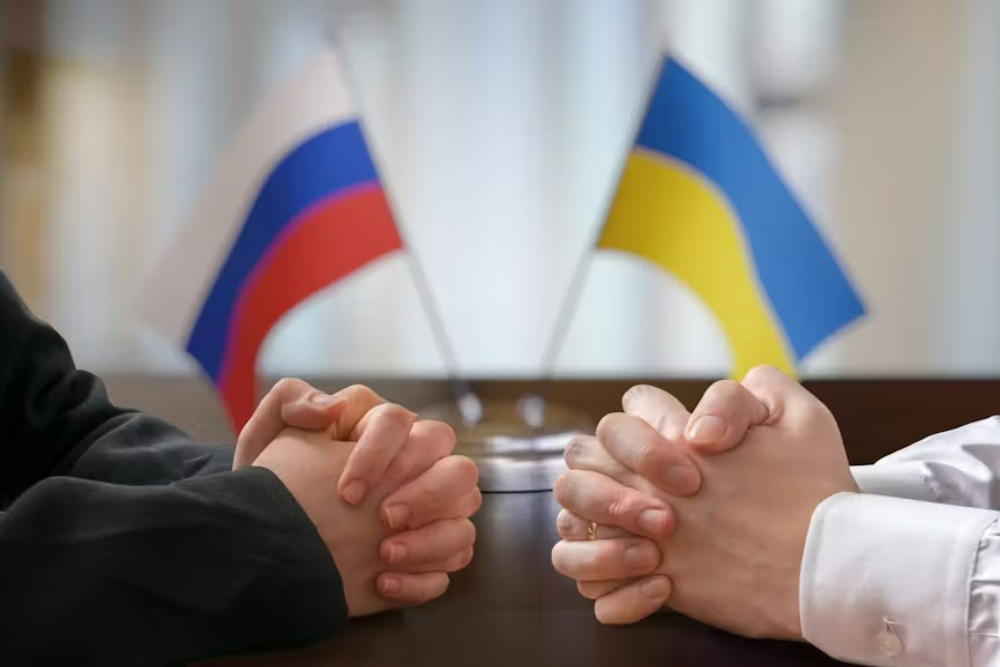
Strategic Council Online – Opinion: Given the suspension of weeks-long negotiations between Russia and the United States regarding ending the war in Ukraine, Donald Trump has effectively failed to end the war in Ukraine within his expected timeframe. This is especially true since Trump’s demands for ending the war caused significant shock among European leaders and the Ukrainian government, effectively disregarding their political and economic interests in these negotiations.
Strategic Council Online—Interview: An international affairs expert said, “Trump’s most important challenge in this period of his presidency for interacting with Russia is the war in Ukraine. It seems that other than Trump, the other parties do not have the necessary preparation, will, and trust to end this war.”
Strategic Council Online – Interview: An expert on European and American issues said Trump is making a tactical and temporary retreat in his new presidential term to strengthen the United States from within so that he can carry out more serious attacks and structural disruptions similar to the issue of Canada’s annexation to the United States in the near future. Therefore, Europe feels extremely threatened.
Strategic Council Online – Opinion: Trump’s return to the White House has confronted Ukraine and its European supporters with important questions: Will the United States continue to provide weapons and financial support to Kiev, or, as Trump claims, will peace prevail in Ukraine-Russia relations? If an agreement is reached to end the war, what will be the fate of Ukraine’s lost territories? Will peace be a lasting agreement, or will it pave the way for another major conflict? These questions have not yet received a clear answer.
Strategic Council Online—Opinion: Over the past three years, Europe has acted during the Ukrainian conflict in a way that has allowed it to pursue disparate policy options, including supporting Ukraine in its conflict with Russia, maintaining the structure of the European security order, and not bringing European military forces into the war. The escalation of military conflicts in Ukraine, the possibility of a reduction in military aid from Washington, and the possibility of a forced ceasefire have placed European governments in a difficult position.
Strategic Council Online – Opinion: A proxy war is when two countries fight each other indirectly by supporting the warring parties. Classic examples from the Cold War era include the Congo crisis in the 1960s and the Angola crisis in the 1970s when the Soviet Union and the United States supported each of the warring sides in a civil war with money, weapons, and sometimes soldiers, but never directly engaged in the war themselves. Accordingly, the approach of the United States and Europe, in the form of NATO and their all-out support for Ukraine, has all the hallmarks of a proxy war against Russia.
Strategic Council Online—Interview: An expert on American affairs said: Although, during Donald Trump’s presidency, the approach to the Chinese threat will be the first issue of American foreign policy, the American public will not support the government in a full-scale economic war with China.
SCFR Online – Opinion: The intensification of U.S. sanctions against Iran on the eve of the U.S. midterm elections indicates Washington’s inability to achieve its war objectives.
SCFR Online – Opinion: The competition between Washington and Beijing over chips and artificial intelligence, simultaneously with the shifting of technological balances, has taken on new economic and security dimensions.
SCFR Online – Opinion: The Shanghai Cooperation Organization summit has created a new opportunity for Iran to transform its membership from a political achievement into economic and transit cooperation.
Strategic Council Online – Note: The Makkah Defense Pact can be seen as a sign of regional countries’ efforts to reduce security dependence on extra-regional powers and redefine the balance in West Asia.
SCFR Online – Opinion: The Ukraine war, by exhausting US military capability on one hand and strengthening European defense capacity on the other, has altered the balance of power in the European continent, cast uncertainty over NATO’s future, and is driving it toward a European NATO.
SCFR Online – Opinion: The dissolution of the SDF, although considered an achievement for Turkey’s security, does not put an end to the challenges arising from the Israeli regime’s aggression and expansionism, refugees, and Syria’s fragility.
SCFR Online – Opinion: Concurrent with the official commencement of the United States’ economic war against our country, focusing on sanctions instruments, isolation, and economic pressure, what has now become increasingly important is the lack of alignment of other major global powers, especially China, with this policy.
SCFR Online – Opinion: The new US sanctions against Iran, despite extensive propaganda, face serious obstacles to success due to the ineffectiveness of sanctions tools and opposition from some of Tehran’s trading partners.
Strategic Council Online – Interview: An international affairs expert stated that, given the Russian threat and the rise of militarism worldwide, European countries have concluded that they must cooperate with the U.S. in establishing a unified European defense shield and strengthening NATO. Consequently, they agreed to a five percent increase in NATO’s budget during the recent summit.
Strategic Council–Online – Interview: A European affairs expert stated that German Chancellor Friedrich Merz recently announced that Western allies would no longer impose any restrictions on Ukraine’s use of long-range weapons against Russian military targets. Following the decision by European countries, the question arises as to why this decision was made at this stage and what consequences it will have.
Strategic Council Online – Interview: While Donald Trump, the President of the United States, was pressuring the parties involved in the Ukraine war to initiate negotiations to end the conflict, Operation Cobweb emerged as an unexpected development that transformed the dynamics of this war. This operation, which led to the destruction of several Russian strategic Tu-22M3 bombers, has raised questions about the future of negotiations, the escalation of tensions, and its strategic implications for Russia’s foreign policy and relations with NATO.
Strategic Council Online – Opinion: Given the suspension of weeks-long negotiations between Russia and the United States regarding ending the war in Ukraine, Donald Trump has effectively failed to end the war in Ukraine within his expected timeframe. This is especially true since Trump’s demands for ending the war caused significant shock among European leaders and the Ukrainian government, effectively disregarding their political and economic interests in these negotiations.
Strategic Council Online—Interview: An international affairs expert said, “Trump’s most important challenge in this period of his presidency for interacting with Russia is the war in Ukraine. It seems that other than Trump, the other parties do not have the necessary preparation, will, and trust to end this war.”
Strategic Council Online – Interview: An expert on European and American issues said Trump is making a tactical and temporary retreat in his new presidential term to strengthen the United States from within so that he can carry out more serious attacks and structural disruptions similar to the issue of Canada’s annexation to the United States in the near future. Therefore, Europe feels extremely threatened.
Strategic Council Online – Opinion: Trump’s return to the White House has confronted Ukraine and its European supporters with important questions: Will the United States continue to provide weapons and financial support to Kiev, or, as Trump claims, will peace prevail in Ukraine-Russia relations? If an agreement is reached to end the war, what will be the fate of Ukraine’s lost territories? Will peace be a lasting agreement, or will it pave the way for another major conflict? These questions have not yet received a clear answer.
Strategic Council Online—Opinion: Over the past three years, Europe has acted during the Ukrainian conflict in a way that has allowed it to pursue disparate policy options, including supporting Ukraine in its conflict with Russia, maintaining the structure of the European security order, and not bringing European military forces into the war. The escalation of military conflicts in Ukraine, the possibility of a reduction in military aid from Washington, and the possibility of a forced ceasefire have placed European governments in a difficult position.
Strategic Council Online – Opinion: A proxy war is when two countries fight each other indirectly by supporting the warring parties. Classic examples from the Cold War era include the Congo crisis in the 1960s and the Angola crisis in the 1970s when the Soviet Union and the United States supported each of the warring sides in a civil war with money, weapons, and sometimes soldiers, but never directly engaged in the war themselves. Accordingly, the approach of the United States and Europe, in the form of NATO and their all-out support for Ukraine, has all the hallmarks of a proxy war against Russia.
Strategic Council Online—Interview: An expert on American affairs said: Although, during Donald Trump’s presidency, the approach to the Chinese threat will be the first issue of American foreign policy, the American public will not support the government in a full-scale economic war with China.
Strategic Council Online – Interview: An international affairs expert stated that, given the Russian threat and the rise of militarism worldwide, European countries have concluded that they must cooperate with the U.S. in establishing a unified European defense shield and strengthening NATO. Consequently, they agreed to a five percent increase in NATO’s budget during the recent summit.
Strategic Council–Online – Interview: A European affairs expert stated that German Chancellor Friedrich Merz recently announced that Western allies would no longer impose any restrictions on Ukraine’s use of long-range weapons against Russian military targets. Following the decision by European countries, the question arises as to why this decision was made at this stage and what consequences it will have.
Strategic Council Online – Interview: While Donald Trump, the President of the United States, was pressuring the parties involved in the Ukraine war to initiate negotiations to end the conflict, Operation Cobweb emerged as an unexpected development that transformed the dynamics of this war. This operation, which led to the destruction of several Russian strategic Tu-22M3 bombers, has raised questions about the future of negotiations, the escalation of tensions, and its strategic implications for Russia’s foreign policy and relations with NATO.
Strategic Council Online – Opinion: Given the suspension of weeks-long negotiations between Russia and the United States regarding ending the war in Ukraine, Donald Trump has effectively failed to end the war in Ukraine within his expected timeframe. This is especially true since Trump’s demands for ending the war caused significant shock among European leaders and the Ukrainian government, effectively disregarding their political and economic interests in these negotiations.
Strategic Council Online—Interview: An international affairs expert said, “Trump’s most important challenge in this period of his presidency for interacting with Russia is the war in Ukraine. It seems that other than Trump, the other parties do not have the necessary preparation, will, and trust to end this war.”
Strategic Council Online – Interview: An expert on European and American issues said Trump is making a tactical and temporary retreat in his new presidential term to strengthen the United States from within so that he can carry out more serious attacks and structural disruptions similar to the issue of Canada’s annexation to the United States in the near future. Therefore, Europe feels extremely threatened.
Strategic Council Online – Opinion: Trump’s return to the White House has confronted Ukraine and its European supporters with important questions: Will the United States continue to provide weapons and financial support to Kiev, or, as Trump claims, will peace prevail in Ukraine-Russia relations? If an agreement is reached to end the war, what will be the fate of Ukraine’s lost territories? Will peace be a lasting agreement, or will it pave the way for another major conflict? These questions have not yet received a clear answer.
Strategic Council Online—Opinion: Over the past three years, Europe has acted during the Ukrainian conflict in a way that has allowed it to pursue disparate policy options, including supporting Ukraine in its conflict with Russia, maintaining the structure of the European security order, and not bringing European military forces into the war. The escalation of military conflicts in Ukraine, the possibility of a reduction in military aid from Washington, and the possibility of a forced ceasefire have placed European governments in a difficult position.
Strategic Council Online – Opinion: A proxy war is when two countries fight each other indirectly by supporting the warring parties. Classic examples from the Cold War era include the Congo crisis in the 1960s and the Angola crisis in the 1970s when the Soviet Union and the United States supported each of the warring sides in a civil war with money, weapons, and sometimes soldiers, but never directly engaged in the war themselves. Accordingly, the approach of the United States and Europe, in the form of NATO and their all-out support for Ukraine, has all the hallmarks of a proxy war against Russia.
Strategic Council Online—Interview: An expert on American affairs said: Although, during Donald Trump’s presidency, the approach to the Chinese threat will be the first issue of American foreign policy, the American public will not support the government in a full-scale economic war with China.
SCFR Online – Opinion: The intensification of U.S. sanctions against Iran on the eve of the U.S. midterm elections indicates Washington’s inability to achieve its war objectives.
SCFR Online – Opinion: The competition between Washington and Beijing over chips and artificial intelligence, simultaneously with the shifting of technological balances, has taken on new economic and security dimensions.
SCFR Online – Opinion: The Shanghai Cooperation Organization summit has created a new opportunity for Iran to transform its membership from a political achievement into economic and transit cooperation.
Strategic Council Online – Note: The Makkah Defense Pact can be seen as a sign of regional countries’ efforts to reduce security dependence on extra-regional powers and redefine the balance in West Asia.
SCFR Online – Opinion: The Ukraine war, by exhausting US military capability on one hand and strengthening European defense capacity on the other, has altered the balance of power in the European continent, cast uncertainty over NATO’s future, and is driving it toward a European NATO.
SCFR Online – Opinion: The dissolution of the SDF, although considered an achievement for Turkey’s security, does not put an end to the challenges arising from the Israeli regime’s aggression and expansionism, refugees, and Syria’s fragility.
SCFR Online – Opinion: Concurrent with the official commencement of the United States’ economic war against our country, focusing on sanctions instruments, isolation, and economic pressure, what has now become increasingly important is the lack of alignment of other major global powers, especially China, with this policy.
SCFR Online – Opinion: The new US sanctions against Iran, despite extensive propaganda, face serious obstacles to success due to the ineffectiveness of sanctions tools and opposition from some of Tehran’s trading partners.
Strategic Council Online – Interview: An international affairs expert stated that, given the Russian threat and the rise of militarism worldwide, European countries have concluded that they must cooperate with the U.S. in establishing a unified European defense shield and strengthening NATO. Consequently, they agreed to a five percent increase in NATO’s budget during the recent summit.
Strategic Council–Online – Interview: A European affairs expert stated that German Chancellor Friedrich Merz recently announced that Western allies would no longer impose any restrictions on Ukraine’s use of long-range weapons against Russian military targets. Following the decision by European countries, the question arises as to why this decision was made at this stage and what consequences it will have.
Strategic Council Online – Interview: While Donald Trump, the President of the United States, was pressuring the parties involved in the Ukraine war to initiate negotiations to end the conflict, Operation Cobweb emerged as an unexpected development that transformed the dynamics of this war. This operation, which led to the destruction of several Russian strategic Tu-22M3 bombers, has raised questions about the future of negotiations, the escalation of tensions, and its strategic implications for Russia’s foreign policy and relations with NATO.
Strategic Council Online – Opinion: Given the suspension of weeks-long negotiations between Russia and the United States regarding ending the war in Ukraine, Donald Trump has effectively failed to end the war in Ukraine within his expected timeframe. This is especially true since Trump’s demands for ending the war caused significant shock among European leaders and the Ukrainian government, effectively disregarding their political and economic interests in these negotiations.
Strategic Council Online—Interview: An international affairs expert said, “Trump’s most important challenge in this period of his presidency for interacting with Russia is the war in Ukraine. It seems that other than Trump, the other parties do not have the necessary preparation, will, and trust to end this war.”
Strategic Council Online – Interview: An expert on European and American issues said Trump is making a tactical and temporary retreat in his new presidential term to strengthen the United States from within so that he can carry out more serious attacks and structural disruptions similar to the issue of Canada’s annexation to the United States in the near future. Therefore, Europe feels extremely threatened.
Strategic Council Online – Opinion: Trump’s return to the White House has confronted Ukraine and its European supporters with important questions: Will the United States continue to provide weapons and financial support to Kiev, or, as Trump claims, will peace prevail in Ukraine-Russia relations? If an agreement is reached to end the war, what will be the fate of Ukraine’s lost territories? Will peace be a lasting agreement, or will it pave the way for another major conflict? These questions have not yet received a clear answer.
Strategic Council Online—Opinion: Over the past three years, Europe has acted during the Ukrainian conflict in a way that has allowed it to pursue disparate policy options, including supporting Ukraine in its conflict with Russia, maintaining the structure of the European security order, and not bringing European military forces into the war. The escalation of military conflicts in Ukraine, the possibility of a reduction in military aid from Washington, and the possibility of a forced ceasefire have placed European governments in a difficult position.
Strategic Council Online – Opinion: A proxy war is when two countries fight each other indirectly by supporting the warring parties. Classic examples from the Cold War era include the Congo crisis in the 1960s and the Angola crisis in the 1970s when the Soviet Union and the United States supported each of the warring sides in a civil war with money, weapons, and sometimes soldiers, but never directly engaged in the war themselves. Accordingly, the approach of the United States and Europe, in the form of NATO and their all-out support for Ukraine, has all the hallmarks of a proxy war against Russia.
Strategic Council Online—Interview: An expert on American affairs said: Although, during Donald Trump’s presidency, the approach to the Chinese threat will be the first issue of American foreign policy, the American public will not support the government in a full-scale economic war with China.
SCFR Online – Opinion: The intensification of U.S. sanctions against Iran on the eve of the U.S. midterm elections indicates Washington’s inability to achieve its war objectives.
SCFR Online – Opinion: The competition between Washington and Beijing over chips and artificial intelligence, simultaneously with the shifting of technological balances, has taken on new economic and security dimensions.
SCFR Online – Opinion: The Shanghai Cooperation Organization summit has created a new opportunity for Iran to transform its membership from a political achievement into economic and transit cooperation.
Strategic Council Online – Note: The Makkah Defense Pact can be seen as a sign of regional countries’ efforts to reduce security dependence on extra-regional powers and redefine the balance in West Asia.
SCFR Online – Opinion: The Ukraine war, by exhausting US military capability on one hand and strengthening European defense capacity on the other, has altered the balance of power in the European continent, cast uncertainty over NATO’s future, and is driving it toward a European NATO.
SCFR Online – Opinion: The dissolution of the SDF, although considered an achievement for Turkey’s security, does not put an end to the challenges arising from the Israeli regime’s aggression and expansionism, refugees, and Syria’s fragility.
SCFR Online – Opinion: Concurrent with the official commencement of the United States’ economic war against our country, focusing on sanctions instruments, isolation, and economic pressure, what has now become increasingly important is the lack of alignment of other major global powers, especially China, with this policy.
SCFR Online – Opinion: The new US sanctions against Iran, despite extensive propaganda, face serious obstacles to success due to the ineffectiveness of sanctions tools and opposition from some of Tehran’s trading partners.
Strategic Council Online – Interview: An international affairs expert stated that, given the Russian threat and the rise of militarism worldwide, European countries have concluded that they must cooperate with the U.S. in establishing a unified European defense shield and strengthening NATO. Consequently, they agreed to a five percent increase in NATO’s budget during the recent summit.
Strategic Council–Online – Interview: A European affairs expert stated that German Chancellor Friedrich Merz recently announced that Western allies would no longer impose any restrictions on Ukraine’s use of long-range weapons against Russian military targets. Following the decision by European countries, the question arises as to why this decision was made at this stage and what consequences it will have.
Strategic Council Online – Interview: While Donald Trump, the President of the United States, was pressuring the parties involved in the Ukraine war to initiate negotiations to end the conflict, Operation Cobweb emerged as an unexpected development that transformed the dynamics of this war. This operation, which led to the destruction of several Russian strategic Tu-22M3 bombers, has raised questions about the future of negotiations, the escalation of tensions, and its strategic implications for Russia’s foreign policy and relations with NATO.
Strategic Council Online – Opinion: Given the suspension of weeks-long negotiations between Russia and the United States regarding ending the war in Ukraine, Donald Trump has effectively failed to end the war in Ukraine within his expected timeframe. This is especially true since Trump’s demands for ending the war caused significant shock among European leaders and the Ukrainian government, effectively disregarding their political and economic interests in these negotiations.
Strategic Council Online—Interview: An international affairs expert said, “Trump’s most important challenge in this period of his presidency for interacting with Russia is the war in Ukraine. It seems that other than Trump, the other parties do not have the necessary preparation, will, and trust to end this war.”
Strategic Council Online – Interview: An expert on European and American issues said Trump is making a tactical and temporary retreat in his new presidential term to strengthen the United States from within so that he can carry out more serious attacks and structural disruptions similar to the issue of Canada’s annexation to the United States in the near future. Therefore, Europe feels extremely threatened.
Strategic Council Online – Opinion: Trump’s return to the White House has confronted Ukraine and its European supporters with important questions: Will the United States continue to provide weapons and financial support to Kiev, or, as Trump claims, will peace prevail in Ukraine-Russia relations? If an agreement is reached to end the war, what will be the fate of Ukraine’s lost territories? Will peace be a lasting agreement, or will it pave the way for another major conflict? These questions have not yet received a clear answer.
Strategic Council Online—Opinion: Over the past three years, Europe has acted during the Ukrainian conflict in a way that has allowed it to pursue disparate policy options, including supporting Ukraine in its conflict with Russia, maintaining the structure of the European security order, and not bringing European military forces into the war. The escalation of military conflicts in Ukraine, the possibility of a reduction in military aid from Washington, and the possibility of a forced ceasefire have placed European governments in a difficult position.
Strategic Council Online – Opinion: A proxy war is when two countries fight each other indirectly by supporting the warring parties. Classic examples from the Cold War era include the Congo crisis in the 1960s and the Angola crisis in the 1970s when the Soviet Union and the United States supported each of the warring sides in a civil war with money, weapons, and sometimes soldiers, but never directly engaged in the war themselves. Accordingly, the approach of the United States and Europe, in the form of NATO and their all-out support for Ukraine, has all the hallmarks of a proxy war against Russia.
Strategic Council Online—Interview: An expert on American affairs said: Although, during Donald Trump’s presidency, the approach to the Chinese threat will be the first issue of American foreign policy, the American public will not support the government in a full-scale economic war with China.
SCFR Online – Opinion: The intensification of U.S. sanctions against Iran on the eve of the U.S. midterm elections indicates Washington’s inability to achieve its war objectives.
SCFR Online – Opinion: The competition between Washington and Beijing over chips and artificial intelligence, simultaneously with the shifting of technological balances, has taken on new economic and security dimensions.
SCFR Online – Opinion: The Shanghai Cooperation Organization summit has created a new opportunity for Iran to transform its membership from a political achievement into economic and transit cooperation.
Strategic Council Online – Note: The Makkah Defense Pact can be seen as a sign of regional countries’ efforts to reduce security dependence on extra-regional powers and redefine the balance in West Asia.
SCFR Online – Opinion: The Ukraine war, by exhausting US military capability on one hand and strengthening European defense capacity on the other, has altered the balance of power in the European continent, cast uncertainty over NATO’s future, and is driving it toward a European NATO.
SCFR Online – Opinion: The dissolution of the SDF, although considered an achievement for Turkey’s security, does not put an end to the challenges arising from the Israeli regime’s aggression and expansionism, refugees, and Syria’s fragility.
SCFR Online – Opinion: Concurrent with the official commencement of the United States’ economic war against our country, focusing on sanctions instruments, isolation, and economic pressure, what has now become increasingly important is the lack of alignment of other major global powers, especially China, with this policy.
SCFR Online – Opinion: The new US sanctions against Iran, despite extensive propaganda, face serious obstacles to success due to the ineffectiveness of sanctions tools and opposition from some of Tehran’s trading partners.
Strategic Council Online – Interview: An international affairs expert stated that, given the Russian threat and the rise of militarism worldwide, European countries have concluded that they must cooperate with the U.S. in establishing a unified European defense shield and strengthening NATO. Consequently, they agreed to a five percent increase in NATO’s budget during the recent summit.
Strategic Council–Online – Interview: A European affairs expert stated that German Chancellor Friedrich Merz recently announced that Western allies would no longer impose any restrictions on Ukraine’s use of long-range weapons against Russian military targets. Following the decision by European countries, the question arises as to why this decision was made at this stage and what consequences it will have.
Strategic Council Online – Interview: While Donald Trump, the President of the United States, was pressuring the parties involved in the Ukraine war to initiate negotiations to end the conflict, Operation Cobweb emerged as an unexpected development that transformed the dynamics of this war. This operation, which led to the destruction of several Russian strategic Tu-22M3 bombers, has raised questions about the future of negotiations, the escalation of tensions, and its strategic implications for Russia’s foreign policy and relations with NATO.
Strategic Council Online – Opinion: Given the suspension of weeks-long negotiations between Russia and the United States regarding ending the war in Ukraine, Donald Trump has effectively failed to end the war in Ukraine within his expected timeframe. This is especially true since Trump’s demands for ending the war caused significant shock among European leaders and the Ukrainian government, effectively disregarding their political and economic interests in these negotiations.
Strategic Council Online—Interview: An international affairs expert said, “Trump’s most important challenge in this period of his presidency for interacting with Russia is the war in Ukraine. It seems that other than Trump, the other parties do not have the necessary preparation, will, and trust to end this war.”
Strategic Council Online – Interview: An expert on European and American issues said Trump is making a tactical and temporary retreat in his new presidential term to strengthen the United States from within so that he can carry out more serious attacks and structural disruptions similar to the issue of Canada’s annexation to the United States in the near future. Therefore, Europe feels extremely threatened.
Strategic Council Online – Opinion: Trump’s return to the White House has confronted Ukraine and its European supporters with important questions: Will the United States continue to provide weapons and financial support to Kiev, or, as Trump claims, will peace prevail in Ukraine-Russia relations? If an agreement is reached to end the war, what will be the fate of Ukraine’s lost territories? Will peace be a lasting agreement, or will it pave the way for another major conflict? These questions have not yet received a clear answer.
Strategic Council Online—Opinion: Over the past three years, Europe has acted during the Ukrainian conflict in a way that has allowed it to pursue disparate policy options, including supporting Ukraine in its conflict with Russia, maintaining the structure of the European security order, and not bringing European military forces into the war. The escalation of military conflicts in Ukraine, the possibility of a reduction in military aid from Washington, and the possibility of a forced ceasefire have placed European governments in a difficult position.
Strategic Council Online – Opinion: A proxy war is when two countries fight each other indirectly by supporting the warring parties. Classic examples from the Cold War era include the Congo crisis in the 1960s and the Angola crisis in the 1970s when the Soviet Union and the United States supported each of the warring sides in a civil war with money, weapons, and sometimes soldiers, but never directly engaged in the war themselves. Accordingly, the approach of the United States and Europe, in the form of NATO and their all-out support for Ukraine, has all the hallmarks of a proxy war against Russia.
Strategic Council Online—Interview: An expert on American affairs said: Although, during Donald Trump’s presidency, the approach to the Chinese threat will be the first issue of American foreign policy, the American public will not support the government in a full-scale economic war with China.
SCFR Online – Opinion: The intensification of U.S. sanctions against Iran on the eve of the U.S. midterm elections indicates Washington’s inability to achieve its war objectives.
SCFR Online – Opinion: The competition between Washington and Beijing over chips and artificial intelligence, simultaneously with the shifting of technological balances, has taken on new economic and security dimensions.
SCFR Online – Opinion: The Shanghai Cooperation Organization summit has created a new opportunity for Iran to transform its membership from a political achievement into economic and transit cooperation.
Strategic Council Online – Note: The Makkah Defense Pact can be seen as a sign of regional countries’ efforts to reduce security dependence on extra-regional powers and redefine the balance in West Asia.
SCFR Online – Opinion: The Ukraine war, by exhausting US military capability on one hand and strengthening European defense capacity on the other, has altered the balance of power in the European continent, cast uncertainty over NATO’s future, and is driving it toward a European NATO.
SCFR Online – Opinion: The dissolution of the SDF, although considered an achievement for Turkey’s security, does not put an end to the challenges arising from the Israeli regime’s aggression and expansionism, refugees, and Syria’s fragility.
SCFR Online – Opinion: Concurrent with the official commencement of the United States’ economic war against our country, focusing on sanctions instruments, isolation, and economic pressure, what has now become increasingly important is the lack of alignment of other major global powers, especially China, with this policy.
SCFR Online – Opinion: The new US sanctions against Iran, despite extensive propaganda, face serious obstacles to success due to the ineffectiveness of sanctions tools and opposition from some of Tehran’s trading partners.
Strategic Council Online – Interview: An international affairs expert stated that, given the Russian threat and the rise of militarism worldwide, European countries have concluded that they must cooperate with the U.S. in establishing a unified European defense shield and strengthening NATO. Consequently, they agreed to a five percent increase in NATO’s budget during the recent summit.
Strategic Council–Online – Interview: A European affairs expert stated that German Chancellor Friedrich Merz recently announced that Western allies would no longer impose any restrictions on Ukraine’s use of long-range weapons against Russian military targets. Following the decision by European countries, the question arises as to why this decision was made at this stage and what consequences it will have.
Strategic Council Online – Interview: While Donald Trump, the President of the United States, was pressuring the parties involved in the Ukraine war to initiate negotiations to end the conflict, Operation Cobweb emerged as an unexpected development that transformed the dynamics of this war. This operation, which led to the destruction of several Russian strategic Tu-22M3 bombers, has raised questions about the future of negotiations, the escalation of tensions, and its strategic implications for Russia’s foreign policy and relations with NATO.
Strategic Council Online – Opinion: Given the suspension of weeks-long negotiations between Russia and the United States regarding ending the war in Ukraine, Donald Trump has effectively failed to end the war in Ukraine within his expected timeframe. This is especially true since Trump’s demands for ending the war caused significant shock among European leaders and the Ukrainian government, effectively disregarding their political and economic interests in these negotiations.
Strategic Council Online—Interview: An international affairs expert said, “Trump’s most important challenge in this period of his presidency for interacting with Russia is the war in Ukraine. It seems that other than Trump, the other parties do not have the necessary preparation, will, and trust to end this war.”
Strategic Council Online – Interview: An expert on European and American issues said Trump is making a tactical and temporary retreat in his new presidential term to strengthen the United States from within so that he can carry out more serious attacks and structural disruptions similar to the issue of Canada’s annexation to the United States in the near future. Therefore, Europe feels extremely threatened.
Strategic Council Online – Opinion: Trump’s return to the White House has confronted Ukraine and its European supporters with important questions: Will the United States continue to provide weapons and financial support to Kiev, or, as Trump claims, will peace prevail in Ukraine-Russia relations? If an agreement is reached to end the war, what will be the fate of Ukraine’s lost territories? Will peace be a lasting agreement, or will it pave the way for another major conflict? These questions have not yet received a clear answer.
Strategic Council Online—Opinion: Over the past three years, Europe has acted during the Ukrainian conflict in a way that has allowed it to pursue disparate policy options, including supporting Ukraine in its conflict with Russia, maintaining the structure of the European security order, and not bringing European military forces into the war. The escalation of military conflicts in Ukraine, the possibility of a reduction in military aid from Washington, and the possibility of a forced ceasefire have placed European governments in a difficult position.
Strategic Council Online – Opinion: A proxy war is when two countries fight each other indirectly by supporting the warring parties. Classic examples from the Cold War era include the Congo crisis in the 1960s and the Angola crisis in the 1970s when the Soviet Union and the United States supported each of the warring sides in a civil war with money, weapons, and sometimes soldiers, but never directly engaged in the war themselves. Accordingly, the approach of the United States and Europe, in the form of NATO and their all-out support for Ukraine, has all the hallmarks of a proxy war against Russia.
Strategic Council Online—Interview: An expert on American affairs said: Although, during Donald Trump’s presidency, the approach to the Chinese threat will be the first issue of American foreign policy, the American public will not support the government in a full-scale economic war with China.
SCFR Online – Opinion: The intensification of U.S. sanctions against Iran on the eve of the U.S. midterm elections indicates Washington’s inability to achieve its war objectives.
SCFR Online – Opinion: The competition between Washington and Beijing over chips and artificial intelligence, simultaneously with the shifting of technological balances, has taken on new economic and security dimensions.
SCFR Online – Opinion: The Shanghai Cooperation Organization summit has created a new opportunity for Iran to transform its membership from a political achievement into economic and transit cooperation.
Strategic Council Online – Note: The Makkah Defense Pact can be seen as a sign of regional countries’ efforts to reduce security dependence on extra-regional powers and redefine the balance in West Asia.
SCFR Online – Opinion: The Ukraine war, by exhausting US military capability on one hand and strengthening European defense capacity on the other, has altered the balance of power in the European continent, cast uncertainty over NATO’s future, and is driving it toward a European NATO.
SCFR Online – Opinion: The dissolution of the SDF, although considered an achievement for Turkey’s security, does not put an end to the challenges arising from the Israeli regime’s aggression and expansionism, refugees, and Syria’s fragility.
SCFR Online – Opinion: Concurrent with the official commencement of the United States’ economic war against our country, focusing on sanctions instruments, isolation, and economic pressure, what has now become increasingly important is the lack of alignment of other major global powers, especially China, with this policy.
SCFR Online – Opinion: The new US sanctions against Iran, despite extensive propaganda, face serious obstacles to success due to the ineffectiveness of sanctions tools and opposition from some of Tehran’s trading partners.